

I spill travel tips , and show you the Japan that tourists usually miss.
Rain in Nagoya does not have to mean surrendering the day to the hotel room.
In fact, Nagoya is unusually good at indoor sightseeing. You have one of Japan’s best science museums, enormous aquariums, real Shinkansen trains, hands-on industrial museums, planetariums, covered shopping streets, and enough underground passages around Nagoya Station to lose an entire family before lunch.
If you are looking for things to do in Nagoya rainy day with kids, these are the places we would put at the top of the list.
Some are completely indoors. Others work best in light rain because you will still spend a little time outside. We have separated them so you can pick according to how determined the weather is to ruin your plans.
Keep Planning Your Family Trip to Nagoya
Rain or shine, there is plenty more to do in Nagoya. These guides will help you plan the rest of your family trip:
Quick Guide: Nagoya rainy day with kids
If you just need a quick answer:
- Best overall: Nagoya City Science Museum
- Best for train-loving kids: SCMAGLEV and Railway Park
- Best for animal lovers: Port of Nagoya Public Aquarium
- Best for engineering and older kids: Toyota Commemorative Museum of Industry and Technology
- Best for younger LEGO fans: SEA LIFE Nagoya
- Best quiet activity: Konica Minolta Planetarium Manten NAGOYA
- Best free-ish backup plan: Nagoya Station underground shopping areas
- Best covered neighborhood: Osu Shopping Street
- Best for teenagers and art-loving families: Yamazaki Mazak Museum
If the rain is heavy, we would choose one major attraction in the morning, lunch nearby, and one easy afternoon activity rather than crossing Nagoya repeatedly.
Nagoya rainy day with kids Activities
1. Nagoya City Science Museum
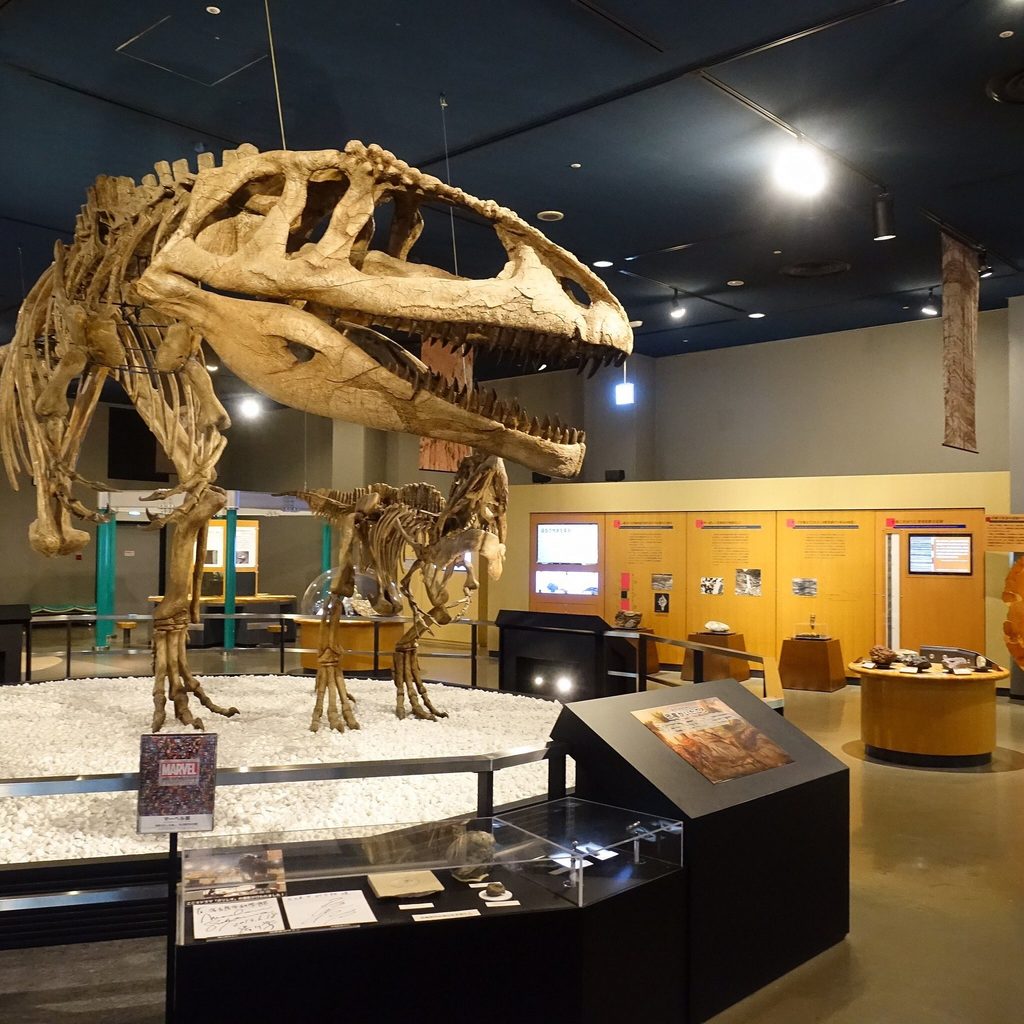
If we had to choose just one rainy-day attraction in Nagoya for school-age children, this would probably be it.
The Nagoya City Science Museum is built around hands-on science rather than endless display cases, which makes it much easier to sell to children who have already reached their museum limit.
There are interactive exhibits covering subjects such as physics, astronomy, technology, electricity, and natural science. The museum is also famous for its enormous planetarium dome.
A rainy morning can disappear remarkably quickly here.
This is particularly good for children who like experiments, space, engineering, or pressing buttons to find out what happens.
Best for: School-age children, science fans, teenagers.
Time needed: Around 3–5 hours.
Access: Around a 5-minute walk from Exit 5 of Fushimi Subway Station.
Rainy-day advantage: Almost the entire experience is indoors.
Family tip: If the planetarium is important to you, check ticket arrangements before arriving. Popular programs can be more difficult to access than the general museum.
2. SCMAGLEV and Railway Park
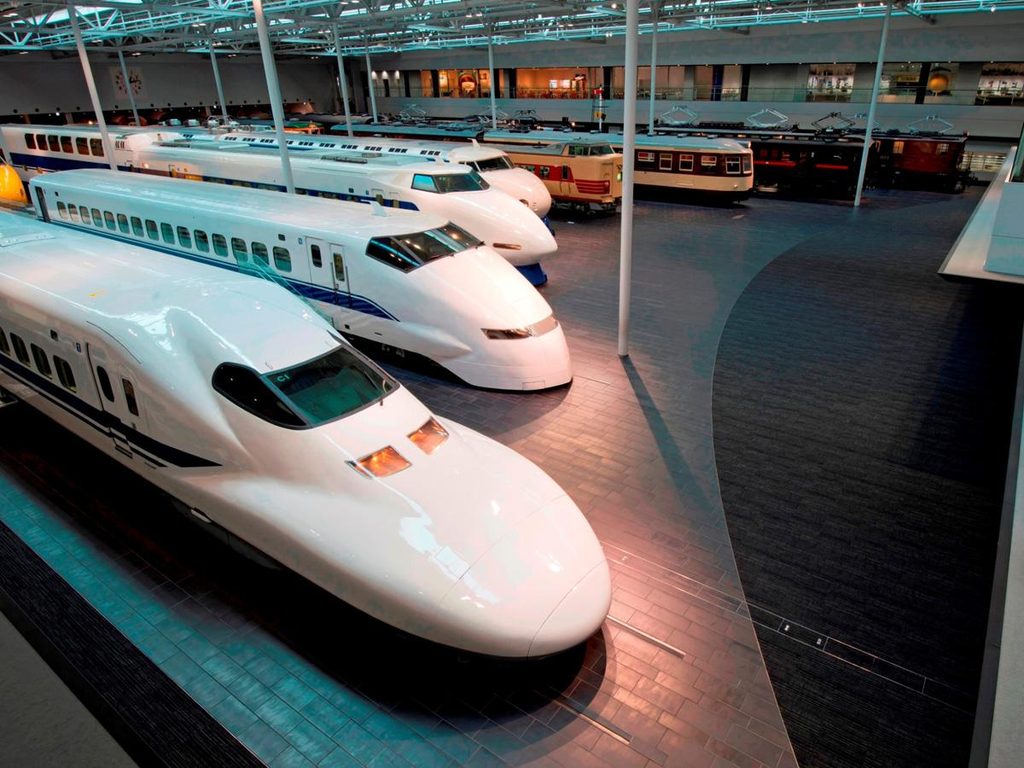
For a child who loves trains, there is a strong chance this will beat almost anything else you planned in Nagoya.
SCMAGLEV and Railway Park brings together real railway vehicles ranging from steam locomotives to Shinkansen bullet trains and superconducting maglev technology.
Rather than looking at small models, children can stand next to the actual trains and see how Japanese rail technology developed over time.
There are also interactive areas and railway simulators, including Shinkansen driving experiences. Some simulator activities require an additional fee and may have separate participation arrangements.
This is one of those museums that works surprisingly well across generations. Children get enormous trains and simulators; adults get a much deeper look at Japan’s railway history and engineering.
Best for: Train fans, engineering-minded kids, teenagers.
Time needed: Around 2.5–4 hours.
Access: Around a 2-minute walk from Kinjo-futo Station on the Aonami Line.
Rainy-day advantage: Primarily indoors, with very little walking outside once you reach Kinjo-futo.
Planning tip: You can combine this with SEA LIFE Nagoya because both are in the Kinjo-futo area.
3. Port of Nagoya Public Aquarium
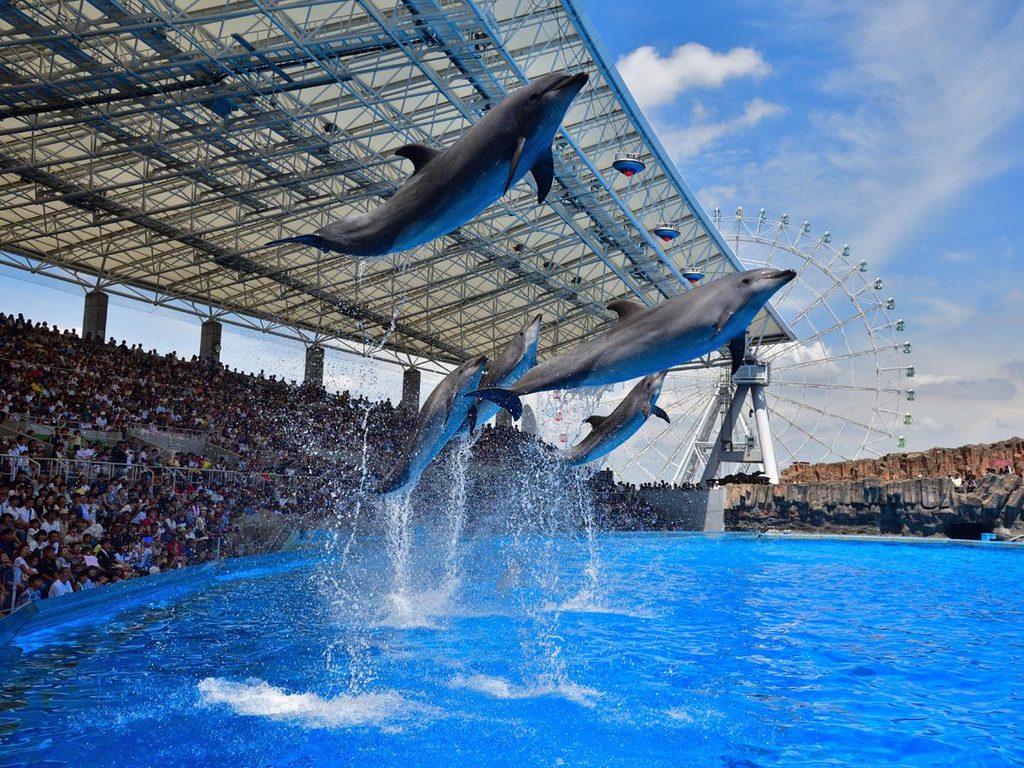
For animals rather than machines, head to the Port of Nagoya Public Aquarium.
This is one of the most substantial family attractions in Nagoya and easily fills several hours when the weather outside is miserable.
The aquarium is known for large marine mammals, including orcas, dolphins, and belugas, alongside jellyfish, fish, and large-scale aquatic displays.
One particularly memorable exhibit is the enormous school of sardines moving together through the tank, while the dolphin performances are another major attraction for families.
Because there is so much to see indoors, this is a good option when the forecast shows persistent rain rather than a short afternoon shower.
Best for: All ages, animal lovers, younger children.
Time needed: Around 3–5 hours.
Access: Around a 5-minute walk from Exit 3 of Nagoyako Station.
Rainy-day advantage: Most of the main aquarium experience is indoors.
Family tip: Give this attraction enough time. Trying to squeeze it into a two-hour gap does not really make sense.
4. Toyota Commemorative Museum of Industry and Technology
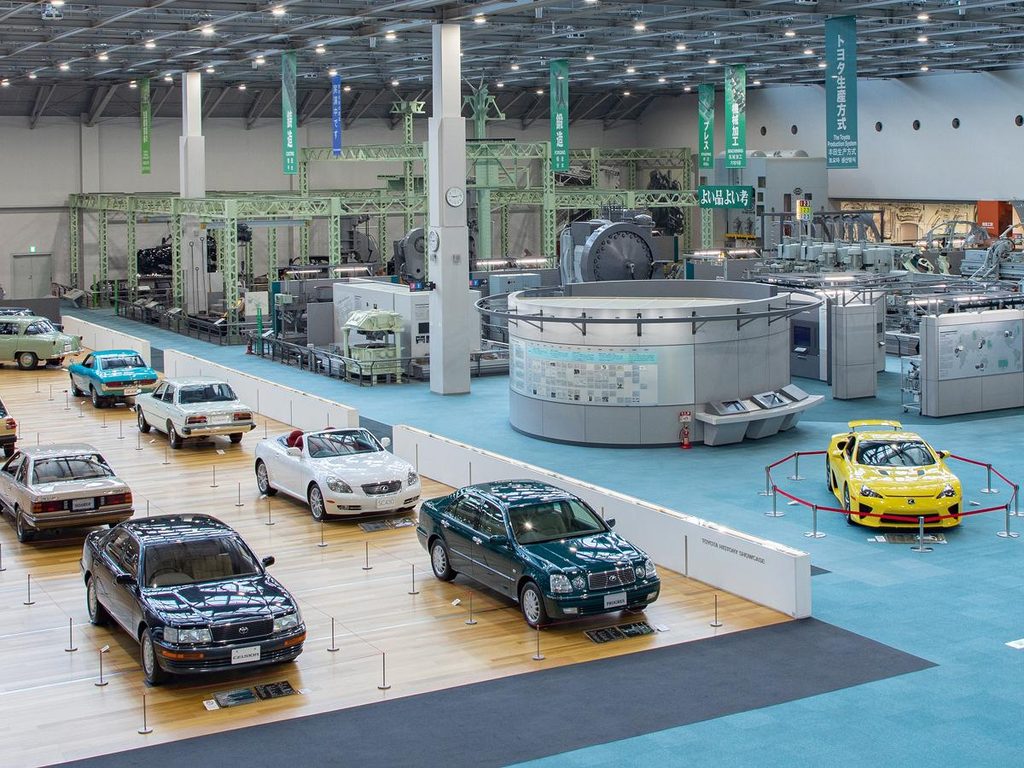
Nagoya and Toyota are closely connected, so this is more than a random car museum.
The Toyota Commemorative Museum of Industry and Technology explains how Toyota developed from textile machinery into one of the world’s most recognizable automobile manufacturers.
You can see real machinery, demonstrations, manufacturing technology, engines, vehicles, and the evolution of industrial production.
The historic factory buildings also make the museum more atmospheric than a typical technology exhibition.
For younger children, some of the technical explanations may be too detailed. For curious primary-school children and teenagers who like machines, cars, engineering, or how things work, it can be excellent.
Best for: Older children, teenagers, engineering fans, car enthusiasts.
Time needed: Around 2–3 hours.
Access: The Nagoya sightseeing bus Me-guru stops directly outside the museum.
Rainy-day advantage: Using Me-guru reduces the amount of walking through bad weather.
Family tip: This is a particularly good choice if your child enjoys LEGO Technic, robotics, vehicles, or mechanical systems.
5. SEA LIFE Nagoya
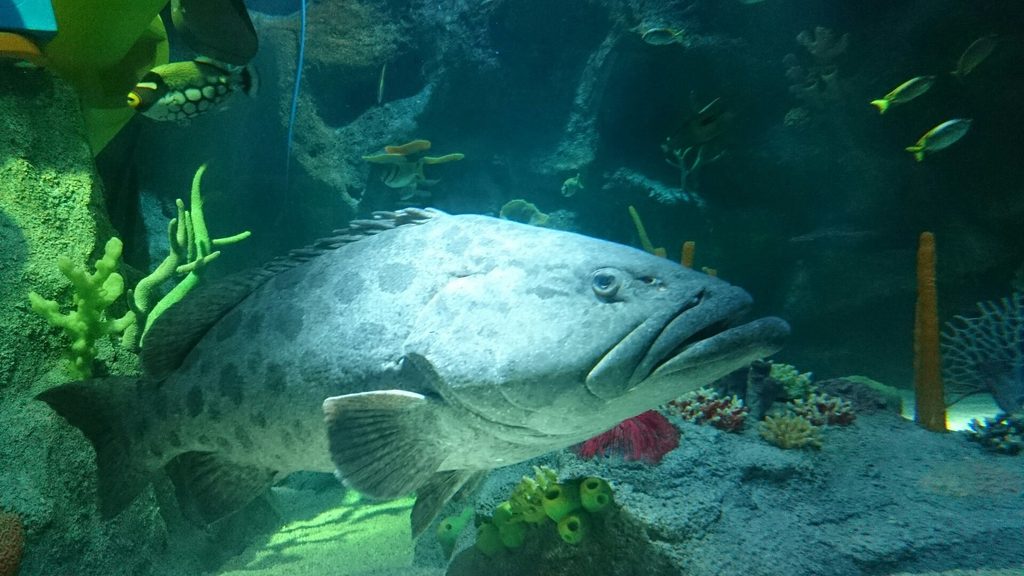
If your children are younger, SEA LIFE Nagoya offers a smaller and more interactive aquarium experience.
The attraction combines marine life with LEGO displays, using dozens of LEGO models alongside thousands of sea creatures.
Children can learn about marine environments through hands-on exhibits, and the attraction includes interactive elements such as touch pools and feeding-related activities.
There is also an educational focus on conservation, including local marine environments in Aichi Prefecture and sea turtle protection.
It is not a replacement for the much larger Port of Nagoya Public Aquarium. Think of it as a more compact attraction aimed particularly well at families with younger children.
Best for: Toddlers, preschoolers, primary-school children and LEGO fans.
Time needed: Around 1.5–2.5 hours.
Access: Right beside Kinjo-futo Station.
Rainy-day advantage: Indoor and easy to combine with other Kinjo-futo attractions.
Good combination: SEA LIFE Nagoya + SCMAGLEV and Railway Park makes a very strong rainy-day itinerary.
6. Konica Minolta Planetarium Manten NAGOYA
Sometimes the best rainy-day activity is one where nobody has to walk anywhere for an hour.
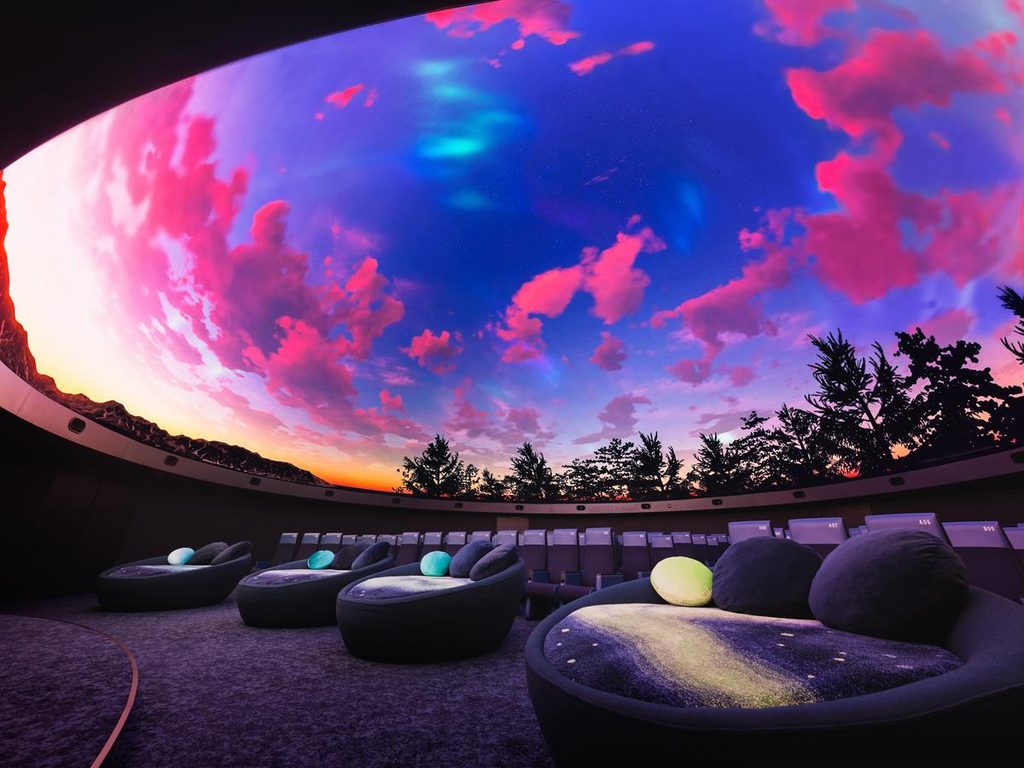
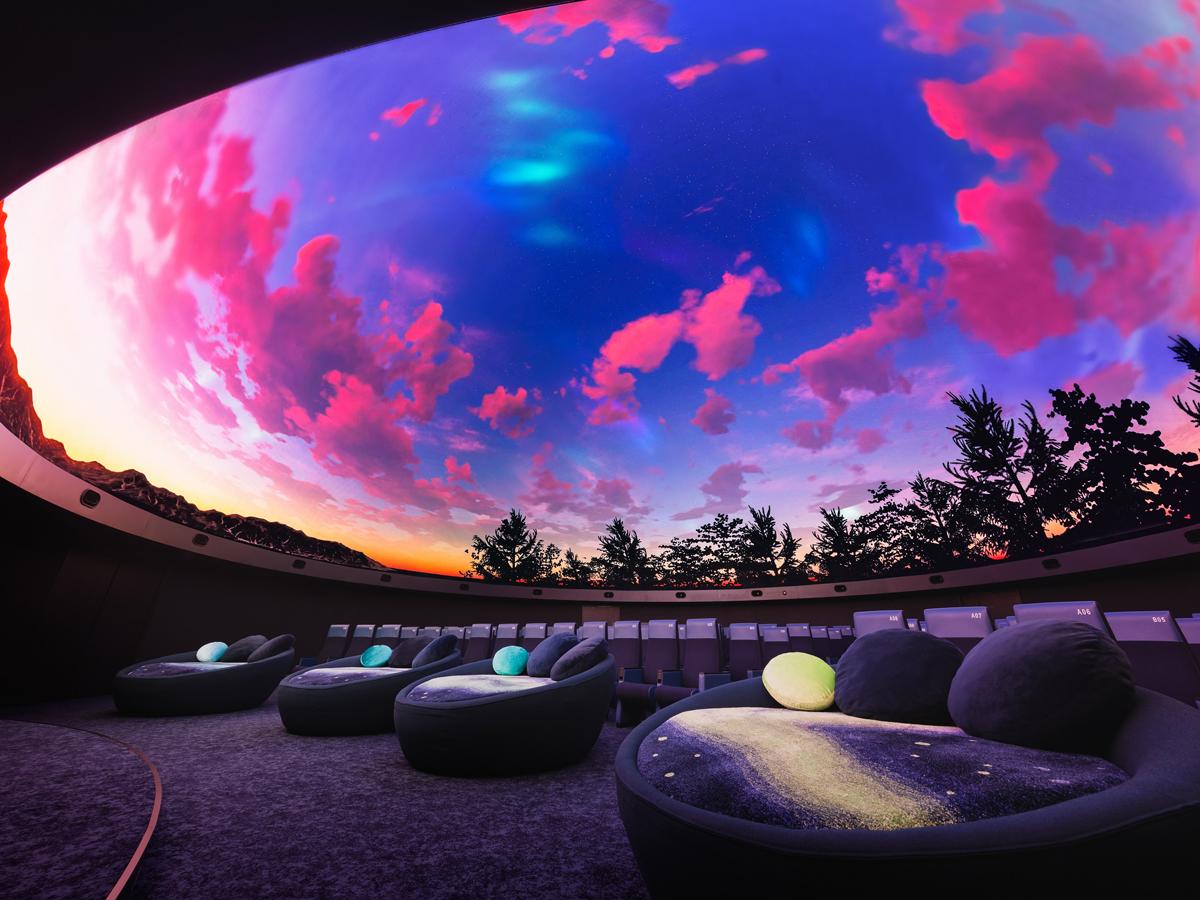
The Konica Minolta Planetarium Manten NAGOYA offers immersive planetarium programs using a large LED dome projection system.
The experience focuses as much on atmosphere as education, with comfortable seating, dramatic visuals, and star-filled programs designed to feel relaxing rather than like a school astronomy lesson.
This makes it particularly useful after a busy morning elsewhere.
Younger children may prefer a more interactive attraction, but older kids and teenagers who like space can enjoy the experience.
Best for: Older children, teenagers, space fans, tired families.
Time needed: Allow around 1.5–2 hours including arrival and the program.
Access: Around a 6-minute walk from Kamejima Station or roughly 12 minutes on foot from Nagoya Station, according to the source information.
Rainy-day advantage: Fully indoor activity once you reach the complex.
7. Yamazaki Mazak Museum of Art
This one is not going to be the first choice for every six-year-old.
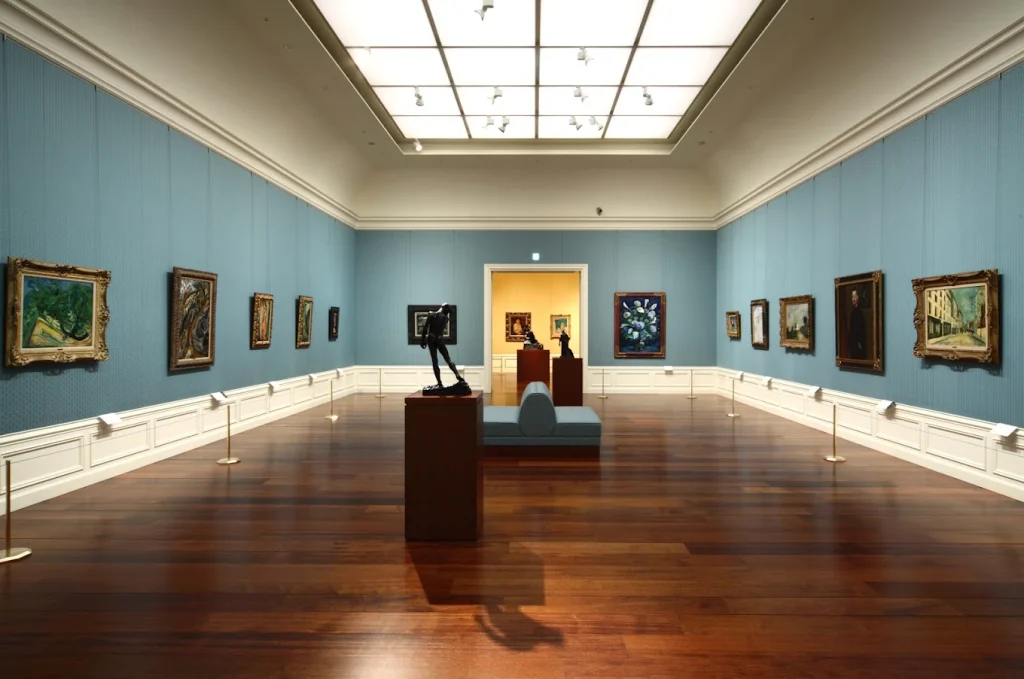
But if you are travelling with an art-loving teenager—or you simply want one quiet cultural stop—the Yamazaki Mazak Museum of Art is particularly convenient in bad weather.
The museum focuses on European art from roughly the 18th to 20th centuries and is directly connected to Shinsakaemachi Subway Station.
That direct connection is what makes it especially useful on a wet day: you can reach the museum without making a long dash through the rain.
Best for: Teenagers, art-loving families, adults travelling with older children.
Time needed: Around 1–2 hours.
Access: Directly connected to Exit 1 of Shinsakaemachi Subway Station.
Rainy-day advantage: Excellent—you can enter directly from the subway.
8. Osu Shopping Street
Not every rainy day needs another museum.
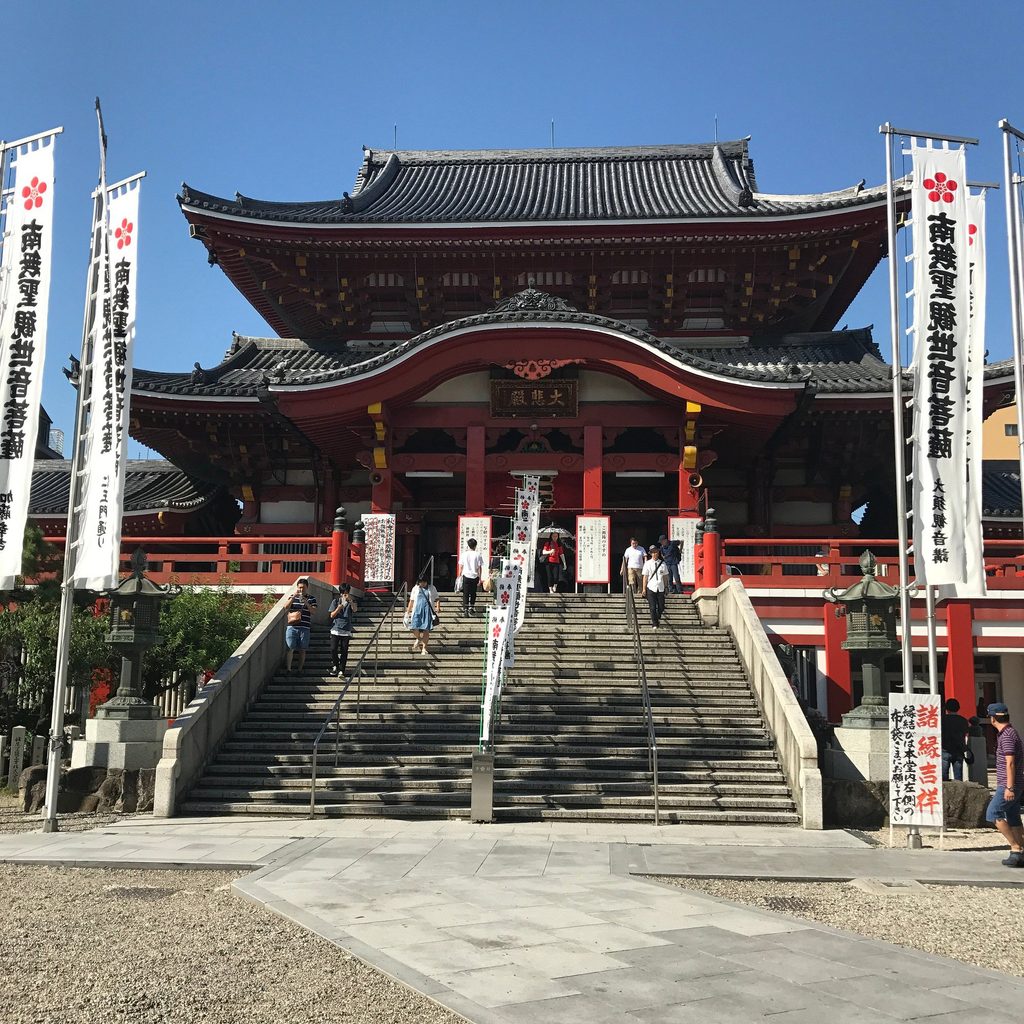
Osu Shopping Street is one of the easiest places in Nagoya to wander while staying largely protected from the weather thanks to its covered arcades.
The neighborhood is a mixture of traditional shops, inexpensive food, fashion, electronics, pop culture, second-hand stores, temples, and cafés.
That variety makes it much more interesting for children and teenagers than a conventional shopping mall.
You can snack as you go, browse quirky shops, stop for lunch, and stretch the visit according to everybody’s energy level.
Best for: Teenagers, food stops, shopping, mixed-age families.
Time needed: Around 2–3 hours.
Access: From Kamimaezu or Osu Kannon subway stations.
Rainy-day advantage: Much of the shopping area is covered.
Family tip: Osu works particularly well when everyone is tired of structured sightseeing.
9. Nagoya Station Underground Shopping Areas
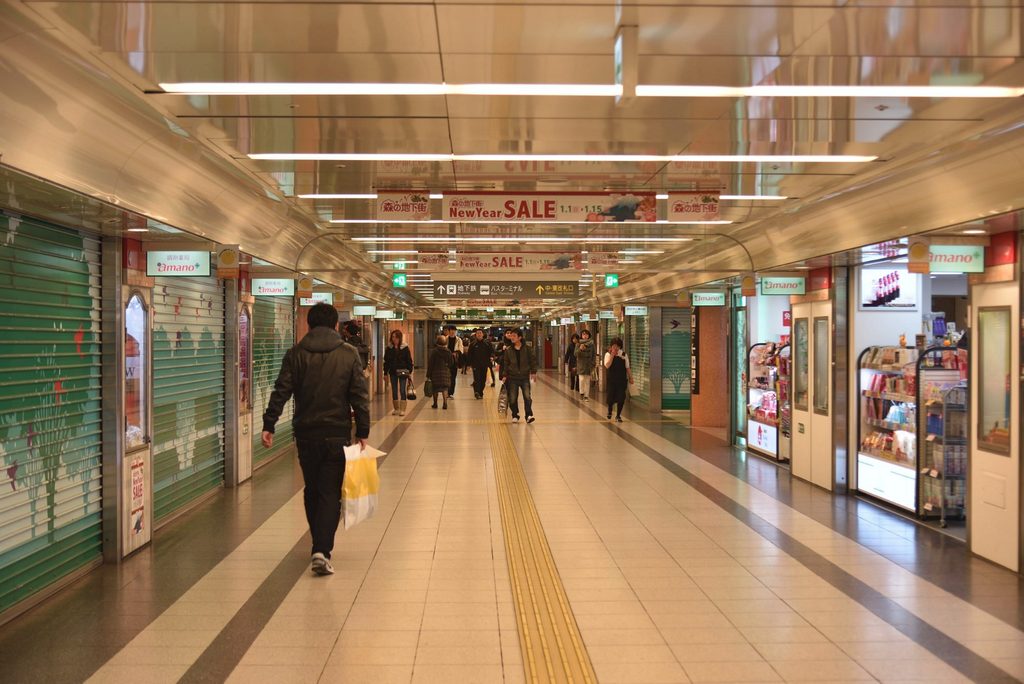
Nagoya Station is almost a destination in itself when the weather turns ugly.
Beneath and around the station is an enormous network of shopping centers, underground passages, restaurants, department stores, cafés, and food halls.
You could arrive by train, spend several hours eating and browsing, and barely need to go outside.
For families, this is less about finding a major attraction and more about having an extremely convenient fallback.
It works especially well on arrival or departure day when you have luggage, limited time, or children who no longer want to visit another museum.
Best for: Arrival days, shopping, meals, bad-weather downtime.
Time needed: As long as you need.
Access: Directly connected to JR, Meitetsu, Kintetsu and subway services at Nagoya Station.
Rainy-day advantage: Excellent.
Warning: The underground network is enormous. Decide on a meeting point if older children are browsing independently.
10. Sakae Underground Shopping Areas

Sakae has another substantial underground network connecting subway stations, department stores, restaurants, and shopping areas.
Again, this is not necessarily an attraction you would cross Japan to see.
But when rain suddenly starts halfway through a sightseeing day, it is extremely useful.
You can have lunch, browse stores, move between buildings, and wait out a downpour without abandoning the afternoon.
Best for: Shopping, meals, teenagers, emergency weather changes.
Access: Around Sakae Subway Station and Sakaemachi Station.
Rainy-day advantage: Very good because many destinations can be reached through underground passages.
11. Hokkaido—No, Wrong Rainy City: Try Nagoya’s Gardens in Light Rain
Not every rainy day means torrential rain.
If the forecast shows drizzle rather than a full downpour, some of Nagoya’s gardens are arguably more atmospheric in wet weather.
Tokugawa Garden
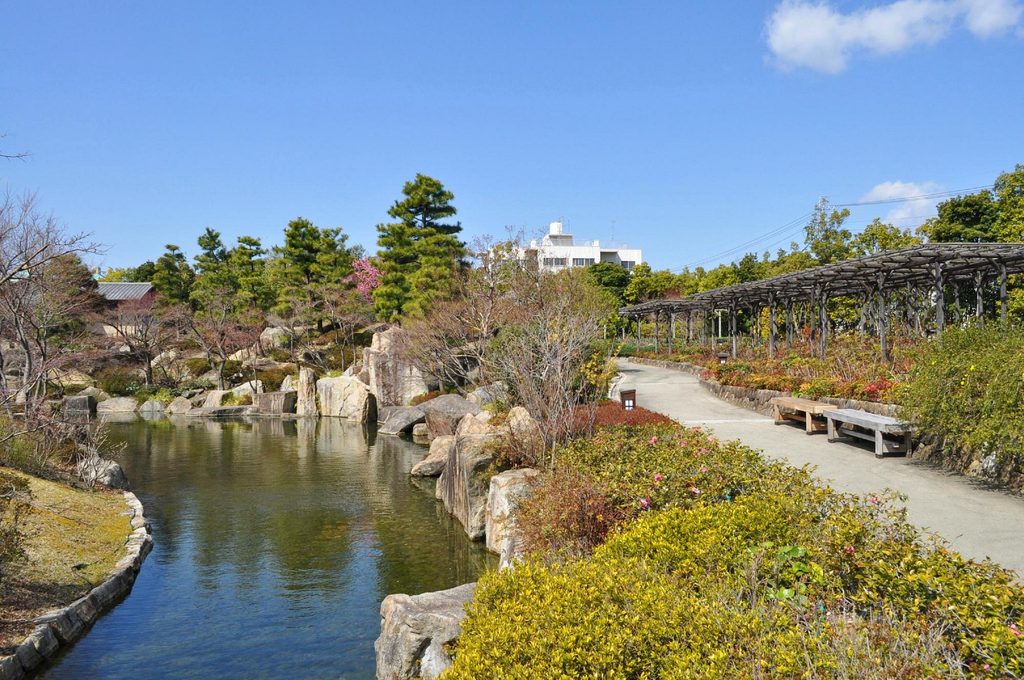
Tokugawa Garden is a traditional Japanese landscape garden associated with the Owari branch of the Tokugawa family.
The garden centers around a large pond with waterfalls, bridges, stones, and seasonal planting.
Rain deepens the colors of the trees and creates reflections across the water, so this is one outdoor attraction we would not automatically cancel because of drizzle.
Best for: Older children, photography, quieter families.
Access: Near the Me-guru Tokugawaen bus stop.
Shirotori Garden
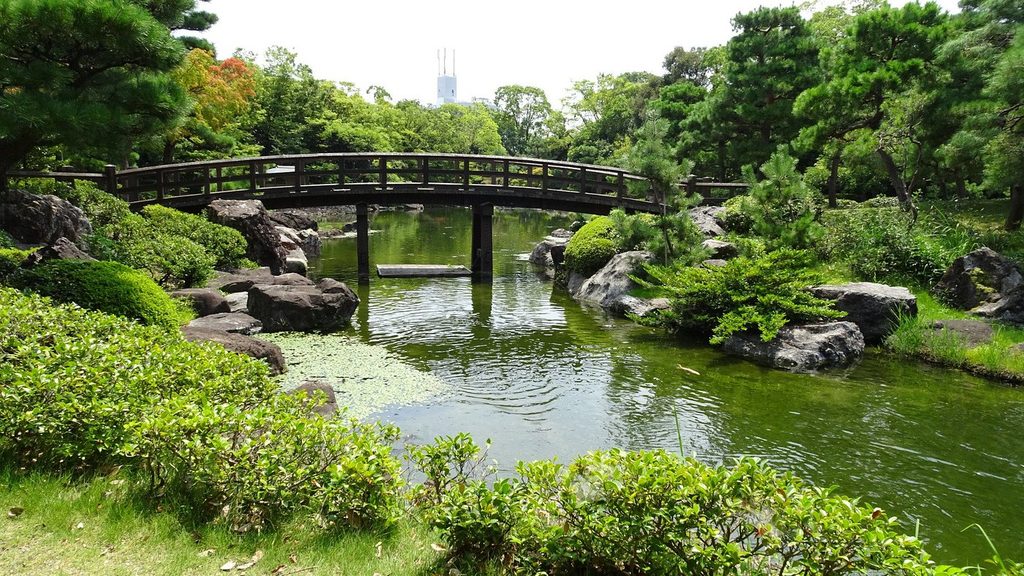
Shirotori Garden is another traditional Japanese garden, designed around a water-themed landscape.
It works particularly well in gentle rain, when wet foliage and reflections make the garden feel even calmer.
It is less suitable if the weather includes strong wind or heavy rain.
Best for: A peaceful hour, older children, photography.
Access: Around a 10-minute walk from Atsuta Jingu Nishi Subway Station.
12. Arimatsu: Traditional Nagoya in the Rain
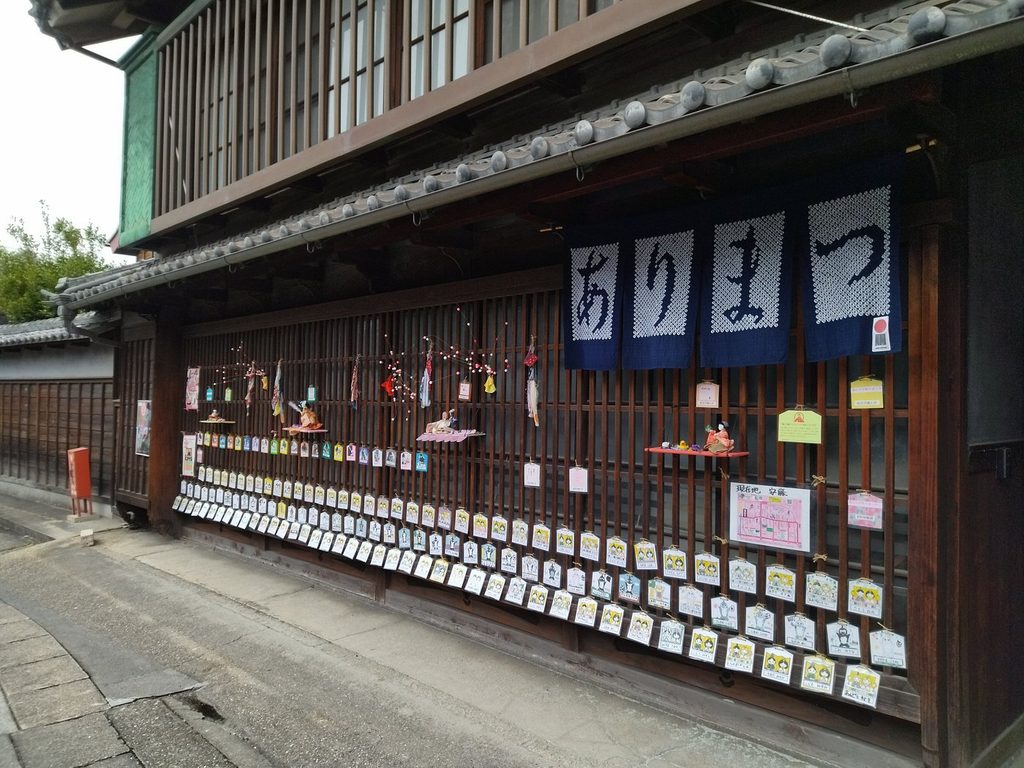
Another option for light rain is Arimatsu, a historic district famous for Arimatsu shibori tie-dyeing.
The old streets still retain traditional architecture, giving the area a very different feeling from central Nagoya.
On a grey day, the old wooden buildings can actually look rather atmospheric.
The biggest family advantage is the Arimatsu-Narumi Shibori Museum, where you can learn about the traditional textile technique and potentially incorporate a hands-on cultural element into the outing.
This makes Arimatsu more useful than simply wandering a historic street in bad weather.
Best for: Craft-loving children, teenagers, cultural activities.
Access: Arimatsu Station on the Meitetsu line.
See Arimatsu-Narumi Shibori Museum information
Use the Me-guru Sightseeing Bus on Rainy Days
One of the annoying parts of sightseeing in rain is not the attraction itself—it is getting between attractions.
Nagoya’s Me-guru sightseeing route bus connects several major sights and reduces the amount of walking you need to do outside.
Stops include attractions such as:
- Toyota Commemorative Museum of Industry and Technology
- Noritake Garden
- Tokugawa Art Museum
- Bunka no Michi Futaba-kan
If several places on your itinerary are along the route, the bus can make a rainy sightseeing day much easier.
The source information lists a ¥500 one-day ticket, but check the current fare before travelling.
Best Rainy-Day Nagoya Itineraries With Kids
For Science and Technology Fans
Morning: Nagoya City Science Museum
Lunch: Fushimi or central Nagoya
Afternoon: Toyota Commemorative Museum of Industry and Technology
This combination suits older primary-school children and teenagers especially well.
For Train-Loving Kids
Morning: SCMAGLEV and Railway Park
Lunch: Kinjo-futo
Afternoon: SEA LIFE Nagoya
Both attractions are in the same area, which means minimal time travelling through the rain.
For Younger Children
Morning: Port of Nagoya Public Aquarium
Lunch: Around Nagoya Port
Afternoon: Return toward Nagoya Station for food, shopping, or an early finish.
Do not assume young children need entertainment from breakfast until bedtime. A large aquarium is already a big day.
For Teenagers
Morning: Toyota Commemorative Museum
Afternoon: Osu Shopping Street
Evening: Dinner around Sakae
This gives you one structured attraction followed by food, shopping, and a more independent atmosphere.
Tips for Visiting Nagoya With Kids in the Rain
Choose Attractions in the Same Area
Nagoya’s transport is excellent, but changing trains repeatedly with wet umbrellas, bags, and children gets tiring.
Kinjo-futo is particularly good because you can combine the railway museum and SEA LIFE without crossing the city.
Have One Completely Indoor Backup
Do not make every rainy-day plan dependent on walking around outdoor gardens or historic streets.
Keep somewhere like the Science Museum, aquarium, or railway museum as your reliable option.
Check Museum Closing Days
Several Nagoya museums close on Mondays or Tuesdays, with exceptions around national holidays.
Check the current calendar before making a special journey.
Bring a Small Towel
This sounds painfully practical because it is.
A small towel is surprisingly useful in Japan during rainy weather—for hands, stroller handles, bags, benches, and children who somehow manage to get wetter than everyone else.
Do Less
One large attraction and one smaller afternoon stop are usually enough.
A rainy day becomes exhausting when every hour involves another train, umbrella, wet coat, ticket queue, and destination.
Is Nagoya Worth Visiting With Kids in Bad Weather?
Yes—probably more than many first-time visitors expect.
Nagoya’s strength is not postcard-perfect outdoor scenery. It is the sheer number of substantial museums, aquariums, engineering attractions, shopping complexes, and transport-friendly indoor sights.
On a rainy day you can watch orcas, climb aboard historic trains, explore science experiments, learn how Toyota cars are made, sit under a planetarium sky, or simply retreat into the underground city beneath Nagoya Station.
That makes Nagoya a particularly useful stop on a family trip through Japan when the weather refuses to cooperate.
Instead of treating rain as a lost sightseeing day, pick one attraction your children genuinely care about and build the rest of the day around it.
- Nagoya rainy day with kids in 2026 (Cool Indoor Things to Do )
- 20 Best Day Trips From Nagoya (2026): Easy Escapes by Train and Car
- 2 Days in Nagoya with Kids (2026): A Fun and Easy Family Itinerary

- One Day in Nagoya (2026): The Perfect Itinerary for Food, Sights and Local Gems
- Where to Eat in Nagoya (2026): 20 Best Restaurants for Private Dining, Lunch, and Night Views