I spill travel tips , and show you the Japan that tourists usually miss.
Ginza has a reputation for polished storefronts, beautiful department stores and price tags that can make a backpacker reconsider their life choices. But spend an afternoon here and you will find that best shopping in Ginza Tokyo is about much more than luxury brands. There are gorgeous stationery shops, wonderfully practical lifestyle stores, Japanese sweets, excellent design and even places where a perfectly sensible budget can survive.
The trick is knowing which doors are worth walking through. We have picked out 12 of the best Ginza shopping spots, with what to buy, realistic price levels, the nearest stations and one photo of each place. Everything in this guide is in Ginza itself—not Shibuya, not Akihabara, and not a shopping mall across town pretending to be nearby.
Table of Contents
Best Shopping in Ginza Tokyo: Quick Picks
| What you want to buy | Where to go |
|---|---|
| Japanese stationery and pens | Ginza Itoya |
| Affordable gifts and useful gadgets | Ginza Loft or Hands Ginza |
| Everyday clothing | UNIQLO TOKYO |
| Minimalist homeware | MUJI Ginza |
| Beautifully packaged Japanese sweets | Ginza Mitsukoshi or Matsuya Ginza |
| Luxury fashion and jewelry | GINZA SIX or Wako |
| Sony electronics and cameras | GINZA PLACE |
| Easygoing indoor browsing | GINZA FIVE |
Where to Shop in Ginza Tokyo: 12 Places Worth Your Time
1. GINZA SIX
If you want the glossy, grand-scale version of Ginza, walk into GINZA SIX. The building feels more like a polished design exhibition than an ordinary mall: sculptural art above your head, beautifully presented fashion below, and a lineup that makes window-shopping a legitimate activity.
Fashion, fine jewelry, Japanese design labels and cosmetics are the obvious draws, but don’t dismiss the building if luxury handbags aren’t in the budget. Head up to the rooftop garden for a pause from the shopping crowds, or look for the changing displays and art around the complex. There is also the Kanze Noh Theatre in the building—a rather good reminder that Ginza’s cultural side has not disappeared behind its designer shopfronts.
Our tip: Come for the architecture and one or two carefully chosen shops; you don’t need to spend a fortune to enjoy this stop.
Best for: Luxury fashion, contemporary Japanese design and architecture. Budget: Luxury; browsing is free. Allow: 45–75 minutes.
Address: 6-10-1 Ginza, Chuo-ku. Nearest station: Ginza Station, around 2 minutes on foot. Hours: Shops generally 10:30 a.m.–8:30 p.m.; individual hours vary. Official website / store information.
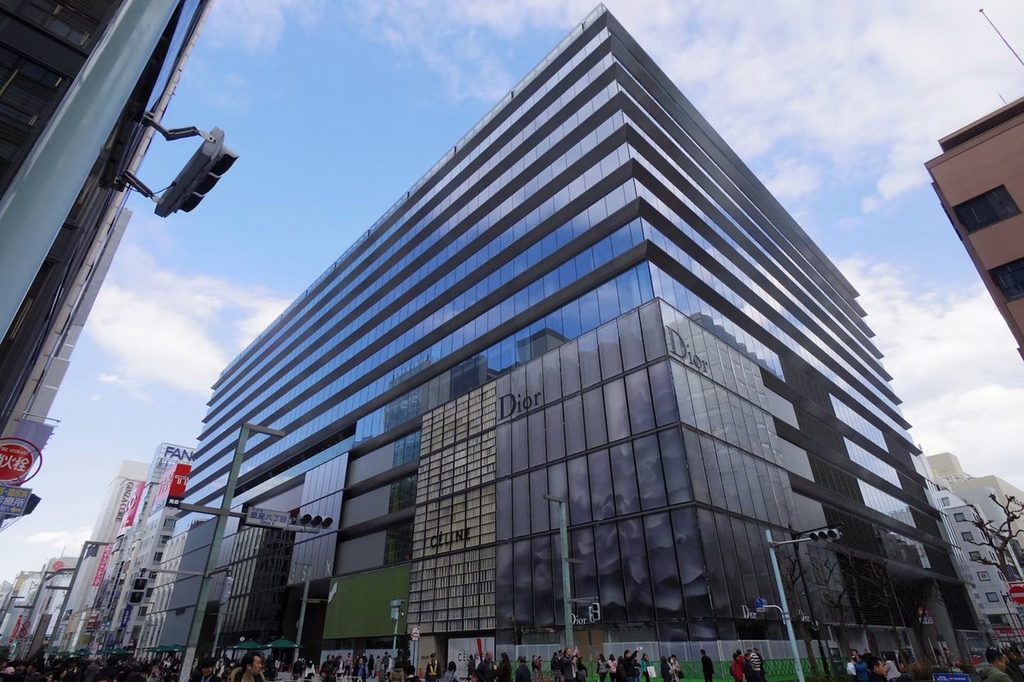
2. Ginza Mitsukoshi
You can tell you’ve reached the heart of Ginza when the famous Wako clock tower and Ginza Mitsukoshi face one another across the busy four-chome intersection. Mitsukoshi is the sort of department store where even looking at the displays feels like sightseeing.
Yes, there is upscale fashion and enough beauty counters to lose a small afternoon. But we’d make a beeline for the depachika—the basement food hall. Seasonal wagashi, beautifully boxed chocolates, premium snacks and neatly arranged gift sets are a much easier way to take a piece of Ginza home than an enormous designer shopping bag. The department store also houses the Art Aquarium Museum GINZA, which is a separate paid attraction rather than part of the shopping floors.
Our tip: For edible souvenirs, compare gift boxes in the basement before buying. Presentation is excellent, but the price climbs quickly with premium packaging.
Best for: Department-store food halls, Japanese cosmetics and elegant gifts. Budget: Mid-range to luxury. Allow: 40–70 minutes.
Address: 4-6-16 Ginza, Chuo-ku. Nearest station: Direct access from Ginza Station. Hours: Generally 10 a.m.–8 p.m.; some facilities differ. Official website / store information.
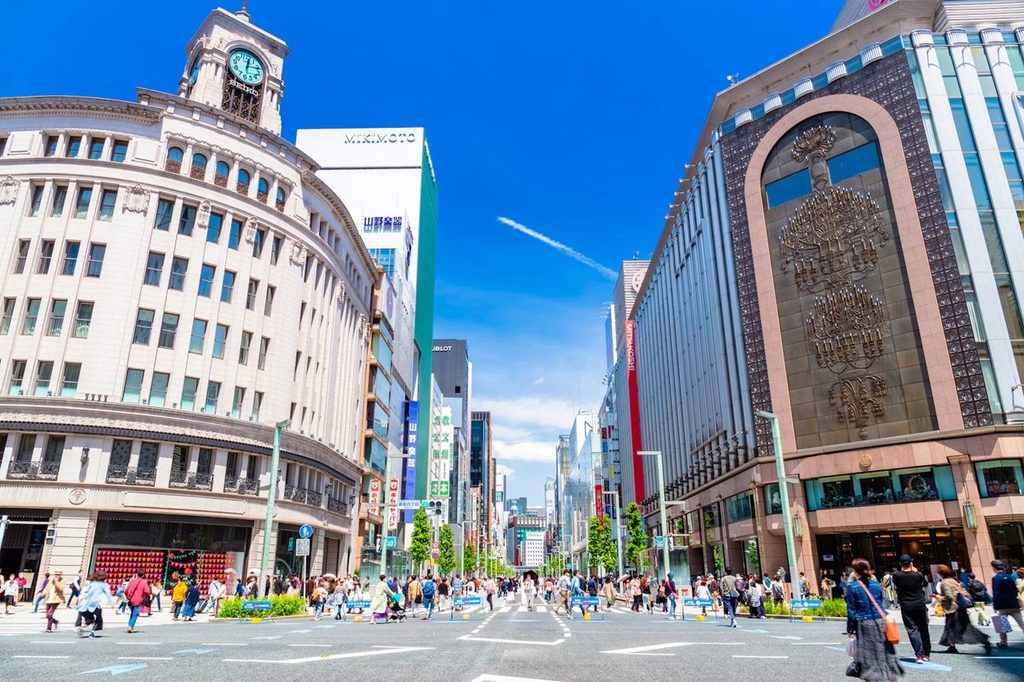
3. Matsuya Ginza
A few minutes along Chuo-dori, Matsuya Ginza offers another side of the classic Japanese department-store experience. Its façade is unmistakable, but the main attraction is inside: carefully edited fashion, established Japanese designers, jewelry and beauty products under one roof.
We particularly like the idea of visiting a Japanese department store for its food department rather than simply marching past every luxury label. The basement’s sweets and delicacies make good gifts because they’re compact, attractive and often tied to the season. Limited collections and collaborations are another reason to check what is on during your visit.
Our tip: Compare the basement selections at Matsuya and Mitsukoshi. They’re near enough to visit in one walk, and the differences make choosing presents more fun.
Best for: Japanese designers, luxury accessories and seasonal sweets. Budget: Mid-range to luxury. Allow: 35–60 minutes.
Address: 3-6-1 Ginza, Chuo-ku. Nearest station: Direct access from Ginza Station, Exit A12. Hours: Usually from 11 a.m.; closing times vary by day and department. Official website / store information.
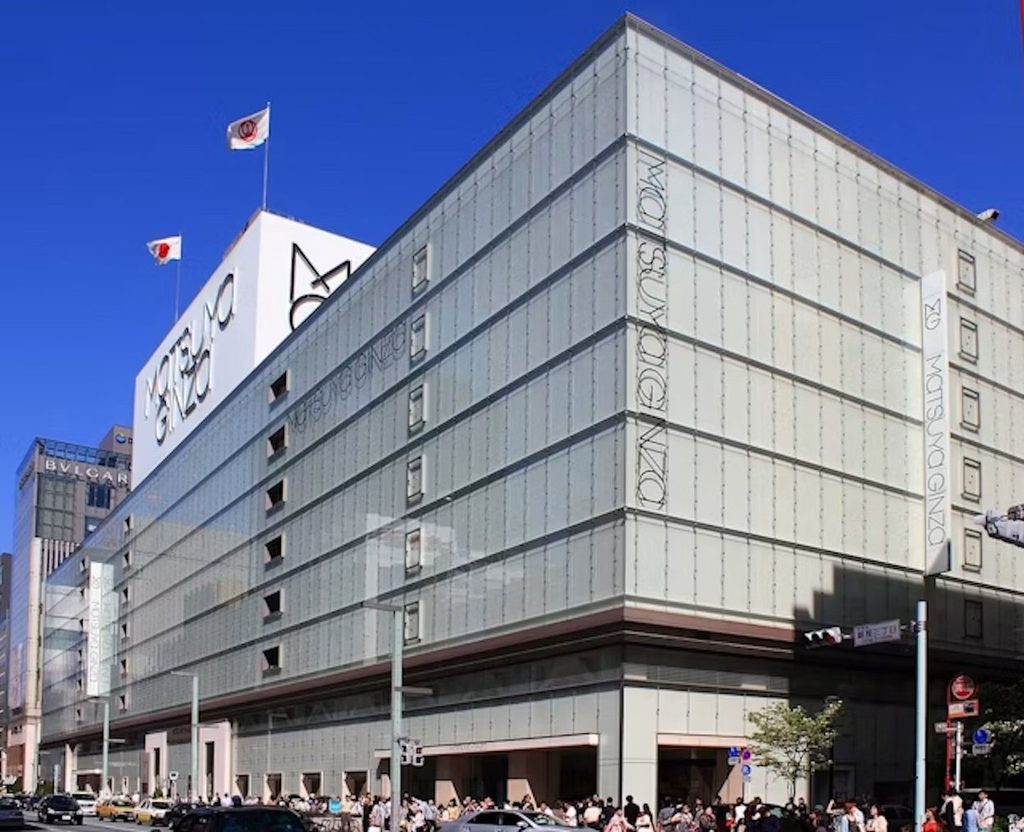
4. Ginza Wako / SEIKO HOUSE GINZA
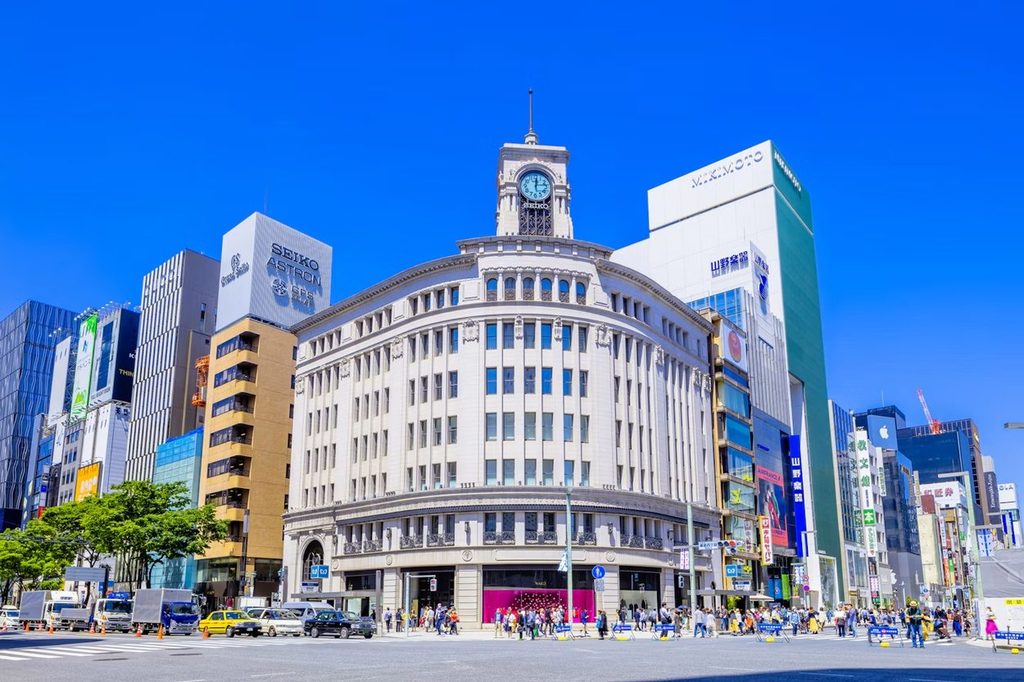
That handsome clock tower you’ve seen in half the photographs of Ginza? This is it. The historic Wako building, now part of SEIKO HOUSE GINZA, is a landmark even for visitors who have no intention of buying a luxury watch.
Inside, the focus is on fine watches, jewelry and carefully made Japanese gifts. Wako is also an excellent place to appreciate the kind of craftsmanship Ginza has long been associated with. There are displays and exhibition spaces in the building, although access to upper-floor areas and special events can vary. Treat the clock tower itself as a must-see, whether you buy anything or not.
Our tip: If you’re looking for a Japanese watch, compare models and warranty terms before making a purchase. Not every model is better priced in Japan simply because the brand is Japanese.
Best for: Japanese watches, fine craftsmanship and window-shopping. Budget: Luxury. Allow: 15–35 minutes.
Address: 4-5-11 Ginza, Chuo-ku. Nearest station: Ginza Station, a short walk from Exits A9 and A10. Hours: Usually 10:30 a.m.–7 p.m.; check exhibitions separately. Official website / store information.
5. Ginza Itoya
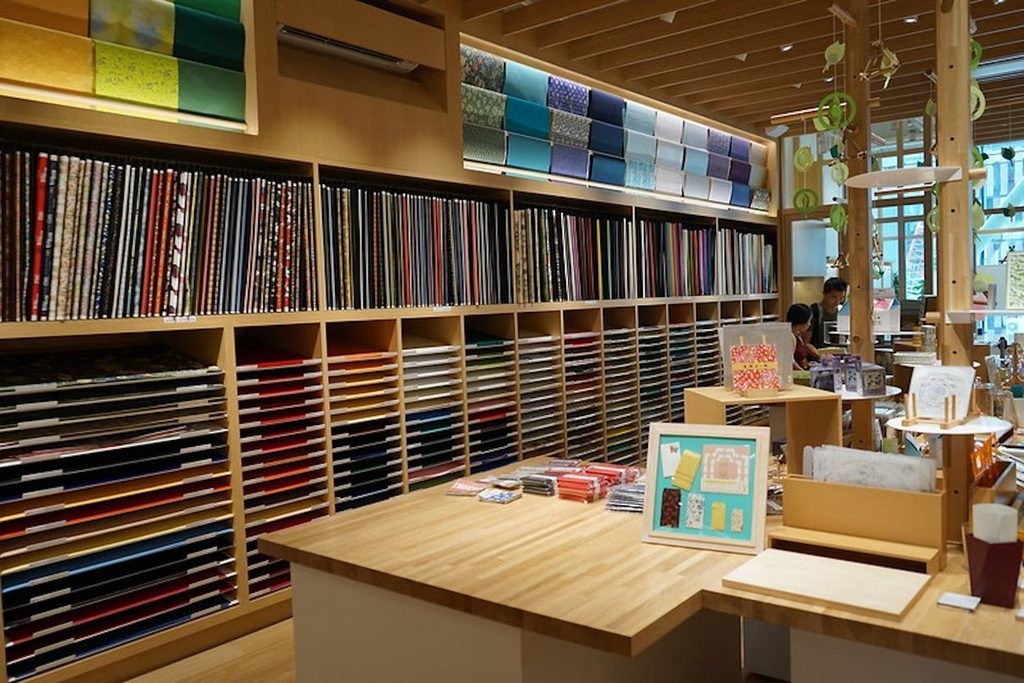
Some shops understand that stationery is not merely stationery. Itoya understands it a little too well. Before you know it, a ten-minute errand for a pen has turned into a very serious debate about paper texture, ink colors and whether you need a second notebook. You probably don’t. You’re probably buying it anyway.
The Ginza main store is a multi-floor wonderland of writing instruments, cards, notebooks, art materials and beautifully designed desk accessories. Look for the red paperclip sign on the building. The separate K.Itoya shop nearby adds specialist writing and custom services. Even if you never write a letter, this is one of the most enjoyable places in Ginza to find a gift that feels genuinely considered.
Our tip: Head here for something personal and packable. A Japanese notebook, fine pen or washi-paper gift is easier to carry home than most traditional souvenirs.
Best for: Notebooks, fountain pens, paper goods and gifts for stationery fans. Budget: Budget to premium. Allow: 35–75 minutes.
Address: 2-7-15 Ginza, Chuo-ku. Nearest station: Ginza-itchome Station, around 1 minute on foot. Hours: Mon–Sat 10 a.m.–8 p.m.; Sundays and holidays 10 a.m.–7 p.m.. Official website / store information.
6. Ginza Loft
If Ginza’s luxury stores are making your wallet nervous, Ginza Loft is your reset button. Here you can happily spend an hour browsing clever Japanese gadgets, pens, travel accessories, kitchenware, character goods and beauty products without needing a private banker.
The flagship was redesigned in 2023, and the selection is wide enough to cover several souvenir lists at once. The most interesting things are often the small, useful ones: compact organizers, stickers, unusual notebooks, design-forward bottles and quirky little gifts. Some items are fairly priced; others carry the sort of premium you’d expect from a carefully curated lifestyle store. Compare prices if you are buying everyday cosmetics.
Our tip: It’s one of the first stops we’d choose for affordable gifts for several people. Set a budget before wandering up through five floors of temptation.
Best for: Fun gifts, stationery, cosmetics and everyday Japanese design. Budget: Budget to mid-range. Allow: 40–65 minutes.
Address: Ginza Belvia Building, 1F–5F, 2-4-6 Ginza. Nearest station: Ginza-itchome Station Exit 5, around 1 minute. Hours: Mon–Sat and public holidays 11 a.m.–9 p.m.; Sundays 11 a.m.–8 p.m.. Official website / store information.

7. MUJI Ginza
Ginza is full of things we could never justify buying, which makes MUJI Ginza especially refreshing. Here the pleasure is in practical objects done well: storage boxes, travel supplies, stationery, comfortable clothing, simple skincare and pantry staples.
This isn’t a little airport-style MUJI tucked into a corner. The flagship spreads across several floors, with food, homeware, fashion and design-focused displays. There is also a dining space and MUJI HOTEL GINZA in the same complex. It’s a good place to compare Japanese everyday design with the products you already know from MUJI stores abroad, and to find smaller items that are easy to pack.
Our tip: Start with stationery, snacks and travel accessories if you’re short on luggage space. Furniture shopping is rather less practical unless you’re moving to Tokyo.
Best for: Minimalist homeware, useful clothing, snacks and everyday essentials. Budget: Budget to mid-range. Allow: 35–70 minutes.
Address: 3-3-5 Ginza, Chuo-ku. Nearest station: Ginza Station, roughly 3 minutes on foot. Hours: Usually 11 a.m.–9 p.m.. Official website / store information.

8. Marronnier Gate Ginza 1 / Hands Ginza
Marronnier Gate Ginza 1 is useful precisely because it doesn’t insist on being an all-luxury shopping destination. Alongside fashion and restaurants, its big draw for travelers is Hands, Japan’s wonderfully practical variety store.
On the Hands floors you can browse kitchen tools, DIY supplies, pens, travel accessories, beauty gadgets and small things you didn’t know existed until you picked them up. We’d prioritize it for souvenirs with an actual purpose: a Japanese kitchen tool, an elegant stationery set or a clever organizer. There are three Marronnier Gate buildings in the area, so check the building number on your map before heading upstairs.
Our tip: Combine Hands with nearby Loft and Itoya for a rewarding afternoon devoted to Japanese design without luxury-store prices.
Best for: Lifestyle goods, crafts and useful Japanese souvenirs. Budget: Budget to mid-range. Allow: 35–60 minutes.
Address: 2-2-14 Ginza, Chuo-ku. Nearest station: Ginza-itchome Station, roughly 2 minutes on foot. Hours: Fashion and Hands generally 11 a.m.–9 p.m.. Official website / store information.
9. UNIQLO TOKYO at Marronnier Gate Ginza 2
Tokyo is not all experimental fashion. Sometimes the best shopping win is a jacket that fits, dries quickly and doesn’t cost the price of dinner. UNIQLO TOKYO is a practical antidote to the glittering display windows down the road.
The global flagship occupies the lower floors of Marronnier Gate Ginza 2, with women’s, men’s and children’s clothing, accessories and useful everyday layers. This is a good stop for HEATTECH, AIRism, comfortable basics and seasonal items. The wider building also has budget-oriented retailers, making this one of the more wallet-friendly stops in Ginza. There’s another large UNIQLO flagship on Ginza’s main street, so don’t confuse the two addresses.
Our tip: Prices and stock aren’t necessarily identical to your home country. Check the size chart, particularly for trousers and Japanese-fit items.
Best for: Japanese basics, family clothing and practical travel layers. Budget: Budget to mid-range. Allow: 30–60 minutes.
Address: 3-2-1 Ginza, Chuo-ku. Nearest station: Ginza-itchome Station or Yurakucho Station, a short walk. Hours: Generally 11 a.m.–9 p.m.. Official website / store information.

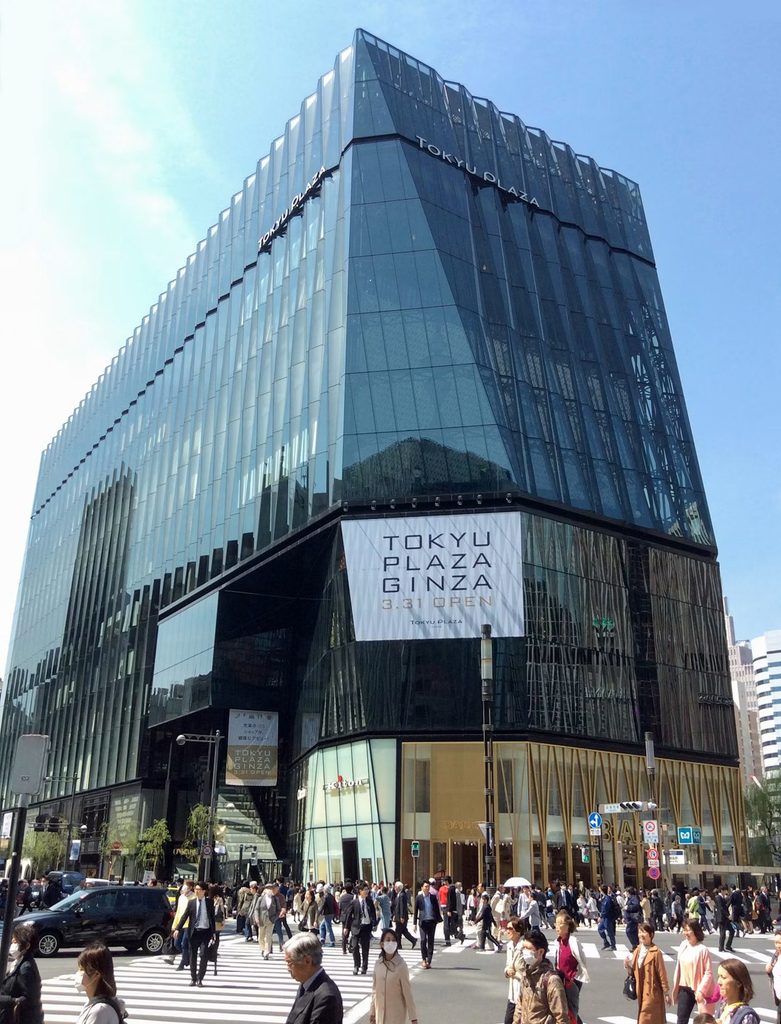
10. GinzaNovo (Formerly Tokyu Plaza Ginza)
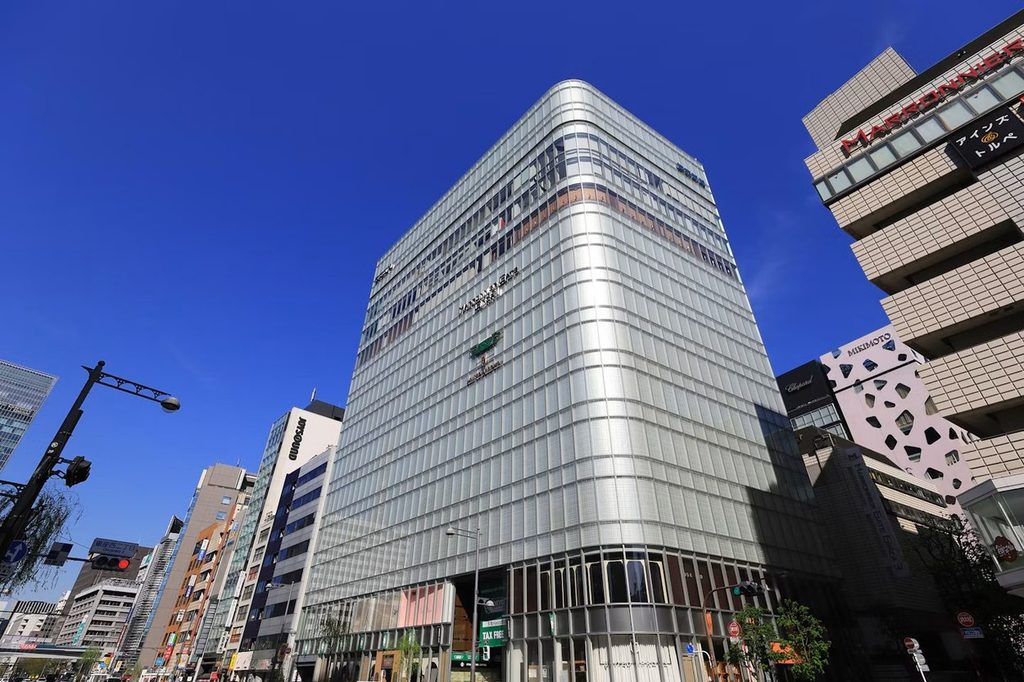
If your Tokyo guidebook still says Tokyu Plaza Ginza, this is the same glass-fronted building—just with a new name. It became GinzaNovo in December 2025, and the structure remains one of Ginza’s architectural showpieces, inspired by the geometric patterns of traditional Edo-kiriko cut glass.
There is a practical catch: a major refurbishment began in 2026, with works expected to run into 2027–28. Some stores continue operating during the project, but the available shops, rooftop access and opening hours can change. Treat this as an optional shopping stop for now rather than planning an afternoon around a particular floor or brand.
Our tip: Check the official tenant directory before visiting. The exterior alone is worth a look if you’re passing through Sukiyabashi.
Best for: A distinctive shopping building and contemporary Ginza fashion. Budget: Mid-range to luxury. Allow: 20–45 minutes.
Address: 5-2-1 Ginza, Chuo-ku. Nearest station: Ginza Station, close to the Sukiyabashi intersection. Hours: Opening hours and accessible floors may change during redevelopment. Official website / store information.
11. GINZA PLACE / Sony Store Ginza
GINZA PLACE is easy to spot thanks to its distinctive white lattice façade. And if your idea of shopping fun involves cameras, headphones and gadgets instead of handbags, this building deserves a stop.
Its Sony Store lets you see and try products in person, including photography equipment, audio devices, televisions and some gaming technology. You’ll also find Nissan’s showroom experience in the building, plus cafés and other businesses. This is a smart place to test a camera or compare headphones before buying, though it isn’t necessarily Tokyo’s cheapest electronics retailer.
Our tip: For big electronics purchases, check language support, worldwide warranty and power compatibility before paying—not all Japan-market models are designed for international use.
Best for: Electronics, Sony cameras, headphones and technology demos. Budget: Browsing free; products range from mid-range to premium. Allow: 20–45 minutes.
Address: 5-8-1 Ginza, Chuo-ku. Nearest station: Ginza Station, at the Ginza four-chome crossing. Hours: Sony Store typically 11 a.m.–7 p.m.; other venues vary. Official website / store information.

12. GINZA FIVE
Not every shopping stop in Ginza needs a glamorous multi-story façade. GINZA FIVE is tucked beneath an elevated roadway, which is part of its appeal. It’s a lower-key shopping arcade that is particularly convenient when you want somewhere indoors, away from the intensity of Chuo-dori.
The mix includes smaller fashion shops, accessories, services and places to eat. It is not the kind of mall to build an entire day around, but it works well as a practical detour while exploring the Sukiyabashi side of the neighborhood. You may also find it pleasantly less overwhelming than the flagship department stores.
Our tip: Stop here if you are nearby or the weather turns bad; don’t make a cross-city trip just for GINZA FIVE.
Best for: Easygoing boutiques, accessories and a break from luxury shopping. Budget: Budget to mid-range. Allow: 20–40 minutes.
Address: 5-1 Ginza, Chuo-ku. Nearest station: Directly connected to Ginza Station. Hours: Shopping floors commonly around 10 a.m.–8 p.m.; store hours vary. Official website / store information.

How to Spend Half a Day Shopping in Ginza
If you are visiting Ginza for the first time, we would keep the route simple rather than attempting every shop in one sprint. Start near Ginza-itchome for Itoya and Ginza Loft. Walk towards MUJI Ginza and Marronnier Gate for practical gifts and fashion. Then continue along Chuo-dori to Matsuya Ginza, Wako and Mitsukoshi, before finishing at GINZA SIX if you have the energy.
Time needed: Around 3–5 hours with browsing and a food break. If your priorities are stationery and souvenirs, shorten the route and visit Itoya, Loft, MUJI and the food hall of one department store. For luxury stores and architecture, head straight for Wako, Mitsukoshi and GINZA SIX.
When to Shop in Ginza and How Much to Budget
A sensible souvenir budget might be ¥3,000–¥8,000 for a few thoughtful small gifts, but that is only a planning allowance, not a promise about current store prices. Pens and snacks can be inexpensive; premium paper, Japanese cosmetics and specialty sweets cost more; and fine watches and designer fashion are in a category of their own.
Ginza shops often open later in the morning than European travelers expect. Many big stores start trading around 10 or 11 a.m., and smaller shops may close earlier in the evening. If possible, visit Chuo-dori on a weekend or public-holiday afternoon, when the main street is typically closed to cars for designated hours. This makes exploring the area much more pleasant.
Tax-Free Shopping in Ginza: Important 2026–2027 Update
Japan changed its tourist tax-free shopping system on November 1, 2026. Eligible visitors now pay the tax-inclusive price at participating shops and receive the equivalent consumption-tax refund only after customs confirms the eligible goods are being taken out of Japan when departing. The usual minimum purchase is ¥5,000 before tax per shop per day. Bring your passport, follow the store’s procedures and allow additional time at the airport. See the official Japan Customs guidance for conditions and refund details.
Explore More of Ginza & Tokyo Shopping
Ginza isn’t just about designer boutiques. Between the department stores, you’ll find excellent restaurants, traditional Japanese sweets, fascinating galleries, and some of Tokyo’s best specialty shops. Here are more guides to help you explore.
- What to Do in Ginza Tokyo: The Ultimate Guide – Discover Ginza’s best attractions, hidden gems, galleries, rooftop gardens, and cultural experiences.
- Where to Eat in Ginza Tokyo: 18 Restaurants & Hidden Gems – From traditional Japanese restaurants to elegant cafés and places for a well-deserved shopping break.
- Shopping in Tokyo: Best Areas, Malls & Markets – Compare Ginza with Shibuya, Harajuku, Shinjuku, and Tokyo’s other shopping districts.
- Best Japanese Jewelry Brands: 21 Labels to Know – Discover Japanese pearls, fine jewelry, designer accessories, and luxury brands you can explore in Ginza.
- Best Shoes to Buy in Japan – Explore Japanese footwear brands, including elegant women’s shoes and specialty stores in Ginza.
- Best Toy Stores in Tokyo – Visit Ginza’s famous Hakuhinkan Toy Park and discover more fantastic toy shops around the city.
Frequently Asked Questions About Shopping in Ginza
Is Ginza worth visiting if I am not buying luxury goods?
Absolutely. Ginza Itoya, Loft, MUJI and Hands are excellent for stationery, gifts and practical Japanese design. The department-store food halls are another reason to go, even on a modest budget.
What is the best place for souvenirs in Ginza?
For affordable gifts, start with Ginza Loft and Hands Ginza. For beautiful stationery choose Itoya, and for premium edible gifts compare the depachika floors at Mitsukoshi and Matsuya.
Can I do Ginza shopping in two hours?
Yes, but choose a focus. For gifts, visit Itoya, Loft and one department-store food hall. For luxury shopping and architecture, focus on Wako, Mitsukoshi and GINZA SIX.
What is the nearest station for Ginza shopping?
Ginza Station is the most convenient central stop on the Ginza, Marunouchi and Hibiya subway lines. Ginza-itchome is useful for Itoya, Loft and MUJI. Different shops are spread along several blocks, so a short walk is part of the experience.
Is Tokyu Plaza Ginza still open?
The building is now called GinzaNovo. It is being renovated, and some shops may remain open during the works. Check its official website for the latest accessible floors and tenant information before visiting.
Where should I go for Japanese stationery in Ginza?
Ginza Itoya is the standout choice for pens, notebooks, greeting cards and paper. Ginza Loft and Hands Ginza are excellent alternatives for useful and playful stationery at different prices.
Our Pick: Which Ginza Store Should You Visit First?
If we had time for only one shopping stop in Ginza, we would choose Ginza Itoya for the sheer pleasure of browsing and the chance of finding a distinctive Japanese gift. If you want souvenirs for several people, Ginza Loft is the more practical choice. And if your goal is simply to experience the elegant, old-meets-new side of Tokyo, walk between Wako, Ginza Mitsukoshi and GINZA SIX—even without opening your wallet.
- What to Buy in Fukuoka in 2026: 40 Irresistible Japanese Souvenirs Worth Packing
- What to Buy in Hokkaido in 2026: 36 Hokkaido souvenirs worth seeking out

- Best shopping in Ginza Tokyo in 2026: 12 Places Worth Your Time
- What to buy in Kyoto in 2026: 14 Unique Souvenirs
- What to Buy in Hiroshima in 2026: 30 Best Souvenirs and Local Gifts