
Travel photojournalist and landscape hunter with experience across 89 countries, all 47 prefectures of Japan, 30 remote islands, and 60+ mountains. I focus on overlooked landscapes, mossy hidden corners, and places beyond the usual guidebooks — sharing photography and stories that inspire people to travel.
Kobe may be famous for one very expensive cow, but there is far more on the menu than Kobe beef. This compact port city is packed with smoky teppanyaki counters, tiny ramen shops, old-school bakeries, Chinatown street food, and cafés that take dessert extremely seriously.
In this guide, we share where to eat in Kobe, from special-occasion restaurants to quick local bites you can squeeze between sightseeing stops.
Planning more food, shopping, and sightseeing in Kobe?
Work up an appetite with our guide to the best things to do in Kobe, or find family-friendly attractions in our roundup of the best things to do in Kobe with kids. Before leaving, browse our guide to what to buy in Kobe for local sweets and edible souvenirs. You can also plan Kobe as one of the best day trips from Osaka.
Table of Contents
Where to eat in Kobe: 3 Best Restaurants for Kobe Beef
A chef lowers a thick cut of marbled beef onto a hot steel grill. It sizzles, the fat begins to melt, and suddenly everyone at the counter has stopped talking. This is usually the moment we remember why eating Kobe beef in Kobe feels different from simply ordering wagyu somewhere else.
Kobe beef is a protected brand reserved for Tajima cattle raised in Hyogo Prefecture that meet strict standards for lineage, meat quality, marbling, and yield. Certified restaurants can provide documentation showing that the beef is genuine—worth checking when you are paying genuine-Kobe-beef prices.
The meat is known for its fine marbling, natural sweetness, deep umami, and remarkably soft texture. Although it looks rich, good Kobe beef should not feel excessively greasy. It is commonly served as steak, teppanyaki, sukiyaki, shabu-shabu, or yakiniku.
These three restaurants offer quite different ways to try it.
1. Aburi Niku Koubou Wakuro Kitanozaka
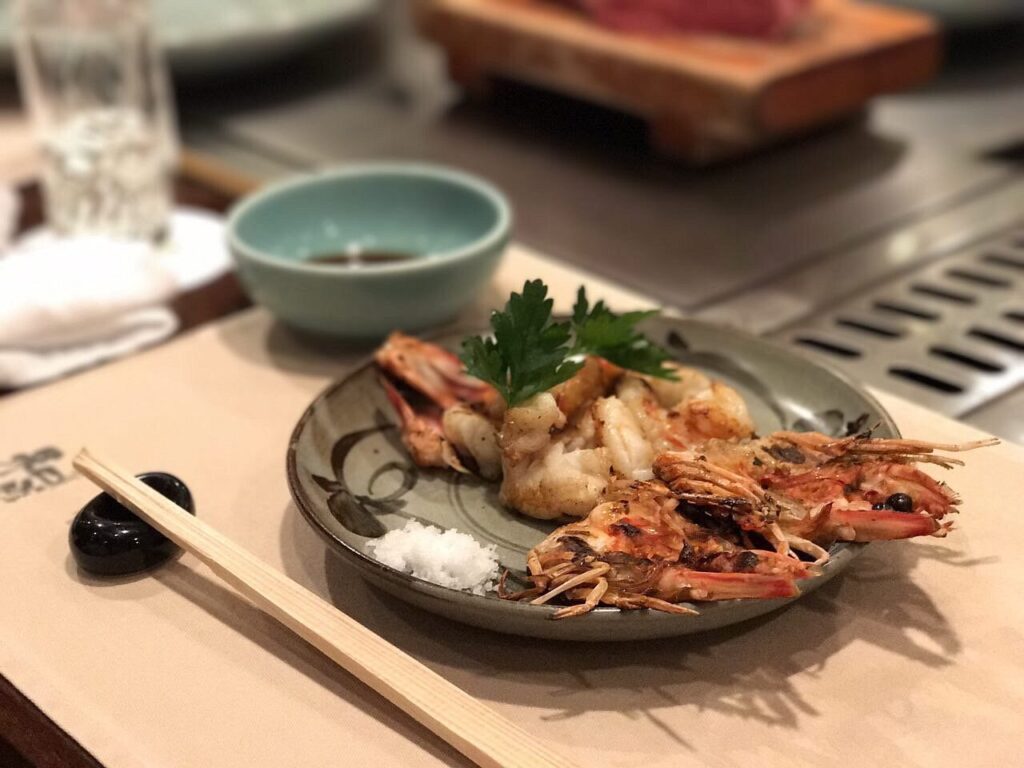
Located in Kitano, Kobe’s historic foreign residence district, Aburi Niku Koubou Wakuro Kitanozaka combines a refined Japanese steakhouse experience with the slightly European atmosphere of the surrounding neighbourhood.
All seats are arranged around teppan grills, so you can watch the chef prepare your Kobe beef directly in front of you. The cooking becomes part of the meal: precise knife work, carefully timed searing, and that highly anticipated first slice placed on your plate.
This is a good choice when you want Kobe beef to feel like a proper occasion rather than a quick sightseeing lunch. Its Kitano location also makes it easy to combine with a walk around the Kitano Ijinkan district.
Best for: A special dinner, first-time Kobe beef diners, and anyone who enjoys counter-style teppanyaki.
What to order: A Kobe beef steak course that includes several small dishes and accompaniments.
Traveler tip: Counter seats are part of the experience here, but they also mean capacity is limited. Reserving ahead is sensible, particularly for dinner and weekends.
2. Setsugetsuka Main Store
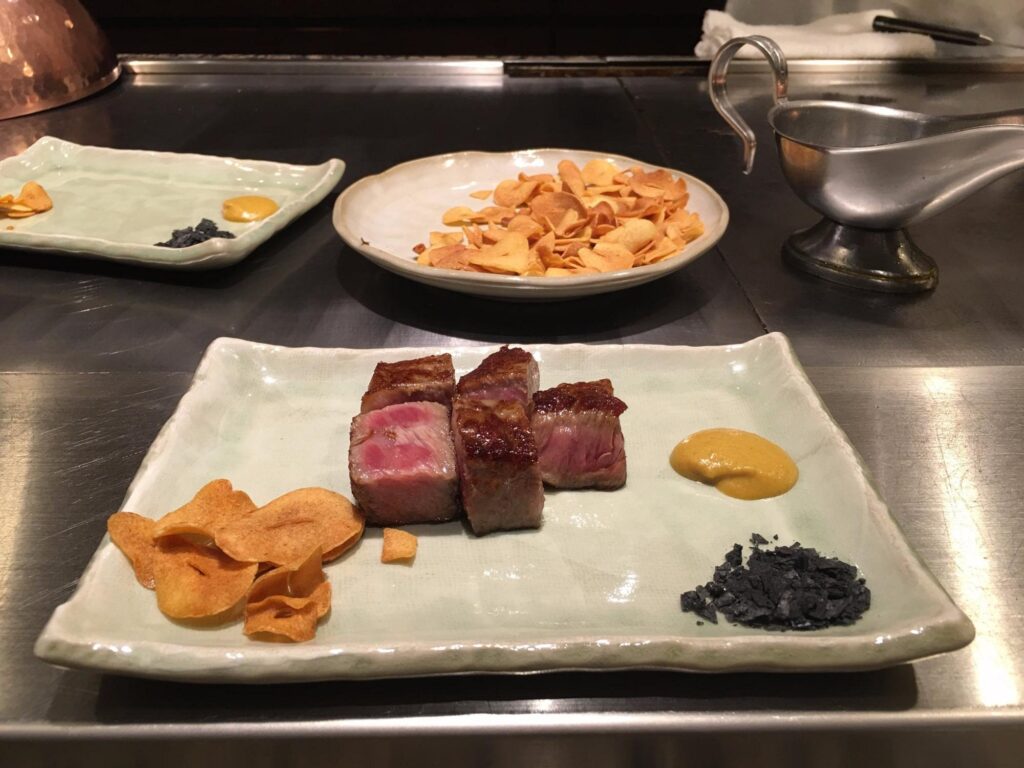
Setsugetsuka is a celebrated teppanyaki restaurant where experienced chefs prepare carefully selected Kobe beef in front of diners.
The restaurant is particularly known for using female cattle raised for more than 30 months. The beef is aged to remove excess moisture and concentrate its flavour before being cut and cooked on the teppan.
The result is the kind of steak that does not need much interference. Rather than covering it with a heavy sauce, the chef’s job is to control the heat and bring out the meat’s natural sweetness, aroma, and tenderness.
Setsugetsuka works well when the quality of the beef is your main priority and you want a polished, quietly luxurious meal.
Best for: Serious food lovers, couples, and travellers planning one premium Kobe beef dinner.
What to order: A course featuring certified Kobe beef sirloin or fillet.
Traveler tip: Sirloin usually offers richer marbling, while fillet is leaner and more delicate. Choose according to your preference rather than assuming the more expensive cut will automatically suit you better.
3. Ajitetsu Maiko
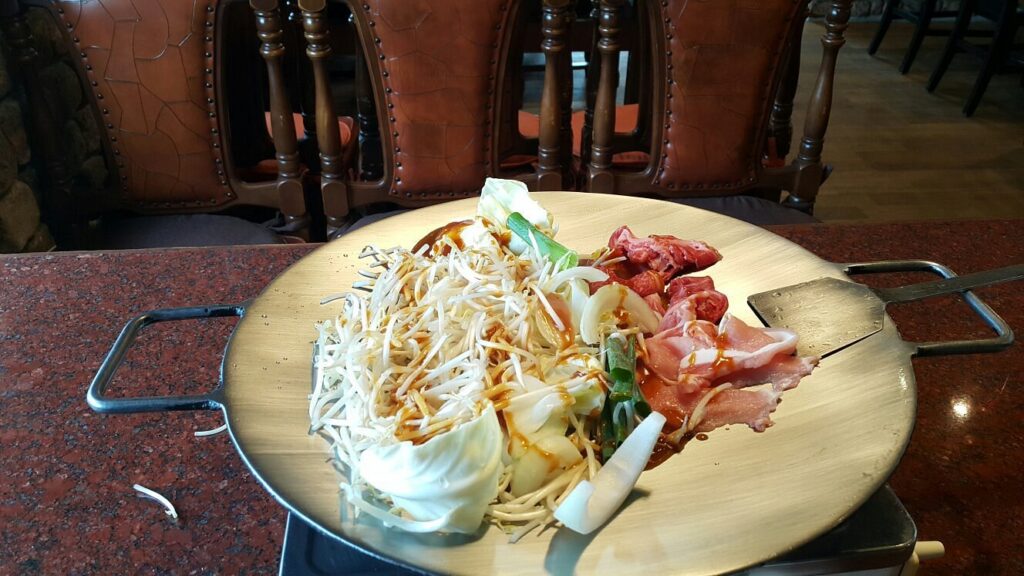
Ajitetsu Maiko offers Kobe beef and other high-quality Japanese Black Wagyu in several styles, including steak, yakiniku, shabu-shabu, and sukiyaki.
The restaurant purchases whole pedigree-certified cattle and ages the meat until its flavour becomes more concentrated. Buying whole animals also gives the kitchen access to a broader selection of cuts, each prepared using a method suited to its texture and fat content.
Another major reason to come here is the location. Ajitetsu sits near Maiko Park, with views towards the enormous Akashi Kaikyo Bridge. You can combine lunch or dinner with a walk along the waterfront and see one of Kobe’s most impressive engineering landmarks.
Best for: Scenic meals, families or groups with different preferences, and travellers visiting Maiko Park.
What to order: A mixed selection of wagyu cuts or a Kobe beef course if you want the full experience.
Traveler tip: This is one of the most convenient choices when not everyone in your group wants the same preparation. One person can choose steak while another opts for shabu-shabu or yakiniku.
Where to eat in Kobe: 3 Popular Places to Eat Akashi-Yaki
At first glance, Akashi-yaki looks like takoyaki that has forgotten its sauce. Then you pick up one of the soft golden rounds, dip it into warm dashi, and realise it is an entirely different dish.
Originating in nearby Akashi City, Akashi-yaki is locally known as tamagoyaki. It is made from a light, egg-rich batter with pieces of octopus inside. Unlike takoyaki, which is generally topped with sauce, mayonnaise, bonito flakes, and seaweed, Akashi-yaki is served with a bowl of warm broth made from ingredients such as bonito and kelp.
The texture is exceptionally soft—somewhere between a delicate omelette and savoury egg custard. The flavour is mild, comforting, and much less heavy than standard takoyaki.
These three places offer both traditional and more unusual versions.
1. Akashi Tamagoyaki Imanaka
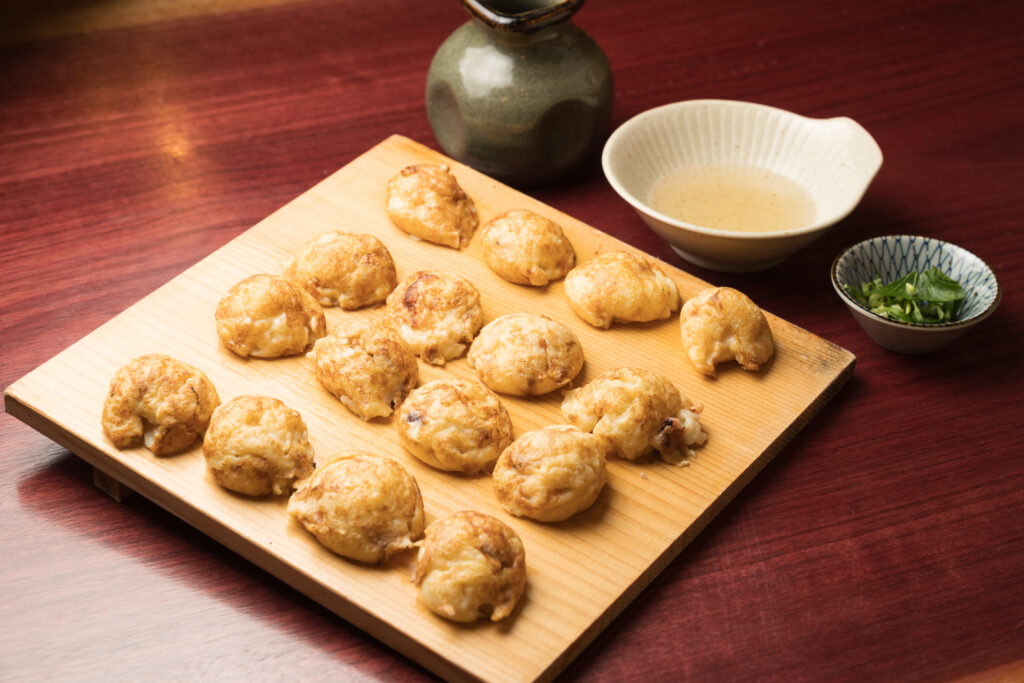
With more than 80 years of history, Akashi Tamagoyaki Imanaka is a specialist in the truest sense. The menu focuses on one thing: tamagoyaki, the local name for Akashi-yaki.
The dashi is made using Rausu kelp and bonito, and its umami is incorporated into the batter as well as served alongside it. Each piece holds its shape on the outside but remains creamy and custard-like in the centre.
The simplicity is exactly the point. There are no elaborate toppings trying to win your attention—just eggy batter, octopus, and carefully prepared broth.
The shop opens in the morning and may close once its daily supply sells out, so this is not a place to leave until the final hour of your itinerary.
Best for: Traditional Akashi-yaki and travellers who want to try the dish in its home region.
What to order: Tamagoyaki—the decision-making process will not keep you busy here.
Traveler tip: Let each piece cool briefly before eating. The centre can be much hotter than its innocent, fluffy appearance suggests.
2. Arima Juhachiban
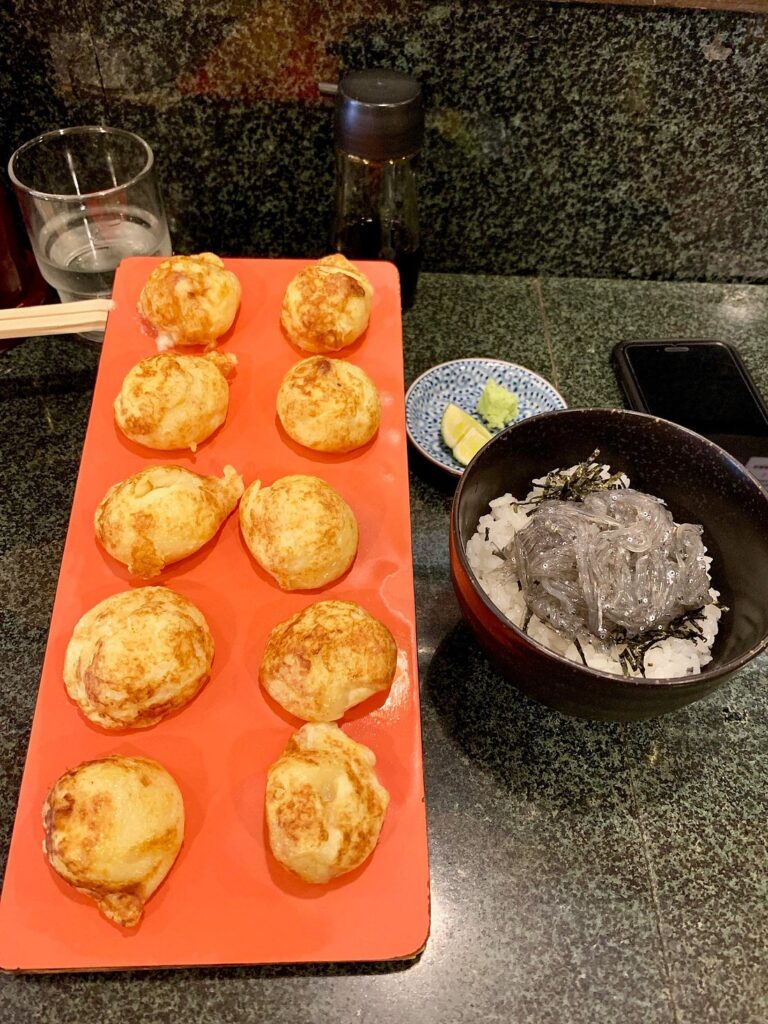
Arima Juhachiban is a compact and popular Akashi-yaki restaurant in Arima Onsen. Chefs prepare the food behind the counter, giving the small dining room a lively, informal atmosphere.
Alongside traditional Akashi-yaki, the restaurant serves Arima-yaki, its own variation inspired by the flavours of the hot-spring town. The batter contains Japanese yam and Arima sansho pepper simmered in white soy sauce.
The yam creates a soft yet slightly springy texture, while the sansho adds a fresh citrus aroma and a gentle tingling heat. It is still recognisably related to Akashi-yaki, but it has enough local character to justify ordering both versions for comparison.
Best for: Visitors to Arima Onsen and travellers who enjoy regional variations on classic dishes.
What to order: One serving of Akashi-yaki and one of Arima-yaki to share.
Traveler tip: Lines are common because the restaurant is small. Treat it as a snack stop rather than building a tightly timed itinerary around it.
3. Kitano Takohei
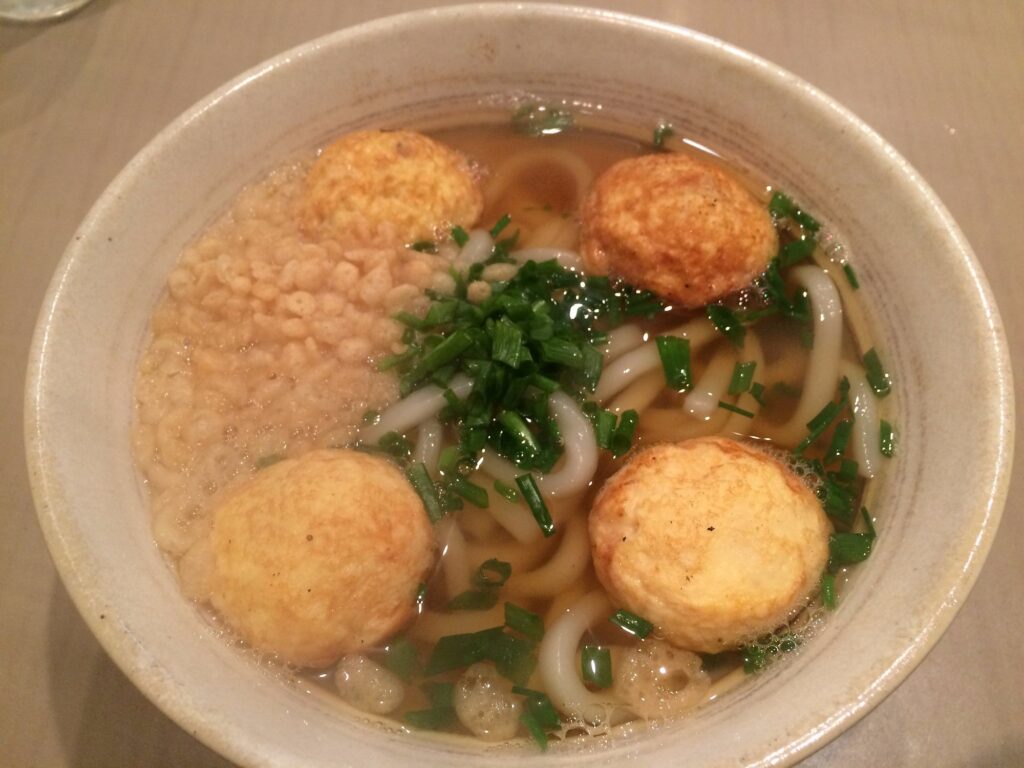
Kitano Takohei is a small local shop in Kobe’s Kitano Ijinkan district. It serves Akashi-yaki alongside several less conventional takes on takoyaki.
The batter is seasoned with soy sauce, giving it more flavour before any toppings or dipping broth are added. Depending on the menu, you may also find variations flavoured with plum and shiso, curry, or pizza-style ingredients.
The most unusual option is Takoyaki Udon, which places soft octopus dumplings and udon noodles together in a light Kansai-style broth. Is it traditional? Not exactly. Is it the sort of dish we remember long after another ordinary plate of noodles? Very possibly.
Best for: Casual lunches, curious eaters, and visitors exploring the Kitano district.
What to order: Akashi-yaki for the classic experience or Takoyaki Udon for something harder to find elsewhere.
Traveler tip: This makes an easy food stop while visiting the Kitano Ijinkan houses, particularly when you want something quick rather than a formal sit-down meal.
Where to eat in Kobe: 3 Best Places for Beef Cutlet
Kobe’s Western-style restaurants are part of the city’s culinary identity. As an international port, Kobe absorbed foreign influences earlier than much of Japan, then transformed them into a distinct local style known as yoshoku.
Beef cutlet, or bifukatsu, is one of the city’s most satisfying yoshoku dishes. Beef is seasoned, coated in breadcrumbs, and fried until the outside becomes crisp while the centre remains tender and often pink.
Unlike tonkatsu, which is made with pork and frequently served with a thick fruit-based sauce, beef cutlet is often paired with Worcestershire sauce or a rich demi-glace. Every restaurant has its own preferred balance of sweetness, acidity, bitterness, and savoury depth.
These three long-standing restaurants are excellent places to start.
1. Grill Ippei Shinkaichi Main Store
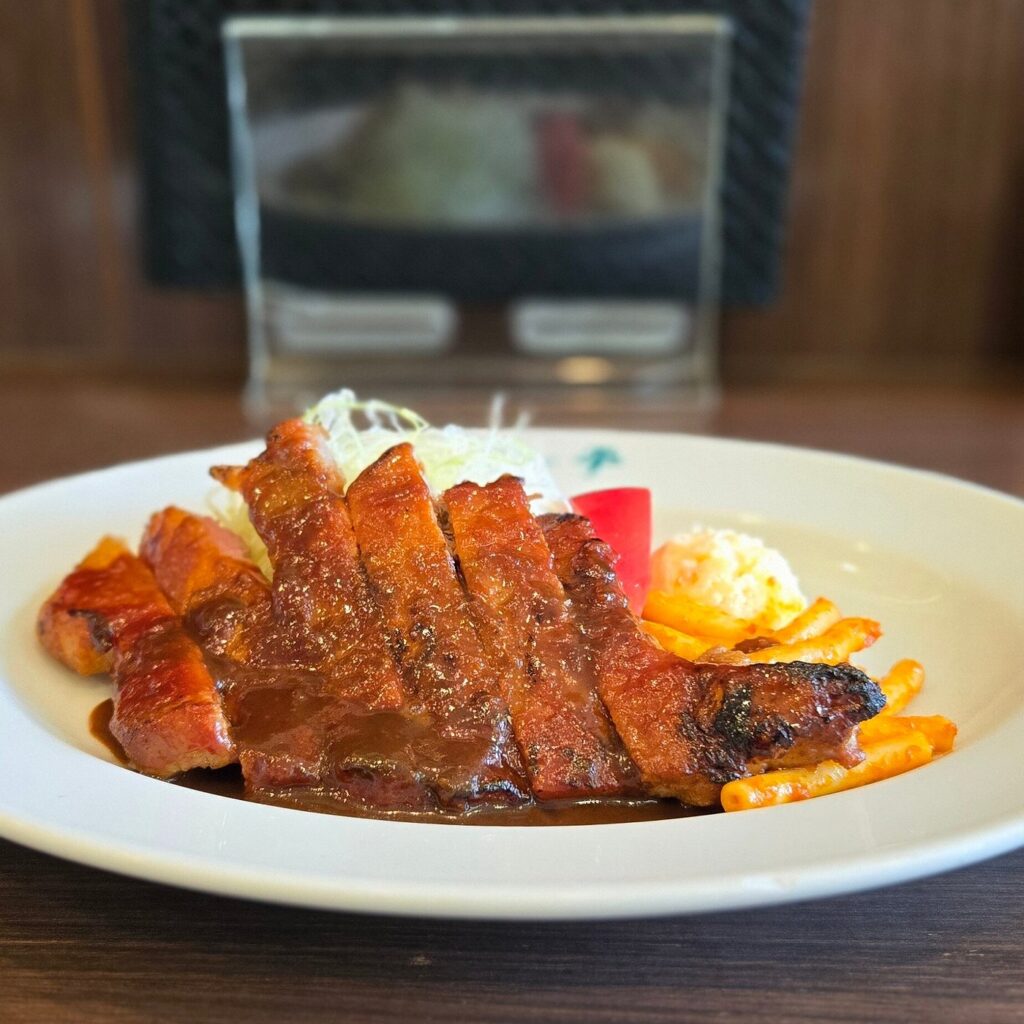
Founded in 1952, Grill Ippei is one of Kobe’s classic Western-style restaurants.
Its defining feature is the house demi-glace sauce, prepared over several days using carefully selected meat and vegetables, including onions from Awaji Island. The recipe has been passed down through generations and delivers a complex balance of sweetness, acidity, richness, and roasted flavour.
That sauce is especially good with the restaurant’s fillet beef cutlet. The crisp breadcrumb coating provides texture, while the tender beef remains the centre of the dish rather than disappearing beneath the sauce.
The surroundings are unpretentious and nostalgic, making this a strong choice when you want old-school Kobe yoshoku rather than polished luxury dining.
Best for: Traditional Kobe Western cuisine, solo diners, and anyone who takes demi-glace sauce seriously.
What to order: Fillet beef cutlet with demi-glace sauce.
Traveler tip: Popular yoshoku restaurants can develop lunchtime queues. Arriving shortly before the main lunch rush generally makes the experience easier.
2. Western-Style Yoshoku Quattro
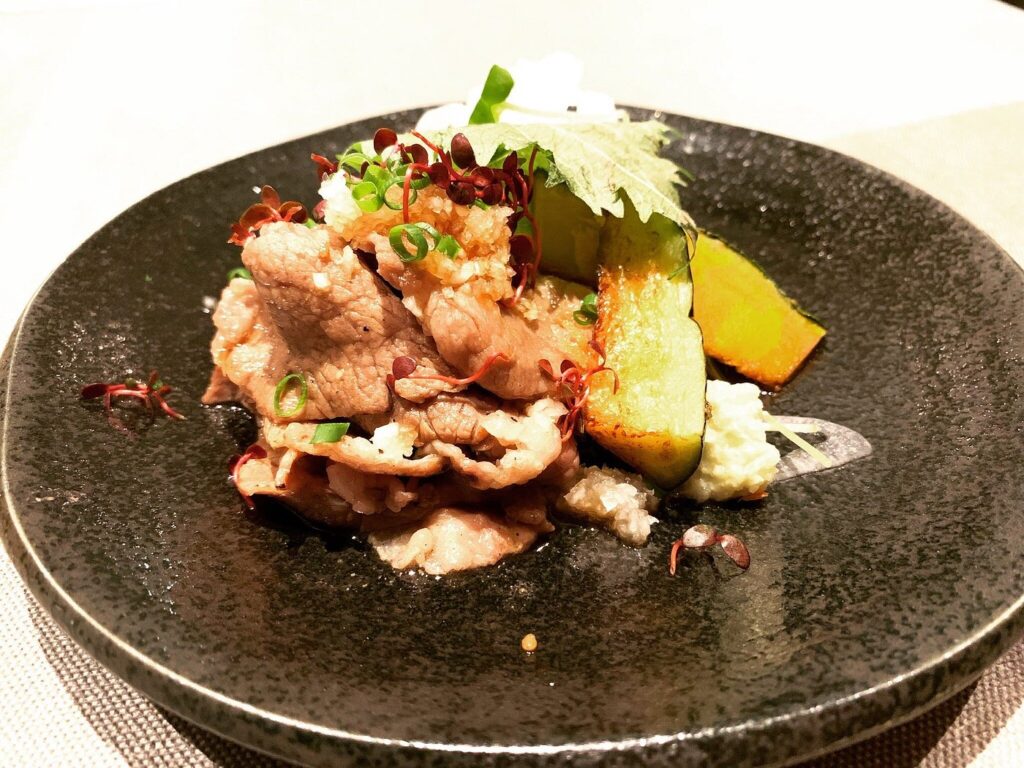
Dining Quattro is a popular Western-style restaurant in Kobe’s Motomachi area.
Its beef cutlet is made with high-quality Kuroge Wagyu and cut impressively thick—around two to two and a half centimetres. Despite its size, the meat is tender enough to cut with chopsticks.
Each bite combines a crisp outer coating with juicy beef and gently melting fat. A generous serving of homemade demi-glace adds sweetness, savoury depth, and a slightly tangy finish.
This is not a tiny, snack-like cutlet. Come hungry, particularly if you plan to add side dishes or one of the restaurant’s other Western-style favourites.
Best for: A substantial lunch near Motomachi and travellers who prefer a thick, tender beef cutlet.
What to order: The signature beef cutlet with homemade demi-glace.
Traveler tip: Long lines are possible during peak hours. An early or late lunch can save time without requiring you to abandon the restaurant entirely.
3. European Cuisine Mon
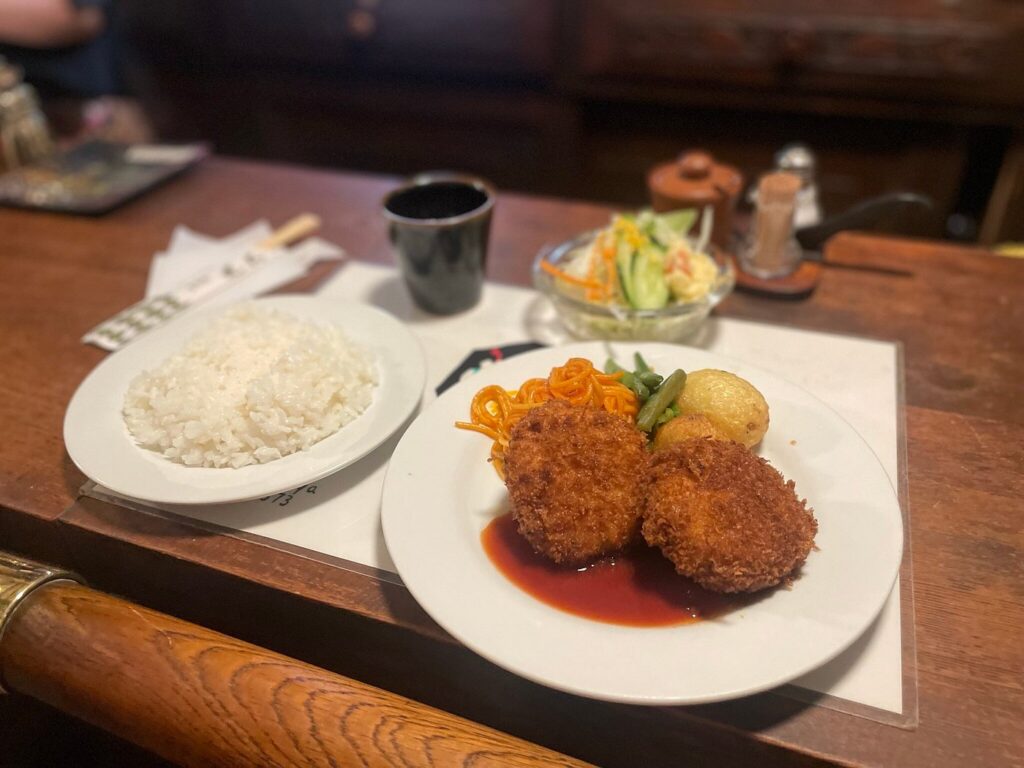
Founded in 1936, European Cuisine Mon is one of Kobe’s best-known historic Western-style restaurants.
Its beef cutlet follows the classic formula: crisp breadcrumbs, tender beef, and a deeply flavoured demi-glace sauce. The restaurant is also known for dishes such as omurice, making it a useful option for groups who want to try several kinds of yoshoku.
Beef cutlet sandwiches are available as a takeaway-style option and make an interesting edible souvenir. The restaurant’s retro branding and packaging feature artwork by Eiji Kawanishi, a woodblock print artist associated with scenes of Kobe.
Best for: Historic atmosphere, classic yoshoku, and travellers who appreciate retro Japanese design.
What to order: Beef cutlet in the restaurant or a beef cutlet sandwich to take away.
Traveler tip: A cutlet sandwich can be useful for a train journey, but eat it reasonably soon rather than carrying it around Kobe all day.
3 Best Butaman Shops in Kobe
Few foods are more reassuring on a cold day than a hot pork bun handed across a counter in Kobe Chinatown.
Known as butaman in western Japan and more commonly called nikuman around Tokyo, these steamed buns are made by wrapping seasoned pork and vegetables in soft, slightly sweet dough.
Recipes vary considerably. Some shops favour a fluffy wrapper, while others make it chewier. Fillings may contain onions, spring onions, bamboo shoots, mushrooms, or different ratios of pork and seasoning.
Kobe’s butaman shops are particularly easy to sample while exploring Nankinmachi and the surrounding Motomachi streets.
1. Roshoki
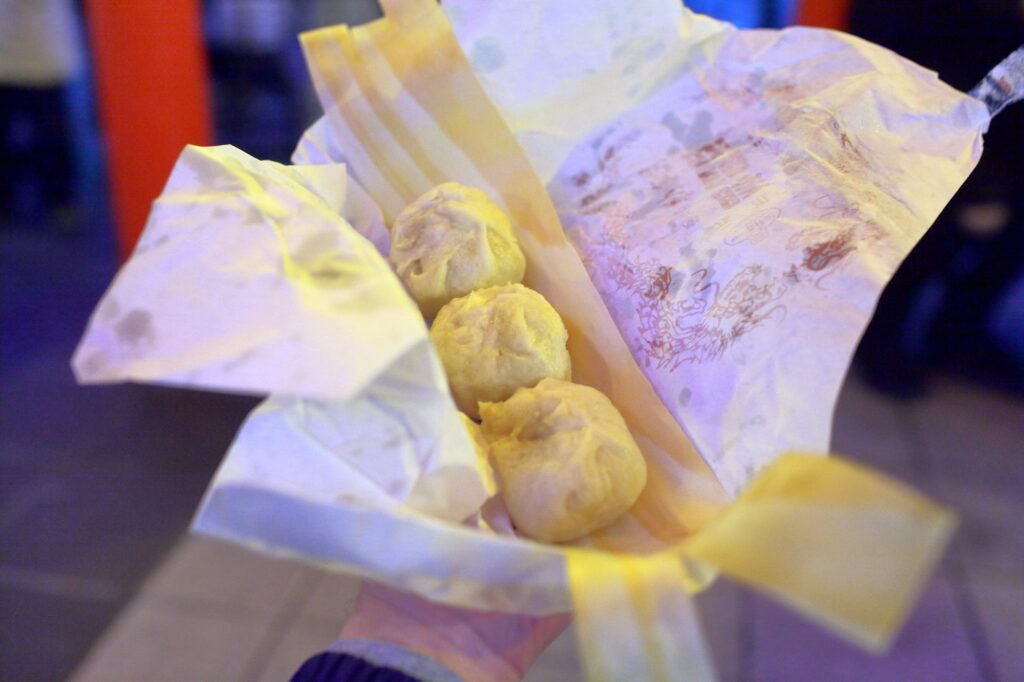
Roshoki is one of Kobe Chinatown’s most famous food stops. Founded in 1915 by an immigrant from Zhejiang, China, it is widely regarded as Japan’s first specialist pork-bun shop.
The buns are smaller than many visitors expect, which is actually useful because the minimum order is easier to finish than it sounds. The dough is soft and lightly sweet, while the filling is rich, savoury, and juicy.
Roshoki reportedly sells thousands of buns each day, and queues can form almost immediately after opening. On busy weekends and holidays, waiting times may become substantial.
Are they worth queuing an hour for? That depends on your tolerance for queues and your emotional attachment to steamed dough. They are certainly worth trying when the line is manageable.
Best for: First-time visitors to Kobe Chinatown and anyone assembling a street-food crawl.
What to order: The classic pork buns.
Traveler tip: These buns are small, so do not judge the order size by the number alone. They are also extremely hot inside—bite carefully unless you enjoy burning your mouth in front of strangers.
2. Koran Main Store
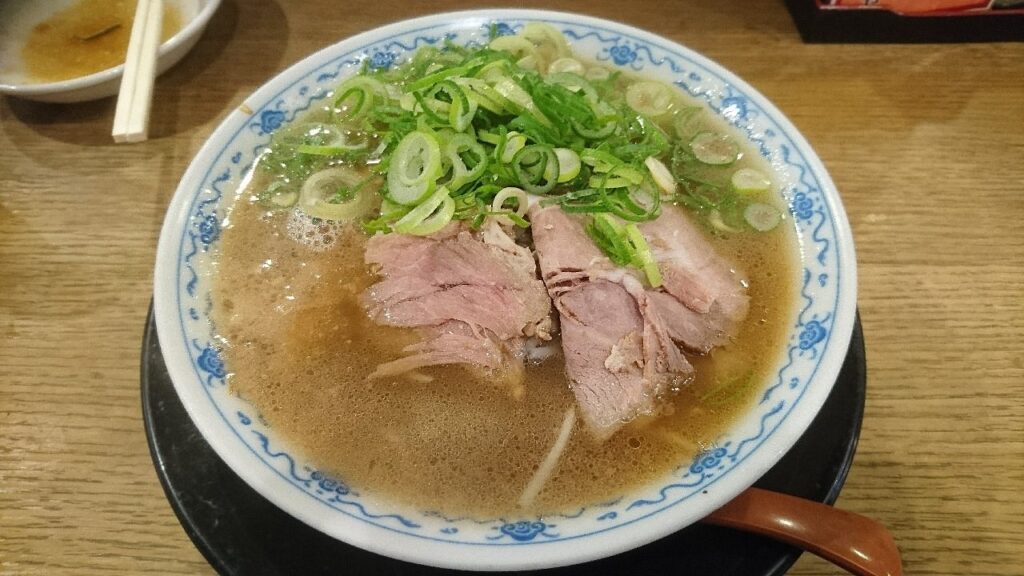
Founded in 1959, Koran is a long-established Chinese restaurant near Xi’an Gate and Motomachi Station.
The main store includes both a takeaway dim sum counter and a dine-in area. That gives you two useful options: pick up a hot bun while walking through Chinatown, or sit down for a larger meal with dishes such as noodles and mapo tofu.
Its signature pork bun has remained a staple since the restaurant opened. The wrapper is springy yet fluffy, while the pork filling is juicy and strongly seasoned without becoming overpowering.
Koran is especially convenient when your group cannot agree on eating plans. Some of you can grab buns outside, while others can commit to a full meal indoors.
Best for: Families, mixed groups, and travellers who want both takeaway and sit-down choices.
What to order: The classic Koran pork bun, followed by additional dim sum if hunger wins.
Traveler tip: The takeaway counter is useful for a quick stop, but Chinatown has limited places to sit. Eat neatly and avoid blocking the narrow pedestrian flow.
3. Sannomiya Ikkanrou Main Store
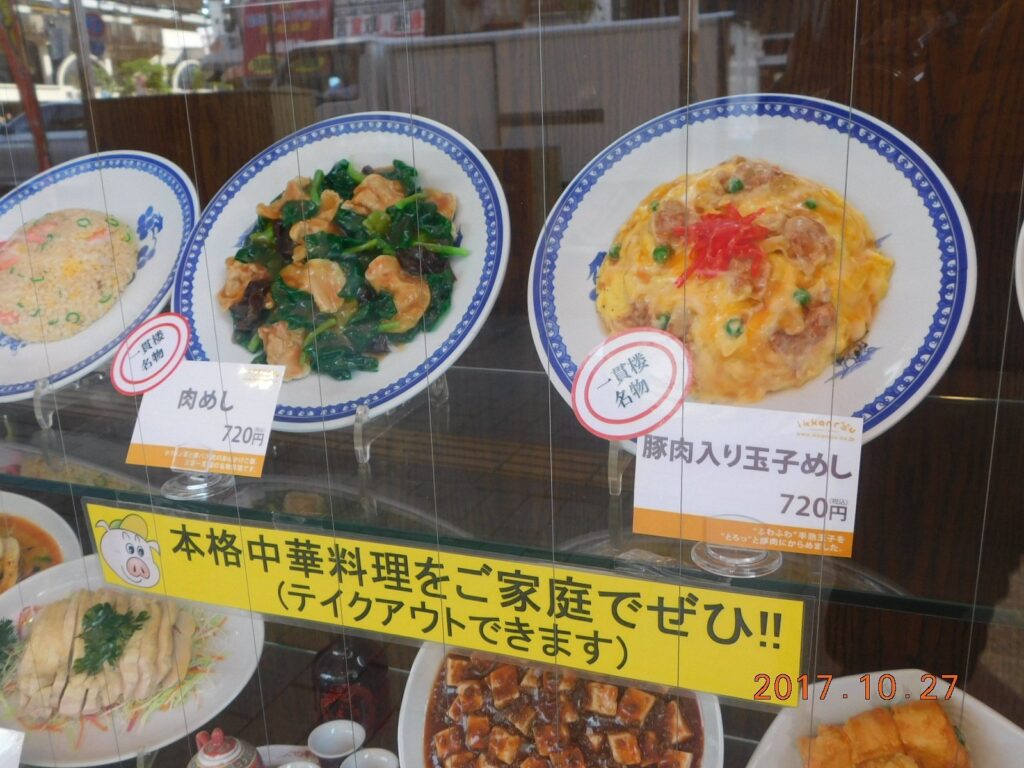
Sannomiya Ikkanrou began in 1954 as a small neighbourhood Chinese restaurant in Kobe.
Its pork buns are made with domestically produced pork, carefully selected onions, and dough blended from several types of wheat flour. The result is a chewy wrapper surrounding a moist, savoury filling.
Beyond the standard butaman, the shop offers smaller Chibi Butaman, spicy Piri Pao containing gochujang, and occasional seasonal varieties.
The smaller buns are particularly useful when you want to taste several Kobe foods in one afternoon without reaching the gyoza section already defeated.
Best for: Trying several varieties and travellers based around Sannomiya.
What to order: One classic butaman plus a smaller or spicy variation.
Traveler tip: The mini buns work well for children or for building a broader street-food tasting route around central Kobe.
3 Popular Restaurants for Sobameshi
Sobameshi is one of those dishes that sounds like someone emptied two separate meals onto the same griddle—and that is more or less how it began.
The dish originated in Nagata Ward and combines finely chopped yakisoba noodles with rice, vegetables, meat, and a rich savoury sauce. It reportedly developed from an off-menu request before spreading throughout Kobe and eventually becoming popular across Japan.
The noodles bring chewiness, the rice adds body, and the hot griddle creates toasted edges and a smoky aroma. Common additions include pork, cabbage, bean sprouts, dried seaweed, pickled ginger, squid, shrimp, beef tendon, or a fried egg.
It is cheap, filling, informal, and best eaten directly from the griddle while still hot.
1. Ganso Okonomiyaki Dojo
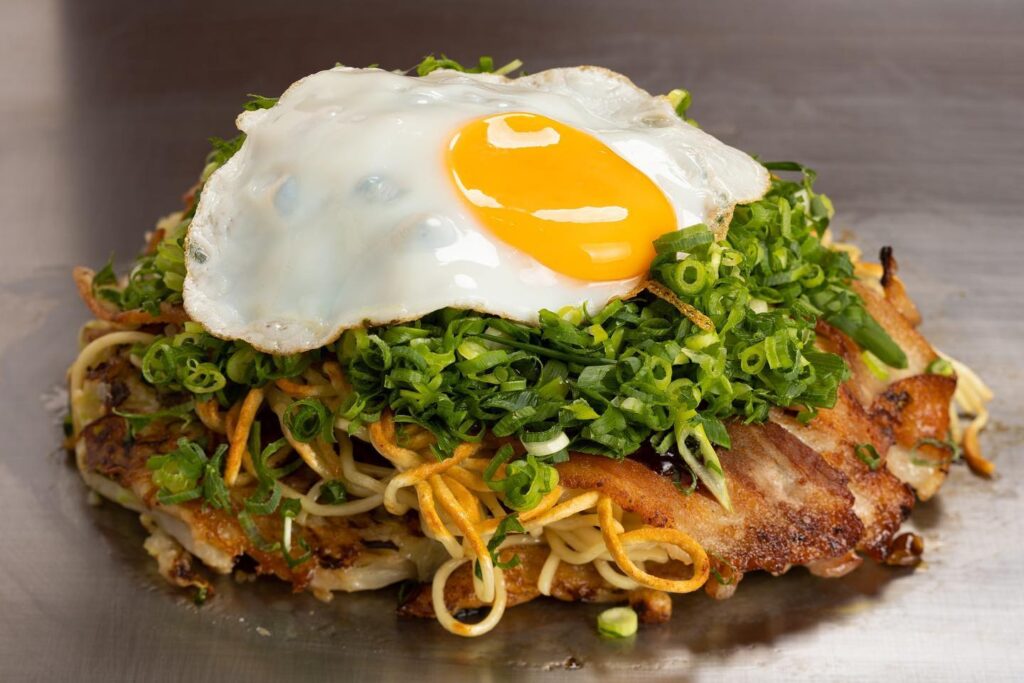
Ganso Okonomiyaki Dojo has served Kobe’s flour-based comfort food for more than 50 years.
The restaurant offers generous portions and a broad selection of okonomiyaki, teppan dishes, and local favourites. Popular options include pork okonomiyaki and suji-kon-yaki, made with beef tendon and konjac.
The sobameshi is a natural addition to the meal, especially when shared alongside okonomiyaki. It is rich, saucy, and satisfying without trying to become a sophisticated restaurant dish—which would rather miss the point.
Best for: Groups, generous portions, and travellers who want to compare several Kobe griddle dishes.
What to order: Sobameshi with either pork or beef tendon, plus one okonomiyaki to share.
Traveler tip: Ordering several dishes for the table works better than everyone choosing one enormous carbohydrate-heavy plate. Kobe will offer you more food later. It always does.
2. Okonomiyaki Yuki
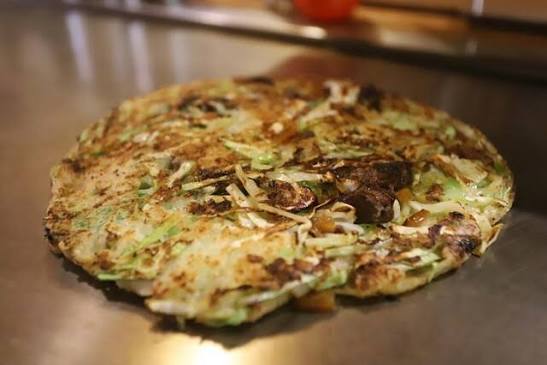
Okonomiyaki Yuki is a family-run restaurant near Komagabayashi Station on Kobe’s Kaigan Line.
The restaurant is known for its strongly local atmosphere and for dishes such as suji bokkake okonomiyaki, topped with finely chopped beef tendon and cabbage.
Its sobameshi is cooked without oil on a thick griddle that has been used for more than 30 years. This creates a lighter result than you might expect from a dish combining noodles, rice, meat, and sauce.
The setting feels retro and straightforward. You come here for local cooking, not for decorative plating or a lengthy explanation of where the cabbage spent its childhood.
Best for: Local atmosphere, Shin-Nagata exploration, and lighter-style sobameshi.
What to order: Sobameshi and suji bokkake okonomiyaki.
Traveler tip: The restaurant is outside Kobe’s main tourist centre, so combine it with other sights around Nagata rather than making a separate cross-city journey for one quick plate.
3. Mimasaka Kobe Sannomiya
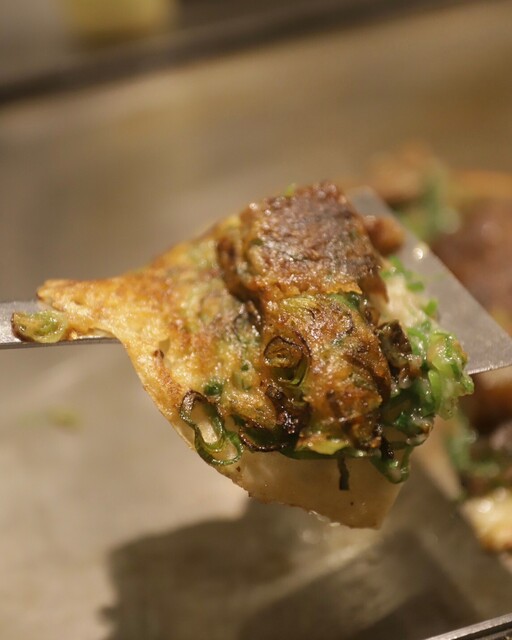
Mimasaka is a popular okonomiyaki restaurant in the Kitano and Sannomiya area.
Its beef tendon is slowly cooked until tender and appears throughout the menu in okonomiyaki, thin pancakes, stir-fried dishes, and sobameshi.
The sobameshi uses thick, chewy noodles coated thoroughly in sauce. You can customise it by choosing ingredients such as beef tendon, pork, squid, or fried beef scraps.
That flexibility makes Mimasaka a convenient introduction for first-time sobameshi eaters. Choose beef tendon for a distinctly Kobe flavour, or pork and squid for something closer to familiar yakisoba.
Best for: Customisable sobameshi and a convenient meal around Sannomiya or Kitano.
What to order: Sobameshi with beef tendon, or a two-ingredient combination.
Traveler tip: Beef tendon is rich, so balance it with vegetables or share the dish if you are planning more food stops afterwards.
3 Places to Try Bokkake Yakisoba
Bokkake yakisoba is another proud creation of Kobe’s Nagata Ward.
The dish combines yakisoba noodles with bokkake, a sweet and savoury mixture of beef tendon and konjac simmered until tender. The beef provides richness and a soft, gelatinous texture, while the konjac adds chewiness without making the dish excessively heavy.
Everything is tossed together on a hot griddle with sauce, allowing the noodles to absorb the flavour of the bokkake. Compared with ordinary yakisoba, the result is deeper, sweeter, and more substantial.
This is everyday local food rather than elegant dining, which is precisely why we like it.
1. Nagata Honjo-ken Sannomiya Center Plaza
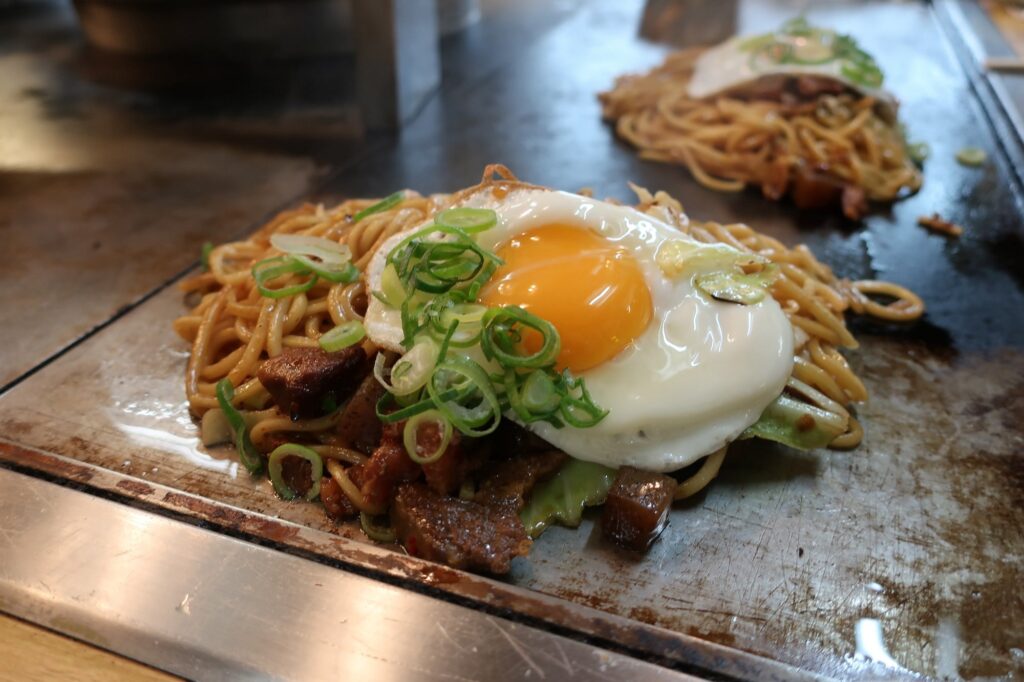
Located inside Sannomiya Center Plaza, Nagata Honjo-ken specialises in two Nagata favourites: bokkake and bokkake yakisoba.
The restaurant makes its medium-thick noodles in-house each day. They are firm, chewy, and strong enough to hold up against the sweet and savoury sauce.
Tender pieces of slowly simmered beef tendon and konjac are mixed through the noodles, creating a dish with plenty of flavour and texture. The central location makes this one of the easiest places to try bokkake yakisoba without travelling to Nagata itself.
Best for: First-time bokkake diners, quick lunches, and travellers staying near Sannomiya.
What to order: Classic bokkake yakisoba.
Traveler tip: Center Plaza can feel maze-like, so allow a little extra time to find the restaurant rather than assuming you will spot it instantly from the street.
2. Yakisoba Specialty Shop Ikari
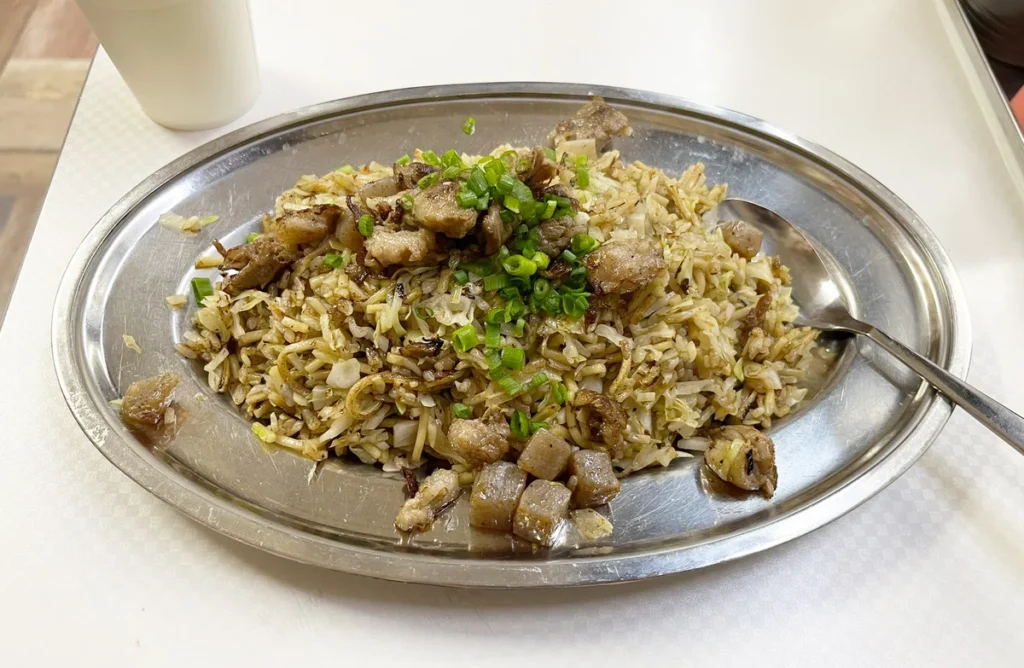
Ikari is a yakisoba specialist in the Shin-Nagata area, near the Tetsujin monument and public footbath.
The compact menu focuses on four main dishes: bokkake yakisoba, pork yakisoba, bokkake sobameshi, and pork sobameshi.
The food is seasoned with Bara Sauce, a local sauce originating in Nagata. The initial seasoning is relatively light, allowing you to add more sauce from the table according to your preference.
This is particularly helpful because sauce tolerance is deeply personal. One person wants a gentle coating; another wants the noodles to look as though they survived a minor sauce-related flood.
Best for: Comparing yakisoba with sobameshi and exploring the Shin-Nagata area.
What to order: Bokkake yakisoba first, or bokkake sobameshi if you want the full noodle-and-rice experience.
Traveler tip: Combine your meal with the nearby Tetsujin 28-go statue and a walk through Shin-Nagata’s shopping streets.
3. Shinkaichi Yakisoba
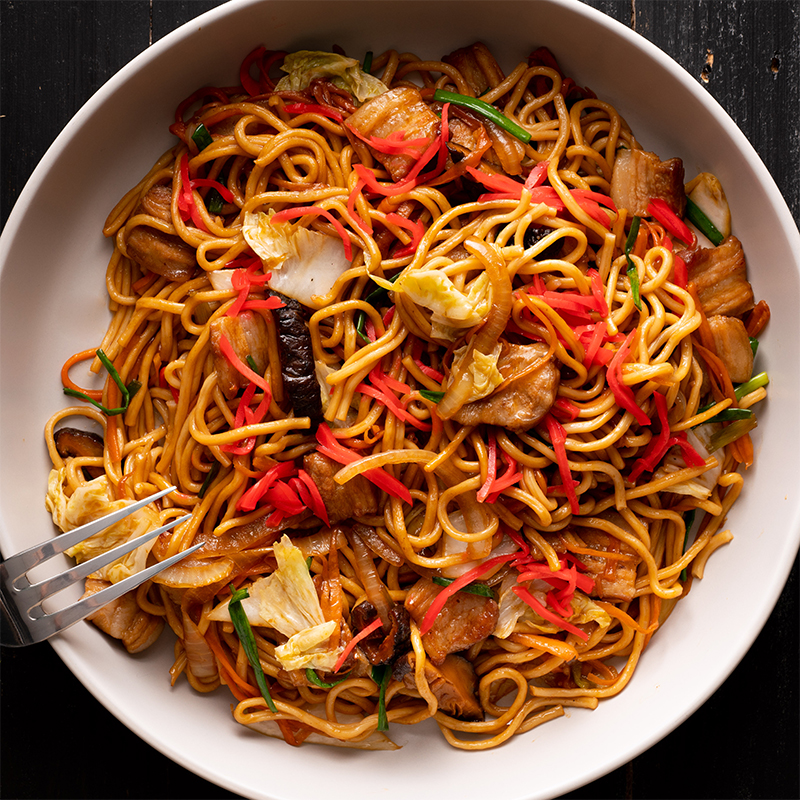
Opened in March 2024, Shinkaichi Yakisoba is a newer specialist joining Kobe’s long tradition of inexpensive griddle cooking.
Its signature dishes include Shinkaichi Yakisoba, prepared with minced beef tendon and konjac, and Shinkaichi Sobameshi.
The thick noodles are coated in a rich sweet-and-spicy sauce, creating a familiar, comforting flavour. You can add toppings such as fried egg, offal, or kimchi to make the dish heavier, hotter, or more indulgent.
Traditional bokkake yakisoba is also available and remains the obvious choice when visiting for the first time.
Best for: Customisable noodles and travellers exploring Shinkaichi.
What to order: Bokkake yakisoba with a fried egg.
Traveler tip: A fried egg softens the intensity of the sauce and adds richness without overpowering the beef tendon.
3 Best Places for Kobe Miso-Dare Gyoza
Most of Japan eats gyoza with a mixture of soy sauce, vinegar, and chilli oil. Kobe looked at that perfectly functional arrangement and decided it needed miso.
Miso-dare gyoza consists of pan-fried dumplings served with a miso-based dipping sauce. The combination is said to have been popularised by Ganso Gyoza-en, founded in 1951.
The sauce varies between restaurants, but it generally combines the sweetness and umami of miso with vinegar, soy sauce, chilli oil, sesame, or other seasonings. Its richness complements the crisp dumpling skin and juicy filling while helping balance the oil from frying.
Many local restaurants allow you to mix your own dipping sauce at the table, so you can adjust the miso, vinegar, soy, and chilli until it tastes right.
1. Ganso Gyoza-en
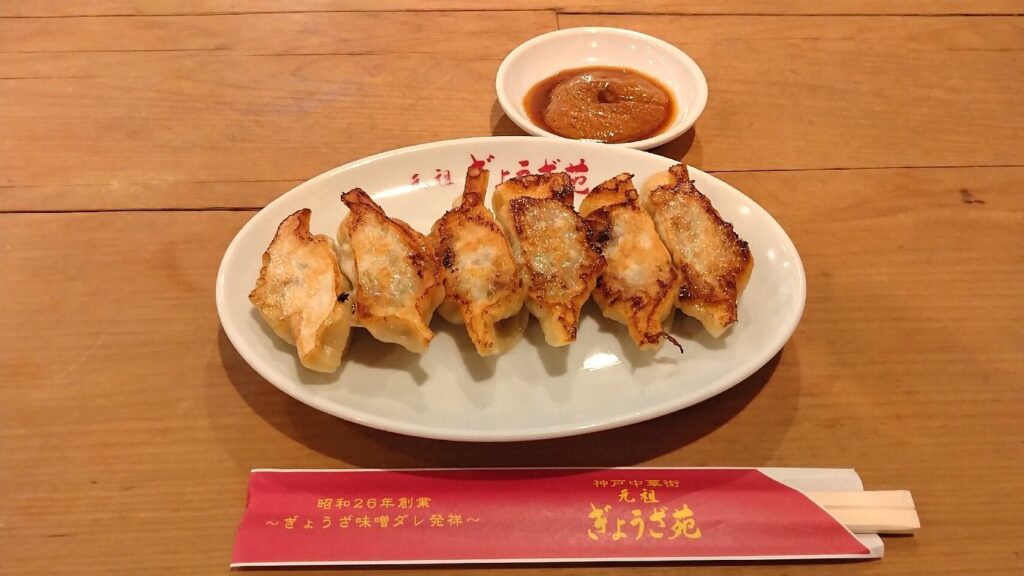
Founded in 1951, Ganso Gyoza-en is regarded as the birthplace of Kobe’s miso-dare gyoza tradition.
The dumpling filling uses domestic pork and vegetables, with A5-grade Kobe beef added as a secret ingredient. The beef brings extra richness without turning the dumpling into a miniature steak.
Its house miso sauce is blended with seasonings and can be combined with vinegar and soy sauce at the table. Start with a small amount of each, taste, and adjust. Pouring everything together with heroic confidence is an efficient way to discover that you preferred the original ratio.
Located in Kobe Chinatown, the restaurant fits easily into a broader Nankinmachi food tour.
Best for: First-time miso-dare gyoza and travellers interested in the dish’s history.
What to order: Pan-fried gyoza with the house miso sauce.
Traveler tip: Do not fill up entirely on pork buns before arriving. Chinatown punishes poor snack planning.
2. Gyoza Restaurant Hyotan Motomachi
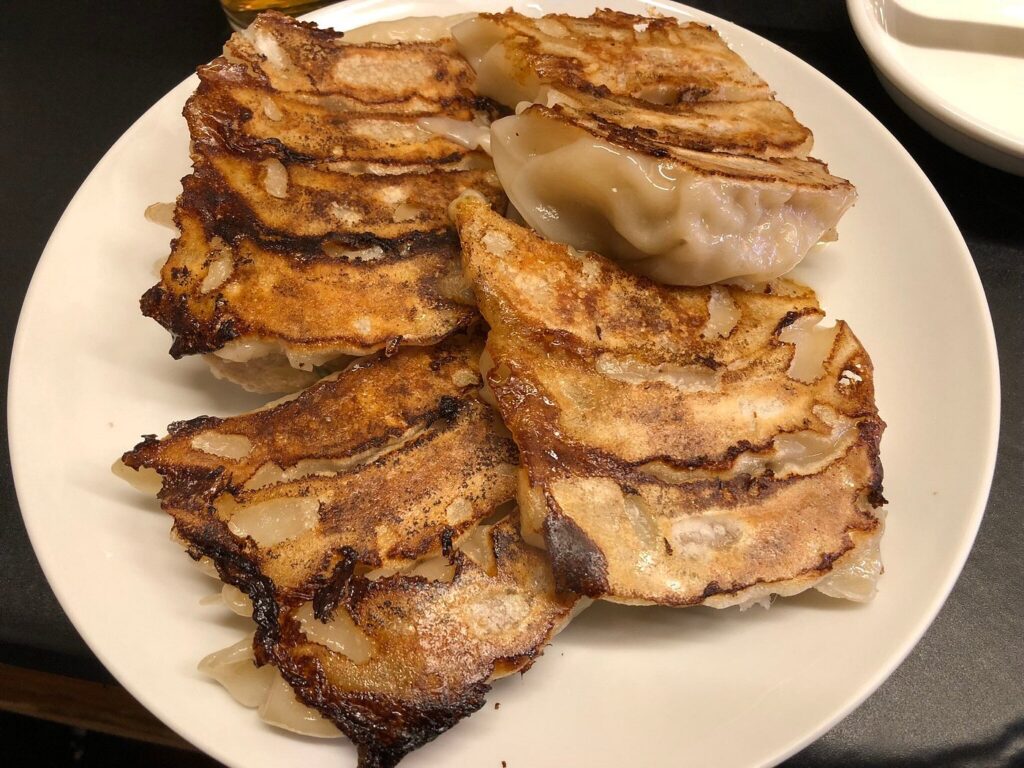
Founded in 1957, Hyotan is a long-established specialist with a refreshingly narrow food menu: pan-fried gyoza.
Its Kobe-style dumplings have thick, chewy wrappers and juicy fillings. They are served with a distinctive red-miso-based sauce based on a recipe passed down for decades.
The simplicity makes Hyotan an easy stop during a day around Motomachi. You order gyoza, mix your sauce, eat, and continue exploring. Nobody needs to study a twelve-page menu or negotiate a tasting course.
Best for: A quick local meal, chewy-skinned gyoza, and Motomachi sightseeing.
What to order: Gyoza with plenty of the original red miso sauce.
Traveler tip: Because gyoza is the main event, this works better as a snack or light meal than as a long restaurant experience.
3. Akaman Motomachi
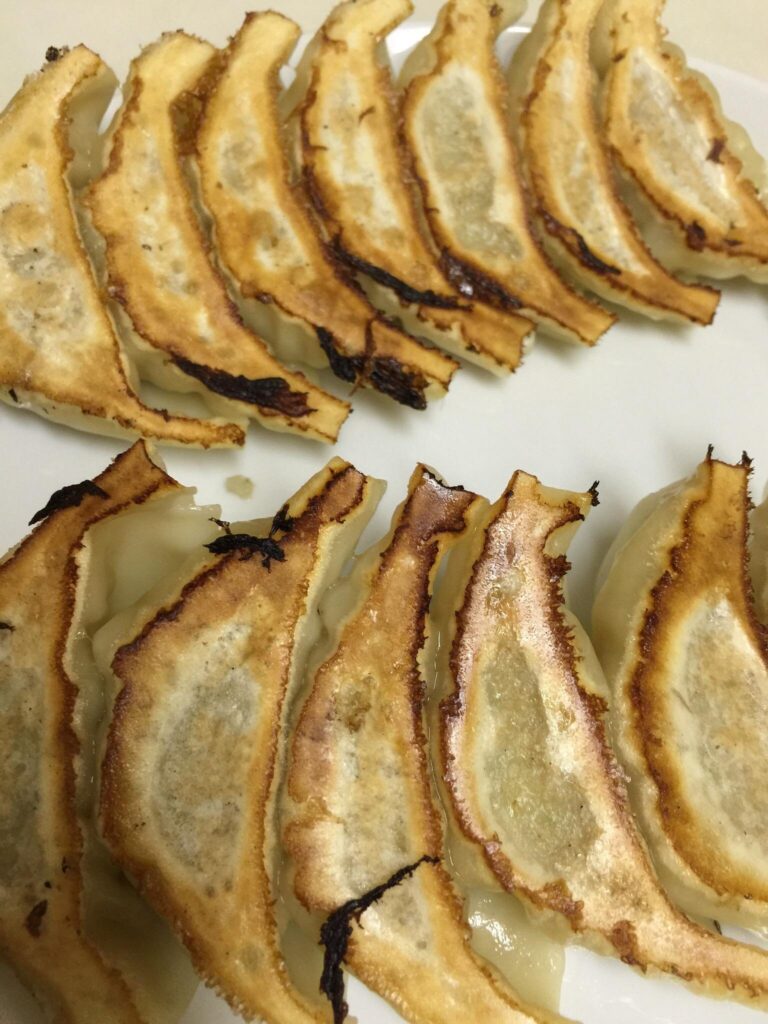
Akaman is another long-running Kobe gyoza specialist, with more than 60 years of history.
The Motomachi shop is easy to recognise by its red awning. Inside, the space is small and intimate, with counter seating and only a few tables. Lines can begin forming before opening, especially at busy times.
Each serving contains seven dumplings with crisp bottoms, tender wrappers, and juicy but relatively light fillings. Condiments are placed on the table, allowing you to combine homemade miso sauce with vinegar, chilli oil, and other seasonings.
The food menu is famously focused, with gyoza and beer forming the main attraction. It is simple, social, and very Kobe.
Best for: Casual evening food, beer and gyoza, and travellers who enjoy tiny local restaurants.
What to order: At least one serving of gyoza per person, plus beer if appropriate.
Traveler tip: Space is limited, so this is not the easiest option for large groups, oversized luggage, or a family carrying half the contents of a convenience store.
Frequently Asked Questions About Food in Kobe
Where can we find lots of restaurants in Kobe?
Sannomiya and Motomachi are the easiest areas for travellers who want plenty of restaurants within walking distance.
Sannomiya has department-store dining floors, covered shopping arcades, izakaya, cafés, teppanyaki restaurants, ramen shops, and inexpensive local eateries. It is also Kobe’s main transport hub, making it convenient for lunch or dinner before returning to your hotel.
Motomachi is particularly useful for Chinatown street food, Western-style restaurants, cafés, gyoza, and shopping. You can walk between Sannomiya and Motomachi in around 15 to 20 minutes, depending on your route and how often food distracts you.
Other good areas include:
- Nankinmachi: Best for pork buns, dumplings, dim sum, and casual Chinese street food.
- Kitano: Best for refined restaurants, cafés, and Kobe beef near the historic foreign residences.
- Shin-Nagata: Best for sobameshi, bokkake, okonomiyaki, and inexpensive local comfort food.
- Arima Onsen: Best for regional snacks and relaxed meals during a hot-spring trip.
- Maiko: Best for combining a scenic waterfront visit with a Kobe beef meal.
What foods is Kobe famous for?
Kobe beef is the city’s most internationally famous food, but it is far from the only thing worth eating.
Popular Kobe and Hyogo specialities include:
- Kobe beef: Certified Tajima beef known for fine marbling and tenderness.
- Akashi-yaki: Soft egg-based octopus dumplings dipped in warm dashi.
- Bifukatsu: Breaded beef cutlet, often served with demi-glace sauce.
- Butaman: Steamed pork buns closely associated with Kobe Chinatown.
- Sobameshi: Chopped yakisoba noodles fried with rice and sauce.
- Bokkake yakisoba: Noodles mixed with simmered beef tendon and konjac.
- Miso-dare gyoza: Pan-fried dumplings served with a miso-based dipping sauce.
- Western-style yoshoku: Dishes such as omurice, croquettes, beef stew, and cutlets shaped by Kobe’s history as an international port.
For a first visit, we would choose one Kobe beef meal, one traditional yoshoku restaurant, and a casual street-food crawl around Chinatown. Then add sobameshi or bokkake in Nagata if you have time—and enough appetite left to continue.
- Nagoya rainy day with kids in 2026 (Cool Indoor Things to Do )

- Best Gachapon in Tokyo (2026): 20 Places to Find Capsule Toys
- All Japanese KitKat Flavours List: The Ultimate Japan KitKat Guide
- Sapporo rainy day with kids (2026): 7 Cool Indoor Things to Do
- What To Do In Arashiyama With Kids: A Realistic One-Day Family Itinerary