
I spill travel tips , and show you the Japan that tourists usually miss.
Kobe has a talent for squeezing very different experiences into a surprisingly compact city.
One moment, we are wandering past red-brick warehouses and watching ships move through the harbor. The next, we are climbing into the Rokko Mountains, exploring European-style mansions or soaking in one of Japan’s oldest hot-spring towns.
That variety is what makes Kobe so easy to enjoy. You can build a relaxed one-day itinerary around the waterfront and Kitano, or stay longer and venture into Mount Rokko, Arima Onsen, Suma and northern Kobe.
Here are the best things to do in Kobe, including major landmarks, family attractions, museums, gardens and several quieter places that many first-time visitors miss.
Planning more adventures around Kobe and Kansai?
Before leaving the city, check our guide to what to buy in Kobe for local sweets, stylish gifts, and last-minute souvenirs. You can also visit Kobe as one of the best day trips from Osaka, continue shopping with our guide to the best things to buy in Osaka, or plan the rest of your route with the best places to visit in Japan.
Table of Contents
Best Things to Do in Kobe
1. See Kobe From Above at Kobe Port Tower
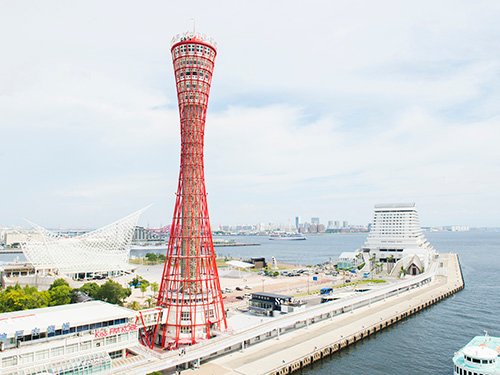
Kobe Port Tower is the red, hourglass-shaped landmark that appears in almost every photograph of the city’s waterfront. It has stood beside Kobe Port since 1963, but a major renovation has transformed it into much more than a quick observation stop.
The biggest addition is the Brilliance Tiara open-air rooftop deck, where you can take in a 360-degree view of Kobe without a ceiling above you. Below it, the observation floors include interactive light installations, photo spots, a glass-floor section and a revolving café and bar.
The tower is especially atmospheric around sunset, when the harbor begins to glow and the city lights climb toward the Rokko Mountains. Timed tickets are required for the observation floors and rooftop deck, so reserving ahead is sensible during weekends and holidays.
Best for: First-time visitors, sunset views and night photography
Allow: Around 60–90 minutes
Getting there: About five minutes on foot from Minato Motomachi Station
Good to know: The rooftop may close during rain or strong winds. Access from the upper observation floor involves stairs.
2. Explore Kobe’s Maritime History at Kobe Maritime Museum
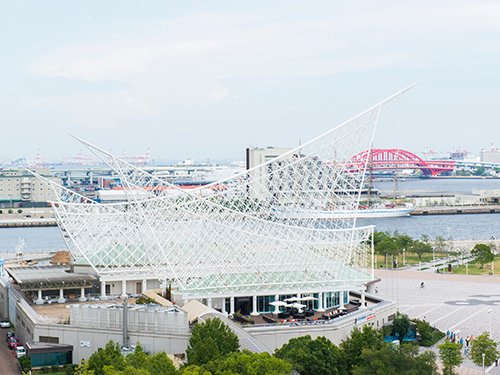
With its dramatic white roof resembling the sails and rigging of a ship, Kobe Maritime Museum is difficult to miss in Meriken Park.
Inside, the exhibitions trace the development of Kobe Port, from its opening to international trade through to the modern container era. Models, maps and interactive displays explain how the port shaped the city and connected Kobe with the rest of the world.
Children may be more interested in the hands-on exhibits, including ship simulators, than in the historical timelines—which is perfectly reasonable. The same building also houses Kawasaki Good Times World, where visitors can see motorcycles, railway vehicles and other machines produced by Kawasaki Heavy Industries.
Combine the museum with Kobe Port Tower, Meriken Park and Harborland rather than treating it as a separate trip.
Best for: Families, engineering fans and rainy days
Allow: Around 90 minutes to two hours
Getting there: Roughly ten minutes on foot from Minato Motomachi Station
Nearby: Kobe Port Tower, BE KOBE Monument and the Port Earthquake Memorial Park
3. Visit the Weathercock House in Kitano
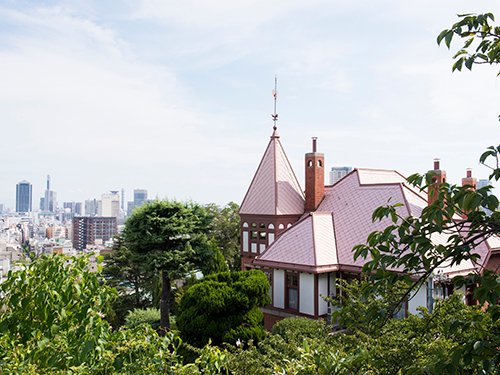
The Weathercock House, also known as the former Thomas Residence, is one of the most recognizable buildings in Kobe’s Kitano district.
Built for German merchant Gottfried Thomas during the late Meiji period, it is the only surviving Western-style residence in the area with a brick exterior. Its steep roof, timber details and weathercock give it the appearance of a European villa that somehow took a wrong turn and ended up on a hillside above Kobe.
The interior combines German architectural influences with decorative elements associated with Art Nouveau. More importantly, it helps explain how foreign merchants and their families lived in Kobe after the port opened to international trade.
The house sits near several other historic residences, so it works best as part of a wider Kitano walking route.
Best for: Architecture, history and classic Kobe photographs
Allow: Around 30–45 minutes
Getting there: Approximately 15 minutes uphill from Sannomiya Station
Good to know: Kitano’s slopes are steeper than they look on a map. Comfortable shoes help.
4. Step Inside the Scale-Covered Uroko House
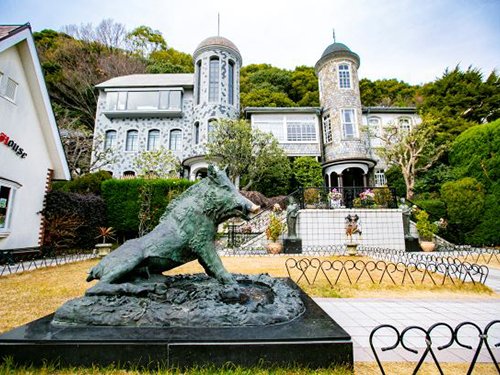
Uroko House earned its nickname from the thousands of natural stone slates covering its exterior. The overlapping tiles resemble fish scales, making the building one of the most distinctive residences in Kitano.
It was among the first foreign houses in Kobe to open to the public and is now a nationally registered tangible cultural property. Inside, you can see European furniture, porcelain, glassware and decorative objects that recreate the atmosphere of an affluent foreign household.
The adjoining observation gallery displays Western paintings and work by Japanese artists. Head to the upper floor for a panoramic view across Kobe’s rooftops toward the port.
Because Uroko House stands higher on the hill than many other Kitano attractions, reaching it involves a determined bit of uphill walking. The view is your reward for not turning back halfway.
Best for: Decorative arts, architecture and city views
Allow: Around 45–60 minutes
Getting there: Approximately 20 minutes on foot from Sannomiya Station
Tip: Consider a multi-house ticket when visiting several Kitano residences.
5. Ride the Ropeway to Kobe Nunobiki Herb Gardens
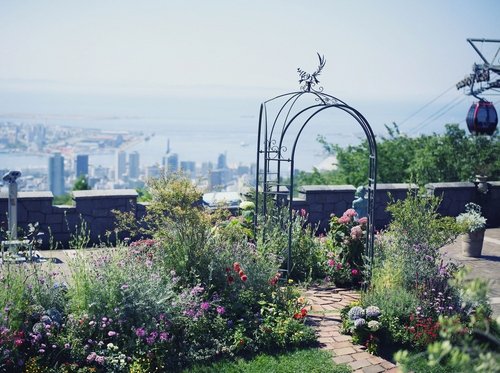
Kobe Nunobiki Herb Gardens begins with one of the city’s most enjoyable journeys: a ropeway ride from near Shin-Kobe Station into the mountains.
As the cabin climbs, the city gradually opens below you. At the top, you step into one of Japan’s largest herb gardens, home to around 200 species and tens of thousands of plants.
Twelve themed garden areas spread down the mountainside. You can wander through seasonal flower beds, smell herbs and essential oils, relax in a hammock or stop for lunch overlooking Kobe. The upper observation area has a European-inspired atmosphere, while The Veranda Kobe offers wide city and harbor views.
A good route is to ride to the summit, explore the upper gardens and then walk downhill through the grounds before taking the ropeway back from the middle station.
Best for: Couples, gardens, views and relaxed half-day trips
Allow: Three to four hours
Getting there: Around five minutes on foot from Shin-Kobe Station to the ropeway entrance
Good to know: Strong winds and thunderstorms can interrupt ropeway operations.
6. Watch the Sunset From Rokko Garden Terrace
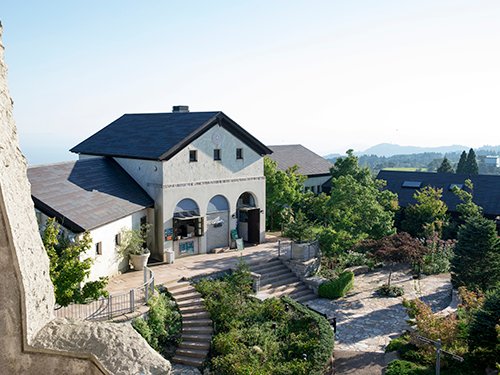
Near the summit of Mount Rokko, Rokko Garden Terrace combines viewpoints, restaurants and small shops in one mountain complex.
On a clear day, you can see across the Osaka Plain, the Akashi Strait and the waters of the Seto Inland Sea. At night, the city lights below create the famous panorama often promoted as Kobe’s “ten-million-dollar night view.”
The most unusual structure is the Rokko Shidare Observatory, a wooden, tree-like installation designed to interact with the mountain’s wind, light and changing seasons. Seasonal illumination events make it particularly attractive after dark.
Getting here by public transport involves a bus, the Rokko Cable Car and another mountain bus. It is not difficult, but it takes longer than the map may suggest. Plan the journey rather than improvising it shortly before sunset.
Best for: Panoramic views, sunset and date-night itineraries
Allow: Two to three hours, excluding transport
Getting there: Rokko Cable Car followed by the Rokko mountain bus
Tip: Bring an extra layer. The summit can be much colder and windier than central Kobe.
7. See One of Japan’s Great Night Views From Kikuseidai
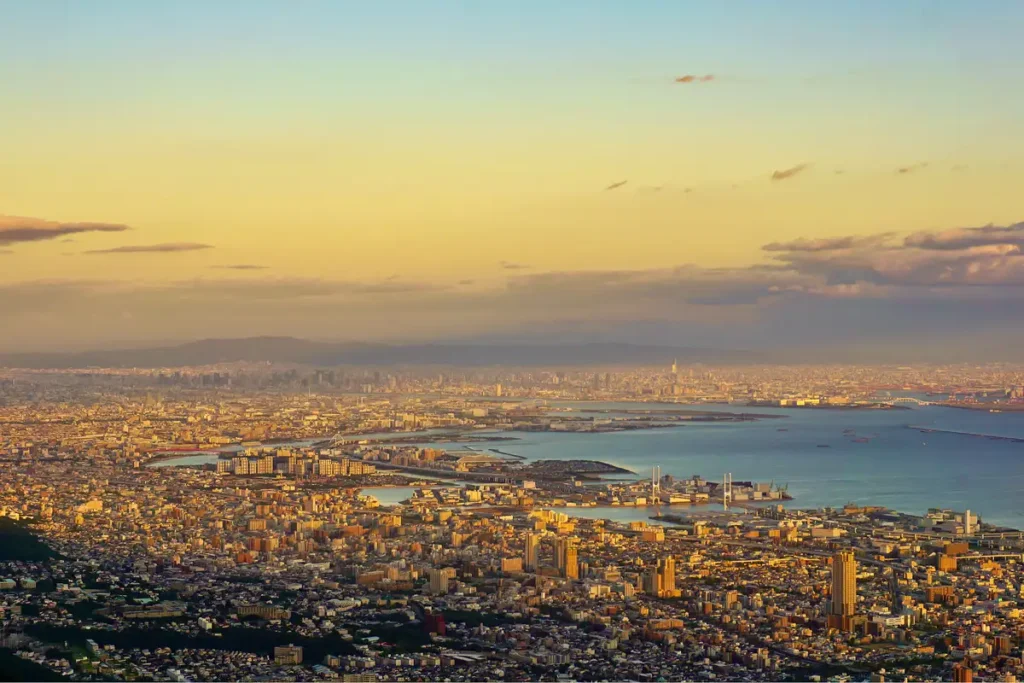
Kikuseidai sits on Mount Maya at an altitude of around 690 metres and is known for one of Japan’s most celebrated night views.
Its name suggests a place where the stars feel close enough to scoop up by hand. The city below provides its own field of lights, stretching from Kobe toward Osaka and, in clear conditions, as far as Kansai International Airport.
Arrive before sunset so you can watch the scenery change gradually. The sky turns blue, the harbor darkens and thousands of lights appear across the plain. It is much more satisfying than arriving after dark, taking three photographs and immediately joining the queue back down.
Kikuseidai is reached using the Maya Cable Car and ropeway, collectively known as the Maya View Line.
Best for: Night views and romantic evenings
Allow: Two to three hours, including transport
Getting there: Bus to Maya Cable Shita, followed by the cable car and ropeway to Hoshi no Eki
Good to know: Check the last return service before settling in for the view.
8. Meet Animals Up Close at Kobe Animal Kingdom

Kobe Animal Kingdom is one of the city’s strongest family attractions, particularly for children who lose interest when animals are hidden behind distant fences.
The facility is designed around close encounters. Capybaras, lemurs, sloths, birds and other animals can be observed at unusually short range, while carefully managed interaction areas allow visitors to feed or meet selected species.
Bird performances are among the biggest highlights, with owls, macaws and birds of prey flying across the arena. Much of the attraction is indoors, making this a useful choice during rain, extreme heat or cold weather.
It is located on Port Island and is very easy to reach from central Kobe using the Port Liner.
Best for: Families, animal lovers and rainy days
Allow: Three to five hours
Getting there: Take the Port Liner from Sannomiya to Keisan Kagaku Center Station
Tip: Check the daily schedule as performances and feeding sessions are easy to miss without a little planning.
9. Admire Art and Architecture at the Hyogo Prefectural Museum of Art
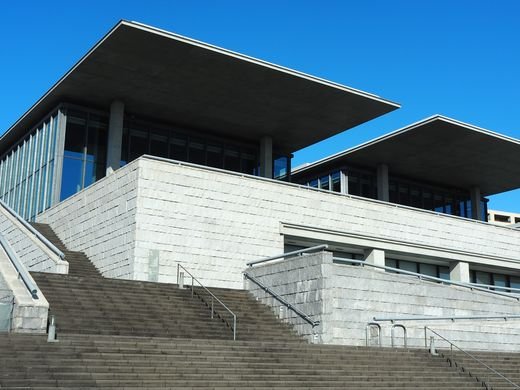
The Hyogo Prefectural Museum of Art is one of western Japan’s largest art museums and an attraction for architecture fans even before they reach the exhibitions.
Designed by Tadao Ando, the building uses concrete, monumental staircases, open terraces and carefully framed views of the sea. It was created as a symbol of cultural recovery following the Great Hanshin-Awaji Earthquake.
The museum collection includes work by artists connected with Hyogo Prefecture, alongside modern and contemporary Japanese and international art. Temporary exhibitions frequently become the main reason to visit, so check what is showing before you go.
A separate gallery explores Tadao Ando’s work, including architectural models, drawings and projects connected with post-earthquake reconstruction.
Best for: Art, architecture and quiet afternoons
Allow: Two to three hours
Getting there: Around ten minutes on foot from JR Nada Station
Good to know: High school students and younger visitors may qualify for free admission to the permanent collection.
10. See the Great Buddha at Nofuku-ji Temple
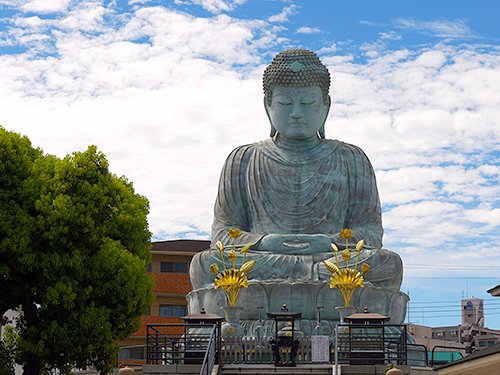
Nofuku-ji Temple is best known for the Hyogo Daibutsu, a large bronze Buddha considered one of Japan’s major Great Buddha statues.
The temple’s history is connected with Saicho, the founder of Japan’s Tendai school of Buddhism. Its original Great Buddha was dismantled during World War II after metal was requisitioned for the war effort. The present statue was completed in 1991.
The grounds are compact and peaceful, making Nofuku-ji an easy stop rather than an exhausting temple expedition. Alongside the Buddha, visitors can see the main hall, Buddhist images, inscriptions and structures reflecting the temple’s long religious history.
It lies away from Kobe’s busiest sightseeing circuit, so you may find far fewer visitors here than at the waterfront or Kitano.
Best for: Buddhist history and quieter sightseeing
Allow: Around 30–45 minutes
Getting there: Approximately ten minutes on foot from JR Hyogo Station
Admission: Free
11. Discover Antique Automata at the Kobe Doll Museum
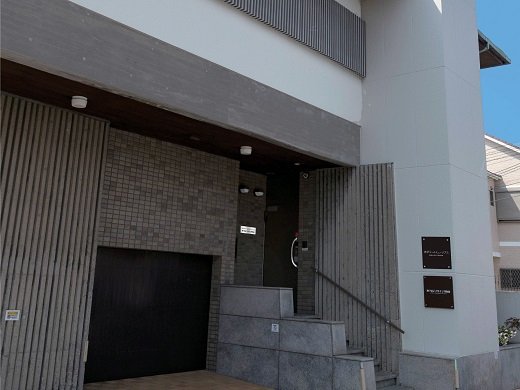
The Kobe Doll Museum is a small, specialist museum devoted to dolls, mechanical figures and historical toys from around the world.
Its most unusual exhibits are antique automata—mechanical figures designed to move in remarkably complex ways. The museum also displays bisque dolls and materials explaining the history of Western dollmaking.
This is not one of Kobe’s blockbuster attractions, and that is precisely its appeal. Visitors interested in craftsmanship, antique toys or mechanical design can spend time examining objects that rarely appear in conventional museums.
The museum has limited opening days and generally requires advance reservations, so this is not a place to approach with a cheerful “we’ll see what happens” attitude.
Best for: Collectors, craftsmanship and unusual museums
Allow: Around one hour
Getting there: About seven minutes on foot from Kasumigaoka Station
Good to know: Confirm the current opening schedule and reserve before travelling there.
13. Listen to Antique Instruments at ROKKO Forest Sound Museum
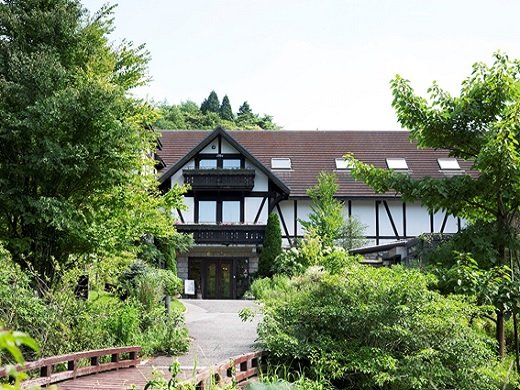
ROKKO Forest Sound Museum combines music, craftsmanship and the natural landscape of Mount Rokko.
The collection includes antique music boxes and automatic musical instruments from Europe and North America, many dating from the late 19th and early 20th centuries. Demonstrations allow visitors to hear the instruments rather than simply staring at them behind glass—which would rather defeat the point of a sound museum.
Outside, the SIKI Garden Sound Walking Path encourages visitors to slow down and listen to music, water, wind and birdsong. Workshops may also be available for visitors who want to assemble a small music box.
This attraction is especially pleasant when combined with the nearby alpine botanical garden or Rokko Garden Terrace.
Best for: Music, gardens and slower mountain itineraries
Allow: Around two hours
Getting there: Rokko Cable Car followed by the mountain bus to Museum-mae
Tip: Combination tickets may be available for several Rokko attractions.
14. Pause at Minatogawa Shrine
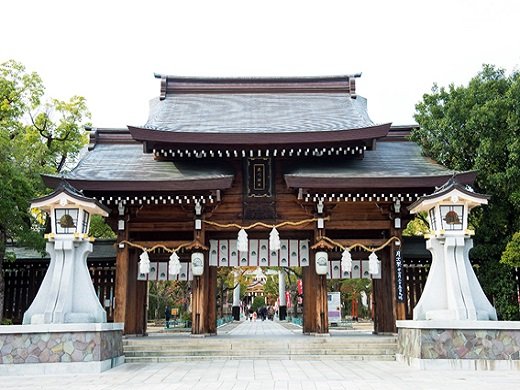
Minatogawa Shrine is dedicated to Kusunoki Masashige, a 14th-century samurai remembered for his loyalty to Emperor Go-Daigo.
Known locally as Nanko-san, the shrine became an important place of pilgrimage for scholars and political figures during the late Edo period. Visitors included influential names such as Yoshida Shoin and Sakamoto Ryoma.
The spacious grounds include Masashige’s tomb, monuments, historical sites and shrine buildings decorated with ceiling paintings donated by Japanese artists.
Despite its central location near Kobe Station, the grounds feel calmer than the surrounding shopping and transport district. It is easy to combine with Harborland and the waterfront.
Best for: Japanese history, shrines and a peaceful city break
Allow: Around 30–60 minutes
Getting there: A short walk from Kobe Station or Kosoku Kobe Station
Admission: Free
15. Shop and Eat Beside the Water at Kobe Harborland
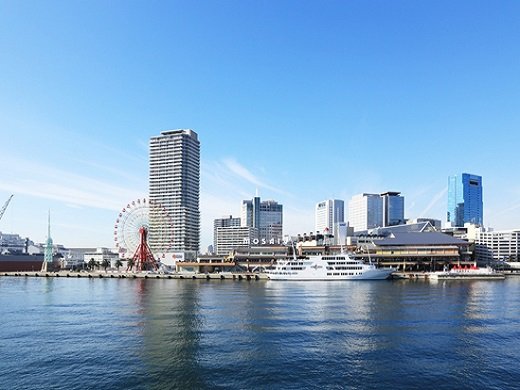
Kobe Harborland is the city’s main waterfront entertainment district, filled with shops, restaurants, cafés and family attractions.
The largest complex is Kobe Harborland umie, while the Mosaic area places restaurants and terraces directly beside the water. The red Mosaic Ferris Wheel provides views over the port, Kobe Port Tower and the Rokko Mountains.
Harborland is pleasant during the day, but it becomes particularly attractive after sunset when the tower, Ferris wheel and waterfront buildings light up. This is also one of the easiest places in Kobe to find dinner without conducting an hour-long investigation into reservation systems.
Walk here from Meriken Park along the waterfront for one of Kobe’s best evening routes.
Best for: Shopping, dining, families and night views
Allow: Two hours to half a day
Getting there: Direct access from JR Kobe Station and Harborland Station
Tip: Visit shortly before sunset and stay for dinner.
16. Walk Through Meriken Park
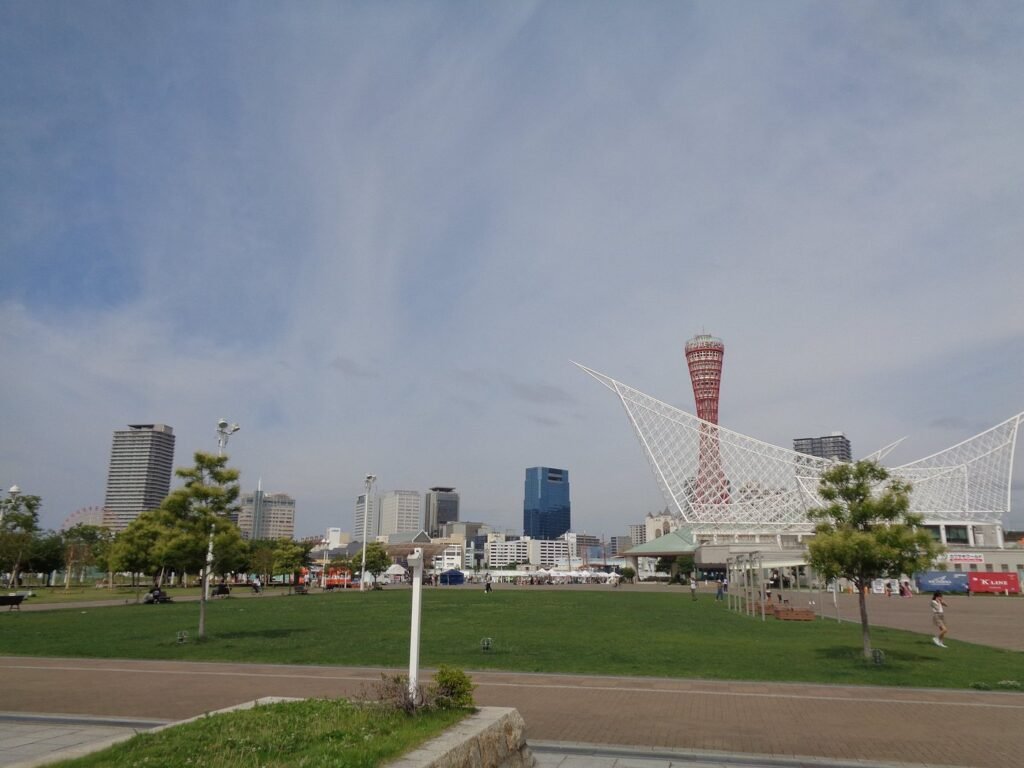
Meriken Park is the open waterfront space at the heart of Kobe’s port district.
Several major attractions sit inside or beside the park, including Kobe Port Tower, Kobe Maritime Museum, the BE KOBE Monument and the Kobe Port Earthquake Memorial Park. The latter preserves a damaged section of the old wharf as a reminder of the 1995 Great Hanshin-Awaji Earthquake.
Wide promenades and lawns make this a good place to slow down between attractions. There are benches, waterfront views and plenty of room for children to move without colliding with displays of priceless porcelain.
The BE KOBE sign is extremely popular for photographs, so expect a queue during weekends and holidays.
Best for: Waterfront walks, photographs and free sightseeing
Allow: Around one to two hours
Getting there: Walk from Minato Motomachi or Motomachi Station
Admission: Free
17. Escape the City at Sorakuen Garden
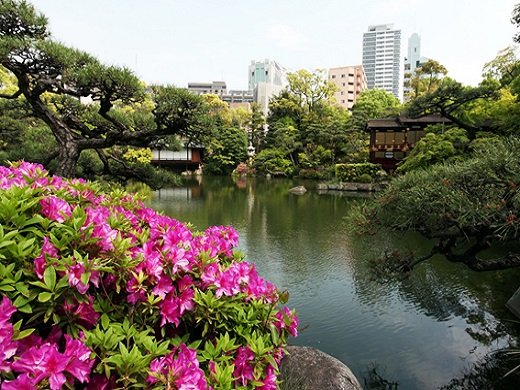
Sorakuen is a traditional Japanese landscape garden hidden in central Kobe.
Originally created as part of the private residence of businessman Taijiro Kodera, the garden later passed into the care of Kobe City. Its pond, stepping stones, carefully shaped trees and winding paths create the impression of a much more remote landscape.
Seasonal highlights include azaleas in spring and autumn foliage later in the year. The grounds also contain historic Meiji-era buildings, including the Former Kodera Family Stable and Former Hassam Residence.
Sorakuen is an excellent addition to a Motomachi or Kitano itinerary when you need a quieter hour away from shopping streets and sightseeing groups.
Best for: Gardens, seasonal colour and peaceful walks
Allow: Around one to two hours
Getting there: About five minutes on foot from Kencho-mae Station
Tip: Spring azalea season is especially attractive but also busier.
18. Hike to Nunobiki Falls From Shin-Kobe Station
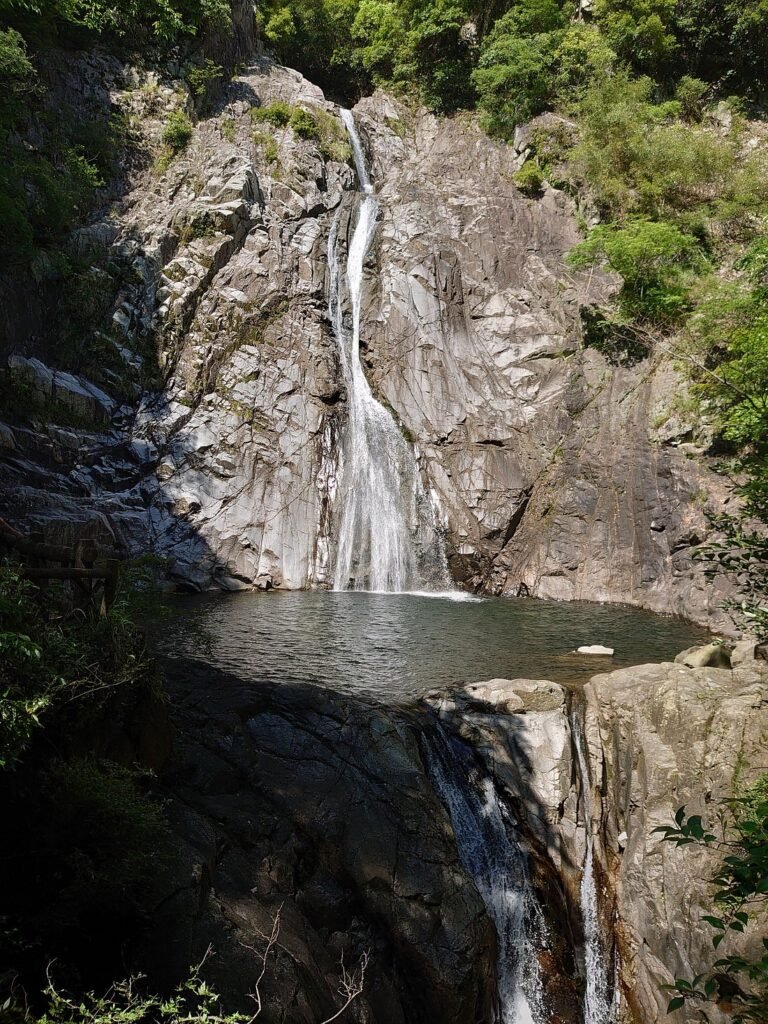
Few major cities place a mountain waterfall within walking distance of a Shinkansen station, but Kobe enjoys showing off.
Nunobiki Falls is a collective name for four waterfalls: Ontaki, Mentaki, Meotodaki and Tsutsumigadaki. Forest trails climb behind Shin-Kobe Station, allowing you to reach the lower falls in only a few minutes.
The path becomes steeper as it continues toward Ontaki, the largest and most dramatic waterfall. You can extend the walk toward Nunobiki Reservoir or combine it with Kobe Nunobiki Herb Gardens.
The trails are generally well maintained, but they can be slippery after rain. Shoes with reasonable grip are far more useful here than ambitious fashion decisions.
Best for: Short hikes, nature and budget-friendly sightseeing
Allow: One hour for the falls or several hours for a longer hike
Getting there: Follow the trail signs behind Shin-Kobe Station
Admission: Free
19. Meet Sheep at Rokko Mountain Ranch
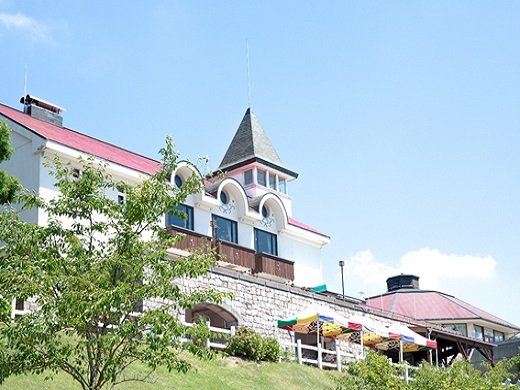
Rokko Mountain Ranch spreads across a large highland area on Mount Rokko, with sheep roaming through open pastures and goats, cattle, horses and smaller animals housed around the farm.
Families can join seasonal animal encounters, feeding activities and craft workshops. The ranch is also connected with Kobe’s dairy production, and visitors can learn how cheese is made from fresh milk.
Restaurants and cafés serve dairy products and farm-style meals. Unsurprisingly, soft-serve ice cream tends to become part of the itinerary whether we planned it or not.
The mountain setting makes this a refreshing escape from central Kobe, particularly in warmer months.
Best for: Families, animals and relaxed outdoor days
Allow: Three to five hours
Getting there: Rokko Cable Car followed by the Rokko Maya Sky Shuttle Bus
Good to know: Mountain transport and direct buses may operate seasonally.
20. Stroll Along the Arima River Waterfront Plaza
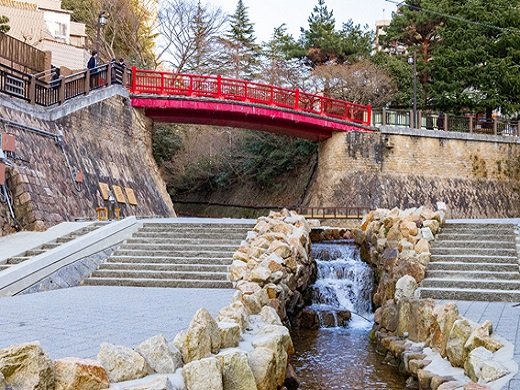
Arima River Waterfront Plaza sits near the entrance to Arima Onsen, one of Japan’s oldest and most famous hot-spring towns.
The plaza follows the river and provides a convenient place to sit, rest and orient yourself before climbing into the narrow streets of the onsen district. Cherry blossoms brighten the area in spring, while autumn brings red and gold foliage.
Nearby landmarks include the bright red Nene Bridge and a statue of Nene, the wife of Toyotomi Hideyoshi. Hideyoshi visited Arima repeatedly and played an important role in the development of the hot-spring town.
The plaza is not a destination requiring a separate journey. Instead, it is a pleasant starting point for exploring Arima.
Best for: Short walks and Arima Onsen itineraries
Allow: Around 20–30 minutes
Getting there: About one minute on foot from Arima Onsen Station
Admission: Free
21. Rediscover Play at the Arima Toy Museum
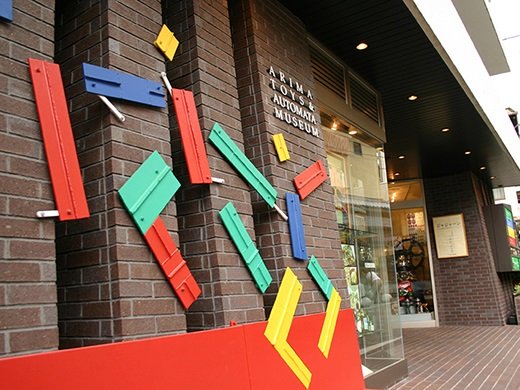
The Arima Toy Museum explores toys as objects of play, design and craftsmanship rather than merely things children scatter across a floor.
Its collection includes traditional German wooden toys, nostalgic tin toys, mechanical figures and carefully designed modern pieces. The displays are intended to be seen, heard and, in selected areas, played with.
Workshops and demonstrations may be offered, making the museum particularly suitable for families visiting Arima Onsen. It also provides a useful indoor break during rain or when younger travellers have reached their limit for appreciating historic bathhouses.
The museum is located in the centre of the hot-spring town and can be combined easily with a day-use onsen.
Best for: Families, toy design and rainy afternoons
Allow: Around one to two hours
Getting there: Approximately five minutes on foot from Arima Onsen Station
Tip: Check the workshop schedule before visiting.
22. Find Alpine Flowers at Rokko Alpine Botanical Garden
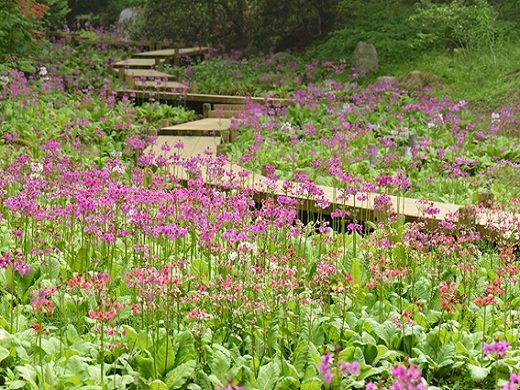
Rokko Alpine Botanical Garden uses Mount Rokko’s cool climate to cultivate plants normally found in alpine and colder regions.
Around 1,500 species grow throughout the garden, including plants from Japan, the Himalayas, Europe and other mountainous regions. Rather than arranging everything into formal flower beds, the garden recreates natural habitats such as rocky slopes, woodland and wetland areas.
The experience changes considerably with the season. Spring brings early flowers emerging after the cold mountain winter, summer offers lush greenery and autumn colours the woodland paths.
This is a specialist botanical garden rather than a flower theme park, so it rewards visitors who enjoy walking slowly and noticing small details.
Best for: Plant lovers, photography and seasonal walks
Allow: Around two hours
Getting there: Rokko Cable Car followed by the mountain bus
Good to know: The garden generally closes during winter.
23. Enter the World of Anpanman at Kobe Anpanman Children’s Museum & Mall
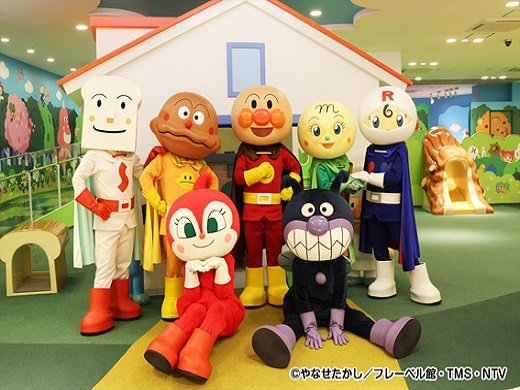
For Japanese preschoolers, Anpanman is less a cartoon character and more a cultural institution.
Kobe Anpanman Children’s Museum lets young visitors enter that colourful world through play areas, familiar vehicles, character displays and live stage performances.
The paid museum occupies the upper floor, while the first-floor shopping mall is free to enter. Shops sell character merchandise, snacks and Kobe-exclusive items, making it possible to visit the mall even without buying museum tickets.
This attraction is aimed primarily at toddlers and younger primary-school children. Older children unfamiliar with Anpanman may find the experience less compelling, although the surrounding Harborland area offers plenty of alternatives.
Best for: Toddlers and preschool-age children
Allow: Two to four hours
Getting there: Around eight minutes on foot from JR Kobe Station
Booking tip: Museum tickets are often sold for specific dates and should be purchased in advance.
24. Wander Through the Kitano Ijinkan District
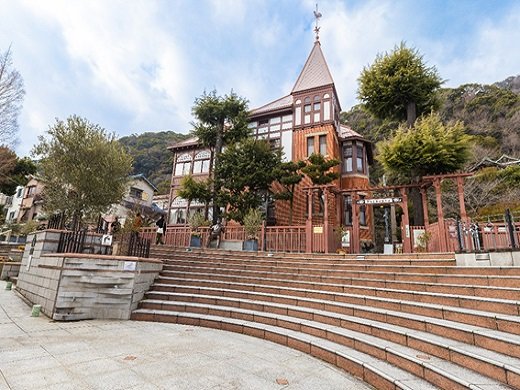
Kitano Ijinkan is the hillside neighbourhood where foreign merchants and diplomats built Western-style homes after Kobe opened to international trade.
Several mansions are open to visitors, including the Weathercock House, Uroko House, British House and former consulate buildings. Each reflects a slightly different architectural style and offers a glimpse into the lives of Kobe’s international community during the Meiji and Taisho periods.
The neighbourhood also contains cafés, small museums, religious buildings and restaurants serving food from around the world. Even without entering every residence, the streets are worth exploring for their architecture and views.
Kitano is compact but hilly. Choose the houses that interest you rather than buying every available ticket and sprinting between them like an architectural scavenger hunt.
Best for: First-time visitors, architecture and photography
Allow: Two to four hours
Getting there: Around 15 minutes uphill from Sannomiya or Shin-Kobe Station
Tip: Start at the highest attraction and work downhill where possible.
25. Spend a Family Day at Kobe Fruit & Flower Park Osawa
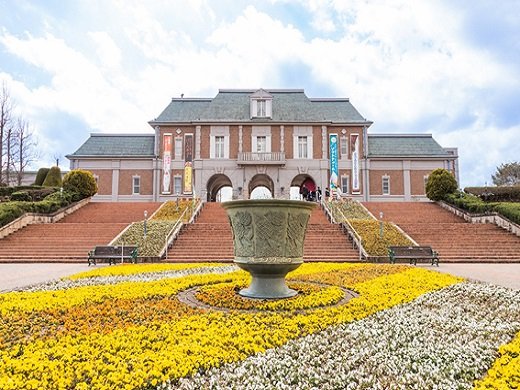
Michi-no-Eki Kobe Fruit & Flower Park Osawa is a large roadside park in northern Kobe built around seasonal produce, flowers and family recreation.
Depending on the time of year, visitors can pick grapes, pears, apples and other fruit. Farm Circus Market sells vegetables, regional products and food from local producers.
The wider complex includes amusement rides, go-karts, mini-golf, restaurants and open spaces where families can easily spend several hours. A day-use hot spring at Kobe Hotel Fruit & Flower offers a suitably civilised ending after a day of fruit picking and supervising excited children.
The park is easiest to reach by car, although limited bus connections are available.
Best for: Families, fruit picking and road trips
Allow: Half a day or longer
Getting there: Immediately off the Osawa Interchange
Admission: Entry to the park is generally free, but activities charge separately.
26. Shop at Kobe Sanda Premium Outlets
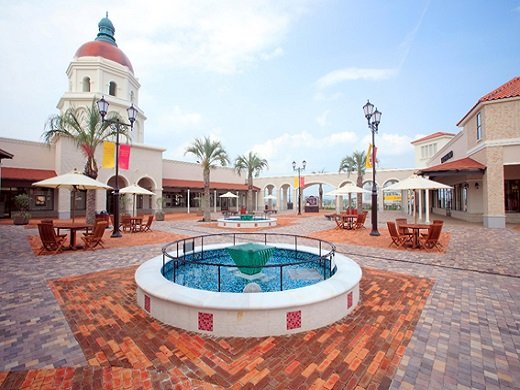
Kobe Sanda Premium Outlets is one of the largest outlet malls in the Kansai region, with more than 200 shops, restaurants and cafés.
The complex is designed with broad pedestrian streets and buildings inspired by Pasadena, California. Brands range from Japanese labels to international fashion, sportswear, homeware and accessories.
Discounts vary widely. Some shops offer genuine outlet bargains, while others present prices that may not justify hauling an additional suitcase through Kansai Airport. Check regular retail prices before assuming every red label represents destiny.
The outlets are located beside Aeon Mall Kobe Kita, providing even more shopping and dining choices.
Best for: Fashion, sportswear and dedicated shopping days
Allow: Half a day
Getting there: Direct buses run from Sanda and selected locations in Kobe and Osaka
Good to know: Transport timetables vary, so check your return bus before beginning the shopping marathon.
27. Cross Taiko Bridge in Arima Onsen
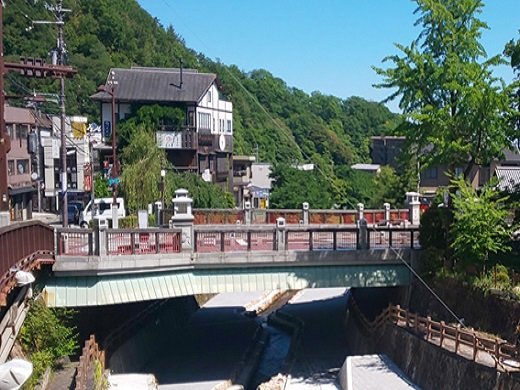
Taiko Bridge stands near the entrance to Arima Onsen and is named after Toyotomi Hideyoshi, one of the most powerful figures in Japanese history.
Hideyoshi visited Arima to rest and recover from military campaigns. After an earthquake affected the hot springs, he ordered extensive renovation work that helped preserve Arima’s status as an important onsen town.
The bridge itself is a small landmark rather than a lengthy attraction. Its historical significance makes more sense when combined with nearby Nene Bridge, the Arima River and the traditional streets around the hot-spring sources.
Stop for a photograph as you enter the town, then continue uphill toward the baths, temples and narrow shopping lanes.
Best for: Arima Onsen walks and historical context
Allow: Around ten minutes
Getting there: Approximately one minute on foot from Arima Onsen Station
Admission: Free
28. See Orcas and Dolphins at Kobe Suma Sea World
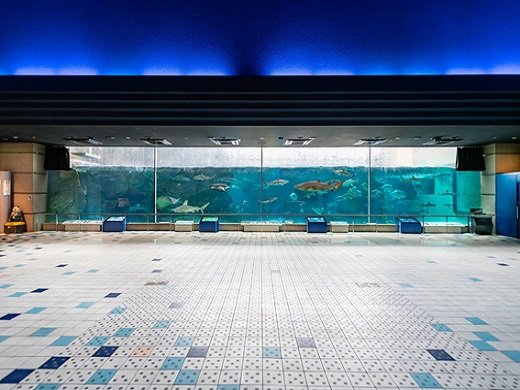
The former Kobe City Suma Seaside Aquarium has closed and been replaced by Kobe Suma Sea World, which opened on June 1, 2024.
The new complex includes Orca Stadium, Dolphin Stadium and the Aqualive aquarium building. Its headline attraction is the orca performance—currently a rare experience in western Japan—alongside dolphin shows and exhibitions covering marine and freshwater ecosystems.
A buffet restaurant overlooking the orca pool is one of the facility’s more unusual features, although reservations and availability should be checked before visiting.
Admission prices and opening hours change according to the date and season. Advance tickets are strongly recommended during weekends, school holidays and summer.
Best for: Families, marine life and full-day outings
Allow: Four to six hours
Getting there: Around five minutes on foot from JR Suma Kaihinkoen Station
Booking tip: Consult the date-specific calendar because admission prices and operating hours vary. citeturn209902search2turn257495search6turn257495search16turn257495search24turn334361view2
29. See Roses and Fountains at Suma Rikyu Park
Suma Rikyu Park occupies the former site of an imperial villa and is now one of Kobe’s most attractive public gardens.
Its formal fountain garden is arranged in a grand European style, while other parts of the park contain woodland paths, seasonal flowers and family recreation areas.
Roses are the biggest draw. The Royal Rose Garden, World Hall of Fame Rose Garden and Rose History and Culture Garden are particularly colourful during the spring and autumn flowering seasons.
Families can also use playgrounds, athletic equipment and a large slide, which helps balance the day when children have admired precisely enough horticulture.
Best for: Roses, gardens, picnics and families
Allow: Two to four hours
Getting there: Walk from Tsukimiyama, Sumadera or Higashi-Suma Station
Tip: Visit during the spring or autumn rose season for the best displays.
30. Experience Bold Japanese Art at the Tadanori Yokoo Museum
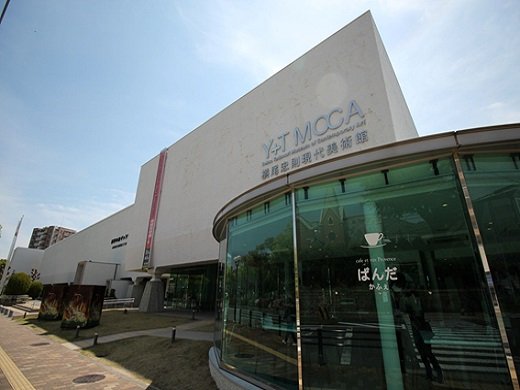
The Tadanori Yokoo Museum of Contemporary Art is dedicated to the work of Tadanori Yokoo, a Hyogo-born artist and graphic designer known for bold colours, collage, pop imagery and surreal visual combinations.
The museum occupies a renovated building designed by architect Togo Murano. Exhibitions draw from a large collection of works and archival materials donated or entrusted by Yokoo.
An archive room supports research into his career, while the open studio hosts workshops and public programmes. Even visitors unfamiliar with his name may recognise the visual language of his posters and graphic design.
The museum is close to Oji Park and can be paired with the nearby Hyogo Prefectural Museum of Art.
Best for: Contemporary art, graphic design and visual culture
Allow: Around one to two hours
Getting there: Approximately six minutes on foot from Oji-Koen Station
Good to know: Exhibitions rotate, so check the current programme.
31. Walk Beneath the Akashi Kaikyo Bridge at Maiko Park
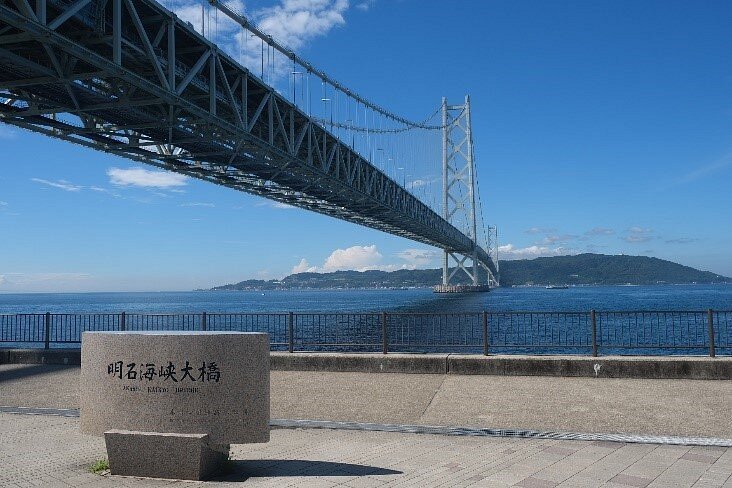
Hyogo Prefectural Maiko Park sits at the foot of the Akashi Kaikyo Bridge, one of the world’s longest suspension bridges.
The park offers excellent views across the Seto Inland Sea toward Awaji Island. Its most memorable attraction is the Maiko Marine Promenade, a walkway built inside the bridge structure above the water.
The area also contains historical buildings such as the Sun Yat-sen Memorial Hall, Former Muto Residence and Former Kinoshita Residence. Pine trees along the waterfront preserve part of the landscape for which Maiko Beach was historically known.
This is one of Kobe’s best western excursions and an easy addition to a journey toward Himeji or Awaji Island.
Best for: Bridge views, coastal walks and architecture
Allow: Two to three hours
Getting there: About five minutes on foot from JR Maiko Station
Admission: The park is free; individual facilities may charge admission.
32. Take Ridiculous Photos at Kobe Trick Art Museum
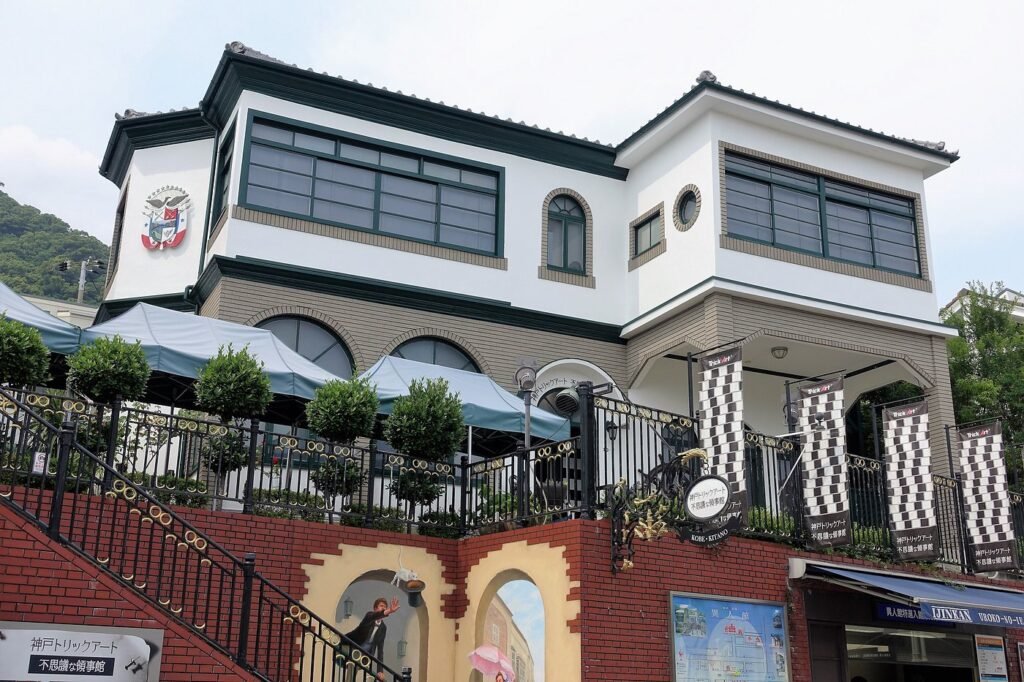
Kobe Trick Art Museum occupies a former consulate building in the Kitano Ijinkan district.
Inside, painted scenes and optical illusions are designed to make visitors appear as though they are falling, floating or stepping directly into a picture. The exhibits are divided into themed sections covering Kobe scenes, classic illusions and maze-like spaces.
This is not an art museum where everyone stands silently in front of a canvas looking thoughtful. It works best when you participate, experiment with camera angles and accept that several photographs will look completely wrong before one finally works.
The museum is particularly useful for families or groups who want a more playful break between historic mansions.
Best for: Families, groups and photographs
Allow: Around one hour
Getting there: Approximately 15 minutes on foot from Sannomiya or Shin-Kobe Station
Tip: Visit with at least one other person so you can photograph each other.
33. Learn How Kobe Connected With the World at Kobe City Museum
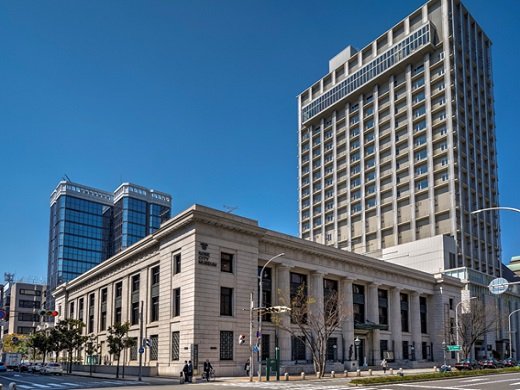
Kobe City Museum explores the cultural exchange that developed between Japan and other countries through trade, travel and diplomacy.
The museum occupies the former Kobe branch of the Yokohama Specie Bank, completed in 1935. Its collection includes archaeological objects, historical documents, maps, glassware and Nanban art showing early encounters between Japan and Europeans.
Temporary exhibitions cover a much wider range of historical and artistic subjects, so the programme may determine how long you spend here.
The museum is centrally located between Sannomiya, Motomachi and the waterfront, making it easy to include during a city-centre itinerary or save for a rainy afternoon.
Best for: History, maps and international cultural exchange
Allow: Around one to two hours
Getting there: Roughly ten minutes on foot from Sannomiya or Motomachi Station
Tip: Check whether temporary exhibitions require a separate ticket.
34. Meet Sherlock Holmes at the British House
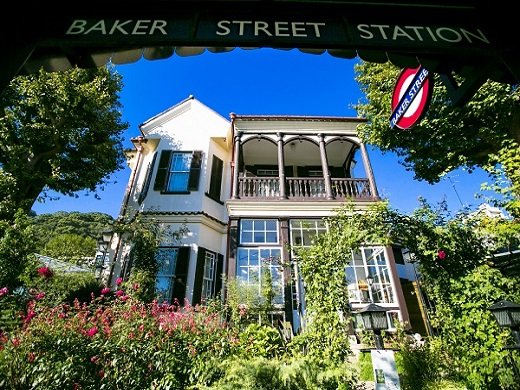
The British House is a colonial-style residence built in 1909 and preserved as part of the Kitano Ijinkan district.
Inside, rooms are furnished with British antiques and William Morris-style fabrics. The second floor contains a recreation inspired by Sherlock Holmes, complete with detective-themed displays and costumes that visitors can try on.
Outside, a small English garden provides seasonal flowers, with roses creating the best display during their flowering period.
The attraction is lighter and more playful than some of Kitano’s historically focused residences, making it a good choice for families and literary fans.
Best for: Sherlock Holmes fans, interiors and photographs
Allow: Around 30–45 minutes
Getting there: Approximately 15 minutes uphill from Sannomiya Station
Tip: A combination ticket may offer better value when visiting several Kitano houses.
35. Tackle the Courses at Rokko Mountain Athletic Park GREENIA
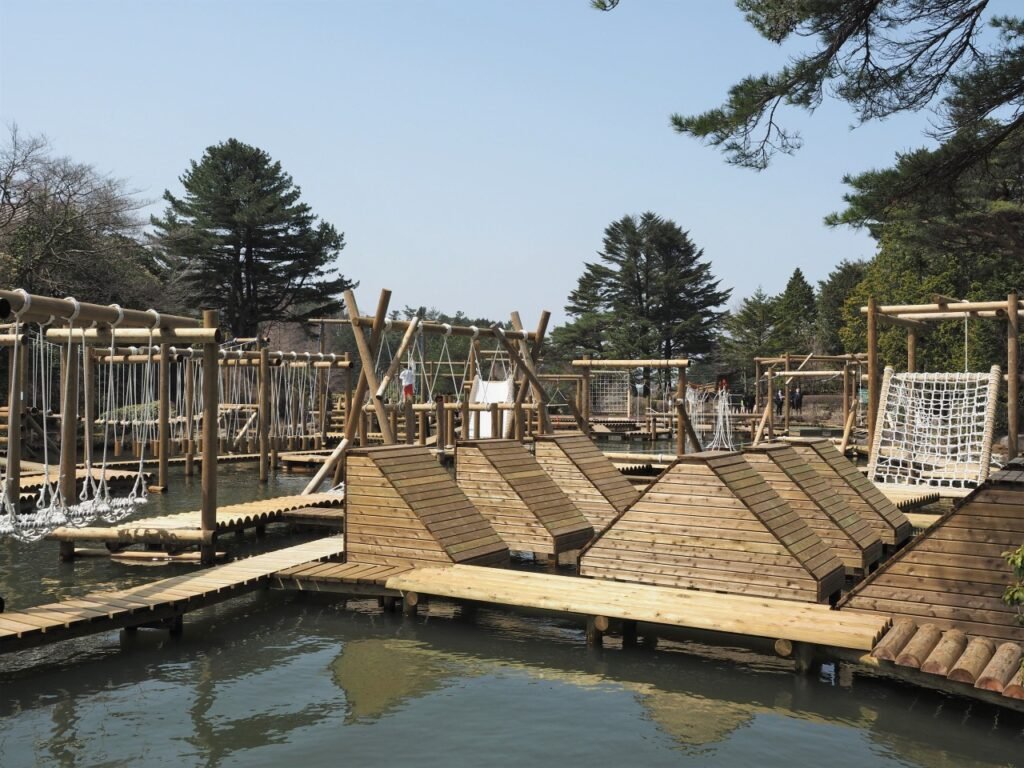
Rokko Mountain Athletic Park GREENIA is an enormous outdoor adventure park spread across the forests and slopes of Mount Rokko.
Its courses include land obstacles, water challenges, aerial activities, zip lines and forest adventure routes. Some areas were designed with input from Japanese video creators Fischer’s, and the park has become especially popular with older children, teenagers and adults.
The water obstacle course comes with a fairly obvious warning: falling in is not merely possible but part of the entertainment. Bring suitable clothes, spare footwear and a towel rather than hoping dignity will keep you dry.
Barbecue facilities and restaurants make it possible to stay for most of the day.
Best for: Active families, teenagers and outdoor adventures
Allow: Four to six hours
Getting there: Rokko Cable Car followed by the mountain bus to Athletic Park-mae
Booking tip: Some aerial courses and zip-line activities may require separate reservations or fees.
Is Kobe Worth Visiting?
Kobe is absolutely worth visiting, particularly if you enjoy cities that combine food, architecture, nature and waterfront scenery without requiring days of complicated transport.
For a first visit, focus on Kitano, Sannomiya, Motomachi, Meriken Park and Harborland. These areas fit comfortably into one long day.
With two or three days, add Mount Rokko, Nunobiki Herb Gardens, Arima Onsen or the Suma coastline. Families can build an itinerary around Kobe Animal Kingdom, Kobe Suma Sea World, Anpanman Children’s Museum or GREENIA.
Kobe’s biggest strength is not one must-see attraction. It is how easily the city shifts from port views to mountain trails, historic mansions, gardens and hot springs—often before we have even finished digesting lunch.
- What to Buy at Bic Camera Japan in 2026: 24 Japanese Character Goods, Gadget & Quirky Souvenirs
 You walk into Bic Camera looking for a phone charger. Forty-five minutes later, you’re seriously considering a Tamagotchi-shaped timer, a calculator that plays Space Invaders, and an eraser that collects its own crumbs. Welcome to electronics shopping in Japan. Bic Camera Japan is much more than a place to buy cameras, laptops, and headphones. These… Read more: What to Buy at Bic Camera Japan in 2026: 24 Japanese Character Goods, Gadget & Quirky Souvenirs
 - What to Buy at GU Japan in 2026: 17 Standout Pieces
 What to buy at GU in Japan? We have picked 17 standout pieces from recent Japanese shopping coverage, with an emphasis on clothes and accessories that are stylish, versatile and genuinely useful. Our Quick Picks: What Is Actually Worth Buying at GU? What to Buy at GU Japan: Best GU Pants 1. Sweat 3D Barrel… Read more: What to Buy at GU Japan in 2026: 17 Standout Pieces
 - 15 Best Luxury Hotels in Kobe Japan (2026): Waterfront Suites, Five-Star Stays & Hot Spring Ryokans
 There is something about Kobe after dark that makes us want to book a ridiculously nice hotel room. The harbor lights come on, Kobe Port Tower glows against the mountains, and suddenly spending an evening on a private balcony overlooking the water sounds like an excellent idea. Fortunately, Kobe has some of the most appealing… Read more: 15 Best Luxury Hotels in Kobe Japan (2026): Waterfront Suites, Five-Star Stays & Hot Spring Ryokans
 - 9 Hidden Gems in Kobe (2026): Unique Places Beyond the Usual Tourist Trail
 Kobe is famous for its picturesque harbor, historic Western-style houses, and, of course, its rather expensive beef. But there’s much more to this Japanese port city than the attractions that appear in every travel guide. Venture beyond the busy streets of Sannomiya, and you’ll discover peaceful botanical gardens, centuries-old sake breweries, unusual museums, and historic… Read more: 9 Hidden Gems in Kobe (2026): Unique Places Beyond the Usual Tourist Trail
 - Nagoya rainy day with kids in 2026 (Cool Indoor Things to Do )
 Rain in Nagoya does not have to mean surrendering the day to the hotel room. In fact, Nagoya is unusually good at indoor sightseeing. You have one of Japan’s best science museums, enormous aquariums, real Shinkansen trains, hands-on industrial museums, planetariums, covered shopping streets, and enough underground passages around Nagoya Station to lose an entire… Read more: Nagoya rainy day with kids in 2026 (Cool Indoor Things to Do )