

I spill travel tips , and show you the Japan that tourists usually miss.
Japan does snacks like it does trains, stationery, and tiny hotel bathrooms: with terrifying precision and a surprising amount of joy. One minute we’re buying a polite little rice cracker. The next, we’re holding dried squid, sour gummies, and chocolate-covered potato chips like we’ve made several bold life choices at once.
So, what should you actually try? Below, we’re walking through some of the best Japanese snacks, from classic salty bites to sweet souvenirs and the more adventurous “are we really eating this?” options.
Snack-hunting in Japan? Keep these tasty detours ready.
More Japan shopping and food stops:
- What to buy at FamilyMart Japan — because half the joy of Japan is walking into a konbini “just for water” and leaving with dessert, fried chicken, and a tiny crisis of self-control.
- What to buy at MUJI Japan — for low-key snacks, neat little gifts, and things you absolutely did not need until MUJI whispered otherwise.
- One day in Tokyo — useful if you want to build a snack-heavy city route without accidentally spending the entire day inside train stations.
- What to do at Kansai International Airport — for last-minute edible souvenirs, airport snacks, and the final “wait, should we buy more?” moment.
- What to buy in UNIQLO Japan — not edible, obviously, but perfect if your Japan shopping list has already escaped snack territory and become a full retail expedition.
Table of Contents
Best Japanese Snacks: Savoury
1. Osenbei / Senbei Rice Crackers
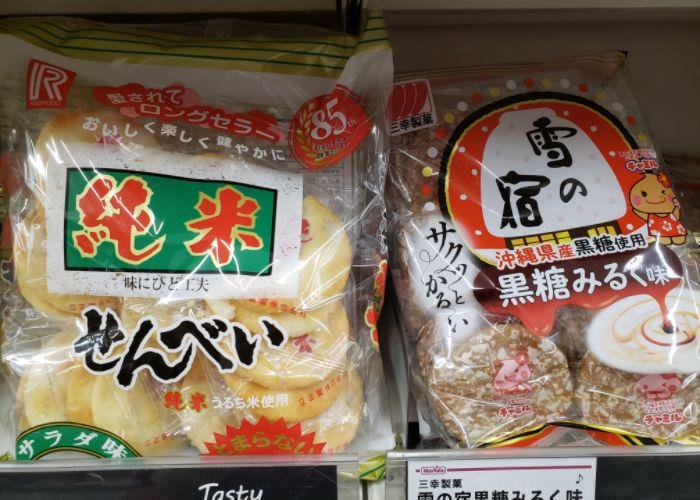
Osenbei, also called senbei, are Japanese rice crackers, and they deserve their own snack kingdom.
You’ll find them everywhere: in supermarkets, souvenir shops, temple stalls, department store food halls, and tiny traditional shops that look like they’ve been perfecting crunch since the Edo period. Some are mass-produced and neatly packaged. Others are handmade, grilled, glazed, and treated with the seriousness usually reserved for art restoration.
The fun part? There are so many varieties that you could try a different osenbei every day and still not reach the end of the cracker tunnel.
Crispy? Yes. Salty? Often. Sweet soy glaze? Absolutely. Seaweed-wrapped? Why not. Giant seafood cracker with visible bits inside? Japan says yes, and you will probably say yes too.
2. Kameda Happy Turn Senbei
Kameda Happy Turn Senbei are small, crispy oval crackers with a salty-sweet coating that makes them dangerously easy to eat.
They’re light, crunchy, and ideal for a Japanese movie night, train ride, or that “we only bought one bag but somehow it vanished” situation. The flavor sits somewhere between savory, sweet, and mildly addictive.
The package says “Spread happiness,” which sounds dramatic for a cracker. But after a handful? Fine. We understand.
3. Kameda Aged Ichiban Senbei
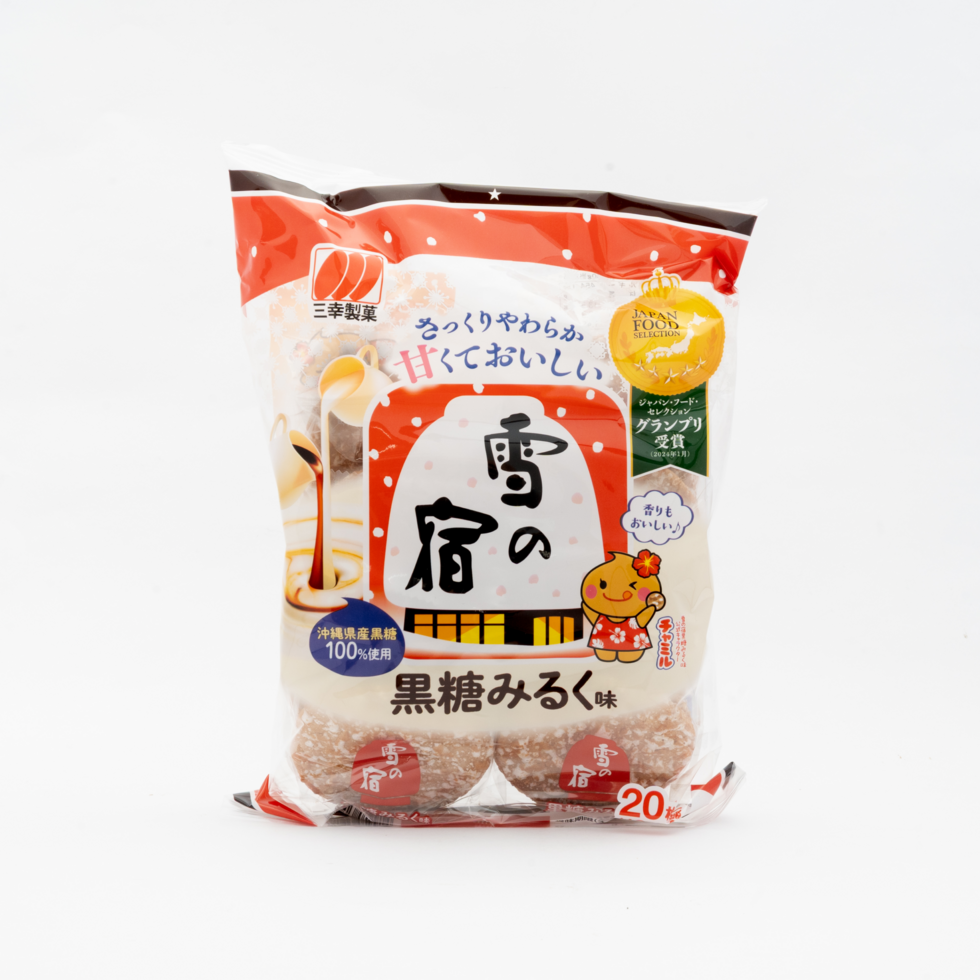
If Happy Turn is cheerful and snacky, Kameda Aged Ichiban Senbei is deeper, richer, and more serious about its crunch.
These rice crackers have an uneven surface, which gives them a satisfying bite. The honey and soy sauce flavor is sweet, salty, and very Japanese in the best possible way. They feel traditional but still easy to enjoy, even if you’re new to Japanese snacks.
Try these when you want something classic, crunchy, and not too strange. A safe winner.
Snack Word: Okashi / お菓子
“Okashi” is the Japanese word for snacks and sweets. It covers a lot: sweet snacks, savory snacks, packaged treats, homemade goodies, and basically anything your “little stomach” may be plotting.
So, if someone asks what snacks you want from Japan, you can simply say: okashi.
Simple. Dangerous. Effective.
4. Kameda Tsumami Dane
“Tsumami” means snacks eaten with drinks, especially alcohol. Think of it as the Japanese snack answer to a cheese board, except crunchier and easier to fit in your suitcase.
Kameda Tsumami Dane is a mixed bag of bite-sized rice crackers and snack pieces designed to pair well with beer. You’ll usually find flavors like:
- Soy sauce
- Shrimp
- Seaweed
- Peanut
- Wasabi
And yes, if you’ve noticed that Kameda keeps appearing, there’s a reason. Kameda is one of Japan’s major snack makers, especially famous for rice cracker products.
This is a good bag to buy when you want variety without making 12 separate snack decisions in the aisle.
5. Calbee Jagariko Potato Stick Snack
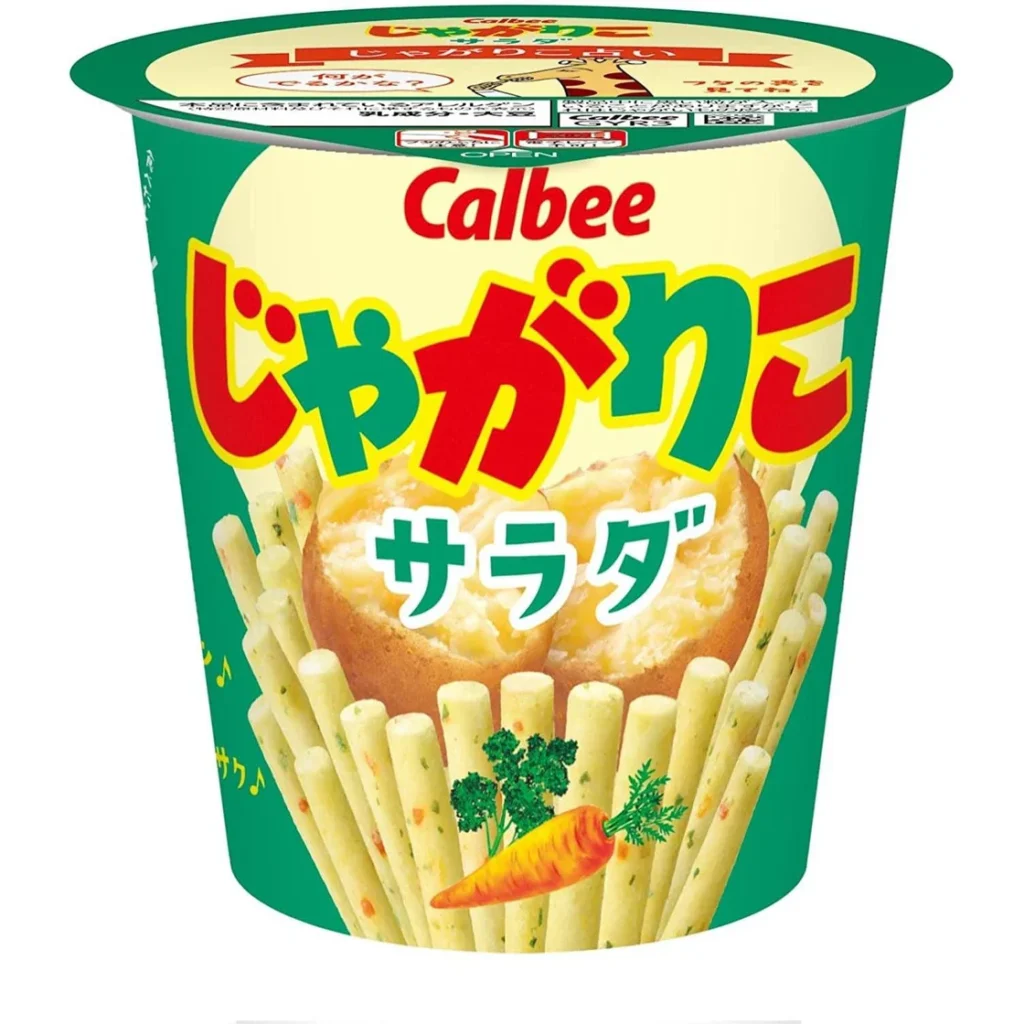
Jagariko is one of Japan’s most recognizable snacks, and the packaging is half the fun.
It looks like instant cup ramen, but inside you get crunchy potato sticks. They’re firmer than regular chips, very snackable, and oddly satisfying to bite into. There are even tutorials online showing how to turn Jagariko into a kind of mashed potato. Japan does not play around with snack engineering.
The classic flavor is salty potato with bits of vegetables like carrot and parsley. But the real fun is hunting for different versions, such as:
- Cheese
- Potato & Butter
- Tarako Butter
- Yuzu Pepper
This is the kind of snack we’d throw into our basket without thinking. Then probably go back for another flavor.
6. Royce Chocolate-Covered Potato Chips
Chocolate-covered potato chips sound like something invented during a snack emergency. But then you try them, and suddenly the logic becomes painfully clear.
Royce chocolate-covered potato chips come from Hokkaido, Japan’s northern island known for dairy, chocolate, seafood, and generally making food that ruins your standards forever.
The combination is simple: salty potato chips covered with smooth chocolate. Crunchy, sweet, salty, slightly ridiculous. Perfect.
If you’re bringing snacks home from Japan, this is one of those gifts that gets a reaction before anyone even opens the box.
Snack Word: Potechi / ポテチ
Japanese loves a good abbreviation. “Potato chips” becomes “potechi.”
Efficient? Yes. Cute? Also yes. More fun to say than “potato chips”? Obviously.
7. Kaki no Tane / Kaki-pi
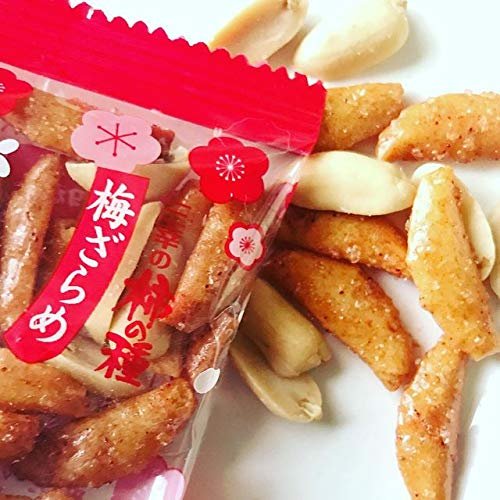
Kaki no Tane is a classic Japanese snack made from crescent-shaped rice crackers, often mixed with peanuts. The name means “persimmon seeds,” because the little crackers look like the seeds of a Japanese persimmon.
They’re crunchy, savory, and excellent with beer. This is a snack with staying power: loved by different generations, easy to share, and found almost everywhere.
The classic version is great, but you’ll also find variations like:
- Wasabi
- Light chocolate
- Dark chocolate
- Hot pepper
Chocolate rice crackers with peanuts? Yes, this aisle escalates quickly.
8. Umaibō
“Umai” means delicious, and “bō” means stick or pole. So Umaibō is basically “delicious stick,” which is refreshingly honest branding.
These puffed corn sticks come individually wrapped and cost very little, which makes them one of the best Japanese snacks to try when you want maximum fun for minimum budget.
They come in many flavors, including:
- Mentaiko
- Cheese
- Corn soup
- Tonkatsu sauce
They’re popular with children, but adults eat them too, because joy does not expire at age twelve.
9. Baby Star Dried Noodle Snack
Baby Star is a crunchy dried noodle snack with a loyal following in Japan.
Instead of cooking the noodles, you eat them straight from the packet. It sounds suspicious until you try it. Then it makes complete sense. The texture is crisp, the flavor is savory, and the whole thing has that salty umami pull that makes you keep reaching back into the bag.
Popular versions include:
- Yakisoba
- Ramen
This is a great snack if you love instant noodles but want the snack version. Because apparently noodles were not convenient enough already.
Snack Word: Oishii / おいしい
“Oishii” means delicious. If you learn one Japanese food word before your trip, make it this one.
You will use it. A lot.
Japanese Sweet Snacks
From matcha KitKats to chewy mochi, Japan’s sweet snacks are not here to be boring. Some are elegant. Some are nostalgic. Some look like souvenirs and taste like tiny edible souvenirs too.
10. Japanese KitKats in Exclusive Flavors
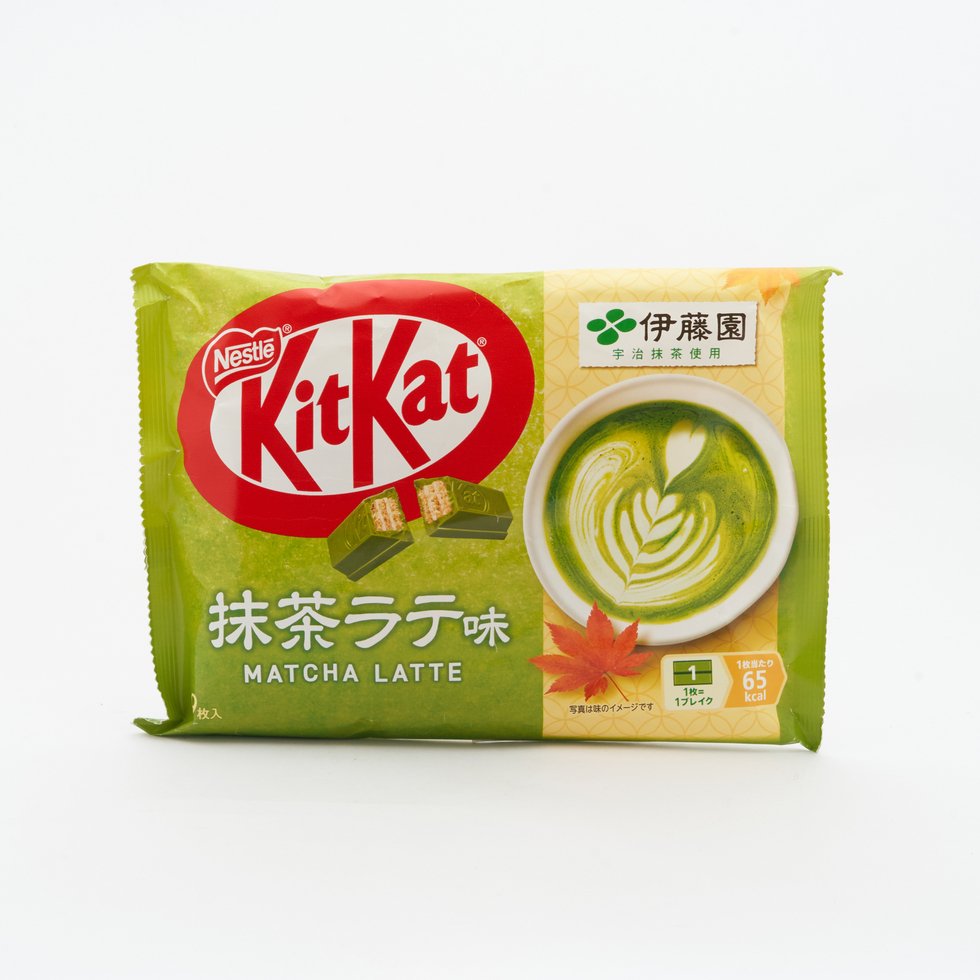
Japanese KitKats are famous for a reason. They come in flavors you may not find elsewhere, and they make extremely easy souvenirs.
Some popular Japanese KitKat flavors include:
- Matcha Tiramisu
- Sakura
- Amazake
- Adzuki red bean
One reason KitKats became so popular in Japan is the name. “Kitto” sounds like “surely,” and “katsu” means “to win.” Because of this, KitKats are often given as a good luck charm, especially to students before exams.
So yes, it’s chocolate. But it’s also motivational chocolate. Efficient.
11. Ko-Ume Candy
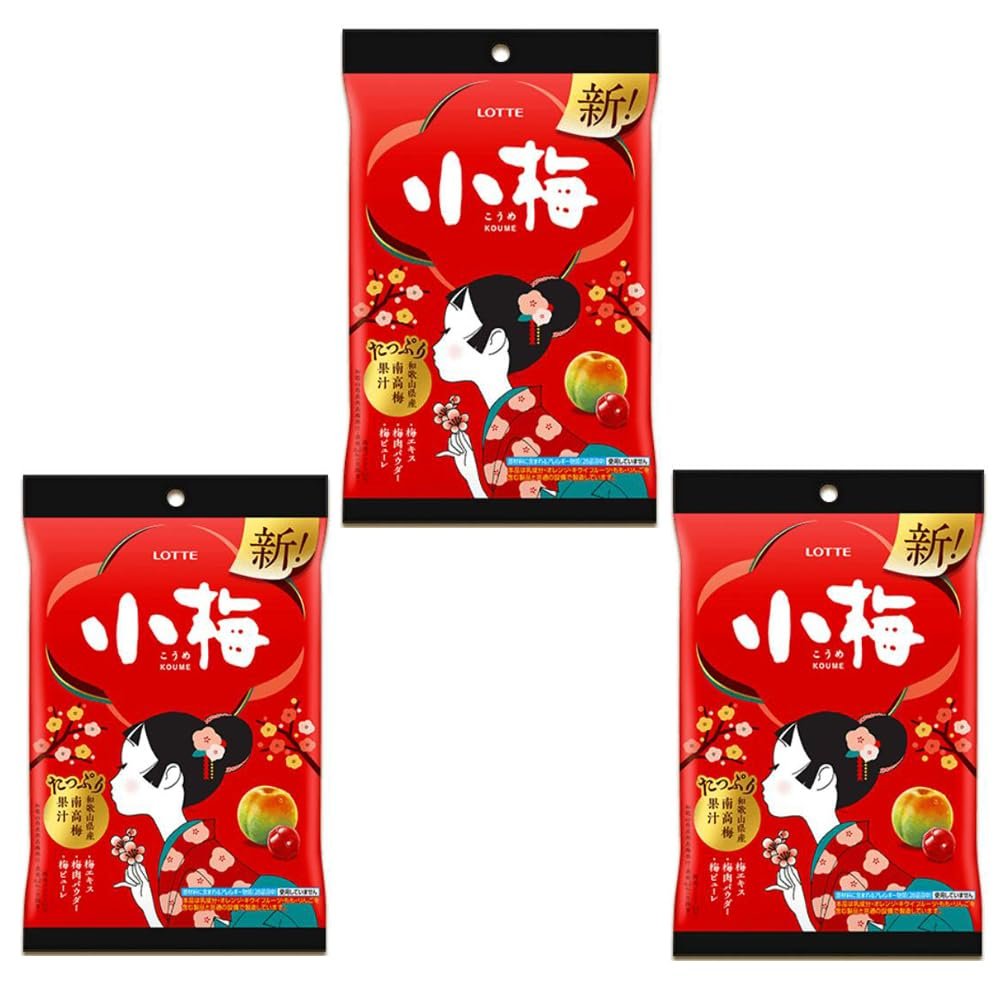
Ko-Ume is a Japanese hard candy with a soft filling and a lovely sweet-sour plum flavor.
The packaging is part of the charm. It often features a girl in a kimono, giving the whole thing a nostalgic, very Japanese feel. Each candy is wrapped in pretty pink paper, and some wrappers include poetic or romantic little phrases.
It’s a sweet gift, especially if you want something small, light, and more delicate than a giant bag of chips. Though, to be clear, we support the giant bag of chips too.
12. Mochi
Mochi is a Japanese rice cake made from sticky rice, and the word covers many different sweets and styles.
Some mochi are plain and traditional. Others are filled with red bean paste, fruit, cream, ice cream, or seasonal flavors. The texture is the main event: soft, chewy, sticky, and very unlike most Western sweets.
If you’re new to mochi, start with filled mochi or daifuku. They’re easy to love and usually less intimidating than the plainer versions.
Mochi is one of those snacks that feels simple at first, then quietly takes over your dessert standards.
Snack Word: Kobara / 小腹
“Kobara” literally means “little stomach.” The phrase “kobara ga suita” means something like “my little stomach is hungry.”
In other words: you’re not hungry enough for a full meal, but you absolutely require a snack. Finally, a language that understands us.
13. Yōkan
Yōkan is a traditional Japanese sweet from the wagashi family, often served with green tea.
It’s usually made from red bean or white bean paste, agar, and sugar. Some versions include chestnut, sesame, green tea, or plum. It comes in blocks, which you can slice neatly into pieces.
Or bite straight from the block, if you are feeling dramatic and unsupervised.
Yōkan is a good choice if you want something genuinely traditional. It’s sweet, dense, elegant, and very different from the usual chocolate-and-candy souvenir pile.
Adventurous Japanese Snacks
Now we enter the snack zone for the curious, the brave, and the people who say “we’ll try anything once” and then immediately regret making eye contact with dried squid.
These snacks may not be for everyone, but they’re memorable. And honestly, isn’t that half the point?
14. Saki Ika / Dried Shredded Squid
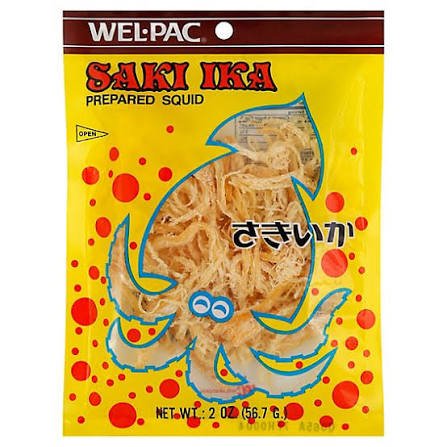
Saki Ika is dried shredded squid, usually sold in convenience stores and supermarkets.
It looks like thin white threads and smells exactly as seafood-forward as you’d expect. You can eat it straight from the package, but the better move is to warm it slightly and dip it in mayonnaise with paprika.
That sounds intense. It is. But if you like salty seafood snacks, this might become one of your strange new favorites.
Best with beer, confidence, and an open mind.
15. Tako, Ika, or Ebi Senbei
Remember osenbei from the beginning? These are the seafood cousins.
Tako means octopus, ika means squid, and ebi means shrimp. These seafood senbei are usually larger and flatter than regular rice crackers, and sometimes you can see bits of seafood pressed into the cracker.
Beautiful? Maybe. Slightly unsettling? Also maybe. Delicious if you love seafood? Very possibly.
They’re crunchy, salty, and excellent as a bold souvenir for someone who always says they like “authentic local snacks.” Let’s see how authentic they really meant.
Snack Word: Otsumami / おつまみ
“Otsumami” refers to snacks eaten with drinks.
In Japan, drinking and snacking often go together, whether that means beer with crunchy rice crackers or tea with traditional sweets. Choose your snack pairing wisely. This is serious work.
16. Wasabi Nori Taro
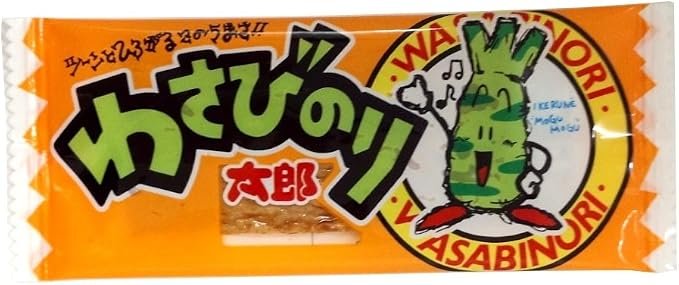
Wasabi Nori Taro is a flat snack made with dried fish paste and seaweed powder, flavored with wasabi.
It’s thin, chewy, salty, and sharp. If you love wasabi, you’ll probably enjoy it. If you do not love wasabi, this snack will remind you of that fact immediately.
It’s a good pick when you want something small, unusual, and very Japanese.
17. Super Sour Gummy Shigekikkusu
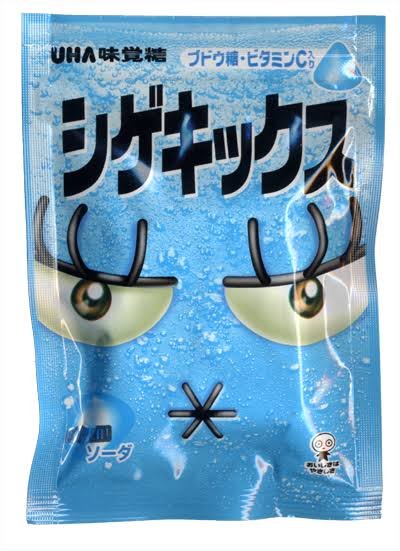
“Shigekikkusu” roughly brings the idea of shocks and kicks, which is exactly the energy of this sour Japanese gummy.
These candies hit first with intense sourness, then settle into fruity flavors like lemon or grape. They’re perfect when you need a wake-up snack after a long day of walking, shopping, sightseeing, or pretending you still understand the train map.
Tiny gummies. Big drama.
Snack Word: Ame, Candy, Choco / あめ・キャンディー・チョコ
“Ame” means candy, and “choco” means chocolate.
Very useful words when standing in a Japanese store surrounded by 87 mysterious packets and trying to make responsible decisions. You won’t. But at least you’ll know what category of chaos you’re buying.
18. Su-Konbu

Su-Konbu is dried seaweed seasoned with vinegar and salt.
“Su” means vinegar, and “konbu” means seaweed. The seaweed is rolled into flat sheets, seasoned until sour and salty, then cut into strips.
It has been loved for generations and is making a comeback as a lighter, low-calorie snack. The flavor is sharp, salty, tangy, and very different from sweet candy or crunchy chips.
Try it if you like seaweed snacks, sour flavors, or snacks that make you feel like you’re doing something vaguely healthy.
Where to Buy Best Japanese Snacks
If you’re actually in Japan, congratulations. You are now surrounded by snack opportunities, and resistance is mostly pointless.
Here are the best places to look.
Convenience Stores
Japanese convenience stores, called konbini, are legendary for a reason. They are everywhere, they are open late, and they sell far more than emergency bottled water and sad sandwiches.
Look for chains like:
- FamilyMart
- Lawson
- 7-Eleven
- Daily Yamazaki
Konbini snack sections are excellent for seasonal flavors, new releases, and low-priced treats. This is where you go for quick snack experiments without committing your entire travel budget.
Souvenir Shops
Souvenir shops are great for regional snacks, beautifully packaged sweets, and things designed to survive the journey home.
Look for local KitKats, regional senbei, mochi, yōkan, and neat gift boxes. These are especially useful if you need omiyage, which we’ll get to in a minute.
Supermarkets
Supermarkets are one of the best places to buy everyday Japanese snacks.
They usually have bigger bags, better prices, and more local options than tourist shops. If you want to build a snack stash for your hotel room, train ride, or suitcase, this is your battlefield.
Temple and Tourist Stalls
Around temples, shrines, and popular sightseeing streets, you’ll often find small stalls selling local snacks, handmade rice crackers, sweets, and seasonal treats.
These are perfect for trying something fresh while wandering. Just don’t underestimate how quickly “one snack” becomes a full lunch.
100-Yen Stores
Japanese 100-yen shops, or hyaku-yen shops, are similar to one-euro shops, except much more dangerous for your luggage allowance.
You can find cheap snacks, candy, crackers, and small packs that are perfect for tasting lots of things without spending too much.
Go in for one item. Leave with snacks, socks, stickers, and a kitchen tool you suddenly believe is essential.
Don Quijote
Don Quijote, often called Donki, is one of Japan’s biggest discount store chains. It’s loud, chaotic, packed with products, and absolutely worth visiting.
Snack sections are usually huge, often on the ground floor or basement level. This is a great place to buy Japanese sweets, novelty snacks, multipacks, and souvenirs.
Go when you have time. And patience. And preferably a basket.
Drugstores
Japanese drugstores are surprisingly good for snacks.
Chains like Matsumoto Kiyoshi often sell candy, chocolate, gummies, seasonal treats, and everyday snacks alongside skincare, makeup, medicine, and other travel essentials.
Basically, you can buy face masks, matcha KitKats, and blister plasters in one stop. Beautiful efficiency.
Large Train Stations
Major train stations in Japan are not just transport hubs. They are snack ecosystems.
Many stations have shops, bakeries, department store food halls, souvenir counters, and regional specialty stalls. If you’re taking the Shinkansen, arrive early and browse.
Train snacks are part of the journey. This is not optional. Well, technically it is. But emotionally? No.
Dagashiya
Dagashiya are traditional Japanese snack shops, often associated with nostalgic childhood treats and inexpensive sweets.
Some date back culturally to much older styles of small neighborhood shops, and visiting one feels very different from shopping at a modern konbini. Expect colorful packaging, tiny sweets, old-school snacks, and a lot of charm.
If you find a dagashiya, go in. Buy something weird. That is the rule.
What to Know Before Buying Japanese Snacks
Before you fill your basket like a snack goblin with a boarding pass, there are a few useful things to know.
Omiyage: The Souvenir Snack Tradition
Omiyage means souvenir, but in Japan it often refers to gifts you bring back for friends, family, coworkers, or neighbors after a trip.
Food gifts are especially popular. That’s why so many Japanese snacks are beautifully packaged, individually wrapped, and easy to share.
If you’re visiting Japan and want practical souvenirs, snacks are one of the best choices. They’re lighter than ceramics and far more likely to disappear happily.
Ask Before Taking Photos
Japanese snack packaging can be gorgeous, strange, funny, and very photogenic.
Still, if you’re inside a shop, it’s polite to ask before taking photos. Some stores allow it. Others don’t. A quick check saves you from awkward tourist behavior, which nobody wants on their snack journey.
Check Ingredients and Allergies
If you have allergies or dietary restrictions, read the packaging carefully.
Ingredient lists are usually in Japanese, and allergy labeling may not always be as obvious as you’re used to. Use Google Translate, ask staff when possible, and be especially careful with seafood, nuts, dairy, wheat, and gelatin.
Also, many savory snacks may contain fish, shrimp, squid, or bonito flavoring, even when they don’t look especially fishy. Japan likes umami. A lot.
Watch Out for Silica Gel Packets
Some Japanese snack packages include small white silica gel packets to keep the contents fresh and crisp.
Do not eat them. They are not a bonus snack. Throw them away as soon as you open the package, especially if you’re sharing snacks with children.
Final Bite
Japanese snacks are one of the easiest ways to taste the country without booking 14 restaurant reservations and developing a complicated relationship with your wallet.
Start with senbei, Jagariko, KitKats, mochi, and Kaki no Tane. Then, when you’re ready, move into dried squid, wasabi fish snacks, and sour gummies that attack with enthusiasm.
Whether you buy them from a konbini, supermarket, train station or dagashiya one thing is certain: Japanese snacks are never boring.
- All Japanese KitKat Flavours List: The Ultimate Japan KitKat Guide
 Walk into a Japanese convenience store looking for a KitKat and things can get out of hand surprisingly quickly. You came for chocolate. Five minutes later, you’re holding matcha, strawberry, sake and something involving sweet potato, wondering whether wasabi chocolate is a terrible idea or exactly the souvenir your friends deserve. Welcome to Japanese KitKats.… Read more: All Japanese KitKat Flavours List: The Ultimate Japan KitKat Guide
 - Sapporo rainy day with kids (2026): 7 Cool Indoor Things to Do
 You wake up in Sapporo, pull back the curtains, and there it is: rain. That does not mean the family sightseeing day is ruined. Sapporo is actually very good at bad-weather entertainment, with science museums, aquariums, indoor play areas, shopping complexes, museums, and even a chocolate factory where children can watch one of Hokkaido’s most… Read more: Sapporo rainy day with kids (2026): 7 Cool Indoor Things to Do
 - What To Do In Arashiyama With Kids: A Realistic One-Day Family Itinerary
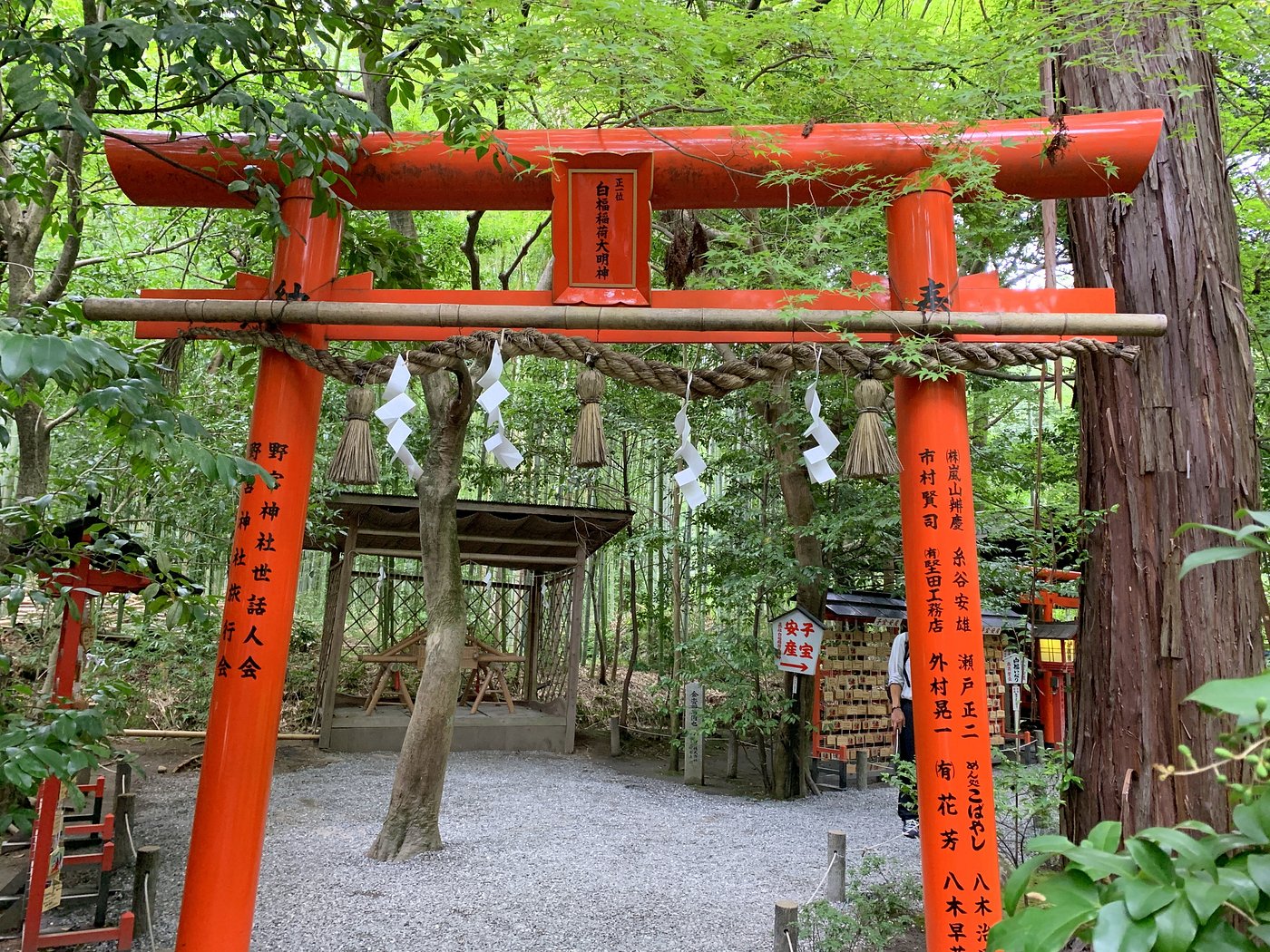 Arashiyama looks peaceful in photos: tall bamboo, forested hills, a wide river, and one of Kyoto’s most famous bridges. In reality, it is lively, busy, and full of families trying to fit a surprising number of things into one day. The good news? Arashiyama works brilliantly with kids when we keep the plan simple. The… Read more: What To Do In Arashiyama With Kids: A Realistic One-Day Family Itinerary
 - 20 Best Things to Do in Shiga (2026): Lake Biwa, Castles, Shrines and More
 Kyoto tends to pull all the attention in this corner of Japan. Then you travel a few minutes east, the city gives way to an enormous sheet of blue, and Shiga quietly asks why everyone has been rushing past it. That blue is Lake Biwa, Japan’s largest lake and the feature around which much of Shiga… Read more: 20 Best Things to Do in Shiga (2026): Lake Biwa, Castles, Shrines and More
 - 15 Best Things to Do in Sapporo With Kids: Parks, Aquariums, Views, and Family Restaurants
 Sapporo may be a major city, but it rarely feels trapped beneath concrete. One minute, we are wandering between department stores and ramen shops; the next, we are standing in a park so enormous that renting a bicycle suddenly seems less like a fun extra and more like a sensible survival strategy. That combination makes… Read more: 15 Best Things to Do in Sapporo With Kids: Parks, Aquariums, Views, and Family Restaurants