
I spill travel tips , and show you the Japan that tourists usually miss.
Wakayama is one of those places that quietly waits for you below Osaka, pretending not to be a big deal. Then you arrive and suddenly there are castle towers, island ruins, holy mountains, white beaches, hot springs inside caves, giant waterfalls, pilgrimage trails, tuna markets, and rocks that look like someone tried to build a bridge for giants.
So yes, we should probably talk about Wakayama properly.
This is the kind of prefecture where you can start the morning at a castle, spend the afternoon eating seafood by the sea, and end the day soaking in an onsen while wondering why everyone is still fighting for hotel rooms in Kyoto. Wakayama has history, beaches, mountains, temples, shrines, strange little legends, and enough coastal scenery to make your camera feel underqualified.
Here are the best things to do in Wakayama — from easy city stops to full-blown “we have accidentally entered a spiritual travel documentary” moments.
Planning Wakayama? Keep these Japan guides close.
More Japan ideas for your route:
- What to do at Kansai International Airport — useful if Wakayama is your first stop after landing and you need to survive the airport-to-adventure handoff.
- Japan slow travel itinerary — for building a calmer route where Wakayama actually gets breathing room, not just a frantic photo-and-run cameo.
- Japan solo travel for introverts — perfect if you like temples, coastlines, quiet trains, and not speaking to twelve strangers before breakfast.
- What to do in Arashiyama — another nature-heavy stop to pair with Wakayama if you want forests, temples, and a softer side of Japan.
- What to do in Takayama — for more old-town charm, mountain air, and the kind of Japan itinerary that makes rushed city-hopping look a little silly.
Table of Contents
Best Things to Do in Wakayama: Wakayama City
Wakayama Castle
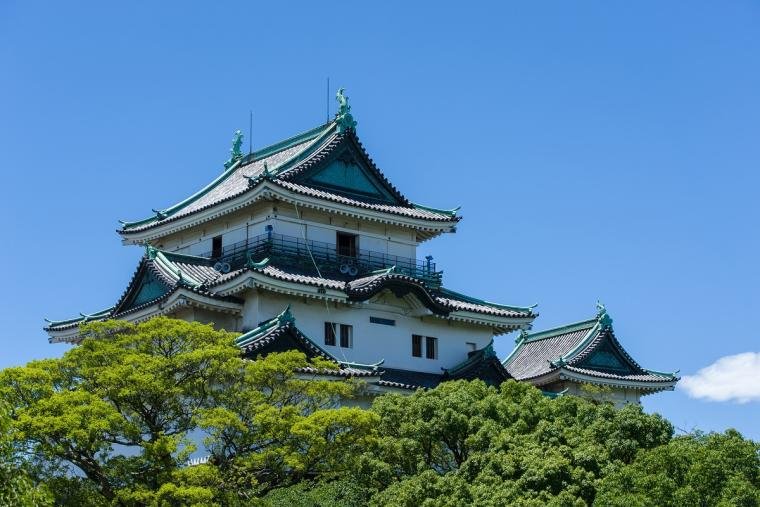
We begin with the obvious boss-level landmark: Wakayama Castle. Built by master castle builder Todo Takatora, this was once the castle of the powerful Kishu Tokugawa family, one of the three main branches of the Tokugawa clan.
The white castle tower rises from leafy Torafusuyama hill, looking appropriately dramatic and slightly smug about its own history. And fair enough. The stone walls are especially interesting because many were built using blue stone from Kishu, with different stonework styles showing how the castle evolved over time.
Climb up to the castle tower and you get a lovely view over Wakayama City and the Kinokawa River. Not bad for a place that also gives you proper samurai-era atmosphere without the Kyoto-level crowd crush.
Good to know:
- Address: 3 Ichibancho, Wakayama City
- Hours: 9:00 AM–5:30 PM, last entry 5:00 PM
- Closed: December 29–31
- Castle tower fee: Adults 410 yen; elementary/junior high students 200 yen
- Access: About 10 minutes on foot from Nankai Wakayamashi Station
Porto Europa
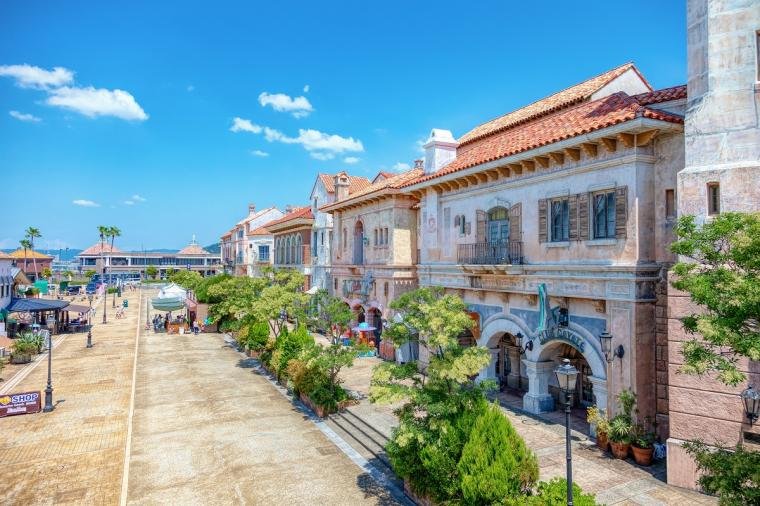
Porto Europa is what happens when Wakayama looks at a Mediterranean port town and says, “Yes, we can do that, but with theme park energy.”
This family-friendly theme park inside Wakayama Marina City is designed with cobbled streets, brick buildings, and a slightly theatrical European seaside feel. It has rides, an amusement area, and attractions like the 22-meter-high “High Dive” water slide for anyone who likes their holidays with a side of mild panic.
It was also used as a filming location for the NHK drama Come Come Everybody, so you can wander around pretending you are in a movie. A very practical movie where snacks are nearby.
Good to know:
- Address: 1527 Kemi, Wakayama City
- Hours: Usually 10:00 AM–5:00 PM, but this can change by season
- Admission: Free
- Attraction pass: Adults 4,800 yen; children 4,000 yen
- Access: About 15 minutes by Wakayama Bus from JR Kainan Station to Marina City
Tomogashima
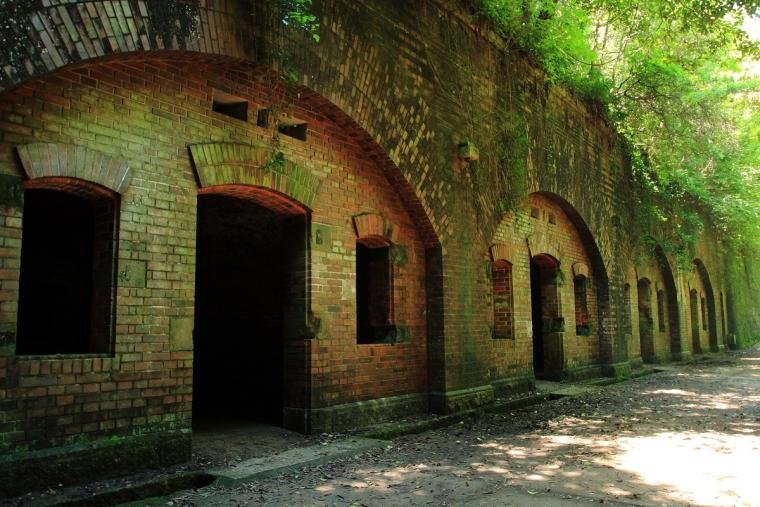
Tomogashima is one of Wakayama’s most atmospheric day trips — an uninhabited island in the Kitan Strait, scattered with old military ruins, brick buildings, tunnels, and greenery slowly swallowing everything like nature has decided to redecorate.
The island is often compared to the world of Castle in the Sky, and yes, we know every mossy ruin in Japan gets that comparison eventually, but here it actually makes sense. More recently, Tomogashima has also become a pilgrimage spot for fans of the anime Summer Time Rendering.
Most of the old structures can be explored for free, making this a brilliant choice if you like abandoned places, island walks, sea views, and pretending you are in a post-apocalyptic adventure without the actual apocalypse.
Good to know:
- Location: Kada, Wakayama City
- Access: About 20 minutes by ferry from Kada Port
- Ferry: Usually four departures per day
- Round-trip ferry fare: Adults 2,500 yen; children 1,250 yen
- Note: Ferry schedules vary by season and weather, so check before going
Kada Beach
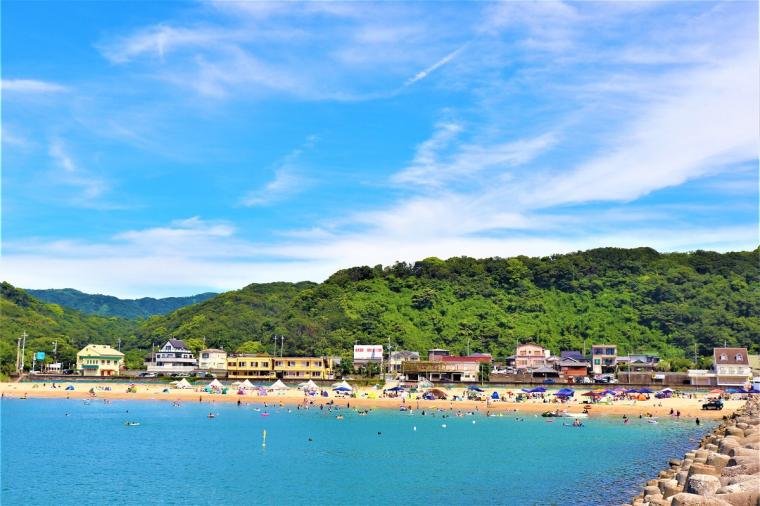
Kada Beach is an easy coastal escape from Wakayama City and even Osaka. It faces the Kitan Strait and has long been admired for its scenic coastline, known historically as Katami no Ura.
In summer, it becomes a cheerful beach spot for families and younger travelers, but it is also famous for fishing, especially sea bream. So if your ideal day involves sea air, clean sand, and possibly someone nearby taking fishing very seriously, Kada works nicely.
Good to know:
- Location: Kada, Wakayama City
- Access: About 15 minutes on foot from Nankai Kada Station
- Parking: Available, around 1,000 yen
Awashima Shrine
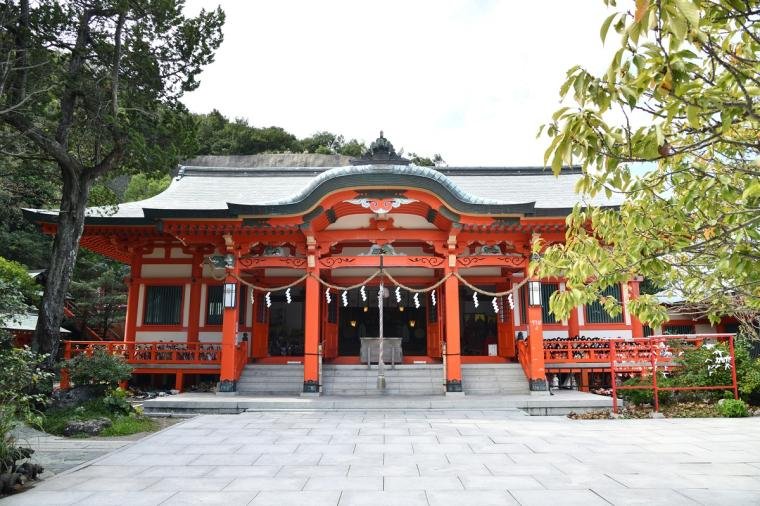
Awashima Shrine is one of Wakayama’s more unusual and memorable shrine stops. It enshrines Sukunahikona-no-Mikoto, a deity associated with medicine, and is especially known for blessings connected to women’s health, childbirth, and fertility.
The shrine is famous for its Hina Nagashi ceremony, held every year on March 3. During the event, dolls are placed on small wooden boats and floated out to sea after purification. It is beautiful, symbolic, and just a tiny bit eerie — the best kind of shrine atmosphere, frankly.
You can also find cute Hina doll-themed amulets and goshuin stamp books here, which make much better souvenirs than another keychain you will lose in your bag by Tuesday.
Good to know:
- Address: 118 Kada, Wakayama City
- Hours: 9:00 AM–5:00 PM
- Access: About 20 minutes on foot from Nankai Kada Station
Best Things to Do in Wakayama: Koyasan Area
Mount Koya
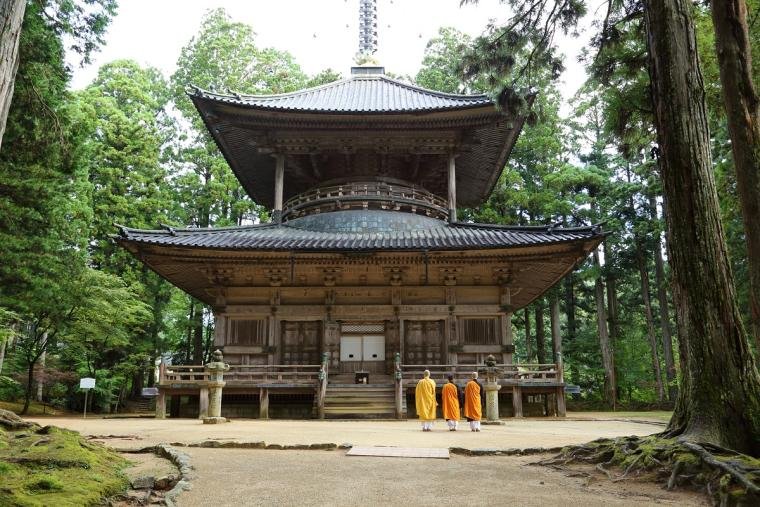
Mount Koya, or Koyasan, is one of Japan’s most important spiritual destinations. Sitting in a mountain basin at around 900 meters above sea level, it was chosen by Kobo Daishi Kukai as the training center for Shingon Esoteric Buddhism.
Today, Koyasan is a temple town, pilgrimage site, historic mountain retreat, and one of those places where you may suddenly start walking slower without meaning to. The cedar trees, temple architecture, monk-run lodgings, and misty mountain atmosphere all conspire against your usual schedule.
Koyasan is also connected to the samurai Sanada Masayuki and his son Nobushige, who were once confined here. History, religion, mountain air — Koyasan does not do things halfway.
Good to know:
- Location: Koyasan, Koya Town
- Kongobu-ji Temple hours: 8:30 AM–5:00 PM, last entry 4:30 PM
- Kongobu-ji fee: 1,000 yen for junior high school age and older; 300 yen for elementary students
- Access: Take the Nankai Koyasan Cable Car from Gokurakubashi Station to Koyasan Station
Koyasan Okunoin Night Tour
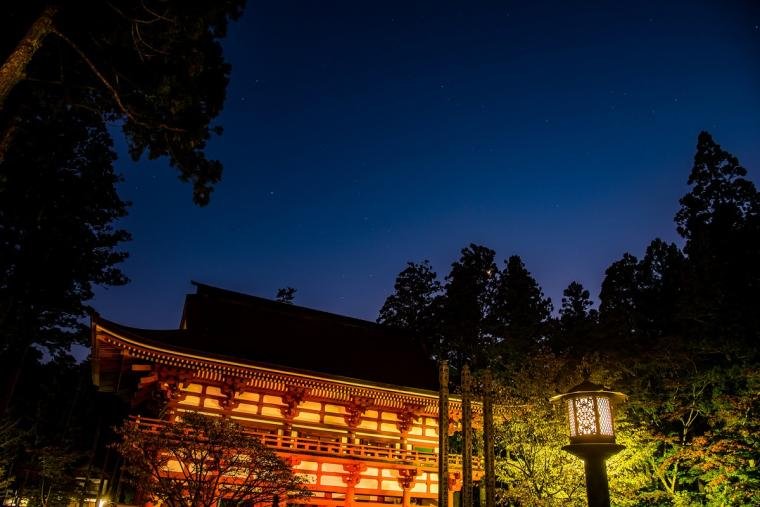
Okunoin is already one of the most powerful places in Koyasan by day, but at night? Completely different mood. Quieter. Stranger. More mysterious. The trees feel taller, the stone lanterns feel older, and suddenly your casual temple walk has turned into something much more atmospheric.
The Okunoin Night Tour is guided by a certified local guide from Koyasan, who explains stories about Kobo Daishi, Shingon Buddhism, the tombstones, legends, monks’ lives, and the history of the area.
Is it spooky? A little. Is it peaceful? Also yes. Is it one of the most memorable things to do in Koyasan? Absolutely.
Good to know:
- Meeting area: Around Koyasan
- Start time: Around 7:00 PM
- Duration: About 1 hour 30 minutes
- Fee: Ages 12+ 3,500 yen; ages 6–11 2,500 yen; ages 3 and under free
- Bonus: Free return bus transfer is usually included
Central Wakayama Coast
Shirasaki Coast
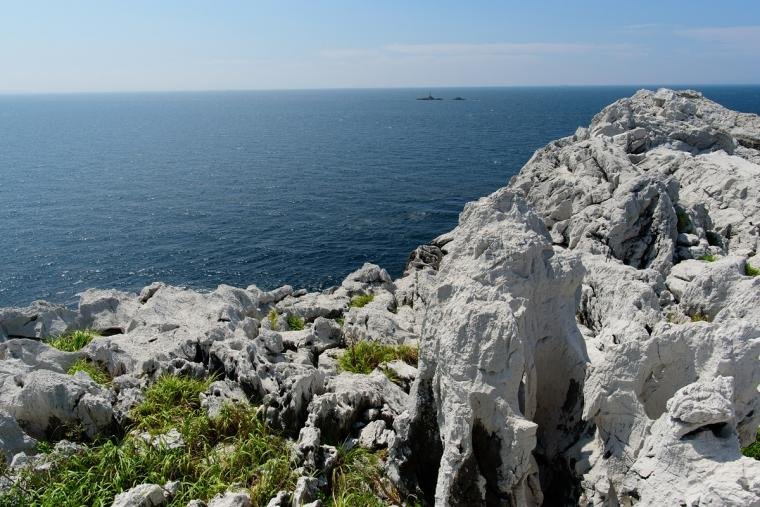
Shirasaki Coast is nicknamed “Japan’s Aegean Sea,” which sounds dramatic until you see the white limestone cliffs against the blue Pacific. Then you think: fine, Wakayama, you may keep the nickname.
The coastline is bright, sharp, and wildly photogenic. Shirasaki Marine Park also has facilities for camping, diving, and marine activities, so this is a good stop if you want nature with a bit of adventure attached.
Come for the contrast: white rock, blue sea, big sky, and that satisfying feeling that you found somewhere genuinely different.
Good to know:
- Address: 960-1 Obiki, Yura Town
- Access by train: From JR Kii-Yura Station, take a local bus, then walk from Shirasaki-Nishi bus stop
- Access by car: About 25 minutes from Hirokawa Interchange
Shirahama Area
Adventure World

Adventure World in Shirahama combines a zoo, aquarium, and amusement park, because apparently one attraction was not enough. The theme is interaction between people, animals, and nature, and the park is especially known for its animal experiences and marine performances.
For years, Adventure World was famous for giant pandas, with 17 baby pandas born there over three decades. The pandas were returned to China in June 2025, so you can no longer see them here, but the park still has dolphin and whale performances, Safari World, and animals such as lions, cheetahs, giraffes, and elephants.
It is still very much a family-friendly heavy hitter in Wakayama.
Good to know:
- Address: 2399 Katada, Shirahama Town
- Hours: Usually 10:00 AM–5:00 PM, but check seasonal changes
- Fee: Adults 5,300 yen; seniors 4,800 yen; ages 12–17 4,300 yen; ages 4–11 3,300 yen
- Access: About 10 minutes by bus from JR Shirahama Station
Shirahama Onsen
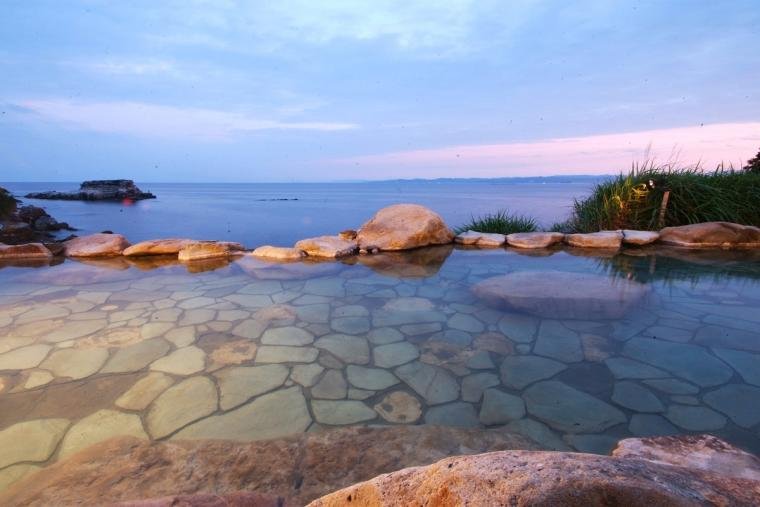
Shirahama Onsen is one of Kansai’s classic seaside hot spring resorts. It has been mentioned in ancient texts such as the Manyoshu and Nihon Shoki, and is counted as one of Japan’s three oldest hot springs, along with Arima and Dogo.
So yes, this is not just “a bath near the beach.” This is old-school hot spring royalty with sea views.
The area is also part of the Nanki Kumano Geopark, meaning you get both hot spring culture and ancient land drama. Soak, look at the ocean, feel vaguely reborn. That is the basic plan.
Good to know:
- Location: Shirahama Town
- Access: Take a local bus from JR Shirahama Station to Yuzaki or nearby stops
- Best for: Hot spring stays, seaside ryokan, slow travel, and recovering from your overambitious itinerary
Shirahama Beach
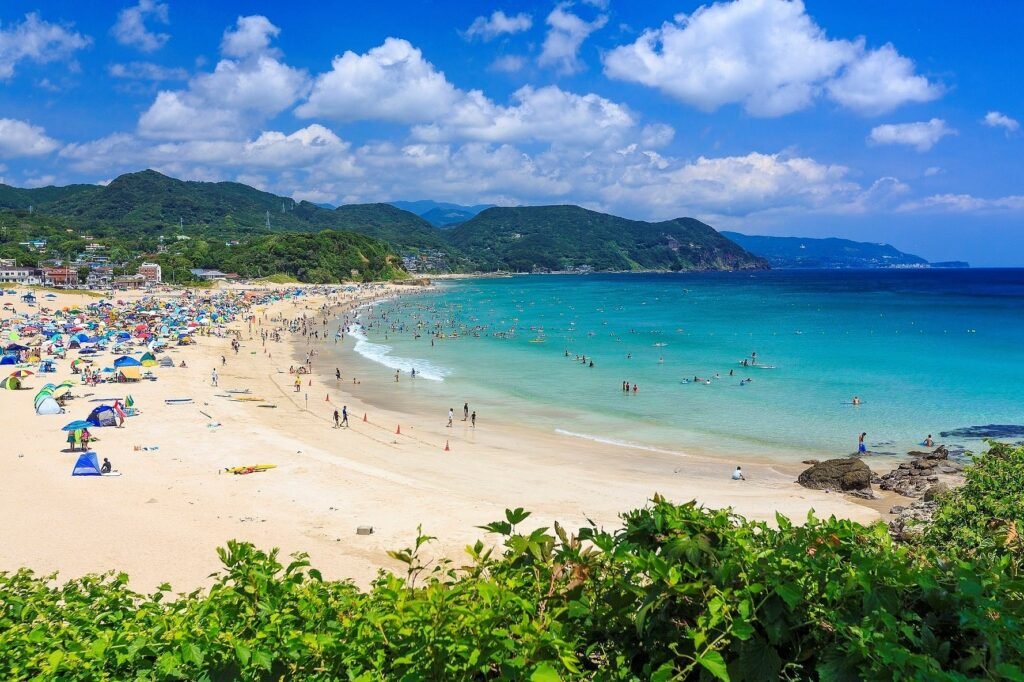
Shirarahama Beach is one of Wakayama’s most famous seaside spots: a 640-meter arc of white sand with a tropical feel. It even has a friendship and sister beach relationship with Waikiki Beach in Hawaii, because apparently this beach has international connections.
The sand is pure white and fine, made mostly of quartz sand with high silica content. In summer, colorful parasols pop up across the beach, and the whole place feels more like a resort island than mainland Japan.
In winter, the White Sand Promenade illumination gives the beach a completely different, more romantic atmosphere.
Good to know:
- Location: Shirahama Town
- Access: About 15 minutes by local bus from JR Shirahama Station
- Best for: Summer swimming, beach photos, family trips, and pretending you flew farther south than you did
Saki-no-yu and Shirahama Public Baths
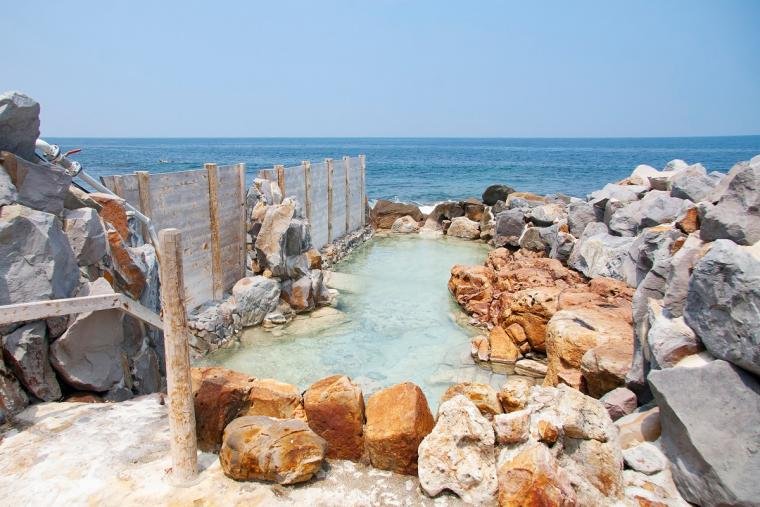
Shirahama Onsen has several public baths, including Saki-no-yu, Muro-no-yu, Shirasuna, Shirayoshi, Matsuno-yu, and Tsuna-no-yu. If you like collecting stamps, pick up the Nanki Shirahama Hot Spring Tour pamphlet and visit all six baths for a souvenir.
Saki-no-yu is the famous one, with the sea right in front of you. This is not a polite little indoor soak. This is “waves crashing while you sit in hot spring water questioning your life choices in the best way” territory.
Good to know:
- Saki-no-yu address: 1668 Shirahama Town
- Fee: 500 yen for ages 3 and up
- Hours vary by season
- Access: Take a local bus from JR Shirahama Station to Yuzaki bus stop
Heisogen Park
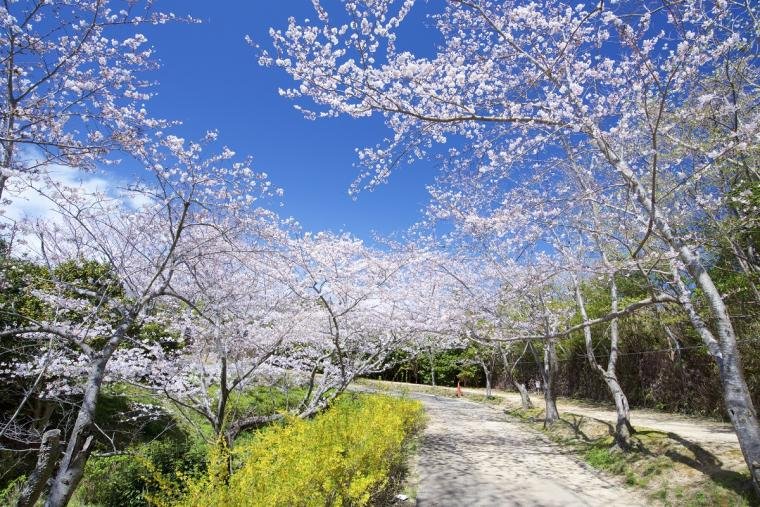
Heisogen Park sits on a hilltop above Shirahama, with views over the town, the Kii Channel, and the mountain ranges of Kumano. It is a breezy, open spot with cherry trees, plum orchards, and plenty of greenery.
There is also a 2-kilometer athletics course around the park, plus simple playground equipment made from logs and ropes. Translation: good for families, restless children, and adults pretending they are only walking “for the view.”
Good to know:
- Address: 2054-1 Shirahama Town
- Hours: 8:30 AM–5:00 PM
- Fee: Free
- Parking: Free, around 60 spaces
Toretore Market
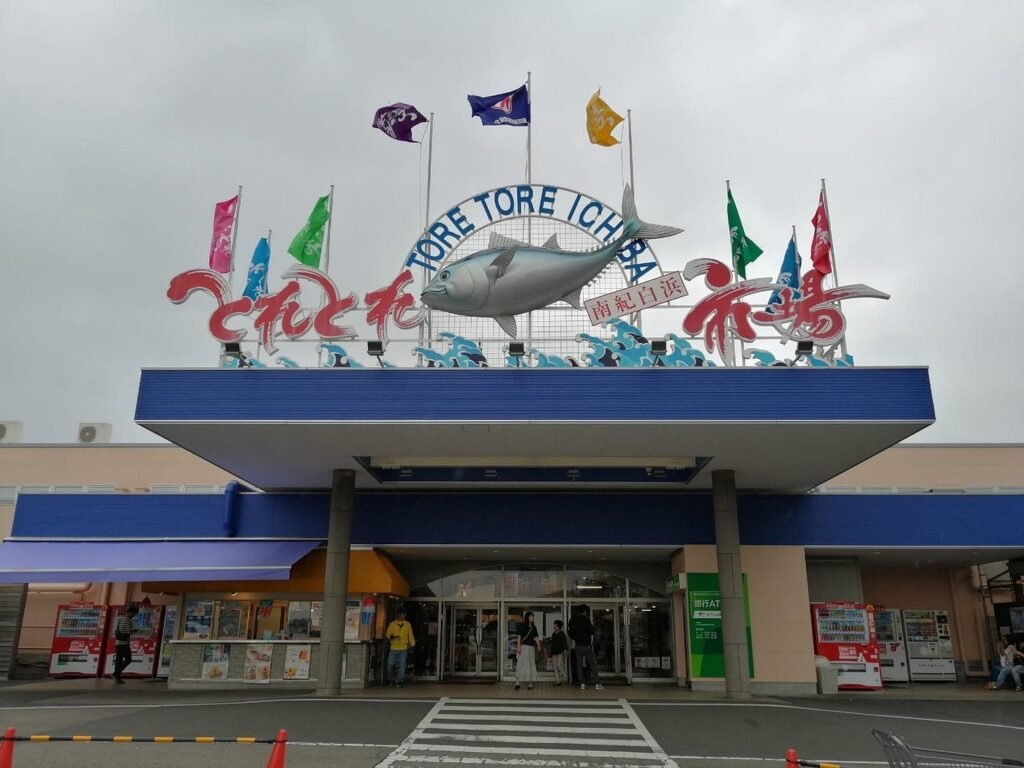
Toretore Market is one of western Japan’s largest seafood markets, and it knows exactly what you want: fresh fish, sashimi, dried seafood, souvenirs, and a tuna cutting show that makes everyone suddenly very interested in lunch.
You can eat seafood bowls at Toretore Yokocho or buy ingredients from the market and grill them at the BBQ corner. There is also a souvenir area with plenty of panda goods, because Shirahama has fully committed to the panda theme and we respect that.
Good to know:
- Address: 2521 Katada, Shirahama Town
- Hours: 8:30 AM–6:30 PM
- Entry: Free
- Access: About 5 minutes by car from JR Shirahama Station
Senjojiki
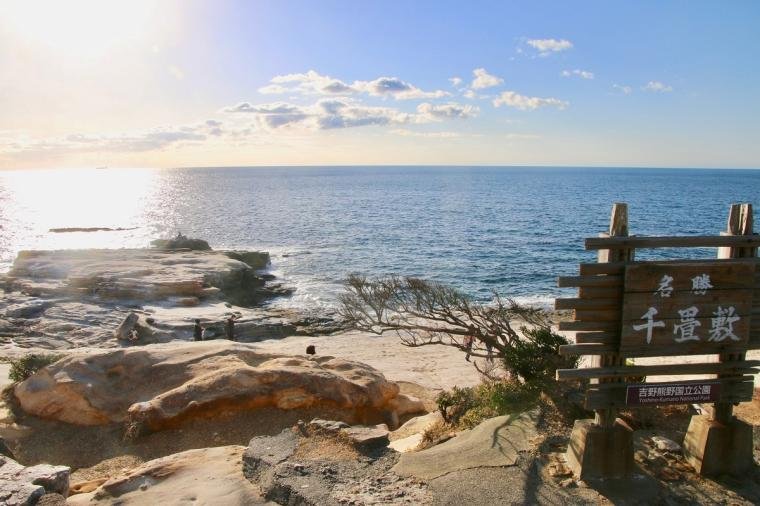
Senjojiki is a wide, flat rock formation spreading out beside the Pacific Ocean. The name means something like “one thousand tatami mats,” which is a very Japanese way of saying: look at this enormous natural stone platform.
The white rock has been shaped by waves over countless years, creating a dramatic meeting point between land, sky, and sea. Sunset here is especially beautiful, and the whole scene feels wonderfully cinematic.
Nearby, Kaisenya Senjo offers seafood with views, which is exactly the kind of efficient travel decision we like.
Good to know:
- Address: 2927-72 Shirahama Town
- Access: About 20 minutes by car from JR Shirahama Station
- Best for: Sunset, sea views, photography, and dramatic staring
Sandanbeki Cliffs
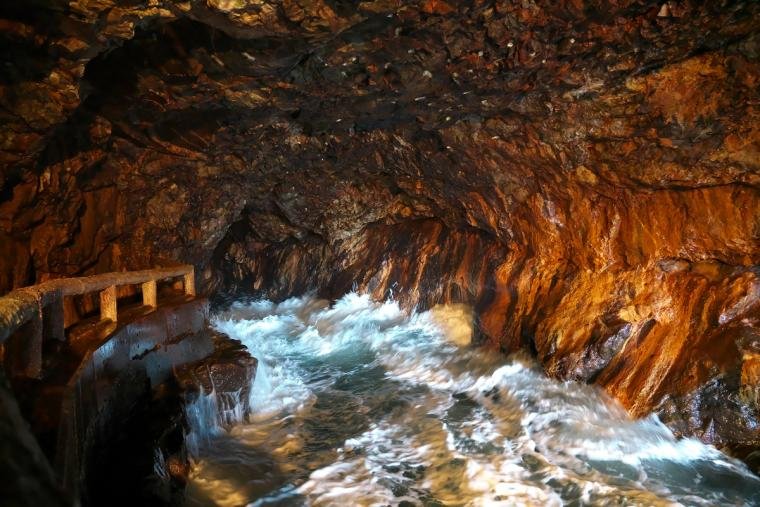
Sandanbeki is a 60-meter-high cliff on the southern coast near Senjojiki. It is scenic, yes, but the real twist is underground: you can take an elevator down about 36 meters into a sea cave.
Inside the cave, waves crash dramatically against the rocks, and you can explore a roughly 200-meter-long route with photo spots, legends, and historical displays linked to the Kumano naval force.
There is also a heart monument, a pink mailbox, and romantic illuminations from sunset to sunrise because apparently even cliffs need a dating profile.
Good to know:
- Address: 2927-52 Shirahama Town
- Hours: 8:00 AM–5:00 PM, last entry 4:50 PM
- Fee: Junior high school age and older 1,500 yen; elementary students 750 yen
- Access: About 20 minutes by car from JR Shirahama Station
Engetsu Island
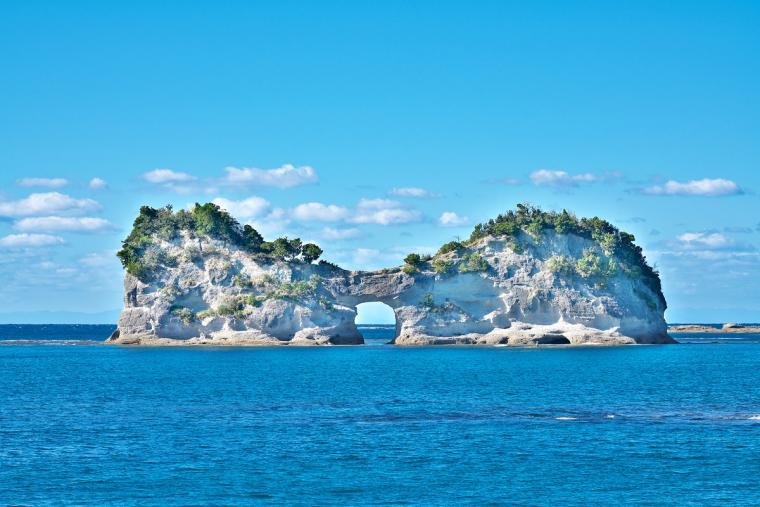
Engetsu Island is one of Shirahama’s most beloved symbols. Officially called Takashima, this small island became known as Engetsu-to because of the round, crescent-like hole in its center.
The big moment comes at sunset. In spring and autumn, the setting sun can line up beautifully with the hole in the island, creating exactly the kind of view that makes everyone suddenly very quiet and then immediately reach for a camera.
Good to know:
- Address: 3740 Shirahama Town
- Access: About 15 minutes by car from JR Shirahama Station
- Best for: Sunset photos and low-effort scenic magic
Kumano Area
Kumano Kodo Daimonzaka
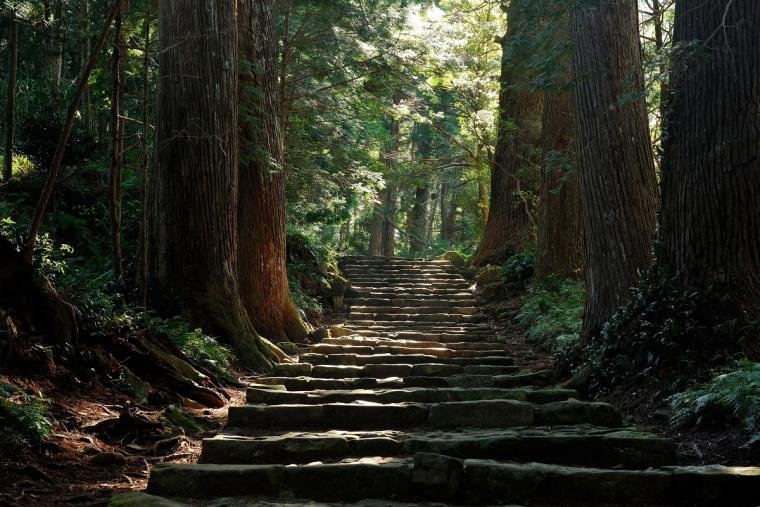
Daimonzaka is part of the Kumano Kodo, one of Japan’s great ancient pilgrimage routes. The stone-paved path stretches for about 600 meters with a 100-meter elevation gain, leading toward the sacred Nachisan area.
This is one of the best places to get a quick but powerful taste of the Kumano pilgrimage atmosphere. Mossy stone steps, towering cedar trees, old checkpoint remains, and the feeling that your modern problems should probably be quieter here.
It is short enough for casual visitors but atmospheric enough to feel meaningful. A rare and useful combination.
Good to know:
- Location: Nachikatsuura Town
- Fee: Free to walk
- Access: About 20 minutes by bus from JR Kii-Katsuura Station to Daimonzaka bus stop
Kumano Nachi Taisha
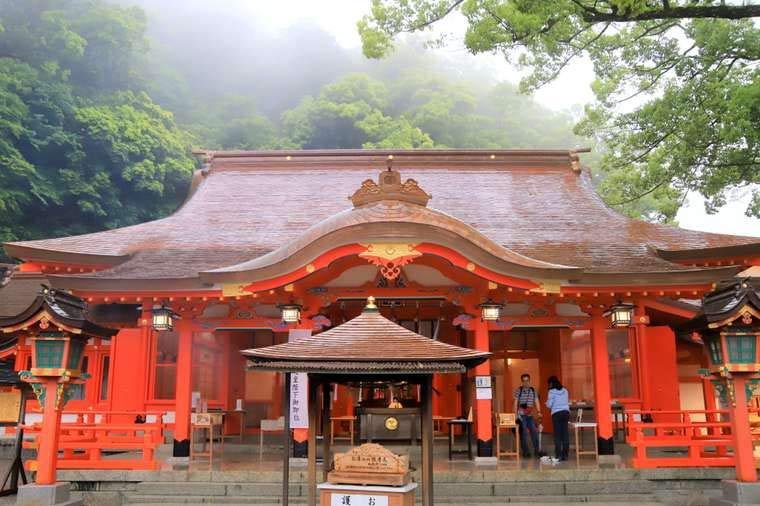
Kumano Nachi Taisha is one of the three grand Kumano shrines, set into the mountainside of Nachikatsuura. The vermilion shrine buildings stand against deep green forest, giving the whole place that classic “Japan travel poster, but real” look.
The shrine enshrines Kumano Fusumi no Okami, also known as Izanami no Mikoto. You will also find Miagata Hiko Shrine, dedicated to Yatagarasu, the three-legged crow that is also the symbol of the Japan Football Association.
Visit it together with Daimonzaka and Nachi Falls for one of the strongest travel days in Wakayama.
Good to know:
- Address: 1 Nachisan, Nachikatsuura Town
- Hours: 6:00 AM–6:00 PM
- Access: About 30 minutes by bus from JR Kii-Katsuura Station, then around 10 minutes on foot
- Parking: Available, shrine disaster prevention road fee around 800 yen
Nachi Falls
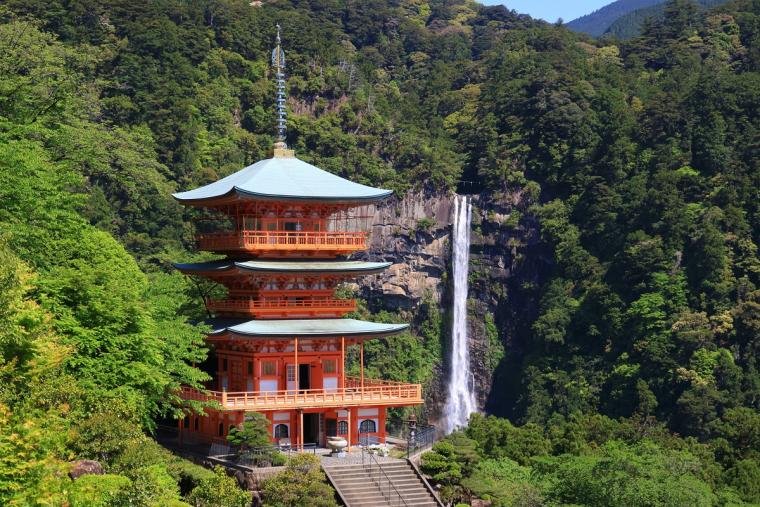
Nachi Falls is Japan’s tallest waterfall, with a drop of 133 meters. It pours down through the primeval forest of the Kumano mountains and is worshipped as the sacred object of Hiro Shrine.
This is not just a “quick waterfall stop.” Nachi Falls is one of the most iconic spiritual landscapes in Japan, especially when seen near the pagoda and Kumano Nachi Taisha. The stone path to the base adds to the atmosphere, and the sound of the water does most of the talking.
Good to know:
- Location: Nachisan, Nachikatsuura Town
- Viewing area hours: 7:00 AM–4:30 PM
- Otaki worship stage fee: Adults 300 yen; elementary/junior high students 200 yen
- Access: About 30 minutes by bus from JR Kii-Katsuura Station, then around 5 minutes on foot
Kumano Hongu Taisha
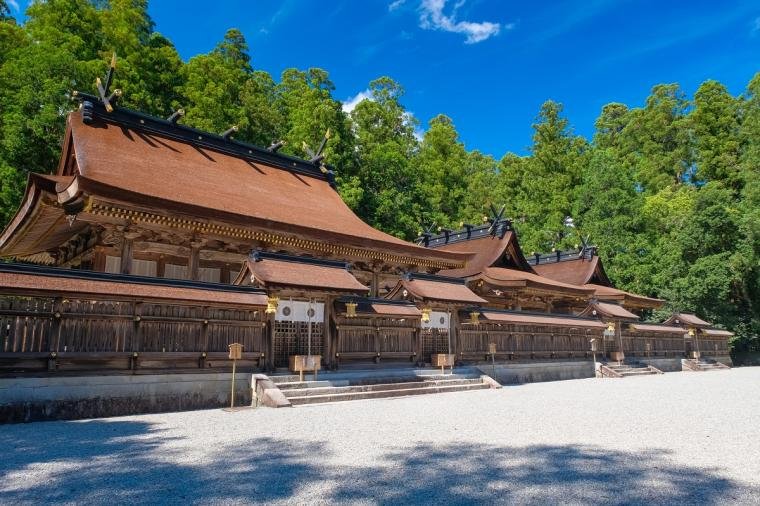
Kumano Hongu Taisha is another of the three Kumano Sanzan shrines, along with Kumano Nachi Taisha and Kumano Hayatama Taisha. It has deep roots in nature worship, Buddhism, esoteric traditions, and Shugendo mountain practice.
Historically, many members of the imperial family and nobility came here as part of the Kumano pilgrimage, seeing it as a gateway to the Pure Land. Today, it remains one of the most important spiritual sites in Wakayama.
The former shrine grounds also have Japan’s tallest torii gate, which is exactly the kind of landmark that makes you stop and say, “Well, they were not being subtle.”
Good to know:
- Address: 1110 Hongu, Hongu Town, Tanabe City
- Hours: 8:00 AM–5:00 PM
- Access: About 120 minutes by bus from JR Shingu Station to Hongu Taisha-mae
Kumano Hayatama Taisha
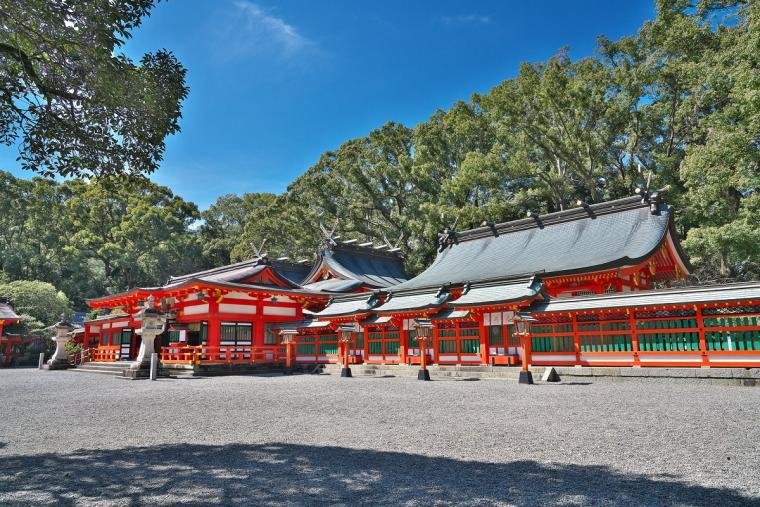
Kumano Hayatama Taisha stands in central Shingu City and is one of the three Kumano grand shrines. It is said that the Kumano deities were first enshrined on Mount Kamikura around 2,000 years ago, before being moved to the current shrine site.
One of the highlights is the sacred Nagi tree, believed to be nearly 1,000 years old and around 18 meters tall. Its leaves have long been used as charms for matchmaking and protection from misfortune.
This is an easy shrine to visit from Shingu Station, so do not skip it just because the access is suspiciously convenient.
Good to know:
- Address: 1 Shingu, Shingu City
- Awarding counter hours: 8:00 AM–5:00 PM
- Access: About 15 minutes on foot from JR Shingu Station
Kamikura Shrine
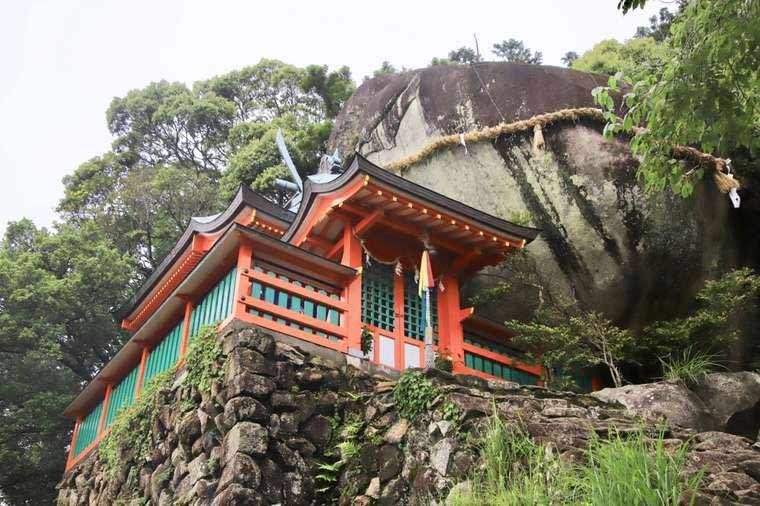
Kamikura Shrine is where the gods of Kumano are said to have first descended. It sits on the slopes of Mount Kamikura, and reaching it involves climbing more than 500 stone steps.
At the top, you will find Gotobiki Rock, the shrine’s sacred object. The climb is steep, old, and not exactly gentle, but the reward is a powerful atmosphere and a great view over Shingu.
Every year on February 6, the Otomatsuri festival takes place here, with nearly 2,000 men carrying torches and racing down the stone steps. Which sounds wildly unsafe, historically important, and extremely memorable all at once.
Good to know:
- Address: 1-13-8 Kamikura, Shingu City
- Access: About 15 minutes on foot from JR Shingu Station, or about 10 minutes from Kumano Hayatama Taisha
Kushimoto Area
Hashigui Rocks
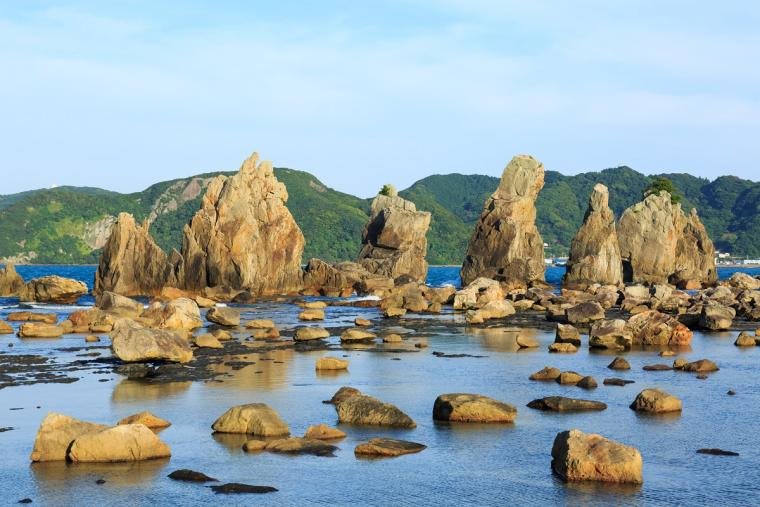
Hashigui Rocks are a row of more than 40 rock pillars stretching about 850 meters from Kushimoto toward Oshima Island. They were shaped by sea erosion, but their oddly regular line makes them look like the remains of a giant bridge.
There is also a legend that Kobo Daishi and a mischievous spirit once competed to build a bridge here in one night. Honestly, when you see the rocks, the story feels reasonable. Nature did something strange and humans responded with folklore, as we always do.
Sunrise is especially beautiful here, with the light coming up between the rock pillars.
Good to know:
- Address: Kujinokawa, Kushimoto Town
- Access: About 20 minutes on foot from JR Kushimoto Station
- Best for: Sunrise, photography, legends, and weird geology
Cape Shionomisaki
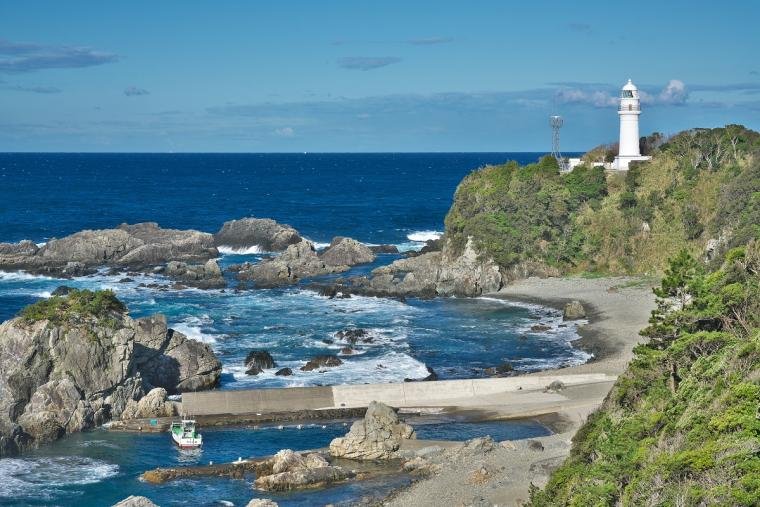
Cape Shionomisaki is the southernmost point of Honshu, Japan’s main island. Stand here and you get a wide view over the Pacific Ocean, with the horizon curving gently enough to make you feel very small in a healthy way.
The nearby Shionomisaki Tourist Tower offers a 360-degree panorama of the lawns, ocean, and distant mountains. You can also get a certificate proving you visited the southernmost point of Honshu, because sometimes we do need official paperwork for our dramatic travel moments.
Good to know:
- Location: Shionomisaki, Kushimoto Town
- Access: About 15 minutes by car from JR Kushimoto Station
- Best for: Ocean views, road trips, and collecting “I was here” certificates
Kushimoto Marine Park
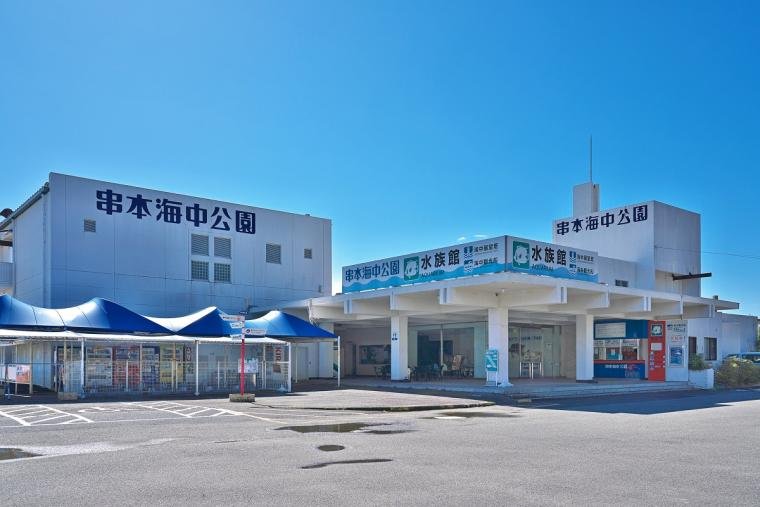
Kushimoto Marine Park was designated as Japan’s first underwater park area in 1970. The aquarium displays around 500 species and 5,000 marine specimens from the waters around Kushimoto.
You can also visit the Sea Turtle Park, see tropical fish and coral, look underwater from the observation tower, or take a semi-submersible sightseeing boat. Basically, if you want to experience the sea without actually becoming a diver, this is your place.
There are also restaurants, diving facilities, and cottages, so you can make this a longer coastal stop instead of a quick aquarium visit.
Good to know:
- Address: 1157 Arita, Kushimoto Town
- Aquarium and observation tower hours: 9:00 AM–4:30 PM, last entry 4:00 PM
- Fee: Adults 2,000 yen; elementary/junior high students 1,000 yen; children 3+ 400 yen
- Access: Free shuttle bus from JR Kushimoto Station
Taiji Area
Taiji Whale Museum
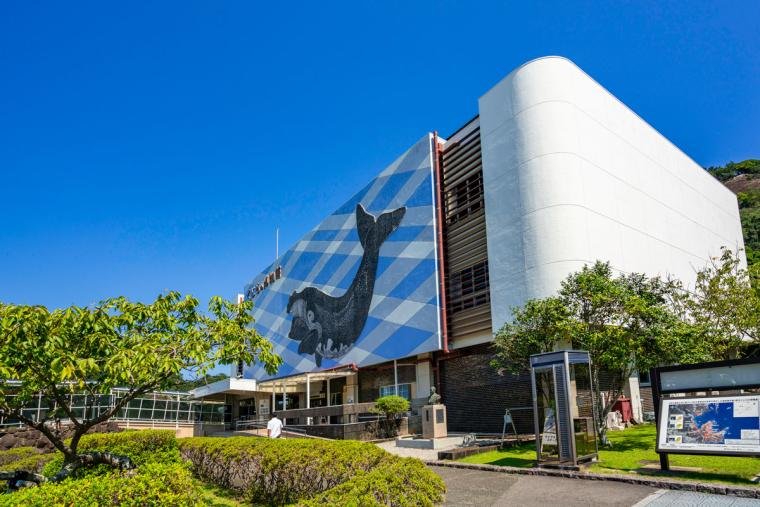
Taiji Whale Museum has one of the world’s largest whale-related exhibitions, including a life-size blue whale specimen and more than 1,000 displays about whale ecology and whaling.
There are also whale shows in a natural pool, dolphin and small whale exhibits, and interaction areas. It is a place that gives a close look at Taiji’s long and complicated relationship with whales.
For travelers interested in marine life, local history, and coastal culture, it is one of the major stops in this part of Wakayama.
Good to know:
- Address: 2934-2 Taiji, Taiji Town
- Hours: 8:30 AM–5:00 PM
- Fee: High school age and older 1,800 yen; elementary/junior high students 900 yen; preschool children free
- Access: From JR Taiji Station, take the Taiji Town Circular Bus to Kujira-kan-mae
Tanabe Area
Ryujin Onsen
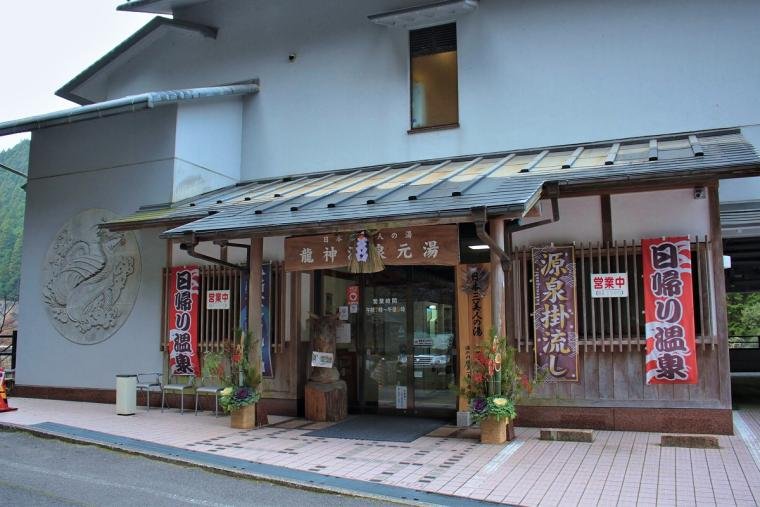
Ryujin Onsen sits along the Hidaka River in the Koya-Ryujin Quasi-National Park. It is known as one of Japan’s “Three Beautiful Hot Springs,” along with Yunokawa Onsen and Kawanaka Onsen.
The water is famous for its smooth, moisturizing quality, and Ryujin Onsen Motoyu offers free-flowing hot spring baths. If your skin could write thank-you notes, this would be the moment.
This is a slower, quieter hot spring destination than Shirahama, ideal if you want mountain air and a more tucked-away onsen experience.
Good to know:
- Ryujin Onsen Motoyu address: 37 Ryujin, Tanabe City
- Hours: 7:00 AM–9:00 PM, last entry 8:40 PM
- Fee: Adults 800 yen; children 400 yen
- Access: About 75 minutes by bus from JR Kii-Tanabe Station
Yunomine Onsen
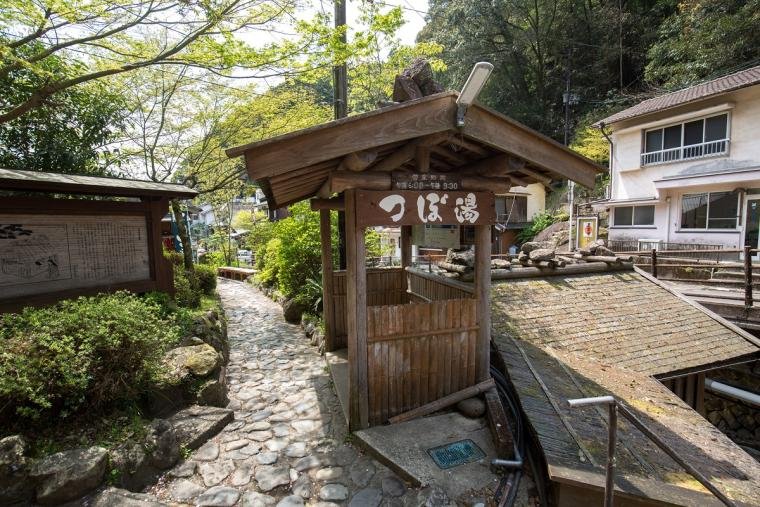
Yunomine Onsen is ancient — around 1,800 years old — and was historically used by pilgrims traveling to Kumano. They would bathe here to purify themselves and soothe their tired bodies before continuing the journey.
The most famous bath is Tsuboyu, a small rock bath where the water is said to change color several times a day. The whole village has an old-fashioned hot spring atmosphere, with steam, narrow lanes, and that very specific feeling that time has decided to walk instead of run.
Good to know:
- Location: Yunomine, Hongu Town, Tanabe City
- Tsuboyu hours: 6:00 AM–9:00 PM
- Tsuboyu fee: Adults 800 yen; under 12s 400 yen
- Public bath fee: Adults 400 yen; under 12s 200 yen
- Access: Take a local bus from JR Kii-Tanabe Station to Yunomine Onsen
Tanabe Ogihama Beach
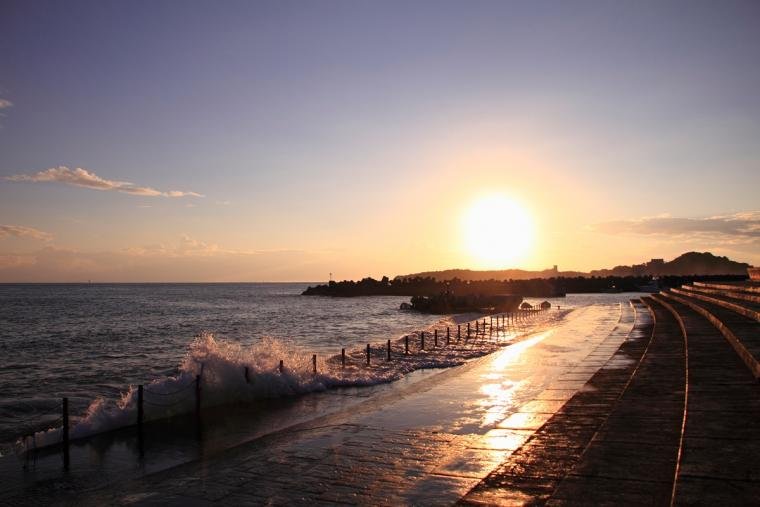
Tanabe Ogihama Beach gets its name from its fan-shaped sandy shore. It is a practical, family-friendly beach with toilets, changing rooms, showers, free lockers, beach huts, and nearby parking.
In summer, the beach hosts events such as Beach Volleyball Festa and Ogihama Festival. So if you want a beach that does not require complicated planning or survival-level logistics, this is a solid choice.
Good to know:
- Address: 3 Ogihama, Tanabe City
- Beach season: July 1–August 31
- Lockers: Free at the beach house
- Access: About 10 minutes on foot from JR Kii-Tanabe Station
- Parking: Around 400 spaces; first hour free, then 100 yen per hour
Nachikatsuura Area
Cave Hot Spring Bokido
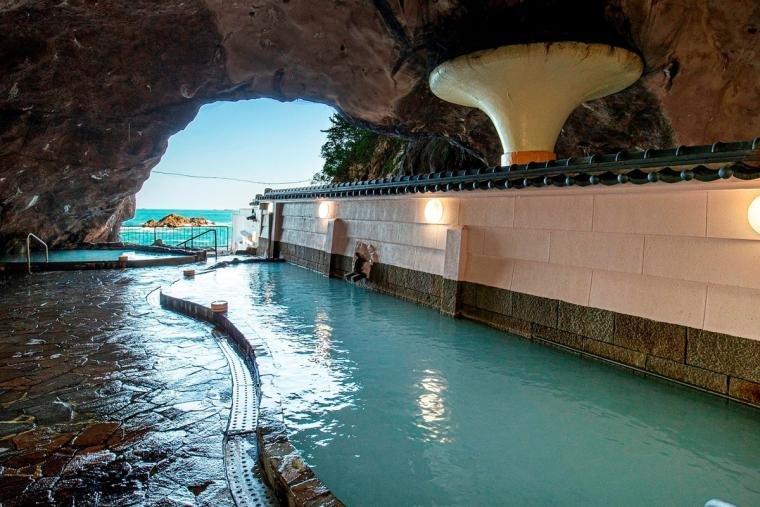
Bokido is a natural cave hot spring inside Hotel Urashima in Nachikatsuura Onsen, and yes, it is as dramatic as it sounds. The cave was carved by rough coastal waves and measures about 25 meters wide, 50 meters deep, and 15 meters high.
You soak while looking out toward the sea, with waves crashing nearby. The name “Bokido” means something like “forgetting to return home,” and honestly, fair. A Tokugawa lord supposedly praised it for being so comfortable that it made him forget to leave.
Relatable.
Good to know:
- Location: Hotel Urashima, 1165-2 Katsuura, Nachikatsuura Town
- Bath hours: 5:00 AM–10:00 AM and 1:00 PM–11:00 PM
- Day use: Usually 9:00 AM–7:00 PM, last entry 6:00 PM
- Access: About 7 minutes on foot from JR Kii-Katsuura Station, then about 5 minutes by hotel boat
So, Is Wakayama Worth Visiting?
Yes. Very much yes.
Wakayama is for travelers who want Japan with more room to breathe. We get the castle. We get the pilgrimage trails. We get white beaches, hot springs, seafood markets, sacred waterfalls, strange rocks, island ruins, and mountain temples.
It is easy to combine with Osaka, but it feels completely different once you are there. More rugged. More spiritual. More coastal. Less polished in the best way.
Come for Shirahama if you want beaches and hot springs. Come for Koyasan if you want temples and mountain quiet. Come for Kumano if you want pilgrimage routes and sacred landscapes. Come for Kushimoto if you want coastal drama and rock formations that look like unfinished mythological infrastructure.
Or do the sensible thing: stay longer and let Wakayama surprise you properly.
- Nagoya rainy day with kids in 2026 (Cool Indoor Things to Do )
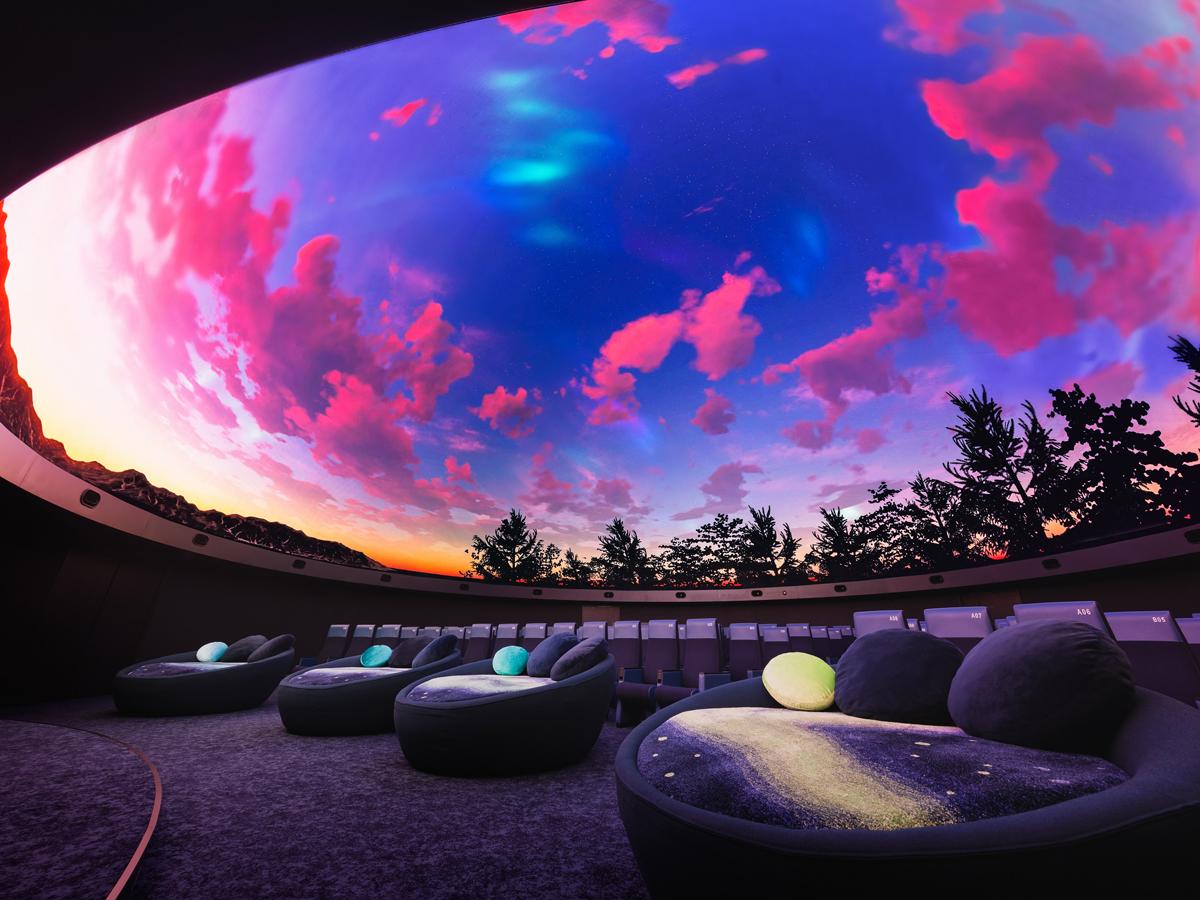 Rain in Nagoya does not have to mean surrendering the day to the hotel room. In fact, Nagoya is unusually good at indoor sightseeing. You have one of Japan’s best science museums, enormous aquariums, real Shinkansen trains, hands-on industrial museums, planetariums, covered shopping streets, and enough underground passages around Nagoya Station to lose an entire… Read more: Nagoya rainy day with kids in 2026 (Cool Indoor Things to Do )
 - Best Gachapon in Tokyo (2026): 20 Places to Find Capsule Toys
 You start with one. A tiny plastic capsule rolls out of the machine containing a miniature ramen bowl, sleepy cat or suspiciously realistic washing machine. Then you notice the machine next to it. And the one next to that. Twenty minutes later, you’ve somehow spent ¥3,000 and are emotionally invested in completing a collection of… Read more: Best Gachapon in Tokyo (2026): 20 Places to Find Capsule Toys
 - All Japanese KitKat Flavours List: The Ultimate Japan KitKat Guide
 Walk into a Japanese convenience store looking for a KitKat and things can get out of hand surprisingly quickly. You came for chocolate. Five minutes later, you’re holding matcha, strawberry, sake and something involving sweet potato, wondering whether wasabi chocolate is a terrible idea or exactly the souvenir your friends deserve. Welcome to Japanese KitKats.… Read more: All Japanese KitKat Flavours List: The Ultimate Japan KitKat Guide
 - Sapporo rainy day with kids (2026): 7 Cool Indoor Things to Do
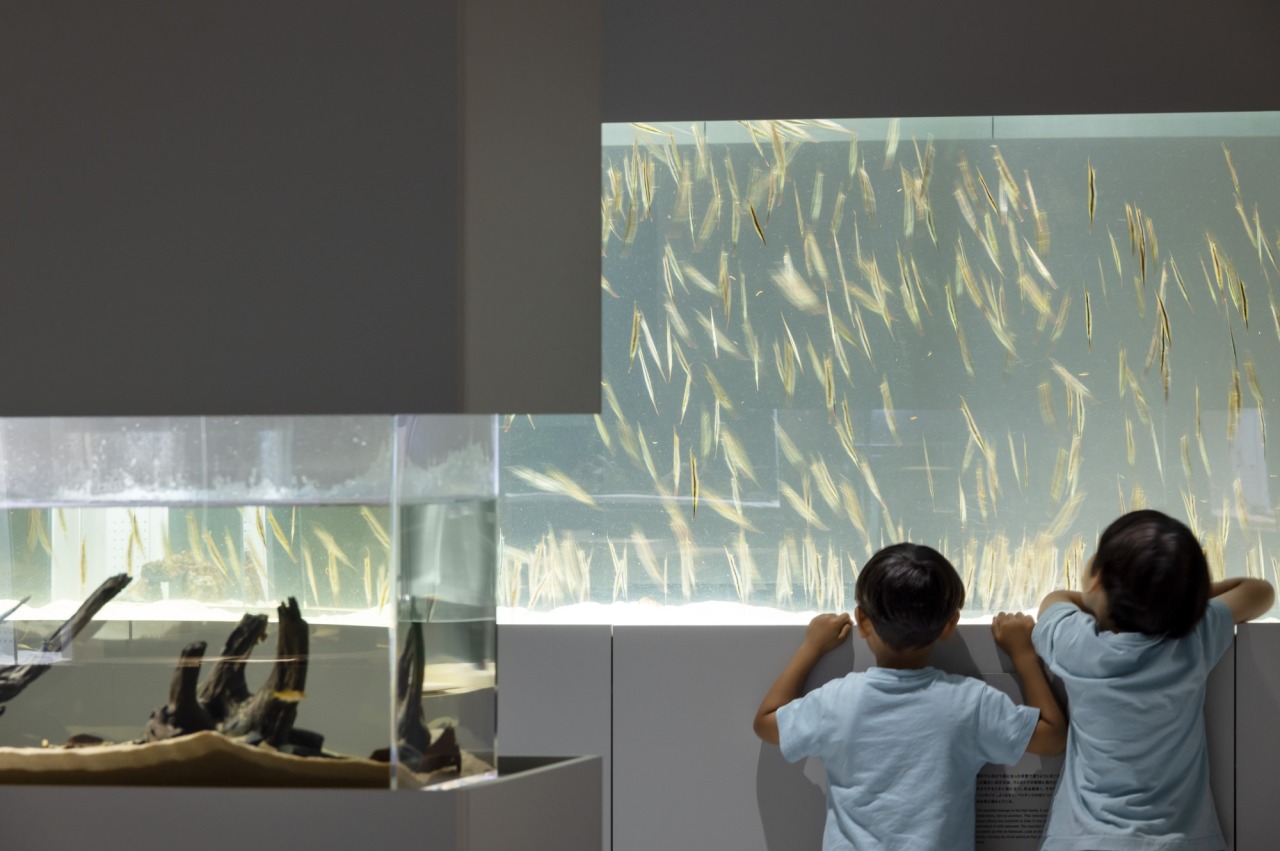 You wake up in Sapporo, pull back the curtains, and there it is: rain. That does not mean the family sightseeing day is ruined. Sapporo is actually very good at bad-weather entertainment, with science museums, aquariums, indoor play areas, shopping complexes, museums, and even a chocolate factory where children can watch one of Hokkaido’s most… Read more: Sapporo rainy day with kids (2026): 7 Cool Indoor Things to Do
 - What To Do In Arashiyama With Kids: A Realistic One-Day Family Itinerary
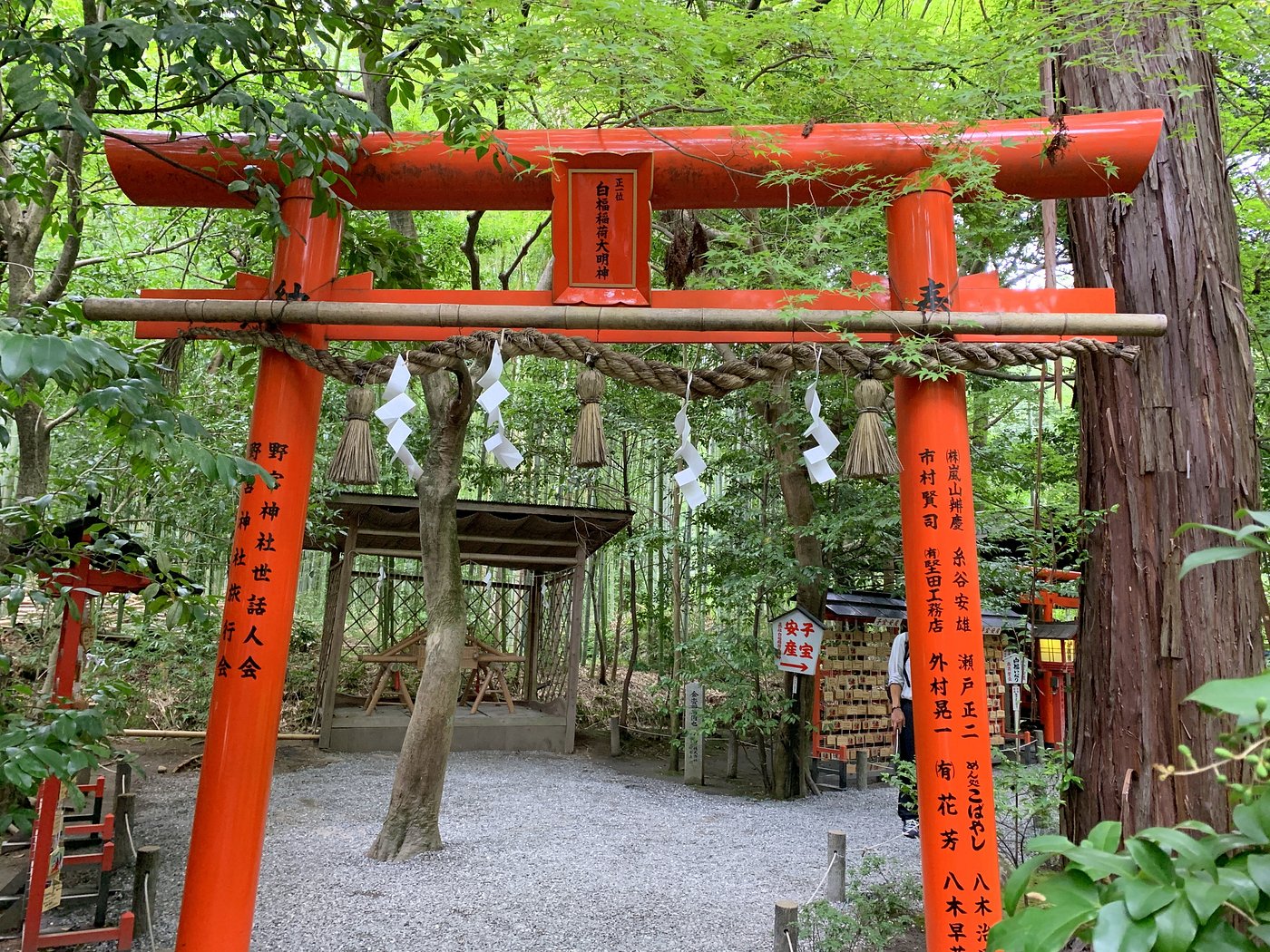 Arashiyama looks peaceful in photos: tall bamboo, forested hills, a wide river, and one of Kyoto’s most famous bridges. In reality, it is lively, busy, and full of families trying to fit a surprising number of things into one day. The good news? Arashiyama works brilliantly with kids when we keep the plan simple. The… Read more: What To Do In Arashiyama With Kids: A Realistic One-Day Family Itinerary