

Travel photojournalist and landscape hunter with experience across 89 countries, all 47 prefectures of Japan, 30 remote islands, and 60+ mountains. I focus on overlooked landscapes, mossy hidden corners, and places beyond the usual guidebooks — sharing photography and stories that inspire people to travel.
There is a very specific magic to arriving in Japan alone.
You step off the train, everyone seems to know exactly where they are going, the signs are somehow both overwhelming and beautifully organized, and then — miracle of miracles — nobody expects you to make small talk. Not with the cashier. Not with the person beside you on the train. Not with the waiter who has already perfected the graceful art of letting you eat in peace.
For introverts, Japan can feel like the travel version of being handed noise-cancelling headphones by the universe.
This Japan solo travel for introverts itinerary is designed for travelers who want temples, trains, good food, soft mornings, quiet corners, and enough structure to feel safe without feeling herded around like a school trip with better luggage. We are not trying to “push ourselves out of our comfort zone” every four minutes. We are trying to enjoy Japan without ending each day looking emotionally flattened by neon, crowds, and six different train transfers.
So here is a calm, practical 10-day Japan itinerary for introverts, with Tokyo, Kyoto, Nara, and Osaka — the classic route, but softened around the edges.
Planning a quiet Japan trip? These guides keep things easy
If your dream Japan itinerary involves fewer chaotic crowds and more gentle wandering, we have you. These guides are good next stops for calmer day trips, low-pressure exploring, and tiny pockets of joy when your social battery starts waving a white flag.
Table of Contents
Why Japan Is So Good for Solo Introvert Travel
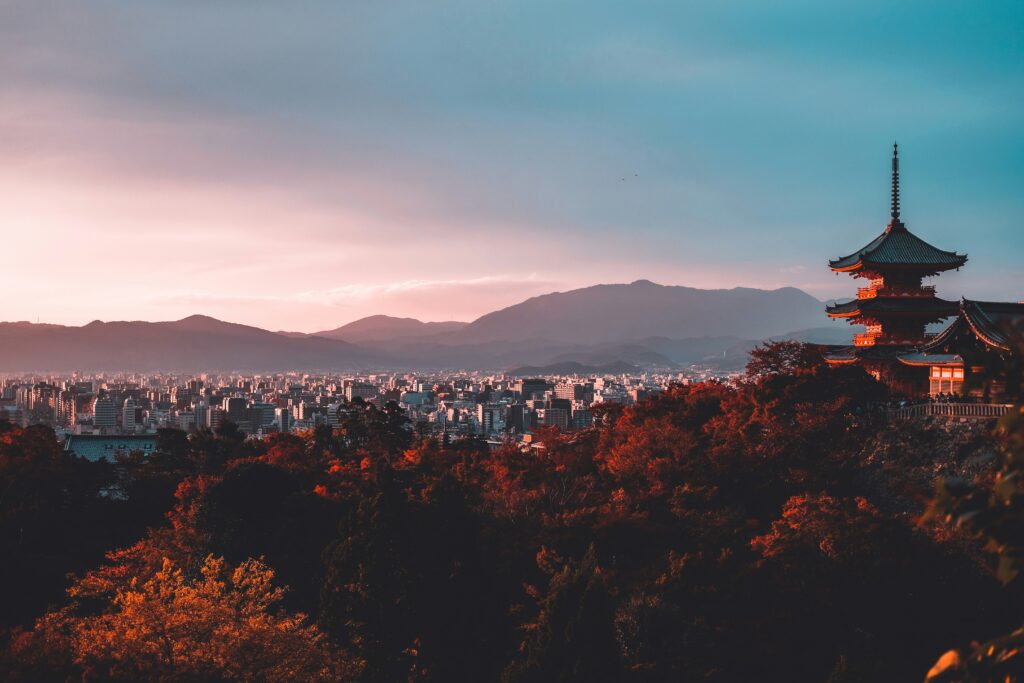
Japan is one of the easiest countries to travel alone because daily life is already set up in ways that suit quiet travelers.
You can eat alone without feeling strange. Counter seats are common. Convenience stores are excellent. Trains are efficient. Hotels are used to solo guests. Many museums, gardens, temples, bookstores, cafes, and observation decks are perfectly enjoyable without company.
And unlike some destinations where being alone makes you feel like the last unpaired sock in the laundry basket, Japan gives solo travel a sense of dignity. You are not “lonely.” You are mysterious. Possibly well-read. Definitely on your way to buy a matcha dessert from a basement food hall.
That said, Japan can also be overstimulating. Tokyo stations are massive. Kyoto gets crowded. Osaka can be loud. The trick is not avoiding famous places completely, but visiting them at better times, giving yourself recovery breaks, and building an itinerary that alternates energy: busy morning, quiet afternoon; famous sight, calm neighborhood; city day, garden day.
Quick Overview: 10-Day Japan Introvert Itinerary
Day 1: Arrive in Tokyo, settle in gently
Day 2: Asakusa, Ueno, and quiet old Tokyo
Day 3: Meiji Shrine, Harajuku backstreets, Shibuya from a distance
Day 4: Tokyo bookshops, gardens, and solo dining
Day 5: Train to Kyoto, easy evening walk
Day 6: Arashiyama early morning and peaceful temples
Day 7: Higashiyama, Philosopher’s Path, and tea
Day 8: Nara day trip
Day 9: Osaka without the chaos spiral
Day 10: Slow final morning or onward travel
This route works best if you fly into Tokyo and out of Osaka/Kansai International Airport. If your flights are return from Tokyo, add one more train day at the end or skip Osaka and use Day 9 as a Kyoto buffer day.
Before You Go: Introvert-Friendly Japan Travel Tips
Choose your hotel area carefully
For Tokyo, stay somewhere convenient but not aggressively chaotic. Good areas include Ueno, Asakusa, Nihonbashi, Ginza, or quieter pockets near the Yamanote Line. Shinjuku is useful, but it can be a lot if you are sensitive to crowds and noise.
| Our Pick: NOHGA HOTEL UENO TOKYO Best for: First-time visitors who want easy transport, museums, parks, and a neighborhood that still feels manageable. |
For Kyoto, staying near Kyoto Station is practical, especially if you want easy trains and buses. For a calmer feel, look around Karasuma Oike, Sanjo, or quieter areas near the subway.
| Our pick : Hotel Granvia Kyoto Best for: Train travel, day trips, luggage ease, and first-time visitors. |
For Osaka, Namba is fun but intense. Umeda is convenient. If you want slightly calmer, look around Honmachi or Yodoyabashi.
| Our pick: The Lively Osaka Honmachi Best for: A cooler, calmer base between Namba and Umeda. |
Use luggage forwarding when possible
Japan has excellent luggage delivery services, and this is one of those little luxuries that feels like cheating in the best way. Send your suitcase from Tokyo to Kyoto, travel with a small overnight bag, and glide through stations like a competent adult in a travel advert.
Get an IC card
An IC card such as Suica, PASMO, ICOCA, Welcome Suica, or TOURIST PASMO makes transport easier because you can tap in and out instead of buying individual tickets every time. You can also use many IC cards at convenience stores and vending machines.
Do not overpack the day
In Japan, one “small extra stop” can secretly involve three platforms, two underground corridors, a staircase, and a spiritual confrontation with Google Maps. Plan two main things per day, then add optional extras.
Day 1: Arrive in Tokyo and Do Almost Nothing
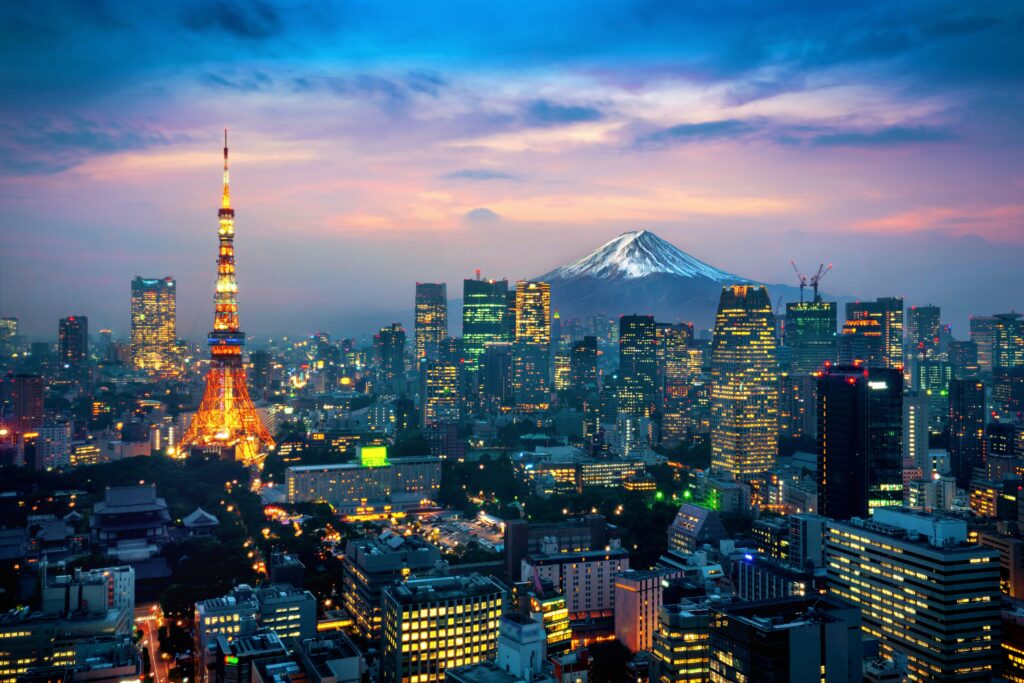
This is not a failure day. This is a survival day with snacks.
After arriving in Tokyo, your mission is simple: get to your hotel, check in, shower, and stay awake long enough to eat something. That is it. No “quick look at Shibuya Crossing.” No ambitious museum. No 9 p.m. ramen quest across town unless your soul specifically demands noodles.
Best introvert plan for Day 1
After check-in, walk around your hotel neighborhood. Find a convenience store. Buy a rice ball, bottled tea, yogurt, pudding, or whatever mysterious seasonal snack has a cute label and refuses to explain itself properly in English. This is part of the Japan experience. We respect the snack lottery.
If you have energy, visit a nearby shrine or small local shopping street. If not, sleep. Tomorrow we become cultured.
Best for: jet lag, nervous first-time solo travelers, low-pressure arrival
Time needed: 1–2 hours outside your hotel
Booking tip: Choose a hotel near a train or subway station, ideally within a 5–8 minute walk.
Day 2: Asakusa, Ueno Park and Quiet Old Tokyo
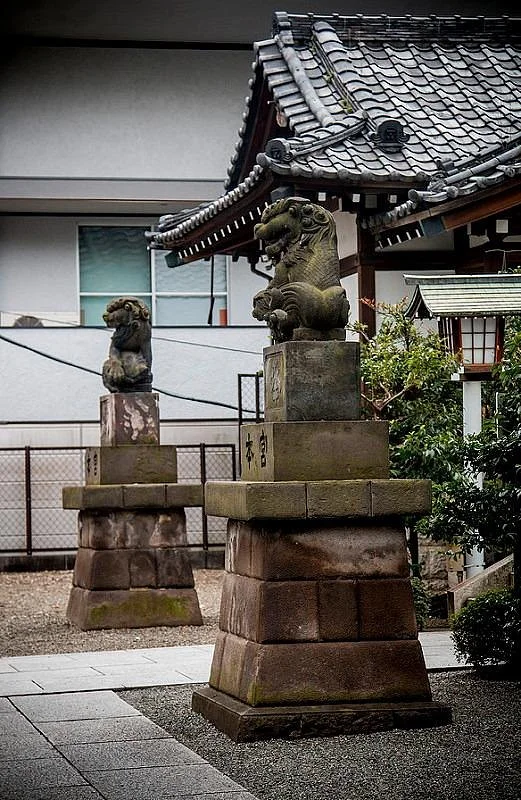
Start with Asakusa, but go early. Senso-ji Temple is one of Tokyo’s most famous sights, which means it can shift from atmospheric to “human river with selfie sticks” fairly quickly. Early morning gives you lanterns, incense, shutters opening, and a softer version of the city.
Walk through Kaminarimon Gate, wander Nakamise-dori before it gets too crowded, then give yourself permission to escape into the side streets. This is where Asakusa becomes more enjoyable: small shops, old restaurants, quiet corners, and little details that do not shout for attention.
After Asakusa, head to Ueno Park. Depending on your mood, choose one museum rather than trying to conquer them all. The Tokyo National Museum is a strong choice if you want history and beautiful objects without needing to interact much.
Suggested Day 2 route
- Early morning: Senso-ji Temple and Asakusa side streets
- Late morning: Coffee or snack break
- Afternoon: Ueno Park and one museum
- Evening: Dinner near Ueno or back near your hotel
Introvert note
Asakusa’s main street gets crowded, but the area is easy to customize. If the temple approach feels too busy, turn into the side lanes. Japan rewards people who wander one street away from the obvious.
Best for: first-time Tokyo, temples, museums, gentle sightseeing
Time needed: 5–7 hours with breaks
Solo dining idea: Try a simple soba, tempura, or ramen restaurant with counter seating.
| Read also: Top Things To Do In Asakusa : What To See, Eat & Experience in Tokyo’s Most Traditional District |
Day 3: Meiji Shrine, Harajuku Backstreets and Shibuya From a Safe Distance
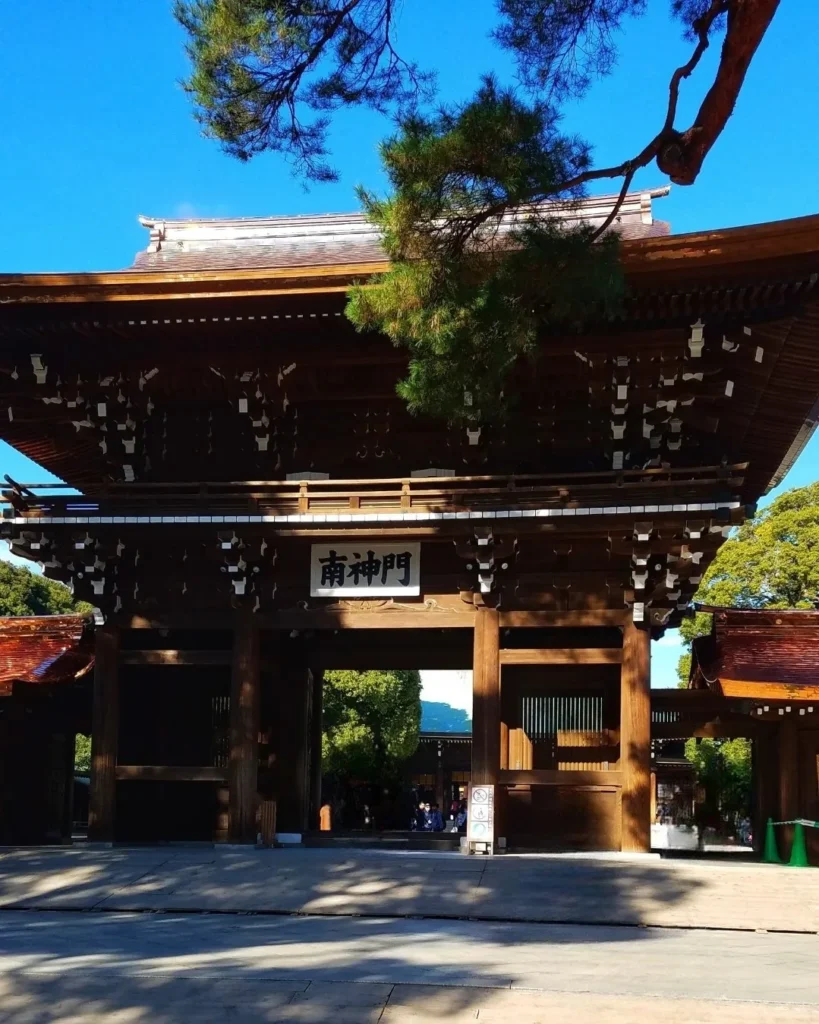
Today we do famous Tokyo, but with boundaries. Healthy, elegant, introvert boundaries.
Start at Meiji Shrine in the morning. The forested approach is one of the best places in central Tokyo to feel like the city has briefly lowered its volume. The gravel path, tall trees, torii gates, and spacious shrine grounds make this a lovely solo stop.
From there, you can walk toward Harajuku. Takeshita Street is famous, but if you dislike crowds, consider it optional. A quick look is enough. Then escape toward Omotesando or the smaller lanes around Cat Street, where the mood is more design shops, cafes, and people who look cooler than us but probably also need lunch.
In the late afternoon, head toward Shibuya. You can see Shibuya Crossing without making it your entire personality. Cross once, watch from above if you want, then retreat.
Suggested Day 3 route
- Morning: Meiji Shrine
- Late morning: Harajuku or Omotesando
- Afternoon: Cafe, shops, or quiet gallery
- Evening: Shibuya Crossing, then dinner somewhere calmer
Introvert note
Shibuya is worth seeing, but you do not need to stay long. A short visit is enough to understand the spectacle. Then you can leave like a wise forest creature.
Best for: classic Tokyo, photography, gentle shopping
Time needed: 5–6 hours
Booking tip: If you want a viewpoint like Shibuya Sky, book ahead, especially for sunset.
Day 4: Gardens, Bookshops and a Soft Tokyo Day
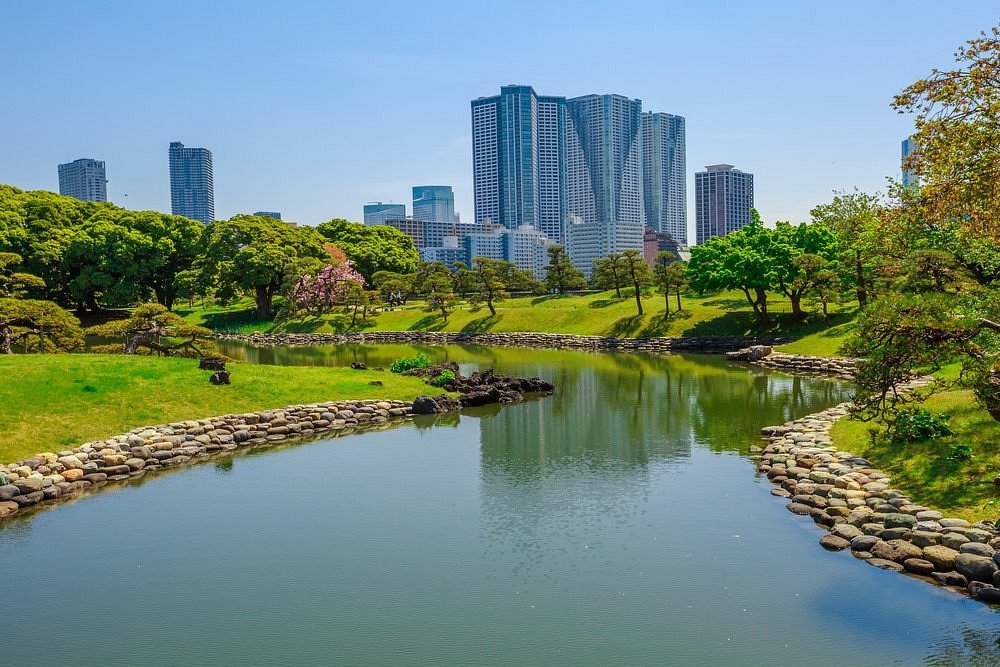
By Day 4, the first wave of Japan excitement may start mixing with decision fatigue. This is why we build a slower Tokyo day before moving cities.
Start with a garden such as Hama-rikyu Gardens, Koishikawa Korakuen, or Shinjuku Gyoen. Pick whichever is easiest from your hotel. The point is not to tick off the “best” garden. The point is to sit somewhere green and remember that you are a person, not an itinerary machine.
After that, choose a neighborhood based on your interests.
If you like books and quiet browsing, try Jimbocho, Tokyo’s book district. If you like design and calm shopping, try Daikanyama. If you want food halls, polished streets, and easy transport, try Ginza or Nihonbashi.
Suggested Day 4 route
- Morning: Japanese garden
- Lunch: Department store basement food hall or quiet cafe
- Afternoon: Jimbocho, Daikanyama, Ginza, or Nihonbashi
- Evening: Early dinner and packing
Introvert note
Department store food halls are excellent for solo travelers. You can browse, buy something beautiful, and eat it back at your hotel if restaurant energy has left the building.
Best for: low-energy day, shopping, reading, gardens
Time needed: 4–6 hours
Day 5: Tokyo to Kyoto by Shinkansen
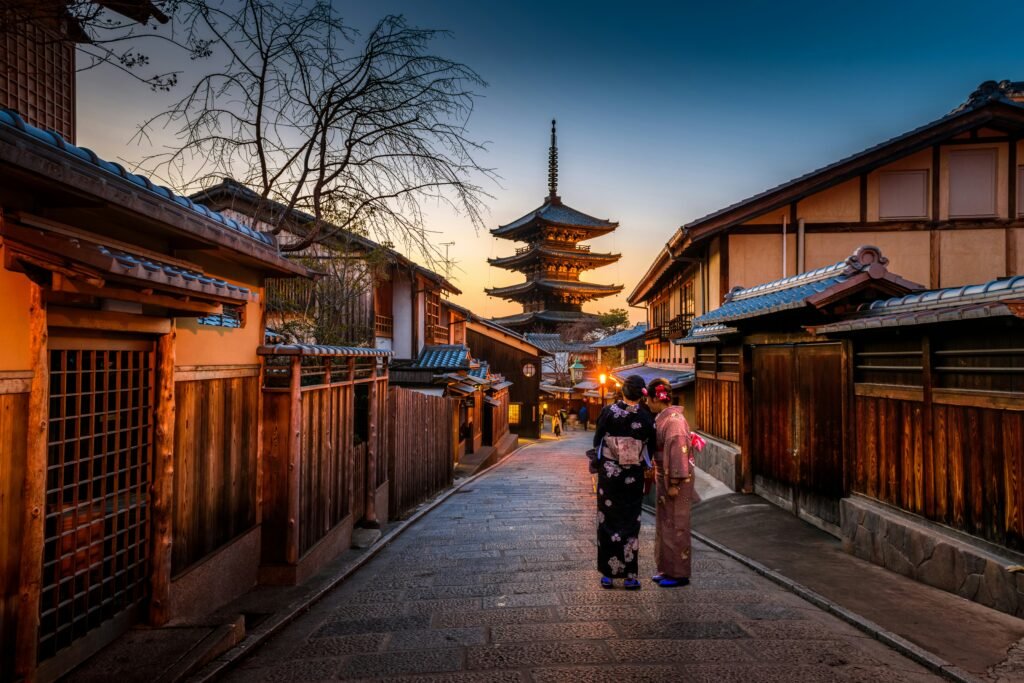
Today is a travel day, but a lovely one. The shinkansen is fast, clean, and wonderfully civilized. Book a seat, buy an ekiben train bento, and enjoy the rare joy of transportation that feels like part of the holiday rather than punishment for leaving your house.
If you have large luggage, check the oversized baggage rules before boarding. For many travelers, the easiest option is to forward luggage from your Tokyo hotel to Kyoto and carry a small bag for the train.
Once you arrive in Kyoto, do not overplan. Check in, take a slow walk, and let the city arrive gradually.
Easy Kyoto evening ideas
- Walk along the Kamo River
- Explore Pontocho early before it gets too crowded
- Visit a quiet cafe
- Eat near Kyoto Station if you are tired
- Buy snacks and rest
Introvert note
Kyoto can be magical, but it can also be crowded and bus-heavy. Staying near a subway or train line helps enormously.
Best for: scenic train travel, soft transition day
Time needed: Half-day travel plus light evening walk
Booking tip: Reserve shinkansen seats in advance during cherry blossom season, autumn foliage, Golden Week, Obon, and New Year.
Day 6: Arashiyama Early Morning and Peaceful Temple Corners
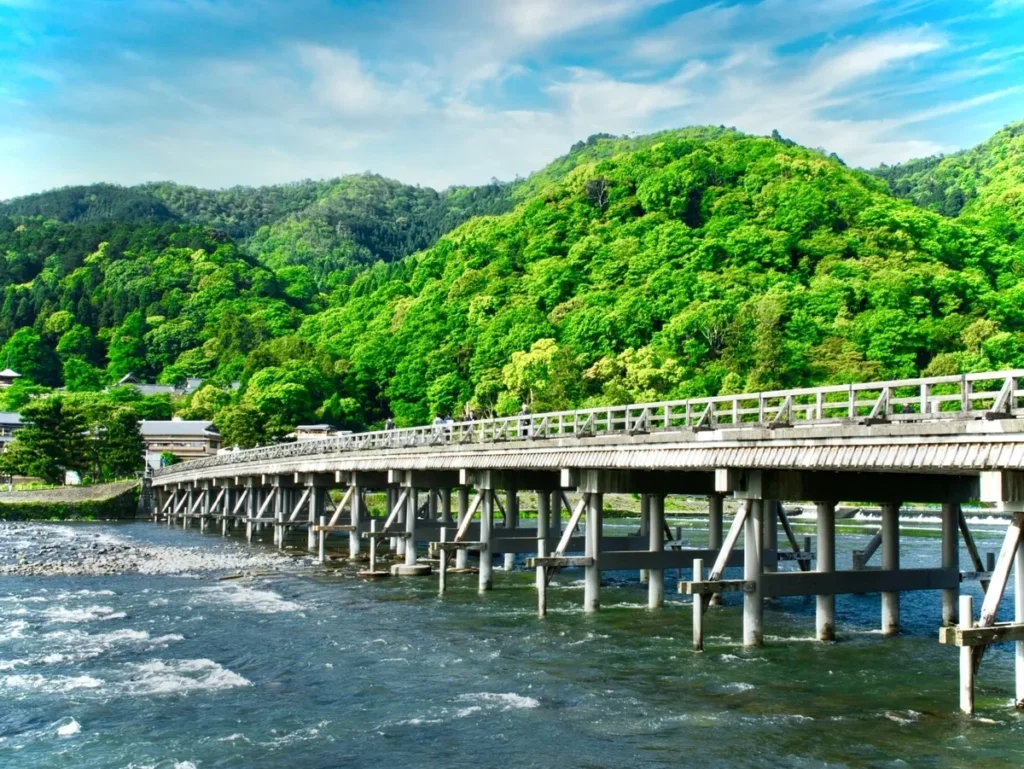
Arashiyama is famous, beautiful, and absolutely capable of becoming a crowd festival. The solution is simple: go early.
Start with the Arashiyama Bamboo Grove before the tour groups arrive. Is it still famous? Yes. Is it still worth seeing? Also yes, especially when the morning light slips through the bamboo and everyone is not yet performing their personal photo shoot.
After the bamboo grove, visit Tenryu-ji Temple and its garden, then consider walking farther north toward quieter temples such as Gio-ji or Adashino Nenbutsu-ji. The farther you go from the main bridge and shopping street, the more Arashiyama relaxes.
Suggested Day 6 route
- Early morning: Bamboo Grove
- Morning: Tenryu-ji Temple
- Late morning/lunch: Arashiyama side streets
- Afternoon: Gio-ji, Adashino Nenbutsu-ji, or a riverside walk
- Evening: Return to central Kyoto
Introvert note
Do the famous bamboo grove first, then spend the rest of the day in quieter temple areas. This turns Arashiyama from “why are there so many people?” into one of the loveliest days of the trip.
Best for: temples, nature, photography, slow wandering
Time needed: 6–7 hours
Booking tip: A private or small-group early Kyoto tour can be worth it for nervous solo travelers, but avoid large midday tours if crowds drain you.
Day 7: Higashiyama, Philosopher’s Path and Tea
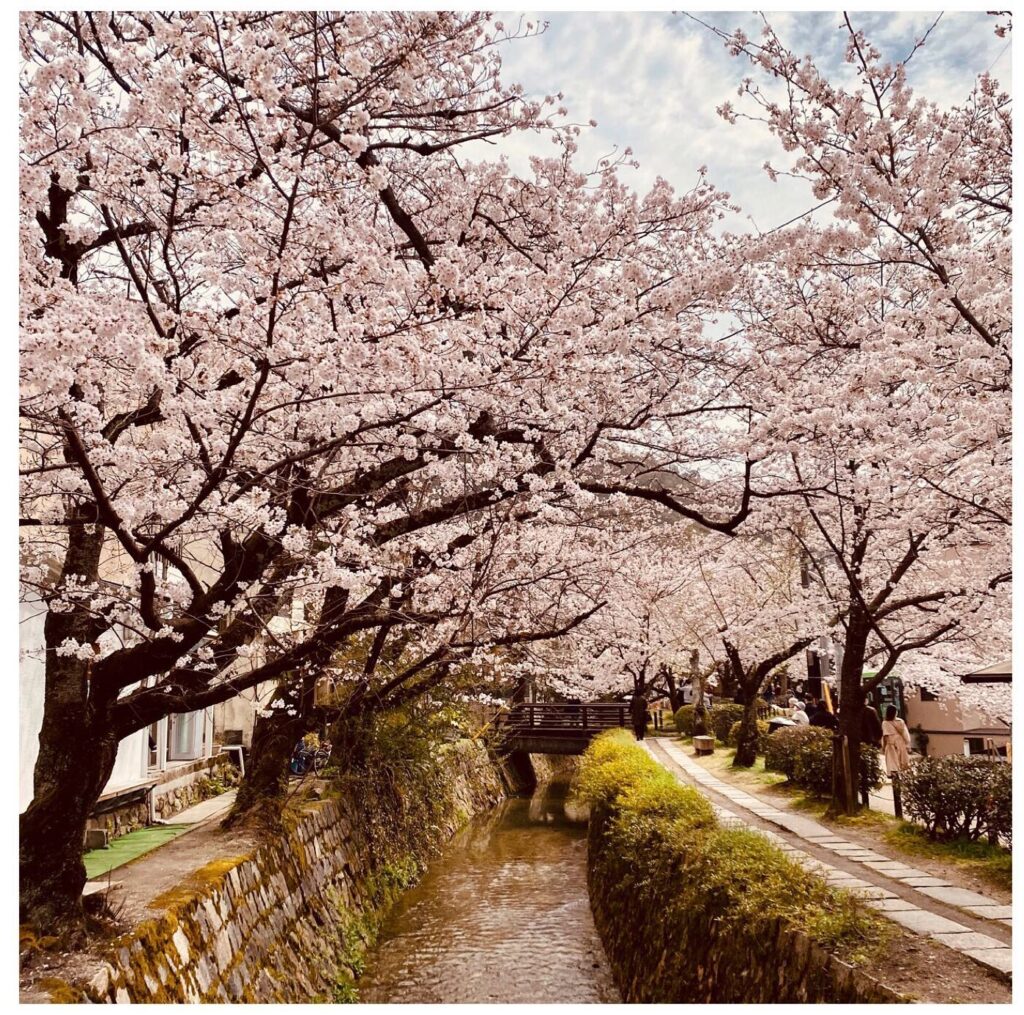
This is the Kyoto day that can either become dreamy or disastrous, depending on timing. The famous Higashiyama area is gorgeous, but it gets busy. We are going to approach it like introvert ninjas: early, selective, and ready to escape.
Start around Kiyomizu-dera if it is high on your list. Go early, enjoy the temple, then wander down Sannenzaka and Ninenzaka before the streets become packed. After that, instead of pushing through every famous lane, move north toward quieter areas.
Later, head to the Philosopher’s Path, especially outside peak cherry blossom hours. The walk is calm, leafy, and ideal for solo travelers who like thinking dramatic thoughts beside water. Very healthy. Very cinematic.
If you have energy, visit Ginkaku-ji, the Silver Pavilion, or stop at one of the smaller temples nearby.
Suggested Day 7 route
- Early morning: Kiyomizu-dera
- Morning: Sannenzaka and Ninenzaka
- Lunch: Simple cafe or noodle shop
- Afternoon: Philosopher’s Path and Ginkaku-ji
- Evening: Tea, hotel rest, or quiet dinner
Introvert note
Kyoto rewards early mornings more than almost anywhere in Japan. Set the alarm, get the magic, and take a guilt-free afternoon rest.
Best for: classic Kyoto, old streets, temples, walking
Time needed: 6–8 hours with breaks
Day 8: Day Trip to Nara
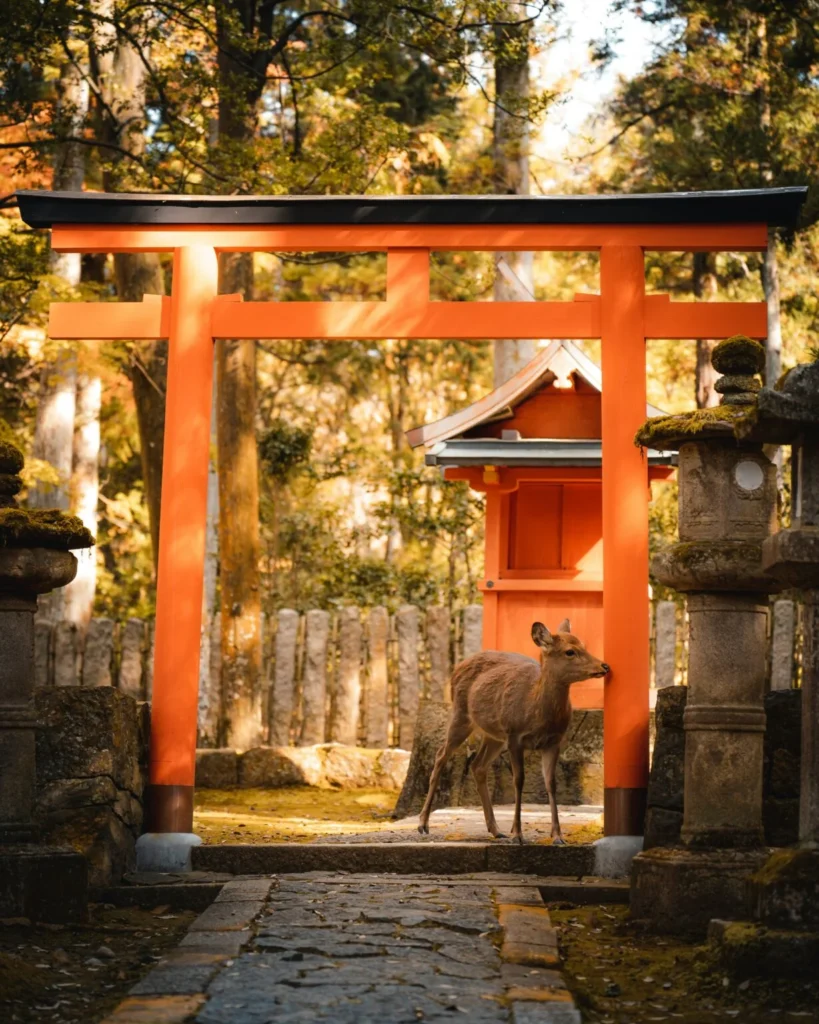
Nara is one of the best solo day trips in Japan. It is easy from Kyoto or Osaka, full of history, and walkable once you arrive. Also, there are deer. Some are charming. Some have the energy of tiny antlered debt collectors. Keep your snacks secure.
Start at Nara Park, then visit Todai-ji Temple, home to the Great Buddha. It is one of those places that still feels powerful even when there are other visitors around. From there, walk toward Kasuga Taisha Shrine, where lanterns, forest paths, and shrine buildings create a quieter mood.
If you want fewer crowds, continue into the less busy edges of the park or visit Isuien Garden.
Suggested Day 8 route
- Morning: Train to Nara
- Late morning: Todai-ji Temple
- Lunch: Nara town area
- Afternoon: Kasuga Taisha Shrine and Isuien Garden
- Late afternoon: Return to Kyoto or continue to Osaka
Introvert note
Nara is popular, but it has space. Once you move away from the busiest deer-feeding zones, the day becomes much calmer.
Best for: history, deer, temples, easy day trip
Time needed: Full day
Family note: Also very good for families, but solo travelers may enjoy it more slowly.
Day 9: Osaka Without the Chaos Spiral
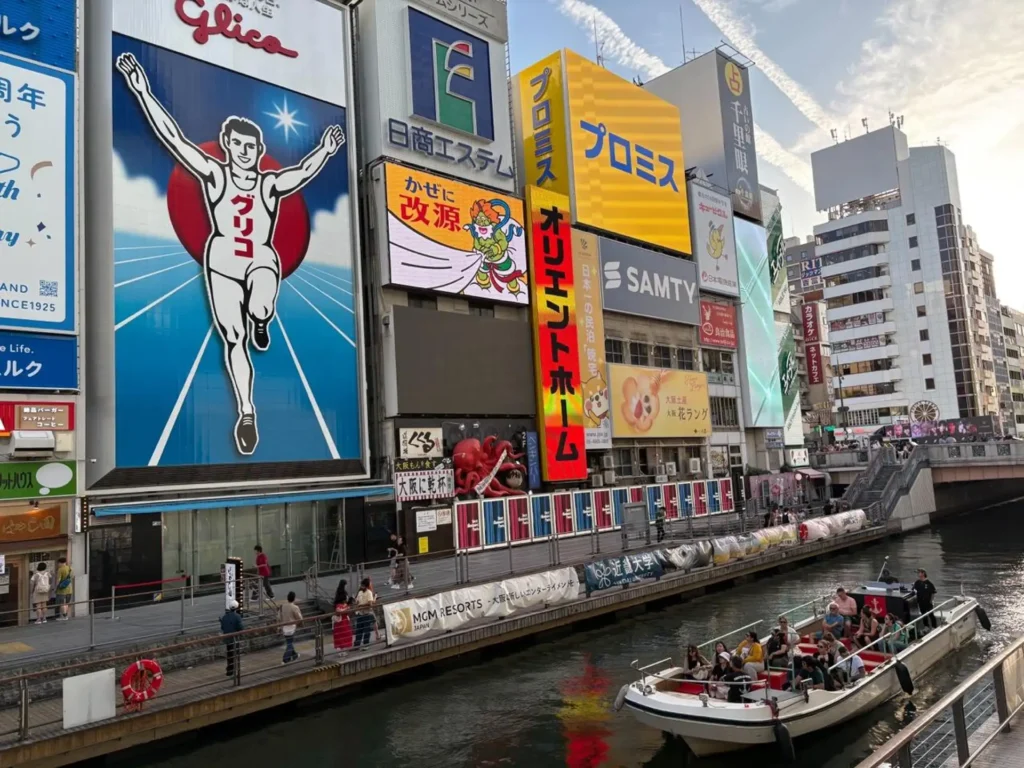
Osaka is louder, funnier, hungrier, and more extroverted than Kyoto. This does not mean introverts should skip it. It just means we need to choose our Osaka carefully.
If you want the classic experience, visit Dotonbori — but go earlier in the evening, not at peak chaos hour. See the lights, take the canal photos, eat something excellent, then escape before your nervous system starts filing a complaint.
For a calmer Osaka day, start with Osaka Castle Park, then explore Nakanoshima, Utsubo Park, or the retro streets of Nakazakicho. If you like aquariums, Osaka Aquarium Kaiyukan can be a good solo activity, though it is best visited outside peak family hours.
Suggested Day 9 route
- Morning: Osaka Castle Park
- Lunch: Udon, okonomiyaki, or depachika food hall
- Afternoon: Nakanoshima, Nakazakicho, or Osaka Aquarium
- Early evening: Dotonbori
- Night: Back to hotel before the crowd level turns feral
Introvert note
Osaka food culture is fantastic, but you do not have to do the loudest version. Counter restaurants, department store food floors, and small neighborhood places are your friends.
Best for: food, city energy, final-night fun
Time needed: 5–7 hours
Booking tip: Food tours can be helpful in Osaka if you feel awkward entering small restaurants alone. Choose a small-group tour with clear meeting points and good reviews.
Day 10: Slow Morning and Departure
Do not sabotage your final day with an impossible plan. If you are flying from Kansai International Airport, leave plenty of time. If you are returning to Tokyo, book your train and keep the day simple.
A good final morning might include one cafe, one shrine, one food hall, or one last convenience store sweep for snacks. This is also the moment to buy things you suddenly realize you need: tea, socks, stationery, skincare, and twelve snacks that will make no sense after you return home but will still bring you joy.
Good final-day options
- Kyoto: Nishiki Market early, Kamo River walk, or Kyoto Station shops
- Osaka: Kuromon Market early, Namba Parks, or a department store basement
- Tokyo return: stay near Shinagawa or Tokyo Station for easy airport access
Best for: low-stress departure
Time needed: 1–3 gentle hours before travel
Packing tip: Keep coins, passport, IC card, charger, and airport documents easy to reach.
Where to Stay in Japan as a Solo Introvert
The best accommodation is not always the coolest one. It is the one that helps you sleep, recover, and leave the room without performing a logistical opera.
Business hotels
Business hotels are excellent for solo travelers. Rooms are small but private, clean, efficient, and often close to stations. They are not romantic, but neither is dragging your suitcase up four flights of stairs in a “characterful” guesthouse.
Best for: privacy, convenience, budget control
Boutique hotels
If you want more atmosphere, choose a small boutique hotel in a calm neighborhood. These are good if you value design and comfort but still want your own quiet space.
Best for: stylish solo trips, slower travel, comfort
Hostels
Hostels can be cheap and useful, but they are not automatically introvert-friendly. Choose private rooms if possible. Read reviews carefully for noise, social atmosphere, and bathroom setup.
Best for: budget travelers who still want optional social contact
Ryokan
A ryokan can be a beautiful experience, especially in Kyoto, Hakone, or smaller towns. But some ryokan meals are served communally or involve more staff interaction, so check the details before booking.
Best for: cultural experience, onsen, slower nights
What to Eat Alone in Japan
Eating solo in Japan is usually easy. In fact, Japan may be one of the best countries in the world for people who want to eat well without negotiating group opinions.
Good solo food options include:
- Ramen shops with counter seating
- Conveyor belt sushi
- Soba and udon restaurants
- Curry rice shops
- Department store basement meals
- Convenience store meals for tired nights
- Bakery breakfasts
- Ekiben train bentos
- Teishoku set-meal restaurants
If a restaurant feels intimidating, look for places with food ticket machines, counter seats, or photos on the menu. And remember: eating alone is normal. Nobody is conducting a dramatic audit of your social life.
How to Avoid Overstimulation in Japan
Japan is orderly, but it is not always quiet. Stations can be huge. Announcements can be constant. Popular sights can feel packed. The secret is building recovery into the itinerary before you need it.
Practical introvert survival tips
- Start early and rest in the afternoon
- Stay near transport so you can retreat easily
- Use coin lockers instead of carrying bags all day
- Eat early to avoid dinner queues
- Visit one major sight per day, not five
- Choose gardens, museums, riverside walks, and bookstores as reset stops
- Keep convenience store dinners as a valid option, not a failure
- Use noise-reducing earbuds on trains if needed
- Avoid changing hotels too often
- Leave one flexible evening in each city
This is your trip. You are not legally required to exhaust yourself because someone on the internet said “Kyoto must-sees in one day.” That person needs a nap and possibly a spreadsheet intervention.
Is Japan Safe for Solo Introvert Travelers?
Japan is generally considered very safe for travelers, including solo travelers. Still, normal travel awareness applies. Keep an eye on your belongings, avoid walking alone in unfamiliar nightlife areas when very tired, and know how to contact your hotel or local help if needed.
For introverts, the bigger safety issue is often not crime but overwhelm: getting tired, lost, hungry, or stuck in a crowded station while your phone battery slides toward doom. Carry a power bank, keep your hotel address saved offline, and do not wait until you are starving to find food.
Best Time of Year for Introvert Solo Travel in Japan
If you can choose, consider late autumn, early winter, or late May to early June for a calmer experience. Cherry blossom season is beautiful but crowded. Autumn foliage is also popular, especially in Kyoto. Summer can be hot, humid, and draining if you are sensitive to heat.
For introverts, the best time is not only about weather. It is about crowd levels, hotel prices, and how much sensory chaos you can handle before muttering darkly at a vending machine.
Final Thoughts: The Best Japan Solo Travel for Introverts Is Slow
The best Japan solo travel itinerary for introverts is not about hiding from the country. It is about meeting Japan in a way that actually suits you.
We still see Tokyo lights. We still walk Kyoto’s temple lanes. We still eat excellent food and ride the shinkansen and stare at convenience store desserts like they contain the answer to life. But we do it with breathing room.
Japan is a wonderful country for solo travelers because it lets you be independent without feeling exposed. You can spend the morning in a temple garden, eat ramen alone at a counter, take a train across the country, and end the day with tea in your hotel room — fully traveled, not socially destroyed.
And honestly? That might be the perfect trip.
- Nagoya rainy day with kids in 2026 (Cool Indoor Things to Do )
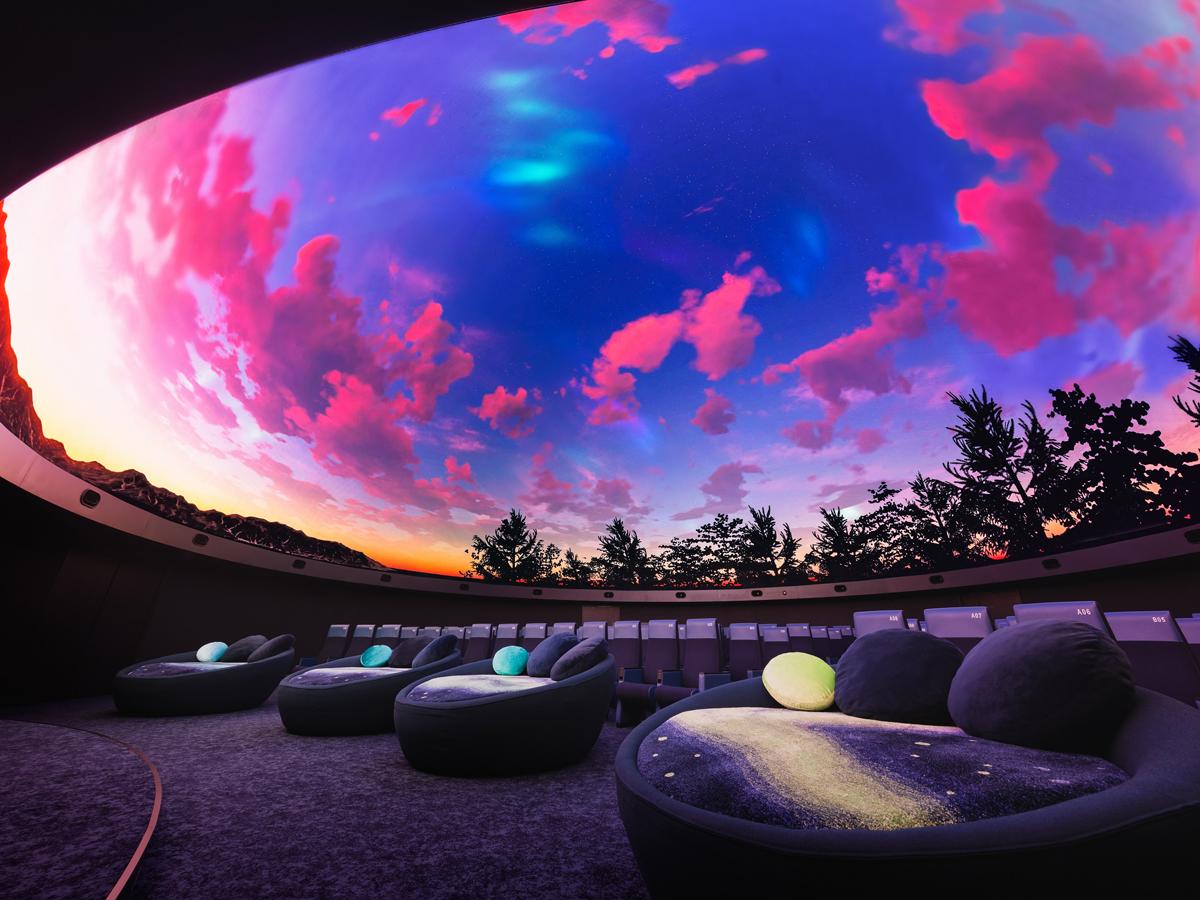 Rain in Nagoya does not have to mean surrendering the day to the hotel room. In fact, Nagoya is unusually good at indoor sightseeing. You have one of Japan’s best science museums, enormous aquariums, real Shinkansen trains, hands-on industrial museums, planetariums, covered shopping streets, and enough underground passages around Nagoya Station to lose an entire… Read more: Nagoya rainy day with kids in 2026 (Cool Indoor Things to Do )
 - Best Gachapon in Tokyo (2026): 20 Places to Find Capsule Toys
 You start with one. A tiny plastic capsule rolls out of the machine containing a miniature ramen bowl, sleepy cat or suspiciously realistic washing machine. Then you notice the machine next to it. And the one next to that. Twenty minutes later, you’ve somehow spent ¥3,000 and are emotionally invested in completing a collection of… Read more: Best Gachapon in Tokyo (2026): 20 Places to Find Capsule Toys
 - All Japanese KitKat Flavours List: The Ultimate Japan KitKat Guide
 Walk into a Japanese convenience store looking for a KitKat and things can get out of hand surprisingly quickly. You came for chocolate. Five minutes later, you’re holding matcha, strawberry, sake and something involving sweet potato, wondering whether wasabi chocolate is a terrible idea or exactly the souvenir your friends deserve. Welcome to Japanese KitKats.… Read more: All Japanese KitKat Flavours List: The Ultimate Japan KitKat Guide
 - Sapporo rainy day with kids (2026): 7 Cool Indoor Things to Do
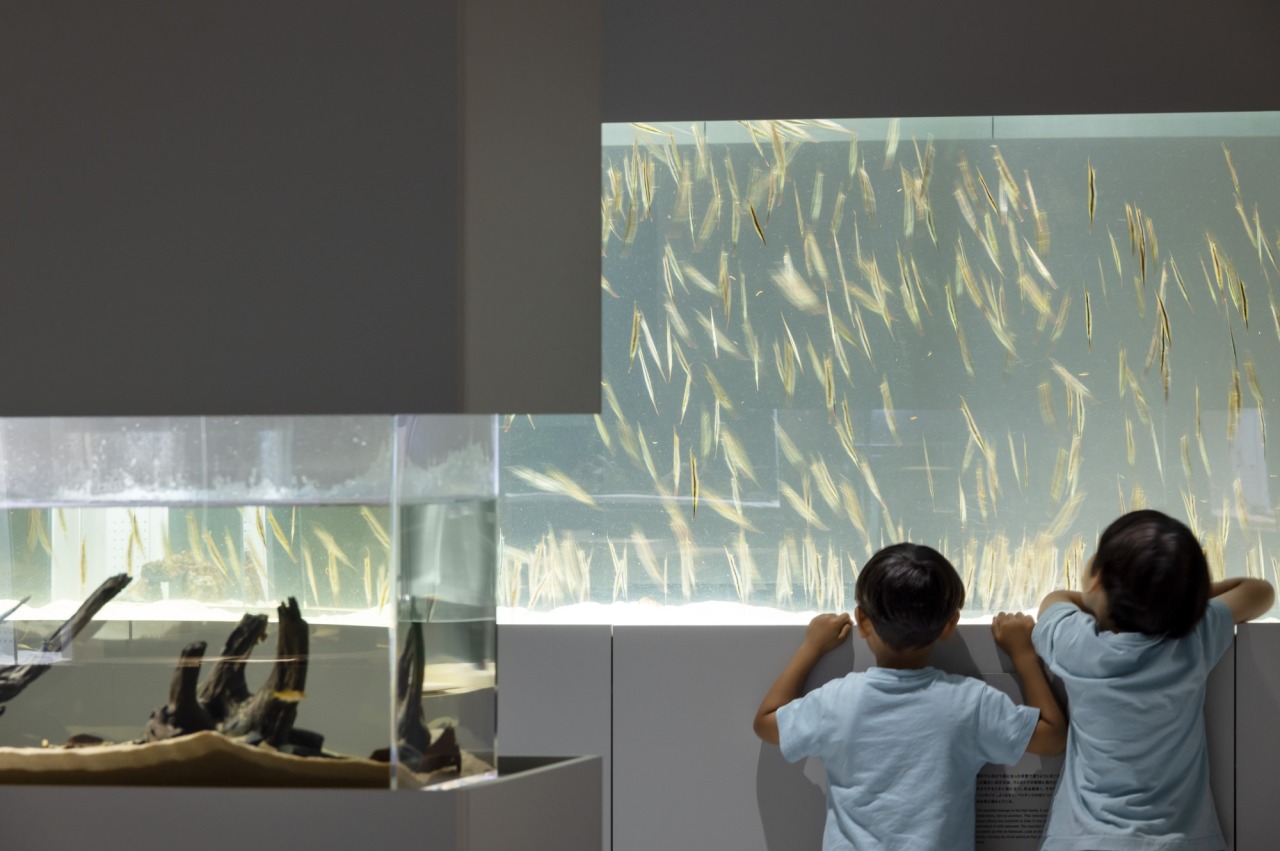 You wake up in Sapporo, pull back the curtains, and there it is: rain. That does not mean the family sightseeing day is ruined. Sapporo is actually very good at bad-weather entertainment, with science museums, aquariums, indoor play areas, shopping complexes, museums, and even a chocolate factory where children can watch one of Hokkaido’s most… Read more: Sapporo rainy day with kids (2026): 7 Cool Indoor Things to Do
 - What To Do In Arashiyama With Kids: A Realistic One-Day Family Itinerary
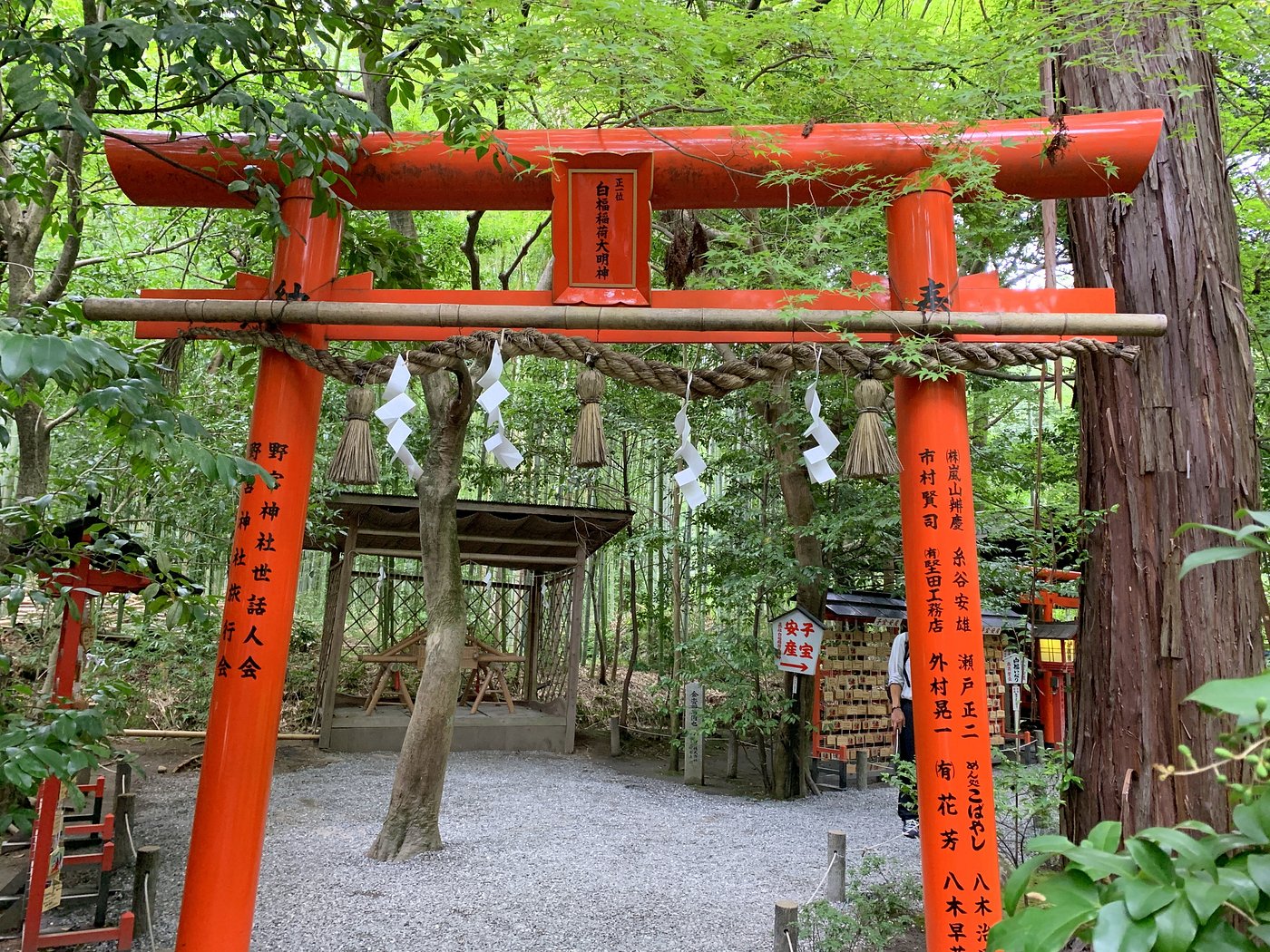 Arashiyama looks peaceful in photos: tall bamboo, forested hills, a wide river, and one of Kyoto’s most famous bridges. In reality, it is lively, busy, and full of families trying to fit a surprising number of things into one day. The good news? Arashiyama works brilliantly with kids when we keep the plan simple. The… Read more: What To Do In Arashiyama With Kids: A Realistic One-Day Family Itinerary