

Travel writing based on first-hand experience
Japan has a way of tempting us into ridiculous travel behavior.
One minute we are calmly planning a holiday. The next, we are trying to squeeze Tokyo, Kyoto, Osaka, Hiroshima, Hakone, Mount Fuji, Kanazawa, Nara, Nikko, Takayama, Naoshima, and “maybe Hokkaido if the train works out” into twelve days, as if Japan is a bento box and every compartment must be filled.
We understand the panic. Japan is dense with good things. Temples, trains, ramen counters, neon crossings, mountain villages, mossy gardens, convenience-store snacks that deserve their own fan club — there is always one more place to add.
But here is the truth: Japan becomes better when we slow down.
A Japan slow travel itinerary lets us stay longer in fewer places, use trains without turning every day into a logistics exam, and actually notice the small details: the sound of temple bells in Kyoto, steam rising from an onsen street, the hush of a morning garden in Kanazawa, the tiny local bakery you only find because you were not sprinting toward platform 14 with a suitcase and a spiritual crisis.
This 3-week Japan slow travel itinerary is designed for travelers who want the classic Japan experience, but with breathing room. We still visit Tokyo, Kyoto, Osaka, Nara, Hakone, Kanazawa, Takayama, and Kinosaki Onsen. We just do it without pretending we are contestants on a competitive sightseeing show.
Want to slow down in Japan? These guides keep the trip deliciously un-rushed
If your Japan plan is less “see 19 temples before lunch” and more “wander, breathe, eat something excellent, repeat,” these guides are a good next stop. Think gentle day trips, quiet corners, and places where we can actually enjoy Japan instead of sprinting through it like a panicked shinkansen.
Table of Contents
Japan Slow Travel Itinerary Overview
This route works best for a 21-day trip to Japan, especially for first-time or second-time visitors who want culture, food, scenery, and a few quieter towns mixed in with the famous cities.
3-week Japan slow travel route
- Days 1–5: Tokyo
- Days 6–7: Hakone or Fuji Five Lakes
- Days 8–10: Kanazawa
- Days 11–12: Takayama
- Days 13–17: Kyoto
- Day 18: Nara day trip
- Days 19–20: Kinosaki Onsen
- Day 21: Osaka or departure from Kansai Airport
If you have more time, add Naoshima, Hiroshima and Miyajima, or a rural stay in the Japanese Alps. If you have less time, cut Takayama or Kinosaki, not Kyoto. Kyoto rewards slow travelers. It sulks when rushed.
Why Choose Slow Travel in Japan?
Slow travel in Japan is not about doing nothing. It is about doing enough.
Japan’s transport is excellent, but that does not mean we need to change cities every morning. Train travel is easy, yes, but stations can be huge, hotel check-in times can be awkward, and luggage has the personality of a stubborn farm animal after day five.
A slower itinerary gives you:
- Fewer hotel changes
- More early mornings at famous sights
- Time for day trips without packing
- Better food choices
- Less transport stress
- Room for weather changes
- More local wandering
- A trip that feels like travel, not admin
It also makes Japan feel less like a checklist and more like a country. Revolutionary, we know.
Before You Go: Slow Travel Tips for Japan
Stay at least 3 nights in major cities
For slow travel, two nights often means one full day. That is not enough for places like Tokyo, Kyoto, or Kanazawa. Aim for 4–5 nights in Tokyo, 5 nights in Kyoto, and 3 nights in Kanazawa if your schedule allows.
Use luggage forwarding
Japan’s luggage delivery services are one of the great joys of civilized travel. Send your suitcase from Tokyo to Kyoto or from Kanazawa to Kyoto, then travel with a small overnight bag. This is especially useful if you are visiting Hakone, Takayama, or Kinosaki Onsen.
Do not buy a rail pass automatically
The Japan Rail Pass is not always the best value anymore, especially for slower itineraries with fewer long-distance train rides. Compare individual train fares before buying any pass. Regional passes may make more sense depending on your route.
Build in “empty” afternoons
Japan is full of sensory input: train jingles, crowds, menus, stairs, shrine etiquette, vending machines, plastic food displays, and the endless emotional question of which matcha dessert to buy. A slow itinerary gives you time to rest without feeling like you failed.
You did not fail. You are pacing. Very elegant.
Days 1–5: Tokyo Without the Sprint
Tokyo is enormous, but we do not need to attack it like a buffet before closing time. Five days gives us enough time to enjoy the big sights and still have slow mornings, neighborhood walks, and food discoveries.
Day 1: Arrival and gentle neighborhood walk
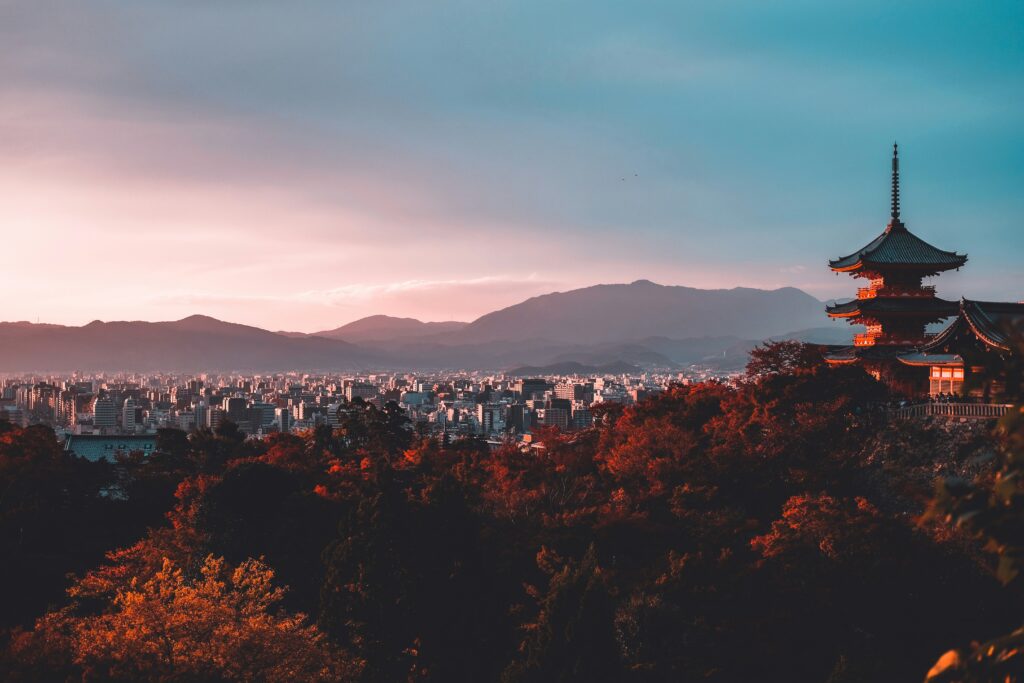
After landing, keep the plan simple. Get to your hotel, check in, shower, and walk around the nearby area. Find a convenience store. Buy something safe and something mysterious. This is the correct balance.
Good arrival neighborhoods include Ueno, Asakusa, Nihonbashi, Ginza, Shinjuku, or Shibuya, depending on your comfort with crowds and nightlife.
Best for: easing into Japan
Time needed: 1–2 hours outside your hotel
Slow travel tip: Do not schedule a major attraction on arrival day. Jet lag is not a cultural experience.
Day 2: Asakusa and Ueno
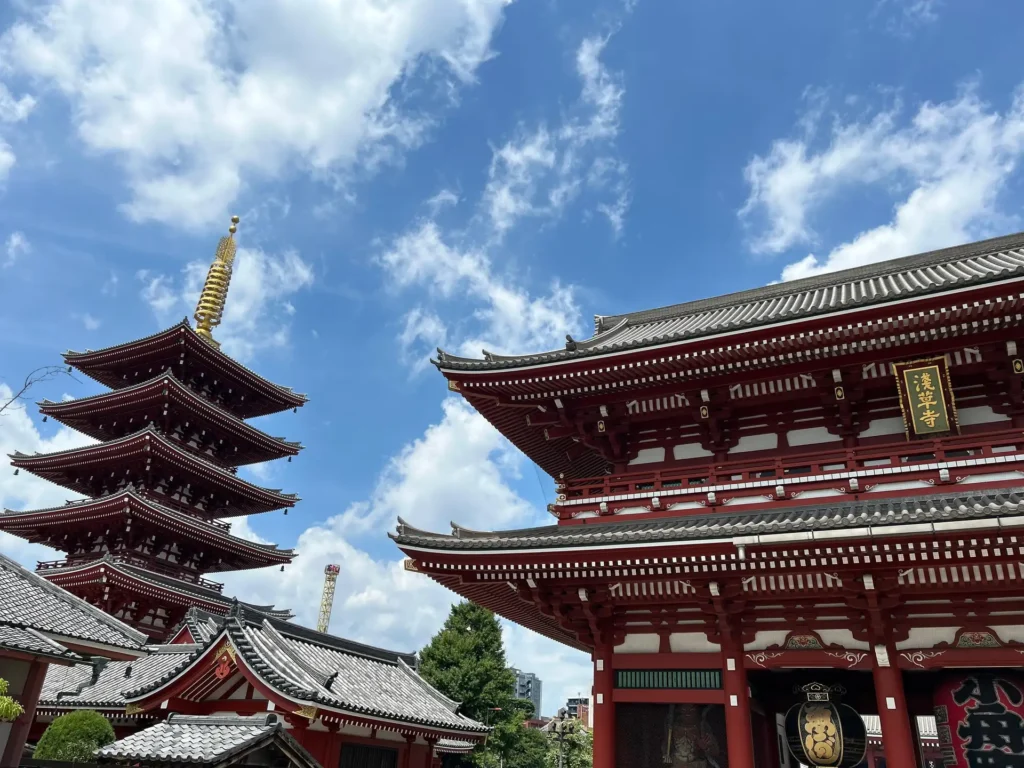
Start with Senso-ji Temple in Asakusa before the crowds build. Walk through the temple grounds, explore the side streets, then head toward Ueno Park.
In Ueno, choose one museum rather than trying to conquer the entire park. The Tokyo National Museum is ideal if you want Japanese art, history, and beautiful objects under one roof.
End the day with dinner near Ueno or back near your hotel.
Best for: traditional Tokyo, museums, first temple visit
Time needed: 5–7 hours with breaks
Day 3: Meiji Shrine, Harajuku and Omotesando
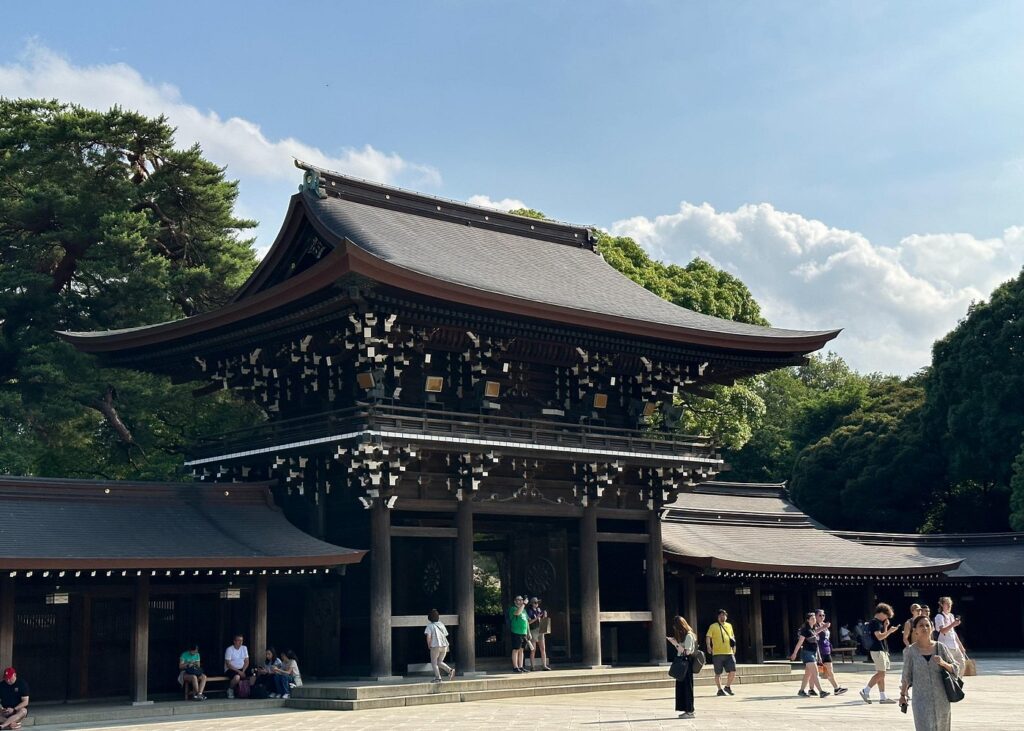
Begin at Meiji Shrine, where the forested approach makes central Tokyo feel briefly calm. From there, walk toward Harajuku. Takeshita Street is famous, but it is also crowded and sugary enough to cause spiritual confusion. Peek if you want, then escape toward Omotesando or Cat Street.
This is a good day for shopping, cafes, design stores, and people-watching.
Best for: classic Tokyo contrasts
Time needed: 5–6 hours
Booking idea: Add a small-group Tokyo walking tour here for readers who want context without planning every detail.
Day 4: Gardens, bookshops and slow Tokyo
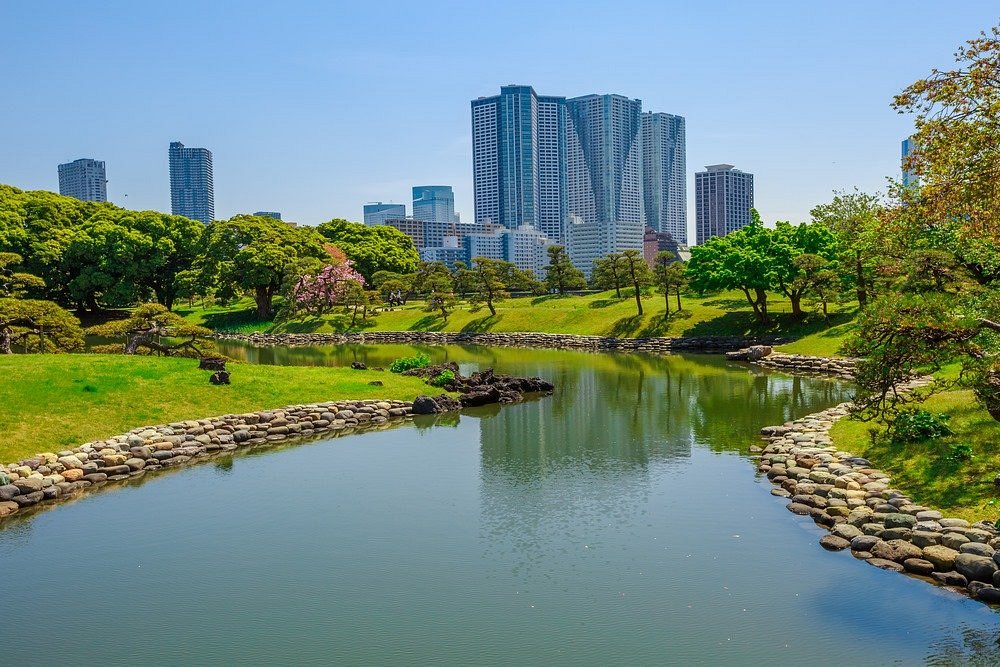
This is your reset day. Visit Shinjuku Gyoen, Hama-rikyu Gardens, or Koishikawa Korakuen in the morning. Then choose a slower neighborhood.
Try Jimbocho for bookshops, Daikanyama for stylish cafes and design stores, or Kagurazaka for lanes, restaurants, and a slightly old-Tokyo mood.
This is the kind of day that makes slow travel worth it. No major drama. Just a garden, a good lunch, and a neighborhood that does not need to shout.
Best for: low-pressure exploring
Time needed: 4–6 hours
Day 5: Choose your Tokyo theme
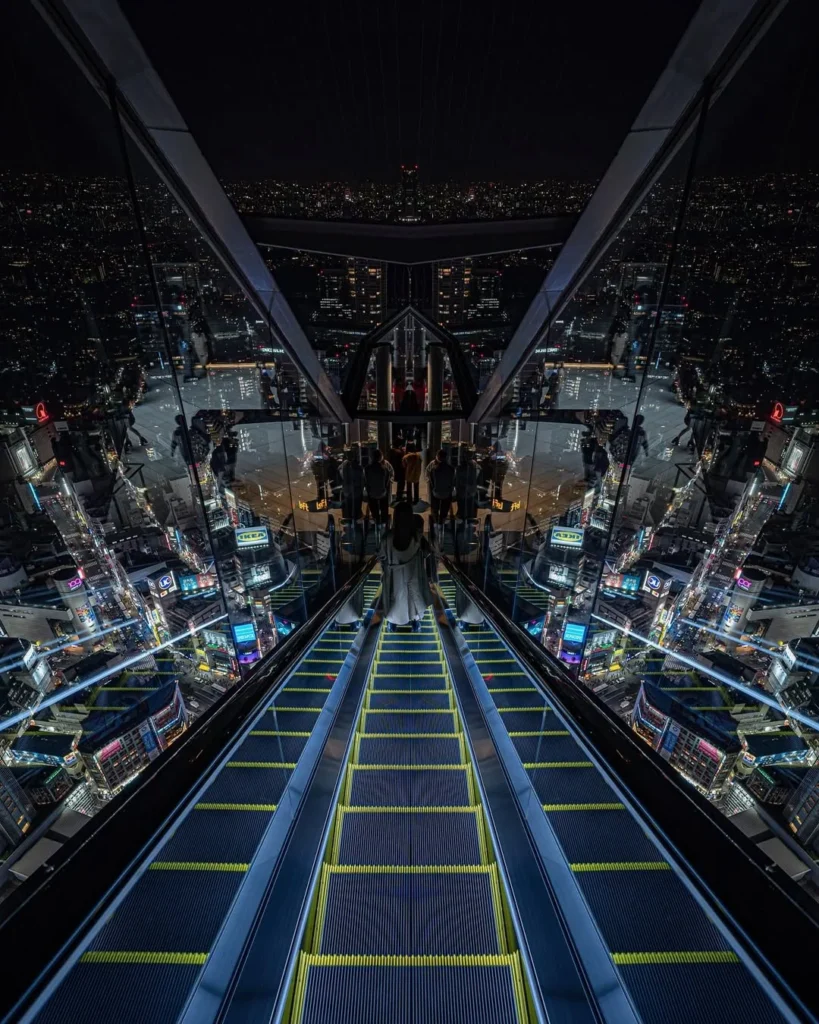
Use your final Tokyo day for what you actually care about.
If you love pop culture, go to Akihabara, Nakano Broadway, or Ikebukuro. If you want art, choose Roppongi or Ueno. If you want views, book Shibuya Sky or visit the Tokyo Metropolitan Government Building. If you want food, explore a depachika food hall or join a food tour.
Slow travel means not pretending every traveler wants the same Tokyo.
Best for: personal interests
Time needed: Flexible
Days 6–7: Hakone or Fuji Five Lakes
After Tokyo, we go somewhere with mountains, hot springs, and a slightly slower rhythm. Choose Hakone if you want onsen, ryokan, museums, and easy transport. Choose Fuji Five Lakes if seeing Mount Fuji is the main dream.
Option 1: Hakone
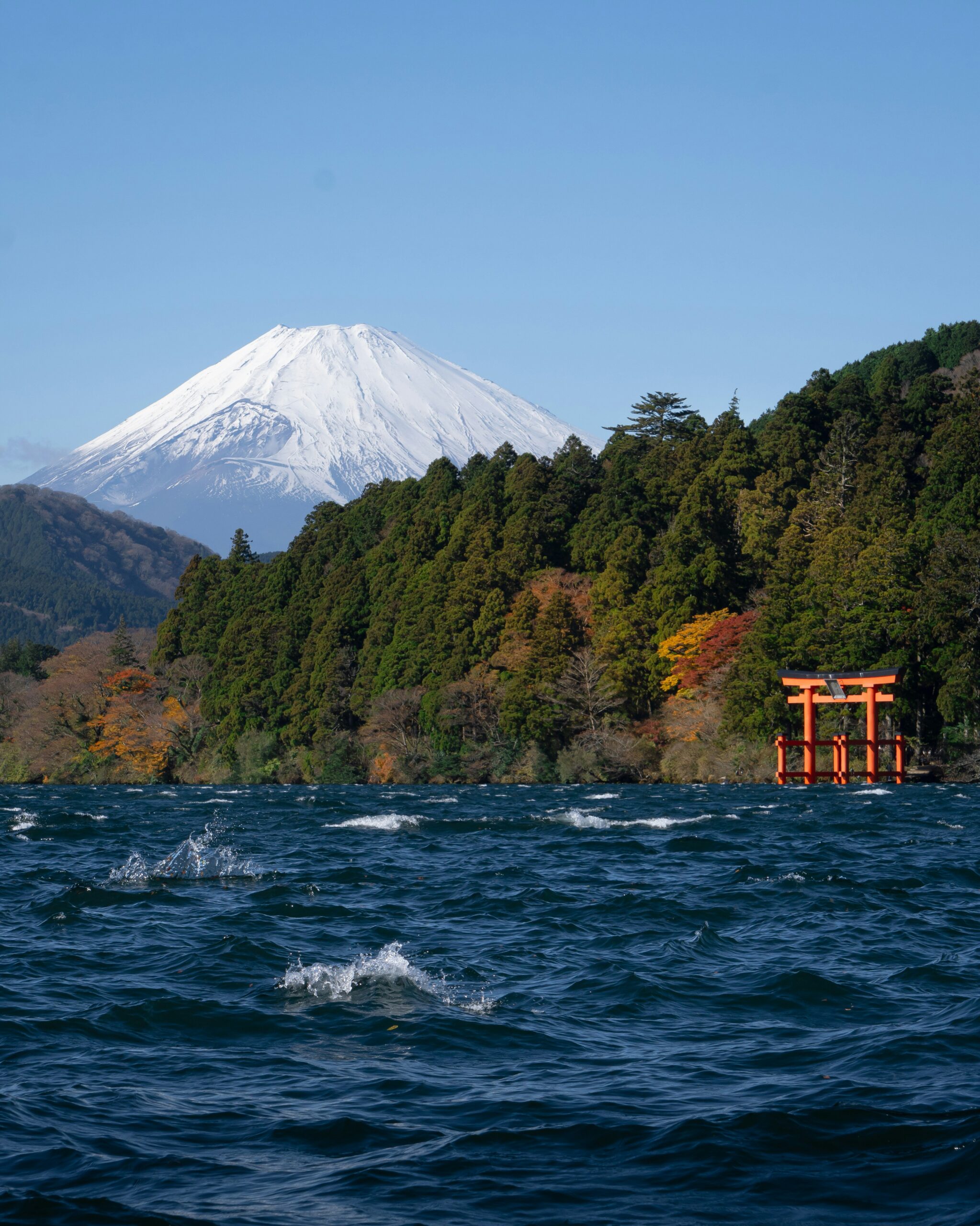
Hakone is the classic easy escape from Tokyo. Stay in a ryokan if your budget allows, soak in an onsen, visit the Hakone Open-Air Museum, and enjoy lake and mountain views.
The popular Hakone loop can be fun, but do not force every transport leg if the weather is bad or you are tired. Slow travel is not a legally binding contract with a ropeway.
Best for: onsen, ryokan, art, mountain scenery
Stay: 2 nights
Booking tip: Book ryokan early for weekends and peak seasons.
Option 2: Fuji Five Lakes
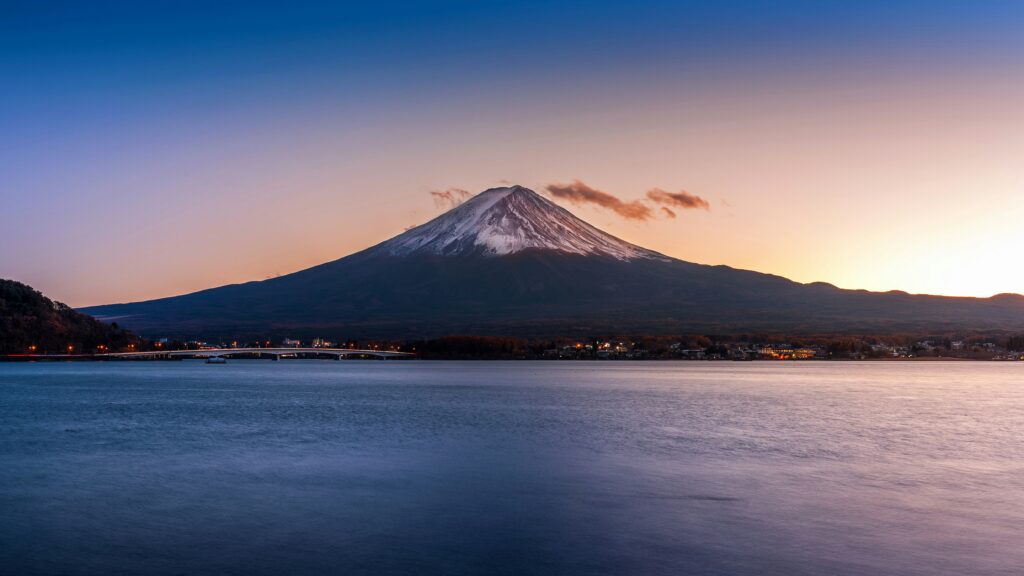
The Fuji Five Lakes area is better if your main goal is Mount Fuji views. Kawaguchiko is the most popular base, with lake walks, museums, ropeway views, and seasonal flowers.
Mount Fuji can be shy. Clouds happen. Stay two nights to increase your chances of seeing it, especially if the mountain is the reason you came.
Best for: Mount Fuji views, photography, lakeside walks
Stay: 2 nights
Slow travel tip: Plan one flexible morning for Fuji viewing rather than packing the schedule too tightly.
Days 8–10: Kanazawa
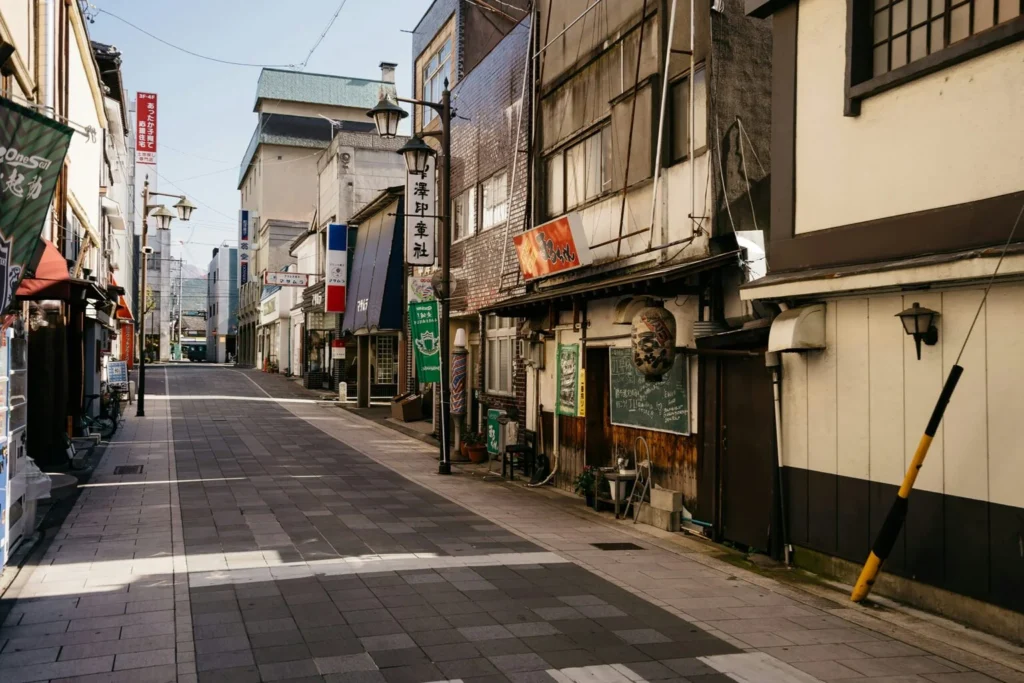
Kanazawa is one of the best cities in Japan for slow travel. It has gardens, samurai districts, geisha districts, seafood, museums, craft traditions, and a calmer pace than Kyoto.
It is beautiful without feeling like it is constantly auditioning for your attention.
Day 8: Arrive and explore gently
Arrive in Kanazawa, check in, and spend the afternoon walking around Higashi Chaya District or the Kazuemachi Chaya District. These old teahouse areas are atmospheric, especially in the late afternoon.
Have a relaxed dinner and do not overplan.
Best for: first impressions and soft wandering
Time needed: 2–4 hours after arrival
Day 9: Kenrokuen Garden and Kanazawa Castle
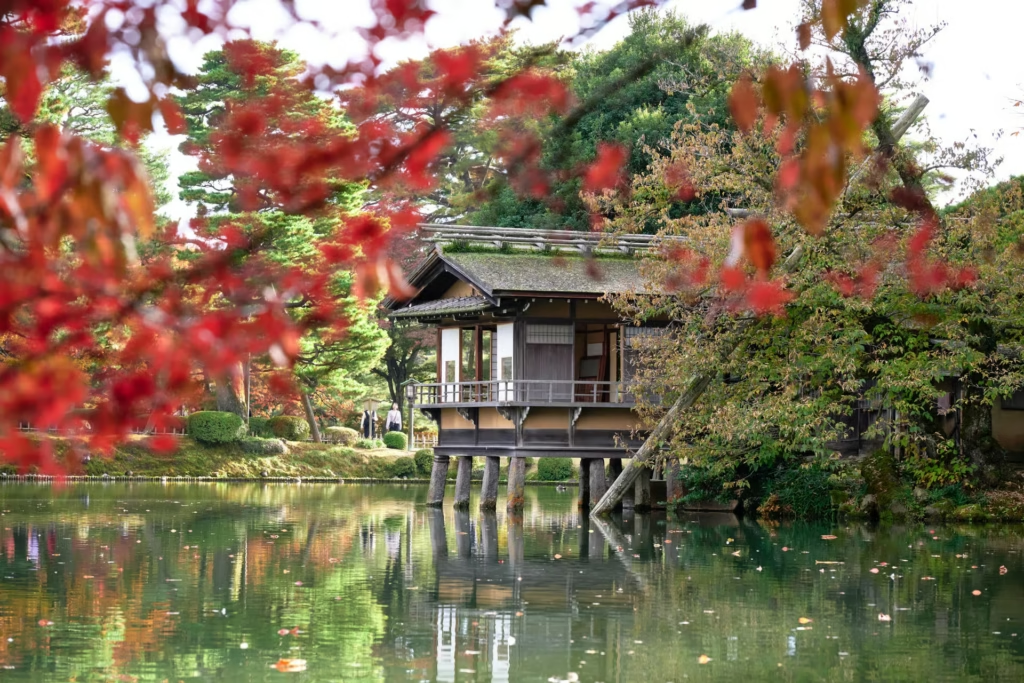
Start early at Kenrokuen Garden, one of Japan’s most famous landscape gardens. It is worth seeing slowly. Wander, pause, notice the water features, bridges, pine trees, and seasonal details.
Afterward, visit Kanazawa Castle Park, then have lunch nearby. In the afternoon, visit the 21st Century Museum of Contemporary Art or explore local craft shops.
Best for: gardens, art, history
Time needed: Full day with breaks
Day 10: Samurai district and market day
Visit Nagamachi Samurai District in the morning, where earthen walls and narrow lanes give you a sense of old Kanazawa. Then head to Omicho Market for seafood, snacks, and lunch.
In the afternoon, slow down. Visit a tea house, browse ceramics and gold leaf shops, or return to Kenrokuen if you loved it.
Best for: food, crafts, historic streets
Time needed: 5–7 hours
Days 11–12: Takayama
Takayama sits in the Japanese Alps and makes a lovely contrast to the bigger cities. The old town is compact, the morning markets are pleasant, and the surrounding mountain scenery encourages a slower pace.
Day 11: Old town and local food
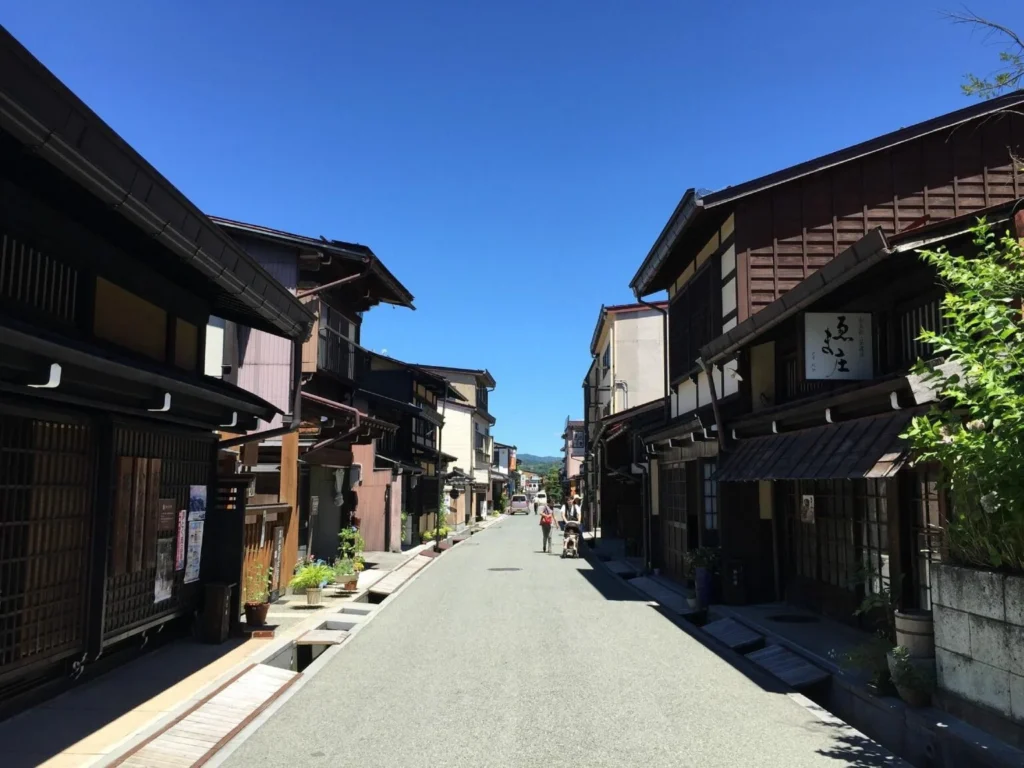
Arrive in Takayama and explore Sanmachi Suji, the old merchant district. Browse shops, try local snacks, and enjoy the wooden streets without rushing.
Takayama is known for Hida beef, so this is a good place to try beef sushi, skewers, or a proper dinner if you eat meat.
Best for: old town charm, mountain atmosphere, food
Time needed: Half day after arrival
Day 12: Morning market and optional Hida Folk Village
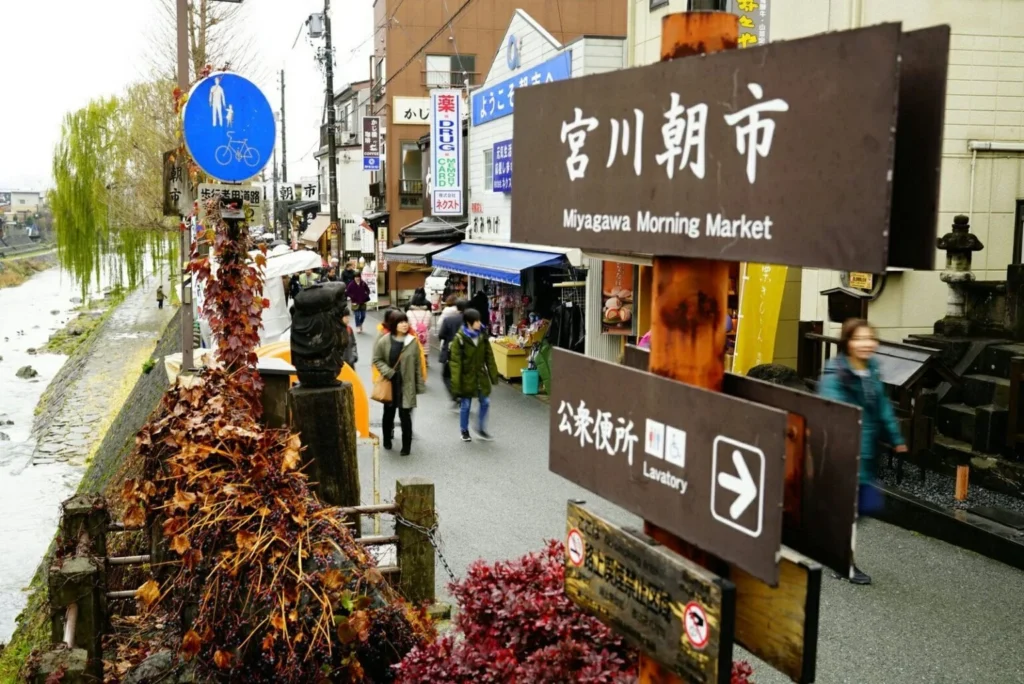
Start at the Miyagawa Morning Market or the market near Takayama Jinya. Then visit Takayama Jinya, a historic government building, or head to Hida Folk Village for traditional thatched houses.
If you want a big day trip, Shirakawa-go is possible from Takayama, but it can be crowded. For a slow itinerary, consider whether you really want the extra bus ride. It is beautiful, yes. It is also very much not a secret.
Best for: rural architecture, markets, slower town life
Time needed: Full day
Slow travel tip: Stay two nights minimum. One night in Takayama feels too rushed.
Days 13–17: Kyoto Slowly
Kyoto is where many Japan itineraries go wrong. People try to see every temple, shrine, bamboo grove, market, geisha street, and tea house in three days, then leave saying Kyoto was too crowded.
Kyoto is crowded in places, yes. But it also has quiet corners, especially early in the morning, later in the afternoon, and in neighborhoods away from the greatest-hits route.
Five nights gives you time to see Kyoto properly.
Day 13: Arrival and Kamo River walk
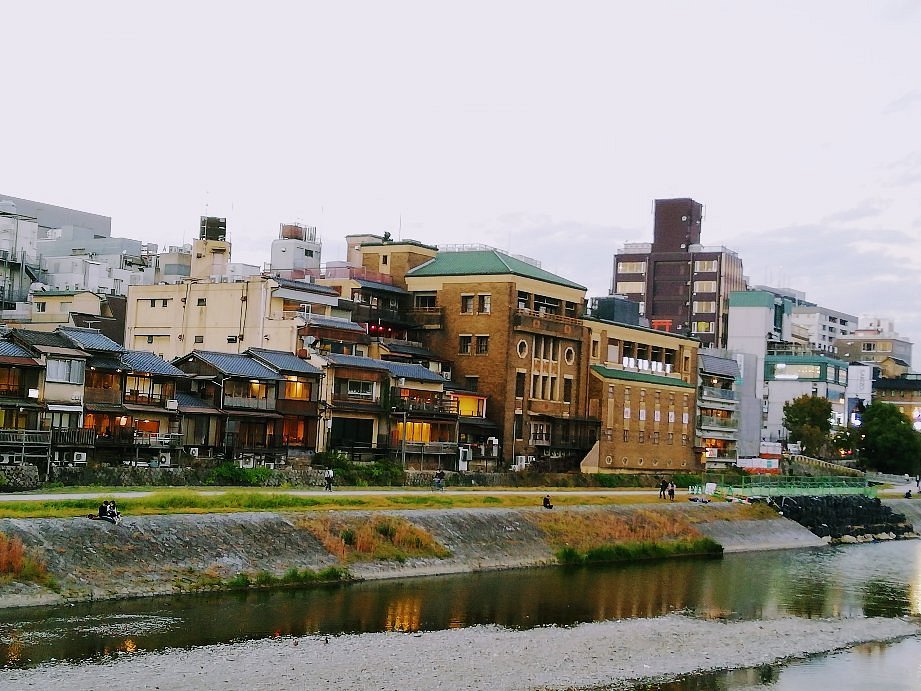
Arrive in Kyoto and keep things light. Walk along the Kamo River, explore Pontocho early before dinner crowds, or visit a nearby cafe.
If you are staying near Kyoto Station, use this evening for the station’s restaurants and shops. Kyoto Station is not quaint, but it is extremely useful, and useful is underrated.
Best for: easy arrival
Time needed: 2–3 hours
Day 14: Higashiyama early morning
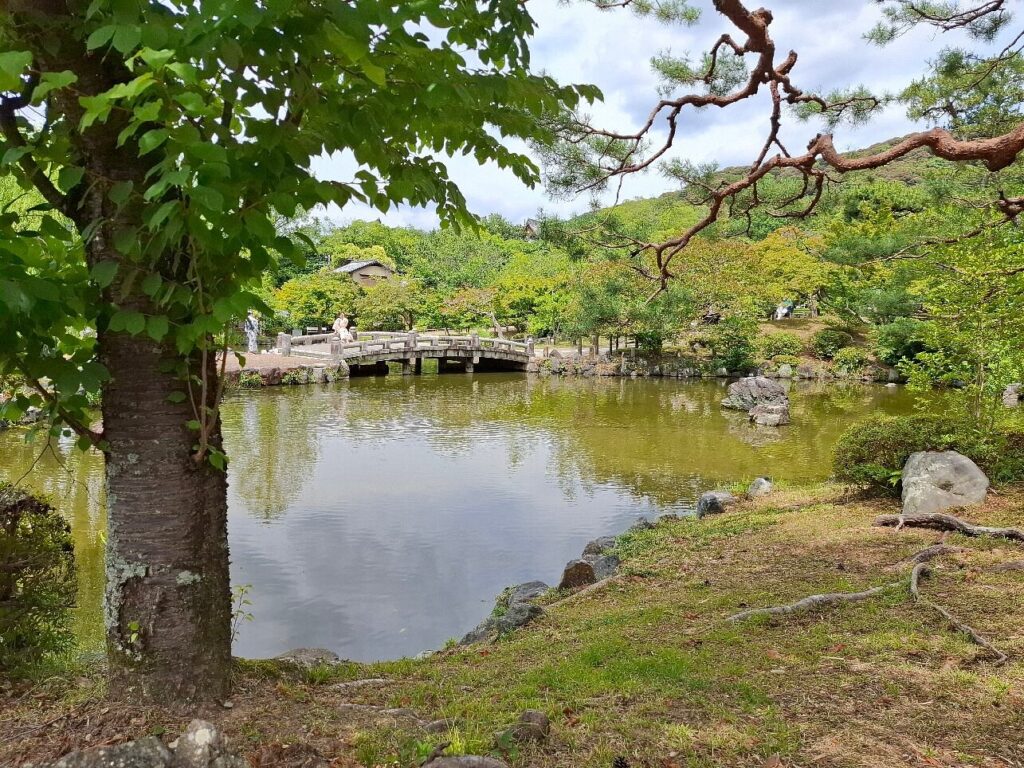
Start early at Kiyomizu-dera, then walk through Sannenzaka and Ninenzaka before the streets get too busy. Continue toward Kodai-ji or Maruyama Park depending on your energy.
The key is not to stay in the busiest lanes all day. Get the beautiful morning atmosphere, then escape.
Best for: classic Kyoto streets and temples
Time needed: 5–7 hours
Slow travel tip: Early mornings are your Kyoto superpower.
Day 15: Arashiyama without the worst crowds
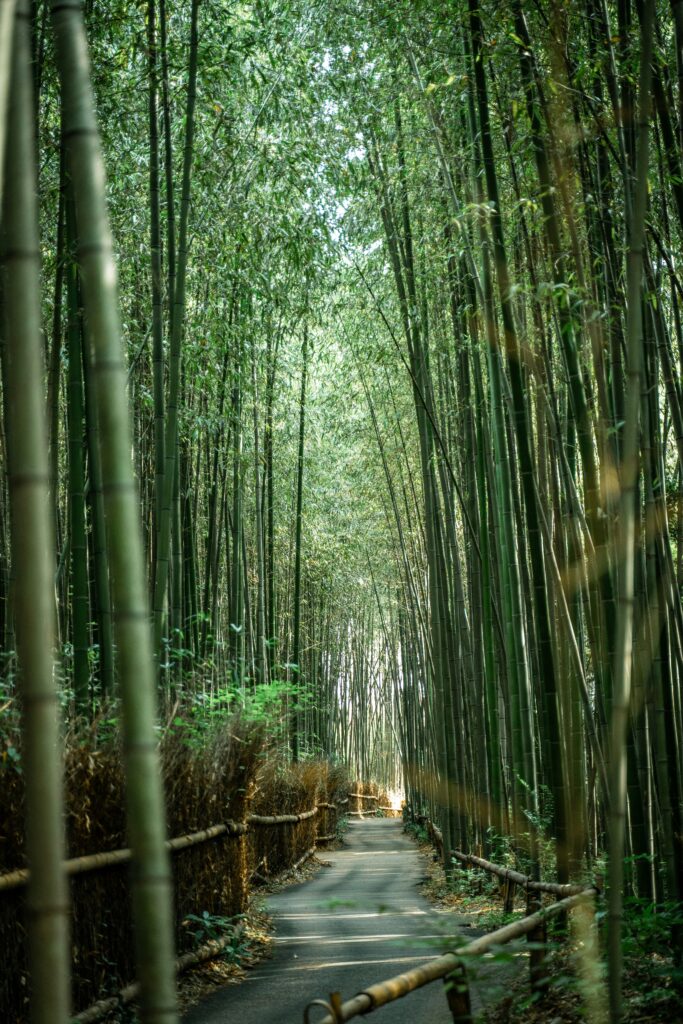
Go to Arashiyama Bamboo Grove early, then visit Tenryu-ji Temple and its garden. After that, walk farther north toward quieter temples like Gio-ji or Adashino Nenbutsu-ji.
Most people cluster around the bamboo grove and main shopping street. Move away from that zone, and Arashiyama becomes far more peaceful.
Best for: bamboo, gardens, temples, scenic walks
Time needed: Full day
Day 16: Philosopher’s Path and northern Higashiyama
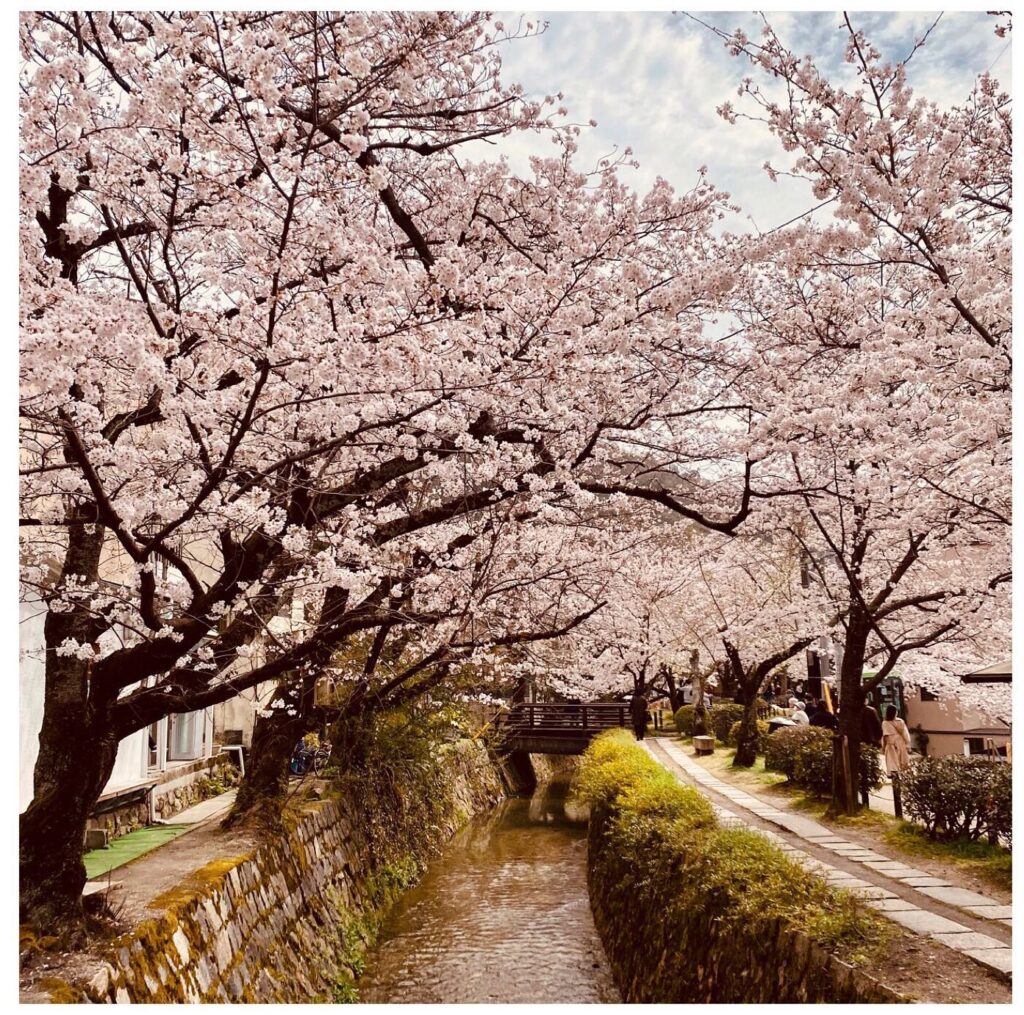
Start around Ginkaku-ji, then walk the Philosopher’s Path. This is one of Kyoto’s best slow travel walks, especially outside peak cherry blossom crowds.
Stop at small temples, cafes, and quiet lanes along the way. Do not rush it. This is not a commute. This is the good bit.
Best for: walking, temples, seasonal beauty
Time needed: Half to full day
Day 17: Choose your Kyoto slow day
Use this day based on your interests.
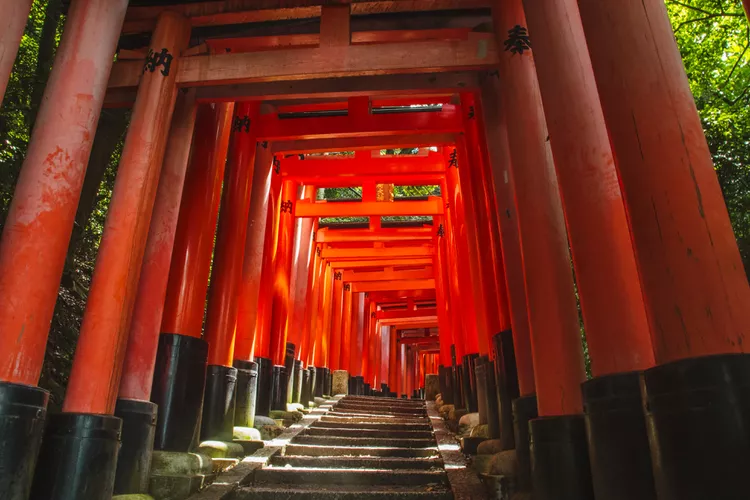
Choose Uji if you love matcha and riverside walks. Choose Fushimi Inari if you are happy to go very early or walk higher up the mountain beyond the busiest lower gates. Choose Nishiki Market if you want food browsing, though it can be crowded. Choose a tea ceremony if you want something structured and memorable.
Best for: flexible Kyoto experiences
Time needed: Flexible
Day 18: Nara Day Trip
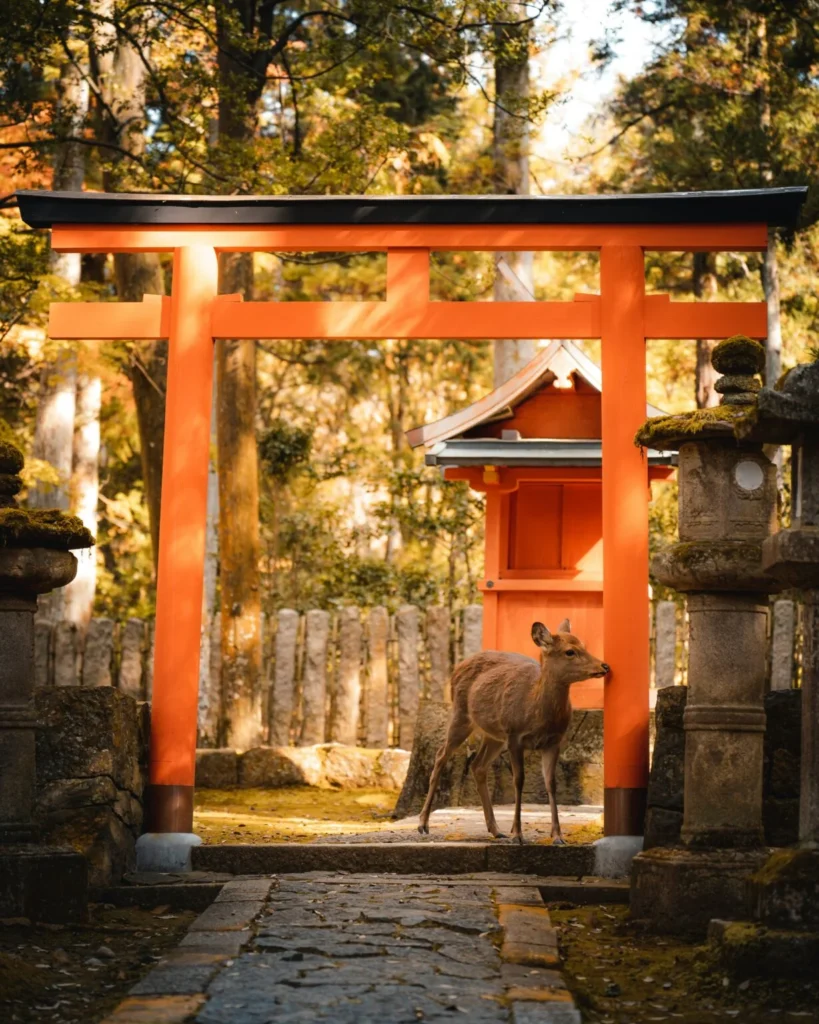
Nara is easy from Kyoto and perfect for slow travelers. Yes, the deer are famous. Yes, some of them are charming. Yes, some behave like tiny biscuit gangsters. We respect their confidence from a distance.
Start at Todai-ji Temple, home to the Great Buddha, then wander through Nara Park toward Kasuga Taisha Shrine. If you want quiet, visit Isuien Garden or walk into the less busy edges of the park.
Nara works best when you do not treat it as a checklist. Give it a full day and enjoy the space.
Best for: temples, history, deer, gardens
Time needed: Full day
Slow travel tip: Go on a weekday if possible.
Days 19–20: Kinosaki Onsen
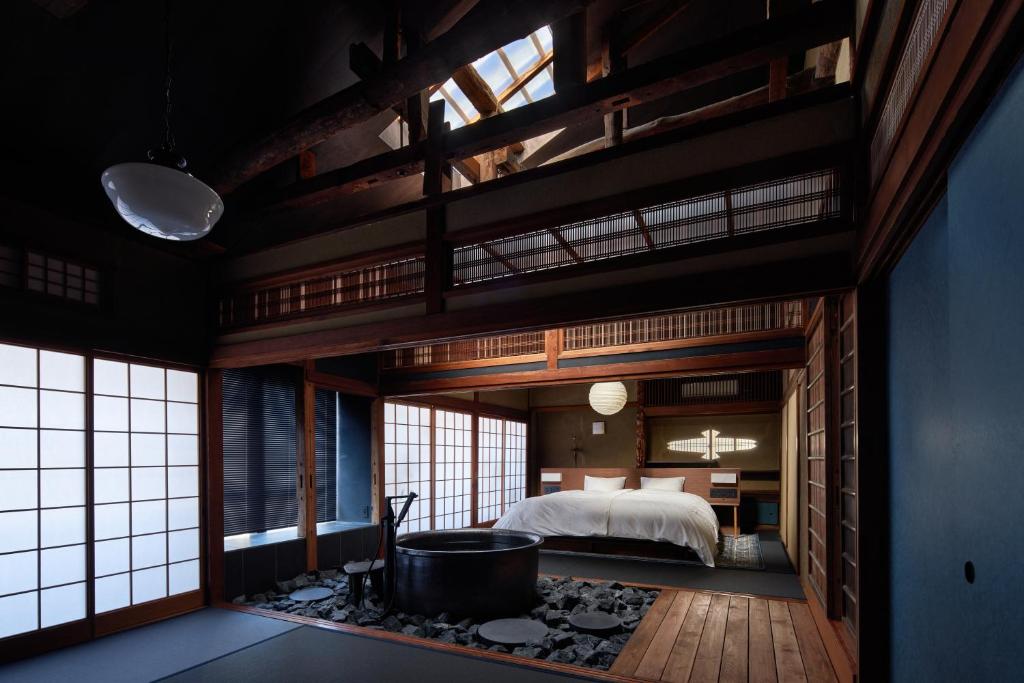
After Kyoto, Kinosaki Onsen is the reset button. This hot spring town is made for slow travel: willow-lined canals, ryokan stays, public bathhouses, yukata walks, and the deeply civilized idea that bathing can be the main activity.
Stay in a ryokan for one or two nights. Many ryokan include dinner and breakfast, which makes the experience feel easy and special. During the day, wander the canal streets, visit public onsen, drink coffee, browse small shops, and let the pace drop.
This is not a place to overplan. The plan is bath, walk, eat, repeat. Humanity has made worse systems.
Best for: onsen, ryokan, couples, solo recovery, slow evenings
Stay: 1–2 nights
Booking tip: Book ryokan early, especially for weekends, autumn, winter, and cherry blossom season.
Day 21: Osaka or Kansai Airport
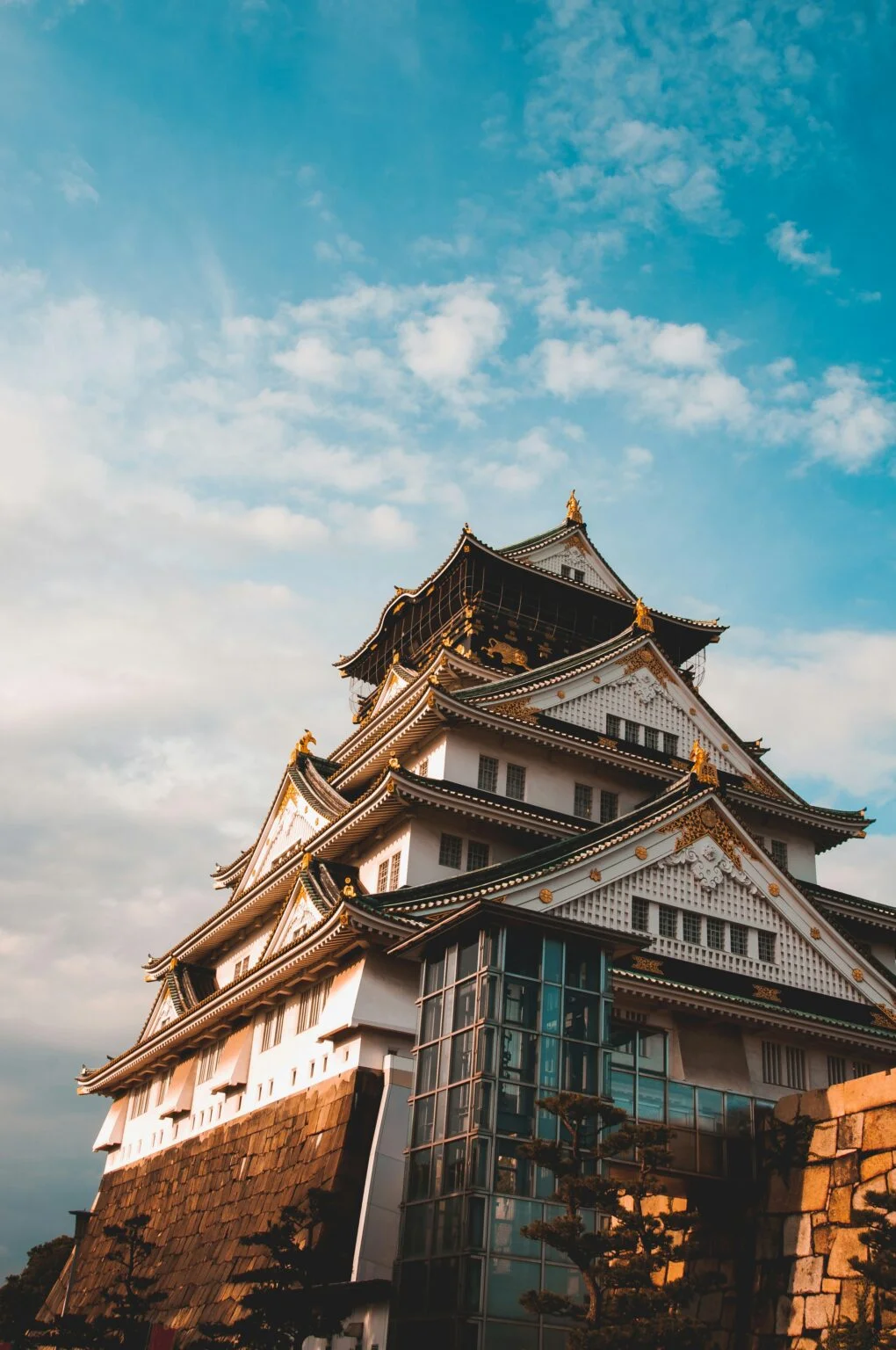
End in Osaka if you have an extra night before flying home. Osaka is lively, food-obsessed, and less polished than Kyoto in the best possible way.
If you only have one day, keep it simple. Visit Osaka Castle Park, explore Nakanoshima or Umeda, then go to Dotonbori in the early evening for lights and food before it becomes too chaotic.
If you are flying from Kansai International Airport, stay in Osaka or near the airport the night before. Slow travel also means not turning departure morning into a disaster film.
Best for: food, nightlife, final shopping
Time needed: 1 day
Best Time of Year for a Japan Slow Travel Itinerary
Japan is good year-round, but some seasons are easier for slow travel than others.
Spring
Cherry blossom season is beautiful but crowded and expensive. If you travel in spring, book accommodation early and build in extra patience. Late spring after Golden Week can be more relaxed.
Summer
Summer is hot, humid, and festival-filled. It can be wonderful if you like lively evenings, but slow travelers should avoid overpacking the day. Plan mornings and evenings outside, afternoons indoors.
Autumn
Autumn is one of the best times for this itinerary. The weather is usually comfortable, foliage is beautiful, and Kyoto gardens look spectacular. It is popular, so book early.
Winter
Winter can be excellent for slow travel. Cities are less crowded, onsen towns feel especially cozy, and clear days can bring beautiful mountain views. Pack warm layers.
How Much Does a 3-Week Slow Trip to Japan Cost?
Japan can be done on different budgets, but slow travel often helps because you move less and make fewer expensive last-minute decisions.
Budget travelers
Use business hotels, hostels with private rooms, convenience store meals, casual restaurants, and fewer paid tours. Focus on gardens, neighborhoods, temples, and local trains.
Mid-range travelers
This is the sweet spot for many visitors. Mix business hotels with a few boutique stays, add one ryokan night, take a couple of food or culture tours, and eat well without chasing luxury restaurants.
Comfort travelers
Choose well-located hotels, book ryokan with private or atmospheric baths, use luggage forwarding often, reserve seats, and add private tours in Kyoto, Tokyo, or Kanazawa.
The slow travel trick is spending where it removes friction: good hotel locations, luggage forwarding, reserved seats, and occasional guided experiences.
What to Pack for Slow Travel in Japan
Pack lighter than you think. Japan has excellent shops, coin laundries, convenience stores, pharmacies, and luggage services. You do not need to arrive prepared for every possible human event.
Useful items include:
- Comfortable walking shoes
- Small day bag
- Power bank
- Travel adapter
- Light rain jacket
- Coin purse
- Reusable shopping bag
- Easy layers
- Small towel or handkerchief
- Any essential medication
- Offline maps and hotel addresses saved on your phone
Japan involves a lot of walking and stairs. Your suitcase should not be the villain of your trip.
Is This Japan Slow Travel Itinerary Good for First-Time Visitors?
Yes. This itinerary includes many classic first-time Japan destinations, but gives them more space. You still get Tokyo, Kyoto, Mount Fuji or Hakone, Nara, Osaka, and traditional towns. You just avoid the common mistake of changing cities too often.
For a first trip, this route gives a strong mix of:
- Big cities
- Temples and shrines
- Gardens
- Food
- Onsen
- Mountains
- Historic districts
- Day trips
- Train travel
- Shopping and culture
It is still a full itinerary. It just breathes.
Japan Slow Travel Itinerary: Final Thoughts
The best Japan slow travel itinerary is not about seeing less. It is about seeing better.
When we stop rushing, Japan opens up in smaller ways. A quiet side street in Kanazawa. A second morning in Kyoto when we finally understand the neighborhood. A train ride through mountains. A bath in Kinosaki after dark. A bowl of noodles eaten without checking the next departure time.
Of course, you will still miss things. Everyone misses things in Japan. That is not a problem. That is the reason to come back.
So instead of trying to devour the whole country in one heroic, sleep-deprived blur, give yourself permission to travel slowly. Stay longer. Walk more. Sit down sometimes. Let a city become familiar before you leave it.
Japan is not going anywhere.
And honestly, neither is that convenience-store pudding.
- Nagoya rainy day with kids in 2026 (Cool Indoor Things to Do )
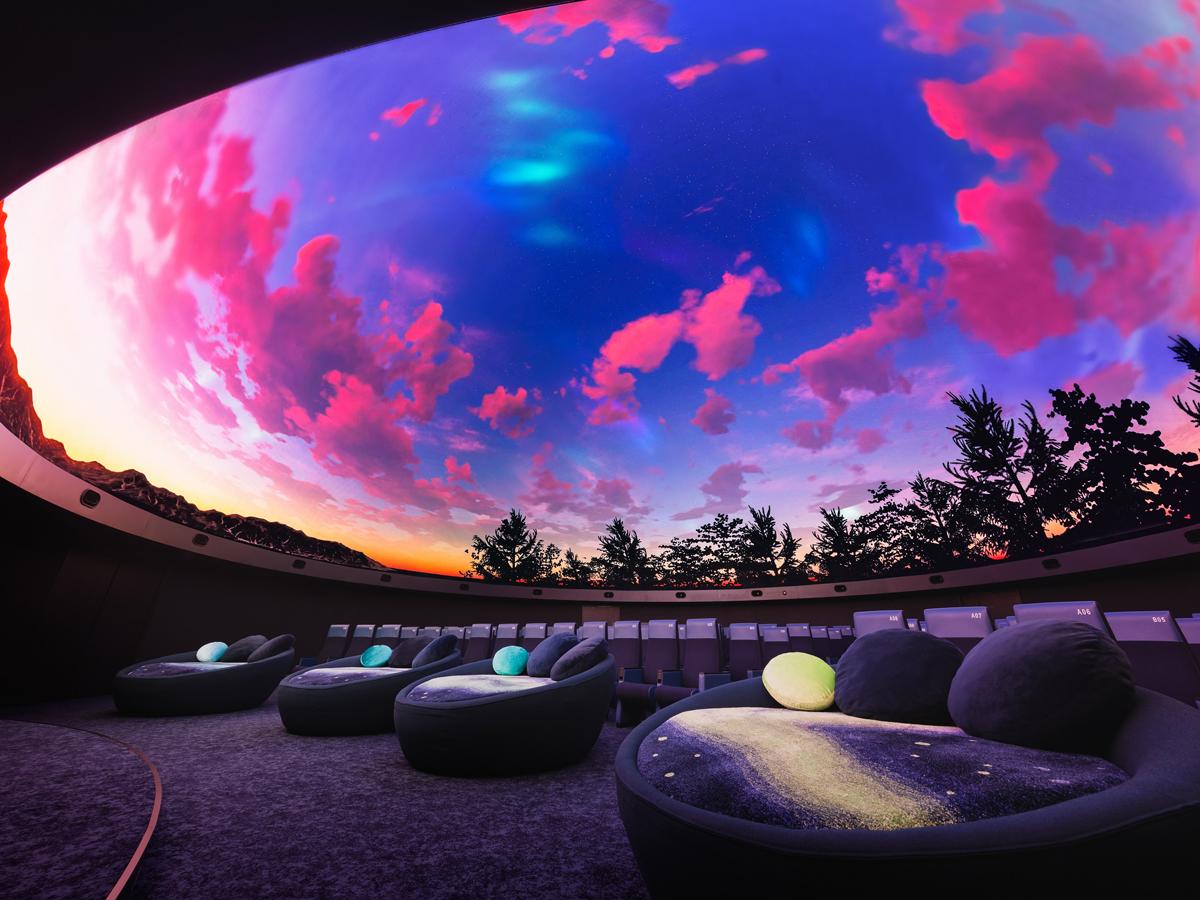 Rain in Nagoya does not have to mean surrendering the day to the hotel room. In fact, Nagoya is unusually good at indoor sightseeing. You have one of Japan’s best science museums, enormous aquariums, real Shinkansen trains, hands-on industrial museums, planetariums, covered shopping streets, and enough underground passages around Nagoya Station to lose an entire… Read more: Nagoya rainy day with kids in 2026 (Cool Indoor Things to Do )
 - Best Gachapon in Tokyo (2026): 20 Places to Find Capsule Toys
 You start with one. A tiny plastic capsule rolls out of the machine containing a miniature ramen bowl, sleepy cat or suspiciously realistic washing machine. Then you notice the machine next to it. And the one next to that. Twenty minutes later, you’ve somehow spent ¥3,000 and are emotionally invested in completing a collection of… Read more: Best Gachapon in Tokyo (2026): 20 Places to Find Capsule Toys
 - All Japanese KitKat Flavours List: The Ultimate Japan KitKat Guide
 Walk into a Japanese convenience store looking for a KitKat and things can get out of hand surprisingly quickly. You came for chocolate. Five minutes later, you’re holding matcha, strawberry, sake and something involving sweet potato, wondering whether wasabi chocolate is a terrible idea or exactly the souvenir your friends deserve. Welcome to Japanese KitKats.… Read more: All Japanese KitKat Flavours List: The Ultimate Japan KitKat Guide
 - Sapporo rainy day with kids (2026): 7 Cool Indoor Things to Do
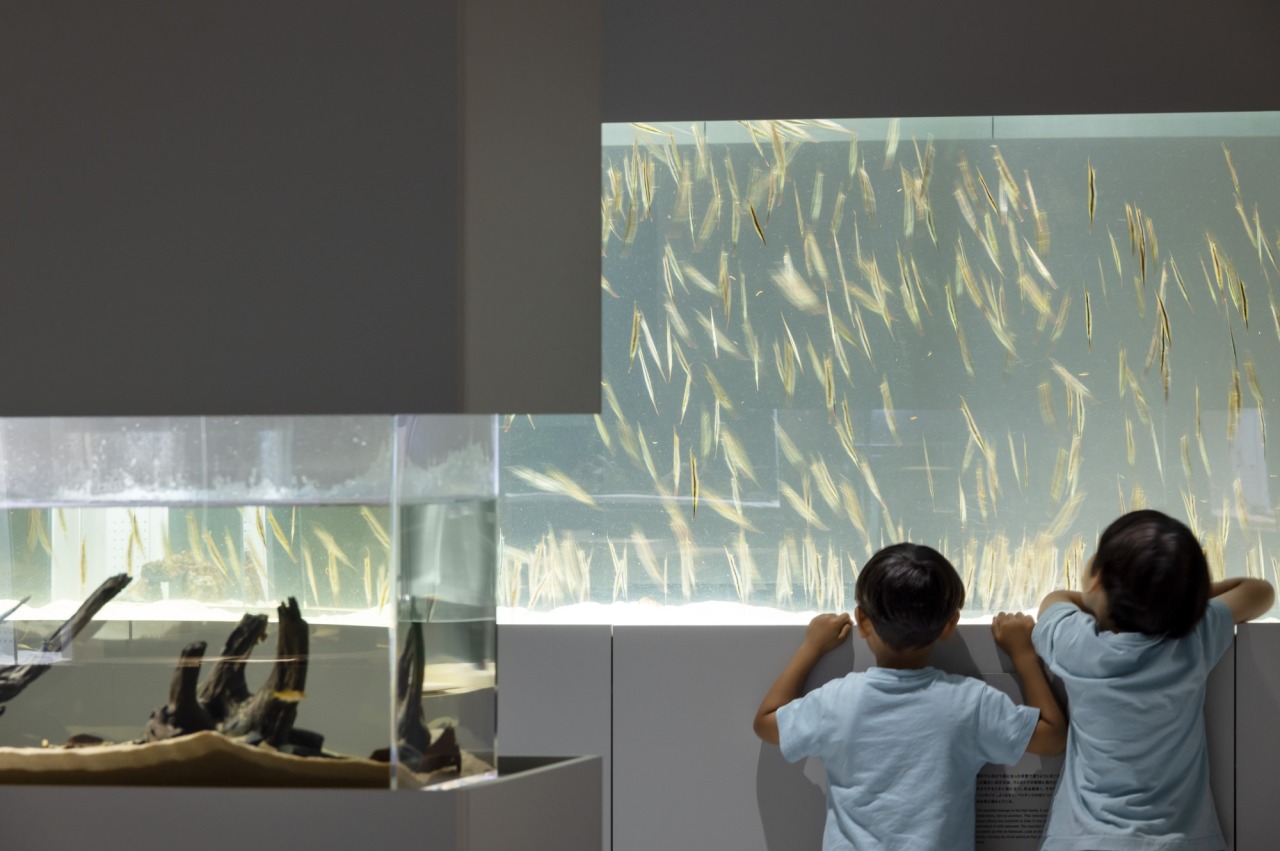 You wake up in Sapporo, pull back the curtains, and there it is: rain. That does not mean the family sightseeing day is ruined. Sapporo is actually very good at bad-weather entertainment, with science museums, aquariums, indoor play areas, shopping complexes, museums, and even a chocolate factory where children can watch one of Hokkaido’s most… Read more: Sapporo rainy day with kids (2026): 7 Cool Indoor Things to Do
 - What To Do In Arashiyama With Kids: A Realistic One-Day Family Itinerary
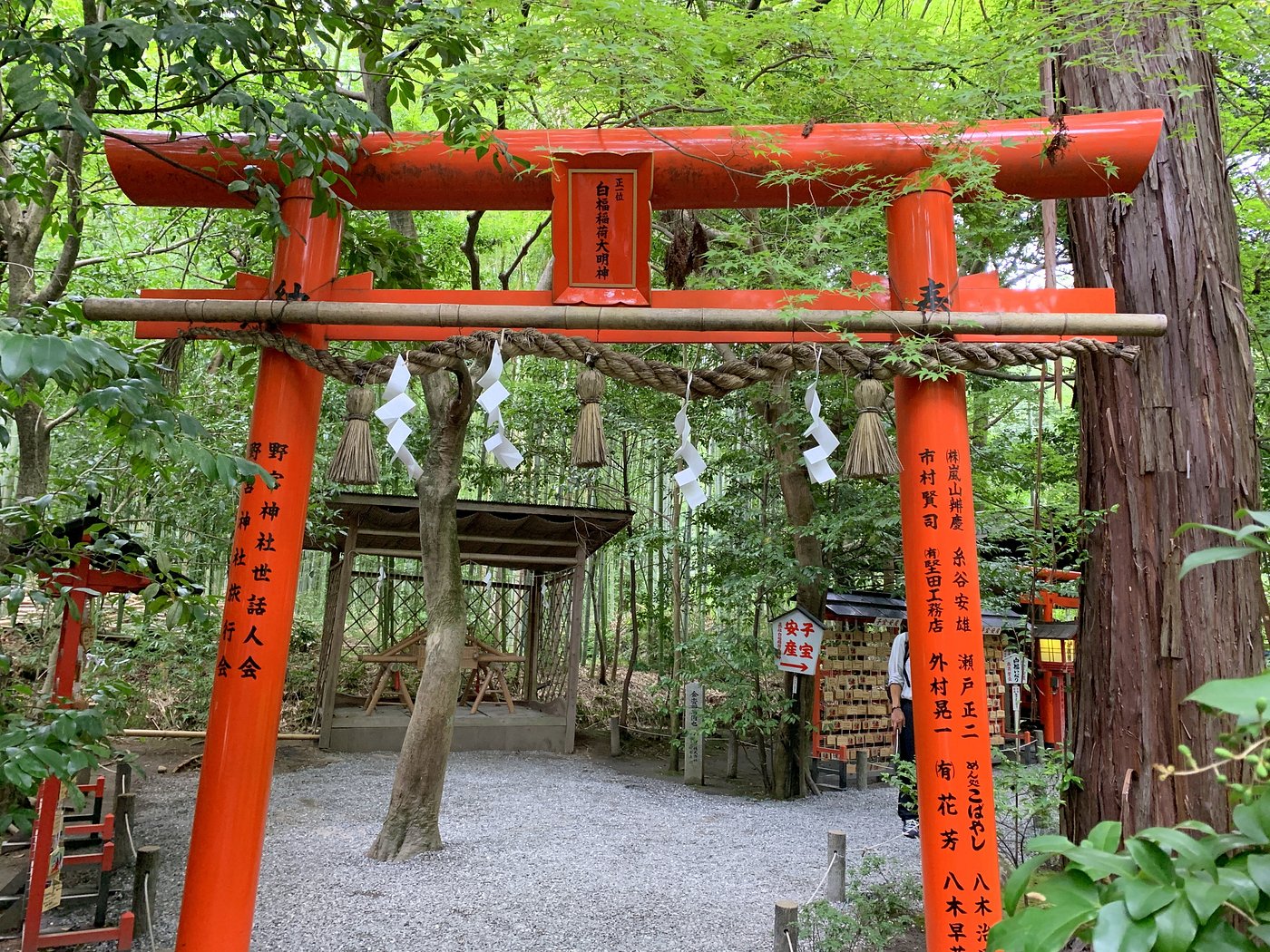 Arashiyama looks peaceful in photos: tall bamboo, forested hills, a wide river, and one of Kyoto’s most famous bridges. In reality, it is lively, busy, and full of families trying to fit a surprising number of things into one day. The good news? Arashiyama works brilliantly with kids when we keep the plan simple. The… Read more: What To Do In Arashiyama With Kids: A Realistic One-Day Family Itinerary