I spill travel tips , and show you the Japan that tourists usually miss.
Tokyo is loud, fast, and brilliant… but sometimes we need to escape before our brains turn into a spreadsheet. Enter Hakone—that mountain-and-hot-springs wonderland in Kanagawa where we can ride a ropeway over steaming volcanic valleys, cruise across Lake Ashi, and (with a bit of luck and clear skies) catch Mount Fuji posing like it knows it’s famous.
This is the kind of place where you can go full outdoor mode—hike, sightsee, chase viewpoints—or you can do Hakone the correct way: soak in an onsen, snack aggressively, and call it “wellness.” Whether you’re coming for a quick day trip from Tokyo or a slow weekend reset in a ryokan, we’re covering what to do in Hakone, the can’t-miss stops, and the simplest ways to get around—so you can spend less time planning and more time living your best steamy-volcano-lake-cruise life.
Planning more hot springs, mountain views and easy Tokyo escapes? Read these next
- Best Day Trips From Tokyo: Nature, Culture & Hidden Gems Near The City
- 7 Best Hakone Hotels With Mount Fuji Views: For a Dreamy Japan Escape
- Best Places To See Near Tokyo: Easy Day Trips & Hidden Gems
- Onsen In Japan: The Ultimate Hot Spring Guide
- Hotels & Ryokans With The Best Private Onsen In Tokyo
- Best Japan Itinerary: Routes, Costs & Travel Tips
Table of Contents
Getting to Hakone from Tokyo
There are three solid ways to reach Hakone by public transport—choose based on your budget, your patience, and how strongly you feel about “arriving in style.”
By train (Odakyu Railway)
Odakyu Railway runs regularly between Shinjuku Station and Hakone-Yumoto Station. The Limited Express “Romancecar” takes about 85 minutes one-way and costs 2,470 yen.
Little tip:
Odakyu also sells discounted passes like the Hakone Free Pass, Fuji Hakone Pass, and Hakone Kamakura Pass. These can include unlimited rides on selected trains, buses, cable cars, and boats in the region—very handy if you’re stacking multiple stops in one day.
By Highway Bus (Odakyu Hakone Highway)
Highway buses run about every 30 minutes between Shinjuku Station and Lake Ashi. One-way is around 2,000 yen, and the ride takes about 2 hours depending on traffic (Tokyo traffic is a living creature, and it has moods).
By Shinkansen
From Tokyo Station, you can take the Tokaido-Sanyo Shinkansen to Odawara Station. The one-way Shinkansen ticket costs 3,610 yen. From Odawara, transfer onward toward Hakone-Yumoto Station (including the Romancecar option) and you’re in Hakone territory fast.
Information about the Hakone Free Pass
The Hakone Free Pass (Odakyu Railway) is one of the easiest ways to explore Hakone on a budget. It includes unlimited use of Odakyu-affiliated transport in the area—buses, trains, the Hakone Sightseeing Cruise, and cable cars—and you’ll also get discounted entry to selected attractions like onsen, botanical gardens, and parks.
There are two versions: the 2-day pass and the 3-day pass. Prices from Shinjuku are 7,100 yen (2-day) and 7,500 yen (3-day) for adults. You can buy it at ticket machines or at the Odakyu Railways Service Center.
The pass includes the Odakyu round trip, but note: the Limited Express “Romancecar” is not included—that’s a separate surcharge.
Information about the Fuji Hakone Pass
If you’re not just doing Hakone—and you want more of the broader Fuji-Hakone-Izu National Park area—look at theFuji Hakone Pass. It covers transport around Hakone plus the Fuji Five Lakes (Yamanakako, Kawaguchiko, Saiko, Shojiko, and Motosuko), plus includes a one-way ticket to/from Tokyo on the Odakyu line and discounts at selected attractions.
The pass is valid for three consecutive days and costs 11,100 yen for an adult.
Information about the Hakone Kamakura Pass
TheHakone Kamakura Pass gives you three days of unlimited travel across the Odakyu rail network, including transport around Hakone and extra access to Kamakura (south of Tokyo). Adult price: 8,520 yen.
What To Do In Hakone: Top Activities & Sights
Below you’ll find the top sights and activities in Hakone, plus exact transport options from Tokyo with prices—so you can stop doom-scrolling and start packing snacks.
#1 Hakone Shrine
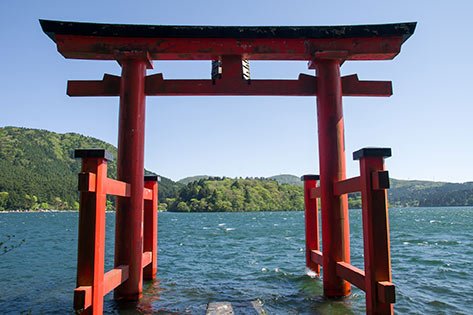
Hakone Shrine (箱根神社 / Hakone jinja) is the celebrity of the region—and yes, it knows it. The main reason: that iconic red torii gate standing at the edge of Lake Ashi, plus a history stretching back over 1,250 years. A torii marks the boundary between the everyday world and sacred ground, and the lakeside gate—often called the Torii of Peace—is where pilgrims and travelers queue in the same polite, photo-hungry line.
Reality check: weekends can mean a long wait for that “just us and the torii” shot (spoiler: it’s never just you). Still, the photo is absolutely worth it—unless you hate joy and pretty backgrounds.
#2 Lake Ashi with a view of Mount Fuji
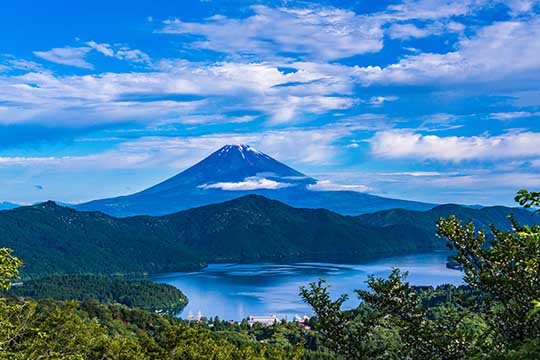
Lake Ashi (芦ノ湖 / Ashinoko) is Hakone’s headliner. This crater lake formed roughly 3,000 years ago after the last eruption of the Hakone volcano, and today it’s basically the region’s giant scenic mirror. When the weather behaves, you may catch a proper view of Mount Fuji—and yes, it’s one of those views that makes you go suspiciously quiet for a minute.
Whether you’re using the Hakone Free Pass or paying as you go, a boat ride on Lake Ashi is a must. Two operators run routes between Moto-Hakone and Hakone-machi: Hakone Sightseeing Boats and Ashinoko Sightseeing Boats. Free Pass holders can use the pirate ships run by “Hakone Sightseeing Boats.” Want maximum silliness? Rent a swan pedal boat and become the main character of your own lakeside comedy.
#3 Visit an onsen
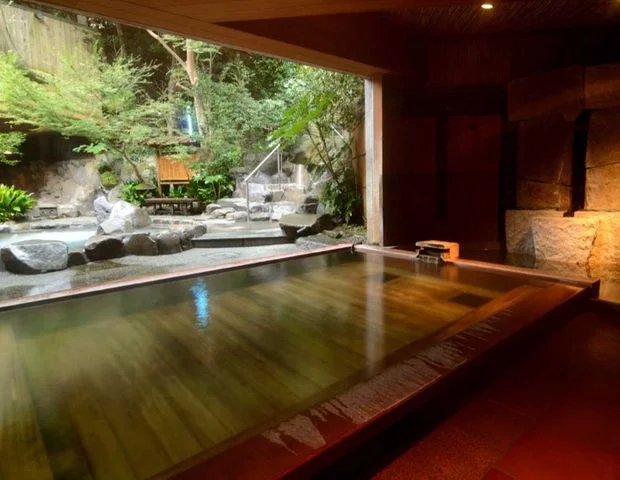
Hakone has been one of Japan’s most famous hot spring resorts for centuries, and it’s not hard to see why. There are more than a dozen springs and countless bathhouses and ryokan offering mineral-rich waters—the kind of soak that makes your muscles unclench like they’ve finally forgiven you.
The onsen hub is Yumoto around Hakone-Yumoto Station, where you’ll find many of Hakone’s best-known hot springs. One classic option is Tenzan Onsen, a tucked-away bathhouse in the forest that feels like you stumbled into a secret wellness village. Beyond Yumoto, you’ll also find baths scattered through the hills and valleys, along the Sukumo River and stretching all the way toward Lake Ashi.
Many onsen are open to day visitors for a fee, and plenty of ryokan allow non-guests to use their baths too. Expect typical day-use prices of 500–2,000 yen. If you’re staying overnight in a ryokan, bath access is usually included.
#4 Owakudani
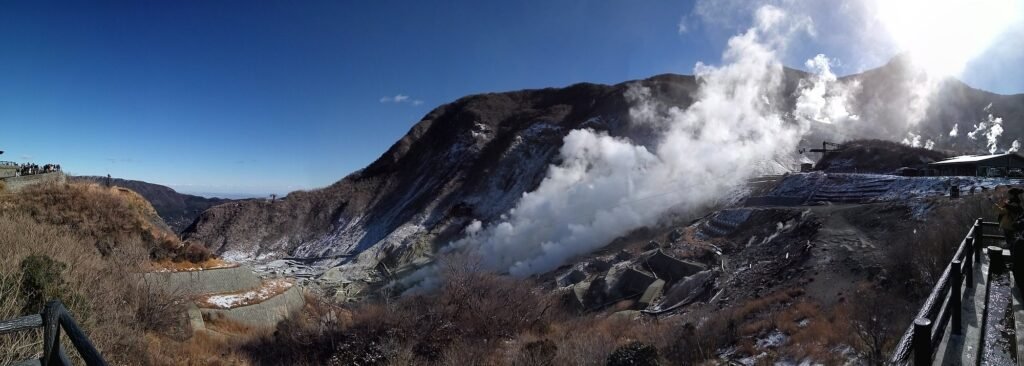
Owakudani (大涌谷) is Hakone in “active volcano mode.” This valley formed more than 3,000 years ago, and today you can see sulfur vents, steaming ground, hot springs, and that dramatic volcanic scenery that makes you feel very small (in a good way). On clear days, it’s also another strong spot for a Mount Fuji sighting.
And yes—this is where you eat the famous black eggs boiled in the sulfur springs. They turn dark from the minerals, and local legend says: eat one and you’ll live seven extra years. We’re not saying it’s scientifically proven… but we’re also not saying we wouldn’t eat two.
Small hint:
Owakudani can close temporarily due to volcanic gas levels, so check updates before you go. Also, visitors with asthma, bronchitis, heart disease, pacemakers, or those who are pregnant are generally advised not to visit due to sulfur fumes.
#5 Pampas grasses in autumn
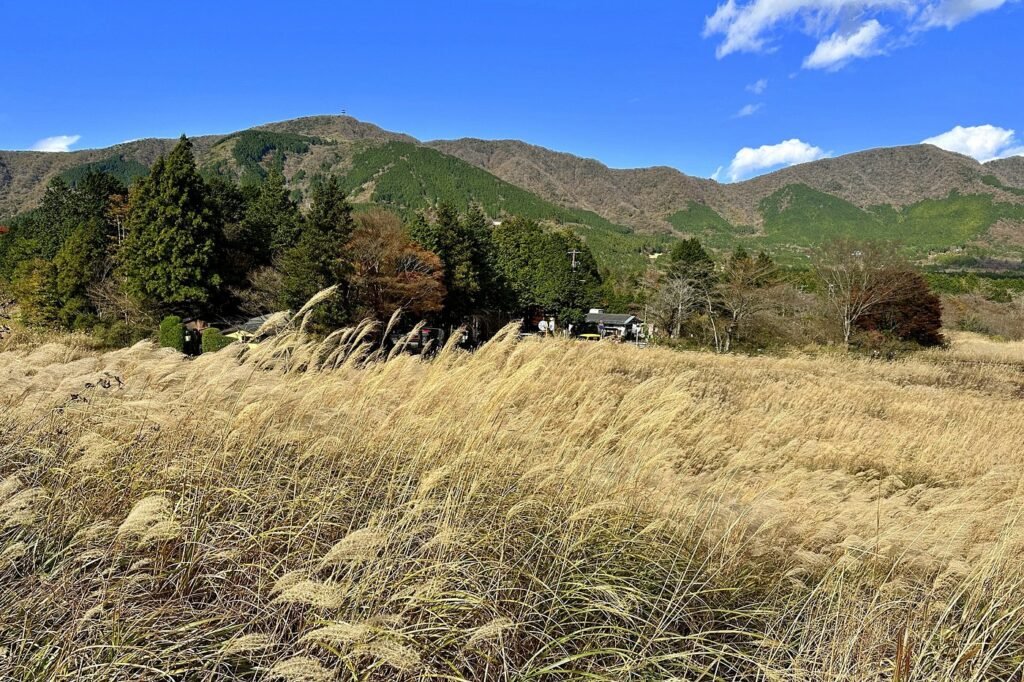
Visit in autumn and you’ll see Hakone’s golden glow-up: the pampas grass fields (すすき / susuki) around Sengokuhara (仙石原すすき草原). The hills look like they’ve been brushed with liquid sunlight, and the walking paths through the grasses are peak “we’re in a Japanese postcard” energy. Late summer into autumn is the sweet spot, and yes—there will be crowds. They have eyes. They saw the photos too.
#6 Hakone Border Station
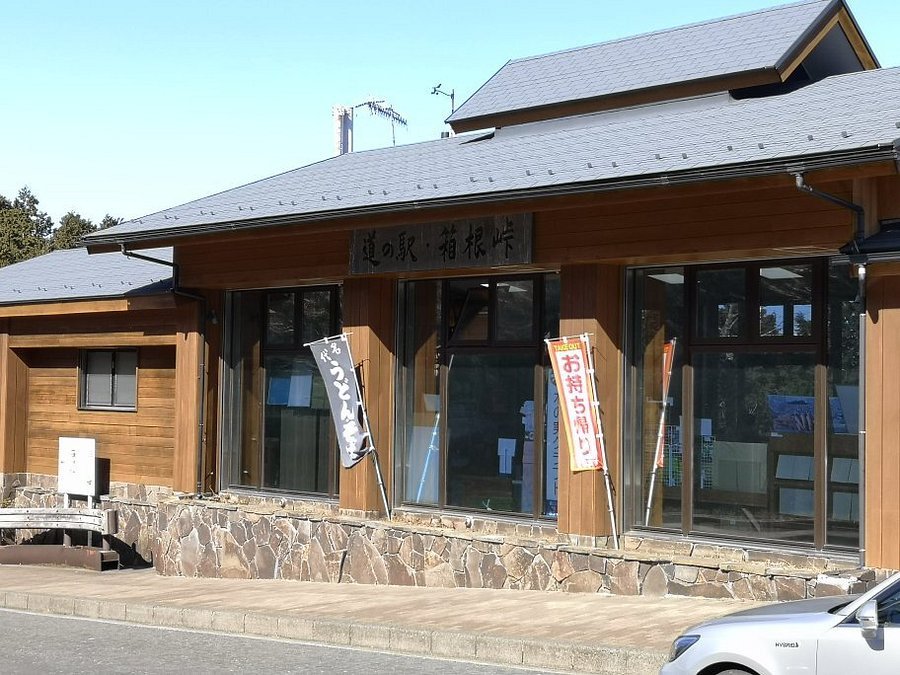
Back in the Edo period, Hakone was a strategic checkpoint on Japan’s legendary trade route, the Tokaido. Think: official inspections, travel permits, and the kind of bureaucratic drama we’re very happy to experience only as tourists.
Not much of the original road survives, but along Lake Ashi you can still walk a short cedar-lined section of the old Tokaido. There are small shops and occasional cafés—perfect for souvenir hunting or a quick “we deserve a treat” stop.
#7 Street Food in Hakone

Besides the famous black eggs in Owakudani, Hakone has a few snacks you should absolutely schedule into your day (yes, we schedule snacks):
First up: onsen manju. It’s a soft steamed bun usually filled with sweet bean paste—but in Hakone, the special flex is steaming them with hot spring water. It’s warm, sweet, and dangerously easy to “accidentally” eat multiple.
Then there’s Obanshojaya, a small café right by the Hakone checkpoint area. In summer, they’re known for kakigōri (shaved ice), and we’re also very into their matcha parfait situation—mochi, azuki beans, dango, the whole delicious lineup. Add a view of Lake Ashi, and suddenly we’re lingering like we have nowhere else to be.
- Opening hours (Obanshojaya): 10:00–16:00
- Distance: about 1 minute on foot from the Hakone Checkpoint
- Prices: from 500 yen
- Order this: melon or Shizuoka strawberry kakigōri, or the matcha parfait
#8 Hakone Mountain Railway
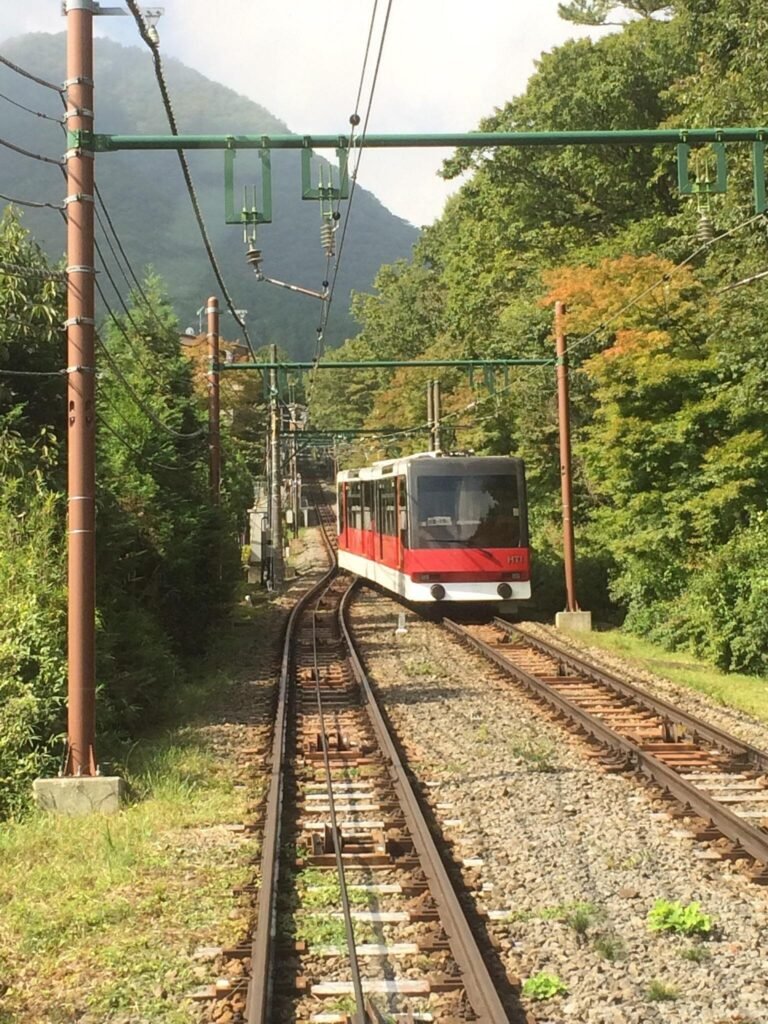
The Hakone Tozan Railway (箱根登山電車) is Japan’s oldest mountain railway, and it’s one of those rides that feels like a slow-motion nature documentary. The little trains weave through forested valleys, crossing bridges and diving into tunnels. It’s lovely any time of year—but if you hit early summer hydrangea season or autumn fall foliage, it becomes genuinely unforgettable.
#9 Summer Festivals in Hakone
Hakone goes full festive mode in summer, especially from late July to early August during Ashinoko Summer Festival Week. Expect traditional dances, performances, and events around Lake Ashi. The big finish is the fireworks—because Japan doesn’t do “casual fireworks.” Japan does spectacle.
Some key events to watch for:
- Kosui Festival: Honors the nine-headed dragon legend. Expect fireworks and lanterns placed around the lake.
- Kojiri Dragon Festival: More dragon devotion, plus local Soran dancing, live music, and fireworks.
- Shrine Gate Festival: The headline act—two six-meter torii gates are set up in the lake and lit at night, with fireworks exploding above the scene. It’s dramatic in the best way.
Must-Try Restaurants in Hakone
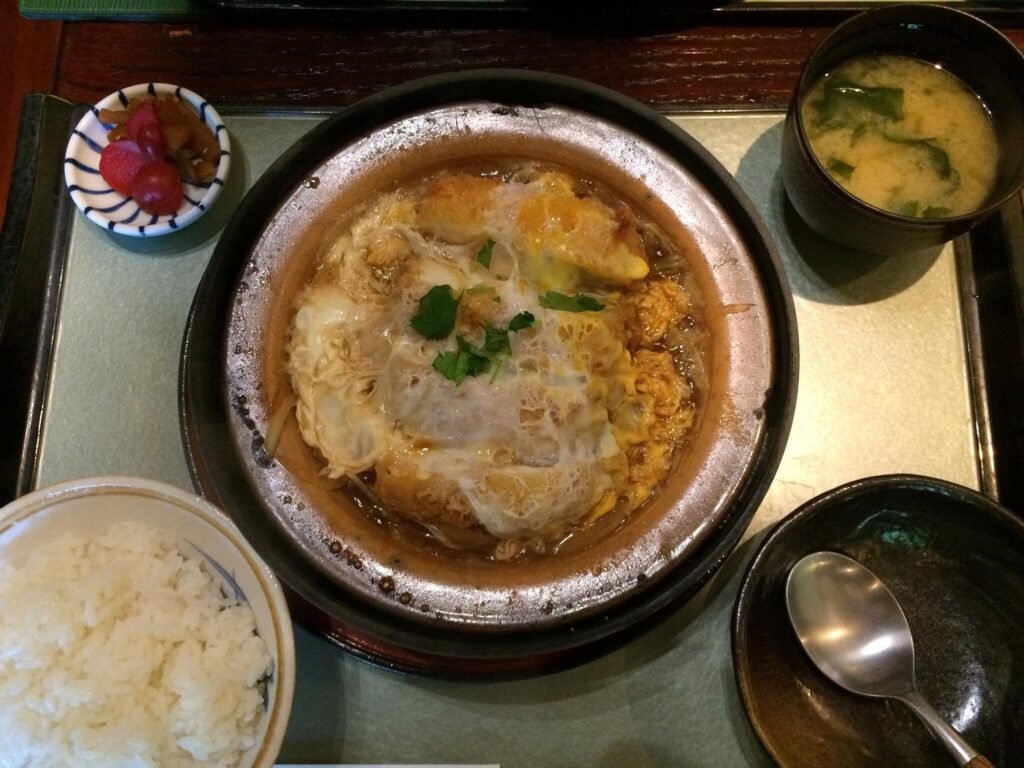
Hakone Gin Tofu: A long-established tofu shop near Gora Station—great for fresh tofu and fried tofu that somehow tastes like comfort food and good decisions.
Tamura Ginkatsutei: Famous for tofu cutlet hotpots. Also near Gora Station—because clearly Gora is where tofu goes to become legendary.
Best Hot Spring Inns and Hotels in Hakone
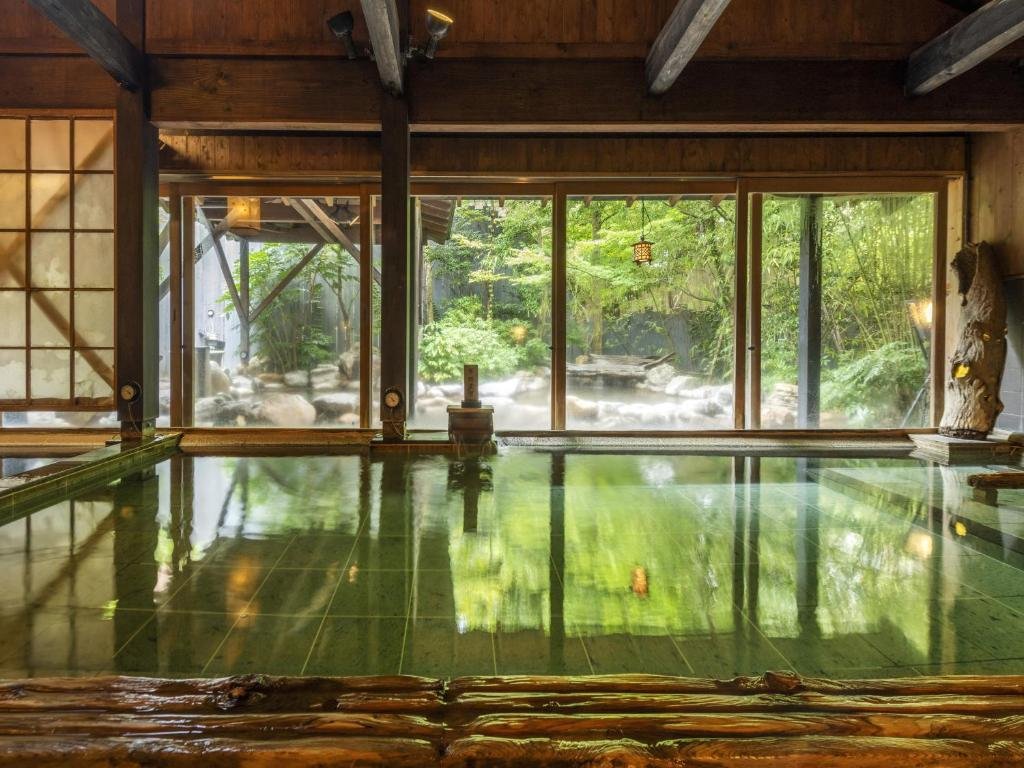
Setsugekka: Elegant rooms and private hinoki baths, just one minute from Gora Station—an easy base if you want comfort without logistics chaos.
Fujiya Hotel: Historic, polished, and iconic—welcoming guests since 1878, including writers and royalty (and now: you, with your camera roll full of torii photos).
Hakone Yuryo: A day-use onsen retreat with private open-air baths—perfect if you want the soak without committing to a full ryokan overnight.
Hakone Kowakien Yunessun: A hot spring theme park with wine baths, slides, and classic open-air tubs—Hakone, but make it playful.
Hakone Yumoto Onsen Area: Hakone’s largest onsen town with lots of inns, footbaths, and places to eat—great if you want everything walkable and convenient.
Recommended Souvenirs from Hakone
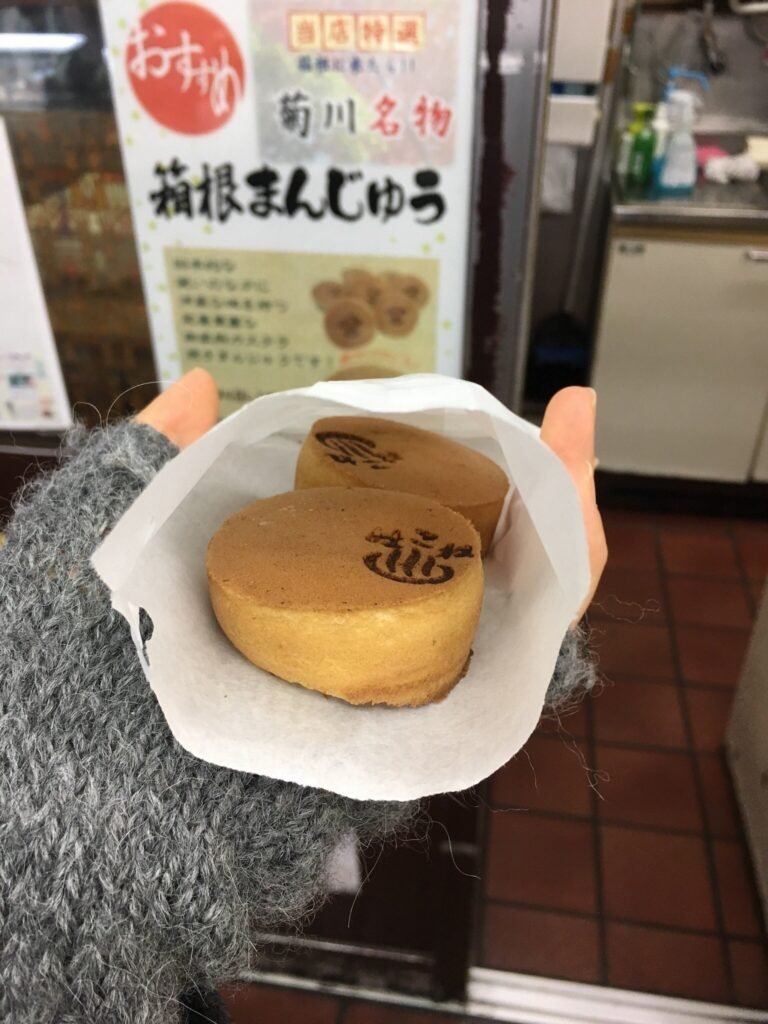
Hakone Castella Manju: Sponge-cake-style manju with white bean paste, often decorated with cute onsen-themed designs.
Hakone no Uribou (boar-shaped manju): Milky, sweet buns shaped like little wild boar piglets—cute enough to hesitate before eating, tasty enough to eat anyway.
Hakone Rusk: Crunchy, buttery toast snacks from Grand Riviere—dangerously snackable and very giftable (if you don’t “forget” them in your bag).
Useful links and sources
- Hakone Free Pass – Official Odakyu Railway Website (English)
- Hakone Town Official Website (English & Japanese)
- Hakone Shrine Official Website (Japanese)
- Nagoya rainy day with kids in 2026 (Cool Indoor Things to Do )
- Best Gachapon in Tokyo (2026): 20 Places to Find Capsule Toys
- All Japanese KitKat Flavours List: The Ultimate Japan KitKat Guide
- Sapporo rainy day with kids (2026): 7 Cool Indoor Things to Do
- What To Do In Arashiyama With Kids: A Realistic One-Day Family Itinerary