
I spill travel tips , and show you the Japan that tourists usually miss.
Trade Tokyo’s thrum for salt air and temple bells, and find out what to do in Kamakura . You’ll stride past the Great Buddha, slip into bamboo shade at Hokokuji, climb shrine steps strung with ema, and end with your toes in the sand while surfers sketch lines across the Pacific. In between? Alley cafés, old merchant streets, and enough moss and maple to reset your nervous system. Think of Kamakura as a pocket-sized Kyoto with a coastline—compact, romantic, and very photogenic.
Read More Kamakura Guides
Table of Contents
How to get to Kamakura from Tokyo
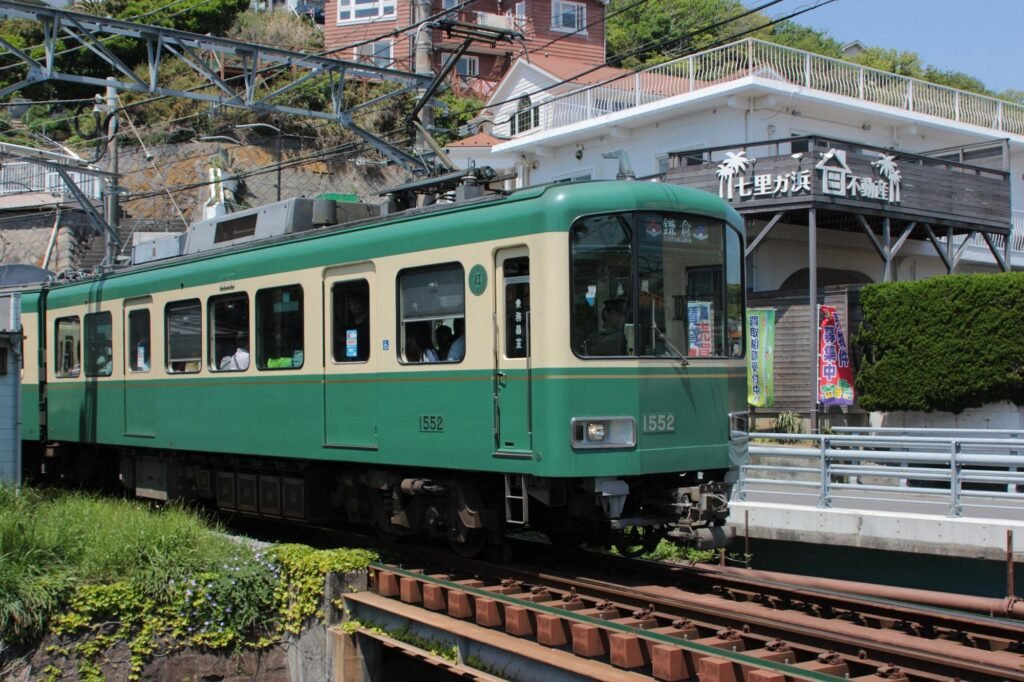
Getting to Kamakura from Tokyo is relatively easy and affordable. Take the JR Yokosuka Line from Tokyo or Shinjuku Station to Kamakura Station in about 60 minutes for ¥ 920 . Once at Kamakura Station, you can take the scenic Enoden Line to Hase Station, passing through the town’s houses. This is ideal if you want to visit the Great Buddha directly, and the same line also goes to Enoshima.
What to do in Kamakura
Great Buddha (Daibutsu), a must-see in Kamakura
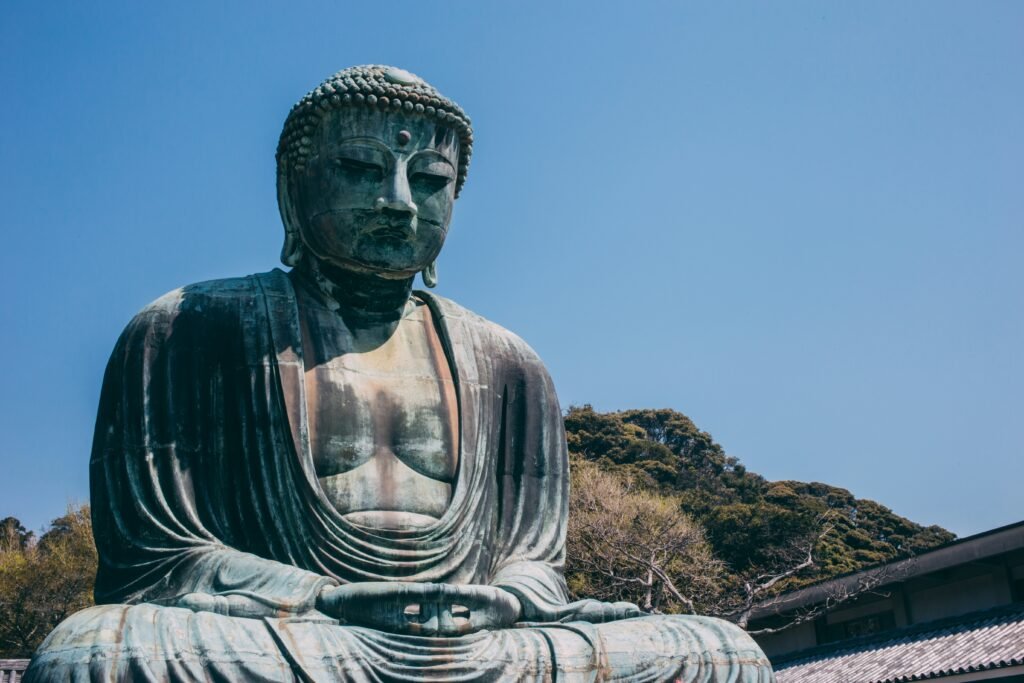
The Great Buddha is the symbol of Kamakura and the main reason to visit this city. It’s a large bronze statue of the Buddha seated in the lotus position in meditation. It stands 13.5 meters tall and is located at Kotoku-in Temple. Built in the 13th century, it has slightly distorted proportions to compensate for perspective when viewed from below. The Great Buddha’s sandals are displayed on a wall of the temple. You can go inside to see the structure that supports it, although we didn’t. Opening hours are from 8:00 AM to 5:00 or 5:30 PM, depending on the time of year, and the entrance fee is 300 yen .
Hase-dera Temple

Hase-dera Temple is located very close to the Great Buddha and is famous for its 9-meter-tall golden statue of Kannon , the goddess of mercy. Besides the valuable statue, we found its beautiful gardens and ponds delightful, as well as the incredible views of the coast and the surrounding mountains.
What makes it even more appealing are the hundreds of Jizo statues , the guardian deities of children . These are deeply moving figures left by parents in memory of deceased or unborn children. A path leads up the hill, from where you can enjoy splendid views of the bay and stroll through a small bamboo forest .

Benten Cave

Don’t miss Benten Cave, home to statues dedicated to the goddess of music and the sea. The temple is open from 8:00 AM to 5:00 PM and the entrance fee is ¥400 .
Other temples and shrines in Kamakura

Kamakura boasts 65 Buddhist temples and 19 Shinto shrines . It’s impossible to visit them all, but these are some of the most attractive, which you can explore on a short hike through the forests of Kamakura.
Tsurugaoka Hachiman-gu Shrine

Tsurugaoka Hachiman-gu is Kamakura’s most important shrine, dedicated to Hachiman , the god of the samurai . The path to the shrine offers beautiful views of the city, passing through a large torii gate and ponds filled with water lilies. Entry is free and open from 6:00 AM to 8:00 PM.
Engaku-ji Temple

If you’re passionate about the history of Zen in Japan , you can’t miss Engaku-ji Temple , a must-see in Kamakura. It’s the largest of the city’s five great Zen temples and, since its founding in 1282 , has been a haven of peace and spirituality. We loved strolling through its Zen-style gardens and enjoying the tranquility of the surrounding woods. It’s the perfect place to disconnect and immerse yourself in the essence of Zen. It’s open from 8:00 a.m. to 5:00 p.m., and admission is ¥300 .
The other great Zen temples of Kamakura are: Kencho-ji, with beautiful gardens; Jomyo-ji; Jufuku-ji; and Jochi-ji, from which the path through the forests leads to Kotoku-in Temple.
Daibutsu Trail
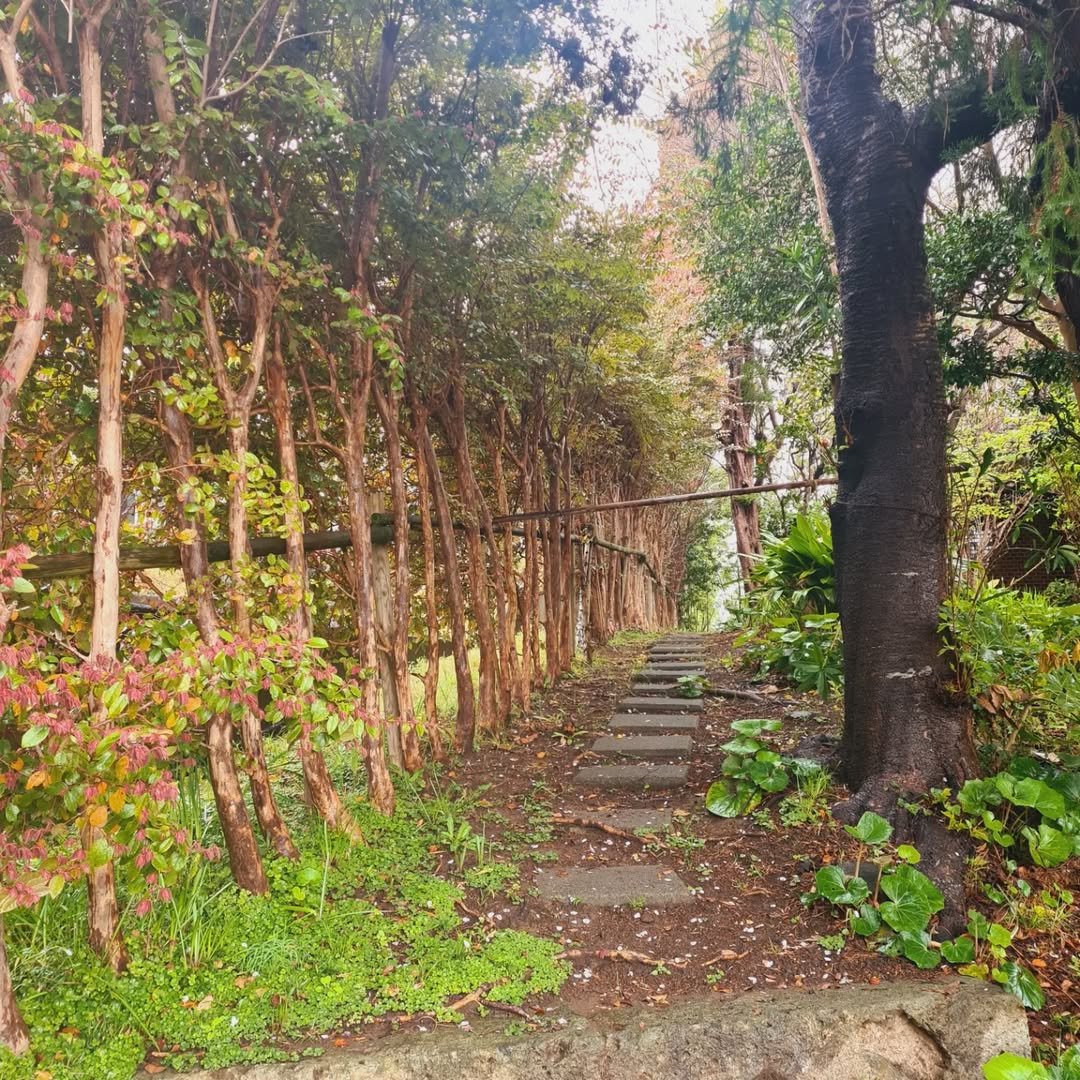
The forests surrounding Kamakura are magnificent. If you have time, you can take a walk through them. One of the most famous is the Daibutsu Trail, the path that connects the Great Buddha with the temples and shrines on the hills and ends at Jochi-ji Temple .
Kamakura Beaches

Another of the city’s attractions is its beaches, very popular with Tokyoites, especially those who enjoy sunbathing and windsurfing. It boasts three very wide beaches with fine sand, surrounded by the Kamakura hills, which make them very appealing.
Hidden gems in Kamakura
We slip off the main drag (bye, crowds) and let Kamakura do that thing it does so well—soft light, cedar scent, and temples that feel like they’re thinking. These are our favorite “how-is-this-not-packed?” spots for a slow, quietly romantic day.
Hokokuji (Bamboo Temple): 2,000 stalks of hush
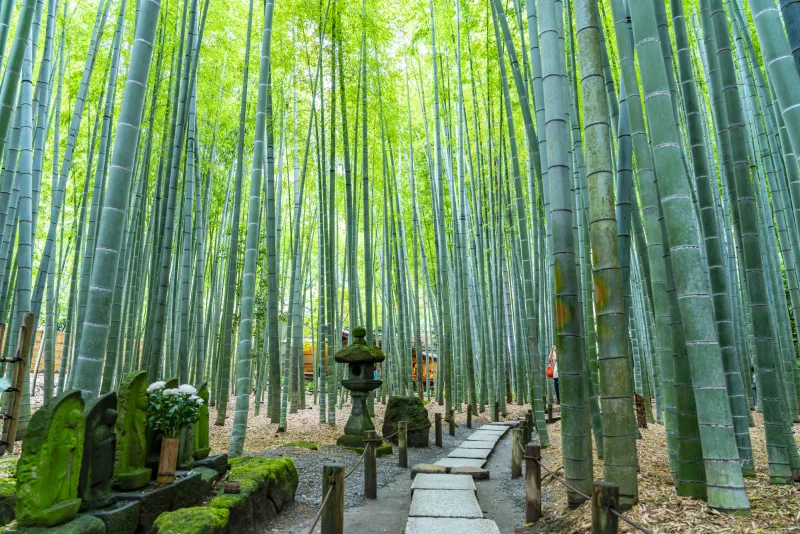
Step through the gate and the world lowers its voice. A silver-green bamboo garden (2,000+ culms) sways overhead; the light goes dappled; your pulse follows. This Rinzai Zen temple (founded 1334) is famous for its grove and a dry landscape garden echoing its earliest form. Order a bowl of matcha at Kyūko-an and stare into the green until time forgets you.
Close to Jōmyōji area (pair them).
Hours & fee 9:00–16:00; closed Dec 29–Jan 3. Adults (HS+) ¥400; ES/JHS ¥200.
Address 2-7-4 Jōmyōji, Kamakura.
Pro tip Go early after rain for misty photos and that cool air.
How to get there Bus from Kamakura Station to Jōmyōji; 5–7 min walk.
Hokokuji (Bamboo Temple)Matcha with a raked-garden view
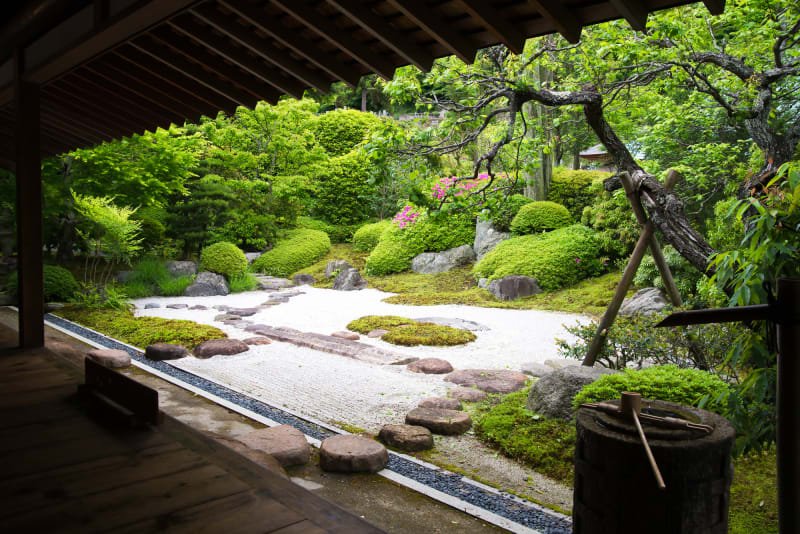
Founded in 1188 and ranked fifth of Kamakura’s Five Mountains, Jōmyōji brings gravitas—copper roof, Important Cultural Properties, and a dry landscape garden by Sone Saburō. Slip into Kisen-an teahouse: matcha, stones, moss, silence. Behind the main hall, wander the small hill to the stone-oven terrace and catch seasonal flowers.
Close to Hokokuji (combine in one loop).
Hours & fee 9:00–16:30. Adults (MS+) ¥100; ES ¥50.
Address 3-8-31 Jōmyōji, Kamakura.
Good for Garden nerds, “let’s-talk-for-an-hour” dates.
Pro tip Late afternoon light makes the gravel patterns pop.
Sasuke Inari Shrine: Vermilion gates, luck on tap
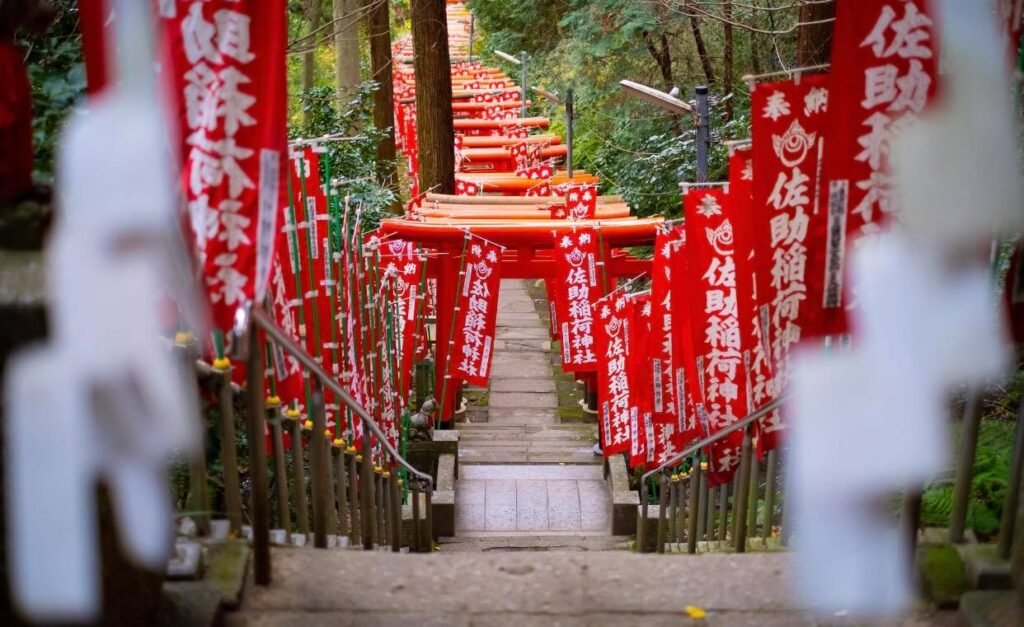
Tucked in Kamakura’s “hidden village,” Sasuke Inari threads you through ranks of red torii to a mossy, fox-guarded precinct. Nicknamed “Success Inari” thanks to Minamoto no Yoritomo’s rise, it’s a favorite for career wishes— and photos that look like you teleported to another realm. On the route to Zeniarai Benzaiten.
Hours & fee Open area; free.
Address 2-22-12 Sasuke, Kamakura.
Pro tip Weekday mornings = torii all to yourselves. Fill a bottle at the spring (sacred fox water).
How to get there 20–25 min walk from Kamakura Station (west side), gentle uphill.
Kamakura Bunkakan Tsuruoka Museum: Rotating exhibits, sunlit café
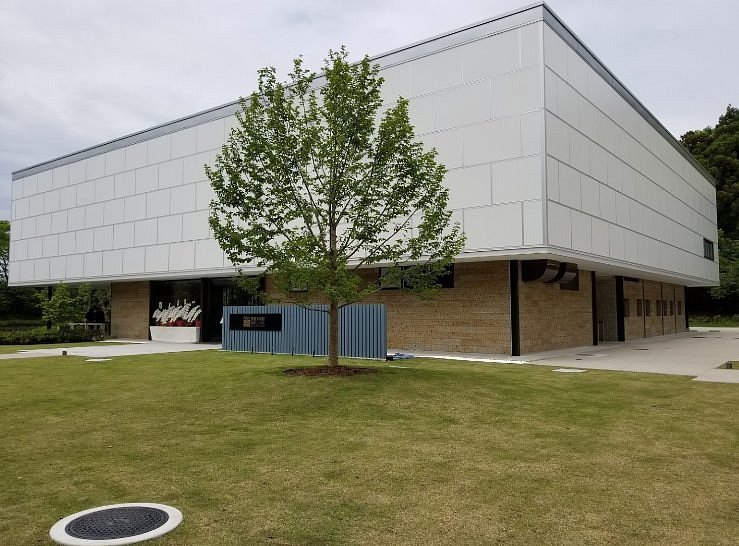
Ten minutes from the station along the Tsurugaoka Hachimangū approach, this 1951 Important Cultural Property houses rotating exhibitions tied to Kamakura’s art and festivals (think swords, scrolls, seasonal rites). Afterwards, linger in the bright café or the modern Japanese tea room overseen by storied Hikage Chaya.
Hours & fee 10:00–16:30 (last entry 16:00); closed Mon (open on holidays), changeovers, New Year. Fee varies by exhibit.
Address 2-1-53 Yukinoshita, Kamakura.
Pro tip Time it pre- or post-visit to Tsurugaoka Hachimangū for a culture double feature.
Where to stay in Kamakura
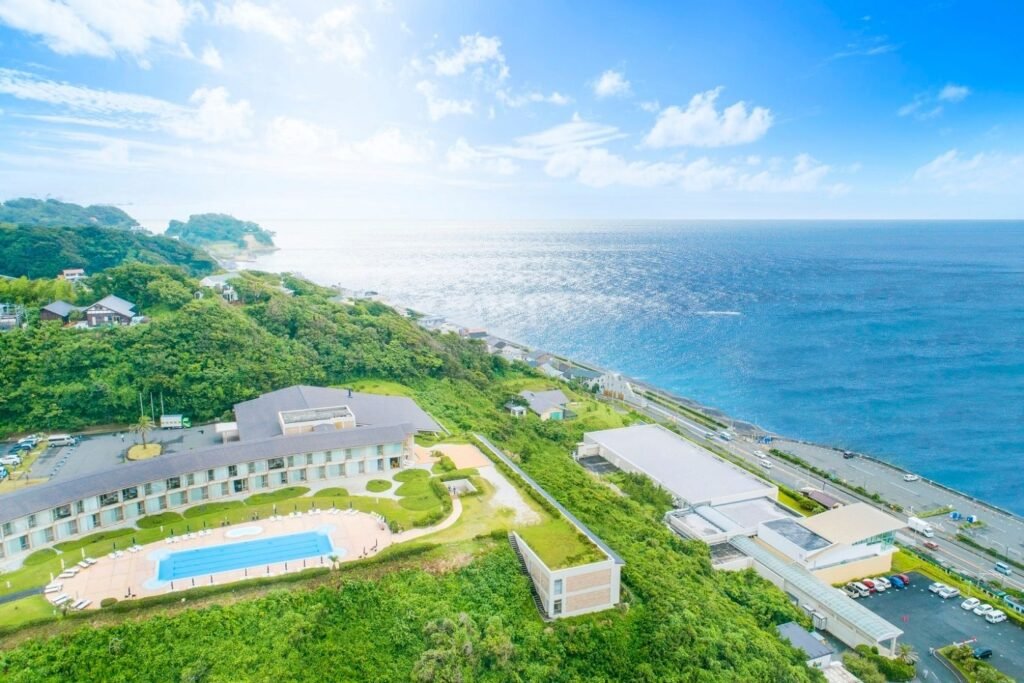
If you decide to stay overnight in Kamakura, several accommodation options combine the traditional with the modern:
- Kamakura Prince Hotel is located by the sea, with incredible views of Sagami Bay and its beaches, and, on clear days, Mount Fuji.
- Iza Kamakura Guest House is a more economical option, ideal for backpackers.
- Kamakura Park Hotel is more luxurious, with spacious rooms and is also very close to the beach.
What to eat in Kamakura

Kamakura boasts a diverse culinary scene, and like the rest of Japan, its street food is phenomenal. Here are some recommendations for typical dishes and where to try them, such as Shirasu-don , a local specialty—a bowl of rice topped with small fish fry; Tako senbei , giant rice flour crackers made with either octopus or shrimp ; and soba noodles.
Where to eat in Kamakura
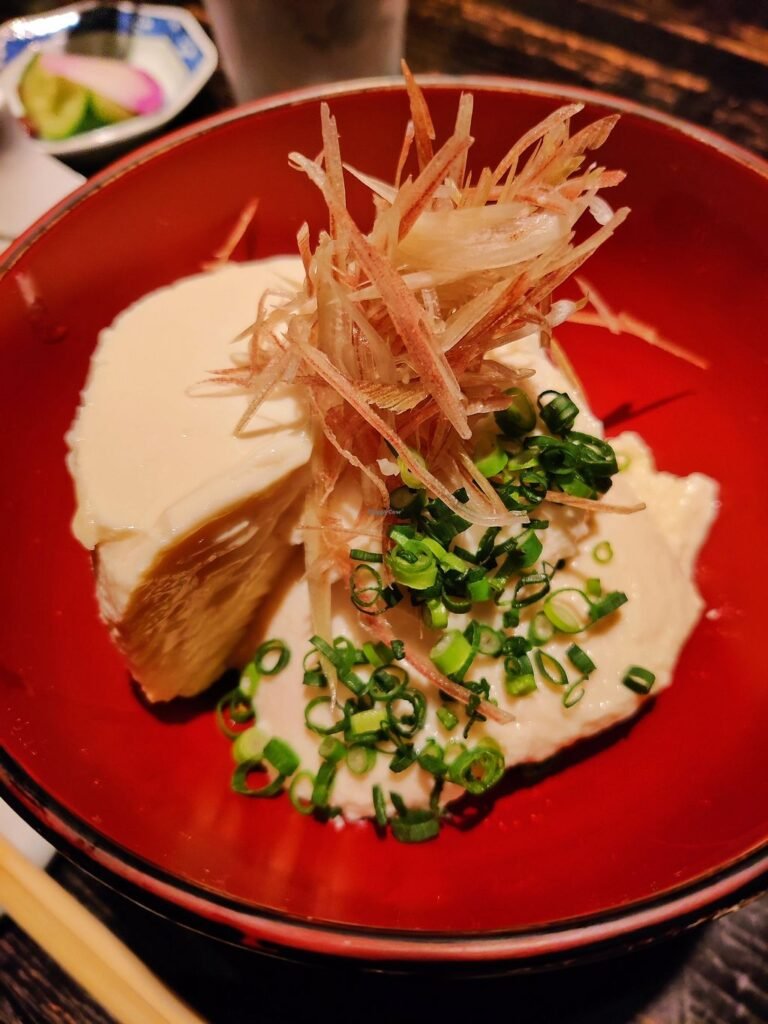
The city is full of restaurants specializing in soba noodles , almost all of them excellent. A good place to savor these typical dishes is Matsubara-an Restaurant , a traditional establishment where you have to take off your shoes and which has a lovely garden.
FAQs: What to Do in Kamakura
How long do we actually need for Kamakura?
One full day covers the hits (Great Buddha → Hase-dera → Enoden coastal hop → Tsurugaoka Hachimangū → Komachi-dori). Add a second morning for Hokokuji’s bamboo grove and Jōmyōji tea.
What’s the easiest way to get there from Tokyo?
JR Yokosuka Line (Tokyo/Shinagawa → Kamakura, ~55 min) or JR Shōnan-Shinjuku Line (Shinjuku/Shibuya, ~60–70 min). From Yokohama it’s ~25–35 min.
How do we get around once we arrive?
Walk + Enoden tram for the coast (Kamakura ⇄ Hase ⇄ Enoshima). Buses run to Hokokuji/Jōmyōji. Suica/PASMO IC works everywhere.
Is the Kamakura–Enoshima Pass worth it?
If you’ll ride JR to Fujisawa plus Enoden multiple times (e.g., Kamakura ↔ Hase ↔ Enoshima in one day), yes. If you’re mostly walking, skip.
When is the best season?
Late Mar–Apr (cherry blossoms), late Jun (hydrangeas at Meigetsu-in/Hase-dera), late Nov–early Dec (autumn maple). Winter has clear Fuji views; summers are beachy but hot.
How do we beat the crowds?
Start by 9:00. Do Hokokuji first, then Jōmyōji. Hit Great Buddha right at opening or just before closing. Save Hase-dera gardens for golden hour.
What are must-see highlights for first-timers?
Great Buddha (Kōtoku-in), Hase-dera gardens and sea views, Tsurugaoka Hachimangū shrine axis, Komachi-dori for snacks, Enoden ride, Hokokuji bamboo grove.
Any kid-friendly or stroller tips?
Enoden rides, beach time at Yuigahama, and Komachi-dori snacks are easy wins. Many temples have steps or gravel—baby carriers beat strollers in older precincts.
Where should we watch sunset?
Inamuragasaki Park (Fuji silhouette on clear days), Hase-dera upper terrace, or Yuigahama beach with surfers in frame.
What should we eat that’s local?
Shirasu (whitebait) bowls, Kamakura veggies, sweet-potato treats, and the iconic Hato Sabure butter cookies. Café culture is strong—great for mid-route breaks.
Can we combine Kamakura with Enoshima in one day?
Yes: Kamakura AM → Enoden to Enoshima PM → lighthouse/night illuminations (seasonal). Keep an eye on train times back.
Any etiquette tips for shrines/temples?
Dress modestly, speak softly, no tripods where prohibited, don’t block paths/ritual spaces, and cleanse hands at chōzuya before offering prayers.
Is it doable in the rain?
Absolutely—moss and bamboo are gorgeous in drizzle. Pack a compact umbrella; paths can be slick.
Cash or card?
Temples often take coins/small notes for entry and omamori. Many cafés/shops accept cards, but carry some cash.
Where can we store luggage?
Coin lockers at Kamakura Station (busy on weekends). If full, ask the tourist info center for overflow options.
Any “only-if-you-have-time” extras?
Zeniarai Benzaiten (money-washing shrine) and Sasuke Inari (vermilion torii lanes) add lovely detours between center and western hills.