
I spill travel tips , and show you the Japan that tourists usually miss.
From Tokyo to Kyoto, Osaka and beyond—see the best Japan itinerary for 2 or 3 weeks. Includes costs, travel tips, JR Pass advice, food, and budget examples.
Table of Contents
How to Plan Your Japan Itinerary – Route, Tips & Costs at a Glance

A trip to Japan is a dream for many travelers—drawn by its unique culture, bustling cities, iconic sights, and breathtaking nature. But to make sure your journey is truly unforgettable—and not overwhelming or too costly—solid planning is key. The first questions are always the same: What should I see, and which cities are must-visits?
In this guide, you’ll find everything you need to plan your Japan itinerary step by step: detailed itineraries for 2 and 3 weeks, plus practical advice on transport, accommodation, food, sightseeing, and a realistic cost breakdown. Whether it’s your first visit or a return adventure, this post gives you the essentials to design the perfect Japan itinerary.
Transparency note: Some links in this article are affiliate links. If you book through them, I may earn a small commission at no extra cost to you. It helps me keep this blog alive and continue sharing free tips and travel guides. Thank you for your support! ❤️
Book these before your Japan trip
Want a smoother arrival in Japan? Sort your rail tickets and mobile data before you go, and thank yourself later when everything feels far less chaotic.
- book Japan Rail Tickets online — a simple way to prepare for intercity train travel before your trip begins.
- get a Japan eSIM with Softbank 5G / DOCOMO 4G LTE — set up mobile data for maps, translation apps, messaging, and transport tools.
More Japan travel planning guides
- Suica card in Japan — how to use Japan’s essential IC card for trains, subways, buses, and everyday payments.
- how to get around Tokyo — the easiest way to navigate Tokyo’s trains, subways, and stations without losing your mind.
- is the Japan Rail Pass worth it — a realistic 2026 guide to whether the JR Pass still saves you money.
- two weeks in Japan itinerary — a complete first-timer route covering Tokyo, Kyoto, Osaka, and beyond.
1. How long should a Japan round trip last?

The ideal length of a Japan round trip depends greatly on how much you want to see, what travel style you prefer, and of course, how long you can stay in Japan. Generally, the more time you bring, the more relaxed and diverse your trip will be.
For many travellers, a trip of 2 to 3 weeks is optimal.
- In two weeks you can cover the most important highlights of Japan—Tokyo, Kyoto, Osaka, and Hiroshima. A side trip to Hakone (for a view of Mount Fuji) or a day trip to Nara can also be easily included.
- In three weeks you’ll have much more flexibility. You’ll explore the highlights of the golden route and can add extra places like Nagano, Karuizawa, Matsumoto, or even smaller islands such as Miyajima. You can also plan longer stays in individual places. That way, you’ll have time for spontaneous experiences like tea ceremonies or cooking classes.
Do you want to stay 2 or 3 weeks in Japan? Here I’ll show you the perfect routes for your trip:
2. The Perfect Japan Itinerary – Suggestions for 2 and 3 Weeks

Route for 2 Weeks (The Golden Route)
For a two-week Japan round trip, a route along the so-called “Golden Route” is recommended.
- Days 1–4: Tokyo – Explore the highlights of the city: Shibuya, Shinjuku, Asakusa, Ueno, Akihabara. Join a food tour in Shinjuku and try 15 traditional dishes*, book a guided walk through Asakusa to discover Tokyo’s traditional side*, or take a guided city tour*.
- Days 5–6: Hakone & Kawaguchiko – For Mount Fuji views, hot springs, and nature.
- Days 7–9: Kyoto – The old imperial capital with more than 1,000 temples, peaceful gardens, and traditional neighborhoods like Gion.
- Day 10: Nara – A day trip to see the giant Buddha and the famous deer park.
- Days 11–12: Osaka – Street food, nightlife in Dotonbori, and Osaka Castle. Book a local food tour for two hours of authentic flavors*.
- Days 13–14: Hiroshima & Miyajima – The Peace Park, Museum, and Itsukushima Shrine with the floating Torii gate.
➡️ Tip: With the Japan Rail Pass, you can travel quickly and easily between cities.
Overview Table – Golden Route
| Day(s) | Place | Highlights |
|---|---|---|
| 1–4 | Tokyo | Shibuya, Shinjuku, Asakusa, Ueno, Akihabara |
| 5–6 | Hakone & Kawaguchiko | Mount Fuji, onsen, nature |
| 7–9 | Kyoto | Fushimi Inari, Arashiyama, Gion, temples |
| 10 | Nara (day trip) | Giant Buddha, deer |
| 11–12 | Osaka | Street food, Dotonbori, Osaka Castle |
| 13–14 | Hiroshima & Miyajima | Peace Park, Itsukushima Shrine |
Route for 3 Weeks (Japan Highlights & Hidden Gems)

With three weeks, you’ll have enough time to experience Japan’s highlights at a relaxed pace and still leave room for spontaneous discoveries. You’ll also have the chance to include lesser-known places.
- Days 1–4: Tokyo & Nikko – Explore Tokyo and take a day trip to Nikko.
- Day 5: Kamakura & Enoshima – Great Buddha, Hasedera Temple, coastal Enoshima.
- Day 6: Hakone or Kawaguchiko – Mount Fuji views, onsen, museums.
- Days 7–9: Kyoto – Temples, gardens, Fushimi Inari, Gion.
- Day 10: Nara – Day trip from Kyoto.
- Days 11–12: Osaka – Food, Dotonbori, Osaka Castle.
- Days 13–15: Nagano – Zenkoji Temple, snow monkeys in Jigokudani, optional Matsumoto or Karuizawa.
- Day 16: Transfer to Hiroshima – Optional stop in Himeji.
- Days 17–18: Hiroshima – Peace Memorial Park and Museum.
- Day 19: Miyajima – Itsukushima Shrine, nature, hiking.
- Days 20–21: Osaka or Tokyo – Last shopping and relaxation.
➡️ Tip: If you want beaches and tropical vibes, you can also add Okinawa to your route.
Overview Table – 3-Week Route
| Day(s) | Place | Highlights / Activities |
|---|---|---|
| 1–4 | Tokyo & Nikko | Shibuya, Asakusa, Akihabara, Nikko shrines |
| 5 | Kamakura & Enoshima | Great Buddha, temples, coastal shrines |
| 6 | Hakone/Kawaguchiko | Fuji view, onsen, museums |
| 7–9 | Kyoto | Temples, gardens, Gion |
| 10 | Nara | Giant Buddha, deer |
| 11–12 | Osaka | Dotonbori, castle, street food |
| 13–15 | Nagano | Zenkoji, snow monkeys, Matsumoto/Karuizawa |
| 16 | Transfer | Stop in Himeji possible |
| 17–18 | Hiroshima | Peace Park, Museum |
| 19 | Miyajima | Itsukushima Shrine, nature |
| 20–21 | Osaka/Tokyo | Shopping, last activities |
| More Japan travel guides ➡️ Discover Tokyo hidden gems: 23 Best Hidden Gems in Tokyo You’re Missing ➡️ Read about Kyoto’s secrets: 15 Hidden Gems in Kyoto That Locals Love (But Tourists Miss) ➡️ More about Osaka: 14 Best Hidden Gems in Osaka You Need to Visit – Unique Spots Beyond the Crowds ➡️ Read also: 20 Hidden Gems in Nara You Shouldn’t Miss: Secret Spots Loved by Locals |
3. Transport: How to Get Around Japan
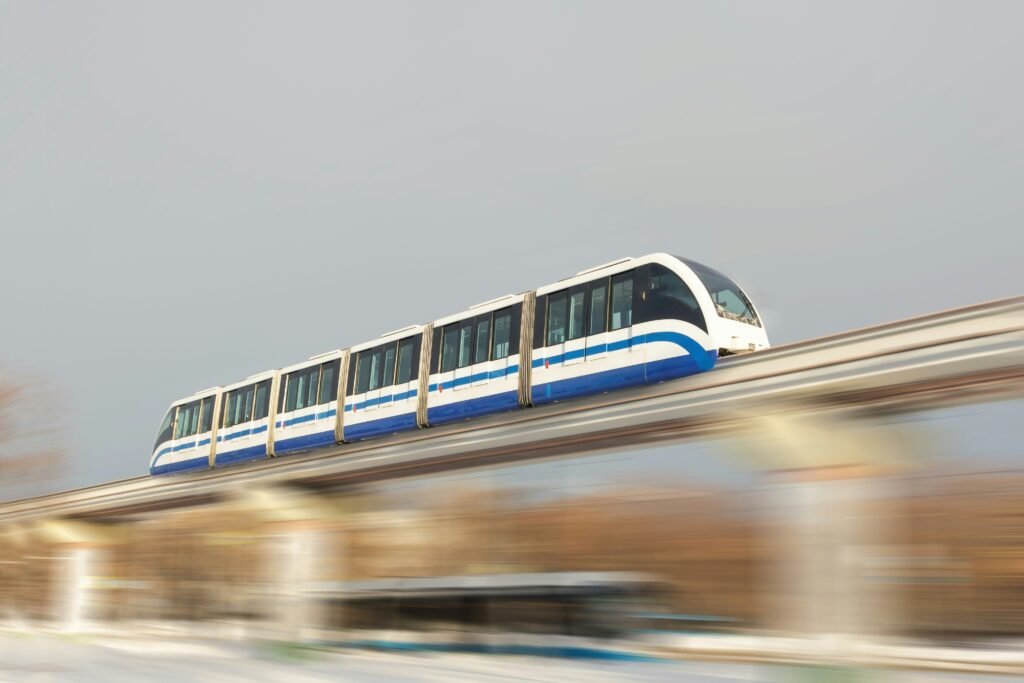
Japan has one of the best public transport systems in the world. Especially the Shinkansen bullet trains are reliable, clean, and punctual to the minute.
➡️ For short trips within cities and long distances between major areas, trains, subways, and buses are the best choice. You can reach nearly everywhere without a car.
💡 Tip: Buy a Suica or Pasmo IC card – contactless, easy to top up, usable on trains, subways, and even in shops or convenience stores.
Japan Rail Pass (JR Pass) – Ordinary Class:
- 7 days:
50,000 yen (€300) - 14 days:
80,000 yen (€480) - 21 days:
100,000 yen (€600)
(Since 2023, the price has risen, but it’s still worth it for long trips such as Tokyo–Kyoto–Hiroshima.)
4. Accommodation – Where to Stay?
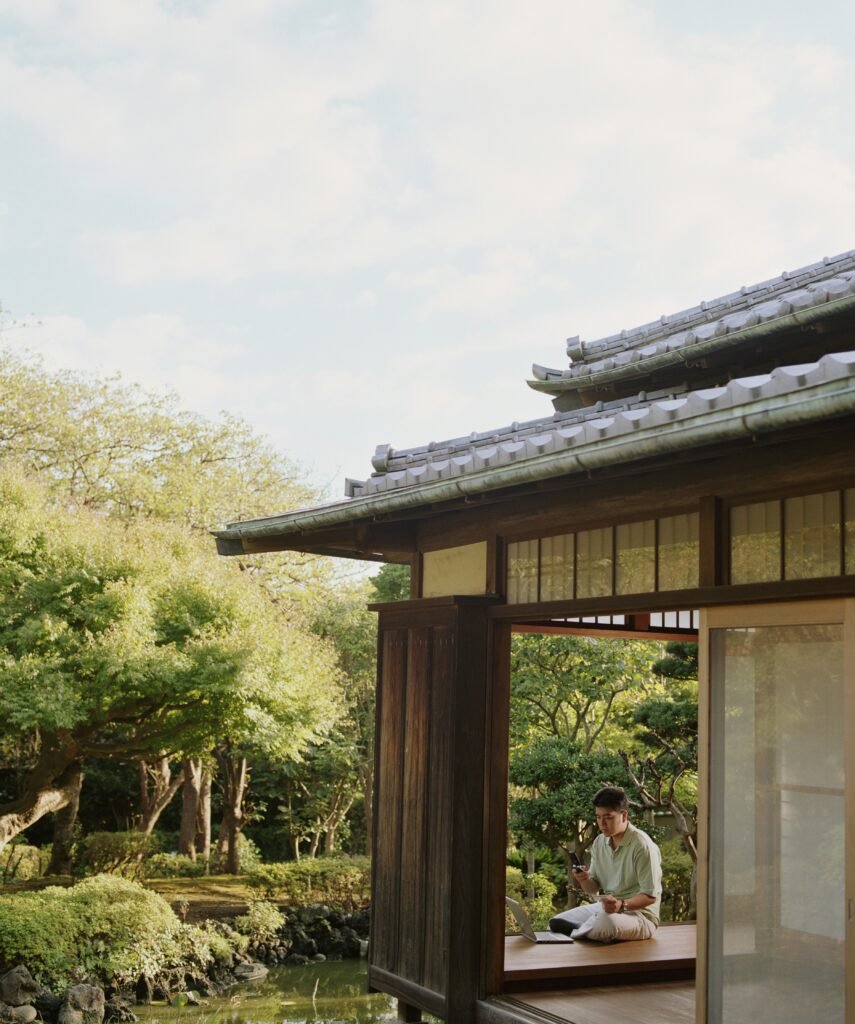
Japan offers accommodation for every budget:
| Type | Price (approx.) | Notes |
|---|---|---|
| Business Hotel | €40–80 | Compact, practical, near stations |
| Hostel / Guesthouse | €20–50 | Budget-friendly, social |
| Ryokan | €80–200 | Traditional tatami mats, futons, onsen |
| Minshuku | €50–100 | Family-run inns |
| Capsule Hotel | €20–40 | Unique Japanese experience |
| Temple Stay (Shukubō) | €60–120 | Overnight in a temple |
| ➡️Discover best luxurious stays in Japan: Best Luxury Hotels in Japan: Top 9 Stunning Stays for an Unforgettable Trip |
5. Food & Drinks – Enjoyment for Little Money
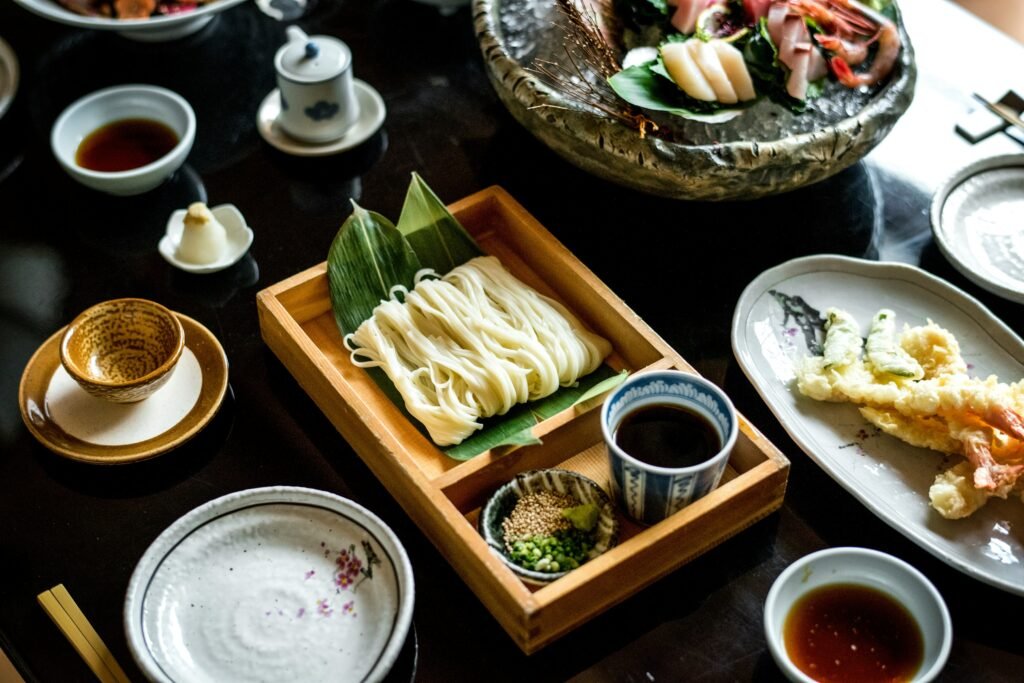
Japanese food is delicious, healthy, and affordable:
- Family restaurants (Saizeriya, Gusto, Jonathan’s): meals from €5.
- Chains (Yoshinoya, Sukiya): rice bowls from ~€5–7.
- Convenience stores (7-Eleven, FamilyMart, Lawson): bento boxes, onigiri, noodles, sandwiches starting at €5.
You can eat well even in Tokyo or Kyoto for €10–15 per day.
| More Japan food and shopping guides ➡️Read also: What to Buy at 7 Eleven in Japan: Your Ultimate Guide to the Best Convenience Store Finds ➡️More about Japanese food: 47 Best Japanese Dishes You Need To Try in Japan |
6. Entrance Fees & Sightseeing
- Temples, gardens, museums: usually €2–5 entry.
- Many sights are free.
- Theme parks (Disney, teamLab Planets): €30–70.
7. Example Budget for 2 Weeks in Japan
| Category | Cost (approx.) | Notes |
|---|---|---|
| Flights | €800 | Depending on season |
| JR Pass (14 days) | €480 | Flexible travel |
| Accommodation | €900 | Mix of hotels + 2x ryokan |
| Food | €300 | ~€20/day |
| Sightseeing | €100 | Temples, museums |
| Other | €150 | Shopping, local transport |
| Total | €2,730 | For 14 days |
➡️ With budget options (hostels, night buses) you can reduce costs to €2,000–2,200.
8. What Does a Three-Week Itinerary Cost?
If you follow the three-week route, expect €3,500–4,000 overall.
- Accommodation, meals, and entry fees increase slightly.
- JR Pass for 21 days: ~€600.
- Budget travelers may manage under €3,500; luxury travel can easily exceed €4,500.
9. Conclusion: Is a Round Trip Through Japan Worth It?
Absolutely! A Japan round trip is an unforgettable experience. Instead of staying only in Tokyo, you’ll discover many more beautiful corners of Japan that you’ll never forget. With good planning, you’ll get the most out of your trip without breaking the budget. Whether you focus on the classics like Tokyo, Kyoto, and Osaka or venture to hidden spots, Japan will impress you with its variety, hospitality, and cultural beauty.
Most important tips at a glance:
- Plan early, especially flights and accommodation.
- Calculate the JR Pass carefully.
- Mix tradition and modern highlights.
- Use affordable food and local transport.
- Explore beyond the main tourist paths!
| More Japan guides ➡️ More saving tips: 10 Japan Travel Tips: How to make Japan Budget travel Without Missing a Thing ➡️ Best street food in Japan: What to Eat and Where: Best Japanese Street Food and Top Spots to Try It ➡️ Best shopping in Japan: 35 Best Things to Buy in Japan: Unique Souvenirs, Snacks & Must-Have Finds |
FAQs — Best Japan Itinerary
1) How many days do I need for a first trip?
7–10 days feels right: Tokyo + Kyoto/Osaka with one day trip. With 14 days, add Hakone, Hiroshima/Miyajima, and somewhere coastal or alpine.
2) What’s a great 7-day itinerary?
Tokyo (3) → Hakone or Kamakura (1) → Kyoto (3). Fly into Tokyo, out of Osaka if possible.
3) What about 10 days?
Tokyo (3) → Hakone (1) → Kyoto (3) → Nara day trip (½–1) → Osaka (2). Swap Hakone for Nikko if you prefer temples and nature.
4) And a classic 14-day route?
Tokyo (4 incl. Nikko/Kamakura) → Hakone (1) → Kyoto (4 incl. Nara/Uji) → Hiroshima & Miyajima (2) → Osaka (2) or Koyasan (temple stay).
5) Best time to go?
Late March–April (sakura) and mid-Nov–early Dec (autumn leaves). Summer is hot/humid; winter is crisp with clear views and onsen bliss.
6) Should I get a JR Pass?
Worth considering if you’re taking multiple long shinkansen legs in a week. If you mostly stay within one region, buy individual tickets. Check current rules before purchase.
7) IC cards—do I need one?
Yes, they’re handy. Suica/PASMO/ICOCA work on most city transit and in many shops. Top up, tap in/out, done.
8) Where should I base in Tokyo?
Shinjuku/Shibuya (buzz), Ginza/Tokyo Station (upscale + transit), Asakusa/Ueno (old-town vibes, value). Pick one hub to cut transfers.
9) Where to stay in Kyoto and Osaka?
Kyoto: Gion or Kawaramachi for charm; Kyoto Station for easy buses/trains. Osaka: Namba (food/night), Umeda (connections), Shin-Osaka (shinkansen).
10) Must-book experiences?
A ryokan night with kaiseki + onsen, a tea ceremony, teamLab (Tokyo), Ghibli Museum/Park tickets (book early), and a sushi/ramen class.
11) Which day trips are easiest from Tokyo?
Kamakura/Enoshima, Nikko, Kawaguchiko (Fuji views), Yokohama. All straightforward by train or bus.
12) Which day trips from Kyoto/Osaka?
Nara (deer + temples), Uji (tea), Himeji (castle), Kobe (harbor/steak), Kurashiki or Kanazawa if you’ve got time.
13) How do I avoid backtracking?
Fly into Tokyo and out of Kansai (KIX), or vice versa. Group sights by neighborhood; ride the shinkansen one-way.
14) Luggage strategy?
Ship a bag with takkyubin between cities, use coin lockers for day trips, and pack a small overnight tote for Hakone/Koyasan.
15) Pocket Wi-Fi or eSIM?
Either works. eSIM is lighter; Wi-Fi routers share easily with family. Coverage is excellent in cities and most rail corridors.
16) Cash or card?
Cards widely accepted; carry some yen for small eateries, shrines, and rural spots. 7-Eleven and Japan Post ATMs are reliable.
17) Etiquette quick hits?
Onsen: wash first, no swimsuits. Trains: quiet voices, no eating on local lines. Shoes off inside homes/ryokan; trash bins are rare—carry a small bag.
18) Traveling with kids—what changes?
Pick hotels near stations, schedule parks/museums daily, add aquariums/zoos/theme spots, and use IC cards and coin lockers to move fast.
19) Any tattoo or accessibility tips?
Some onsens restrict tattoos—ask ahead or use cover seals/private baths. Many stations have elevators; older sites may have steps—plan extra time.
20) A food game plan?
Tokyo for variety (depachika food halls), Kyoto for kaiseki and tofu, Osaka for street eats (okonomiyaki, takoyaki), Hiroshima for okonomiyaki, Hokkaido for seafood/dairy if you extend.
- What To Do In Arashiyama With Kids: A Realistic One-Day Family Itinerary
- 20 Best Things to Do in Shiga (2026): Lake Biwa, Castles, Shrines and More
- 30 Best Things to Do in Wakayama And Around (2026): Castles, Sacred Trails, Beaches, Hot Springs & Mildly Dramatic Rock Formations
- What to Do in Enoshima (2026): Best Sights, Sunset Views & Hidden Gems
- Best Things to Do in Gunma (2026): Hot Springs, Mountains, Flower Parks & Wild Little Detours