I spill travel tips , and show you the Japan that tourists usually miss.
If Tokyo is Japan’s neon pulse and Kyoto its polished memory, Nikko is the country’s spiritual heartbeat — a misty mountain town where sacred shrines, roaring waterfalls, and centuries-old cedar forests all live within a train ride of the capital. This is where shogun power meets wild nature, where you can wander gold-leafed temple gates in the morning, hike past volcanic lakes in the afternoon, and soak in a steaming onsen before dinner.
Whether you’re planning a day trip or a slow weekend escape, this guide walks you through what to do in Nikko — from must-see UNESCO World Heritage sites and hidden trails to seasonal highlights, local food to try, and smart travel tips that make every hour count.
Exploring beyond Tokyo? Keep the adventure going.
Nikko gives us temples in the forest, waterfalls with main-character energy, and just enough mountain air to make Tokyo feel like a fever dream. If you’re building a bigger Japan trip, these guides help you stitch the whole thing together without turning your itinerary into a military operation.
- Best day trips from Tokyo — for easy escapes when the city gets loud and your brain starts begging for trees.
- What to do in Hakone — hot springs, Fuji views, lake boats, and all the “yes, Japan is unfairly pretty” moments.
- Japan slow travel itinerary — because racing through temples, trains, snacks, and scenery is how we accidentally become luggage with legs.
- What to do in Takayama — old streets, mountain-town charm, and a gentler pace after the big-city sparkle.
- Best boutique hotels in Tokyo — for choosing a stylish base before or after your Nikko temple-and-waterfall mission.
Table of Contents
Why Visit Nikko — Japan’s Sacred Mountain Escape
Tokyo is neon and noise, Kyoto is temples and tea — and then there’s Nikko, a pocket of misty mountains and sacred architecture that somehow packs both *Japan’s soul* and *its wild side* into one easy trip. It’s the place you go when you want to breathe again — but still be wowed.
UNESCO Temples That Redefine “Jaw-Dropping”
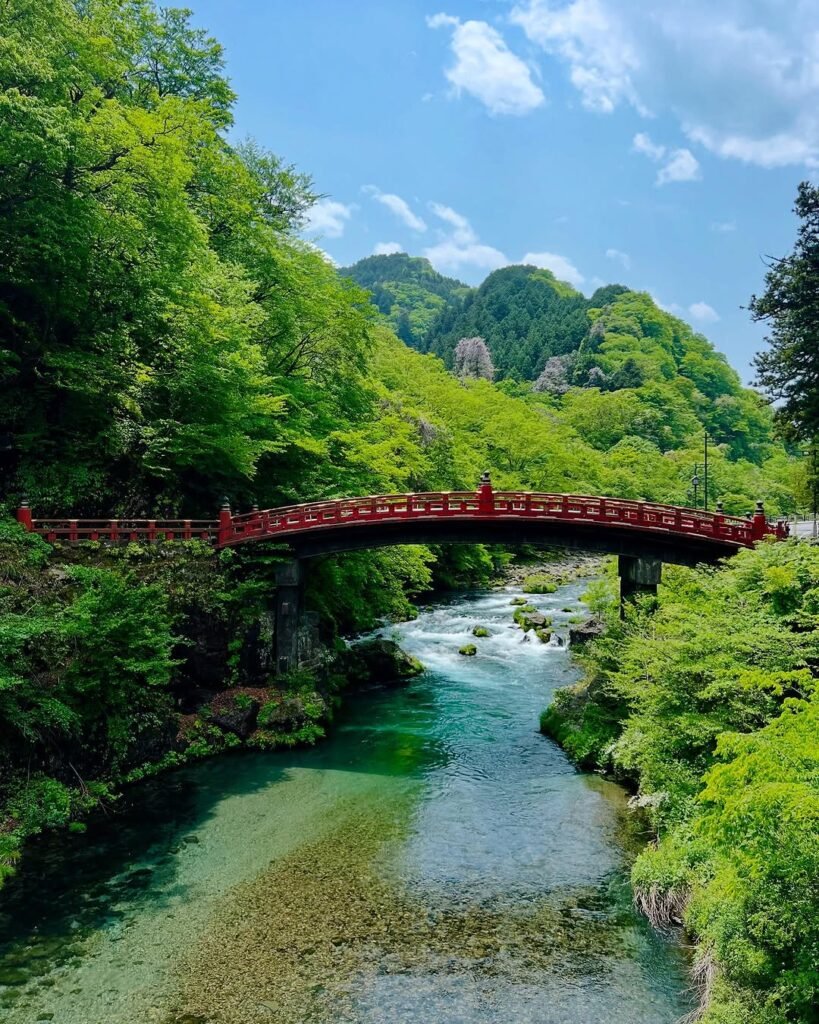
Let’s get this out of the way: Toshogu Shrine alone is worth the trip. Dedicated to Tokugawa Ieyasu — the shogun who basically built modern Japan — it’s a riot of gold leaf, dragon carvings, and baroque detail tucked inside a cedar forest. And it’s not alone: Rinno-ji Temple, Futarasan Shrine, and the crimson Shinkyo Bridge are all part of Nikko’s UNESCO World Heritage cluster, a sacred landscape that’s been attracting pilgrims for over 1,200 years.
Nature That Feels Straight Out of a Myth
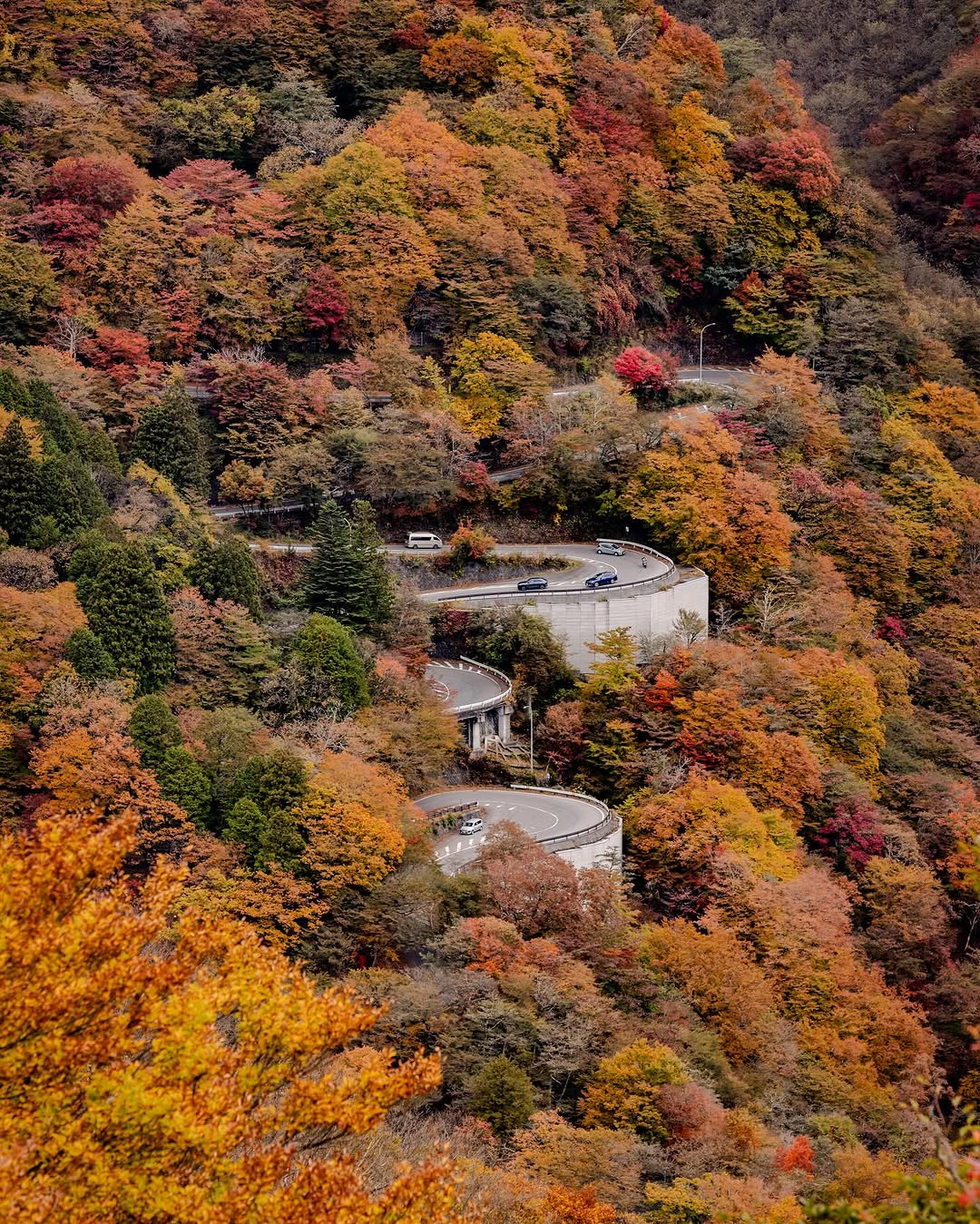
Beyond the temple gates, Nikko trades gilt for grandeur. Dense forests give way to volcanic lakes and thunderous waterfalls, all wrapped in seasonal drama. In autumn (late Oct–early Nov), the slopes of Lake Chuzenji and Irohazaka Road explode in scarlet and gold. In winter, frozen Kegon Falls and snow-dusted torii look like ukiyo-e prints come to life. Come spring, Senjogahara Marshland bursts into bloom, and in summer, the cool mountain air makes a perfect escape from Tokyo’s furnace heat.
Old Japan Meets Onsen Slow Life
Nikko’s appeal isn’t just about sightseeing — it’s about slowing down. Stay in a ryokan with cedar tubs and mountain views, feast on yuba (tofu skin) dishes developed by Buddhist monks centuries ago, and wander the lantern-lit streets as dusk falls. The town’s rhythms are unhurried and human-sized, the kind of place where you notice the sound of river water and the smell of pine needles again.
Easy, Rewarding Side Trip from Tokyo
Best of all? Nikko is surprisingly close. Hop a Tobu Railway limited express from Asakusa or a JR train from Shinjuku/Ueno, and you’re there in about 2 hours. That makes it one of the easiest (and most satisfying) day trips or overnight getaways from the capital — a quick train ride to a totally different Japan.
Why We Keep Coming Back
Nikko isn’t just one thing — it’s layers. It’s shogun-era grandeur and mossy shrine paths, but also steaming mountain onsen and misty lake mornings. It’s ramen at a local diner and multi-course kaiseki dinners under paper lanterns. It’s the kind of place that rewards curiosity and lingers in your memory long after the train pulls away.
Pro tip: Don’t treat Nikko as a day trip if you can help it. One night lets you see the shrines after the buses leave, hike a hidden trail, or soak in a riverside onsen under the stars — and that’s when Nikko works its real magic.
Getting Around Nikko: How to Explore Like a Pro
Here’s the thing about Nikko: on the map, it looks tiny — a neat cluster of shrines and cedar-lined lanes tucked into the mountains. In reality, the main sights are spread out like an overexcited picnic, scattered from the UNESCO temple district to wild waterfalls and steaming onsen valleys miles apart. So if you’re thinking of doing it all on foot… good luck (and pack snacks). Instead, here’s how we get around without losing our minds — or our legs.
1. By Bus: The Smartest Way to Temple-Hop
Nikko’s Tobu Bus network is your best friend here. Buses run frequently from Tobu-Nikko Station and JR Nikko Station to all the major sights — including Toshogu Shrine, Shinkyo Bridge, Lake Chuzenji, and Kegon Falls. The lines are color-coded and tourist-friendly, with English announcements, so you won’t get lost even if you accidentally nap between stops.
Pro tip: Grab the Nikko All Area Pass (¥4,780, valid for 4 days) if you plan to explore beyond the town center — it covers round-trip travel from Tokyo plus unlimited bus rides around Nikko and Oku-Nikko. If you’re sticking to the main shrine area, the cheaper Nikko City Area Pass will do just fine.
2. By Train: For Longer Day Trips or Overnights
If you’re based in Tokyo or another nearby city, trains will get you into Nikko quickly and comfortably. Tobu Railway runs direct limited express trains from Asakusa Station (about 2 hours), while JR East offers services from Shinjuku and Ueno. Once in town, though, the trains aren’t particularly useful for sightseeing — most attractions aren’t near a station, so you’ll still need a bus or taxi.
3. On Foot: Best for the Shrine District
Don’t write off walking entirely — the UNESCO temple and shrine complex is best explored at a leisurely pace. The 1.5 km route from Shinkyo Bridge through Toshogu Shrine, Rinnoji Temple, and Futarasan Shrine is a peaceful stroll through towering cedars and mossy stone lanterns. Just wear comfy shoes; some of the paths involve uphill climbs and stairs that feel like a workout.
4. By Taxi or Rental Car: Freedom for the Wild Bits
If you’re chasing remote waterfalls, hiking trails, or the lesser-known Yumoto Onsen area, public buses can be infrequent — especially outside peak season. A taxi is pricey but convenient for short hops, while a rental car gives you the most freedom to explore Nikko’s wilder corners on your own schedule. (Just be prepared for winding mountain roads and occasional monkeys crossing the road.)
Pro tip: If you visit in autumn (late October–November), plan transport carefully — buses and roads can get jammed with leaf-peepers, so start early or aim for midweek visits.
What To Do In Nikko: 27 Places To Visit + Hidden Gems
1. Nikko Toshogu Shrine: Marvel at the detail-rich artistry of Japan’s most iconic shrine.

Dedicated to Tokugawa Ieyasu, the first shogun of the Tokugawa Shogunate, Toshogu is a UNESCO World Heritage Site and a powerhouse of historical and spiritual energy. Its sprawling grounds house 55 beautifully crafted buildings, including eight National Treasures and 34 Important Cultural Properties. The lavish carvings of the Yomeimon Gate are particularly breathtaking — a celebration of Edo-period craftsmanship at its peak.
- Category: Shrine
- Address: 2301 Sannai, Nikko, Tochigi
- Hours: Apr–Oct 9:00–17:00 / Nov–Mar 9:00–16:00 (last entry 30 min before closing)
- Admission: Adults ¥1,600 / Students ¥550
2. Lake Chuzenji: Lake famed for its autumn colors.
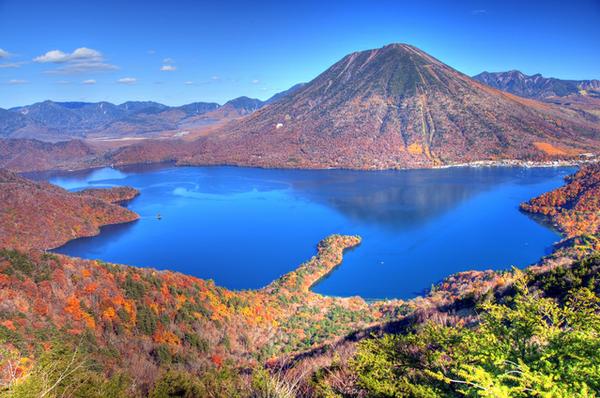
Formed over 20,000 years ago by a lava dam from Mount Nantai’s eruption, Lake Chuzenji sits over 1,200 meters above sea level. It became a fashionable international summer retreat in the Meiji and early Showa eras — a legacy still visible in its serene beauty today. The best way to enjoy it? A leisurely drive or stroll along its picturesque shoreline.
- Category: Lake
- Address: Chugushi, Nikko, Tochigi
- Admission: Free
3. Irohazaka Winding Road: A legendary mountain road with 48 hairpin turns.
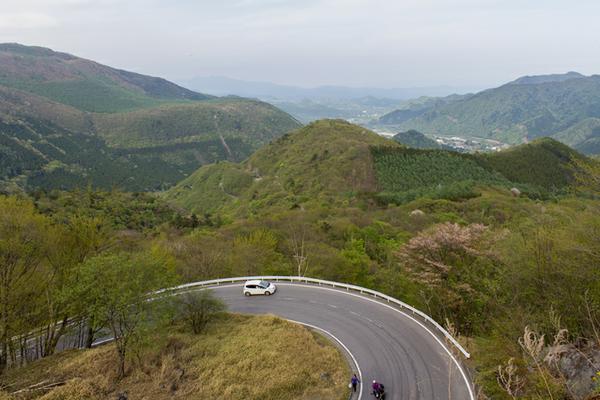
Linking central Nikko with Lake Chuzenji, Irohazaka is one of Japan’s most famous scenic drives — even featured in manga and travel magazines. The thrill of weaving through tree tunnels and the panoramic views from its lookout points make it unforgettable. It’s a one-way road with no shortcuts, so check traffic and seasonal conditions before you go.
- Category: Scenic Road
- Address: Chugushi, Nikko, Tochigi
- Hours: 24 hours
4. Tobu World Square: Travel the world in miniature.
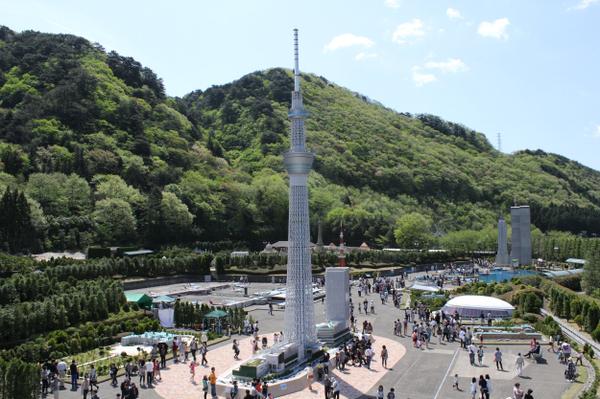
This quirky theme park features 102 scale-model landmarks from 22 countries, all recreated in 1:25 size. The attention to detail is jaw-dropping — from the Parthenon to the Statue of Liberty. Walk among the miniatures from a “local’s” perspective or snap clever forced-perspective photos.
- Category: Theme Park
- Address: 209-1 Kinugawa Onsen Ohara, Nikko
- Hours: Mar 20–Nov 30 9:00–17:00 / Dec 1–Mar 19 9:30–16:00
- Admission: Adults ¥2,800 / Children ¥1,400
5. Senjogahara Marshland: Explore one of Japan’s premier wetlands.
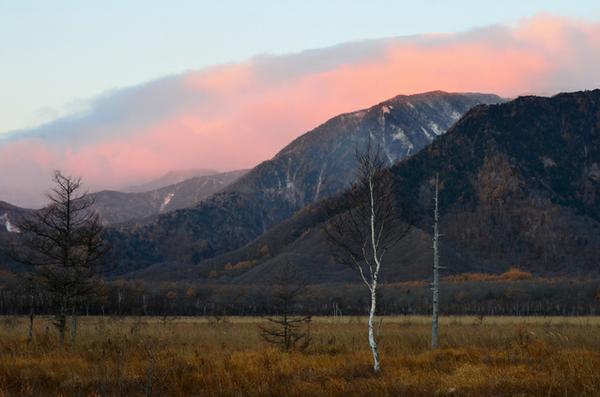
Rich in wildflowers, wetland plants, and birdlife, Senjogahara is a haven for nature lovers. Its name — “battlefield plain” — comes from the legend of a clash between the gods of Mount Nantai and Mount Akagi over Lake Chuzenji. The well-maintained boardwalk trails are mostly flat, perfect for casual hikes and birdwatching.
- Category: Highland
- Address: Chugushi, Nikko, Tochigi
6. Kirifuri Plateau: Alpine meadows bursting with seasonal color.
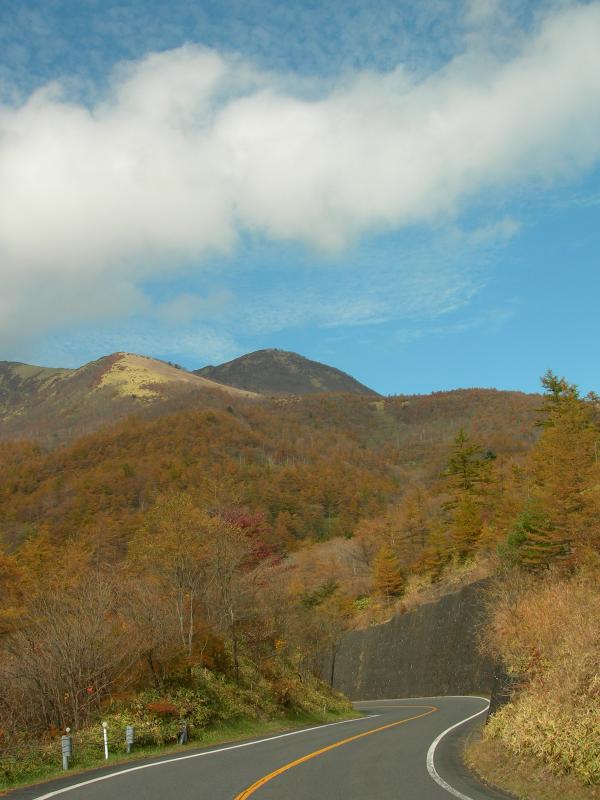
Perched at about 1,200 meters on Mount Akanagi, Kirifuri is home to vibrant alpine flora like the famous Nikko-kisuge lilies (blooming late June) and fiery autumn foliage. The area features hiking trails, scenic picnic spots, and leisure facilities including the Kisuge-daira Park and Ozasa Ranch.
- Category: Highland
- Address: Tokorono, Nikko
7. Ryuokyo Gorge: A dramatic landscape of twisted rocks and rushing streams.
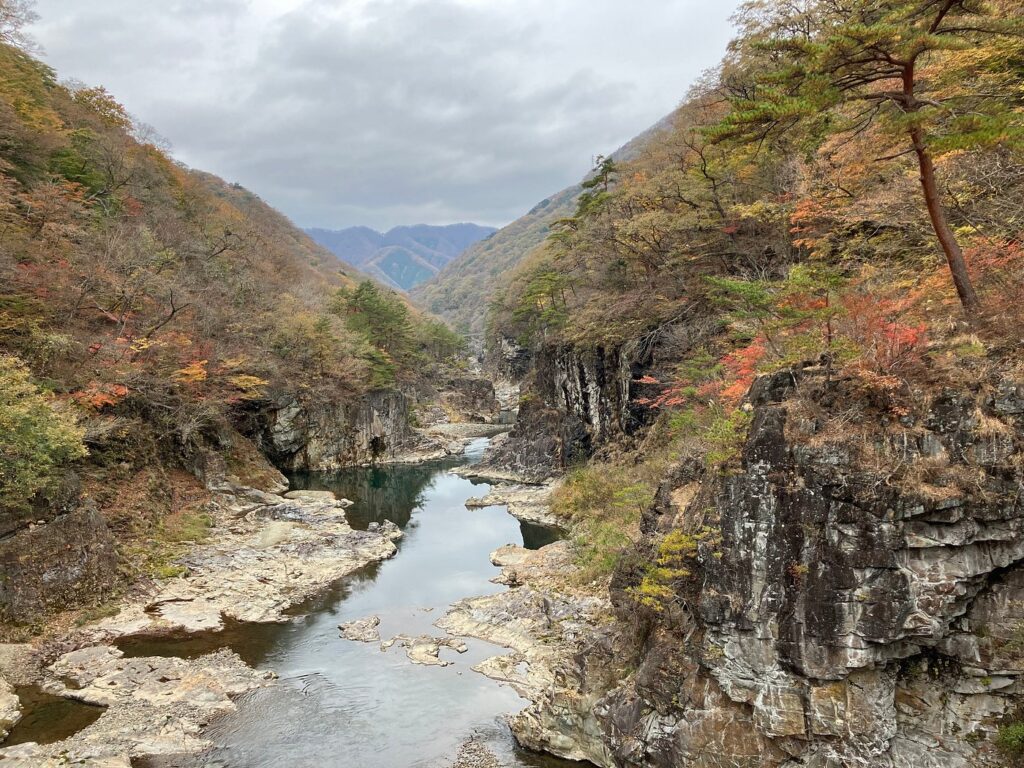
This striking gorge was formed 2,200 years ago when volcanic lava from a submarine eruption was eroded by the Kinugawa River. A hiking trail known as the Ryuokyo Nature Path offers easy access, including a scenic walk to the Musasabi Bridge viewpoint.
- Category: Gorge
- Address: 1357 Fujiwara, Nikko
8. Futarasan Shrine: Nikko’s oldest shrine and a spiritual power spot.
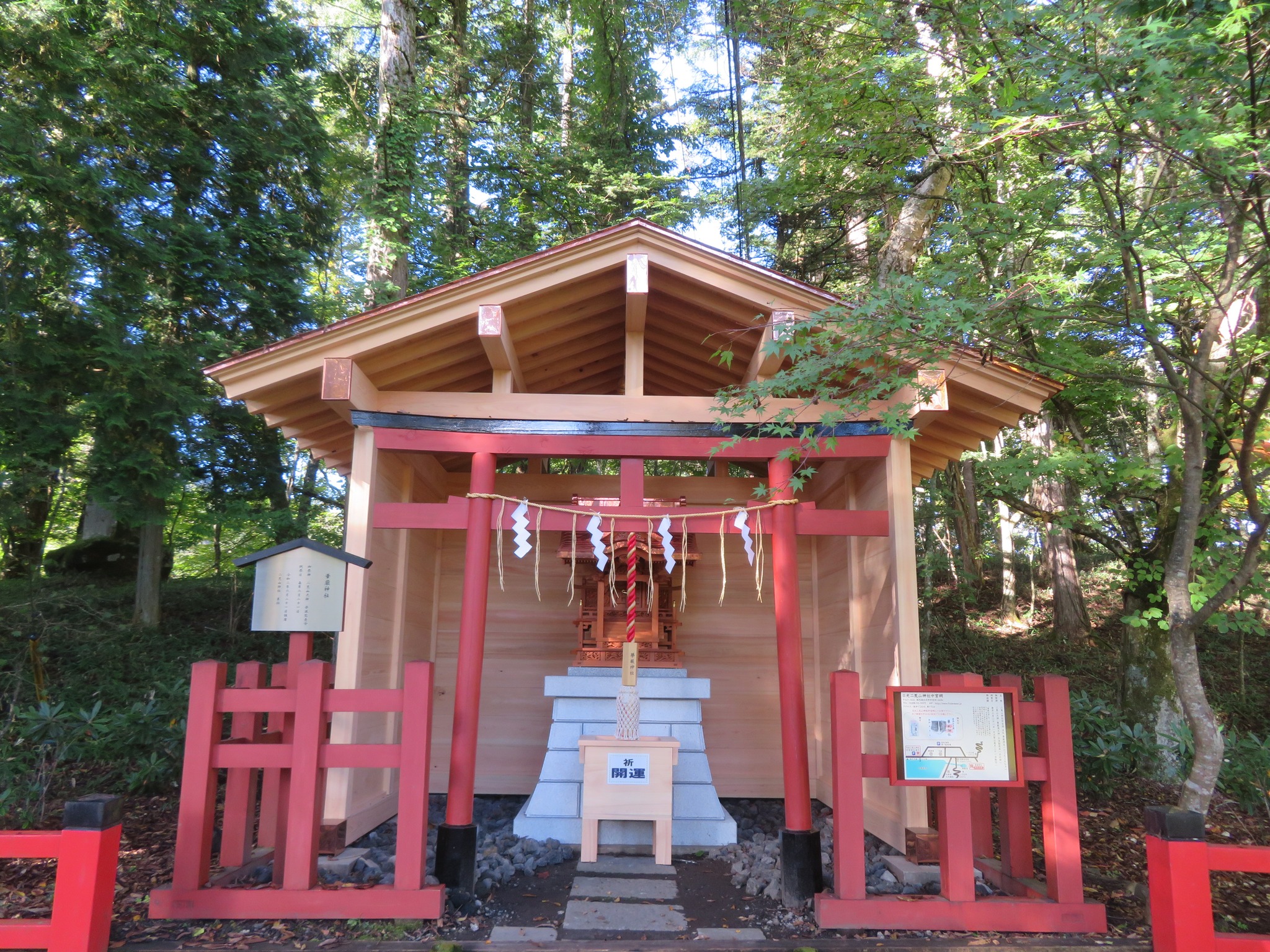
Founded in the Nara period, Futarasan enshrines Mount Nantai as its sacred object and honors Okuninushi-no-Mikoto, a deity of good fortune and relationships. Its many “luck-testing” rituals make visiting a playful as well as spiritual experience.
- Category: Shrine
- Address: 2307 Sannai, Nikko
- Hours: Apr–Oct 8:00–17:00 / Nov–Mar 9:00–16:00
- Admission: ¥300 (Sacred Garden)
9. SL Taiju Steam Locomotive: Ride a nostalgic steam train through Nikko’s landscapes.
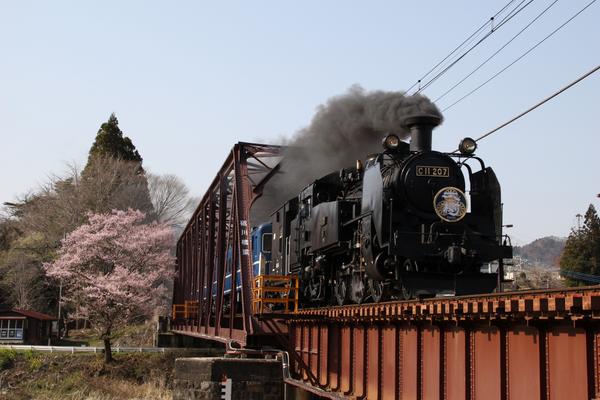
Revived in 2017 after half a century, the SL Taiju offers steam-powered journeys between Shimo-Imaichi and Kinugawa Onsen (and beyond on certain routes). Whistle-blowing and smoke-puffing, it’s a time-travel experience on rails.
- Official website
- Category: Tourist Train
- Address: Nikko City, Tochigi
- Fare: Reserved seat from ¥760
10. Yudonosan Shrine: A sacred site with centuries of hot spring devotion.
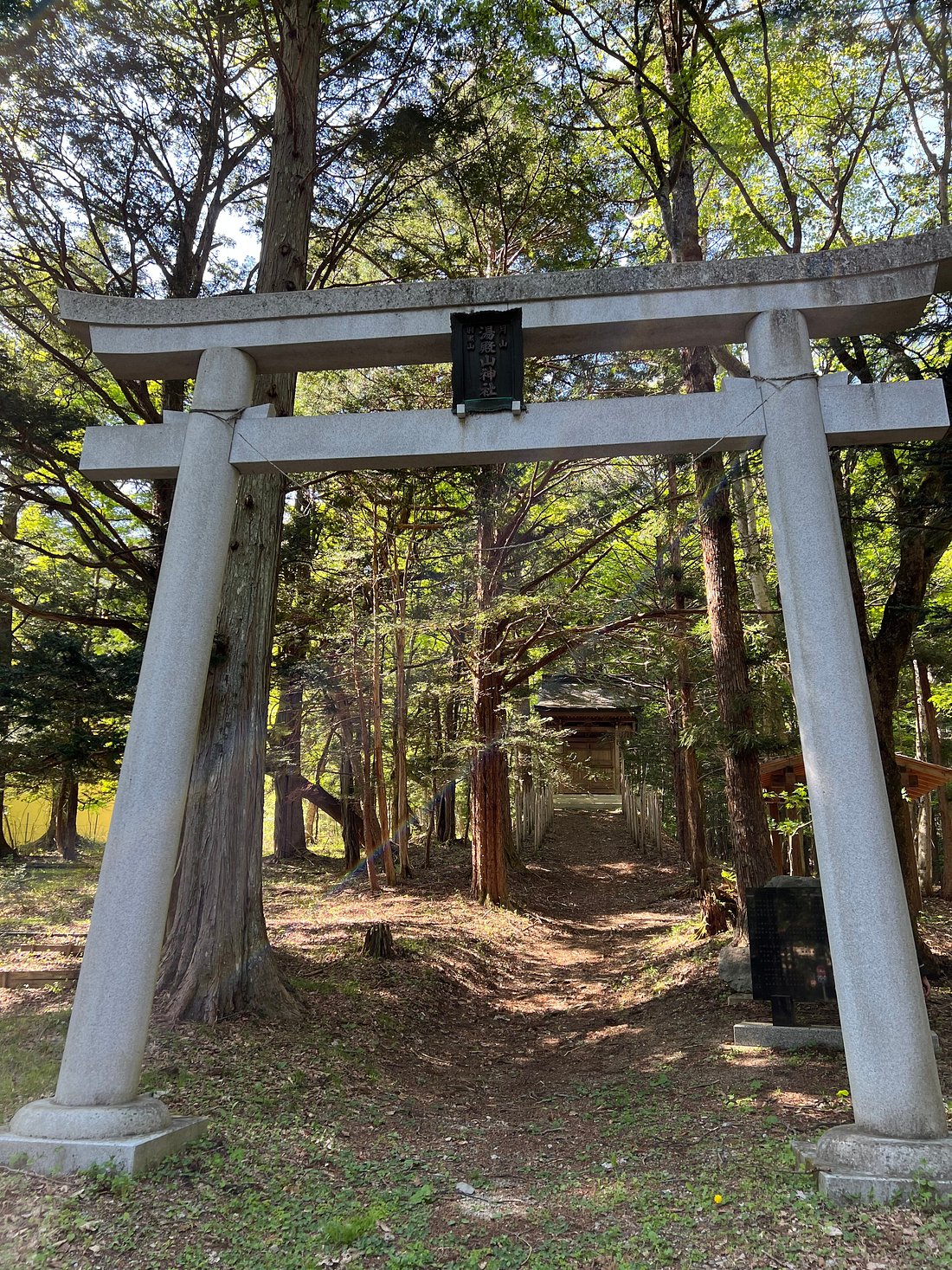
This guardian shrine of Yunishigawa Onsen dates back to the 16th century and hosts a lively festival with a traditional lion dance every August. A haiku monument in its grounds immortalizes the scene.
- Category: Shrine
- Address: Yunishigawa, Nikko
- Hours: 24 hours / Free
11. Kinugawa Kanaya Hotel: A modern, refined “villa on the gorge.”
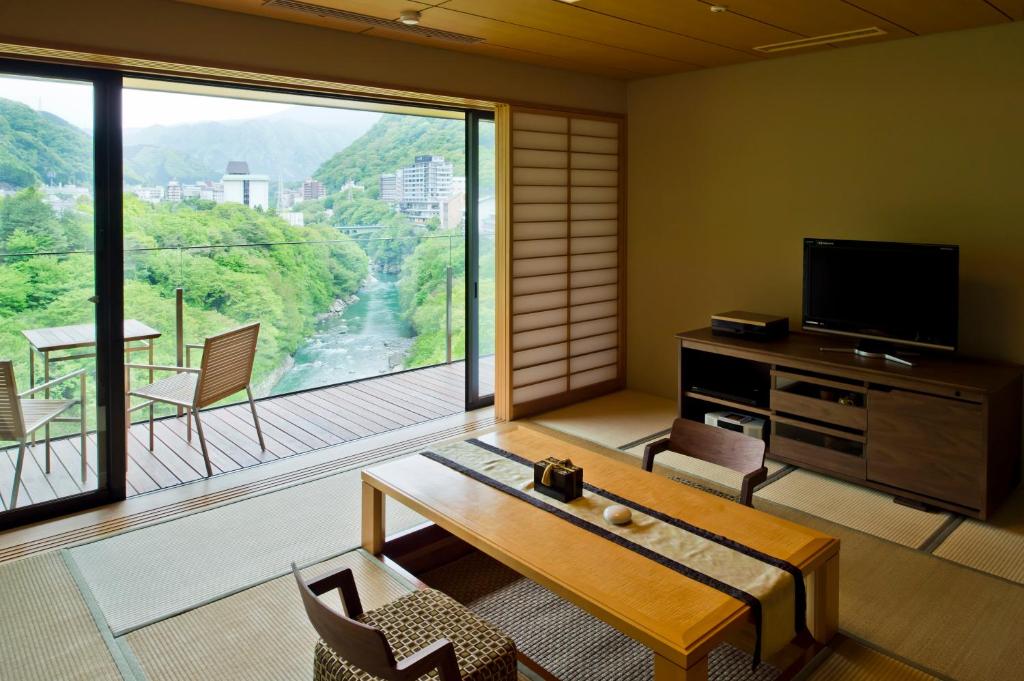
Japan’s oldest resort hotel stands in the Kinugawa Onsen area of Nikko and is registered among Japan’s Modernization Industrial Heritage. Its roots trace back to the 1873 “Kanaya Cottage Inn,” first opened for foreign guests. Loved for generations, it blends Japanese omotenashi with thoughtfully streamlined Western comforts.
- Category: Hot Spring / Onsen Bath
- Address: 1394 Kinugawa Onsen Ohara, Nikko, Tochigi
- Hours: 24 hours
- Closed: Open year-round (maintenance closures possible)
30. Nikko Coffee – Goyotei-dori: Specialty roasts and local-ingredient meals in a renovated townhouse.
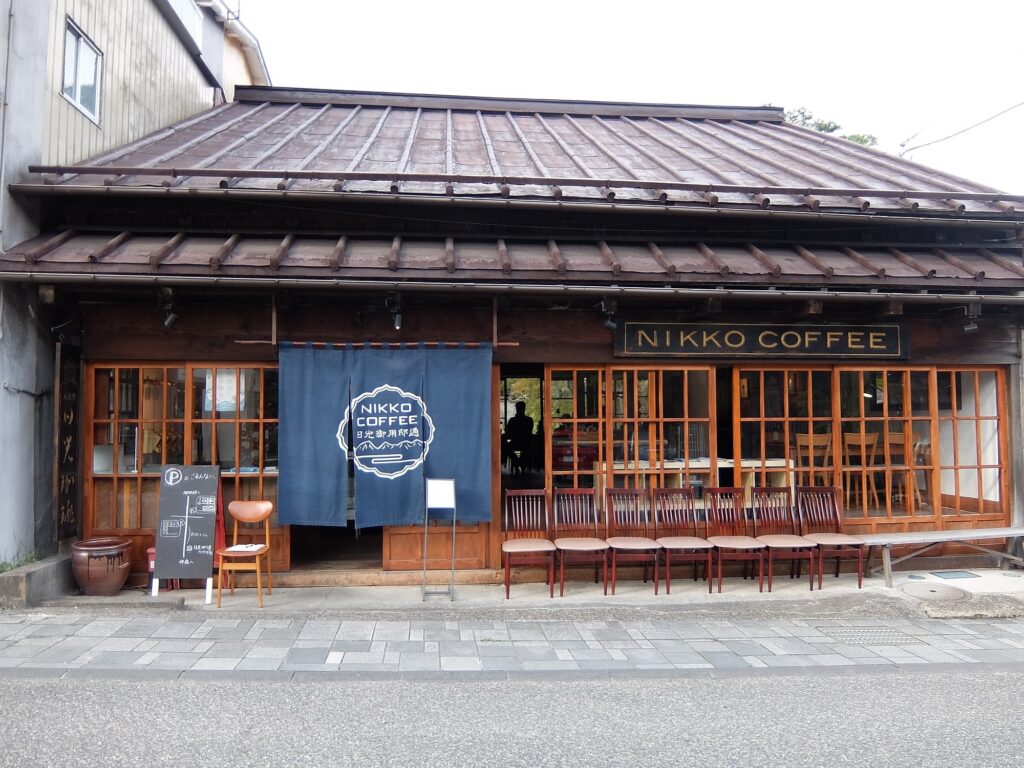
On Goyotei Main Gate Street in Motomachi, this café serves house-roasted specialty coffee, curries made with local produce, and cakes in a beautifully refitted traditional merchant house.
- Category: Café / Coffee Shop
- Address: 3-13 Motomachi, Nikko, Tochigi
- Hours: 10:00–18:00
- Closed: Mon & 1st/3rd Tue (next day if holiday falls on these days)
- Budget: Lunch ¥1,001–3,000
14. Yutaki (Yudaki) Falls: A hot-spring river
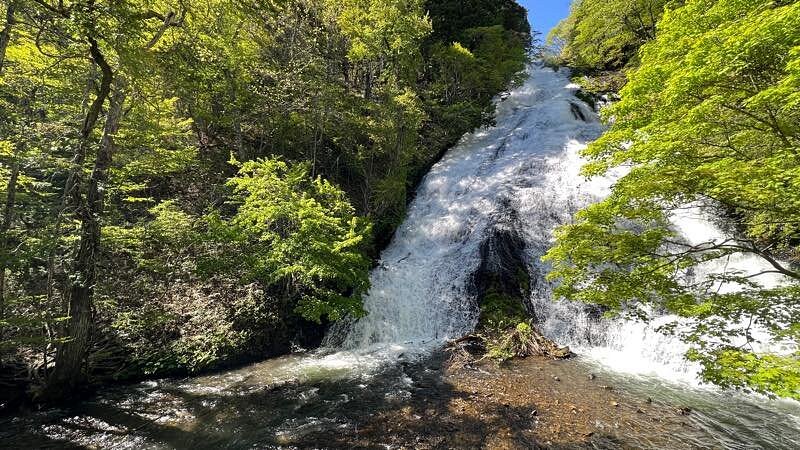
At the southern tip of Lake Yunoko, this waterfall thunders 70 m down a lava cliff and stretches 110 m in length — a stirring sight. It sits conveniently along a hiking route north from Senjogahara and is close to a bus stop.
- Category: Waterfall
- Address: Yumoto, Nikko, Tochigi
15. Kinugawa Onsen Auto Campground: Camp by the river — with a real hot spring on site.
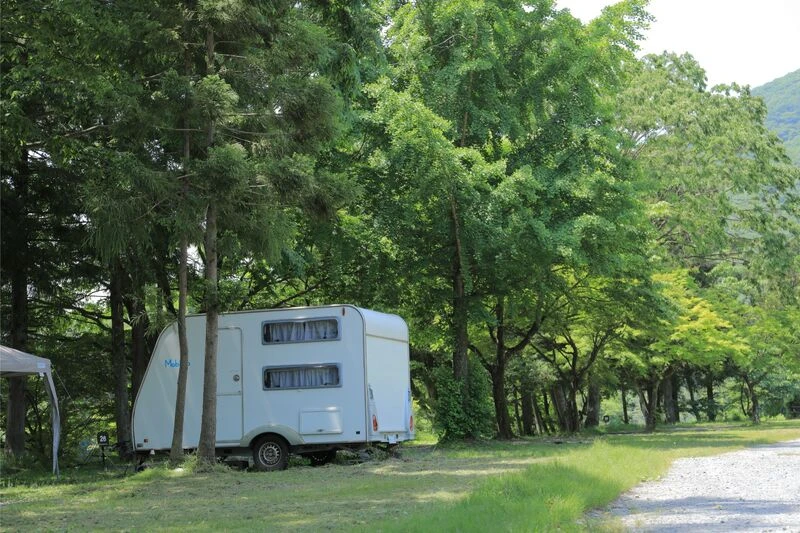
Just north of Kinugawa Onsen town, this campsite offers tent sites, bungalows, a group rental house, and a genuine hot spring. Book BBQ sets in advance and you can go hands-free.
- Category: Camping / Auto Camping
- Address: 1053 Kinugawa Onsen Taki, Nikko, Tochigi
- Hours:
- Check-in 13:00–17:00 (cottages 14:00–17:00)
- Check-out 8:00–11:00 (cottages by 10:00 next day)
- Day-use onsen 10:00–19:00
- Closed: Irregular; onsen closed 1st & 3rd Wed (open daily in peak season)
- Fees:
- Tent site (per plot) ¥4,400 (¥5,500 on special dates)
- Onsen: Adults ¥500 / Children ¥300
- Bungalows, rental house, and day camping available
16. Yama-no-Restaurant: Grilled meats, seafood, and mountain views.
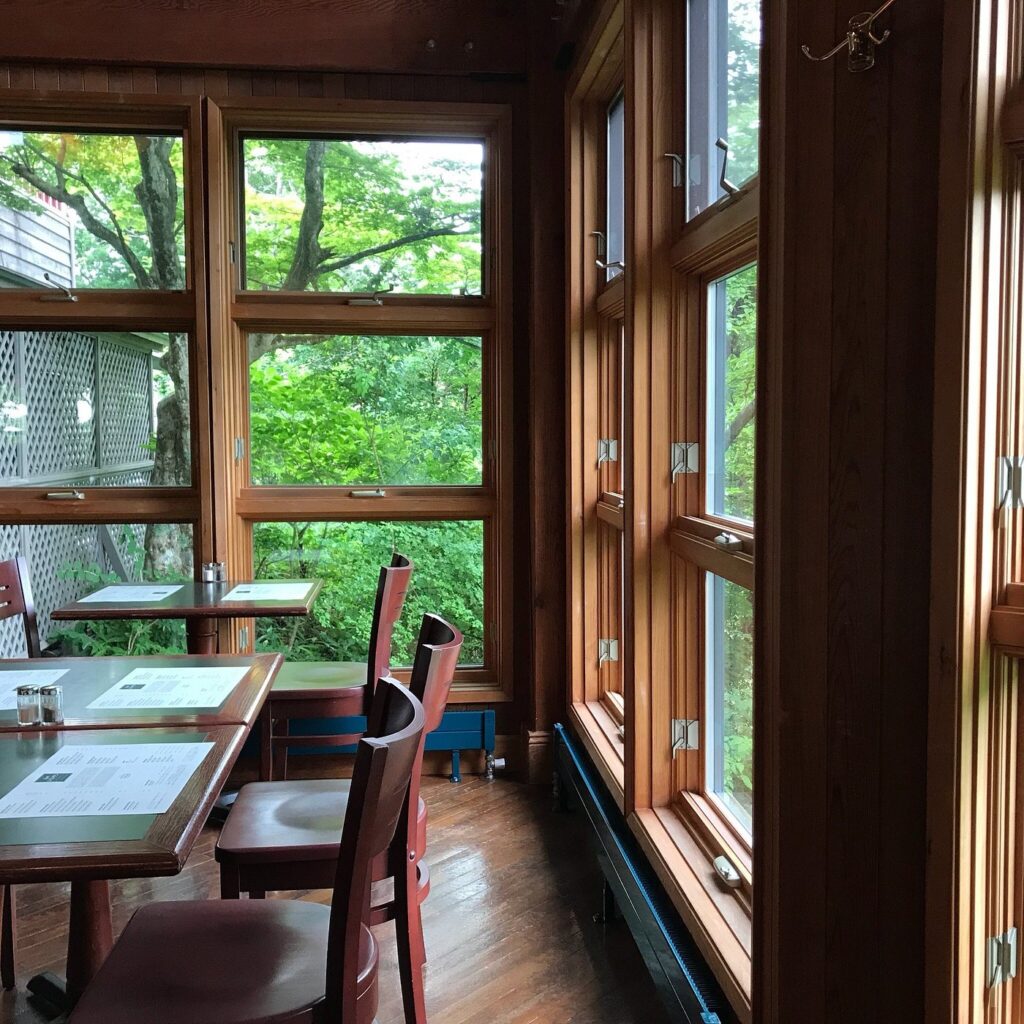
A café-restaurant in Tokorono offering North American-style grilled dishes from steaks and hamburg steaks to seafood. The terrace looks out over Nikko’s ranges and nearby nature (including Kirifuri Falls).
- Category: Yakiniku / Offal / Korean (grill-focused restaurant)
- Address: 1546 Tokorono, Nikko (Kirifuri Falls area), Tochigi
- Hours: 11:00–16:30 (L.O.)
- Fri/Sat/Sun/Hol: 11:00–19:00 (L.O.)
- Closed: Wed (irregular if Wed is a holiday)
17. Kinugawa River Boat Ride (Line Kudari): A classic 40-minute river run through rugged gorge scenery.
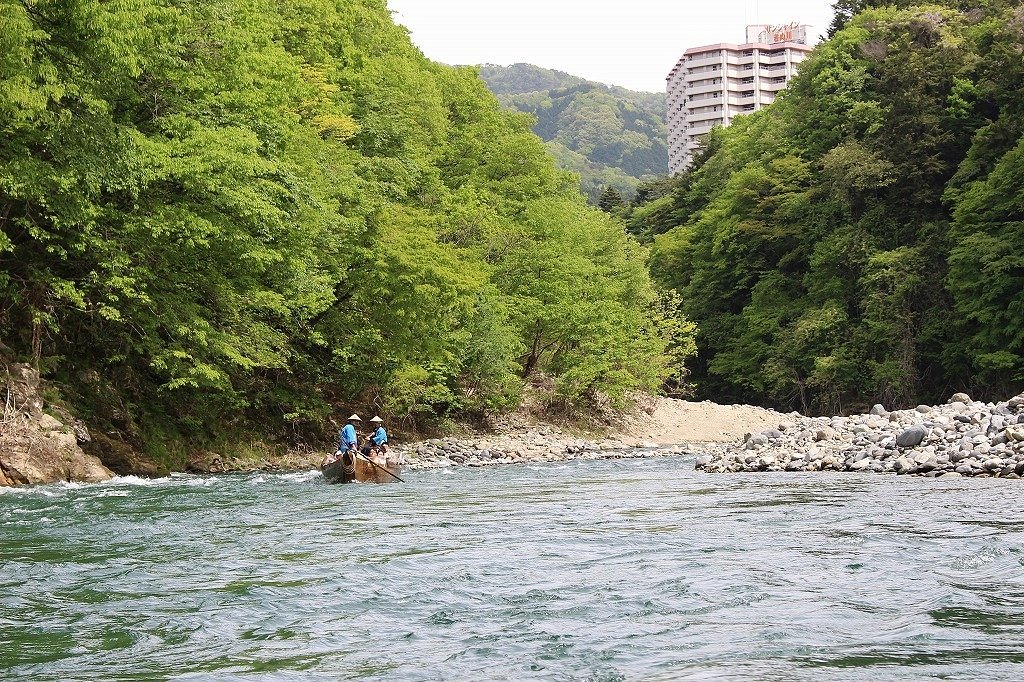
Board a traditional wooden boat steered by seasoned boatmen and glide between dramatic rock walls and untouched greenery. Confirm departure/arrival points and schedules in advance to plan your day.
- Line Kudari website
- Category: Sightseeing Boat
- Address: 1414 Kinugawa Onsen Ohara, Nikko, Tochigi
- Hours: 9:00–15:45 (12 services/day)
- Season: Mid-Apr to late Nov
- Closed: Operates daily; canceled for heavy rain, thunderstorms, strong winds, or extreme river levels
- Fare:
- Adults (JHS+): ¥3,200
- Children (4–Elementary): ¥2,200
- Toddlers (1–3): ¥700
18. Akechidaira: A three-minute ropeway to sweeping Nikko vistas.
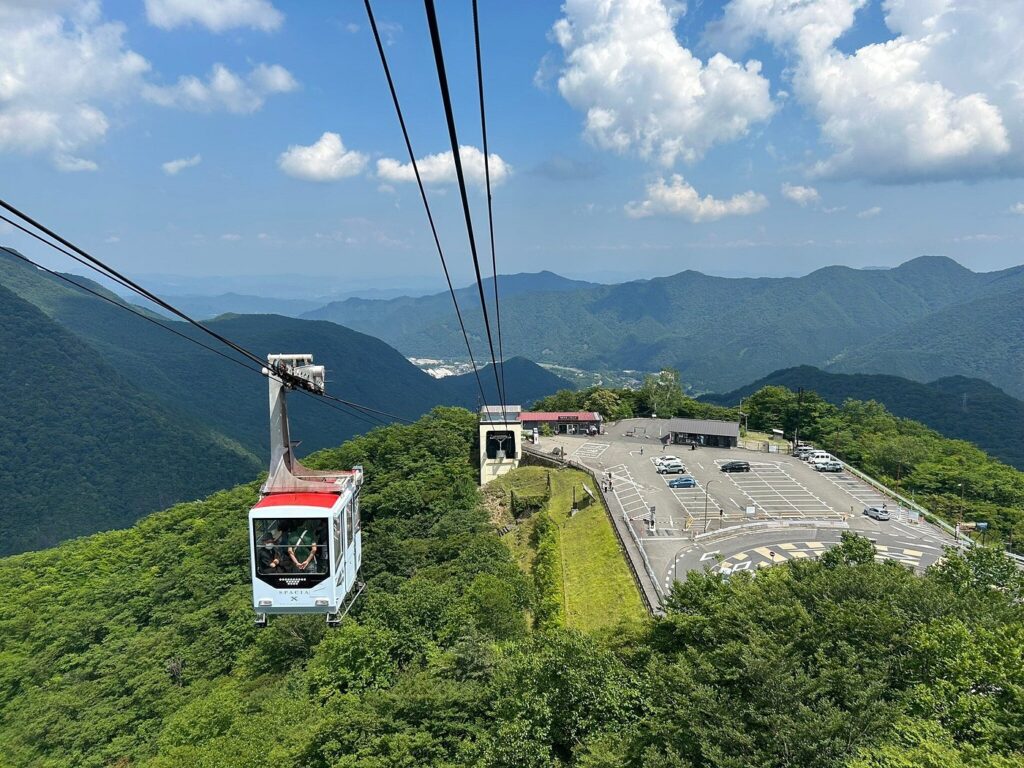
Ride from the Akechidaira parking area partway up Irohazaka to an observation deck with commanding views of Lake Chuzenji, Kegon Falls, and Mt. Nantai. Check access notes and plan around peak times.
- Category: Observatory / Viewpoint
- Address: Hosoomachi Fukasawa, Nikko, Tochigi
- Hours: 9:00–15:30 (may vary on busy days)
- Closed: Suspended during bad weather or maintenance
- Fare (Ropeway round-trip): Adults ¥1,000 / Children ¥500 / Under-6 free
19. Nisshio Momiji Line: A 28 km highland road linking Kinugawa and Shiobara onsens.
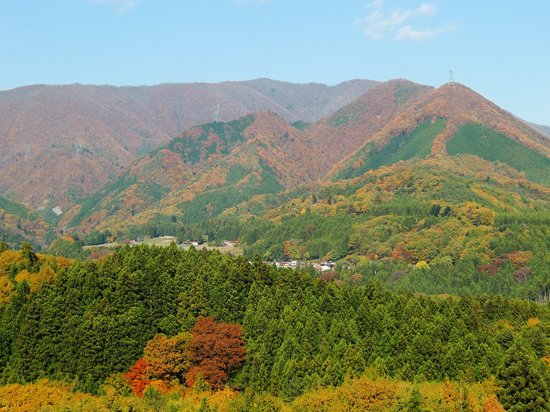
Running at roughly 1,000 m elevation, this road offers plentiful natural highlights including waterfalls like Taiko Oroshi and Shirataki, plus views from Fujimidai. Autumn foliage typically peaks from mid-October to early November.
- Category: Scenic Road
- Address: Nikko City & Nasushiobara City, Tochigi
- Closed: Open year-round
- Toll: Free
20. Shinkyo Bridge: The vermilion gate to the sacred precincts of Nikko.
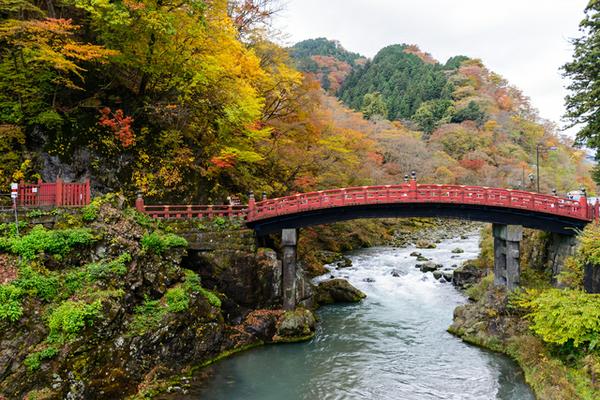
Said to date to 1636 in its current form, this iconic bridge marks the entrance to the Nikko mountain shrines and temples. A legend tells of two snakes sent by a deity that formed a bridge for the monk Shodo Shonin to cross the Daiya River. Rebuilt in 1904 after flood damage, it’s an Important Cultural Property and part of the World Heritage listing — also counted among Japan’s three “strange bridges.”
- Category: Historic Structure
- Address: Kamihatsuishimachi, Nikko, Tochigi
- Hours: Apr–Oct 8:30–16:30 / Nov–Mar 9:30–15:30
- Closed: Open year-round
- Admission: Adults ¥300 / High school ¥200 / Elementary–JHS ¥100
21. Heike-no-Sato : Step into the lore of the Heike fugitives at Yunishigawa.
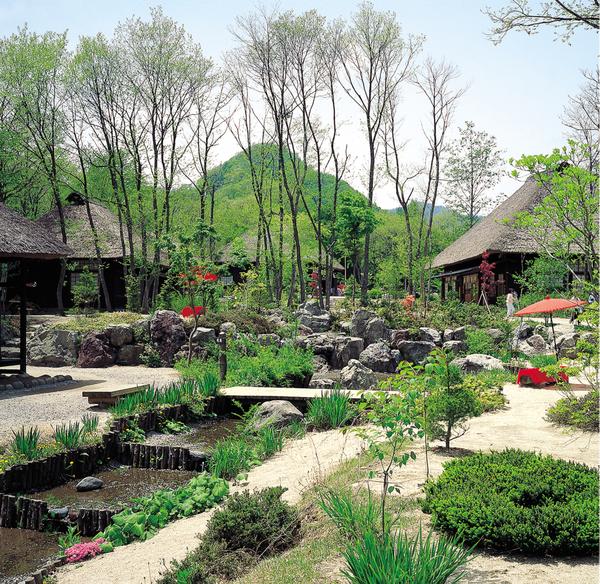
Legend holds that Heike survivors discovered the hot springs here and healed their wounds. Wrapped in deep silence and nature, the onsen town feels like a hidden retreat. At this open-air museum, explore exhibits on the life and traditions of the Heike refugees.
- Category: Theme Park / Folk Village
- Address: 1042 Yunishigawa, Nikko, Tochigi
- Hours:
- Apr–Nov 8:30–17:00 (last entry 16:30)
- Dec–Mar 9:00–16:30 (last entry 16:00)
- Closed: Open year-round
- Admission: Adults (HS+) ¥510 / Children (ES–JHS) ¥250 / Preschool free (¥100 discount for groups 30+)
22. Ashio Copper Mine (Tour): Walk through 400 years of mining history.
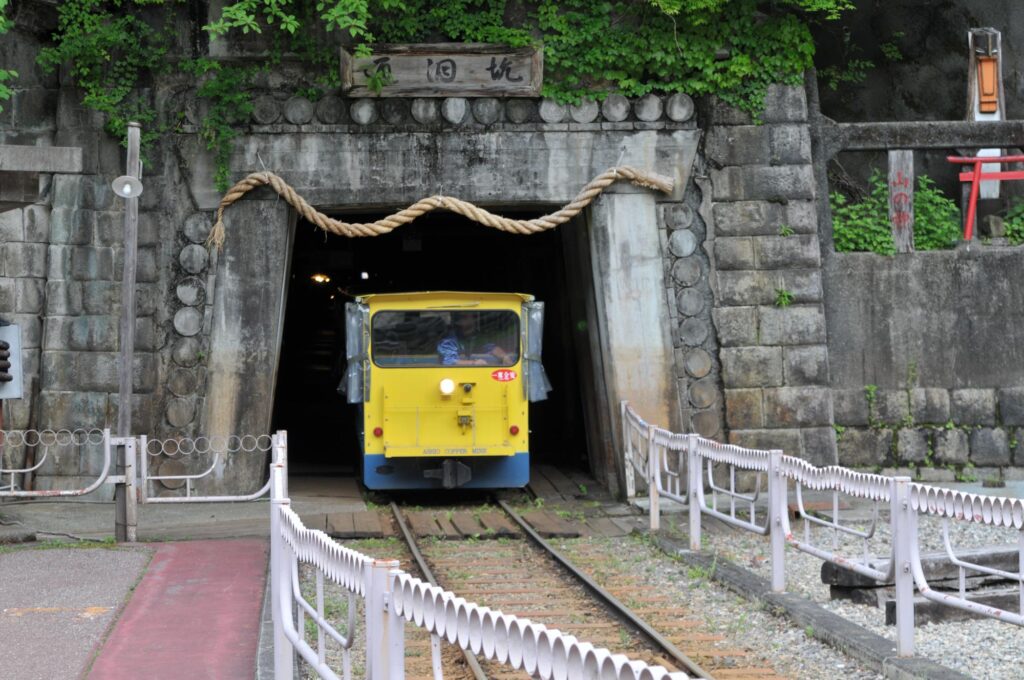
Once producing about 40% of Japan’s copper, Ashio’s tunnels trace the evolution from hand-cut galleries in the Edo era to mechanized extraction. Dioramas and figures recreate the work scenes of Japan’s former “number-one mining city.”
- Official website
- Category: Museum / Science
- Address: 9-2 Tsudo, Ashiomachi, Nikko, Tochigi
- Hours: 9:00–17:00 (last entry 16:15)
- Closed: Open year-round
- Admission: Adults/HS ¥830 / ES–JHS ¥410 / Preschool free
23. Eki-Spa (Nikko Station Hotel Classic): A convenient station-front bath with 100% natural hot spring.
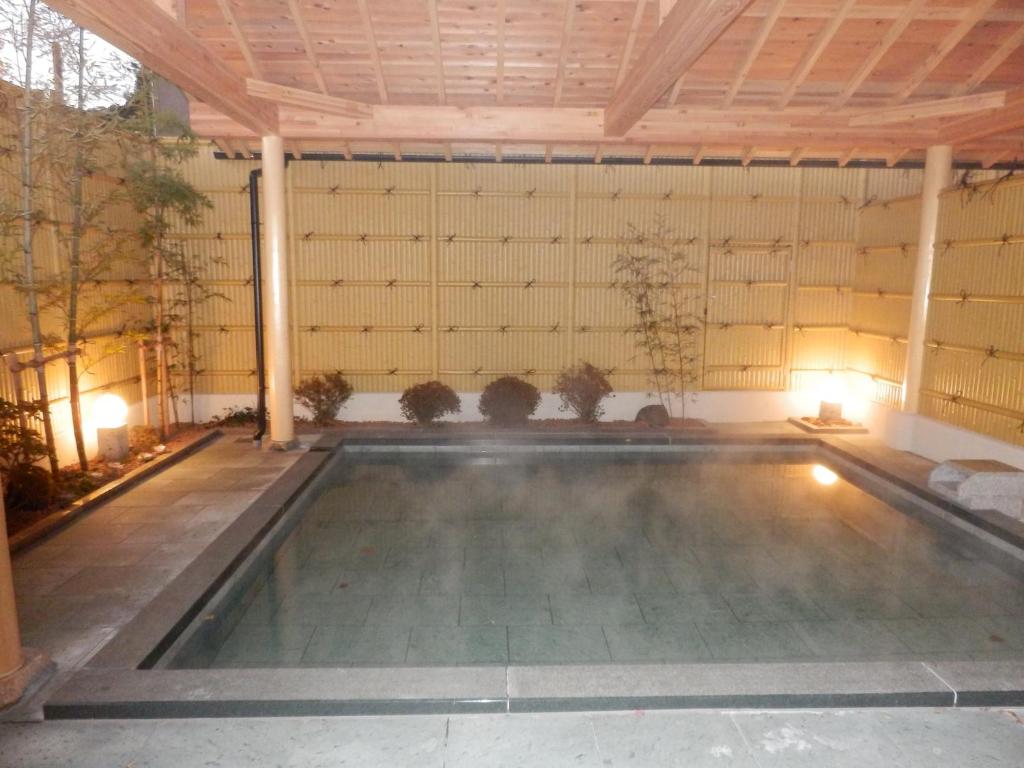
Just by JR Nikko Station, this onsen welcomes day visitors. The Japanese-style open-air bath fits 10+ people in both men’s and women’s areas, and the indoor baths offer both hot and lukewarm pools. Popular day plans bundle a room rest, bathing, and lunch or dinner. Book a hotel here.
- Category: Hot Spring / Onsen Bath
- Address: 3-1 Aioicho, Nikko, Tochigi
- Hours: 11:00–16:00 (reception until 15:00)
- Closed: Irregular (check ahead)
- Fee: Adults ¥800 / Children (3–Elementary) ¥600 (free for hotel guests)
- Phone: 0288-53-1000
24. Osaru Land & Ani-Town – Nikko Saru Gundan Theater: The revived “monkey theme park” with laugh-out-loud shows.
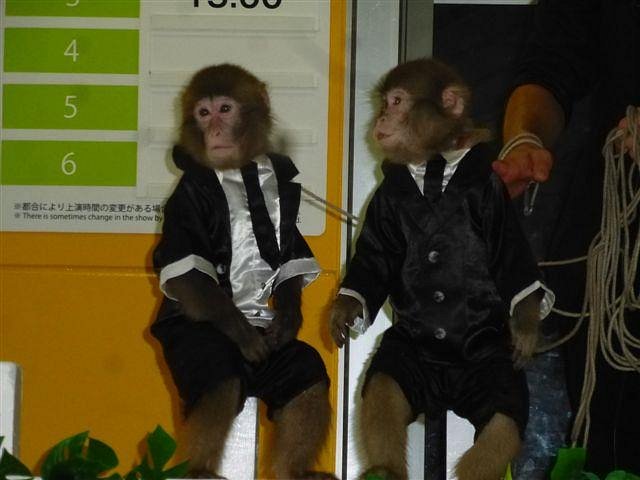
Closed in 2013 but reborn in 2015, this park features the famed Taro-Jiro troupe and their comedic performances. Plan around the main stage showtimes to get the most from your visit. Book tickets here.
- Category: Leisure / Outdoor Facility
- Address: 763 Tsugakura, Nikko, Tochigi
- Hours:
- Weekdays 10:00–16:00 (last entry 15:00)
- Weekends/holidays 9:00–16:00 (last entry 15:00)
- Closed: Check in advance
- Tickets:
- “Osaru Land & Ani-Town” Passport:
- Adults (JHS+) ¥3,000 (advance ¥2,700)
- Children (4+) ¥1,800 (advance ¥1,600)
- Seniors (65+) ¥2,500
- “Osaru Land Show” Plan:
- Adults (JHS+) ¥2,300 (advance ¥2,000)
- Children (4+) ¥1,100 (advance ¥900)
- Seniors (65+) ¥1,800
- “Monkey Coins” (in-park currency): 1 coin ¥300 / 6 coins ¥1,500 / 10 coins ¥2,000
- “Osaru Land & Ani-Town” Passport:
25. Japan Romantic Road: A 320 km scenic route inspired by Germany’s Romantic Road.
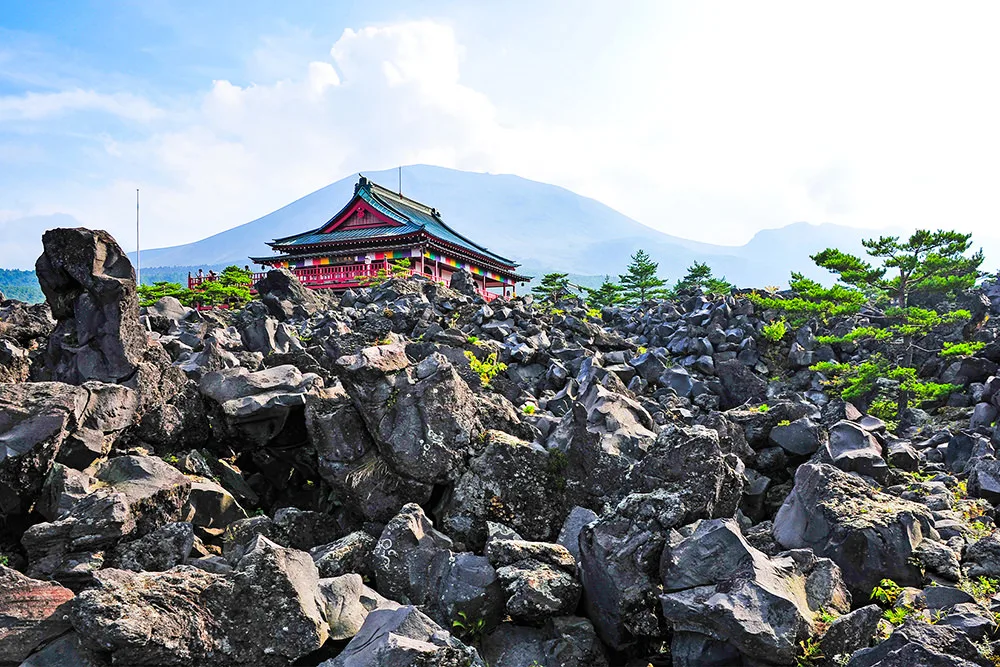
Linking Ueda (Nagano) through Kusatsu and Numata (Gunma) to Nikko (Tochigi), the road threads three national parks, volcanic landforms, castle towns, and onsen resorts. It’s also famed for landscapes beloved by Japan’s romantic poets.
- Category: Road / Street
- Route: Ueda City, Nagano — Nikko City, Tochigi (via Gunma), view on Google map
26. Kyodai Meiro Palladium (Giant Maze Palladium): Race the clock through a 3,500 m² mega-maze.
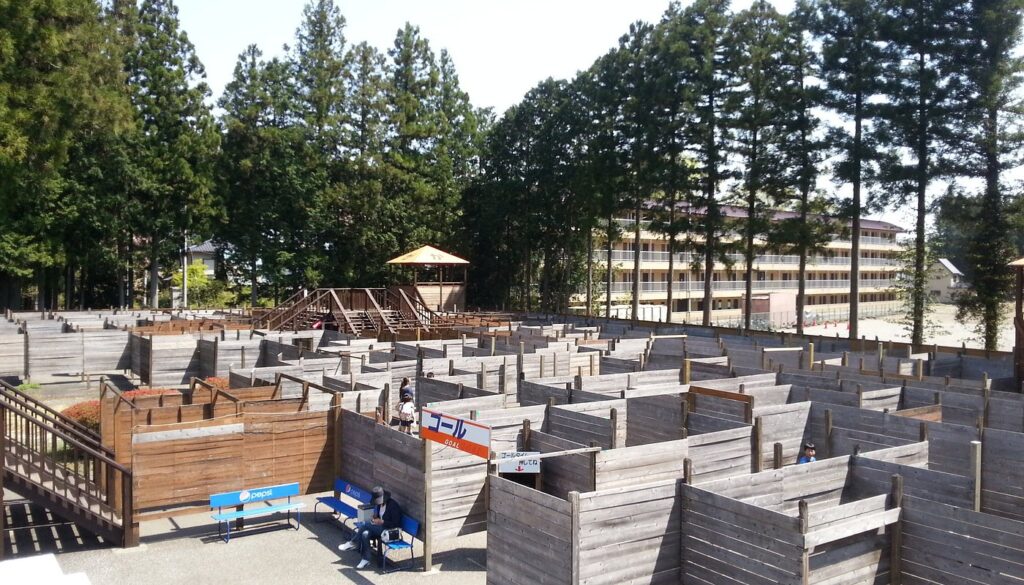
Your admission ticket doubles as a time card stamped at start and finish. Collect four checkpoint stamps before you head to the exit — finish within 20 minutes to win a prize. Tricky enough to challenge families, friends, and couples alike.
- Category: Theme Park
- Address: 465 Tsugakura, Nikko, Tochigi
- Hours: Last entry 15:00 (opens 9:30)
- Closed: Wed & Thu
- Admission:
- JHS+ ¥1,000
- Ages 4–Elementary ¥500
- Under-4 free
27. Kinugawa Niohson Plaza: A soak-centric inn with 100% free-flowing hot spring water.
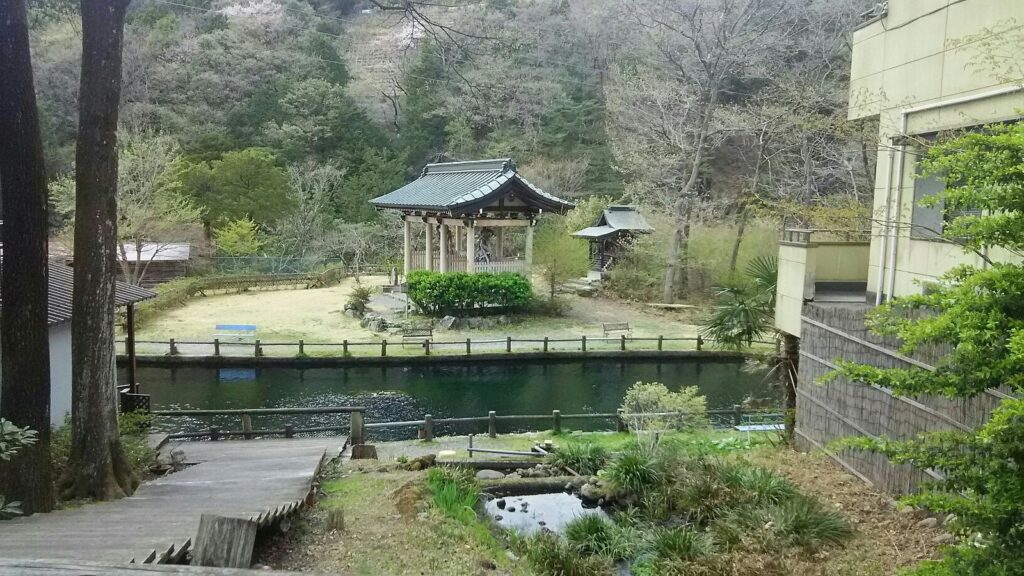
This onsen lodging features three types of baths each for men and women, plus unique tubs like an open-air “yakata-bune” bath made from an actual sightseeing boat and a mixed-gender outdoor bath requiring swimwear. Day bathing is welcome. Book here.
- Category: Hot Spring / Onsen Bath
- Address: 371-1 Kinugawa Onsen Ohara, Nikko, Tochigi
- Hours: 10:00–21:00 (last entry 20:00)
- Closed: Irregular
- Bath Fee: Adults ¥700 / Children (3+) ¥350
Where to Eat in Nikko
Temple District Classics (walkable from Shinkyo Bridge)
Meiji-no-Yakata — Retro yoshoku in a villa
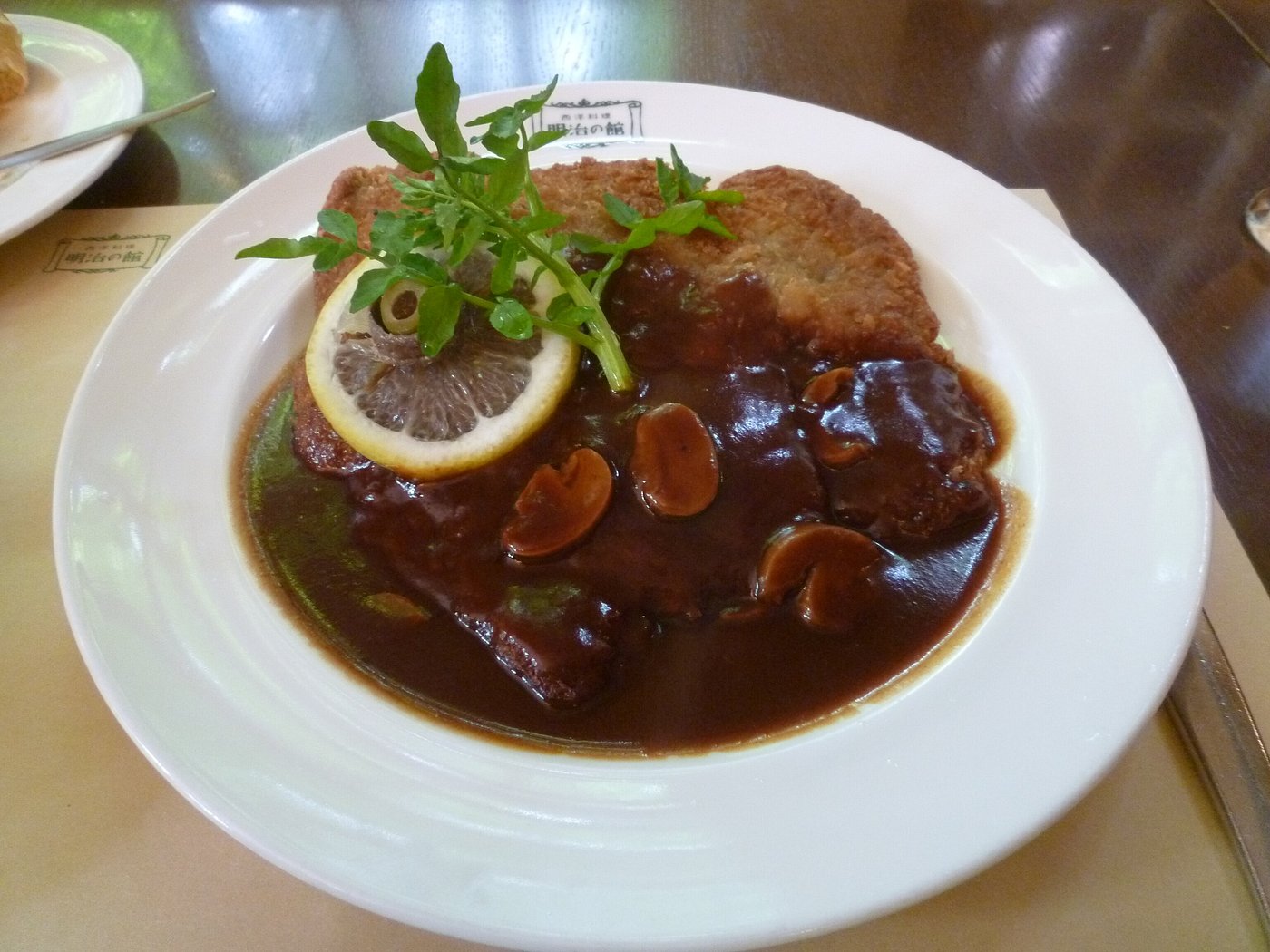
Set in a historic Western-style villa near Toshogu, this longtime favorite serves Japanese “yoshoku” comfort done fancy: sizzling hamburg steak, gratins, creamy croquettes — the kind of lunch that begs for a slow wander afterward.
- View on Google Maps
- Close to: Toshogu / Rinnoji (5–10 min walk).
- How to get there: World Heritage Sightseeing Bus → Hotel Seikōen Mae stop, short walk.
- Typical spend: ¥2,000–3,000 lunch, more at dinner.
- Hours: commonly 11:00–19:30 (shorter in winter) — confirm day-of.
- Pro tip: Come early on weekends — popular mains sell out, and queues creep after 12:00.
Kanaya Hotel Bakery — Nikko’s carb royalty

Founded by the grand old Kanaya Hotel, this bakery/café does legendary loaves, pastries, and picnic-ready sandwiches. Ideal grab-and-go before buses up to Lake Chuzenji; locals say popular items vanish by noon.
- View on Google Maps
- Close to: Shinkyo Bridge.
- How to get there: Stroll from the shrine district or bus to Shinkyo.
- Typical spend: ¥300–1,200 per item.
- Hours: often ~09:00–16:30 (seasonal rest days in winter) — verify same-day.
- Pro tip: Snag travel-friendly bread (3-day freshness window) for the train home.
Budget & Beloved (stick-to-your-ribs, traveler-friendly)
Hippari-Dako — Graffiti walls, cheap plates, big smiles
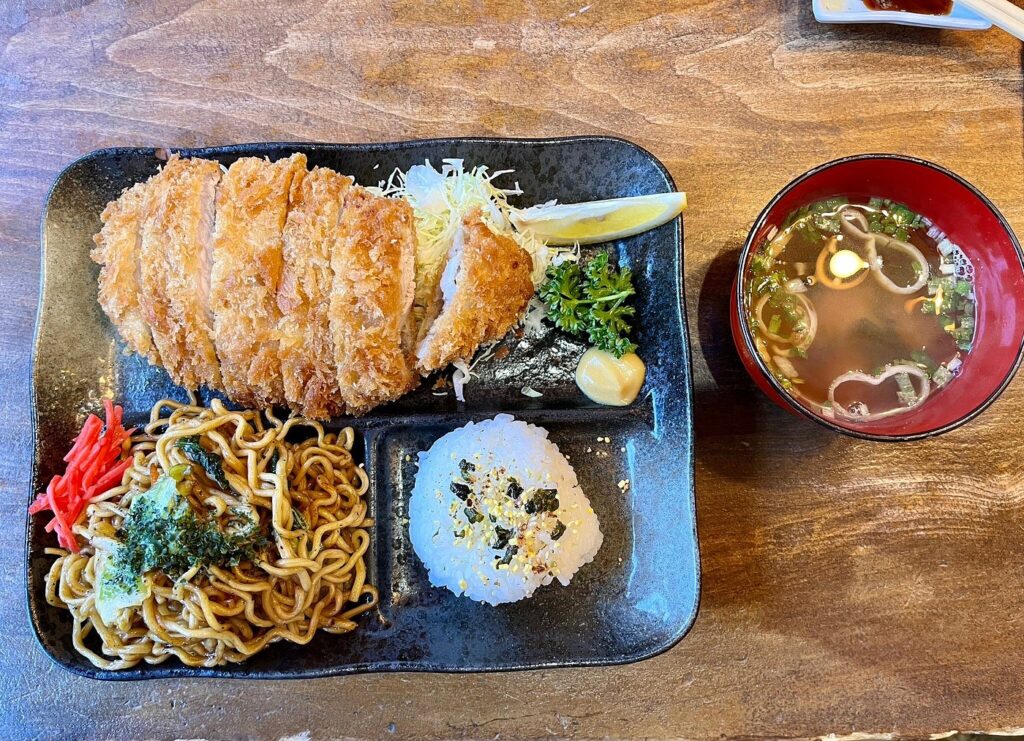
A cult classic where the menu runs from yakisoba to ramen and katsu, prices stay gentle, and the vibe is pure backpacker scrapbook — yes, you can add your own wall signature. Easy for non-Japanese speakers, fast for temple-to-train turnarounds.
- View on Google Maps
- Close to: Shinkyo → shrine loop.
- How to get there: Walk from Tobu-Nikko (~15–20 min) or short bus hop.
- Typical spend: ~¥999.
- Hours: commonly late morning to evening; confirm on arrival.
- Pro tip: If there’s a line, pop to the bakery first and tag back — turnover here is quick.
Shojin Ryori & Yuba (Nikko’s signature bites)
Nikko is a stronghold of shojin ryori (Buddhist temple cuisine) and yuba (tofu skin). Expect seasonal vegetables, tofu, konnyaku, mountain herbs — beautifully plated, subtly seasoned, and surprisingly filling. If you’ve done kaiseki in Kyoto, this is its monk-ish cousin with local soul.
Nikko Yuba Yuzen — Classic yuba course a short walk from Toshogu
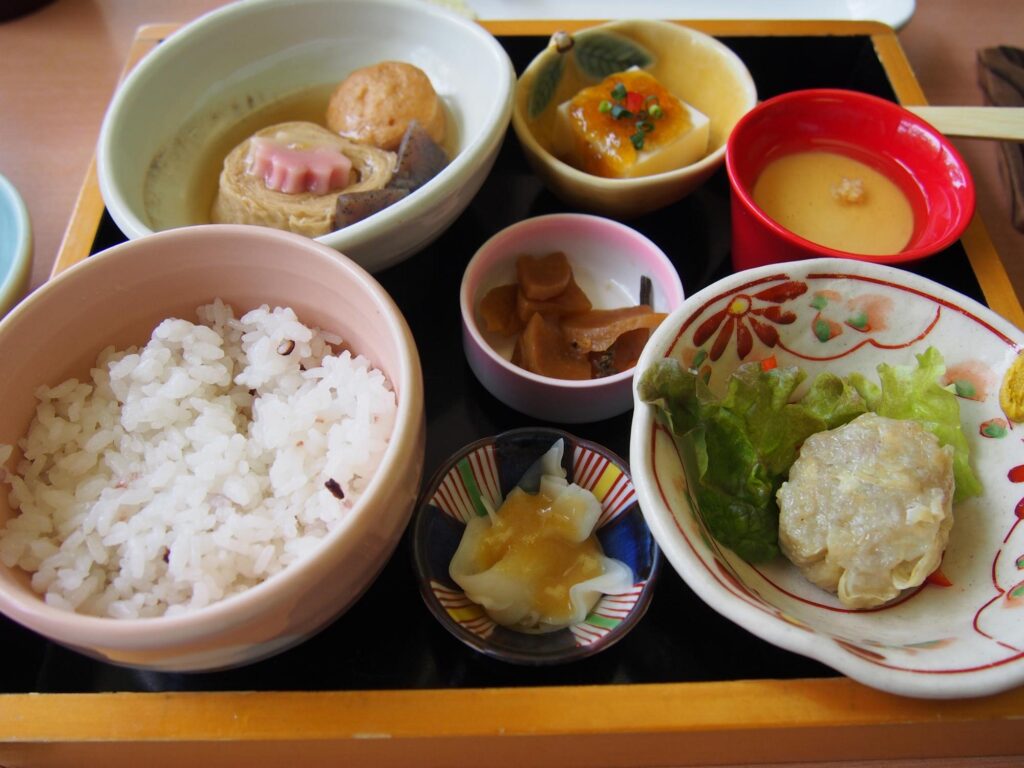
- Why we like it: Reliable yuba sets (think sashimi-style, simmered, and fried) with quick service and English-friendly ordering. Reviewers call it an “any yuba-lover’s dream.”
- View on Google Maps
- Close to: Shinkyo & shrine loop (walkable; or World Heritage bus to Shinkyo). Budget: lunch sets typically ¥2,000–3,000.
- Hours: vary by season; confirm day-of.
- Pro tip: Go early on foliage weekends — it’s popular with domestic travelers and lines build fast.
Nikko Yubamaki ZEN — Signature yuba rolls in a renovated townhouse
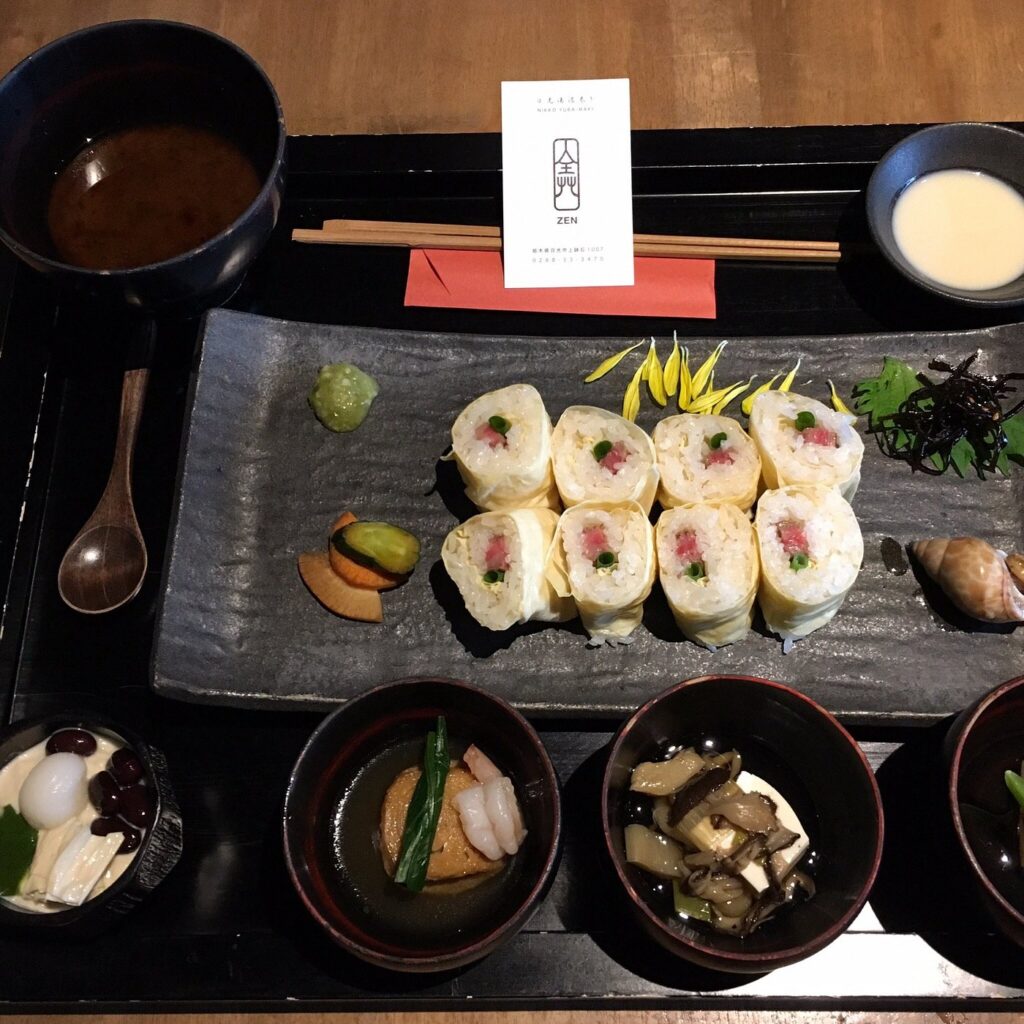
- Why we like it: The house specialty is yubamaki — rice and local ingredients wrapped in silky tofu skin — with set menus that stay squarely in Nikko’s comfort zone. Central, atmospheric, and busy (for good reason).
- View on Google Maps
- Typical hours: lunch daily; dinner most days except Tue; closed Tue (check current schedule).
- Budget: lunch ~¥2,000–3,000; dinner sets higher.
- Pro tip: Avoid peak lunch (12:00–13:30). If there’s a wait, grab a number and wander Shinkyo Bridge.
Where to Stay in Nikko — Our Favorite Hotel Picks for Every Budget
Budget (clean, sociable, near the trains)
Nikko Guesthouse Sumica — Friendly, station-side base
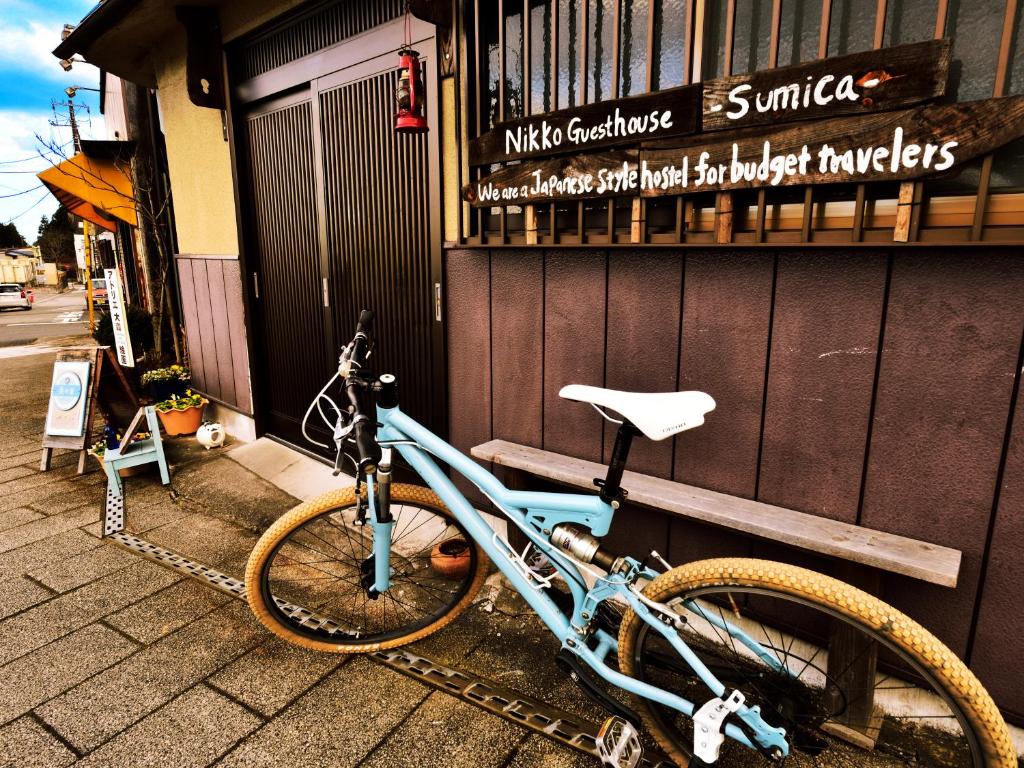
- Why stay: Classic traveler favorite in a traditional house: dorms + simple privates, a shared kitchen, and warm hosts.
- Best for early buses and late trains — it’s steps from JR/Tobu stations.
- Close to: bus stops for Toshogu / Lake Chuzenji.
- How to get there: Walk 3–5 minutes from Tobu-Nikko or JR Nikko.
- Good to know: rooms are basic; book ahead in foliage season. :contentReference[oaicite:0]{index=0}
Mid-Range (onsen options, easy shrine access)
Nikko Station Hotel Classic — Convenience + onsen
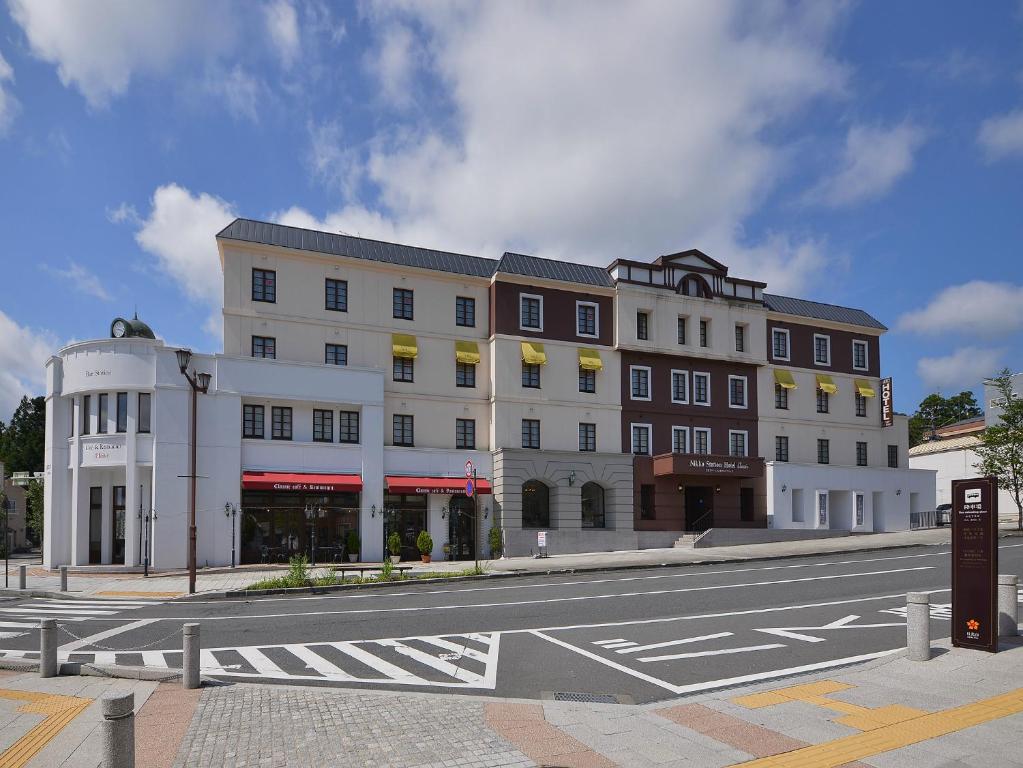
- Why stay: You’re literally by JR Nikko, with indoor/outdoor baths and solid breakfast — a painless base for bus-hopping.
- Close to: both train stations; 1–2 stops by bus to Shinkyo.
- How to get there: Walk out of JR Nikko and you’re basically there.
- Pro tip: Day-use baths (Eki Spa) sometimes available if you arrive early.
Hotel Natural Garden Nikko — Quiet lodge feel near the shrines
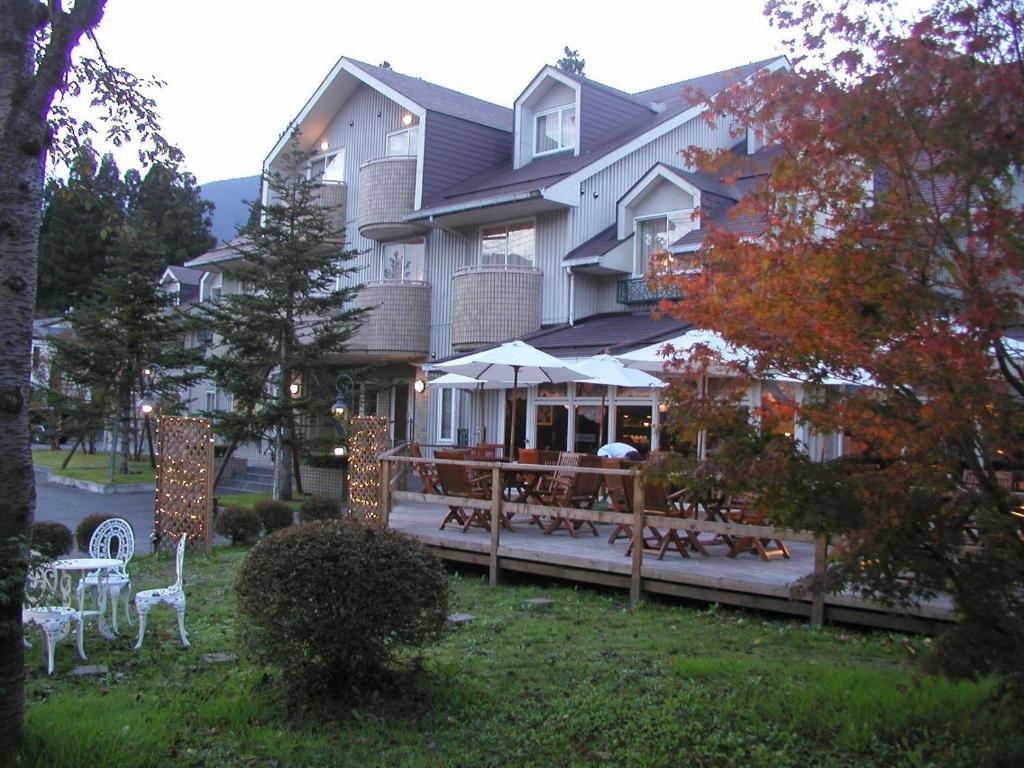
- Why stay: Peaceful, a short bus ride from the stations, with a small onsen and simple rooms; handy for Kanmangafuchi Abyss walks.
- Close to: Rinno-ji / Toshogu (walkable for some).
- How to get there: World Heritage bus → around Stop 12 area.
Nikko Tokanso (Ryokan) — Tatami, kaiseki, and onsen by Toshogu
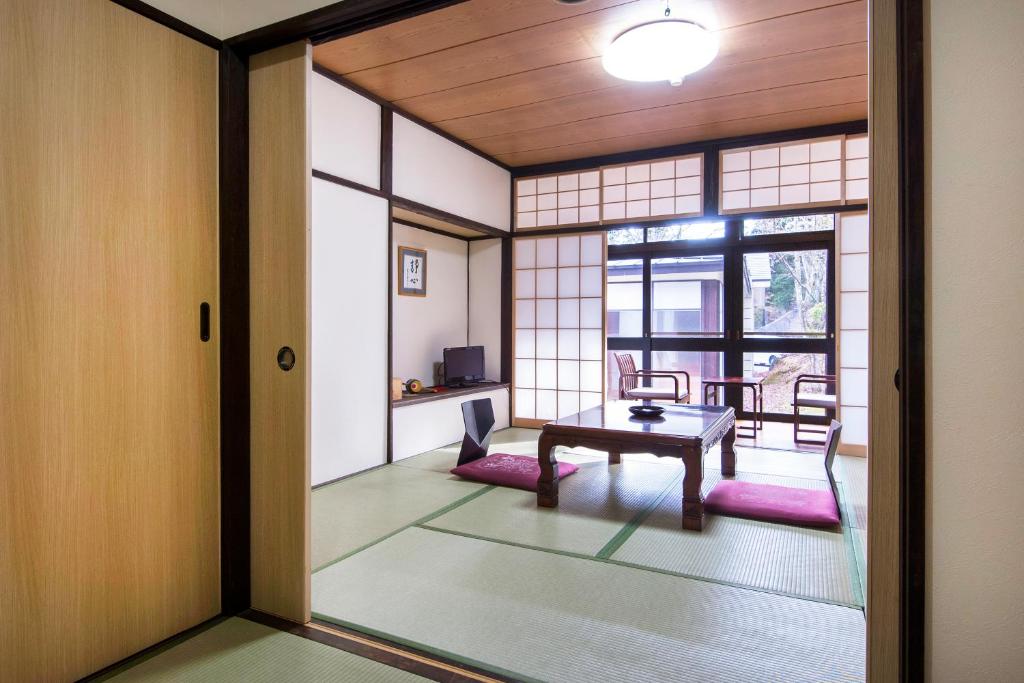
- Why stay: Classic ryokan experience near the World Heritage zone — dinner/breakfast plans available, and it’s a short (uphill) walk to Toshogu.
- Best for first-timers who want a ryokan without going far.
- How to get there: World Heritage bus → Hotel Seikōen Mae area, 5–10 min walk.
Splurge (nature views, private baths, once-in-a-lifetime feels)
The Ritz-Carlton, Nikko — Lake views + brand-first onsen
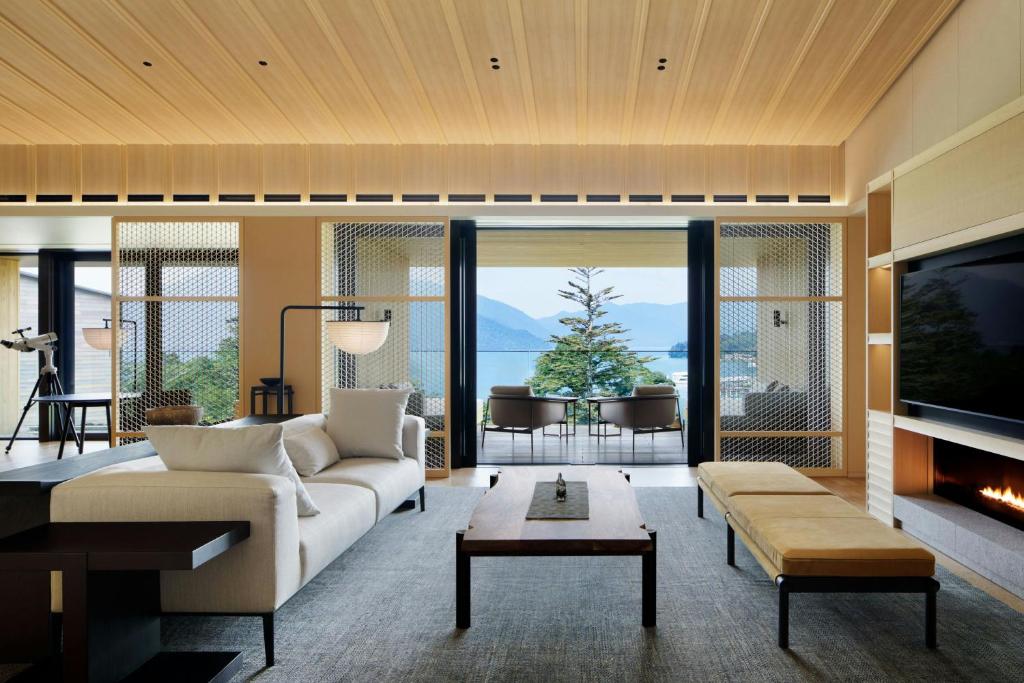
- Why stay: Floor-to-ceiling serenity on Lake Chuzenji with the Ritz-Carlton’s first-ever natural hot spring, refined dining, and trail access right outside.
- How to get there: Tobu/World Heritage bus to Chuzenji Onsen; short walk.
- Best for leaf season and quiet winter escapes.
FUFU Nikko — All-suite luxury; every room has a private hot spring
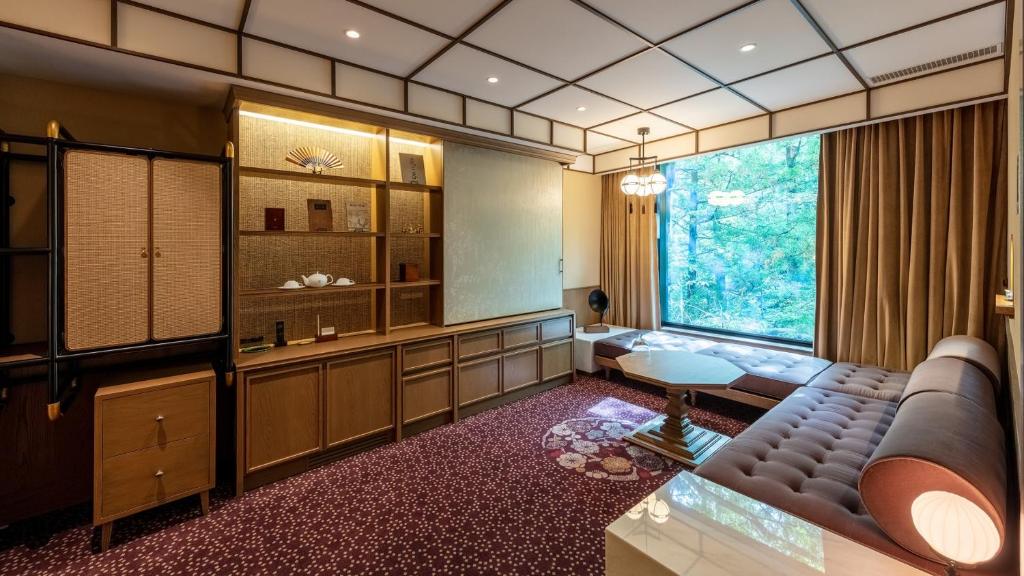
- Why stay: Boutique ryokan-style suites beside Tamozawa Imperial Villa Park, with in-room open-air baths fed by private source onsen; elegant kaiseki.
- How to get there: Short taxi or bus from the stations; walkable to the shrine district.
Okunoin Hotel Tokugawa — Garden ryokan with private baths
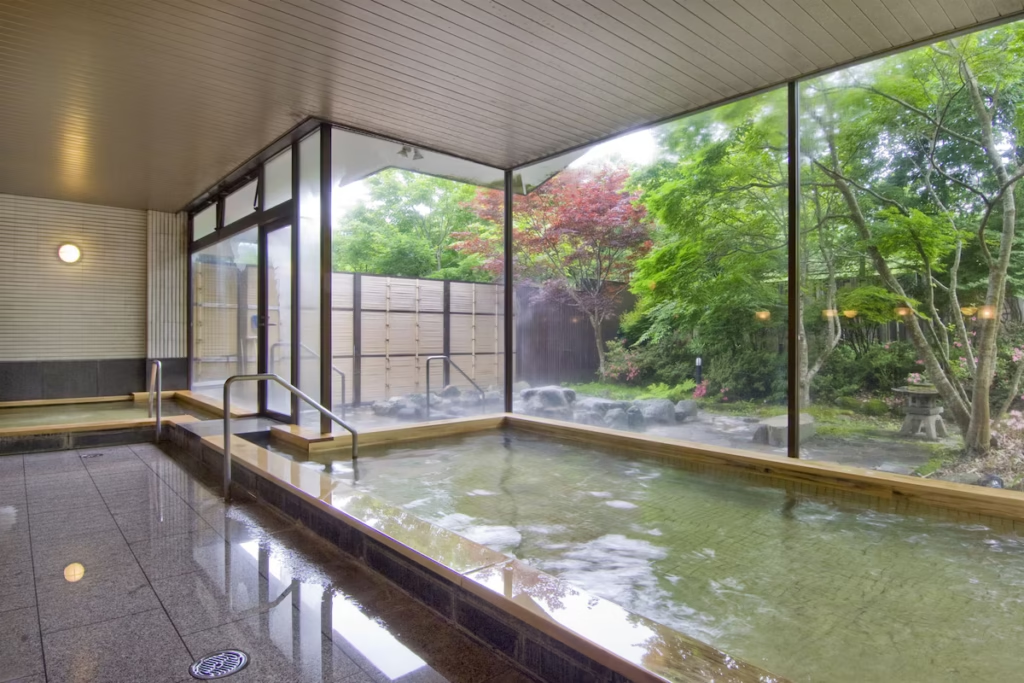
- Why stay: Secluded, intimate ryokan near the shrine zone; serene gardens, refined meals, and some rooms with private open-air tubs.
- How to get there: Short taxi from the stations; shuttle sometimes available (check in advance).
Historic Classic (heritage vibes, central)
Nikko Kanaya Hotel — Japan’s oldest resort hotel
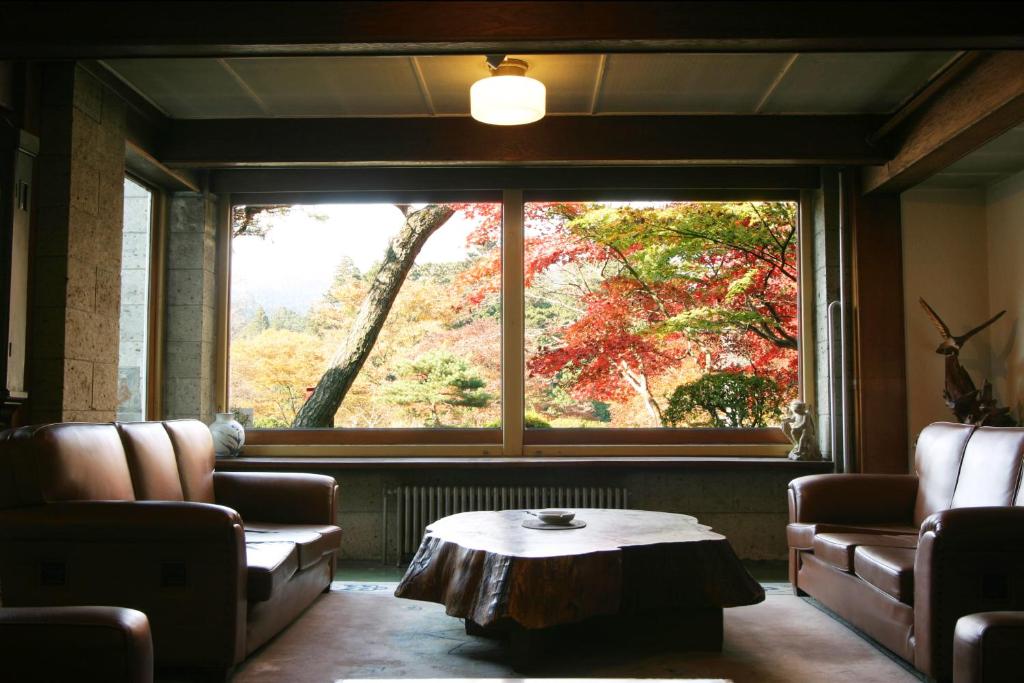
- Why stay: Grand-old-hotel charm above Shinkyo Bridge; a 19th-century icon with easy access to the World Heritage loop.
- How to get there: Bus from the stations → Shinkyo stop; short uphill walk.
- Best for history nerds and anyone chasing retro elegance.
FAQs: What to Do in Nikko
What are the must-see places in Nikko on a first visit?
Start with the UNESCO World Heritage zone — Toshogu Shrine, Rinno-ji, Futarasan Shrine, and Shinkyo Bridge. Then take a bus up to Lake Chuzenji and Kegon Falls for nature and mountain views.
How many days should I spend in Nikko?
One day is enough to see the highlights, but two days is ideal if you want to explore the shrines without rushing and add a hike or onsen soak. Three days gives you time for Oku-Nikko trails and lake walks too.
What’s the best time of year to visit Nikko?
For peak autumn foliage, go in late October to early November. January–February is perfect for snow and quiet shrines, May–June brings lush greenery, and July–August offers a cooler escape from Tokyo’s heat.
Do I need a bus pass?
If you plan to visit Lake Chuzenji, Kegon Falls, or Oku-Nikko, a bus pass is highly recommended — it usually pays for itself after two or three rides. If you’re only staying around the shrine district, single tickets or a small city pass are enough.
Which train is better from Tokyo — JR or Tobu?
The Tobu Limited Express from Asakusa is usually the easiest and cheapest option. JR trains from Ueno or Shinjuku are convenient if you already have a JR Pass. Both arrive near Nikko’s main bus hubs.
Is Nikko walkable?
The World Heritage zone is compact and walkable, but the waterfalls, marshlands, and lakes are spread out. Use buses or consider a rental car if you’re comfortable driving on mountain roads.
What’s a good 1-day itinerary?
Start early at Shinkyo Bridge, then visit Toshogu, Rinno-ji, and Futarasan Shrine. Stop for a yuba lunch, then ride the bus to Kegon Falls and Lake Chuzenji. Return to town for dinner before heading back to Tokyo.
How can I avoid crowds?
Arrive at shrine gates right at opening, visit on Tuesdays to Thursdays if possible, and head up to Oku-Nikko before 10:00 during peak foliage weeks.
What food is Nikko known for?
Nikko’s signature is yuba — tofu skin — served sashimi-style, simmered, fried, or in croquettes. You’ll also find classic yoshoku (Meiji-era Western-inspired comfort food) and hearty noodle dishes.
Are onsens in Nikko tattoo-friendly?
It depends on the facility. Some traditional onsen may not allow visible tattoos, while many ryokan offer private onsen baths or allow you to book a private time slot. Always check ahead.
Can vegetarians or vegans eat well in Nikko?
Yes. Shojin ryori (Buddhist temple cuisine) and yuba dishes are ideal vegetarian options. If you’re strictly vegan, ask whether dashi (fish-based broth) is used before ordering.
Is driving in winter safe for visitors?
It’s possible but not recommended unless you have experience driving on icy mountain roads. Use buses instead, or if you must drive, make sure your rental car has winter tires or snow chains and check road conditions in advance.
Where can I store my luggage in Nikko?
You’ll find coin lockers at Tobu-Nikko and JR Nikko Stations as well as at some bus terminals. Many hotels will also store bags before check-in or after checkout.
What should I do if it rains in Nikko?
Rainy days are perfect for exploring indoor temple halls, museums, and cafés near Shinkyo Bridge. Or embrace the weather and spend the day soaking in a traditional onsen.
- Nagoya rainy day with kids in 2026 (Cool Indoor Things to Do )
- Best Gachapon in Tokyo (2026): 20 Places to Find Capsule Toys
- All Japanese KitKat Flavours List: The Ultimate Japan KitKat Guide
- Sapporo rainy day with kids (2026): 7 Cool Indoor Things to Do
- What To Do In Arashiyama With Kids: A Realistic One-Day Family Itinerary