
I spill travel tips , and show you the Japan that tourists usually miss.
Nara is where Japan casually drops a giant Buddha, a forest of lanterns, and a mob of deer.
Nara is perfect for one day—if we keep it smart. Most of the big sights sit close together, which means we can do the classics (hello Tōdai-ji and the Great Buddha), wander through the mossy calm of Kasuga Taisha, snack our way around Naramachi, and still make it back to Kyoto or Osaka.
In this 1 day Nara itinerary, we’ll follow a simple, walkable route, tell you the best time to arrive, and sprinkle in the little extras that make Nara more than “deer park + photo + goodbye.”
Planning your Nara day trip? Read these next
- 20 Hidden Gems in Nara You Shouldn’t Miss
- Where to Eat in Nara Japan: Best Restaurants, Cafes, and Local Food Stops
- Best Day Trips From Kyoto: Hot Springs, Castles, Lakes and Easy Escapes
- Best Day Trips From Osaka by Train or Car
- What to Do in Kyoto: Best Attractions, Itinerary Ideas and Visiting Tips
- What to Do in Osaka: Best Things to See, Eat and Experience
Table of Contents
What to do in Nara in one day

Looking for the must-see sights in Nara in one day? Perfect—because Nara is basically Japan’s “ancient capital greatest hits” in a walkable, deer-filled package.
Doing Nara as a day trip from Osaka or Kyoto is one of the smartest little side quests you can add to almost any Japan itinerary. This was Japan’s capital between 710 and 784, and you can still feel that old-center-of-the-country energy in the places that matter: spiritual heavyweights like Tōdai-ji Temple and Kasuga-taisha, plus smaller temples, shrines, museums, and green spaces that make the whole area feel like an open-air history book.
And yes—we also need to talk about the Nara deer, roaming freely through the historic zone, bowing at visitors like tiny, polite extortionists.
This visit slides perfectly into almost any Japan trip, and we’ll cover everything you need to plan your day in Nara:
- Must-see sights in Nara
- How to get to Nara from Osaka or Kyoto (independently or via tour)
- Interactive map to save to your phone
- General advice of all kinds (the useful stuff)
How to get to Nara from Kyoto and Osaka (independently or on a tour)

As we’ve mentioned, most people reach Nara by train from Kyoto or Osaka (Kyoto especially), visit for the day, then head back without staying overnight. Both routes are convenient—we’ll break down each one below.
Another option (and what we did) is turning Nara into a travel bridge: arrive from one city and continue to the other. We came from Osaka and carried on to Kyoto, which works beautifully if you want to connect the two without doubling back.
And honestly? Sometimes the simplest move is just checking your route on Google Maps from wherever you’re starting. It’ll show you schedules, departure/arrival points, and the price—super practical in Japan, and useful basically everywhere.
Go to Nara from Kyoto
This transfer takes around an hour, and you’ve got two main options:
Option 1: JR Nara Line (covered by JR Pass)
- Take the JR Nara Line from Kyoto Station to Nara Station .
- There’s a slower train that takes about 70 minutes, and a faster one that cuts it down to about 45 minutes by making fewer stops.
- If you’re traveling with a JR Pass, this is included. Otherwise, it’s about 720 yen per transfer using an IC card (Suica, Pasmo, etc.).
- From Nara Station, it’s about a 15–20 minute walk to Nara Park.
- Useful bonus: this line also stops at Fushimi Inari-taisha in Kyoto, and plenty of travelers combine both visits.
Option 2: Kintetsu Kyoto Line (not covered by JR Pass)
- Take the Kintetsu Kyoto Line from Kyoto Station to Kintetsu-Nara Station (which is closer to Nara Park).
- Not included in the JR Pass.
- Best choice: a train that takes about 45 minutes and costs 760 yen. Pay with your IC card and you’re done.
- There’s also a Limited Express that takes about 35 minutes and costs 1280 yen, but you’d need to buy a supplement at the ticket office—your IC card swipe alone won’t cut it. The first option is simpler and better value.
- Reservations aren’t necessary; it operates like commuter rail.
➡️Also worth knowing: for this whole region, there’s another pass that can be very useful—the JR Kansai-Hiroshima Pass from JR West. It’s a 5-day pass valid on trains between Nara, Kyoto, Osaka, Himeji, Hiroshima, and more. Depending on your route, it can be excellent value.
Go to Nara from Osaka
From Osaka, you also have two good train options:
Option 1: Kintetsu Nara Line (fast + straightforward, not covered by JR Pass)
- Take the Kintetsu Nara Line from Osaka Namba Station (here) to Kintetsu-Nara Station.
- The standard train takes about 40 minutes and costs 680 yen—this is the one you want.
- There’s also a Limited Express that saves only about 5 minutes but costs 1200 yen, and again requires a supplement purchased at the ticket office. Don’t bother.
- Not included in the JR Pass.
Option 2: JR Yamatoji Line (covered by JR Pass)
- Take the JR Yamatoji Line (sometimes called the Kansai Line) from Tennōji Station (here) to Nara Station.
- Takes about 35 minutes and costs 510 yen. Covered by the JR Pass.
- This line stops in other Osaka areas that might suit your itinerary—check Google Maps based on where you’re staying.
Guided day trip to Nara from Osaka or Kyoto

If you’d rather go full comfort mode—transport handled, guide included, no planning brain required—you’ve got several day tour options:
- Day trip to Osaka, Nara and Fushimi Inari-taisha from Kyoto
- Small group day trip to Nara from Osaka or Kyoto (early morning trip)
Tips for your day in Nara
To make sure you don’t miss key details (and to keep the day smooth), here are our practical tips:
- Near Nara Station (JR), you’ll find the Nara City Tourist Information Center, useful for questions or picking up a paper map. There’s also another one near Sarusawa Pond: Nara Visitor Center & Inn.
- If you’re doing Nara as a stop between Osaka and Kyoto (like we did), luggage is annoying—so use station lockers. We left ours at Nara Station and paid 900 yen for a large locker, which fit everything we needed.
- Most main sights are walkable from both train stations, but for farther spots (like Heijō Palace or Yakushi-ji) use the city buses: Nara Kotsu Bus.
Google Maps will show routes and transfers, and you can usually pay with your IC card (Suica, Pasmo, etc.). - If you’ll use buses often, there’s a special all-day pass for 600 yen per adult, sold at the JR station information center. Full details (lines + passes) are on the official website.
- If you want taxis, install the GO app (similar to Uber, in English).
- Bring cash: many temples and shrines only accept cash payments.
- If you’ve got extra time, check out Konishi Sakura Dori and Higashimuki Shopping St, the city’s two main shopping streets.
What to do in Nara in one day (the must-sees)
Now we get to the good part: the best things to see in Nara in one day.
Most major sights cluster around Nara Park, so you can walk nearly everything from either station. We’ll also mention a few spots farther out—those will require a bus or train. You pick the pace.
One key tip: arrive early—ideally around 8:00–8:30 am. Many places close around 5:00 pm, and Nara is not the kind of city you want to speed-run with a closing-time panic.
1. Nara Park: trails + deer
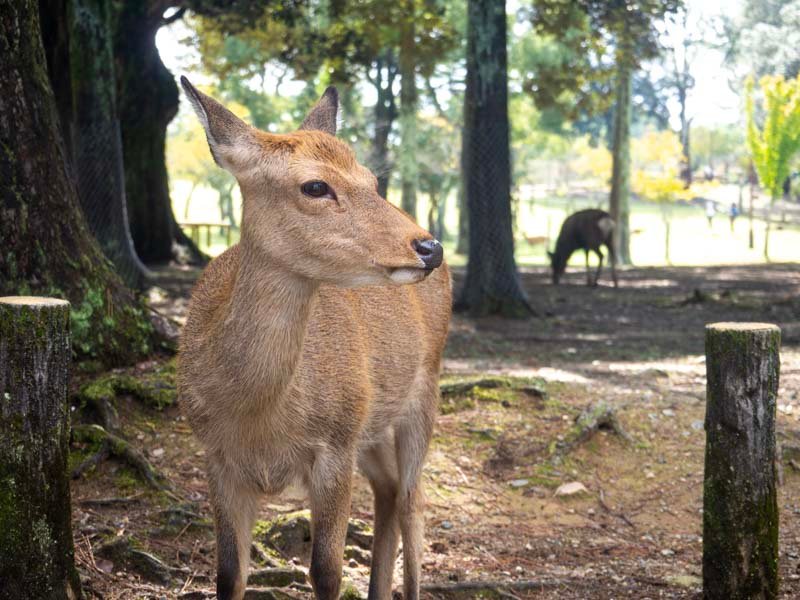
Our first stop had to be Nara Park, the city’s green heart. Founded in 1880 and spanning more than 500 hectares, it’s a beautiful place to wander in any season—and it’s also where many of Nara’s major temples, museums, and landmarks live.
The headliners here are the sika deer, considered sacred in Shinto tradition as messengers of deities. They roam freely across the park—there are over 1,000 of them—so for most visitors, they’re not just “a feature,” they’re the experience.
You’ll see people selling deer crackers (shika senbei) all over the park for about 200 yen, and yes, the deer sometimes bow for food. It’s cute. It’s also not entirely ethical, so we personally think it’s better not to participate.
If you want a couple of bonus stops inside the park (nice, photogenic, but not essential), here are two:
- Sagi Pond – a lovely spot in the south, especially photogenic thanks to the wooden bridge leading to Ukimido Pavilion.
- Yoshikien Garden – a classic early 20th-century Japanese garden with a pond, teahouses, and lots of calm corners. Open daily 9:00 AM–5:00 PM, and free entry.
If you want deeper context, you can join these free tours of Nara.
2. Tōdai-ji Temple: the Great Buddha Hall
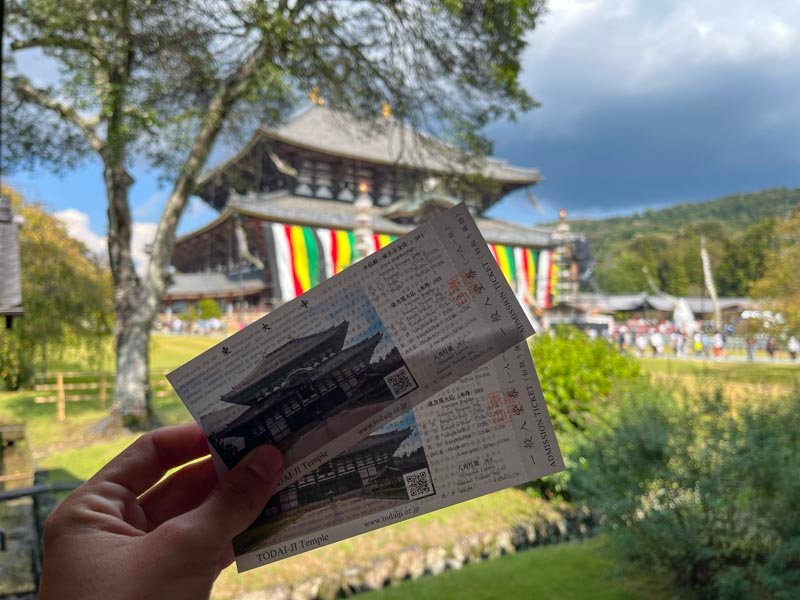
Inside Nara Park—and easily the most visited place in the city—is Tōdai-ji Temple. Its history goes back to the 8th century, and it’s been rebuilt multiple times over the centuries due to fires and conflict, which somehow makes the scale even more impressive.
You’ll enter through the Nandaimon (Great South Gate), a gigantic wooden structure guarded by two fierce figures of the Niō—protector deities who look like they’re personally offended by bad behavior.
Then comes the main event: the Great Buddha Hall, one of the largest wooden structures in the world. Inside sits the Daibutsu, a 15-meter-tall bronze Great Buddha built as the temple’s centerpiece. It’s the kind of sight that makes you go quiet for a second.
Before you leave, look for the famous pillar with a hole at its base (said to match one of the Great Buddha’s nostrils). People try to squeeze through it—if you succeed, tradition says you’ll reach enlightenment in your next life. (No pressure.)
Hours & tickets:
- April–October: 7:30 am–5:30 pm
- November–March: 8:00 am–5:00 pm
- Entry: 800 yen per adult
- Combined ticket: 1200 yen, also includes the nearby Tōdai-ji Museum (Japanese Buddhism exhibits)
More info is available on the official website.
If we’re avoiding crowds, this is the first stop we’d do after arriving.
3. Nigatsu-dō and other buildings around Tōdai-ji
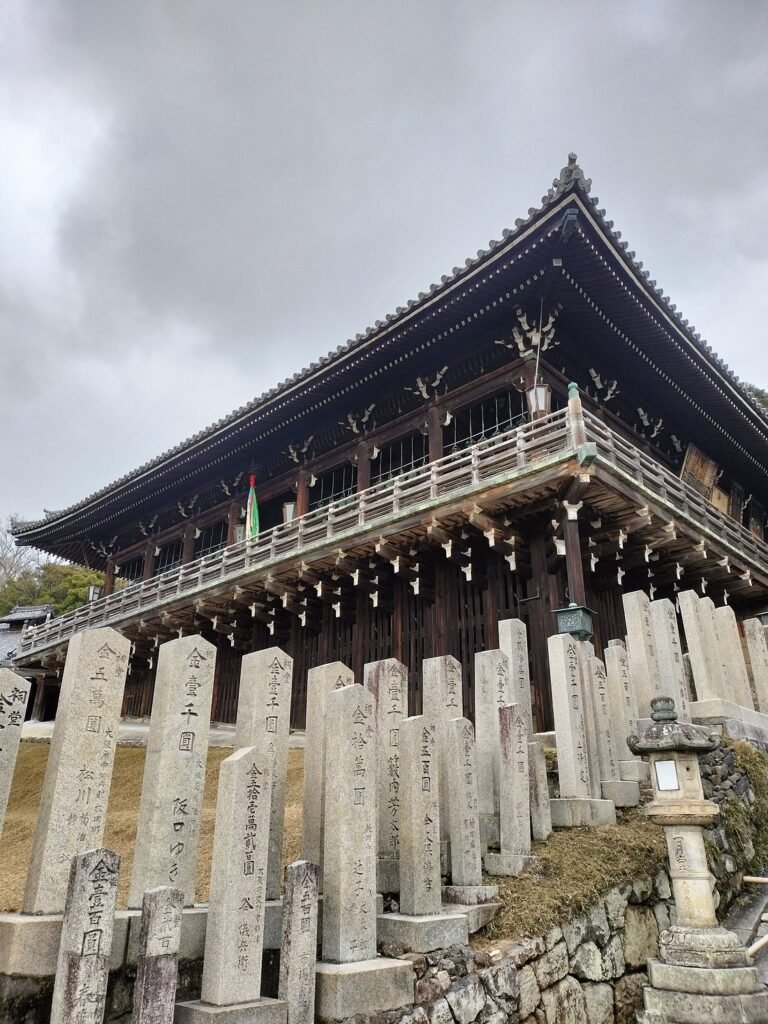
Tōdai-ji isn’t just the Great Buddha Hall—it’s a whole complex of buildings, each with its own function (religious, administrative, ceremonial… the full package).
The one you really shouldn’t miss is Nigatsu-dō, a 17th-century wooden building on a small hillside with a balcony view over Nara. It’s also linked to O-Mizutori, a famous nighttime ceremony held in early March.
Entry here is completely free, and you can read more about it (including the ceremony) on the official website.
Other notable structures include:
- Hokke-dō (8th century, National Treasure)
- Kaidan-dō (ordination ceremonies)
- Sashizu-dō (worship and copying of sacred texts)
From here you can download a small map of these secondary buildings, plus their history in Engish.
4. Kasuga-taisha
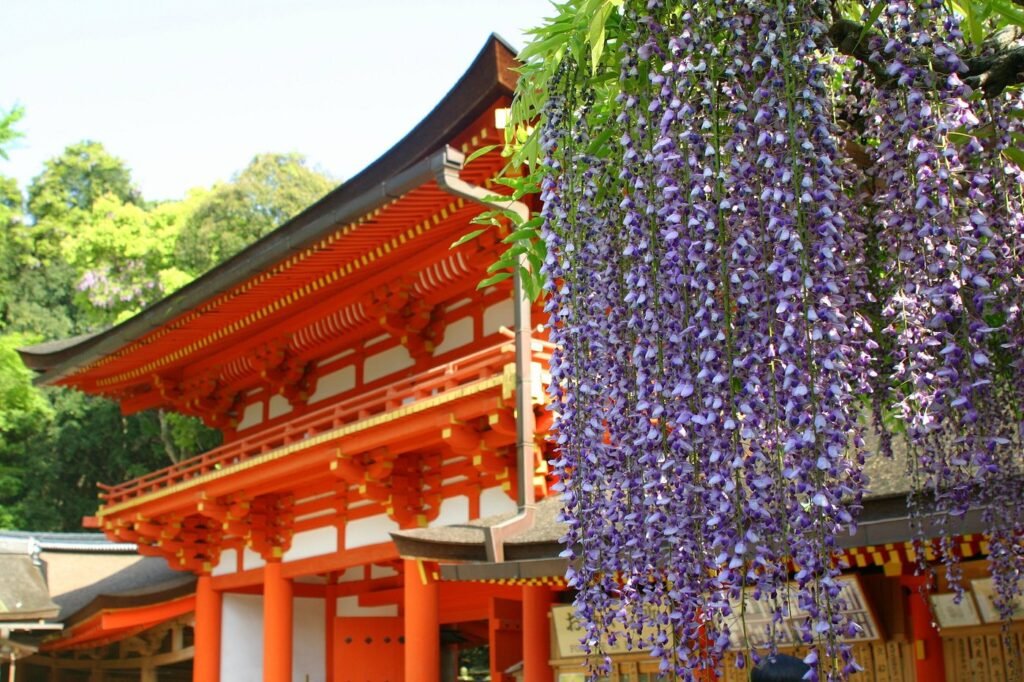
Time to switch from Buddhism to Shinto: Kasuga-taisha is the other major must-see inside Nara Park. Founded in the 8th century by an influential clan, it honors multiple deities and feels deeply atmospheric as you approach.
You’ll walk through wooded paths and torii gates until you reach the shrine area—where the iconic feature appears: hundreds of bronze and stone lanterns.
These are lit during Mantōrō, twice a year:
- February 2–4 (winter → spring)
- August 14–15 (summer → autumn)
If your trip overlaps those dates, check updated details so you can catch it properly.
The shrine grounds are free, but it costs 700 yen to enter the Main Hall.
Hours:
- March–October: 6:30 am–5:30 pm
- Rest of year: 7:00 am–5:00 pm
The official website also lists a museum and botanical garden nearby (both with entry fees).
5. Nara National Museum

Near the park’s central area (and closer to the train stations), you’ll find the Nara National Museum. Opened in the late 19th century in a French Renaissance-style building, it’s packed with Japanese Buddhist art—perfect if you want to understand what you’ve been seeing in temples all day.
Entry: 700 yen
Hours: typically 9:30 am–5:00 pm
Check the official website for current details and exhibitions.
6. Kōfuku-ji Temple + Sarusawa Pond
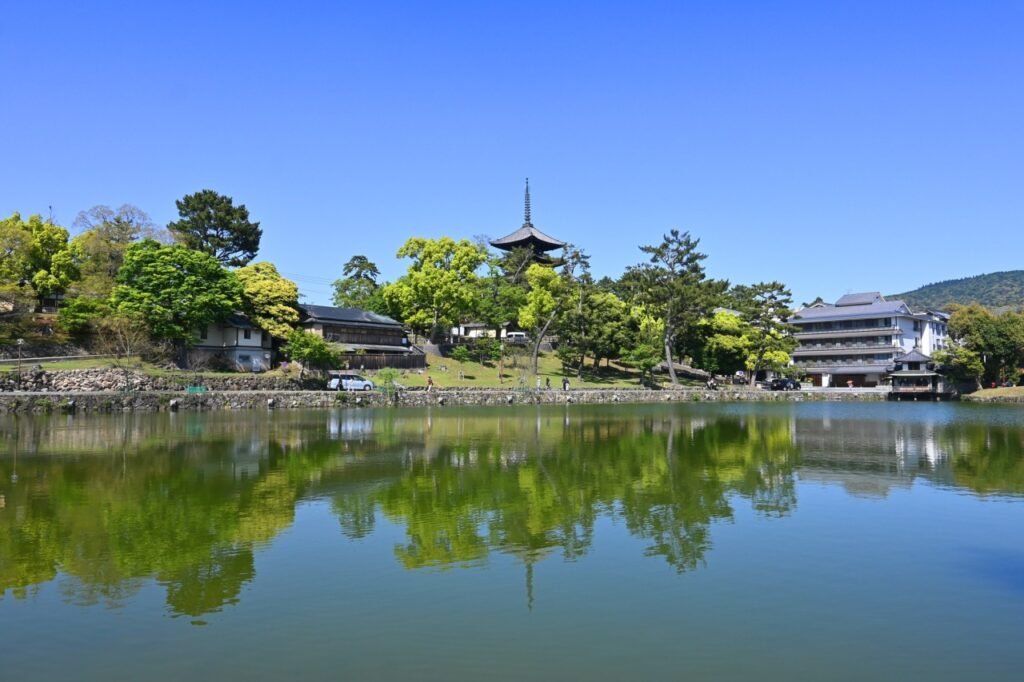
Close to the museum (and right near where many people enter/exit the park) is Kōfuku-ji Temple (also written Kofukuji). Founded in the 7th century and later moved here, it’s another major Buddhist site with a long history and a beautiful collection of buildings—especially the Golden Hall and its famous five-story pagoda.
On your way out, don’t skip Sarusawa Pond, right next door—known for reflecting the temple in its water when conditions are right.
Hours: 9:00 am–5:00 pm daily
Walking the grounds is free, but specific areas (National Treasure Hall, Golden Hall, East Hall) require tickets. Prices and combination options are listed on the official website.
⚠️ Parts of the complex are under construction, so you may find certain areas closed.
7. Naramachi: the best neighborhood to explore in Nara
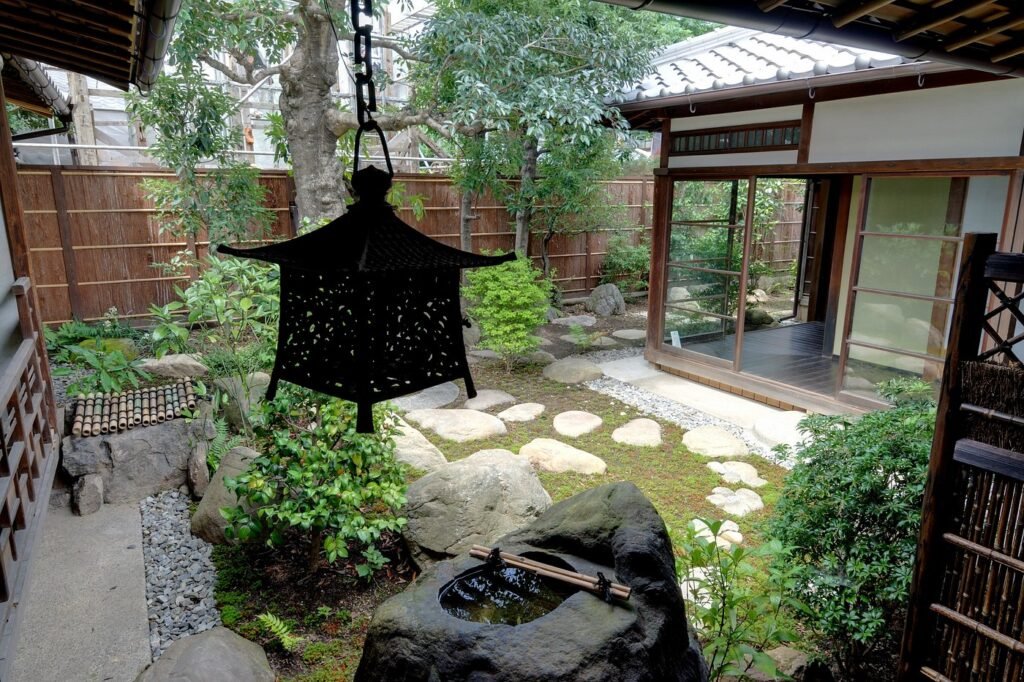
Beyond temples and deer, the other must-see is Naramachi—a traditional district that used to be Nara’s main commercial area. Today it still holds onto that old-world vibe, with shops, small restaurants, and streets that reward a slow wander (and a little intentional getting-lost).
The stars here are the traditional merchant houses, machiya, and some are open to visitors. Two we loved (both free entry):
- Naramachi Nigiwai-no-le – a 1917 commercial house used for living + business, with a lovely garden.
Open 9am–5pm, closed Wednesdays. - Naramachi Koshi-no-Ie (Lattice House) – a recreated house showing how merchants lived in the Edo and Meiji periods. The staff even gave us a small Spanish map of the house.
Open Tuesday–Sunday 9am–5pm.
Look out for Migawari Zaru (monkey-shaped fabric amulets in red and white), believed to protect homes from illness and bad luck. They’re charming—and yes, you can buy one as a souvenir.
8. Other places to see in Nara (if you want to go beyond the core loop)
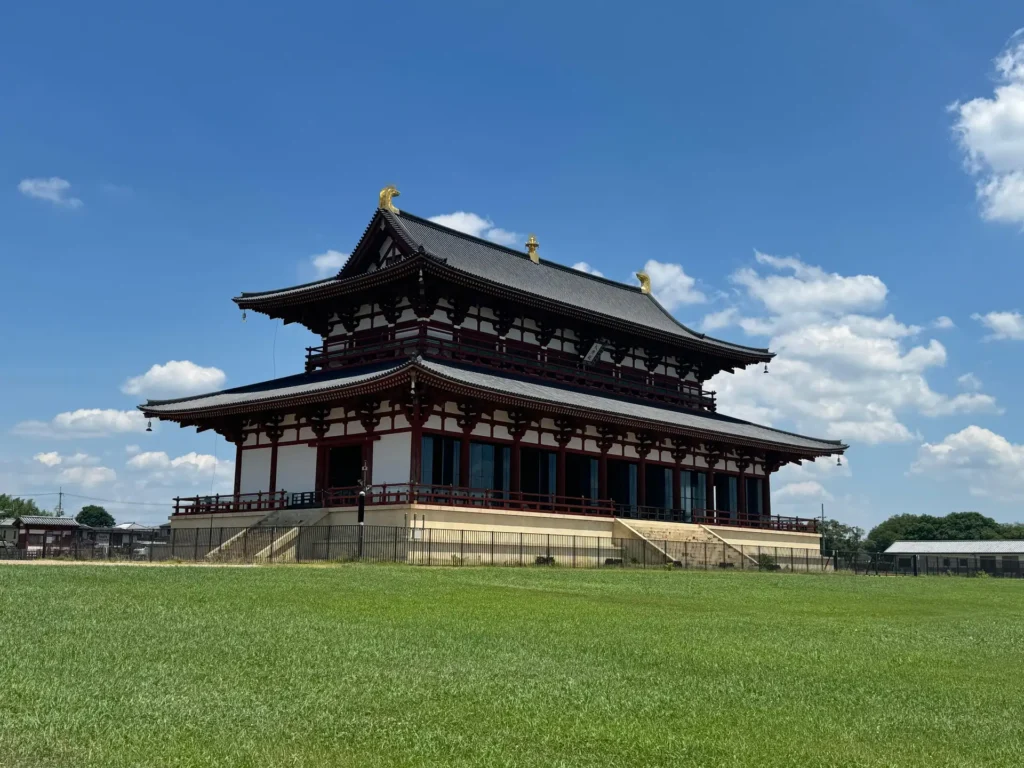
With everything above, you’ve got a full day that’s easy to do on foot around Nara Park. But if you want to stretch farther (and you’re okay using buses), here are three additional options:
- Heijō Palace – Nara’s capital-era political center, now part of Nara Palace Site Historical Park. What you’ll see today is reconstruction, including Suzaku Gate and the Great Audience Hall.
Entry is free, usually open 9am–5pm. Official website has details. - Yakushi-ji Temple – headquarters of the Hossō school of Japanese Buddhism, with two major pagodas and a large complex.
Entry to the main building: 1000 yen
Open 9am–5pm. Info on the official website. - Hōryū-ji – the furthest option, but also one of the most historically significant: founded in 607, it’s among the oldest Buddhist temples in the world and has an original pagoda plus multiple buildings.
Entry: 2000 yen
Usually open 9am–5pm
You can reach it by train, then walk about 10 minutes (check Google Maps).
It’s absolutely worth it if you’ve got time—but on a strict day trip, schedules can make it tricky.
Where to eat in Nara
Nara is small enough to walk, but big enough to make you accidentally end up eating… whatever is closest. So let’s do this properly: a tight, practical list of where to eat in Nara, split by mood—quick bites, traditional Japanese meals.
Budget reality check
- Quick lunch (no-frills): ¥800–¥1,500 per person
- Casual sit-down meal: ¥1,500–¥3,000
- Special dinner / nicer place: ¥3,000–¥6,000+
- Street snacks (mochi, skewers, etc.): ¥200–¥700 each
And yes, many smaller spots still prefer cash, especially around Naramachi.
1) Naramachi: the best area for food + atmosphere
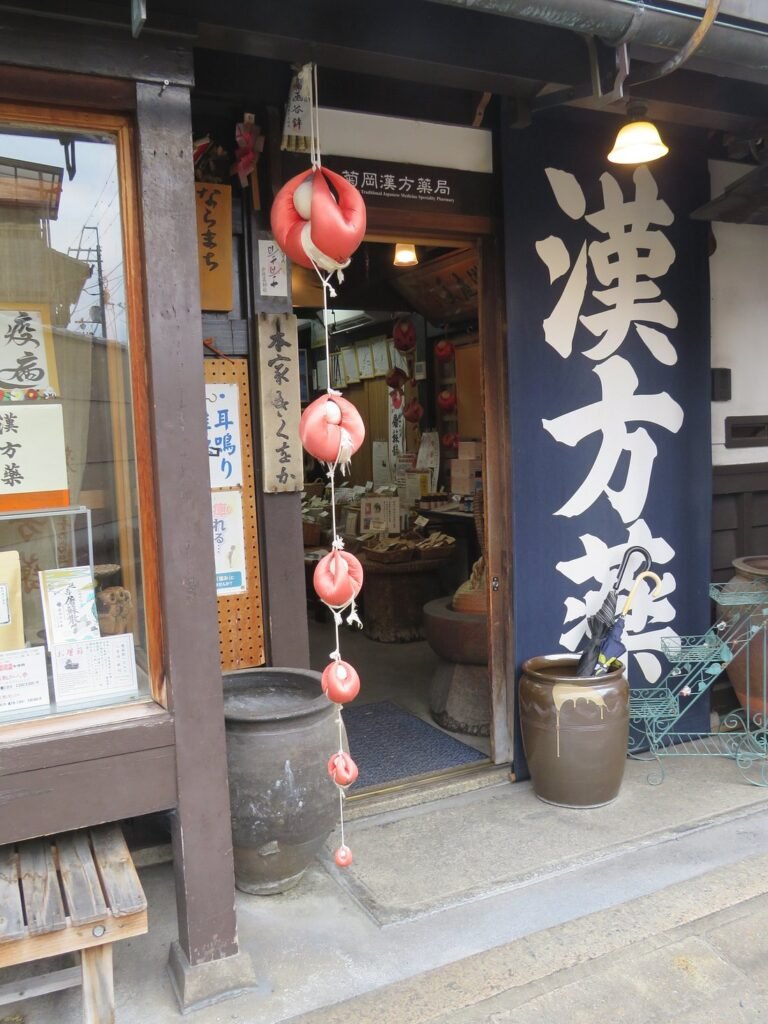
If we’re picking one neighborhood to eat in, it’s Naramachi—old merchant houses, quieter lanes, and restaurants that feel like they belong in Nara.
What to eat here:
- set meals (teishoku)
- seasonal tempura
- soba/udon
- simple traditional plates in historic interiors
Why we like it: you can pair lunch with wandering machiya houses and craft shops, and it’s a calmer alternative to the busy park edge.
2) Around Nara Park: eat near the sights (but choose wisely)
You’ll probably be hungry mid-temple, mid-deer, mid-“why is that fawn chasing my bag?” This area has plenty of options, but also more tourist-y menus—so our rule is simple:
Pick places that look busy with Japanese diners, have shorter menus, or offer set meals rather than laminated photo-bibles.
Good easy wins near the park:
- Udon / soba shops for quick, warming bowls
- Teishoku (set meal) restaurants for a balanced plate + miso soup + pickles
- Cafés if you need a strategic recharge (coffee + cake = morale restoration)
3) Try Nara’s “local-ish” specialties
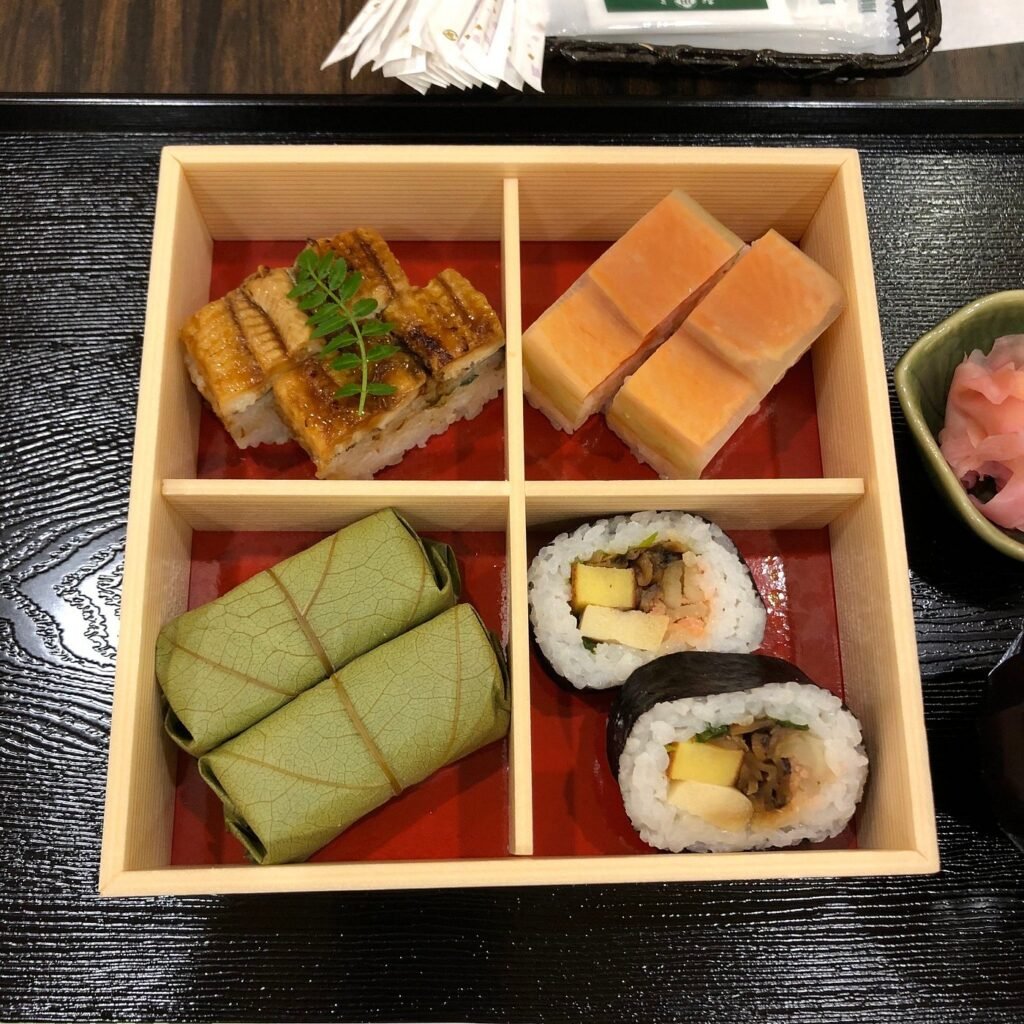
Nara is famous for deer, temples, and that feeling of being in ancient Japan—but it also has a few food things worth targeting:
Kakinoha-zushi (persimmon-leaf sushi)
Pressed sushi wrapped in persimmon leaves. It’s a classic Nara souvenir-snack-meal hybrid—perfect if you want something light and portable.
Miwa somen (thin somen noodles)
Especially good when you want something gentle, not heavy. Great as lunch between temples.
Yamato vegetables (local seasonal produce)
Often shows up in set meals, tempura, or small side dishes—worth choosing when you see it on the menu.
4) Our “don’t miss this” snack stop: Nakatanidou mochi
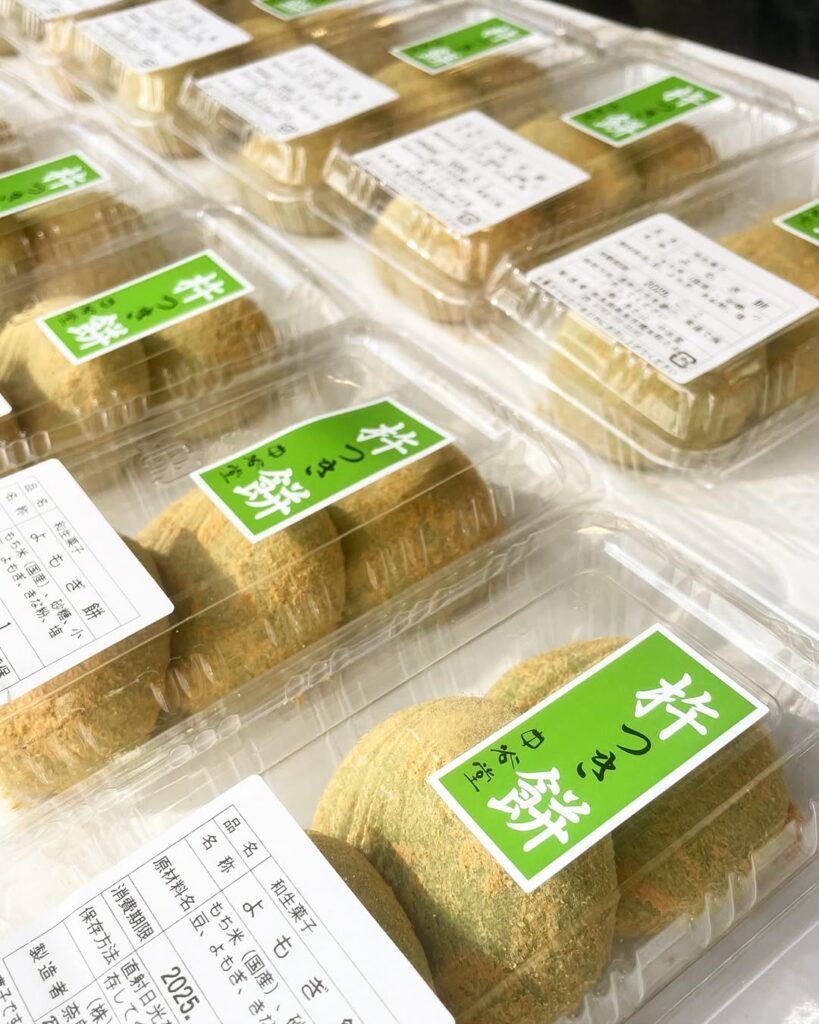
If you’re anywhere near central Nara, you’ll see the line. Nakatanidou mochi is the place famous for live mochi pounding, and yes, it’s touristy—because it’s fun and actually tasty.
Price vibe: usually just a few hundred yen per piece.
Pro tip: go earlier in the day if you can; it gets chaotic.
Practical food tips for Nara
- Arrive early for lunch (11:30–12:00). Nara day-trippers hit restaurants at the same time.
- Many places close early, especially outside peak areas. Dinner options are fewer than Kyoto/Osaka.
- Cash helps, especially for small noodle shops and snack stands.
- Don’t eat while walking around deer. The deer read “food” like a superpower and will get involved.
Top hotel picks to stay in Nara
Nara is one of those rare Japan wins where you can do the UNESCO-heavy sightseeing all day… and still find a stay that doesn’t require selling a kidney. The cheat code is simple: sleep near Kintetsu-Nara for instant Nara Park access, or sleep near JR Nara if you’re continuing onward early (Osaka/Kyoto/Hiroshima). Here are the stays we’d book again, depending on what kind of traveler you are.
Hotel Nikko Nara (JR Nara)
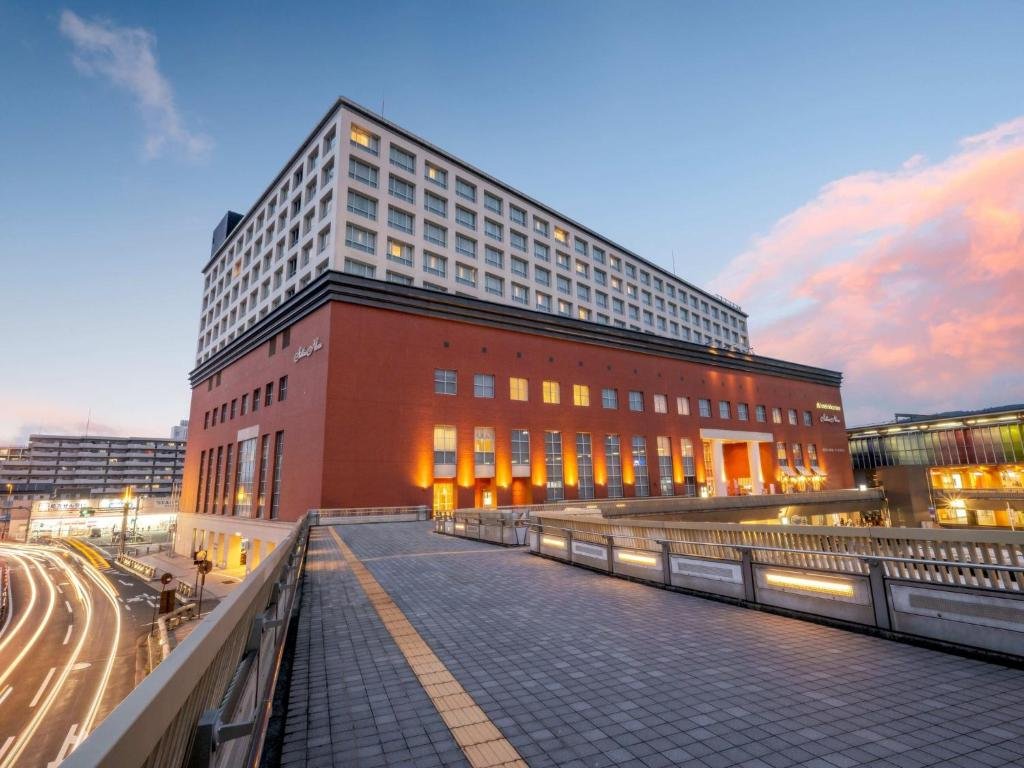
Best for: easy logistics + solid comfort + early departures
Why we’d pick it: right by JR Nara, which makes your “grab breakfast, catch train, become a functioning human” plan actually realistic.
Real-life price: roughly ¥9,900–¥17,600 per night for 2 (varies by plan/season).
Onyado Nono Nara (Dormy Inn) (JR Nara)
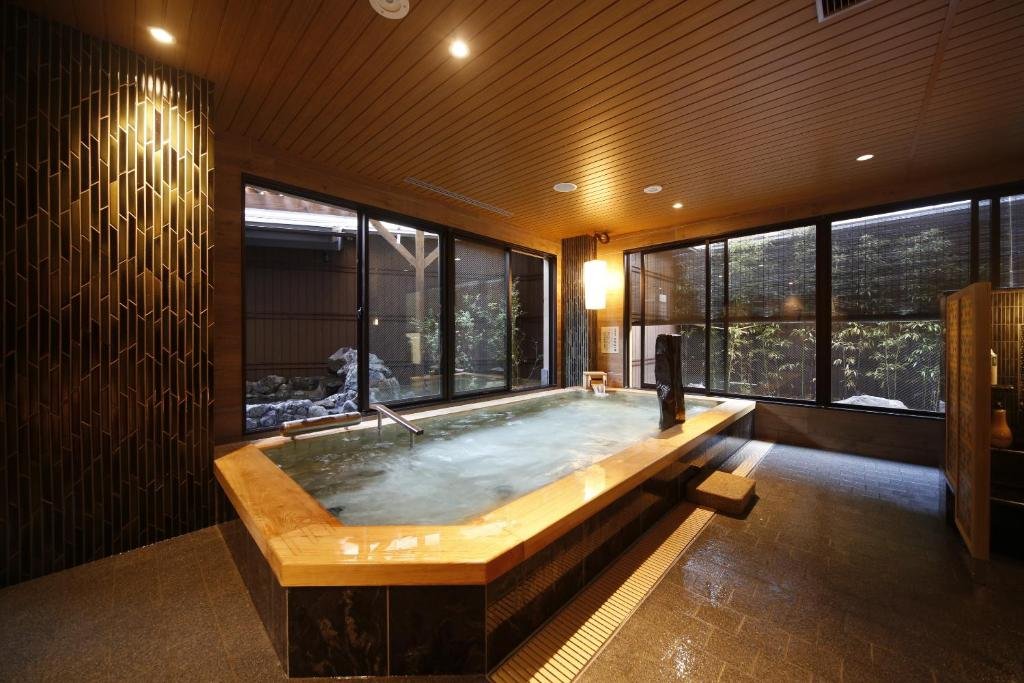
Best for: onsen people who want a “spa night” without going full ryokan
Why we’d pick it: it’s a Japanese-style, bath-forward hotel where you can end the day soaking like you earned it (you did). Location is also easy: about 1 minute from JR Nara.
Real-life price: from about ¥11,000 per night for 2 (entry-level rates).
Iroha Grand Hotel Kintetsu Nara Ekimae (Kintetsu-Nara)
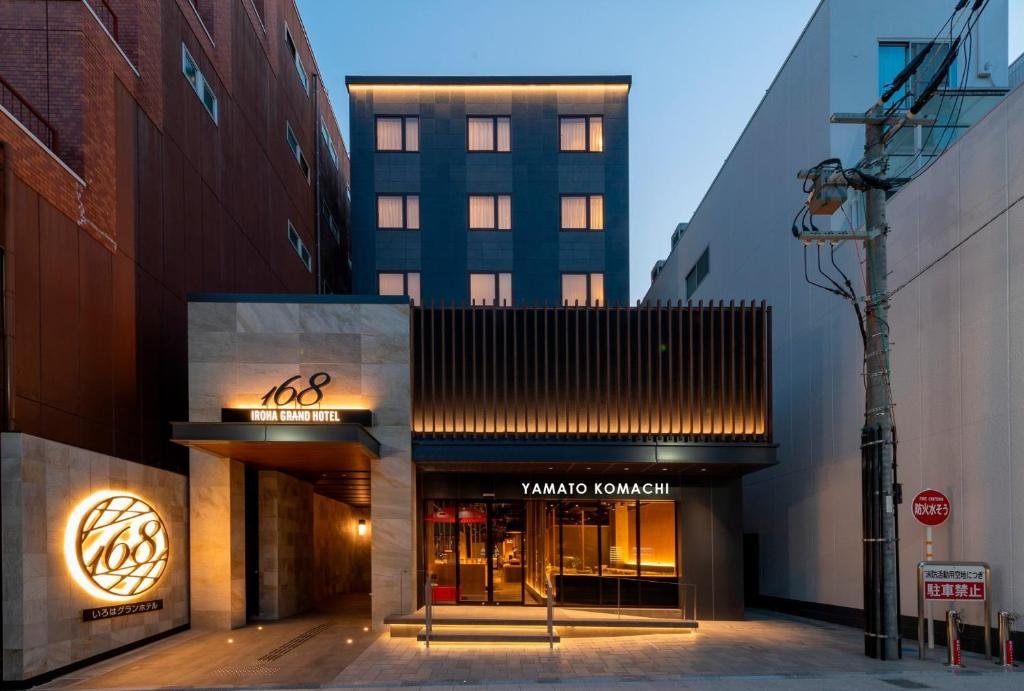
Best for: “we want to be close to everything” walkers + one-day Nara itineraries
Why we’d pick it: you’re near Kintetsu-Nara (aka the station that makes Nara Park feel like your backyard). Great base if you’re doing dawn temples + early Great Buddha before the crowds wake up.
Real-life price: from about ¥8,050 per night for 2 (room-only).
Comfort Hotel Nara (near JR Nara)

Best for: clean, no-fuss value (the “we just need a good bed” crowd)
Why we’d pick it: reliable business-hotel comfort and a very friendly price point
Real-life price: from about ¥6,370–¥6,500 per night for 2 on the cheapest plans (room-only).
Kotonoyado Asuka-sou (Asukasou) (near Nara Park)
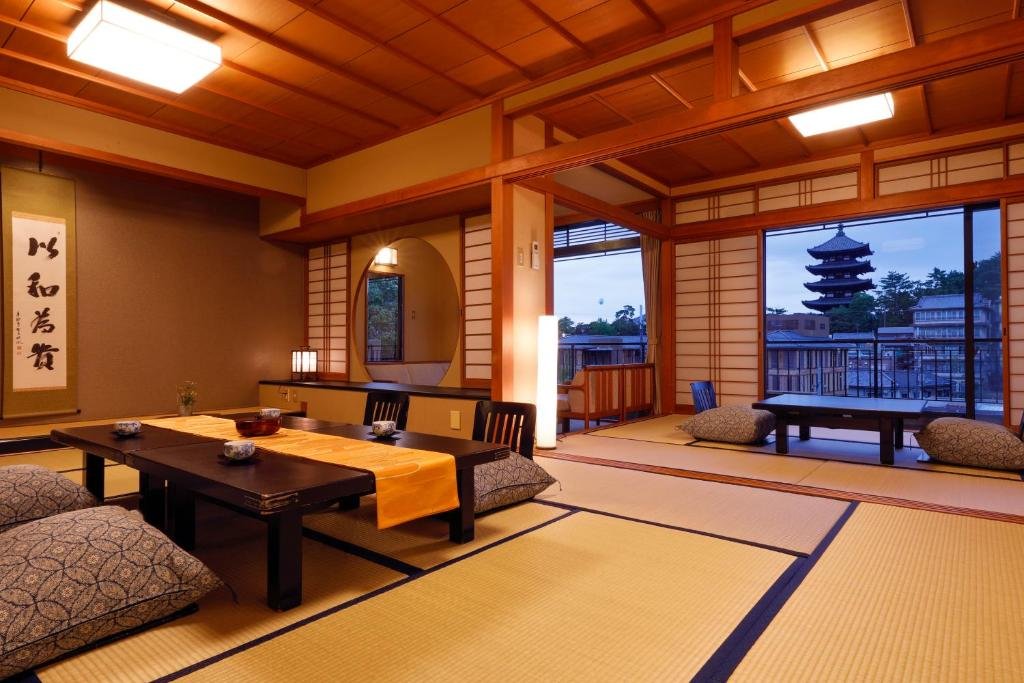
Best for: ryokan vibes without going ultra-luxury
Why we’d pick it: if you want that “we’re staying somewhere properly Japanese tonight” feeling—this is a strong middle ground. Great for an early-morning park stroll before the deer start hustling tourists.
Real-life price: from about ¥20,610 per night for 2 (room-only on cheaper plans).
SETRE Naramachi (boutique stay in the traditional district)
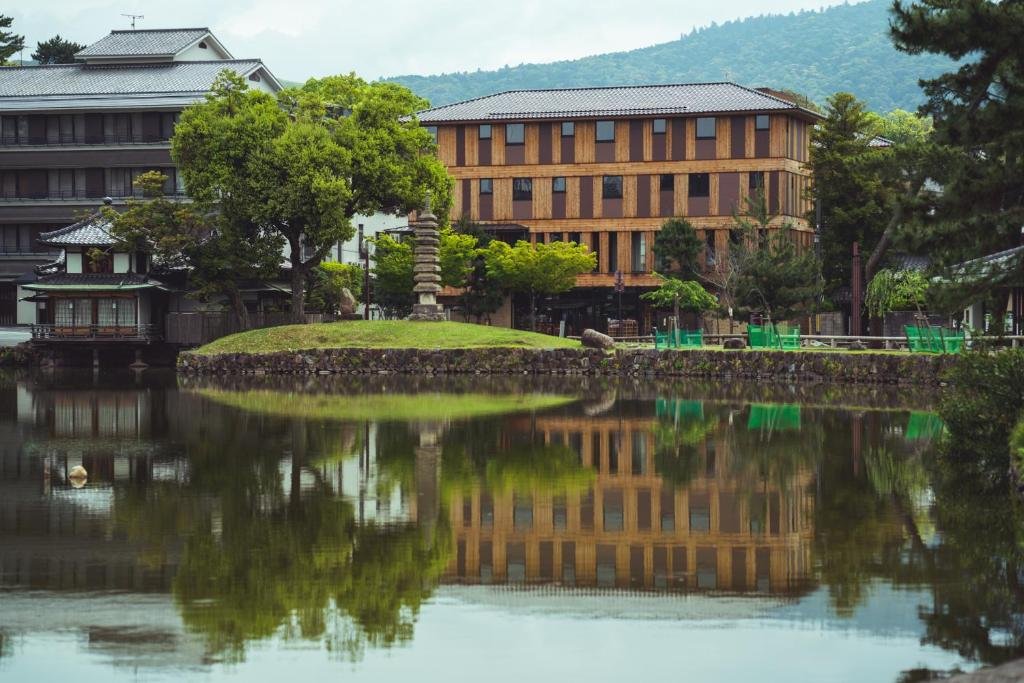
Best for: design lovers + slow evenings in Naramachi
Why we’d pick it: if your dream night is “lantern-lit streets, little shops, calm morning coffee” rather than station convenience—Naramachi is your mood.
Real-life price: about ¥29,000–¥73,000 per night for 2 depending on plan/season.
- What To Do In Arashiyama With Kids: A Realistic One-Day Family Itinerary
- 20 Best Things to Do in Shiga (2026): Lake Biwa, Castles, Shrines and More
- 30 Best Things to Do in Wakayama And Around (2026): Castles, Sacred Trails, Beaches, Hot Springs & Mildly Dramatic Rock Formations

- What to Do in Enoshima (2026): Best Sights, Sunset Views & Hidden Gems

- Best Things to Do in Gunma (2026): Hot Springs, Mountains, Flower Parks & Wild Little Detours