

Travel photojournalist and landscape hunter with experience across 89 countries, all 47 prefectures of Japan, 30 remote islands, and 60+ mountains. I focus on overlooked landscapes, mossy hidden corners, and places beyond the usual guidebooks — sharing photography and stories that inspire people to travel.
Kyoto can keep us busy for days. There are temples hidden behind shopping streets, gardens that demand a slower pace, tiny restaurants with six seats, and enough matcha desserts to turn a casual afternoon into a personal mission.
But Kyoto is also one of the best bases for exploring the wider Kansai region. Step onto the right train in the morning and, before lunch, you could be feeding deer in Nara, soaking in an old hot-spring town, walking around a white hilltop castle, or staring across Japan’s largest lake.
Some of the best day trips from Kyoto are only ten minutes away. Others sit close to the two-hour mark and require a reasonably early start. We have also included two worthwhile longer journeys at the end of this guide, but we have labelled them clearly: they are possible as ambitious day trips, although most travelers will enjoy them far more with an overnight stay.
In other words, we are not pretending that every place on the map is “just around the corner.” Nobody enjoys spending half their holiday changing trains with a convenience-store sandwich balanced on their knee.
Exploring more of Kyoto and Kansai? Read these next
- Perfect 1-Day Nara Itinerary: Temples, Deer and Scenic Walks
- What to Do in Osaka: Best Things to See, Eat and Experience
- What to Do in Arashiyama: Bamboo Groves, Temples and Riverside Walks
- What to Do in Kyoto: Best Attractions, Itinerary Ideas and Visiting Tips
- Hidden Gems in Kyoto: Peaceful Spots Beyond the Usual Temple Route
Table of Contents
Why Kyoto Is Such a Good Base for Day Trips
Kyoto sits in a wonderfully convenient position. JR trains, private railway lines, buses, and express roads fan out in almost every direction. This makes it easy to swap Kyoto’s temple courtyards for coastal scenery, hot springs, castles, mountain villages, and modern waterfronts without dragging your suitcase across Japan.
The Kansai Transport Network Does Most of the Hard Work
Several major destinations are connected directly or almost directly to Kyoto Station. Nara is less than an hour away. Kobe is usually around an hour away by train. Himeji can be reached in roughly 45 minutes by direct Shinkansen. Otsu, on the edge of Lake Biwa, is so close that the journey can feel shorter than crossing central Kyoto during a busy afternoon.
Some destinations require a limited express train, a bus connection, or a carefully timed departure. Amanohashidate and Ise fall into this category. They are still realistic day trips, but they reward travelers who check the timetable before breakfast rather than improvising at 11:30 a.m.
Each Destination Feels Genuinely Different
The best part is the variety. We can head north to Amanohashidate for pine-covered coastal scenery, travel west to Himeji for one of Japan’s most impressive castles, escape to Arima Onsen for a long soak, or reach Lake Biwa in time for a lakeside coffee.
Even within the Kansai region, each town has its own rhythm. The food changes. The streets change. The pace changes. That contrast can be refreshing after several days of temple-hopping in Kyoto.
Every Season Offers a Different Excuse to Leave the City
Spring brings cherry blossoms around Amanohashidate and Arashiyama. Summer is ideal for Lake Biwa and the coast. Autumn turns Arashiyama, Ohara, and the hills around Kyoto into some of the most photogenic places in the region. Winter makes hot-spring towns such as Arima Onsen and Yunohana Onsen particularly tempting.
The same destination can feel completely different six months later. That is useful when Kyoto is not your first Japan trip and you are looking for an easy way to widen your itinerary.
Best Day Trips From Kyoto Within Around Two Hours
1. Amanohashidate: Coastal Scenery and One of Japan’s Most Famous Views
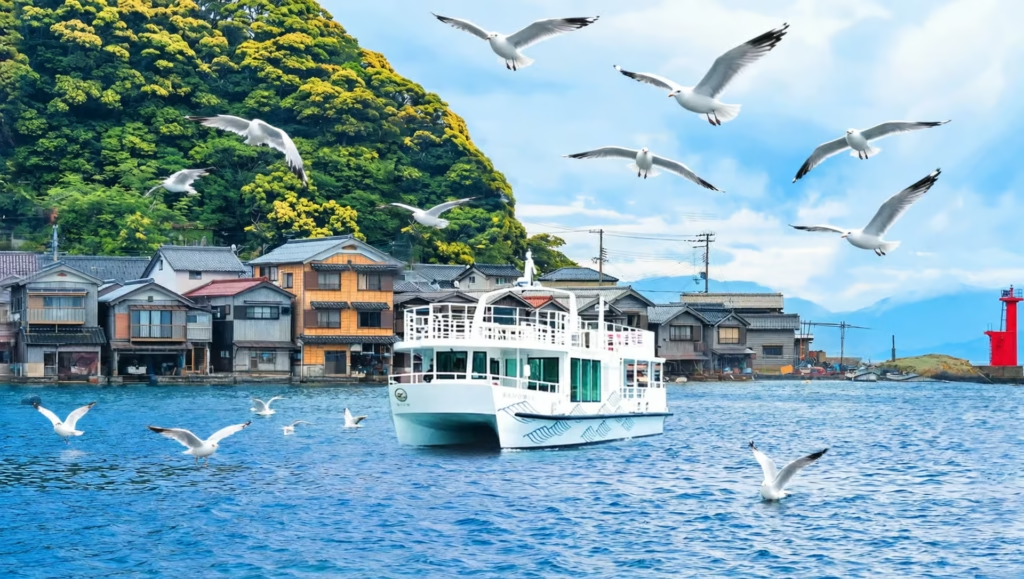
Travel time from Kyoto: approximately two hours by limited express train
Best for: dramatic scenery, coastal walks, spring trips, and travelers who want to see a quieter side of Kyoto Prefecture
Amanohashidate is one of the most memorable day trips from Kyoto, especially when we want to escape the city entirely. The destination sits on the coast in northern Kyoto Prefecture, where a narrow sandbar covered with thousands of pine trees stretches across Miyazu Bay.
It is traditionally counted among Japan’s three most scenic views. Once we arrive, it quickly becomes obvious why. The landscape is simple but striking: sea, sky, mountains, and a green line of pines cutting through the water.
See the View From Amanohashidate View Land
Amanohashidate View Land is one of the best places to appreciate the full shape of the sandbar. We can take a chairlift or monorail up the hillside, then look across the bay from the observation area.
This is also where visitors try matanozoki: bending forward and looking at the scenery upside down through their legs. From that angle, the pine-covered sandbar is said to resemble a dragon flying through the sky. Yes, it looks slightly ridiculous from the side. That is part of the experience.
Walk, Cycle or Take a Boat Across the Bay
Amanohashidate is not only a viewpoint. We can also walk or cycle along the sandbar, stop at Chion-ji Temple, browse the small shops around the station, or take a sightseeing boat across the water.
Spring is particularly attractive when cherry blossoms add soft pink color around the bay. Summer works well for a breezier coastal escape. Either way, this is a full-day outing rather than a casual late-morning detour.
Planning tip: Check the limited express timetable in advance. Amanohashidate is worth the journey, but the transport options are less frequent than trains to Nara or Kobe.
2. Arima Onsen: A Historic Hot-Spring Escape
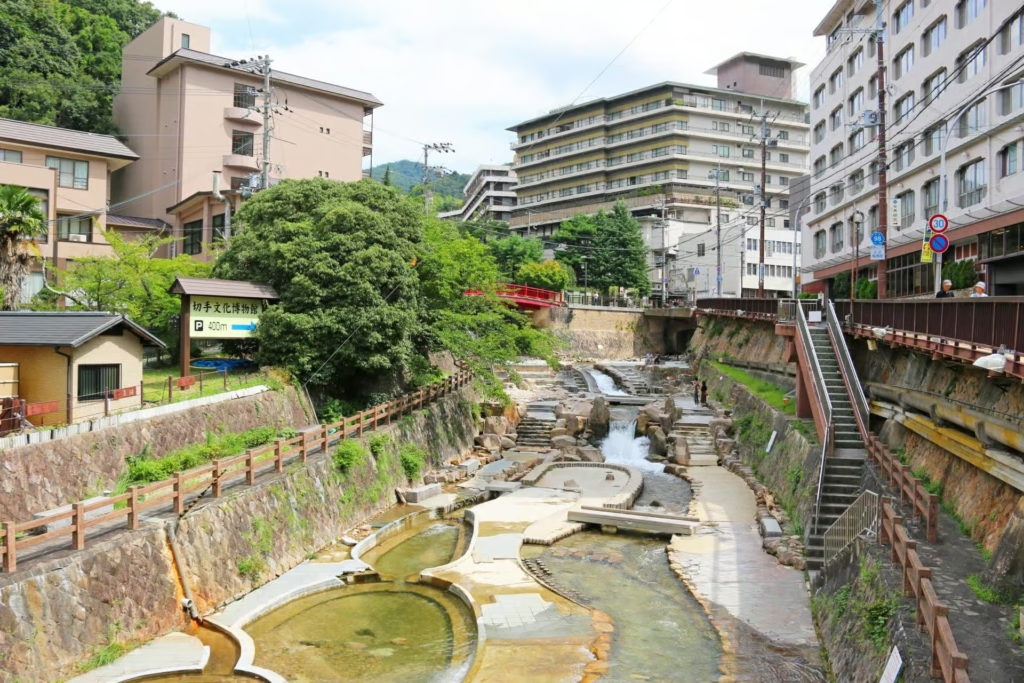
Travel time from Kyoto: approximately 75 to 90 minutes, depending on the route
Best for: hot springs, slower days, couples, winter visits, and travelers whose feet have started negotiating for better working conditions
Arima Onsen is one of Japan’s oldest hot-spring towns and one of the easiest ways to add an onsen experience to a Kyoto itinerary without booking an entirely separate holiday.
The town sits in the hills behind Kobe. Its narrow streets, traditional inns, small souvenir shops, and steamy public baths feel worlds away from Kyoto Station, even though the journey is manageable in a day.
Try the Golden and Silver Hot Springs
Arima Onsen is known for two distinctive types of spring water. The iron-rich Kinsen, or “golden spring,” has a reddish-brown color. The clearer Ginsen, or “silver spring,” offers a completely different bathing experience.
Several public baths and ryokan inns offer day-use access, so we do not need to stay overnight to enjoy the town. An overnight stay is still tempting, of course. Once you have soaked in a hot bath and eaten your way through the snack shops, returning to a busy station can feel like a questionable life choice.
Leave Time for the Hot-Spring Town Itself
Arima is compact but hilly. After bathing, we can wander along the atmospheric lanes, visit small temples and shrines, dip our feet into a footbath, and try local specialties such as tansan senbei, the area’s crisp carbonated rice crackers.
Planning tip: Wear shoes with decent grip. The slopes and stone lanes are charming until we attempt them in impractical footwear after a long soak.
3. Lake Biwa and Otsu: Japan’s Largest Lake Just Outside Kyoto
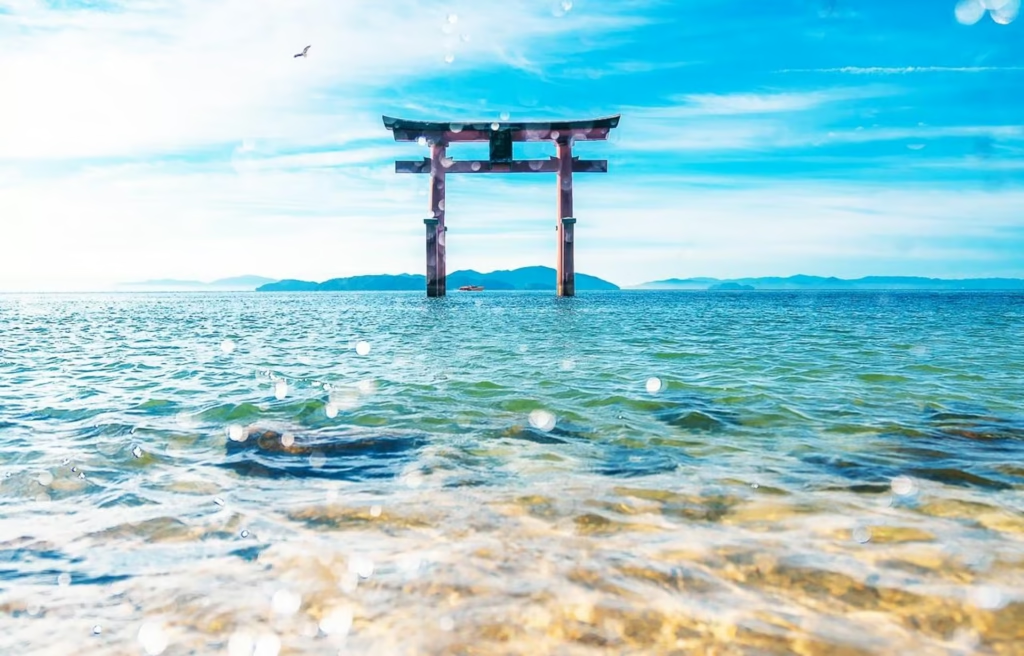
Travel time from Kyoto: approximately 10 minutes to Otsu; allow longer for lakeside attractions farther north
Best for: easy nature escapes, summer activities, lake views, cycling, and travelers who do not want a complicated transport day
Lake Biwa is Japan’s largest lake, and the easiest access point is almost suspiciously close to Kyoto. A short JR train ride brings us to Otsu in Shiga Prefecture, where the atmosphere immediately feels calmer and more open.
This is one of the most flexible day trips from Kyoto. We can keep things easy with a lakeside walk and lunch in Otsu, or build a fuller itinerary around mountain views, temples, cycling, and water activities.
See Lake Biwa From Above at Biwako Valley
Biwako Valley is one of the most scenic options around the lake. The journey takes longer than reaching Otsu because we need to continue north, take a bus from Shiga Station, and ride the ropeway up the mountain.
On a clear day, the elevated views stretch across Lake Biwa and the surrounding countryside. The Biwako Terrace adds a polished café stop to the experience, while seasonal outdoor activities make the area especially appealing in warmer months.
Add Enryaku-ji Temple on Mount Hiei
Travelers interested in history and mountain scenery can also visit Enryaku-ji Temple on Mount Hiei. The sprawling temple complex is one of the most significant Buddhist sites in Japan, with forested paths and viewpoints overlooking the surrounding landscape.
Try Water Activities in Summer
In summer, Lake Biwa becomes an outdoor playground. Depending on the area, we can try kayaking, stand-up paddleboarding, lakeside cycling, swimming, or boat trips. This is the day trip to choose when another afternoon of temple steps sounds less appealing than being near the water.
Planning tip: Decide which section of the lake you want to visit before leaving Kyoto. Lake Biwa is enormous, and “we will just explore the lake” is not quite a plan.
4. Kobe: Waterfront Views, Chinatown Snacks and a More Modern Mood
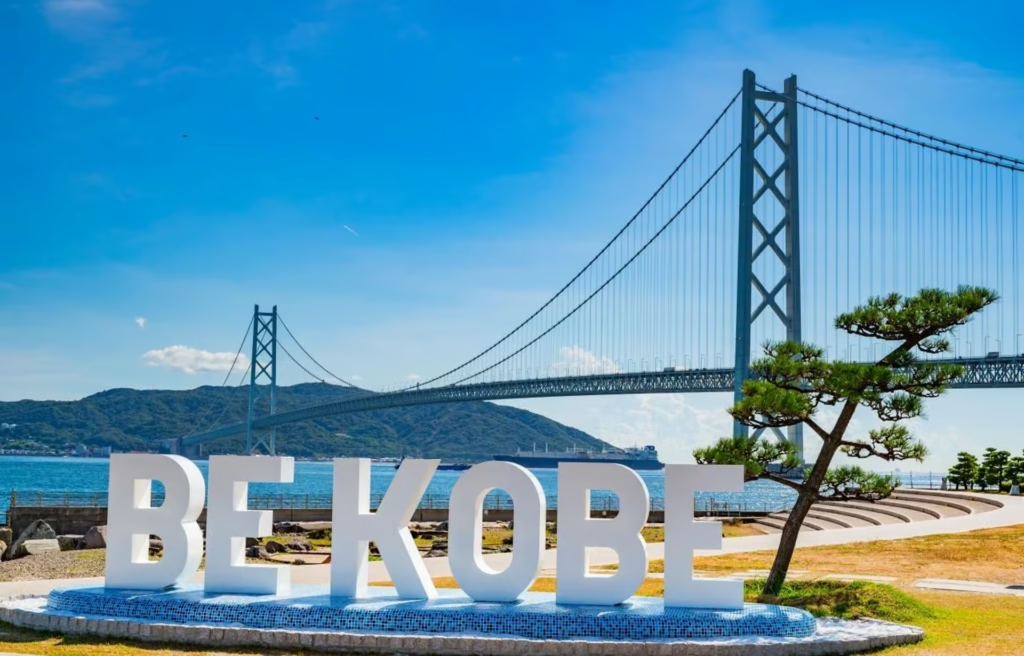
Travel time from Kyoto: approximately one hour by train
Best for: food, harbor views, architecture, shopping, and travelers who want a city break that feels different from Kyoto
Kobe is a stylish port city squeezed between the Rokko Mountains and the Seto Inland Sea. It is modern without being overwhelming, polished without feeling sterile, and easy to explore on foot if we focus on the central waterfront and nearby neighborhoods.
After several days in Kyoto, Kobe offers an enjoyable change of pace. We can spend the morning around historic Western-style houses, eat our way through Chinatown in the afternoon, and finish with harbor views as the lights come on.
Visit Kobe Port Tower and the Waterfront
Kobe Port Tower reopened after renovations in April 2024. Its rooftop deck offers panoramic views across the harbor, city, and surrounding mountains. The waterfront around Meriken Park and Harborland is particularly pleasant around sunset.
We can also walk past the red tower, stop by the “BE KOBE” sign, browse the shops around Harborland, and take an easy break beside the water. Kobe is not a city that requires an exhausting checklist.
Explore Kitano and the Former Foreign Settlement
Kobe developed as an international port, and that history is visible in areas such as Kitano Ijinkan-gai. The district is dotted with Western-style homes built during the late nineteenth and early twentieth centuries.
The streets climb uphill, so expect a little effort, but the architecture, cafés, and views make the walk worthwhile.
Eat Your Way Through Nankinmachi Chinatown
Nankinmachi, Kobe’s Chinatown, is the place to arrive hungry. Small stalls sell steamed buns, dumplings, fried snacks, sweets, and quick bites that make a sit-down lunch entirely optional.
Kobe beef is the city’s headline food experience, but Chinatown is the easier choice when we want variety without spending half the day at a restaurant table.
Planning tip: Book Kobe Port Tower tickets ahead of time if the rooftop deck is a priority, especially on weekends and around sunset.
5. Nara: Deer, Ancient Temples and a Slower Pace
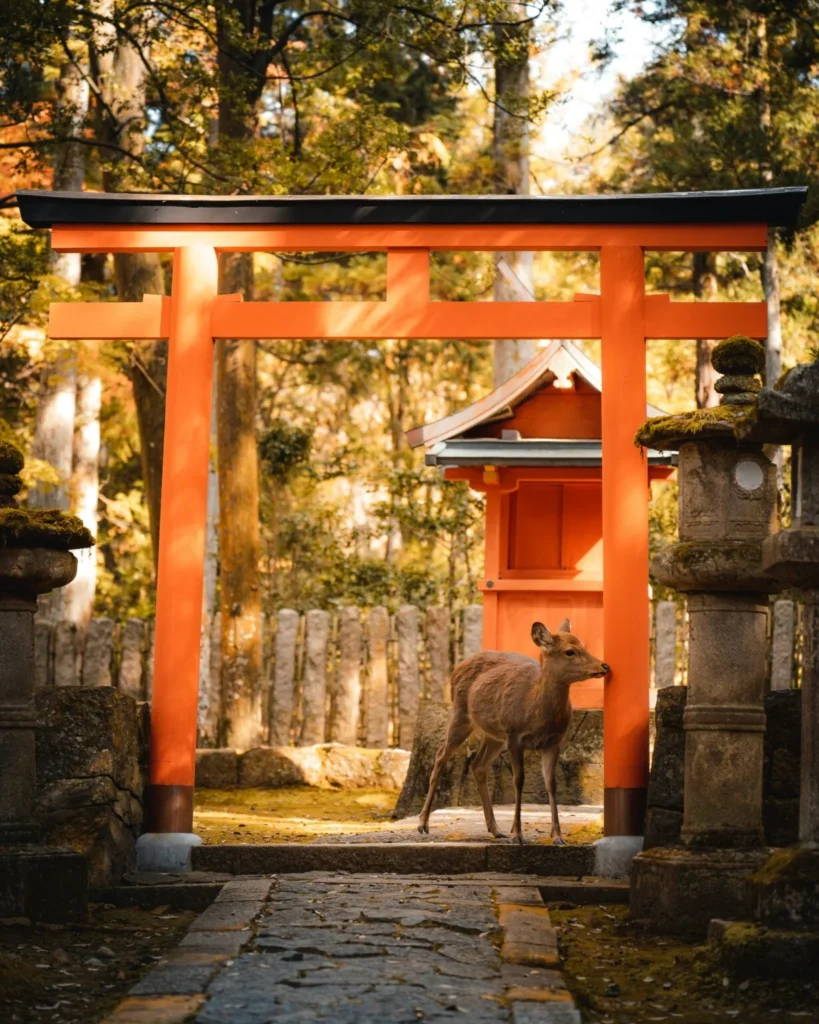
Travel time from Kyoto: less than one hour by train
Best for: first-time visitors, families, history lovers, photographers, and anyone prepared to negotiate with confident deer
Nara is one of the easiest and most rewarding day trips from Kyoto. The city was Japan’s first permanent capital, and its most famous sights sit within or close to Nara Park.
The park is home to around 1,400 freely roaming deer. They are closely connected with local folklore and have become the unofficial rulers of the area. They are generally calm, but they are not decorative props. Keep paper maps, snacks, and loose items out of reach unless you want to test their interest in stationery.
Meet the Deer in Nara Park
Special deer crackers are sold around the park. Feeding the deer is fun, especially for families, but the animals can become enthusiastic when they spot food. Buy one packet at a time, keep the rest hidden, and do not tease them by waving crackers around for a photo.
See the Great Buddha at Todai-ji Temple
Todai-ji Temple is the essential stop. Its enormous wooden hall contains the Great Buddha, one of Nara’s most recognizable sights. The scale is impressive even after we have already seen several major temples in Kyoto.
If time allows, continue to Kasuga Taisha Shrine, wander through the lantern-lined paths, visit Isuien Garden, or walk toward the quieter side of the park.
Planning tip: Arrive earlier in the morning if you want a more relaxed walk through Nara Park. The central area becomes busier as tour groups arrive.
6. Himeji: Japan’s Most Spectacular White Castle
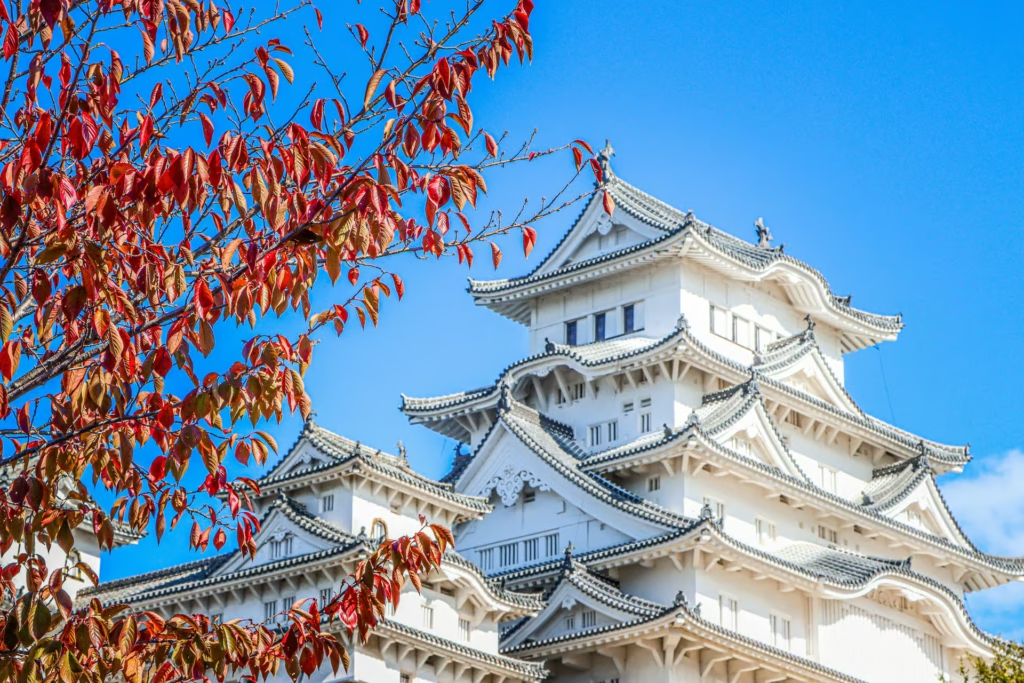
Travel time from Kyoto: approximately 45 minutes by direct Shinkansen
Best for: history, castles, architecture, photography, and travelers using a rail pass
Himeji is one of the most impressive places we can reach from Kyoto in under an hour. The city’s star attraction is Himeji Castle, a UNESCO World Heritage Site and one of Japan’s twelve surviving original castles.
Also known as White Heron Castle, it rises above the city with elegant white walls, layered roofs, defensive passages, and a silhouette that looks almost too perfect to be real.
Walk Through the Castle Interior
The exterior is beautiful, but the climb through the main keep makes the visit far more interesting. Inside, we pass wooden beams, narrow corridors, and steep staircases designed for a very different era.
The stairs become increasingly challenging near the top, particularly for small children or travelers with limited mobility. The city views from the upper levels are worth the effort, but this is not an attraction to rush through in slippery socks.
Add Koko-en Garden
Koko-en Garden sits next to the castle and provides a peaceful contrast after the crowds and staircases. The landscaped gardens include ponds, tea-house views, and carefully designed seasonal scenery.
Planning tip: Himeji Castle is around a 20-minute walk from Himeji Station. Arrive early during cherry-blossom season, autumn weekends, and national holidays.
7. Ise: Sacred Shrines and Traditional Street Food
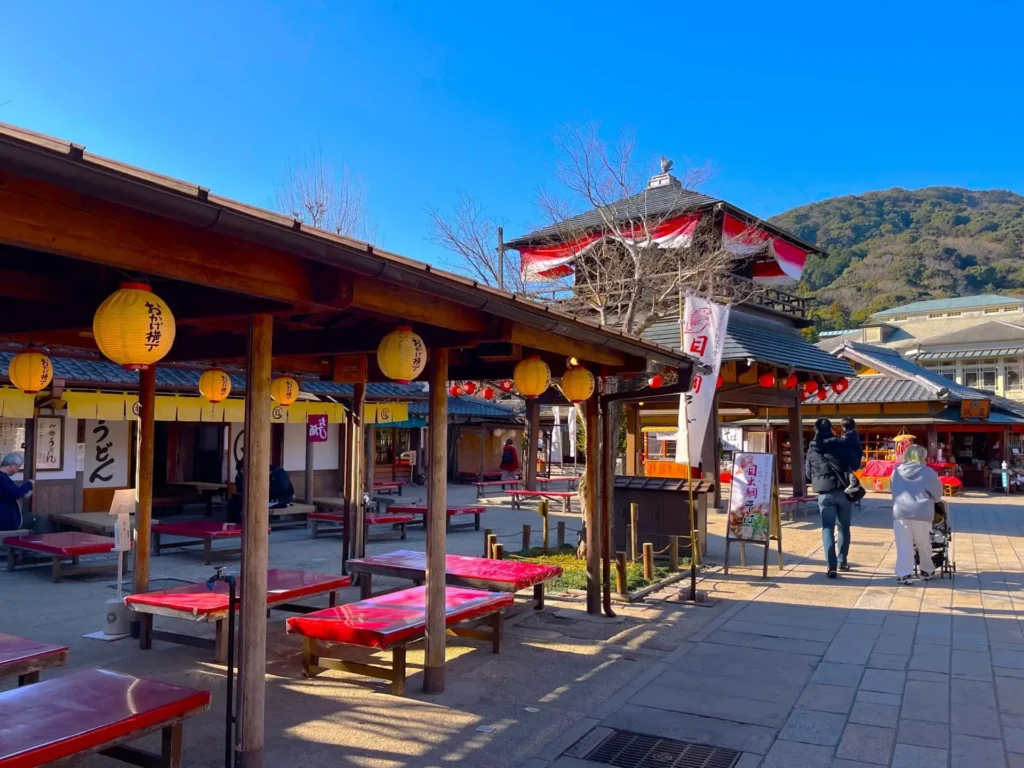
Travel time from Kyoto: approximately two hours or slightly longer, depending on the connection
Best for: Shinto history, spiritual sites, traditional food, and travelers comfortable with an early departure
Ise sits close to the outer edge of what we would consider a relaxed Kyoto day trip, but it is worth including for travelers interested in Japanese religious history.
The main reason to visit is Ise Jingu, often described as Japan’s most sacred Shinto shrine complex. The wider complex includes 125 shrines, centered around the two principal sites: the Outer Shrine, or Geku, and the Inner Shrine, or Naiku.
Visit the Outer and Inner Shrines
The Outer Shrine is easy to reach from Iseshi Station, while the Inner Shrine lies farther away and requires an additional bus ride. The atmosphere is calmer and more understated than at many heavily photographed attractions. This is a place to slow down rather than sprint between photo spots.
Eat Your Way Along Okage Yokocho
Near the Inner Shrine, Okage Yokocho and the surrounding Oharaimachi street recreate the feel of an older Japanese town. The area is ideal for a leisurely food stop after visiting the shrine.
Try Ise udon, local sweets, grilled snacks, and Akafuku mochi. This is not the moment for a rushed convenience-store lunch.
Planning tip: Ise works best as a full-day trip with an early start. Check the limited express timetable and the local bus connections before leaving Kyoto.
Easy Kyoto-Area Escapes for Half a Day or a Relaxed Full Day
Not every escape requires a two-hour train ride. Several places within Kyoto Prefecture feel surprisingly far removed from the city center while remaining easy to reach. These are ideal when we want a slower day, a shorter outing, or a practical plan after a late breakfast.
8. Arashiyama: Bamboo Groves, Temples and Riverside Walks
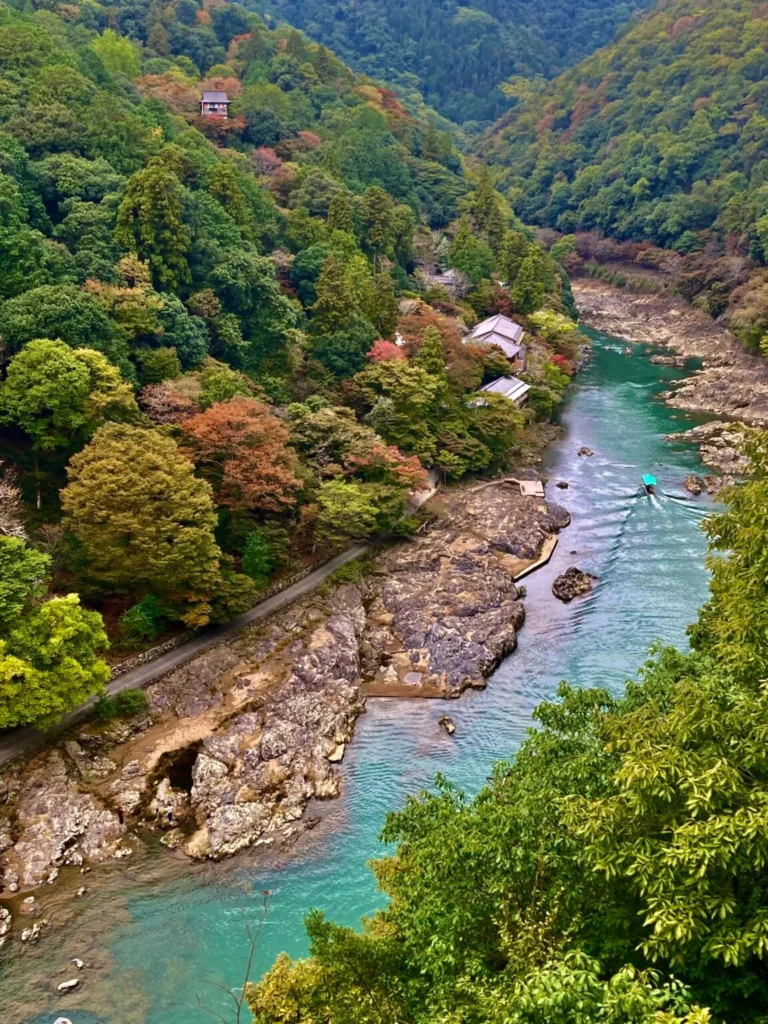
Travel time from Kyoto: approximately 11 minutes by rapid JR train to Saga-Arashiyama Station, followed by a short walk
Best for: first-time Kyoto visits, autumn color, family days, short outings, and early-morning walks
Arashiyama is technically part of Kyoto, but it feels like a separate outing. The area sits on the western edge of the city, where wooded hills, riverside scenery, temples, cafés, and small shops create an easy change of pace.
It is also one of Kyoto’s most popular sightseeing areas, which means timing matters. Arrive early if you want to experience the quieter side of Arashiyama rather than walking through the bamboo grove in a slow-moving crowd.
Walk Across Togetsukyo Bridge
Togetsukyo Bridge is one of Arashiyama’s defining landmarks. The scenery changes beautifully throughout the year, but autumn is particularly striking when the surrounding hills turn orange, red, and gold.
Visit the Bamboo Grove and Tenryu-ji Temple
The bamboo grove is a short and atmospheric walk, especially early in the morning. Nearby, Tenryu-ji Temple offers one of the area’s most impressive gardens, with a design that incorporates the surrounding mountains into the view.
Ride the Sagano Scenic Railway
The Sagano Scenic Railway follows the Hozugawa River through a dramatic valley landscape. It is particularly popular during autumn, so advance reservations are sensible during the busiest weeks.
Arashiyama also has plenty of places to stop for matcha sweets, coffee, tofu dishes, and yuba cuisine. A half-day visit works, but a full day gives us space to wander beyond the most photographed paths.
Planning tip: The JR Sagano Line platforms at Kyoto Station are farther from the main station entrances than many travelers expect. Leave a few extra minutes to find the correct platform.
9. Fushimi Inari Taisha: Thousands of Torii Gates Without Leaving Kyoto
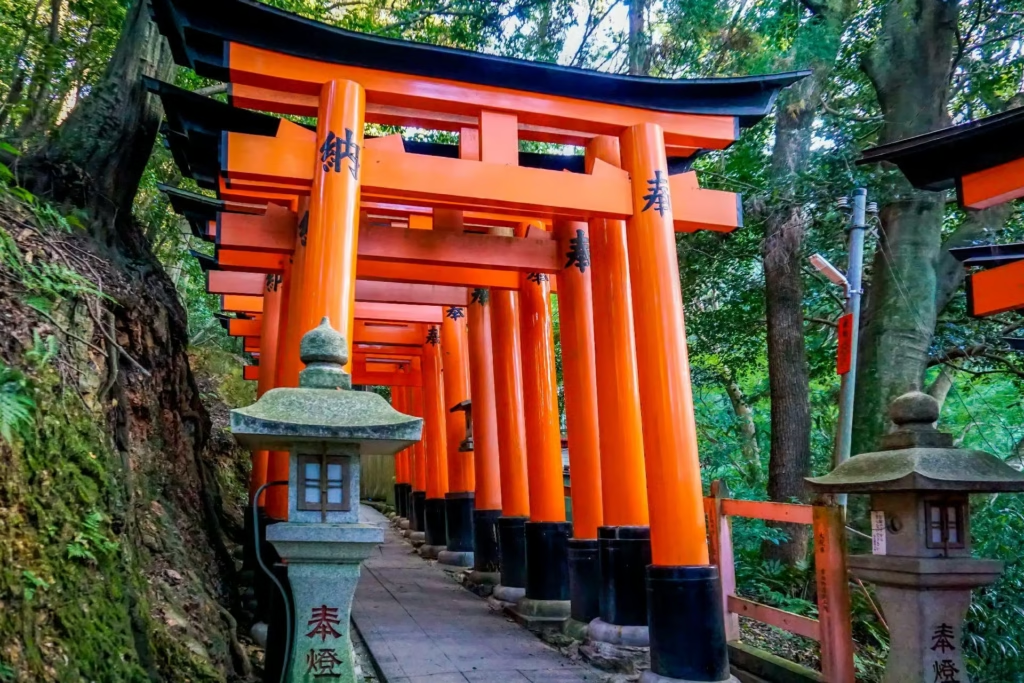
Travel time from Kyoto: approximately nine minutes by JR train
Best for: early mornings, photography, short hikes, first-time visitors, and travelers with limited time
Fushimi Inari Taisha is not really a day trip from Kyoto. It is far closer than that. But the shrine deserves a place in this guide because it is an easy escape from central Kyoto and one of the simplest ways to add a rewarding walk to a busy itinerary.
Walk Through the Torii Gate Tunnels
The shrine is famous for its seemingly endless rows of vermilion torii gates. The most photographed sections sit close to the entrance, but the route continues up Mount Inari through forested paths, smaller shrines, and quieter viewpoints.
Go Early or Keep Climbing
Fushimi Inari becomes crowded during the day. The two easiest solutions are simple: arrive early in the morning or continue walking uphill after the busiest first sections. Many visitors turn back quickly, so the atmosphere becomes calmer as we climb.
The complete summit loop usually takes around two to three hours, depending on pace and the number of stops.
Planning tip: You do not need to complete the entire hike. Even a shorter walk through the lower torii gates is worthwhile when time is limited.
10. Ohara and Sanzen-in Temple: Moss Gardens and Mountain-Village Calm
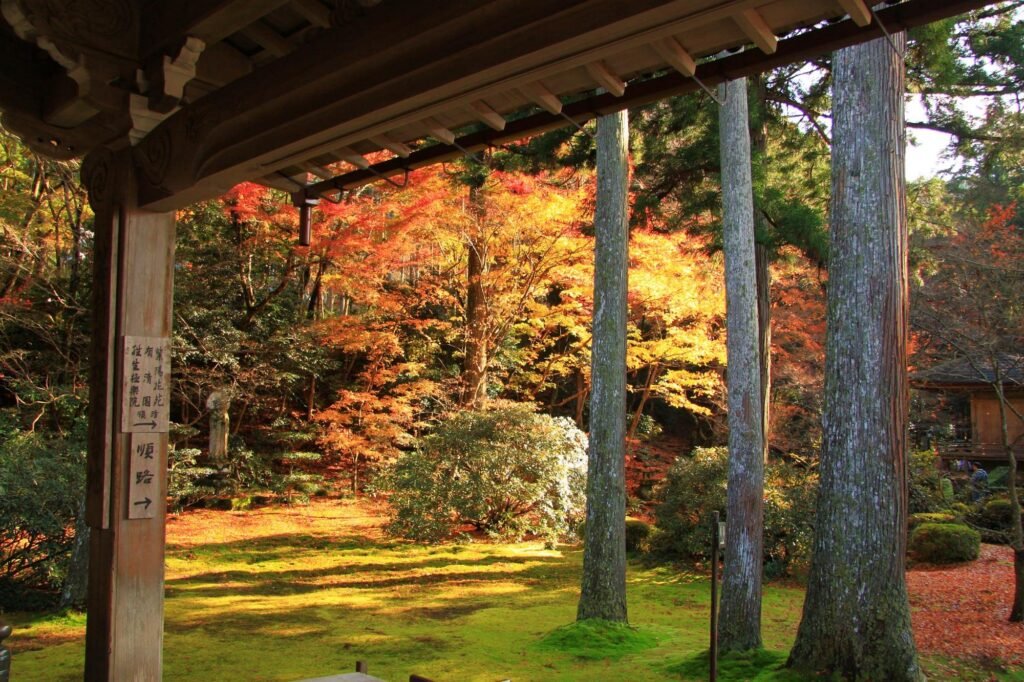
Travel time from Kyoto: approximately one hour from central Kyoto
Best for: moss gardens, autumn foliage, quieter temple visits, and travelers who want a softer side of Kyoto
Ohara sits in a valley north of central Kyoto. The scenery gradually changes as we travel out of the city, replacing busy streets with forested hills, vegetable fields, old houses, and quiet lanes.
The area feels rural without being difficult to reach. It is a particularly good choice when we want temples and gardens but need a break from the busiest parts of Kyoto.
Visit the Moss-Covered Gardens of Sanzen-in
Sanzen-in Temple is the main attraction. Its moss-covered gardens, cedar trees, stone paths, and small statues create one of the most atmospheric settings around Kyoto.
The garden is especially beautiful after rain, when the moss appears greener and the entire landscape feels even quieter. Autumn is another excellent time to visit, although the area becomes more popular when the foliage peaks.
Slow Down in the Village
Ohara is not a destination to rush through. Browse the local shops, stop for a simple meal, and leave time for nearby temples such as Hosen-in and Jakko-in if your schedule allows.
Planning tip: Buses connect Kyoto with Ohara, but travel times vary with traffic. Build some flexibility into your return journey.
11. Yunohana Onsen: A Quiet Hot-Spring Retreat Near Kyoto
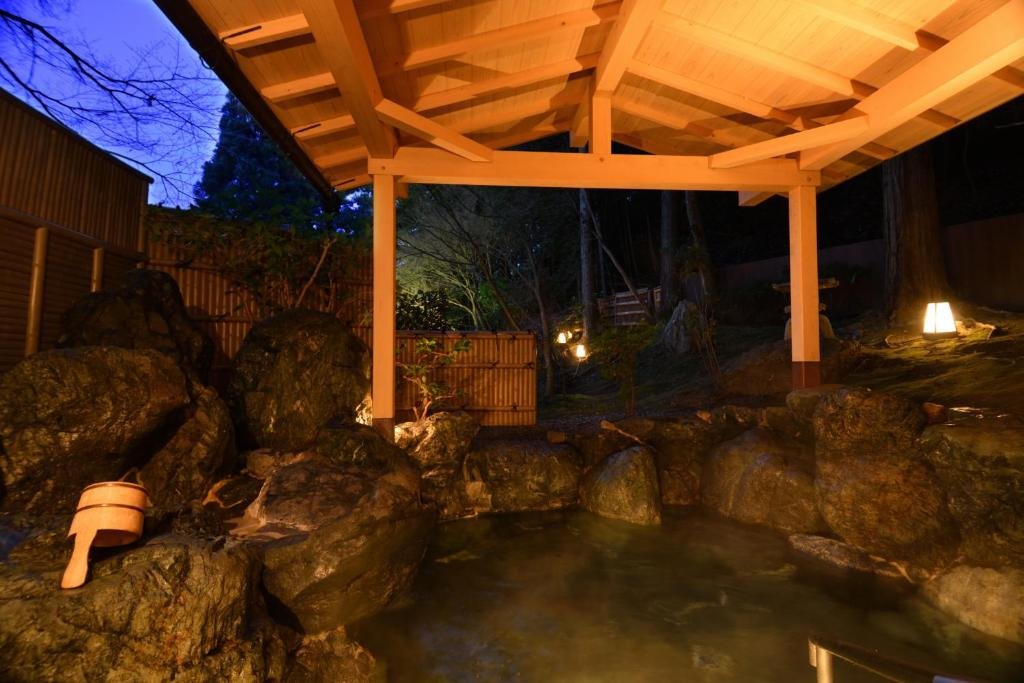
Travel time from Kyoto: approximately 30 minutes by car from central Kyoto; public-transport routes usually involve traveling via Kameoka
Best for: hot-spring stays, relaxed couples’ trips, rural scenery, and travelers who want a quieter alternative to the best-known onsen towns
Yunohana Onsen is a peaceful hot-spring area in Kameoka, surrounded by wooded hills and a noticeably slower rhythm. It is close enough to Kyoto for a short escape but far enough away to feel like a proper change of scenery.
This is less of a sightseeing checklist and more of a deliberate pause. We come here to soak, eat well, and recover from ambitious itineraries.
Choose a Ryokan With Day-Use Access or Stay Overnight
Several ryokan inns in Yunohana Onsen offer hot-spring bathing, seasonal meals, and outdoor baths surrounded by greenery. Some offer day-use plans, while others work best as overnight stays.
Properties such as Keizankaku, Sumiya Kiho-an, Shoenso Hozugawatei, and Keburikawa are among the better-known options in the area. Availability and day-use arrangements vary, so check directly before traveling.
Planning tip: Many ryokan inns provide shuttle buses from Kameoka Station. Confirm the timetable when booking rather than assuming a taxi will be waiting.
Longer Trips From Kyoto That Are Better With an Overnight Stay
The next two destinations are worthwhile, but they sit beyond the comfortable two-hour range. They can be squeezed into a long day by determined travelers. Still, unless your idea of relaxation includes sprinting through railway stations, an overnight stay is the better choice.
12. Shirahama: White Sand, Coastal Hot Springs and a Family-Friendly Resort
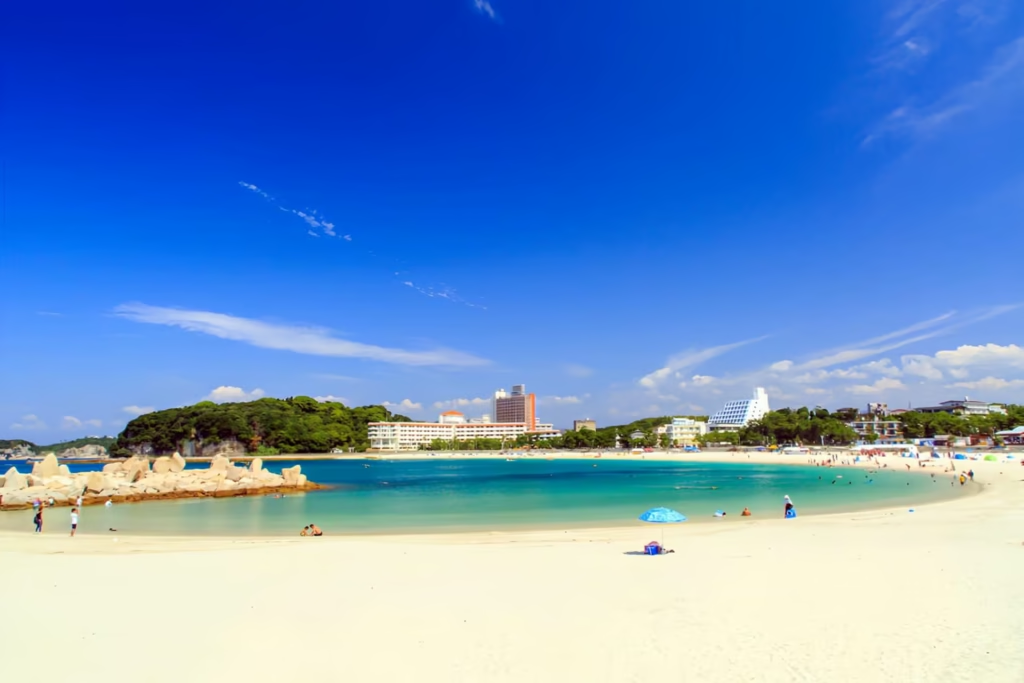
Travel time from Kyoto: approximately 2.5 to 3 hours by limited express train
Best for: beaches, coastal scenery, hot springs, families, and overnight trips
Shirahama is a seaside resort town in Wakayama Prefecture. The journey is longer than the other destinations in this guide, but the atmosphere is completely different from Kyoto: white sand, coastal cliffs, ocean views, and open-air hot springs.
Relax on Shirarahama Beach
Shirarahama Beach is the town’s best-known stretch of sand. During summer, it becomes a lively swimming beach. Outside peak season, it is still a pleasant place for a walk and a slow afternoon near the water.
Visit Adventure World With Kids
Adventure World remains one of Shirahama’s main family attractions, combining safari areas, marine animals, rides, and wildlife experiences.
However, it is important to know that Adventure World no longer has giant pandas. Its four remaining pandas returned to China in June 2025. Older guides still describe Shirahama as the place to see pandas in Japan, but that information is no longer current.
Planning tip: Shirahama is possible as a very long day trip, but one night gives you time to enjoy the beach, hot springs, and family attractions without constantly checking the train timetable.
13. Mount Koya: Temple Lodgings and a Sacred Mountain Atmosphere
Travel time from Kyoto: approximately 2.5 to 3 hours, depending on the route
Best for: temple stays, Buddhist history, forest walks, reflective travel, and overnight experiences
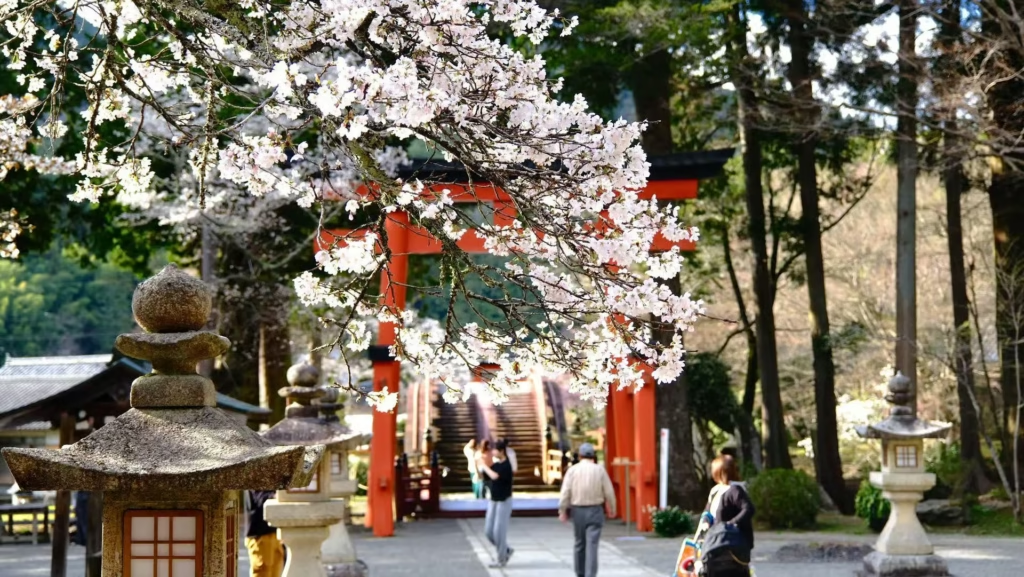
Mount Koya, or Koyasan, is one of Japan’s most important Buddhist destinations. The temple settlement lies in the mountains of Wakayama Prefecture and serves as the center of Shingon Buddhism.
We can technically visit from Kyoto in a long day, but Koyasan deserves more time. The journey involves multiple stages, and the atmosphere is most memorable in the early morning or evening, after many day visitors have left.
Walk Through Okunoin Cemetery
Okunoin is one of Koyasan’s most atmospheric places. The long forested approach winds past towering cedar trees, stone lanterns, gravestones, and memorial monuments before reaching the mausoleum of Kobo Daishi.
The walk is peaceful during the day and even more memorable in the evening, when the lanterns and forest shadows transform the atmosphere completely.
Stay Overnight in a Temple Lodging
A temple stay, known as shukubo, is one of the strongest reasons to spend the night. Many lodgings serve traditional Buddhist vegetarian meals and invite guests to attend morning prayers. Some also offer meditation, sutra-copying sessions, or guided night walks through Okunoin.
This is not a luxury resort in the usual sense. It is a slower and more meaningful experience: tatami rooms, quiet corridors, early mornings, and a welcome break from crowded city sightseeing.
Planning tip: Reserve your temple lodging in advance, particularly during spring, autumn, and weekends. Staying overnight makes the journey from Kyoto far more worthwhile.
How to Choose the Right Kyoto Day Trip
With so many good options, the hardest part is choosing one. The easiest method is to decide what we actually want from the day rather than collecting destinations like train-station stamps.
Choose Amanohashidate for Big Scenery
Pick Amanohashidate when you want coastal views and a destination that feels clearly removed from Kyoto. It requires a longer train ride, but the landscape justifies the effort.
Choose Arima Onsen or Yunohana Onsen for a Slower Day
Arima Onsen works well when you want a historic hot-spring town with snacks, public baths, and plenty of atmosphere. Yunohana Onsen is quieter and better suited to a ryokan stay or a low-key escape surrounded by greenery.
Choose Nara for an Easy First Day Trip
Nara is the straightforward choice for first-time visitors. The transport is simple, the main attractions are close together, and the combination of deer, temples, gardens, and history appeals to a wide range of travelers.
Choose Kobe for Food and a Modern City Break
Kobe is ideal when we want harbor scenery, cafés, shopping, architecture, and street food rather than another full day of temples.
Choose Himeji for One Outstanding Landmark
Himeji Castle is worth the trip on its own. This is the best choice for travelers who want a focused day with one major attraction, a beautiful garden, and a manageable journey.
Choose Lake Biwa for Fresh Air Without a Complicated Journey
Lake Biwa works particularly well in summer, but it is useful year-round when we want nature, views, and more breathing room without spending two hours on a train.
Tips for Planning a Day Trip From Kyoto
Check the Transport Route Before You Leave
Some destinations are simple. We can reach Otsu, Nara, Arashiyama, and Fushimi Inari with very little effort. Other trips require more preparation. Amanohashidate, Ise, Shirahama, and Koyasan involve limited express trains, transfers, or less frequent departures.
A quick timetable check the evening before can save a surprising amount of frustration the next morning.
Leave Earlier Than Feels Strictly Necessary
Popular destinations become busier as the day progresses. Early departures give us quieter walks, easier photos, and more flexibility if a café stop turns into a leisurely lunch.
This matters most for Nara, Fushimi Inari, Arashiyama, Himeji Castle, and Amanohashidate.
Do Not Overload the Schedule
A day trip should feel like a break from Kyoto, not an endurance test. Choose one main area and explore it properly. Trying to combine Kobe, Arima Onsen, and Himeji in a single day is technically imaginable and emotionally unnecessary.
Think About the Season
Lake Biwa becomes more appealing in warm weather. Hot springs are especially welcome in winter. Arashiyama and Ohara shine in autumn. Amanohashidate is beautiful in spring and summer. Shirahama works best when the coast is part of the point rather than an afterthought.
Keep One Backup Plan for Rain
Weather can shift quickly. On rainy days, Kobe, Nara, Arima Onsen, and Himeji still offer plenty to do. Lake Biwa viewpoints and long coastal walks are more dependent on clear conditions.
- Nagoya rainy day with kids in 2026 (Cool Indoor Things to Do )
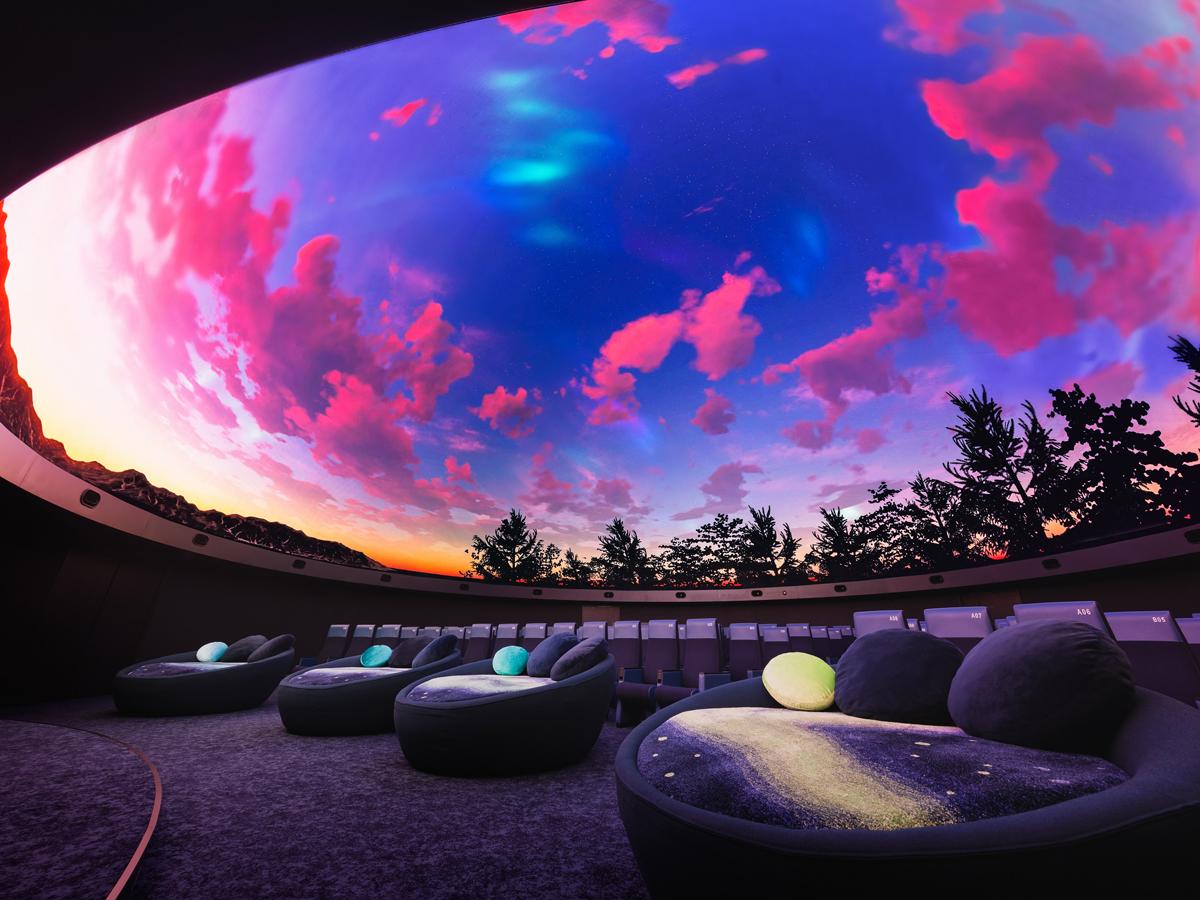 Rain in Nagoya does not have to mean surrendering the day to the hotel room. In fact, Nagoya is unusually good at indoor sightseeing. You have one of Japan’s best science museums, enormous aquariums, real Shinkansen trains, hands-on industrial museums, planetariums, covered shopping streets, and enough underground passages around Nagoya Station to lose an entire… Read more: Nagoya rainy day with kids in 2026 (Cool Indoor Things to Do )
 - Best Gachapon in Tokyo (2026): 20 Places to Find Capsule Toys
 You start with one. A tiny plastic capsule rolls out of the machine containing a miniature ramen bowl, sleepy cat or suspiciously realistic washing machine. Then you notice the machine next to it. And the one next to that. Twenty minutes later, you’ve somehow spent ¥3,000 and are emotionally invested in completing a collection of… Read more: Best Gachapon in Tokyo (2026): 20 Places to Find Capsule Toys
 - All Japanese KitKat Flavours List: The Ultimate Japan KitKat Guide
 Walk into a Japanese convenience store looking for a KitKat and things can get out of hand surprisingly quickly. You came for chocolate. Five minutes later, you’re holding matcha, strawberry, sake and something involving sweet potato, wondering whether wasabi chocolate is a terrible idea or exactly the souvenir your friends deserve. Welcome to Japanese KitKats.… Read more: All Japanese KitKat Flavours List: The Ultimate Japan KitKat Guide
 - Sapporo rainy day with kids (2026): 7 Cool Indoor Things to Do
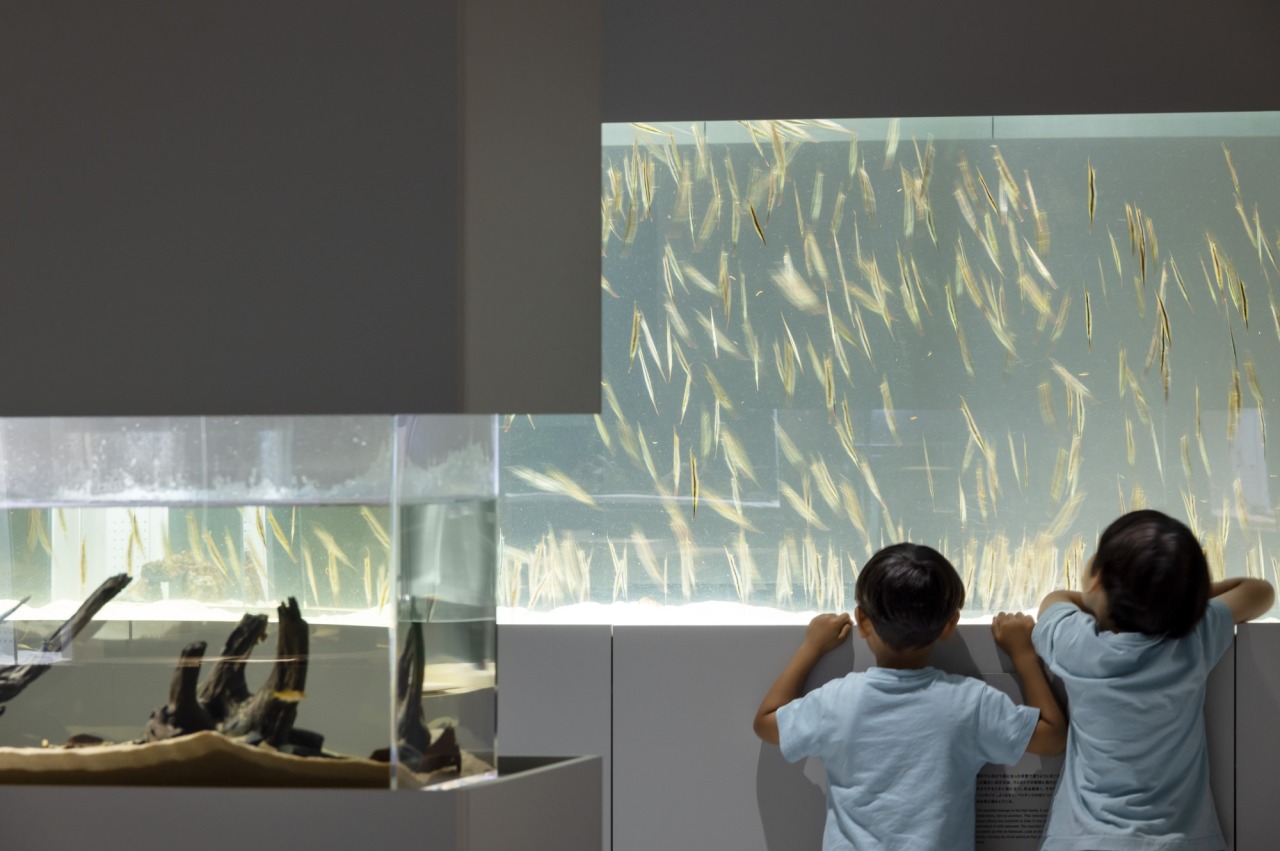 You wake up in Sapporo, pull back the curtains, and there it is: rain. That does not mean the family sightseeing day is ruined. Sapporo is actually very good at bad-weather entertainment, with science museums, aquariums, indoor play areas, shopping complexes, museums, and even a chocolate factory where children can watch one of Hokkaido’s most… Read more: Sapporo rainy day with kids (2026): 7 Cool Indoor Things to Do
 - What To Do In Arashiyama With Kids: A Realistic One-Day Family Itinerary
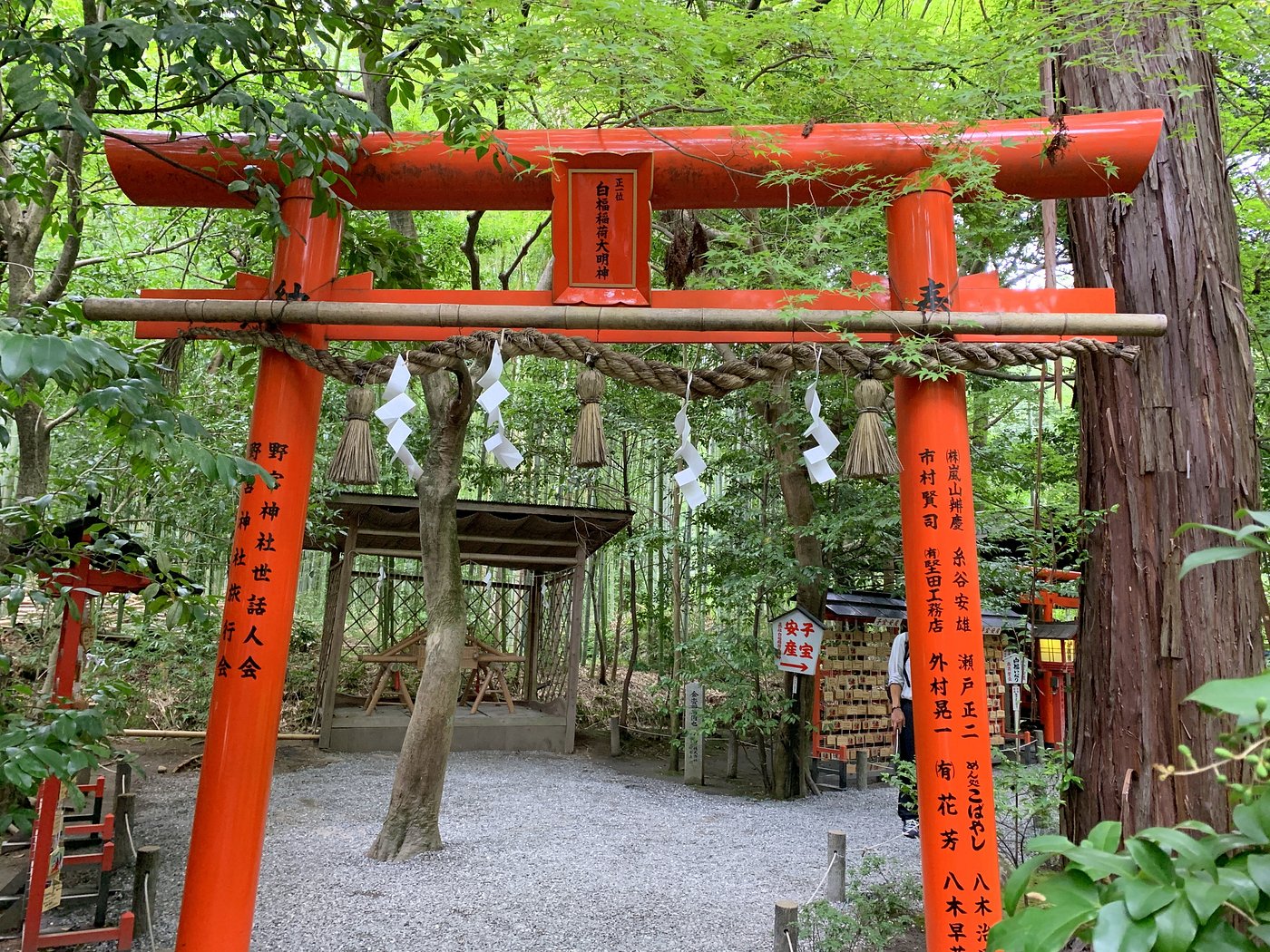 Arashiyama looks peaceful in photos: tall bamboo, forested hills, a wide river, and one of Kyoto’s most famous bridges. In reality, it is lively, busy, and full of families trying to fit a surprising number of things into one day. The good news? Arashiyama works brilliantly with kids when we keep the plan simple. The… Read more: What To Do In Arashiyama With Kids: A Realistic One-Day Family Itinerary