I spill travel tips , and show you the Japan that tourists usually miss.
Osaka hits you first with neon and noodles. One minute you are staring up at the Glico running man in Dotonbori, the next you are burning your tongue on fresh takoyaki while boats glide past on the canal. Then you turn a corner and suddenly it is all calm moats, cherry trees and stone walls around Osaka Castle. Same city, totally different mood.
In this guide to what to do in Osaka, we are going to wander through both sides of the city: the loud, hungry Osaka of street food, game arcades and glowing signs, and the slower Osaka of riverside walks, leafy parks and quiet temples. We will climb to sky-high viewpoints, get lost in covered shopping arcades, and show you where to base yourself so you are never far from good ramen.
Whether you are in Osaka for one night on the way to Hiroshima, or using it as a base for day trips to Nara, Kyoto and Kobe, this list gathers the best things to do in Osaka in one place. Think of it as your friendly checklist: tick off the classics, add a few hidden corners, and still leave space for unplanned snack stops (very important).
More Osaka food and travel guides
Keep going with our guides to the best food in Osaka, must-try local specialties, top shopping picks, and the easiest ways to plan the rest of your trip.
- where to eat in Osaka — our guide to the best local restaurants, must-try dishes, and food spots across the city.
- one day in Osaka itinerary — a fast, fun route for first-timers who want to eat well and see a lot.
- best things to buy in Osaka — from fluffy castella cakes to takoyaki-flavored snacks and the city’s best souvenirs.
- what to do in Osaka in the rain – from fascinating museums and indoor attractions to shopping arcades and entertainment complexes where you can happily lose track of time.
Planning family time?
See the best things to do in Osaka with kids for playful stops, easy wins, and places children genuinely enjoy.
Table of Contents
Useful Osaka travel tips & information
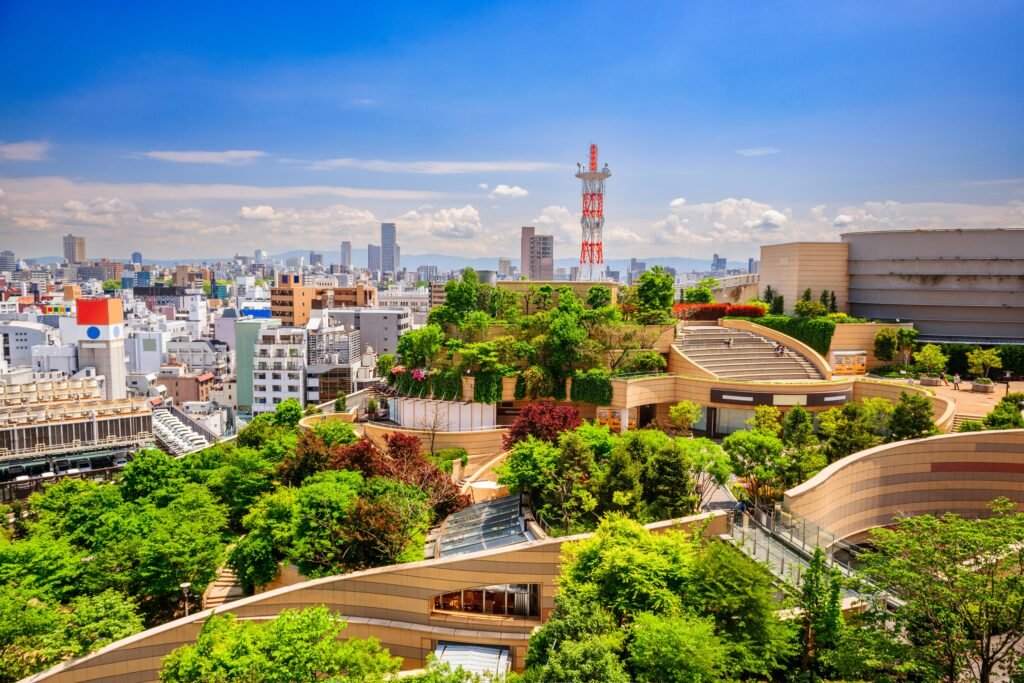
Getting there
Osaka is mainly served by Kansai International Airport (KIX), which also handles direct long-haul flights from Europe.
Getting to Osaka by train
- From Tokyo:
- Take the Shinkansen from Tokyo to Shin-Osaka.
- Journey time: roughly 2.5 hours.
- From Kyoto:
- Shinkansen from Kyoto to Shin-Osaka: about 15 minutes.
- There are also local trains between Kyoto and Osaka; slower but cheaper.
- If you have a Japan Rail Pass, the Shinkansen is usually the best choice.
You can also reach Osaka by Shinkansen from Hiroshima, Nagoya, Fukuoka, and other major cities. Prices depend on the train type, season, and booking timing. Check fares on the JR Central / JR West websites or even via Google Maps, which is very good at routing trains in Japan.
Public transport in Osaka
Osaka’s public transport is well-organised and clearly signposted.
- The city has 7 railway lines and 8 subway lines connecting Osaka and its surroundings.
- The most useful for visitors is often the JR Osaka Loop Line, which circles the city and also connects to Kansai Airport.
- If you hold a Japan Rail Pass, you can use the JR lines for free.
- Subway lines are colour-coded, with English signage and announcements, which makes navigating very easy once you’ve looked at the map a couple of times.
Taxis
Taxis in Japan are reliable, spotless – and expensive.
- A ride from Kansai Airport into central Osaka can cost the equivalent of a few hundred dollars if you’re not careful.
- If you’re on a budget, always prioritise train or subway. They are so efficient that we never once needed a taxi.
- Uber and Lyft are not widely available in Japan yet; you mostly rely on local taxi companies and apps.
Day trips from Osaka
The most popular day trip from Osaka is Nara, the former capital of Japan and now a peaceful city full of temples, shrines, and very assertive deer.
- Travel time from Osaka to Nara by train: under an hour.
- Many travellers visit Nara as a day trip from Osaka or Kyoto.
We liked Nara so much that we stayed two days instead of just popping in for a few hours. If you have the time, it’s worth slowing down there.
Weather & best time to visit Osaka
We visited in spring (sakura season). Next time, we’d love to see autumn foliage – both seasons are popular and busy, but also very beautiful.
- Cherry blossom season:
- Usually starts around late March.
- Full bloom often falls in the first week of April.
- Exact timing varies every year, so you can’t predict it with 100% certainty.
- Autumn foliage (koyo):
- Osaka’s autumn starts later than in some other regions.
- Best time for red and yellow leaves: late November to early December.
- Pleasant shoulder months:
- May and September → warm, relatively low rainfall.
- Less ideal months:
- June–July: rainy season, very humid.
- August: the hottest and most humid – we’d avoid it if possible.
- Winter:
- Least crowded season.
- January and February are the coldest, but temperatures rarely drop below 0°C.
- Osaka’s coastal location keeps the climate relatively mild.
Escalator etiquette in Osaka
The unwritten rule almost everywhere in Japan is:
- Stand on the left, walk on the right.
But Osaka had to be different.
Here, it’s stand on the right, walk on the left – the exact opposite of most of the country. I still don’t know why, but it’s a fun little cultural quirk to notice.
Everything you need to know about Osaka – at a glance
- Population: approx. 2.7 million → Japan’s third-largest city after Tokyo (36.9 million in the metro area) and Yokohama (3.7 million).
- Location: western Honshu, at the mouth of the Yodo River.
- Distance from Tokyo: about 500 km.
- In Japanese: 大阪市 (Ōsaka-shi), pronounced “Ooh-sakka” (long O, short S and A, hard K).
- Dialect: locals speak Ōsaka-ben, a Kansai dialect with a distinct rhythm and vocabulary.
- Nickname: “The Kitchen of Japan”, thanks to its historical role as a food and trade hub.
- Role: prefectural capital of Osaka and economic heart of the Kansai region.
- Metro area: the Keihanshin region (Osaka–Kyoto–Kobe) has about 14.9 million people, making it Japan’s second-largest metro area after Tokyo’s Kanto region. Globally, it ranks around 23rd; London’s metro area sits just behind it.
- Economy: historically Japan’s commercial centre and still home to one of the country’s most important ports and industrial zones.
How many days in Osaka?
If you ask us, Osaka deserves at least 2 full days.
- 2 days → Enough to see the main highlights without sprinting.
- 3 days → Ideal sweet spot: you can mix sightseeing, food, and a cheeky side trip.
- 5 days → Perfect if you want to add day trips (like Nara) and still have slow evenings.
I spent 3 nights (2.5 days) in Osaka and did Nara as an overnight stay instead of a quick day trip – and honestly, I’d recommend that too if you like slower, deeper travel.
1 day in Osaka – what should I see?
Only one day in Japan’s third-largest city? No problem, but you’ll have to be efficient. If I had just 1 day in Osaka, I’d try to hit:
- Osaka Castle & Castle Park
- Umeda Sky Building
- Amerika-mura (America Mura)
- Shinsekai & Tsutenkaku Tower
- Dotonbori (absolutely non-negotiable)
If the weather is clear and you still have energy in the tank, add the Harukas 300 observation deck for an even higher city view.
Is Osaka worth visiting?
Short answer: yes, absolutely.
Osaka is one of Japan’s most important cities after Tokyo, located on Honshu. It doesn’t have the same density of temples and “postcard-perfect” corners as Kyoto, and it feels less polished than Tokyo – but that’s exactly why you should go. If you’re planning a Japan itinerary, Osaka really should be on it.
Locals are known for their warm, direct, slightly cheeky hospitality, and many Japanese will tell you Osaka is one of the most relaxed, down-to-earth cities in the country.
On top of that, you’ve got:
- Atmospheric shopping streets
- Excellent museums and galleries
- Amusement parks like Universal Studios Japan
- And a long list of unique sights you won’t find elsewhere
Osaka was high on my must-see list from the very start of our Japan planning, and it absolutely lived up to the hype. I found delicious food and one of the most easygoing big-city vibes in the country.
The city’s unofficial motto is kuidaore – “eat until you drop”. So that’s what we did: we chased the main sights and ate our way across the city.
In this guide, I’ll walk you through the Osaka attractions you really shouldn’t skip, plus my own highlights and practical tips to make your sightseeing days run smoothly.
By the way: I didn’t do Nara as a day trip from Osaka or Kyoto like most people do – I actually stayed overnight. Highly recommended if you have time.
Osaka has far more to see than most people expect – you’ll see what I mean.
What to do in Osaka – highlights
Osaka feels nothing like Tokyo or Kyoto. Why people call it Tokyo’s “little sister” is honestly beyond us – the two cities are not comparable at all.
Here:
- People are more open, chatty, and expressive
- The humour is louder and the energy more playful
- Things are just a bit more… quirky
You even see it in tiny details, like escalator etiquette: in most of Japan, everyone stands on the left and walks on the right. In Osaka, it’s the other way around – you stand on the right. Small thing, but very Osaka.
We also got lots of recommendations from a local and followed her advice. These are the Osaka attractions I think you should prioritise.
Umeda Sky Building
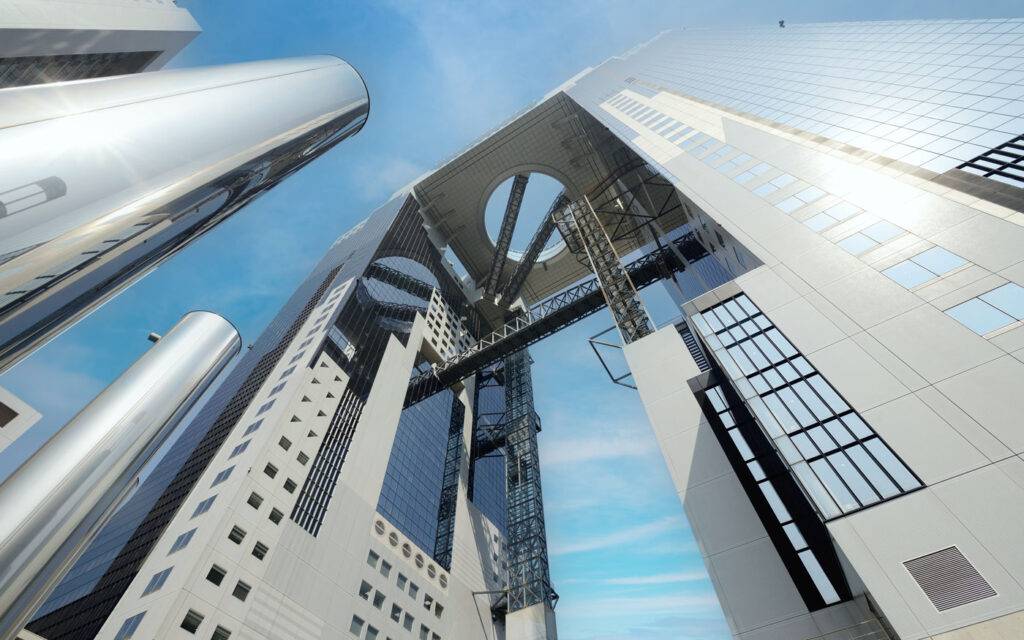
If you want to meet modern Osaka, you start in Umeda – and you go up.
The Umeda Sky Building is impossible to miss: two gleaming towers linked at the top by a floating ring that houses the Kuchu Teien Observatory (Floating Garden Observatory) at 173 metres above the city.
From the 39th and 40th floors, you get a 360° view over Osaka, with an open-air rooftop where nothing comes between you and the skyline.
The tower actually consists of two buildings connected by that dramatic rooftop structure. When we visited, the weather was a bit hazy, but the experience was still absolutely worth it – and we loved that on the upper platform there are no glass panels right in front of you, which is a dream if you love photography.
How to get to the observation deck (important, because it’s a bit of a puzzle):
- Enter the right tower.
- Go up to the 3rd floor.
- Follow the walkway at the back across to the left tower.
- Take the elevator to the 35th floor.
- From there, ride the dramatic escalator tunnel up through the middle to the top floors.
- At the top, buy your ticket at the machine and head up to the observatory.
Visitor info – Umeda Sky Building (Kuchu Teien Observatory)
- Opening hours: 9:30 a.m. – 10:30 p.m. (last entry 10:00 p.m.)
- Weather: the open-air platform may close in stormy or extreme weather.
- Best time to visit: just before sunset – arrive early, as everyone wants that golden-hour view.
- Tickets:
- Adults: 1,500 yen
- Children (elementary age and younger): 700 yen
- Under 4: free
- View: 360° panoramic view from the 40th floor, plus the open rooftop.
- Address: 1-1-87 Oyodonaka, Kita Ward, Osaka 531-6023
Universal Studios Japan – Super Nintendo World & more

Very high on your list should be: Universal Studios Japan (USJ).
Located in Osaka Bay, this theme park opened in 2001 and is now Japan’s second-most-popular amusement park, right after Tokyo Disney Resort.
There are 10 themed areas, so it really feels like stepping into different movie worlds:
- Hollywood
- New York
- San Francisco
- Jurassic Park
- Waterworld
- Amity Village
- Universal Wonderland
- Minion Park
- The Wizarding World of Harry Potter
- And the newest star: Super Nintendo World
Super Nintendo World is basically a playable video game in real life – think Bowser’s Castle, Mario Kart rides, interactive games, green pipes, coins, power-ups and lots of Yoshi cameos. As a Nintendo fan, this is pure wish-fulfilment.
Beyond that, USJ packs:
- Family-friendly attractions and high-speed roller coasters
- 4D simulators (Spider-Man, Jurassic World, etc.)
- Parades, live shows, and endless character meet-ups (Snoopy, Hello Kitty, Minions…)
- A ton of food stands, restaurants and themed cafés, so you can stay all day without running out of snacks
Tickets & tips for Universal Studios Japan
- Buy your tickets online in advance. Weekends and holidays often sell out.
- For Super Nintendo World, you’ll usually need either:
- A time-entry ticket via the official app, or
- An Express Pass that includes timed entry.
- We used an Express Pass in LA and would happily do it again in Osaka – it saves a lot of queuing.
🎟️ You can buy tickets and Express Passes via platforms like Klook, GetYourGuide.
Harukas 300 – the highest observation deck in Osaka
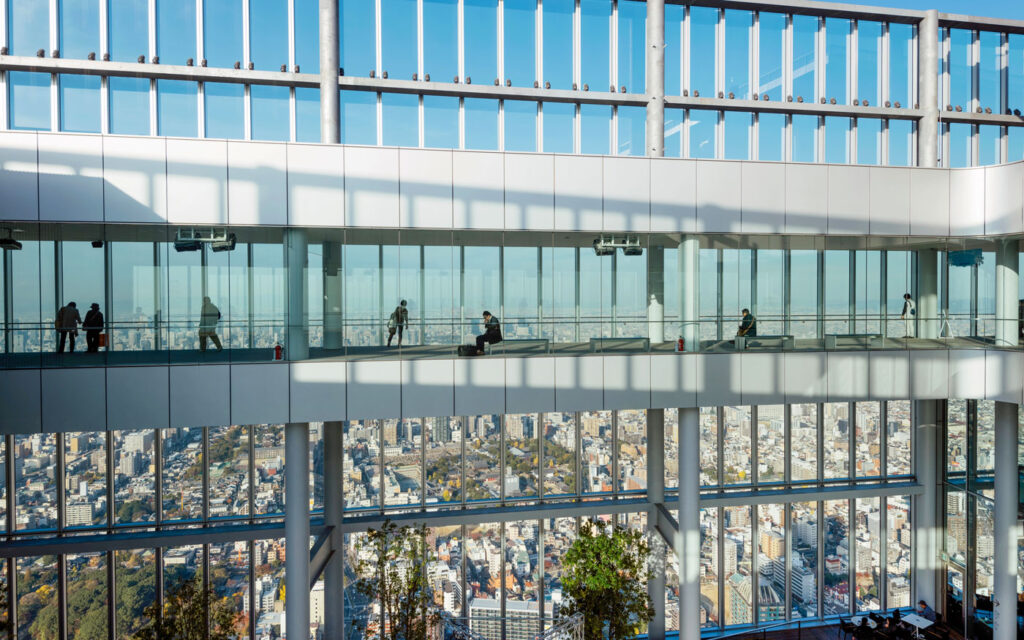
If Umeda Sky Building feels high, Harukas 300 says “hold my tea”.
The observatory sits on the 60th floor of Abeno Harukas, which, at 300 metres, is Japan’s tallest building outside Tokyo.
From up here (on a clear day), you can see:
- All of Osaka
- Osaka Bay
- Kobe
- And even Awaji Island in the distance
The 58th floor has the “Sky Garden” – an open, airy space with a wooden deck, seating, and a small café. It’s a really nice spot to sit down, warm your hands on a drink, and let the view sink in.
We recommend timing your visit for late afternoon:
- Daylight → sunset → night views = three atmospheres in one ticket.
- At night, the sea of lights over Osaka is spectacular.
- That said, we personally found the view from Umeda Sky Building a bit more atmospheric – but Harukas 300 has the height advantage.
Visitor info – Harukas 300
- Admission:
- Adults: 1,500 yen
- Children: 700 yen
- Under 4: free
- Opening hours: daily 9:00 a.m. – 10:00 p.m. (last entry 9:30 p.m.)
- Address: 1-1-43 Abenosuji, Abeno-ku, Osaka (directly connected to Tennoji Station)
- It’s often easiest to book tickets in advance (e.g. via GetYourGuide).
- Check details and current info on the official website.
Ride the Ferris wheel on the roof of HEP Five
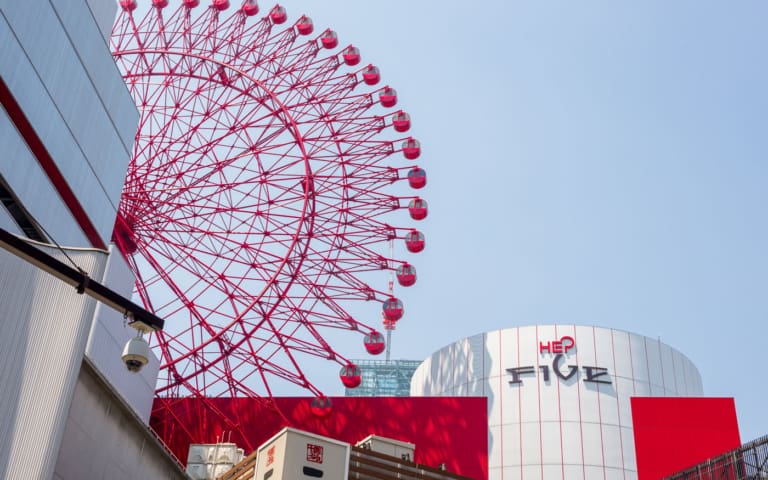
Still in the Umeda district, Osaka’s business and shopping hub, you’ll find the HEP Five Shopping Mall – HEP stands for Hankyu Entertainment Park.
Normally, we don’t prioritise malls when we travel (we prefer wandering neighbourhoods), but here we happily broke our own rule. Why? Because HEP Five has a bright red Ferris wheel on the roof.
- The boarding point is on the 7th floor.
- The wheel has a 75-metre diameter and 52 gondolas.
- One full rotation takes about 15 minutes.
- At the highest point you’re about 106 metres above ground.
From the top, you get a lovely view across the city. At night, the Ferris wheel lights up and is visible from far away – riding it after dark is especially fun.
If you’ve got a bit of extra time, it’s worth strolling through the mall afterwards just to peek at Japanese fashion and youth culture.
Visitor info – HEP Five Ferris Wheel
- Admission: 600 yen per person
Osaka Castle
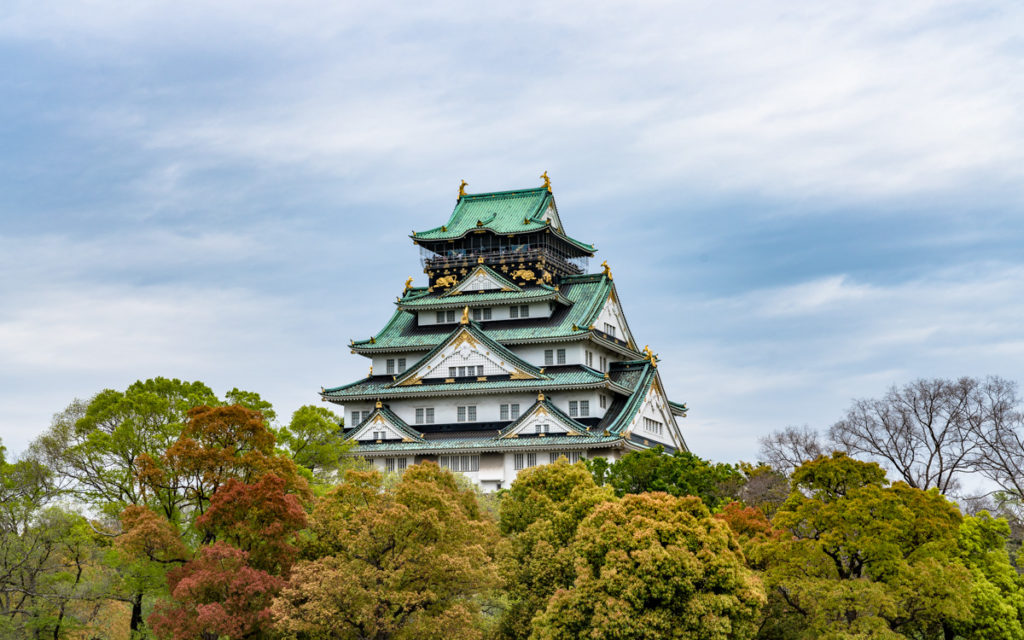
Osaka Castle (大阪城, Ōsaka-jō) is one of the city’s big icons and dates back to 1583, built with the help of an estimated 100,000 workers. Its builder, Toyotomi Hideyoshi, famously loved gold – and he made sure it was generously used in the castle décor. You can still see this today in the gold ornamentation on the façades.
Over the centuries, Osaka Castle served as a fortress and has been destroyed and rebuilt several times. In 1665, the main tower was destroyed by a lightning-caused fire. Since the 1950s, the castle has been a protected historic monument, carefully maintained by the city.
Even though the current structure isn’t the original, it’s still one of Osaka’s most impressive buildings. It stands in the middle of the green Osaka Castle Park (Osaka-jō Koen) and is surrounded by a moat.
Inside the castle, you’ll find a history museum showcasing weapons, artwork, and exhibits about the castle and Osaka’s past. On the 8th floor, there’s an observation deck with sweeping views over the park and city.
Osaka Castle is the city’s flagship attraction: five stories of classic Japanese architecture, 450 years of history, and an especially magical atmosphere during cherry blossom season or autumn foliage (and yes, that’s also when it’s the most crowded).
💡 Tip: If you have an Osaka e-Pass, castle admission is included.
Visitor info – Osaka Castle
- Opening hours: 9:00 a.m. – 5:00 p.m. (last entry 4:30 p.m.)
- Castle tickets: 600 yen (children up to 15 years: free)
- Admission to the watchtowers and powder magazine costs 700 yen; combo ticket 1,200 yen.
- Address: 1-1 Osakajo, Chuo Ward, Osaka 540-0002
Osaka Castle Park
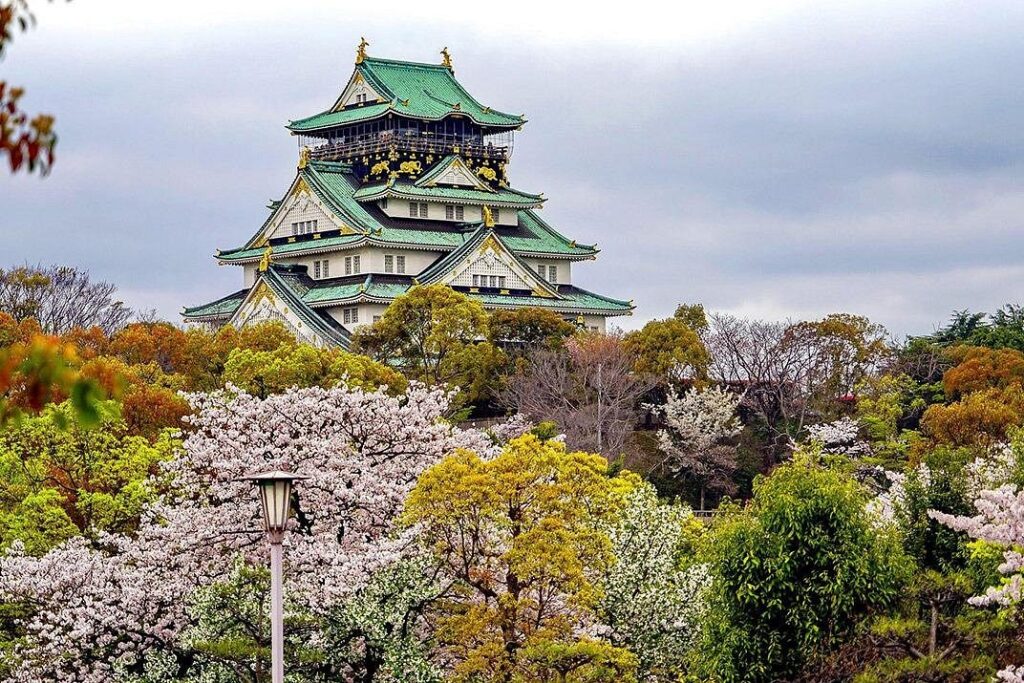
While you’re there, don’t skip the park. Osaka Castle Park opened in 1931 and is especially lively during:
- Sakura (cherry blossom) season in spring
- Koyo (autumn leaves) season in autumn
We visited early in the morning, and the best castle views are actually from the park grounds rather than inside. If you’ve got time, you can even take a short tourist boat ride on the castle moat. Because of course you can. It’s Japan.
Tsutenkaku (Osaka Tower)
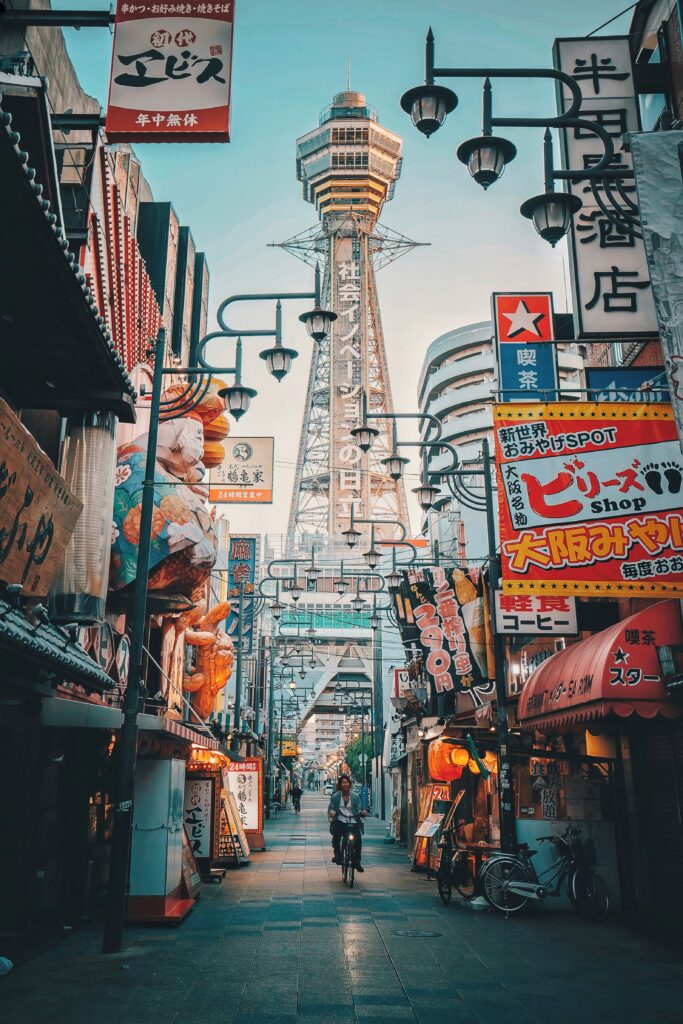
Tsutenkaku Tower stands in the heart of the Shinsekai district and is its most famous landmark.
The steel tower is about 100 metres high and has an observation deck where you can look out over the city. Historically, Tsutenkaku has been a symbol of progress and modernity in Osaka, and it still has that retro-futuristic vibe.
If you’re already in Shinsekai for food and neon, it’s worth going up for the view and atmosphere.
Tenjinbashi Shopping Street
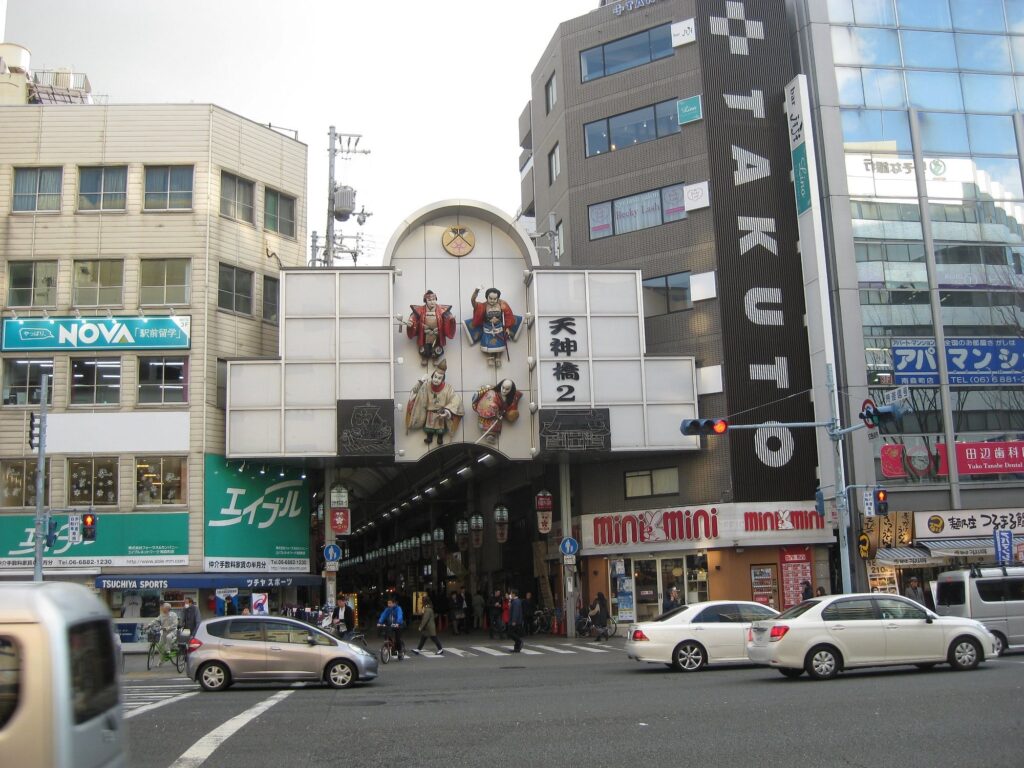
Tenjinbashi-suji Shotengai is Japan’s longest shopping street, and there’s always something happening here. You’ll walk under a covered arcade that stretches on (and on) with:
- Small shops
- Bargain clothing
- Household goods
- Local food spots
Because it’s covered, it’s a perfect place to wander even on rainy days.
Shinsaibashisuji Shopping Street
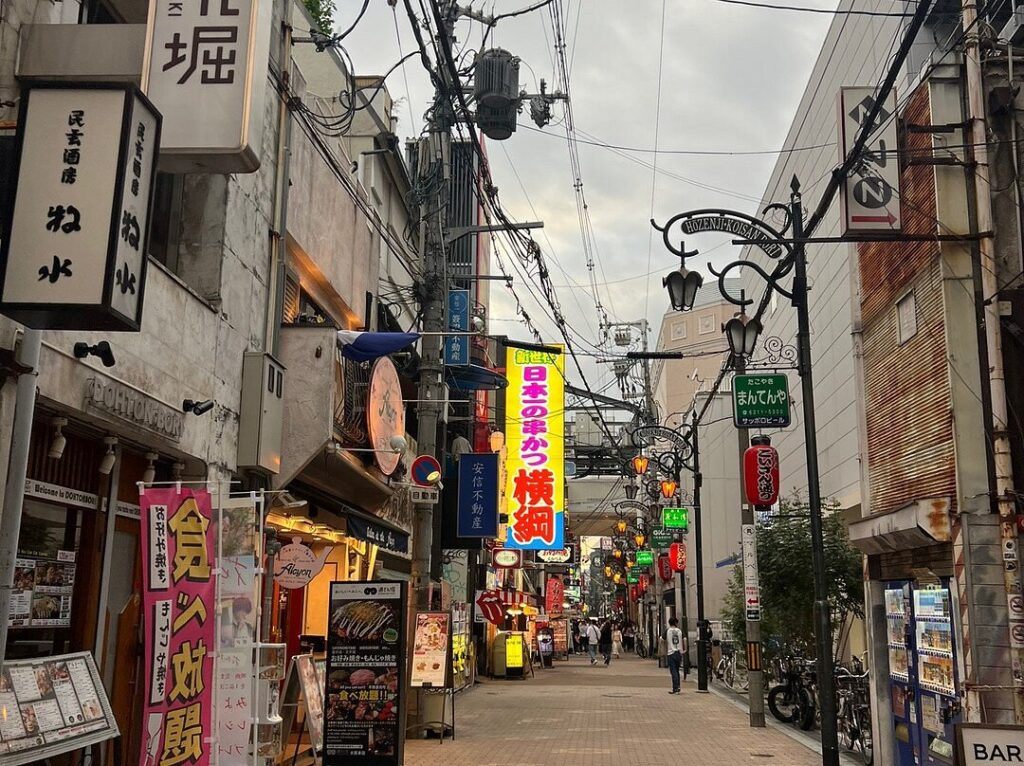
If Tenjinbashi is the “longest”, Shinsaibashisuji Shotengai is the classic.
This 400-year-old covered shopping street sits in the heart of the Minami district and has been Osaka’s main shopping drag for centuries.
Along the 600-metre arcade, you’ll find:
- Big-name department stores like Daimaru
- A huge Uniqlo flagship
- Major brands like Asics
- Small independent boutiques
- Lots of cafés and restaurants on the street and tucked into side alleys
It’s a great place to wander, browse, snack, and people-watch – take your time here.
Amerika-mura – Osaka’s hipster corner
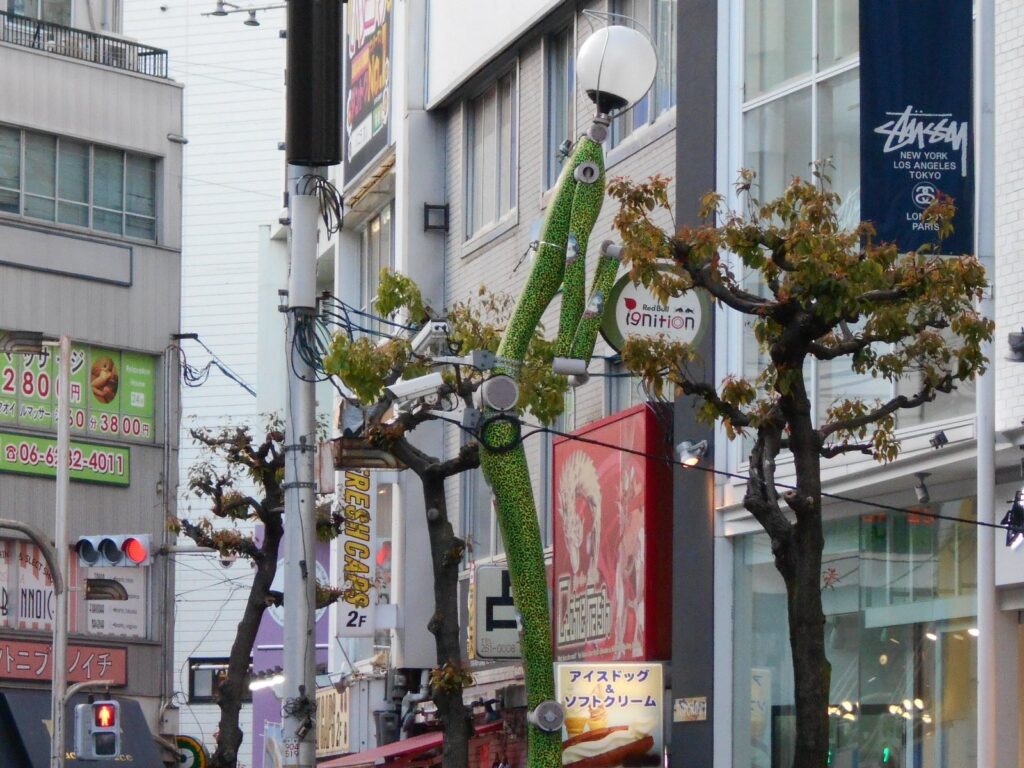
Just west of Shinsaibashi lies Amerika-mura (Ame-mura), short for “American Village”. This is where Osaka’s creative scene and youth culture really show off.
Expect:
- Street art, murals, and graffiti
- Trendy cafés and dessert shops
- Fashion boutiques and second-hand stores
- Vintage clothing and tiny indie labels
- Occasional flea markets on weekends
It’s a bit louder, messier, and more experimental than the rest of Osaka – and that’s exactly the charm. We loved the energy here, and it quickly became one of our favourite neighbourhoods in the city.
Bonus: bars and pubs in Ame-mura are often surprisingly affordable.
And best of all, Amerika-mura is only about 5 minutes on foot from Dotonbori Bridge, so you can easily combine both in one evening.
Dotonbori
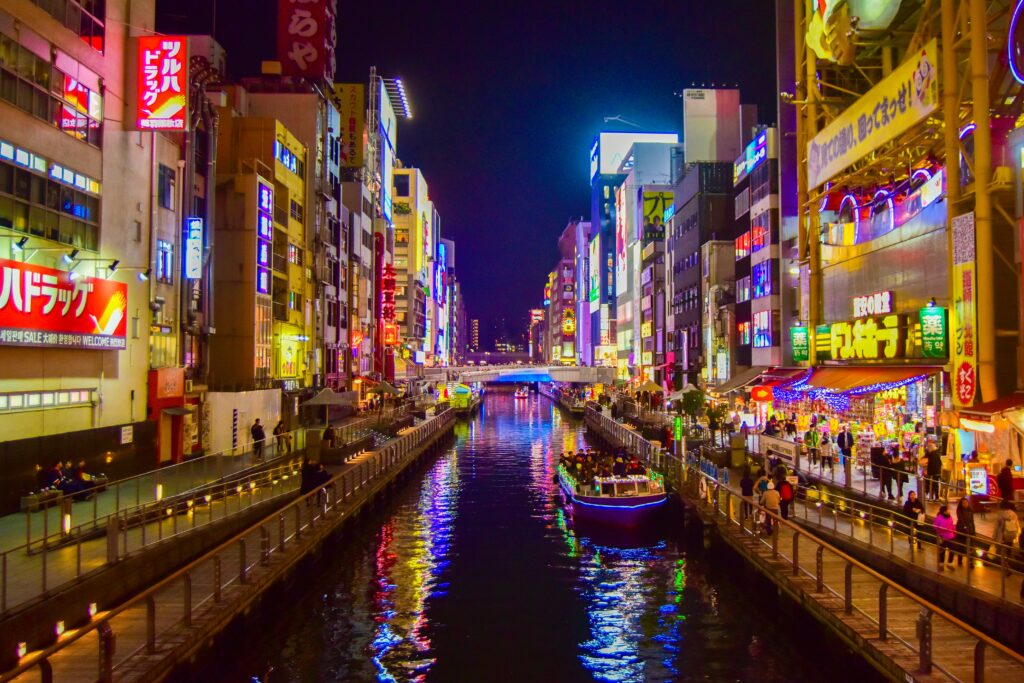
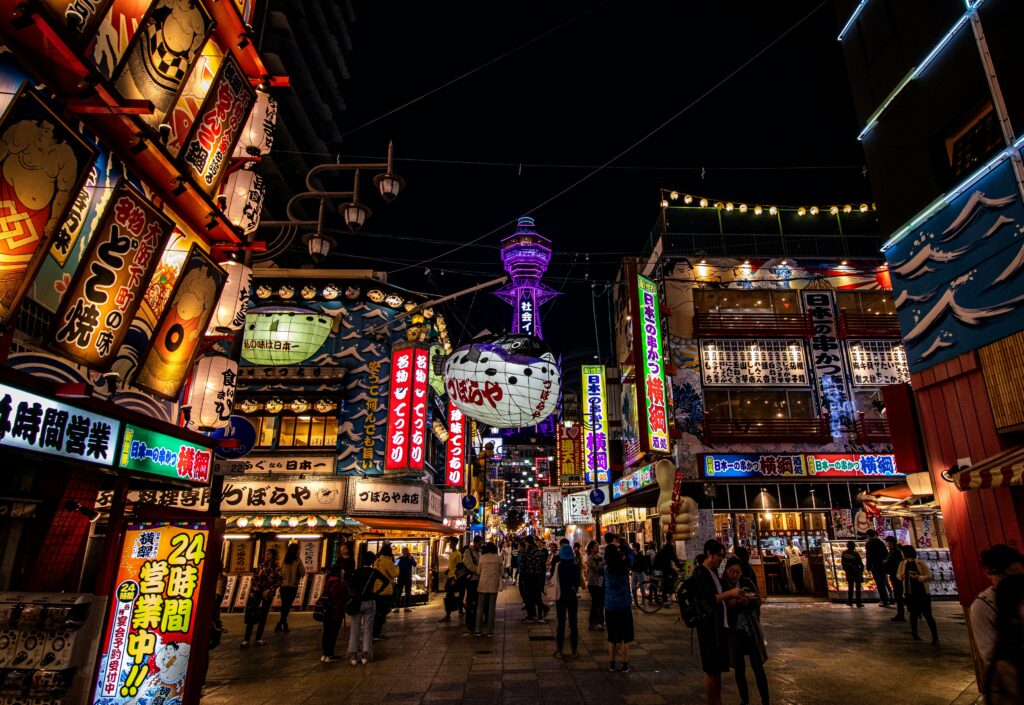
If you only have time for one place in Osaka, make it Dotonbori.
This is the city’s most chaotic, colourful, neon-soaked area. As you walk along the Dotonbori Canal, you’ll be surrounded by:
- Huge animated signs and mascots (hello, Glico running man)
- Crowds at all hours
- Food smells coming from every direction
- Street vendors shouting and sizzling
- Restaurants stacked on top of each other
It’s loud, blinking, and a little overwhelming in the best way. Dotonbori is where Osaka’s kuidaore motto really comes to life – if you want to eat until you drop, this is where you do it.
Visit the impressive Namba Yasaka Shrine
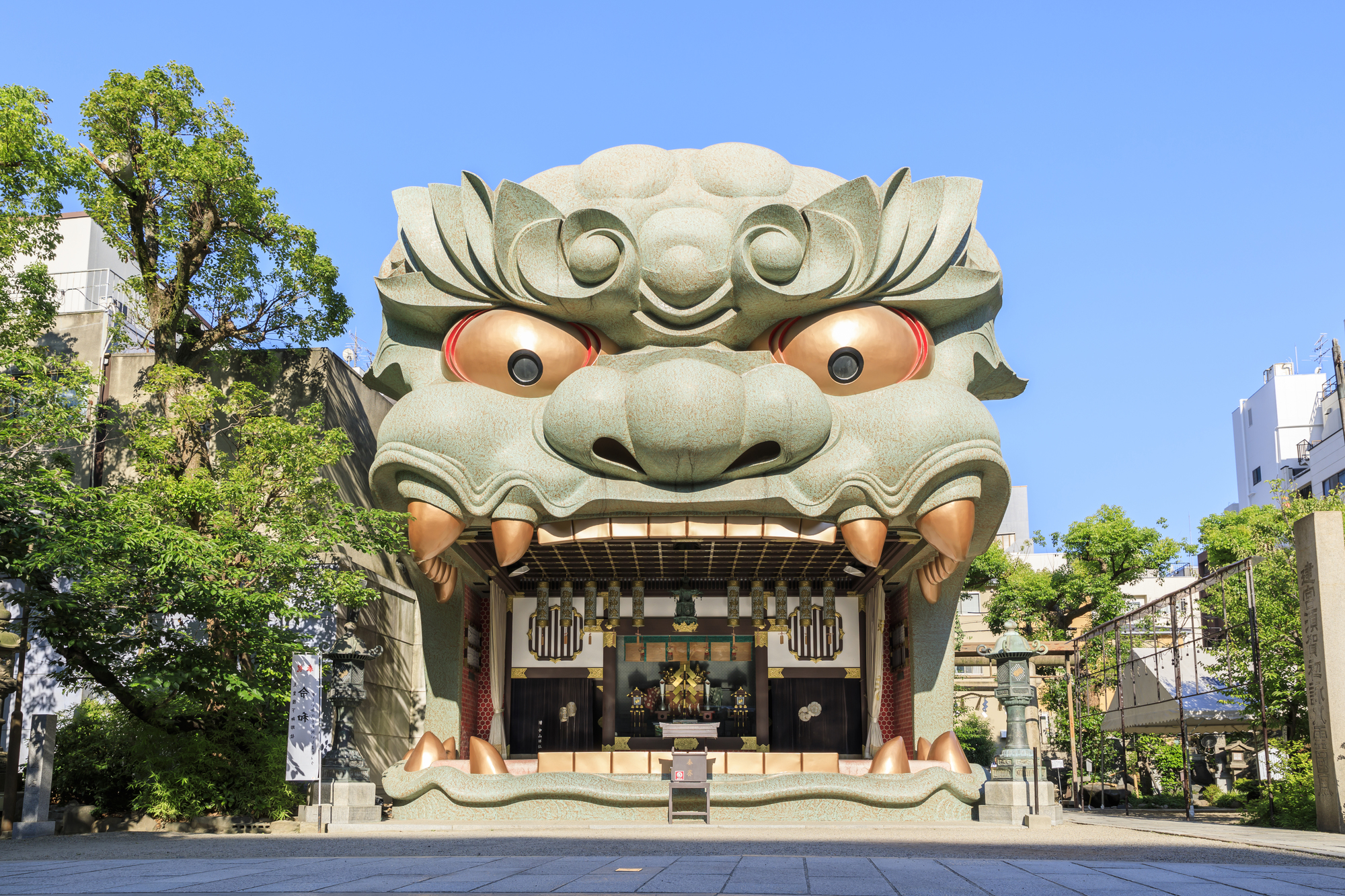
Namba Yasaka Shrine hides in plain sight in Namba, right in the heart of Osaka’s Minami area. We wander through the back streets and suddenly – boom – there it is: a gigantic lion head towering 12 meters high. This is the famous lion hall, and it pretty much steals the show the moment you step into the grounds.
The enormous lion-shaped head is more than just quirky architecture. Its wide-open mouth is said to “swallow” evil spirits, bring victory, and invite good luck in business and competitions. Locals come here to pray for success, so if you’ve got exams, a project, or a new venture coming up, this is a fun (and photogenic) place to make a wish.
Tour the inside of the Tower of the Sun
Expo Commemoration Park is a huge green space built on the former site of the 1970 Osaka Expo. These days, it’s where we go when we want a mix of history, nature, and a bit of nostalgia. It’s easy to reach from central Osaka by monorail, and right next door you’ve got the massive LaLaport EXPOCITY shopping mall – perfect if you want to pair culture with coffee and shopping.
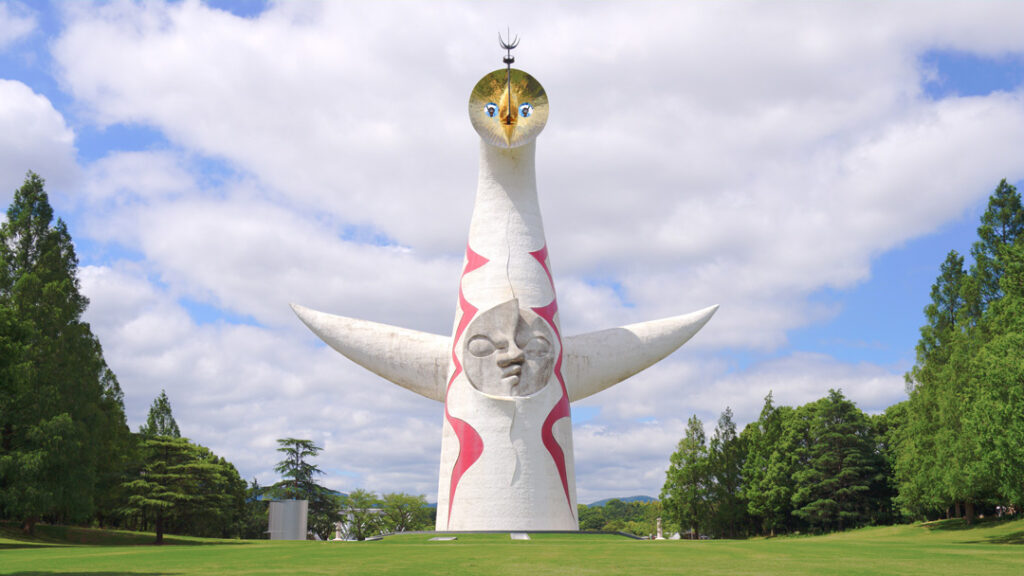
The star of the park is the Tower of the Sun, a striking, slightly strange monument you can already spot before you even enter the grounds. Designed by artist Taro Okamoto as an Expo pavilion, it has a powerful presence from the outside – but the real magic starts when you go inside.
If you make a reservation the day before, you can tour the tower’s interior. Since 2018, the inside has served as a permanent exhibition space. As we walk through, we’re surrounded by vivid colors, dramatic shapes, and installations that carry Okamoto’s unique “sun energy.” It feels more like stepping into a living artwork than a traditional museum – easily one of the most original experiences you can have in Osaka.
Have fun all day at a hot spring theme park
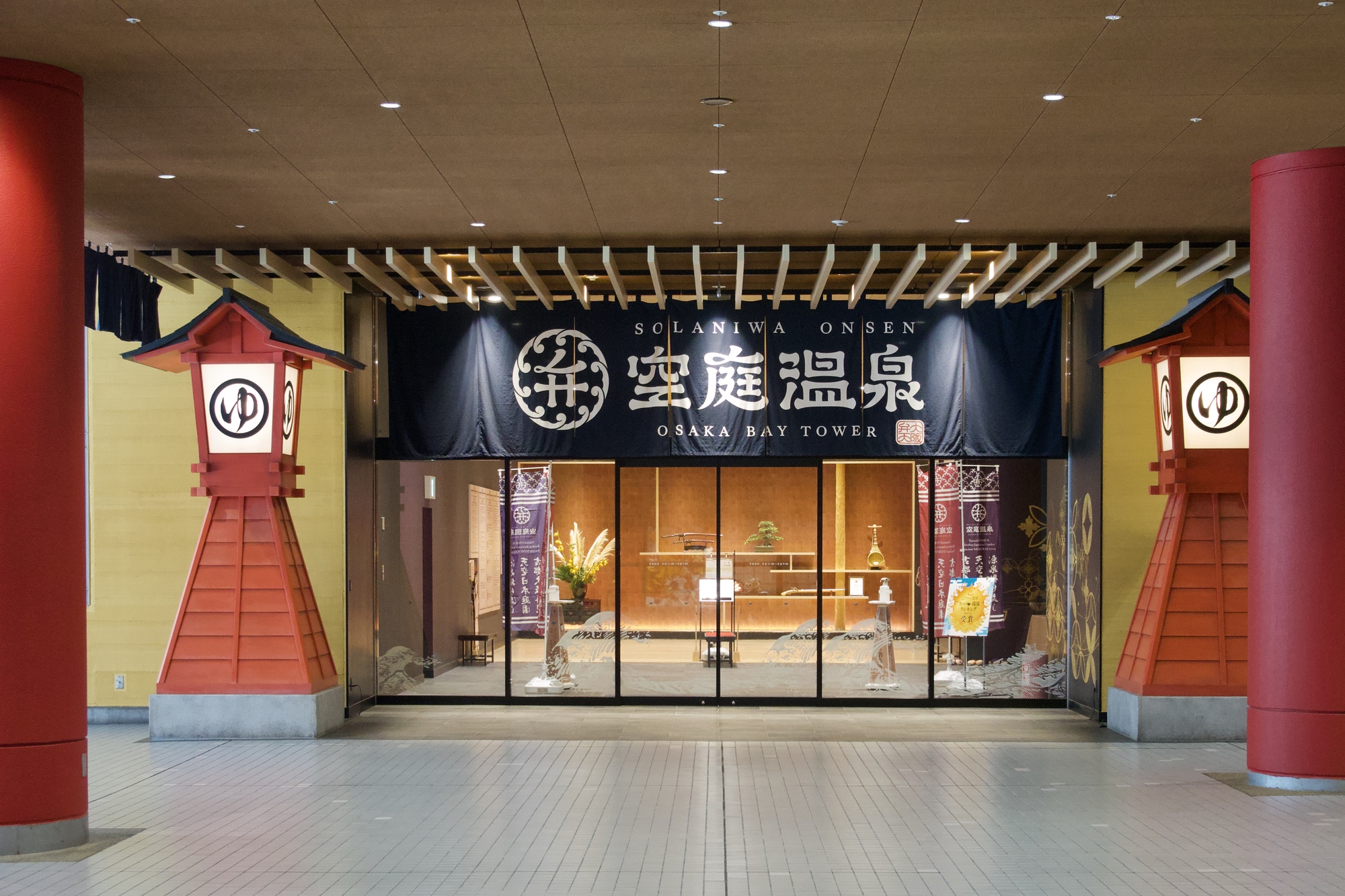
Solaniwa Onsen is not just “an onsen.” It’s a full-blown hot spring theme park where you can easily spend an entire day and still feel like you’ve missed a corner. Because it’s directly connected to Bentencho Station, you can roll up in bad weather without even opening an umbrella – a lifesaver on rainy Osaka days.
Inside, the complex is huge. There’s a large public bath for that classic onsen experience, private open-air baths for something more intimate, and a bedrock bath where you can relax on gently heated stone. Our favorite place, though, is the foot bath in the sprawling Japanese garden, which covers around 3,300 m². You slip into a yukata robe, wander along the paths, watch waterfalls and seasonal flowers, and soak your tired feet at the same time – it’s peak “slow travel” energy.
On top of all that, there are restaurants serving comforting Japanese dishes and a colorful festival-style game corner, so you can eat, play, and relax without ever leaving. If you’re looking for a day that mixes spa time with a bit of fun, this is your spot.
Buy souvenirs that you can only find in Osaka
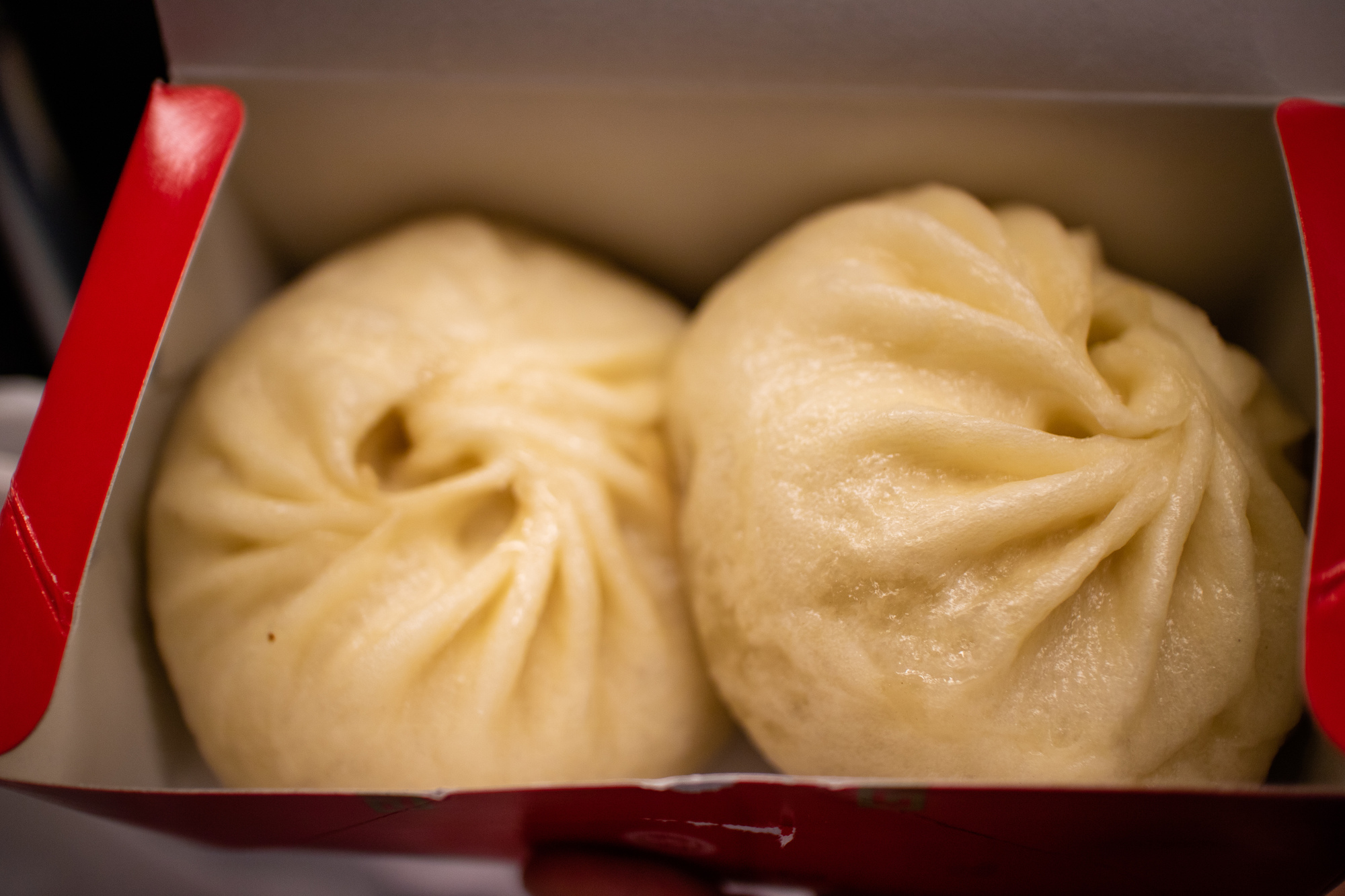
Osaka is a treasure chest for food lovers, so when we’re here, “souvenir shopping” basically means “snack hunting.” If you want something truly local, start with 551 Horai’s famous pork buns. They’re only sold in the Kansai region, which makes them a must-buy if you’re visiting from elsewhere in Japan or abroad. The moment you open the box, the steam and the aroma make it very hard not to eat them immediately.
Once you’ve secured your pork buns, the list of Osaka-only goodies continues. Uncle Rikuro’s cheesecake is famously fluffy and light, perfect for anyone with a sweet tooth. You’ll also find playful sweets designed with “Kuidare Taro,” one of Osaka’s best-known mascots, plus nostalgic snacks like Uguisu balls and crunchy Atari Maeda crackers.
Our advice? Leave a little extra room in your suitcase before arriving in Osaka – between all these sweet and savory specialties, it’s very easy to overdo it at the souvenir shops.
Have fun at Japan’s oldest amusement park
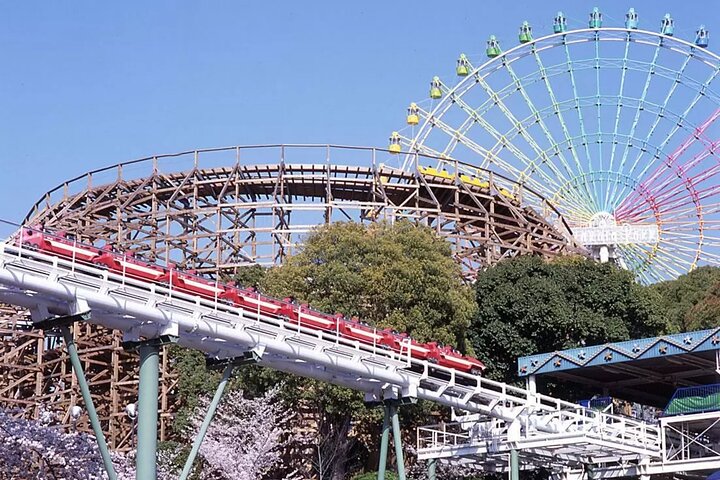
When we want a theme park day with a bit of character, we head to Hirakata Park in Hirakata City – Japan’s oldest amusement park and a place that really captures Osaka’s playful side. It’s just a 3-minute walk from Keihan Hirakata Koen Station, so it’s very easy to access without a car.
Inside the park, you’ll find around 40 attractions ranging from gentle rides for kids to more thrilling options for teens and adults. But Hirakata Park doesn’t stop at roller coasters and ferris wheels. In summer, a large outdoor pool opens up, turning the park into a mini water resort, and in winter, an ice-skating rink brings festive vibes to the same grounds.
Visit the birthplace of instant ramen
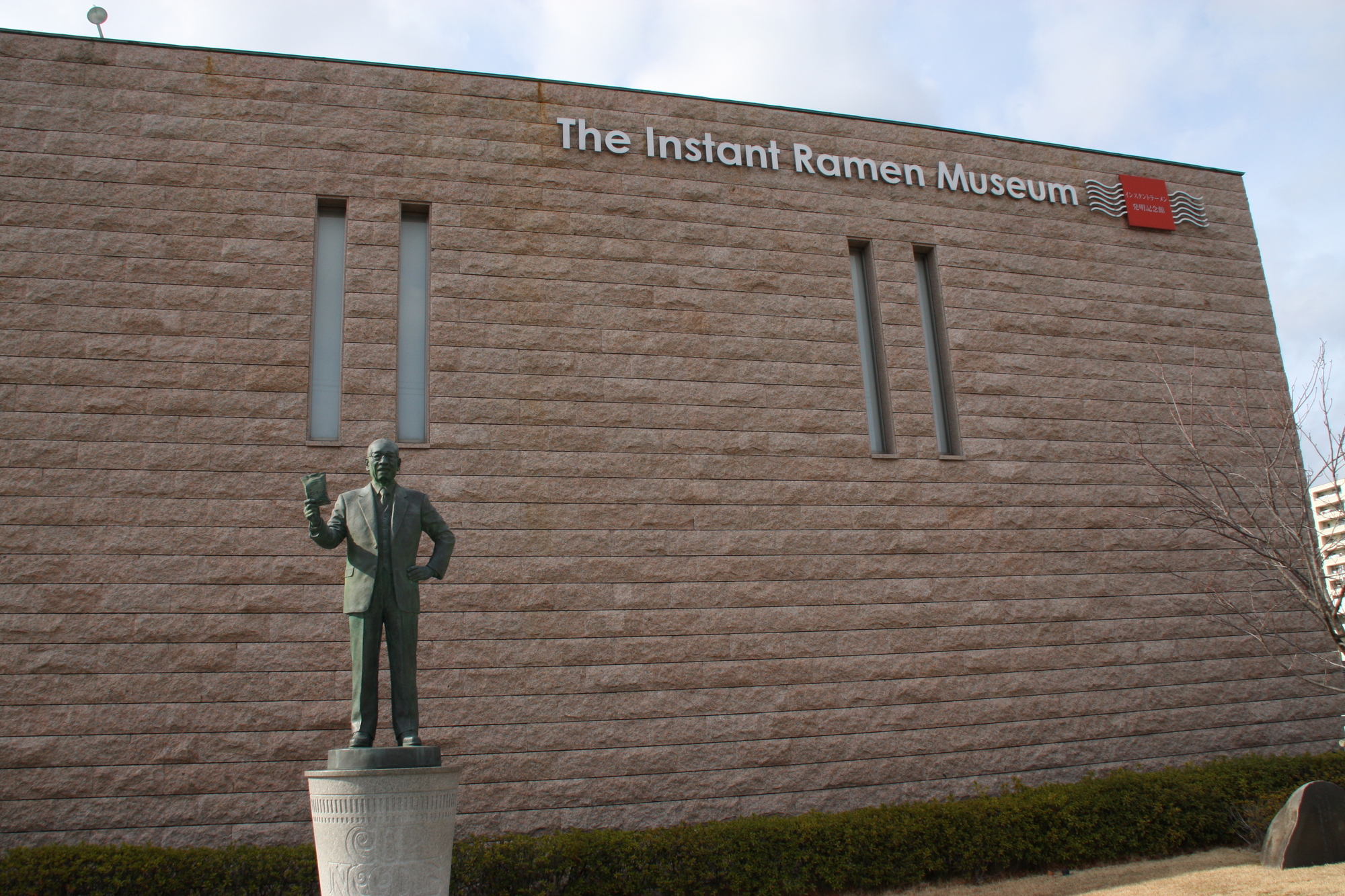
The Cup Noodles Museum Osaka Ikeda is where we go when we want to combine nostalgia, geeky food history, and hands-on fun in one stop. Run by the Nissin Foods Group – the company behind Cup Noodles and Chicken Ramen – this museum lets you dive into the surprisingly fascinating world of instant ramen.
The highlight is the experience of making your own original Chicken Ramen. You watch the whole process from start to finish: kneading and stretching the flour, steaming, seasoning, and drying. Then comes the fun part – choosing your favorite toppings and designing your own packaging so you end up with a completely one-of-a-kind ramen packet. There’s also a popular corner where you can create your own Cup Noodles, mixing soups and toppings to your taste.
Along the way, you can learn how founder Momofuku Ando came up with instant ramen and see displays of instant noodle varieties from around the world. Before leaving, don’t forget to browse the shop for original merch and limited-edition products you won’t easily find elsewhere.
Tour Osaka’s retro architecture

At first glance, Osaka’s business districts look like a sea of glass towers and modern office blocks. But if we head into areas like Nakanoshima, Yodoyabashi, and Kitahama, we start spotting beautiful retro buildings mixed in among the skyscrapers – perfect for a slow, self-guided architecture walk.
As we stroll along Midosuji, one building in particular stands out: the Bank of Japan Osaka Branch. Completed in 1903, it’s characterized by a graceful dome and a dignified stone exterior. It was designed by Tatsuno Kingo, often called the “father of modern Japanese architecture,” and its imposing form feels more like something you’d find in medieval Europe than in a modern Japanese city.
Continuing along Nakanoshima, the narrow island between the Dojima and Tosabori rivers, we come across other landmarks such as the Osaka Prefectural Nakanoshima Library and the Osaka Central Public Hall. Inside the library, there’s even a stylish café specializing in smørrebrød – a great excuse to sit down, have a snack, and soak up the historic atmosphere before continuing your walk.
View on Google Maps the Bank of Japan Osaka Branch
Enjoy seasonal flowers in an urban oasis
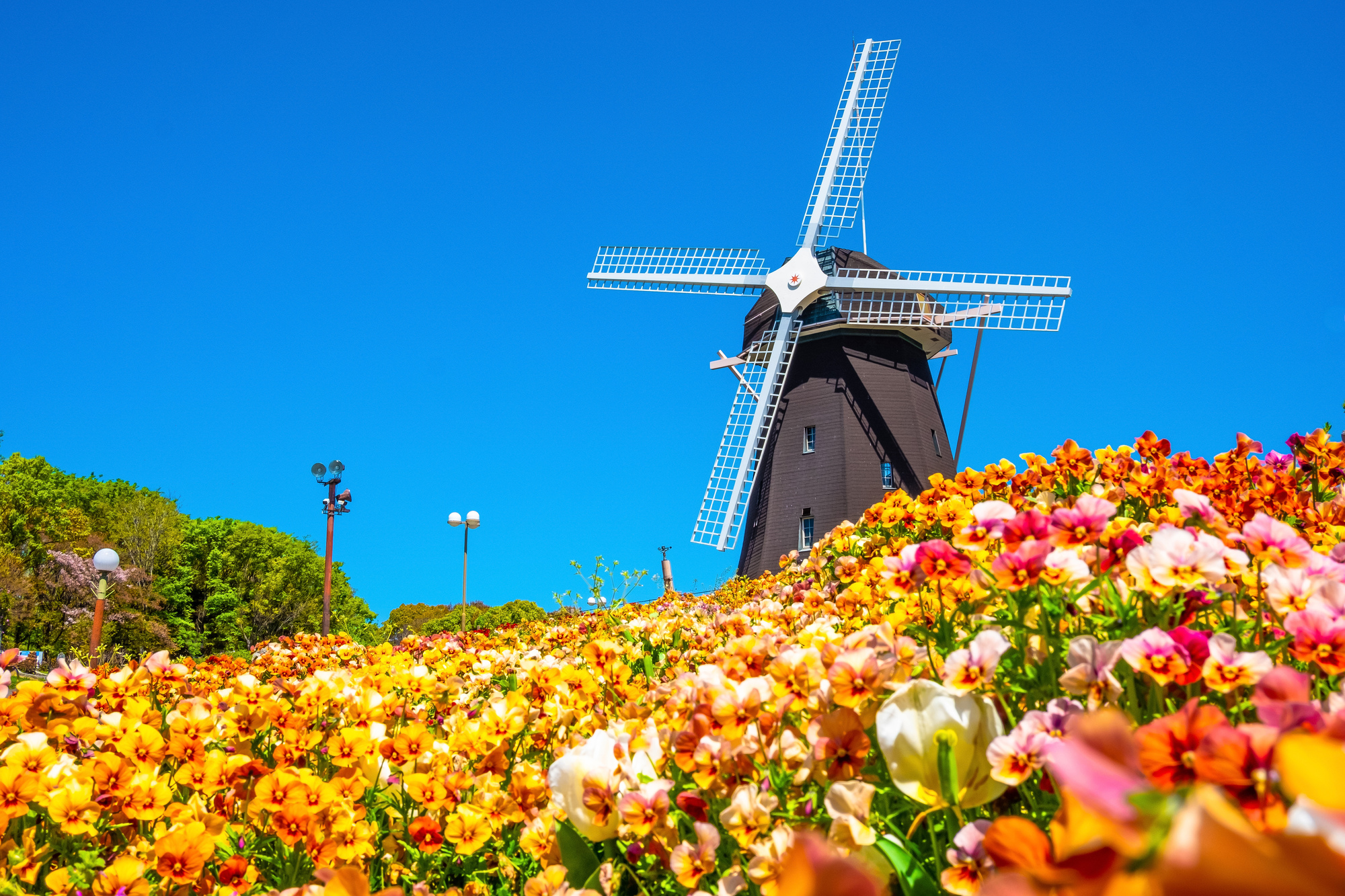
Tsurumi Ryokuchi Flower Park was created on the former site of the International Garden and Greenery Exposition, and you can still feel those “flower fair” roots today. Conveniently located just steps from Osaka Metro’s Tsurumi Ryokuchi Station, it’s one of the easiest big parks to access from the city.
This place is a true urban oasis, with seasonal flower displays that change throughout the year. Flower lovers in particular will want to head straight to the Sakuyakonohanakan greenhouse, which houses around 2,600 species and approximately 15,000 plants – from tropical varieties to delicate alpine flowers.
The park itself is expansive and full of options: a heated swimming pool, barbecue area, and even a campground if you feel like extending your time in nature. With the exception of some paid facilities, most of the park is free to enter, so you can tailor your visit to your schedule and budget, whether you’re there for a quick stroll or a half-day escape from the city.
Enjoy a food tour of Kuromon Market, Osaka’s kitchen
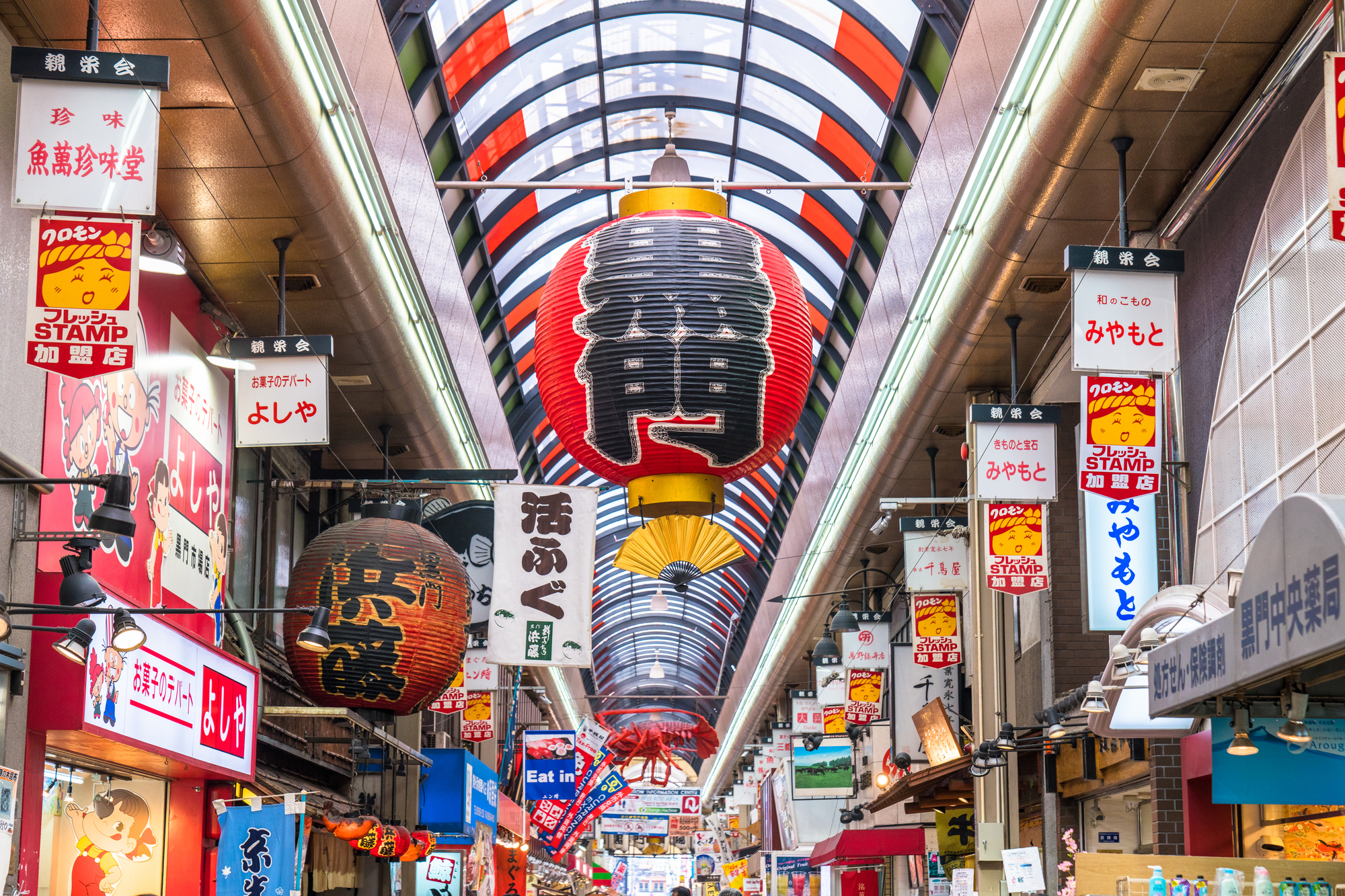
Kuromon Market sits just a short walk from Nipponbashi, one stop away from Namba, and it still carries the lively spirit of the days when Osaka was known as the “Kitchen of the World.” Whenever we step under its arcade, we’re greeted by a symphony of sizzling grills, friendly vendors, and the occasional crab leg waving at us from a display.
The covered street stretches for about 580 meters and is lined with stalls and small shops selling fresh seafood, meat, fruit, snacks, and ready-to-eat treats. Depending on your schedule, you can sit down for a proper meal inside a shop or simply graze as you go, picking up skewers, sushi, and other bites to eat on the move.
Because the entire market is an arcade, it’s also perfect on rainy or very hot days – no weather excuses here. If you’re heading to the Namba area anyway, we highly recommend adding a detour to Kuromon Market and giving yourself time to explore with an empty stomach.
Enjoy retro games in a new (old) world
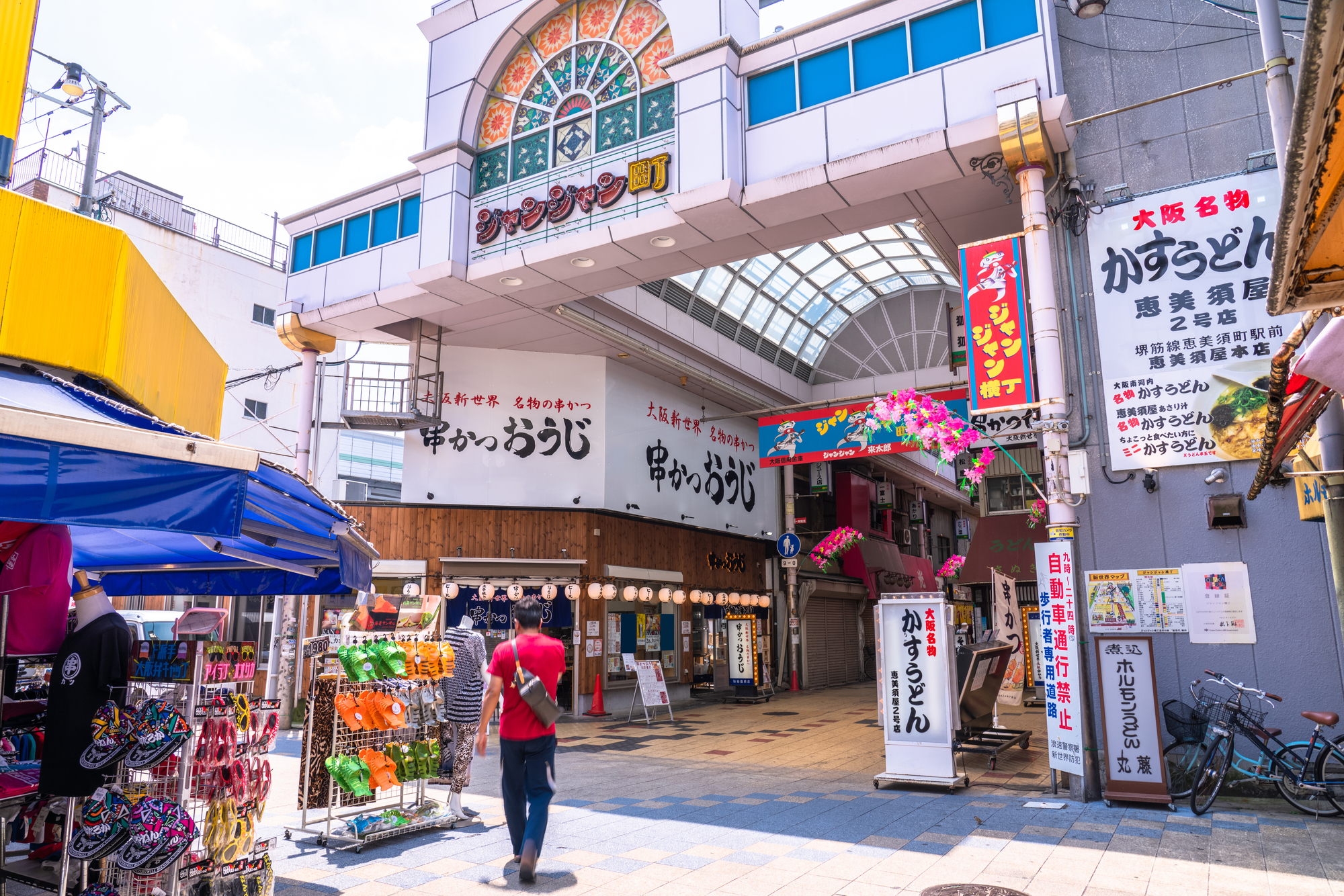
If you’re visiting Tsutenkaku, don’t just snap a photo of the tower and leave – we always make time to wander over to Janjan Yokocho in the Shinsekai district. This narrow, retro shopping street has been loved by locals for decades and is one of the best places to feel Osaka’s old-school downtown atmosphere.
One spot we really like here is Kasuga Amusement Center, a retro game arcade that feels like a time capsule. Inside, the lighting, machines, and sounds make it feel as though we’ve slipped back into the Showa era. The lineup of games is wonderfully varied: classic video games, medal games, electromechanical machines, and all sorts of nostalgic cabinets that you don’t often see anymore.
It’s a completely different vibe from modern game centers and smartphone apps. Open since 1959, this long-established arcade lets you experience the kind of simple, hands-on fun that keeps locals and visitors coming back.
Watch a spectacular sunset sink into the horizon
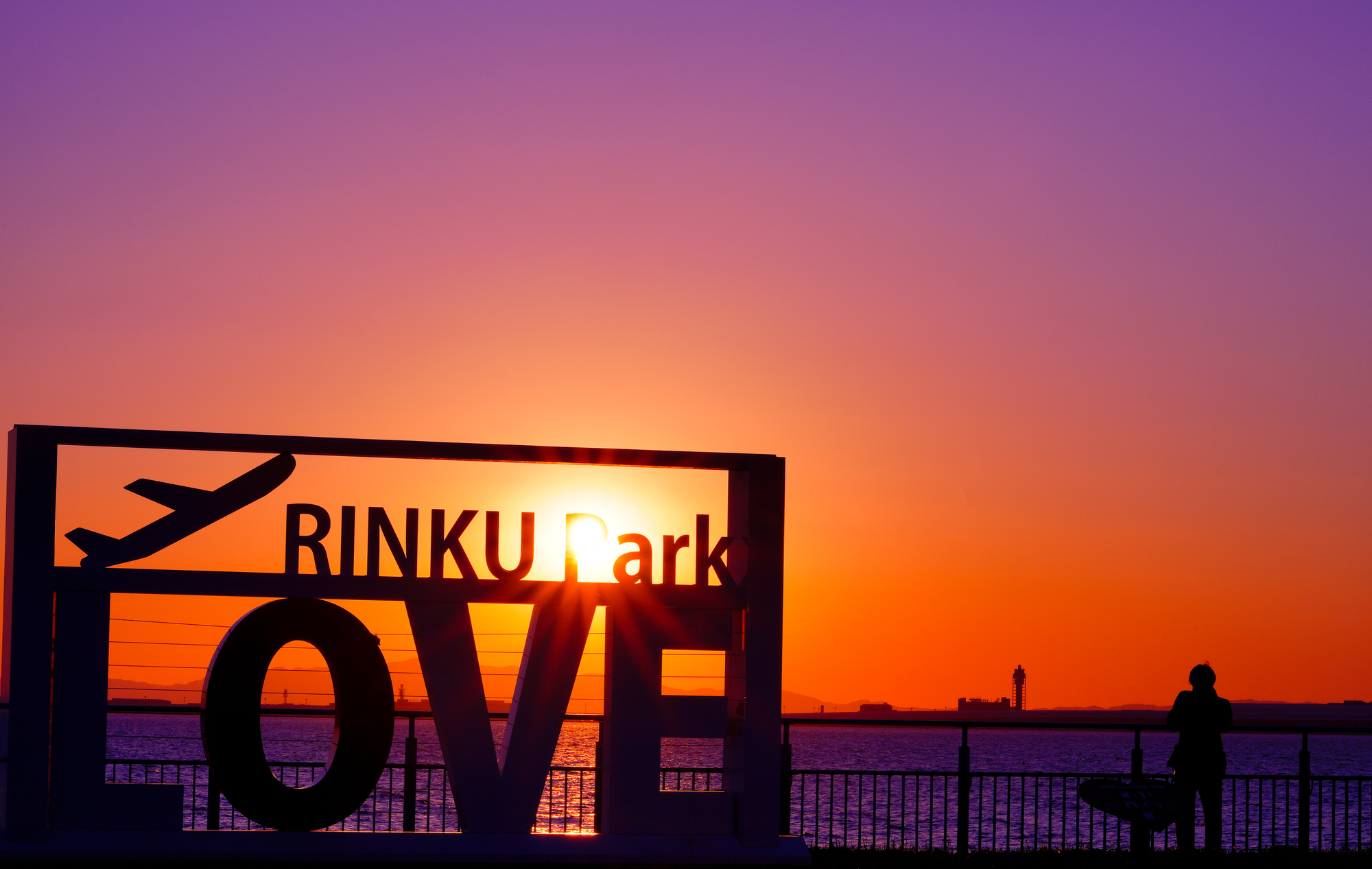
Rinku Park is a stylish waterfront park in the Rinku area, just across the water from Kansai International Airport. When we need one last memorable moment before a flight, this is where we go. Within the park, you’ll find Sennan Marble Beach, recognized as a “lover’s sanctuary” and famous as one of Osaka’s top sunset-viewing spots.
The beach stretches for about 900 meters and is lined with a pine forest, creating a soothing contrast between white stones, dark trees, and blue sea. Swimming isn’t allowed here, but you don’t really miss it – this is more of a place to sit, listen to the waves, and feel the sea breeze as the sky slowly changes color.
From the shore, you can watch planes taking off and landing at Kansai International Airport and, on clear days, see as far as the Akashi Kaikyo Bridge in the distance. It’s a uniquely Osaka combination of sea, sky, and city infrastructure – the perfect spot to pause, breathe, and recharge before continuing your journey.
CAFÉ Osaka Tea Party: Enjoy freshly ground green tea in a Japanese cafe setting
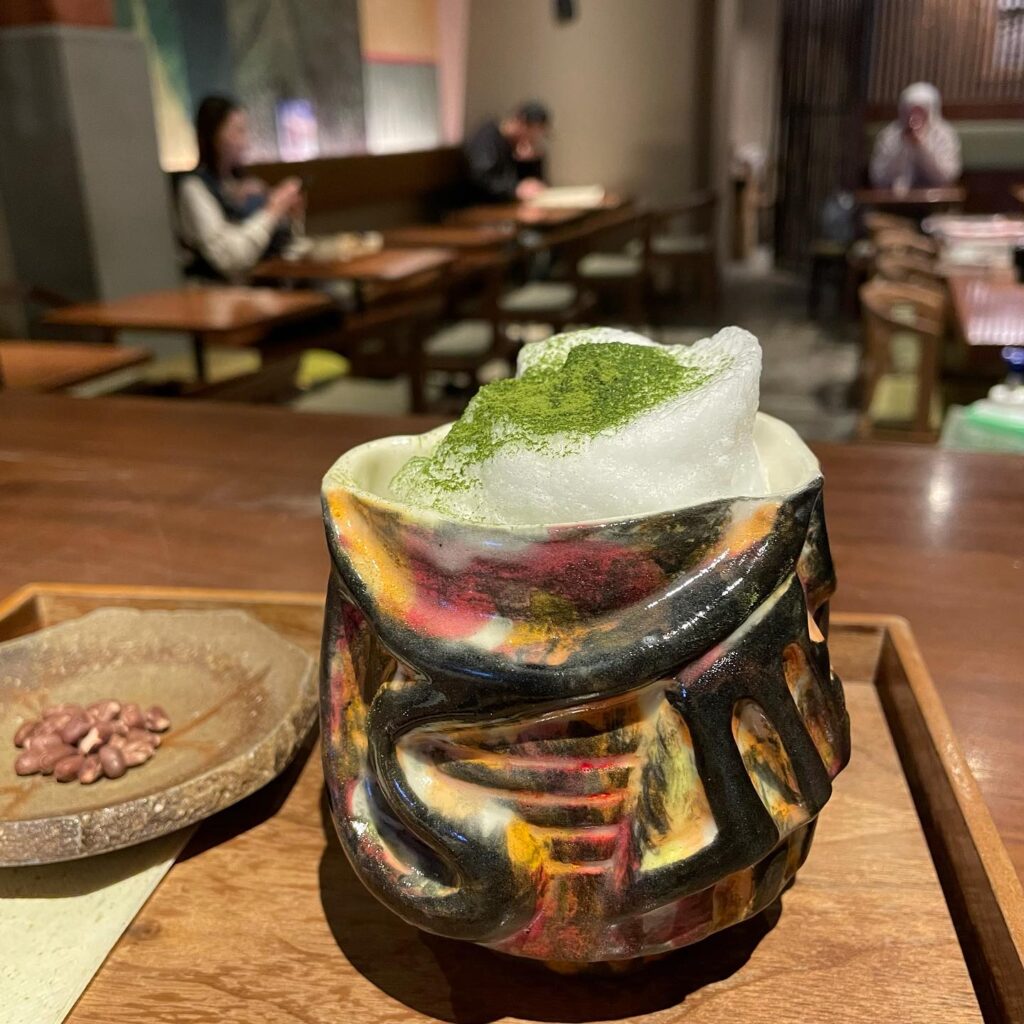
CAFÉ Osaka Chakai is a small Japanese tea café in Osaka’s Tenma area that shines a very modern light on two classics: green tea and pottery. Here, every drink starts with tea leaves ground to order, so your matcha-based drinks and Japanese sweets taste extra fresh and aromatic. The menu features carefully selected teas from across Japan, including regions like Kagoshima and Tamba, so you can literally sip your way around the country without leaving your seat.
One of the most charming parts of the experience is that you can choose your own cup from more than 100 pieces of pottery, including beautiful works of Shigaraki ware and Tamba ware by contemporary artists. The space itself feels like a modern tea retreat: a calm, Japanese-style interior crafted with washi paper and black bamboo, quiet, soft, and soothing.
This one-of-a-kind café has earned high praise in UK and Italian gourmet magazines, and now attracts Japanese tea lovers from Japan and abroad who come for the thoughtful tea, the ceramics, and the atmosphere all at once.
Food: restaurants, specialities & markets
For recommendations on where to eat in Osaka,read our guide, which features 25+ must-try restaurants for kushikatsu, ramen, sushi, okonomiyaki, and more.
Which neighbourhood to stay in?
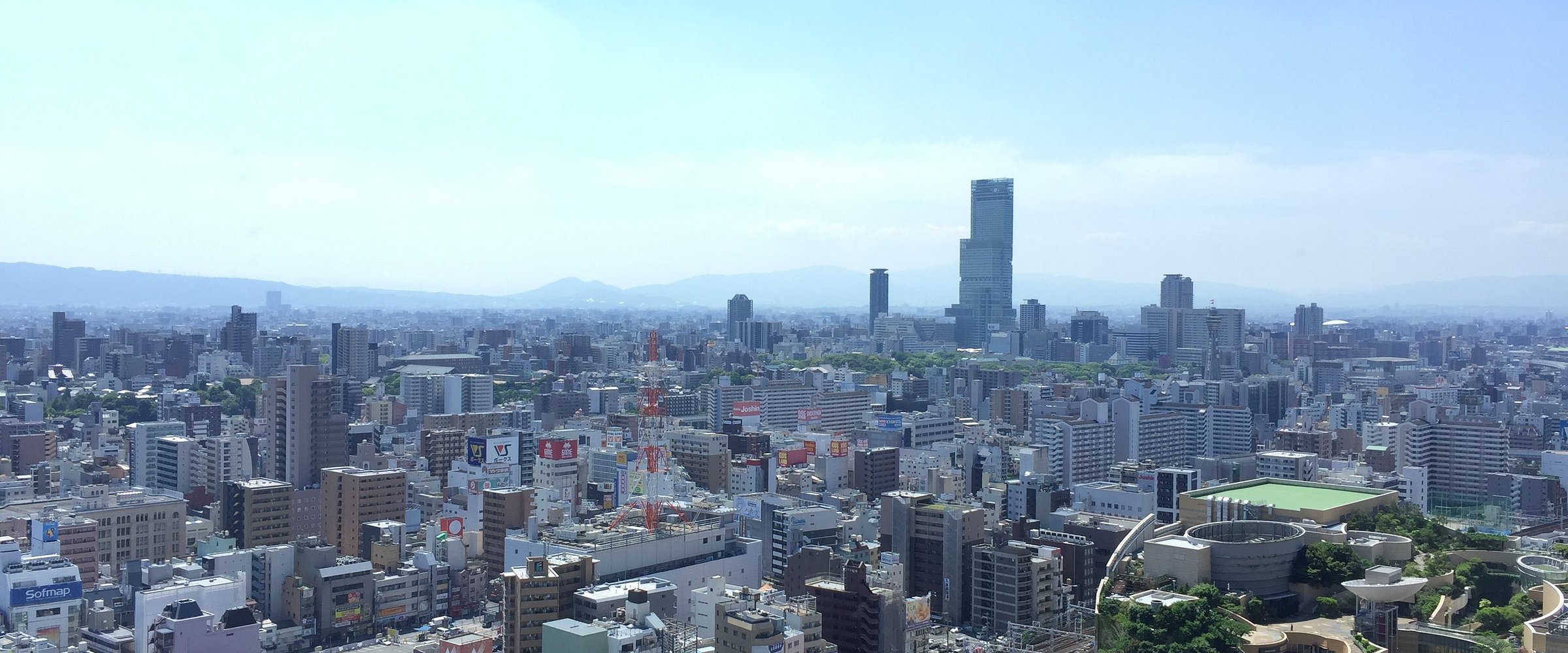
Osaka isn’t as huge as Tokyo, but location still matters. Ideally, try to stay near the JR Osaka Loop Line, which circles the city and connects many major areas.
Best bases:
- Namba (Minami / Shinsaibashi):
- Nightlife, shopping, markets, and food all in one place.
- Close to Dotonbori, Shinsaibashi Shopping Arcade, Amerikamura, Den Den Town, Kuromon Market.
- Served by multiple railway companies, subway lines, and a highway bus terminal.
- Umeda / Osaka Station (Kita):
- Great for transport connections (Shinkansen, airport links, regional trains).
- Close to Umeda Sky Building, Grand Front Osaka, Tenjinbashi, lots of shops and restaurants.
Minami (“South”, around Namba) and Kita (“North”, around Osaka / Umeda Station) are Osaka’s two main centres – choose the one that best fits your plans or split your stay.
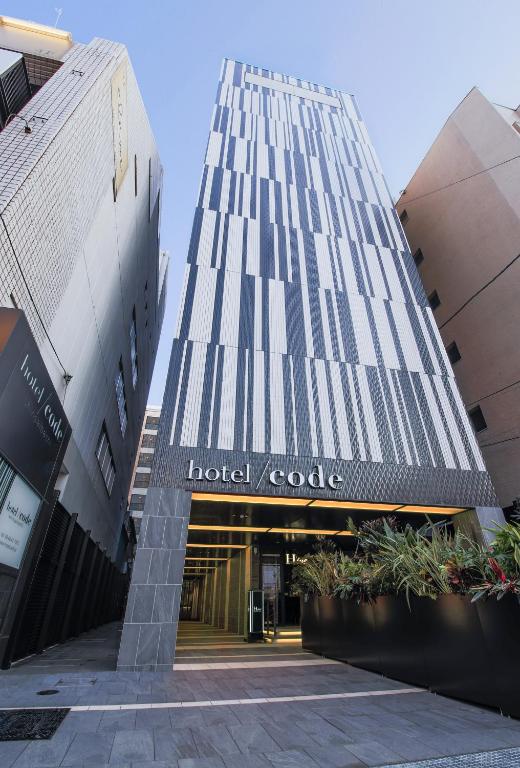
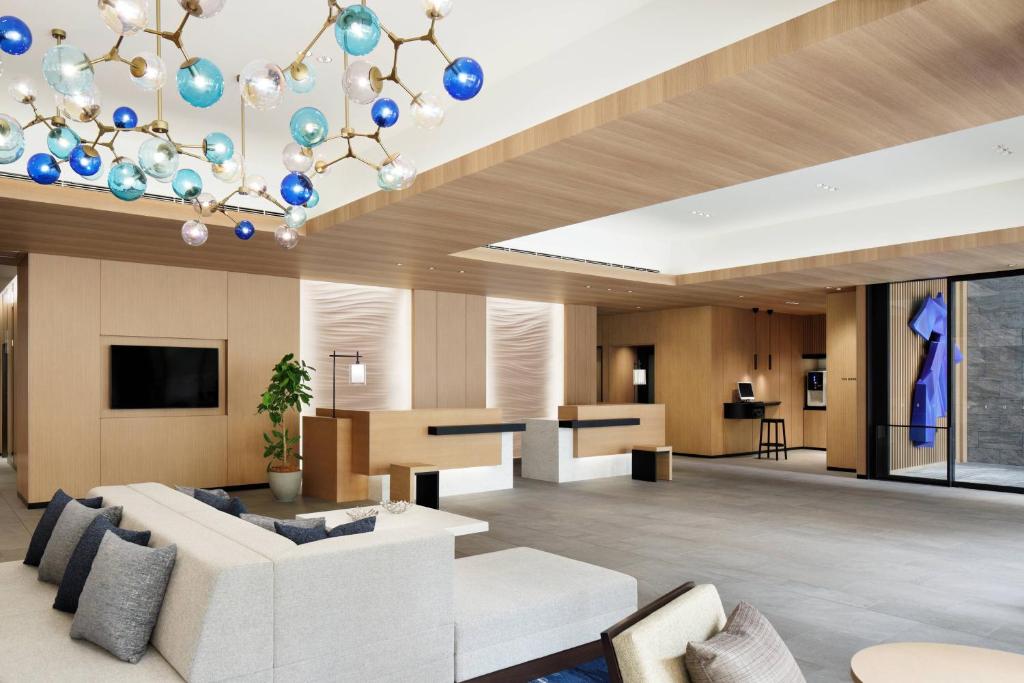
Hotel picks in Namba
Budget (good 3-star options):
Mid-range (4-star):
Luxury (5-star):
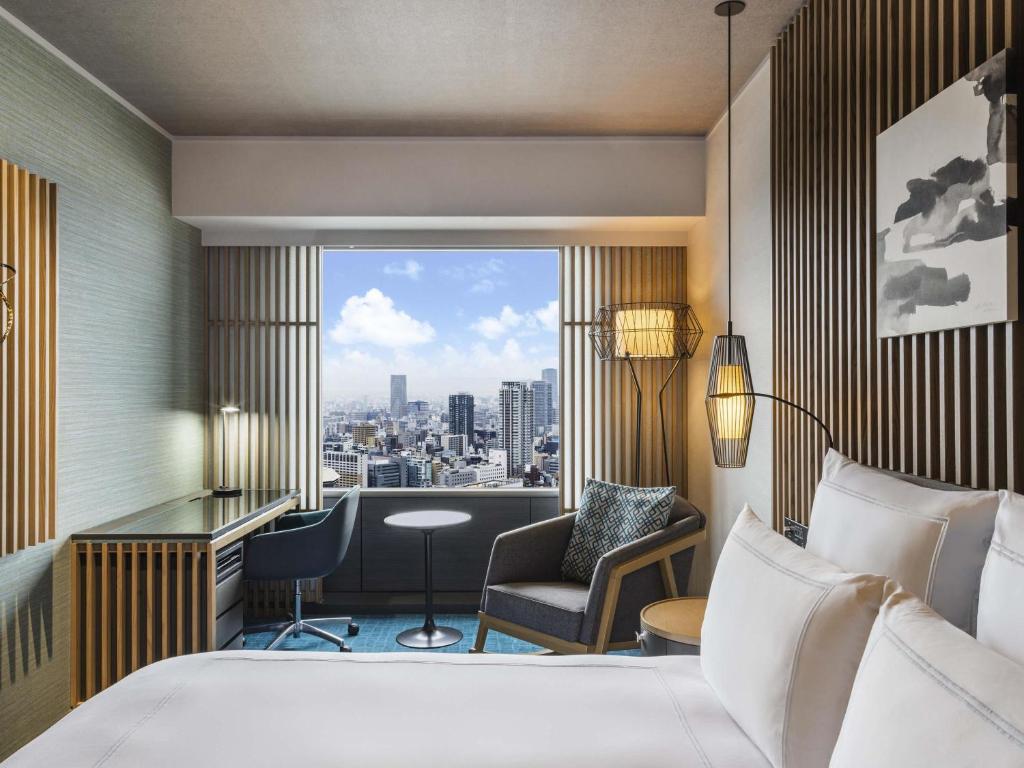
Hotel picks near Osaka Station
Budget (3-star):
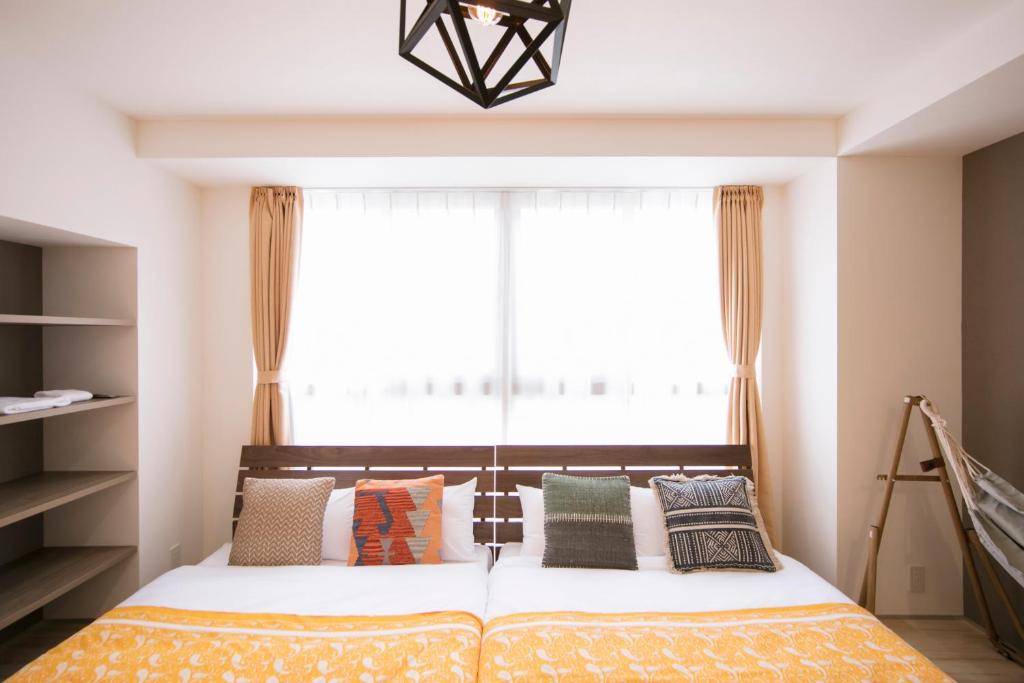
- Minn Umeda-North
- Bijou Suites Sorriso (3 stars, but prices can be quite high now)
Mid-range (4-star):
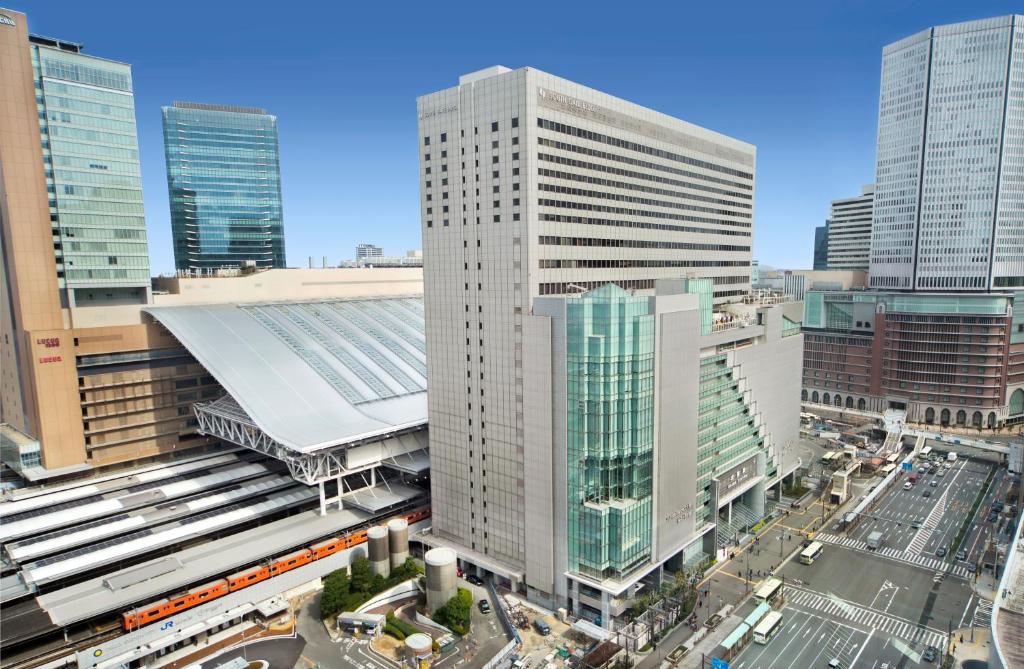
Luxury (5-star):
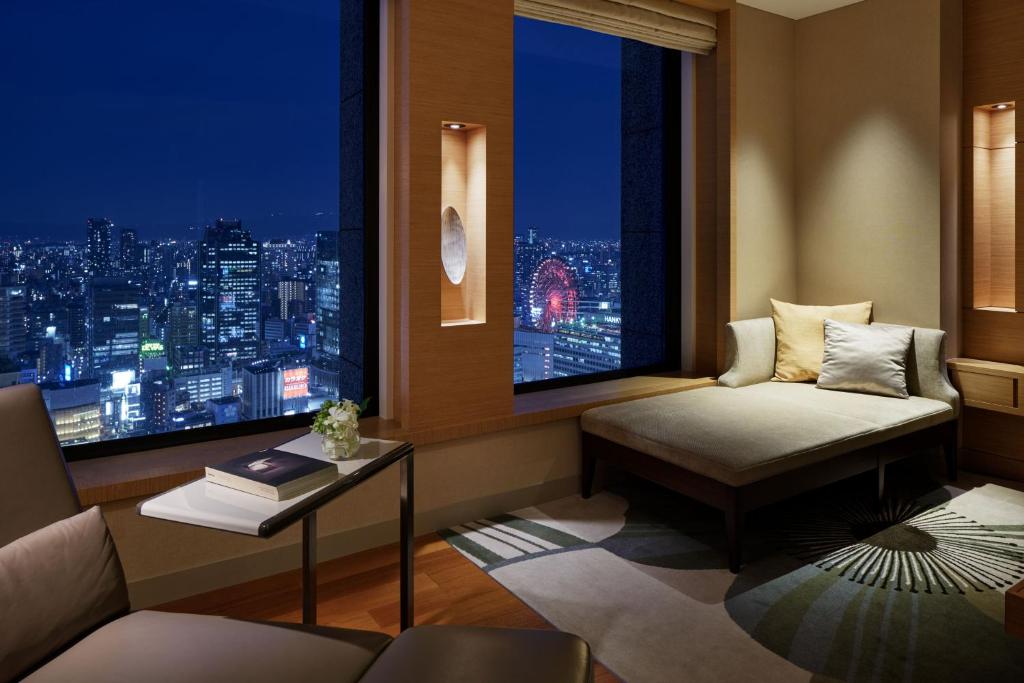
Always check current deals and reviews – prices in Japan can swing a lot with season and demand.
READ ALSO:
| ➡️Planning your trip and wondering where to stay in Osaka so you’re not burning half your holiday on trains? Read our guide. Pick the right base and you’ll spend your time eating takoyaki—not commuting. |
Save money with the Osaka Amazing Pass
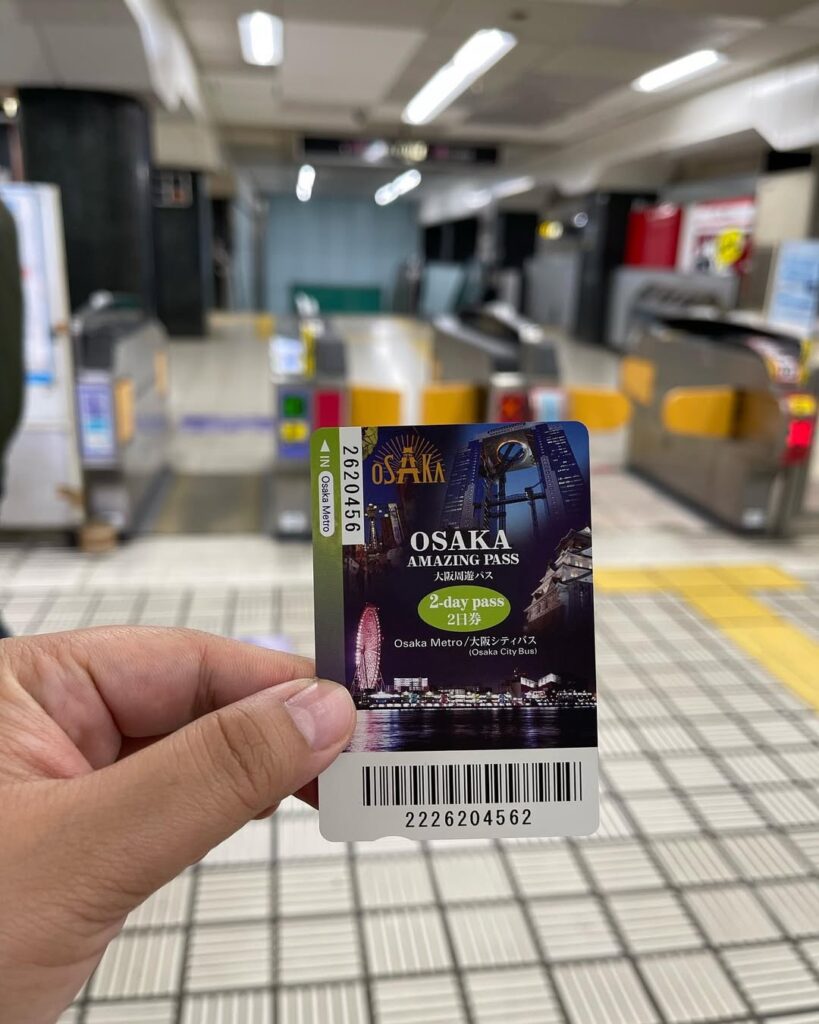
If you’re planning to hit several attractions, the Osaka Amazing Pass can save you serious money – often more than the Osaka e-Pass.
With the Osaka Amazing Pass you get free entry to over 40 attractions, including:
- Umeda Sky Building (until 4:30 p.m.)
- Osaka Castle Museum (Main Tower)
- Tsutenkaku Tower
- HEP FIVE Ferris Wheel
- Sakishima Cosmo Tower
- Shitennoji Temple
- Several river and boat cruises
- And lots of other museums, parks, and onsen
Plus:
- Unlimited public transport (subway, bus, selected trains) within Osaka
- Discount coupons for restaurants and shopping (Tokux2 coupons)
- A small guidebook and city map
Prices – Osaka Amazing Pass
- 1-Day Pass: 3,500 yen
- 2-Day Pass: 5,000 yen
You’ll either get a physical card or a digital version, depending on where you buy it. Just show it at the ticket counters of participating attractions; at some places you can even skip the line.
💡 My tip: If you want to see a lot and use public transport, the 2-day Osaka Amazing Pass is usually the best value.
Osaka e-Pass vs Osaka Amazing Pass vs Osaka Premium Pass
Here’s a quick comparison:
- Osaka e-Pass
- Access: around 25 attractions
- Public transport: not included
- Highlights: Umeda Sky Building, HEP FIVE Ferris Wheel, some key spots
- Price (2025): 1 day: 2,400 yen / 2 days: 3,000 yen
- Availability: digital only (PDF/code)
- Ideal for: travellers on a budget who won’t ride much public transport
- Osaka Amazing Pass
- Access: 40+ attractions
- Public transport: included (unlimited metro, bus, selected trains)
- Highlights: includes Osaka Castle, Tsutenkaku Tower, all boat trips, and more
- Price (2025): 1 day: 3,500 yen / 2 days: 5,000 yen
- Availability: on-site & online, sometimes physical cards
- Ideal for: anyone who wants to see a lot and move around a lot
- Osaka Premium Pass
- Access: around 40 attractions + bonus perks
- Public transport: same as Amazing Pass
- Extras: exclusive offers and bonus access
- Price (2025): 1 day: 6,500 yen
- Availability: only via selected providers
- Ideal for: travellers who want extras and upgrades on top of the basics
If you like things sorted in advance, you can buy these passes online before your trip.
FAQs: What to do in Osaka
How many days do you need in Osaka to see the main sights?
If you just want the highlights (Osaka Castle, Dotonbori, Umeda Sky Building, one food night in Shinsekai), 2 full days work. With Universal Studios Japan, budget at least 3 days. If you also want day trips to Nara or Kobe, plan 4–5 days so you’re not racing from takoyaki stand to train platform like a stressed pigeon.
What are the must-see places in Osaka for a first visit?
For a first trip, combine classics and chaos: Osaka Castle and its park for history and greenery, Dotonbori for neon and street food, Shinsekai for retro vibes and kushikatsu, the Umeda Sky Building or Abeno Harukas for city views, and Kuromon Ichiba Market for snacking your way through seafood and fruit. If you like theme parks, Universal Studios Japan is the big one.
Is Universal Studios Japan worth it if I’m only in Osaka for a short time?
If you’re into Harry Potter, Nintendo, or just big rides, yes, it’s usually worth dedicating a full day. The Super Nintendo World area alone can eat hours (in a good way) and is one of the most unique theme-park zones in Japan. If you’re not a theme park person, you might prefer to skip it and spend that day exploring neighborhoods and food instead.
Where should I go in Osaka at night?
Dotonbori is the classic: neon signs, the Glico running man, and endless food stalls. Nearby Shinsaibashi is great for late-night shopping and people-watching. For something more low-key, wander Shinsekai’s lantern-lit streets, grab kushikatsu, and ride the Tsutenkaku Tower. If you want bars and izakaya, check out the Ura-Namba backstreets and the Namba/Amemura area.
What foods should I try in Osaka and where?
Osaka calls itself “Japan’s kitchen,” so eat like you mean it. Try takoyaki (octopus balls) from a busy stand in Dotonbori or Namba, okonomiyaki (savory pancake) in the Minami area, kushikatsu (deep-fried skewers) in Shinsekai, and a bowl of local ramen or classic udon near your station. Leave space for dessert parfaits or Japanese cheesecake around Umeda or Namba.
Is Osaka a good base for day trips? Where can I go?
Yes, it’s an excellent base with fast rail connections. Popular day trips include Nara (deer and temples), Kyoto (shrines, bamboo, old streets), Kobe (harbor, steak, and sake breweries), and Himeji (Japan’s most famous castle). With early starts and good train planning, you can be back in Osaka in time for a late dinner.
Which area is best to stay in Osaka for sightseeing?
For most visitors, Namba/Shinsaibashi (Minami) is ideal: you’re close to Dotonbori, tons of food, and convenient subway and Nankai lines. Umeda (Kita) is better if you like big malls, department stores, and easy access to JR lines. If you’re focused on Universal Studios Japan, look for hotels around JR Namba, Osaka Station, or directly near Universal City.
Do I need a special pass for getting around Osaka’s attractions?
If you’ll be using a lot of subways and visiting paid attractions, the Osaka Amazing Pass (1 or 2 days) can be good value—it covers selected attractions and unlimited subway/bus rides within the city for the duration. If you’re mixing Osaka with multiple day trips, you might combine an IC card (like ICOCA) with regional rail passes instead of relying on one city pass.
Is Osaka suitable for kids and families? What should we do?
Yes—kids usually love it. Universal Studios Japan is a huge hit, but even without it, there’s plenty: Osaka Aquarium Kaiyukan, boat rides around the bay, the views from Umeda Sky Building, interactive shops and arcades in Namba, and endless snack stops that keep little travelers bribed and happy.
What can I do in Osaka if it’s raining?
Head indoors: Osaka Aquarium, teamLab Botanical Garden (evenings, partly outdoor but atmospheric), shopping complexes around Umeda and Namba, indoor arcades and game centers, and food markets like Kuromon. Department stores (Hankyu, Daimaru, etc.) also have entire floors of food halls and cafés where you can graze without getting soaked.
- Nagoya rainy day with kids in 2026 (Cool Indoor Things to Do )
- Best Gachapon in Tokyo (2026): 20 Places to Find Capsule Toys
- All Japanese KitKat Flavours List: The Ultimate Japan KitKat Guide
- Sapporo rainy day with kids (2026): 7 Cool Indoor Things to Do
- What To Do In Arashiyama With Kids: A Realistic One-Day Family Itinerary