I spill travel tips , and show you the Japan that tourists usually miss.
Osaka is loud, delicious, and wonderfully straightforward—the kind of city that doesn’t need weeks of warm-up to charm you. Give it 24 hours and it’ll reward you with neon-lit canals, castle drama, sky-high viewpoints, and enough street food to make you consider moving in.
This one day in Osaka itinerary is built for real humans (you know, the ones who need coffee, hate zig-zagging across town, and don’t want to “see 14 temples before lunch”). We’ll start with a big-hitter morning, roll into the city’s best walking-and-snacking zones, and finish exactly where Osaka shines most: after dark, under the glow of Dotonbori.
More Osaka food and travel guides
Keep going with our guides to the best food in Osaka, must-try local specialties, top shopping picks, and the easiest ways to plan the rest of your trip.
- where to eat in Osaka — our guide to the best local restaurants, must-try dishes, and food spots across the city.
- best things to buy in Osaka — from fluffy castella cakes to takoyaki-flavored snacks and the city’s best souvenirs.
Planning family time?
See the best things to do in Osaka with kids for playful stops, easy wins, and places children genuinely enjoy.
Table of Contents
Is Osaka worth visiting?
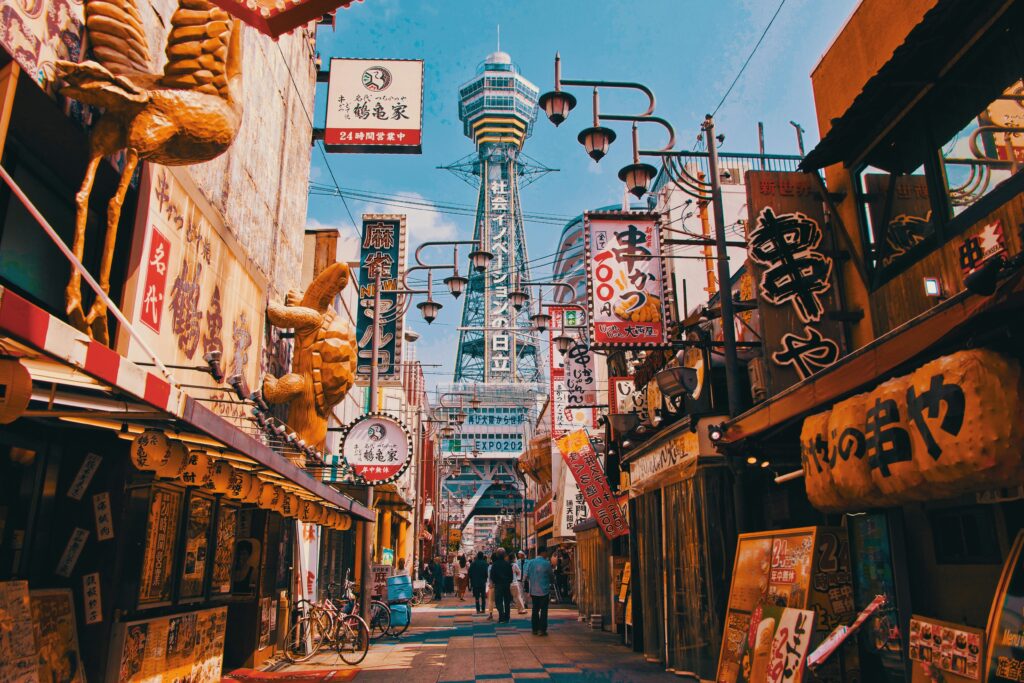
Osaka is a major Japan travel hub, and not just because it has a personality the size of a neon sign. With Kansai International Airport and a web of Shinkansen bullet train lines running through it, Osaka is one of those places you’ll almost certainly pass near—so the real question becomes: do we hop off and explore, or do we keep rolling?
In our opinion, if you’re spending at least two weeks in Japan, a day trip to Osaka is absolutely worth it. With fewer days, it depends on what you love most—temples and slow mornings, or big-city energy and food that makes you forget your own name.
And then there’s the not-so-secret reason Osaka wins a place on the itinerary… especially if you grew up chasing coins with a certain little Italian plumber.
Yes: Super Nintendo World—the theme park land dedicated to Super Mario and friends—is inside Universal Studios Japan, just a quick train ride from downtown Osaka. We wrote an entire post about our experience there because honestly, it deserves it.
What to do in Osaka in 1 day
We did Osaka in one day with a “go big, don’t overthink it” strategy. For viewpoints, we picked just one—Umeda Sky Building—and saved Harukas 300 for next time (because leaving something for “next time” is how you trick yourself into coming back).
Here’s everything we managed to see.
Umeda Sky Building

We’re starting this list with a bang. Literally.
In Umeda, the district known for modern offices and a big chunk of Osaka’s hotels, the Umeda Sky Building rises like a sci-fi set piece you can actually enter. At 170 meters, it gives you one of the best panoramic views of the city.
The best part? The building is two towers connected by a circular observation deck called Kuchu Teien—and you reach it via escalators that look like they’re floating in mid-air. It’s spectacular. It’s also… not ideal if you’re afraid of heights .
Up top, you’ll find:
- an open-air section and a covered section
- a restaurant
- souvenir shops
- and a few exhibits about how the building was constructed (because Osaka doesn’t just want you to look—it wants you to appreciate the engineering).
You can buy tickets in advance on this website.
Harukas 300

If you want to see Osaka from even higher, Harukas 300 is the other skyline heavyweight—300 meters high, exactly as advertised.
The 360-degree glass observation deck is a full “wow” moment, especially on a clear day. Tickets can be bought in advance on the website linked in your guide.
Extra details we love here:
- On the 16th floor, there’s an art museum plus a garden terrace with great views.
- The tower is part of a larger shopping/leisure complex: Abeno Harukas Kintetsu.
- And (this is delightfully Osaka) the shopping center’s 10th-floor terrace has a small urban garden and a Shinto shrine, with surprisingly good tower views.
Osaka Castle
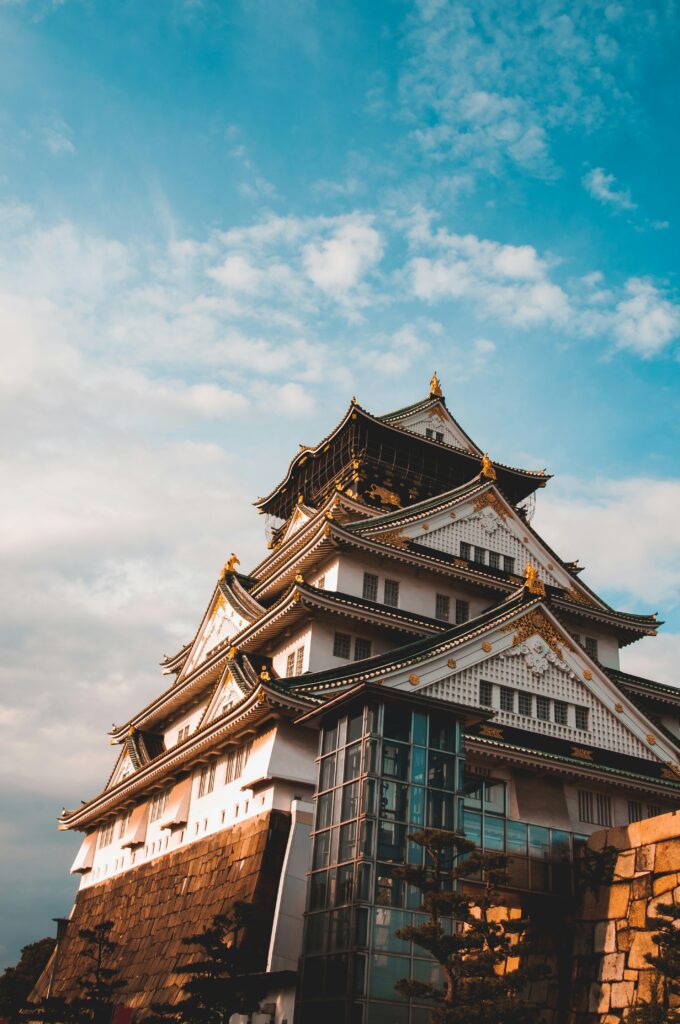
Osaka Castle is the city’s icon—no debate, no “maybe,” no polite hesitation.
Like many Japanese castles, it sits on a high stone foundation, built to make life difficult for any unwanted visitors. That means even though it has “only” eight interior floors and five exterior levels, it looks taller and more imposing than you expect.
Originally inaugurated in the 16th century, it played a major role in Japan’s unification and has survived a long history of attacks, reconstruction, and reinvention. The main tower was nearly destroyed during the World War II bombing of Osaka, and what you see today is a beautifully restored version set inside a spacious park.
You can visit the interior (honesty moment: Japanese castles can be a little bland inside), and tickets are available at the gate. Check opening hours and events on the official website .
Either way, it’s a must-see in Osaka—especially for that classic “castle and moat” drama.
Shitennō-ji Temple
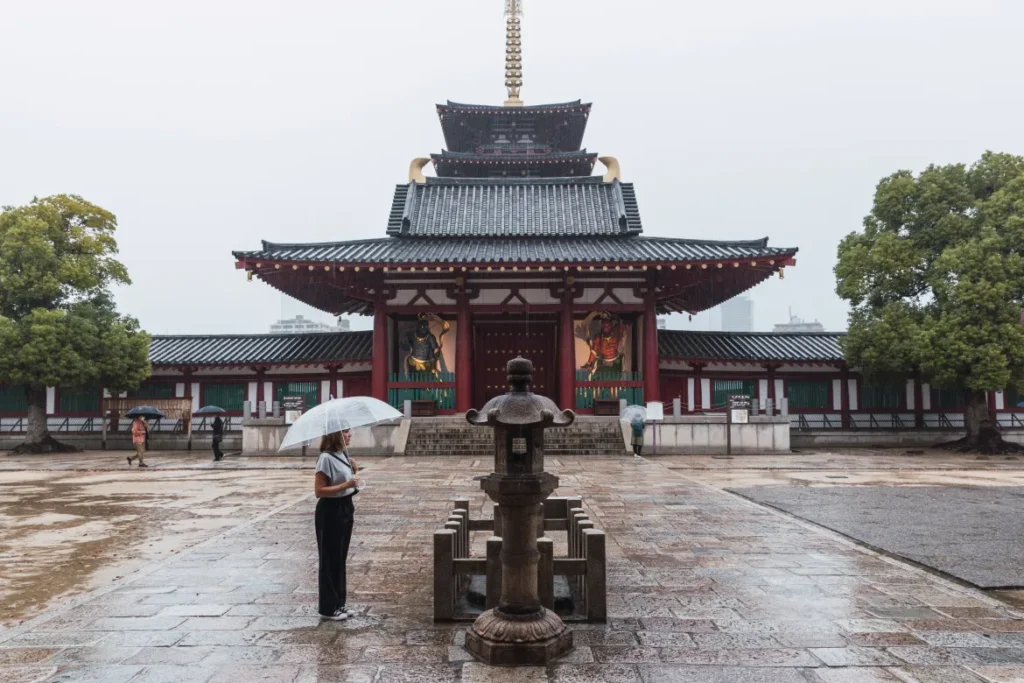
Okay, yes. Japan has a lot of temples. And yes, after a while your brain starts filing them under “beautiful wooden structures we respectfully admired.”
But we still think Shitennō-ji is a must—even on a one-day Osaka sprint—because this temple was founded in 593 AD and is considered Japan’s first Buddhist temple. That’s not a casual fun fact. That’s history with weight.
We visited on a very rainy day and were almost alone, which gave the whole place a quietly cinematic atmosphere: the sound of rain, the pagoda rising through the grey, and that feeling that you’ve stepped into a calmer timeline.
Shinsekai + the iconic Tsūtenkaku Tower
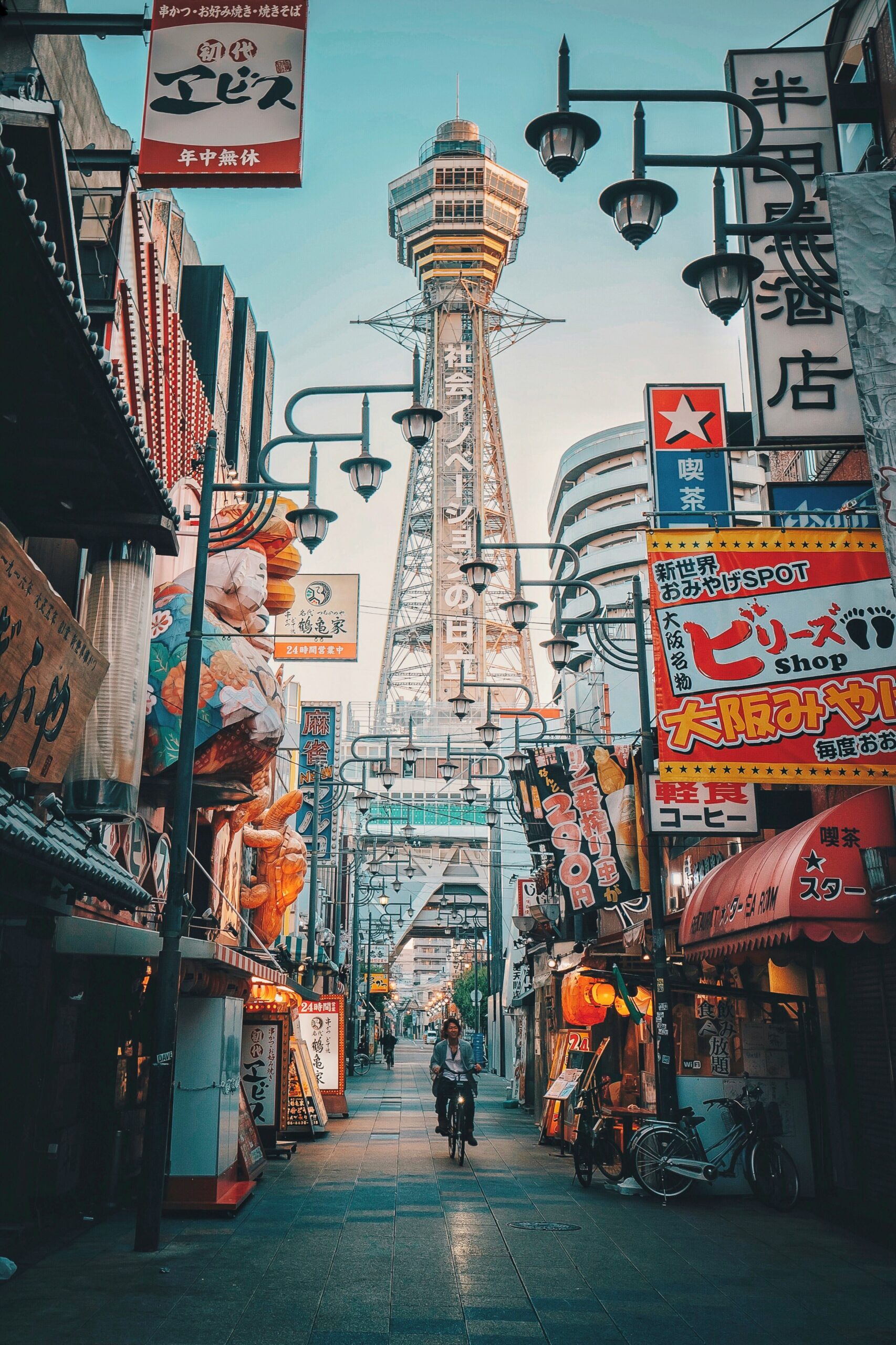
If Osaka had a “retro-futuristic” neighborhood that sums up its whole vibe, it’s Shinsekai. It’s the kind of district that could belong in a film like Blade Runner—except with more skewers and fewer existential monologues.
Shinsekai means “New World”, and it was originally designed over a century ago as a kind of theme-park-style vision of Osaka’s future. Imagine a retro Japanese version of Tomorrowland.
What you’ll see here:
- restaurants and shops with bold neon signage
- papier-mâché figures advertising food like they’re auditioning for the role of “most extra storefront in Kansai”
- and yes, restaurants serving fugu (pufferfish)—which can only be prepared by specially licensed chefs (because the stakes are, quite literally, life and death).
The star, though, is Tsūtenkaku Tower—a striking metal structure with a hint of Eiffel Tower inspiration. The original tower was dismantled during World War II and repurposed, then rebuilt taller at 104 meters and turned into an observation deck. Tickets can be bought in advance via the link in your guide.
Den Den Town + Namba

If Tokyo’s Akihabara had a sibling in Osaka, it would be Den Den Town (officially Nipponbashi). This is your zone for:
- electronics stores
- anime and manga shops
- arcades
- gacha machines (the tiny plastic capsule addiction nobody warns you about)
But Osaka adds its own twist: big modern tech stores sit beside small shops that feel like they’ve been selling spare parts since the mid-20th century. You’ll see vintage video game stores, tiny specialist shops, photography studios—this area has layers.
Den Den Town sits between Shinsekai and Dotonbori, which makes it the perfect walking connector between two of Osaka’s most iconic districts.
Dotonbori
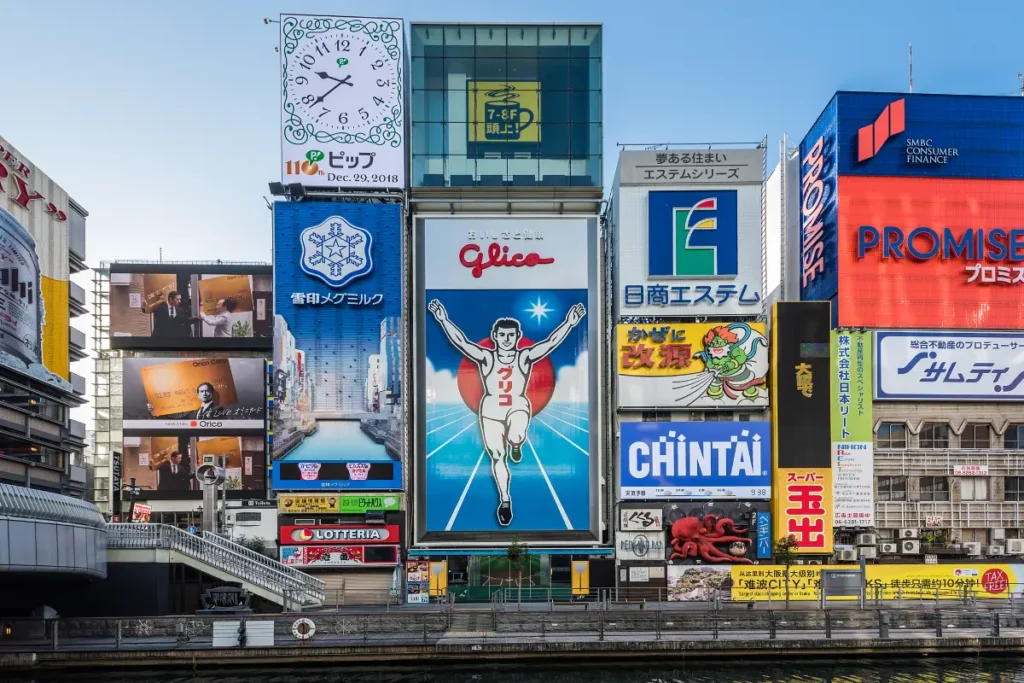
Dotonbori is Osaka’s neon heart—especially at night—when everything pulses, glows, and tries to convince you to eat one more thing.
Here, restaurant facades are proudly ridiculous in the best way: giant crabs, octopuses dressed like samurai, and signage that does not believe in subtlety. The district wraps around a canal with tourist boats, and walking beside the water at night is a genuinely fun, quirky experience.
What not to miss:
- the iconic Glico running man sign
- Shinsaibashi-suji shopping street (always buzzing)
- the street foods Osaka is famous for:
- takoyaki (octopus balls served at approximately the temperature of the Earth’s core)
- okonomiyaki (savory pancake with more toppings than seems reasonable)
- and, if you’re curious, more fugu options
If you do only one area in Osaka at night, make it Dotonbori. This is peak atmosphere.
Sumiyoshi Taisha Shrine
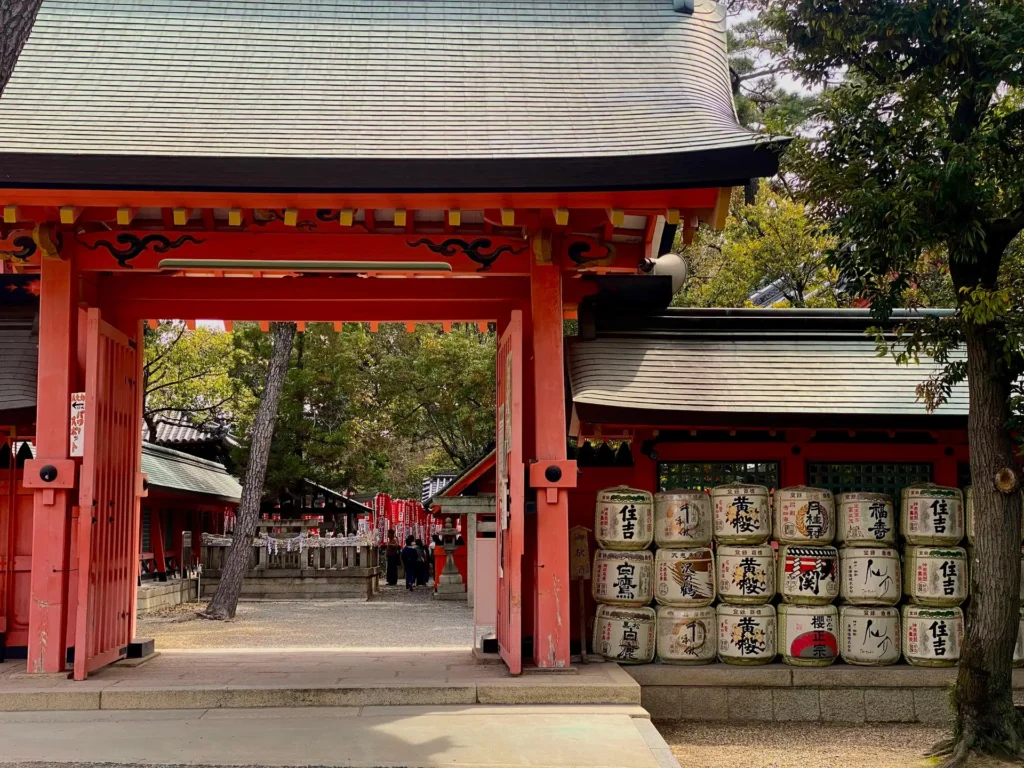
If you still have energy (and time), Sumiyoshi Taisha is a fantastic extra. It’s the oldest Shinto shrine in Osaka and one of the oldest in Japan, with over 1,800 years of history.
Highlights:
- an approach lined with hundreds of stone lanterns
- a beautiful semi-circular red bridge crossing the canal
- four main halls (honden) plus gardens
It’s located south of central Osaka but is easy to reach by public transport.
What to see in Osaka in 2 days: the best excursions
If you have more than one day, we strongly recommend leaving the city at least once. The Kansai region is stacked, and Osaka is the perfect launchpad.
Universal Studios Japan (and Super Nintendo World)

This was practically non-negotiable for us.
After visiting Universal Orlando, we had to see Super Nintendo World in person, and after Tokyo Disney we can confirm: Japan takes theme parks to a whole other level. Universal Studios Japan is about a 20-minute train ride from downtown Osaka, and it’s honestly incredible.
We’ve written a super comprehensive article on how to buy tickets and maximize your day—because this is not the kind of place you want to “wing it” unless you enjoy standing in lines as your main hobby.
Himeji
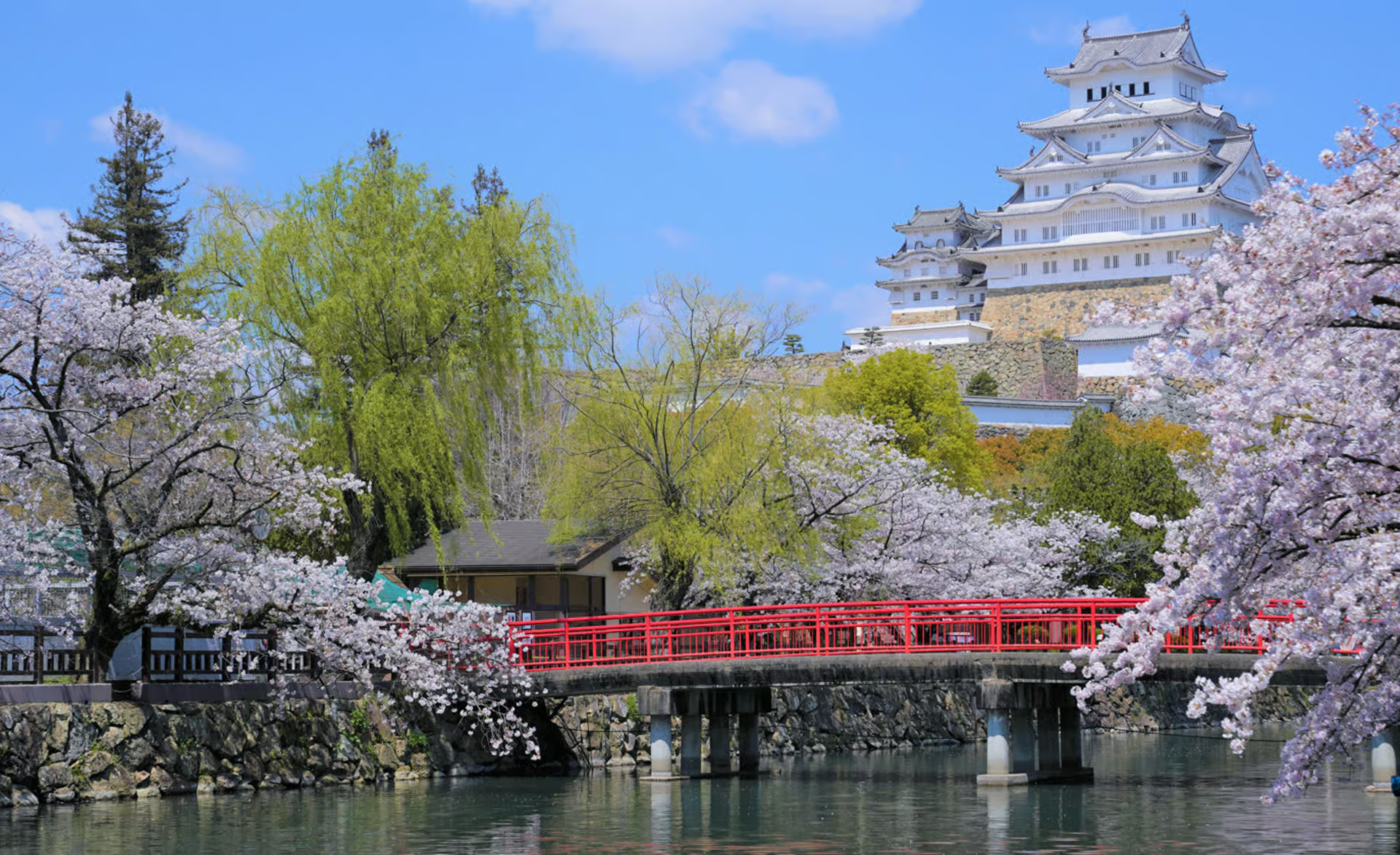
Just 30 minutes by Shinkansen from Osaka, Himeji is one of the best day trips in Japan—mainly because Himeji Castle is the real deal.
If Osaka Castle impressed you, Himeji is the full “white giant” known as the White Heron. It has the moat, the gardens, the watchtowers—everything you want from a Japanese castle fantasy, but in a way that feels genuinely grand.
It’s a UNESCO World Heritage Site dating back to the 17th century, made up of 83 buildings, and you can visit the interior. Japanese castles can be austere inside, yes—but this one is absolutely worth it. Expect steep staircases, dark wood rooms, historical exhibits, and a top viewpoint that rewards the climb.
Right next door, visit Koko-en Gardens—making Himeji a perfect half-day trip.
Okayama Gardens
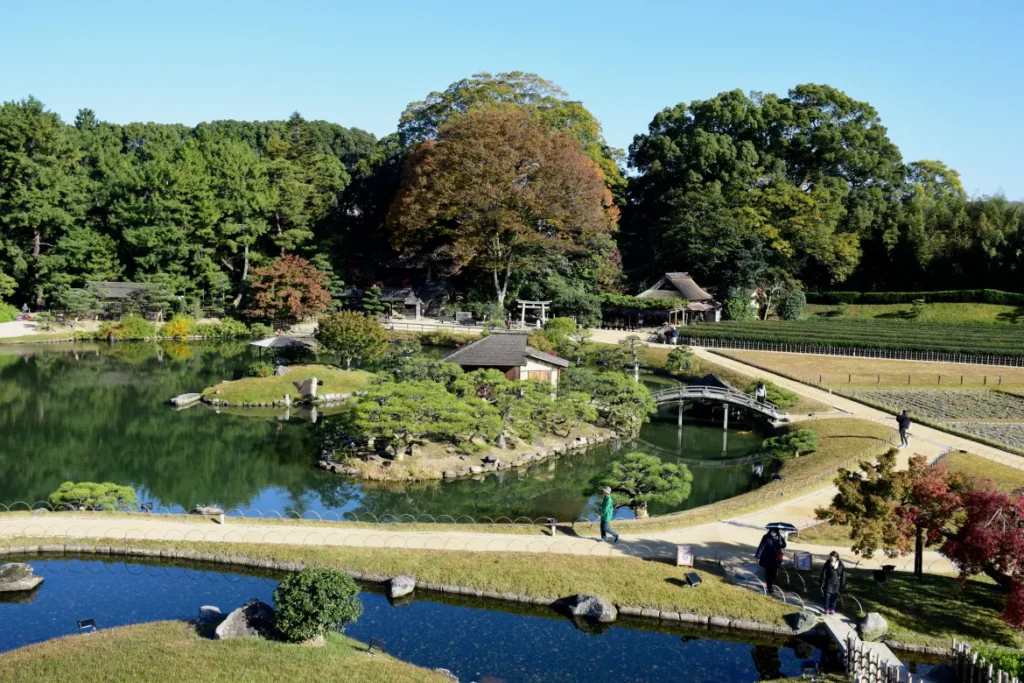
Okayama’s Korakuen Gardens are often ranked among the three most beautiful gardens in Japan, alongside Kanazawa and Mito. The garden dates to the late 17th century and is large enough to feel like a full mood shift.
Expect:
- cherry and plum areas for spring
- maple trees and rice/tea landscapes for autumn
- ponds, streams, and gentle paths
- mounds with panoramic views
Okayama is about 50 minutes by rapid train from Osaka and around 20 minutes from Himeji via the Tokaido-Sanyo Shinkansen. If you’re efficient (and energized), doing Himeji + Okayama in one day is a strong option.
JR Pass / Japan Rail Pass (the 2026 reality check)
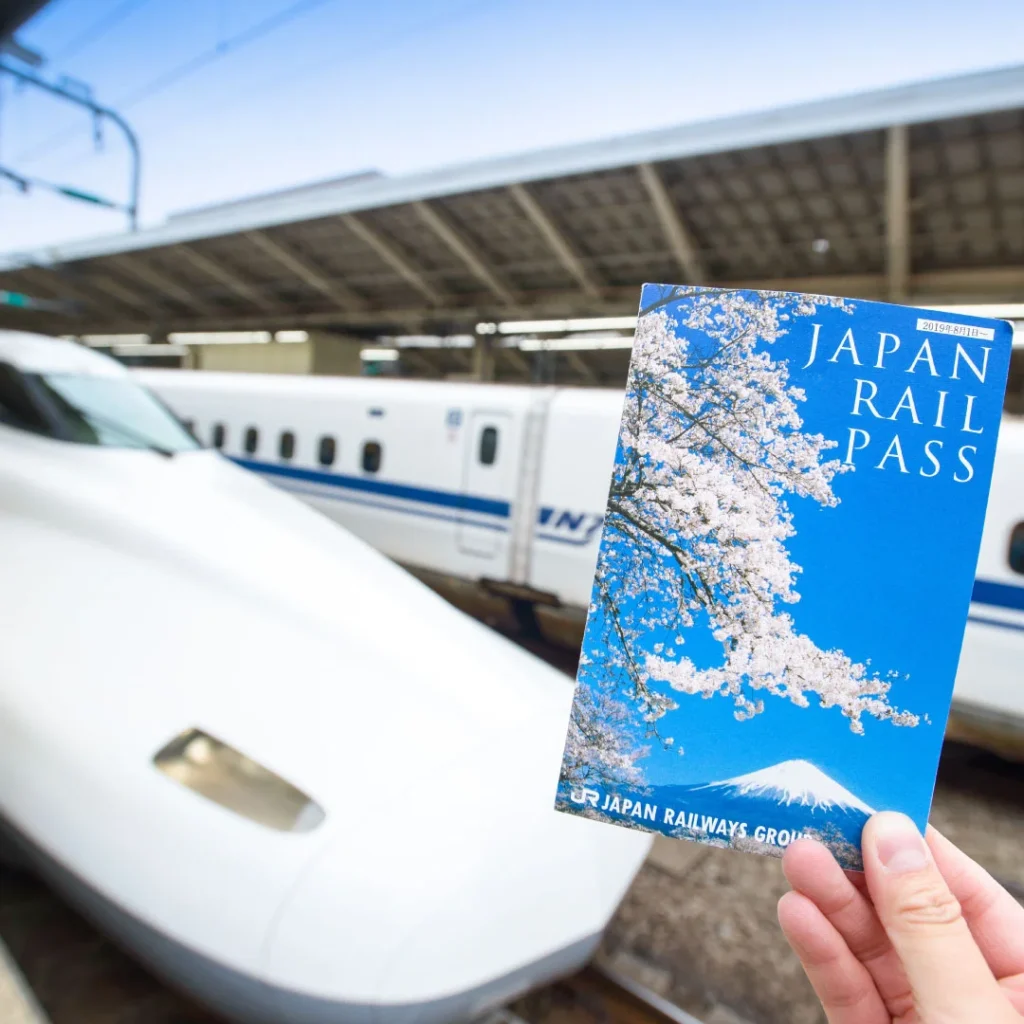
The JR Pass covers JR train travel for a set period—but after the major price increase in October 2023, it’s not automatically a bargain anymore.
The key now: do the math.
- Check the updated prices for 7/14/21 days on the official info page linked in your guide.
- Remember: the JR Pass must be purchased before arriving in Japan, so you’ll need to buy it online.
Our take: if you’re doing a 2–3 week trip, it may only be worth activating for your first big bullet train journey—not for a one-day Osaka hop. Use Google Maps and ticket price checkers to compare.
Hiroshima (day trip)
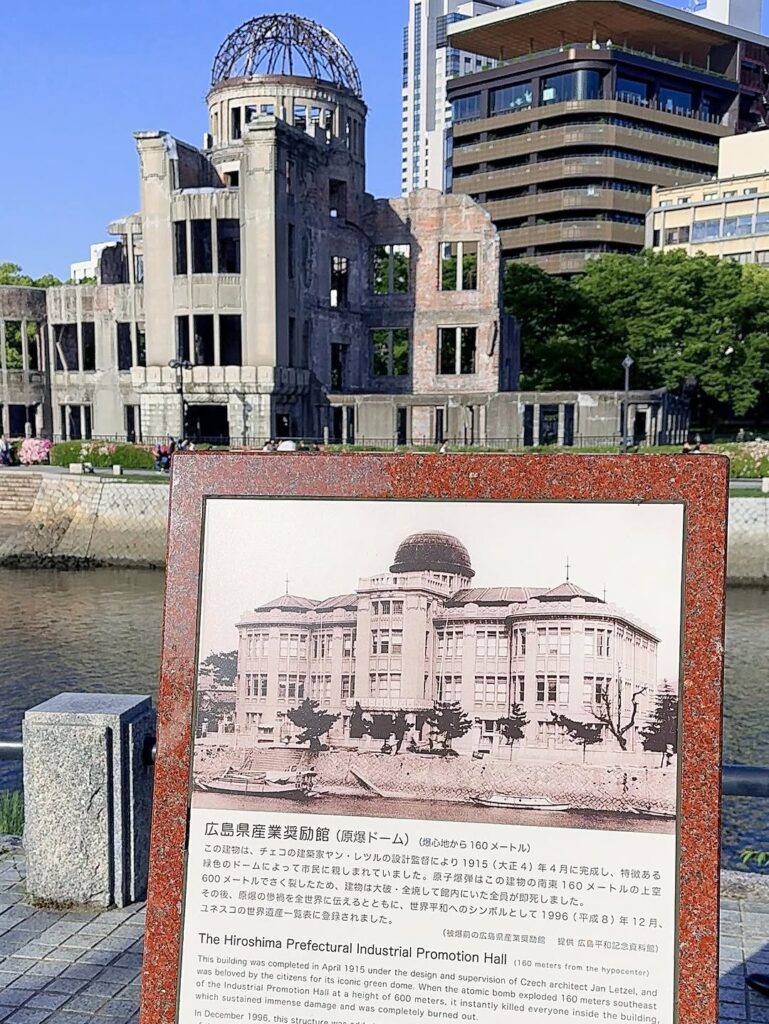
Hiroshima is about 1.5 hours by bullet train from Osaka. It’s a difficult visit emotionally, but also deeply important and fascinating.
Key sights include:
- Peace Memorial Park
- the Atomic Bomb Dome
- the Children’s Peace Monument
- memorials and the moving museum experiences
The atmosphere is respectful, reflective, and quietly powerful—an essential place to understand a huge part of modern history.
Miyajima (day trip… or better, an overnight)
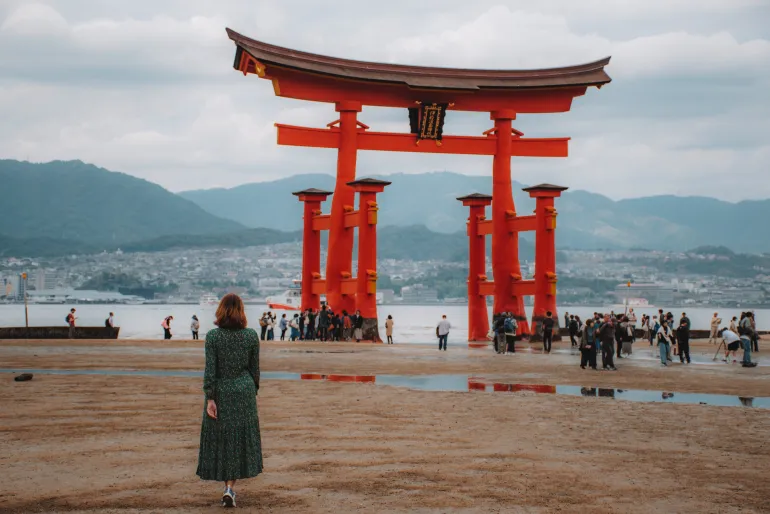
Miyajima is one of our favorite places, on our two-week trip through Japan. We recommend at least one night if you can swing it, because seeing the floating torii gate at both high and low tide is the kind of travel memory that sticks.
Highlights include:
- Itsukushima Shrine + giant torii
- Daishō-in Temple (our number one choice in Japan)
- Momijidani Park (especially in autumn)
- Mount Misen for views and summit temples
If you want the dreamlike Japan postcard, Miyajima delivers.
Where to stay in Osaka
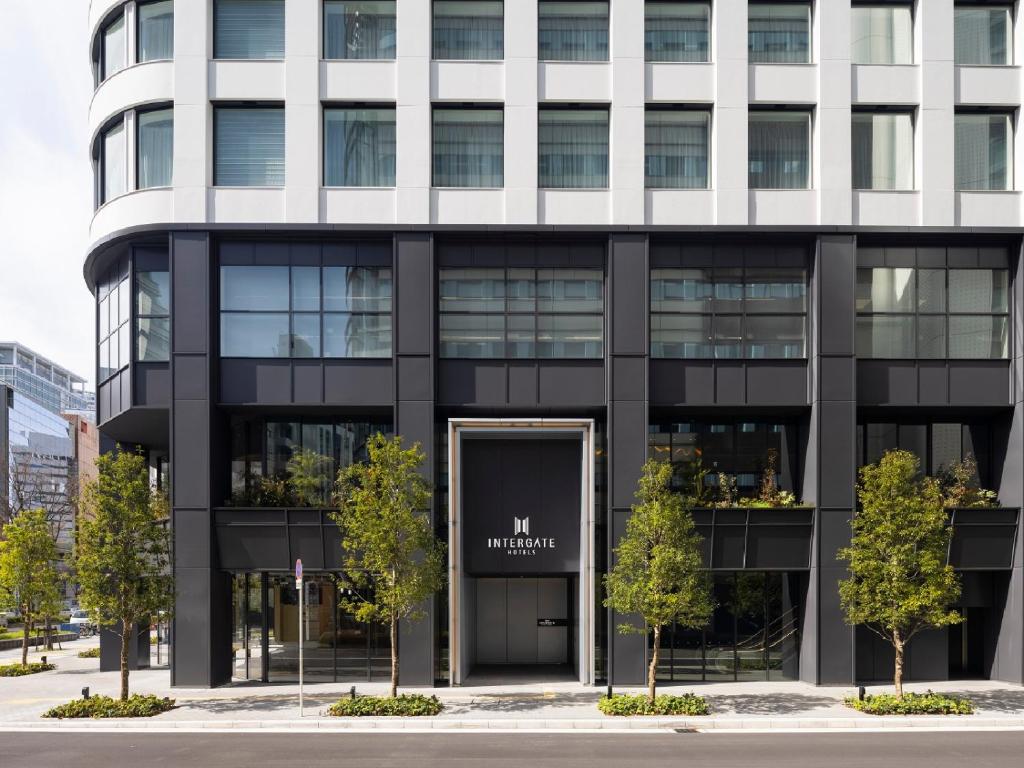
Our recommendation: Intergate Osaka Umeda Hotel.
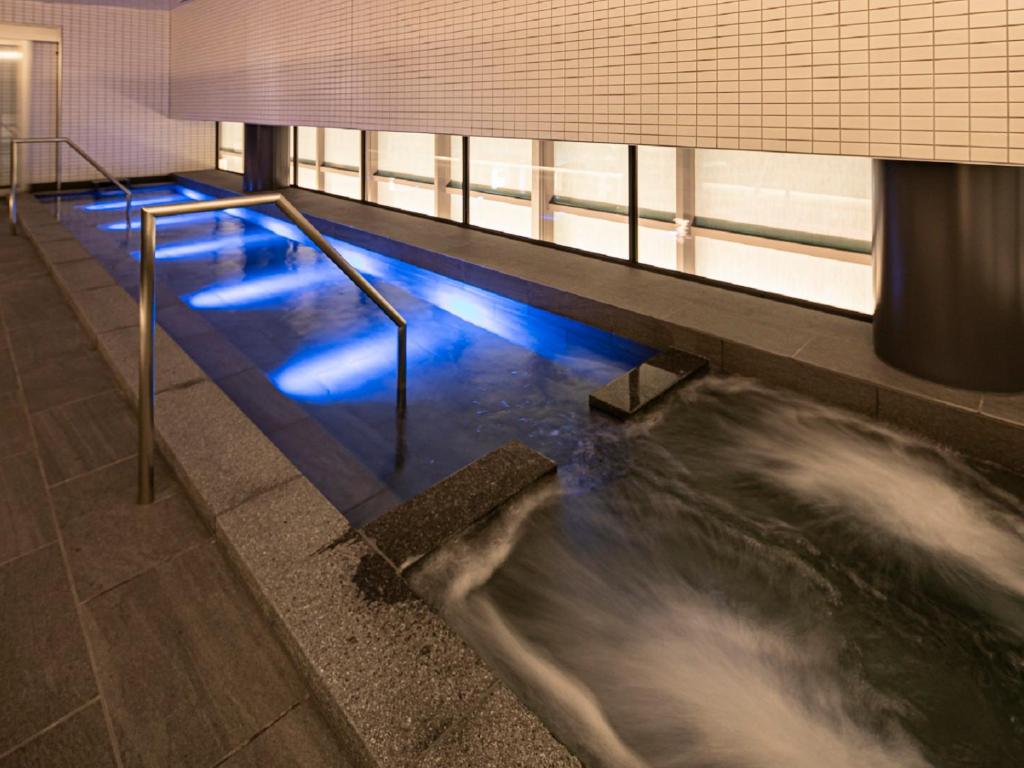
We can confidently say this was the best value hotel we found during our 14-day Japan trip. It’s modern, well-located in Umeda near the subway, and the reception area is genuinely beautiful.
And the best part: there are complimentary food and drinks throughout the day. Yes. Really. It’s one of those hotels that feels like love at first check-in.
| READ MORE :➡️Planning your trip and wondering where to stay in Osaka so you’re not burning half your holiday on trains? Read our guide. Pick the right base and you’ll spend your time eating takoyaki—not commuting. |
How to get from Kansai Airport (KIX) to downtown Osaka
Google Maps works brilliantly in Japan and will give you the best route from KIX to your hotel in real time.
Your main options:
- Train (Nankai / Haruka Line routes depending on where you’re staying)
- subway connections
- Airport Limousine Bus (stops at many major hotels)
Train tickets can be purchased online via the page linked in your guide, or at the airport ticket machines.
How to get around Osaka in 1 day
Osaka is huge (Japan’s third-largest city), so yes—public transportation is essential. The good news: Japan is a public transport master.
We recommend using Google Maps for the most efficient routes by train/subway/bus.
Suica (and friends) for transport + payments
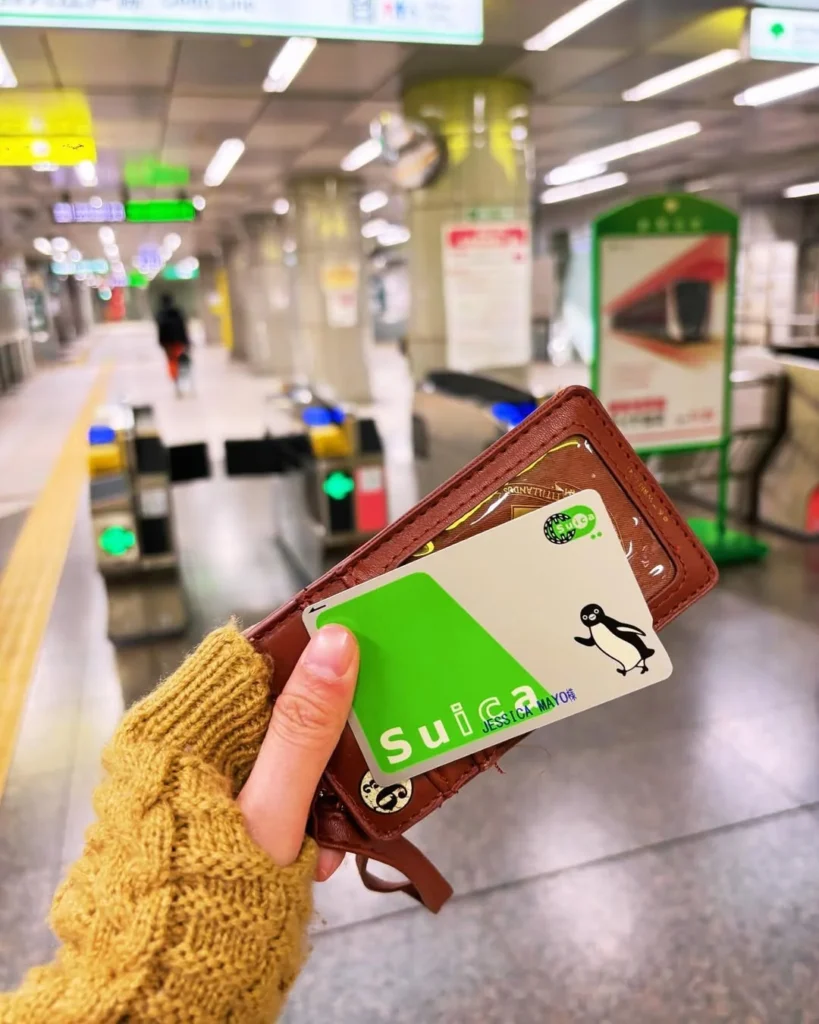
To pay for transport, we recommend the Suica prepaid card (and similar options like Pasmo or Icoca). You can recharge it and use it across most transport in Japan. It’s also accepted in many shops.
There’s a physical Suica, but we recommend adding the digital version to your phone’s Wallet app (iOS or Android). You need internet to recharge it, but not to use it.
Tap on entry and exit for trains/subways (yes, even if the gates are open—Japan loves rules). On buses, you usually enter at the back and exit at the front, tapping when you enter and exit.
Where to eat in Osaka (must-try dishes)
Osaka is a foodie paradise. If you eat your way through this city, you are doing it correctly.
Takoyaki

Little balls of batter filled with octopus, topped with sauce and mayo—served lava-hot.
- Try them at Takoyaki Doraku Wanaka or Takoya Dotonbori Kukuru.
Okonomiyaki
Savory pancake with everything (and somehow always room for more toppings).
- Great options: Ajinoya Honten (Michelin Guide recommended) or Dotonbori Ichiaki.
Ramen
Good ramen in every Japanese city is a must.
- Try Hanamaruken Namba Hozenji or Ichiran (yes, it’s a chain; yes, it’s delicious).
Gyoza
Glorious dumplings with endless fillings.
- Try Gyozaoh! Dotonbori.
Tips for spending great 1 day in Osaka
Get an eSIM for easy internet
Internet is essential for independent travel in Japan—especially for maps and transit. We recommend an eSIM like this one ( easy activation on arrival + and the connection was stable the whole time ).
Use a good travel card to avoid fees
Between topping up Suica and paying in yen, a good travel card makes a real difference. We use Revolut for exchange rates and low fees.
The best ATMs: 7-Eleven Bank
For cash withdrawals, we had the best luck with 7-Eleven Bank ATMs, usually inside convenience stores and open 24 hours. They were the only ones that never charged us for withdrawals.
- What To Do At Kansai International Airport (2026): Terminals, Food, Hotels, and Easy Things to Do Near KIX

- What To Do In Osaka In The Rain (2026): 28 Cool Activities
- Where To Stay In Osaka (2026): Best Areas To Stay & Top Hotel Picks

- Grand Green Osaka (2026): Where to Stay, Eat, And Pause for Coffee

- 15 Best Day Trips from Osaka by Train or Car: Temples, Nature, Food & Hidden Gems (2026)