
I spill travel tips , and show you the Japan that tourists usually miss.
If there’s one card that truly represents transportation in Japan, it’s the Suica card. But Suica isn’t just for trains and buses—it works for shopping, dining, and more, all across Japan. It’s become so ingrained in everyday life that for locals, it’s almost a necessity. And for travelers? It’s pure convenience, packed into a single card.
In this article, we’ll go over everything you need to know about Suica card—what it is, the different types, how to get one, how to top it up, and how to use it smartly while you’re in Japan. If you want to make the most of your trip with Suica, definitely stick around till the end.
Book these before your Japan trip
Want a smoother arrival in Japan? Sort your rail tickets and mobile data before you go, and thank yourself later when everything feels far less chaotic.
- book Japan Rail Tickets online — a simple way to prepare for intercity train travel before your trip begins.
- get a Japan eSIM with Softbank 5G / DOCOMO 4G LTE — set up mobile data for maps, translation apps, messaging, and transport tools.
More Japan travel planning guides
- best Japan itinerary — the smartest routes, travel flow, and practical tips for planning your trip.
- how to get around Tokyo — the easiest way to navigate Tokyo’s trains, subways, and stations without losing your mind.
- is the Japan Rail Pass worth it — a realistic 2026 guide to whether the JR Pass still saves you money.
- two weeks in Japan itinerary — a complete first-timer route covering Tokyo, Kyoto, Osaka, and beyond.
Table of Contents
10 Major Transportation IC Cards in Japan
Before diving into Suica specifically, let’s take a quick look at the major IC cards used across Japan and the areas they cover. These cards let you ride trains and buses without buying tickets each time, and they double as e-money for shops and vending machines.
Here are the 10 most commonly used IC cards in Japan:
| Card | Main Usage Area |
|---|---|
| Suica | JR East, Sapporo Transportation Bureau |
| PASMO | Tokyo Metro, Keikyu Railway |
| Kitaca | JR Hokkaido |
| TOICA | JR Central |
| ICOCA | JR West |
| PiTaPa | Hankyu, Hanshin, Osaka Metro, etc. |
| manaca | Nagoya area trains/subways |
| SUGOCA | JR Kyushu |
| Hayakaken | Fukuoka Subway |
| nimoca | Nishi-Nippon Railroad |
While each card is issued by different railway companies and covers a specific area, most of them are now interoperable. So, in most parts of Japan—from Hokkaido to Okinawa—you can use just one card for all your travel needs.
Now let’s zoom in on the most popular one of them all: Suica.
Suica Card: The Card That Makes Travel Smoother
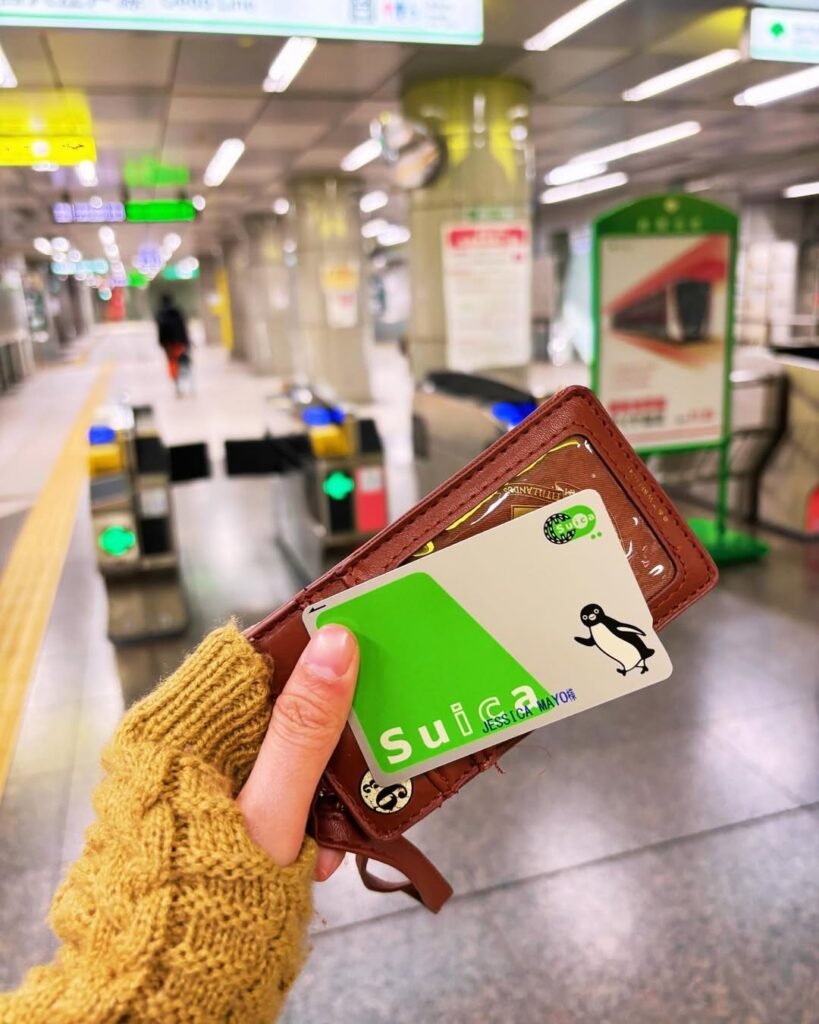
Issued by JR East, Suica is by far the most widely used IC card in Japan. With a quick tap on the card reader, you can hop on trains or buses, without ever needing to buy a paper ticket. If you go past your destination by accident, it’ll automatically calculate the fare for you when you exit.
Suica is also accepted at convenience stores, shops, restaurants, and vending machines—even if you’re short on cash. Whether you’re living in Japan or just visiting, it’s incredibly useful.
There are three types of Suica:
- My Suica (Registered)
- Suica (Unregistered)
- Mobile Suica (via phone or smart device)
What’s the Difference Between “My Suica” and Regular Suica?
They look almost the same, but the big difference is whether or not your name is printed on the card.
| Feature | My Suica (Registered) | Suica (Unregistered) |
|---|---|---|
| Personal Info | Required | Not required |
| Reissue | Possible (with fee, balance can be transferred) | Not possible if lost |
| Who Can Use It | Cardholder only | Shareable with friends/family |
| For Kids | Yes | No |
Are Physical Suica Cards Still Being Sold?
Due to the global semiconductor shortage and a spike in inbound tourism, Suica cards became hard to manufacture. As a result, sales were temporarily suspended:
- Suica (Unregistered) stopped on June 8, 2023
- My Suica (Registered) followed on August 2, 2023
After some adjustments, My Suica resumed on September 1, 2024, and Unregistered Suica became available again on March 1, 2025.
What’s Mobile Suica Card?
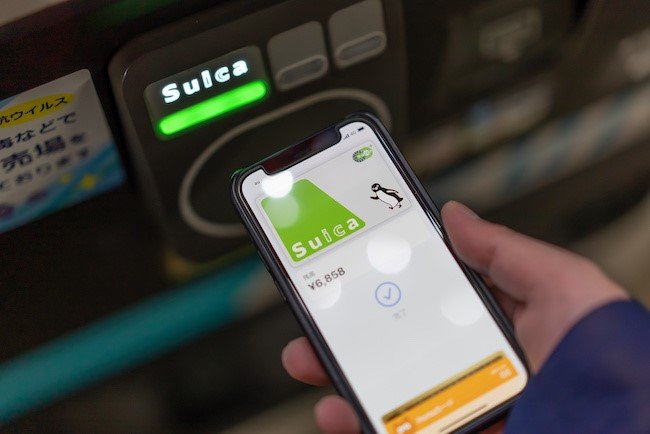
Even when physical cards were off the shelves, you could still use Mobile Suica. It’s a service that lets you use Suica on smartphones or smartwatches. No physical card, no lines, no deposit. You just install the app, charge it up, and go.
But keep in mind:
- Only one device can hold Mobile Suica at a time
- If your device dies, you can’t use it
- It requires FeliCa technology, which isn’t in all phones sold outside Japan
Compatible devices:
- iPhone 8 or newer
- Apple Watch Series 3 or newer
Android phones bought outside Japan usually won’t work with Mobile Suica.
Where Can You Use Suica Card?
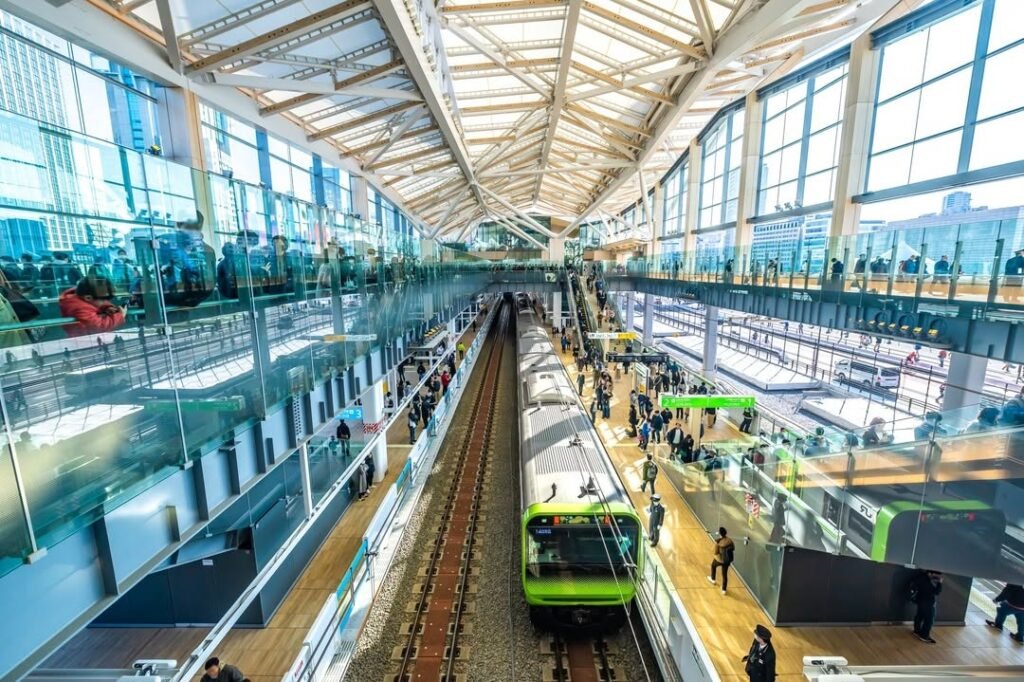
You can use Suica throughout Japan—Hokkaido, Tohoku, Tokyo, Kansai, Kyushu, and even parts of Okinawa. But remember: the system works within regional IC zones. You can’t use Suica across different zones for one trip. If you do, go to a ticket gate attendant instead of using the automatic gate.
All the Situations Where Suica Card Comes in Handy
Beyond trains and buses, Suica works almost everywhere:
Convenience Stores
7-Eleven, FamilyMart, Lawson, Ministop, Daily Yamazaki, NewDays, KIOSK
Supermarkets & Shopping Malls
AEON, Ito-Yokado, LaLaport (some stores), LUMINE, NEWoMan
Restaurants & Cafés
Sukiya, Matsuya, Starbucks, McDonald’s, Gusto, Kappa Sushi
Drugstores
Matsumoto Kiyoshi, Sundrug, Sugi Pharmacy, Tsuruha
Electronics Stores
Bic Camera, Yodobashi Camera
Taxis & Car Rentals
Nihon Kotsu, ORIX, Toyota Rent-a-Car
Just look for Suica or general IC card symbols at checkout.
“Welcome Suica” and “Welcome Suica Mobile” for Travelers
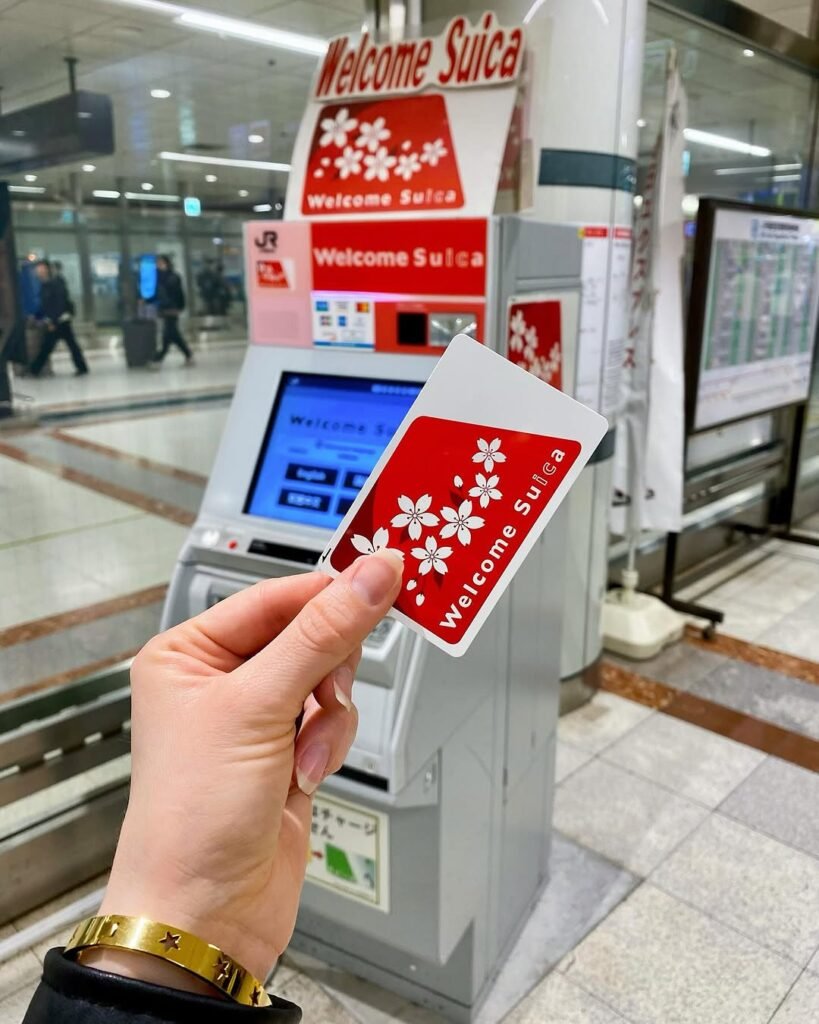
Welcome Suica Card is perfect for short-term visitors. It works just like a regular Suica but:
- No deposit required
- Valid for 28 days (then automatically deactivates)
- No refund process needed
- Has a cute red-and-white sakura design—great as a souvenir!
You can buy it at Narita, Haneda, Tokyo Station, Shibuya Station, and similar spots.
Welcome Suica Mobile works like Mobile Suica but is designed for iPhone and Apple Watch users. If you install it before you arrive in Japan, you can:
- Add money via credit card
- Book JR East Shinkansen unreserved seats
- Avoid queues at vending machines
How to Apply for and Buy Suica
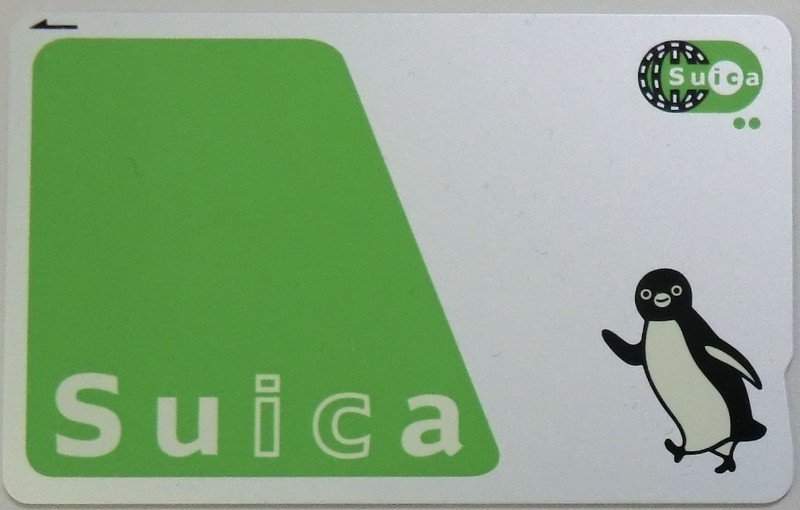
There are different ways to get Suica depending on the type:
Buying a Physical Suica Card (My Suica or Regular)
- Use a JR East ticket machine or go to a Midori no Madoguchi counter
- Choose your amount (¥1,000–¥10,000; includes a ¥500 deposit)
- Cards are re-loadable and refundable
Getting Mobile Suica on iPhone
- Open Apple Wallet
- Tap the “+” in the top right
- Select “Transit IC Card” → choose Suica → tap Continue
- Add funds and tap “Add” to finish setup
How to Top Up Your Suica Card
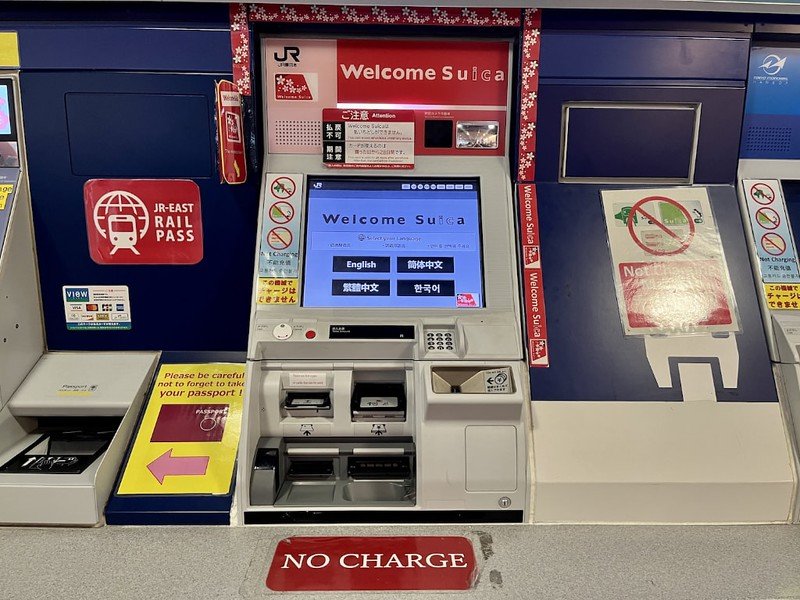
1. At Ticket Machines or Recharge Machines
- Insert your card
- Choose from preset amounts (¥500 to ¥10,000)
- Pay with cash (only cash accepted)
- Max balance: ¥20,000
2. On Mobile Suica
- Open the Suica app or Apple Wallet
- Tap “Add Money”
- Select an amount and your registered credit card
- Funds are added instantly
3. At Stores That Accept Suica
- Ask the cashier for a top-up
- Pay cash
- Tap your Suica on the reader when prompted
- Usually starts from ¥1,000
How to Get a Refund
For Physical Cards:
- Visit a JR East Midori no Madoguchi counter (not available in western Japan)
- Get your deposit back plus your balance, minus a ¥220 fee
- If balance < ¥220, you get just the deposit
For Mobile Suica:
- Go to “Member Menu” → “Manage Suica”
- Tap “Refund this Suica” and enter bank info (Japanese banks only)
- Money is refunded in 2–4 weeks
- If balance is under ¥220, you don’t need to enter bank info
FAQs: Suica Card
What is a Suica card?
A rechargeable IC smart card issued by JR East for tap-and-go travel and small purchases in Japan.
Where can I buy Suica?
At JR East stations (green ticket machines/“Midori no Madoguchi”), major airports (Narita/Haneda), and inside Apple Wallet/Google Wallet (in supported regions).
How much does it cost to get one?
Typically ¥2,000: ¥500 deposit + ¥1,500 stored value. (Amounts can vary by machine; you can add more anytime.)
What’s the “Welcome Suica”?
A tourist-friendly Suica with no deposit and cute designs. It expires after a set period and isn’t refundable for cash.
Suica vs PASMO—what’s the difference?
Functionally the same for most travelers. Suica is JR East’s brand; PASMO is for private rail/bus operators. Both work across most cities.
Where can I use Suica?
Trains, subways, buses in most big metro areas, plus convenience stores, vending machines, coin lockers, some taxis, and attractions with the IC logo.
Can I use Suica nationwide?
Yes in most urban regions thanks to IC interoperability (Suica, PASMO, ICOCA, etc.). A few rural/private lines may be exceptions—carry backup cash.
Does Suica work on the Shinkansen?
Not for base reserved seats. Use separate Shinkansen tickets or the dedicated “Touch de Go! Shinkansen” service on eligible JR East lines (conditions apply).
How do I charge (top up) Suica?
Use station machines, convenience stores, or your phone wallet. Cash top-ups are the easiest at ticket machines and kiosks.
Can I put Suica on my iPhone/Apple Watch?
Yes—add “Suica” in Apple Wallet (Japan region not always required). You can enable Express Transit for tap-in without Face ID/Touch ID.
Can I put Suica on Android?
Yes if your phone and region support Google Wallet/FeliCa. Add a Suica card in Wallet and top up by card.
What if my Suica balance is too low at the gate?
The gate won’t open. Use the nearby fare adjustment machine or a top-up machine next to the gates.
How do child fares work?
Children (6–11) need a Child Suica to get discounted fares. Issue it at a counter; staff will verify age.
What if I lose my Suica?
If it’s a registered physical Suica or a mobile Suica, you can have it reissued/blocked. Unregistered cards usually can’t be recovered.
Can I get a refund when leaving Japan?
Standard Suica: return it at JR East counters to reclaim the deposit and remaining balance (small handling fee may apply). Welcome Suica isn’t cash-refundable.
Does Suica expire?
Physical Suica becomes inactive after ~10 years of no use; Welcome Suica has a shorter, fixed validity. Mobile Suica stays active with use/account.
Can I use Suica for non-transport payments?
Yes—tap at stores with the IC logo (e.g., 7-Eleven, FamilyMart, vending machines, some restaurants).
What’s the best card for short trips?
If you want a souvenir and don’t need refunds, Welcome Suica is easy. If you want deposit refund, get a standard Suica (or put Suica on your phone).
How do I check my balance/ride history?
At ticket machines, on mobile Wallet, or on some buses when you tap off; receipts print at machines if you need them.
Can multiple people use one Suica?
No—each rider needs their own card/phone. Sharing through gates isn’t allowed.
Does Suica work for airport trains?
Yes for basic fare on many services (e.g., to/from Narita/Haneda), but surcharges/reservations for premium/limited-express seats need separate tickets.
Tips to avoid errors at gates?
Keep Suica alone on the reader side of your wallet/phone, tap flat on the sensor, and don’t stack multiple IC cards at once.