
I spill travel tips , and show you the Japan that tourists usually miss.
Forget everything you thought you knew about Japan — because Okinawa feels like another planet entirely. Think turquoise seas instead of neon lights, coral reefs instead of bullet trains, and easy smiles. In this 6-day Okinawa itinerary, we’ll road-trip across the island’s best bits: emerald beaches, limestone caves, sunset piers, taco-rice diners, and tiny fishing villages that time forgot.
We’ll start in Naha, then drift north through Onna, Cape Manzamo, and Motobu toward the wild Yambaru forests. Along the way, we’ll snorkel the Blue Cave, wander the mythical Okinawa World caves, catch ferries to Kerama or Ishigaki, and hunt down the island’s best soba (spoiler: it’s not where you think). Whether you’ve got a rental car or you’re hopping buses, this guide gives you the route, the rhythm, and all the small-town stops you’ll actually want to linger in.
Table of Contents
Getting to know Okinawa – location, special features & first impressions
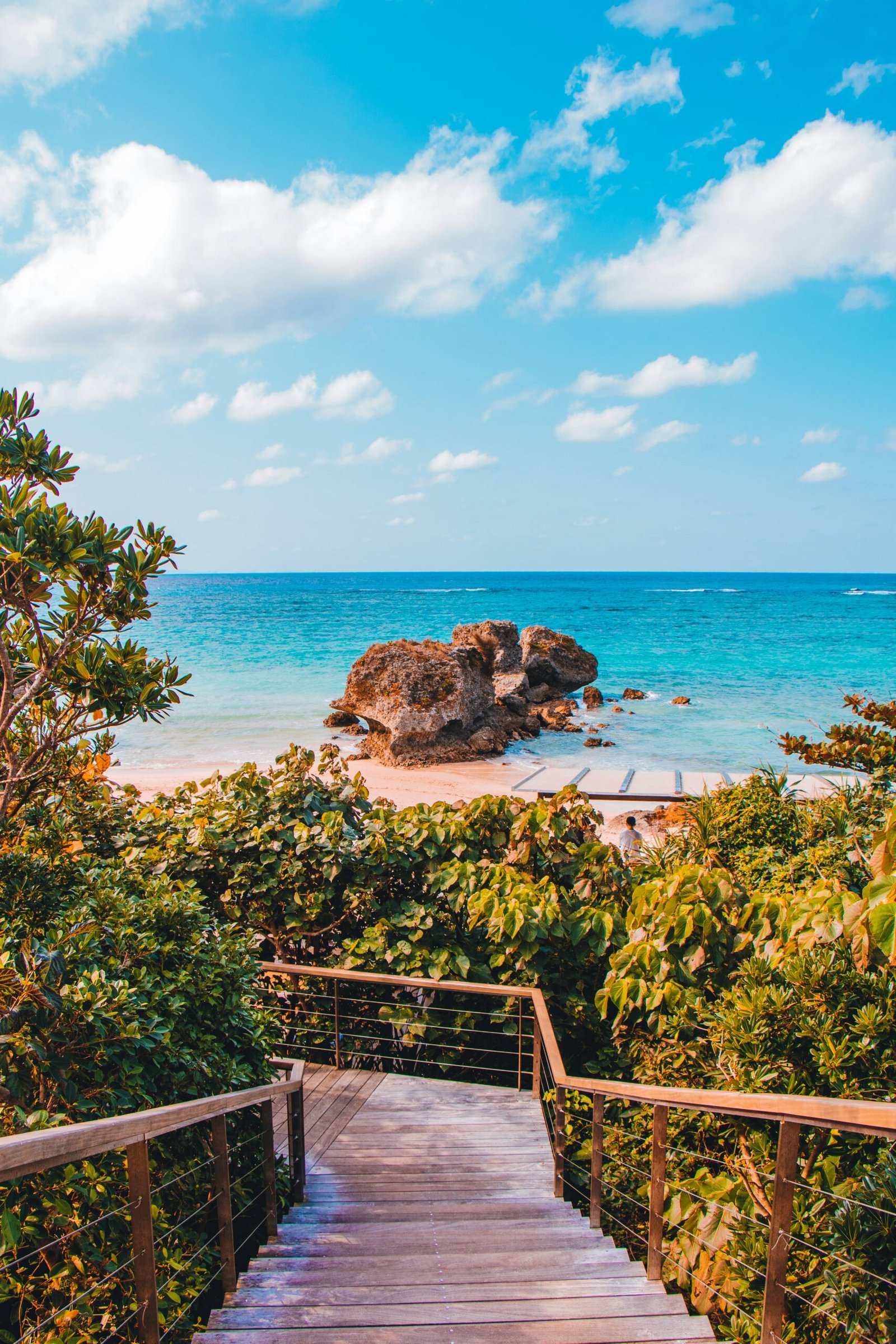
- Location & Geography: Okinawa is part of the Ryukyu Islands and is located approximately 1,500 km south of Tokyo. The climate is subtropical, meaning it is mild year-round with hot summers and very pleasant winters.
- Cultural mix: Okinawa was formerly an independent kingdom (the Ryukyu Kingdom) and only officially became part of Japan in the 19th century. Therefore, language, music, architecture, and even religion are strongly influenced by Chinese and Southeast Asian cultures.
- The longest lifespan in the world: Okinawa is famous as one of the so-called Blue Zones . These are regions with an exceptionally high number of centenarians and an above-average life expectancy. The traditional “Okinawa diet” is rich in vegetables, sweet potatoes, fish, and seaweed and is considered a model for healthy nutrition worldwide. An active lifestyle, close social contacts, and a positive attitude to life also contribute to the longevity of people here.
- Nature & Beaches: In addition to the white sandy beaches and turquoise waters, the coral reefs are a highlight. Okinawa is one of the best diving and snorkeling regions in the world. The main island also boasts impressive limestone cliffs, caves, and dense mangrove forests.
- Tradition & Modernity: The red-tiled roofs with shisa lion statues for protection against evil spirits are typical. At the same time, the American presence (US military bases since World War II) also shapes the modern landscape (noticeable in restaurants, streets, and markets, for example).
- Special food: In addition to typical Japanese dishes, you can find specialities such as Gōyā Champurū (bitter melon stir-fry) or Okinawa Soba (thick noodles with meat).
Best time to travel: When is a holiday in Okinawa most worthwhile?

Okinawa can theoretically be visited year-round, as the climate is subtropical and mild. We visited Okinawa in early July and were able to do everything we had planned. The weather was great, too, despite brief rain showers. To help you find the right time to travel, I’ve summarised the seasons, their special features, and tips for you:
- Spring (March to May): Temperatures are pleasantly between 20 and 25°C, the air is not too humid, and tourists do not yet overrun the island. Ideal for beach walks, hikes, and sightseeing. It is still quite cool for swimming in the sea (especially for children and sensitive swimmers). However, from May onwards, the water temperature rises to around 24–25°C.
- Summer (June to August): Perfect for swimming, snorkeling, and diving. However, it can be very hot and humid (30–33°C), and the rainy season usually begins in June. There’s also a risk of hurricanes between July and October, which can bring stronger storms.
- Autumn (September to November): After the rainy season and the summer holidays, things calm down again. The sea remains warm, and temperatures are more pleasant than in midsummer. However, typhoons can still occur in September.
- Winter (December to February): Mild, usually around 15–20°C, perfect for island exploration and outdoor activities without the summer heat. It’s generally too cool for swimming, but ideal for hiking and sightseeing.
Tip: For families with young children or anyone preferring a relaxed trip, spring and fall are the best months. Those primarily interested in the beach, sea, and water sports should choose midsummer , but be prepared for heat, humidity, and possible storms.
Getting Around Okinawa – rental car or public transport?
Anyone traveling to Okinawa should definitely rent a car. This allows you to explore Okinawa in a relaxed and flexible way, which is a definite advantage, especially if you’re traveling with children. Public transportation is available, but it’s significantly more limited than on Japan’s main islands. For families, it’s worth checking timetables in advance, especially if you want to keep to children’s bedtimes or nap times.
- Rental car: The main island of Okinawa is relatively compact, yet beaches, attractions, and restaurants are spread out. A rental car offers flexibility, allows for breaks, and allows easy access to even more remote spots like Sesoko Beach . Child seats can usually be booked directly with the rental company, and navigation systems are also available in English. There are also ample parking spaces at almost all attractions.
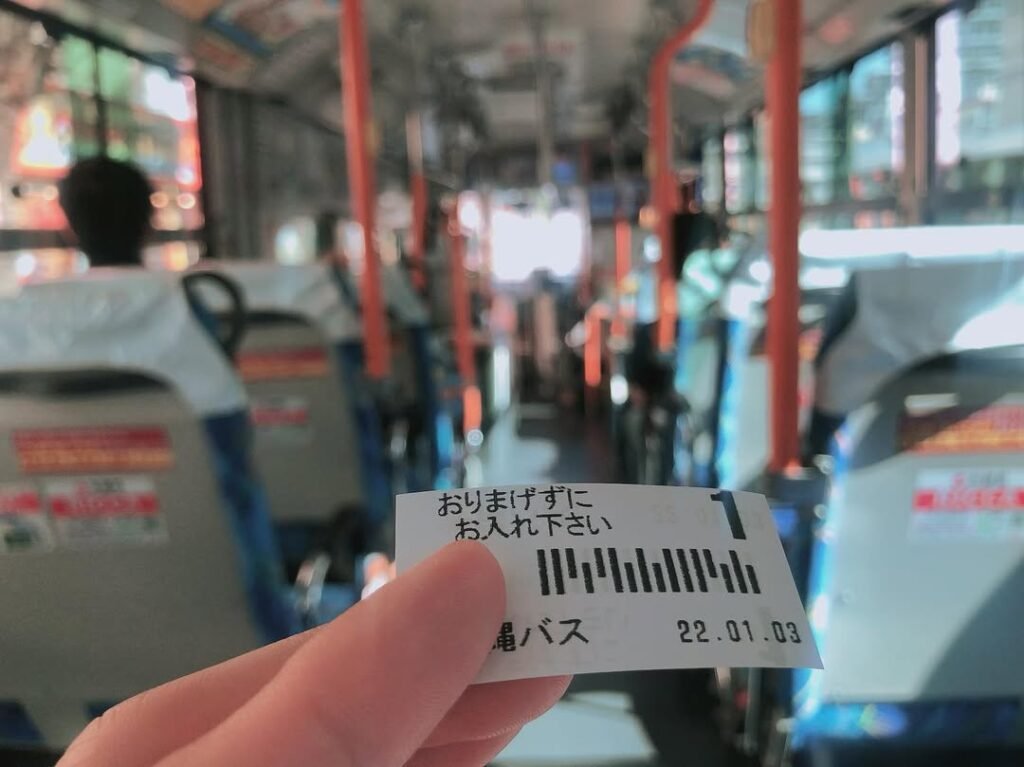
- Public transportation: While buses run regularly, I find many routes inconvenient and take significantly longer. However, for short distances in cities like Naha or when exploring without a stroller, the bus can be an alternative.
- Ferries: If you want to explore the smaller surrounding islands, such as Zamami , Tokashiki , or Kouri Island , ferries are the most convenient way to travel. The crossings usually take between 30 minutes and 1.5 hours, depending on the route.
- Taxi : Short distances are feasible, but much more expensive than buses or rental cars.
Important to know: Suica & Pasmo in Okinawa

The Suica or Pasmo IC cards do not work in Okinawa. Instead, there is the local OKICA card , which is only valid for Yui Rail and some buses.
Rent a car in Okinawa
In my opinion, the best way to explore Okinawa is by car. Many of the most beautiful beaches, viewpoints, and small cafes are located off the main roads and are difficult or impossible to reach by public transport. A rental car gives you the flexibility to explore the island at your own pace—a huge convenience, especially with children or for day trips.
The road network is well-developed, and most signs are also available in English. Keep in mind that Japan drives on the left , and you’ll need an international driver’s license (in addition to your national license) to rent a car. You can also book child seats with your rental car.
You can easily book a rental car for Okinawa here .
Our 6 days Okinawa Itinerary: Route, Highlights & Tips
To give you an idea of what you can experience in just under a week on Okinawa, I’m sharing our route, our special experiences, highlights, and practical tips.
Day 1: Arrival in Okinawa
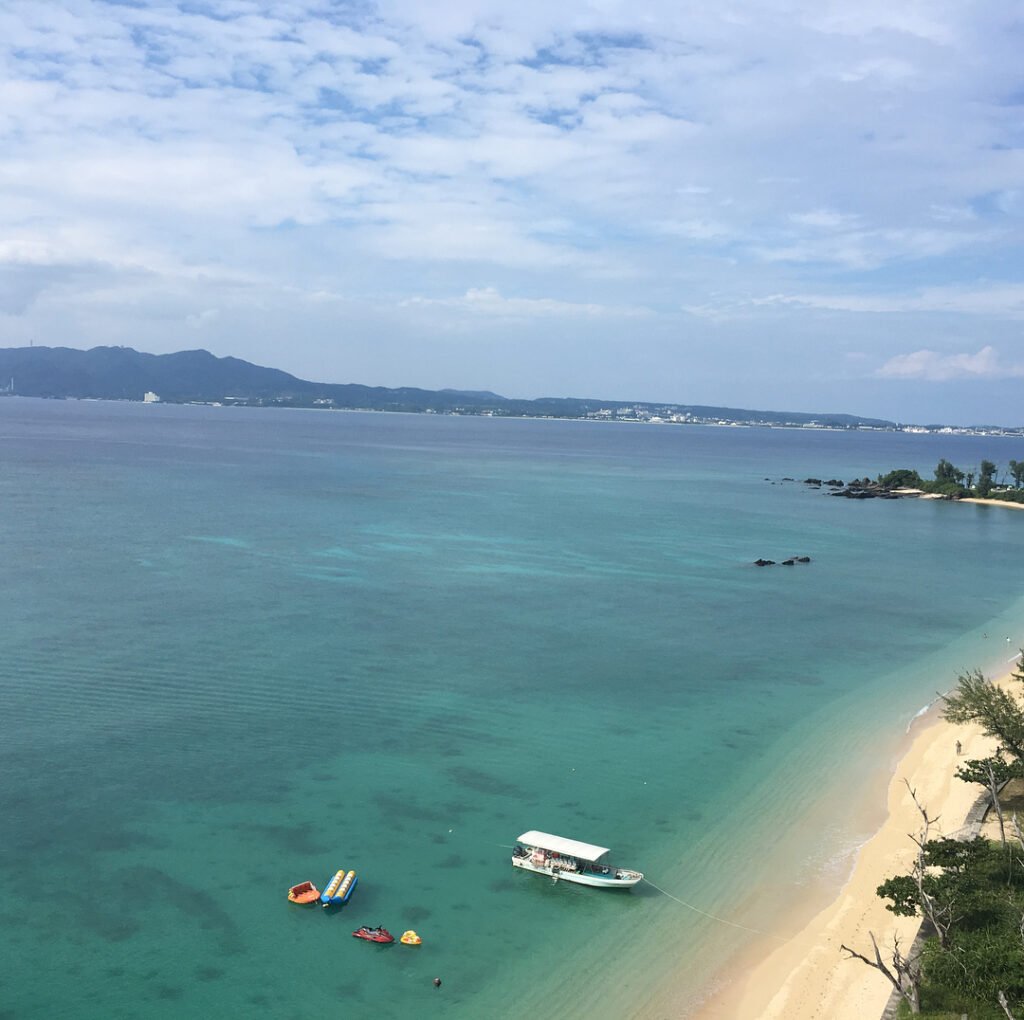
Our flight departed from Haneda Airport and took us directly to the beautiful island in just under three hours. We landed in Naha, Okinawa, in the afternoon.
We were picked up by the rental car company directly at the airport. Several other companies were already waiting there, so I suspect this is quite common in Okinawa. It’s definitely a convenient service, and a huge relief.
After the rental car company handed us our rental car for Okinawa, we drove directly to our hotel. Our hotel was in Nago , in the north, and we had about an hour’s drive ahead of us. So we just grabbed a quick snack from the bakery for lunch and looked forward to the all-you-can-eat dinner at the hotel.
We didn’t have enough time to explore the shopping mile in Naha City , but we did spend a short time at Koki Beach, and it was stunning!
Day 2: Beach visit and Churaumi Aquarium
On the second day, we headed to the beach right after breakfast. Koki Beach was just a few minutes from our hotel. For us, it was the perfect start to a relaxing day. On the beach itself, we spotted small crabs and even a few hermit crabs.
What was particularly impressive to me, however, was that the entire beach was made of coral !
Off to the Churaumi Aquarium
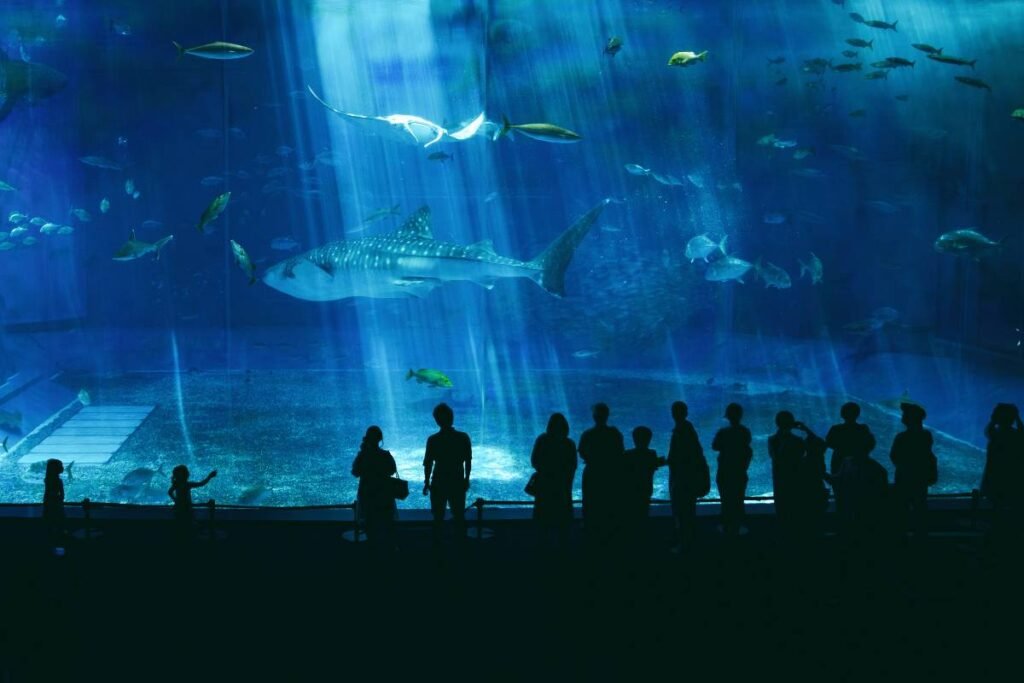
After our morning splash on the beach, a real highlight was on the agenda: the famous Churaumi Aquarium. The enormous main tank, where you can observe, among other things, a whale shark and majestic manta rays, is imposing. It’s no wonder the aquarium is one of Okinawa’s most popular attractions, and in my opinion, it’s an absolute must-see, especially for families with children.
We spent the rest of the day at the Churaumi Aquarium and returned to the hotel for dinner.
Information for your visit :
- Prices : Adults 2180 Yen, 15-18 year olds 1440 Yen, 6-12 year olds 710 Yen, children under 6 years free
- Opening hours : Daily from 08:30–18:30
- Parking : Available
- Tip : Buy your ticket for the Churaumi Aquarium in advance here
Day 3: Kouri Island, Nago and Onna Exploration Tour
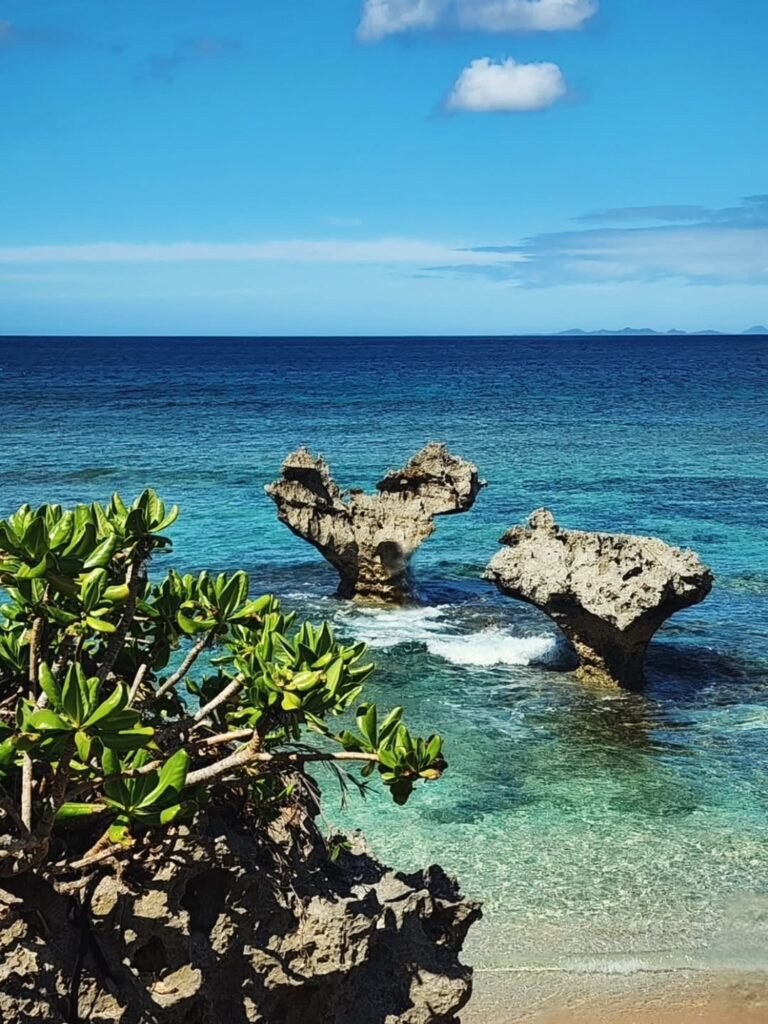
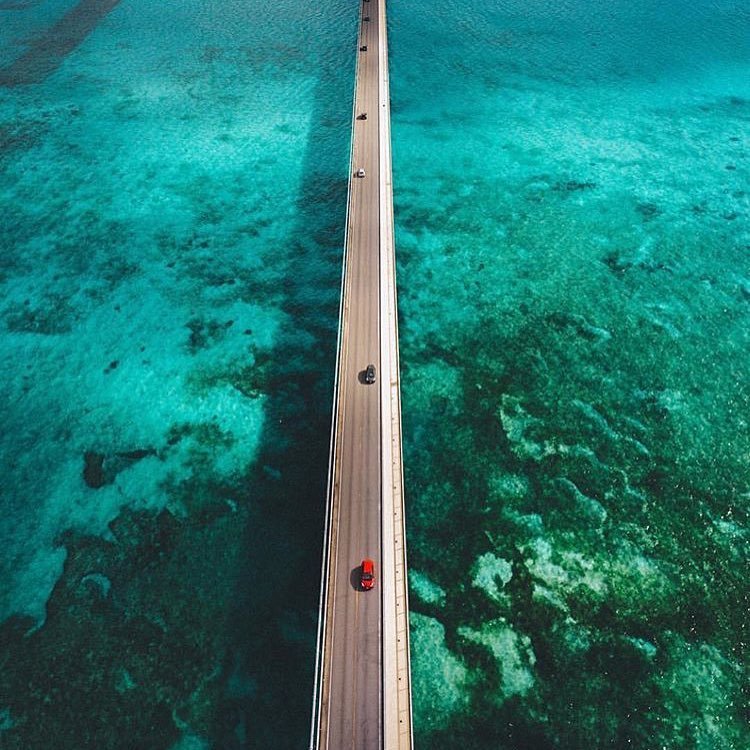
After our morning beach visit, we headed to Kouri Island . Just a short drive across the impressive Kouri Bridge lies the idyllic island. The drive across the almost 2 km long bridge, with the turquoise sea on both sides, is an experience in itself.
The island boasts stunning beaches with white sand and crystal-clear water, perfect for swimming and snorkeling. The island is also known as “Love Island”—with its two heart-shaped rocks (Heart Rock) in the sea, perfect for romantic photos. In addition to the beaches, there are small cafés with sea views, souvenir shops, and cozy spots to enjoy the sunset.
However, we didn’t stay on Kouri Island for long because we wanted to explore Nago further.
Visit to the Okashigoten Nago Branch confectionery store
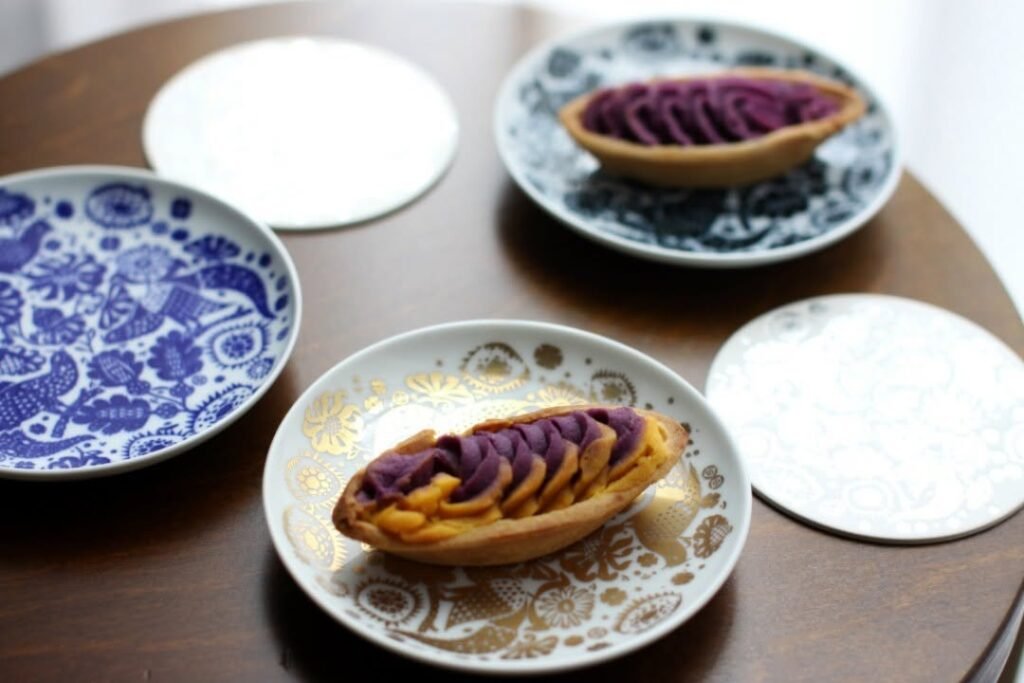
We first went to the Okashigoten Nago Branch , a true paradise for those with a sweet tooth. Inside, everything revolves around Okinawa’s most famous sweet: the Beni-Imo Tart made from purple sweet potatoes. We found it particularly exciting that you can watch it being made through glass windows.
Of course, we also tried the various treats. First, a purple sweet potato Mont Blanc and then the sweet potato soft serve. They were absolutely delicious!
Information for your visit :
- Opening hours : Daily from 9:00–18:00
- Parking : Available
- Tip : Try one of the delicious sweet potato desserts
A quick trip to Onna no Eki Nakayukui Market
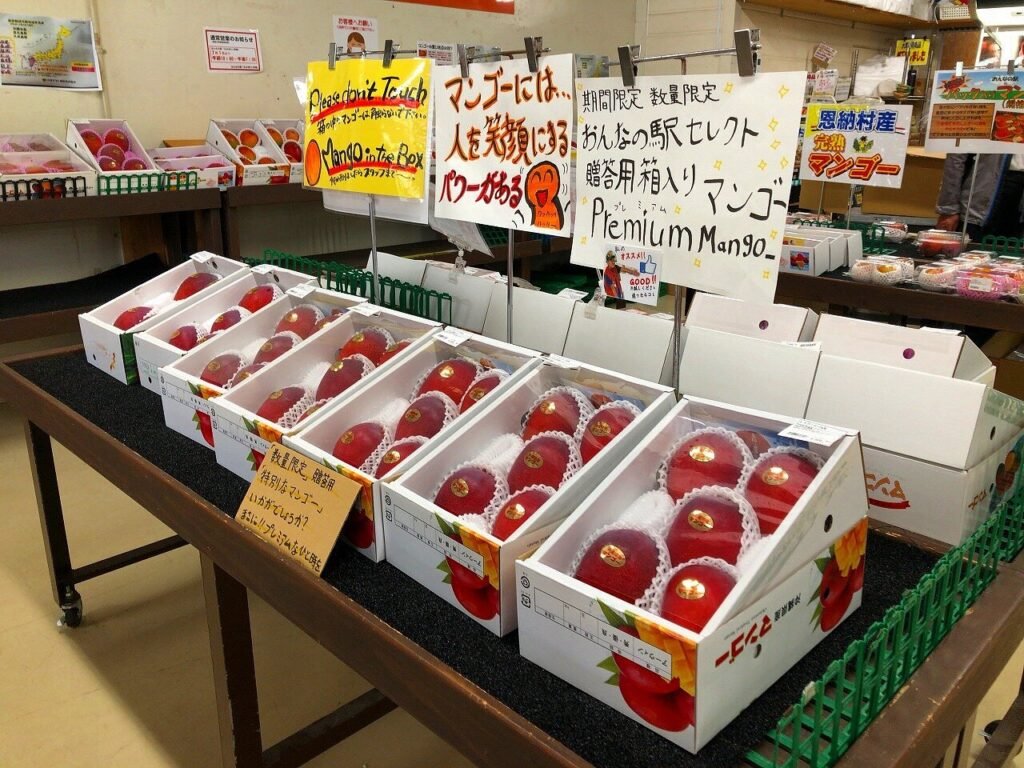
After the delicious desserts at the sweet shop in Nago, we wanted to visit a fruit and vegetable market and, above all, try fresh mangoes. A real highlight for anyone who wants to sample regional specialties or shop for souvenirs is the Onna no Eki Nakayukui Market . The market is centrally located in Onna and offers a colorful mix of fresh fruit and vegetables, freshly caught fish, local snacks, and handicrafts.
The store has some delicious and even exotic fruits, but we absolutely wanted to try the mangos from Okinawa. They’re truly delicious and juicy, unlike anything you might typically expect. For example, I didn’t even know they had “mini mangos.” Did you know that? They’re especially sweet and delicious!
In addition to the culinary offerings, there are also small cafés and restaurants where you can enjoy your purchases right away. The kakigōri shop was particularly popular, and the ice cream looked fantastic!
Information for your visit :
- Opening hours : Daily from 10:00–19:00
- Parking : Available
- Tip: Mango Kakigōri for 2080 yen
Day 4: Sesoko Beach & Sightseeing in Bise
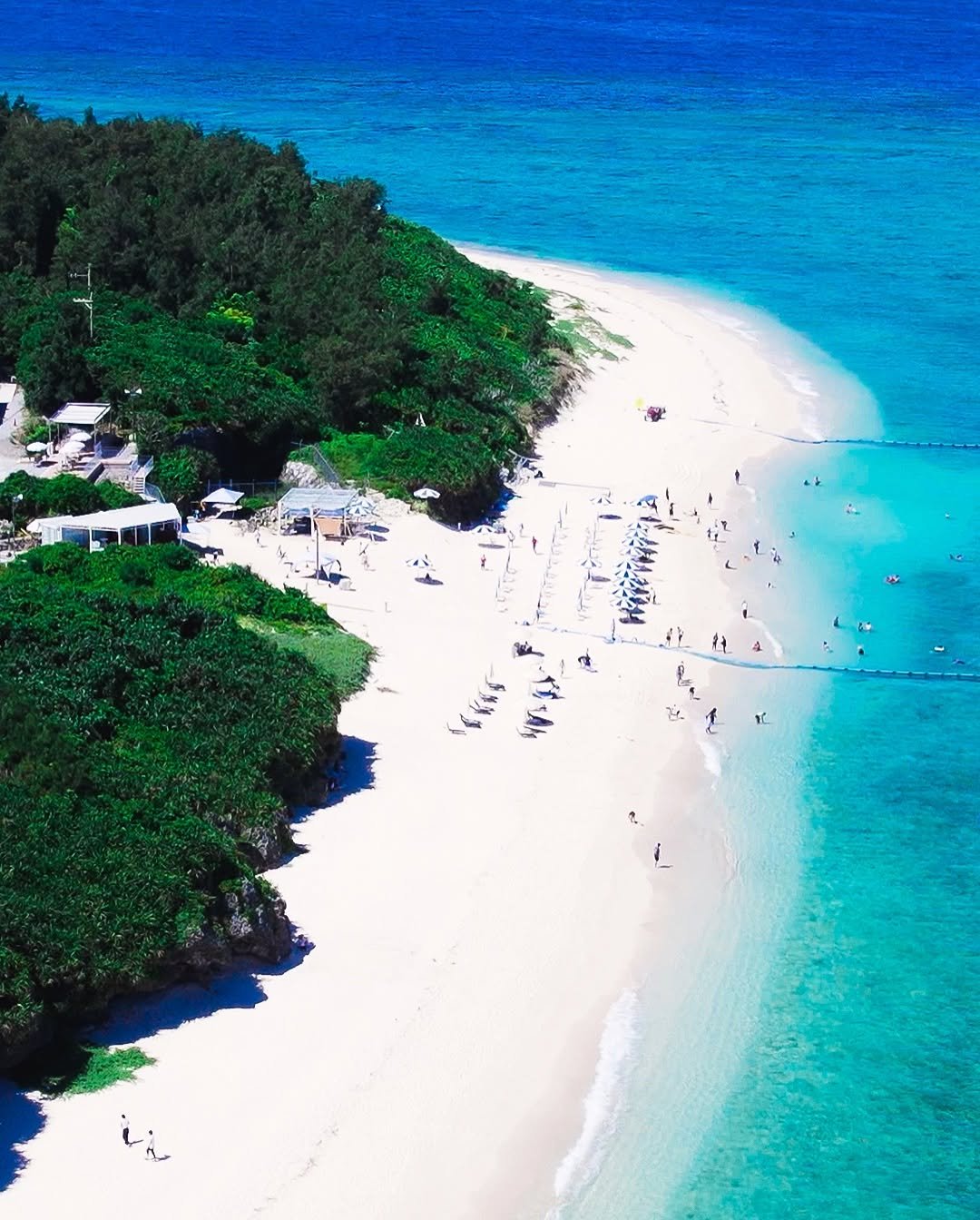
On the fourth day, we planned a trip to another beach. Just a short drive from Nago is one of Okinawa’s most beautiful beaches: Sesoko Beach .
The fine white sand and the crystal-clear, shimmering turquoise water are almost like something out of a picture book. The beach is also ideal for families, as the water is usually calm and perfect for small children. Sesoko Beach is also a popular snorkeling spot, as you can spot countless colorful fish even close to the shore!
Particularly convenient: restrooms, small stalls, and parking nearby. Anyone who wants to could easily spend the whole day here. For us, however, we moved on to our next destination.
Short break at 846YAJIRO MOTOBU Beach Cafe
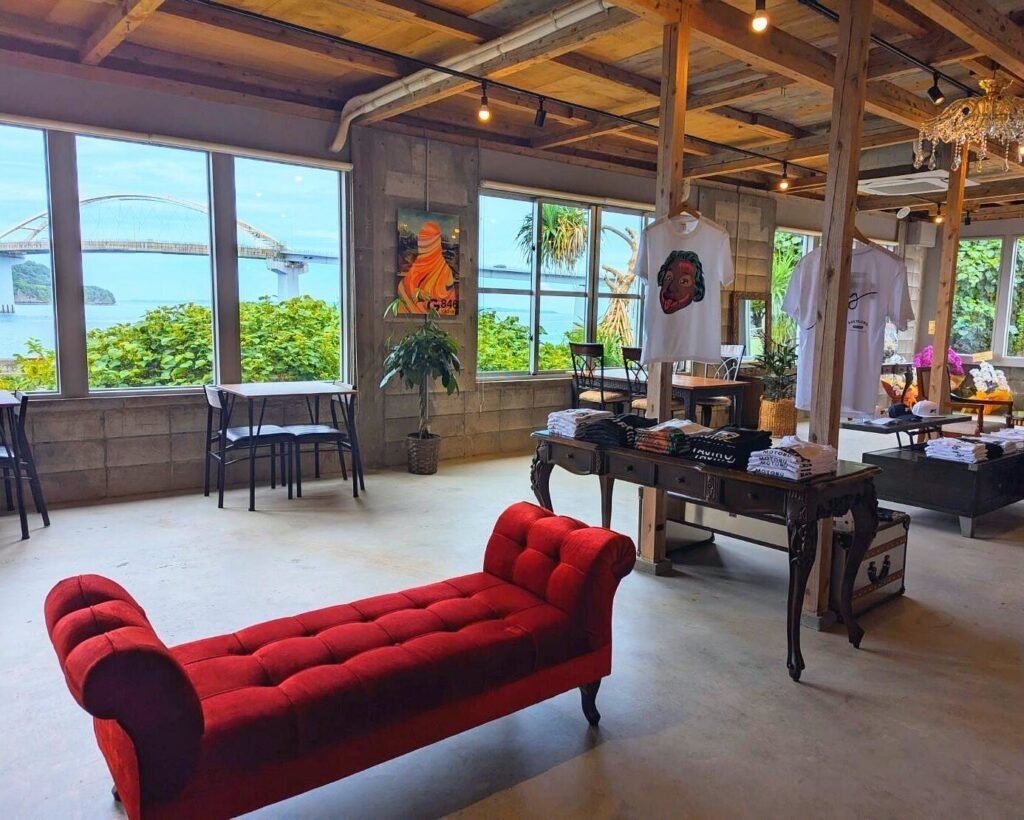
If you’re looking for a break and are in the Sesoko area, you should definitely visit 846YAJIRO MOTOBU Beach Cafe. They serve delicious amazake drinks (a traditional Japanese drink made from fermented rice) and fresh acai bowls. You even have a view of the sea from the café!
Information for your visit :
- Prices : from 600 yen
- Opening hours : Daily from 10:00–17:00, closed on Fridays
- Parking : available
- Tip : Black Sesame x Yogurt Amazake for 700 Yen
Walk through the Bise-Fukugi Tree Road
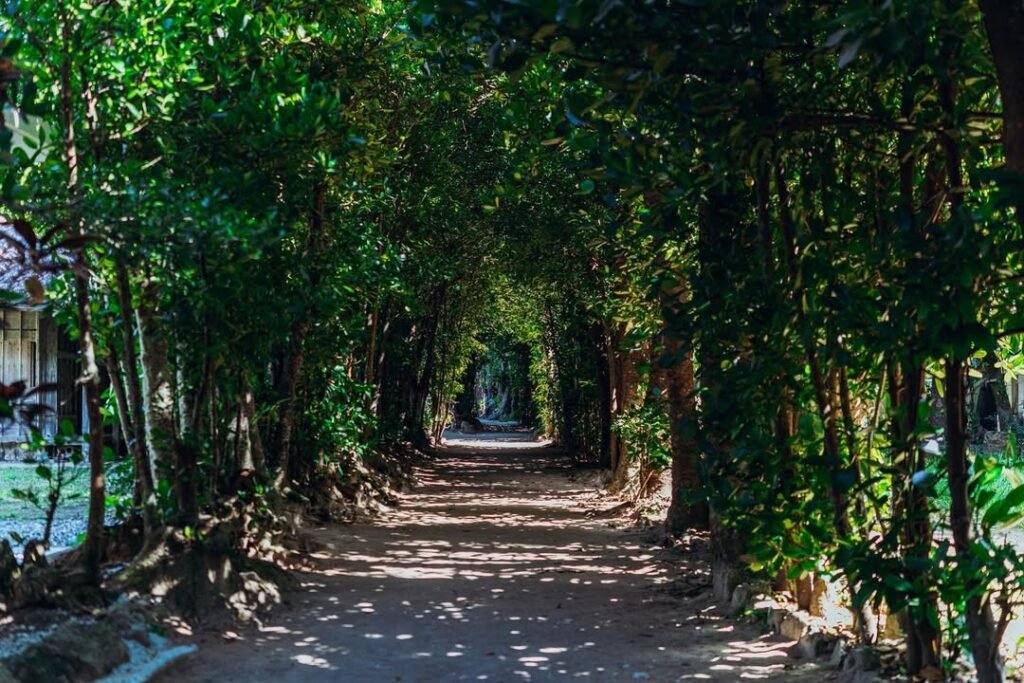
Not too far from Sesoko lies the idyllic Bise-Fukugi Tree Road . The spot was perfect for us after our short break, and the walk did us a lot of good.
The small village of Bise is surrounded by hundreds of ancient fukugi trees, which form a green tunnel over the narrow paths. Residents once planted these trees as wind and weather protection for their houses; today, they create an almost fairytale atmosphere.
While strolling through the quiet alleys, we also encountered some cute cats. It’s especially nice to explore the street on foot, or, as some did, on an e-scooter.
Information for your visit :
- Admission : Free
- Opening hours : Freely accessible at any time
- Tip: There are e-scooter rentals on site – perfect for exploring the streets in a relaxed manner
Short stop at Emerald Beach
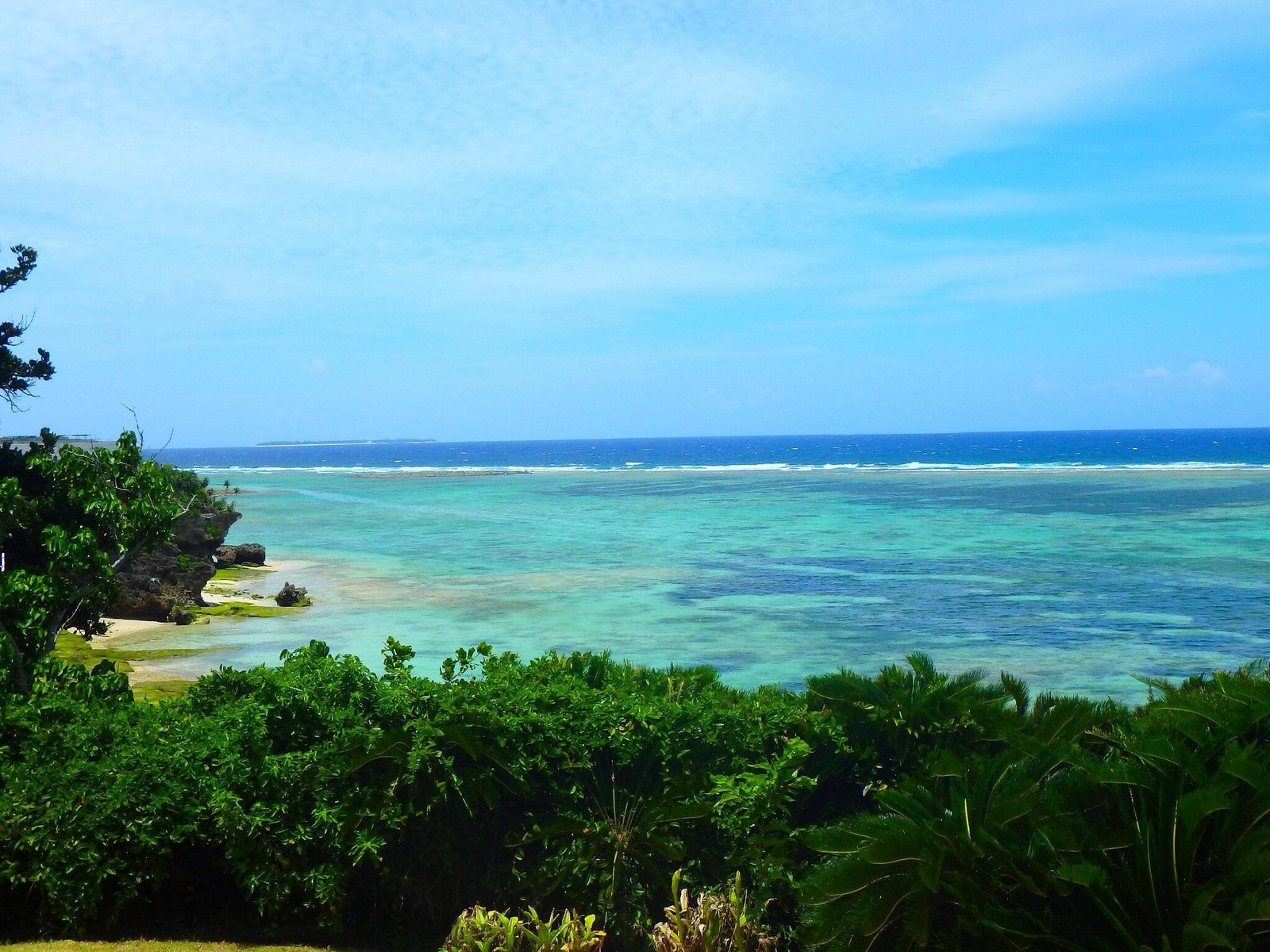
To end the day, we visited Emerald Beach . The water is crystal clear and shimmers a vibrant green—just as the name suggests. The fine white sand is especially family-friendly and ideal for children. Safety and comfort are also taken into account: The beach has lifeguards, changing rooms, and restrooms.
When we were there, it was almost 6 p.m. and cloudy, but I’m sure the beach would show off its radiant beauty even more on a sunny day.
Day 5: Shopping tour, fish market and Umikaji Terrace

The day before our departure, we decided not to swim in the ocean this time, but to go shopping one last time in Okinawa. Our first stop was the AEON Mall Rycom . The mall is quite large and has all the essential shops for stocking up on those last-minute souvenirs before our departure.
But we didn’t stay that long and wanted to eat lunch somewhere else. Preferably, fresh fish at a fish market.
Lunch at Itoman Fish Center
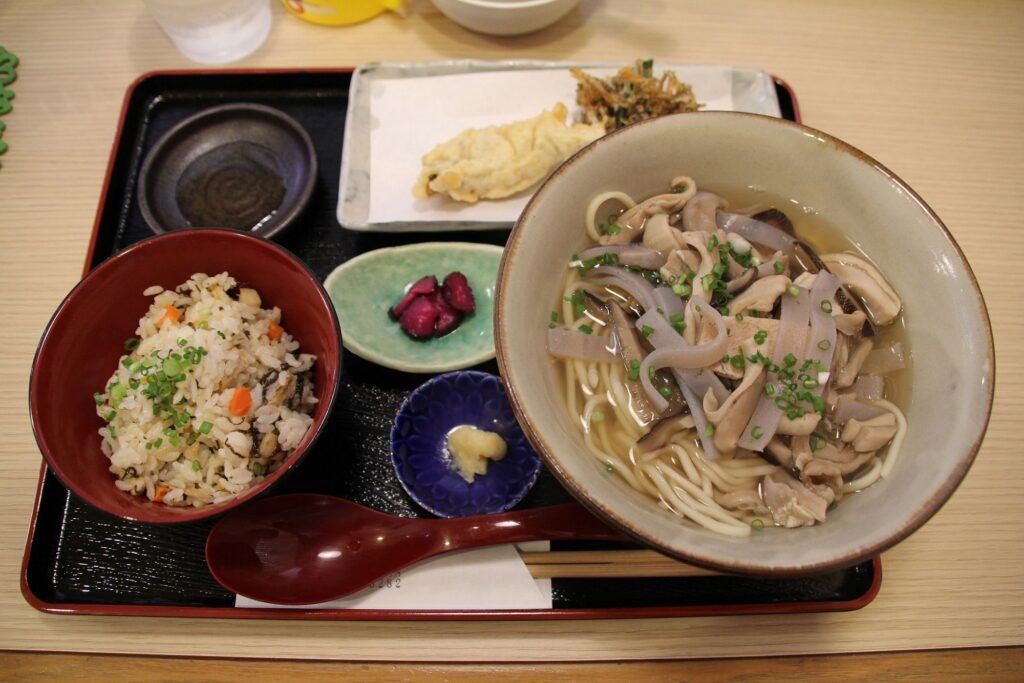
For lunch, we went to the Itoman Fish Centre, a lively market right by the harbour. Here, you’ll find a wide selection of freshly caught fish and seafood, which you can also have prepared on-site. From sushi to grilled fish to fried delicacies—the selection is vast and tastes wonderfully fresh. We had sashimi and a delicious fish soup.
You may also discover a special Pokémon landmark there, so observe the ground wherever you step…
Information for your visit :
- Prices : There is something for every budget
- Opening hours : Monday to Saturday from 10:00–19:00, Sundays 09:00–19:00
- Parking : available and free
- Tip : Fresh fish (sushi, sashimi) or grilled fish
Shopping at Okinawa Outlet Mall Ahibinaa
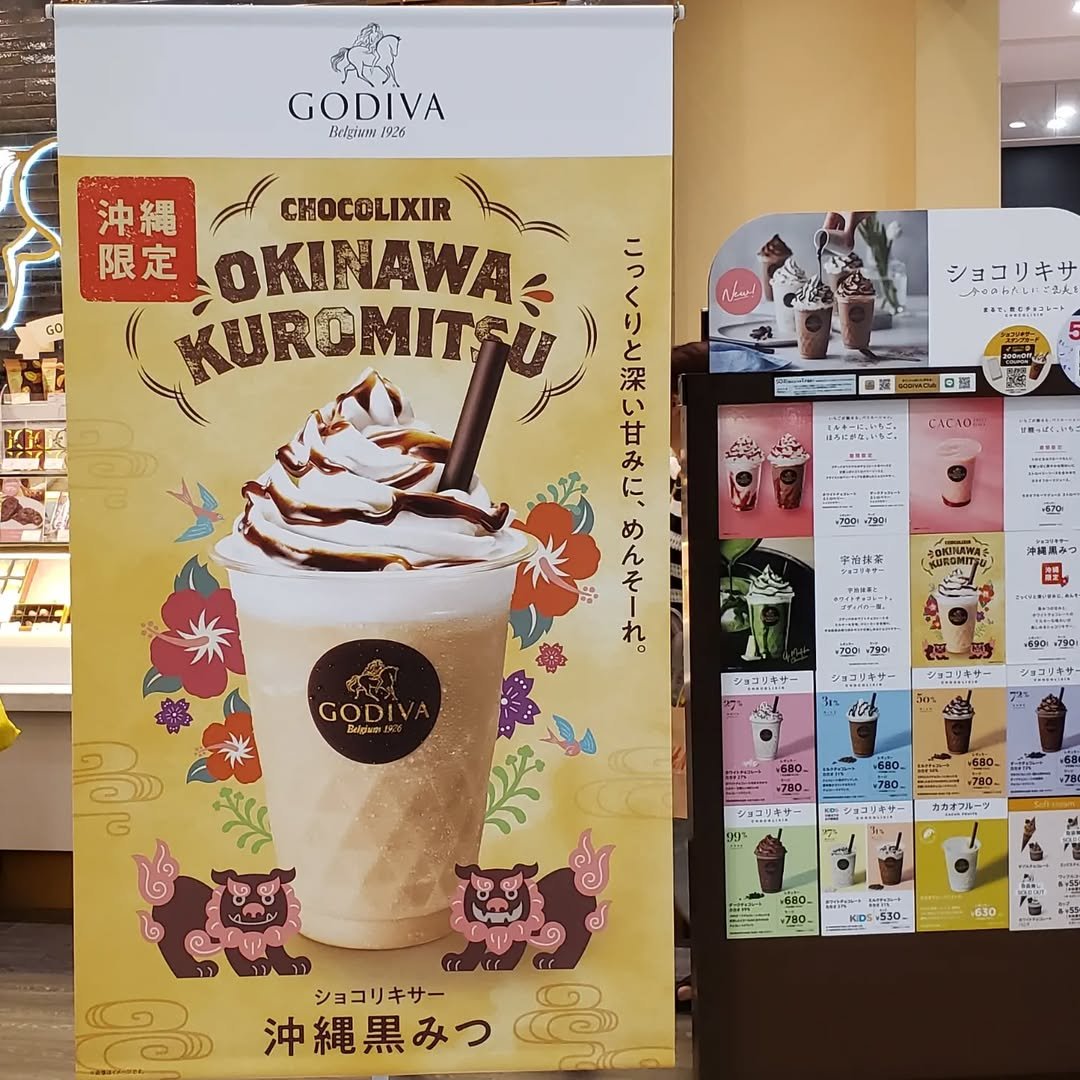
After lunch, we went shopping again and made a detour to the Okinawa Outlet Mall Ashibinaa . This sprawling outdoor shopping center is located near Naha Airport and offers more than 100 stores – from well-known international brands to Japanese labels.
In addition to fashion and accessories, there are also souvenir shops, cafes, and restaurants, perfect for a quick break. We went to Godiva Chocolatier to get the delicious Okinawa Kuromitsu drink.
Information for your visit :
- Opening hours : daily from 10:00–20:00
- Parking : available and free
- Tip: Take a break and treat yourself to a Japanese drink, be it at Godiva Chocolatier or Gelato Pique Cafe, e.g., Shikuwasa Lemonade Soda.
Explore Umikaji Terrace Senagajima
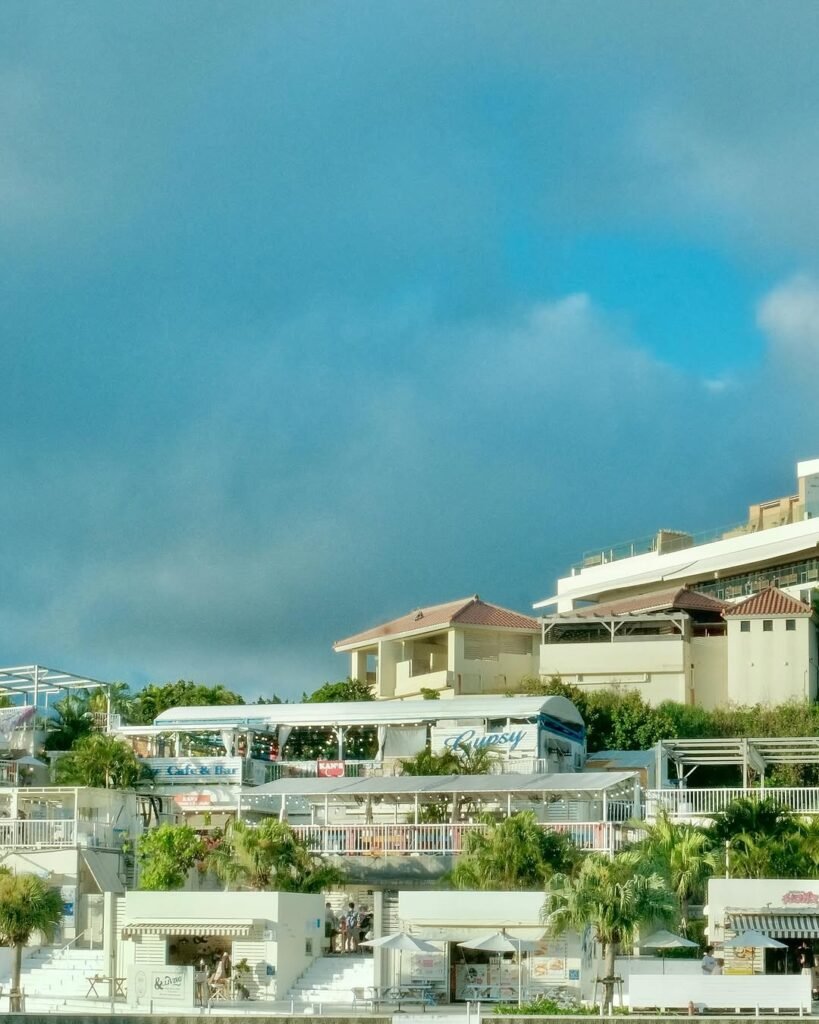
Just a few minutes from Naha Airport lies Umikaji Terrace Senagajima – a complex of white terraces, slightly reminiscent of Santorini in Greece, and thus also known as ” Okinawa’s Little Greece .” Small boutiques, cafés, and restaurants are lined up on several levels, many with direct views of the sea.
The terrace is especially popular at sunset, when the setting sun bathes the sky in warm colors. Here, you can take a stroll, sample local snacks, or enjoy the view with a drink. Thanks to its proximity to the airport, the Umikaji Terrace is the perfect place to start your trip in a relaxed manner, or, as in our case, as a last stop before your return flight.
Our return flight was the next day, so we made our way back to the hotel in time to enjoy one last dinner from the delicious all-you-can-eat buffet.
Day 6: Departure from Okinawa
In the morning, it was time to say goodbye to Okinawa. After a few unforgettable days full of sun, sea, and adventure, we headed back to Naha, returned our rental car, and flew back to Tokyo. Even though the time passed far too quickly, we’re taking many wonderful memories with us, and we’re sure this won’t be our last visit to Okinawa!
Where To Stay in Okinawa: Best Hotel Picks
Our hotel in Okinawa: TWIN-LINE HOTEL YANBARU
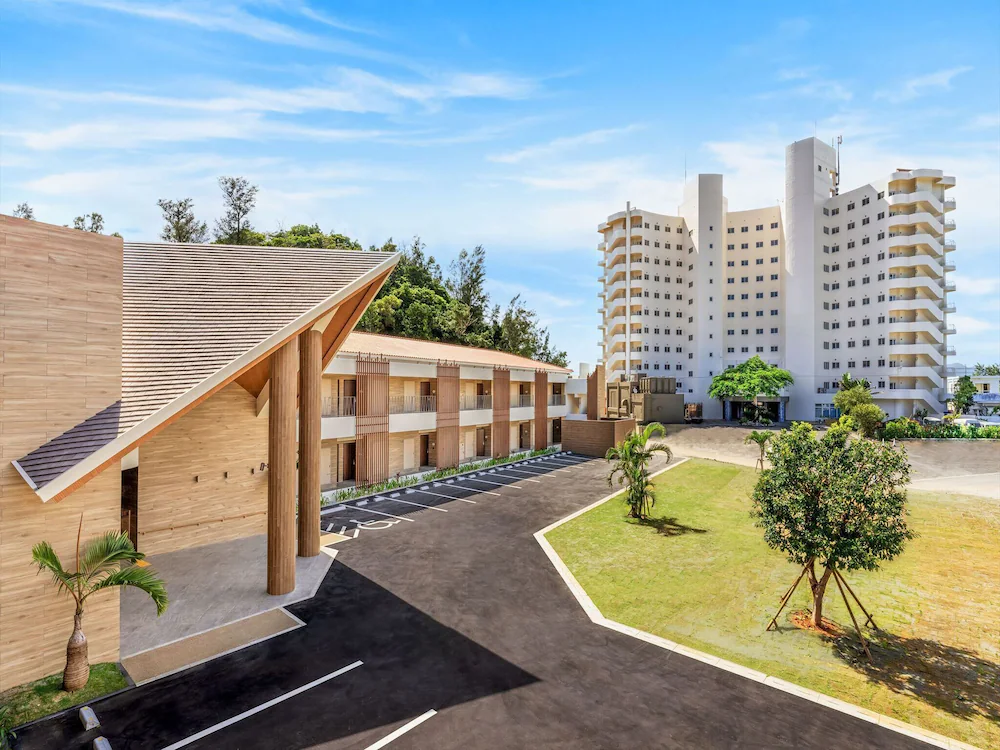
Our hotel in Okinawa was the TWIN-LINE HOTEL Yanbaru in Nago. We stayed in the newly built wing of the hotel, and everything was just perfect. From the meticulous decor to the Jacuzzi in our room, and the delicious breakfast and dinner buffets in the hotel’s restaurant.
The hotel is very family-friendly and offers bright, clean rooms with views of the sea, the city, or, as in our case, the green Okinawa landscape. The restaurant offers an all-you-can-eat buffet for breakfast and dinner. The staff was very friendly and always helped us prepare highchairs when we went out to eat. In the evenings, there was also live traditional Okinawan music. Absolutely fantastic!
The TWIN-LINE HOTEL Yanbaru is perfect for families, and children are also very welcome. In the evening, you can also pick up free sparklers from reception and relax outside in the garden. Parking is also available directly at the hotel.
We felt entirely at home and would book the TWIN-LINE HOTEL YANBARU again at any time and highly recommend it.
Budget-friendly top hotel picks
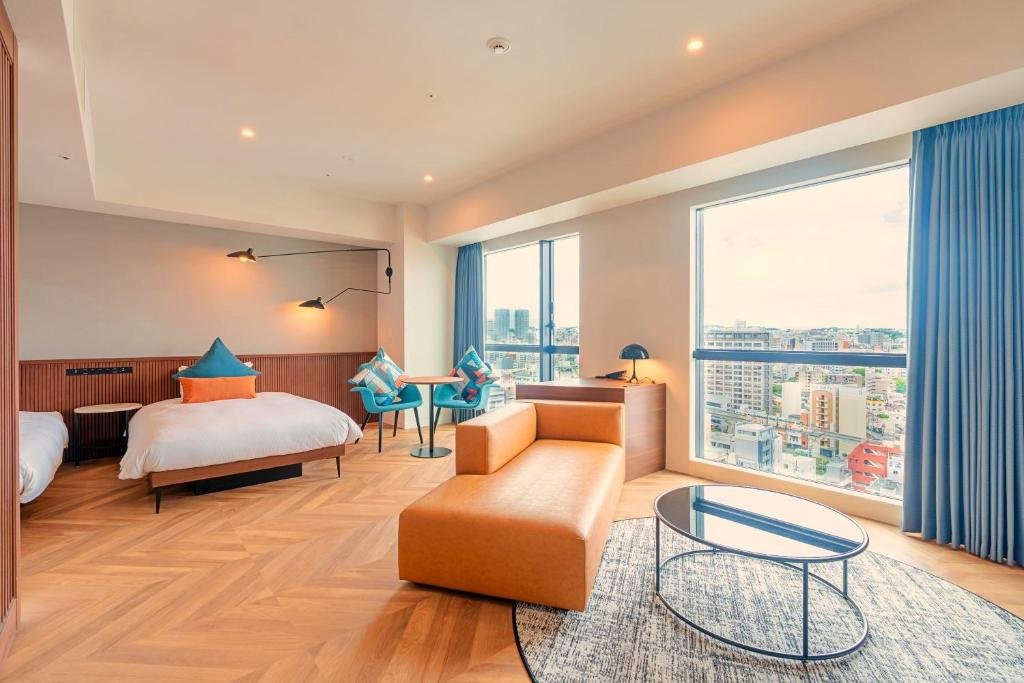
Mid-range top hotel picks
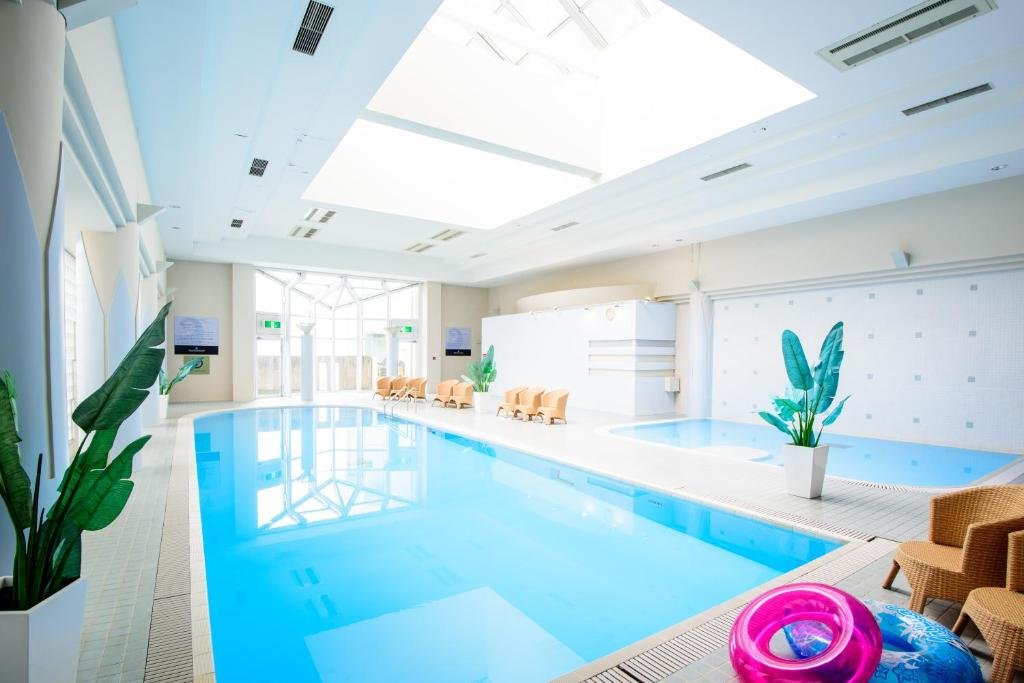
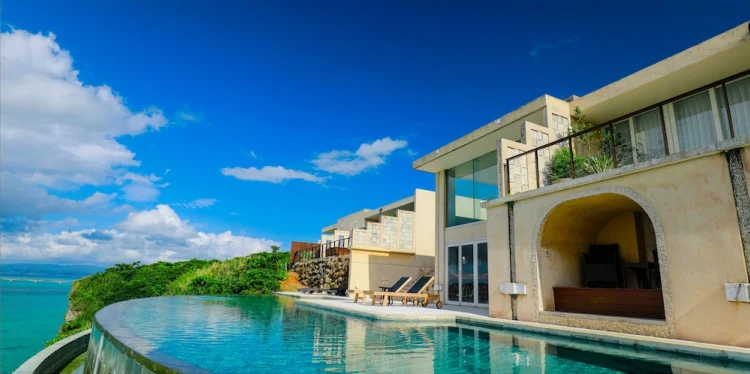
Premium / Luxury Hotels
Best Tours and Excursions in Okinawa
Lock In Your Okinawa Adventure
Besides the beach and the sea, Okinawa has much more to offer. Tours and excursions allow you to experience the island’s most beautiful corners even more intensely. Here are my recommendations for Okinawa:👇
Pro tip: Save this post now—Okinawa tours sell out fast in sakura, Golden Week, and summer.
FAQs: Planning Your Okinawa Itinerary
How many days do you need in Okinawa?
Ideally five or six days. That’s enough to explore Naha’s markets, snorkel in Onna’s Blue Cave, visit Churaumi Aquarium, and take a day trip to the Kerama or Yaeyama Islands. If you’ve got a full week, add Iriomote or Taketomi for a real island-hopping vibe.
Do I need a car in Okinawa?
Yes — unless you plan to stay only in Naha. The best beaches, caves, and coastal drives are spread out. Renting a compact car right at Naha Airport is easy, and driving is relaxed compared to mainland Japan.
What’s the best month to visit Okinawa?
April to early July and October to November offer warm seas and fewer crowds. Avoid the peak typhoon season (late July–September). Winter is mild and perfect for whale-watching.
Can I swim year-round in Okinawa?
Pretty much! The sea stays warm most of the year — around 23–30°C — though locals avoid swimming in January–February. Snorkeling and diving tours run nearly year-round.
Which islands should I visit?
For easy day trips, head to the Kerama Islands (Zamami, Tokashiki). For a multi-day extension, fly to the Yaeyama Islands — Ishigaki, Iriomote, or Taketomi — for remote beaches and mangroves.
Is Okinawa expensive?
Less than Tokyo! Food and guesthouses are affordable, and driving yourself cuts down on tour costs. Budget ¥10,000–¥15,000 per day for mid-range travel, including a rental car and meals.
Do people speak English?
A bit — especially in tourist areas and dive shops. But signs are bilingual, and locals are famously friendly. A few Japanese words go a long way (and earn instant smiles).
Can I use my JR Pass in Okinawa?
No. The JR Pass doesn’t cover Okinawa because there are no JR train lines. Use rental cars, buses, or ferries instead.
What’s Okinawan food like?
A tasty blend of Japanese, Chinese, and Southeast Asian flavors. Don’t miss Okinawa soba, goya champuru (bitter melon stir-fry), taco rice, and benimo (purple sweet potato) desserts.
What should I pack?
Light clothes, reef-safe sunscreen, sandals, and a waterproof phone pouch. Bring a light jacket for evenings and a rash guard if you plan to snorkel a lot.
- Nagoya rainy day with kids in 2026 (Cool Indoor Things to Do )
- Best Gachapon in Tokyo (2026): 20 Places to Find Capsule Toys
- All Japanese KitKat Flavours List: The Ultimate Japan KitKat Guide
- Sapporo rainy day with kids (2026): 7 Cool Indoor Things to Do
- What To Do In Arashiyama With Kids: A Realistic One-Day Family Itinerary