
I spill travel tips , and show you the Japan that tourists usually miss.
In the land of bullet trains, robot toilets, there’s a transport option that somehow still flies under the radar: the humble rental car. And yes—you should absolutely know this: renting a car in Japan as a tourist is easy, convenient, and a genuinely brilliant way to explore the Land of the Rising Sun on your own terms.
Now, let’s not pretend you’ll road-trip the entire country end-to-end without using trains or flights. If you’re doing a two- or three-week Japan adventure like ours, you’ll still want rail (or air) for the big jumps. But when it comes to really seeing certain regions—chasing viewpoints, squeezing in detours, stopping whenever something cute/strange/delicious appears—a car gives you freedom that timetables simply can’t.
In this post, we’ll walk you through why renting a car in Japan is worth it, where it makes sense (and where it absolutely doesn’t), plus our best practical tips so your experience is smooth, confident, and maybe even smugly enjoyable.
Table of Contents
3 Reasons to Rent a Car in Japan
Japan has one of the best public transportation systems we’ve ever seen. It’s punctual, clean, frequent—and honestly, using trains here feels like you’re cheating at travel. But you already know us: we’re road-trip people. After driving in more than 20 countries, we’ve learned that when a destination has hidden corners (and Japan has many), a car is always worth considering.
On our 14-day independent trip to Japan, we rented a car twice—both times for a full day. Here’s exactly why.
1) Comfort
After several days in Tokyo—walking nonstop, riding what felt like the entire subway system, and averaging 20 km a day—we were not excited about stitching together trains + buses + schedules just to visit Mount Fuji for a day.
Also: we were traveling in November. Shorter days. Less daylight. And the last thing we wanted was to spend precious sun hours waiting for a bus that was likely to arrive already packed.
Renting a car meant we could:
- give our legs a break (thank you, seats)
- adjust the schedule as we pleased
- linger at our favorite stops without watching the clock
- carry extra layers (autumn weather is moody—dress like an onion)
- stop whenever we wanted (because that’s the whole point)
You can book your rental car on DiscoverCars—the one we’ve used for 99% of the cars we’ve rented on our travels.
2) Price
We were lucky: we traveled to Japan just before the JR Pass price increase, so we used the 14-day pass without overthinking it. But now? It costs almost twice as much. Ouch.
For a trip like ours, the math starts to shift. These days, it often makes more sense to buy the 7-day JR Pass and concentrate the longer journeys into one week. For everything else—day trips, regional exploring, places where transit becomes a puzzle—you’ll want to compare costs: train tickets for everyone vs. a rental car.
And here’s the kicker: driving in Japan can be unforgettable… and also a sneaky way to save money.
Car rental in Japan is typically around €50–60 per day for a small vehicle with GPS and full insurance. On top of that, you’ll add:
- fuel
- tolls (not cheap)
- parking (often free or low-cost outside major cities)
To give you a real example, we spent about €100 total per day each time we rented:
- €55 rental
- €10–15 fuel
- €20–30 tolls
- €5 parking
So yes—with at least two passengers, renting a car starts to look very reasonable.
NOTE ABOUT THE JR PASS:
You can check the current price and buy it on that page. Klook is an official reseller of transportation and many other activities in Japan—easy to use, with lots of practical info. This is an affiliate link, so if you buy through it, you’ll support the blog and it won’t cost you anything extra.
3) Experience
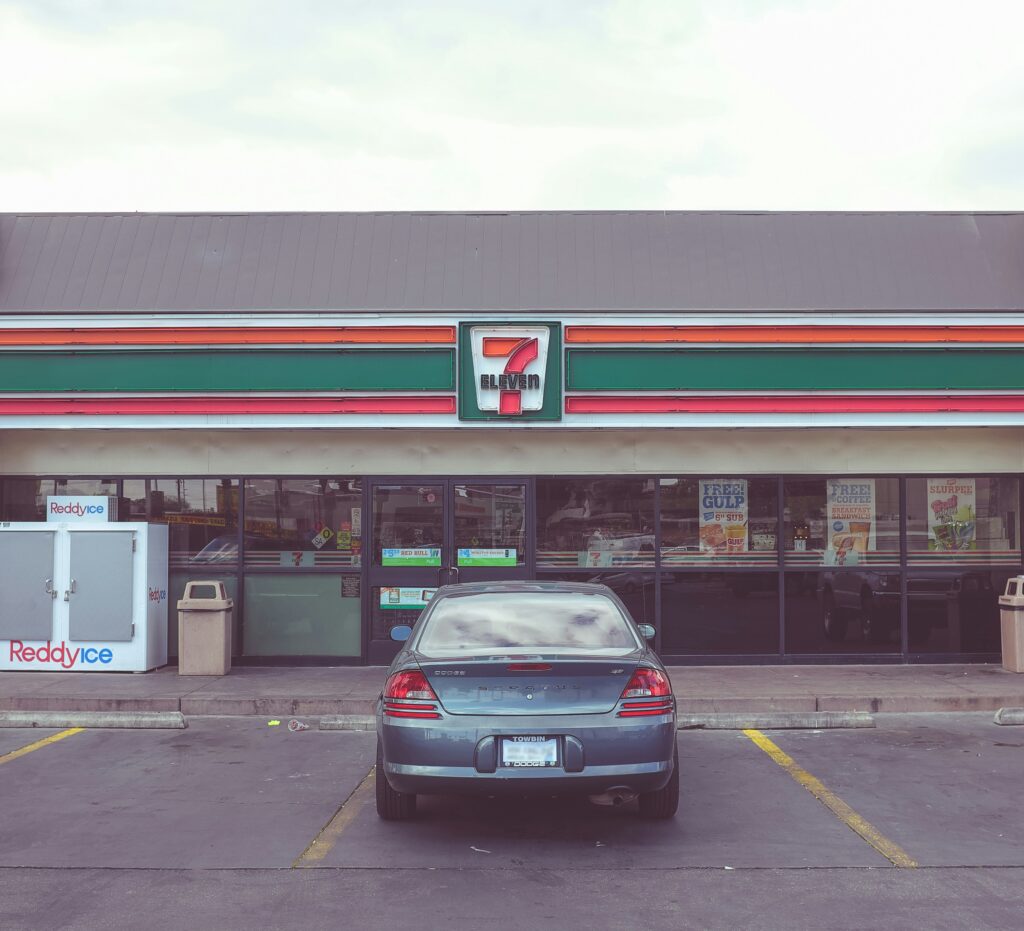
There’s something oddly magical about driving in Japan. You climb into one of those famously boxy little cars (the ones we’ve seen a thousand times in manga and anime), pull into a gas station that casually includes a 7-Eleven (of course), and suddenly you’re in your own mini movie.
You notice things you miss on trains:
- the absurdly organized parking systems
- the polite, calm traffic flow
- the quiet competence of Japanese roads
- the way even rest stops feel… curated?
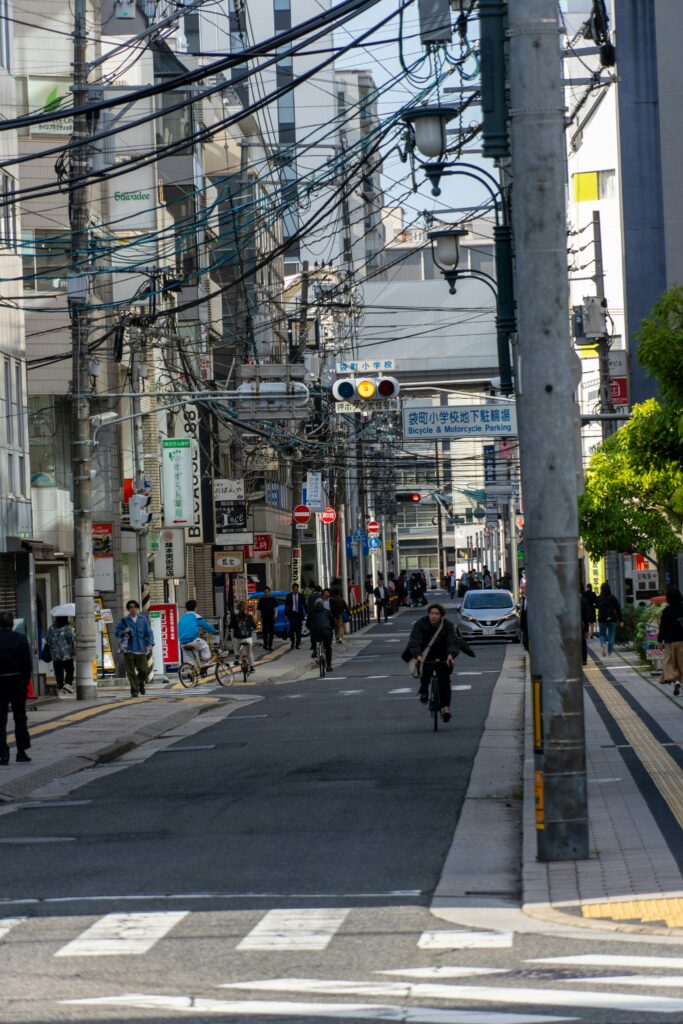
And yes, they drive on the left. But don’t let that scare you off. Most rentals are automatic, and you adapt quickly—especially because Japanese drivers are some of the most courteous we’ve ever encountered.
Also… how many people do you know who’ve driven their own rental car in Japan? Exactly. Unique. Memorable. Ridiculously fun.
Routes or areas where it is advisable to rent a car in Japan
Below are the routes we actually did by rental car—plus one we’re absolutely doing next time. In our full two-week Japan itinerary post, we break down each day’s transport and the alternatives.
Mount Fuji and the Five Lakes region
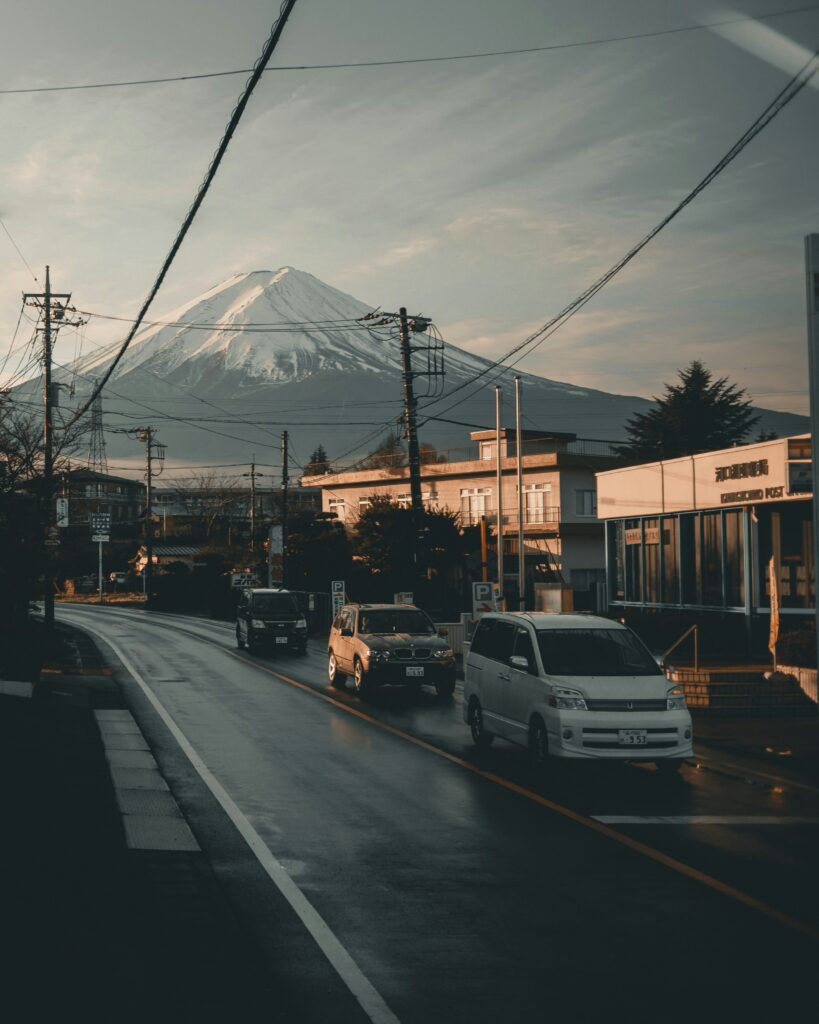
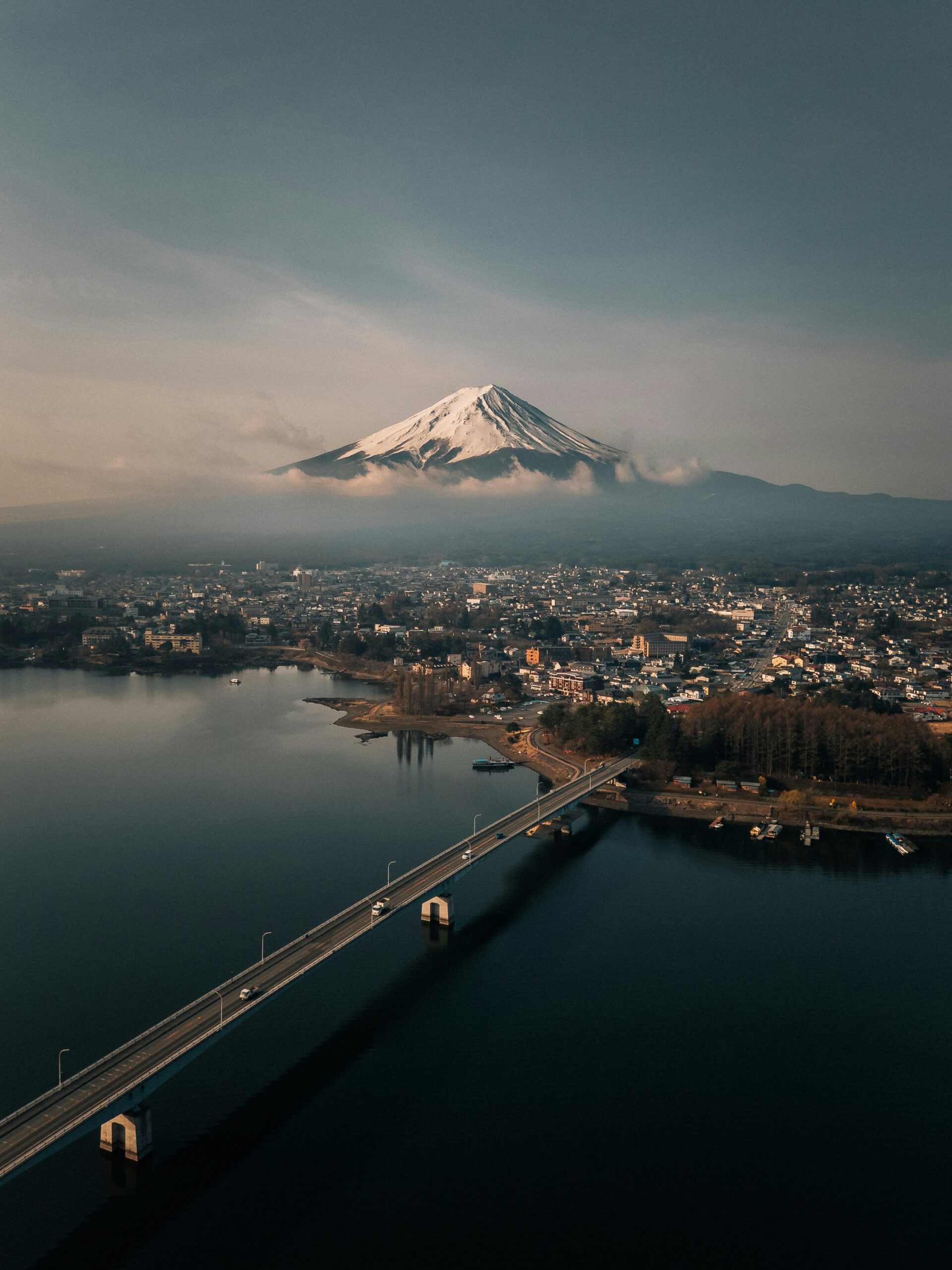
One of the best day trips in Japan is visiting Mount Fuji from Tokyo—and this route is perfect by car, whether you do it as one long day or a relaxed overnight.
With a car, you can string together the Fuji classics without relying on bus timing:
- Chureito Pagoda
- Lake Kawaguchi
- Lake Saiko
- Lake Shoji
- waterfall scenery like Shiraito Park
- traditional villages like Iyashinosato and Oshino Hakkai
And the best part? You’re chasing Fuji views when you want (and when the weather cooperates… please, Fuji gods).
We wrote a full post about visiting Mount Fuji from Tokyo —you can find it here.
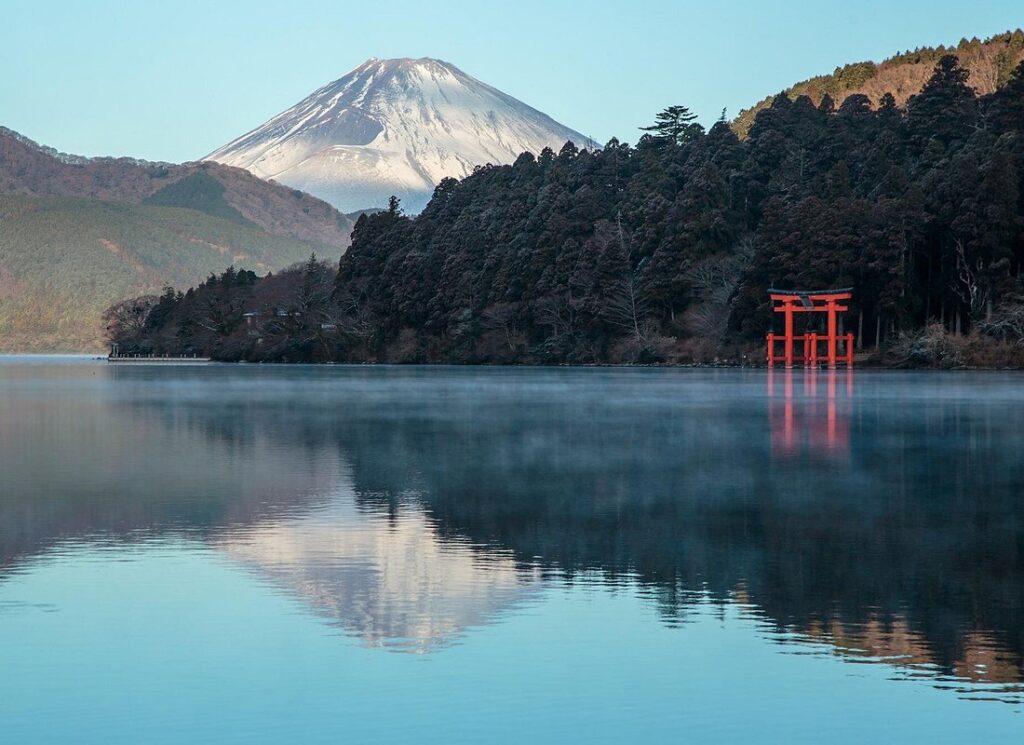
Mount Fuji and Hakone
Hakone is the other big “we want nature + Fuji views + relaxation” escape from Tokyo—and it’s ideal for a day or two.
Think:
- soaking in onsen tucked into forests
- riding the cable car over Lake Ashi
- visiting the shrine that defines the region
- strolling through Onshi-Hakone Park
Japanese Alps Region
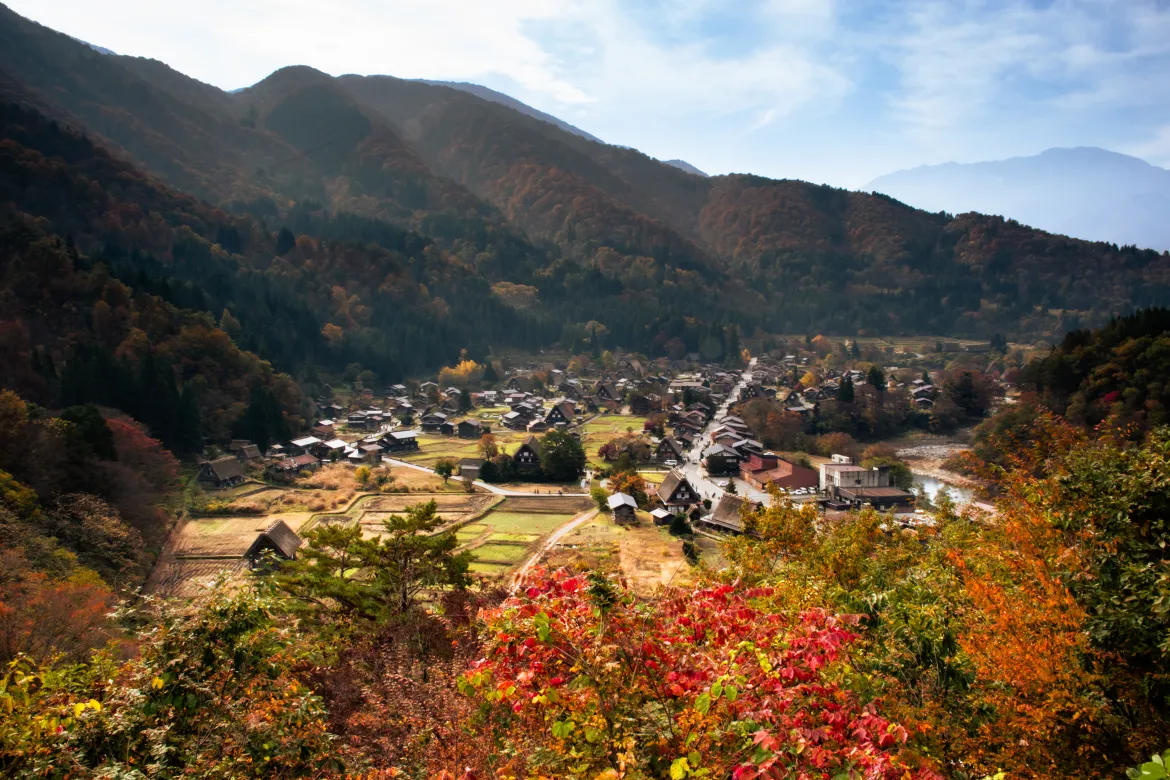
This was one of our favorite regions of the whole trip—and yes, exploring it by car played a huge role.
From Kanazawa, we visited:
- the traditional villages of Shirakawa-go and Gokayama (both UNESCO World Heritage Sites)
- the Hida no Sato Folk Museum near Takayama
- the old streets of Takayama, which are basically “historic Japan” turned up to 11
And in November? The mountains were on fire with autumn color. Completely stunning.
We did it as a day trip from Kanazawa and back, leaving early to avoid the tour-bus crush. One thing to know: in Japan, returning a rental car to a different office than where you picked it up is usually quite expensive, so plan your pickup/return wisely.
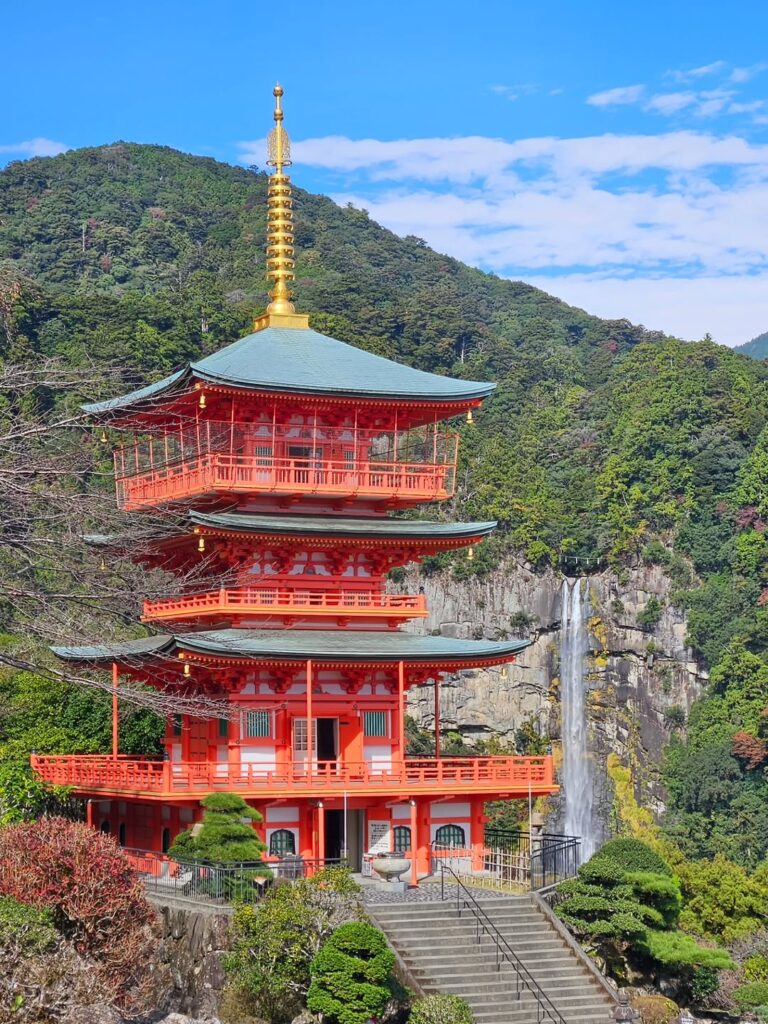
Nachi Waterfall in Wakayama (south of Osaka)
This is our “next time, no excuses” route.
That iconic orange temple with the waterfall behind it? Unreal. And the entire Wakayama Peninsula south of Osaka is full of:
- dramatic coastline
- onsen and hot springs
- temples and sacred sites
- scenic drives that make you stop every 12 minutes
If you have the time, this region is made for a rental car itinerary.
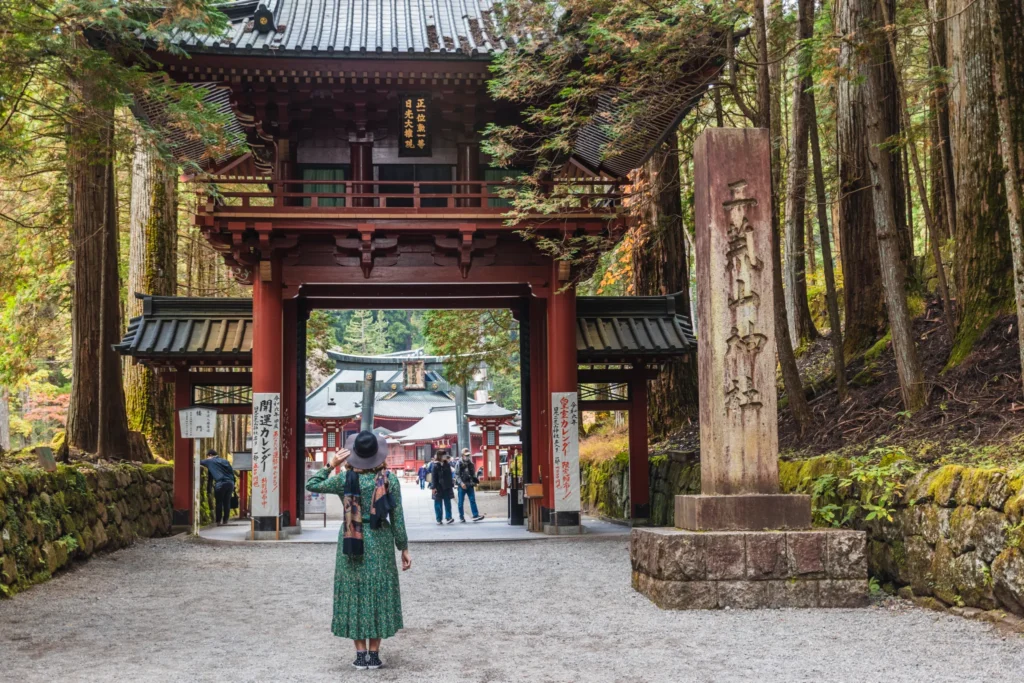
Day trips around Tokyo: Nikko and Kamakura
If you’re traveling as a group of three or four, these day trips become prime “split the cost” territory: rent a car, go at your own pace, and often save money compared to everyone buying separate train tickets.
Nikko:
You can visit the UNESCO-listed temples and have the freedom to explore waterfalls and the wider landscapes of Nikko National Park, which gets trickier without a car.
Kamakura:
Sights are spread out across different areas, so if you want to see more than one cluster of temples without feeling rushed, renting a car is a strong option.
Tips for renting a car in Japan
The overall process is familiar: reserve online, pick up, inspect the car, return it on time. But Japan has a few specifics that will make your life easier if you know them in advance.
Choose a good company and book in advance
We had a great experience with Nissan Rent-a-Car: locations everywhere, GPS available in English (they’ll often set it up for you), and solid communication even when English is limited.
Other agencies with very good reviews include:
- Toyota Rent-a-Car
- Nippon Rent-a-Car
Book in advance for better prices and to avoid “only expensive cars left” surprises. We recommend using a search engine like that one—reliable, huge selection, and it includes Japan. It’s what we used, and everything went smoothly.
Bring your international driving permit
This is essential and mandatory for renting a car in Japan. They will absolutely ask for it (unlike some countries where it’s… optional in theory, ignored in practice).
Bring:
- your passport
- your original driver’s license
- your international driving permit
Return the car with a full tank
Unless you’re told otherwise, you’ll need to return the car full. Rental staff usually provide a map showing nearby gas stations for refueling before drop-off, and the GPS can also point you to the closest stations.
Request GPS and vehicle in English
Before you leave the rental lot: confirm the car system is set to English. They often do it automatically when they see you’re foreign, but double-check. You do not want to be decoding menus mid-highway.
For the GPS, you can enter:
- an address
- a POI (point of interest)
- a mapcode (Japan’s magic navigation code system)
Mapcodes uniquely identify locations, and you can find them by searching “address + mapcode” on Google.
PERSONAL NOTE:
You will fall in love with Japanese GPS devices and then wonder why we tolerate anything else. They’re intuitive, helpful, full of useful POIs, and they don’t boss you around like certain demonic apps with incomprehensible instructions.
Request the toll card
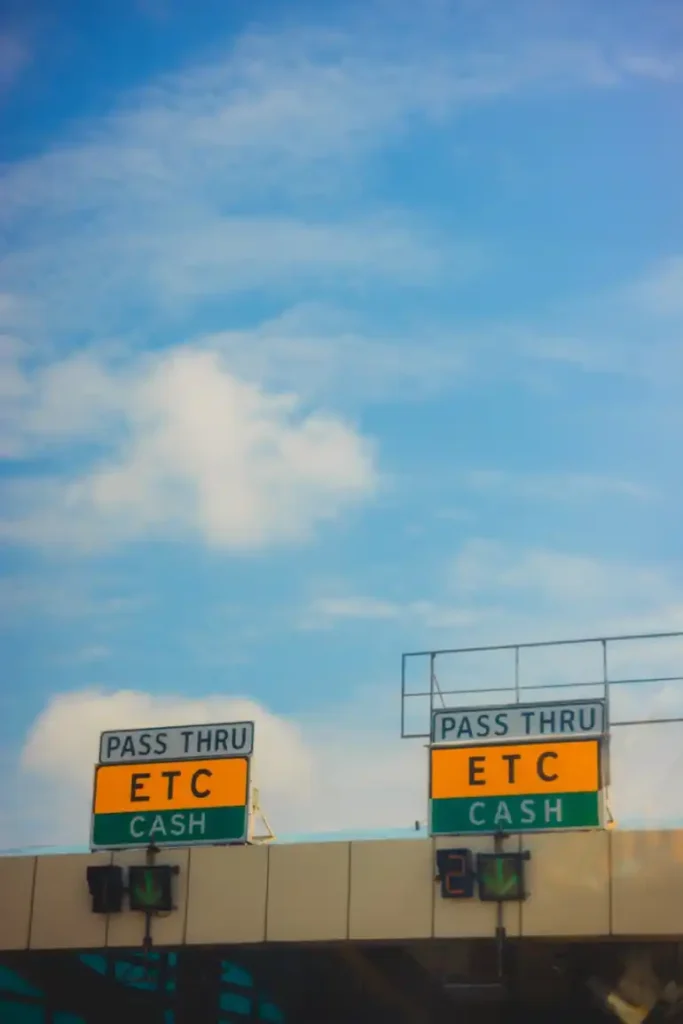
Many rental cars in Japan have an internal device for automatic toll collection. Make sure you have the corresponding card for it, and that the charges are handled correctly when you return the car.
Once activated, you’ll drive through toll barriers marked ETC. You can pay manually, but the built-in system is far more convenient.
Recommendations for driving in Japan
Yes, Japan drives on the left—opposite of Europe, the US, and most South American countries. If it’s your first time, breathe. You get used to it faster than you expect, especially if you rent an automatic.
Just be extra alert at intersections at the start.
Roundabouts, intersections and traffic lights
Good news: there are no roundabouts in Japan. One less mental gymnastics routine.
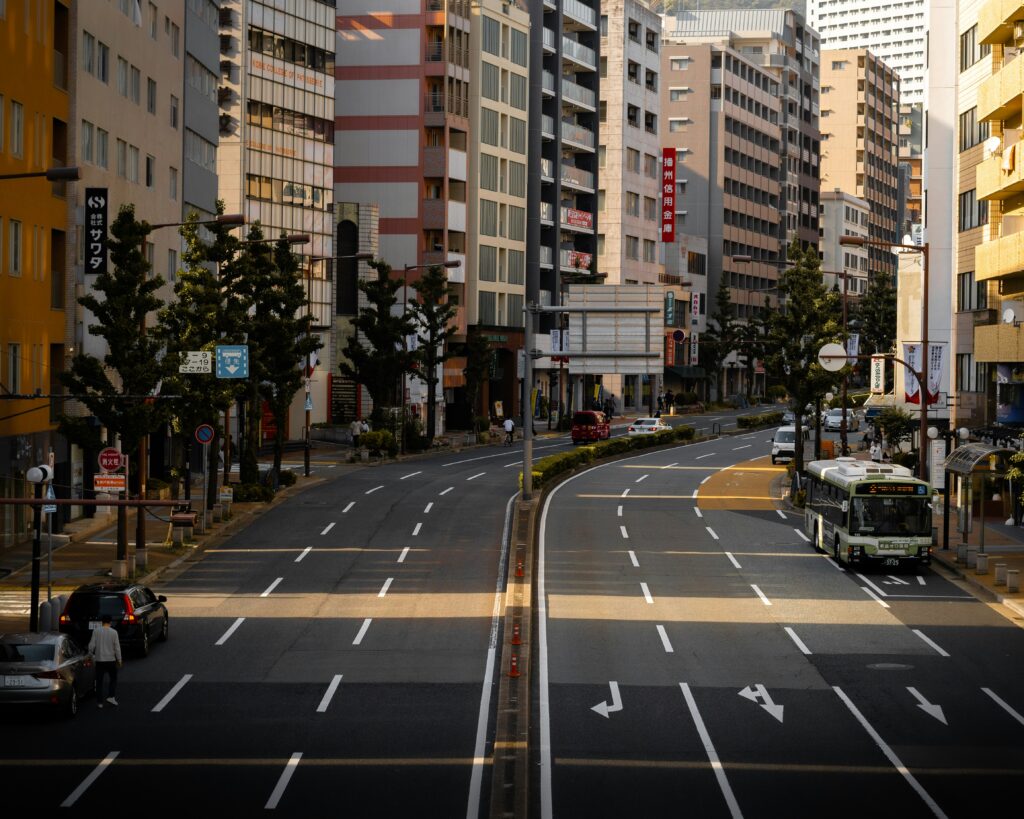
Intersections are usually well-marked. If not, give way to vehicles coming from the left. Drive in the left lane when possible and overtake using the right lane.
Also: traffic lights are on the other side of the intersection, similar to the US. If you see red, stop before the intersection.
Japan is honestly an ideal place to learn left-side driving because the road culture is so respectful. Nobody honks at you for minor beginner mistakes (which feels… suspiciously civilized).
Speed limits
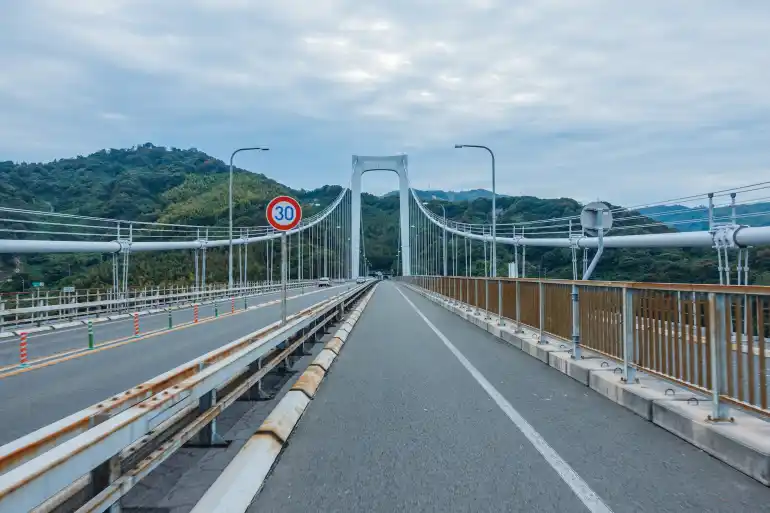
Speed limits are low and measured in km/h:
- 80–100 km/h on highways
- 30–50 km/h in cities
Respect them—fines are frequent.
Tolls
Most major roads in Japan are toll roads. If your car has an automatic toll device (ETC), activate it with the rental agency. Then you simply pass through ETC lanes and the barrier opens automatically. When you return the car, staff will tell you what you owe.
Parking
Parking works like anywhere else: some free lots, some paid open-air or covered parking. In many cases, you can pay by card or a prepaid card like Suica.
We didn’t have major issues finding parking—except for the queues to enter and exit. The Japanese adore orderly lines. If you’re used to more “flexible” parking lot behavior, you’ll notice the difference immediately. It’s normal for lines to form because everyone follows a strict order.

Gas stations
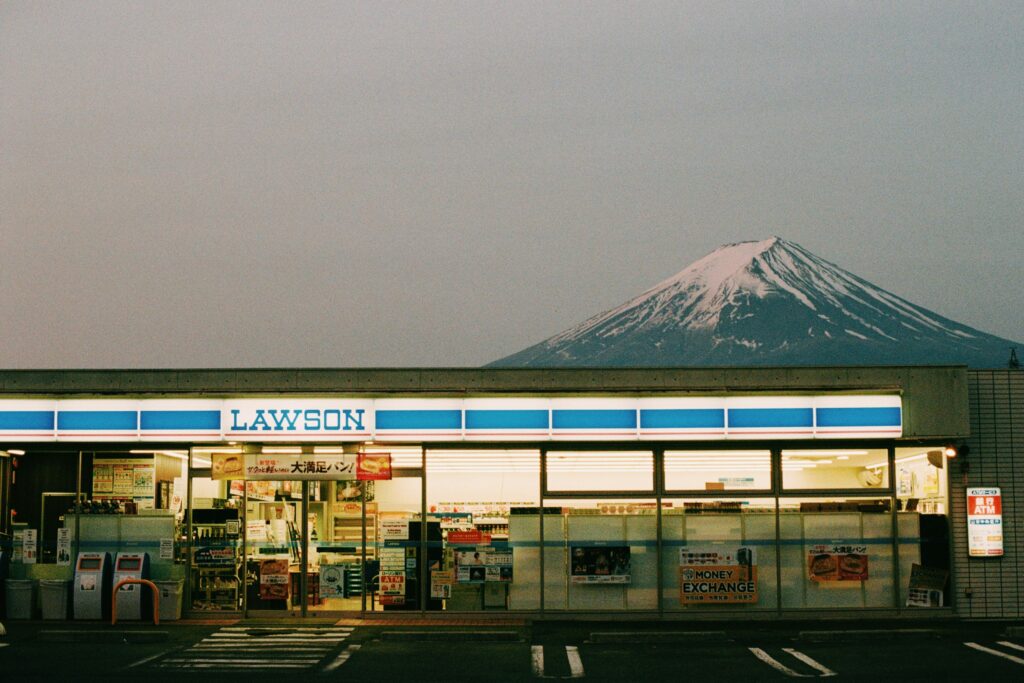
Japanese gas stations are their own little universe: convenience stores (often 7-Eleven), souvenir corners, and the cleanest restrooms we’ve ever seen.
The pump screens are usually in Japanese, but you can switch them to English to pay. It can still be a bit confusing, but there’s almost always an attendant nearby ready to help.
Internet, a necessity for driving in Japan
If you’re driving in Japan, a good GPS is great—but internet is essential. It gives you flexibility and calm when anything unexpected happens (detours, traffic, “why is this road closed?”, and so on).
That’s why we consider it crucial to have a SIM with data. We recommend an eSIM like that one: it was the cheapest option with the best reviews we found. They send it to your home, you activate it as soon as you land, and it worked perfectly for our whole trip.
Our experience renting a car in Japan
If it wasn’t clear enough, we’ll say it again: renting a car in Japan was one of the best decisions we made. We loved the freedom, the tiny daily surprises, and the quiet thrill of navigating a country that feels so different from our own.
The process is easy. People are polite. Roads are in excellent condition. And the whole thing feels… oddly empowering (like you’ve unlocked a secret travel level).
If you still have doubts, take this as your sign. Rent the car. Take the detour. Stop for that random viewpoint. Driving in Japan is a great idea.
READ ALSO:
- What To Do In Arashiyama With Kids: A Realistic One-Day Family Itinerary
- 20 Best Things to Do in Shiga (2026): Lake Biwa, Castles, Shrines and More
- 30 Best Things to Do in Wakayama And Around (2026): Castles, Sacred Trails, Beaches, Hot Springs & Mildly Dramatic Rock Formations
- What to Do in Enoshima (2026): Best Sights, Sunset Views & Hidden Gems
- Best Things to Do in Gunma (2026): Hot Springs, Mountains, Flower Parks & Wild Little Detours