I spill travel tips , and show you the Japan that tourists usually miss.
Just 50 kilometers from Takayama lies a small village in the so-called Japanese Alps , famous for its thatched houses with gabled roofs. Want to know what to do in Shirakawago in one day? Discover the secrets of this UNESCO World Heritage Site.
Table of Contents
How to get to Shirakawago
The classic move is coming in from Takayama—easy, scenic, and practically made for a day trip. That said, Shirakawa-go is also connected with longer routes from Tokyo, Kyoto, and Kanazawa if you’re building a bigger loop.
To get from Takayama to Shirakawago, we hop on a bus from Niho Station (right next to the JR train station). The ride takes about 45 minutes, and buses leave from platform 4. Expect to pay ¥5,600 round trip.
Our best advice: buy your tickets the moment you roll into Takayama. The good departure times vanish fast, and you don’t want to be stuck with the “oops, it’s sold out” timetable. Also: go early. Shirakawa-go is magical… and it gets crowded the way a famous bakery gets crowded—suddenly, and without mercy.
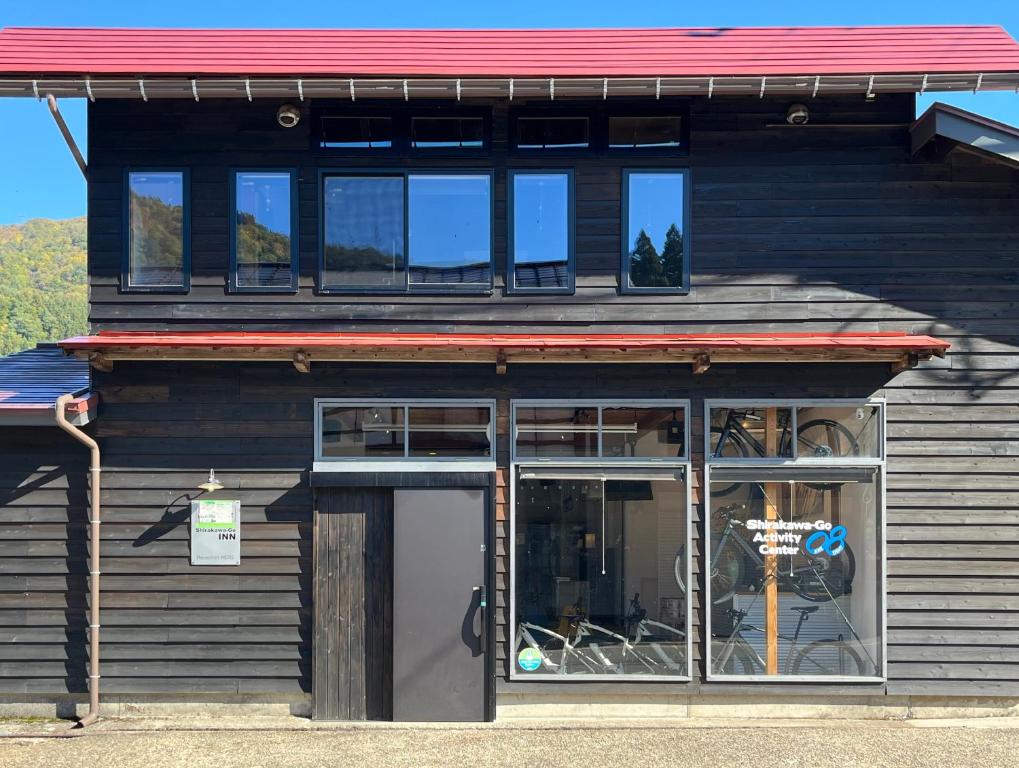
We’re stayed GuestHouse Shirakawa-Go INN so we can see the village after the day-trippers leave and the place finally exhales.
What To Do In Shirakawago
Shirakawa-go is the purest “rural Japan” postcard you can walk into. Tucked into the mountains of the Japanese Alps along the Shogawa River, this little village feels like someone hit pause two centuries ago—and then forgot to press play.
What makes it famous is the gassho-zukuri architecture: wooden homes with steep, thatched roofs designed to shrug off heavy winter snow. Gassho means hands in prayer—palms together, forming a triangle—exactly like those roofs. Since 1995, the village has been protected by UNESCO.
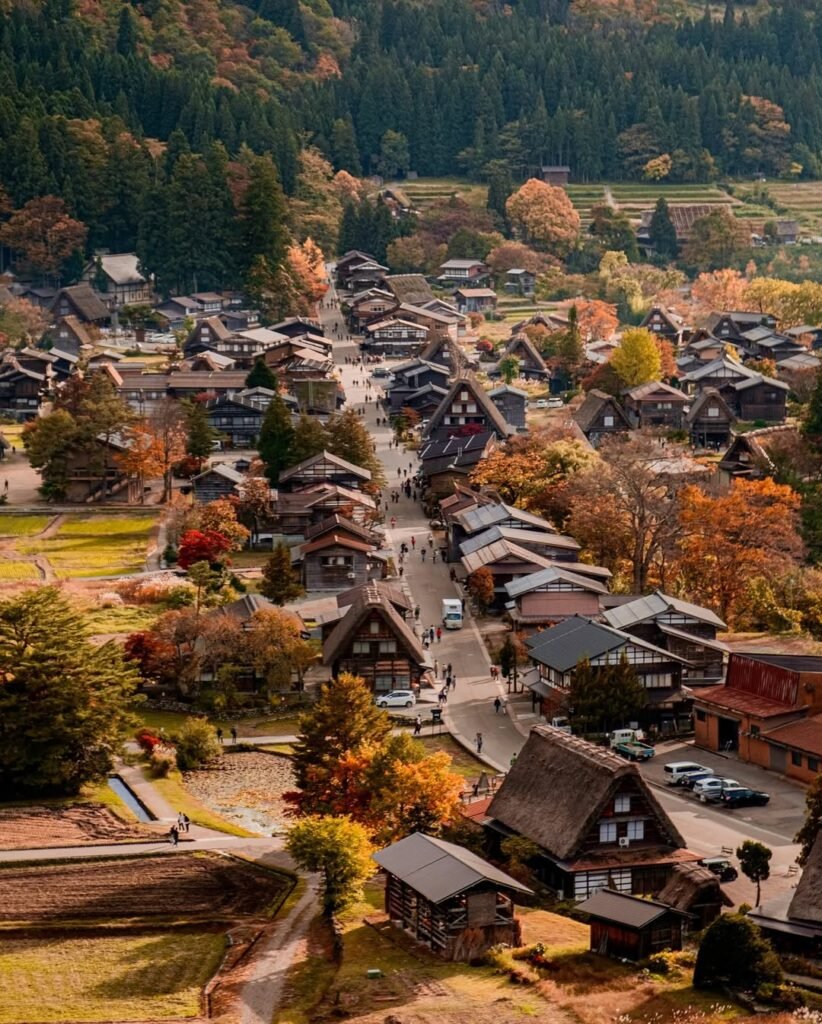
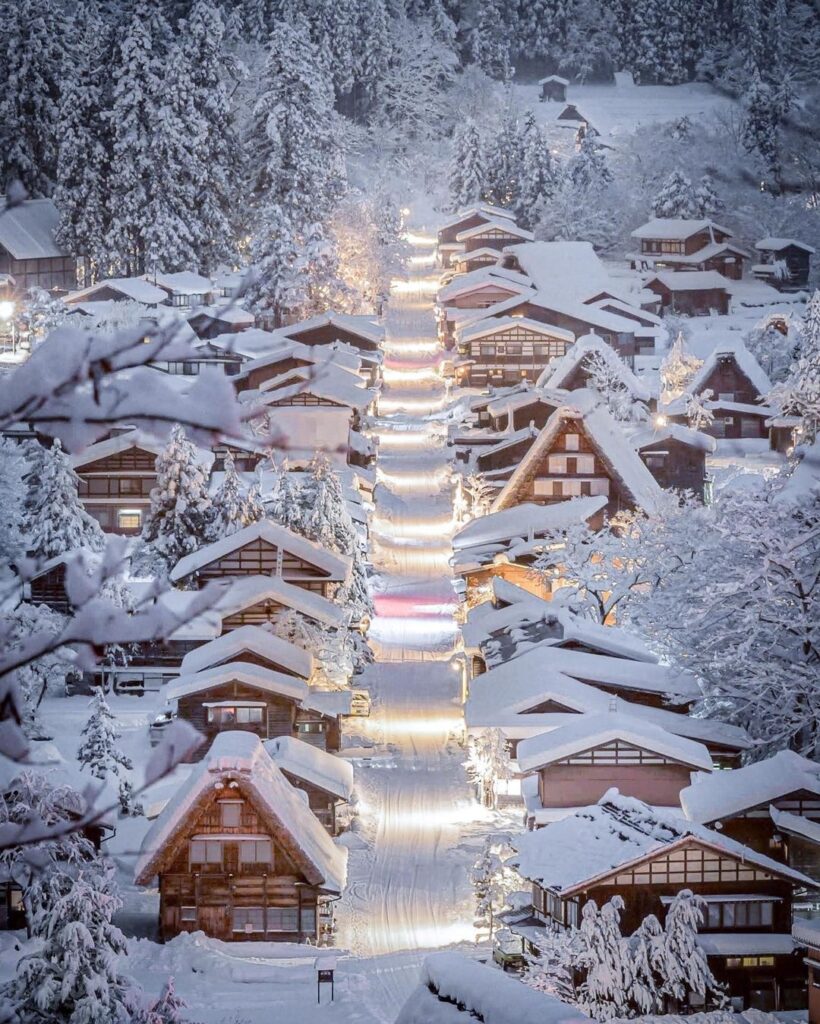
On our first Japan trip, we came in autumn and got completely charmed. But coming back in December? Different universe. Shirakawa-go under a full blanket of snow is straight-up storybook material—like we’re about to bump into a lantern, a fox spirit, and a very polite blizzard.
Here’s everything you’ll want to see in Shirakawago in one day:
The Observatory of the tower of Shiroyama Castle
First stop: the viewpoint. Always the viewpoint. From the bus station, it’s a 10–15 minute uphill walk to the observatory with the best panoramic view in town. From up here, Shirakawa-go looks like a tiny model village—perfect little rooftops, neat lanes, the river curling around it all. Gorgeous in any season, unfairly pretty in snow.

If we’re low on energy (or the path is closed because winter decided to be dramatic), we can take the shuttle bus from the terminal. It runs every 20 minutes from 9:00 AM to 3:40 PM, and you pay directly on board.
Most significant houses in Shirakawago
Honestly, just wandering Shirakawa-go’s narrow lanes is the whole point—those famous rooftops pop up everywhere. Some homes are open to visitors because they’ve become museums, shops, or restaurants. If you want to go inside a few, these are the heavy-hitters:
Wada House
This one is the largest of the bunch and used to belong to one of the wealthiest village families. Inside, we get a peek at old rural life—tools, objects, and the everyday details that make history feel real instead of dusty.
Kanda House
Kanda House is probably the most popular with visitors, and for good reason: the upper windows give you a great view, and the house is preserved with furnishings and equipment that really show how people lived.
This is the one we visited last time, and it’s genuinely fascinating—especially if you’re curious about the practical stuff: how the spaces were used, how they stayed warm, what “home” looked like when winter was the boss.
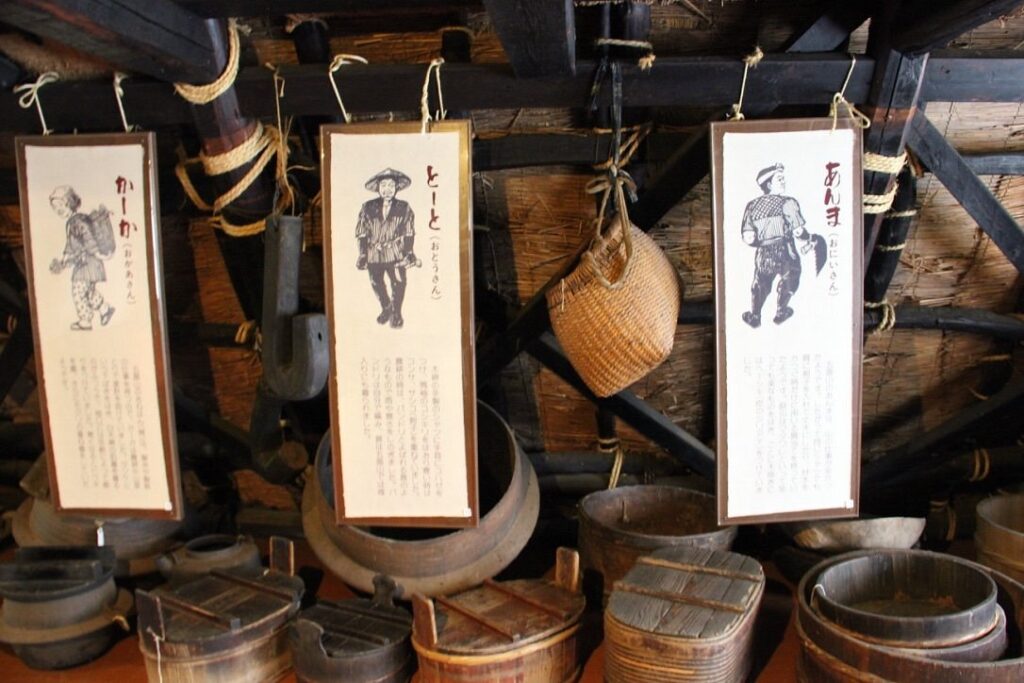
Nagase House
Once owned by doctors connected to the Maeda family, this house keeps antique medical items—an unexpected little window into what “healthcare” looked like back in the day.
Museum of Silk Culture at Tajima House
Here’s a detail we love: those thatched roofs don’t last forever. They need replacing every 30–40 years, and it’s not unusual to see people actually working on them. We saw it with our own eyes—craftsmanship in real time, not behind glass.

If you want to go deeper, there’s the Gassho-Zukuri Minkaen open-air museum, with relocated historic houses and farm buildings in an ethnographic-style layout. But honestly? With the real village all around us, we skipped it and put that time into wandering.
The three houses of Shirakawago
These three little houses—way over on the opposite end from the bus station—are basically the village’s celebrity shot. It’s the iconic Shirakawa-go photo you’ve seen all over social media, and yes, it’s worth the detour.

One quirky thing: there isn’t a single trash can in the village. Japan is already serious about carrying your own waste, but Shirakawa-go takes it to a whole new level. Signs remind you (politely but firmly) to take your trash back with you. So yes—pack a tiny bag and act like the responsible traveler you are.
Religious buildings of the village
Japan loves a good spiritual remix, and Shirakawa-go is no exception: Shinto and Buddhism living side by side like old friends.
Don’t miss the Shirakawa Hachiman Shinto Shrine (it shows up in the anime Higurashi no Naku koro ni) and the Myozenji Buddhist Temple, which has a bell tower in gassho style and includes a small museum.

Deai Suspension Bridge
For a quick hit of fun, we cross the Deai Suspension Bridge over the Shogawa River. The views are gorgeous, and the gentle sway makes it just thrilling enough to feel like we’re doing something adventurous… without actually doing anything difficult. Perfect travel math.

Where to eat in Shirakawago
After poking around centuries-old houses, the obvious next step is eating inside one. (Because why not commit fully to the vibe?) Here are a couple of places to eat in Shirakawa-go that we’ve tried and actually loved:
Ochudo Café
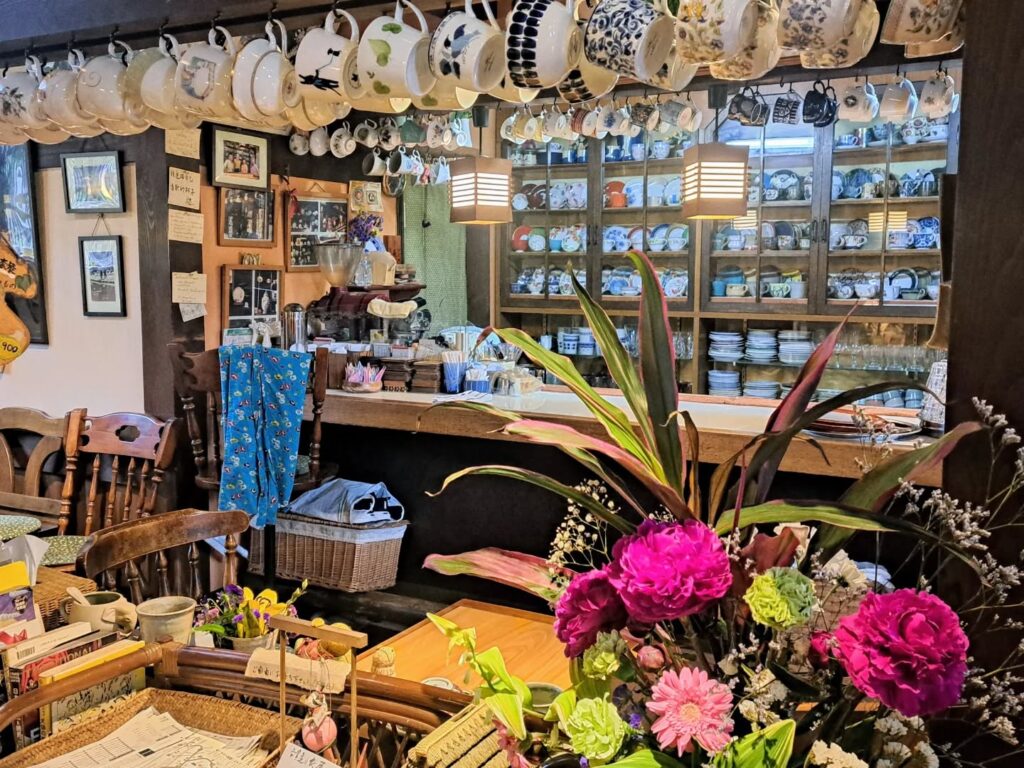
Hidden inside one of the prettiest wooden houses in the village, Ochudo Café is run by a sweet older couple who basically radiate warmth—like the human version of a cozy winter scarf.
The menu is simple (and that’s part of the charm): vegetable curry with rice (limited portions per day), toast with butter made from an amazing Japanese brioche-style bread, and sweet bean soup with dangos. We tried all three and everything was genuinely delicious.
Bonus: they’ll show you their mug collection so you can pick your favorite cup for coffee. It opens at 11:00, and yes—arrive early unless you enjoy watching other people eat while you wait.
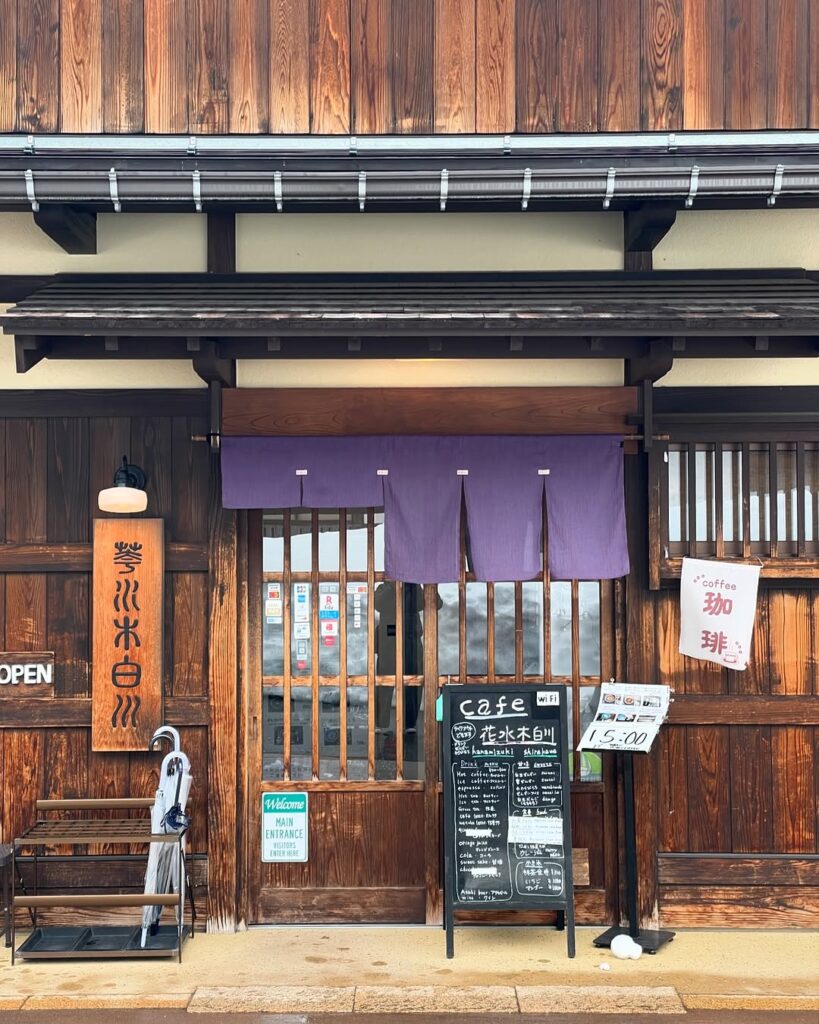
Hanamizuki Shirakawa
Hanamizuki is the “eat with a view” option—wonderful scenery and a reputation for great udon. The first time we came, we kept missing it, so on the last trip we made it our mission: this was where we ate in Shirakawago, and it did not disappoint.
We ordered the mushroom udon and it was exactly what you want after walking around in mountain air—comforting, satisfying, and weirdly perfect with a matcha latte. They also do takeaway if you want to keep moving.
And that’s your one-day Shirakawa-go hit list. After this, we took the bus back to Takayama and spent a rainy but soothing night in town. On our last visit we continued on to Osaka to squeeze every last drop out of the itinerary.
- What To Do In Arashiyama With Kids: A Realistic One-Day Family Itinerary
- 20 Best Things to Do in Shiga (2026): Lake Biwa, Castles, Shrines and More
- 30 Best Things to Do in Wakayama And Around (2026): Castles, Sacred Trails, Beaches, Hot Springs & Mildly Dramatic Rock Formations

- What to Do in Enoshima (2026): Best Sights, Sunset Views & Hidden Gems

- Best Things to Do in Gunma (2026): Hot Springs, Mountains, Flower Parks & Wild Little Detours