
I spill travel tips , and show you the Japan that tourists usually miss.
On our two-week Japan trip, we had one very specific goal: squeeze the Japan Alps itinerary greatest hits into a little over two days.
And honestly? If you’re building a Japan route and you can spare even a few days, this region northeast of Tokyo is non-negotiable. In this post, we’ll walk you through what to see in Kanazawa and Takayama (the two headline cities), how to reach Shirakawa-go (yes, the UNESCO-famous village that looks like it was designed by a fantasy novelist), and what else you should add .
We went in November, right in the middle of momiji season—the Japanese word for that fiery autumn leaf change that makes everything look like it’s been edited with a very expensive filter (but it’s real, and it’s spectacular). It’s hands-down one of the best times to visit the Japanese Alps: crisp air, ridiculous scenery, and the kind of views that make you stop mid-sentence.
That said, the Japanese Alps don’t really do “bad seasons.” Winter turns the whole region into a snow globe. Spring shows off with blossoms and fresh color. Summer goes full green-and-lush, like the mountains decided to become a screensaver. Basically: whenever you go, the Alps will show up and do the most.
Table of Contents
Where are the Japanese Alps?
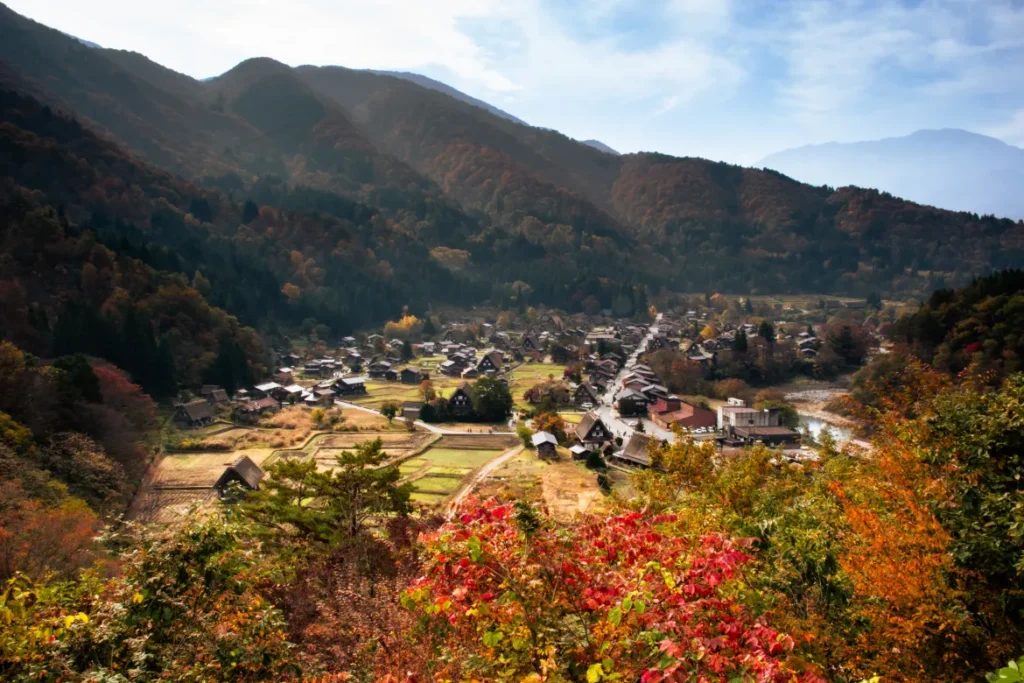
Picture this: we’re staring out of a train window, the cities thin out, the air looks sharper, and suddenly Japan decides to flex. That’s the Japanese Alps—Japan’s big mountain backbone on Honshu (the main island), made up of three headline ranges: Hida, Kiso, and Akaishi.
Most people approach them from Tokyo or Kyoto/Osaka (because, obviously). We did the lazy-smart thing: we based ourselves in Kanazawa, checked into Hotel Forza Kanazawa, and used it as our “launch pad” for day trips. You get city comfort, great food, and you’re close enough to the mountains to feel smug about your planning.
| Tiny nerdy-but-fun fact: the label “Japanese Alps” was popularized by archaeologist William Gowland, who basically looked at the peaks and went, “Yep. This is giving Europe.” |
How to get around the Japanese Alps (choose your own adventure)
1) By rental car (our pick, and yes, we’d do it again)
If you want freedom—the “we’ll stop for that random roadside shrine / viewpoint / snack stand because we can” kind—rent a car.
Here’s the key: because it’s mountainous, the shinkansen mostly gets you to the gateway cities (like Nagano and Kanazawa), but the good stuff—tiny villages, valleys, viewpoints—starts once you’re on local roads.
Why it works so well:
- Roads are excellent (Japan doesn’t do pothole roulette).
- The scenery is ridiculous—the kind you’ll keep photographing until your phone begs for mercy.
- Drivers are polite, and it’s all well signposted in English.
- If you rent an automatic, driving on the left becomes “mildly weird” rather than “why are we like this?”
We went with Nissan Rent-A-Car, picked up and returned near Kanazawa Station, and it was smooth. (Bonus: Kanazawa tends to have more rental availability than smaller hubs.)
ALSO READ THIS POST : Renting a car in Japan as a tourist: full guide
2) By bus (totally doable, but plan like a grown-up)
No car? No problem—just know the Japanese Alps are stitched together by local buses and trains, not constant “every 5 minutes” urban service. Google Maps is your best friend here: plug in point A and B, and it’ll show your options.
The reality check:
- Buses can be limited, and in peak seasons they fill fast.
- If you hate uncertainty, book ahead.
If you’re staying several days, the Takayama–Hokuriku Area Tourist Pass is often the move: it bundles trains + buses and can cover travel between Osaka/Kyoto ↔ Kanazawa ↔ Takayama over five consecutive days. It’s basically your “don’t-make-me-do-math” ticket.
| JR Pass reality (post–price hike honesty) You’ll still see blogs chirping about “travel Japan for free with the JR Pass.” Cute. Since the big price increase in October 2023, it’s no longer an automatic bargain—you have to run your route and see if it actually saves money. Our practical take: For a 2–3 week Japan trip, the JR Pass often only makes sense if you’re doing a dense, expensive shinkansen-heavy route. Otherwise, you’re frequently better off with individual tickets and/or regional passes (like the Takayama–Hokuriku pass for this area). You can check fares easily with Google Maps (and buy ahead when you want guaranteed seats). |
Japan Alps Itinerary: Japanese Alps in 2 days (Kanazawa base)
Day 0: Arrive in Kanazawa
For this route, we want to land in Kanazawa or Takayama. We chose Kanazawa because it’s better connected, and if you’re renting a car, it often has more options.
Two easy ways to get here:
- Bullet train from Tokyo / Kyoto / Osaka (check routes in Google Maps; reserve if you want a guaranteed seat).
- Fly from Tokyo Haneda to Komatsu (Kanazawa’s airport access) and then transfer into the city—useful if train times don’t match your schedule.
Day 1: Kanazawa in one full day (the “quietly amazing” city)
Kanazawa is what happens when Japan gives you history, gardens, and food… without Tokyo-level chaos. If you want a guide, a local walking tour can make the day effortless—but you can also do it DIY in this order:
Kanazawa Castle
Founded in 1583 by the Maeda clan, it’s a reconstruction today, but still absolutely worth wandering through for gates, moats, and “we are definitely in samurai territory” vibes.
How we enter: via Nezumita Gate, so we hit the Gyokusen’inmaru Gardens first.
How we exit: via Ishikawa Gate to flow straight into the next stop.
Kenroku-en Garden
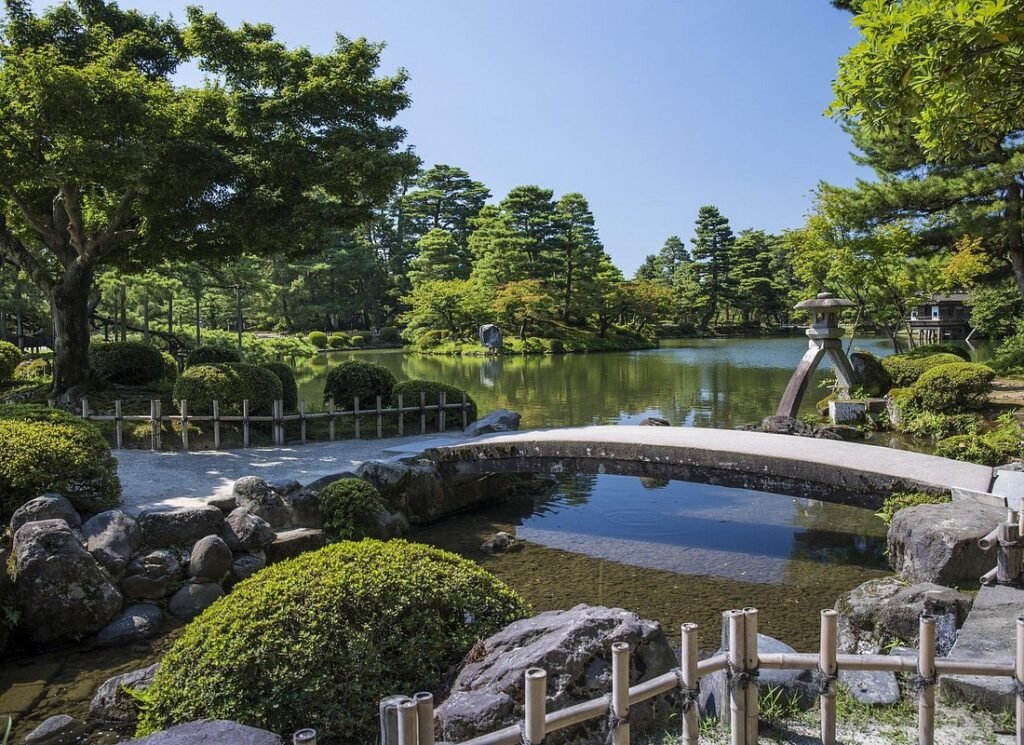
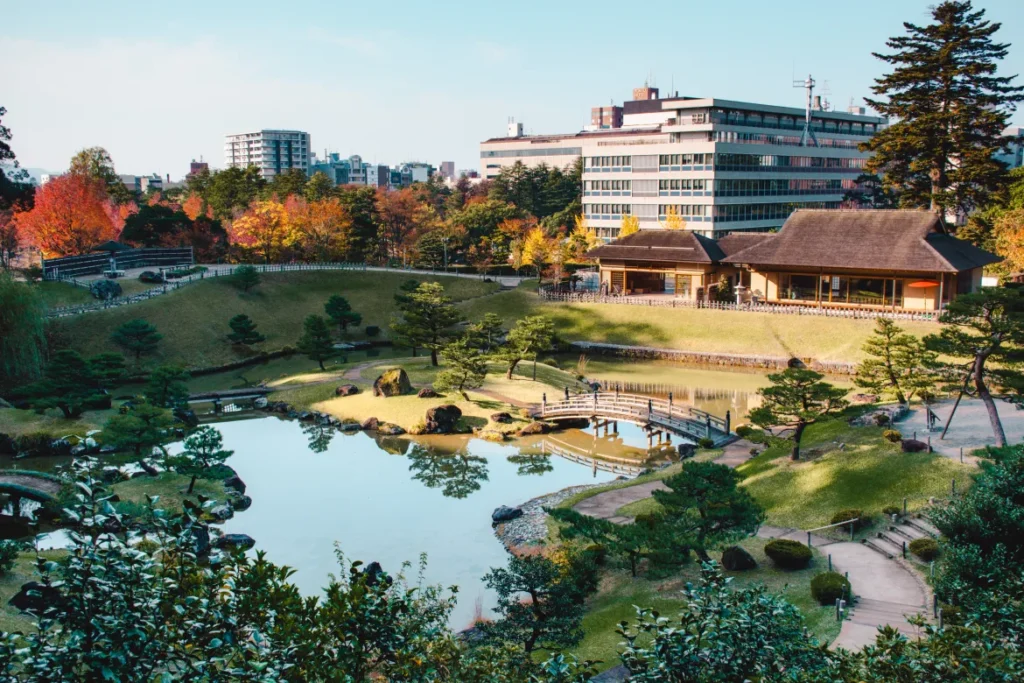
One of Japan’s most celebrated gardens—and honestly, it earns the hype. Built up during the Edo period (1603–1868), it’s all ponds, bridges, lanterns, and perfectly shaped pines held up with that iconic rope system.
Don’t miss:
- Kasumiga Pond
- Niji Bridge
- Kotoji Stone Lantern
- The little teahouse moment (matcha + snack = instant morale boost)
Nagamachi Samurai District
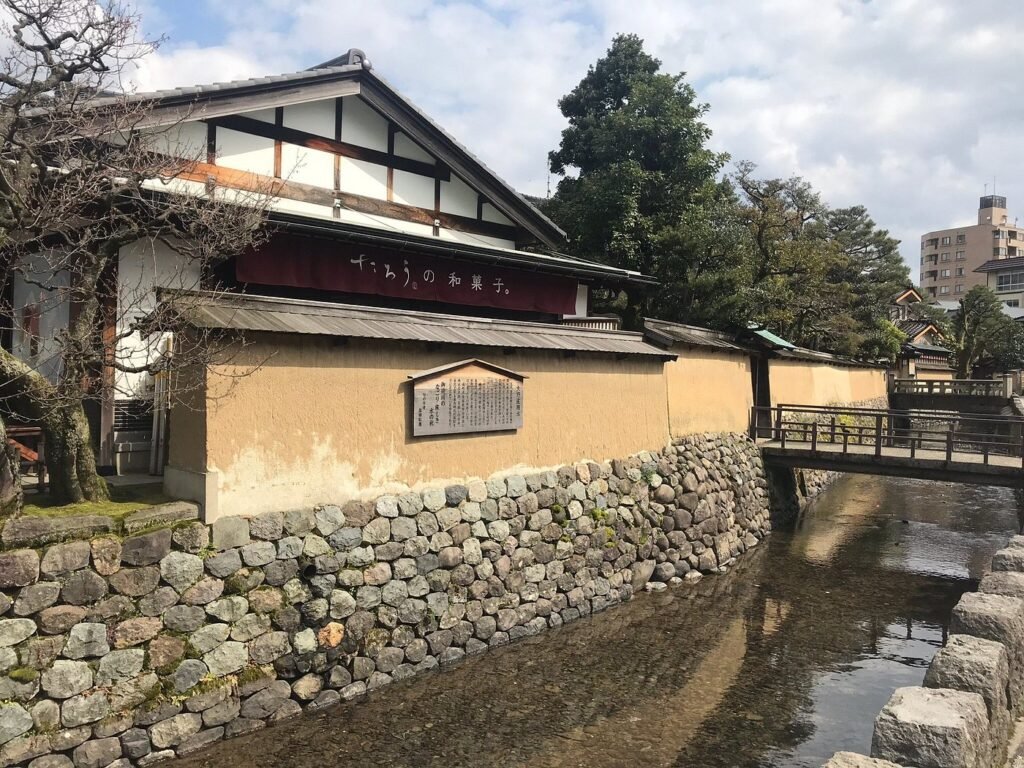
From Kenroku-en, we stroll into Nagamachi—quiet lanes, wooden houses, and the feeling that you should be walking more softly (for drama).
Nomura House Museum is the star here: an actual samurai residence with a beautiful garden and that “wait, people lived like this?” energy.
Myoryuji (Ninja Temple)
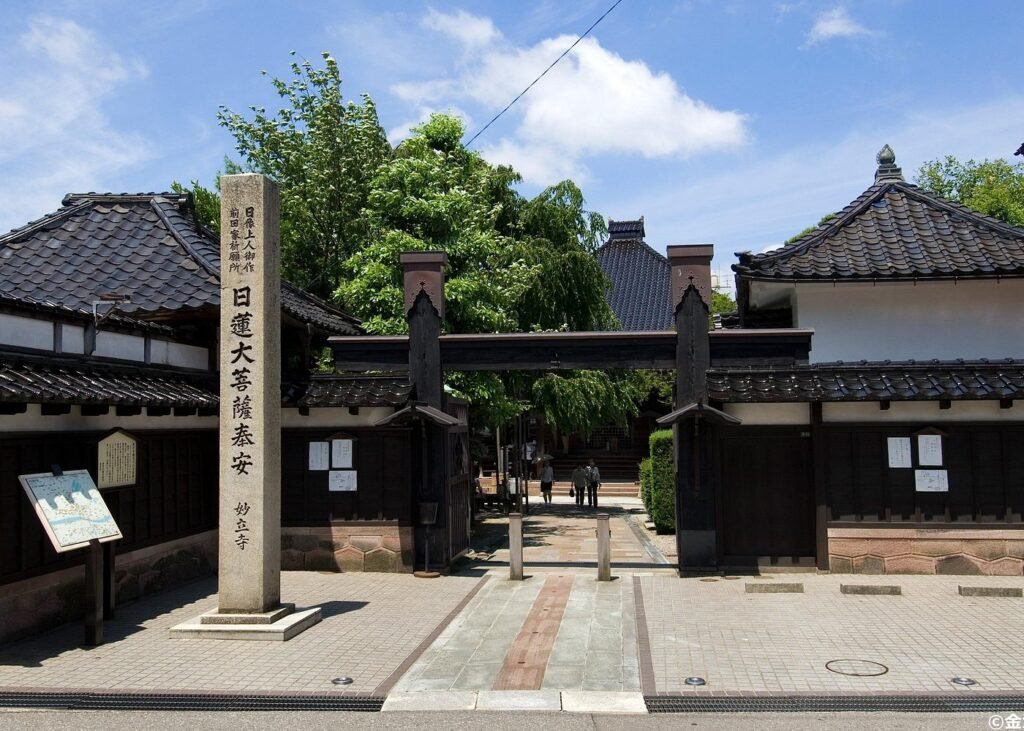
You’ll need a guided tour (book via your hotel or on site). It’s packed with hidden features, traps, and surprises—basically the temple equivalent of a very clever escape room.
Omicho Market (because we’re hungry)
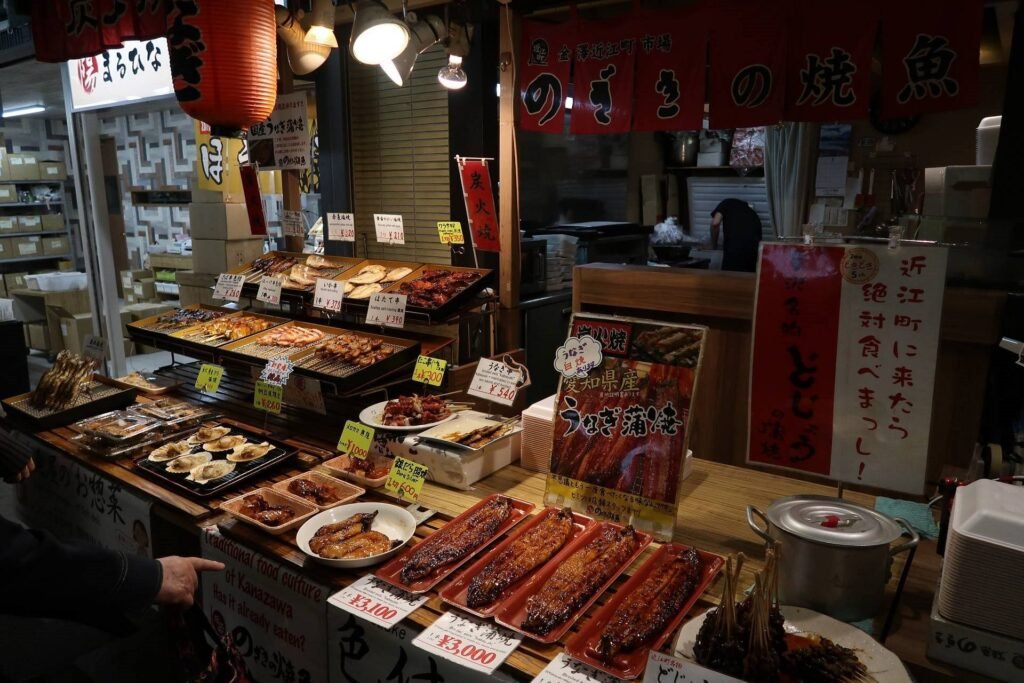
When your stomach starts making decisions for you, head to Omicho Market. This is where you go for:
- Very fresh sushi
- Hida beef (regional flex)
- And yes, gold leaf food (Kanazawa is famous for it, so we’re allowed to be extra)
Higashi & Kazuemachi Geisha Districts
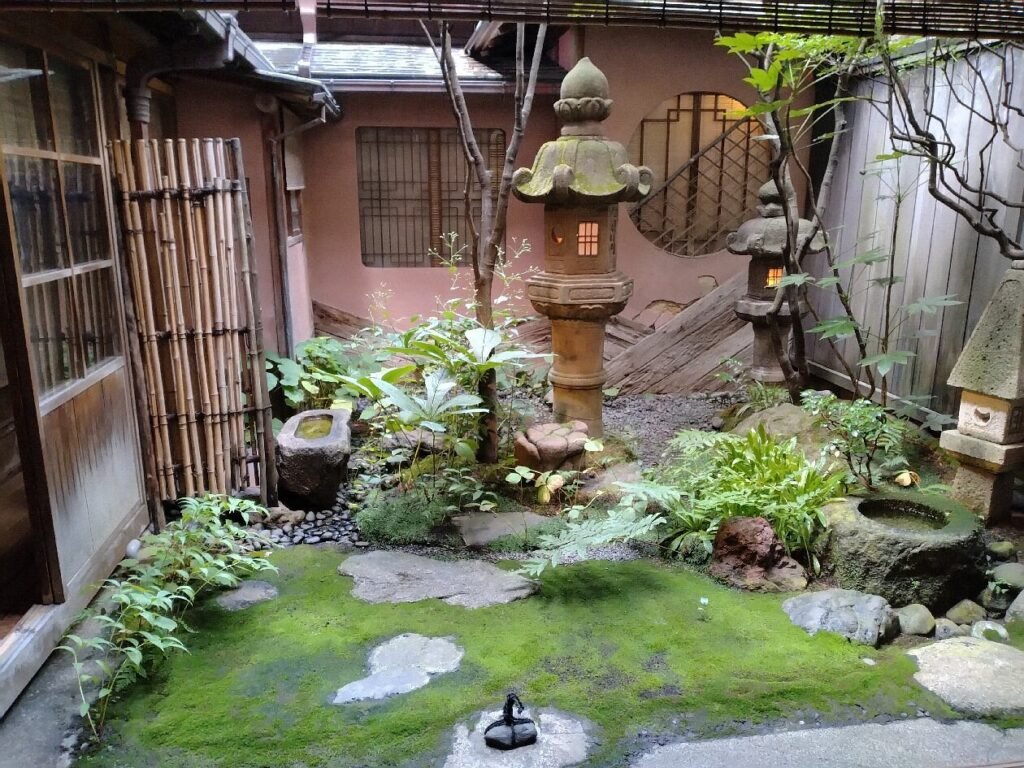
Finish the day wandering through two postcard-perfect neighborhoods where geisha culture still lives on in the evenings. We’re not trying to “do” every attraction here—just wandering, snack-shopping, and soaking up the atmosphere.
If you want a very pretty stop: Shima Geisha House offers matcha with a sweet + the chance to peek into a beautifully preserved space.
Day 2: Shirakawago + Gokayama + Takayama (mountain-core day)
We pick up our rental car near Kanazawa Station and go full fairytale.
Shirakawago
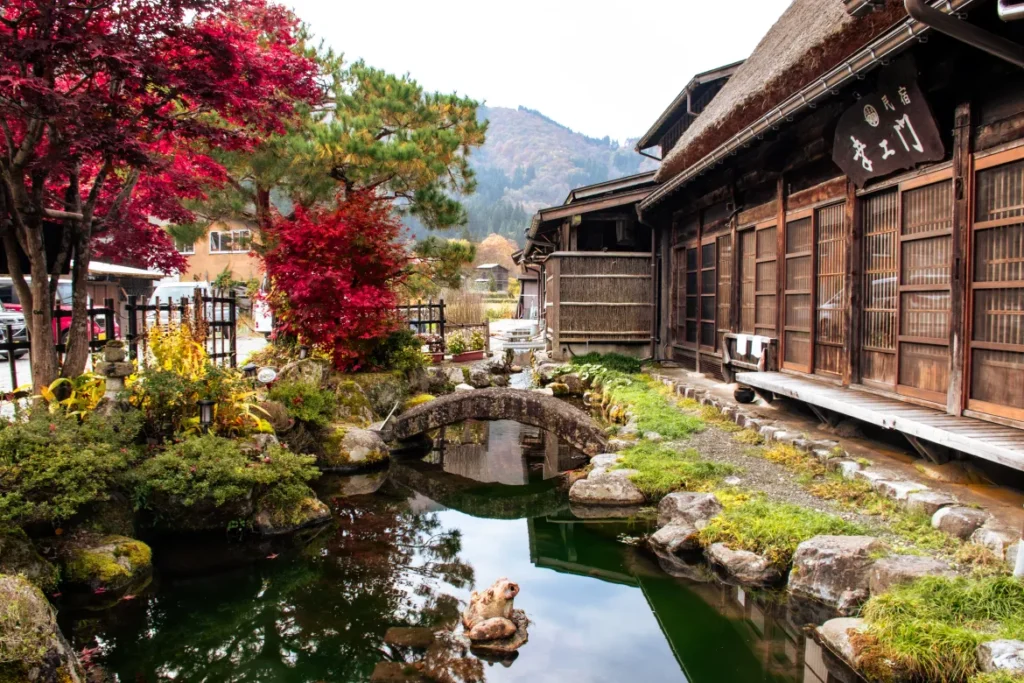
A valley village that looks like it was designed for a film set, but it’s real—and it’s a UNESCO World Heritage Site (since 1995).
Rule #1: arrive early, before the buses land.
First stop: Ogimachi Castle Viewpoint (no actual castle, just a killer panoramic). There’s parking right there, and if you’re coming by public transport, you can shuttle or walk up.
Then we head into Ogimachi, the main village area, park in the public lots, and wander through the iconic gassho-zukuri farmhouses—those steep thatched roofs built to handle heavy winter snow.
Best little add-ons:
- Wada House or Nagase House museums (for the silkworm + attic history)
- Shirakawa Hachimangu Shrine (especially gorgeous in autumn)
Gokayama
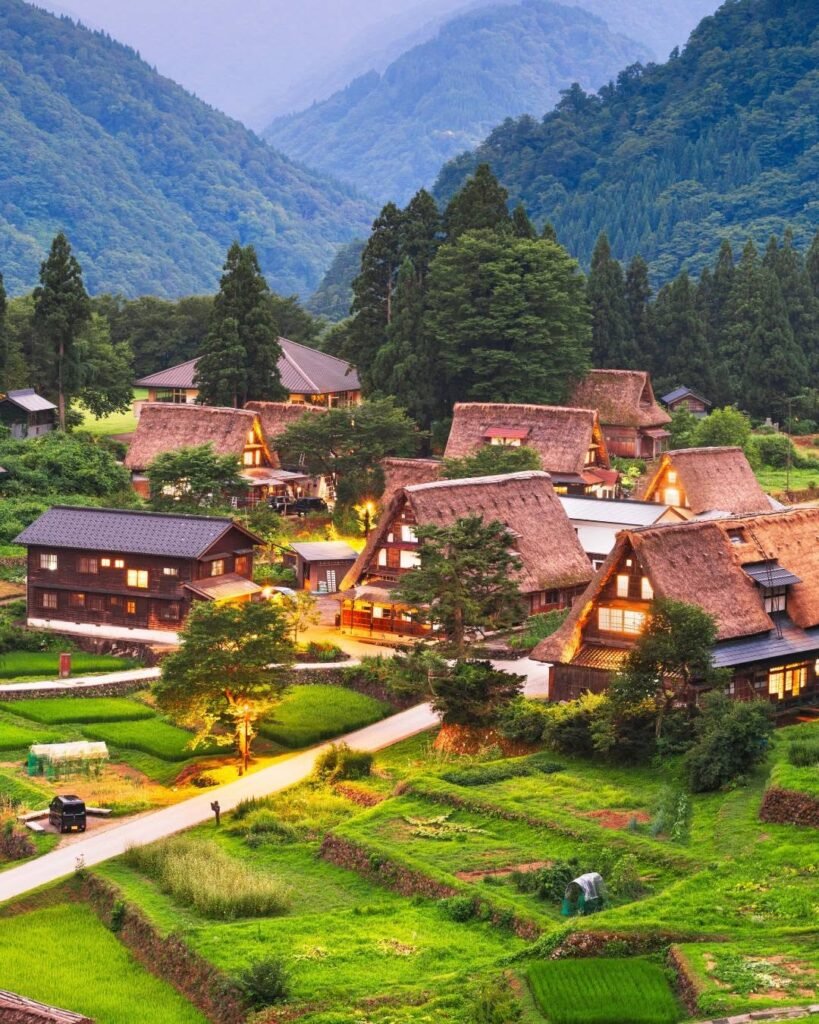
Think “Shirakawago’s calmer sibling” with way fewer tourists. It’s part of the same UNESCO listing and sits about 10 km away.
The name literally hints at the setting—“between five valleys”—and the village has a fascinating link to gunpowder production. The Murakami House adds context if you’re into the history.
Takayama
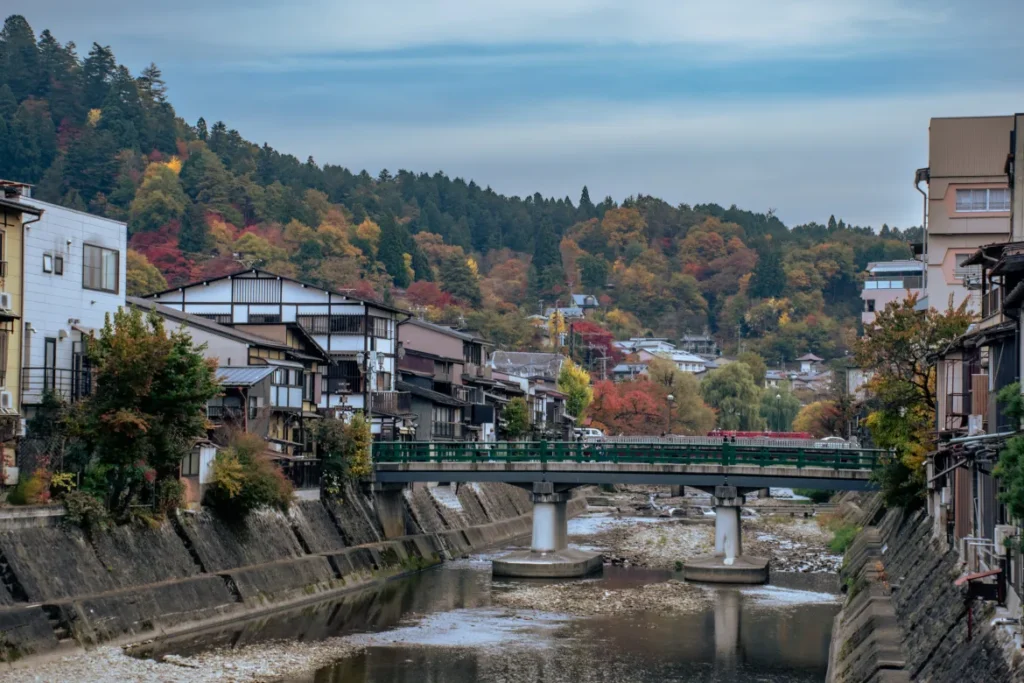
We start with the Hida no Sato Open Air Museum—traditional houses brought in from around the region, arranged to show how people lived. In autumn, it’s a full-color show.
Then we head into Takayama’s old town:
- Sanmachi Suji (Ichinomachi, Ninomachi, Sannomachi streets)
- Hida beef spots, craft shops, and sake breweries everywhere
- Cross Nakabashi Bridge for river + mountain views
- If time allows: Hida Kokubun-ji (famous pagoda) and Sakurayama Hachimangu Shrine
If you’re skipping the car: easiest day tours
If you want the “we see everything, no logistics headaches” option, these are the classic picks:
- Shirakawago + Gokayama bus tour from Kanazawa- Check here
- Guided Takayama walking tour- Check here
- Full-day Shirakawago + Takayama bus trip from Kanazawa- Check here
(You’ll lose some flexibility, but gain calm. Fair trade.)
Where to stay (simple, not overwhelming)
In Kanazawa: Hotel Forza Kanazawa
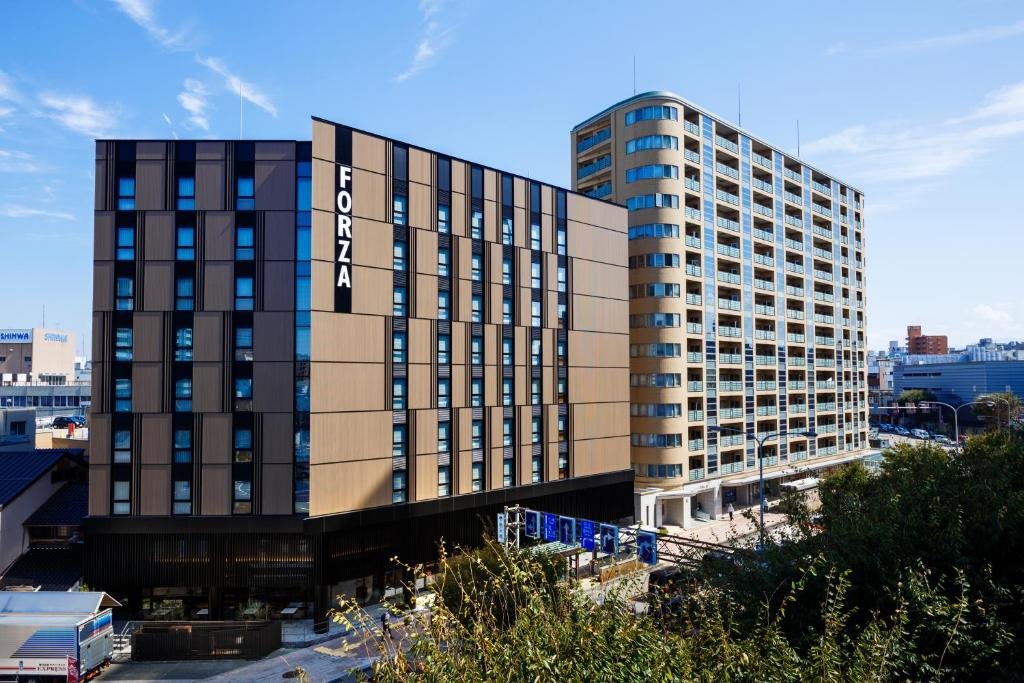
Modern, comfortable, close to Kanazawa Station and Omicho Market, with spacious clean rooms and a breakfast that makes you feel like you’re winning at travel.
In Takayama: Wat Hotel & Spa Hida Takayama
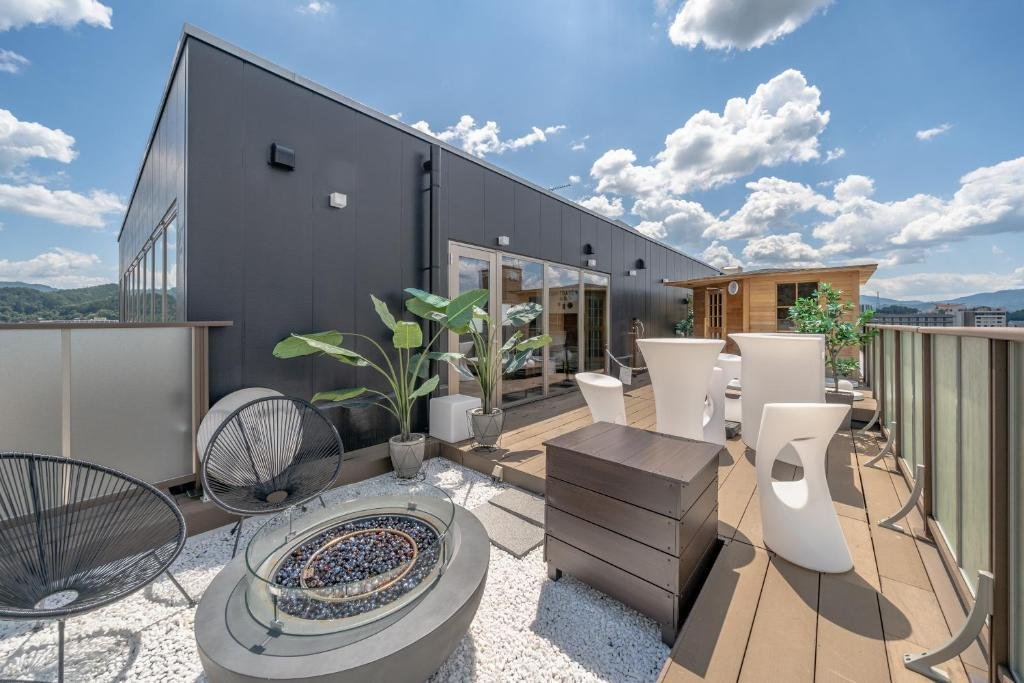
Modern, well kept, walkable to the station, and the big sell: an open-air onsen with mountain views. Rooms can be a bit compact, but you get everything you need (and the breakfast spread is solid).
If you have 3+ days (aka: reasons to come back)
If you can stretch the trip, these are the “next time we’re absolutely doing this” additions:
- Unazuki Onsen: hot-spring town + gateway to the Kurobe Gorge Railway route.
- Hirayu Onsen: hot springs + waterfalls + easy nature walks.
- Magome → Tsumago (Nakasendo Trail): classic Edo-era post towns with an 8 km hike through the Kiso Valley.
- Matsumoto: one of Japan’s most famous castles, plus a great small-city vibe.
- Yudanaka / Shibu Onsen + Jigokudani Monkey Park: the snow-monkey hot spring scenes you’ve seen a thousand times—this is where they happen.
And that’s our Japanese Alps game plan: Kanazawa as the comfy base, one day city-and-gardens, one day villages-and-mountains, and a strong chance you’ll start plotting your return before you even leave.
READ ALSO:
- Nagoya rainy day with kids in 2026 (Cool Indoor Things to Do )
- Best Gachapon in Tokyo (2026): 20 Places to Find Capsule Toys
- All Japanese KitKat Flavours List: The Ultimate Japan KitKat Guide
- Sapporo rainy day with kids (2026): 7 Cool Indoor Things to Do
- What To Do In Arashiyama With Kids: A Realistic One-Day Family Itinerary