I spill travel tips , and show you the Japan that tourists usually miss.
First time on Japan’s Shinkansen train? Here’s how to book tickets, choose seats, handle luggage, ride with kids, and nail etiquette—fast, easy, on time.
Table of Contents
What Is the Shinkansen?
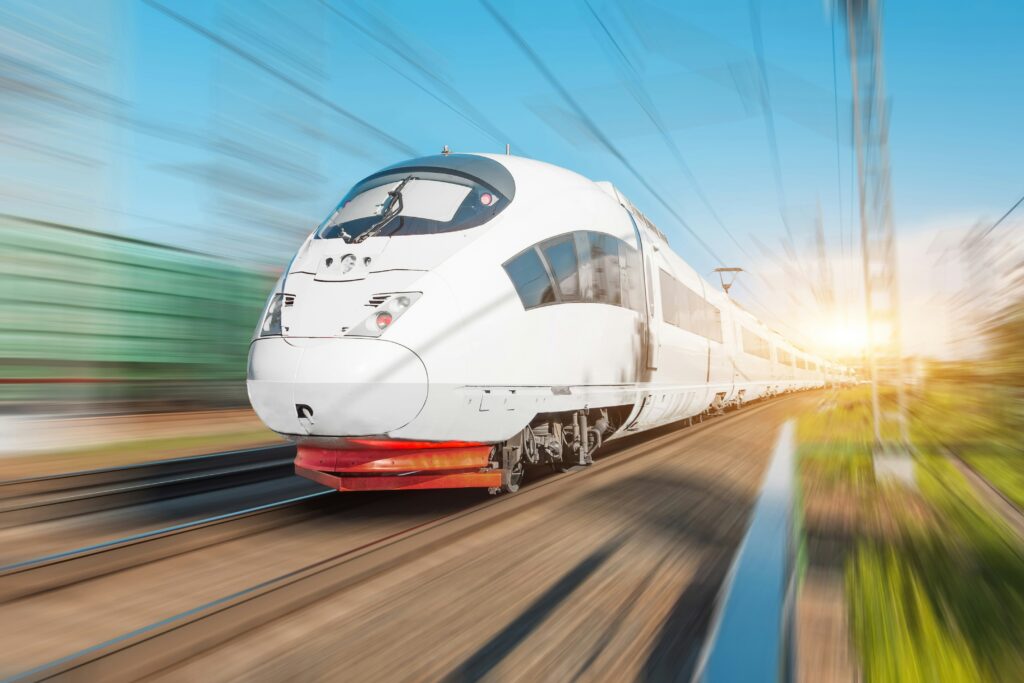
The Shinkansen is Japan’s high-speed railway network: sleek trains, dedicated tracks, remarkably smooth journeys, and departures so punctual that a three-minute delay can feel faintly rebellious. The first Shinkansen began operating between Tokyo and Osaka in 1964. Today, the network connects major cities across Honshu, Kyushu, and Hokkaido, making it one of the easiest ways to travel around Japan without losing half a day to airports and transfers.
Most first-time visitors use the Shinkansen for the classic Tokyo–Kyoto–Osaka route. However, the network reaches much further: Hiroshima, Fukuoka, Kagoshima, Kanazawa, Nagasaki, Sendai, Aomori, Niigata, and Hokkaido are all part of the bigger railway picture.
Here are a few useful facts about the Tōkaidō Shinkansen, the busy line linking Tokyo, Kyoto, and Shin-Osaka:
- The fastest journey from Tokyo to Shin-Osaka takes around 2 hours and 21 minutes.
- The maximum operating speed on the Tōkaidō route is 285 km/h.
- JR Central reported an average delay of just 1.4 minutes per train in FY2024, including delays caused by natural disasters.
- The Tōkaidō Shinkansen carries around 460,000 passengers per day.
- JR Central reports no accidents causing fatalities or injuries to onboard passengers since operations began.
The Most Important Shinkansen Routes at a Glance
The Shinkansen network is more extensive than it first appears. We tend to hear most about Tokyo, Kyoto, and Osaka, but the trains also open up less obvious itineraries: winter trips to northern Japan, seafood weekends in Kanazawa, castle stops in Himeji, and quick escapes to the mountains around Nagano.
This quick overview helps you work out which booking platform and rail pass are actually relevant to your trip.
| Route | Main stops | Best for | Useful booking starting point |
|---|---|---|---|
| Tōkaidō Shinkansen | Tokyo, Nagoya, Kyoto, Shin-Osaka | First-time Japan itineraries | SmartEX |
| Sanyō Shinkansen | Shin-Osaka, Himeji, Hiroshima, Hakata | Adding Hiroshima or Fukuoka | SmartEX |
| Kyushu Shinkansen | Hakata, Kumamoto, Kagoshima-Chūō | Exploring southern Kyushu | SmartEX or JR Kyushu |
| Nishi-Kyushu Shinkansen | Takeo-Onsen, Nagasaki | Nagasaki trips from Fukuoka | JR Kyushu |
| Tōhoku and Hokkaidō Shinkansen | Tokyo, Sendai, Shin-Aomori, Shin-Hakodate-Hokuto | Northern Japan and Hokkaido | JR-EAST Train Reservation |
| Hokuriku Shinkansen | Tokyo, Nagano, Kanazawa, Tsuruga | Kanazawa and the Hokuriku region | JR-EAST Train Reservation |
| Jōetsu Shinkansen | Tokyo, Echigo-Yuzawa, Niigata | Snow trips and Niigata | JR-EAST Train Reservation |
Tōkaidō Shinkansen: Tokyo – Kyoto – Shin-Osaka
This is the route most visitors use first. It connects Tokyo with Nagoya, Kyoto, and Shin-Osaka, with frequent departures throughout the day. The fastest Nozomi trains are ideal when we want to spend more time exploring and less time staring at an airport departure board.
Best for: A first Japan itinerary combining Tokyo, Kyoto, and Osaka.
Sanyō Shinkansen: Shin-Osaka – Hiroshima – Hakata/Fukuoka
The Sanyō Shinkansen continues west from Shin-Osaka toward Himeji, Hiroshima, and Hakata Station in Fukuoka. Himeji is an easy stop for its spectacular white castle, while Hiroshima works well as either a day trip or an overnight stay.
Best for: Travelers extending a Kyoto or Osaka trip to Himeji, Hiroshima, or Fukuoka.
Kyushu Shinkansen: Hakata – Kumamoto – Kagoshima-Chūō
The Kyushu Shinkansen runs south from Hakata through Kumamoto to Kagoshima-Chūō. It is a useful route when we want a more regional Japan itinerary after the big-name cities—or when another Tokyo souvenir shop might finally push our luggage allowance beyond the point of reason.
Best for: Travelers exploring Kyushu’s food, hot springs, volcanoes, and smaller cities.
Nishi-Kyushu Shinkansen: Takeo-Onsen – Nagasaki
The newer Nishi-Kyushu Shinkansen serves Nagasaki. When traveling from Hakata, you take the Relay Kamome limited express and transfer at Takeo-Onsen for the Shinkansen section to Nagasaki.
Best for: Adding Nagasaki to a Kyushu itinerary without renting a car.
Tōhoku Shinkansen: Tokyo – Sendai – Shin-Aomori
The Tōhoku Shinkansen heads north from Tokyo toward Sendai and Shin-Aomori. Fast Hayabusa trains make northern Japan surprisingly accessible, even when the map suggests we may be embarking on an expedition.
Best for: Sendai city breaks, seasonal scenery, and longer trips into northern Japan.
Hokkaidō Shinkansen: Shin-Aomori – Shin-Hakodate-Hokuto
The Hokkaidō Shinkansen continues north through the Seikan Tunnel beneath the sea to Shin-Hakodate-Hokuto. From there, local connections take you onward toward Hakodate and other destinations in Hokkaido.
Best for: Travelers turning a northern-Japan itinerary into a slower Hokkaido adventure.
Hokuriku Shinkansen: Tokyo – Kanazawa – Tsuruga
The Hokuriku Shinkansen connects Tokyo with Nagano, Toyama, Kanazawa, and Tsuruga. The route was extended from Kanazawa to Tsuruga in 2024, making it more useful for travelers exploring the Hokuriku region before continuing toward Kyoto or Osaka.
Best for: Kanazawa, Nagano, and a more scenic alternative to repeating the standard Tokyo–Kyoto itinerary.
Jōetsu, Akita, and Yamagata Shinkansen Routes
Several additional routes make regional trips much easier. The Jōetsu Shinkansen heads from Tokyo toward Niigata, while the Akita and Yamagata Shinkansen routes connect Tokyo with destinations further north. These routes are especially useful for winter travel, hot-spring breaks, and ski trips.
Best for: Repeat visitors looking beyond Tokyo, Kyoto, and Osaka.
Planning an early departure? Staying near Tokyo Station, Kyoto Station, Shin-Osaka Station, or Hakata Station can save a stressful cross-city journey with luggage before breakfast.
Buying Shinkansen Tickets: How It Works
Buying Shinkansen tickets is easier than the railway map initially suggests. You can buy them at the station or reserve them online before arriving in Japan. The best option depends on your route, whether you are traveling during a busy period, and whether you are carrying a suitcase large enough to deserve its own travel diary.
Buying Tickets at the Train Station
You can buy Shinkansen tickets at major JR stations after arriving in Japan. Look for reserved-seat ticket machines with an English-language option or visit a staffed ticket counter.
- Midori-no-Madoguchi: the staffed JR ticket office, often marked with a green sign.
- Reserved-seat ticket machines: usually available in English and useful when queues at the counter are long.
- Payment: cash and major credit cards are commonly accepted, depending on the machine or counter.
This works well when your itinerary is flexible. However, it is less convenient during Golden Week, Obon, New Year, or the busiest parts of cherry blossom season, when popular trains and adjacent seats can disappear quickly.
Booking Shinkansen Tickets Online
Online booking saves time at the station and makes it easier to choose a specific train, reserve seats together, and request luggage space in advance. The slightly awkward part is that different JR companies operate different areas of Japan, so there is no single official booking website for every Shinkansen route.
- SmartEX: use SmartEX for the Tōkaidō, Sanyō, and Kyushu Shinkansen corridors, including common routes such as Tokyo–Kyoto, Tokyo–Shin-Osaka, Osaka–Hiroshima, and Hiroshima–Fukuoka.
- JR-EAST Train Reservation: use JR-EAST Train Reservation for routes in eastern and northern Japan, including the Tōhoku, Jōetsu, and Hokuriku Shinkansen.
- JR Kyushu: check JR Kyushu booking options for regional Kyushu routes and passes.
SmartEX is particularly useful for the Golden Route. It allows us to reserve from outside Japan, select a preferred train and seat, choose an oversized-baggage seat when required, and board using a QR ticket or a linked IC card. Selected advance-booking fares are also available, although the cheapest options have limited availability and may exclude peak dates.
Book Golden Route trains on SmartEX
Best for: Travelers with fixed dates, families who want seats together, and anyone carrying oversized luggage.
Seat Reservations on the Shinkansen: Do You Really Need One?
Some Shinkansen services offer both reserved seats (shiteiseki, 指定席) and non-reserved seats (jiyūseki, 自由席). Reserved seats give you an assigned carriage and seat number. Non-reserved carriages operate on a first-come, first-served basis.
On a quiet weekday, a non-reserved seat can be perfectly reasonable. During school holidays, weekends, major events, Golden Week, Obon, or the year-end travel rush, it can become a gamble. You may spend a long journey standing—or discover that the members of your family have been scattered across the train like confetti.
Some services, particularly on routes operated by JR East and JR Hokkaido, require seat reservations. During designated 2026 peak travel periods, all seats on Nozomi trains on the Tōkaidō and Sanyō Shinkansen are also reserved.
Book a reserved seat if: you are traveling with children, carrying luggage, taking a longer journey, traveling during a popular holiday period, or simply prefer not to begin your Kyoto trip with a competitive sprint toward a non-reserved carriage.
When and Where Should You Reserve a Seat?
Standard reserved-seat sales usually open at 10:00 a.m. JST one month before departure. SmartEX also offers selected booking options earlier than this, including some reservations up to one year in advance. Early reservations are especially useful when your plans are fixed or you need several seats together.
- Reserve at a JR ticket office or reserved-seat vending machine after arriving in Japan.
- Use SmartEX for the Tōkaidō, Sanyō, and Kyushu corridors.
- Use JR-EAST Train Reservation for eastern and northern routes.
- Reserve early during major holiday periods and when traveling with children or oversized luggage.
Tip: For more practical family advice, read our guide to riding the Shinkansen with kids.
Shinkansen Classes: Which Seat Class Is Right for You?
Ordinary Class is comfortable enough for most journeys. Upgrading becomes more appealing on longer routes, during busy travel periods, or when we need a quiet carriage after several days of enthusiastic sightseeing.
Ordinary Class (普通車)
Ordinary Class is the standard and most affordable option. Seats are comfortable, legroom is generous compared with most airplanes, and the ride is smooth enough to eat an ekiben without launching rice across the carriage.
- Usually arranged in a 3+2 layout on the popular Tōkaidō route.
- Available as reserved or non-reserved seating on many services.
- Suitable for most travelers, including families.
Best for: Most visitors traveling between Tokyo, Kyoto, Osaka, and Hiroshima.
Green Car (グリーン車)
Green Car is the Shinkansen equivalent of first class. The seats are wider, the layout is often 2+2, and the atmosphere is generally quieter. It is not essential, but it can be a welcome upgrade on a longer journey.
- More personal space and generous legroom.
- Usually quieter than Ordinary Class.
- Reserved seating only.
Best for: Longer journeys, quieter travel, or a small splurge without going fully extravagant.
GranClass (グランクラス)
GranClass is the premium option on selected JR East, Hokuriku, and Hokkaidō services. Expect spacious 2+1 seating and a calmer atmosphere. Refreshments and light-meal service are included only on certain trains, so check the service details before booking rather than assuming every GranClass carriage comes with a miniature banquet.
- Limited availability on selected routes.
- Spacious seating with additional comfort.
- Service details vary by train.
Best for: Special-occasion journeys and travelers prioritizing comfort over price.
Shinkansen Prices and Example Connections
Shinkansen prices vary according to the route, train type, seat class, season, and whether you reserve in advance. Euro conversions also change constantly, so it is better to check a live booking platform than rely on a table that quietly becomes inaccurate six months later.
As a useful benchmark, a Tokyo–Shin-Osaka ticket is typically around ¥14,300 for a non-reserved Ordinary Class seat or around ¥14,900 for a regular-season reserved Ordinary Class seat. Other journeys should be checked live before booking.
| Route | Typical journey | Useful service | Why reserve ahead |
|---|---|---|---|
| Tokyo → Kyoto | Around 2 hours 10 minutes on a fast Nozomi service | SmartEX | Choose seats together and request an E-side window seat for a possible Mount Fuji view. |
| Tokyo → Shin-Osaka | Fastest journeys take around 2 hours 21 minutes | SmartEX | Popular route with limited adjacent seats during busy periods. |
| Shin-Osaka → Hiroshima | Easy direct extension west | SmartEX | Useful for day trips and short stays with fixed sightseeing plans. |
| Tokyo → Kanazawa or Tsuruga | Hokuriku Shinkansen route | JR-EAST Train Reservation | Some services require reservations and regional passes may be better value. |
| Tokyo → Sendai or Shin-Aomori | Tōhoku Shinkansen route | JR-EAST Train Reservation | Popular Hayabusa services require reserved seats. |
Is the Japan Rail Pass Still Worth It in 2026?
The nationwide Japan Rail Pass can still be useful, but it is no longer the automatic money-saving choice it once was. After the major price increase, many travelers visiting only Tokyo, Kyoto, and Osaka will spend less by buying individual tickets.
The pass becomes more interesting when we squeeze several long-distance journeys into a short period: for example, Tokyo–Kyoto–Hiroshima–Tokyo, or a broader trip combining multiple regions. The sensible approach is simple: calculate the cost of your planned tickets before buying the pass.
The current nationwide Ordinary Class Japan Rail Pass prices are:
- 7 days: ¥50,000 for adults and ¥25,000 for children aged 6–11.
- 14 days: ¥80,000 for adults and ¥40,000 for children aged 6–11.
- 21 days: ¥100,000 for adults and ¥50,000 for children aged 6–11.
Important 2026 update: The pass does not automatically include the fastest Nozomi and Mizuho services. However, passholders can now use them by buying an additional route-specific [ONLY WITH JAPAN RAIL PASS] NOZOMI MIZUHO Ticket before boarding. This can be useful when the time saved matters more than squeezing every last yen from the pass.
Best for: Fast-paced itineraries with several expensive long-distance journeys in a limited number of days.
Skip it if: You are mainly staying in Tokyo, taking one return trip to Kyoto or Osaka, or traveling slowly with long gaps between journeys.
*This section contains an affiliate link. If you book through it, we may receive a commission at no additional cost to you.
Tip: A regional rail pass can be better value than the nationwide pass if your itinerary focuses on one area, such as Tōhoku, Hokuriku, Kansai, or Kyushu.
How a Shinkansen Journey Works
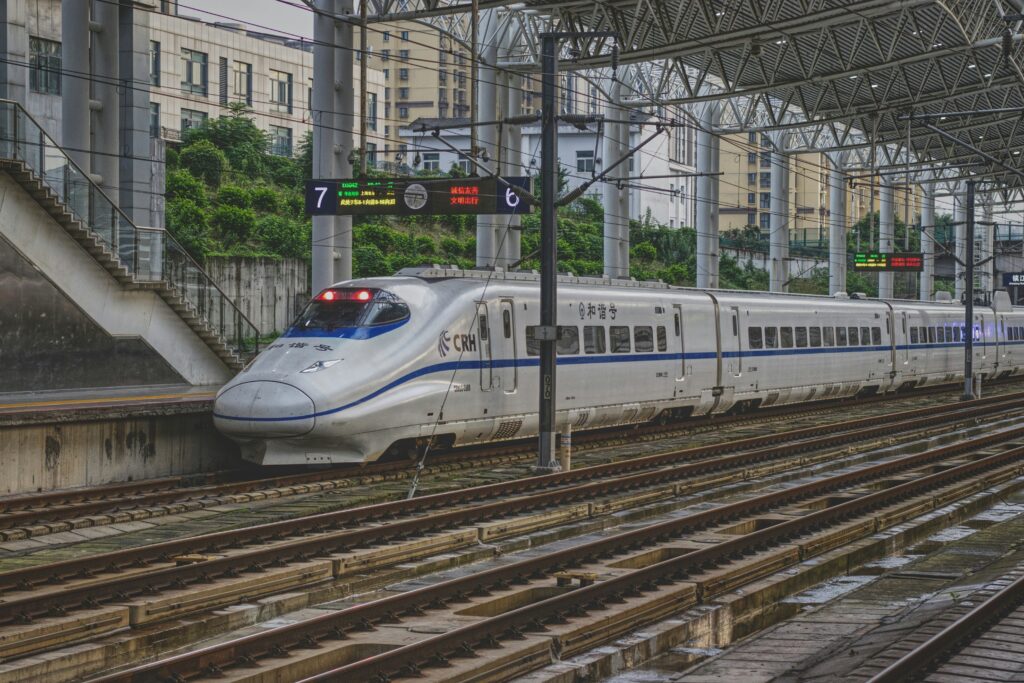
A Shinkansen journey is straightforward once we know the sequence. The stations may be large, but signs are clear, platforms are organized, and the train tends to appear exactly where the floor markings promised it would. Here is what to expect.
1. At the Station: Find the Shinkansen Gates
Large stations such as Tokyo, Kyoto, and Shin-Osaka have separate Shinkansen areas. Follow the bilingual signs marked Shinkansen or Shinkansen Tracks. If you are transferring from a local JR line, you may pass through an additional Shinkansen gate inside the station.
Your boarding method depends on how you booked:
- Insert your paper ticket into the gate and remember to collect it again on the other side.
- Scan your SmartEX QR ticket if you booked a compatible journey online.
- Tap a linked IC card if you registered it with a supported online booking service.
- Follow station instructions if you are using a rail pass or a ticket type requiring staff assistance.
Allow extra time in major stations. Tokyo Station is efficient, but it is not the place to discover five minutes before departure that your platform is at the opposite end of the building.
2. On the Platform: Find Your Carriage and Queue
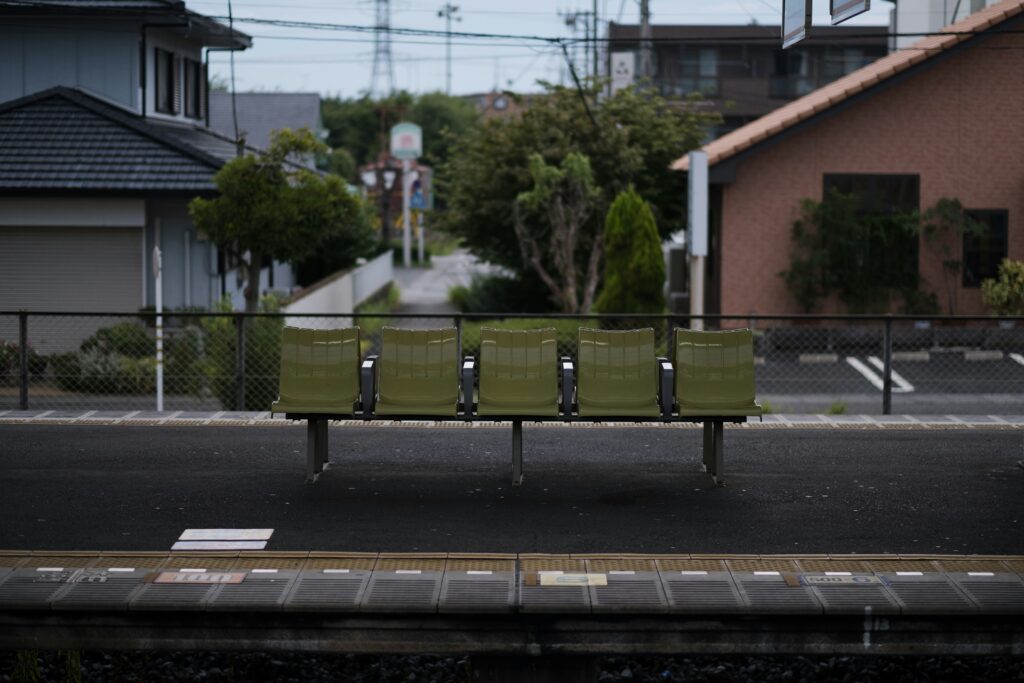
The departure boards show the train name, departure time, platform, and carriage information. Your ticket also lists your car and seat number if you reserved one.
On the platform, markings show exactly where each carriage door will stop. Find your car number and join the queue. As with most public transport in Japan, the rules are simple: line up neatly, let passengers leave first, and avoid blocking the doors. Our guide to Japan etiquette for travelers covers the wider cultural basics.
The stop can be brief, so board promptly once departing passengers have stepped off.
3. Find Your Seat
Seat numbers are marked above or beside the seats. On many Ordinary Class trains along the Tōkaidō route, seats follow a 3+2 arrangement:
- A, B, and C are on one side of the aisle.
- D and E are on the other side.
- A and E are window seats.
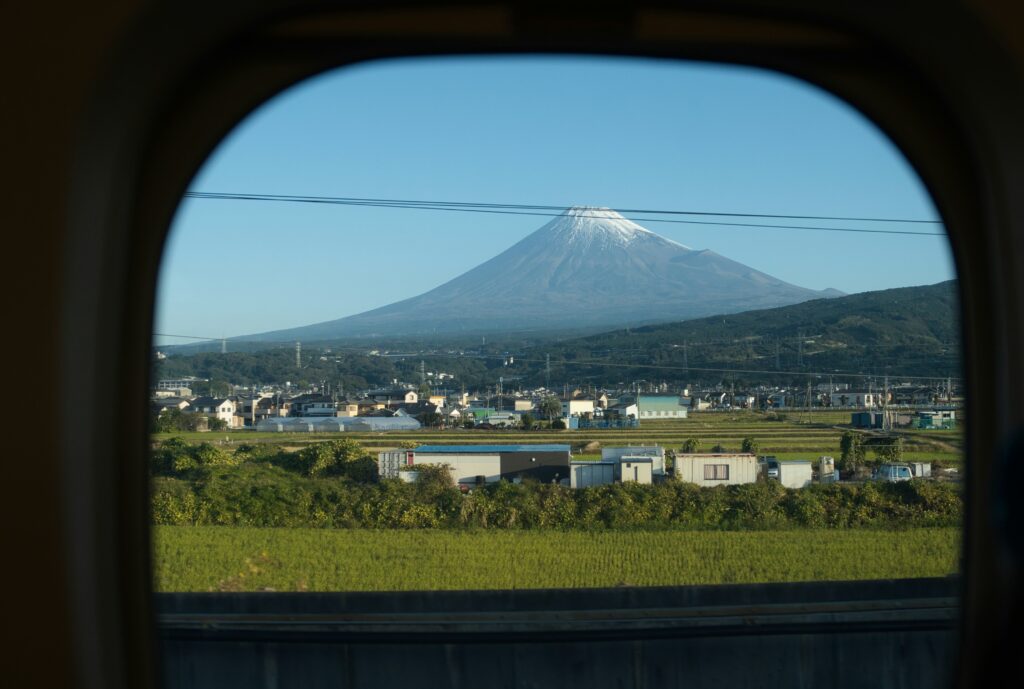
For a possible view of Mount Fuji on the Tōkaidō Shinkansen, request an E-side window seat. The mountain remains stubbornly weather-dependent, so think of it as a bonus rather than a contractual promise from the universe.
If you booked a non-reserved ticket, look for the designated non-reserved carriages. Availability varies by service, and some trains do not have non-reserved seating.
3.1 What About Luggage?
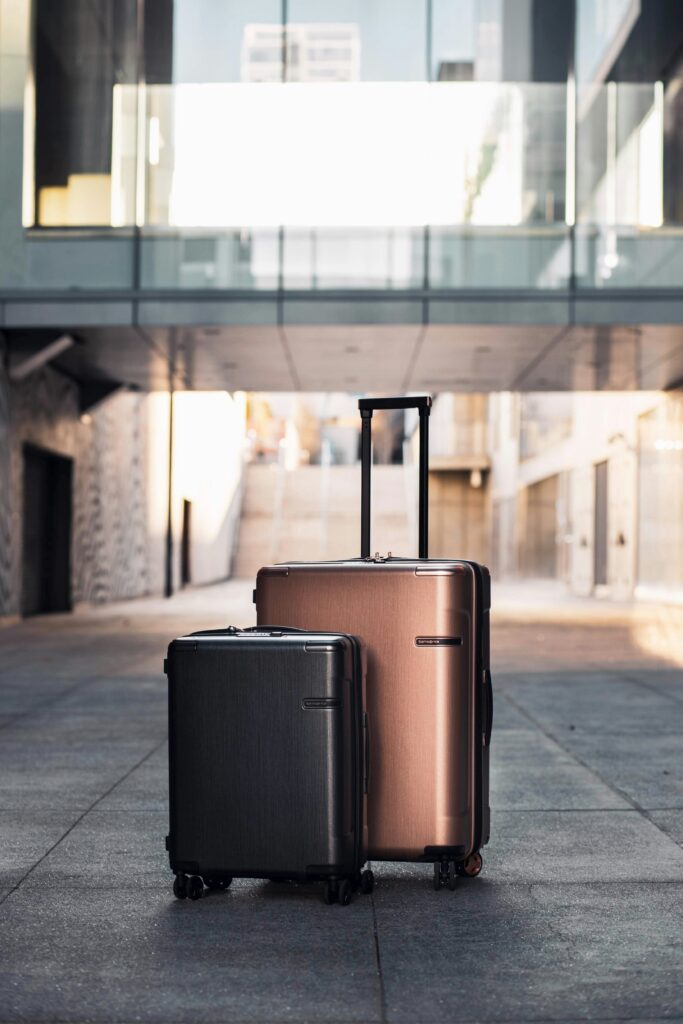
The most important luggage rule is easy to remember once we stop calling it “circumference.” Measure the suitcase’s length + width + height.
Small and Medium-Sized Bags: Up to 160 cm in Total
Bags with combined dimensions of up to 160 cm can usually be placed in the overhead rack, at your feet, or in an available deck baggage area. Standard carry-on suitcases and many medium-sized cases fall into this category.
Oversized Bags: 161–250 cm in Total
If your suitcase measures between 161 and 250 cm in total, reserve a seat with an oversized baggage area when traveling on the Tōkaidō, Sanyō, or Kyushu Shinkansen corridors. The reservation does not cost extra, but you need to select the correct seat type when booking.
The space behind the last row is not a general luggage free-for-all. It is intended for passengers who reserved the corresponding seats. Some trains also have deck storage areas, but availability varies.
If you board with oversized luggage without the required reservation, you may be charged a fee and asked to move the bag. Bags exceeding 250 cm in total cannot be brought onboard.
Keep Aisles and Doors Clear
Do not leave luggage in the aisle or in front of doors. If you are carrying multiple large cases, consider using luggage forwarding between hotels. It is one of those quietly brilliant Japan conveniences that makes train travel considerably less heroic.
Best for families: Reserve seats together and request suitable luggage space in advance, especially if you are also traveling with a stroller.
4. While Riding the Shinkansen

Once you are seated and your luggage is stowed, the difficult part is over. You can watch the scenery, eat lunch, work on a laptop, or briefly wonder why every train journey at home now feels unnecessarily dramatic.
- Comfort: Seats have generous legroom, reclining backs, and fold-down tables.
- Power outlets: Available on many trains, although the location and number vary by train model.
- Wi-Fi: Available on many modern services, but connections may drop in tunnels or rural areas.
- Restrooms: Available onboard, with accessible facilities on many trains.
- Food: Buy an ekiben station lunchbox, snacks, and Japanese drinks before boarding. Onboard sales vary by route and service, so do not assume a snack cart will arrive precisely when hunger does.
- Traveling with babies: Multi-purpose rooms and changing facilities are available on many trains. Ask onboard staff for help, as multi-purpose rooms may also be needed by passengers with accessibility requirements.
5. Arrival and Disembarkation
Announcements and onboard displays tell you when your stop is approaching. Collect your luggage before arrival, step off promptly, and keep your ticket or QR code ready for the exit gates.
If you are connecting to a local train, follow the signs rather than automatically leaving the station. Depending on the ticket type, the transfer route may take you through an internal gate.
Special Shinkansen Trains
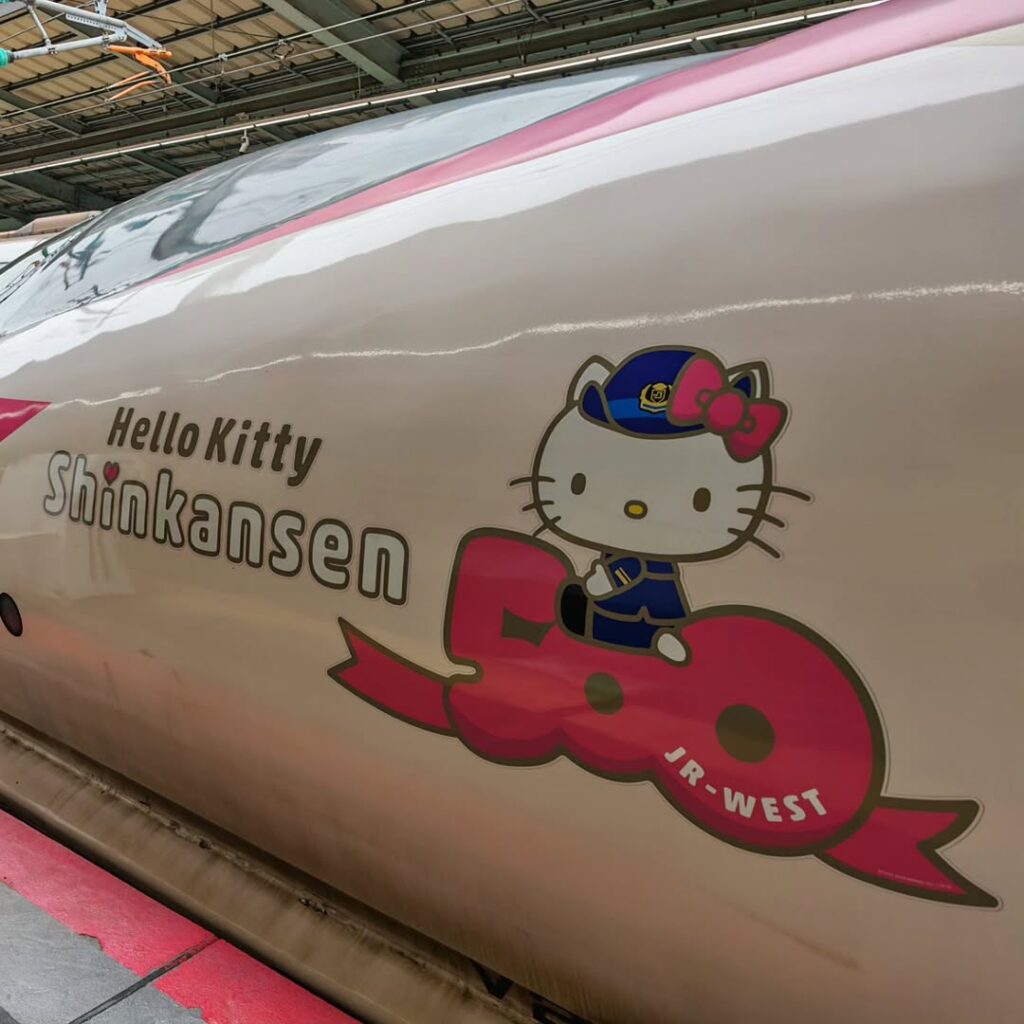
Japan has never seen a practical transport system and thought, “That is enough personality for one railway network.” Limited-edition trains, themed designs, and railway characters appear regularly. However, these services change frequently, so always check the official operating calendar before building an itinerary around one.
The Hello Kitty Shinkansen Has Ended
The pink Hello Kitty Shinkansen was one of Japan’s most recognizable themed trains, running on the Sanyō route for eight years. Its final service operated on May 17, 2026.
Super Mario Trains in Kyushu
As of June 2026, JR Kyushu is operating limited-period Super Mario-themed trains. These include a wrapped Nishi-Kyushu Shinkansen Kamome between Takeo-Onsen and Nagasaki and a Kyushu Shinkansen Tsubame between Hakata, Kumamoto, and Kagoshima-Chūō. The announced operation period is tentative until late June 2026, so check the current schedule before making plans.
Doctor Yellow
The yellow Shinkansen inspection train became famous because sightings were rare and considered lucky. JR Central has retired its Tōkaidō Shinkansen Doctor Yellow train as newer inspection technology is introduced on regular N700S trains. It remains part of Shinkansen folklore, but not something to plan a 2026 itinerary around.
FAQs: Taking the Shinkansen in Japan
Do I need to reserve a seat on the Shinkansen?
Not always. Many services have non-reserved carriages, but some trains require reservations. Reserve ahead if you are traveling with children, carrying luggage, taking a long journey, or visiting during a busy holiday period. During designated 2026 peak periods, all Nozomi seats are reserved.
Can I use the Japan Rail Pass on Nozomi and Mizuho trains?
Not automatically. However, Japan Rail Pass holders can now buy an additional route-specific [ONLY WITH JAPAN RAIL PASS] NOZOMI MIZUHO Ticket before boarding. Without that additional ticket, choose an included service such as Hikari, Sakura, or Kodama where relevant.
Is the nationwide Japan Rail Pass always worth buying?
No. Calculate your individual ticket costs first. The nationwide pass is most useful when you take several expensive long-distance journeys within 7, 14, or 21 days. Regional passes may offer better value for a focused itinerary.
How early can I reserve Shinkansen seats?
Standard reserved-seat sales generally open at 10:00 a.m. JST one month before departure. SmartEX offers selected reservations earlier, including some booking options up to one year in advance.
Which seat should I choose for a Mount Fuji view?
On the Tōkaidō Shinkansen, request an E-side window seat. A clear view is never guaranteed because the mountain frequently hides behind cloud cover.
Do I need an oversized-baggage reservation?
Measure the combined length + width + height of your suitcase. Bags measuring 161–250 cm require a seat with an oversized baggage area on the Tōkaidō, Sanyō, and Kyushu corridors. Bags exceeding 250 cm cannot be taken onboard.
Can I place my suitcase behind the last row of seats?
Only if you reserved the appropriate seat with access to that baggage space. The area behind the last row is not general storage for any passenger who reaches it first.
Are strollers allowed?
Yes. Fold the stroller where possible and keep aisles and doors clear. Reserving an appropriate end-of-car seat or luggage space can make boarding easier.
Can I eat and drink on the Shinkansen?
Yes. Buy an ekiben, snacks, and drinks at the station before boarding. Keep your area tidy and avoid strongly scented food.
Is there Wi-Fi and power onboard?
Many modern trains offer Wi-Fi and power outlets, but availability and socket placement vary by train model. Download anything important before departure.
Can I use a Suica, PASMO, or ICOCA card on the Shinkansen?
A normal IC-card balance does not automatically cover an ordinary Shinkansen journey. However, supported online services such as SmartEX allow you to link a compatible IC card to a paid reservation and tap through the gates. QR tickets and paper tickets are also available.
How early should I arrive at the platform?
Allow at least 10–15 minutes after reaching the Shinkansen area, and more time if you are unfamiliar with a large station such as Tokyo or Shin-Osaka. Trains stop briefly and doors close promptly.
What are the child-ticket rules?
Children aged 6–11 generally pay child fares. Younger children may travel free in certain circumstances if they do not occupy a reserved seat. Check the conditions when booking, especially if you want every child to have a guaranteed seat.
Which booking platform should I use?
Use SmartEX for common Golden Route journeys on the Tōkaidō, Sanyō, and Kyushu Shinkansen. Use JR-EAST Train Reservation for eastern and northern routes. A third-party platform can be convenient when you prefer to compare point-to-point tickets across different operators in one place.
Planning a longer Japan trip? Read these next
- Is the Japan Rail Pass worth it?
- How to ride the Shinkansen with kids
- Two weeks in Japan itinerary
- Two weeks in Japan with kids
- Nagoya rainy day with kids in 2026 (Cool Indoor Things to Do )
- Best Gachapon in Tokyo (2026): 20 Places to Find Capsule Toys
- All Japanese KitKat Flavours List: The Ultimate Japan KitKat Guide
- Sapporo rainy day with kids (2026): 7 Cool Indoor Things to Do
- What To Do In Arashiyama With Kids: A Realistic One-Day Family Itinerary