I spill travel tips , and show you the Japan that tourists usually miss.
With Japan’s famous “Golden Route” (think Tokyo–Kyoto–Osaka) now bursting at the seams with tour groups and selfie sticks, it’s no wonder more and more of us are craving the road less travelled. The real question is: where do you even start?
Planning an off-the-beaten-path Japan adventure can feel overwhelming—believe me, I’ve been there. Sifting through endless guides and maps in search of hidden corners and under-the-radar towns isn’t always straightforward. But here’s the good news: after more than a decade of exploring Japan both on and far beyond the tourist trail, I’ve learned that most underrated places in Japan often hide just beyond the obvious.
My travel mantra is simple: see the best of Japan without feeding the overtourism machine. It’s entirely possible to wander through serene temples without queues, sip matcha in a centuries-old tea house with locals, and uncover places even many Japanese haven’t visited yet—all while leaving a lighter footprint.
Planning more offbeat Japan adventures? Read these next
Table of Contents
Why Go Off the Beaten Path in Japan?

Sure, Tokyo, Kyoto, and Osaka are non-negotiable. But step beyond the big names, and Japan shows you its softer, more authentic face—where temples aren’t backdrops for Instagram reels, and waterfalls flow without selfie-stick traffic jams.
Off-the-radar spots offer peace, perspective, and a deeper sense of place. They’re where you’ll meet locals who aren’t tired of tourists, taste food that hasn’t been adapted for Instagram, and see the everyday Japan that hums quietly behind the neon. Add just one or two of these places to your next itinerary—and watch your trip transform from great to unforgettable.
Most underrated places in Japan
1. Karuizawa – Summer Retreat in the Mountains

It’s wild how quickly Tokyo’s skyscraper maze gives way to mountain air and forest hush. Just an hour on the Shinkansen and—bam—you’re in Karuizawa, a crisp alpine escape where Tokyoites and Yokohama’s well-heeled keep their summer homes. The vibe? Think Alps meet Japan: breezy trails, stylish boutiques, tree-lined streets humming with cafés and galleries.
What to do: Wander the charming lanes of Kyu-Karuizawa, cool off by Shiraito Waterfall, or follow the bike paths through lush nature reserves. Kids will love the local amusement park, and winter flips the script with powdery slopes for skiing.
Pro tip: Pair your visit with an onsen stay in Kusatsu or make a detour to Jigokudani Monkey Park to watch snow monkeys soaking in hot springs—nature therapy, Japanese-style.
Where to Stay in Karuizawa — Hotel Gems
Karuizawa isn’t just a summer retreat — it’s Japan’s highland hideout where Tokyoites come to breathe pine-scented air, sip wine by mountain sunsets, and debate which forest path leads to the best soba shop. And because the vibe here is part Alpine, part Zen garden, picking the right stay is half the magic. Here’s our shortlist of hotels that nail that Karuizawa feeling — from ryokan-style sanctuaries to sleek design dens.
HOSHINOYA Karuizawa — Refined Ryokan Meets Nature Sanctuary
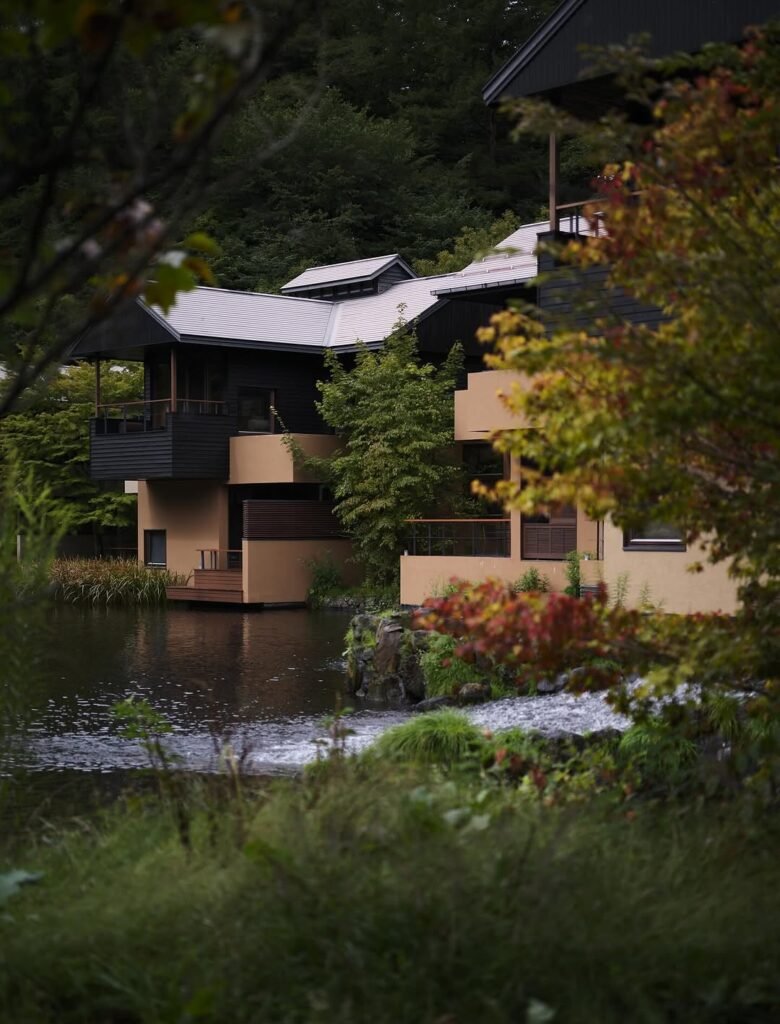
Why we love it: A modern ryokan tucked deep into a wild-bird forest, where geothermal onsen bubble under maple trees and lantern-lit paths follow mountain streams. Staying here feels like checking into a nature documentary — but with designer kaiseki dinners and silky yukata robes.
- Close to: Harunire Terrace cafés, Tombo-no-Yu hot spring, Hoshino forest trails.
- How to get there: 15–20 minutes by taxi from Karuizawa Station (Hokuriku Shinkansen); local buses stop nearby.
- Best for: Couples, onsen lovers, bird-watchers, anyone in slow-living mode.
- Pro tip: Soak under the stars, then walk to Harunire Terrace for dessert — it’s peak Karuizawa romance.
Check the hotel on hotels.com
Shishi-Iwa House — Architect-Lovers’ Forest Retreat
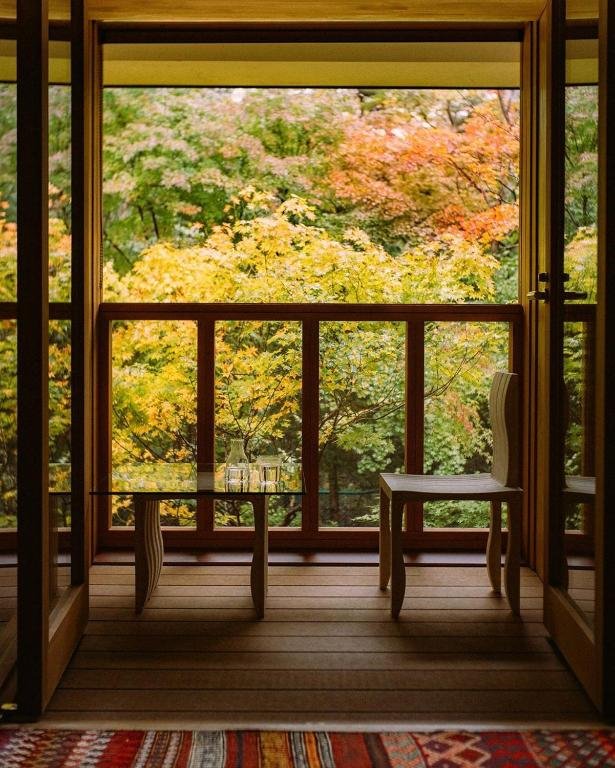
Why we love it: It’s like someone dropped a museum of modern architecture into the woods. Designed by Pritzker Prize winners Shigeru Ban and Ryue Nishizawa, this cluster of sleek timber pavilions bends around the trees and bathes in natural light. Common lounges invite long chats over craft coffee, and rooms feel more like art galleries than hotel suites.
- Close to: Naka-Karuizawa cafés, riverside trails, and small art galleries.
- How to get there: 10–15 minutes by taxi from Karuizawa Station after a quick Shinkansen ride from Tokyo.
- Best for: Design lovers, photographers, travelers seeking calm and contemplation.
- Pro tip: Ask which “house” suits your vibe — some are social and buzzy, others meditative and ultra-quiet.
Check the hotel on booking.com
Hotel Indigo Karuizawa — Stylish Newcomer with Onsen Vibes
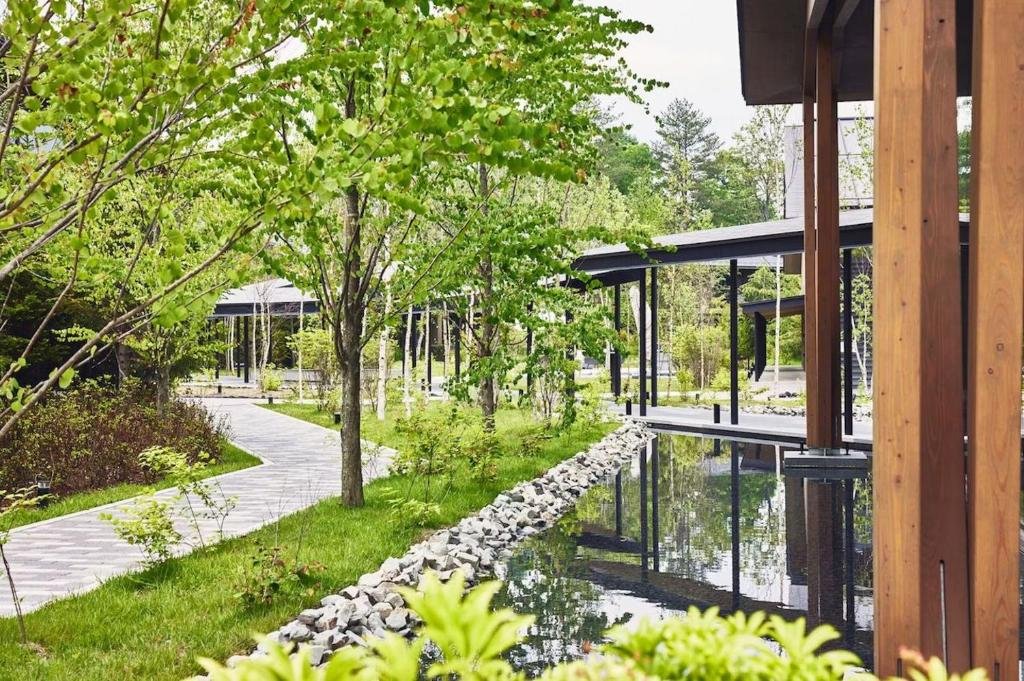
Why we love it: If you want boutique-hotel polish without losing the mountain-town feel, Indigo is your pick. It’s sleek and modern but still grounded in local textures — wood, stone, and soft light. There’s an onsen-style bathhouse, excellent food, and a free shuttle that whisks you to the station or shopping plaza.
- Close to: Minami-Karuizawa cycling paths and Prince Shopping Plaza.
- How to get there: About 1 hour from Tokyo by Shinkansen; complimentary shuttle from Karuizawa Station.
- Best for: First-timers, weekenders, and car-free travelers.
- Pro tip: Winter drivers: check for snow chain requirements — local roads can get icy fast.
Check the hotel on booking.com
2. Izu Peninsula – Onsen, Coast & Cherry Blossoms
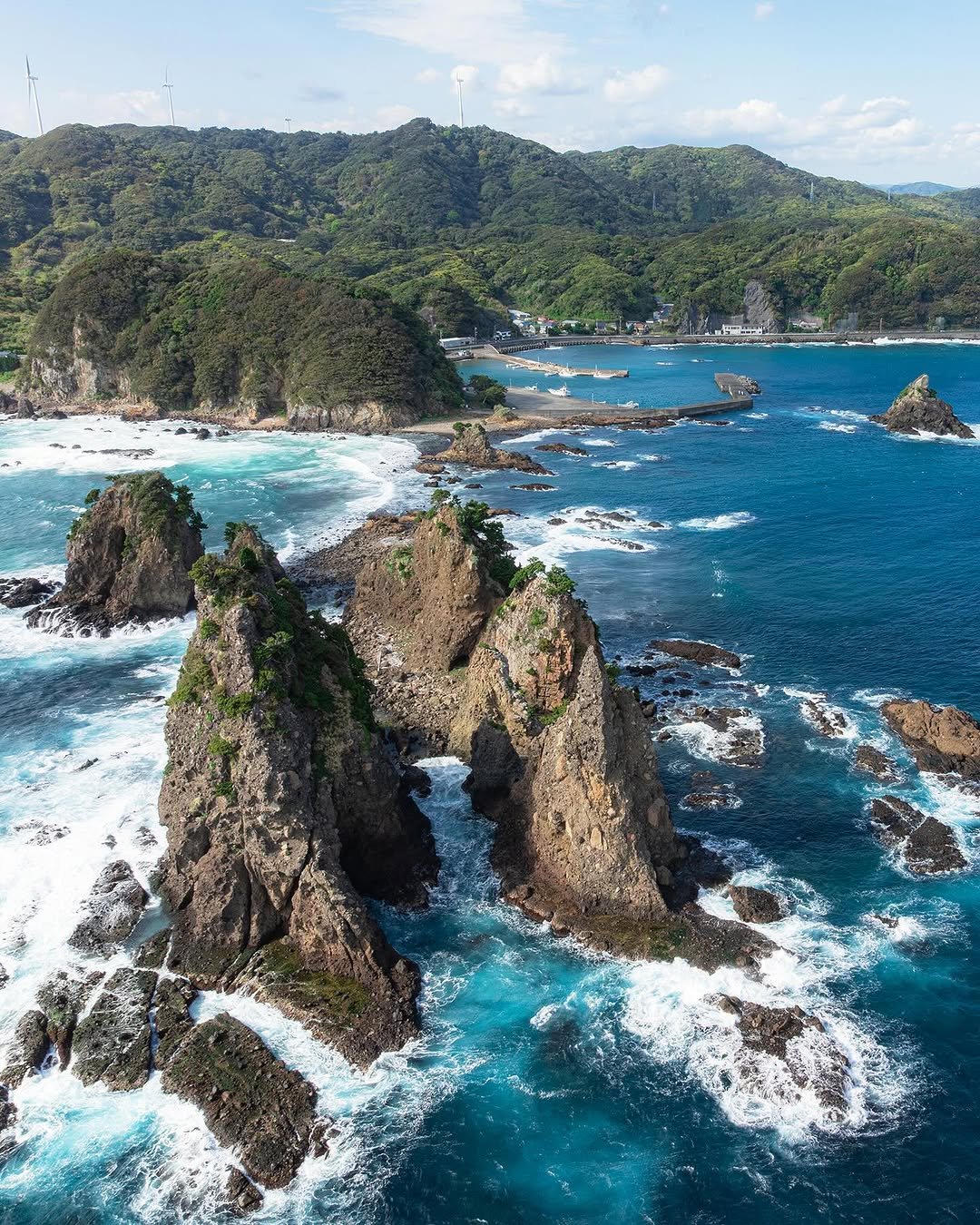
How is it that Izu, just a few hours from Tokyo, still flies under most tourists’ radar? This rugged peninsula packs a whole country’s worth of scenery into a single region—dramatic coastlines, steamy onsen villages, and spring cherry blossoms so early they feel like a cheat code.
What to do: Hike the Jogasaki Coast for sea-sprayed views and cross the Kadowaki Suspension Bridge if your knees can handle it. In Shuzenji, meander through bamboo groves and soak in traditional hot springs. And if you’re lucky enough to be here from early February to March, don’t miss the Kawazu cherry blossoms—a springtime explosion weeks before the rest of Japan catches up.
Where to Stay in the Izu Peninsula — 3 Hotel Gems
If you like your getaways with a little theatre (sometimes literally), these three stays bottle the Izu mood: ocean-facing, river-hushing, forest-wrapping bliss.
KAI Anjin (Ito) — Ocean-Deck Onsen with “Age of Discovery” Vibes

Why we love it: A contemporary hot-spring ryokan where everything nods to the sea — from the maritime art to the breezy rooftop deck. Sunrise soaks on the top-floor bath halls, sunset reds over the Pacific, then library time with a nightcap. We felt like sailors who upgraded to first class.
- Close to: Ito seaside promenade, local seafood spots.
- How to get there: Shinkansen to Atami, transfer to the JR Ito Line to Ito Station; short taxi from there.
- Best for: Onsen-with-a-view lovers, design-curious couples, car-free travelers.
- Pro tip: Time a soak for golden hour, then head up to the rooftop “ship’s deck” for an after-bath drink in the sea breeze.
Check the hotel on hotels.com
arcana izu (Naka-Izu) — Every Room Has a Private Open-Air Bath
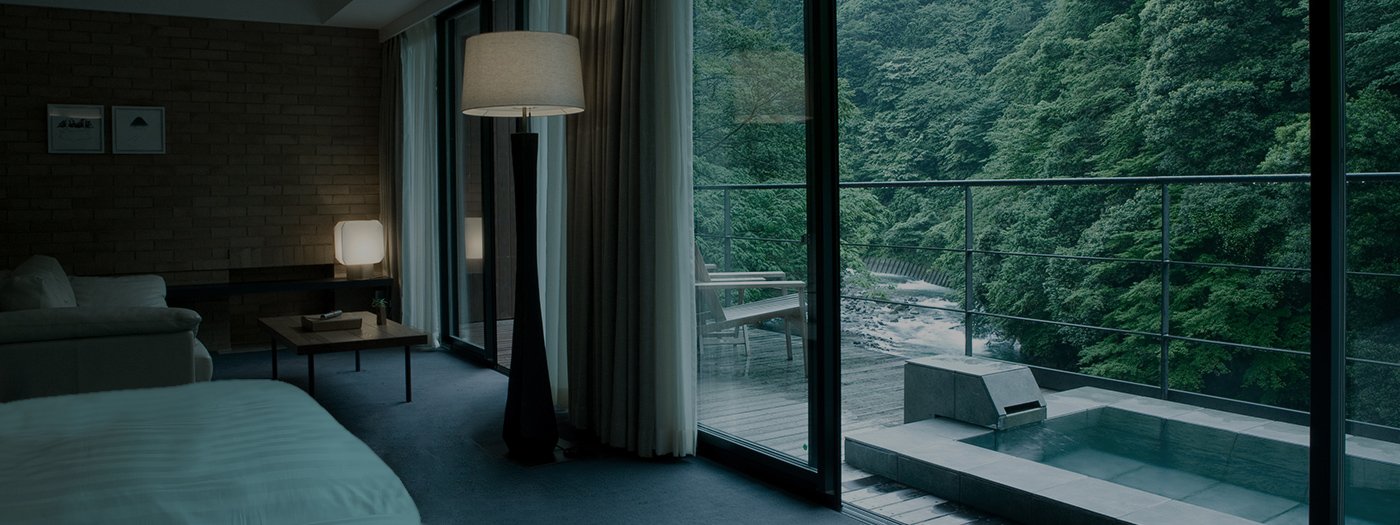
Why we love it: Sixteen suites, each with its own riverside rotenburo fed straight from the source. The vibe is quiet luxury in the woods: floor-to-ceiling green, minimalist lines, and a dining program you’d travel for on its own. You arrive tense, you leave a puddle (the good kind).
- Close to: Kano River walks, Naka-Izu countryside drives, small cafés.
- How to get there: Shinkansen to Mishima, then Izuhakone Railway to Shuzenji Station; taxi 20–30 minutes into the hills.
- Best for: Special-occasion escapes, privacy seekers, hot-spring purists.
- Pro tip: Book dinner on both nights — the tasting menus change with the season and are half the arcana magic.
Check the hotel website
Arai Ryokan (Shuzenji) — Centuries-Old Ryokan with a Floating Noh Stage
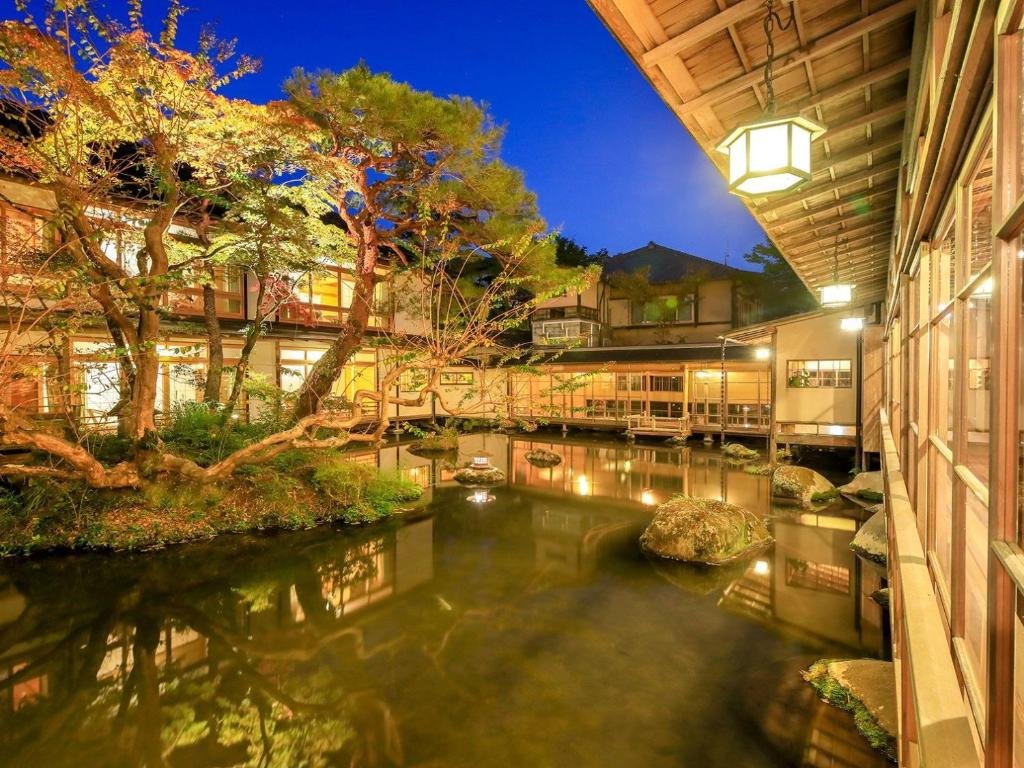
Why we love it: Old-world hospitality in a cedar-and-tatami dream, anchored by a poetic pond and an open-air Noh stage that seems to hover on the water. Rooms gaze onto lantern reflections; baths drift between seasons. It’s the ryokan to convert skeptics into lifelong believers.
- Close to: Shuzenji Temple town, bamboo groves, river footpaths.
- How to get there: Shinkansen to Mishima → Izuhakone line to Shuzenji → short taxi to the inn.
- Best for: Culture lovers, slow travelers, anyone chasing “timeless Japan.”
- Pro tip: Ask about event nights on the Noh stage; even a rehearsal feels cinematic from room verandas.
Check the hotel on booking.com
3. Gamagōri – Relaxation with Island Views
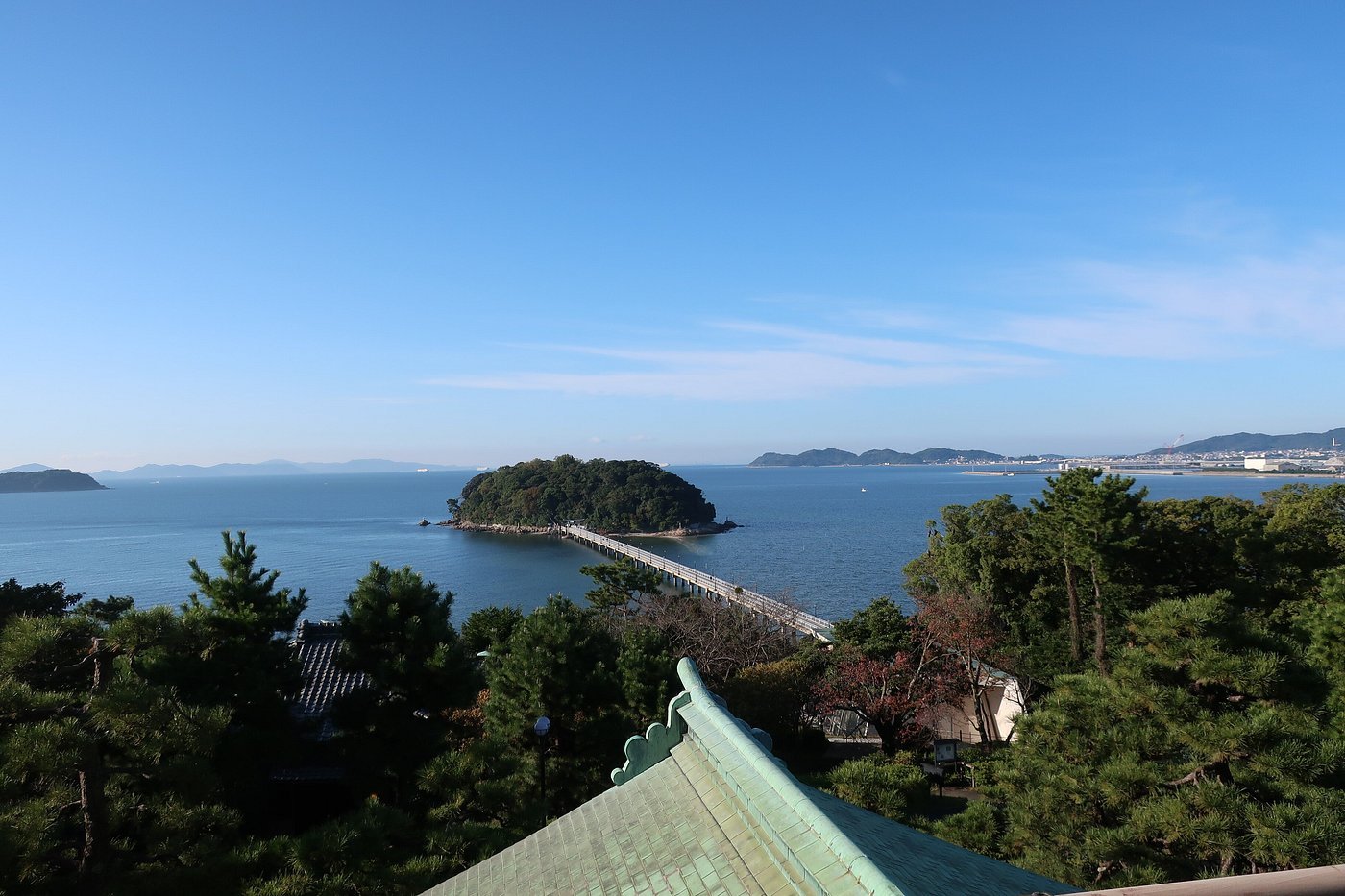
Gamagōri is one of those places every Japanese family seems to know—but foreign travelers? Not so much. Tucked between Nagoya and Hamamatsu, this seaside town delivers everything we crave after a high-speed city sprint: salt air, gentle waves, and onsens with ocean views.
Don’t miss: Cross the pedestrian bridge to Takeshima Island, where a tiny shrine hides amid dense greenery (and, if you’re lucky, lizards and butterflies too). Back in town, unwind at one of the many waterfront onsen hotels or check out Laguna Ten Bosch, a year-round complex that mixes shopping, rides, and dazzling winter illuminations.
Pro tip: Breaking up a Tokyo–Kyoto journey? Stop here for a night and let the sea hit the reset button.
Where to Stay in Gamagōri — 3 Hotel Gems
Gamagōri is Aichi’s coastal exhale — shrine-topped islets, citrus-scented hills, and onsen steam curling over Mikawa Bay. We hopped between classic hilltop grande dames and family-friendly stays by the theme park. Here are three places that bottle the vibe.
Gamagōri Classic Hotel — Hilltop Grand Dame with Bay Views
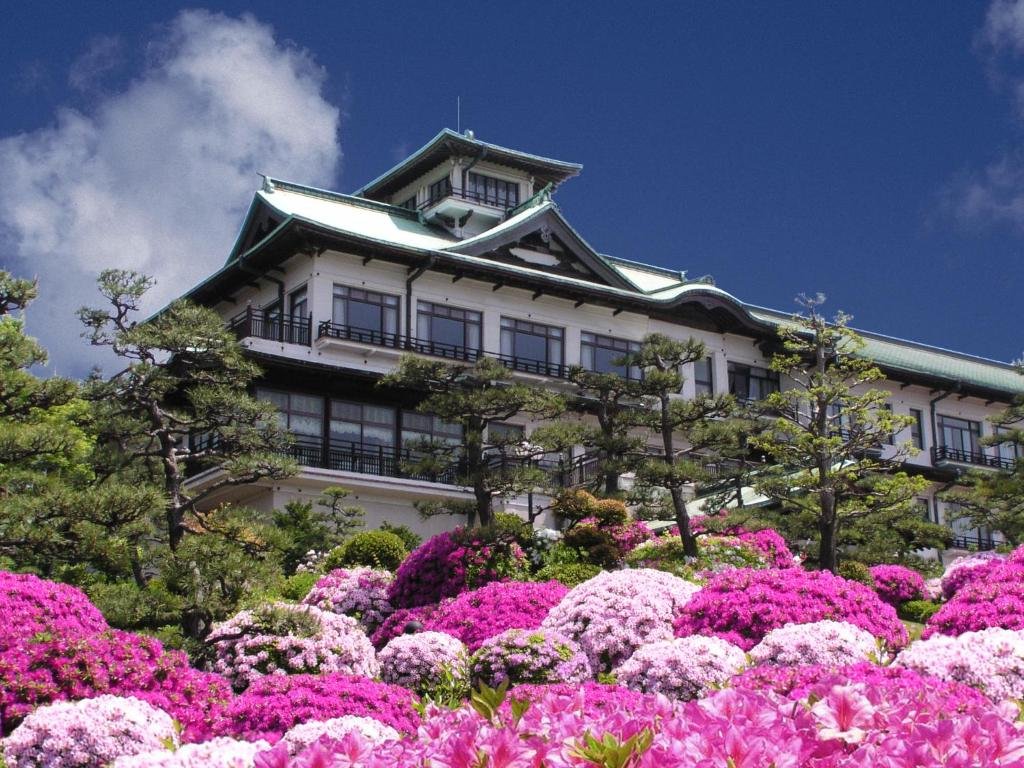
Why we love it: A historic perch gazing across to sacred Takeshima. Think wide verandas, old-world service, and sunrise walks straight down to the causeway. Order coffee, watch fishing boats etch silver lines across Mikawa Bay, and pretend you own the century.
- Close to: Takeshima Shrine, Takeshima Aquarium, seaside promenade.
- How to get there: JR Tōkaidō Line to Gamagōri Station, 5–10 minutes by taxi or a pleasant coastal walk.
- Best for: View-chasers, architecture romantics, easy first-timers.
- Pro tip: Time a twilight stroll to the shrine; the causeway at low tide is pure atmosphere.
Check the hotel on booking.com
Henn na Hotel Laguna Ten Bosch — Playful Stay Steps from the Park
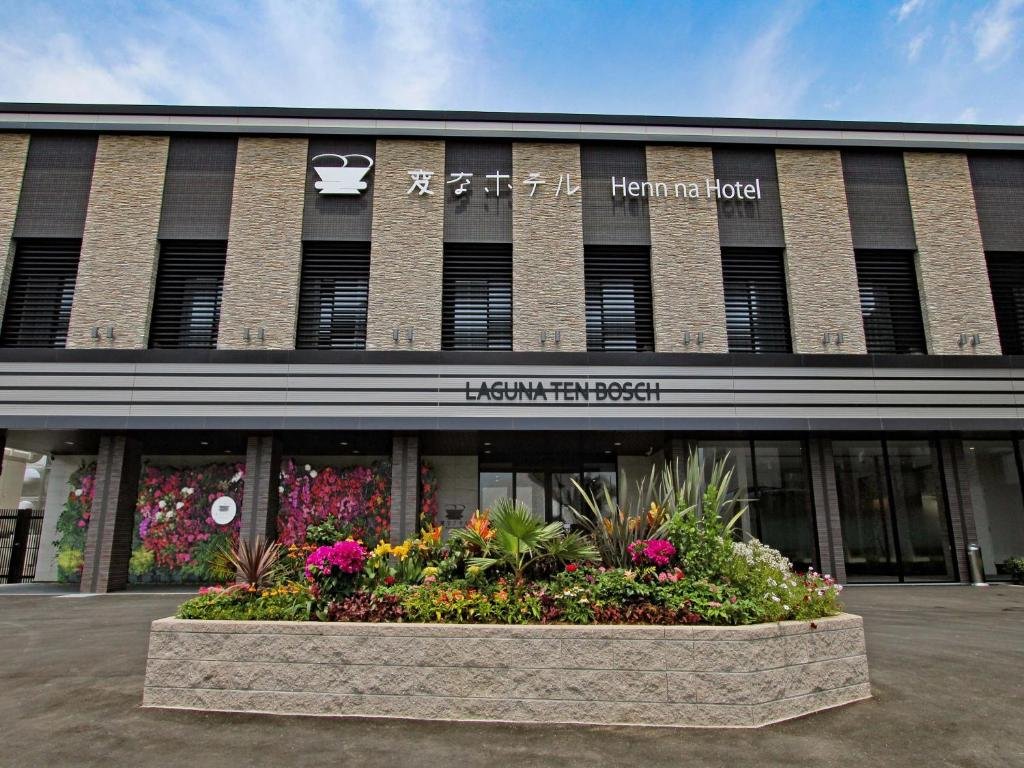
Why we love it: A fun, future-leaning base right by Laguna Ten Bosch (rides, illumination shows, seaside boardwalks). Rooms are modern and practical; the real win is rolling out of bed and into a full day of family-friendly chaos without wrangling trains or taxis.
- Close to: Laguna Ten Bosch theme park, Laguna Festival Market, seaside dining.
- How to get there: JR to Mikawa-Ōtsuka or Gamagōri Station, then local bus or short taxi to the Laguna area.
- Best for: Families, theme-park weekends, car-free travelers.
- Pro tip: Visit the park late afternoon and stay for night illuminations — crowds thin, photos pop.
Check the hotel on booking.com
Nishiura Onsen: Hotel Tatsuki — Clifftop Ryokan with Open-Air Baths
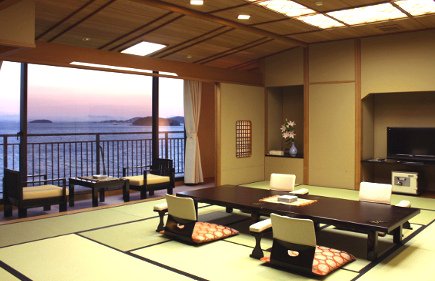
Why we love it: A classic seaside ryokan sprawled along a headland at Nishiura Onsen. Tatami rooms, bay-facing balconies, and outdoor baths that make the horizon your wallpaper. Dinner is the full kaiseki procession — local seafood, seasonal ceramics, unhurried service.
- Close to: Nishiura Beach, coastal viewpoints, small fishing harbors.
- How to get there: JR to Gamagōri → taxi 20–25 minutes along the coast (buses run but are infrequent).
- Best for: Onsen purists, couples, slow weekends with sea breezes.
- Pro tip: Book an ocean-view room with private rotenburo if available; sunrise soaks are life-affirming.
Check the hotel on their website
4. Hiraizumi – Pure Buddhist History
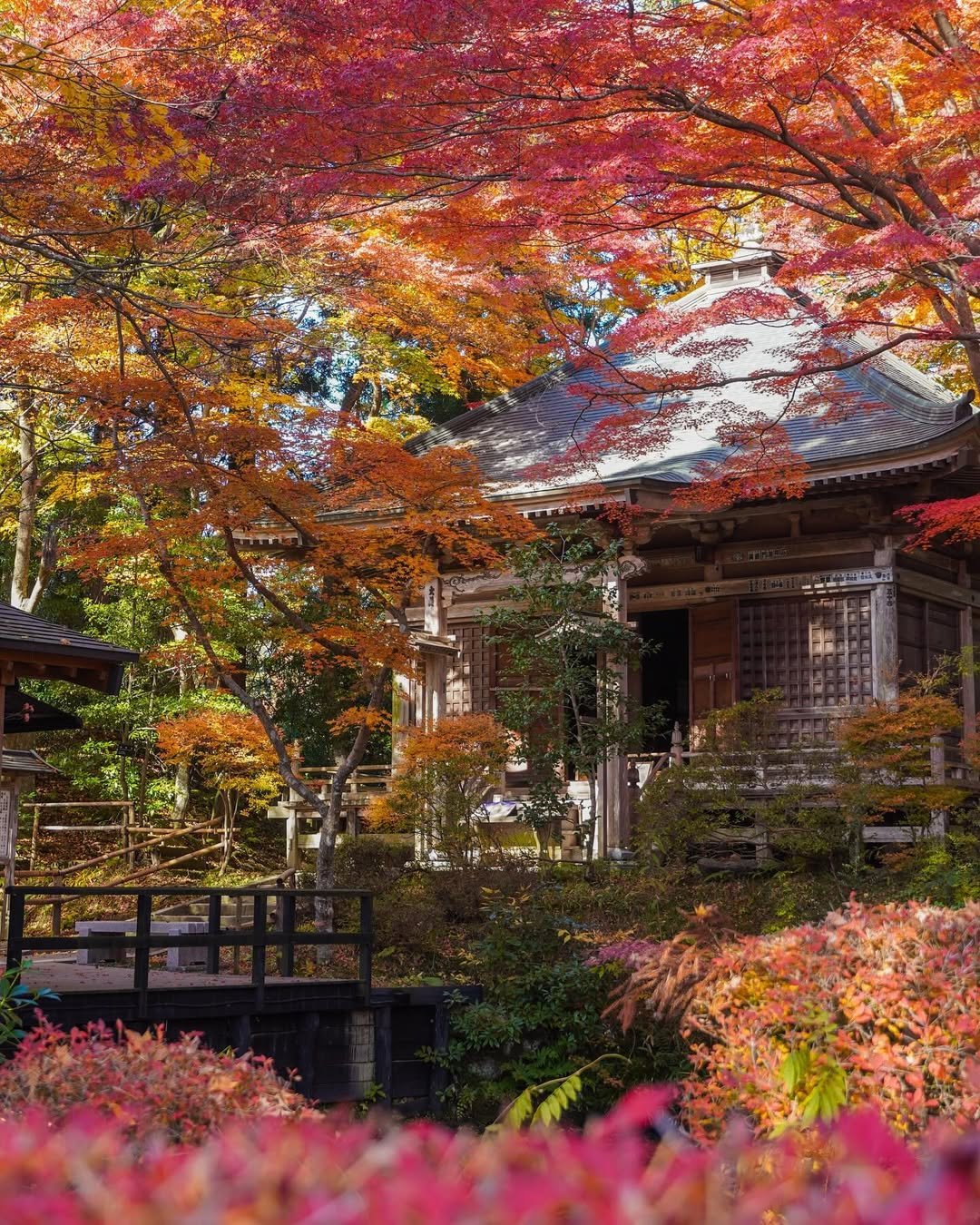
Far up north in Iwate Prefecture, Hiraizumi tells a story written in gold leaf and temple bells. In the 12th century, this was the Kyoto of the north—an elegant power hub built by the mighty Ōshū Fujiwara clan, with sacred gardens and temples scattered beneath holy Mount Kanzan.
Top sights: The Chūson-ji Temple and its glittering Golden Hall are the headline act, while Mōtsū-ji offers peaceful strolls through centuries-old landscape gardens.
Where to Stay in Hiraizumi — 3 Hotel Gems
Hiraizumi is tiny-but-mighty: UNESCO temple precincts, lantern-lit paths, and countryside stillness you can hear. Beds are limited in town, so the right base matters. We road-tested three stays that match the mood — from hot-spring hush to walk-to-temples convenience.
Soba-an Shizukatei — Onsen Country Ryokan in the Hills
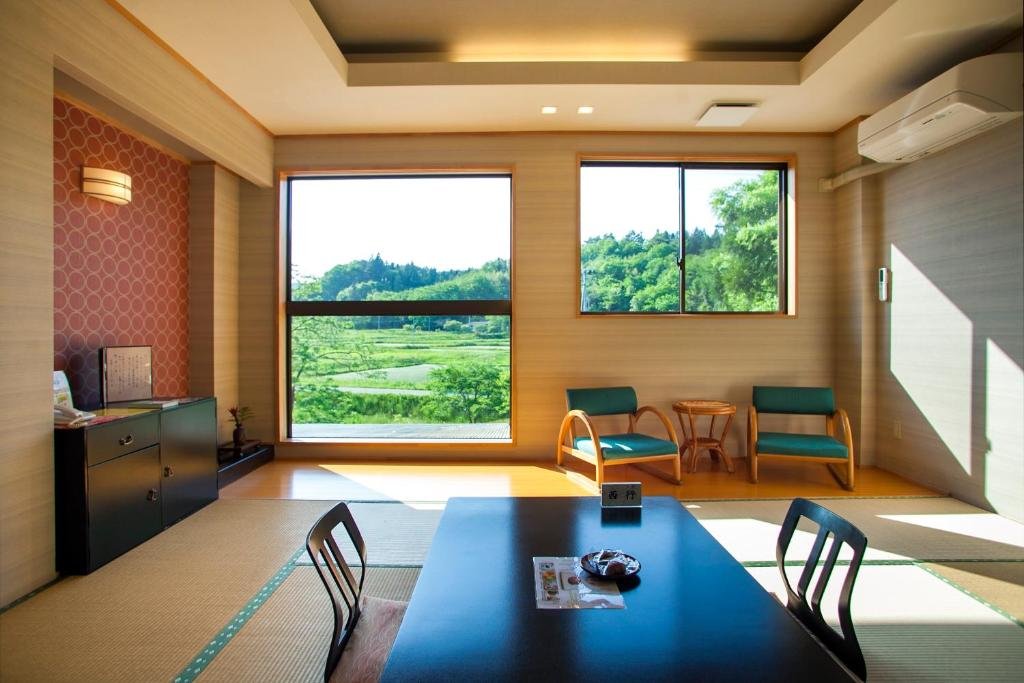
Why we love it: A classic ryokan wrapped in fields and forest, with mineral hot-spring baths and seasonal meals (think house soba, local veg, calm for days). It’s a short drive from Chūson-ji and Mōtsū-ji, but feels worlds away — the reset button you came for. :contentReference[oaicite:0]{index=0}
- Close to: Chūson-ji, Mōtsū-ji, Takkoku no Iwaya (all within a 10–15 min drive).
- How to get there: Hiraizumi Station by JR Tōhoku Main Line → 10–15 min taxi; some plans include station shuttle (reserve ahead).
- Best for: Onsen lovers, slow travelers, couples chasing quiet.
- Pro tip: Aim for an early soak, temple visit at golden hour, and dinner back at the inn — peak Hiraizumi pacing.
Check the hotel on booking.com
Hotel Musashibo — Central Ryokan Near the World Heritage Core
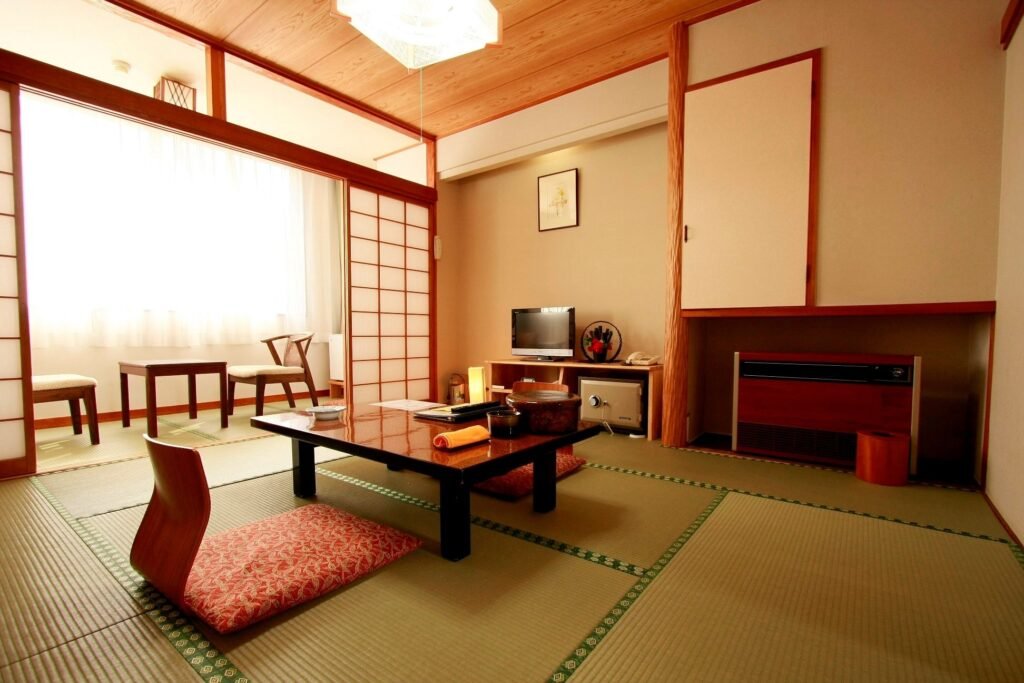
Why we love it: Old-school hospitality and very handy location for temple-hopping; rooms are simple, the bath hits the spot, and you can walk or short-hop to the main sights without juggling transfers. Great value if you want to maximize time on the precinct trails.
- Close to: Mōtsū-ji and Chūson-ji precincts; dining around Hiraizumi Station.
- How to get there: JR to Hiraizumi Station → 15–20 min walk or short taxi (summer heat makes the taxi worth it).
- Best for: Temple-focused itineraries, car-free travelers, value seekers.
- Pro tip: Drop bags early, loop Mōtsū-ji’s Pure Land garden first, then climb to Konjikidō at Chūson-ji before tour buses land.
Check the hotel website
Iris Yu — Affordable Tatami Steps from Mōtsū-ji
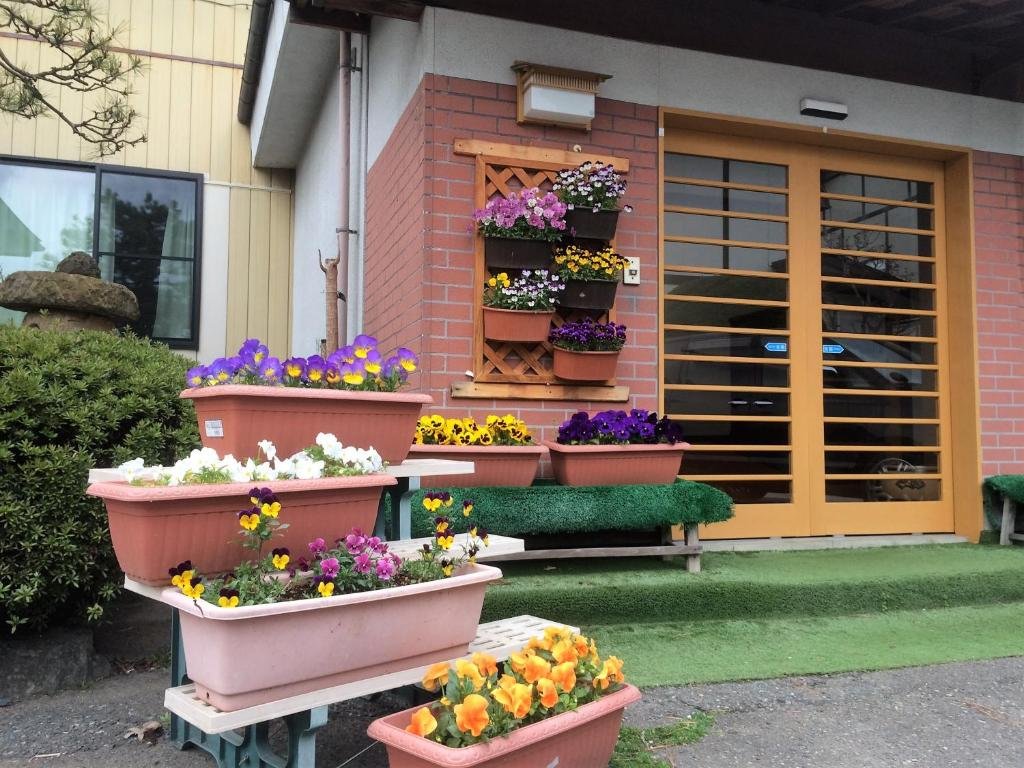
Why we love it: A budget-friendly ryokan with tatami rooms, yukata, and a friendly, family-run vibe — and the location is the clincher: an easy stroll between Hiraizumi Station and Mōtsū-ji. Perfect if you want a no-fuss base to sleep, shower, and sprint back out for sunset.
- Close to: Mōtsū-ji (about 4–5 minutes on foot) and the station area.
- How to get there: JR Tōhoku Main Line to Hiraizumi → 5 minutes’ walk; free parking if you’re driving.
- Best for: Solo travelers, small families, anyone prioritising location and price.
- Pro tip: Arrive early, drop bags, and do a Mōtsū-ji → Chūson-ji loop before the day-trippers — it’s magic when it’s quiet.
Check the hotel on booking.com
5. Niigata – Between Sake, Rice Terraces & the Beach

The northwest coast of Honshu rarely makes it onto first-time itineraries—big mistake. Niigata, the capital of the region, is a sensory playground: crisp sake straight from traditional breweries, seafood fresh off the boats, and a laid-back city center perfect for aimless wandering.
What to do: Explore Takada Castle and its springtime cherry blossoms, hike to Kiyotsu Gorge, or time your visit for late summer when the mountain rice terraces glow golden. In summer, beaches beckon; in winter, it’s all about ski slopes and steaming hotpots.
Where to Stay in Niigata — 3 Hotel Gems
Niigata is sake cellars and sea winds, powder days and river sunsets. We split our time between the city’s glassy waterfront and the prefecture’s hot-spring heartlands so you can pick a base that matches your mood (urban views, mountain baths, or heritage ryokan feels).
Hotel Nikko Niigata — Waterfront Views over the Shinano & Sea
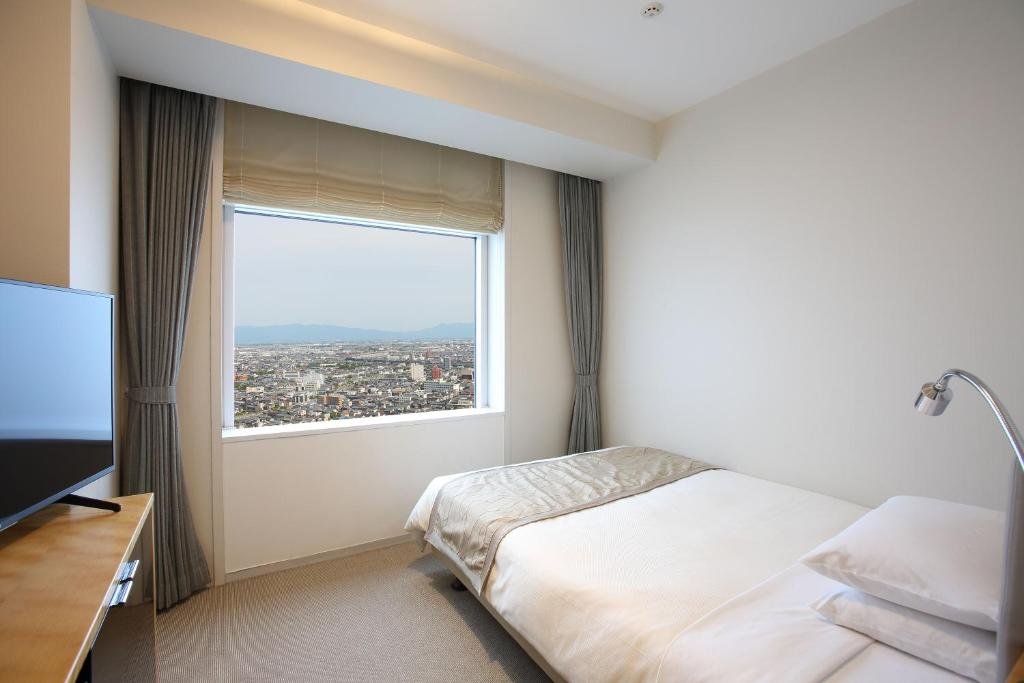
Why we love it: Towering above Toki Messe on the river mouth, this is Niigata City’s postcard perch — floor-to-ceiling views of the Shinano River, Japan Sea, and distant ranges, with easy access to the convention/waterfront zone and Pier Bandai market. Rooms sit high in the stack, so the panoramas do the heavy lifting.
- Close to: Toki Messe, Pier Bandai food market, Bandai Bridge promenade.
- How to get there: Joetsu Shinkansen from Tokyo to Niigata (fastest ~1h30), then ~5–10 minutes by taxi or ~15 minutes on foot from Niigata Station.
- Best for: First-timers, city walkers, view-chasers.
- Pro tip: Aim for a high-floor south- or west-facing room for river-to-sea sunsets.
Check the hotel on booking.com
Hotel Futaba (Echigo-Yuzawa) — Multi-Bath Onsen Ryokan in Ski Country
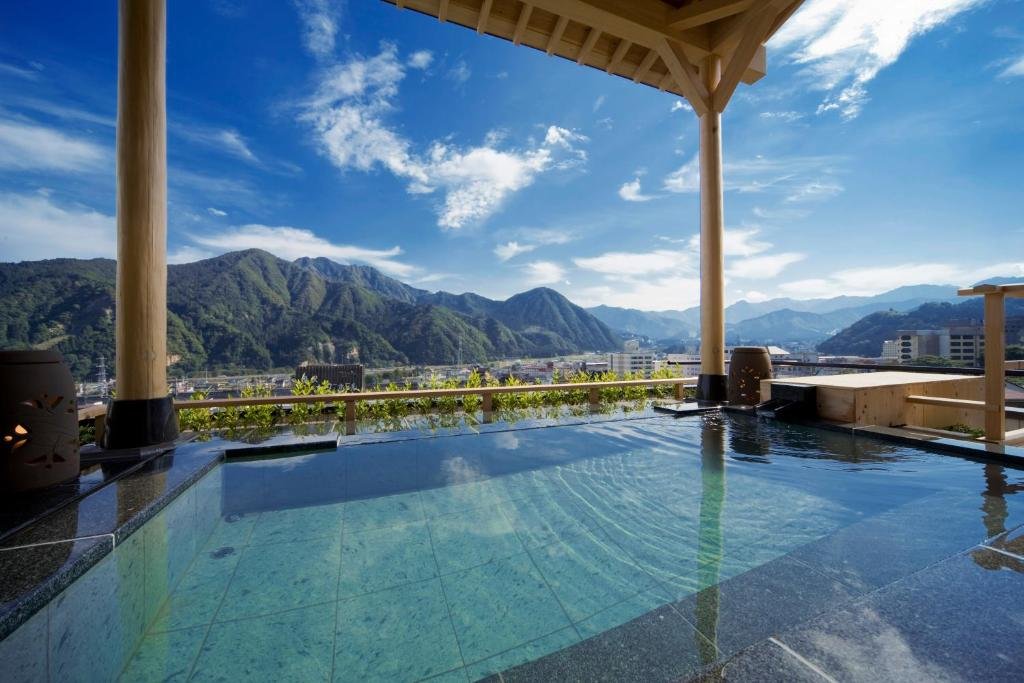
Why we love it: A classic Yuzawa ryokan with a whole menu of baths (indoor/outdoor), some rooms boasting private open-air tubs, and hearty Niigata seasonal dinners. Walkable to town yet tuned to mountain calm — perfect after a day on Naeba/Kagura slopes or a sake flight at Ponshukan.
- Close to: Echigo-Yuzawa Station area, Ponshukan Sake Museum, shuttle links to surrounding ski resorts.
- How to get there: Joetsu Shinkansen from Tokyo to Echigo-Yuzawa (~80 minutes), then a short walk/taxi.
- Best for: Onsen lovers, weekend ski trips, car-free travelers.
- Pro tip: Reserve a room with private rotenburo or book a rentable private bath slot at check-in — peak post-ski bliss.
Check the hotel on booking.com
ryugon (Minamiuonuma) — Heritage Ryokan Reimagined
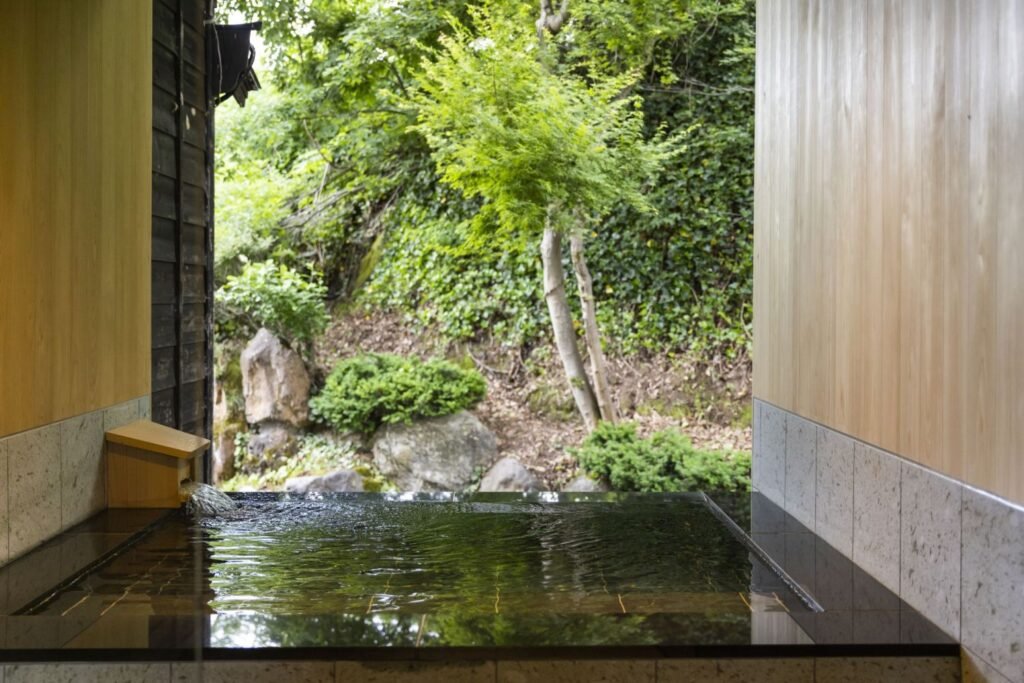
Why we love it: A beautifully restored Snow Country manor turned design-forward retreat: irori hearth lounges, satoyama workshops, and private villas for “traveling as if living.” In winter it’s a hush of snow and cedar; in summer, green rice terraces roll away outside your window.
- Close to: Uonuma rice fields, local sake breweries, hiking/cycling routes.
- How to get there: Joetsu Shinkansen to Echigo-Yuzawa, then local train/bus or taxi ~20–30 minutes to the property.
- Best for: Culture seekers, couples, architecture fans.
- Pro tip: Check the calendar for cultural experiences (tea, crafts, satoyama walks) — they’re half the magic.
Check the hotel website
6. Ine – The Floating Village by the Sea
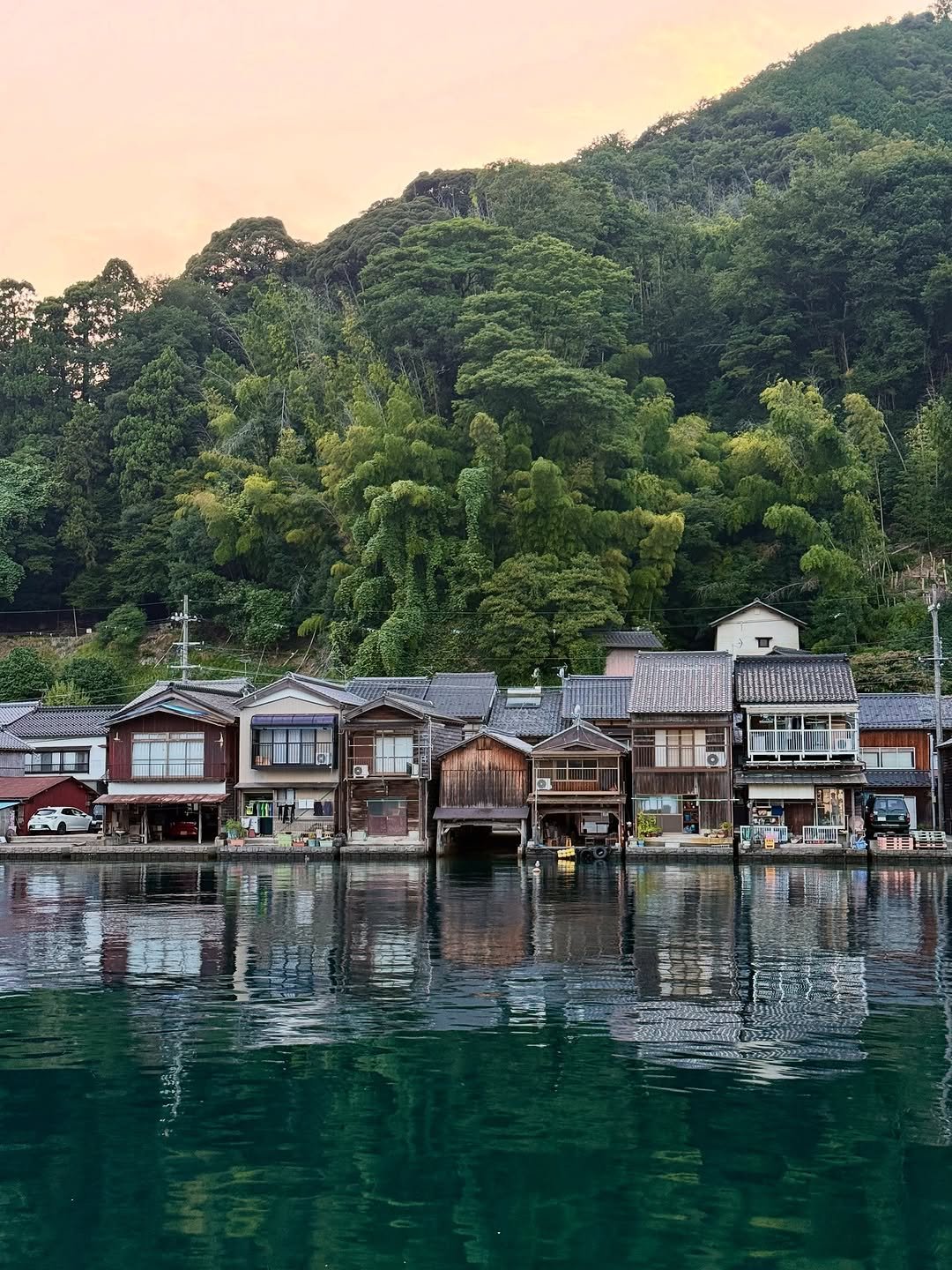
If Studio Ghibli ever storyboarded a fishing village, Ine would be it. This postcard-perfect bay in Kyoto Prefecture is lined with about 230 funaya—traditional boathouses perched right on the water, their reflections trembling in the tide.
Best experiences: Drift through the bay by boat for a front-row view of coastal life, or follow the shore path for snapshots of Japan’s slow, sea-bound rhythms. Still blissfully under the radar, Ine feels like a time capsule—one worth opening before the crowds do.
Where to Stay in Ine — 3 Hotel Gems
Ine is Kyoto’s sea-silk postcard. Beds here are few and book out fast, so choose with intent. These three stays capture the village’s slow-tide magic without sacrificing comfort.
Maruichi — Classic Funaya Stay Right on the Water
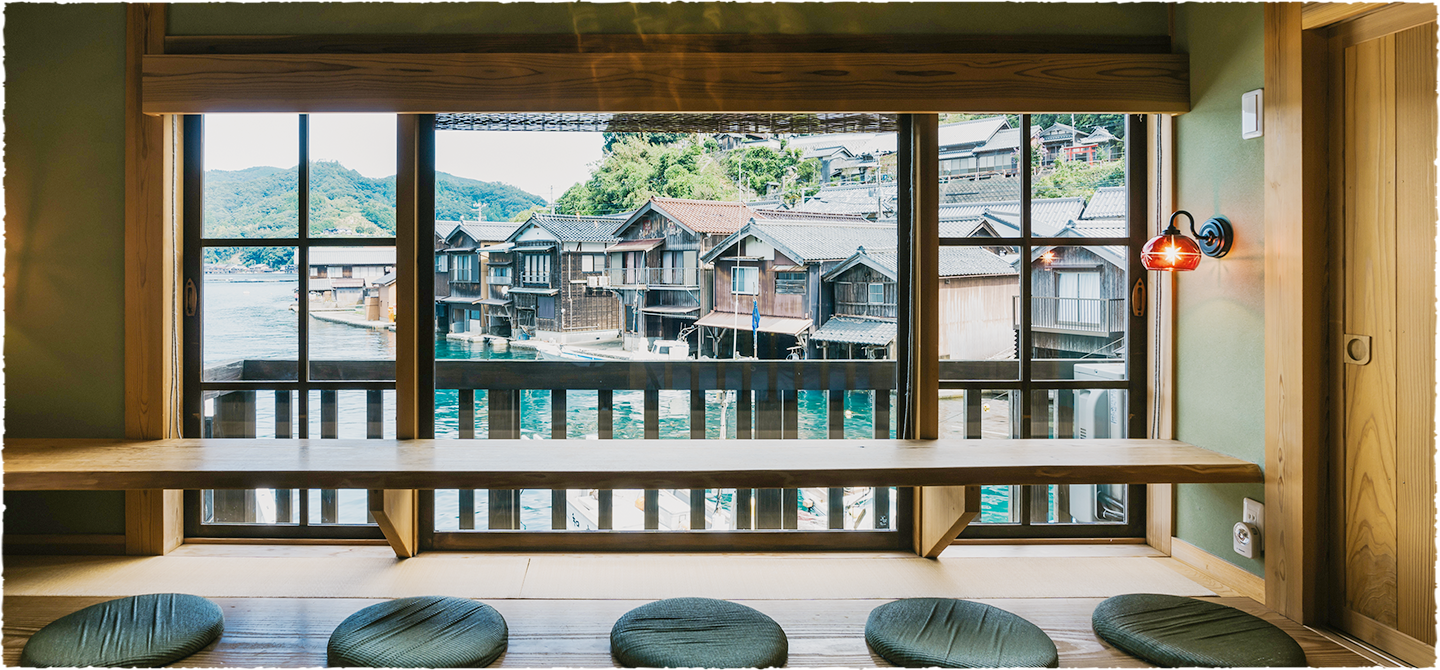
Why we love it: A lovingly renovated, true-to-form funaya where the ground floor sits at sea level and mornings begin with ripples tapping the planks. It’s the “you are actually living in a boathouse” experience — simple, elegant, and impossibly atmospheric.
- Close to: Ine Bay quay, village cafés, short strolls along the boathouse ring.
- How to get there: Bus/taxi from Amanohashidate or Miyazu to Ine; Maruichi provides access details on booking.
- Best for: Design minimalists, photographers, anyone chasing the “sleep-over-the-sea” dream.
- Pro tip: Dates go fast — most Ine lodgings open dates only a few months ahead; set alerts and pounce.
Check the hotel website
Funaya no Yado KURA / RAKU — Private Funaya with Ocean-View Bath & Sauna

Why we love it: A 2024 refresh turned these sister boathouses into grown-up hideaways: ocean-view bath, private sauna, clean lines, and big windows framing boats sliding past like clockwork. It’s the modern-luxe take on Ine’s working-waterfront soul.
- Close to: Central Ine quay and boat tours; easy bayfront wandering.
- How to get there: JR to Amanohashidate → local bus to Ine; taxi for late arrivals. Hosts share access info pre-stay.
- Best for: Couples and small groups who want a “keys-to-your-own-funaya” moment.
- Pro tip: Book the sauna slot just before sunset — step straight from steam to pink-and-gold bay views.
Check the hotel website
Aburaya Annex Nagomitei — Hilltop Ryokan with Private Open-Air Baths
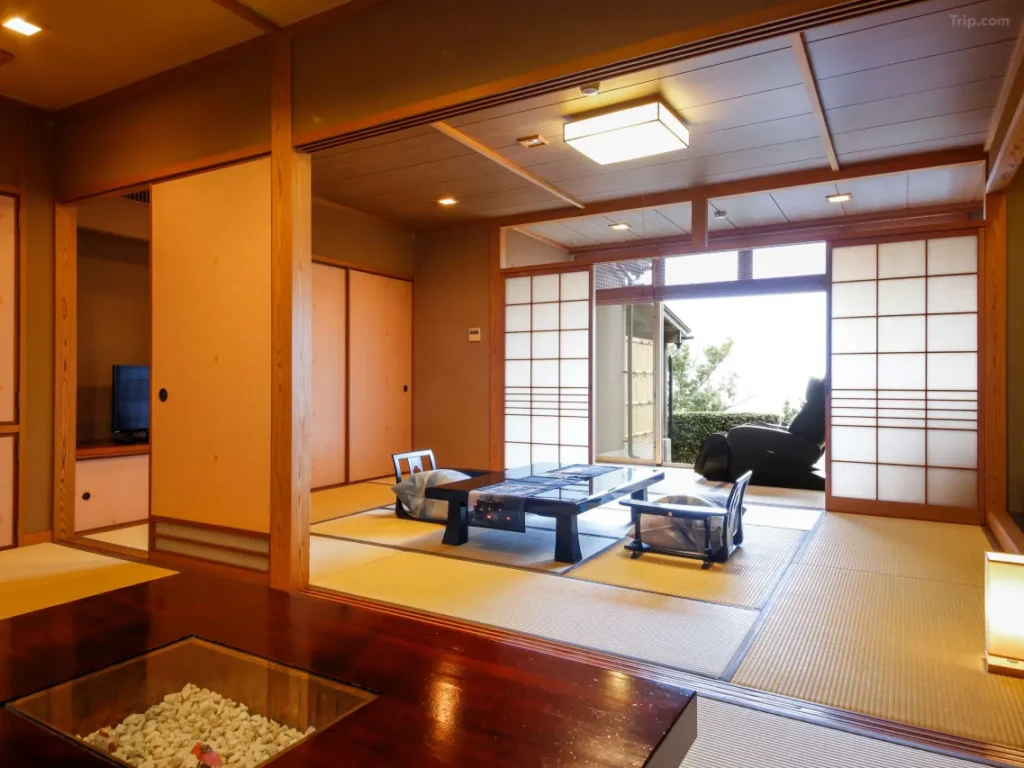
Why we love it: Not a boathouse — and that’s the point. Perched above the Sea of Japan with every room featuring its own open-air bath, Nagomitei layers ryokan pampering over horizon views and refined kaiseki. When the funaya are sold out, this is your upgrade path.
- Close to: Ine (short coastal drive), Tango Peninsula viewpoints.
- How to get there: JR to Amanohashidate/Miyazu → taxi or hotel-arranged transfer toward Oku-Ine area.
- Best for: Onsen devotees, special occasions, anyone who equates vacation with a private rotenburo.
- Pro tip: Time dinner after a twilight soak; winter crab season menus are worth planning around.
Check the hotel on trip.com
7. Shōdoshima – The Olive Island of Japan
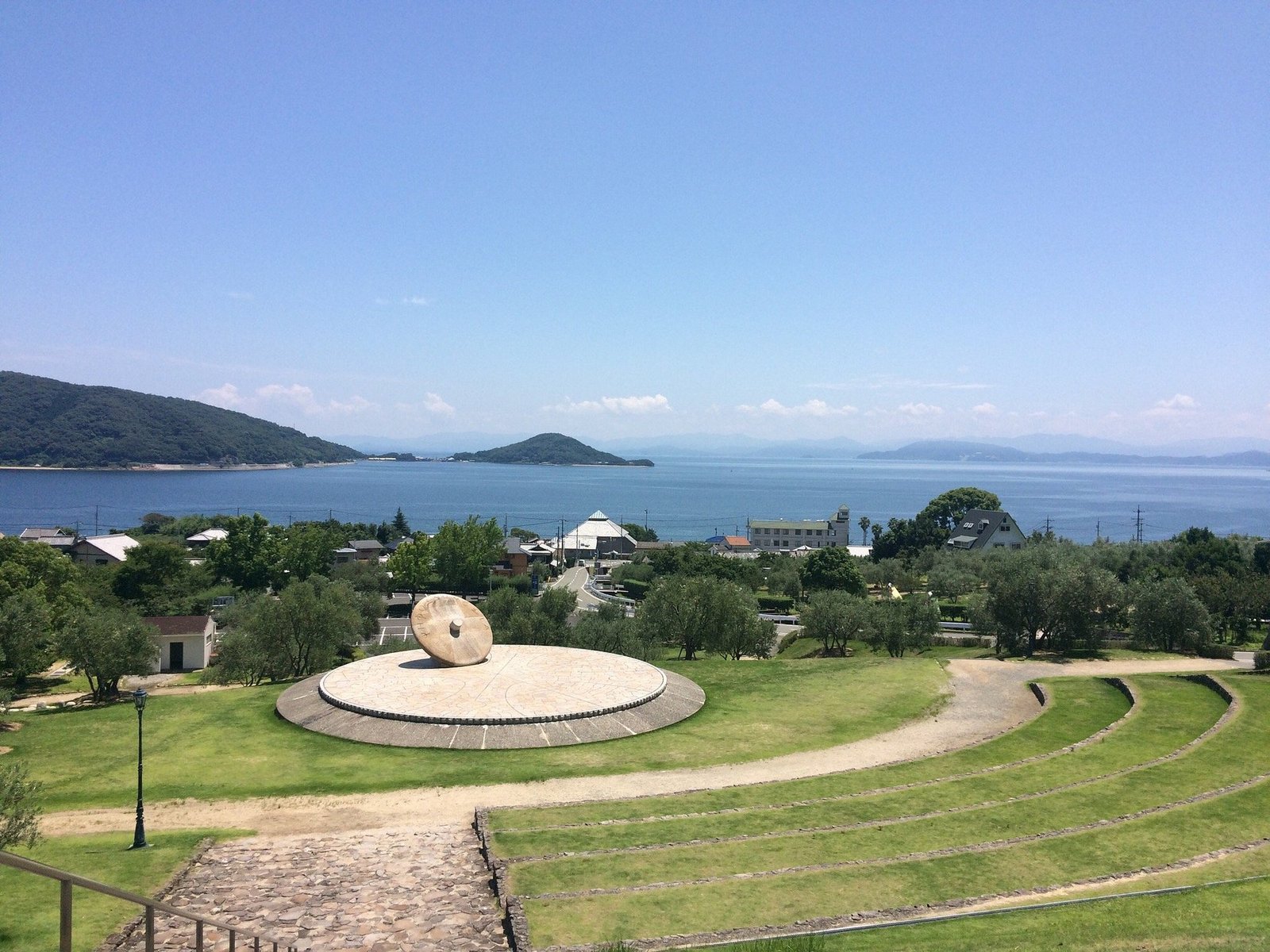
Yes, you read that right: olives. On Shōdoshima, a sun-soaked island floating in the Seto Inland Sea, everything revolves around this Mediterranean transplant—from Olive Park to oil-infused sweets. Reached by ferry (Takamatsu is the easiest departure point), the island also delivers killer views from Kankakei Valley and quirky art installations born from the Setouchi Triennale.
Where to Stay in Shōdoshima — 3 Hotel Gems
Shōdoshima is olives and sea breeze, switchback roads and cinematic sunsets. We hopped between Angel Road strolls and mountain passes so you don’t have to play hotel roulette. Here are three stays that bottle the island’s mood — sea-facing, sunset-chasing, and blissfully relaxed.
Shōdoshima International Hotel — Angel Road Front Row

Why we love it: If Angel Road is your must-do, this is the A-list address. Rooms gaze straight at the tidal sandbar; you can time your walk to the minute and beat the crowds. Classic resort vibes, island-calm service, and that “we’re-really-here” view every time you open the curtains.
- Close to: Angel Road (easy stroll), Tonoshō port dining, bayfront promenades.
- How to get there: Ferry to Tonoshō Port → 5–10 minutes by hotel shuttle or taxi.
- Best for: First-timers, sunrise/sunset chasers, car-free travelers.
- Pro tip: Check the day’s tide table at check-in and plan a blue-hour walk — the sandbar glows in photos.
Check the hotel on booking.com
Tenku Hotel Kairo — Panorama Walkway Over the Sea
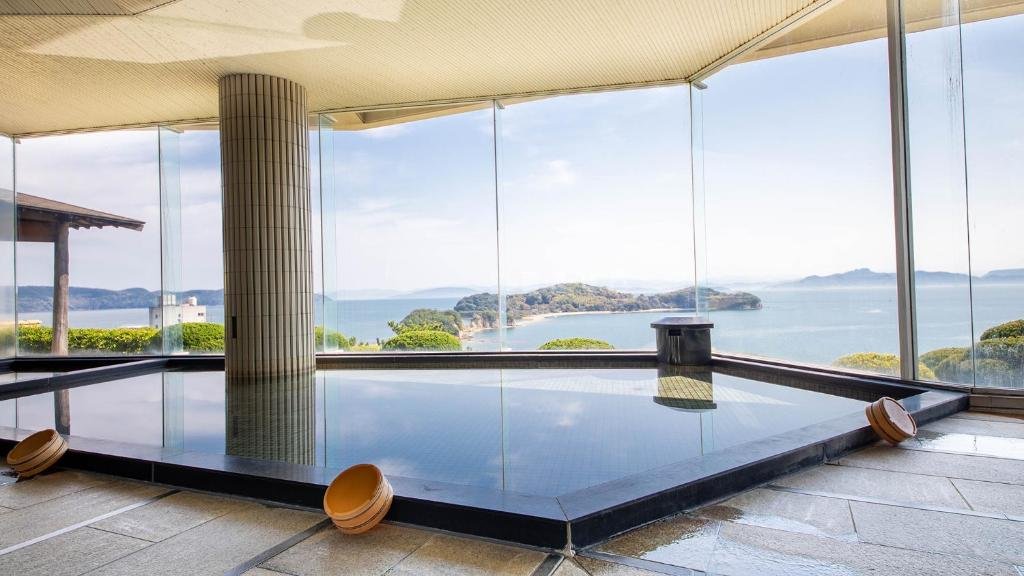
Why we love it: Built along a long, bridge-like corridor strung above the shoreline, this retro-charmer is all about horizon lines — islands dotting the Seto Inland Sea like stepping stones. It’s the kind of place where you linger on balconies, trade whispers with the wind, and forget your screen exists.
- Close to: Scenic coastal lookouts, small beaches, Tonoshō town by short drive.
- How to get there: Tonoshō Port → 10–15 minutes by taxi (steep approach; worth it for the views).
- Best for: View collectors, couples, slow mornings with coffee and sea mist.
- Pro tip: Request a higher-floor, sea-facing wing — the sunrise angle hits different from up there.
Check the hotel on booking.com
Resort Hotel Olivean Shōdoshima — Sunset Spa on Olive Hill
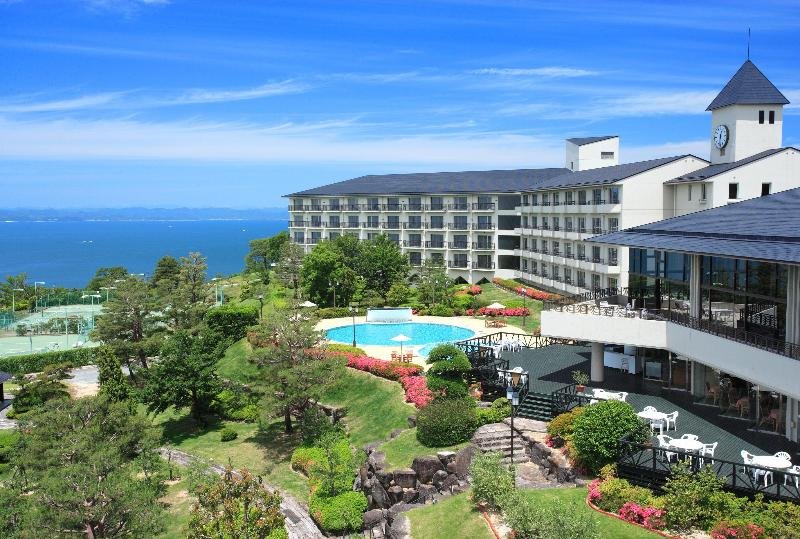
Why we love it: Perched above the island’s olive groves, this spacious resort trades dockside bustle for hilltop hush. Expect big-sky sunsets, family-friendly facilities, tennis courts, and an onsen with sea-facing tubs — a sweet spot if you want room to roam between beach hours.
- Close to: Shōdoshima Olive Park, olive-themed cafés, coastal driving routes.
- How to get there: Tonoshō Port → 15–20 minutes by shuttle/taxi (parking on site if you’re renting a car).
- Best for: Families, groups, golden-hour photographers, onsen-and-pool days.
- Pro tip: Book dinner with local olive-fed beef or island seafood; time your bath for post-meal stargazing.
Check the hotel on trip.com
- Nagoya rainy day with kids in 2026 (Cool Indoor Things to Do )
- Best Gachapon in Tokyo (2026): 20 Places to Find Capsule Toys

- All Japanese KitKat Flavours List: The Ultimate Japan KitKat Guide
- Sapporo rainy day with kids (2026): 7 Cool Indoor Things to Do
- What To Do In Arashiyama With Kids: A Realistic One-Day Family Itinerary