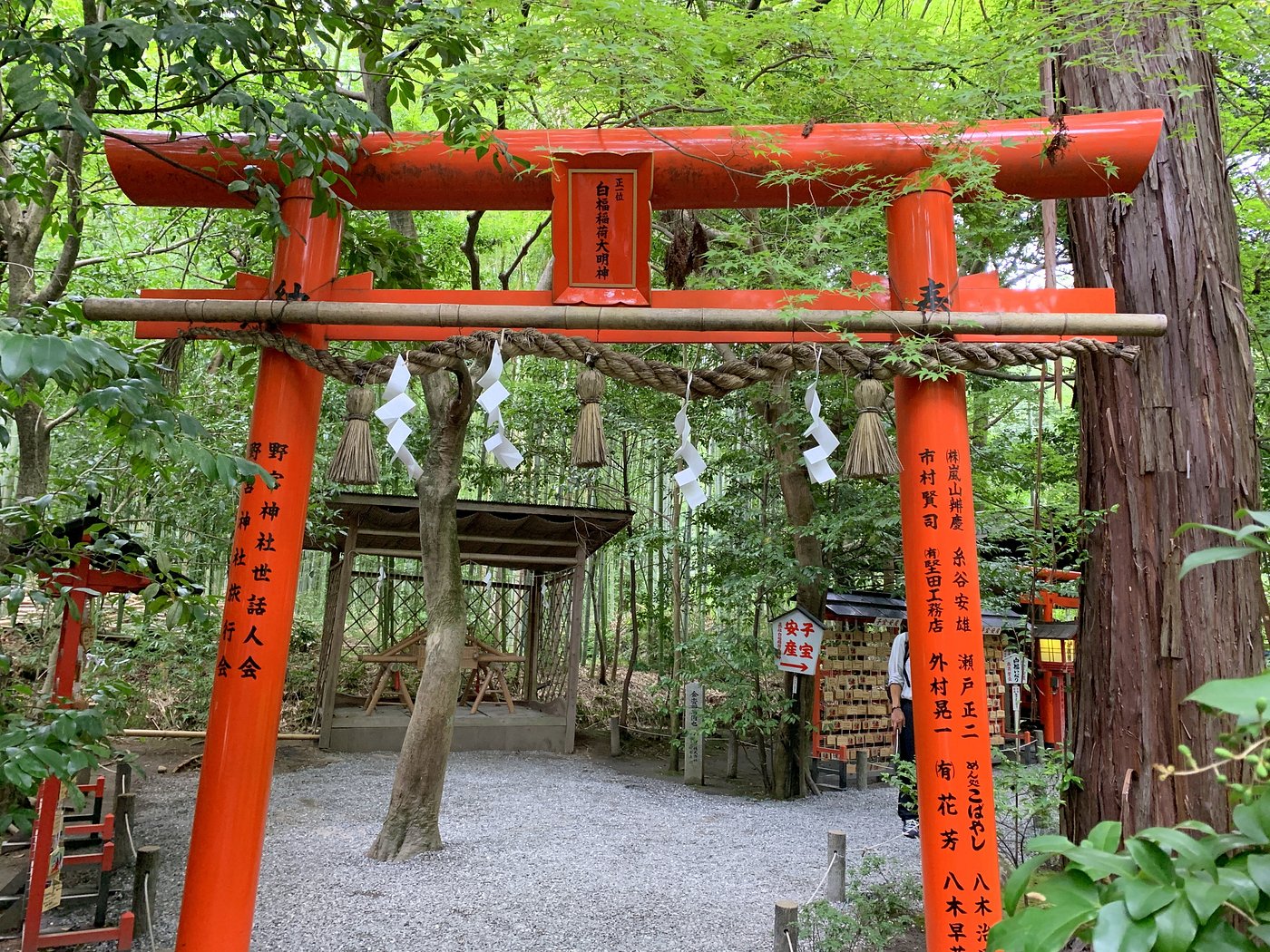
I spill travel tips , and show you the Japan that tourists usually miss.
Japan is a glorious mix of time-warp temples, neon canyons, cedar forests, and food that makes you question every “good” meal you’ve ever had back home. Most first-timers naturally orbit Kanto (Tokyo + nearby day trips) and Kansai (Kyoto/Osaka/Nara), then sprinkle in one wild-card city that steals the whole trip.
Here are the 10 best cities to visit in Japan (and side-trips) we’d build a dream itinerary around—with what to do, how to move, and a few “learn from our mistakes” pro tips.
Table of Contents
1) Tokyo: the gloriously excessive megalopolis
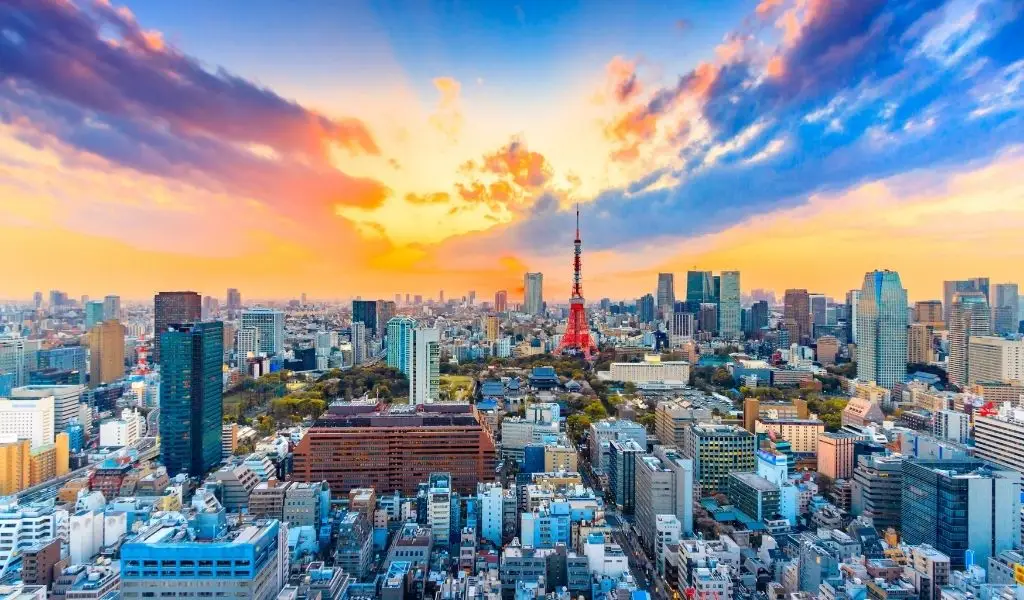
Tokyo is the kind of place where you can buy a designer bag, a vending-machine soup, and a tiny shrine blessing… within the same five minutes. It’s modern, loud, impeccably organized—and somehow still full of old-school craft, quiet alleyways, and festivals that feel like they’ve been happening forever.
What to do in Tokyo
- Go full Tokyo mode in Shibuya, Harajuku, Shinjuku, and Akihabara—fashion, lights, gadgets, pop culture chaos.
- Time-travel in the old neighborhoods like Ueno, Nezu, Yanaka/Asakusa-adjacent corners for Edo-era vibes.
- Hit the classics: Ueno Park, Nezu-jinja, and Sensō-ji.
- Eat everything: street snacks, perfect ramen, conveyor-belt sushi, and “how is this convenience store food so good?”
Close to: Nikko, Hakone, Kamakura (day-trip magnets)
How to get there: You’ll almost certainly land here (Narita or Haneda).
Where to stay: Pick one base near a big station so your legs don’t mutiny.
Pro tip: Tokyo rewards early mornings. Temples + parks before 9 a.m. feel like you rented the city.
2) Kyoto: Japan’s cultural crown jewel

If you’re dreaming of lantern-lit lanes, temple silhouettes, and that “we’re in a painting” feeling, Kyoto is your place. Once Japan’s capital until 1868, it’s still overflowing with shrines, palaces, Zen gardens, and UNESCO-level scenery—without Tokyo’s skyscraper swagger.
What to do in Kyoto
- Kinkaku-ji (Golden Pavilion) and its shimmering garden setting.
- Arashiyama Bamboo Grove (early, unless you love crowds in your photos).
- Fushimi Inari and the torii gates that keep going and going.
- Gion for traditional streets and the chance of spotting geiko/maiko.
- International Manga Museum for a surprisingly addictive stop.
Close to: Osaka, Nara, Uji (matcha pilgrims, assemble)
How to get there: Shinkansen and regular trains make this an easy hop.
Where to stay: Traditional-feeling areas are lovely, but convenience matters—Kyoto is bigger than it looks.
Pro tip: Don’t try to “do Kyoto in a day.” Give it at least two nights or it’ll feel like speed-running history.
3) Osaka: the loud, lovable, hungry city
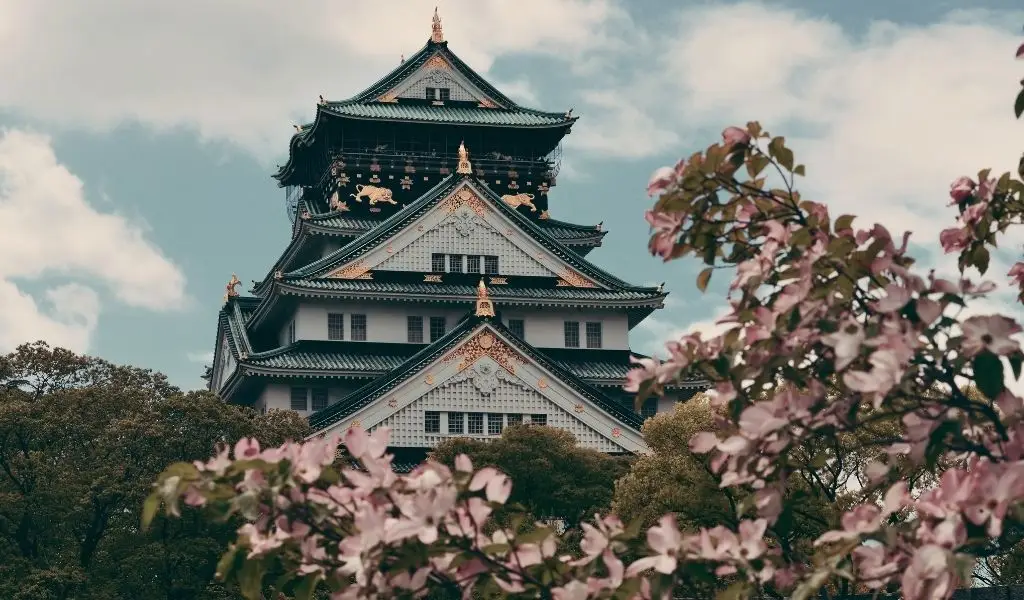
Osaka is where we go to eat like champions and laugh at ourselves for planning “light dinners.” Japan’s third-largest city is proud of its street life, canals, nightlife, and that laid-back vibe that feels more neighborhood-y than mega-metropolis.
What to do in Osaka
- Osaka Castle (big, iconic, and dramatic).
- Shitennō-ji, one of Japan’s most famous Buddhist temples.
- Kaiyukan Aquarium—massive, cinematic, and strangely calming.
- Tennoji Zoo for an easy, classic city outing.
- Ramen Museum (because why not make noodles an event?)
Close to: Kyoto, Nara, Kobe (Kansai’s greatest hits)
How to get there: Major hub—trains, shinkansen, airport connections.
Where to stay: Near the action if you want nightlife; near key train lines if you want day trips.
Pro tip: Go to Dotonbori hungry. Going “just to look” is a lie we tell ourselves.
4) Nara: the spiritual city (with deer that have opinions)
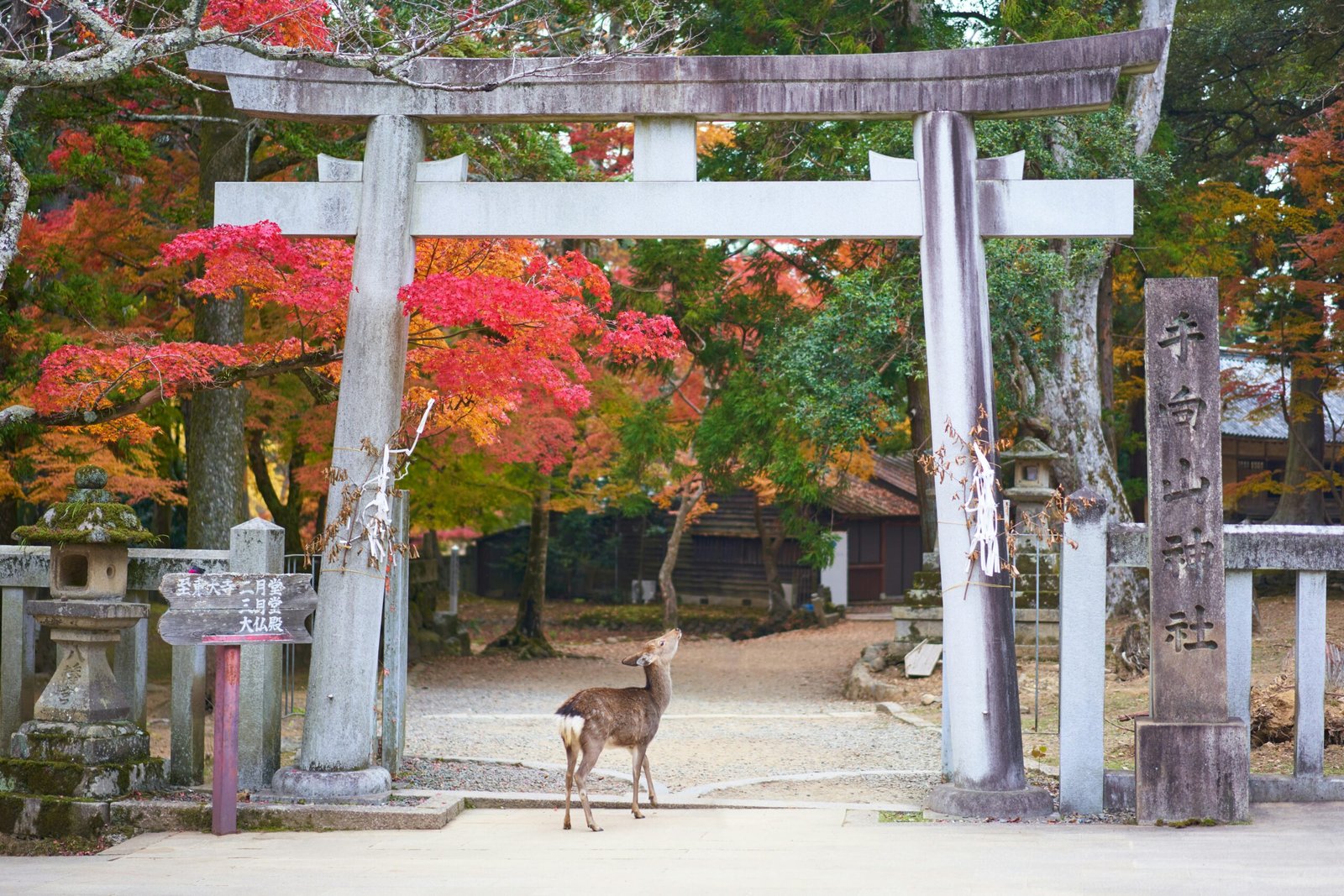
Nara is calm, historic, and slightly chaotic thanks to its famous deer—who are adorable until they realize you’re holding snacks. Once Japan’s capital in the 8th century, it’s packed with ancient temples and forested shrine paths that feel like a soft reset after the cities.
What to do in Nara
- Nara Park with free-roaming deer (especially magical during cherry blossoms).
- Kasuga-taisha and its lantern-filled forest atmosphere.
- Kōfuku-ji and its elegant pagoda.
- A museum stop to actually understand what you’re seeing.
- Isuien Garden for quiet beauty.
- Tōdai-ji and the 15-meter Great Buddha (yes, it’s enormous).
Close to: Kyoto & Osaka (easy day trip)
How to get there: Regional trains make it simple.
Where to stay: Day trip works, but an overnight gives you emptier parks.
Pro tip: Deer are not polite. Keep paper maps and snacks secure unless you want a tiny antlered robbery.
5) Hakone: hot springs + the “Mount Fuji might show up” moment
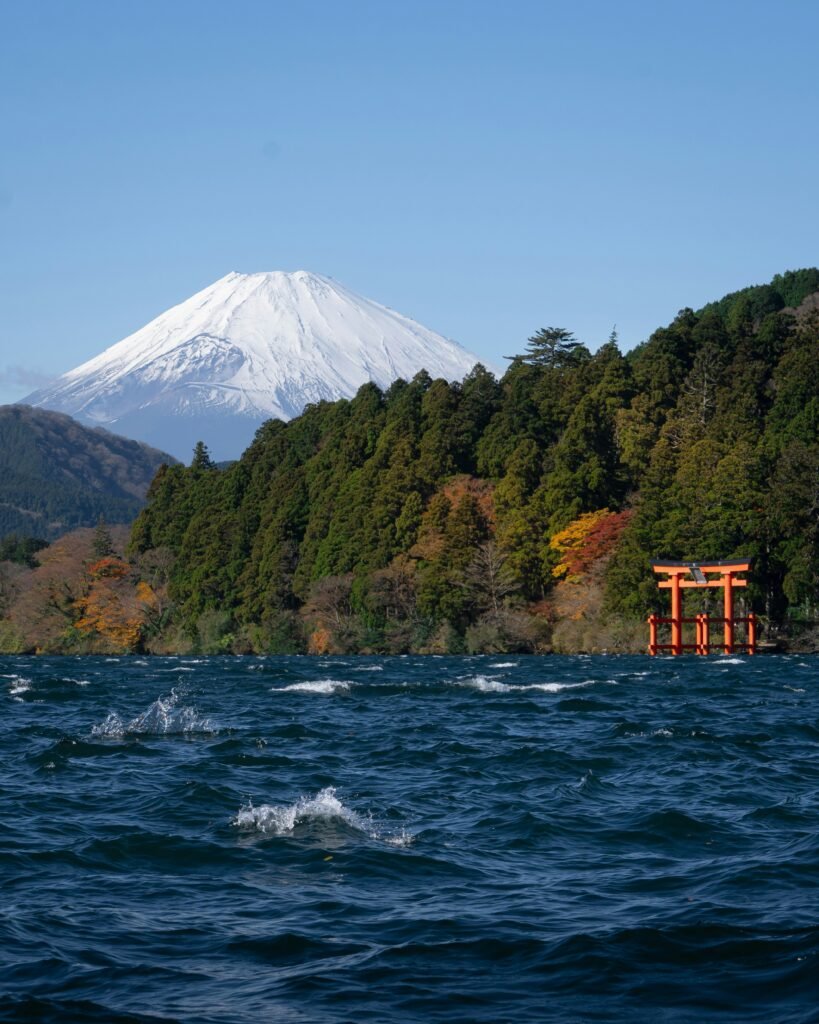
Hakone, in Kanagawa Prefecture, is where Tokyoites escape for fresh air, onsen steam, and that postcard view of Fuji—when the weather cooperates. Nestled in Fuji-Hakone-Izu National Park, it’s a classic mix of lake scenery, volcanic landscapes, and slow travel.
What to do in Hakone
- Chase the Mount Fuji view (patience required).
- Soak in an onsen until you forget your email password.
- Hakone Shrine / Hakone-jinja for that mossy, sacred atmosphere.
- Boat ride on Lake Ashi to see the torii gate “floating” in the water.
- Lunch by the lake like you’re in a film.
- Hike if your legs still have ambition.
Close to: Tokyo (the definitive getaway)
How to get there: Trains + local transport; it’s set up for visitors.
Where to stay: Ryokan + onsen = the full Hakone experience.
Pro tip: Fuji visibility is fickle. Build Hakone into your trip for the onsen and views—treat Fuji as a bonus gift.
6) Kamakura: zen coastal vibes with a giant Buddha
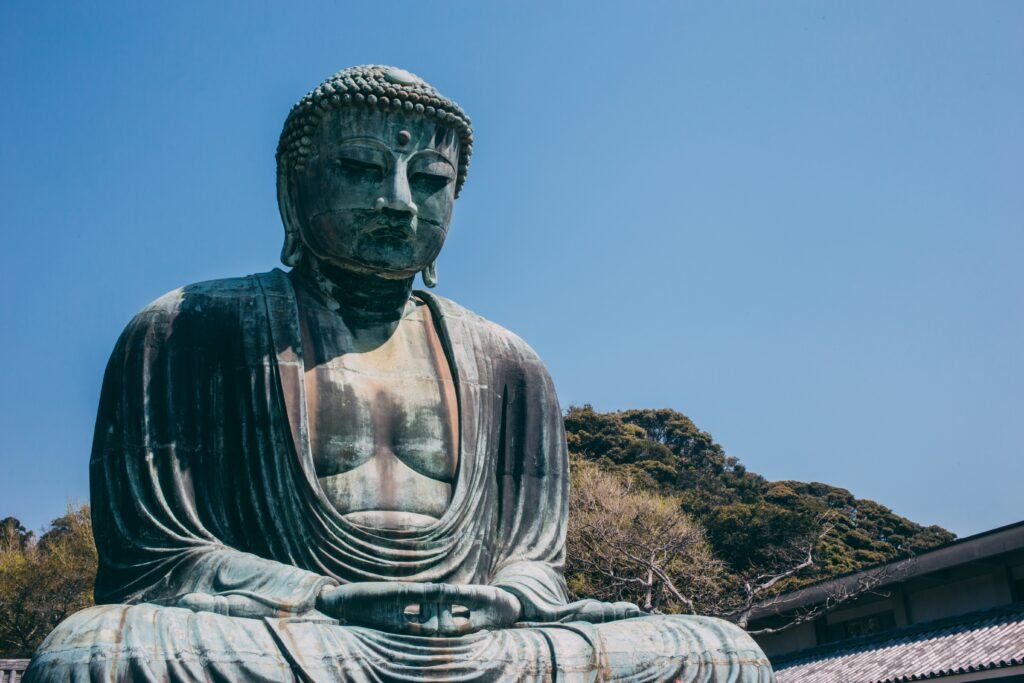
About an hour from Tokyo on Sagami Bay, Kamakura is beachy, historical, and unexpectedly serene. Ancient capital status, surfing culture, hiking trails, and temples everywhere—this is the “we need a break, but we still want sightseeing” sweet spot.
What to do in Kamakura
- The Great Buddha (Daibutsu)—calm, imposing, unforgettable.
- Hōkoku-ji and its bamboo grove (quieter than the famous ones).
- Hasedera Temple for views and a lovely temple complex.
- Hiking trails peppered with shrines and history.
- Zeniarai Benten, Sasuke Inari, and Tsurugaoka Hachimangū.
- Try the potato ice cream (it sounds wrong; it’s weirdly right).
Close to: Tokyo + Enoshima (easy pairing)
How to get there: Straightforward train ride from Tokyo.
Where to stay: Day trip is easy; overnight if you want beach mornings.
Pro tip: Pack a light jacket even in warm seasons—coastal weather changes fast.
7) Takayama: “little Kyoto” in the Japanese Alps

Takayama is a mountain town with serious Edo-period charm—wooden houses, craft shops, sake breweries, and streets that look like time stopped politely and never started again. It’s also a great base for alpine scenery and nearby heritage villages.
What to do in Takayama
- Wander the old town and let yourself get lost (on purpose).
- Sannomachi Street for traditional houses, artisan shops, and sake tastings.
- Takayama-jinja for local shrine atmosphere.
- Catch the Takayama Festival if your dates match (it’s famous for a reason).
- Hida no Sato open-air museum for architecture and culture in one stroll.
- Shirakawa-go day trip—storybook village energy.
- Soak in Okuhida onsen for peak “mountain Japan” relaxation.
Close to: Nagoya + the Alps regions
How to get there: Regional express trains connect you into the mountains.
Where to stay: Traditional inns here hit different—quiet nights, crisp mornings.
Pro tip: Bring layers. Mountain air is not interested in your “it’s summer” confidence.
8) Karuizawa: the polished resort town (with fresh air for days)
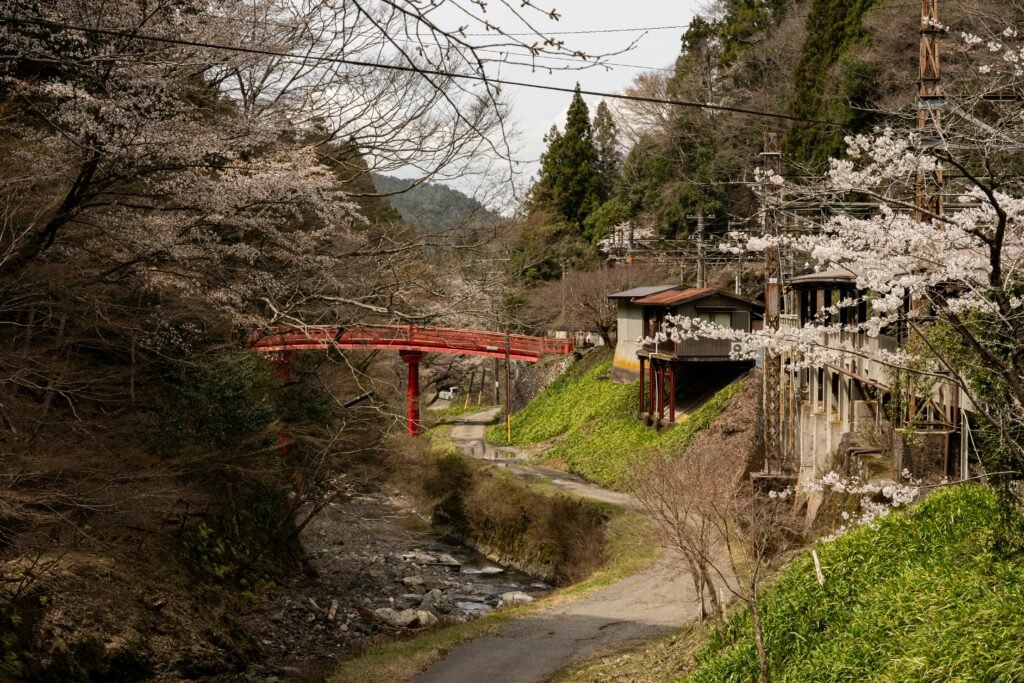
Karuizawa is where you go when you want “upscale nature escape” without roughing it. Famous as a summer cool-down spot and autumn-leaf destination, it’s full of hiking, museums, cafes, and shopping—plus onsen to keep the whole thing deliciously slow.
What to do in Karuizawa
- Shiraito Falls for a quick nature wow.
- Usui Pass observatory for big, satisfying views.
- Onioshidashi Volcanic Park for dramatic lava landscapes.
- Onsen time (always time).
- Kyu-Karuizawa Ginza for strolling and browsing.
- Karuizawa Prince Shopping Plaza for serious retail therapy.
- Get around by bike and pretend you live here.
Close to: Easy access from the Tokyo area
How to get there: Fast connections make it a popular short escape.
Where to stay: Resort hotels and cozy stays suit the vibe.
Pro tip: Karuizawa is best when you slow down. Plan fewer sights, linger more.
9) Sapporo: northern Japan’s food-and-snow paradise
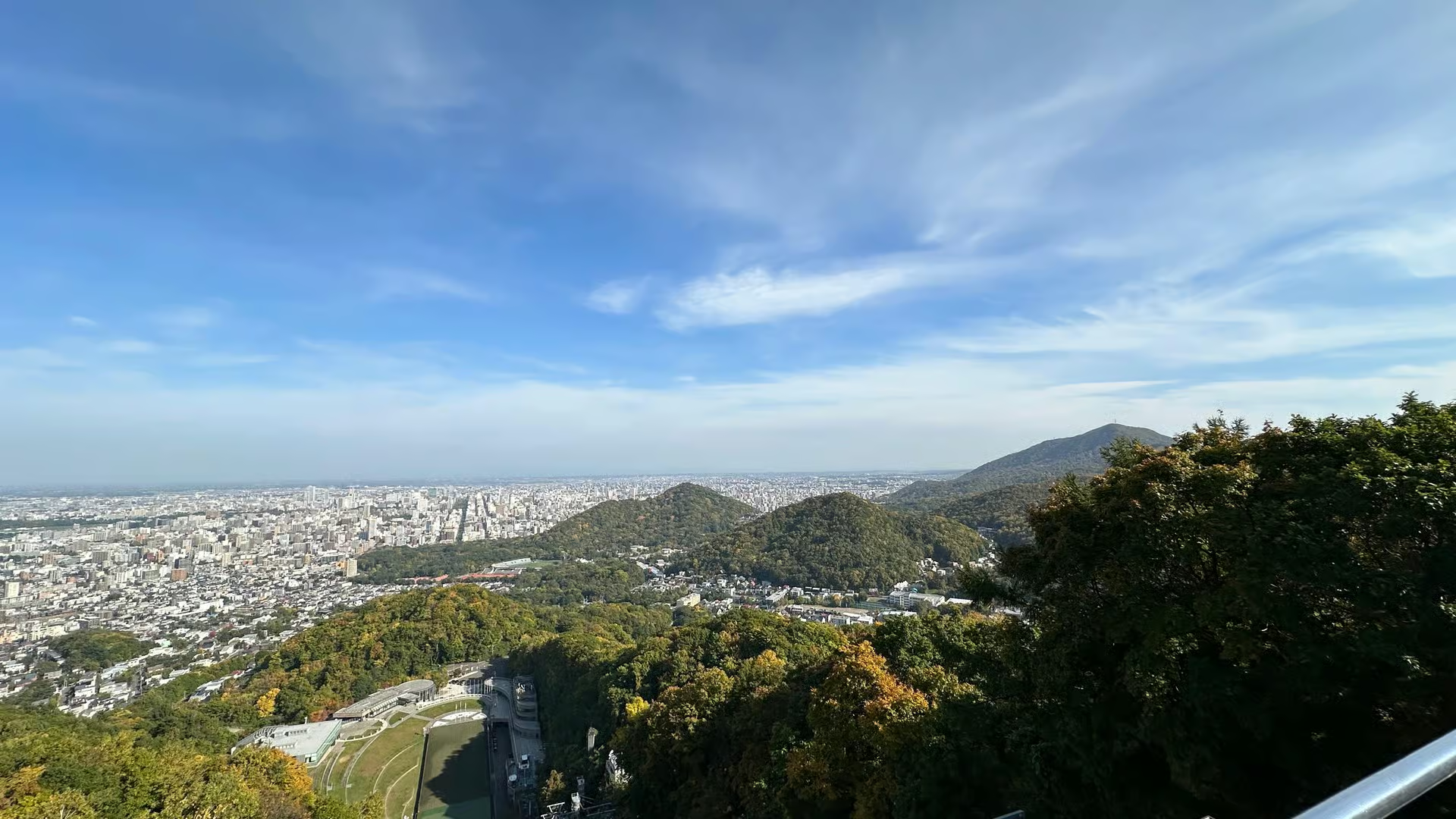
If you love seafood, ramen, and beer—and you’re not scared of real winter—Sapporo is your calling. Capital of Hokkaido, famous for its beer heritage and winter festivals (plus the 1972 Winter Olympics), it’s a cold-weather city that turns cozy into an art form.
What to do in Sapporo
- Mount Moiwa for a panoramic city view.
- Historic Village to step into older Hokkaido life.
- Eat local specialties until your waistband negotiates a truce.
- Sapporo Beer Museum for the pilgrimage.
- Odori Park for a central, easy stroll.
- Snow Festival if you’re visiting in peak winter.
- Niseko skiing for world-class snow adventures.
Close to: Hokkaido nature + ski towns
How to get there: Fly or connect onward from Japan’s main hubs.
Where to stay: Central is easiest; winter trips benefit from convenience.
Pro tip: If you’re going for snow season, pack like you respect the climate. Hokkaido will humble you.
10) Hiroshima: peaceful, poignant, and surprisingly beautiful

Hiroshima carries heavy history, but it has rebuilt itself as a city of peace—green parks, riverside walks, and a gentle atmosphere that stays with you. Pair it with nearby Miyajima (“Island of the Gods”) and you’ve got one of the most emotionally resonant stops in Japan.
What to do in Hiroshima
- Peace Memorial Park for reflection and context.
- Hiroshima Castle to understand the city beyond 1945.
- Shukkeien Garden for perfect calm.
- Mitaki-dera Temple for a nature-soaked temple visit.
- Try Hiroshima-style okonomiyaki (it deserves its own category).
Close to: Miyajima (don’t skip it)
How to get there: Shinkansen routes make this a classic add-on.
Where to stay: One or two nights works well, especially with Miyajima.
Pro tip: Don’t rush the Peace Memorial area. Give yourself quiet time afterward—your brain will need it.
Japan is overflowing with places that could steal a spot in this top 10: Nikkō, Nagoya, Kobe, the Ogasawara Islands, and Okinawa (a total “wait, this is still Japan?” dream). But if we’re building a first trip that feels balanced—cities + culture + nature + food + a few unforgettable detours—this list is your strongest starting point.
So… which chapter are we opening first: neon Tokyo, temple Kyoto, or “we came for one day and stayed forever” Osaka?
- Nagoya rainy day with kids in 2026 (Cool Indoor Things to Do )
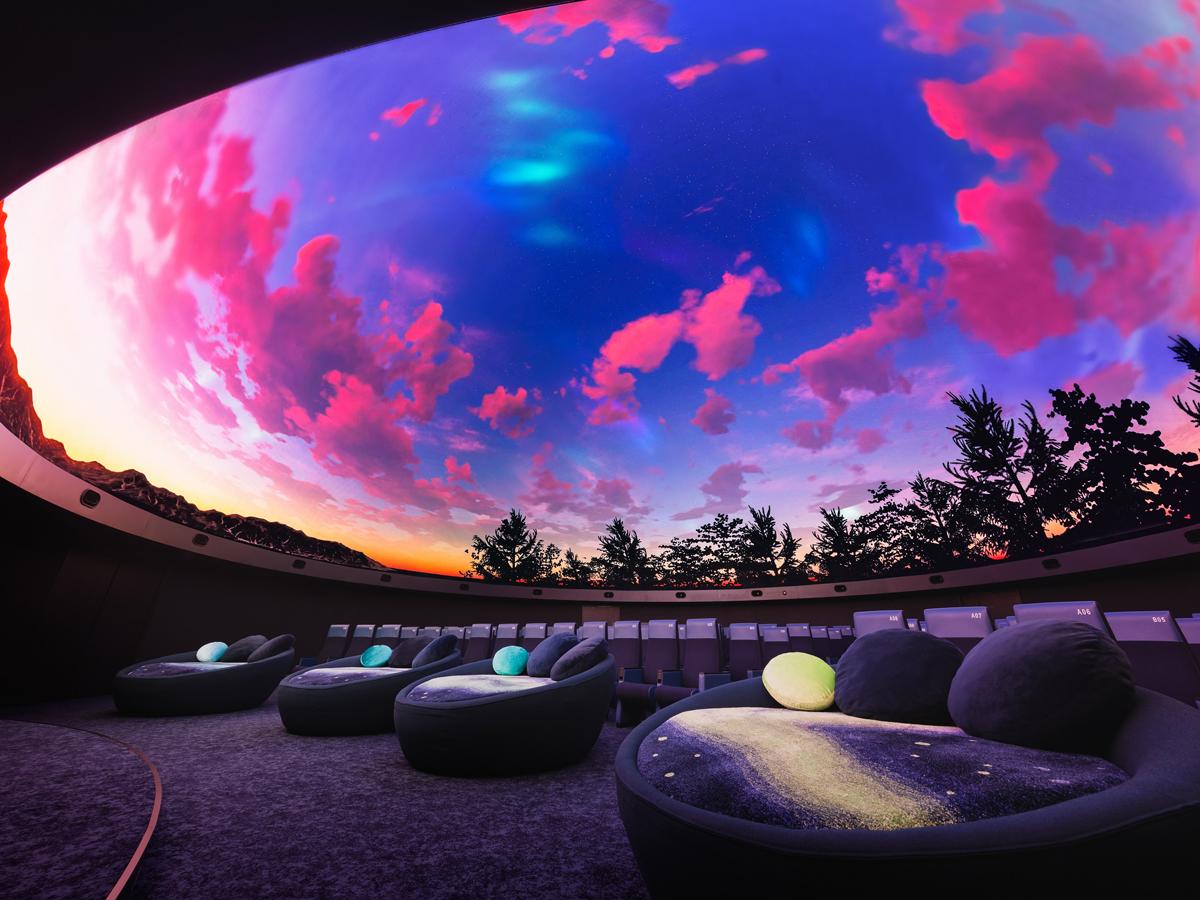
- Best Gachapon in Tokyo (2026): 20 Places to Find Capsule Toys

- All Japanese KitKat Flavours List: The Ultimate Japan KitKat Guide
- Sapporo rainy day with kids (2026): 7 Cool Indoor Things to Do
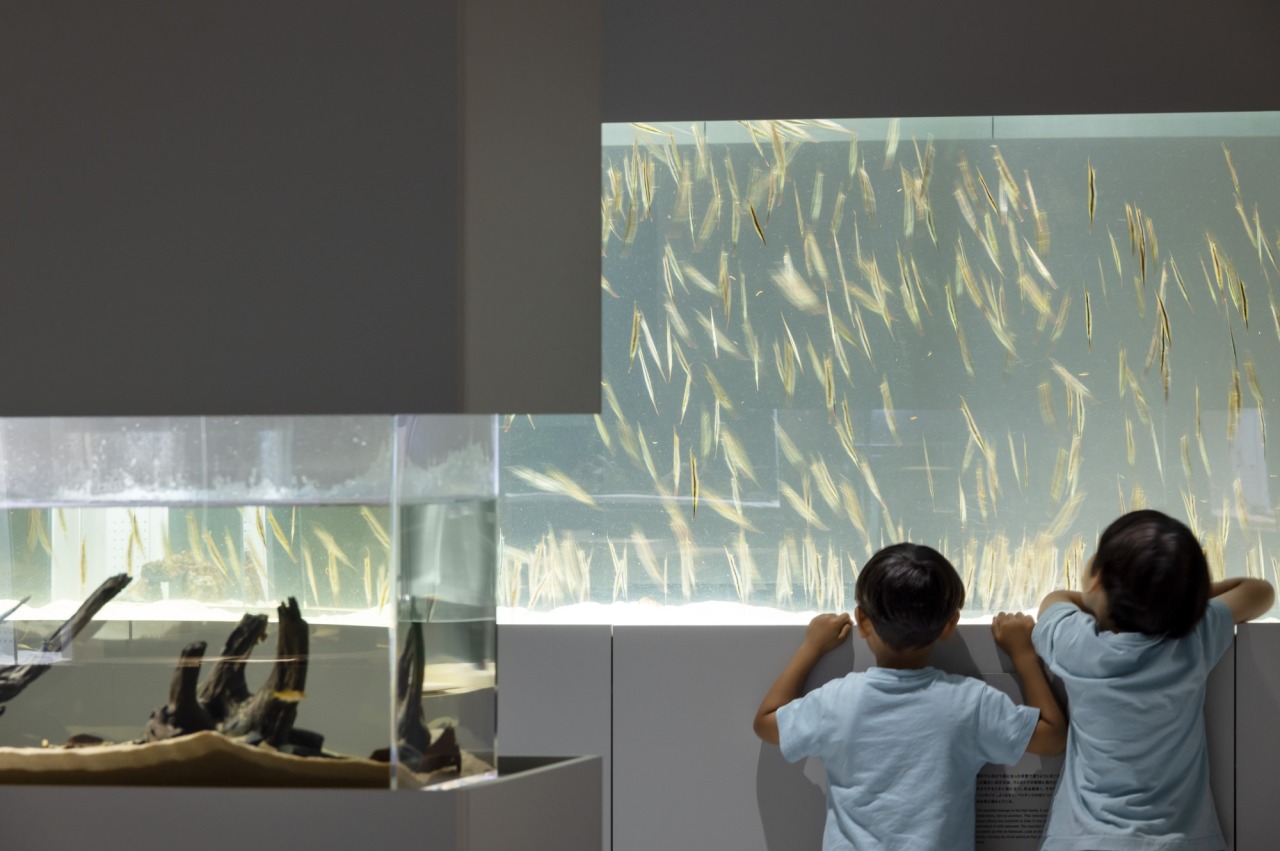
- What To Do In Arashiyama With Kids: A Realistic One-Day Family Itinerary