
I spill travel tips , and show you the Japan that tourists usually miss.
If you’re wondering what to do in Miyajima in one day, we’ve got you.
Miyajima—officially Itsukushima—sits in Hiroshima Bay, and it’s world-famous for one reason you already know: the Floating Torii Gate. Yes, it’s as jaw-dropping in real life as it is in photos.
But Miyajima isn’t a one-trick torii. This is an island with a deep spiritual backbone and a huge amount packed into a small footprint: shrines and temples, quiet forest trails, the Mount Misen cable car, and deer casually wandering around like they own the place. And if you stay overnight in a traditional ryokan, you’ll catch the island at its best—quieter, softer, and dramatically more magical once the day-trippers vanish.
Because Miyajima has been considered sacred for centuries, much of it has stayed remarkably preserved—so it still feels like a special destination, not just another “tick-the-box” stop.
Here’s what we’ll help you plan:
- How to get there from Hiroshima (DIY ferry route or guided tour)
- The top Miyajima attractions you can realistically fit into one day
- Practical tips: where to stay, what to eat, and little curiosities you’ll be glad you knew
Alright—let’s start our self-guided tour of Miyajima.
Keep Planning Your Japan Route
Miyajima looks like a simple day trip until it starts showing off: floating torii gates, forest trails, temples, deer with questionable boundaries, maple-leaf sweets, and just enough ferry drama to make the day feel like a tiny adventure. Use these Japan guides to connect Miyajima with the rest of your route without letting your itinerary become a beautiful logistical beast.
- Best Japan Itinerary — the best next click if you want to fit Miyajima into a bigger Japan route with Tokyo, Kyoto, Osaka, Hiroshima, and beyond.
- Best Cities to Visit in Japan — useful if Miyajima has you wondering which Japanese cities and side trips deserve space on your route.
- Best Places to Visit in Japan — perfect for matching Miyajima with temples, islands, mountain towns, shrines, gardens, and classic Japan highlights.
- Is the Japan Rail Pass Worth It? — essential if you’re reaching Miyajima by shinkansen, ferry, and JR routes and want to know whether the pass actually saves money.
- Best Apps for Japan Travel — practical help for trains, translations, maps, restaurant searches, weather, and all the little tools that stop Japan travel from becoming chaos with good snacks.
- What to Do in Kyoto — ideal if your route pairs Miyajima’s island shrines with Kyoto’s temples, gardens, old streets, and cultural heavy hitters.
- What to Do in Osaka — great if you’re stopping in Osaka before or after Hiroshima and want food, neon, castles, shopping, and loud delicious chaos.
- Japanese Architecture Guide — useful if Itsukushima Shrine has you fully spiraling into temples, shrines, castles, wooden structures, and elegant design.
- Most Popular Japanese Desserts — because Miyajima’s momiji manju may open a dangerous new chapter in your snack life.
Table of Contents
Where is Miyajima Island on the map of Japan?
We’re in western Honshu, in Hiroshima Prefecture—and specifically in Hiroshima Bay, opening right out into the Seto Inland Sea. Itsukushima Island is the “official” name, but everyone (including you, five minutes from now) calls it Miyajima.
From Hiroshima City, getting to Miyajima is easy and pleasantly foolproof. Depending on connections and how long you loiter for snacks, count about 1 hour to 1 hour 30 minutes door-to-door.
Getting to Miyajima from Hiroshima independently
The journey between Hiroshima and Miyajima is quite straightforward, divided into two parts: the first leg by train/tram and the second by ferry. We’ll tell you about the first leg, with two options to choose from . Remember that each point is marked on the map above:
- Take the JR Sanyo train from Hiroshima Station to Miyajimaguchi Station. The journey takes about half an hour and costs around 420 yen. You can easily pay with an IC card, as it’s a commuter train. From there, it’s a 3-4 minute walk to the ferry terminal for the second step.
- This train is included in the JR Pass , in case you were wondering.
- Hiroshima Dentetsu Tram No. 2. This tram connects Hiroshima Peace Memorial Park with Hiroden-Miyajimaguchi Station, a tram station right next to the ferry terminal at the second crossing. The journey takes about an hour and costs around 240 yen; payment can also be made by IC card.
- Our advice is to choose the other option to save time. This route is not included in the JR Pass.
Once at the ferry terminal (called Miyajimaguchi Ferry Terminal ), three companies operate a convenient 10-minute transfer to the Miyajima Matsudai Kisen Ferry Terminal , the terminal in Miyajima. You can choose any of them, as ferries depart frequently from early morning until late at night.
- JR Miyajima Ferry . This ferry is the best option if you’re using a JR Pass, as it’s included. You can see the schedule here , with ferries departing very early, which is great if you want to get to Miyajima Island as soon as possible.
- The price is usually 400 yen round trip, plus an additional 100 yen island entry fee. You can pay with IC Card.
- Miyajima Matsudai Kisen . This would be the other one, and you can see the schedules here , which are quite similar.
- Prices remain the same as before, and you will also need to pay a separate fee, which is not affiliated with the company. You can also pay with IC Card.
- Aquanet . The last company listed has fewer departure times (you can see them here ) but offers a 5-minute transfer on a faster ferry, costing twice as much as the others and not included in the JR Pass. We would skip this one; it’s not worth it.
- This company also offers a direct route from Hiroshima Peace Memorial Park to Miyajima , taking about 45 minutes. The fare is 2200 yen one way and 4000 yen for a round trip. Here ‘s more information, keeping in mind that the service doesn’t operate at low tide and that the schedule is limited.
What to do in Miyajima?
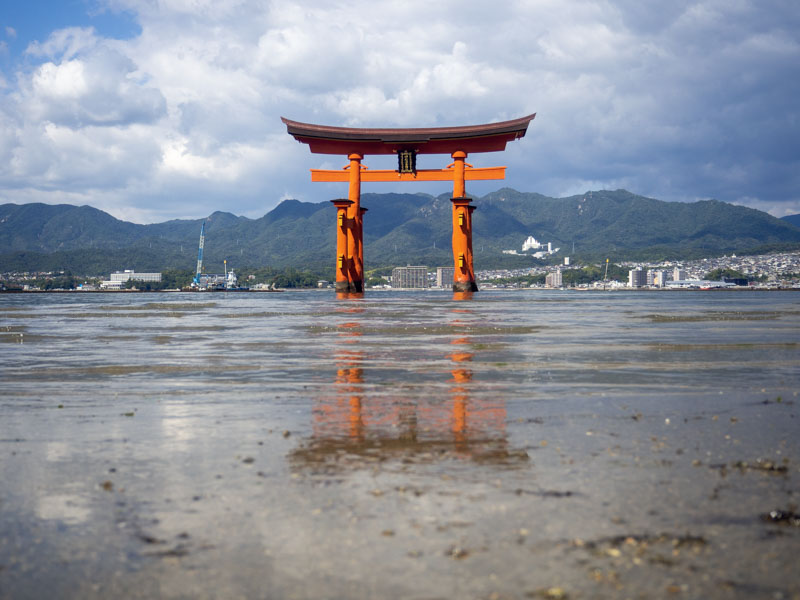
Let’s be clear: Miyajima isn’t “just” a famous torii gate. It’s a spiritual island with sacred temples, a mountain hike with ridiculous views, a walkable village full of snacks, and a coastal calm that makes you forget you were speed-running cities yesterday.
People come here for:
- Pilgrimage + temples (Shinto and Buddhist sites that actually feel alive)
- Nature (hikes, forests, sea air, viewpoints)
- The floating torii (yes, it’s as photogenic as everyone claims)
- Seasonal beauty (autumn colors, spring blossoms, lush summer greens)
Pro tip: If you’re visiting Hiroshima, don’t treat Miyajima like a quick add-on. Allow at least a full day, and two days if you want the “we actually breathed” version of the trip.
How to visit Miyajima (without losing your mind)

You can explore Miyajima completely independently—just build your route around your time, energy, and temple/hike tolerance.
But if you’re short on time and want the stories behind what you’re seeing, a local guide can change the whole day. During our scouting trip for our travel agency, we tried both: one visit without a guide, and one with. The difference was… not subtle. With a guide, the temples stop being “pretty buildings” and turn into a living timeline of beliefs, rituals, and island rules that shaped everything you’re walking through.
We were guided by Ken, whose knowledge and Buddhist-cultural context made the island click in a way we didn’t expect. Thanks to his anecdotes and explanations, this whole Miyajima section became far more complete—so yes, if you’re the kind of traveler who likes meaning with your scenery, we recommend hiring a guide.
Why is Miyajima famous?
Miyajima’s fame comes in layers (like a good pastry—hold that thought for the momiji manju section).
- The floating torii gate (the headline act)
- Autumn foliage and cherry blossoms (Japan takes seasonal travel seriously)
- A long beach (about 1 km) that gives the island a light seaside-resort vibe
- Sacred temples + Mount Misen, drawing pilgrims and hikers alike
Temples to discover on Miyajima (the ones we’d never skip)
There are many temples on the island, but we’ll keep this to the genuinely unmissable set—the ones that make you stop, look around, and go quiet for a second.
1) Itsukushima Shrine + the “floating” torii gate
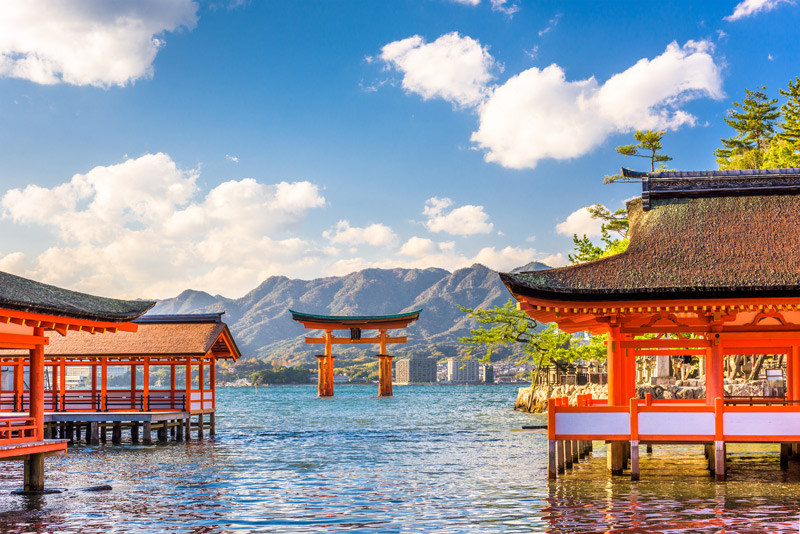
This is Miyajima’s star attraction for a reason. The shrine is a UNESCO World Heritage Site, and at high tide it looks like it’s hovering over the water. Out front, the iconic red torii gate—about 16 meters high—owns half the postcards in Japan.
At low tide, you can walk right up to the torii and see just how massive it is up close (and yes, your camera roll will become 70% torii from multiple angles—accept your fate).
A quick history bite: the shrine’s structure is tied to an older idea of Miyajima as a sacred place where people avoided stepping directly onto the ground. Approaching by water and moving through elevated wooden structures helped preserve the island’s sanctity—and that’s part of why the shrine’s layout is so distinctive today.
Practical information:
- Check the tide times before you go.
- High tide: “floating” illusion is strongest.
- Low tide: walk to the torii’s base for close-up photos.
Pro tip: If you only do one thing on Miyajima, pair the shrine with a tide check so you get the version you actually want (floating drama or up-close detail).
2) Reikado Hall + the Eternal Flame of Miyajima
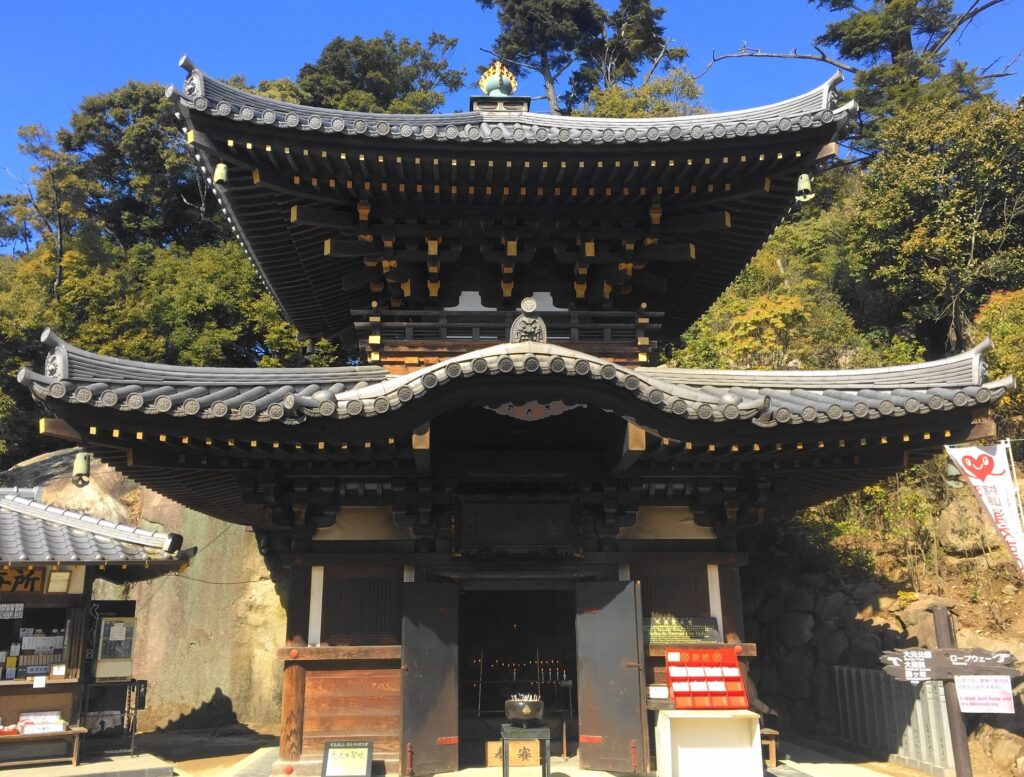
Up on Mount Misen, a legendary flame burns—the Eternal Flame of Miyajima, protected by Reikado Hall, built in 1165. The flame has endured for over a millennium and is revered by both Buddhists and Shinto believers as a symbol of spiritual continuity.
Legend says Emperor Goto visited the island and read the flame as a sign of enlightenment—since then it has carried the island’s themes of perseverance and wisdom.
Wild side note: this flame was also used to light the torch at the Hiroshima Peace Memorial.
The area is wrapped in local lore and “natural wonders,” including:
- The Tide Rock: a rock with a seawater-filled hole that rises and falls with the tides
- Mandala Rock: said to carry mysterious inscriptions
- A Plum Tree: tied to the legend of a prayer stick taking root
- The Dragon Fire Cedar: associated with tales of “Dragon Fire” fireballs appearing over surrounding waters
3) Daisho-in Temple (Daishōin)
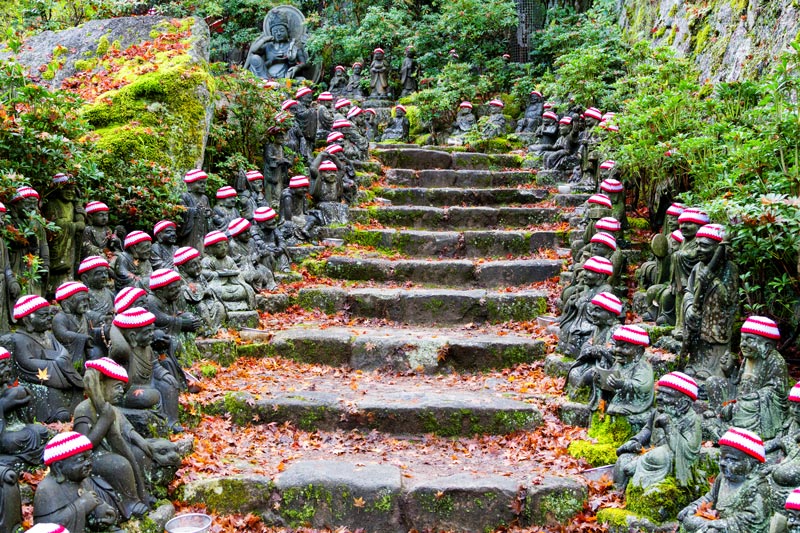
Sitting at the foot of Mount Misen, Daisho-in is one of Miyajima’s most iconic temples and a major site for Shingon Buddhism. Tradition says Kobo Daishi began his practice here on the island.
This place is a full spiritual treasure chest: multiple halls, statues, artifacts, and details you only notice when you slow down. Highlights include:
- Kannon-do Hall
- Maniden Hall
- A sand mandala created by visiting Tibetan monks
- A traditional teahouse
- Henjokutsu Cave, lit by hundreds of lanterns, also housing 88 icons linked to the famous Shikoku pilgrimage temples
Pro tip: Daisho-in is the perfect pre-hike stop—spiritually grounding and conveniently placed.
Heading up Mount Misen
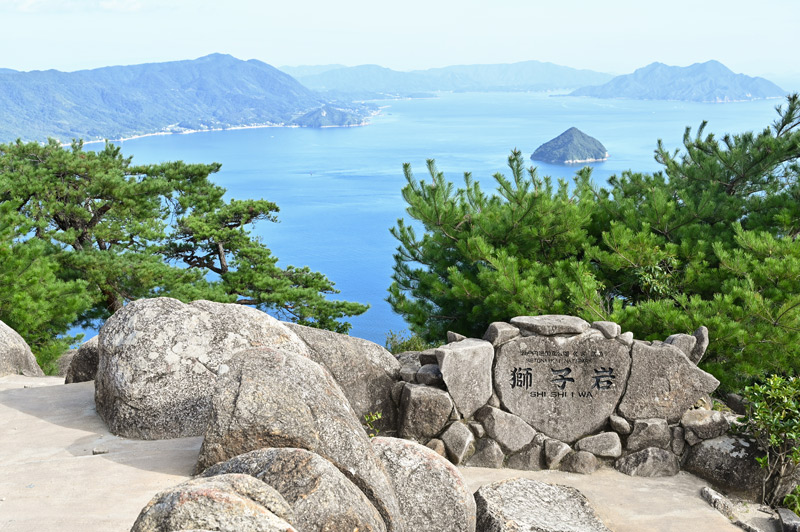
If you like hiking, Mount Misen is your island jackpot. Several trails climb from the Momijidani area, with different vibes and difficulty levels. At the top, the reward is a sweeping view over the Seto Inland Sea and scattered islands like a map someone spilled across the water.
The Momijidani Trail
- Distance: 2.5 km
- Elevation gain: 490 m
- Time: ~1h45
- Vibe: most accessible, most popular, fewer “features” than the other routes
- Best for: autumn visits—this is the classic fall-color route
The Daishōin Trail
- Distance: 2.3 km
- Elevation gain: 515 m
- Time: ~1h40
- Vibe: steps, statues, pilgrimage energy
- Nearly 2,000 steps, lined with small Buddha statues that quietly “walk” with you.
- Scenic points include Shirato Falls and Maku-iwa (Curtain Rock)—about 30 m high and 150 m wide, resembling a giant stage curtain.
- You’ll also pass a paved Edo-period path called Yujo Ishidatami, sometimes translated as “Prostitutes’ Lane,” funded by prostitutes during the Edo period. History is messy, fascinating, and very much present on this mountain.
The Ōmoto Trail
- Distance: 3 km
- Elevation gain: 530 m
- Time: ~2h
- Vibe: longest, toughest, more nature-heavy
- Passes through Ōmoto Park, near a giant fir tree (over 200 years old), Iwayataishi Cave, and Kujira-iwa, a whale-shaped rock formation.
The cable car
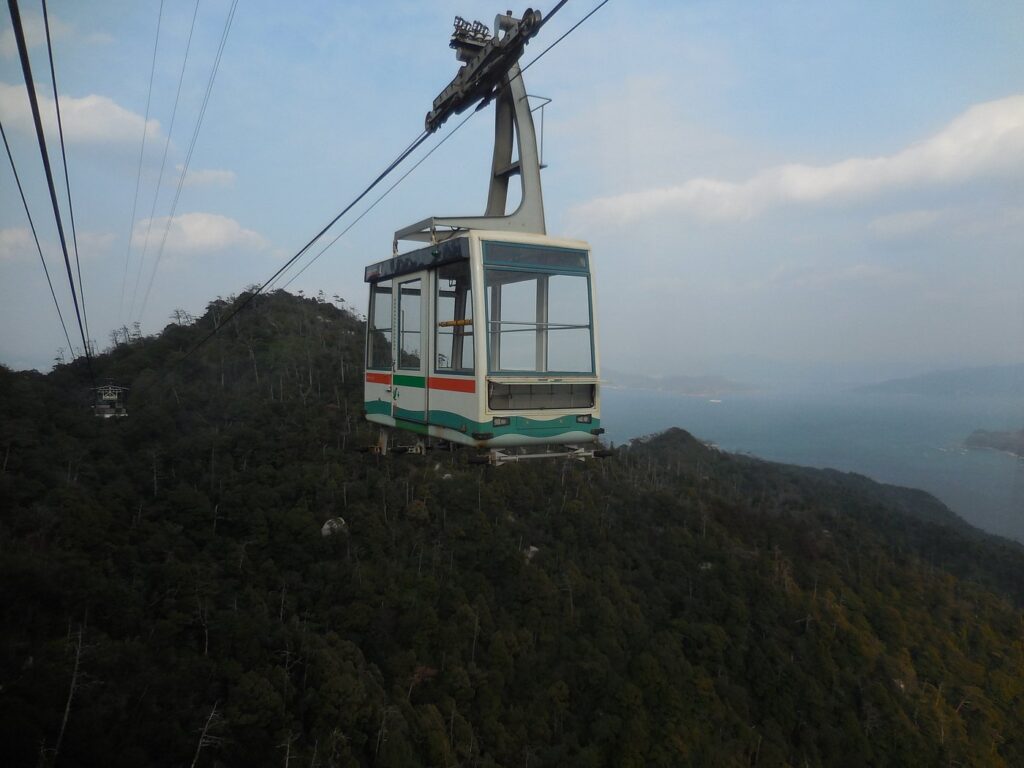
If you don’t want to hike the whole way, the ropeway gets you most of the distance. Ride time is typically 15–20 minutes.
Practical information (general):
- Hours: typically around 9:00–16:00
- Frequency: departures roughly every 10 minutes
- Prices:
- Round trip: 2000 yen adult / 1000 yen child
- One way: 1100 yen adult / 550 yen child
- Weather: service may stop in strong wind or heavy rain
Pro tip: If you’re prone to vertigo, pick a cabin spot that lets you look at the horizon, not down into the void.
Mount Misen Summit Observatory
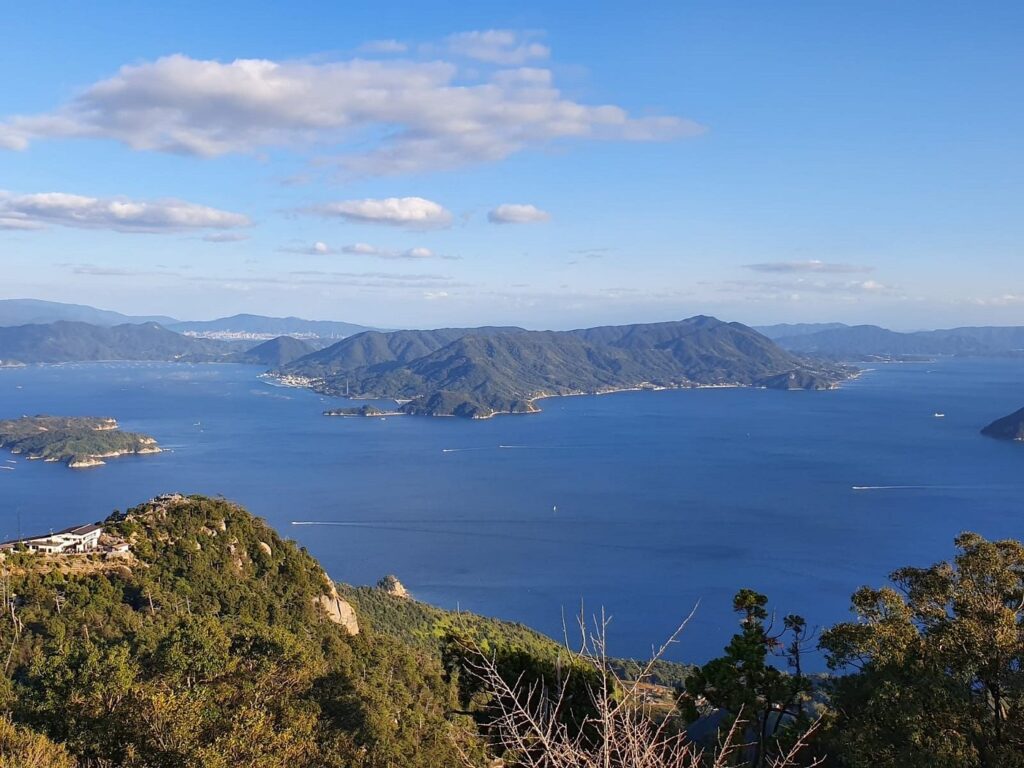
The summit sits around 535 meters above sea level, with big views toward Hiroshima and across the water. There’s an observation table too—though you’ll mostly be reading it with your eyes, not your brain, unless your kanji is heroic.
Momijidani Park: come for the leaves, stay for the atmosphere
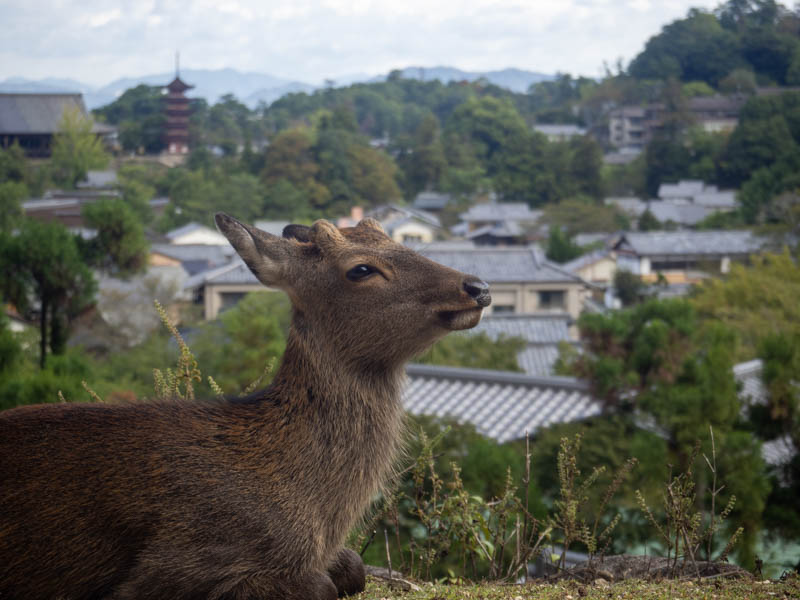
In autumn, Momijidani Park becomes a national sport: momijigari (“red leaf hunting”). The famous red bridge over the Momijidani River turns into a photo bottleneck, and you’ll see crowds forming neat little traffic jams of patience and cameras.
We visited in early summer: lush, green, comfortable weather—and the unexpected bonus was the shika deer, chilling like they pay rent here. (Nara doesn’t own the deer market, apparently.)
Miyajima Village: snacks, streets, and an easy wander
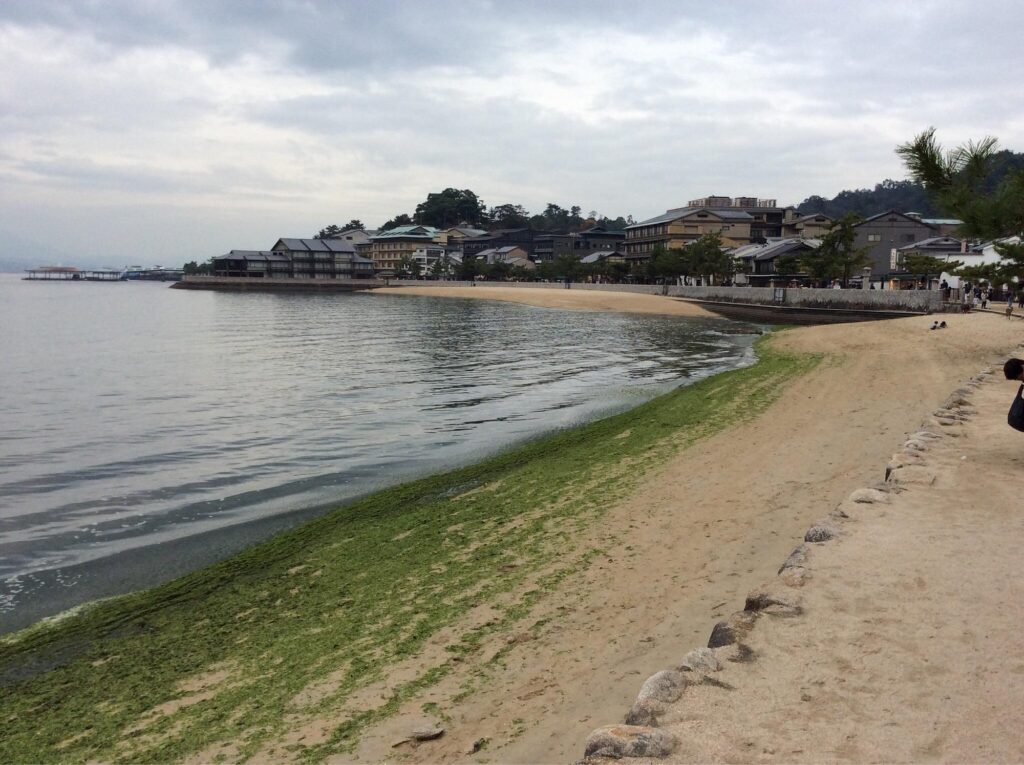
Right by the pier, the village is small, charming, and very efficiently designed for “we just wanted a quick look” that turns into “why are we still buying things?”
You’ll find:
- Restaurants, bars, teahouses
- Street food stalls
- Souvenir shops + art galleries
The two main shopping streets:
- Miyajima Omotesandō Shopping Street
- Machiya Street
Real talk: strolling the village itself won’t take more than about 2 hours—unless you keep stopping for food (you will).
Crowd pro tip: If you can choose, avoid weekends and public holidays. The island is extremely popular then.
A surprisingly memorable “local” experience
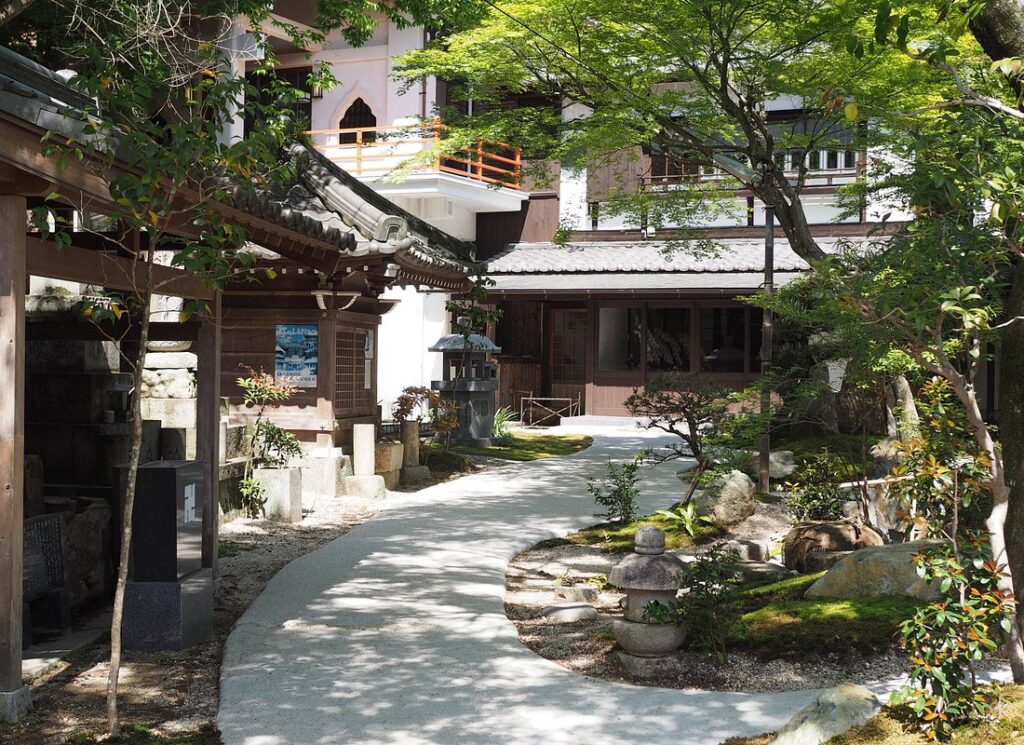
Japan can feel hard for spontaneous local connections unless you join an experience. On Miyajima, we found a genuinely special one: wearing kimono, doing a calligraphy class at a temple, and finishing with a tea ceremony. It’s calm, hands-on, and makes the place feel personal—not just photographed. You can book it here.
Gastro, local specialties, and what to eat immediately
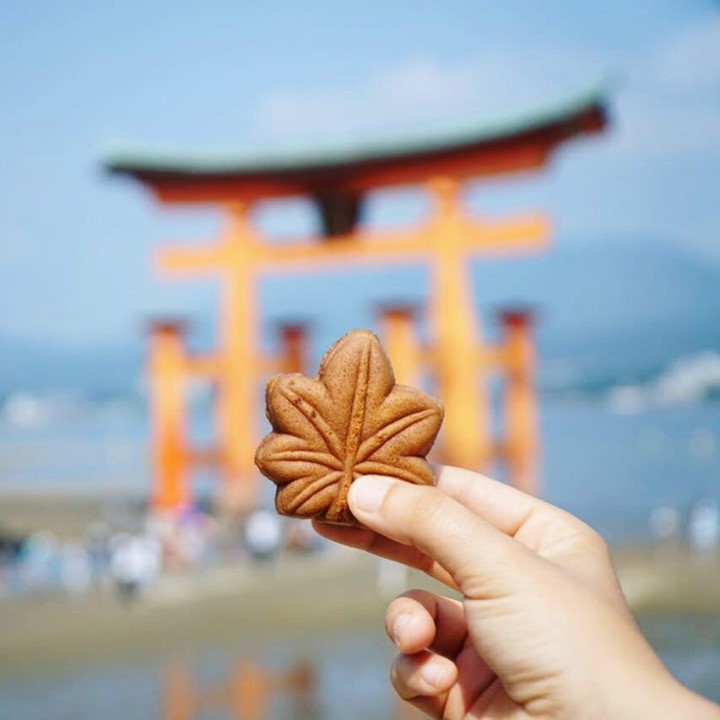
After shrines and trails, aim for Omotesandō, the main street linking the ferry terminal to Itsukushima Shrine (about 350 meters). This is snack central.
Momiji manju
Maple-leaf-shaped cakes traditionally filled with azuki bean paste—but you’ll also find chocolate, matcha, chestnut, fruit flavors, and more. If you want variety, look for assorted boxes.
Oysters
Miyajima oysters are famously good—and here they’re often grilled. Even if you’re only oyster-curious, this is the place to test the waters (ideally not literally).
Shakushi craftsmanship
Miyajima is known for shakushi—flat wooden rice-serving spoons. Fun fact: the world’s largest shakushi is displayed on Omotesandō Street and clocks in at 5 meters long. Yes, it’s ridiculous and yes, you’ll photograph it.
Our “good addresses” on Miyajima
Where to stay in Miyajima
Let’s not pretend: staying overnight on Miyajima can be expensive. For a longer Japan trip, that stings. Here are three places recommended by a friend living in Hiroshima:
Iwaso
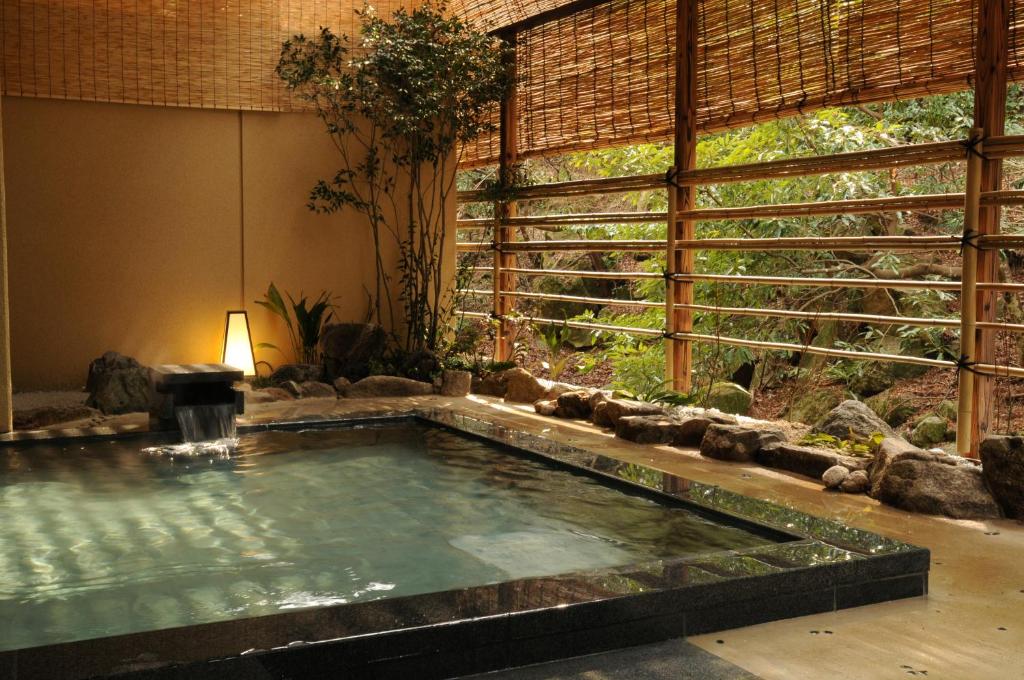
A bit pricey, but it earns it. Iwaso is one of those classic “treat yourself properly” ryokan stays, with both indoor and outdoor onsen baths. The extra indulgence? You can go for a high-end Japanese dinner served in your room, which is exactly the kind of experience that turns a nice trip into a “we’re never shutting up about this” trip.
Sakuraya
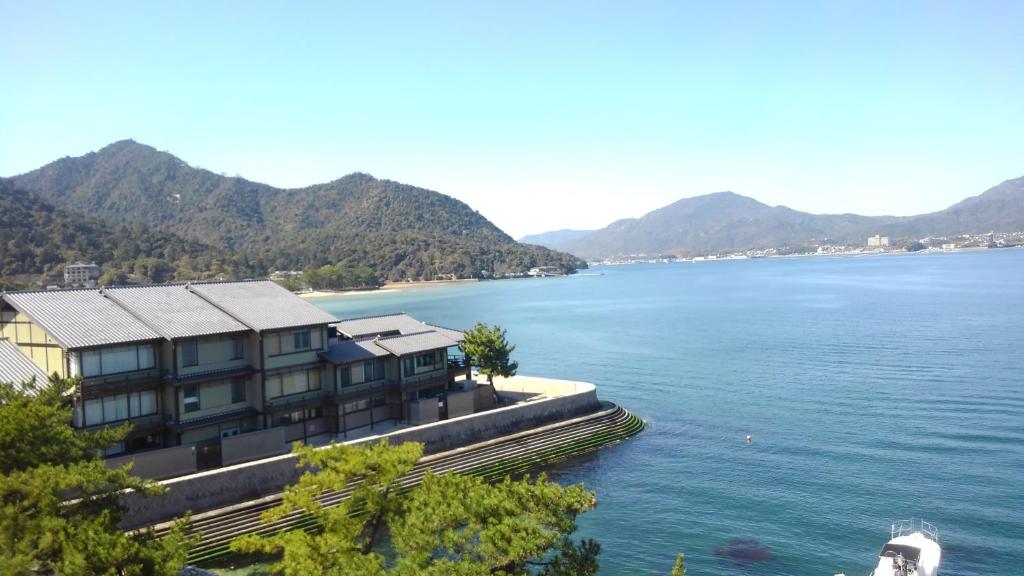
More stripped-back than the first—think practical and calm rather than full-on ryokan drama—but also much more budget-friendly. You can choose rooms with sea views or mountain views, and while the rooms are simpler, they all come with access to shared Japanese-style bathrooms, which keeps the experience traditional (and the price sensible).
Other great picks:
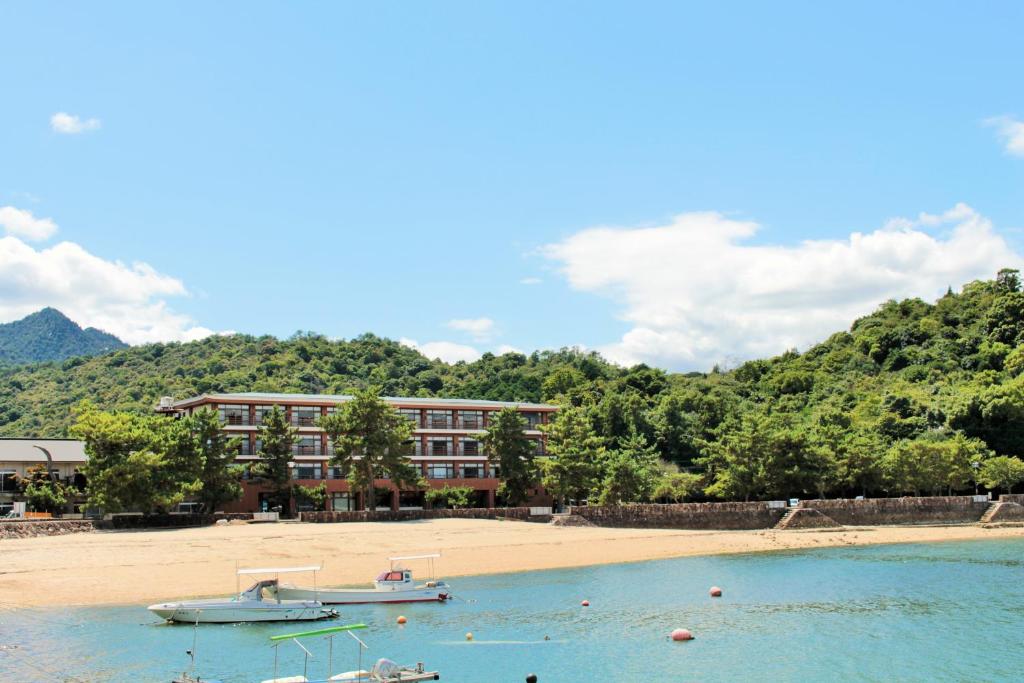
- Miyajima Seaside Hotel
Small, traditional, well-maintained—more “homey” than hotel-y. Food is a highlight. - Kinsuikan
Luxurious and right near the port, so you’re in the heart of the village. The rooftop terrace views over the bay are the big selling point.
Where to eat in Miyajima
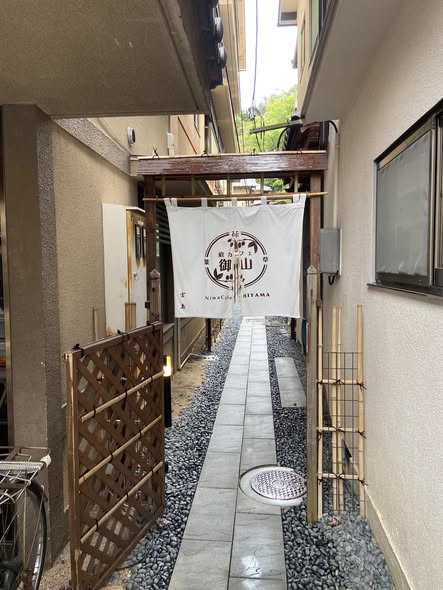
Three spots we tried and loved (and yes, there are many more—Miyajima is snack-friendly by design):
- Niwa Cafe Miyama
Great atmosphere. If you’re going for wagyu, this is a strong pick. - Miyaji Café
Small, cute, and handy for sandwiches and a break. - Yamamura Chaya
Right in Momijidani Park. Try the persimmon donburi—surprisingly addictive.
Airline note (for Asia trips in general)
If you’re planning a longer Asia itinerary (Japan plus onward travel), we usually pick flights based on three boring-but-life-saving checks: baggage allowance, connection time, and arrival hour (landing too late turns “excited” into “where is my hotel and why is everything closed?”). Compare a couple routings before committing—you’ll often find one that’s significantly easier for the same price.
Tips for visiting Miyajima
To conclude this article on the best things to see in Miyajima, here are some general tips to help you plan your visit:
- Where to stay in Miyajima? Anywhere near the ferry terminal or Itsukushima Shrine is a good option, as Miyajima’s tourist area is small and everything is quite concentrated. Accommodation is limited, so booking well in advance is essential.
- Next to the Miyajima ferry terminal, you’ll find a Lawson , perfect for a quick purchase or even if you’re staying overnight on the island and finding dinner becomes difficult, as everything closes early. This convenience store closes at 9:30 pm.
- If you stay overnight, a great plan is to get up early and watch the sunrise from the area around the Floating Torii , as that’s the side of the island where the sun rises.
- Is Miyajima worth visiting? For us, it’s an absolute yes. It’s a truly magical and unique place in Japan, and you can also enjoy the nearby city of Hiroshima and all it has to offer. However, if you only have 12-15 days in Japan, you’ll have to decide whether or not to include it in your itinerary, as it might be a bit out of the way, being located in western Japan.
- On this official Miyajima tourism website you can read in-depth about all the places on the island; it’s super useful.
- Many travelers visit Nara on a day trip from Osaka or Kyoto simply to enjoy the deer in their natural habitat. Keep in mind that you’ll also see plenty of deer if you visit Miyajima, so if you have limited time in Japan, you might want to remove Nara from your itinerary if that’s your main goal.
- If you plan to hike to the summit of Mount Misen, it’s important to wear good shoes and bring plenty of water . In other words, be prepared.
- In Miyajima, you can easily find ATMs at the ferry terminal if you’re worried about cash withdrawals. There’s one at this location .
- If you look around Miyajima, you’ll likely see various structures in the water, arranged in rows. These are oyster farms , the same ones you’ll end up eating on the island and which are so famous throughout Japan.
- The Ultimate Guide to Traditional Villages in Japan (2026): Where to Go, When to Visit, What to Know
- Beginner’s Guide to Climbing Mount Fuji (2026): A Step-by-Step Adventure Plan + Insider Tips
- 10 Best Cities To Visit In Japan in 2026
- Best Luxury Hotels in Japan (2026): Top 9 Stunning Stays for an Unforgettable Trip
- 7 Matcha Tea Recipes You’ll Love (2025)