I spill travel tips , and show you the Japan that tourists usually miss.
We’re going to say it: Japan does “old-world charm” with the kind of commitment that makes the rest of us look lazy. One minute you’re in a neon maze of train lines and convenience-store snacks, the next you’re stepping into a village where the roofs are thatched, the lanes are narrow, the mountains are doing their dramatic fog thing.
Traditional villages in Japan aren’t theme parks. They’re living landscapes—shaped by snow-heavy winters, farming rhythms, craft traditions, and the simple logic of building homes that actually survive the weather. Some are famous for gasshō-zukuri houses that look like hands in prayer. Others are tucked into valleys with preserved streets, old post towns, wooden inns, and water channels.
In this guide, we’re hunting down the best places to visit. Expect the villages that are truly worth detouring for, what makes each one special, the best seasons to go, how to get there without drama, and the little etiquette details that keep you charming instead of chaotic.
Planning more slow, traditional adventures in Japan?
Wander through the preserved old town of Takayama, explore the samurai and geisha districts of Kanazawa, or connect several mountain destinations with our Japan Alps itinerary. For quieter discoveries, seek out the most underrated places in Japan, then complete your nostalgic countryside escape with a visit to one of Japan’s beautiful traditional onsen towns.
Table of Contents
Traditional Villages in Japan
Shirakawa-go (Gifu Prefecture)

Tucked deep in the mountains of Gifu Prefecture, Shirakawa-go is probably Japan’s best-known historical village—and for good reason. Once cut off in a remote, snowbound region, the locals developed their own way of life inside steep thatched-roof farmhouses called gassho-zukuri, built to withstand heavy winter snow and to house big families (and silkworms) under one roof.
These days, the secret is out. Shirakawa-go is a major tourist magnet, and tour buses roll in hard. To really feel the magic, we’d aim for early morning or late afternoon, when the crowds thin out and the village feels closer to the quiet, timeless place it once was. At peak times, the volume of visitors can definitely chip away at the atmosphere, which is a shame, because the setting is extraordinary.
Several farmhouses have been turned into small museums, where you can climb up into the lofts and see how people once lived here. You’ll also find cafés, restaurants, and simple inns in traditional buildings. And if you’re an anime fan, fun bonus: Shirakawa-go inspired Hinamizawa Village in Higurashi no Naku Koro ni.
Places to visit around Shirakawa-go
Even though Shirakawa-go feels tucked away in the mountains, it’s surprisingly easy to reach by bus, which means you can combine it with other beautiful, old-fashioned towns. A classic route is to visit:
- Takayama’s old town (about 50 minutes by bus) – wooden merchant houses, sake breweries, and morning markets.
- Kanazawa (around 1 hour 15 minutes) – a gorgeous city with samurai streets, gardens, and the Higashi Chayagai geisha district.
If you have time, doing all three—Takayama → Shirakawa-go → Kanazawa (or the other way round)—makes for a perfect mini road trip through historic central Japan.
Ainokura and Suganuma (Toyama Prefecture)
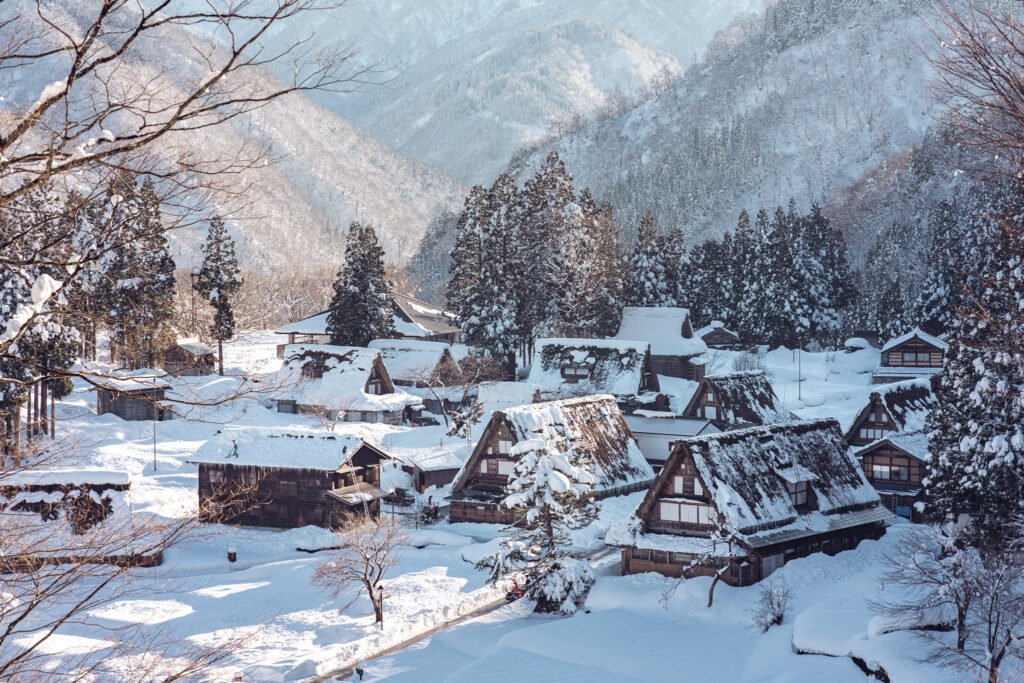
Over in Toyama Prefecture, Ainokura and Suganuma are like Shirakawa-go’s quieter cousins. Both are part of the remote Gokayama region and sit less than 10 minutes apart by car. They’re only about an hour’s drive from Shirakawa-go, but see far fewer visitors.
The villages are smaller and the houses a little less dramatic than Shirakawa-go’s, but that’s also their charm. You can actually wander the lanes and sometimes find yourself completely alone, with just the creak of wooden houses and the sound of the river for company.
- Ainokura is the bigger village, but still very low-key, with just two restaurants.
- Suganuma, smaller and clustered close to the river, has four or five charming cafés where you can warm up, snack, and linger.
If you love the gassho-zukuri style but hate crowds, Gokayama is a wonderful alternative.
Places to see around Gokayama
Because Gokayama sits so close to Shirakawa-go, you can absolutely tie both areas together. But this is also your chance to explore Toyama Prefecture a bit more:
- Inami, a traditional carving town, with the charming Yokamachi shopping street full of artisan workshops.
- Zuiryu-ji Temple in Takaoka, a beautifully balanced Zen temple complex that feels both grand and peaceful.
Ouchi-juku (Fukushima Prefecture)

Hidden in the mountains of Fukushima Prefecture, Ouchi-juku is one of those villages that sticks in your memory long after you leave. Once a post town on the Shimotsuke Kaidō—the road that linked Aizu and Nikko before continuing on to Edo—it has kept a wonderfully old-fashioned, lived-in feel.
We love Ouchi-juku partly because of the people: many families have been running the same businesses for generations, and there’s a warmth and friendliness that really shapes the atmosphere.
One absolute must-try is the local specialty negi soba—buckwheat noodles eaten with a leek used as chopsticks. Slightly chaotic, very fun. There are also some excellent cafés tucked between the thatched houses, giving this relatively small village a surprisingly lively vibe.
Accommodation is limited to one inn, so most visitors come on a day trip, soak in the mood, and move on.
Places to visit around Ouchi-juku
Ouchi-juku pairs perfectly with nearby Aizu-Wakamatsu, a castle town known as the “city of the samurai,” with its impressive Tsuruga Castle and warrior history. You can also visit the dramatic cliffs of To no Hetsuri, just about 15 minutes away by car, where strange rock formations tower above the river.
Kayabuki no Sato (Kyoto Prefecture)
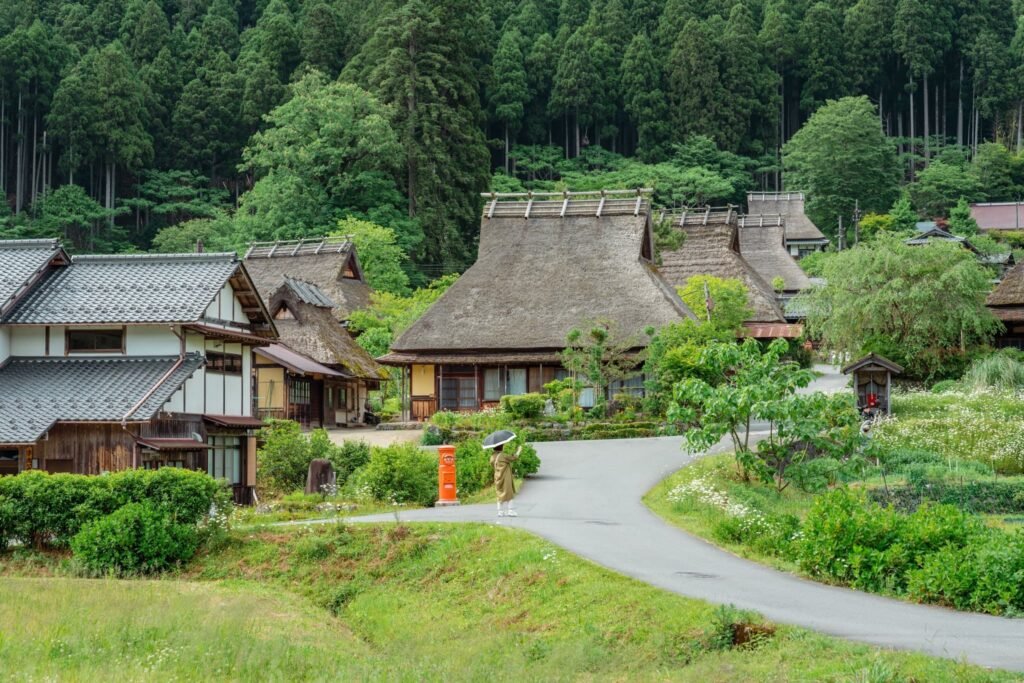
In Miyama, north of Kyoto Prefecture, Kayabuki no Sato feels like a little time capsule. Dozens of old thatched-roof houses, some dating back at least 600 years, cluster together in a peaceful valley. Unlike some more famous spots, this village has largely escaped mass tourism, which means you can wander the narrow lanes at your own pace and actually hear the wind in the trees.
There are a few charming cafés where you can stop for something warm, but the village is small and quiet, with only two inns offering overnight stays. For most people, Kayabuki no Sato is a day trip that leaves a very strong impression.
Places to visit around Kayabuki no Sato
Kayabuki no Sato is tucked away in the mountains of Kyoto Prefecture, so you’ll probably want to combine it with something else nearby:
- Head north to Amanohashidate, one of the three most famous views in Japan, where a pine-covered sandbar cuts across a brilliant blue bay.
- Go south toward Kibune, a beautiful riverside area near Kyoto where restaurants are built on platforms directly over the water in summer.
Tsumago-juku (Nagano Prefecture) and Magome-juku (Gifu Prefecture)
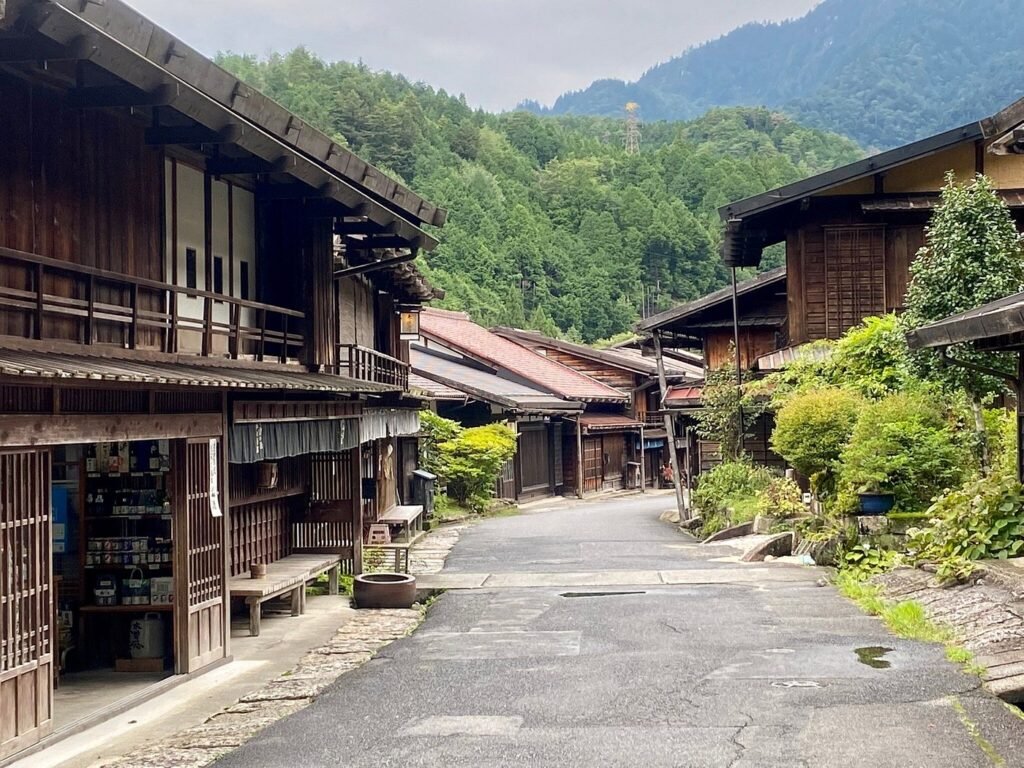
In the Kiso Valley, the twin post towns of Tsumago-juku (Nagano) and Magome-juku (Gifu) take you straight back to the days when travelers walked the Nakasendo, an old highway connecting Edo and Kyoto through the mountains. The road once counted 69 post towns, and a handful of them, especially in Nagano and Gifu, are still beautifully preserved.
- Tsumago-juku is probably the best-preserved, with strict rules to keep modern intrusions to a minimum, which makes the atmosphere incredibly authentic.
- Magome-juku is arguably the most photogenic, its sloping stone street lined with wooden houses and views rolling out over the valley.
Both villages have plenty of shops, cafés, restaurants, and small museums to duck into between photos. And the best part? The two are connected by an 8-kilometer hiking trail, which you can walk in around two hours—a gentle, classic stretch of the Nakasendo that passes through forests, hamlets, and fields.
Places to visit around Tsumago-juku and Magome-juku
Around Tsumago and Magome you’ll find:
- Hirugami Onsen, a hot spring village famous for Hanamomo no Sato, where countless peach trees explode into bloom from mid to late April.
- Inuyama, a riverside town crowned by Inuyama Castle, one of Japan’s oldest and best-preserved castles, with sweeping views over the Kiso River.
Narai-juku (Nagano Prefecture)
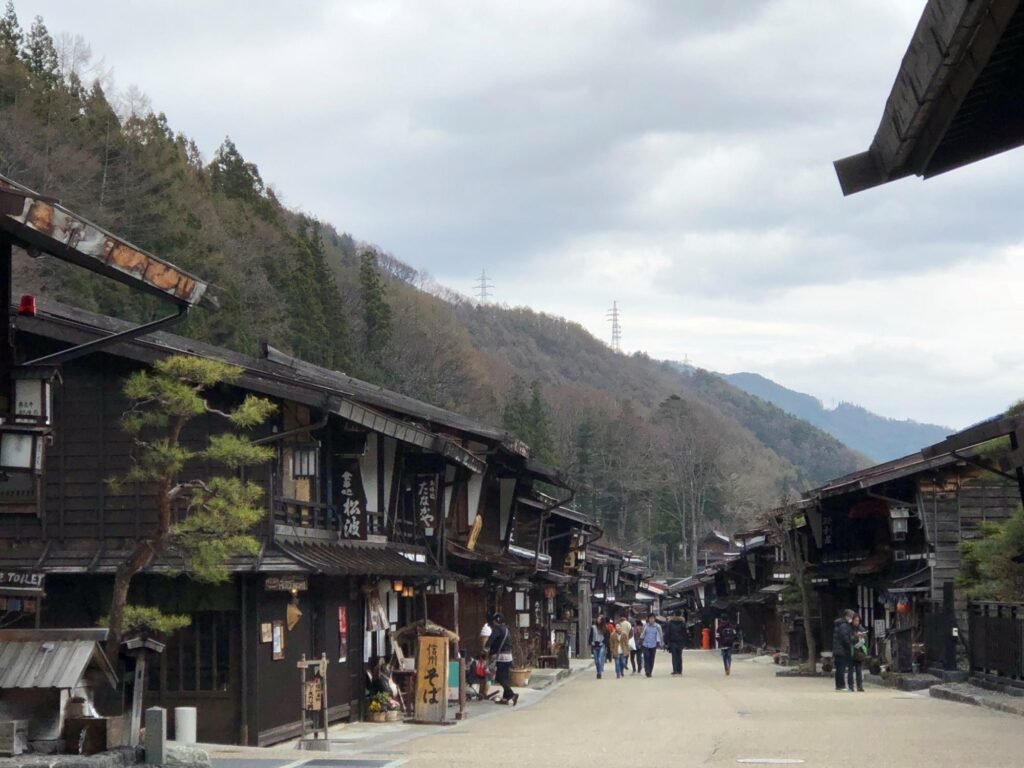
While Tsumago-juku and Magome-juku are the poster children of the Nakasendo, they’re far from the only post towns worth a stop. Narai-juku is a little different: it manages to be less famous, yet big and lively at the same time.
Its long, uninterrupted main street is lined with traditional wooden houses, inside which you’ll find a generous mix of restaurants, cafés, shops, and inns. Historically, Narai-juku was one of the route’s most important stations, where many travelers stopped to rest before heading deeper into the mountains—and you can still feel that “bustling waystation” energy today.
Places to visit around Narai-juku
Nearby, you can branch out to:
- Fukushima-juku, another Nakasendo post town that’s even smaller and less known, but dotted with interesting little details and local businesses.
- Lake Suwa, which anime fans might recognize as an inspiration for the landscapes in Your Name—especially at sunset, when the lake mirrors the sky.
Uchiko (Ehime Prefecture)

On the island of Shikoku, in Ehime Prefecture, Uchiko offers a gorgeous little leap back through time. The town once thrived on beeswax and washi paper production, and the wealth from those trades shows in the stately merchant houses you can still visit today.
Strolling along the main street feels a bit like walking through the aesthetic of Samurai Champloo: quiet, slightly worn, and incredibly atmospheric. Storehouses, wooden façades, and old shops line the road, creating a nostalgic, cinematic backdrop for your wanderings.
Places to see around Uchiko
The region around Uchiko is full of beautiful, unspoiled countryside and small towns, so there’s no shortage of places to add on:
- The feudal town of Ozu, just about 15 minutes away by car, with its castle and riverside views.
- Uwajima, roughly 40 minutes south, a laid-back castle town with a very local feel and an easygoing, “everyday Japan” atmosphere.
Ine (Kyoto Prefecture)

At the far northern edge of Kyoto Prefecture, Ine is a picture-perfect fishing village strung out along a quiet bay. What makes it so special are its 260 funaya—traditional boathouses where the ground floor opens directly onto the water for mooring boats, while the family lives upstairs.
These houses are still very much in use, and some have been transformed into inns and restaurants, where you can sleep and eat just meters from the sea. A short boat tour around the bay lets you see the funaya from different angles and really appreciate how unusual this village is.
Places to visit around Ine
Ine sits in the same general area as Kayabuki no Sato, so it’s easy to link both in one trip. While you’re up here, you can also:
- Visit Amanohashidate, one of Japan’s three most beautiful views, where a narrow pine-covered sandbar crosses the bay.
- Soak in Kinosaki Onsen, a delightful hot spring town where you wander in yukata from bathhouse to bathhouse.
Tomonoura (Hiroshima Prefecture)
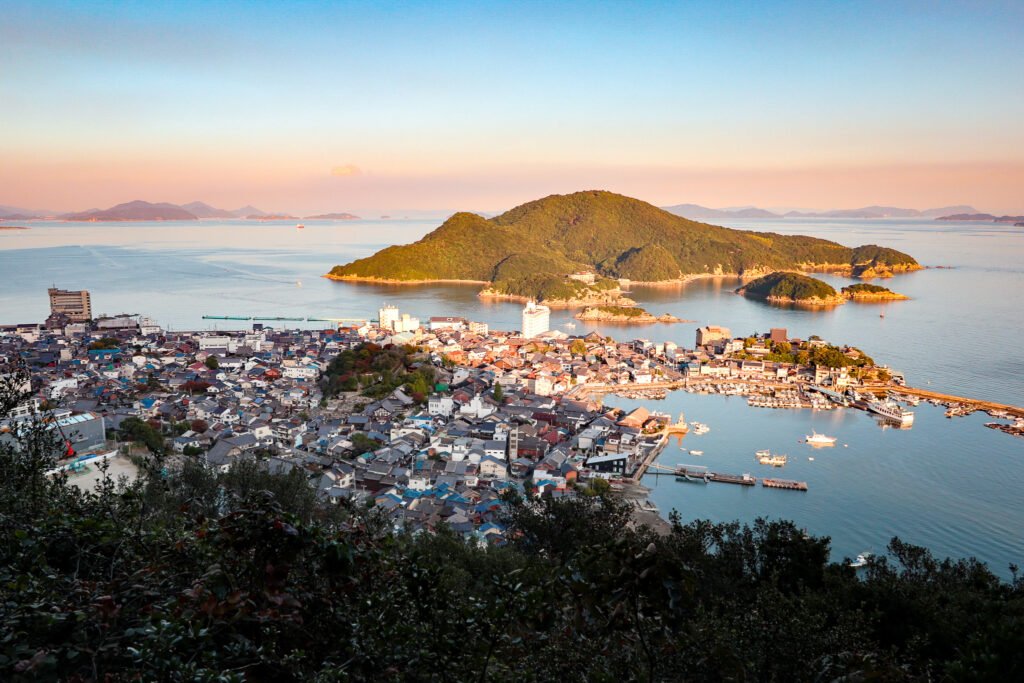
In Hiroshima Prefecture, Tomonoura is a small, dreamy port town that feels like it fell out of an old illustration. It’s said to have inspired Hayao Miyazaki when he stayed there while working on Ponyo, and it also appeared in the 2012 film The Wolverine.
The charm here is in the details: narrow old streets, traditional houses, relaxed cafés, and a handful of small museums. From Fukuzen-ji Temple, you get a stunning view over the Seto Inland Sea and the islands scattered offshore. If you’re keen on a bigger workout (and an even better view), hike up to Io-ji Temple for a spectacular panorama.
Places to visit around Tomonoura
Tomonoura belongs to the city of Fukuyama, which has its own castle worth a visit. A bit further away, Onomichi offers unforgettable strolls through steep alleys, old houses, temples, and viewpoints—perfect if you enjoy slow, urban hiking.
Gujo Hachiman (Gifu Prefecture)
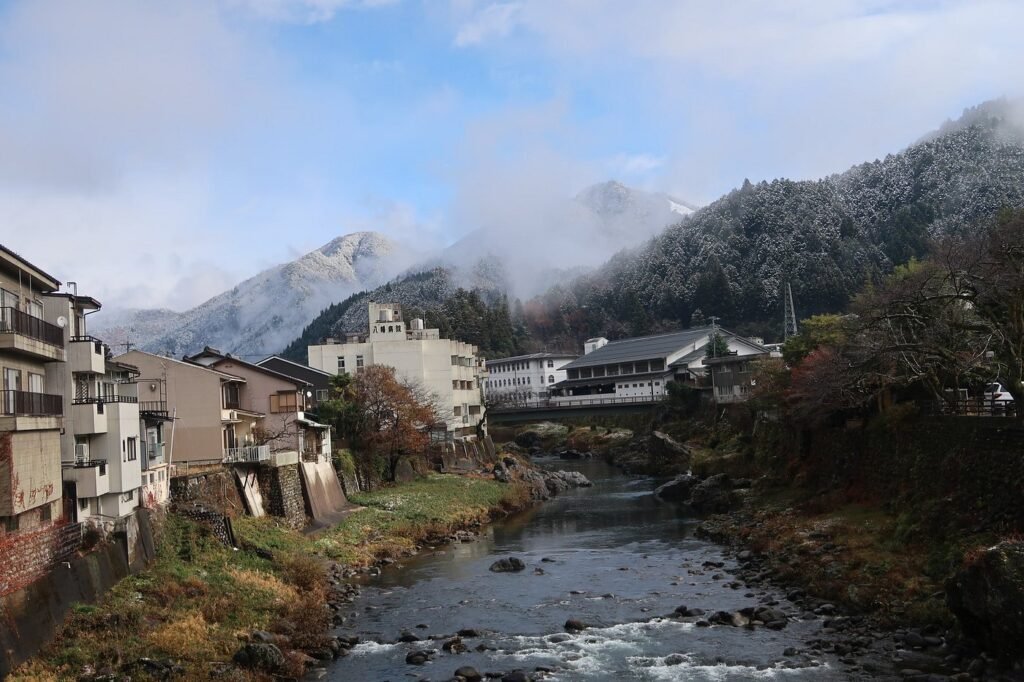
In the city of Gujo, the village of Gujo Hachiman feels like it’s been paused somewhere in the Middle Ages. Old wooden houses lean over the Nagaragawa River, narrow lanes curl between waterways of clear, flowing water, and the whole town has a soft, dreamlike quality.
You’ll find excellent cafés and restaurants, and if you go in summer, you might catch the legendary Gujo Odori festival. During this event, the entire town dances all night—from around 8 pm to 5 am—creating one of the most joyful, immersive festivals in Japan.
Places to see around Gujo Hachiman
Near Gujo Hachiman you can visit:
- Monet no Ike in Seki, a pond so clear and colorful it looks like an actual Monet painting.
- Gero Onsen, one of Japan’s classic hot spring towns, perfect for a long soak after all that wandering.
Seki-juku (Mie Prefecture)
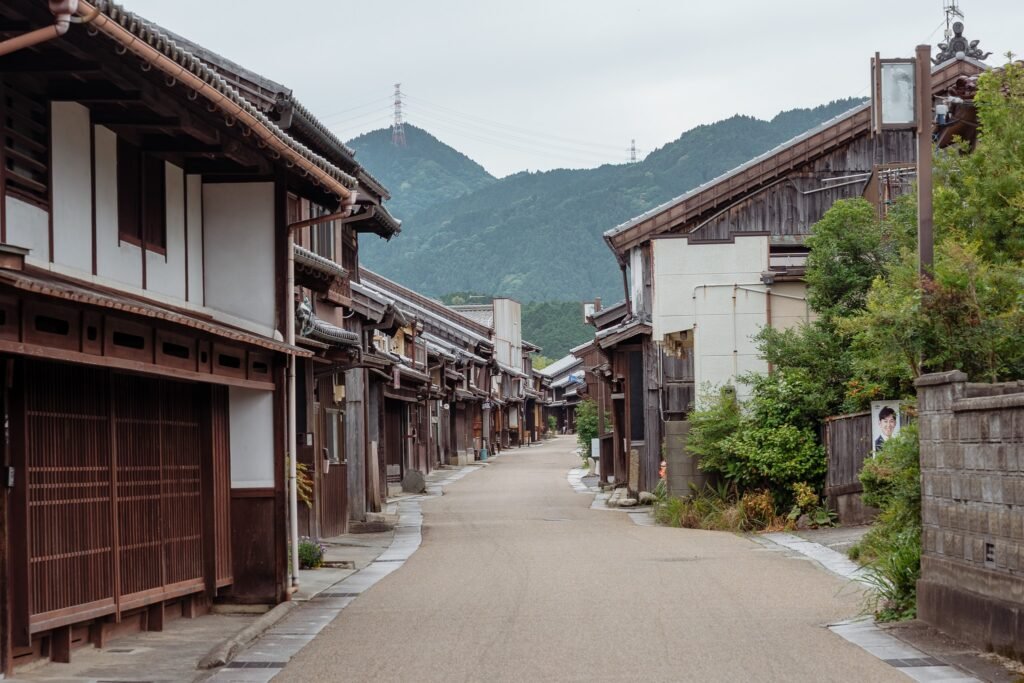
In Mie Prefecture, Seki-juku sits along the Tokaido, the coastal counterpart to the Nakasendo, which also linked Edo and Kyoto. Today, about 200 wooden houses still line its nearly 2-kilometer-long main street, creating a striking window into the past.
There isn’t a huge checklist of “things to do” here, and that’s exactly the point. Seki-juku is about atmosphere: wandering slowly, admiring the façades, popping into the few cafés, restaurants, and local shops, and just letting the ambience soak in.
Places to visit around Seki-juku
From Seki-juku, you can easily explore:
- The Ise-Shima Peninsula, home to the sacred Ise Jingu shrine complex, one of Japan’s most important Shinto sites.
- Iga-Ueno, known as a ninja town and offering several fun, historical sights linked to its spy-filled past.
Okawachiyama (Saga Prefecture)
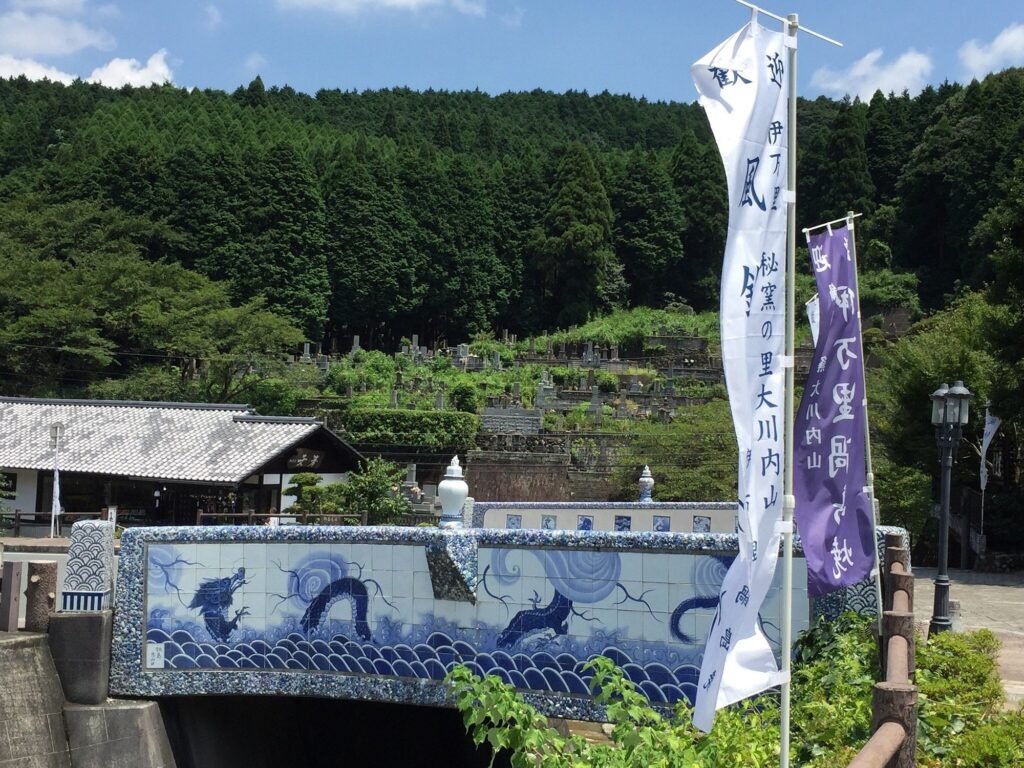
Hidden in the mountains of Saga Prefecture on Kyushu, Okawachiyama is often called the “Hidden Pottery Village.” It was once home to some of Japan’s finest ceramic artisans and stayed isolated for centuries to protect their techniques and know-how.
Today, the village is open but still wonderfully quiet. Visitors wander along stone-paved lanes, popping into pottery shops housed in old buildings. A few cafés and restaurants in traditional structures round things out, making Okawachiyama feel like a calm, creative retreat from everyday life.
Places to see around Okawachiyama
Just beyond Okawachiyama lies Arita, another famous pottery town, home to Tozan-jinja, a shrine with a unique porcelain torii gate. A little further away, Takeo Onsen offers nostalgic bathhouses and a relaxing soak in the hot springs.
Shukunegi (Niigata Prefecture)
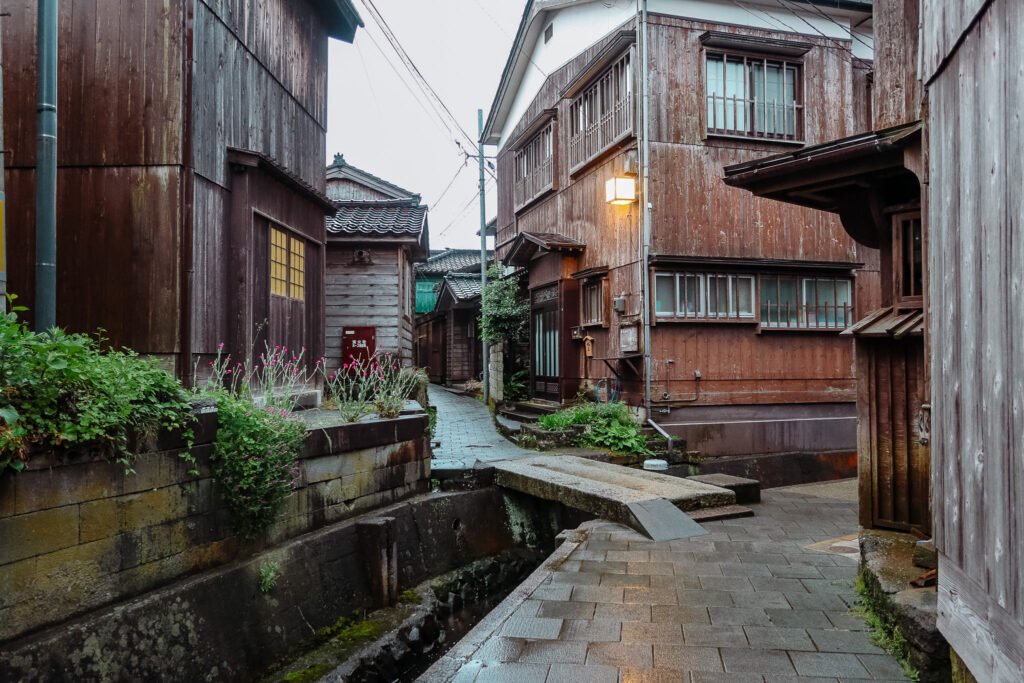
On Sado Island in Niigata Prefecture, Shukunegi is a true hidden treasure. This port village prospered during the Edo period thanks to the island’s rich gold mines, and today around one hundred traditional houses remain, packed into a maze of narrow lanes.
Three of these houses have been turned into museums, giving you a glimpse of how wealthy merchants and shipowners once lived. You can also ride a taraibune, a round wooden tub boat that feels straight out of folklore (and recalls the kind of vessels seen in films like Princess Mononoke). Getting here requires effort, but the payoff is a uniquely immersive experience.
Places to see around Shukunegi
Since Shukunegi sits on an island, most of what you’ll do around it is just exploring Sado itself:
- Myosen-ji Temple, beautiful in every season, with striking architecture and colors.
- The Sado Kinzan gold mines, where you can learn about the island’s mining history and wander old tunnels.
Other Japanese historical villages
Japan is dotted with small, fascinating villages waiting along back roads and mountain valleys. Here we’ve covered 15 historical villages that are either must-sees or personal favorites, but of course there are many more that could have made the list. This selection is entirely personal, based on the places visited so far.
Villages like Mihonoseki (Shimane Prefecture), Kudoyama (Wakayama Prefecture), and Ochiai (Tokushima Prefecture) could easily have been included, too. And beyond that, there’s still a whole universe of traditional neighborhoods and hidden old villages that deserve their own dedicated guide.
We hope this overview gives you plenty of ideas for your next adventures in Japan’s countryside. If you’re dreaming up a more nostalgic trip, don’t forget to check out the articles on the best onsen in Japan and the best ryokan in Japan—perfect companions to these slow, time-travel-style village visits.
DISCOVER MORE
If you’re dreaming up a more nostalgic trip, check out this post:
- Nagoya rainy day with kids in 2026 (Cool Indoor Things to Do )

- Best Gachapon in Tokyo (2026): 20 Places to Find Capsule Toys

- All Japanese KitKat Flavours List: The Ultimate Japan KitKat Guide

- Sapporo rainy day with kids (2026): 7 Cool Indoor Things to Do
- What To Do In Arashiyama With Kids: A Realistic One-Day Family Itinerary