

Travel writing based on first-hand experience
Visiting real-life places that served as the models for scenes in anime or films—what fans call “anime pilgrimage” or seichi junrei—is a special experience that brings you closer to the world of your favorite stories.
In this article, we’ll introduce 48 anime pilgrimage Japan spots scattered across Japan and explore the unique appeal of each one in detail.
Planning more anime, manga and fantasy-filled Japan stops? Read these next
Table of Contents
What is Anime Pilgrimage?
“Seichi junrei” refers to the act of fans visiting locations that appear in anime, movies, novels, or those connected to famous figures. It’s a way to physically step into the world of the story, turning imagination into reality—and for many fans, it’s deeply meaningful.
These spots aren’t just used for a single scene. They often carry deep layers of culture, history, and atmosphere, making them more than just backdrops—they become part of the emotional experience.
Local governments also embrace anime pilgrimage as a way to promote regional tourism, and the increasing number of fans traveling to these locations has made this trend more and more visible across Japan.
How to Enjoy an Anime Pilgrimage Japan
The best way to enjoy a pilgrimage is by immersing yourself not just in the scenes, but in the local history and culture that shaped them. Walking through the very streets, landmarks, and buildings you’ve seen on-screen can bring that fictional world into full focus—suddenly, it feels tangible.
Take time to enjoy the local food connect with the community, and let your curiosity guide you. You might find a new layer of charm you didn’t expect.
These experiences go far beyond ordinary sightseeing. They deepen your connection with the work you love and leave you with unforgettable memories linked to real places.
Anohana: The Flower We Saw That Day – Anime Pilgrimage Japan Spots
First up is Anohana : The Flower We Saw That Day often shortened to Anohana. Originally aired in 2011, this series remains beloved by fans today. Its story takes place in Chichibu City, Saitama Prefecture, and many of its real-world settings appear almost exactly as they do in the anime.
Spot ①: Seibu-Chichibu Station

Seibu-Chichibu Station is one of the most iconic Anohana locations. It’s featured prominently in the anime and has become a must-visit spot for fans. Although the station building was renovated in 2017 and some details differ from the anime’s depiction, the uniquely designed roof and the overall vibe still retain that Anohana feel.
Inside the Chichibu Tourist Information Center, you can pick up a special anime pilgrimage map. Many fans rent a bicycle and retrace the paths the characters—the “Super Peace Busters”—once walked.
Spot ②: Old Chichibu Bridge
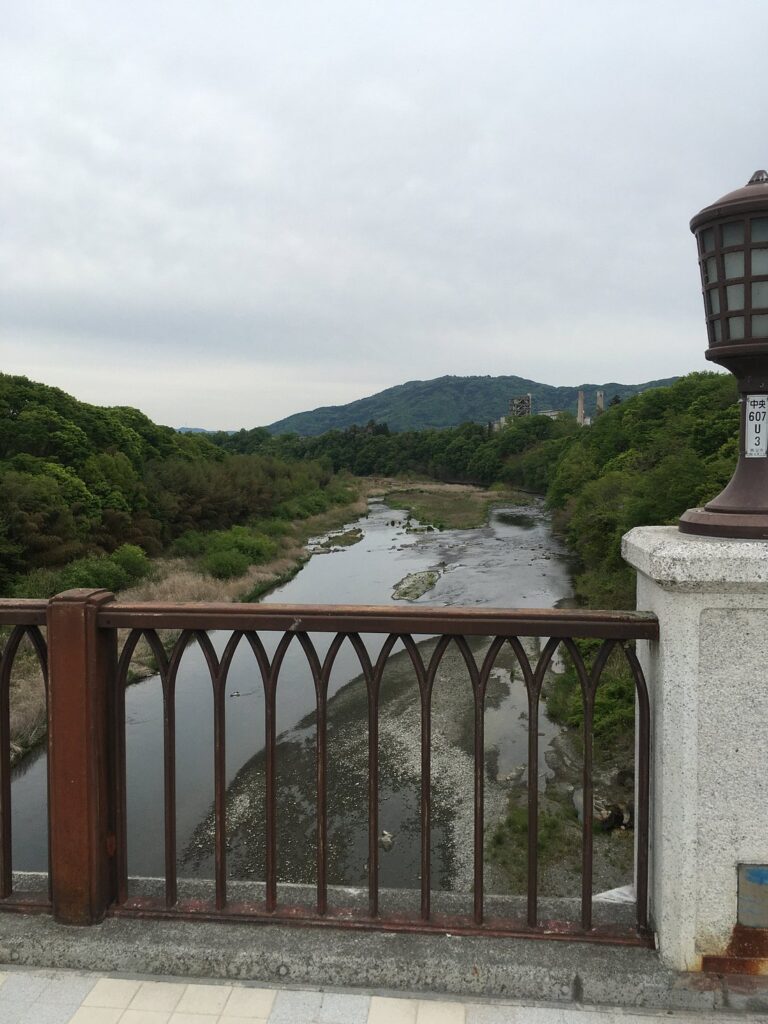
The Old Chichibu Bridge appears in Anohana’s main visual and holds a special place in fans’ hearts thanks to its nostalgic atmosphere. Completed in 1931, this triple-arch bridge is now a pedestrian park and offers stunning views of the surrounding area.
The bridge has been lovingly maintained, with new tiles and flowerbeds added after renovations. It blends beautifully into Chichibu’s natural landscape—making it the perfect place to relive some of the show’s most emotional scenes.
Spot ③: Stairs Beside the Old Chichibu Bridge
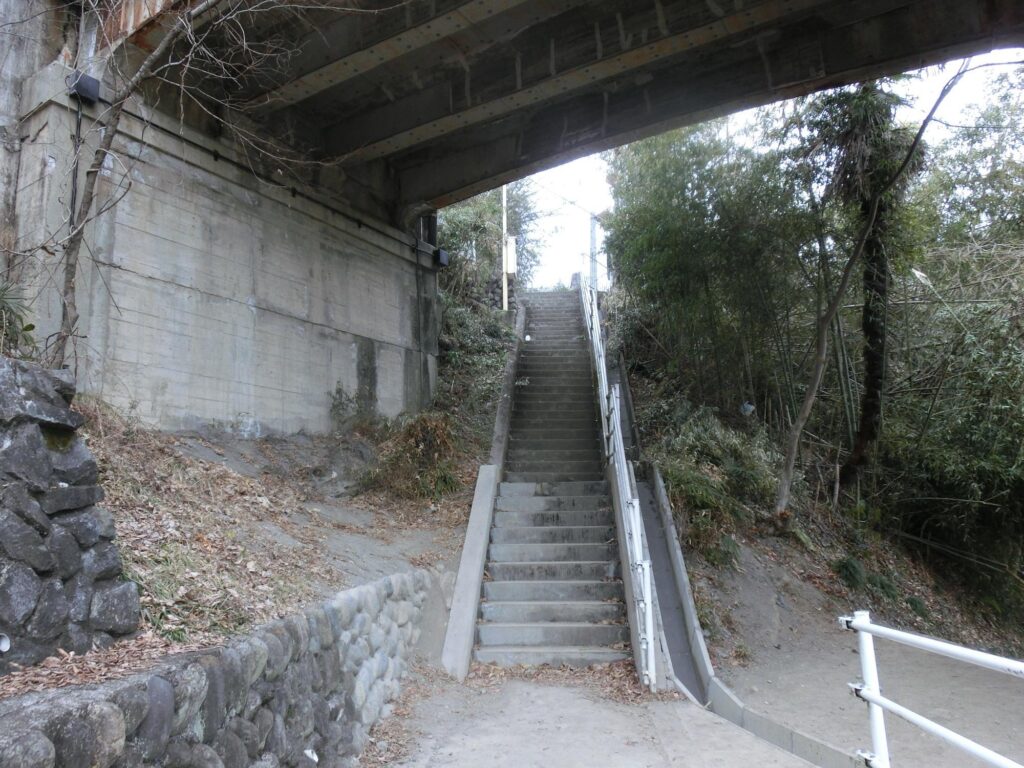
Right next to the bridge is a set of stairs featured in the Anohana movie poster. If you walk down them, you’ll find yourself in the very place where Menma and Jintan used to play together.
This spot is filled with sentimental value—it evokes memories of the characters’ deep bonds. It’s also the setting of one of the film’s pivotal emotional moments, where Menma’s true feelings are revealed, giving it an extra layer of significance for dedicated fans.
K-On! – Anime Pilgrimage Japan Spots
When K-On! first aired in 2009, it created a sensation not just in the anime world but also in the music scene. The charm of the series inspired fans to buy everything from Blu-rays and merchandise to the same musical instruments used by the characters—turning the show into a full-blown cultural phenomenon.
Let’s take a tour through the real-life locations that appear in K-On!.
Spot ①: Shugakuin Station
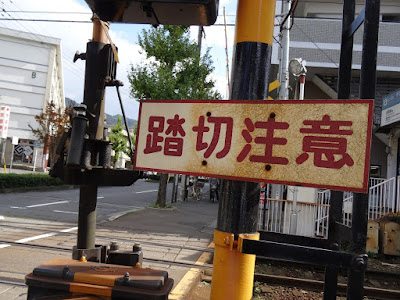
Shugakuin Station is the closest station to the main character, Yui Hirasawa’s, home. Opened in 1925, this station is part of the Eizan Railway line and has become a popular stop for fans.
Though it’s an unmanned station, its rustic architecture and surrounding nature evoke the peaceful charm of the anime’s setting. It’s also near Kyoto’s Shugakuin Imperial Villa and Sekizan Zen-in Temple, making it perfect for combining anime pilgrimage with some Kyoto sightseeing.
Spot ②: Matsugasaki Bridge
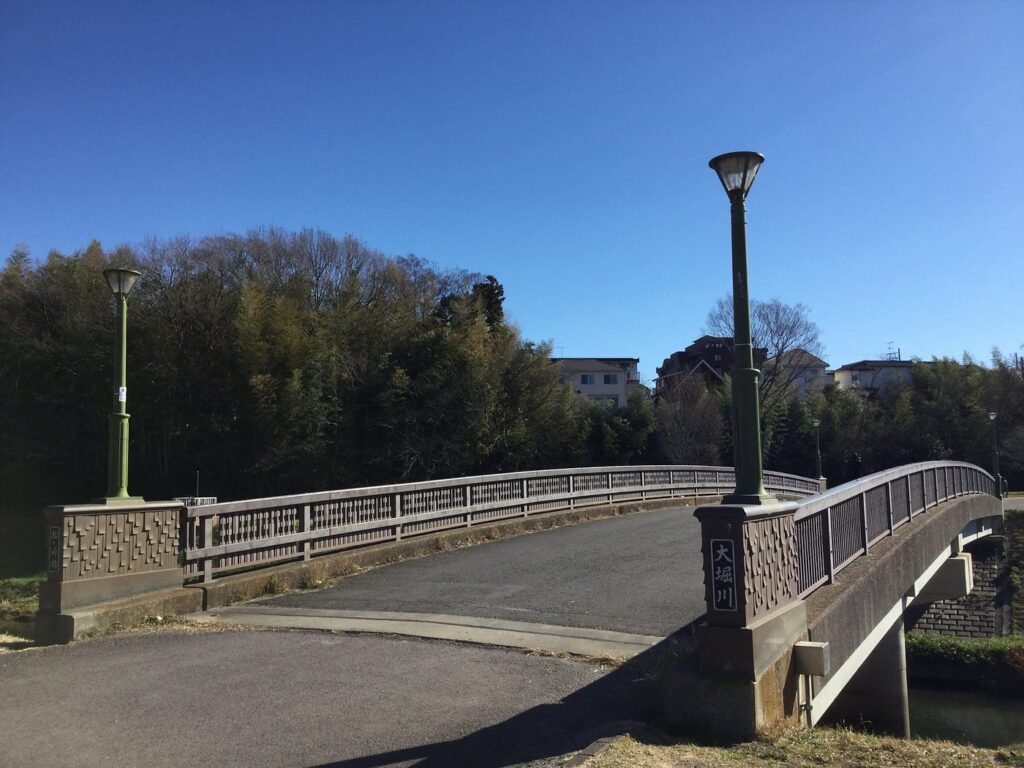
This bridge appears in the anime’s opening sequence, where the band members walk together. Located in Kyoto City, it’s just a short walk from Matsugasaki Station on the subway’s Karasuma Line.
Crossing this bridge lets fans relive that carefree moment from the anime’s intro. It’s a quiet, residential area, so be sure to visit respectfully—and since it’s a public road with traffic, keep safety in mind while taking photos or recreating scenes.
Spot ③: Nanzenji Suirokaku (Aqueduct)
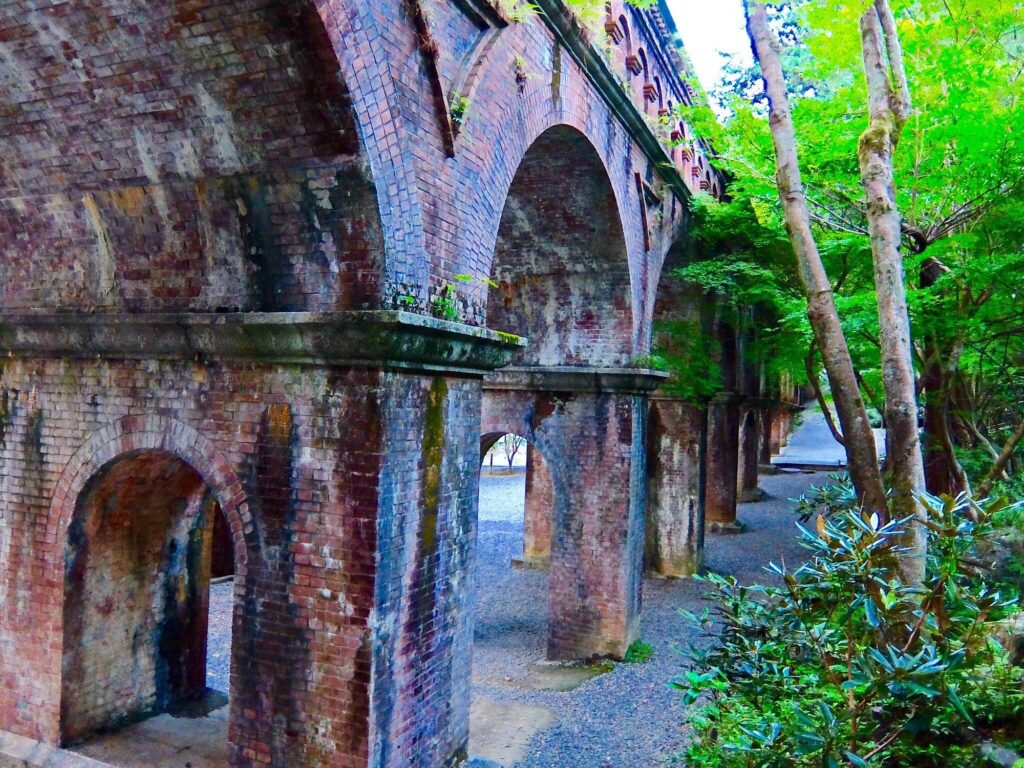
The Suirokaku Aqueduct is a striking arched brick structure located in Kyoto’s Nanzenji Temple area. Designed by civil engineer Sakurou Tanabe, it’s part of the historic Lake Biwa Canal system.
In K-On!, this aqueduct shows up multiple times in the background, and fans instantly recognize its distinct architecture. Because the area reflects Kyoto’s seasonal beauty—cherry blossoms in spring, fiery leaves in autumn—it’s a wonderful spot to visit year-round.
Hyouka – Anime Pilgrimage Japan Spots
Aired in 2012, Hyouka is the anime adaptation of Honobu Yonezawa’s popular mystery novel series The Classic Literature Club. Its beautiful animation and thoughtful pacing drew in fans from all over. Most of the anime’s setting is modeled after Takayama City in Gifu Prefecture, the author’s hometown.
As the anime gained popularity, it brought a major tourism boost to the area. Let’s explore some of the key real-life locations that gave this series its unique charm.
Spot ①: Old Townscape of Takayama

The preserved Edo-period streets of Takayama show up often in the anime’s background. Among them is a café that inspired “Kissa Kiyo,” a fictional café in Hyouka. For fans, this is a must-see spot that blends the anime’s soft nostalgia with real-world elegance.
Once a thriving castle town, Takayama still showcases traditional architecture and town planning. As you wander the streets, you’ll feel like you’re walking straight into a scene from the show—while also soaking in Hida’s deep cultural heritage.
Spot ②: Takayama Library “Kanshōkan”

This beautifully designed Western-style building served as the model for the fictional Kamiyama City Library in Hyouka, featured prominently in Episode 18. Known locally as Kanshōkan, it’s more than just a library—it also functions as a local heritage center.
Fans can explore the library while picturing Oreki and Chitanda deep in thought among its shelves. Just remember: photography may require permission, and the quiet atmosphere of the library should be respected.
Location link
Spot ③: Marutto Plaza
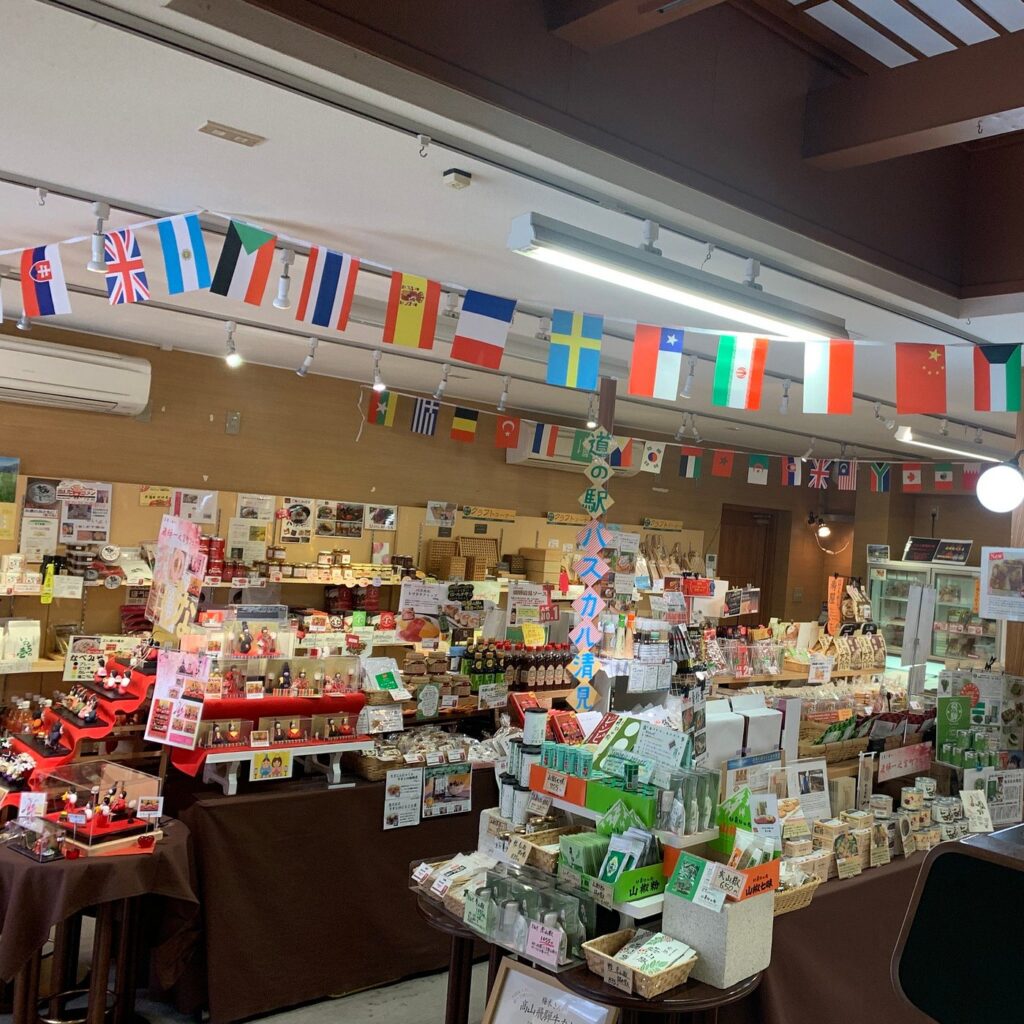
Marutto Plaza is the one-stop hub for Hyouka pilgrims. Here, you can grab an official pilgrimage map, check out display cases with Hyouka-related items, and even find messages and art left by fellow fans.
A highlight is the “Hyouka Exchange Corner,” where fans can write notes, share recommendations, and connect over their love for the series. Signed goods and event memorabilia are also often displayed here—bringing you even closer to the heart of the story.
Location link
Summer Time Rendering – Anime Pilgrimage Japan Spots
Broadcast in 2022, Summer Time Rendering is a gripping sci-fi suspense anime set on a small, mysterious island. Its setting—filled with ominous shadows, childhood memories, and psychological twists—was inspired by a real place in Wakayama Prefecture.
The fictional “Hitogashima” is based on Tomogashima, a remote island group off the coast of Wakayama City in the Kitan Strait. If you want to feel the show’s quiet tension and island atmosphere firsthand, these are the places to go.
Spot ①: Tomogashima
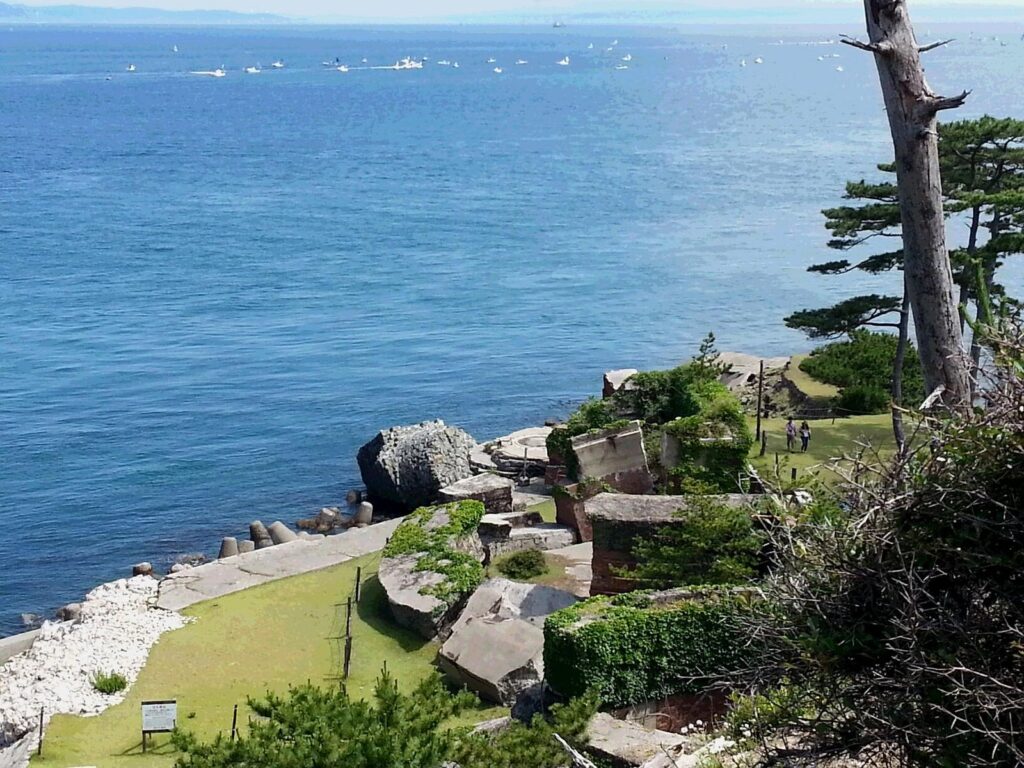
Tomogashima is the beating heart of Summer Time Rendering. It’s where protagonist Shinpei returns by ferry—mirroring the anime’s opening scenes.
To get there, you’ll take a ferry operated by Tomogashima Kisen. As you cross the sea, with nothing but ocean all around, the isolation sets in—you’re entering Shinpei’s world. Once you land, the island’s abandoned military forts and overgrown ruins give the eerie feeling that something… isn’t quite right. It’s the perfect setting for a time-loop thriller.
Location link
Spot ②: Kishimoto Store Area
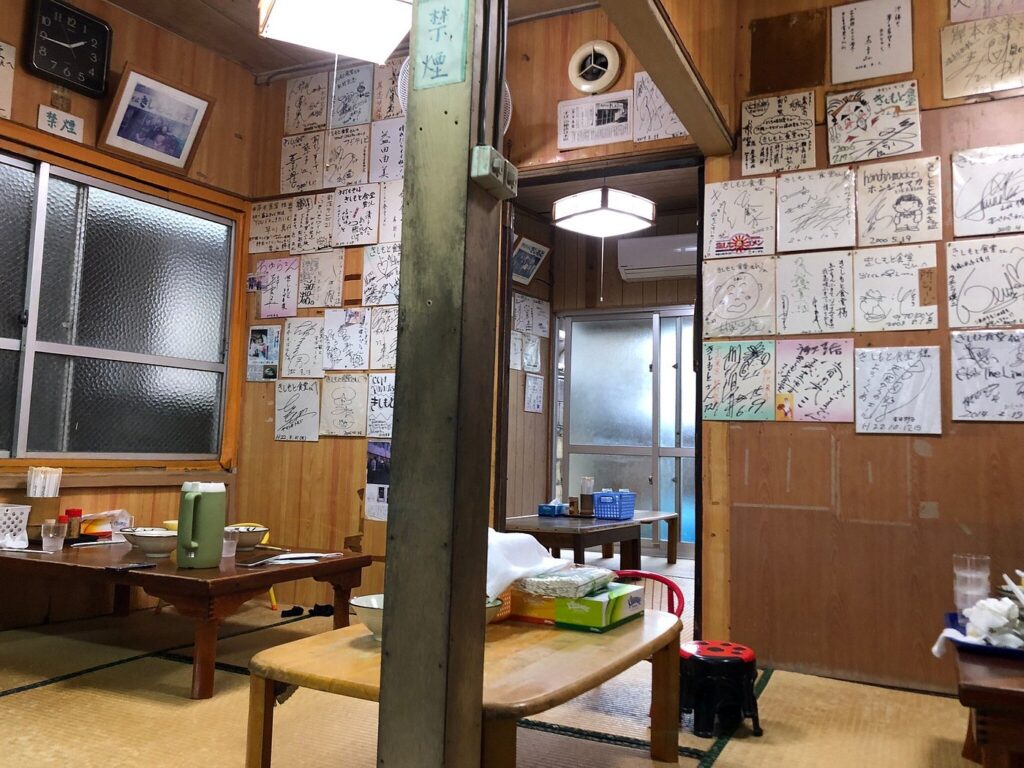
This spot served as the model for the place where Shinpei and Mio take shelter from the rain in the anime. In real life, it’s actually a cozy, retro-style bakery—well known locally for its fried bread.
The shop’s exterior captures the vibe of the anime perfectly. Stepping up to the storefront feels like slipping into a scene—and biting into the local specialty makes the experience even richer. A must-stop for fans and hungry travelers alike.
Location link
Spot ③: The Seawall Along Tsutsumi River
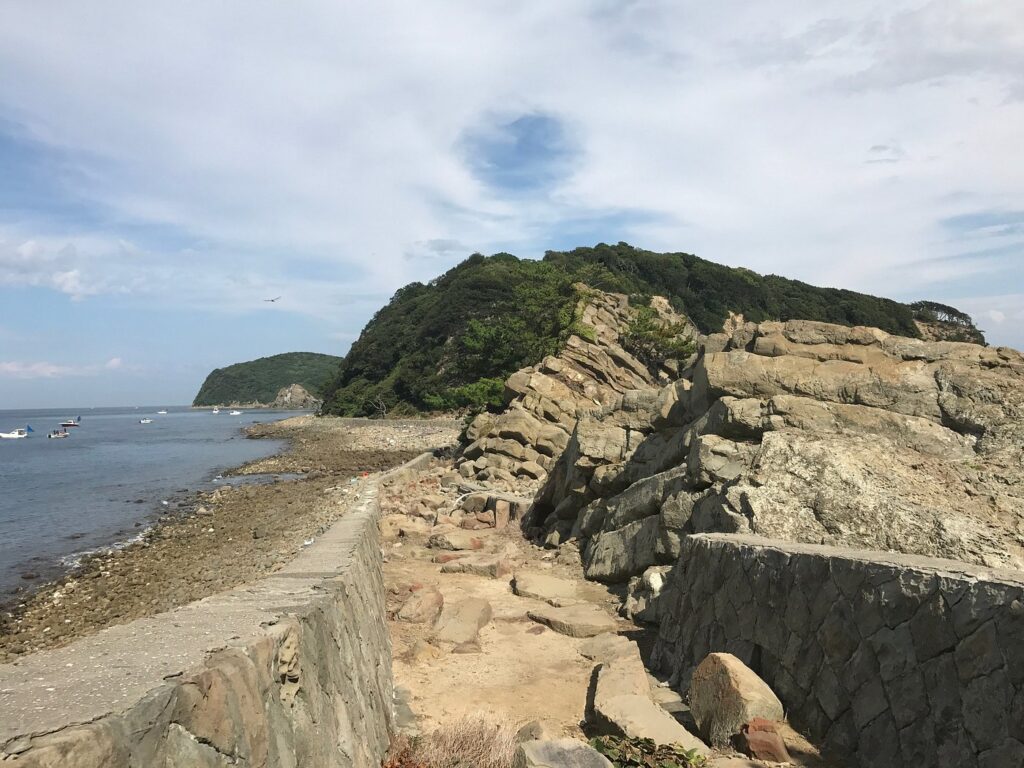
This seawall appears in Episode 3 and leaves a strong visual impression with its detailed background design. From here, you can spot the red-brick warehouses of the old Maruji Soy Sauce Factory—just as they appear in the anime.
Everything from the lighting to the layout mirrors the show’s background art, and walking along the seawall, you can’t help but feel the atmosphere shift. The surrounding architecture only adds to the sensation that the world of Summer Time Rendering isn’t fiction after all.
Location link
Suzume – Anime Pilgrimage Spots
Makoto Shinkai’s 2022 film Suzume captured hearts with its visually rich journey across Japan. It follows a teenage girl as she travels to abandoned places throughout the country, closing magical “doors” to stop disasters from entering the world.
Many of the locations in the film are based on actual towns, cities, and ruins across Japan—making it a dream pilgrimage for Shinkai fans.
Spot ①: Tsuetate Onsen (Oita Prefecture)

Tsuetate Onsen is said to be the model for the hot spring town featured in one of the film’s early sequences. With a history dating back over 1,800 years, this onsen is even said to have once been used for the emperor’s first bath.
Walking through its steam-filled alleys, hearing the sound of rushing water, and feeling the aged textures of stone and wood—it’s like you’ve entered one of Suzume’s memories. The onsen town’s timeless charm fits the movie’s themes of decay, healing, and legacy perfectly.
Location link
Spot ②: Yawatahama Port (Ehime Prefecture)
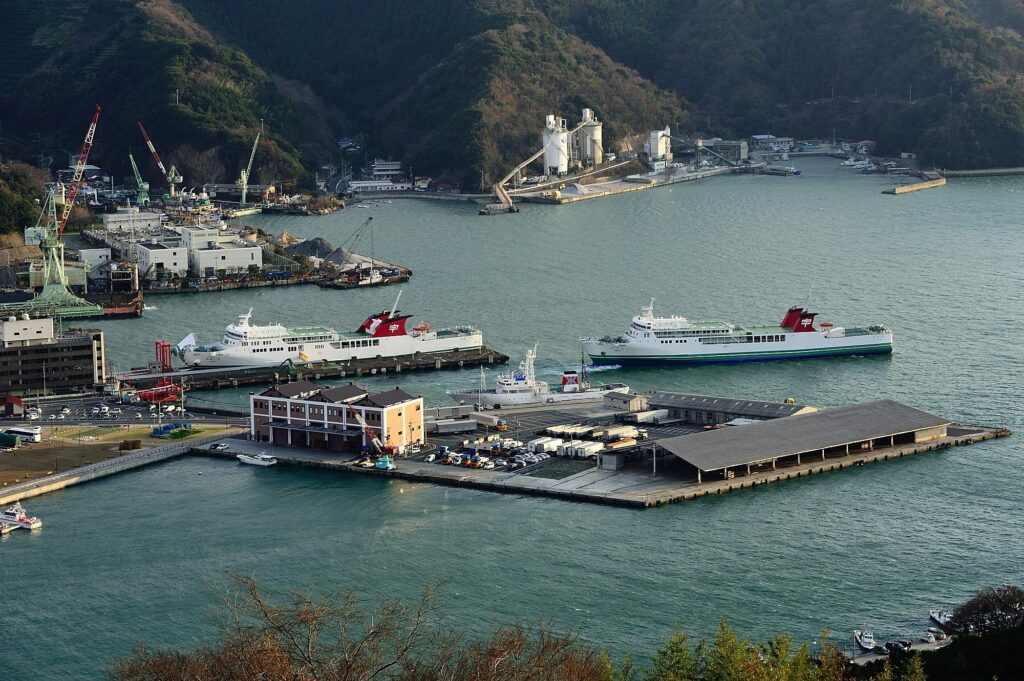
Yawatahama Port serves as the model for the ferry terminal where Suzume departs on her solo journey. While the actual terminal has been rebuilt and no longer looks exactly like the one in the film, it still holds powerful symbolic weight.
This is where the story’s true journey begins—where Suzume chooses to move forward. For fans retracing her steps, this port feels like a threshold not just between places, but between childhood and adulthood.
Location link
Spot ③: Ochanomizu Area (Tokyo)
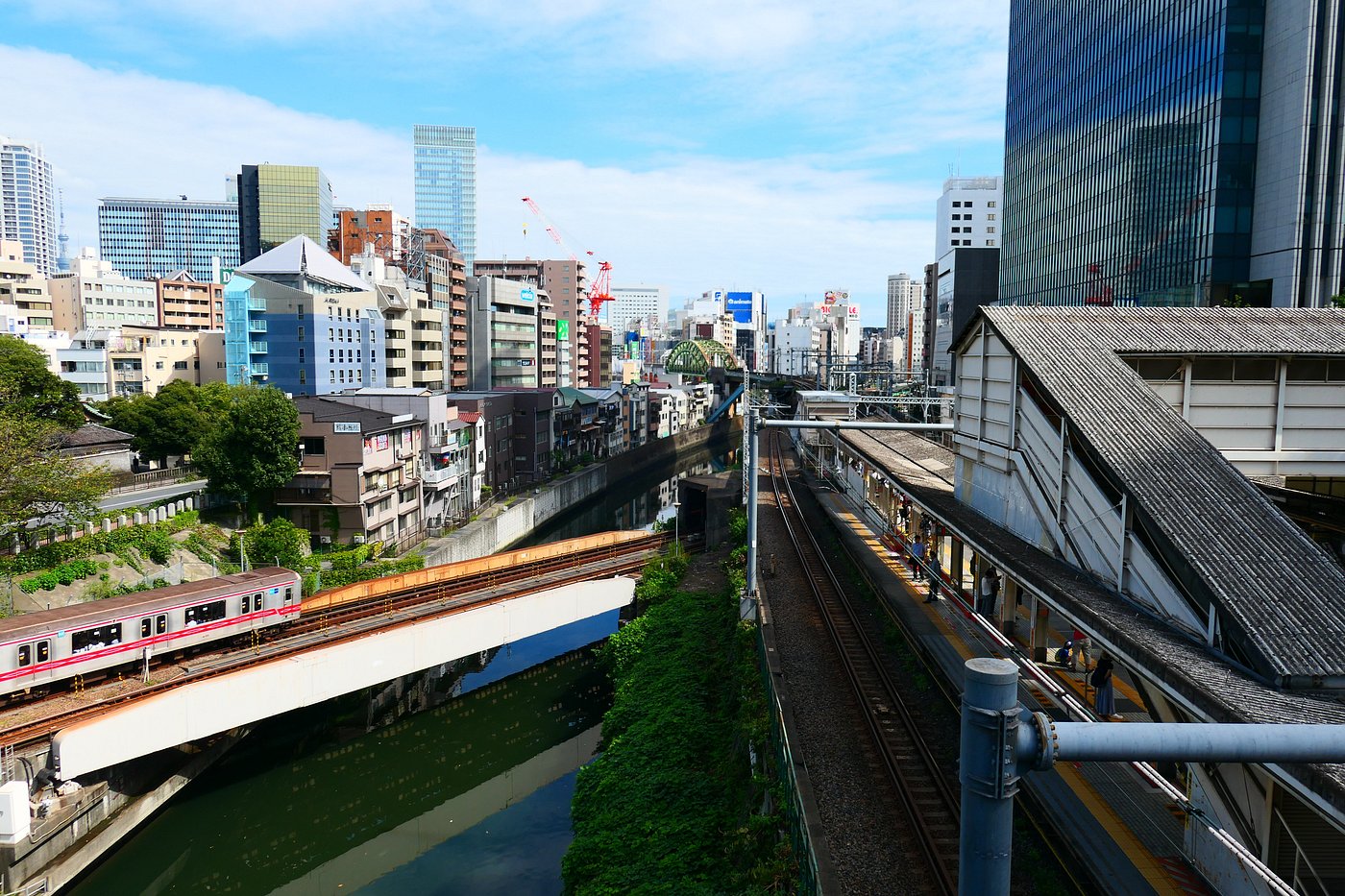
In the Tokyo chapter of the film, Suzume stays at Sota’s apartment, located in the Ochanomizu neighborhood. This area features prominently in the film, including the famous Hijiribashi (Holy Bridge), a popular anime pilgrimage site in its own right.
From the bridge, you can spot the same skyline used in the film. It’s a surreal mix of Tokyo’s spiritual and urban essence—just like Suzume itself. Fans walking through Ochanomizu can almost hear the footsteps of Suzume and Sota echoing across the station platforms and quiet streets.
Location link
The Melancholy of Haruhi Suzumiya – Anime Pilgrimage Japan Spots
A classic that reshaped anime fandom in the 2000s, The Melancholy of Haruhi Suzumiya is based on Nagaru Tanigawa’s light novel series and remains a cult favorite today. The anime’s setting is modeled after real-life spots in Nishinomiya, Hyogo Prefecture.
Spot ①: Nishinomiya Kita High School (Hyogo Pref.)
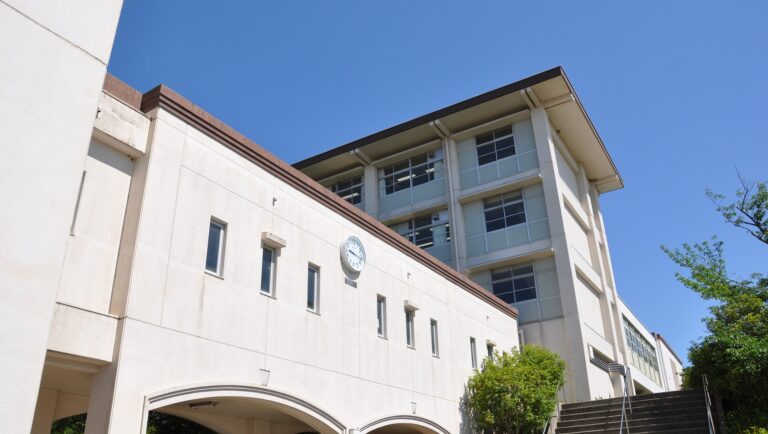
This school is the real-world counterpart of the anime’s “North High,” where Haruhi, Kyon, and the SOS Brigade spend their days. The school itself isn’t open to the public, but its exterior—especially the view from the main gate—looks exactly like the anime.
Even from outside, fans are struck by how accurately the building and scenery were recreated. It’s like seeing the world of Haruhi pop off the screen.
Location link
Spot ②: Nishinomiya-Kitaguchi Station
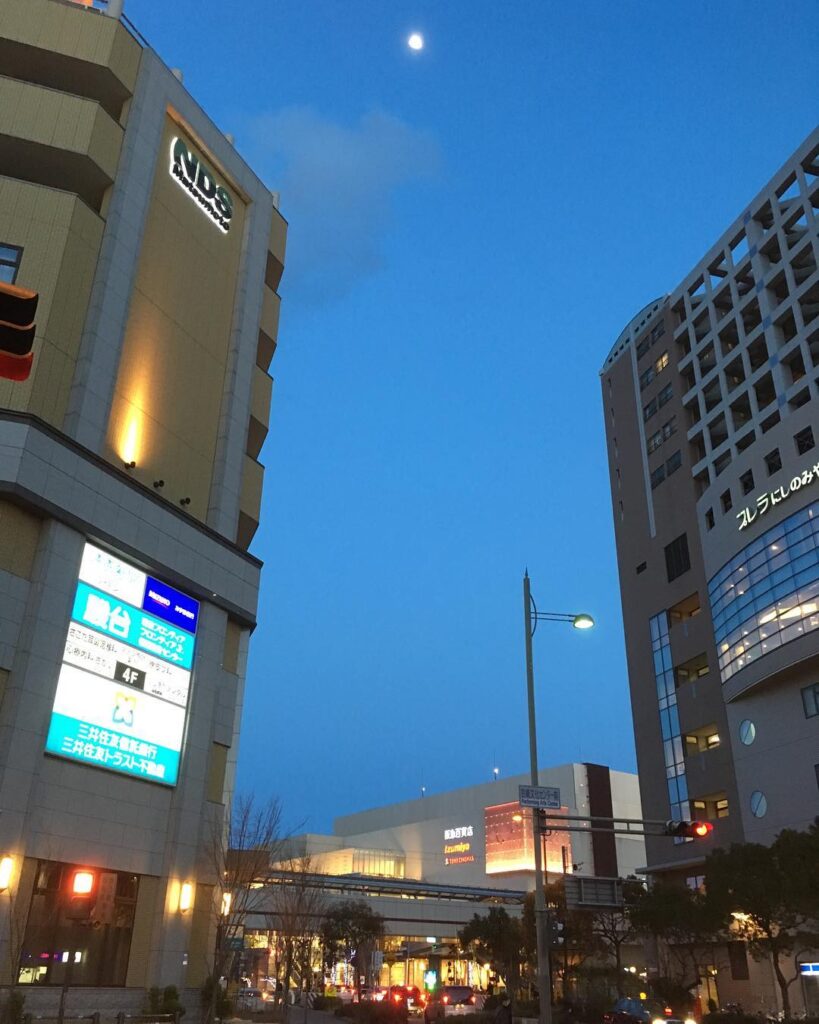
This station appears frequently in the series, especially in Kyon’s daily commute. Just outside the station, you’ll find Kitaguchi Park, where the SOS Brigade gathers. There’s even a small clock tower—perfect for commemorative fan photos.
It’s a slice of ordinary suburban life infused with supernatural possibility—exactly like Haruhi herself.
Location link
Spot ③: Shinike Pond
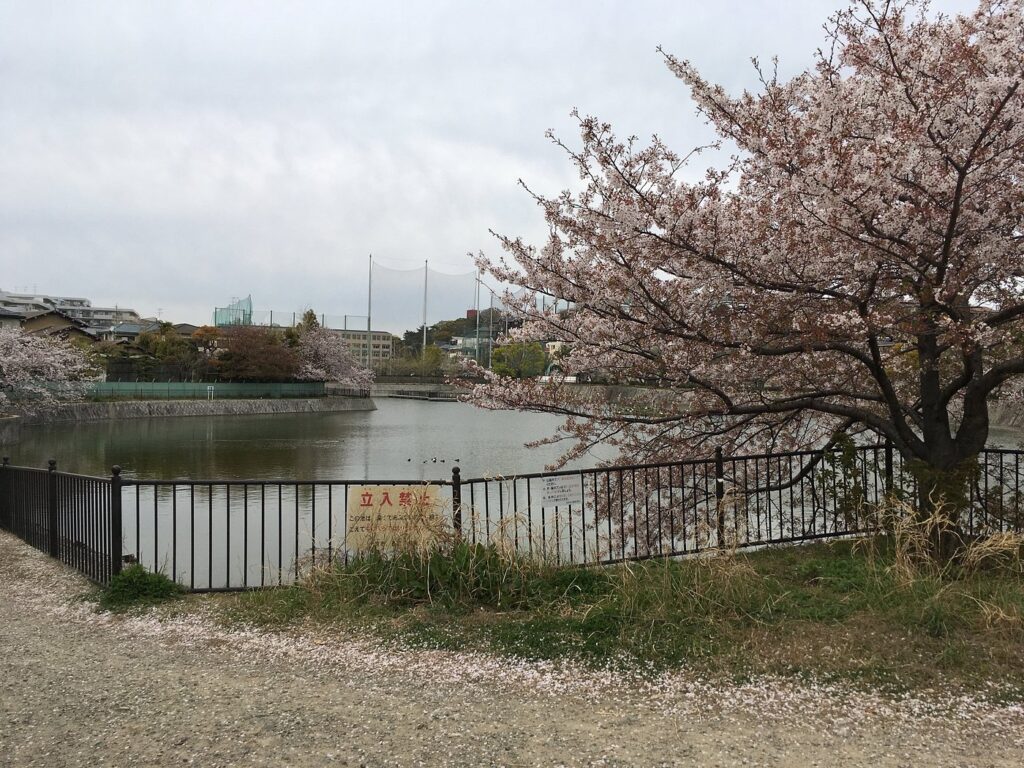
Known to fans as the spot where Mikuru gets (unceremoniously) pushed into the water by Yuki, this tranquil pond is a real reservoir in Nishinomiya.
With its peaceful greenery and quiet rippling surface, it offers a calm counterbalance to the show’s chaos. Visiting here, you might feel a bit of time-warping déjà vu… or the start of an endless eight days.
Location link
Higurashi: When They Cry – Anime Pilgrimage Japan Spots
Spot ①: Shirakawa Hachiman Shrine
Higurashi :When They Cry shocked and captivated viewers with its disturbing mystery and rural horror. Its fictional setting—Hinamizawa—is heavily based on Shirakawa-go, a UNESCO World Heritage Site in Gifu Prefecture.
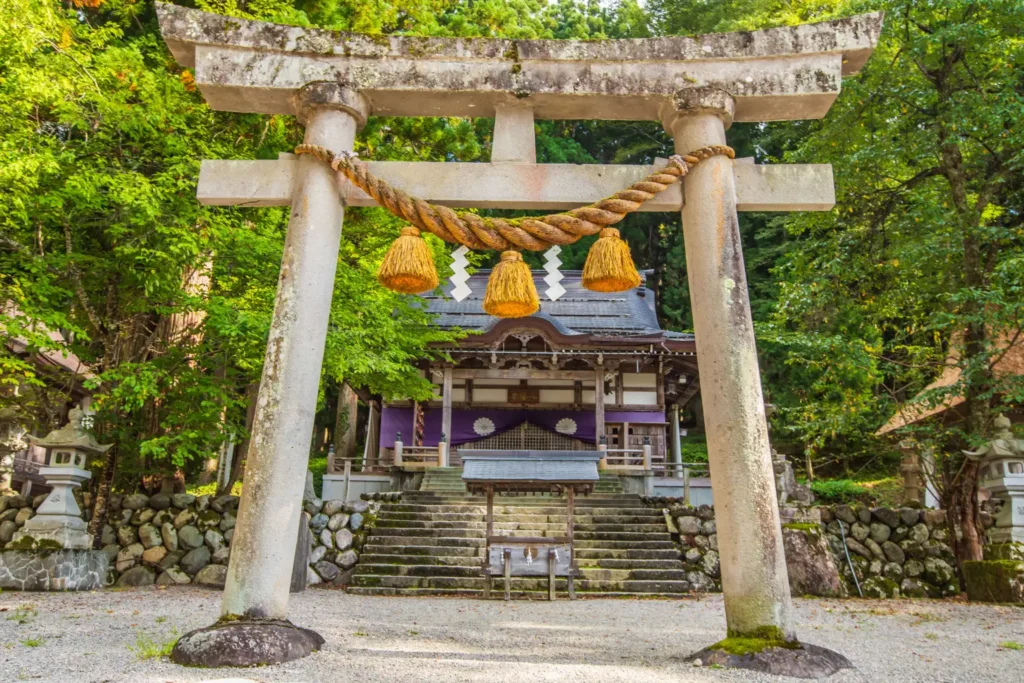
This shrine served as the model for the Furude Shrine, the home of Rika Furude and the center of Hinamizawa’s Watanagashi Festival. It’s a spiritual, atmospheric place—surrounded by tall trees and steeped in history.
Visiting this shrine, you’ll immediately feel the same eerie solemnity that filled the anime’s pivotal scenes.
Location link
Spot ②: Observation Deck Overlooking Shirakawa-go
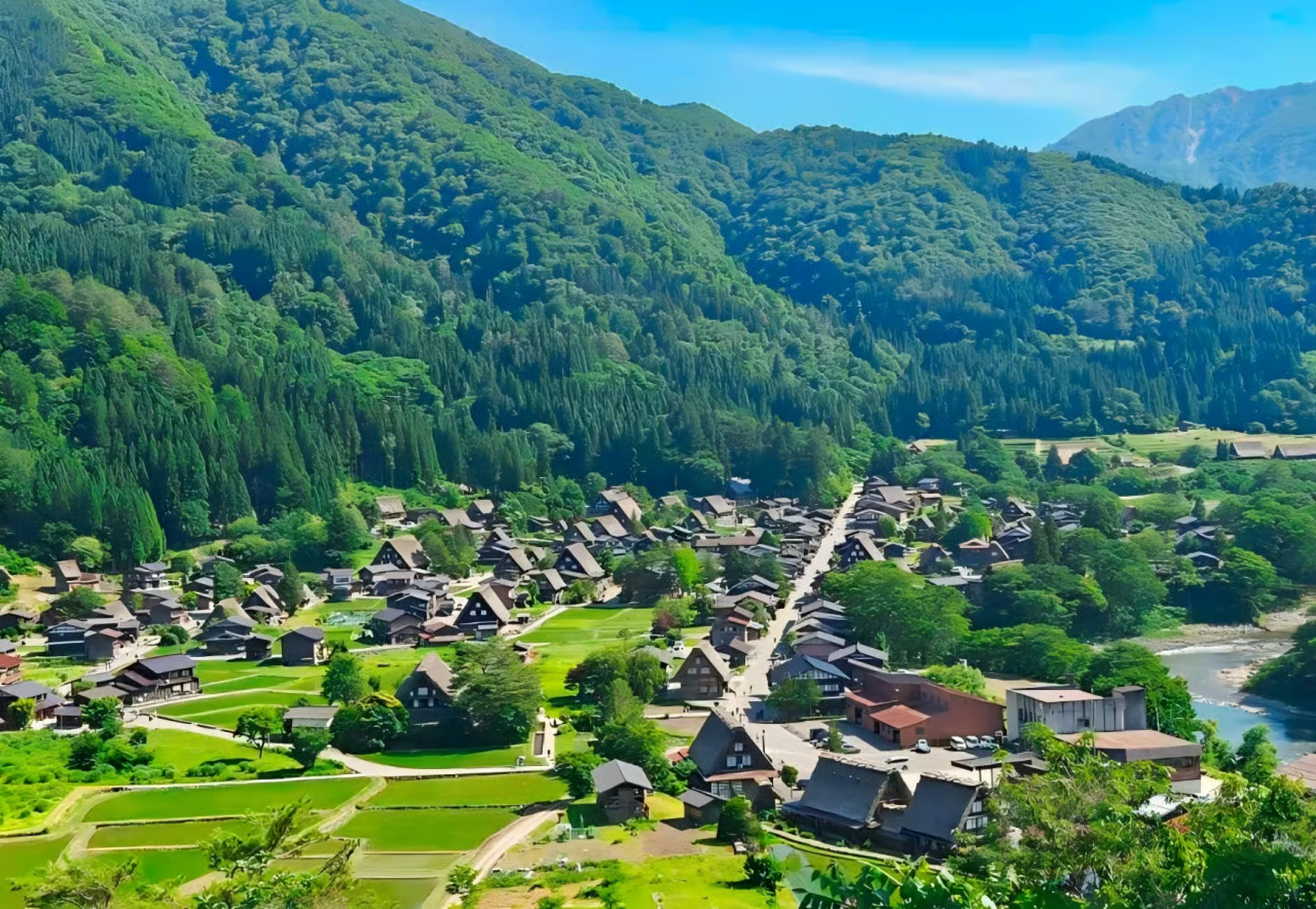
Fans will recognize this as the famous viewpoint from which the village can be seen nestled in the valley—exactly like the scene Rika often visits. It’s breathtaking in all seasons, but particularly haunting during the misty spring or crimson autumn.
Location link
Spot ③: Miboro Dam
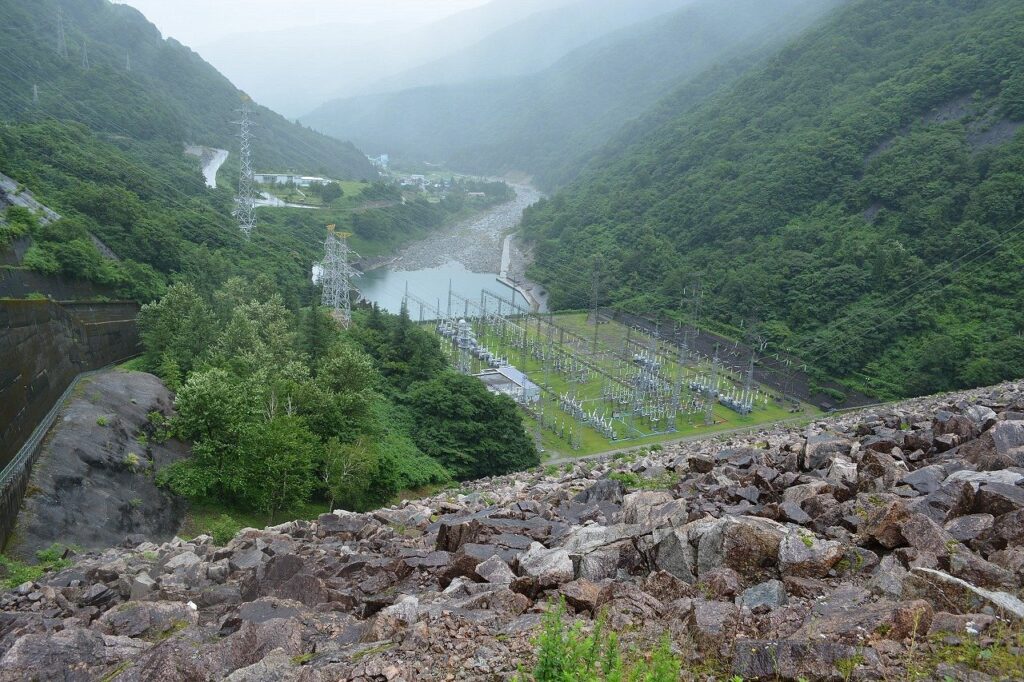
The Miboro Dam is the real-world inspiration for the Hinamizawa Dam—central to the series’ dark backstory. Surrounded by dramatic cliffs and vast forests, the area matches the tension and grandeur of the anime’s climax.
Standing there, it’s easy to imagine the tragedies, secrets, and time loops embedded in the very soil.
Location link
Bocchi the Rock! – Anime Pilgrimage Japan Spots
This slice-of-life music anime Bocchi the Rock! charmed viewers with its introverted protagonist and punchy humor. The setting? The trendy, bohemian neighborhood of Shimokitazawa in Tokyo—a real-life mecca for musicians and creatives.
Spot ①: Shimokitazawa Station East Exit

This plaza shows up again and again in the anime, especially in scenes where the band members gather. The energy of the area—the mix of street performers, vintage fashion, and quirky cafés—perfectly captures the feel of Bocchi the Rock!
It’s a great starting point for any fan’s pilgrimage.
Location link
Spot ②: Shimokitazawa SHELTER
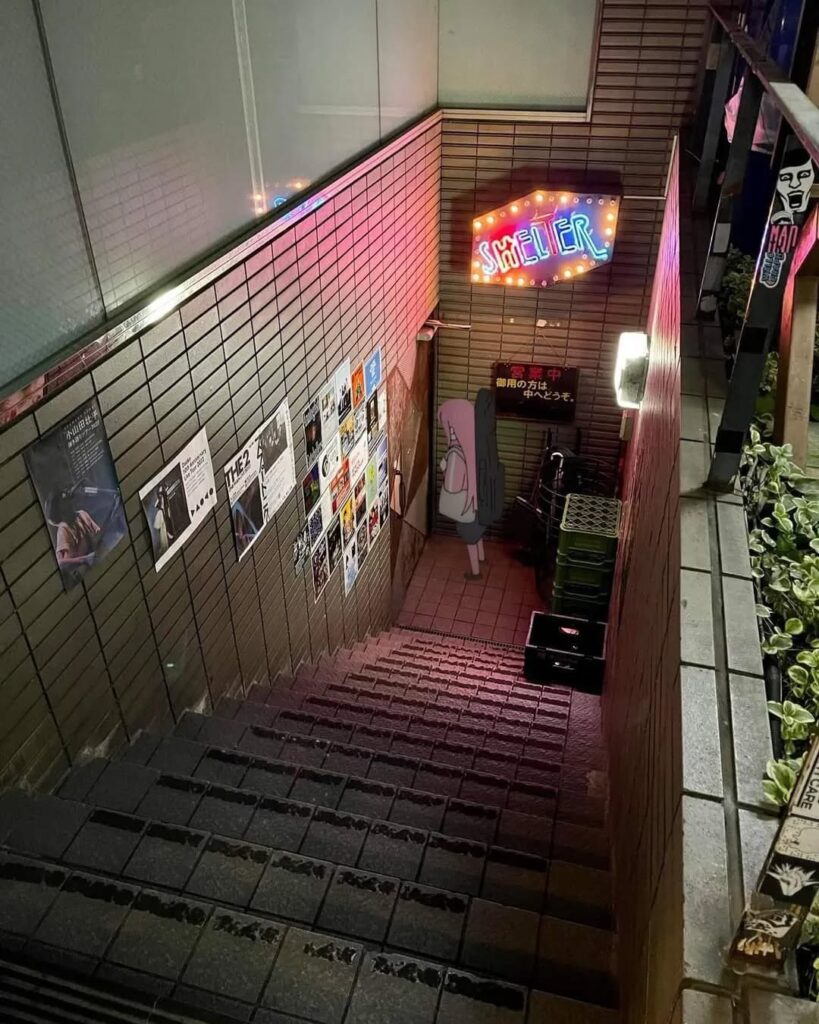
This is the model for the live house where Bocchi and her band perform. SHELTER is a real, popular venue for indie rock in Tokyo, and visiting it feels like stepping right into one of the band’s high-stakes gigs.
Music fans and anime fans alike will feel the electricity here.
Location link
Spot ③: Village Vanguard Shimokitazawa

This eclectic store appears in the anime as a hangout spot. It’s packed with zines, gag gifts, alt-culture books, and more. A perfect blend of real and animated chaos.
Even non-fans will find something weird and wonderful inside—but for those who watched the show, it’s a total easter egg hunt.
Location link
Yama no Susume – Anime Pilgrimage Japan Spots
Yama no Susume (Encouragement of Climb) is a gentle, heartwarming anime centered around high school girls discovering the joy—and challenge—of hiking Japan’s mountains. What makes this series especially beloved among outdoor enthusiasts is that the mountains featured in the anime are all real.
Let’s explore the actual peaks the girls climbed, and why each one is so special.
Spot ①: Tenran-zan (Hanno, Saitama)

Tenran-zan, in Hanno City, is where everything begins. At just 197 meters tall, it’s the first mountain the girls climb in Episode 1. But don’t let the modest height fool you—the views from the top are surprisingly expansive.
You can see the skyline of Tokyo on a clear day, including the iconic Tokyo Skytree. With beginner-friendly trails, it’s the perfect place to bring a picnic (just like the characters) and relive that first moment of discovery.
Location link
Spot ②: Mt. Takao (Tokyo)
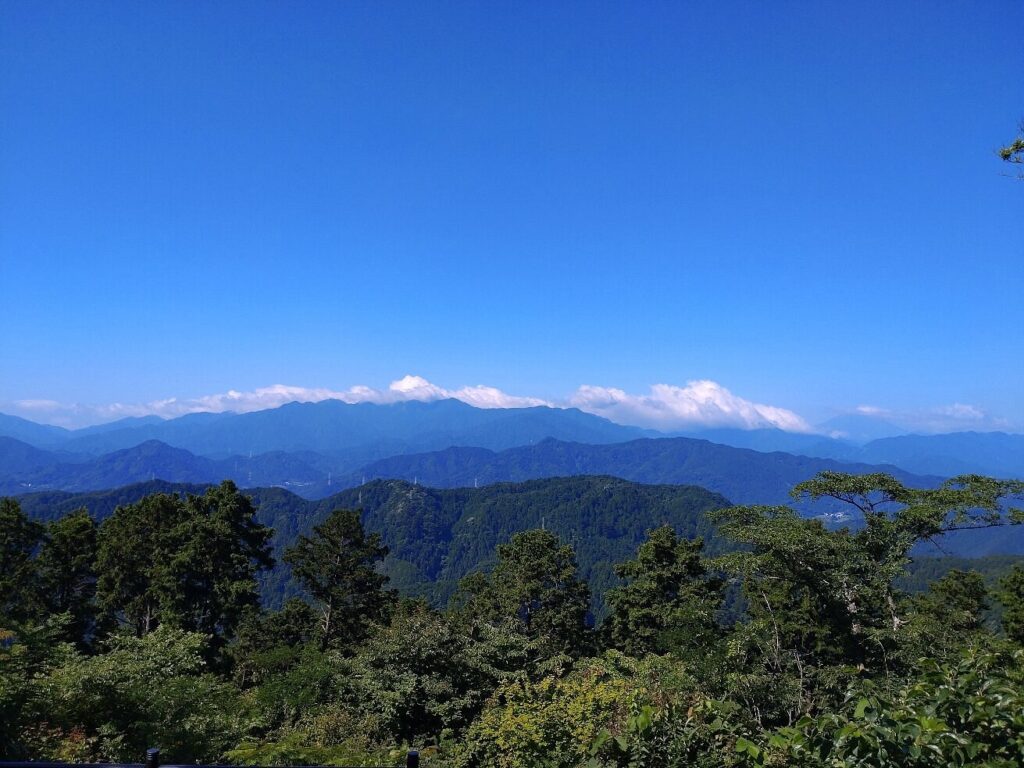
Located in Hachioji and one of the most accessible mountains from central Tokyo, Mt. Takao is immensely popular with hikers of all ages. It appears in Yama no Susume during scenes where the girls go exploring seasonal scenery—especially the gorgeous autumn leaves.
You can take the cable car up part of the way, enjoy temple visits (hello, Yakuo-in!), and savor famous mountain snacks at the summit. The anime perfectly captures the gentle thrill of a group adventure here.
Location link
Spot ③: Mt. Tanigawa (Gunma/Niigata Border)
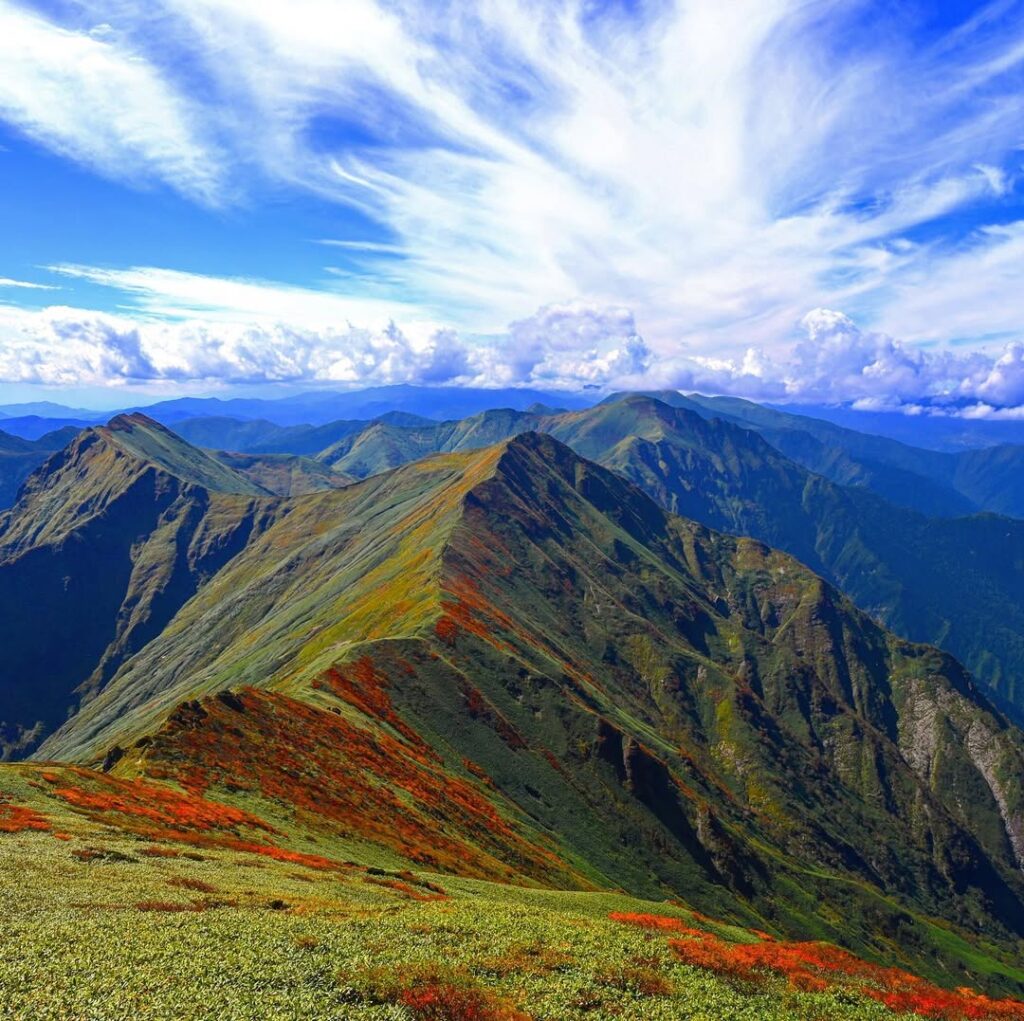
This is the real deal—a towering mountain featured during one of the anime’s most dramatic arcs. Known for its breathtaking views and challenging conditions, Mt. Tanigawa straddles the border of Gunma and Niigata Prefectures.
In summer, it bursts into color with alpine flowers. In winter, it becomes a stark white world. The anime portrays this climb as a major milestone for the characters—physically and emotionally. You can ride the ropeway up for panoramic views, but do be prepared if you plan to hike the trails. This one’s not for beginners.
Location link
Laid-Back Camp – Anime Pilgrimage Japan Spots
Yuru Camp (Laid-Back Camp) is a love letter to slow travel, hot meals, and starry skies. Its cult following is thanks to its authentic portrayal of camping in Japan—and yes, the campsites are real.
Here are three that fans have fallen in love with.
Spot ①: Koan Campground (Lake Motosu, Yamanashi)
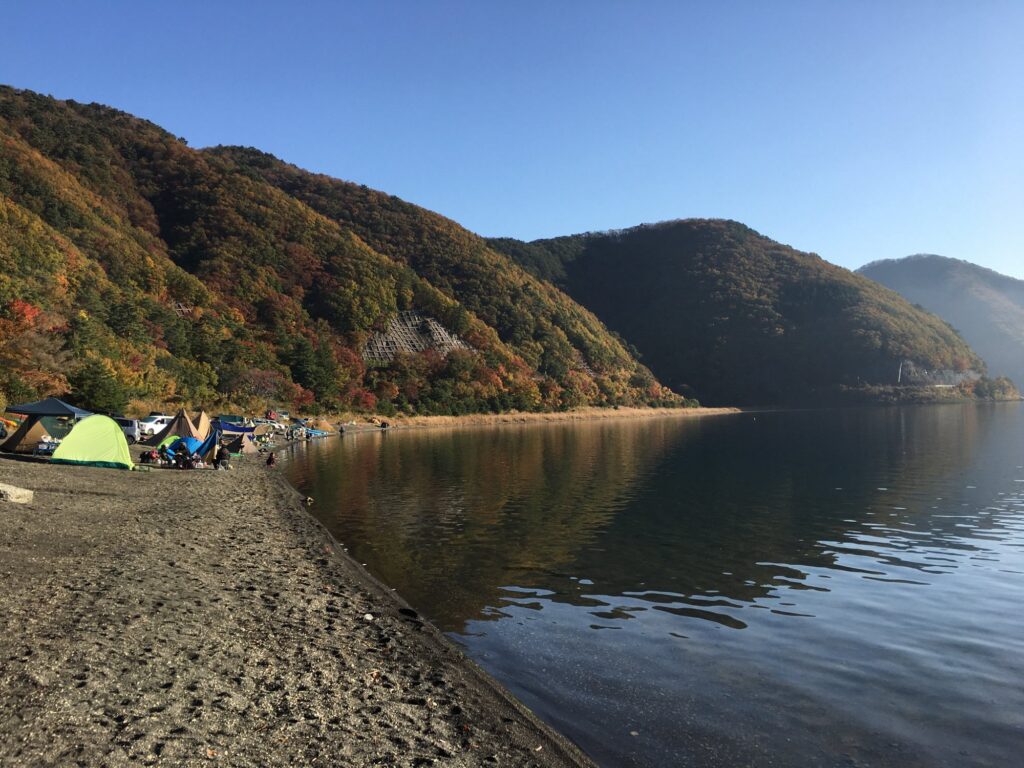
This is the iconic Yuru Camp spot. Located along the shore of Lake Motosu, this is where Rin sets up her solo winter camp in Episode 1.
What makes it magical? That jaw-dropping view of Mount Fuji across the lake—exactly like the one that appears on the 1,000 yen bill. The water is clear, the air is crisp, and the silence is soul-soothing. Bring a blanket and some curry noodles for full immersion.
Location link
Spot ②: Utsubuna Station (Yamanashi)

Nadeshiko uses this quaint, rural station after moving and transferring schools. Part of the JR Minobu Line, Utsubuna Station is enveloped by hills and trees, giving it a sleepy charm that’s impossible to fake.
It’s the kind of place where time feels slower, and where the journey is just as important as the destination. Visiting fans often reenact Nadeshiko’s dramatic run from the station to Lake Motosu—and take a moment to soak in the peaceful vibe.
Location link
Spot ③: Yashajin Pass (Nagano Prefecture)
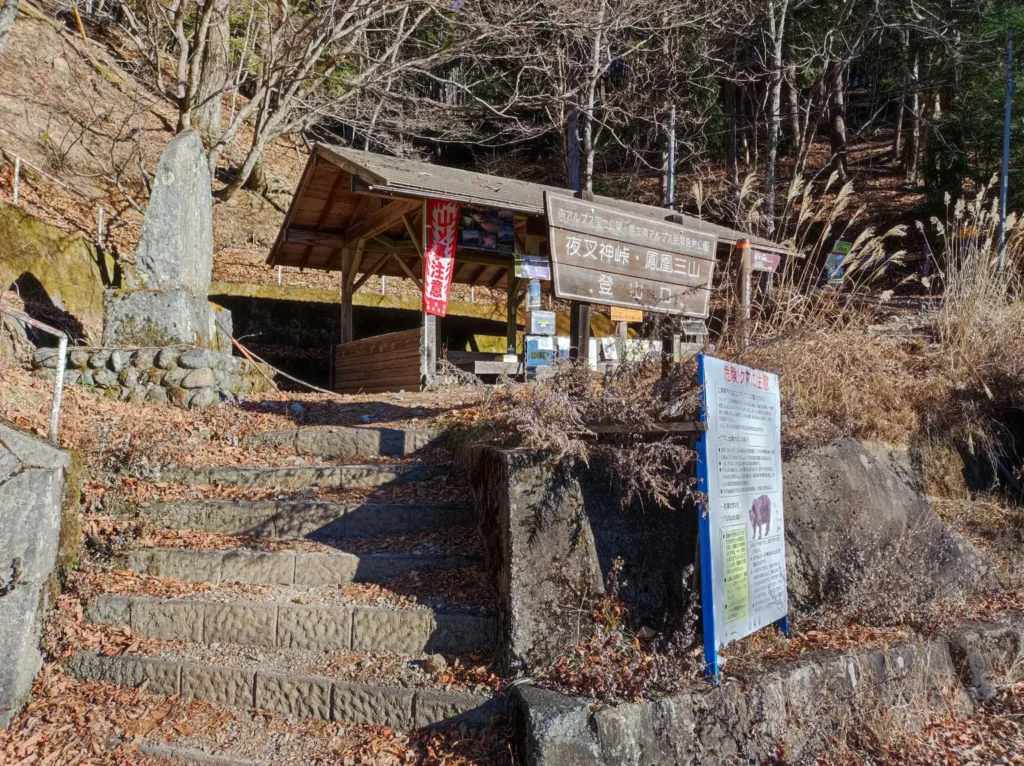
Yashajin-tōge is a mountain pass featured when Rin travels deep into the mountains. With stunning views of the Southern Alps and an aura of solitude, it captures the essence of the show’s love for exploration.
The route is well-maintained, and while it’s a bit off the beaten path, the reward is a cinematic view and a deep sense of connection with the land—just like Rin would want.
Location link
Love Live! Sunshine!! – Anime Pilgrimage Japan Spots
Set in Numazu City, Shizuoka Prefecture, Love Live! Sunshine!! is part of the globally popular Love Live! franchise. But this series stands out for its coastal charm and strong local identity—something you can feel in every pilgrimage stop.
Spot ①: Yasudaya Ryokan
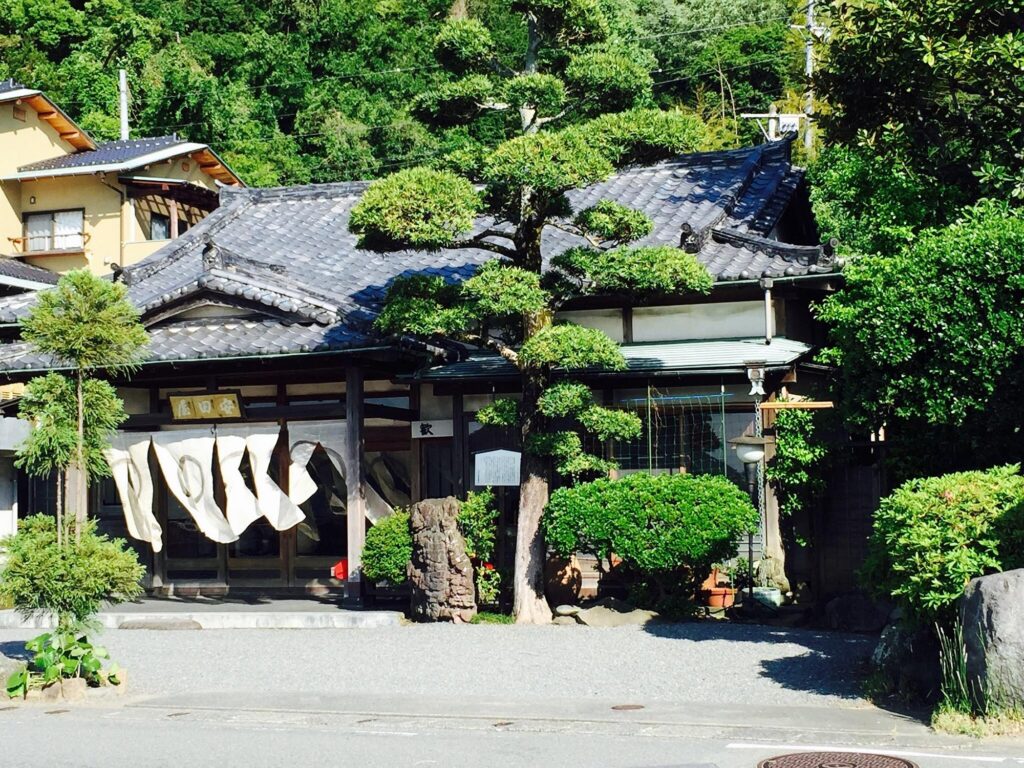
This historic inn, established in 1887, served as the model for “Ten thousand” (Jūman)—the ryokan run by main character Chika Takami’s family.
It’s not just architecturally stunning—it’s also registered as a national cultural property. Fans come here not just for the anime connection, but to walk the same wooden hallways and soak in the same bath as Chika. Bonus: literary legend Osamu Dazai once stayed here too.
Location link
Spot ②: Nagaisaki Junior High School
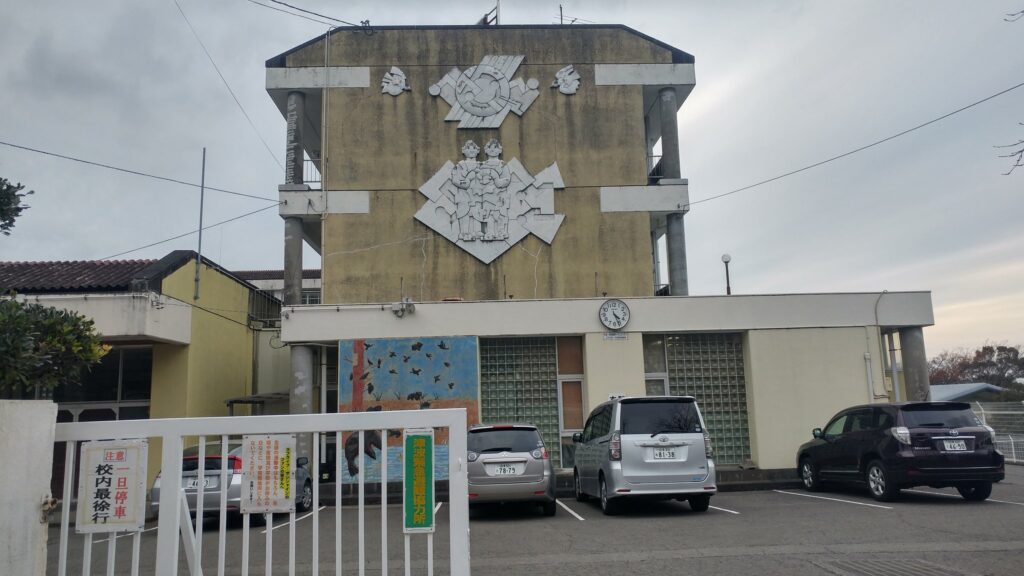
The real-life inspiration for Uranohoshi Girls’ Academy, this school stands right by the water. While it’s no longer operating, the structure still holds all the nostalgia and charm of the anime’s setting.
Visitors can’t always enter the school grounds, but the exterior is instantly recognizable. Looking at the courtyard or gates, you’ll feel like you’re about to join Aqours for a practice session.
Location link
Spot ③: Oranda-kan Shimogawara Café

This quirky Dutch-themed café served as the model for the home of You Watanabe, one of the main characters. Inside, you’ll find a dedicated “You corner” full of merch, photos, and nods to her love of uniforms and seafaring.
Fans can order themed dishes, like a special hamburger or a character-inspired drink, while surrounded by memorabilia that blurs the line between fiction and reality.
Lycoris Recoil – Anime Pilgrimage Japan Spots
Lycoris Recoil took 2022 by storm with its fast-paced action, quirky café setting, and the lovable contrast between the two leads. The story is set in modern Tokyo, and many of its locations can be visited in real life with ease.
Spot ①: Kinshi Park (Sumida Ward, Tokyo)
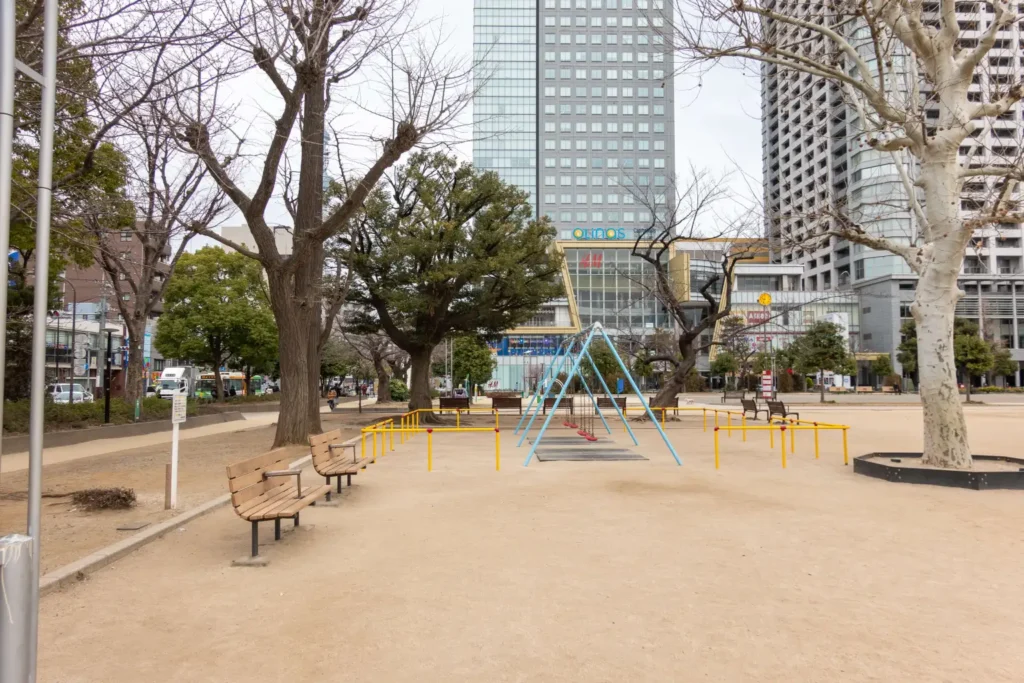
Kinshi Park appears in Episode 1, where Chisato and Takina have a meaningful conversation. It’s a peaceful, wide-open park just minutes from the bustle of Tokyo Skytree.
In spring, the park is a local favorite for cherry blossom viewing. You can walk the same paths the characters strolled, while watching families picnic or kids playing baseball—just like in the show.
Location link
Spot ②: Honjo Police Station
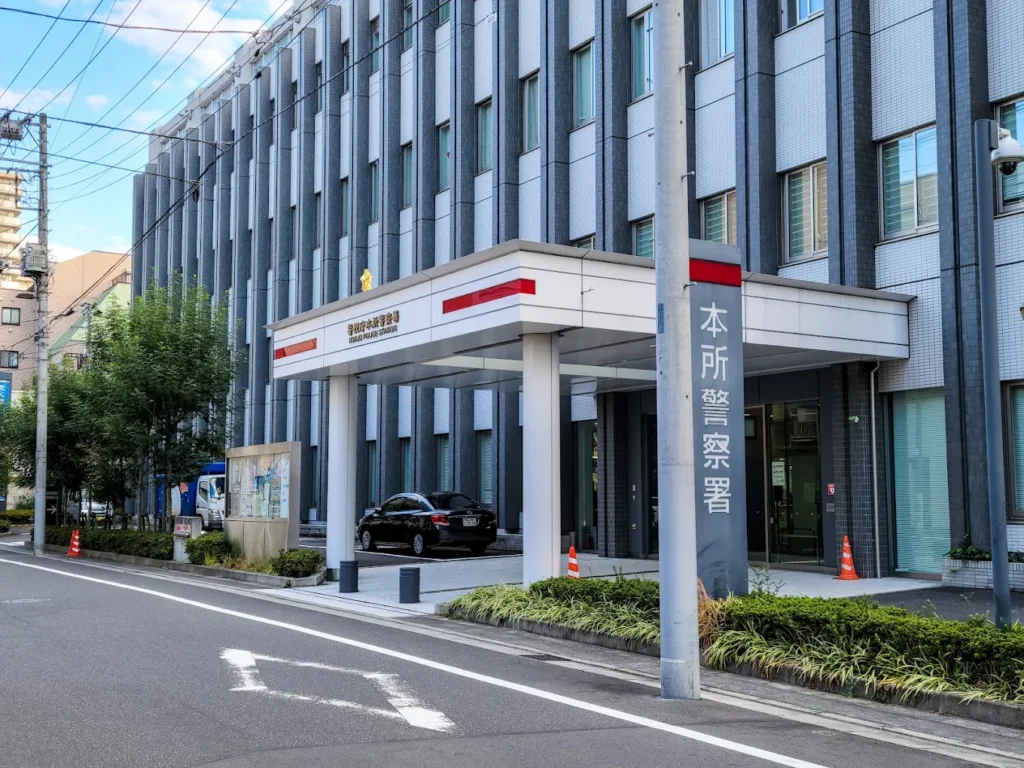
This real-life police station is shown in the anime as the workplace of one of the café’s regulars. It’s a solid building that blends perfectly into the Tokyo cityscape and adds realism to the anime’s world.
As it’s a functioning police station, visitors should be respectful—snap photos from a distance, and avoid disrupting operations.
Location link
Spot ③: Oshiage Station (a.k.a. “Kita-Oshiage Station”)

In the anime, this station gets a fictional name, but it’s clearly modeled after Oshiage Station, one of the main access points to Tokyo Skytree. It’s a major transit hub used frequently by the characters.
Walk around the station, glance up at the looming tower, and you’ll recognize backgrounds and layout almost shot-for-shot. It’s a subtle thrill for any fan.
Location link
Natsume’s Book of Friends – Anime Pilgrimage Japan Spots
With its quiet, supernatural beauty and deeply human storytelling, Natsume’s Book of Friends has become a fan-favorite over its six anime seasons. Much of the show’s rich nature and nostalgic atmosphere is drawn from Hitoyoshi City, Kumamoto Prefecture.
Spot ①: Hitoyoshi Station

This charming retro station appears throughout the anime, and it’s even been part of official Natsume x Kumamoto collaborations. From its manually-operated train signs to the famous SL Hitoyoshi steam train, the station oozes storybook charm.
A mechanical clock tower near the entrance features seasonal shadow art based on Natsume Yūjinchō—a perfect photo spot for fans.
Location link
Spot ②: Tengu Bridge
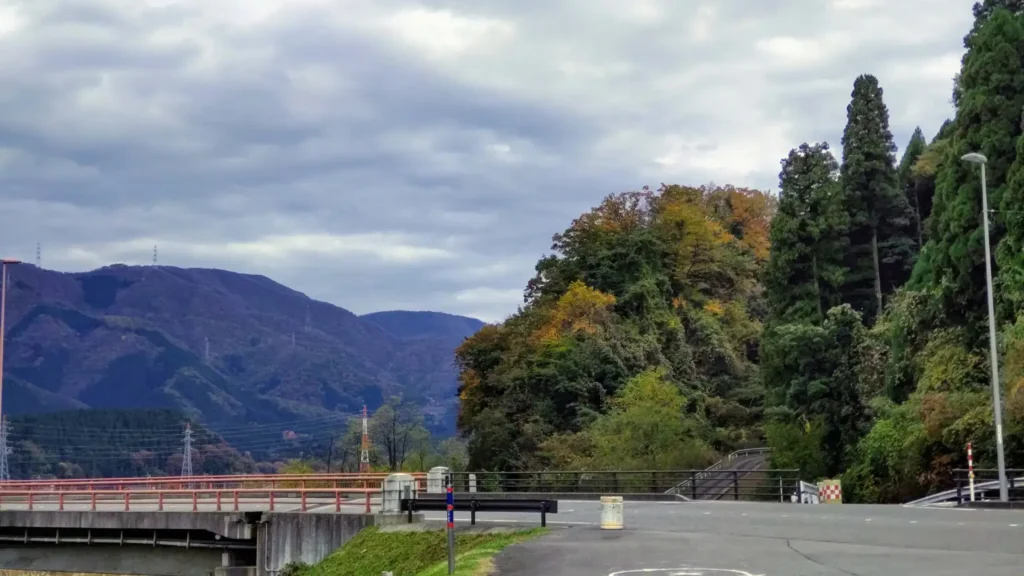
Seen in several scenes, this bridge is used by Natsume as part of his daily walk. With its gently arching shape and surrounding greenery, it’s both ordinary and magical at the same time—just like the series itself.
Walk across and you may feel a soft breeze, almost like Nyanko-sensei is floating right behind you.
Location link
Spot ③: Kajiya-machi Street

This old-fashioned street shows up in Season 3, Episode 3. Stone walkways, wooden shops, and lanterns line the path, and now it also features Natsume-themed displays thanks to the city’s revitalization project.
At night, shadow art installations light up the town in soft, glowing homage to the series. Visit between 6–10 PM to see the full magic.
Location link
Hanasaku Iroha – Anime Pilgrimage Japan Spots
Hanasaku Iroha follows a girl named Ohana who goes to work at a traditional hot spring inn, learning about responsibility, family, and finding her own path. Though the story is fictional, the setting is deeply rooted in Yuwaku Onsen, near Kanazawa in Ishikawa Prefecture.
Spot ①: Fukuju Bridge
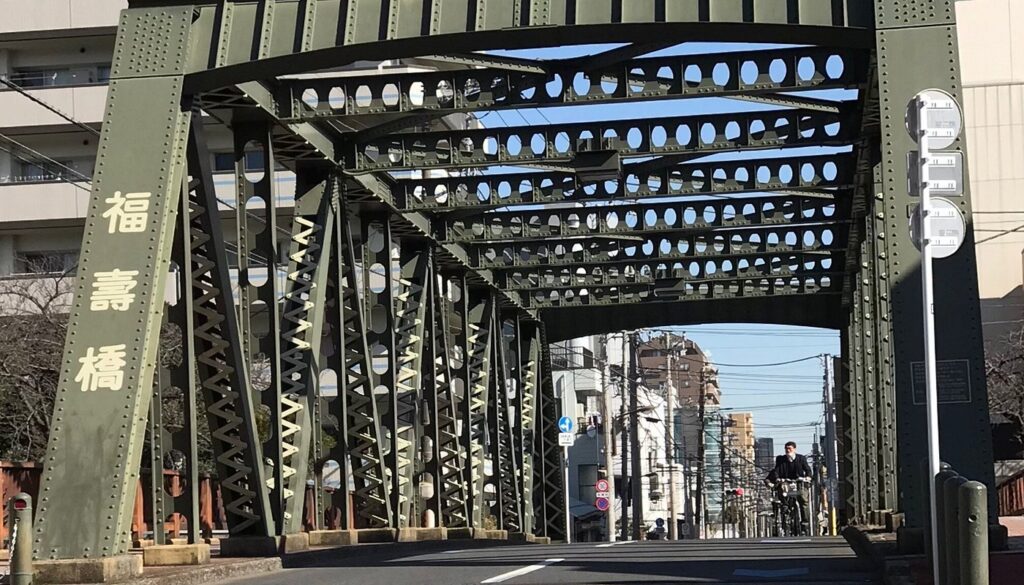
This nostalgic red bridge appears in multiple scenes, including Ohana’s morning commutes and emotional reflections. The foot bath nearby is a real-life stop for visitors and locals alike.
During spring, cherry blossoms frame the bridge. In fall, red and gold leaves reflect on the water. No matter when you go, it’s picture-perfect.
Location link
Spot ②: Yuwaku Post Office
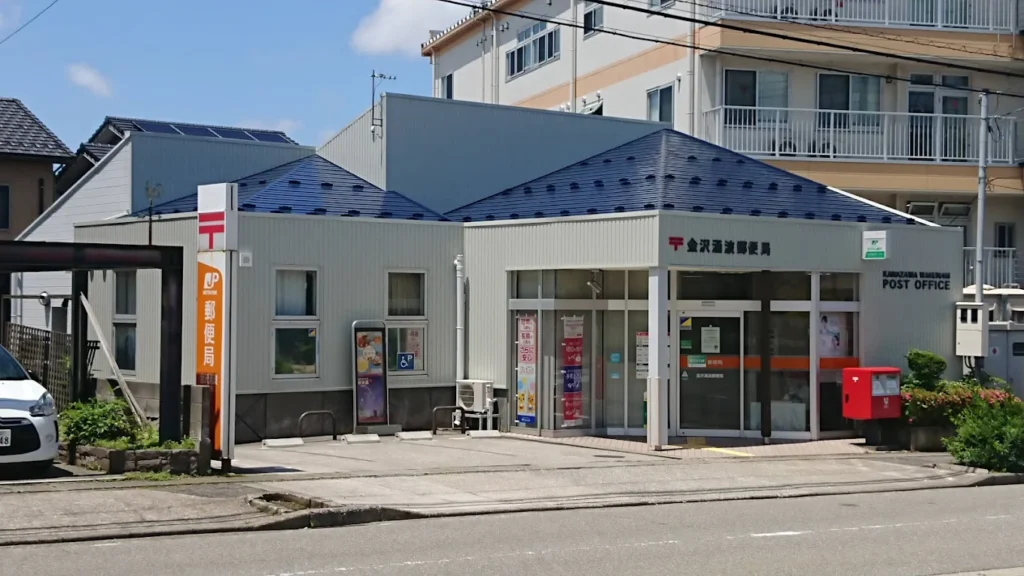
Though often shown in the background, this humble post office plays a quiet but constant role in the anime. It’s where characters pass by or meet—and in real life, it’s still in service.
Fans have come to associate the street in front of it with heartfelt memories, and it makes for a great place to trace the characters’ footsteps.
Location link
Spot ③: Yuwaku Inari Shrine

This is the site of the fictional “Bonbori Festival” featured in the anime’s climax. Due to the anime’s popularity, the real town of Yuwaku began hosting the actual Bonbori Festival every autumn in 2011.
At night, red lanterns line the path to the shrine, and the atmosphere becomes something right out of the anime—warm, mysterious, and magical.
Location link
Hibike! Euphonium – Anime Pilgrimage Japan Spots
Sound! Euphonium is a story of music, adolescence, and personal growth, set in Uji City, Kyoto Prefecture. The series features real schools, bridges, and shrines—all rendered with incredible detail.
Spot ①: Keihan Uji Station
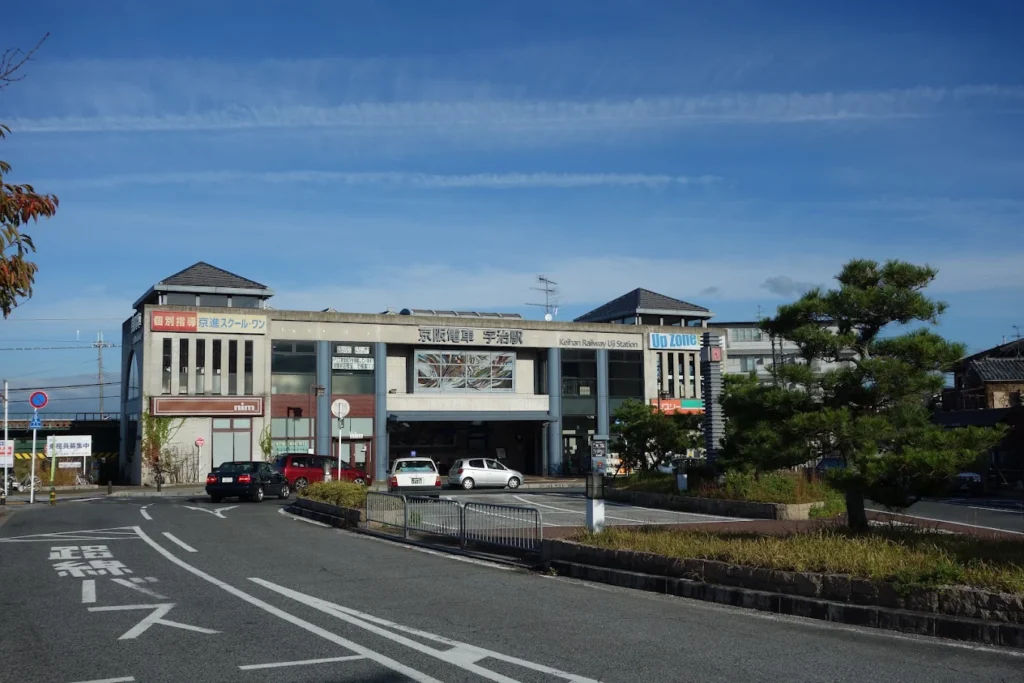
The station appears often in the anime. Its platforms, signage, and nearby roads are perfectly replicated in the show. As the starting point for many of the characters’ conversations and inner monologues, it’s sacred ground for fans.
There are even cafés nearby that have embraced their Euphonium fame—some with character art on display.
Location link
Spot ②: Uji Bridge

One of the oldest bridges in Japan, Uji Bridge plays a major role in the anime’s daily life scenes. Whether it’s walking to school, contemplating a performance, or just chatting with friends—many scenes happen right on or around this bridge.
Come during sakura season or autumn to see the bridge in its full poetic glory.
Location link
Spot ③: Uji Shrine

A quiet, centuries-old shrine tucked into the hillside, this place becomes a backdrop for festival scenes in Euphonium. The vibrant torii gates and serene atmosphere feel just as reverent in person.
If you’re lucky enough to catch a local event or seasonal decoration here, it’ll feel like stepping into a still frame from the anime.
Location link
Your Name. – Anime Pilgrimage Japan Spots
Makoto Shinkai’s 2016 global hit Your Name. brought anime pilgrimage to the mainstream. Its mix of surreal romance and photorealistic Tokyo scenery left a huge impression on fans worldwide.
Spot ①: Tateishi Park & Lake Suwa (Nagano Pref.)
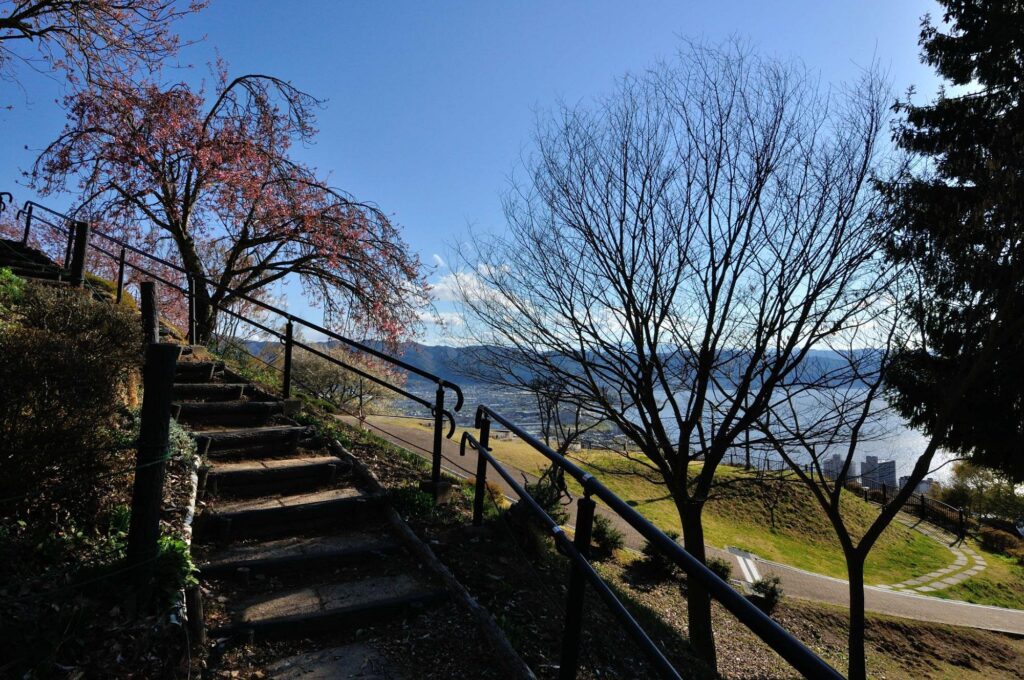
This is the view. The one from the comet scene. The one from the posters. From the top of Tateishi Park, you can see the glittering waters of Lake Suwa and distant mountain ridges—just like the fictional Itomori.
It’s at its most magical at sunset. That moment when the sky turns orange and pink? You’ll see why Shinkai picked this as a visual centerpiece.
Location link
Spot ②: Hida-Furukawa Station (Gifu Pref.)
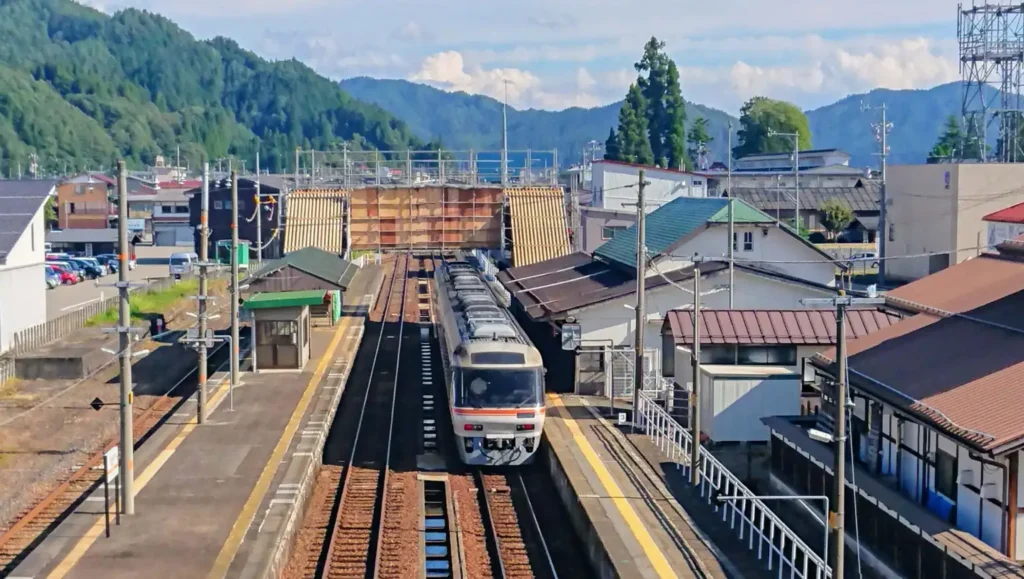
With its white walls and classic architecture, this charming station is nearly identical to the one seen in Your Name. Fans come here to take photos where Taki waits on the platform, or stands puzzled in the bus terminal nearby.
The whole town is a little time capsule, and you can wander the canals, visit shrines, and find street corners that feel pulled straight from the film.
Location link
Spot ③: Suga Shrine (Tokyo)
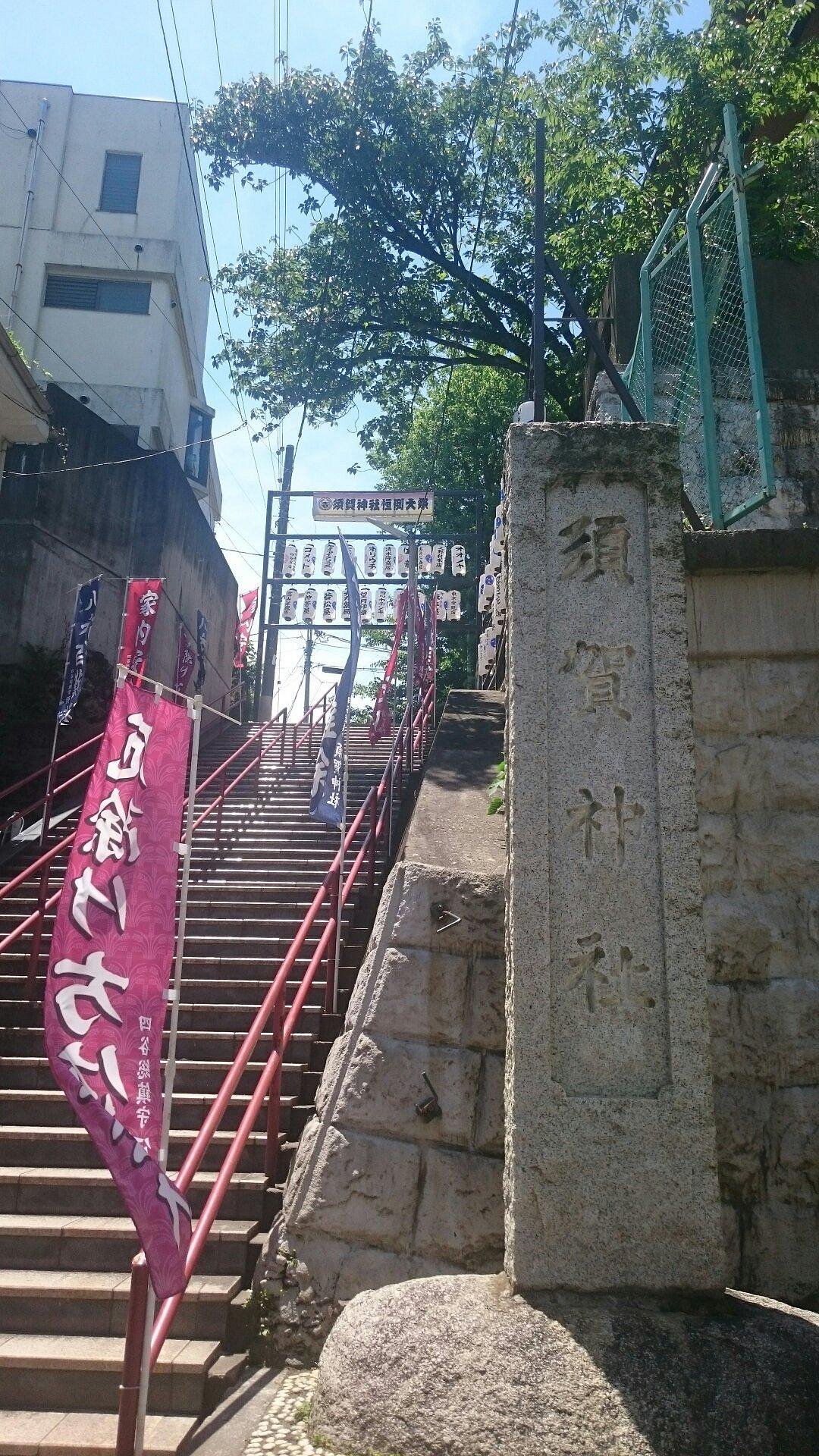
That staircase. That final scene. You know the one.
Suga Shrine’s red railings and long, narrow steps have become one of the most photographed pilgrimage spots in all of Tokyo. Located in Shinjuku, it’s surprisingly quiet despite its fame—and when you climb the stairs, you may just feel a pull of fate yourself.
The shrine is also known for love and matchmaking, which makes it even more symbolic for fans of the movie.
Location link
Anime Pilgrimage Japan: More Than Just Sightseeing
And there you have it—a cross-country journey through 48 real-world locations that bring beloved anime worlds to life. Whether you’re a fan of time-traveling romances, slice-of-life bands, supernatural mysteries, or mountaintop friendships, there’s a pilgrimage spot for you.
Anime pilgrimage isn’t just about snapping a photo at a famous scene. It’s about feeling the heartbeat of a place, connecting emotionally with a story, and discovering the beauty and culture that inspired it.
So the next time you rewatch a favorite episode, ask yourself—what if you went there?
Your own story might be waiting.