I spill travel tips , and show you the Japan that tourists usually miss.
Step into the world of Ghibli! Explore the top Studio Ghibli places in Japan—from the Ghibli Museum and Ghibli Park to real-life locations that inspired Spirited Away, My Neighbor Totoro, and more.
Planning more anime, film and fantasy-filled Japan stops? Read these next
Table of Contents
Which Studio Ghibli Places in Japan are must-sees?
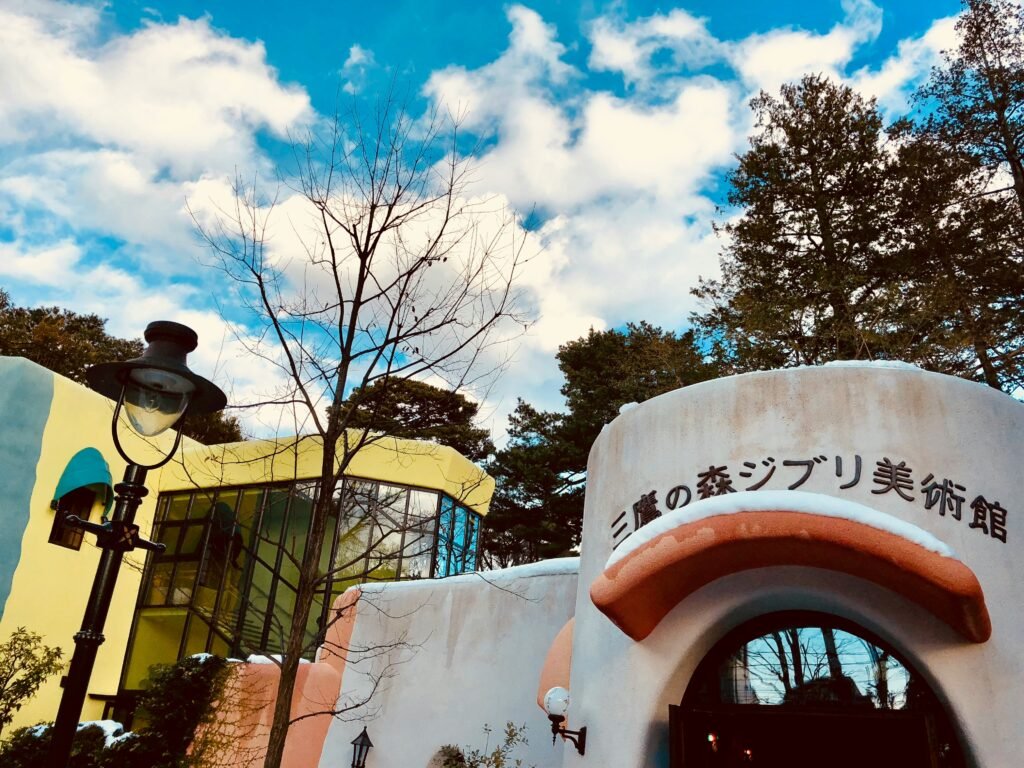
If you’re chasing real-world Ghibli magic, start with the official spots, then sprinkle in a few inspiration locations. Here’s the tight, no-filler hit list.
1) Ghibli Museum, Mitaka (Tokyo)
The heart. Hand-drawn tickets, Saturn Theater shorts you can’t see anywhere else, and exhibits that feel like you’ve stepped into an animator’s daydream.
Good to know: Tickets are released in advance and sell out fast. Go on a weekday morning for breathing room. Kichijōji + Inokashira Park make a perfect pre/post stroll.
2) Ghibli Park (Aichi, near Nagoya)
Less “theme park rides,” more “wander into the films.”
- Ghibli’s Grand Warehouse: props, sets, photo ops, mini exhibits.
- Dondoko Forest: Totoro’s countryside warmth.
- Hill of Youth: Whisper of the Heart vibes.
- Mononoke Village: rustic, tactile, earthy.
- Valley of Witches: Kiki and Howl touches.
Good to know: Timed entries; book sections you care about most first.
3) Totoro’s Forest (Sayama Hills / Tokorozawa, Saitama)
Quiet trails, tea-green light, dragonflies. It’s the countryside mood that birthed My Neighbor Totoro.
Good to know: Pop into Kurosuke’s House (when open) for Totoro lore and local conservation history.
4) Edo-Tokyo Open Air Architectural Museum (Koganei, Tokyo)
A living catalog of old Tokyo buildings that fed the visual DNA of Spirited Away and others—lanterns, bathhouse vibes, narrow alleys.
Good to know: Pair it with the nearby Ghibli Museum the same day if you’re efficient.
5) Shima Onsen Sekizenkan (Gunma)
One of the bathhouses often cited in the patchwork inspirations for Spirited Away—wooden corridors, red bridges, steam and hush.
Good to know: Stay overnight for the late-night, lantern-lit quiet.
Fast Planner (how to stack them)
- Tokyo 1–2 days: Ghibli Museum → Edo-Tokyo Open Air Museum.
- Nagoya day trip: Ghibli Park (book Warehouse + one extra area you love).
- Side quests: Sayama Hills (from Tokyo), Shima Onsen (overnight), Tomonoura (pair with Hiroshima/Onomichi).
- Nature finale: Yakushima (2–3 days minimum).
Booking & timing tips (quick)
- Reserve early for Museum + Park (timed entries go first on weekends/holidays).
- Weekday mornings = softer crowds, better photos.
- Build cushion time—these places reward wandering, not rushing.
1. The Ghibli Museum in Mitaka
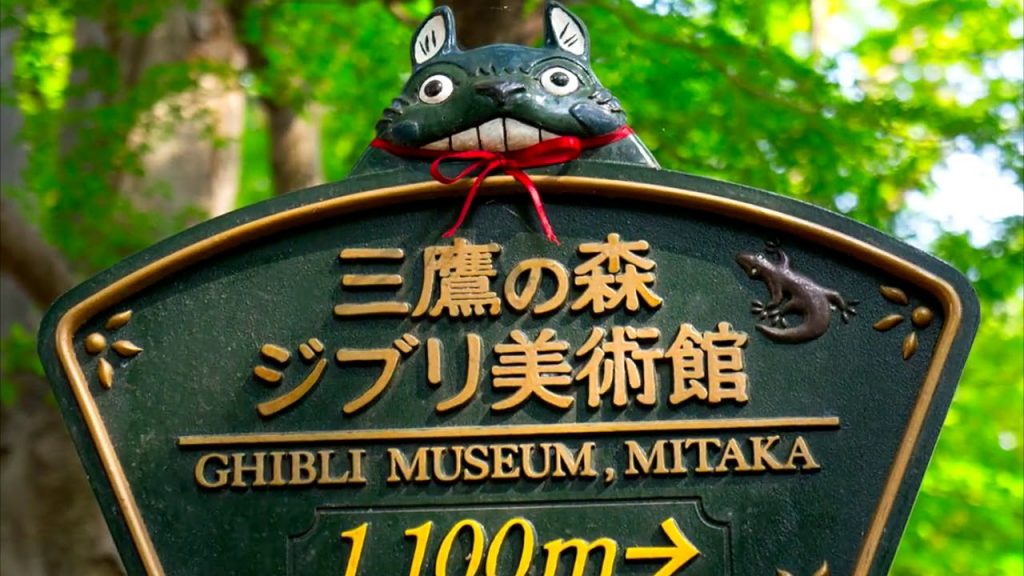
Mitaka Ghibli Museum is a must-see place to visit if you are a Ghibli fan. It opened on October 1, 2001, and celebrated its 20th anniversary in 2020. It has been around for a long time and is open year-round, but it is still just as popular as when it first opened.
Most of the exhibits in the museum are part of the permanent exhibition, apart from small pieces that are added here and there. However, the museum also offers special exhibitions related to Ghibli. These exhibits change approximately once a year. As of October 2025, the current exhibition at the museum is: “The Boy and the Heron Part 3: Background Art”.
Upcoming exhibition, starting on November 19, 2025 is “The Studio of Yuriko Yamawaki―Treasure from an Artist’s Clutter”.
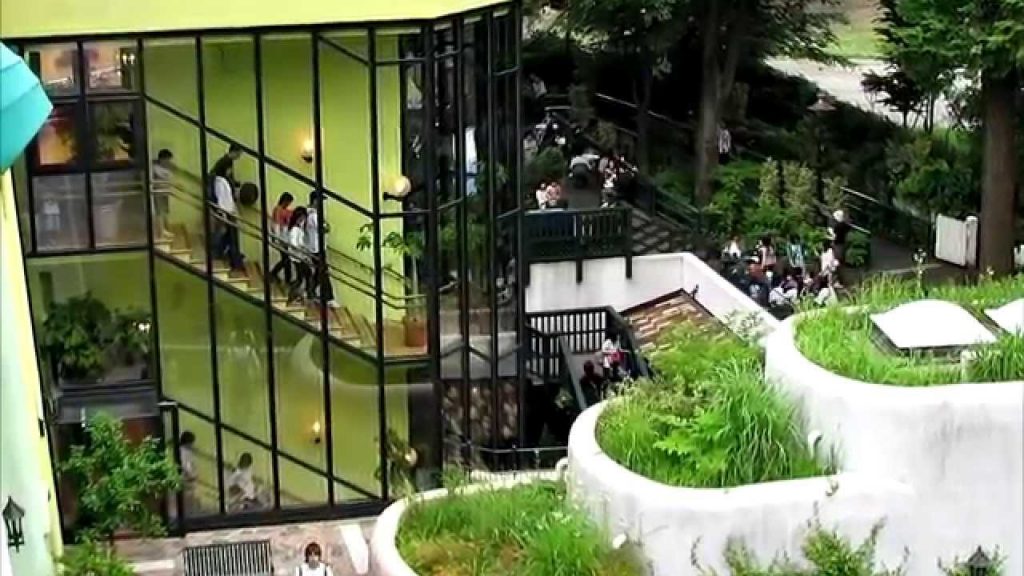
Another thing that changes regularly is the short film that is shown in the cinema inside the museum in The Saturn Theater, located in the Museum’s basement. It features a cozy setting with around 80 seats. Visitors can enjoy a short Studio Ghibli film while surrounded by a blue sky and vibrant flowers painted on the walls and ceiling. As the film concludes, the theater’s windows open, allowing sunlight to filter in. Guests have the option of sitting on a small red bench or the back of a seat to ensure an unobstructed view of the big screen.
2. Ghibli clock in Shiodome
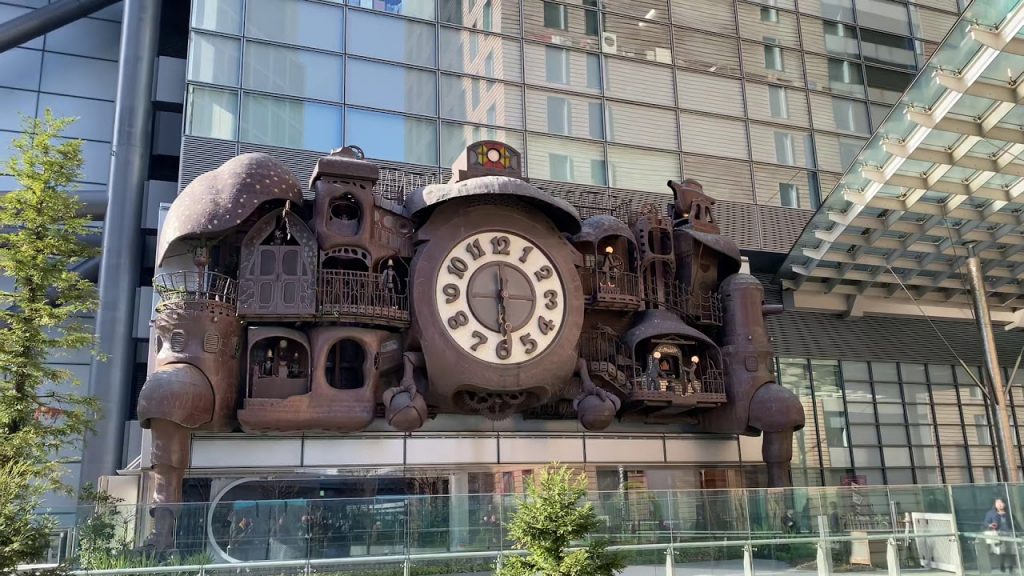
The Ghibli Clock located in Shiodome, in front of the Japanese television headquarters, is one of the great free art exhibitions in Tokyo. The clock was created by Hayao Miyazaki himself and built by Kunio Shachimaru, the same artist who created the Robot Soldier atop the Ghibli Museum.

In 2006 Hayao Miyazaki and Nippon TV revealed the huge Cuckoo Clock, 10 meters high and 18 meters wide; Although its connection to “Howl’s Moving Castle” was never confirmed by Miyazaki himself, you can’t deny the similarities between Howl’s Clockwork and Howl’s Castle.

The movie and the watch were created around the same time. The clock comes to life every day at 12 PM, 3 PM, 6 PM, and 8 PM. An extra show is added during the weekends at 10 in the morning. At these times almost everything inside the clock will start moving 2 minutes and 45 seconds before the full hour. The watch displays the same love of detail that makes Miyazaki’s films so enchanting, so it’s worth a visit for Ghibli and art aficionados alike.
3. Edo-Tokyo Open Air Museum of Architecture

There is a rumor that the east side of the Edo-Tokyo Open Air Museum of Architecture has inspired some of the buildings in the world of “Spirited Away”.
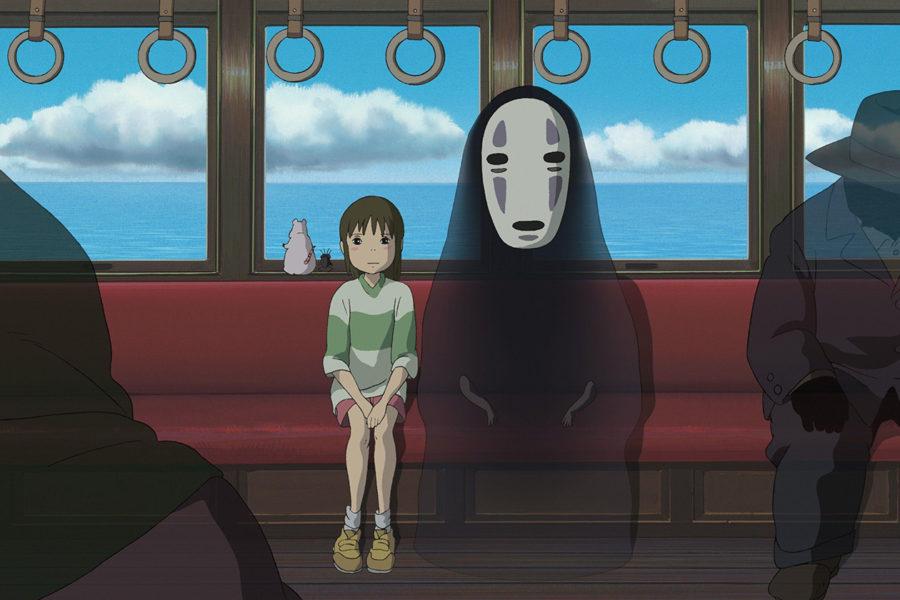
The Studio Ghibli headquarters is located very close to the museum and it seems that Hayao Miyazaki was a regular visitor during the creation of “The Journey of the Spirits”. Even the museum’s mascot, a small caterpillar-like fellow, has been created by Miyazaki himself. Going into the east side you can imagine how this could set the tone for a movie like “Spirited Away.” There’s even an old tram on display that leads to the street.
The interior of the tram closely resembles that of the train that takes Chihiro and No-Face to Zeniba . In addition to the tram, the old bar, as well as the bathhouse, also seem to have been shown in the film. You can imagine Chihiro’s parents gorging themselves at the bar, while slowly turning into pigs. In addition to the opportunity to enter the world of “The Journey of the Spirits,” the museum has other interesting buildings on display as well. From traditional Japanese to Western-inspired, the variety is endless, making this museum a great place to travel back in time.
4. Shirohige Cream Factory
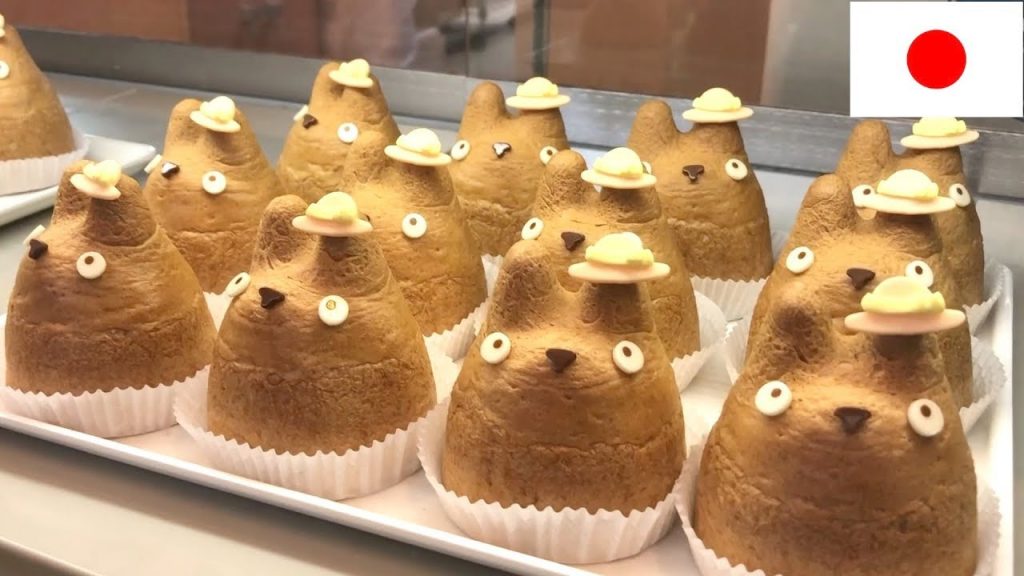
At Shirohige’s Cream Puff Factory (“White Beard’s Cream Puff Factory”), you can enjoy the only Totoro cream in Japan. This store is officially Studio Ghibli approved ; and is conveniently located in the Shimokitazawa neighborhood. Everything in this little bakery is Giblian-themed. The poster shows a white beard image, as well as the interior, looks like something out of a Ghibli movie.
All the cakes in this shop are inspired by Totoro and some of his forest friends; you can buy Totoro Cream Puffs as well as cookies and even Totoro Cakes. While custard and chocolate are available year-round, other flavors are limited by season. If you want to get one of these cute and tasty Totoro cakes, please consider making a reservation in advance.
5. The Totoro Forest in Saitama
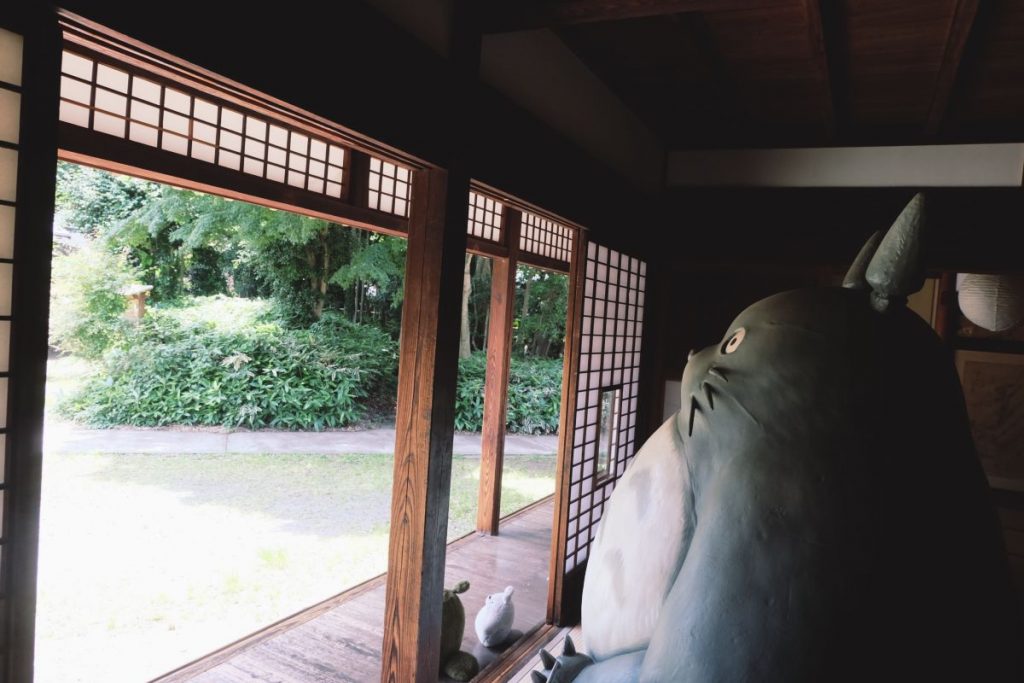
Sayama Hills, also known as Totoro’s Forest, in Saitama has been a major source of inspiration for “My Neighbor Totoro” . Since then, it has received the official name of “Totoro no Mori” (Forest of Totoro) . It also shows many drawings and places related to Totoro.
A map with a friendly Totoro on it will show you the way and explain the different Totoro spots around the forest. The most famous place within the Totoro Forest is the Kurosuke House, also known as Totoro’s House. The house is named after the Soot Sprites in Totoro.
In Japanese, his name is Makkuro Kurosuke. (The same characters also appear in “The Journey of the Spirits” under the name “Susuwatari”). The house has a huge Totoro sitting inside and some scenes from the movie on display, in which you are allowed to take photos with Totoro. By the way, it has also been rumored that the little Soot Sprites are living inside the house. But only children can see them.
Totoro Forest is about a 30-minute walk from Seibu Kyujo-mae Station in Tokorozawa, Saitama .
6. Yamatecho in Yokohama

Yamatecho in Yokohama has been featured in the movie “From Up On Poppy Hill”. There is a flower shop that served as the model for the flower shop in the movie. There is also a butcher shop called “Maruei Shoten”. This place is believed to be the model for the scene where the main characters eat croquettes. Yamate has a very idyllic feeling.
Yamate’s buildings are inspired by European architecture, like those in the film.
7. Yokohama Motomachi Shopping Street

If you’re already in Yokohama, maybe you should pay a visit to Motomachi shopping street. This street is supposed to be the street where Haru met Muta in the movie “The Cat Returns”.

It’s in the same area as the places that inspired “From Up on Poppy Hill” and you can also do some shopping while you visit. Like Yamate, in general, the street has a certain European feel to it. It is about 500 meters long and contains many high-end fashion stores, as well as cafes and restaurants.
8. Shima Onsen in Gunma

Three hot spring hotels in total have been confirmed by Hayao Miyazaki himself to be the inspiration for the bathhouse in Spirits’ Journey . Sekizenkan in Shima Onsen definitely bears the closest resemblance to the night view of Aburaya’s bathhouse in “Spirited Away”.
It even has a red bridge leading to it, just like the one in the movie! The exterior looks almost fragile. Although unspectacular in daylight, it comes alive at night. Just like the Aburaya! It’s creepy once the yellow lights come on and the outer skeleton is basked in the dim light. Apart from being the inspiration for “The Journey of the Spirits”, it is also supposed to be the oldest wooden hot spring center in all of Japan.
Shima Onsen is located in Gunma and can be easily reached by bus or train from Tokyo. Onsen is part of the culture in Japan, so visiting Gunma’s Shima Onsen can be a double experience for you, both for your love of Studio Ghibli and for enjoying an authentic Japanese bath.
9. Shibu Onsen in Nagano

Kanaguya in Shibu Onsen is another of the three hot spring hotels that inspired “Spirited Away.” The exterior bears a strong resemblance to Aburaya’s daytime look. Its slim appearance and peaked roof closely resemble the ones in the bathhouse from the movie. The interior of this hotel has a couple of key places that might remind you of the interior of Aburaya as well.
Nagano is a little further from Tokyo than Gunma, but it’s worth a trip, both for the Shibu Onsen and for recreating some of your favorite scenes from Spirited Away.
10. Kushiro in Hokkaido

Kushiro in Hokkaido is said to have been the inspiration for the setting of “When Marnie Was There”. This is one of the new Ghibli movies that was not directed by Hayao Miyazaki. Most Ghibli fans are interested in Miyazaki’s movies, so this might not be the first place you want to visit for Ghibli sightseeing.
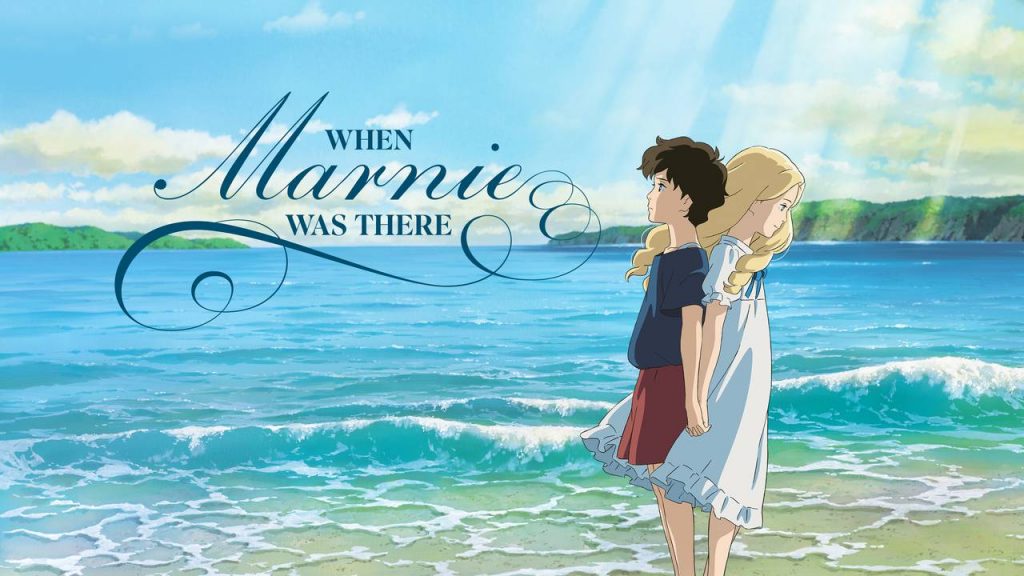
However, Kushiro is a great place to visit if not for the movie. It has one of the three largest markets in Hokkaido and some fantastic views. Also, you can get some of the best seafood in Hokkaido here, so treat your taste buds there!
11. Hirakawa in Aomori
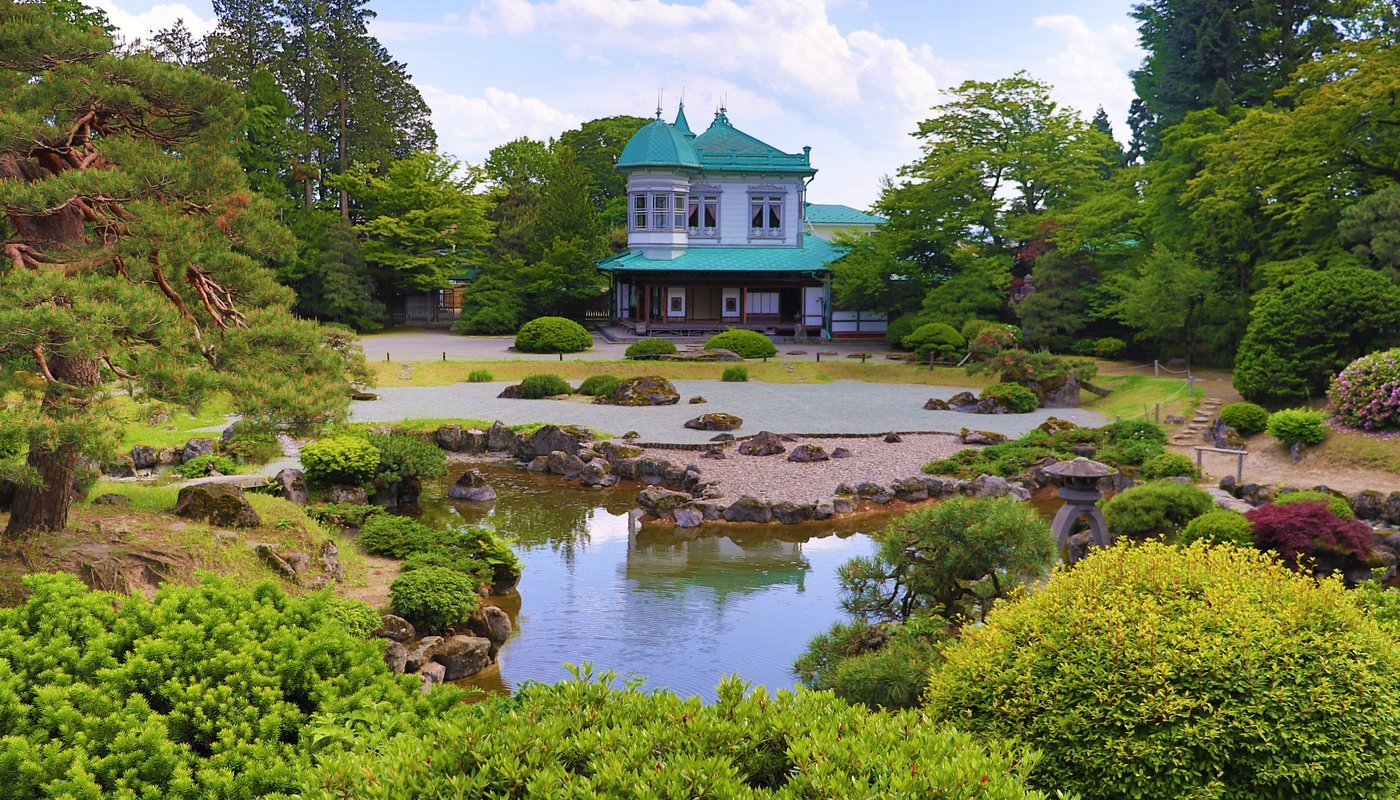
Hirakawa in Aomori is home to Seibien, a Western-style house with a Japanese garden featured in the movie “The Secret World of Arrietty.”

The garden of the house is one of the three great gardens created in the Meiji era (1868 – 1912) . It is even considered a Nationally Designated Place of Scenic Beauty and a popular tourist hotspot. In addition to Seibien, Hirakawa is also home to Hirosaki Castle and Josenji Temple, a temple where a Buddhist priest prepares and serves his coffee. The views from this house are unique and you will fall in love with its garden, so include this site on your list of places to see.
12. Tomonoura in the city of Fukuyama, Hiroshima

The port city of Tomonoura has been confirmed to have been the inspiration for the visuals for “Ponyo”. You will be able to find many places and buildings that will remind you of “Ponyo” everywhere. The city is very proud to have been the inspiration for Miyazaki’s art and you will find little Ponyo everywhere.

Tomonoura has been the setting for many TV shows and movies over the years, not just “Ponyo”. The city is very old and you will find many interesting places to explore. The Ota House in Tomonoura, for example, has originated the technique of making Homeishu, a traditional liquor made with 16 different spices. Don’t leave Fukuyama out of your trip, you won’t regret it!
13. Dogo Onsen in Ehime
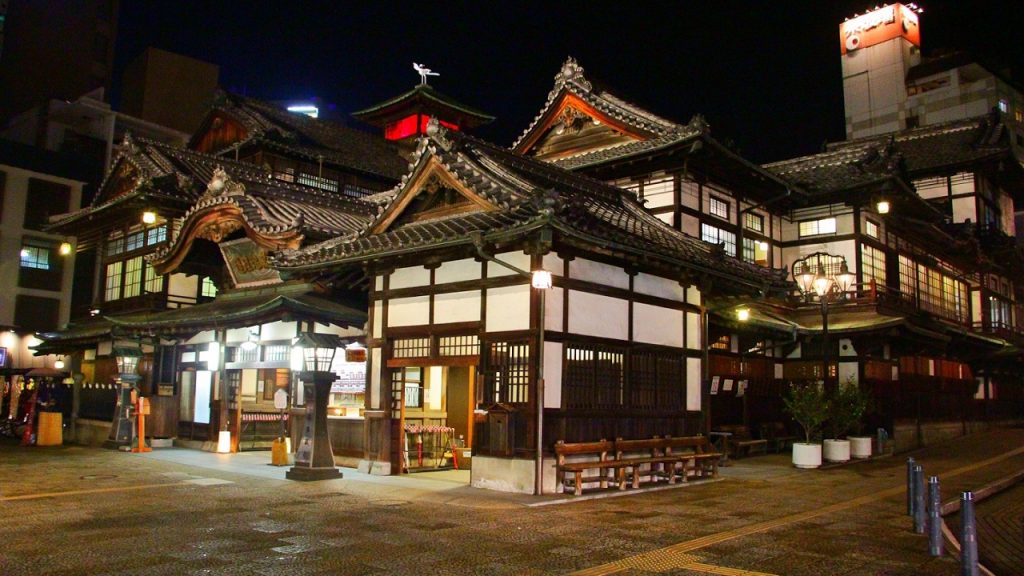
Dogo Onsen in Ehime seems to be the best known when it comes to the onsen resorts that served as the inspiration for “Spirited Away”. Some people claim that it is the only onsen that inspired Aburaya, although Miyazaki himself says otherwise.
In addition to the other two hot springs, the entire onsen town of Dogo has reportedly served as inspiration for the film. The main building looks like a possible model, but it is missing the iconic red bridge. Dogo Onsen has a history dating back more than 1,000 years, making it one of the oldest hot springs in Japan. It’s easy to see how an old onsen can serve as the setting for a ghost story, so by visiting Dogo you can live that experience. Dogo onsen is one of the must-see onsen in Japan, and this goes beyond Miyazaki.
14. The Island Yakushima in Kagoshima
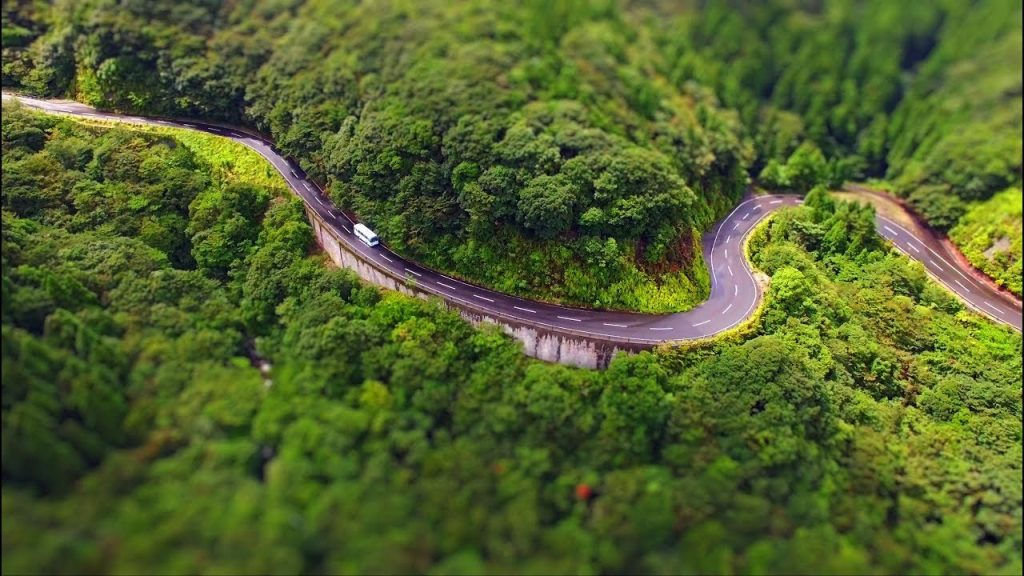
Yakushima is one of the Osumi Islands in Kagoshima. Its mystical forest served as the inspiration for Miyazaki’s masterpiece “Princess Mononoke”. If you go far enough into the forest, you really enter the world of Mononoke; paths covered with moss, rivers that make their way through the green, huge trees that tower over you as if they want to protect you from the world. Nothing but peace and nature.

Can you hear the spirits of the forest? Can you see them running past? This is a setting fit for the forest gods that you don’t want to miss.
15. Buy Ghibli Souvenirs: Donguri Republic
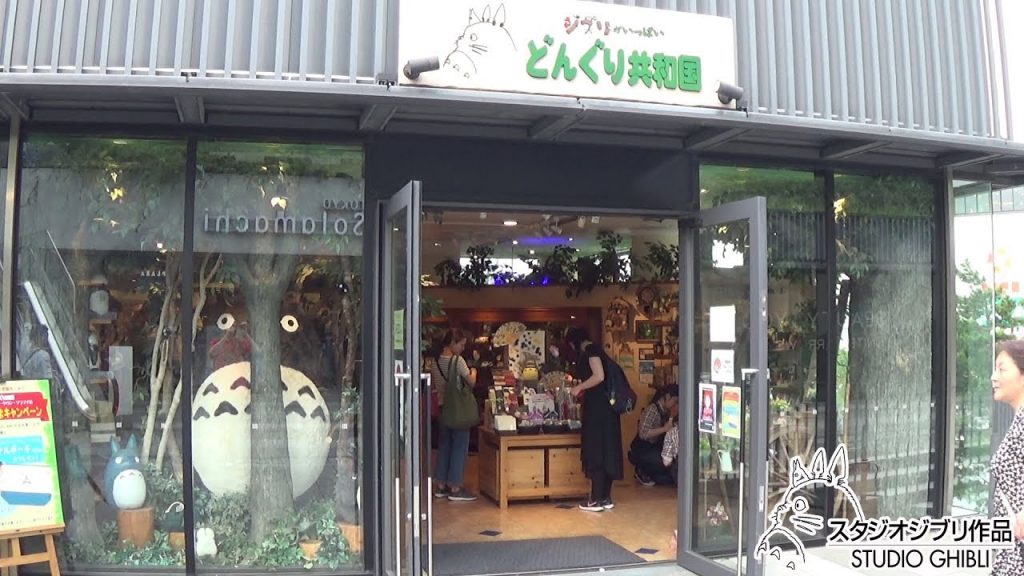
The Republic of Donguri (“Republic of Acorns” in English) is the official store for Ghibli merchandise. Here you can find merchandise from all Studio Ghibli movies. You can find almost anything your heart desires in a Ghibli movie design. From key rings and stationery to towels, bathroom covers, rugs, flower pots, and even miniature Ghibli characters; you will surely find an item that you would like to use in your home.
The store captures the magical world of Ghibli and is a great pleasure to browse through. The products sold here are ideal as souvenirs and also make great gifts for your friends and family. Many of the items are limited edition and most of them are only available in Japan. You can find Donguri Republic stores in most big cities in Japan. There are numerous locations in Tokyo, Osaka, Yokohama, and other areas. Studio Ghibli offers a magical world inspired by locations across Japan.
FAQs: Studio Ghibli Places in Japan
What are the must-see Studio Ghibli spots in Japan?
Ghibli Museum (Mitaka, Tokyo), Ghibli Park (Aichi), Edo-Tokyo Open Air Architectural Museum (inspiration trove), Totoro Forest/Sayama Hills (Saitama), the Ghibli Clock at Shiodome (Tokyo), and Yakushima’s Shiratani Unsuikyo (Princess Mononoke vibes).
Where is the Ghibli Museum and how do tickets work?
In Mitaka (west Tokyo). Timed-entry tickets must be bought in advance (typically via Lawson/official partners). No on-site ticket sales.
What’s inside the Ghibli Museum?
Original art and storyboards, rotating exhibitions, whimsical architecture, a short film exclusive to the museum, and a cozy rooftop garden.
What is Ghibli Park and where is it?
A large, permanent Ghibli world in Nagakute, Aichi (near Nagoya), spread across multiple “lands” themed to films, with immersive sets, trails, and exhibits. Timed tickets required.
Can I do both Ghibli Museum and Ghibli Park on one trip?
Yes—fly into Tokyo, then take the Shinkansen to Nagoya for Ghibli Park. Book both well in advance and plan specific days.
What is the Totoro Forest (Sayama Hills)?
Woodlands in Saitama believed to have inspired My Neighbor Totoro. Marked trails, quiet ponds, and volunteer-led conservation areas. It’s a nature walk, not an amusement park.
Where can I see real places that inspired Spirited Away?
Edo-Tokyo Open Air Architectural Museum (buildings that inspired the film’s townscape) and Dōgo Onsen Honkan (Ehime) often cited for bathhouse vibes.
Where are the Princess Mononoke forests?
Yakushima Island—especially Shiratani Unsuikyo and Mossy Forest routes—has the ancient cedar groves that shaped the film’s look.
Is Tomonoura worth it for Ponyo fans?
Yes. This harbor town in Hiroshima Prefecture helped inspire Ponyo’s seaside feel—lanes, fishing boats, and hilltop views.
Any low-effort Ghibli sights in central Tokyo?
The giant Ghibli Clock at Nippon TV Tower (Shiodome) animates several times daily; Shibuya’s Tokyu Hands/Loft-type stores often carry licensed goods.
Can I buy official Ghibli merch outside the parks/museum?
Yes—look for Donguri Kyowakoku stores (official Ghibli retailers) in major cities and malls.
Are photos allowed at the Ghibli Museum?
Photography is usually restricted indoors; outdoor areas like the rooftop are often okay. Always follow posted signs.
Do these places need reservations?
Ghibli Museum and Ghibli Park: yes (timed tickets). Nature spots like Yakushima/Sayama Hills: no ticket, but Yakushima hikes may require permits/guide for certain routes.
What’s the best season for Ghibli-inspired nature?
Spring for fresh greens and flowers; autumn for foliage; Yakushima is lush year-round but prepare for rain.
- Nagoya rainy day with kids in 2026 (Cool Indoor Things to Do )
- Best Gachapon in Tokyo (2026): 20 Places to Find Capsule Toys
- All Japanese KitKat Flavours List: The Ultimate Japan KitKat Guide
- Sapporo rainy day with kids (2026): 7 Cool Indoor Things to Do
- What To Do In Arashiyama With Kids: A Realistic One-Day Family Itinerary