
I spill travel tips , and show you the Japan that tourists usually miss.
What to do in Shimokitazawa? Shop vintage, taste spice-packed curries, catch indie shows, and café-hop. Includes access, seasons, and insider picks.
Keep Exploring Tokyo’s Coolest Neighborhoods
Shimokitazawa is where Tokyo loosens its collar: vintage racks, tiny theatres, indie cafés, record shops, curry joints, and backstreets that make “just one quick wander” a blatant lie. Use these Tokyo guides to keep the neighborhood-hopping going without turning your day into a beautiful, snack-fuelled navigation crisis.
- Best Neighborhoods to Visit in Tokyo — the best next click if you want to compare Shimokitazawa with Shibuya, Shinjuku, Ginza, Asakusa, Ueno, Harajuku, and more Tokyo areas.
- Vintage Clothes Tokyo — perfect if Shimokitazawa’s thrift shops have awakened the full second-hand treasure hunter inside you.
- Shopping in Tokyo — useful for planning more fashion, department stores, markets, malls, indie boutiques, and “we only came to browse” disasters.
- Best Specialty Coffee in Tokyo — handy if your Shimokitazawa day needs proper coffee, slow cafés, and a quiet sit-down before the next vintage-shop ambush.
- Hidden Restaurants in Tokyo — great for tucked-away meals, secret-ish dining rooms, and places that reward people who enjoy a little culinary detective work.
- Things to Do in Shibuya — ideal if you want to pair Shimokitazawa’s indie mood with nearby shopping, nightlife, crossings, cafés, and big-city chaos.
- What to Do in Harajuku — for fashion streets, cute cafés, youth culture, vintage finds, and Tokyo’s louder style side.
- Nightlife in Tokyo — useful if Shimokitazawa’s bars, live music, and theatre scene make you want more after-dark Tokyo ideas.
- How to Get Around Tokyo — essential for trains, transfers, IC cards, and reaching Shimokitazawa without accidentally touring half the city first.
- 3 Days in Tokyo Itinerary — practical if you want to fit Shimokitazawa into a bigger Tokyo route with classic sights, food, shopping, and neighborhood wandering.
Table of Contents
What Kind of Place Is Shimokitazawa?
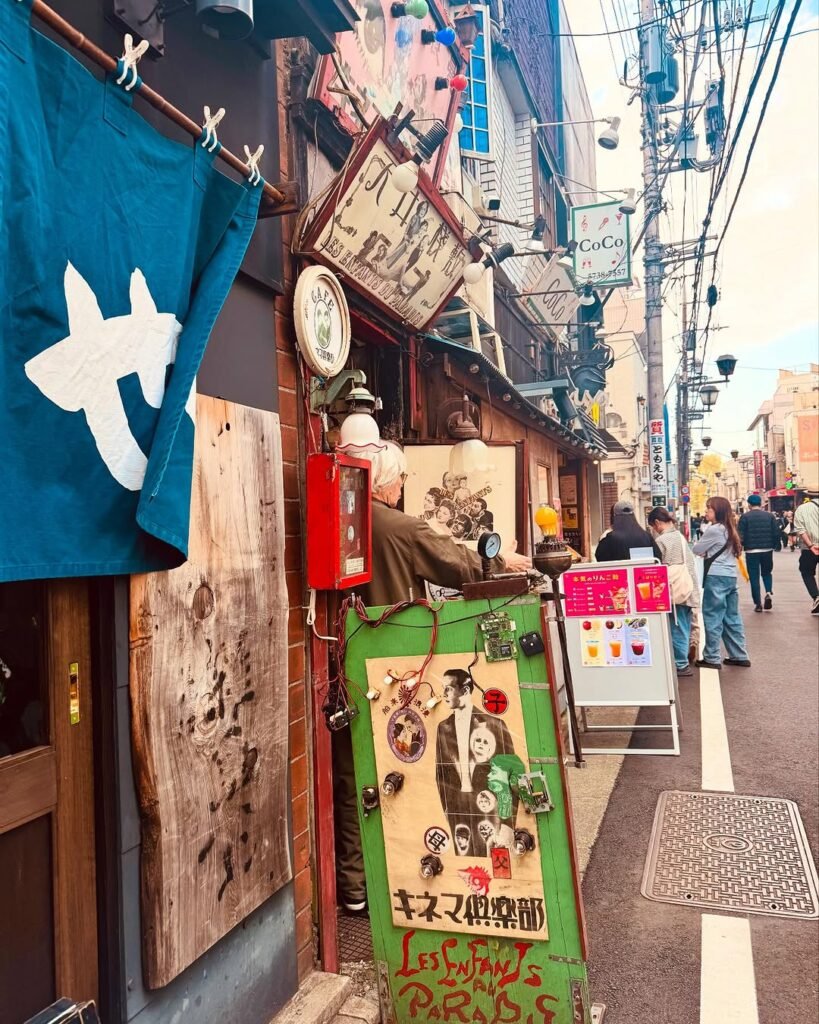
Located in Setagaya, Tokyo, Shimokitazawa is a cultural town with a free, individualistic vibe. Nicknamed “Shimokita,” it blends new and old shops and commercial spaces around the station and has nurtured its own scene. Walk the streets and you’ll keep bumping into independent cafés, vintage clothing stores, galleries, and vintage/antique shops—each full of character. There’s so much to see that many visitors come just to wander; the stroll itself is the attraction. Recent redevelopment has added fresh spots, widening the ways to enjoy the area. For Japanese people, the neighborhood strongly evokes “a town of youth” and “a subculture hub,” known as a stylish, creativity-rich area. Live shows, stage performances, and festivals run year-round, perfect for anyone wanting to feel today’s sensibilities. It’s also famously a “curry battleground,” spanning long-standing institutions to rising stars. Bistros and sweets shops are plentiful, so you can go all-in on gourmet grazing.
Best Seasons to Visit Shimokitazawa
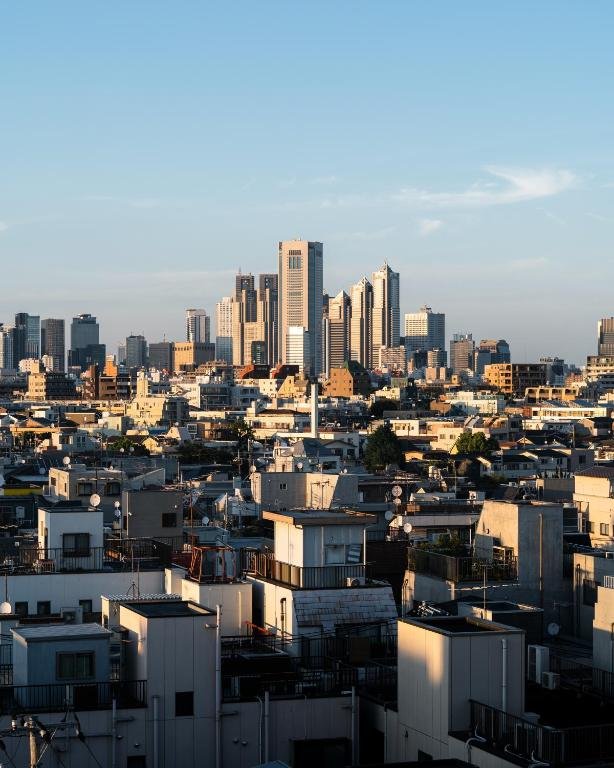
To really enjoy Shimokitazawa, aim for spring or autumn—mild weather makes walking easy, and spring/fall bring many new shop openings.
- Spring: The town livens up with local events like vintage/used-clothes markets and the Daizawa Arts Festival, so you can feel Shimokitazawa’s trends as you stroll. Terrace seating at cafés is comfy, and it’s the best season for sightseeing, shopping, and food.
- Autumn: The whole town calms a little, yet big events such as the Curry Festival and Moon Art Night create a festive mood of food and culture. If you’re coming specifically to eat your way around, autumn delivers an even richer time.
Seasonal Clothing Examples for Shimokitazawa
- Spring (Mar–May): Light jacket + thin sweater
- Summer (Jun–Aug): Light clothing, short sleeves
- Autumn (Sep–Nov): Light jacket, coat
- Winter (Dec–Feb): Coat, heavy sweater or jacket
Getting Around Shimokitazawa
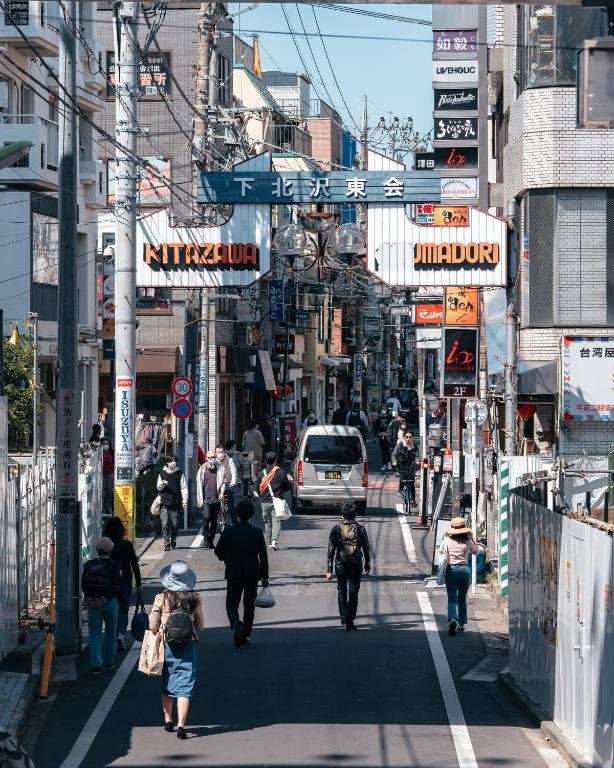
Shimokita looks like a maze, but it’s a friendly one—flat, walkable, and mostly car-light. Once you learn the station and a couple of spines, you’re gliding.
The station, decoded (2 lines, easy transfers)
- Keio Inokashira Line (from Shibuya): 4–7 min; the Express stops here—grab it.
- Odakyu Odawara Line (from Shinjuku): 7–12 min on Rapid/Express.
- The concourse is compact with clear English signage; transfers are cross-platform or a short indoor walk.
Exits without overthinking it
- Follow signs for East vs West areas; both spill straight into shopping streets.
- If you’re meeting friends, pick a landmark (e.g., the station plaza or a coffee shop) rather than an exit number—streets are tight and zigzaggy.
Your mental map (two simple spines)
- North–South spine: vintage/thrift clusters → cafés → tiny bars.
- East–West spine: record shops → live houses → small galleries.
Keep those lines in mind and you’ll always re-find the station in 3–5 minutes.
Walk first, wheels second
- Streets are narrow; walking beats taxis. You’ll cover most hotspots within a 10-minute loop.
- Bikes are common; use designated parking (lots ticket quickly for sidewalk locking).
Rain-proofing
- The station concourse + arcades give decent cover. Plot hops: station → coffee → thrift block → curry spot—almost no soaking.
With kids / accessibility
- Mostly flat routes, plenty of ramps/elevators at the station.
- Stroller-friendly cafés are sprinkled around; tiny bars can be tight after dark.
Coin lockers & hands-free shopping
- Coin lockers in/near the station fill on weekends—stash early.
- Many thrift shops are cashless-friendly (Suica/PASMO and cards), but keep small cash for indie stalls.
Best times to roam
- Weekday late mornings for quiet browsing.
- Weekends after 3 pm get lively and crowded; if you crave vibe, that’s your hour.
Hop-outs to nearby nooks
- Ikenoue (1 stop) for calmer cafés.
- Shin-Daita / Setagaya-Daita (Odakyu) for leafy backstreets and slower thrift hunting.
Quick planner
- From Shibuya: Keio Inokashira (Express) → Shimokitazawa.
- From Shinjuku: Odakyu Rapid/Express → Shimokitazawa.
- From Haneda/Narita: ride into Shibuya/Shinjuku first, then hop lines above.
Pro moves
- Use Exit meeting pins inside your maps app; street names are sparse.
- Save a few favorite cafés as anchors—you’ll naturally triangulate around them.
- Grab a drip coffee and wander; Shimokita rewards serendipity more than strict itineraries.
What To Do in Shimokitazawa: 5 Popular Spots to Feel Shimokitazawa’s Culture
All of these are deeply tied to Shimokitazawa’s unique culture—they’re more than places to shop or eat; they’re vibrant spaces where diverse expressions and scenes intersect. Many are near the station, so pop in as you go and try to see as many as you can.
1) Shimokitazawa Ichibangai Shopping Street
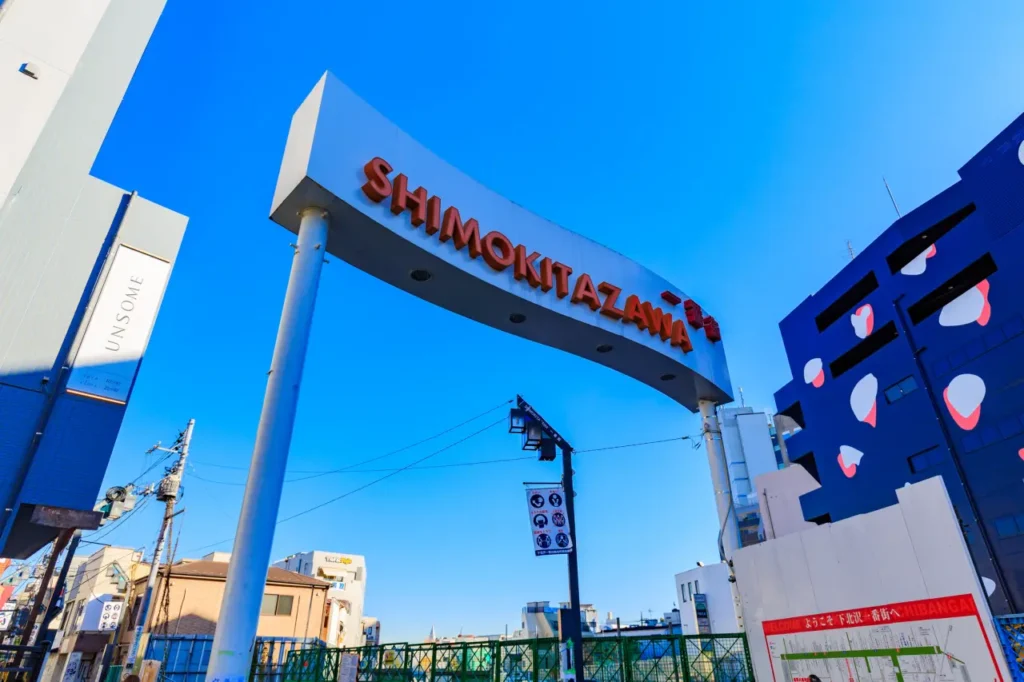
The northernmost arcade around the station, founded in 1939—a historic, popular shotengai. Long-loved old shops sit alongside newer cafés and restaurants, blending tradition and freshness. Youth culture and subculture are part of daily life along the street; vintage clothing, record stores, and quirky goods line up, giving off Shimokitazawa’s free, artsy mood. Even on weekdays it draws over 20,000 people, and local, community events like Awa Odori (summer) and the Shimokitazawa Tengu Festival (winter) run regularly—just walking around is fun.
2) Shimokitazawa South Exit Shopping Street

Spread across the main street on the south side of the Keio Inokashira Line Shimokitazawa Station. A friendly, diverse mix of old and new keeps it lively all year. Cute variety shops and distinctive vintage stores stand next to classic diners and beloved local taverns. Daytime is for shopping and cafés; nighttime flips to bar-hopping and live shows. With a wide range of genres, it’s spot-on for hunting bargains and one-of-a-kind pieces.
3) Shimokita Senrogai Open Space
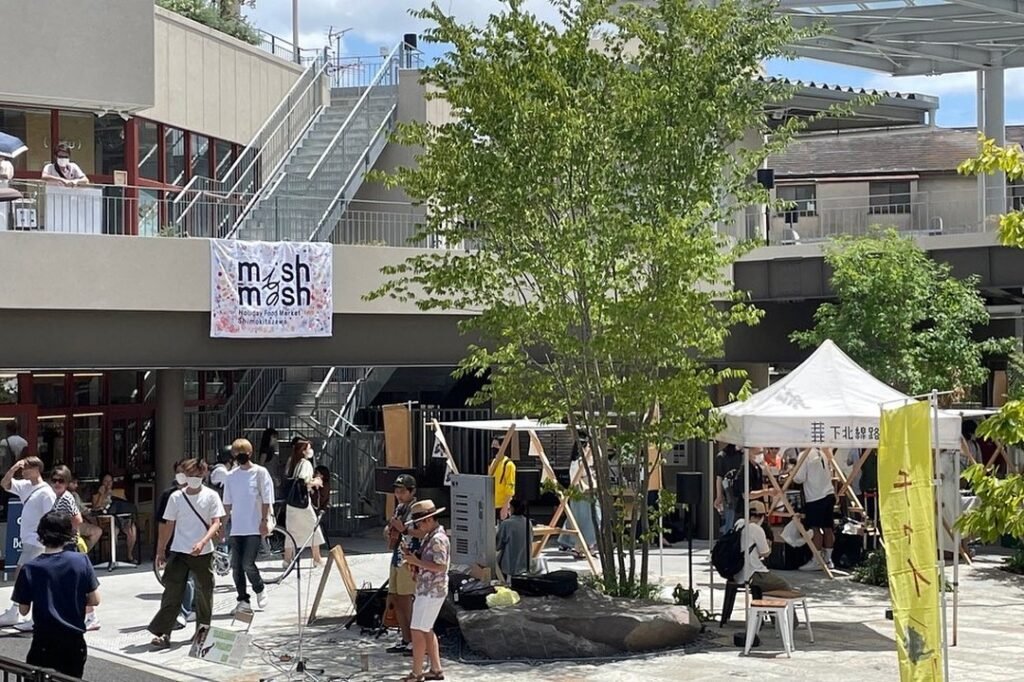
An open-air space born on the former Odakyu railway tracks—concept: “a free playground for everyone.” With artificial-turf lawns and gray containers, it reimagines the nostalgic “empty lot with concrete pipes” for today. People of all ages lounge freely. Many pop-ups rotate in and out, so you’ll always find something new. It frequently hosts outdoor live shows, art exhibits, workshops, kitchen-car vendors, and seasonal festivals, crossing genres. It also serves as a base for new challenges and community.
4) reload
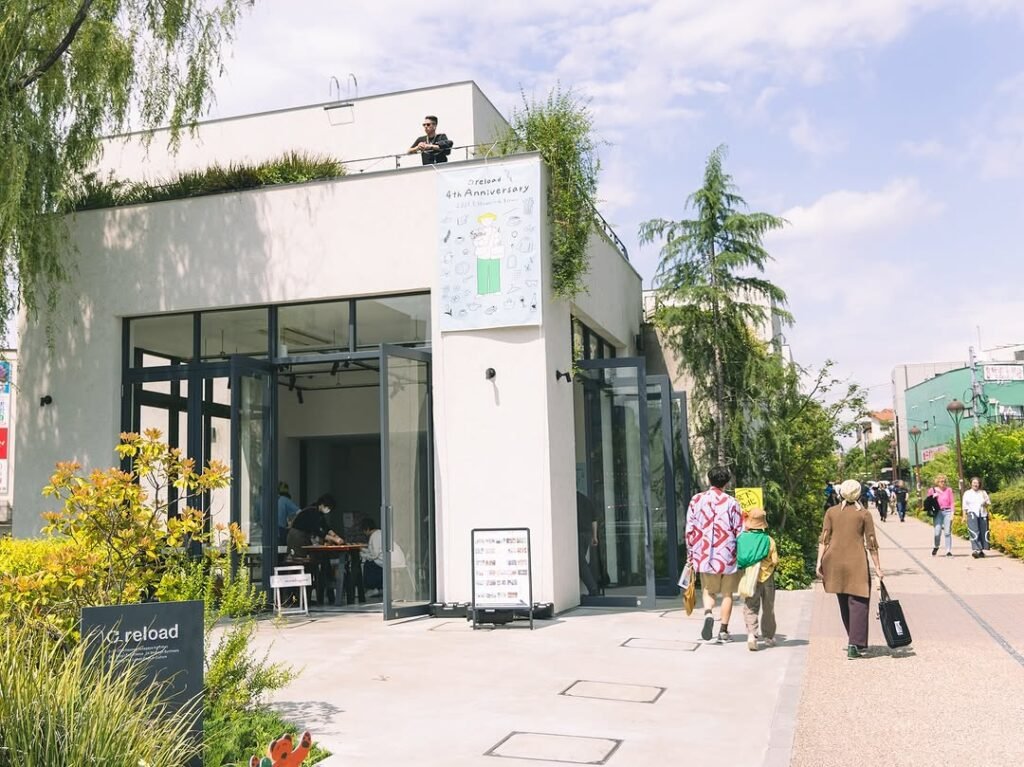
At the core of the Shimokita Senrogai area, reload is a distinctive street-level complex of 24 separate buildings. Unlike traditional monolithic malls, each unit operates as an independent, owner-run shop street, which is its signature trait. Buildings line up as if blending with station and town, letting you feel Shimokitazawa’s bustle and back-alley fun. You’ll find curated select shops and local cafés, plus terraces and benches where you can linger freely. Pop-up shops appear periodically, so you can experience Shimokitazawa’s diverse culture and fresh trends firsthand.
5) BONUS TRACK
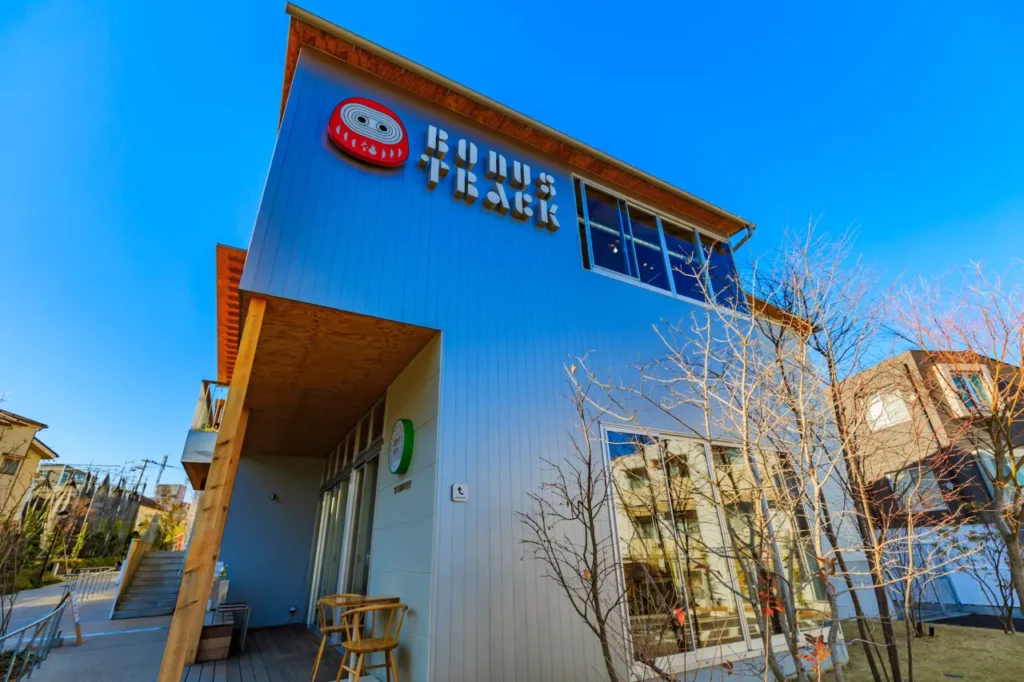
Midway between Shimokitazawa and Setagaya-Daita stations, BONUS TRACK is a new-type shopping street created by regenerating old tracks. Commercial buildings sit alongside SOHO (shop-house) units, with operations emphasizing ties to the local community. There are about 14 shops inside—no chains—just small, characterful, owner-run stores. Open spaces and a courtyard invite free time, while deliberately preserved “gaps in the city” host frequent markets and galleries. As a multi-purpose activity base, it helps new challenges take root, and it’s ideal if you want to be inspired by Shimokitazawa’s creative culture.
What To Do in Shimokitazawa: 8 Shopping Spots
1) Mikan Shimokita
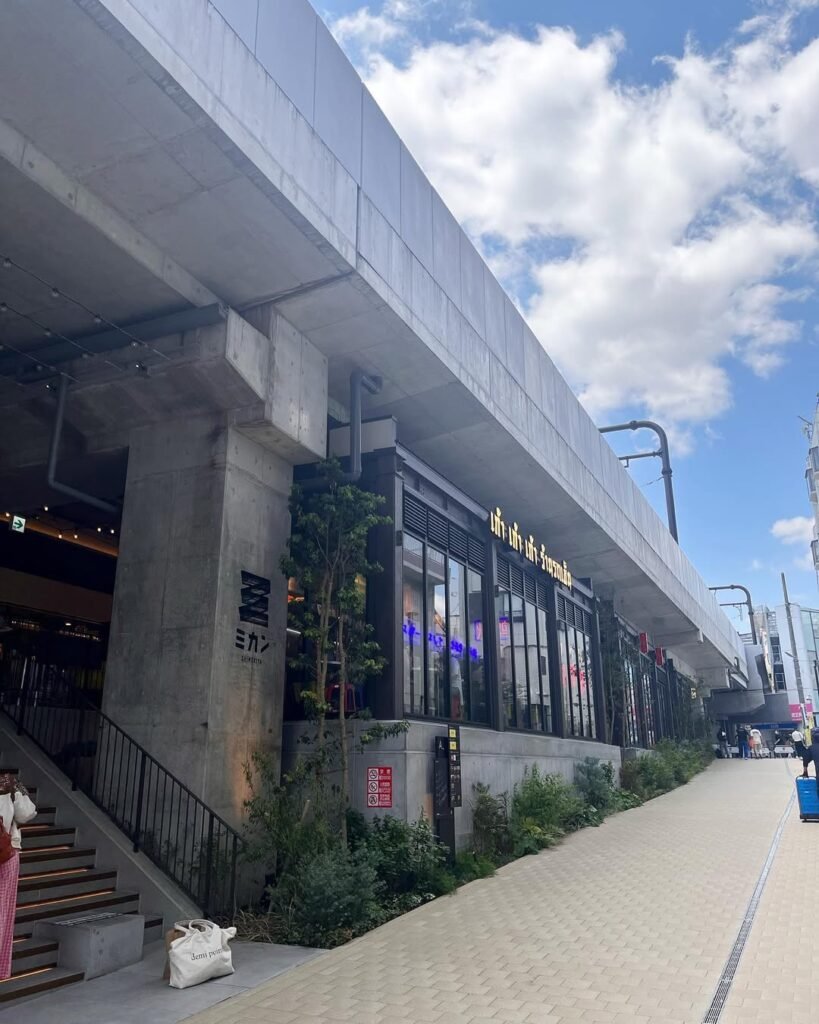
A multi-purpose complex under the Keio Inokashira Line tracks at Shimokitazawa Station, made up of five blocks (A–E). The layout feels like strolling a street of ground-level storefronts: shop, dine, or just wander. About 20 shops span fashion/food/home—plenty to browse.
2) Shimokita Eki-Ue

Sitting right above Odakyu’s Shimokitazawa Station, this bright, airy facility has been a new symbol of the area since its 2019 opening. With the “UP! (Shimokita A-garu)” concept, its station-top location makes it easy and lively to circulate. 16 varied shops include breakfast cafés, all-day international eateries, and green shops—great for families and friends. It also has Instagram-friendly murals and photo spots that highlight Shimokitazawa’s art culture.
3) Toyo Department Store

Shimokitazawa is famous as a youth-driven town of fashion and art, especially a holy land for vintage with many thrift shops. Toyo Department Store is a garage-style venue hosting around 20 fashionable shops centered on vintage. Tons of used clothing are sold at reasonable prices, with plenty of true vintage too.
4) NEW YORK JOE EXCHANGE (Shimokitazawa)

One of Shimokita’s most popular vintage shops, set in a renovated former public bath with neon and tile giving it a retro atmosphere. It covers wide genres unconstrained by era or brand—from casual to real vintage. Many items are under ¥10,000, with an average around ¥2,000–3,000, so it’s easy to score stylish pieces. Staff keep it light on pushy service, so you can browse and try at your own pace.
5) Flamingo (Shimokitazawa)
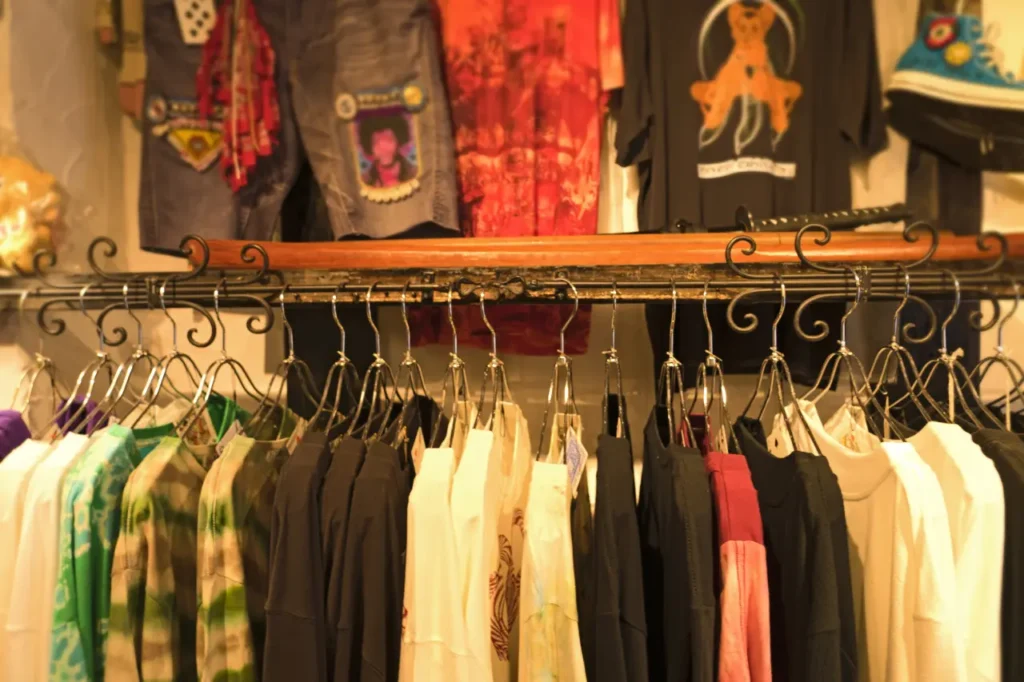
Flamingo is a “close-at-hand vintage shop” concept, mainly handling 1960s–1990s items sourced from the U.S. and Europe. Besides its main Shimokitazawa store, it runs multiple branches (like 2nd and 3rd) within the area, with a genre-crossing lineup from outerwear, shirts, and denim to accessories. Well-kept vintage spans menswear and womenswear, stock turns quickly, and each visit brings fresh finds. The stylish interior with antique furniture and retro decor makes it fun just to be there.
6) BIG TIME Shimokitazawa
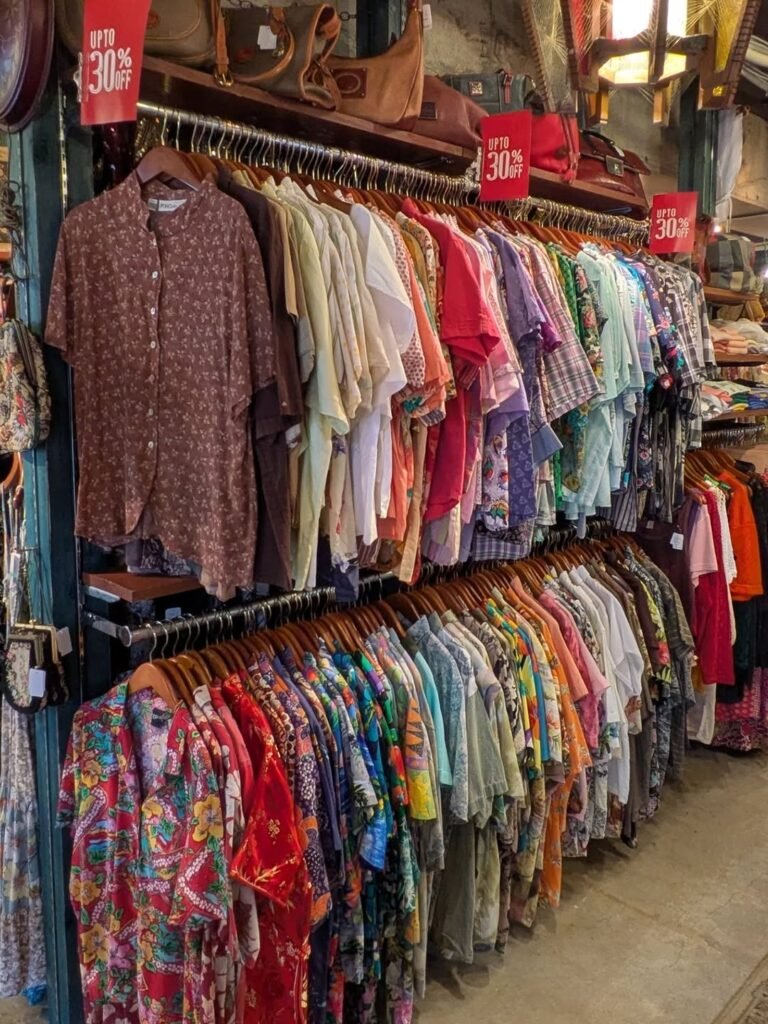
Part of a chain centered in Kanto, BIG TIME’s Shimokitazawa shop sits off Kamakura-dori on a side alley and is among the area’s most popular vintage stores. Across two floors, buyers pack in quality vintage and imported items from the ’50s–’90s sourced in the U.S. and Europe. Especially ’50s–’70s pieces are known for great condition and variety.
7) Tokyo Retro a.m.a.store
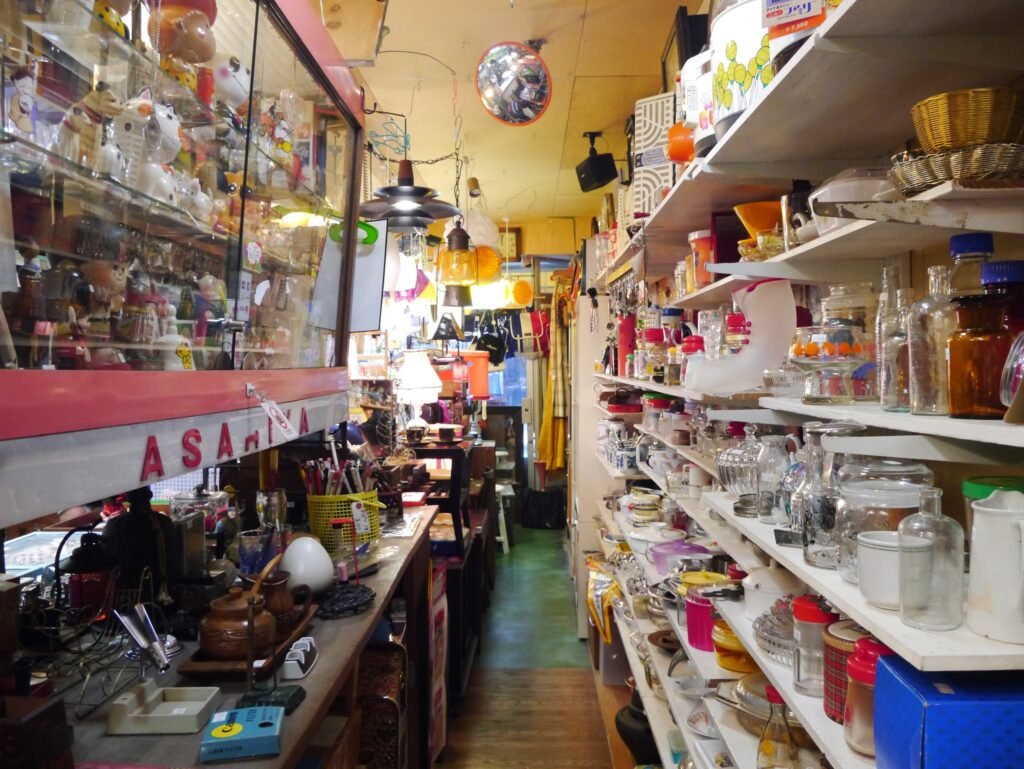
In a town dense with antique and vintage shops, this retro-interior select shop draws special attention. While it does handle Meiji/Taishō antiques, its core is Showa-era pop-bright pieces. Furniture, appliances, and sundries crowd the space like a toy box. Large items—sofas, sideboards, china cabinets—have so much presence they can transform a room by themselves.
8) NANSEI PLUS | tefu lounge
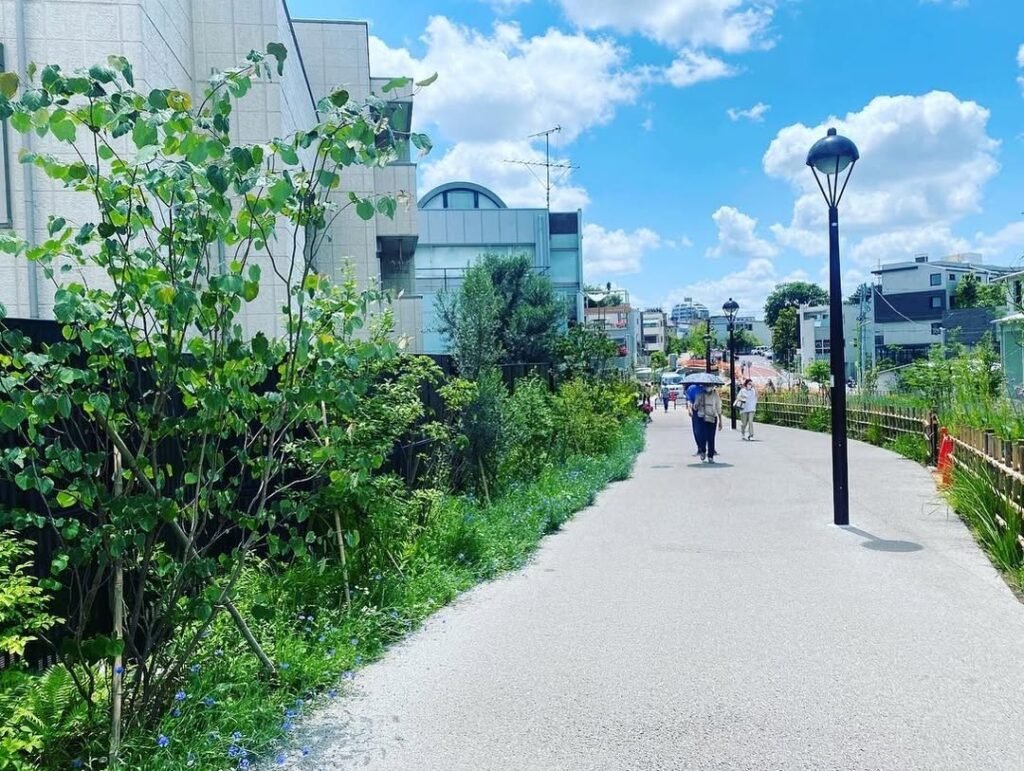
Right by the Southwest Exit of Shimokitazawa Station, NANSEI PLUS is a multi-use complex. Anchored by the five-story (tefu) lounge, it’s designed as a “lounge for the town.” Inside are a natural supermarket, café, mini-theater, and shared office, making it a multifunctional place for community, business, and culture. Outdoors you’ll find the green plaza “Nonohara,” the gardening shop “Shimokita Engeibu Nonokoya,” and the art gallery “SRR Projects,” so you can happily spend a whole day here.
Top 5 Popular Restaurants in Shimokitazawa
1) lumielune
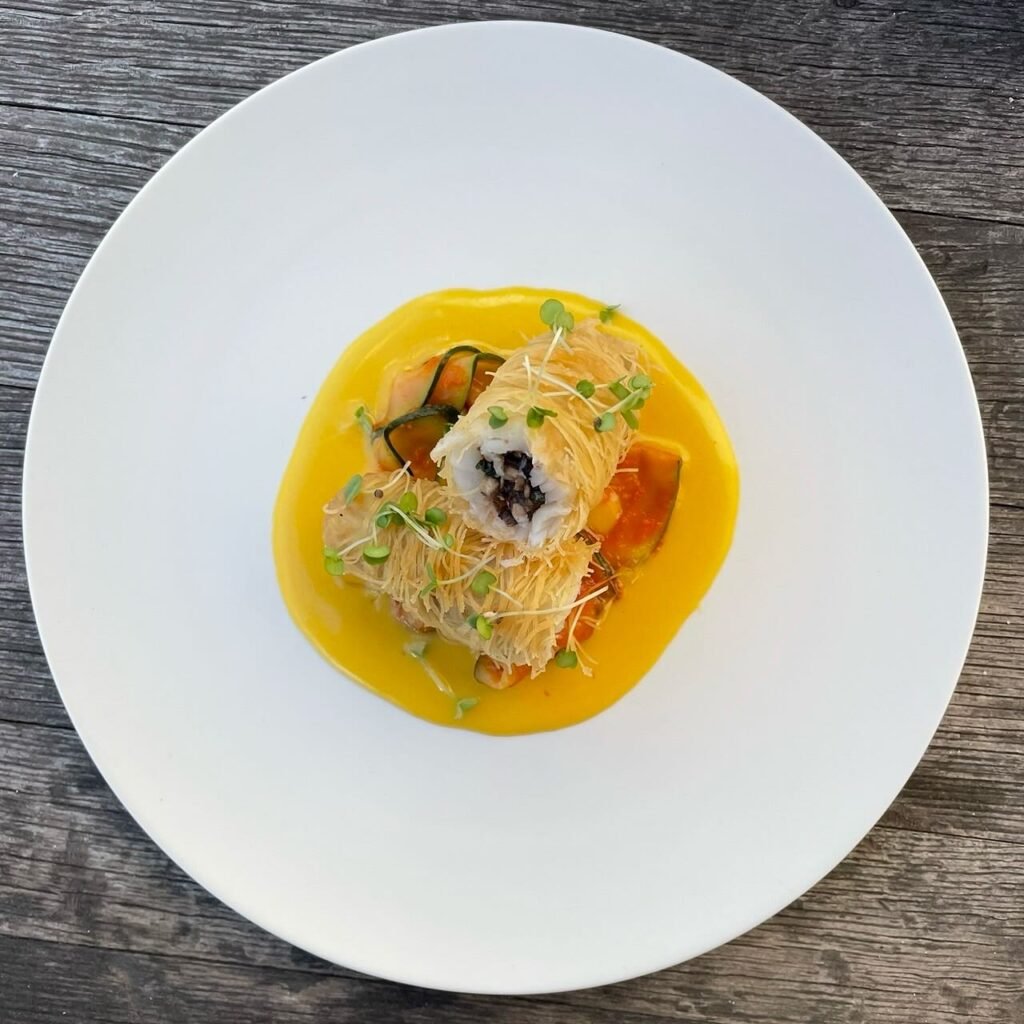
A French bistro between Shimokitazawa and Higashi-Kitazawa. Warm interiors of wood and brick set the scene for a slightly luxurious night—perfect for a grown-up date. The skilled chef, trained at top restaurants, serves authentic bistro fare. The kitchen is especially known for organic vegetables and seasonal ingredients; taste delicate, healthy cooking via courses and a varied daily à la carte. They stock 500+ wines focused on natural (vin naturel), and staff thoughtfully propose bottles to suit the season and your dishes.
2) Curry Spice Gelateria KALPASI
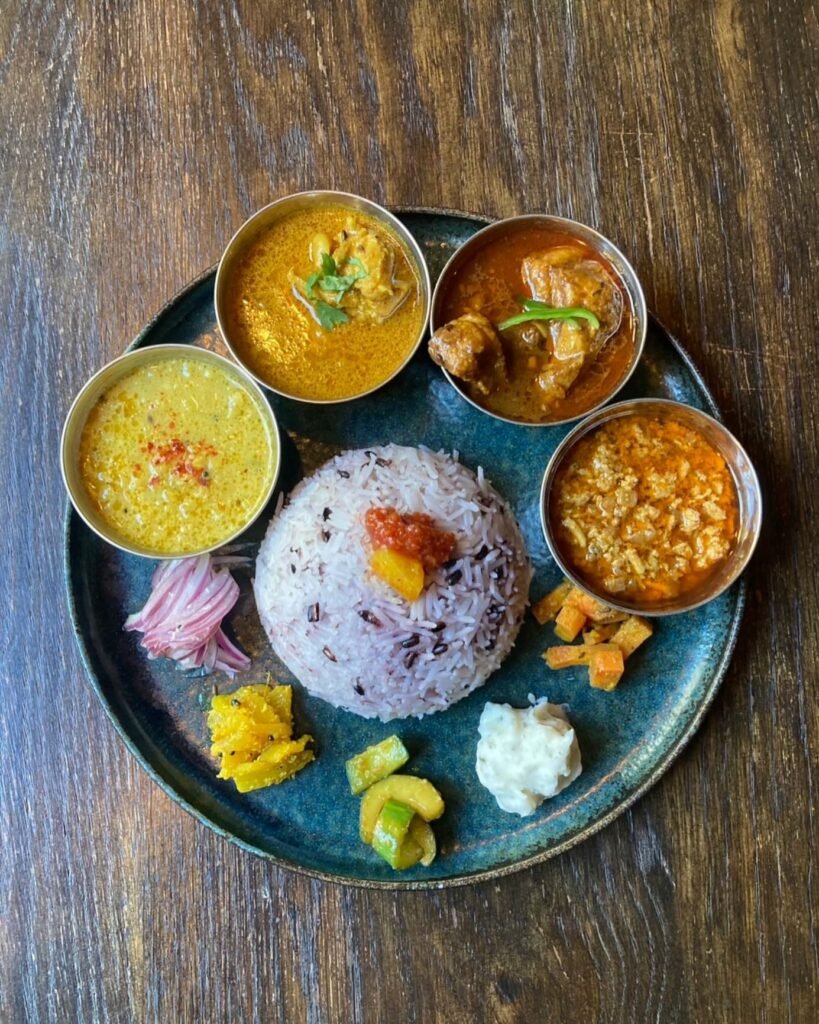
Born in Shimokitazawa as the sister shop to the hard-to-book “Kalpasi” in Chitose-Funabashi, this curry & spice-gelato specialist offers daily/weekly-changing menus. Choose freely among 2–4 curries on one plate, served with jasmine rice and sides. Popular mainstays include Lemon Chicken and Sri Lankan Pork, alongside international spice curries; at least one vegetarian option is always included. The spice gelatos—broad in flavor—are praised as desserts that uniquely heighten the curry’s afterglow.
3) “Oishii Curry”
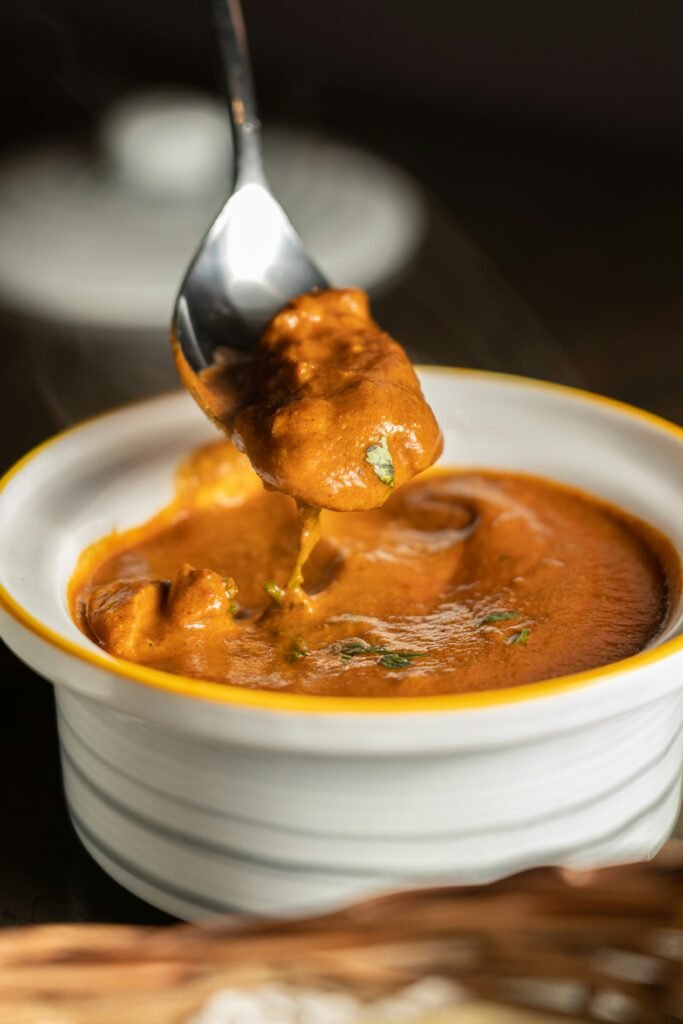
A few minutes’ walk from the station, this hidden spice-curry spot is marked by blue corrugated walls and a small sign. It has no formal name; people simply call it “Oishii Curry.” It’s hard to spot from outside, so pay attention when you go. Based on Indian curry yet deftly weaving in French and Japanese elements, the dishes shine with creativity. The fan-favorite is the 3- or 4-curry combo plate, paired with sides and jasmine rice. Standouts include the chicken-broth curry and the intriguingly smooth coconut veggie curry—easy to eat yet deeply flavorful.
4) abill
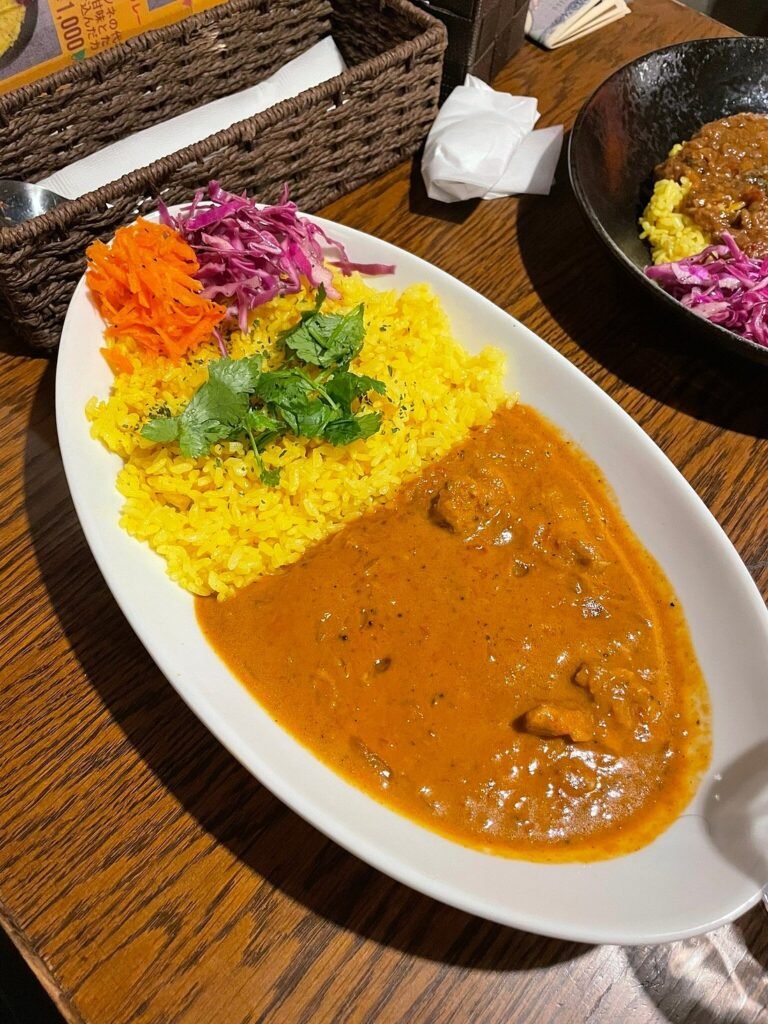
Tucked in a backstreet, abill is a bistro & wine bar that evokes a European country town. Run by a couple, it’s unpretentious and cozy; the interior, BGM, and friendly service win hearts. The cooking isn’t bound by genre or format—French, Spanish-bar-style small plates, and classic bistro mains all appear. Everything is carefully hand-made with seasonal ingredients from across Japan. Popular dishes include chicken confit and croque-madame. The natural-wine list is curated to pair tightly with the food, so you can fully enjoy the marriage of wine and plate.
5) Salmon and Trout
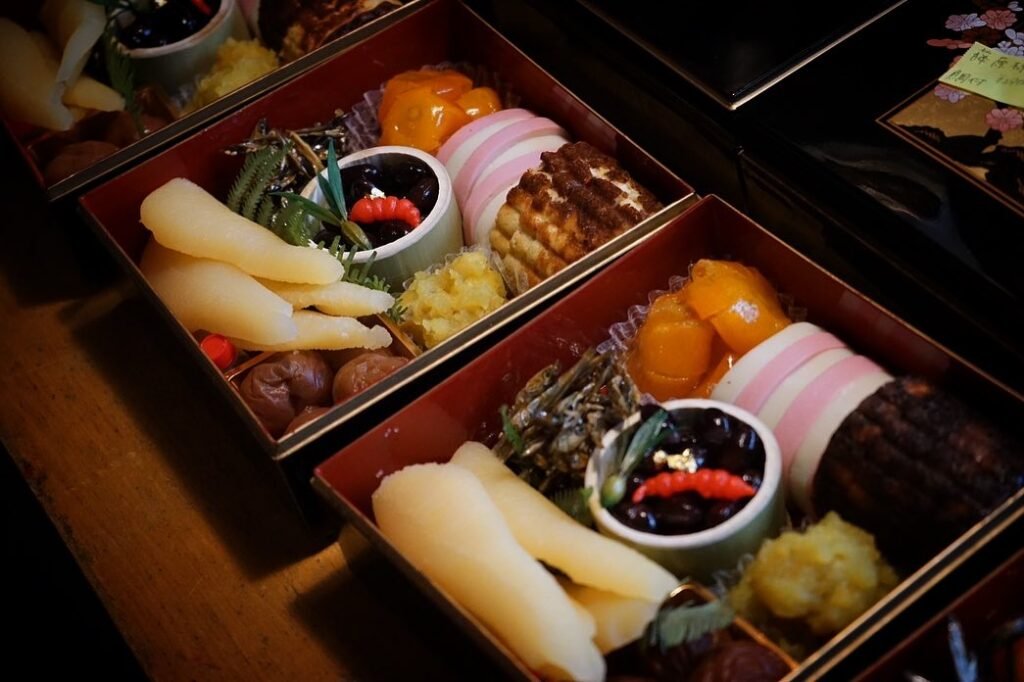
Marked by a red iron door, Salmon and Trout sits about 10 minutes on foot from Shimokitazawa along Chazawa-dori, a snug 12-seat kappo restaurant. It’s proud of inventive dishes that incorporate world terroirs, fermentation, and herbs, with drink pairings to match. The menu is dinner-only, reservation-required, and consists solely of a monthly “omakase” course—what appears is a day-of surprise. Ingredients range widely: vegetables, seafood, and game (deer, boar, etc.). Seasoning and technique weave in Southeast Asian notes, so each plate feels surprising and playful. The chef’s unbound creativity wins high praise.
Top 3 Shimokitazawa stays
1) MUSTARD HOTEL SHIMOKITAZAWA (hip, central)
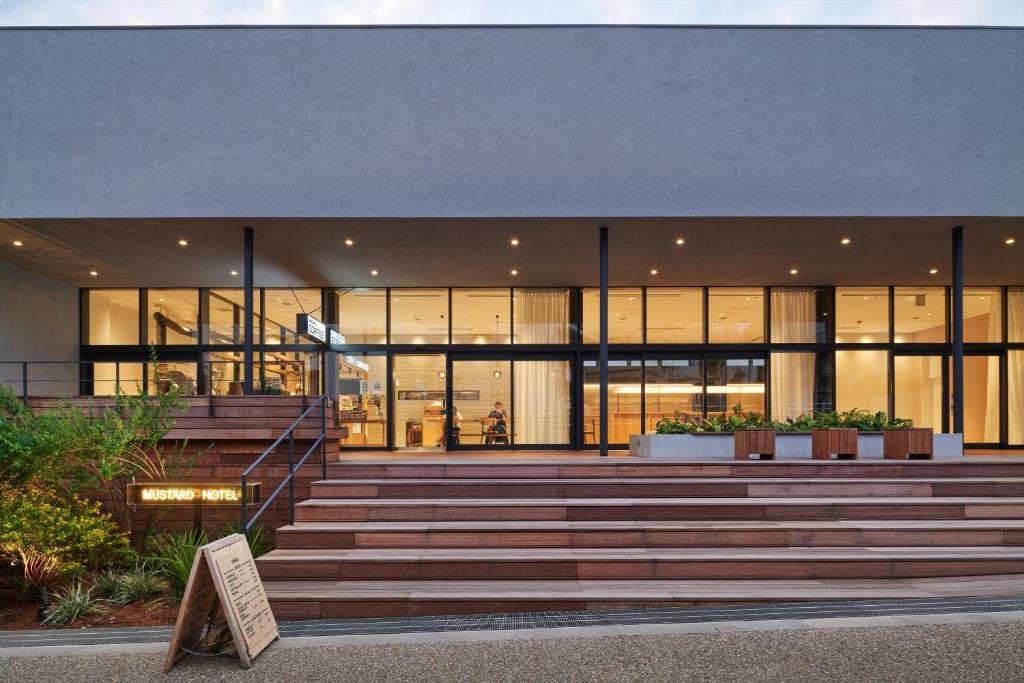
Typical price: ¥18,000–¥35,000 per night (often $130–$250 depending on date).
Book this room: Superior Double (more breathing room than bunks) or Deluxe w/ balcony if you want a little outdoor space.
Fastest access: Shimokitazawa Station (Odakyu/Keio) → short 5–7 min walk; stick to the station plaza → West side lanes and follow signs to Kitazawa 3-chome. (Hotel address confirms it’s 3-9-19 Kitazawa.)
Why this pick: design-y, café/bar downstairs, easy for thrifting + coffee crawls.
2) Onsen Ryokan YUEN BETTEI DAITA (modern ryokan, hot-spring bliss)
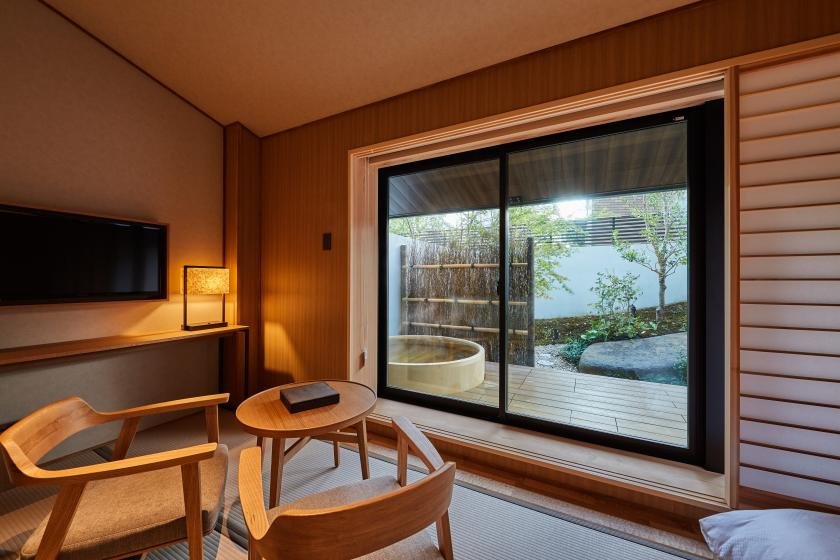
Typical price: ¥28,000–¥55,000+ per night; breakfast usually extra (¥3,500 adult).
Book this room: Japanese room with open-air bath (rotenburo) if available; otherwise a garden-side room for quiet. (Property markets real hot springs + full spa.)
Fastest access: Setagaya-Daita Station (Odakyu local) 1–2 min on foot; Shimokitazawa Station is 8 min walk.
Why this pick: you get indie-neighborhood days and genuine onsen nights—rare in central Tokyo.
3) Budget base: THE WARDROBE HOTEL (clean, super close)
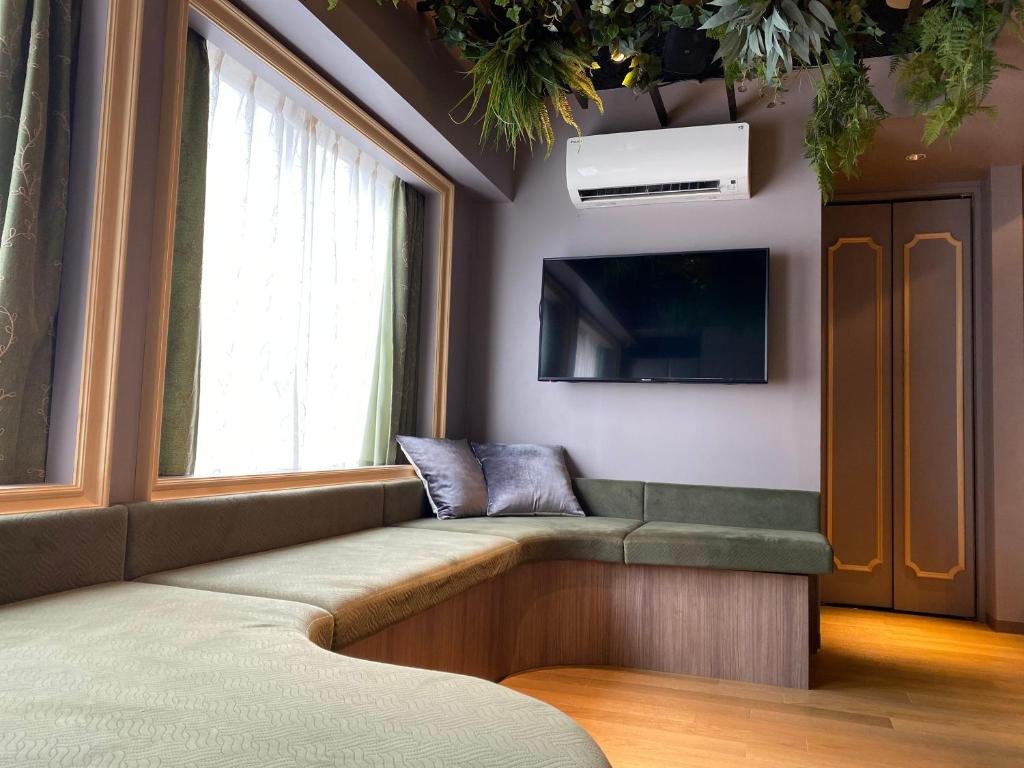
Typical price: ¥4,000–¥12,000 per person/night (season + room type).
Book this room: Private double (when offered) for quiet; otherwise female/mixed dorm with smaller occupancy.
Fastest access: Shimokitazawa Station 2–4 min walk; look for South-West/West side exits and follow the lanes toward the vintage shops.
Why this pick: you’re steps from cafés, vinyl, and live houses—perfect if you’re out all day.
FAQs: What to Do in Shimokitazawa
1) What’s Shimokitazawa best known for?
Thrift and vintage shops, indie cafés, tiny live houses, vinyl stores, and narrow walkable lanes with zero rush.
2) How much time do I need?
2–4 hours for a thrift + coffee loop; a half-day if you add vinyl digging, curry, and a bar.
3) Where should I start my walk?
Begin at Shimokitazawa Station plaza. Do a clockwise loop: East thrift cluster → coffee → record stores → curry → back lanes bars.
4) Must-visit thrift streets?
Hit the East side for bigger chains and curated shops; West side for indie racks and bargain rails. Look for upstairs stores—lots are hidden.
5) Best coffee stops?
Third-wave spots scatter every block. Use the station as a reset: walk 3–5 minutes in any direction and you’ll hit a solid roaster or kissaten.
6) Where to find vinyl?
Cluster around the East–West spine: small crates, specialist genres, occasional rare Japan pressings. Bring time to flip.
7) What should I eat?
Curry (local classic), sando shops, artisan bakeries, and late-night noodles. Many cafés do great desserts and seasonal specials.
8) Any live music or theater?
Yes—live houses for indie bands, basements for comedy and micro-theater. Check chalkboards and Instagram the day of.
9) Is it kid-friendly?
Mostly flat, short distances, lots of snacks. Tiny bars after dark can be tight; daytime café + thrift loops work great.
10) Cash or card?
Most places take IC cards (Suica/PASMO) and credit, but keep small cash for pop-ups and flea-style stalls.
11) When is it least crowded?
Weekday late morning. If you want buzz, go weekends after 3 pm.
12) How do I get there?
From Shibuya: Keio Inokashira Line (Express), 4–7 min.
From Shinjuku: Odakyu Line Rapid/Express, 7–12 min.
13) Rainy-day plan?
Use the station concourse and hop café → thrift → record shops; many blocks have covered stretches and short gaps.
14) Any quick photo spots?
Laneway murals, retro shop fronts, vinyl walls, and golden-hour street light—shoot at eye level for that lived-in feel.
15) Souvenirs that aren’t touristy?
Vintage tees, Japanese press records, tiny ceramics, zines from indie bookstores, and small-batch coffee beans.