
I spill travel tips , and show you the Japan that tourists usually miss.
Hunting vintage clothes Tokyo? Harajuku, Shimokitazawa, Koenji & beyond—best shops, price ranges, and smart tips to score rare finds.
Planning more Tokyo fashion and thrift-hunting adventures? Read these next
Table of Contents
Vintage Clothes Tokyo: 15 Pro Tips For A Great Hunt
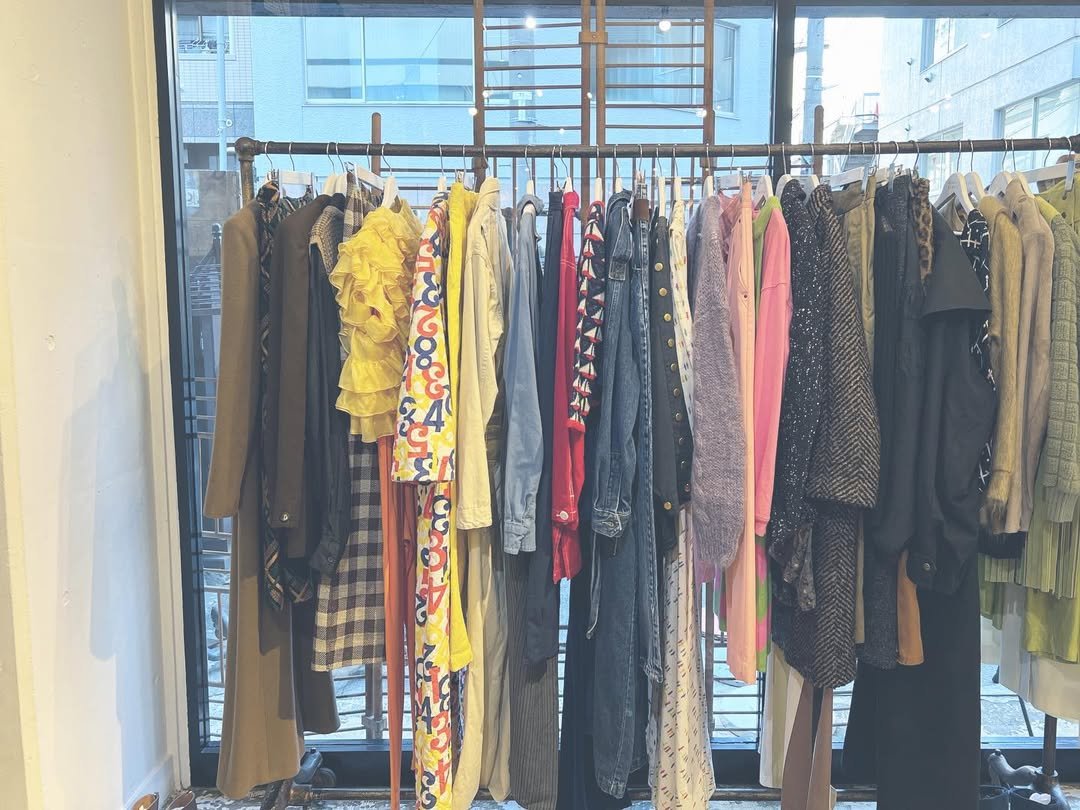
Alright, let’s turbo-charge your Tokyo vintage hunt. Here are the hard-won, actually-useful pro tips I’d tell a friend before they dive into the racks:
1) Pick your neighborhood by vibe, not just proximity.
- Shimokitazawa = dense clusters of thrift and indie boutiques; great for volume and variety.
- Koenji = Americana, workwear, punk/alt, and deep cuts down side streets.
- Harajuku/Cat Street & Omotesando = curated/designer resale and higher-end edits.
2) Know the chains that anchor the scene.
- RAGTAG for authenticated designer resale (multiple Tokyo branches).
- 2nd STREET for huge nationwide coverage and mixed price tiers.
- CHICAGO for very fair prices and loads of second-hand kimono.
3) Time your visit for deals.
New York Joe Exchange does 50% off on the first Sunday each month—expect lines, go early.
4) Don’t sleep on flea markets.
The Oedo Antique Market (Tokyo International Forum) typically runs the 1st & 3rd Sun, 9:00–16:00 (weather permitting). Great for vintage accessories, kimono bits, and one-offs.
If you’re around in winter, Setagaya Boroichi (Dec/Jan) is legendary for old textiles and bric-a-brac.
5) Use the tax-free rules to your advantage.
Tourists can buy tax-free when spending ¥5,000+ (before tax) in one store, same day—bring your passport. Some shops process it digitally; staff will guide you.
6) Pack a tote (and a tape measure).
Japan charges for plastic shopping bags, so a foldable tote saves a few yen every stop.
Most tags list measurements in centimeters—a mini tape measure helps you size fast across brands. (Japanese “FREE size” = one-size.)
7) Decode condition rankings.
You’ll often see S/A/B/C grades; they’re shorthand for condition (S ≈ like new). Each chain defines it slightly differently—check the shop’s guide.
8) Mind payment, lines, and language.
Cards are widely accepted; Japan is “not quite cashless” but credit cards remain common, and PayPay QR payments are everywhere.
9) Learn to spot the good stuff quickly.
Scan collars, cuffs, hems for wear; sniff for heavy smoke/mildew; check zips/snaps; and look inside linings for tears—especially on older workwear and leather. (Returns on used goods are often not accepted, so inspect before you buy.)
10) Luxury vintage? Be picky and ask questions.
Harajuku/Omotesando shops like Amore Vintage and Vintage Qoo draw big crowds—selection is wild, but policies vary (e.g., many no returns). Ask about authentication, serials, and any in-house guarantees; get a detailed receipt.
11) Ship the haul home if your suitcase taps out.
- Japan Post EMS is the straightforward post-office route (labels must be made online now).
- Yamato International TA-Q-BIN offers door-to-door courier options with online calculators.
Always check current service advisories before you buy heavy/fragile pieces.
12) Hit upper floors and basements.
Tokyo hides boutiques above street level—scan building directories and tiny stairwells in Shimokitazawa and Koenji for the best rabbit holes.
13) Build a smart route.
- Morning: Harajuku/Cat Street (RAGTAG Harajuku, CHICAGO branches) → coffee.
- Afternoon: Shimokitazawa (cluster hop, finish at New York Joe/Flamingo).
- Alt day: Koenji loop for Americana & punk; plan extra time for side-streets.
14) Kimono on a budget?
CHICAGO’s racks of second-hand kimono & yukata are a friendly entry point; sizes and accessories are clearly sorted.
15) Calendar-watchers win.
New drops and event days drive crowds—weekday mornings are your quiet window, and market days reward early birds.
Vintage Clothes Tokyo: Must-Visit Shops
Ragtag, contemporary creation
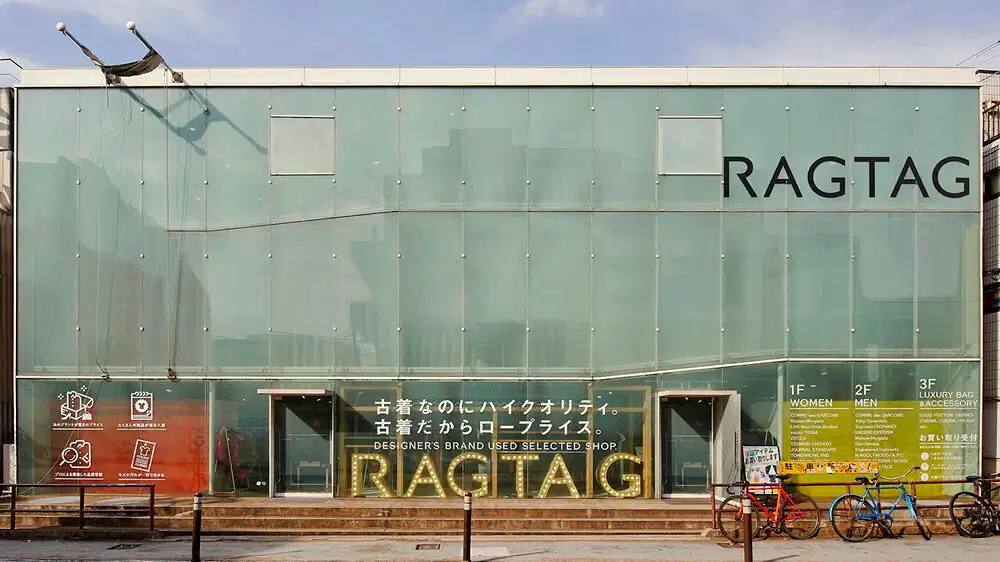
Polished concrete and white tile, light rails, practical fitting rooms—Ragtag looks like anything but a vintage store. Across two floors—one for men, the other for women—you’ll find luxury labels (Gucci, Celine, Balenciaga) and designer names (Martin Margiela, Dries Van Noten), but it’s especially worth the trip for its uncommon Japanese selection: Sacai’s deconstructed silhouettes, Comme des Garçons’ cerebral fashion, and Mame Kurogouchi’s poetry. Several locations around the city, including one in Shibuya, among the best stocked.
Ragtag Global, Hulic Jingumae 1F & 2F, 5-17-9 Jingumae, Shibuya-ku, Tokyo 150-0001. View on Google Maps
Amore, the luxury specialist
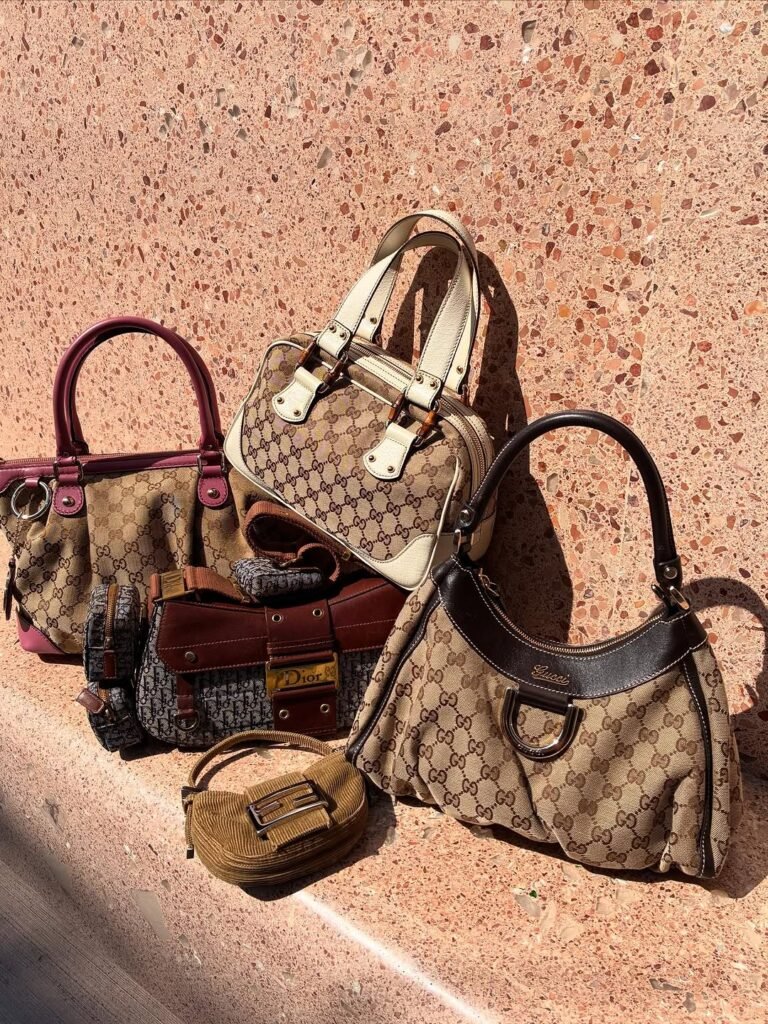
A favorite stop for influencers and celebrities passing through (from Kim Kardashian to Dua Lipa), this store is famed for the Chanel selection in its candy-pink boutique. Ready-to-wear spans the great Karl Lagerfeld years to recent collections, from T-shirts to the iconic tweed jackets. A few meters away, in an upstairs annex, small groups enter to stroll—under the attentive eye of the staff—past a leather-goods trove that would make Paris’s Avenue Montaigne blush. Rows of Birkins and Kellys (around 1.5 million yen) in every leather, exotics included; Louis Vuitton bags from all eras, including the Stephen Sprouse and Takashi Murakami collaborations; Dior and Celine icons…
Amore, 1F, 5-1-15 Jingumae, Shibuya, Tokyo 150-0001. View on Google Maps
Jantiques, the essential
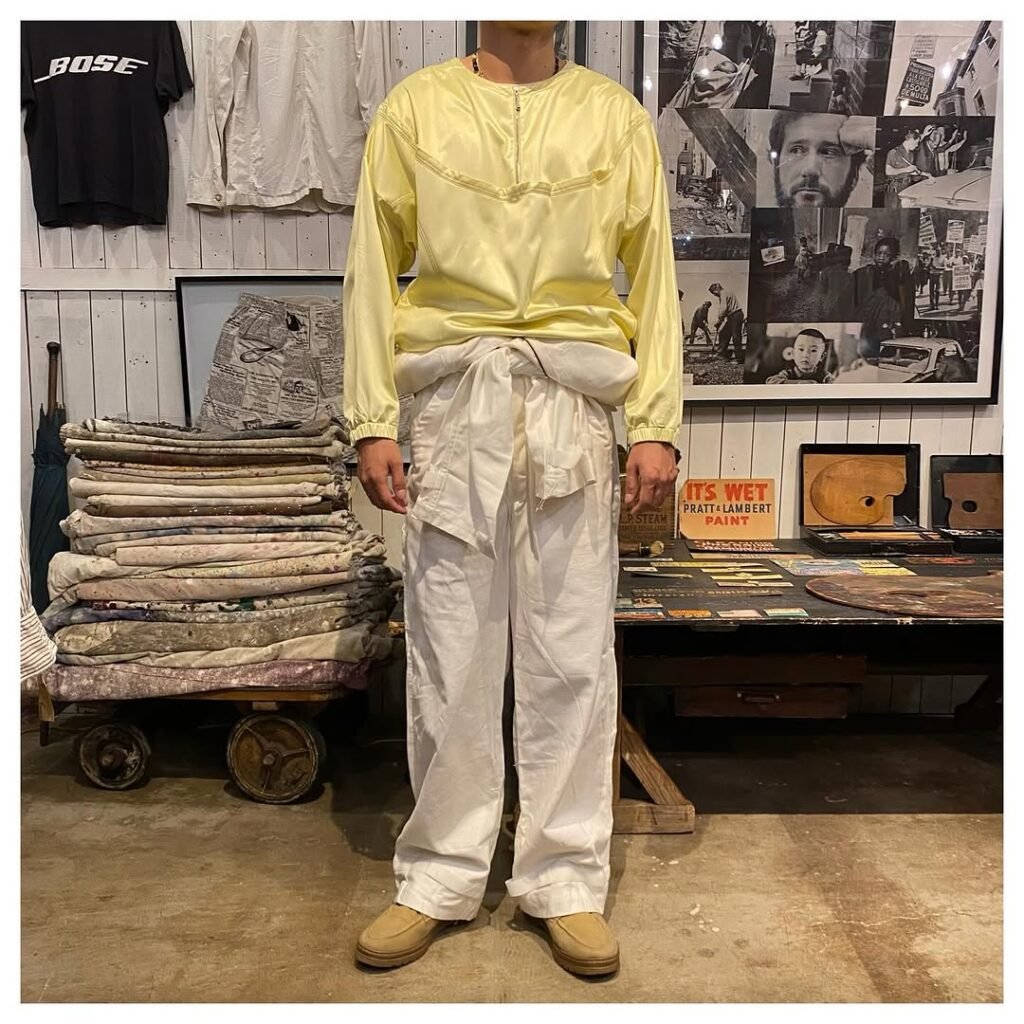
Seasoned thrifters agree: Jantiques is THE reference for vintage—some even say the best in the world. What explains the success of this Naka-Meguro spot? The eye of Hitoshi Uchida, a local figure with a rare talent for choosing compelling pieces and staging them so they sing together. Let your gaze wander across the walls up to the ceiling, where Converse hang beside a Mickey-embroidered jacket and a Harvard flag. On shelves and rails: a Hanes T-shirt (1,320 yen), a Saint Laurent wool sweater (13,200 yen), gorgeous quilts and army uniforms toward the back.
Jantiques, 2-25-13 Kamimeguro, Meguro-ku, Tokyo 153-0051. View on Google Maps
Hooked Vintage, a curated selection
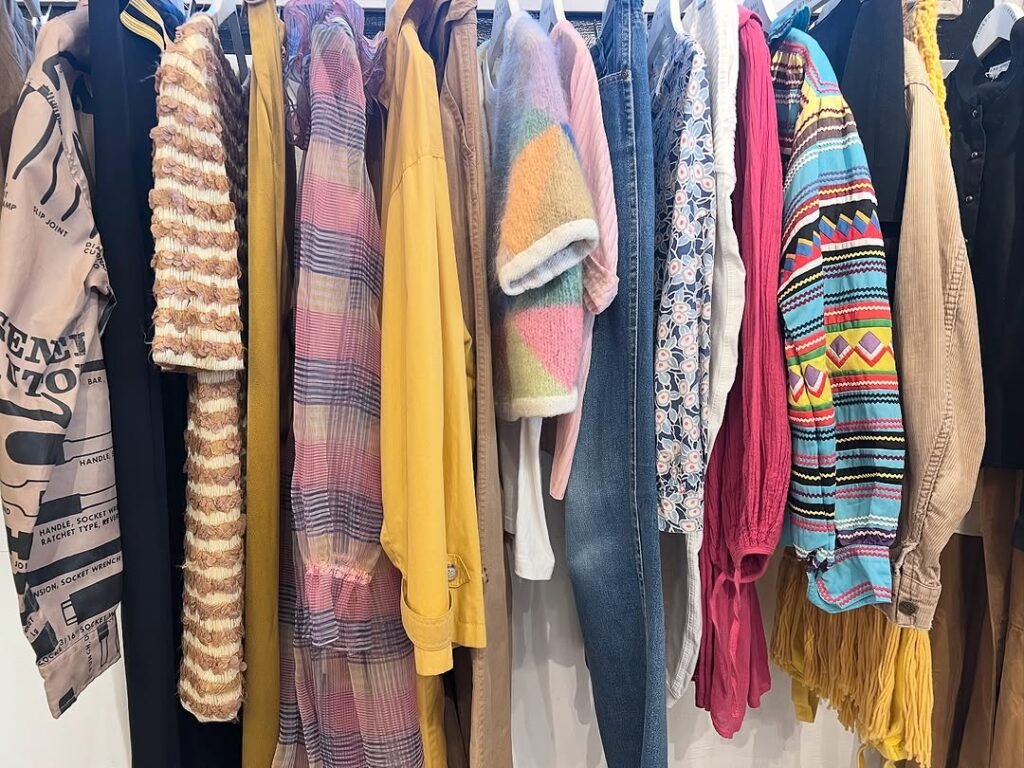
Opened in 2017 by couple Kousuke and Koyo Ando, both Jantiques alumni, this boutique quickly made a name for itself with its delicate, deeply personal edit. “From the Victorian era up to the 1980s,” says the owner. A 1960s knit, a Victorian dress, python boots, quilts—the large patchwork bedcovers from the United States… At the back, the same sharp eye has chosen objects and furniture too, like brass handles and metal lamp bases.
Hooked Vintage, 2-12-6 Shibuya, Shibuya City, Tokyo 150-0002. View on Google Maps
Koenji, the gentlemen’s haunt
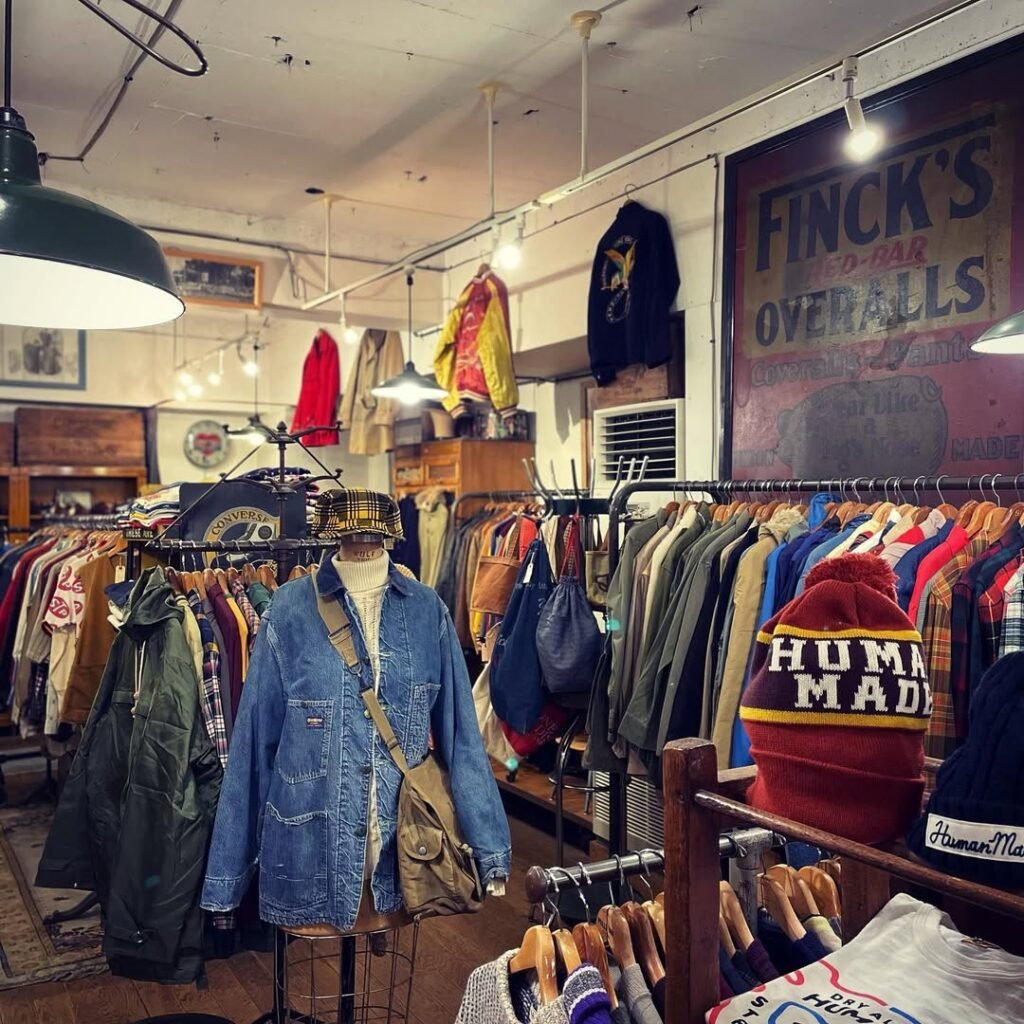
Outside the tourist zones, Koenji is worth the trip to hunt down an elegant men’s wardrobe. Every school of style is covered. At Whistler, entire shelves of leather shoes sorted by brand: G.H. Bass loafers (14,000 yen), R. M. Williams Chelsea boots, Alden derbies… Complete the look with a Brooks Brothers shirt (5,900 yen), a Burberry tweed jacket (12,000 yen), or a Charvet tie. Prefer Italian names? Head to Safari (especially the Third Store) for vintage suits crafted by top Neapolitan tailors—from Stile Latino and Orazio Luciano to Vincenzo Di Ruggiero. On your feet: Stefano Bemer, Berluti (55,000 yen), or Spigola, a Japanese shoemaker trained in Florence. Don’t miss Suntrap, with its supremely chic American selection (photo above).
Whistler: Misato Building 1F & 2F, 4-30-8 Koenji Minami, Suginami-ku, Tokyo 166-0003. View on Google Maps
Safari Third Store: Sunshine Koenji 1F, 4-7-3 Koenji-minami, Suginami-ku, Tokyo 166-0003. View on Google Maps
Suntrap: 4-23-5 Kouenji-minami, Suginami-ku, Tokyo 166-0003. View on Google Maps
Berberjin, the denim specialist
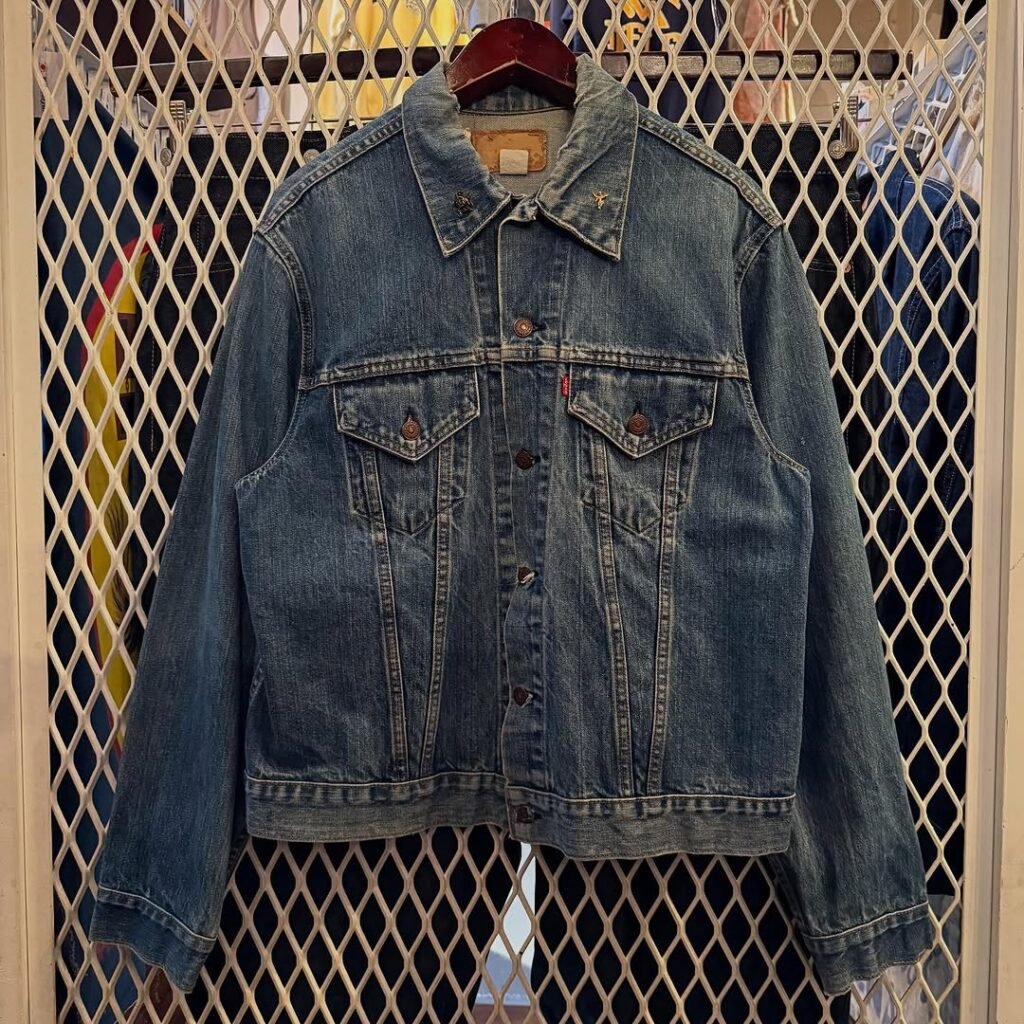
Yutaka Fujihara is one of the world’s Levi’s experts—the kind who can date a piece at a glance by reading the label or the rivets. In his Harajuku shop you’ll find not only lots of denim but also other garments imported from the United States. Bandanas, Converse sneakers, army uniforms, and a whole collection of plain Hanes T-shirts—including E.T. prints—the selection is impeccable. Insiders head to the basement, where the rarest models are kept and prices can climb into the multiple millions of yen.
Berberjin, Harajuku SH Bldg., 3-26-11 Jingumae, Shibuya-ku, Tokyo 150-0001. View on Google Maps
Shimokitazawa, thrift paradise
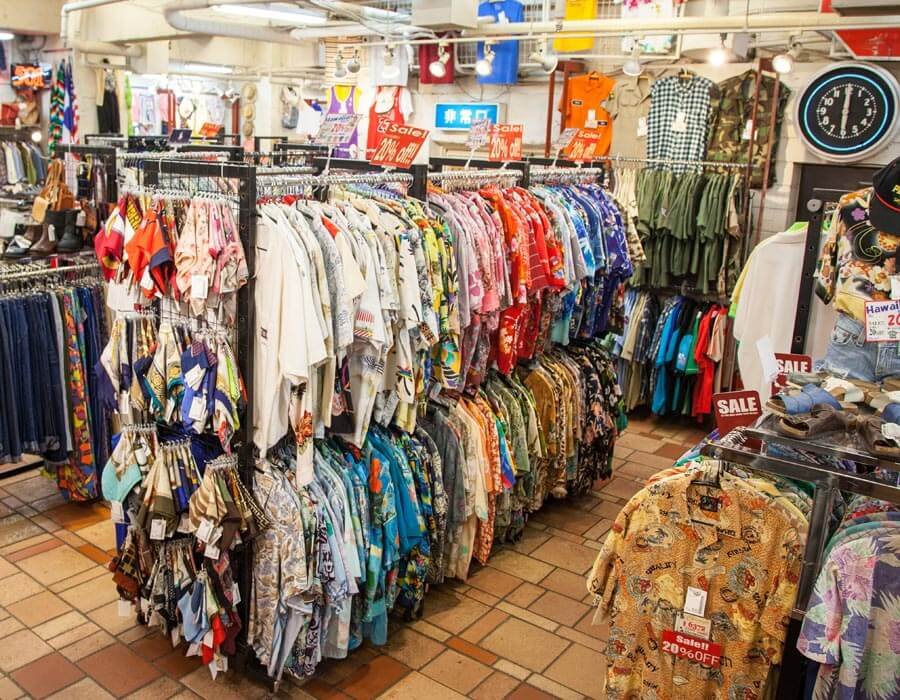
Beloved by teenagers, this neighborhood is famous for budget-friendly thrift. You’ll find almost no luxury pieces, but oceans of American jeans, tees, and sweatshirts. A must-stop, Chicago has a bit of everything—from Ralph Lauren polos to souvenir jackets and even kimonos (from 6,000 yen) and new Dickies trousers. Farther on, the more curated selection at New York Joe Exchange ranges from classic Mickey sweatshirts to 1970s dresses, and even a Burberry trench around 10,000 yen.
Chicago: 5-32-5 Daizawa, Setagaya-ku, Tokyo 155-0032. View on Google Maps
New York Joe Exchange: 3-26-4 Kitazawa, Setagaya-ku, Tokyo 155-0031. View on Google Maps
FAQ — Vintage Clothes Tokyo
Q1. Where should I go for vintage in Tokyo?
A. Start with Shimokitazawa and Koenji for dense, walkable clusters. Add Harajuku’s backstreets (Ura-Hara), Shibuya, and Kichijoji/Nakano for variety and designer finds.
Q2. Are prices high?
A. Mixed. Thrift racks can be ¥500–¥2,000. Curated vintage is often ¥5,000–¥30,000+. Rare/designer pieces climb higher. Kilo shops price by weight—great for bargains.
Q3. Thrift vs. vintage—what’s the difference here?
A. “Thrift” = general secondhand, fast turnover, wide price range. “Vintage” = curated, older or collectible, graded condition, higher but more consistent pricing.
Q4. Do shops take cards or mobile pay?
A. Most accept cards. Many also take Suica/PASMO or QR apps like PayPay. Still bring some cash—tiny shops sometimes go cash-only.
Q5. Can I shop tax-free?
A. If the store displays “Tax Free” and your same-day total hits the minimum, show your passport at checkout. Policies vary by shop, so ask first.
Q6. How do sizes run for non-Japanese shoppers?
A. Generally smaller. Always check measurements on the tag or ask staff to measure. Men’s racks can fit taller builds. Try-ons are common.
Q7. Are fitting rooms a thing?
A. Yes. Expect small booths, shoe-off rules, and no trying delicate knits directly on skin. Staff will guide you.
Q8. Is haggling okay?
A. Not typical. You can politely ask about a minor discount for flaws or multi-item buys, but don’t count on it.
Q9. Best time to shop?
A. Weekday mornings for quiet rails. Big restocks follow weekends and season changes (Jan/Jul). New drops disappear fast in hotspot areas.
Q10. How do I avoid fakes?
A. Check labels, stitching, hardware, and provenance. Buy high-ticket items from reputable shops with return/repair policies.
Q11. Can I sell or trade to shops?
A. Many buy in. Bring ID; some pay cash, others offer store credit. Condition and brand matter.
Q12. Can I ship my haul home?
A. Easy. Use Yamato/EMS from convenience stores or ask shops for shipping help. Luggage delivery to the airport is common too.
Q13. Will I find kimono or remade pieces?
A. Absolutely—antique kimono, haori, and remakes pop up in vintage stores and around Nippori Fabric Town and Asakusa.
Q14. Can I take photos inside?
A. Often yes, but always ask. Some boutiques forbid photos to protect curation.
- Nagoya rainy day with kids in 2026 (Cool Indoor Things to Do )

- Best Gachapon in Tokyo (2026): 20 Places to Find Capsule Toys

- All Japanese KitKat Flavours List: The Ultimate Japan KitKat Guide
- Sapporo rainy day with kids (2026): 7 Cool Indoor Things to Do

- What To Do In Arashiyama With Kids: A Realistic One-Day Family Itinerary