I spill travel tips , and show you the Japan that tourists usually miss.
Find out where to buy clothes in Japan: best chains and boutiques, vintage and thrift shops, secondhand chains, outlets, tax-free rules, sizing help, and money-saving tips.
Planning more Japan fashion and shopping adventures? Read these next
Shopping for clothes in Japan is a dangerous little adventure. One minute we are “just looking” inside UNIQLO, and the next we are carrying three tote bags, a vintage varsity jacket, socks with tiny sushi on them, and a very serious belief that we have discovered our new personality.
The good news? Japan is one of the best countries in the world for clothes shopping. The bad news? There are so many options that you may need a map, a budget, and possibly a responsible adult. From affordable basics to Harajuku streetwear, luxury vintage bags, tiny second-hand treasure caves, and huge shopping malls where time disappears completely, Japan knows exactly how to tempt us.
Here’s where to buy clothes in Japan, what to expect from the main stores, where to hunt for vintage finds, and how to shop online from Japanese fashion websites if your suitcase gives up before your shopping list does.
Want help finding the best Tokyo shops without wandering in circles?
Tokyo shopping is glorious, but also slightly dangerous for your schedule. One minute we are “just checking Harajuku,” and three hours later we are lost between vintage jackets, skincare aisles, anime goods, and a shop that sells socks shaped like sushi.
If you want a smarter route, this private Tokyo shopping tour lets you customize the day around what you actually want to buy — from streetwear and vintage fashion to cosmetics, gadgets, souvenirs, and hidden local finds.
Best for: first-time Tokyo shoppers, fashion lovers, vintage hunters, beauty-product obsessives, and anyone who wants a local guide to help with neighborhoods, store choices, language barriers, and Tokyo’s beautifully confusing train system.
Book GetYourGuide tour below:
Tips for Buying Clothes in Japan
Explore second-hand stores: Japan’s second-hand and “recycle” shops are brilliant for affordable clothing, vintage pieces, accessories, shoes, and even designer finds. Some stores feel like treasure hunts. Some feel like fashion archaeology. Both are excellent.
Watch for sales and promotions: Major cities often have seasonal sales, especially around New Year, summer, and end-of-season clear-outs. If you see a sale rack in Japan, approach carefully. It may ruin your budget in the nicest possible way.
Use auction and resale apps: Apps and platforms like Mercari and Yahoo Auctions Japan are popular for buying used clothes online. They can be amazing for rare pieces, but foreigners usually need a proxy service or Japanese address to order smoothly.
Visit shopping malls: Japanese malls are not just “malls.” They are climate-controlled shopping kingdoms with fashion brands, cafés, lifestyle shops, stationery corners, and food courts that will absolutely distract you from your original mission.
Always try things on: Japanese clothing sizes often run smaller than European or American sizes. If you wear S in Europe, you may need M or even L in Japan, depending on the brand and cut. This is especially true for fitted tops, trousers, coats, and shoes.
Check the fitting room rules: Many clothing stores ask customers to remove shoes before entering fitting rooms. Some also provide face covers to protect clothes from makeup. It feels formal at first, then oddly civilized.
Use tax-free shopping where possible: Many larger stores offer tax-free shopping for foreign tourists, usually when you spend over a minimum amount and show your passport. Look for “tax-free” signs at the entrance or cashier.
Bring your passport when shopping: You usually need your physical passport to claim tax-free shopping. A photo on your phone may not be enough.
Major Japanese Clothing Store Brands
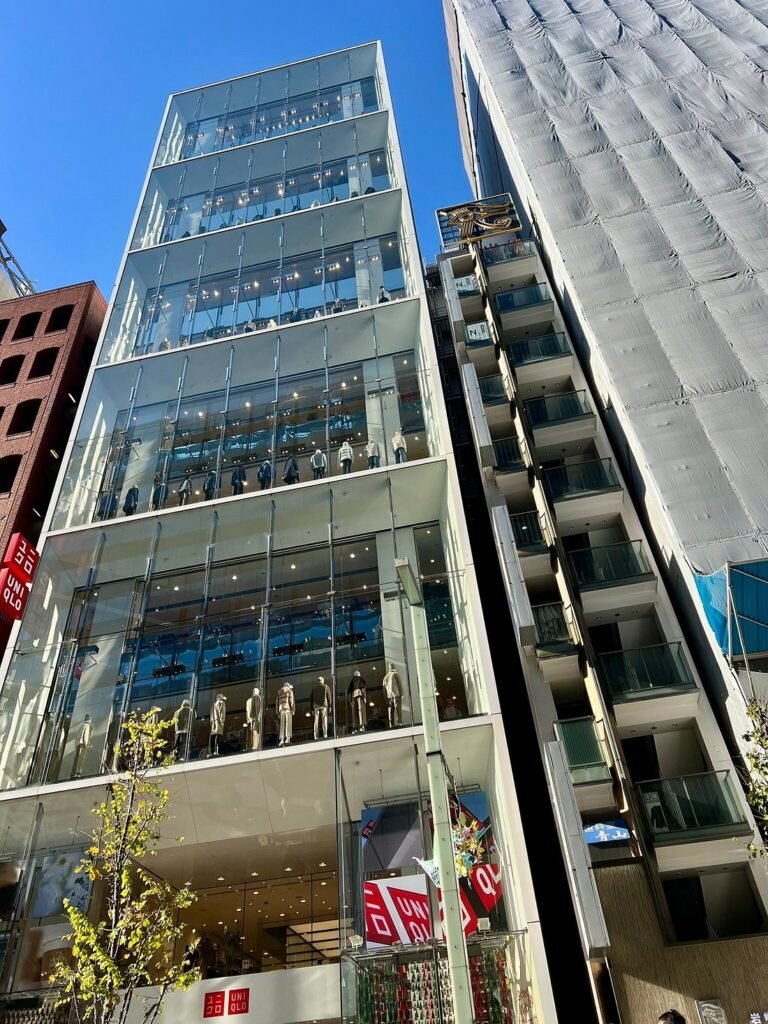
UNIQLO
Description:UNIQLO is the reliable friend of Japanese clothing stores. It sells clean, practical, good-quality basics at prices that usually feel reasonable. Think T-shirts, heat-tech layers, linen shirts, trousers, jackets, underwear, socks, and travel-friendly pieces that actually make sense.
Average prices: T-shirts from around 1,000 yen, shirts from around 2,000 yen, and trousers from around 3,000 yen.
Locations: Found all over Japan, especially in major shopping districts, train stations, malls, and city centers.
Best for: Everyday basics, travel layers, comfortable trousers, thermal wear, simple dresses, and useful pieces you will actually wear after the trip.
GU
Description: GU is UNIQLO’s trendier, cheaper sibling — the one that shows up wearing wide-leg jeans, platform shoes, and a surprisingly good jacket for the price. It is great for current trends, casual basics, and budget-friendly outfits.
Average prices: T-shirts from around 800 yen, shirts from around 1,500 yen, and jeans from around 2,000 yen.
Locations: Found across Japan, especially in malls and busy shopping areas.
Best for: Trendy clothes, casual outfits, seasonal pieces, accessories, and affordable fashion experiments that do not require financial courage.
Shimamura
Description: Shimamura is a budget-friendly clothing chain with clothes for women, men, children, and the whole family. It is less tourist-glossy than UNIQLO or GU, but it can be very useful for cheap basics, casual wear, underwear, pajamas, socks, and everyday pieces.
Average prices: T-shirts from around 500 yen, dresses from around 1,000 yen, and trousers from around 1,500 yen.
Locations: Found throughout Japan, especially in suburban shopping areas, residential neighborhoods, and shopping malls.
Best for: Cheap basics, family shopping, casual clothes, children’s items, and useful everyday clothing.
Muji
Description:Muji is known for minimalist, practical, logo-free products, from household goods and stationery to skincare, snacks, furniture, and clothing. Its clothes are simple, soft, neutral, and quietly stylish — basically the wardrobe of someone who has their life together. We can pretend.
Average prices: Prices vary, but Muji clothing is generally affordable to mid-range, with quality materials and clean designs.
Locations: Found throughout Japan, especially in malls, stations, shopping streets, and larger commercial areas.
Best for: Linen shirts, cotton basics, socks, travel clothes, simple bags, pajamas, and minimalist wardrobe staples.
Second-Hand Store Chains in Japan
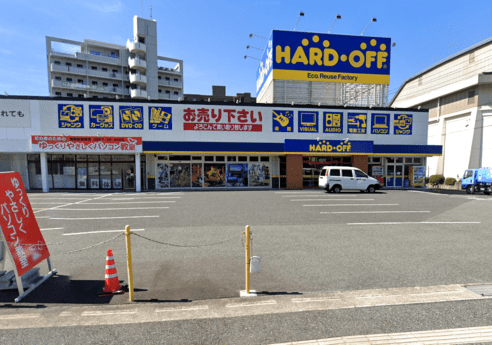
Hard Off
Description: Hard Off is part of the famous Off group of second-hand stores. It is best known for electronics, instruments, games, and gadgets, but some related branches and larger recycle shops may also have clothing, bags, accessories, and random treasures you did not know you needed.
Average prices: Prices vary depending on the item, condition, and brand, but many second-hand finds start from a few hundred yen.
Locations: Found throughout Japan, especially in suburban and urban areas.
Best for: Bargain hunting, random second-hand finds, accessories, and combining clothing hunting with gadgets or collectibles.
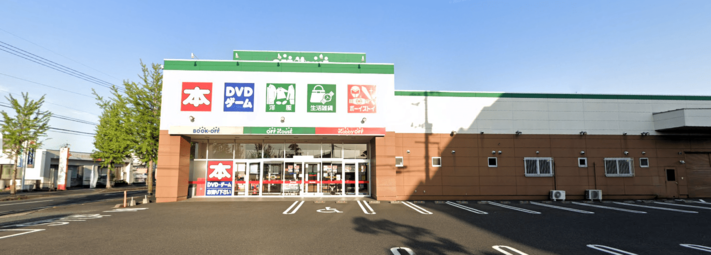
Book Off
Description: Book Off is mainly known for second-hand books, manga, CDs, games, and media, but larger Book Off Super Bazaar branches can also be excellent for second-hand clothing, shoes, bags, watches, and accessories.
Average prices: Prices vary by quality and brand, but bargains are common, especially for casual wear and accessories.
Locations: Found throughout Japan, with stores in shopping streets, malls, and residential areas.
Best for: Cheap second-hand clothes, casual pieces, accessories, books, manga, and surprise finds.
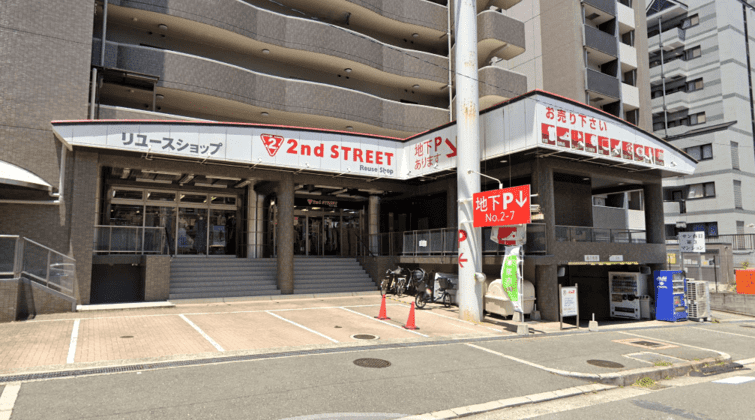
2nd Street
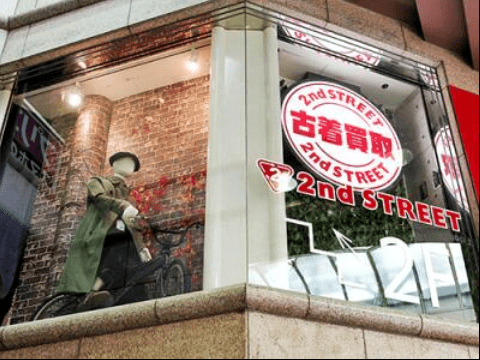
Description: 2nd Street is one of Japan’s best-known second-hand clothing chains. It sells used clothing, shoes, handbags, watches, accessories, streetwear, outdoor brands, and sometimes luxury labels. Some branches are cheap and casual; others are more curated and fashion-focused.
Average prices: Prices vary widely depending on brand, condition, and location. You can find affordable everyday pieces, but designer and streetwear items cost more.
Locations: Found throughout Japan, including major cities, malls, and shopping districts.
Best for: Second-hand clothes, streetwear, branded items, shoes, bags, accessories, and designer hunting without entering full luxury boutique territory.
Where to Buy Clothes in Japan: The Best Neighborhoods
Tokyo, with its endless shopping districts and malls, is a paradise for anyone who loves clothing, vintage finds, luxury resale, streetwear, or “just one more shop” lies. Osaka, especially Shinsaibashi and America-mura, is another excellent city for new and second-hand clothes, often with a slightly more relaxed, rebellious, and bargain-friendly feel.
Omotesando, Tokyo: A sleek, fashionable area known for luxury boutiques, designer flagships, stylish cafés, and high-end second-hand shops.
Harajuku, Tokyo: The classic stop for youth fashion, streetwear, vintage stores, quirky boutiques, and the famous side streets around Cat Street.
Koenji, Tokyo: A vintage-loving neighborhood packed with second-hand clothing and vintage fashion boutiques, especially good for retro, casual, and alternative styles.
Daikanyama, Tokyo: A stylish, upscale district near Shibuya, with independent boutiques, design shops, cafés, and curated second-hand fashion stores.
Shimokitazawa, Tokyo: A bohemian neighborhood full of vintage stores, record shops, cafés, small theaters, and second-hand fashion.
Shinsaibashi, Osaka: A busy shopping district with everything from department stores and international brands to second-hand shops, streetwear, and luxury resale.
America-mura, Osaka: Osaka’s youth fashion playground, with vintage shops, streetwear, sneakers, accessories, and a slightly chaotic energy that feels dangerously fun.
Products: Used clothing, shoes, accessories, and multi-brand fashion.
Best for: Affordable vintage, casual pieces, oversized shirts, jackets, denim, and relaxed Harajuku shopping without pretending we are too cool to bargain hunt.
Products: Second-hand clothing, shoes, bags, accessories, streetwear, and designer items.
Best for: Travelers who want a bit of everything, especially second-hand streetwear, branded fashion, and designer pieces without going straight to luxury-only shops.
Products: Vintage clothing, used kimono, denim, shirts, jackets, accessories, and casual second-hand fashion.
Best for: Vintage shopping with slightly friendlier prices than some of the more curated boutiques. It is still Tokyo, though, so do not expect everything to cost pocket lint.
Products: Second-hand clothing, shoes, accessories, and multi-brand fashion.
Best for: Casual second-hand shopping, Japanese brands, streetwear, and the kind of random finds that make you say, “I don’t need it, but Japan clearly wants me to have it.”
Second-Hand Luxury in Tokyo
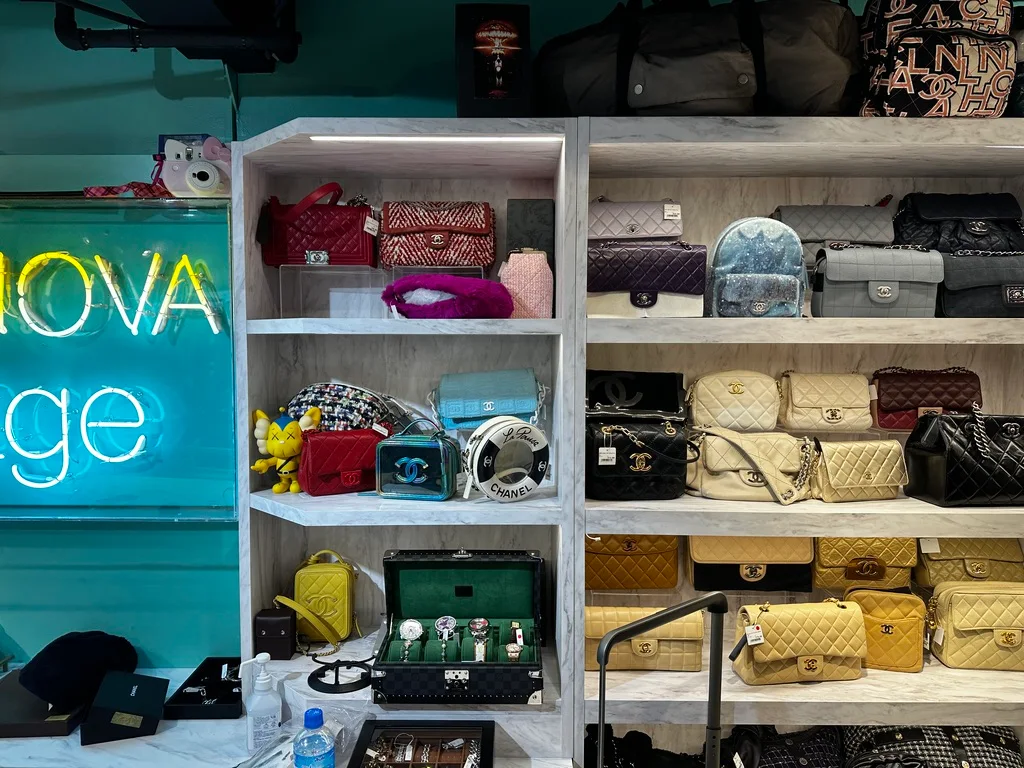
Tokyo is one of the best cities in the world for second-hand luxury shopping. The condition of items is often excellent, the selection can be wildly impressive, and the stores usually take authenticity seriously. Still, always check condition, warranty, authenticity documents, return rules, and tax-free options before buying. A vintage Chanel bag is thrilling. A careless purchase is less thrilling.
Products: Streetwear, second-hand fashion, shoes, accessories, handbags, and premium brands.
Best for: Supreme, streetwear, trendy second-hand finds, and designer pieces. The 2nd STREET America-mura store is also on Instagram: @2ndstreet_americamura
Where to Buy Clothes in Japan: Second-Hand Luxury Shops in Osaka
Products: Clothing, shoes, watches, jewelry, handbags, wallets, classic brands, streetwear, and more luxury pieces than the average branch.
Best for: A mixed hunt — streetwear one minute, handbags the next, and then suddenly a jacket you will think about for three days if you leave it behind.
Products: Luxury second-hand handbags, especially brands such as Louis Vuitton, Chanel, Gucci, Dior, and more.
Best for: Designer handbag hunting, especially if your suitcase still has space and your self-control has left the building.
Where to Buy Clothes in Japan: Best Cities
Tokyo: With its endless shopping districts, malls, vintage streets, luxury boutiques, and resale stores, Tokyo is the ultimate clothing shopping city in Japan.
Osaka: In addition to Shinsaibashi and America-mura, Osaka has great shopping arcades, second-hand stores, department stores, and fashion areas with a slightly bolder, more playful mood.
Kyoto: Best for kimono, traditional textiles, elegant boutiques, craft-inspired clothing, and vintage shops with a slower, more atmospheric feel.
Fukuoka: Great for shopping malls, local boutiques, streetwear, and relaxed fashion without Tokyo’s overwhelming scale.
Nagoya: Useful for department stores, underground shopping streets, malls, and a strong mix of everyday fashion and luxury stores.
Where to Buy Clothes in Japan: Japanese Websites
Buying clothes from Japanese websites can feel a little like entering a secret fashion level. The selection is huge, the prices can be excellent, and the second-hand market is full of gems — but there are also hurdles. Language barriers, Japanese-only payment systems, local shipping addresses, and websites that do not accept foreign cards can make the process more complicated than simply clicking “add to cart” and calling yourself a genius.
That is where proxy services like ZenMarket, Buyee, and Neokyo come in. These services help shoppers outside Japan buy from Japanese websites, auctions, and marketplaces. They provide a Japanese address, handle local payment, receive your items, and then ship everything internationally.
Another useful trick is to search using Japanese keywords. For clothing, try terms like 服 (fuku – clothes), 中古 (chuuko – second-hand), 新品 (shinpin – new), ブランド (burando – brand), バッグ (baggu – bag), and 靴 (kutsu – shoes). You will usually find more results than if you search only in English.
Most Japanese shopping platforms also have filters that help narrow your search. Look for:
Size (サイズ – saizu): Check measurements carefully, because Japanese sizing can run small.
Color (色 – iro): Useful if you are looking for specific wardrobe staples.
Brand (ブランド – burando): Helpful when searching for Japanese designer brands or luxury labels.
Price (価格 – kakaku): Essential unless your budget has decided to live dangerously.
Condition (状態 – jōtai): Choose new (新品 – shinpin), used (中古 – chuuko), or condition grades depending on the site.
Description: Amazon Japan sells clothing, shoes, bags, accessories, Japanese fashion brands, international labels, basics, cosplay items, and travel-friendly essentials.
Ease of access: Usually easier to use than many Japanese-only platforms, with some English support and some international shipping options.
Average prices: Vary widely depending on brand, quality, and whether the item is sold directly by Amazon or a third-party seller.
Best for: Basics, shoes, accessories, bags, socks, innerwear, and practical clothing items.
Description: Yahoo Auctions Japan is a major online auction platform where you can find second-hand clothes, designer fashion, vintage items, shoes, bags, watches, and rare fashion pieces.
Ease of access: More difficult for non-Japanese users because it often requires Japanese language ability, local payment methods, and a Japanese shipping address. A proxy service is usually the easiest route.
Average prices: Vary depending on auctions, brand, condition, and demand.
Best for: Rare vintage items, Japanese brands, luxury resale, collectibles, and pieces that are hard to find elsewhere.
Description: Mercari is one of Japan’s most popular resale platforms, with a huge selection of second-hand clothing, bags, shoes, accessories, cosmetics, collectibles, and fashion items from private sellers and shops.
Ease of access: Difficult for non-Japanese shoppers because you usually need a Japanese address and Japanese payment method. Many foreign buyers use proxy services.
Average prices: Vary hugely depending on brand, condition, seller, and rarity. Bargains exist, but so do wildly optimistic prices. The internet contains both miracles and nonsense.
Best for: Second-hand clothing, Japanese brands, discontinued items, streetwear, accessories, and rare finds.
Description: Rakuten Rakuma is another resale marketplace where you can find second-hand clothing, bags, shoes, accessories, and fashion items from individual sellers.
Ease of access: Easier if you know Japanese or use translation tools, but foreigners may still need a proxy service for payment and shipping.
Average prices: Vary depending on brand, condition, seller, and demand.
Best for: Used fashion, bags, accessories, Japanese brands, and bargain hunting.
How to Order from Japanese Clothing Websites
If you are not based in Japan, you will often need a proxy service to order from Japanese fashion websites and resale platforms. A proxy acts like your shopping assistant in Japan. You choose the item, the proxy buys it for you, receives it at their Japanese warehouse, and then ships it to your international address.
Here is how it usually works, using ZenMarket as an example:
Register for the service: Create an account on the proxy website. Some services offer small welcome credits or points for new users.
Search for products: You can search directly through the proxy platform or copy and paste URLs from Japanese sites such as Rakuten, Amazon Japan, Mercari, Yahoo Auctions, and fashion stores.
Add funds: Once the item is selected, you usually add money to your account to cover the item price, domestic shipping, service fees, and later international shipping.
Place the order: After payment, the proxy service buys the item on your behalf.
Item arrives at the warehouse: The seller ships the item to the proxy’s address in Japan.
Consolidate packages: If you buy multiple items, you can often combine them into one shipment to reduce international shipping costs.
Ship internationally: The proxy sends your package to your home country for an additional shipping fee.
Pay customs if required: Depending on your country, you may need to pay VAT, import taxes, or customs handling fees.
The most popular proxy services for ordering from Japanese websites include:
ZenMarket is one of the most beginner-friendly proxy services and is often used for Japanese fashion, games, collectibles, and second-hand items. It charges a service fee per item, so it may not always be the cheapest option, but many shoppers like the clear process and helpful support.
Neokyo also has a good reputation among many international buyers. It is often used for Mercari, Rakuten, Yahoo Auctions, and other Japanese marketplaces. Fees and packaging costs depend on the order, so check the total before getting too emotionally attached to that vintage jacket.
Buyee is another popular option, especially for Yahoo Auctions and Mercari. Some shoppers find it convenient, while others complain about fees and shipping costs, so compare services before ordering.
Regardless of which proxy you use, always calculate the final cost carefully. Item price is only the beginning. You may also pay domestic shipping in Japan, proxy fees, consolidation fees, international shipping, customs fees, and VAT depending on your country.
Good to know: shoppers in European Union countries usually need to pay VAT on imported goods. For packages valued at 150 EUR or less, VAT may sometimes be handled through prepayment systems. For packages over 150 EUR, VAT and customs charges are usually processed by local customs authorities.
Budgets to Plan
For new clothes: Plan at least 5,000 to 10,000 yen if you want to buy a few basic pieces from stores like UNIQLO, GU, Muji, or Shimamura.
For second-hand clothing: You can find items from a few hundred yen, especially in recycle shops and bargain sections. For branded, vintage, streetwear, or designer items, expect higher prices.
For vintage shopping: Budget more if you are shopping in Harajuku, Shimokitazawa, Koenji, or curated vintage boutiques. Vintage in Tokyo can be gorgeous, but it is not always cheap.
For second-hand luxury: Prices vary dramatically depending on brand, condition, rarity, and authenticity documents. Bags, watches, and jewelry can still cost serious money, even second-hand.
For online proxy orders: Remember to include the item price, proxy service fee, domestic Japanese shipping, international shipping, and possible customs or VAT.
So, where should we buy clothes in Japan? For easy basics, start with UNIQLO, GU, and Muji. For cheap everyday fashion, add Shimamura. For vintage and second-hand treasure hunting, head to 2nd Street, Book Off Super Bazaar, Koenji, Shimokitazawa, Harajuku, and America-mura. For luxury resale, Tokyo and Osaka both have excellent boutiques — just bring patience, check condition carefully, and maybe warn your wallet in advance.
Because Japan is not just a place to buy clothes. It is a place where your suitcase quietly becomes a moral problem.