
Travel writing based on first-hand experience
Discover what to do in Harajuku Tokyo—from quirky fashion boutiques and vintage shops to famous crepes, trendy cafes, and cultural gems like Meiji Shrine. A must-visit for pop culture, style, and street food lovers.
Table of Contents
What Is Harajuku Like? A Colorful Clash of Kawaii, Culture & Cool
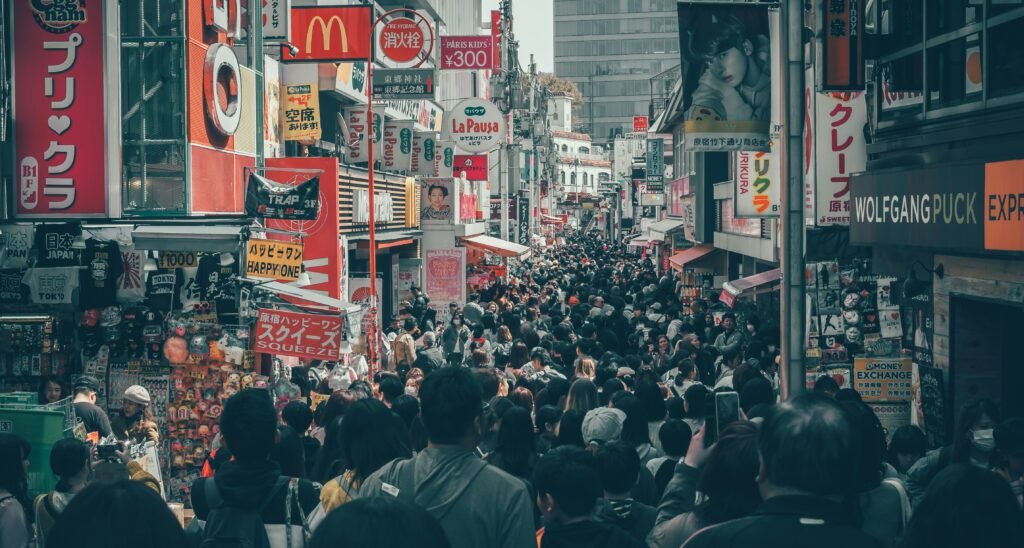
Tucked between Shibuya and Aoyama in Tokyo’s Shibuya Ward, Harajuku stretches from Harajuku Station to Omotesando Station—and it’s way more than just a shopping destination. It’s Tokyo’s epicenter of youth culture, wild creativity, and ever-evolving street style. This is where fashion trends are born, food crazes are launched, and where the word “kawaii” truly comes to life.
Take a stroll down Takeshita Street, and you’re instantly immersed in a candy-colored explosion of quirky shops, crepe stands, and Gen Z energy. Just a few blocks away, in Omotesando, you’ll find sleek flagship stores, architectural marvels, and art galleries—perfect for travelers craving a more refined vibe. Harajuku is a town of contrasts, where you can chase down rainbow cotton candy before stepping into a Tadao Ando building.
But fashion isn’t the only draw. Harajuku’s also a magnet for trendy eats, retro cafés, and even peaceful escapes like Meiji Shrine and Yoyogi Park. Whether you’re a style chaser, a foodie, or just here for the photos, Harajuku delivers an experience you won’t find anywhere else.
✨Want to understand Harajuku beyond the crepes and chaos?
Harajuku is fun to wander alone, but it can also feel like a glittery maze with snacks. One minute we are on Takeshita Street staring at rainbow desserts, and the next we are wondering whether Cat Street is technically still Harajuku, Shibuya, or just Tokyo playing geography games again.
This Harajuku walking tour makes the neighborhood easier — and tastier. You explore Takeshita Street, Harajuku backstreets, Cat Street, and Omotesando with a local guide, while mixing pop culture, fashion, hidden alleys, street food, savory bites, and desserts into one 3-hour walk. It also includes tastings at 5–6 food stops, one complimentary drink, Japanese sweets, and a local guide.
Best for: first-time Harajuku visitors, food lovers, families with older kids, fashion-curious travelers, solo travelers who want an easy daytime activity, and anyone who wants to see more than the same three crowded Takeshita Street photos.
Book GetYourGuide tour below:
When Is the Best Time to Visit Harajuku?
Tokyo summers can be hot and sticky, and Harajuku—crowded with people and packed shops—feels even steamier. The best times to explore are spring and autumn, when temperatures are more comfortable for walking and the city is at its prettiest.
What to Wear in Harajuku (By Season)
- Spring (March–May): A light jacket or thin sweater is enough.
- Summer (June–August): Lightweight clothes, short sleeves, and a portable fan.
- Autumn (September–November): Layer with a jacket or light coat.
- Winter (December–February): A warm coat, wool layers, and maybe a hat—Harajuku gets chilly!
How to Get to Harajuku
You’ll be happy to know that Harajuku is one of the most accessible neighborhoods in Tokyo. Here’s how long it takes from key stations:
- From Tokyo Station: About 30 minutes via JR Yamanote Line
- From Shinjuku Station: Just 4 minutes on the JR Yamanote Line
- From Shibuya Station: A super-quick 2-minute ride
- From Ueno Station: Around 30 minutes via Tokyo Metro Ginza Line + JR
- From Shinagawa Station: About 15 minutes via JR Yamanote Line
- From Osaka or Nagoya: Take the Shinkansen to Tokyo and arrive in 1.5–2.5 hours
You can also use Omotesando Station if you’re closer to the upscale side of the area.
Getting Around Harajuku
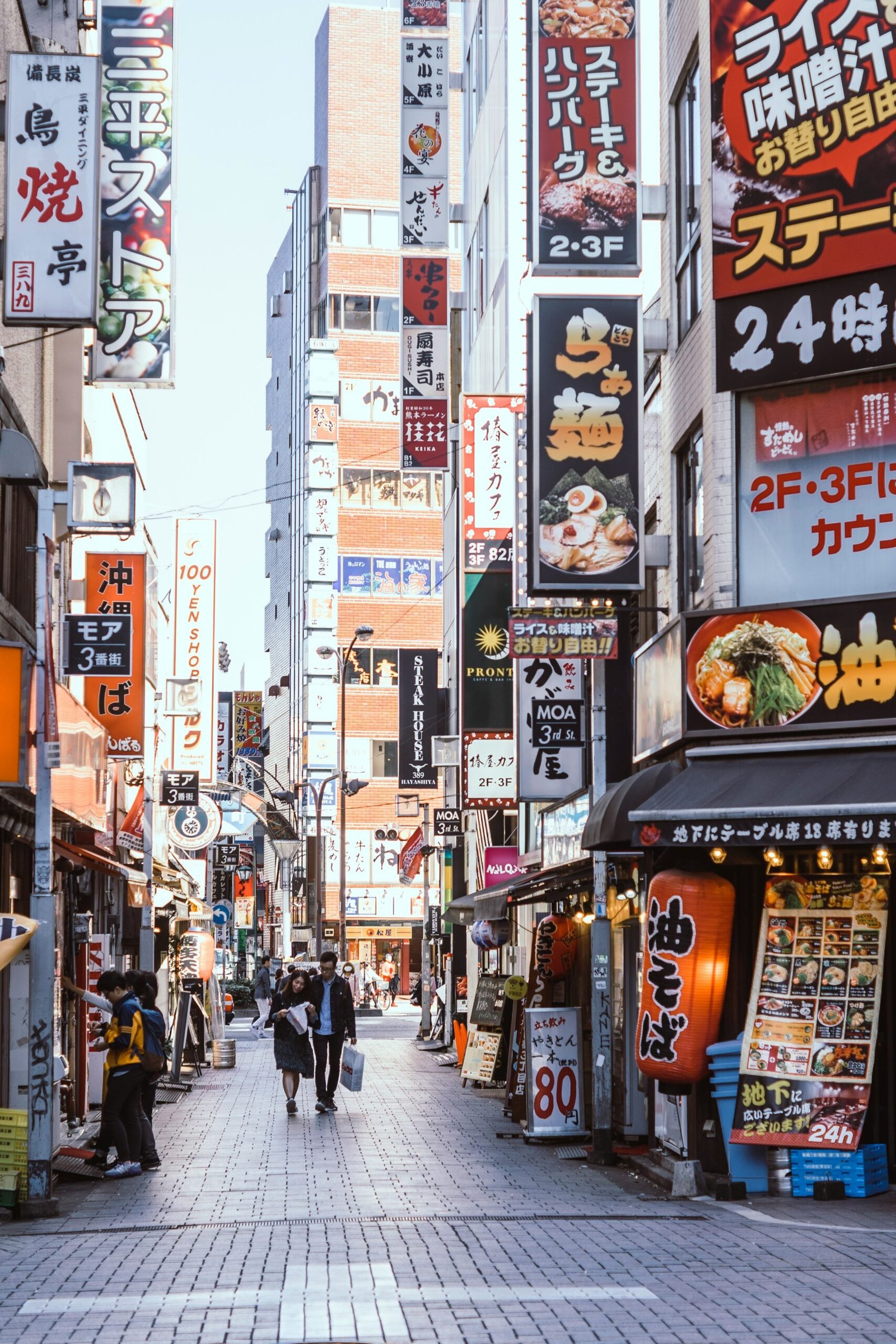
Though there are two major stations—Harajuku and Omotesando—your feet will be your best friend here. Many streets are too narrow for cars, and the real magic happens in back alleys and side roads that are only accessible on foot. So wear comfortable shoes and take your time—it’s a walking town.
What To Do in Harajuku: Top 7 Must-See Attractions
1. Meiji Shrine (Meiji Jingū)
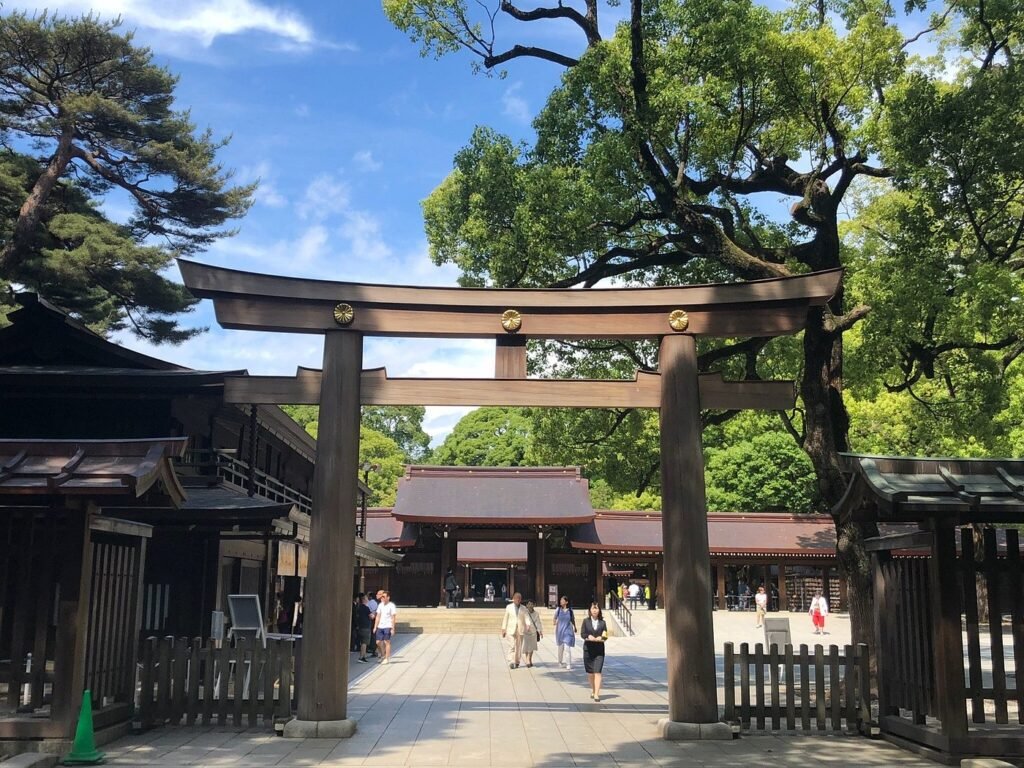
Tucked inside a massive man-made forest of over 100,000 trees, Meiji Shrine is dedicated to Emperor Meiji and Empress Shōken. Despite being in the heart of the city, stepping through its torii gates feels like entering another world—quiet, green, and deeply spiritual.
Walk along the gravel path, pass the towering barrels of sake and wine, and make your way to the main hall where you can make a wish or simply soak up the peaceful vibes. This place is also packed with spiritual energy spots—locals and tourists alike come here to recharge.
One of Tokyo’s top spots for Hatsumode, the New Year’s shrine visit. Expect over 3 million people… seriously.
2. Takeshita Street (Takeshita-dori)
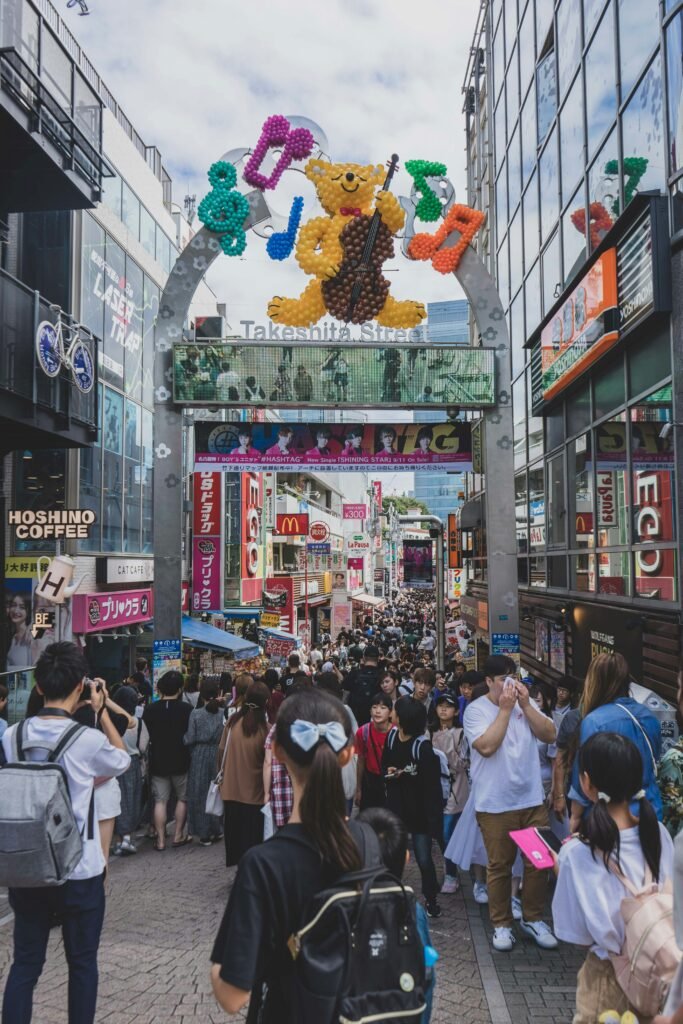
The beating heart of Harajuku’s kawaii culture, this 350-meter shopping street is lined with quirky fashion stores, rainbow-colored sweets, crepe stands, and pop-up shops. It’s chaotic, it’s loud, and it’s a rite of passage for any Tokyo visitor.
From bubble tea cafés to idol merchandise stores, every inch of Takeshita-dori screams youth culture. On weekends and holidays, it’s so packed that it becomes a pedestrian-only zone from 11 AM to 6 PM.
Want to understand modern Japanese fashion? This is ground zero.
3. Cat Street (旧渋谷川遊歩道 / Kyū-Shibuya River Promenade)
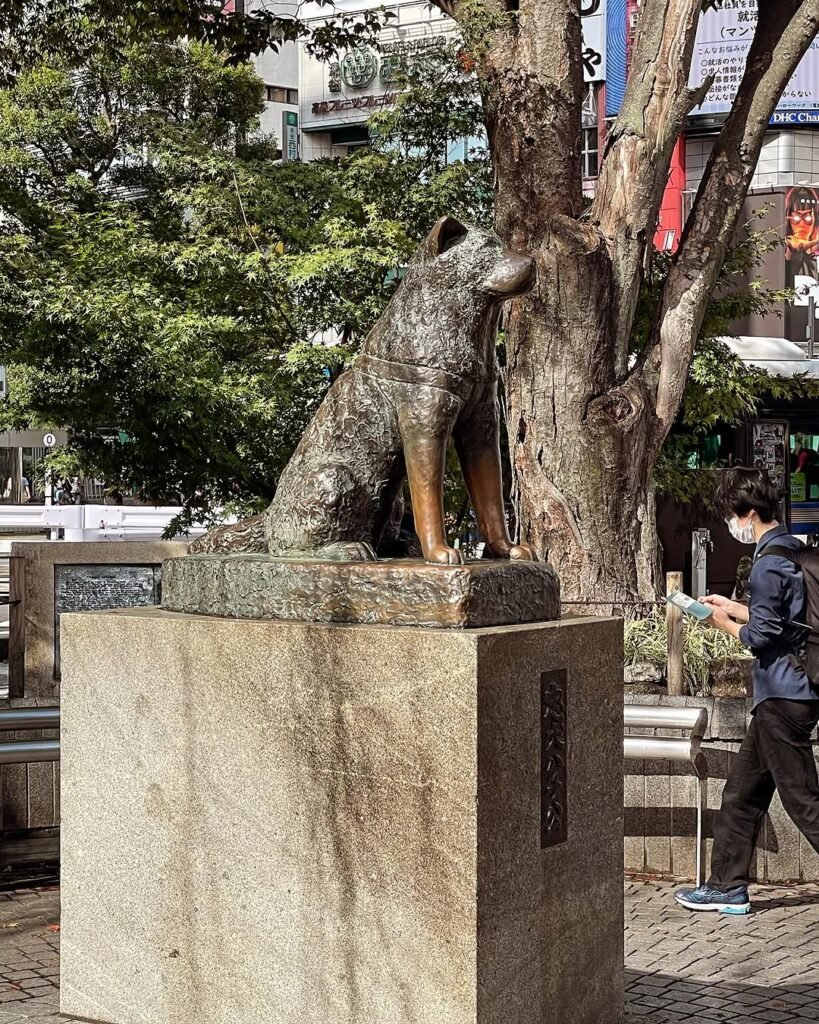
A chilled-out pedestrian street running between Shibuya and Harajuku, Cat Street is the antithesis of Takeshita’s chaos. Lined with cool cafés, indie boutiques, vintage shops, and art spaces, this is where Tokyo’s creative crowd goes to hang.
The street’s name? No one knows for sure—some say it’s because cats used to hang out here, others say it’s because the narrow path is “cat-sized.” Either way, it’s Tokyo cool at its most casual.
Great for café hopping and low-key fashion finds.
4. Yoyogi Park
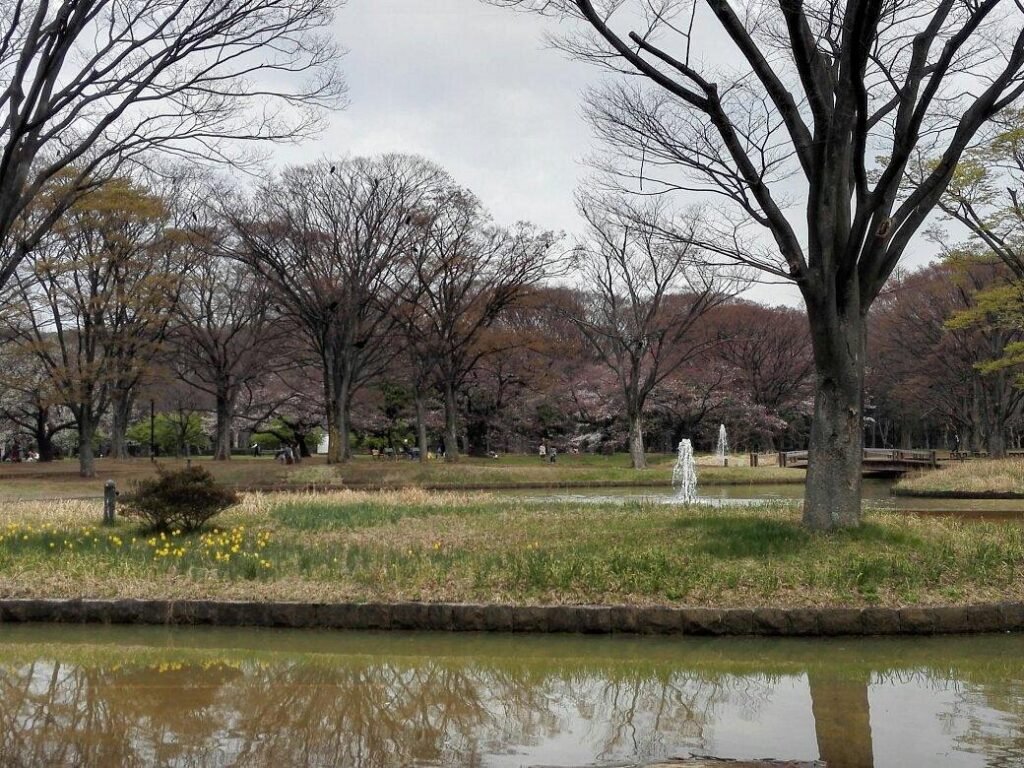
Right next to Meiji Shrine, Yoyogi Park is one of Tokyo’s largest green spaces, split into a tranquil forested area and a more open, event-friendly space with fountains and picnic zones.
In spring, it’s a cherry blossom paradise with 800+ sakura trees in full bloom. On weekends, you’ll often see street performers, dance crews, and impromptu music acts doing their thing.
A local favorite for hanami parties, bike rides, and people-watching.
5. Togo Shrine
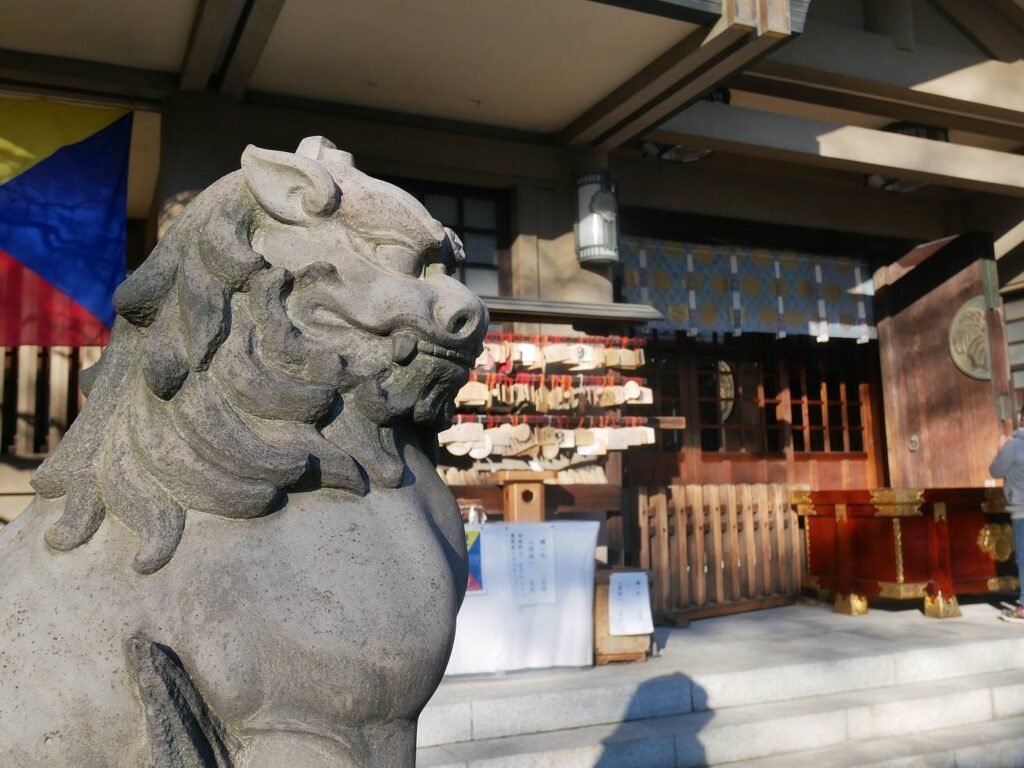
Dedicated to Admiral Togo Heihachiro, a key figure in Japan’s naval history, this quiet little shrine sits just off bustling Takeshita Street—and is one of Harajuku’s best-kept secrets.
Despite being steps from the crowds, the grounds are green, serene, and full of charm. It’s a lovely stop for travelers seeking a moment of stillness.
Peaceful, historical, and totally underrated.
6. Watari-um Museum of Contemporary Art
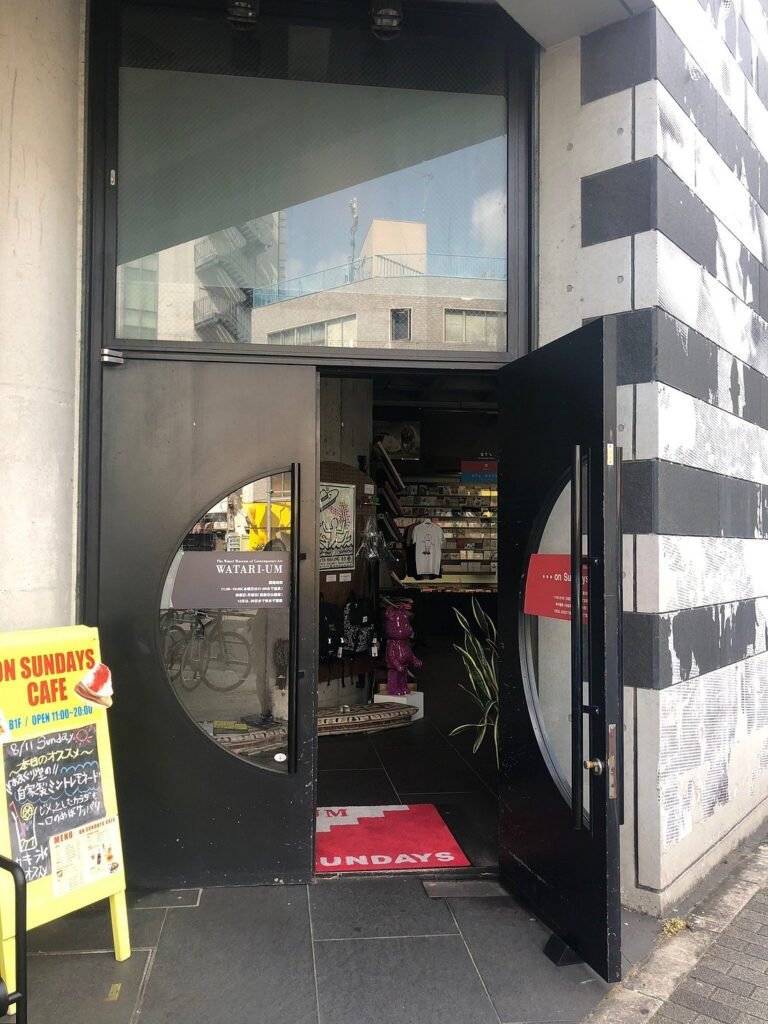
Opened in 1990, this private museum is housed in a striking building designed by Swiss architect Mario Botta. The bold, winged shape and striped granite façade make it a standout in the neighborhood.
Inside, the museum focuses on cutting-edge contemporary art, from photography and design to social movements and youth culture. If you love art with an edge, this place delivers.
A must-visit if you want to see Tokyo’s creative soul from a new angle.
7. Meiji Jingu Museum
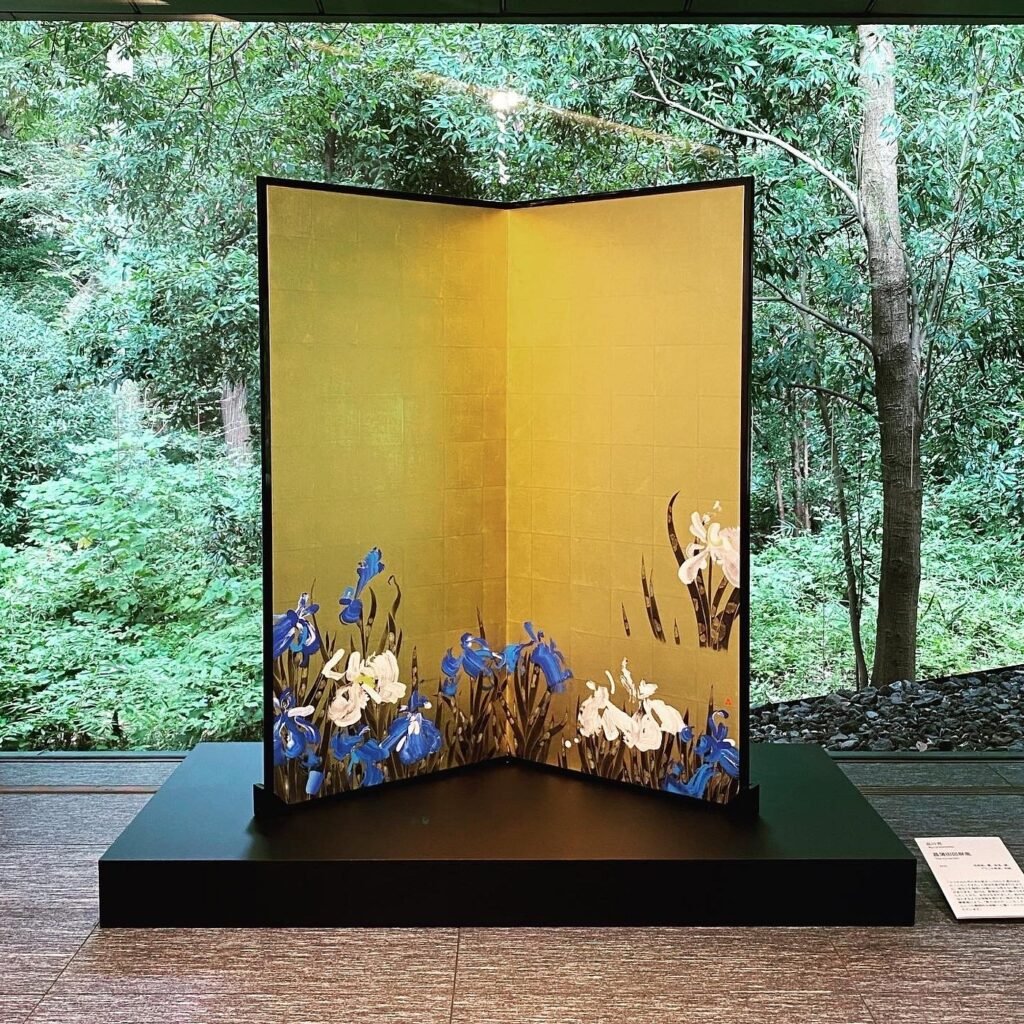
Set quietly along the tree-lined path to Meiji Shrine, this museum opened in 2019 to commemorate the shrine’s 100th anniversary. Designed by Kengo Kuma, it’s a stunning blend of wood, light, and modern Japanese architecture.
Inside, you’ll find elegant exhibits related to Emperor Meiji and Empress Shōken, including imperial carriages and personal items. The design alone is worth the visit.
If you love architecture, this one’s a quiet knockout.
What To Do in Harajuku: Top 5 Trendy Eats You Have to Try
1. Marion Crêpes – Takeshita Street Original
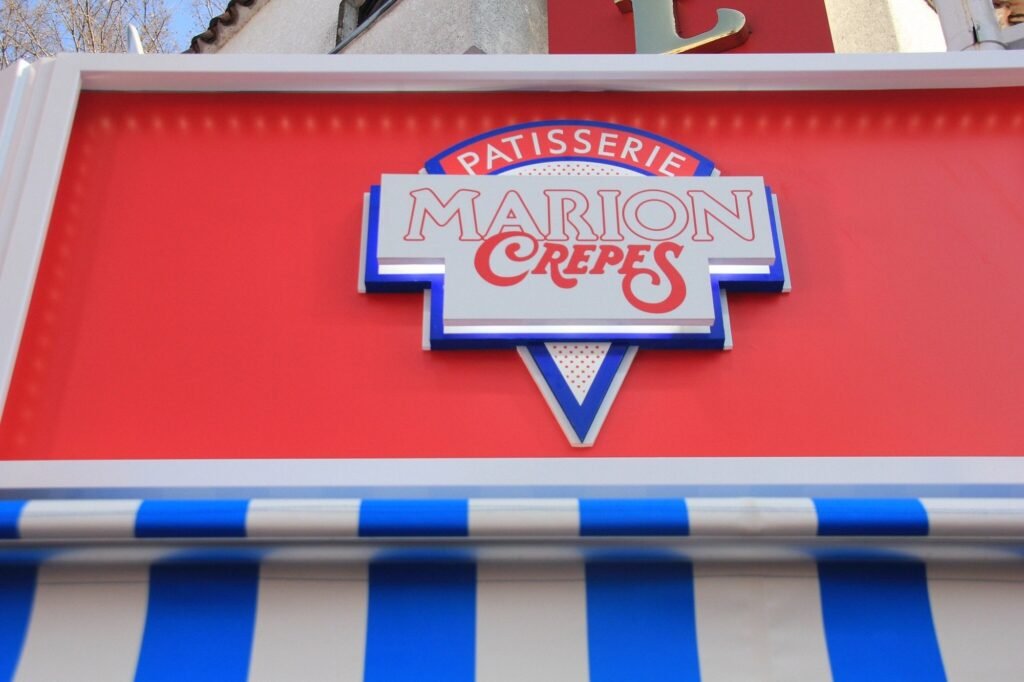
Since 1976, Marion Crêpes has been an essential part of Harajuku’s street snack scene. They’re credited with pioneering the whole “crepe wrapped in paper” style that makes eating while walking so fun and easy.
With over 70 crepe varieties—ranging from whipped cream + fruit combos to savory options like tuna or ham—you’re guaranteed to find your perfect match. Grab one and join the crowd wandering Takeshita with crepes in hand. It’s a full-on Harajuku rite of passage.
Must-try: The strawberry banana chocolate with whipped cream (classic for a reason).
2. TOTTI CANDY FACTORY – Harajuku Store
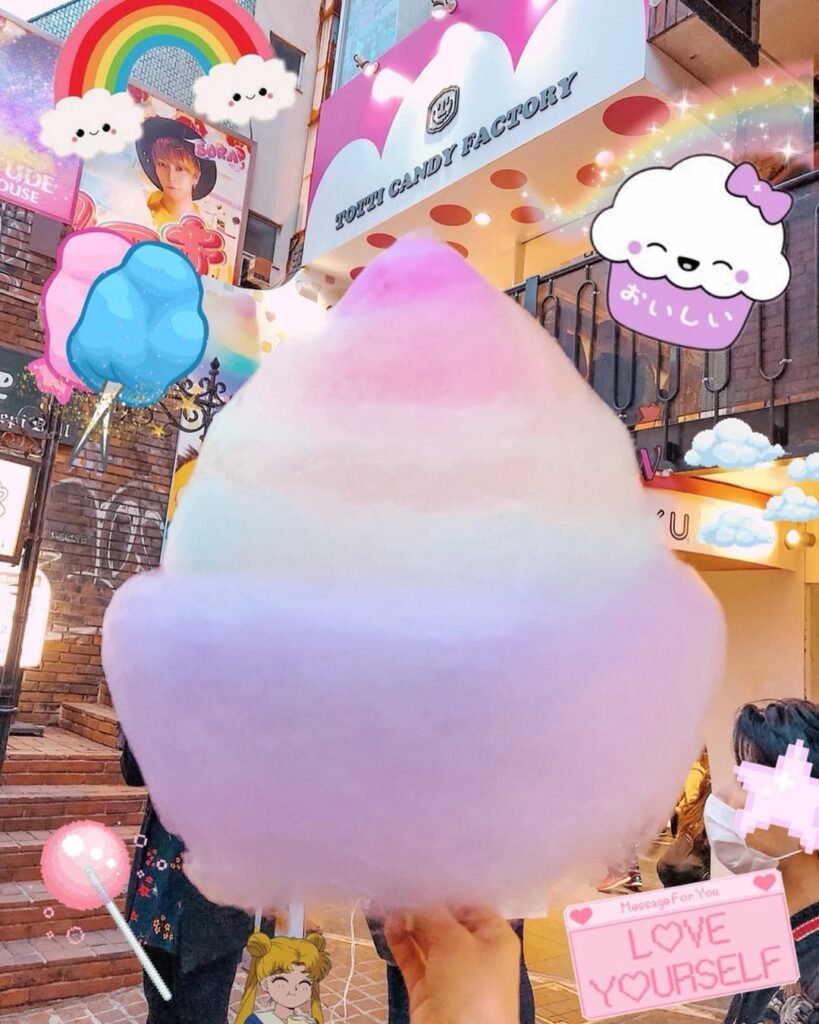
This place caused 5-hour lines when it first opened—and for good reason. Famous for their giant rainbow cotton candy, TOTTI CANDY FACTORY is basically a sugar-spun dream for Instagram lovers.
The moment you walk down Takeshita Street, you’ll spot people carrying clouds of pastel fluff twice the size of their heads. And no, you don’t have to be a teenager to enjoy it (though you might feel like one again).
Sweet, surreal, and totally iconic. Perfect for your Harajuku photo op.
3. Eggs ’n Things – Harajuku Store
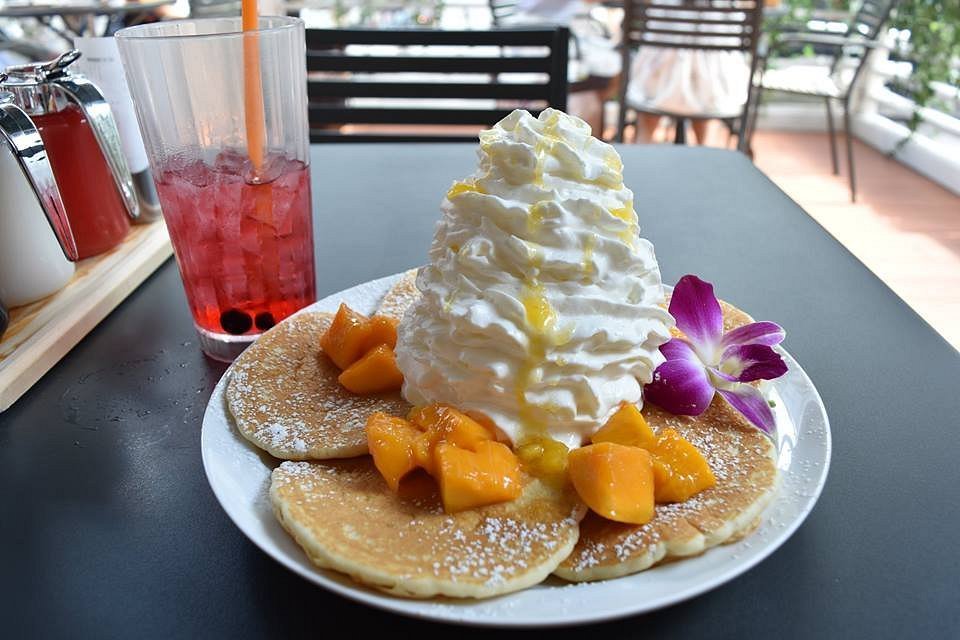
Originally from Hawaii, Eggs ’n Things opened their first international branch right here in Harajuku back in 2010. The concept is simple: All-Day Breakfast, Hawaiian-style. And it’s been a hit ever since.
Their signature pancakes are tall, fluffy, and topped with mountains of whipped cream and fresh fruit. It’s not just breakfast—it’s a brunch celebration. Open from 8 AM, it’s a favorite for early risers and late lunchers alike.
Try the strawberry pancakes with whipped cream and macadamia nuts. Mahalo.
4. Micasadeco & Café – Hidden Pancake Heaven
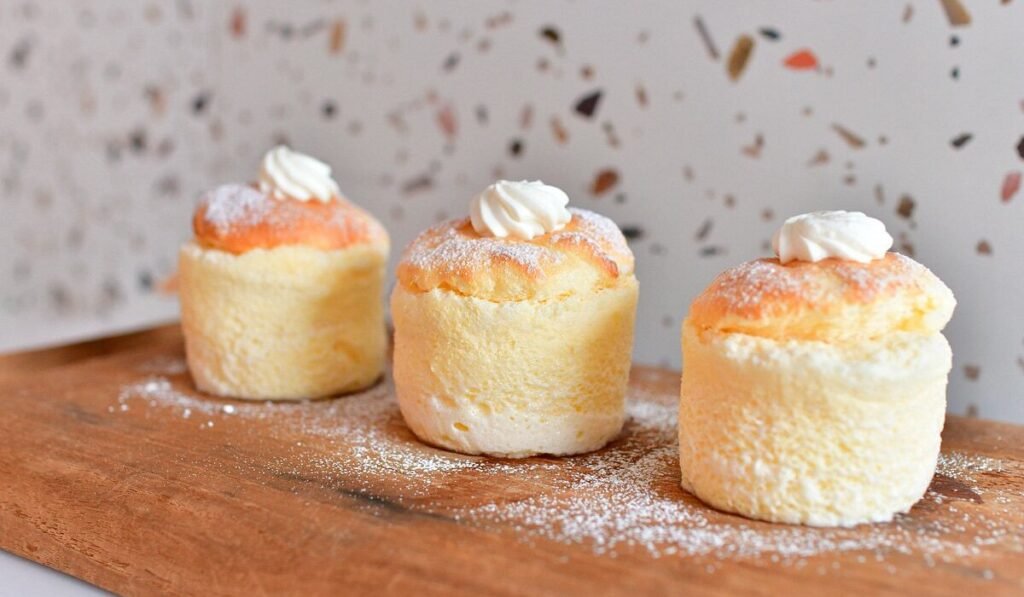
Tucked into a quiet backstreet, this stylish café is a dream come true for pancake lovers. The menu stars two types: their famously fluffy ricotta pancakes, and thin but chewy classic-style ones.
Their seasonal specials feature toppings like custard, fresh mochi, or fruit compotes—each one a mini work of art. Also great for brunch, with savory options and “puffin” hybrids (a pancake-muffin fusion) for something unique.
A calm, stylish escape just steps from Harajuku’s chaos.
5. Banana no Kamisama – Takeshita Street
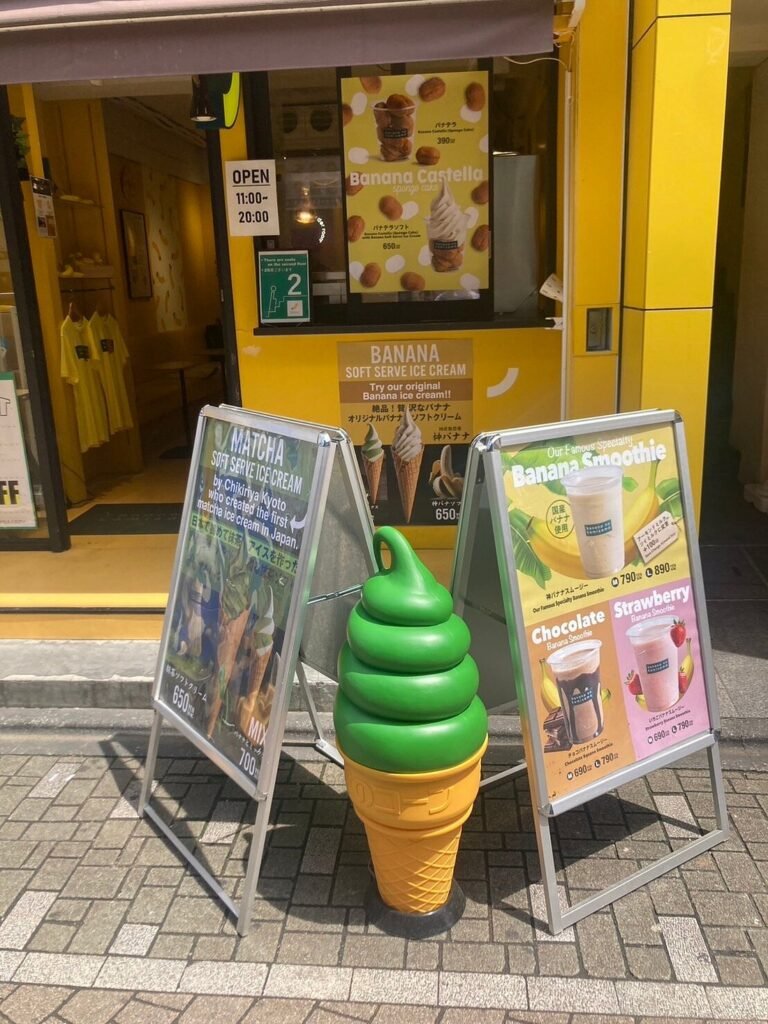
“The Banana God,” yes, that’s the name—and they serve exactly what it sounds like: heavenly banana smoothies made with premium Japanese bananas. The main star is the “Kami Banana Smoothie,” which uses bananas blended skin and all, with no added sugar.
Packed with nutrients, low-cal, and naturally sweet, this drink is surprisingly healthy for such a trendy treat. Oh, and it comes in a clear bottle with pastel branding, so yeah—super photogenic.
Smooth, creamy, and guilt-free. This is health food the Harajuku wa
What To Do in Harajuku: Can’t-Miss Shopping Spots
Harajuku may be compact, but it’s packed with unique shopping areas and stores, making it the perfect place to spend an entire day browsing. Each area has its own vibe, so whether you’re a trend-loving teen or a more refined shopper, you’ll find a spot that suits your style.
1. Omotesando Hills
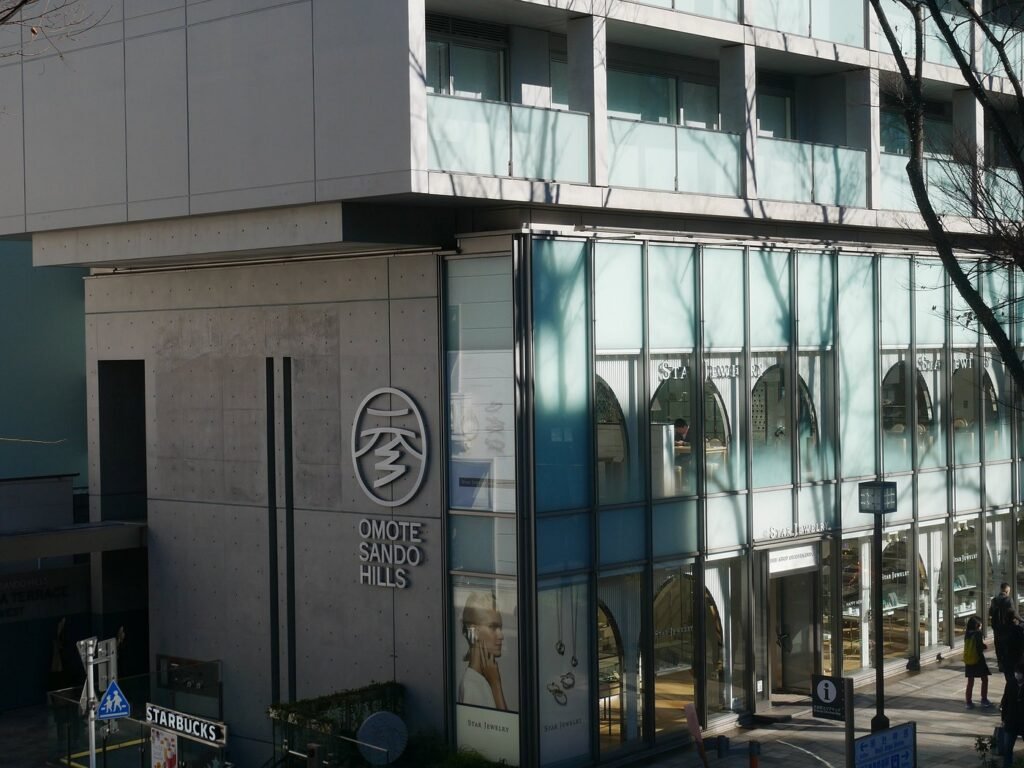
Since opening in 2006, Omotesando Hills has become an iconic part of the Omotesando neighborhood. Its sleek and stylish architecture fits perfectly with the upscale feel of the area. Inside, you’ll find around 100 stores including global luxury brands, trendy fashion, cosmetics, home goods, and restaurants—all buzzing with activity every day.
A stylish shopping complex where cutting-edge luxury brands come together
2. Tokyu Plaza Omotesando “Omokado”
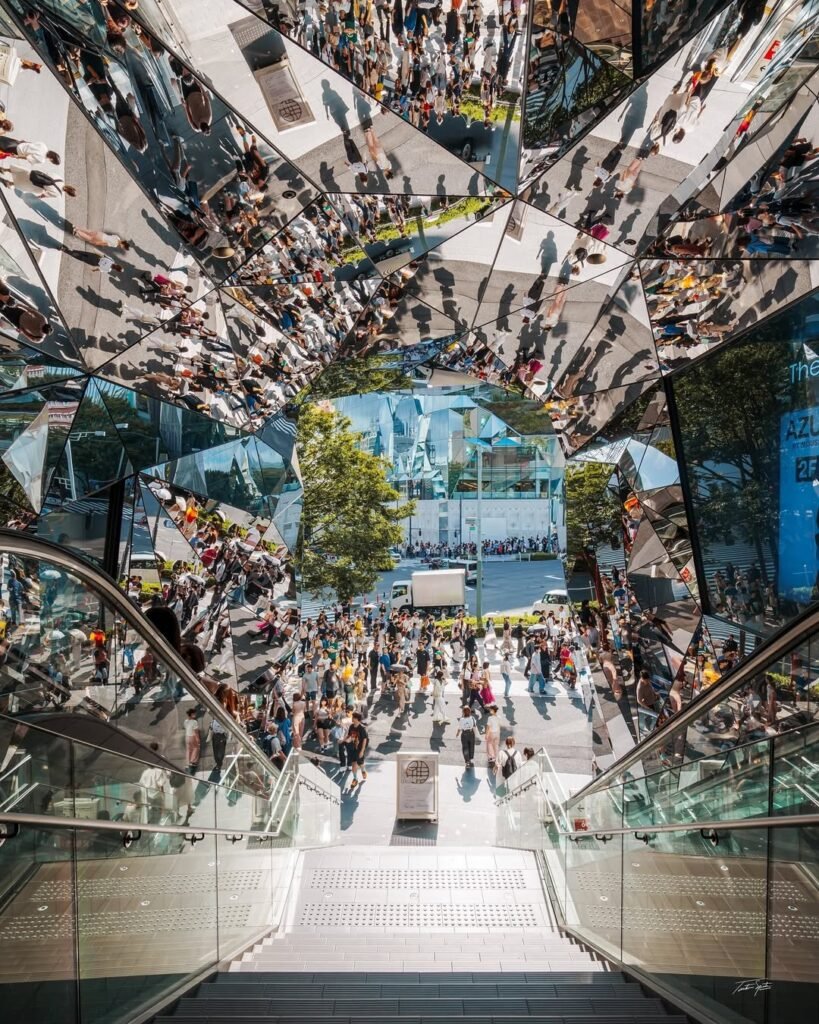
Smack in the middle of Omotesando and Harajuku, this shopping complex features a well-curated mix of domestic and international brands. From the basement level to the fifth floor, it’s lined with fashion, accessories, and unique shops full of personality. It’s also known for its particularly strong lineup of cosmetic stores.
A go-to spot for popular brands from Japan and abroad
3. Tokyu Plaza Harajuku “Harakado”

Opened in April 2024 at the Jingumae crossing between Harajuku and Omotesando, this shiny new complex features 75 shops and restaurants across 9 floors—from the basement all the way to the rooftop terrace. You’ll also find a public bathhouse, gallery, library, and other creative spaces. Many of the brands here previously only sold online or in regional areas, now available in real-life shops.
Harajuku’s newest playground for shopping, dining, soaking, and relaxing
[See details about Tokyu Plaza Harajuku “Harakado”]
4. Laforet Harajuku
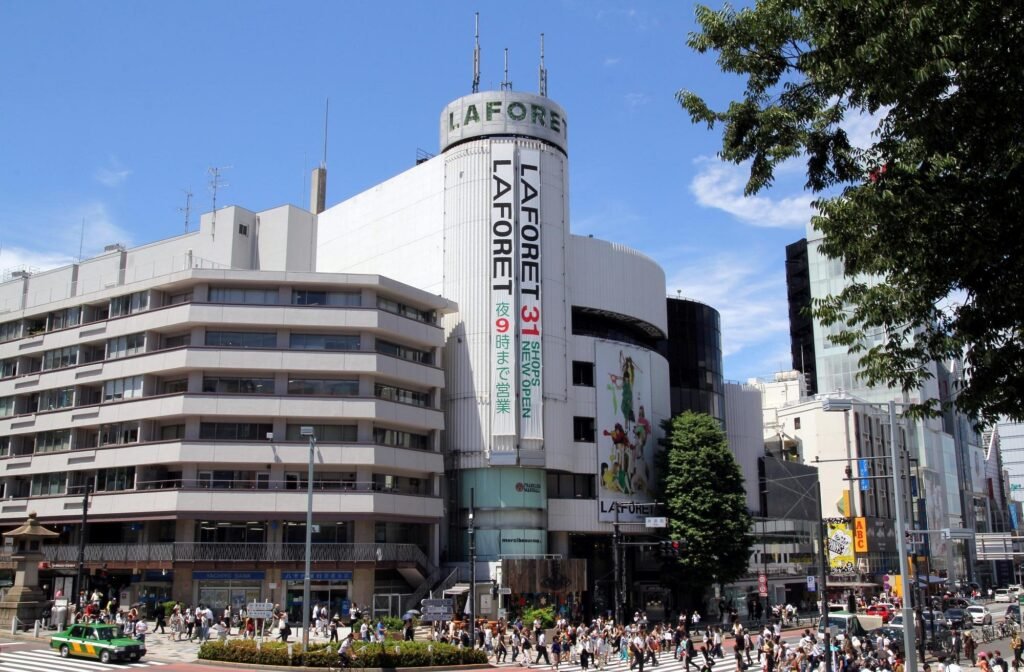
Opened in 1978, Laforet Harajuku has been a defining presence in the neighborhood ever since. As more young people with a passion for fashion, art, and music flocked to the area, Laforet helped shape it into a hub for trendsetting. Across floors B1.5 to 5F, you’ll find an eclectic mix of cutting-edge fashion, accessories, and lifestyle brands.
A long-standing landmark that helped establish Harajuku as a fashion capital
5. Q Plaza Harajuku
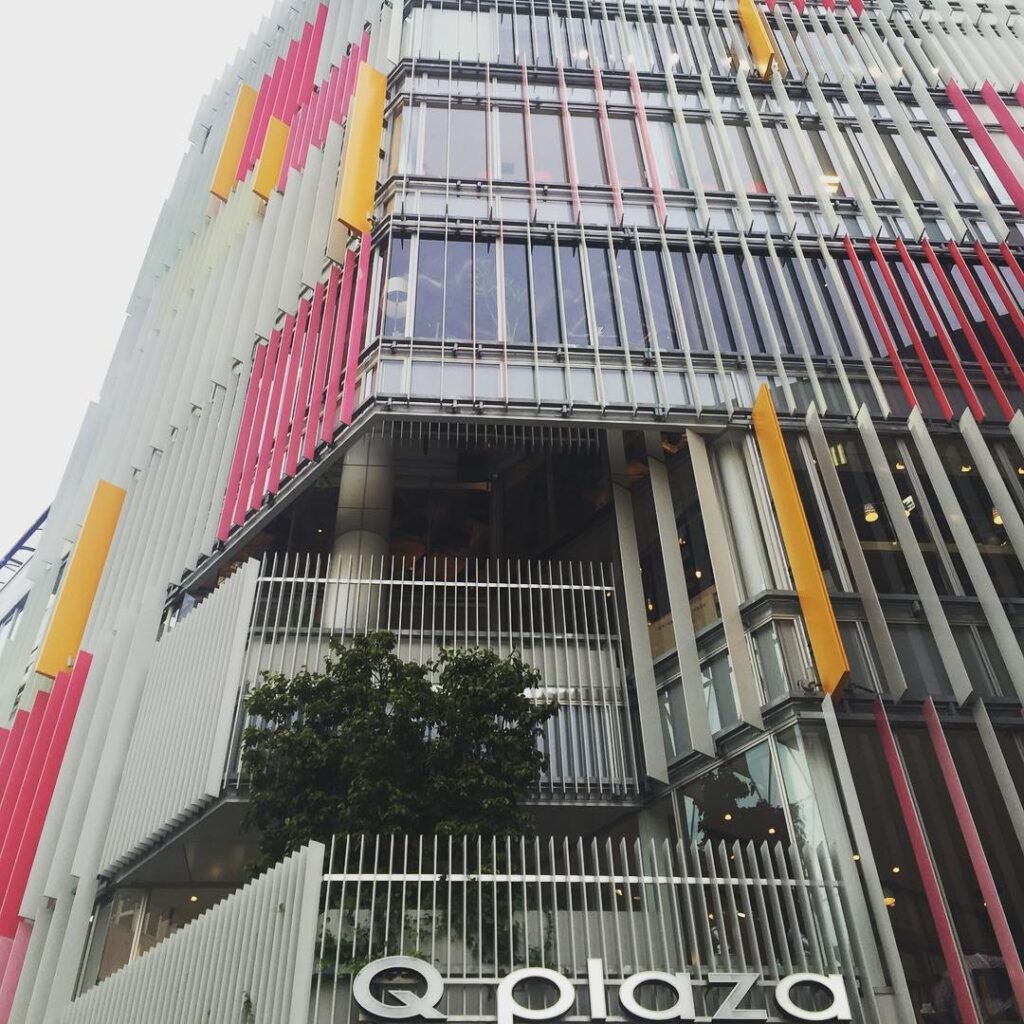
Easily spotted thanks to its colorful exterior, Q Plaza Harajuku is an 11-floor multipurpose building that includes restaurants, cafés, select shops, wedding services, and more. The second and third floors feature open-air terraces with trees and a fresh breeze—perfect for a stylish breather during your shopping spree.
A lively building packed with stylish restaurants, cafés, and specialty shops
6. KIDDY LAND Harajuku
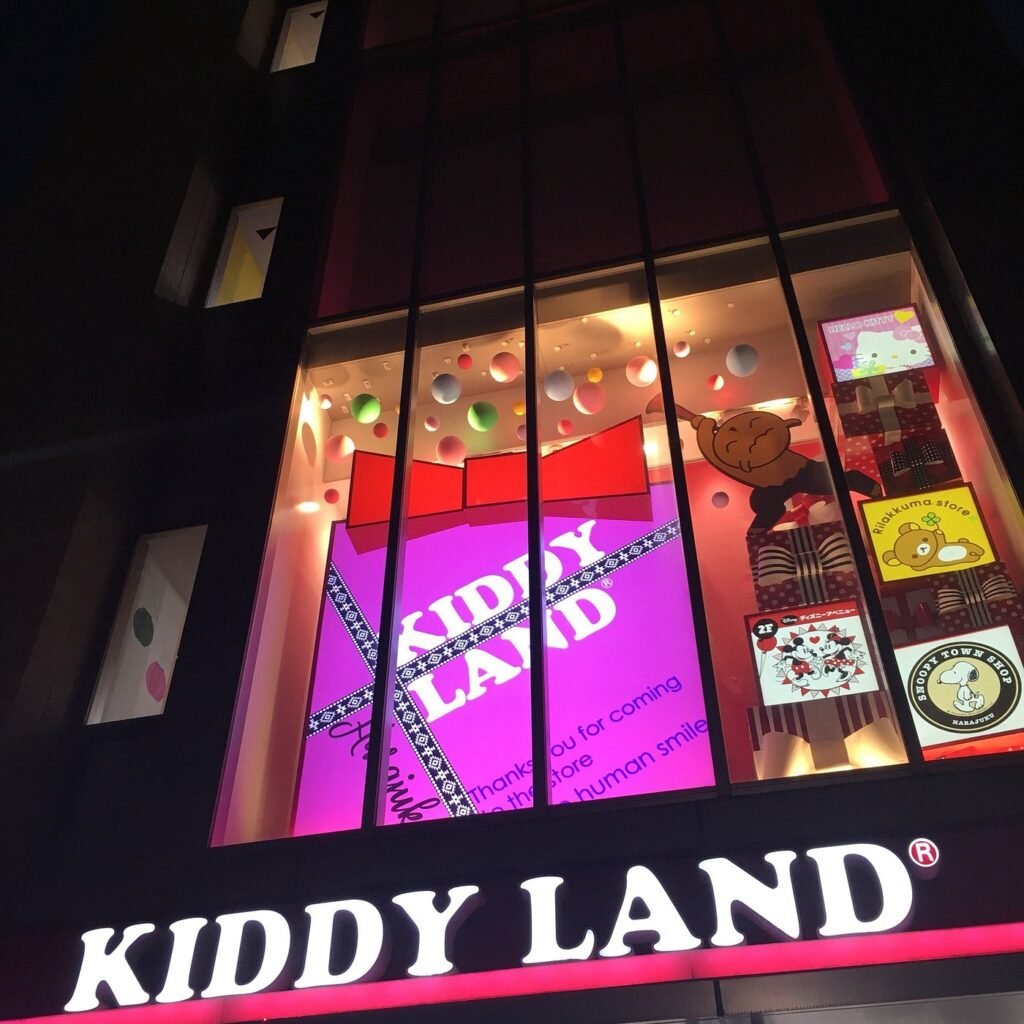
This landmark shop in the Harajuku–Omotesando area is a dream destination for fans of character goods. From popular mascots to trendy toys and fun collectibles, KIDDY LAND draws visitors from all over Japan and abroad. Whether you’re shopping for souvenirs or just soaking up the cuteness, this shop is hard to resist.
A must-visit spot filled with character goods and fun items for all ages
[See details about KIDDY LAND Harajuku]
7. RAGTAG Harajuku
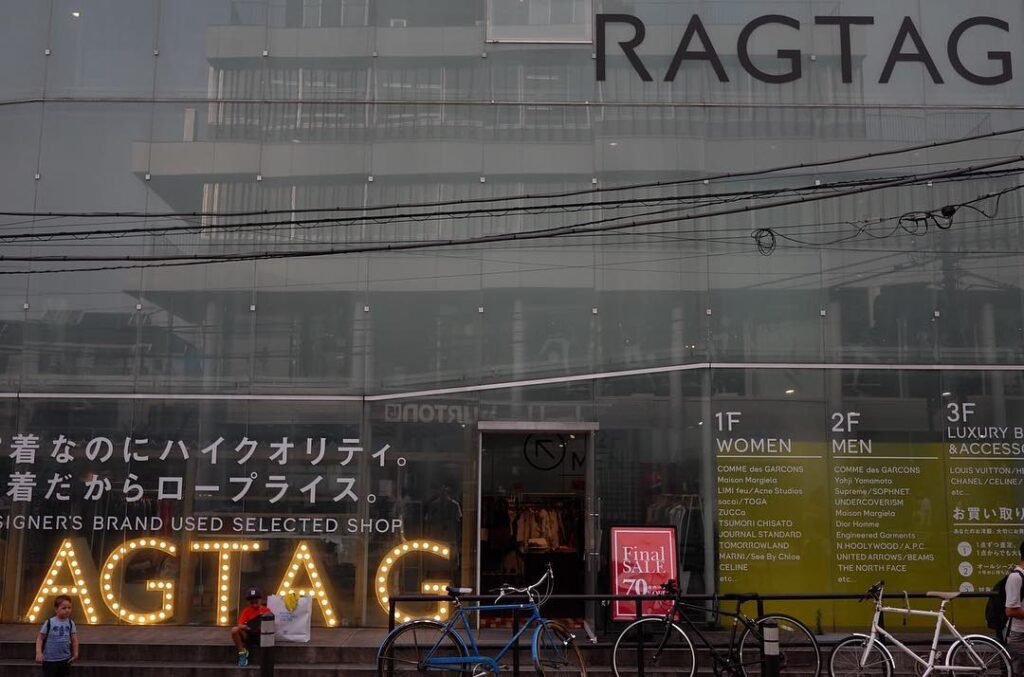
Part of a nationwide chain of upscale used fashion stores, RAGTAG’s Harajuku location is a large street-level shop on Cat Street. The first floor is for women’s fashion, the second for men’s, and the third is packed with luxury brand pieces. Many items go for 50–80% off original prices, and you’ll also find one-of-a-kind designs and rare items that scream Harajuku style.
FAQs: What to Do in Harajuku Tokyo
Is Harajuku worth visiting?
Yes, Harajuku is absolutely worth visiting, especially if you want to see Tokyo’s playful side in one compact, wildly photogenic area. In one afternoon, you can browse Takeshita Street, visit Meiji Shrine, shop for streetwear, eat crepes, explore Cat Street, and escape into Yoyogi Park when the crowds start nibbling at your sanity.
What is Harajuku famous for?
Harajuku is famous for youth fashion, colorful street style, Takeshita Street, quirky cafés, vintage shopping, Japanese streetwear, crepes, and its location beside Meiji Shrine and Yoyogi Park. It is one of Tokyo’s best areas for seeing how traditional and hyper-modern Japan casually sit next to each other like it is no big deal.
How much time do you need in Harajuku?
Plan at least half a day for Harajuku. Two to three hours is enough for Takeshita Street, a snack stop, and a quick stroll around the main shopping streets. A full half-day or longer is better if you also want to visit Meiji Shrine, walk through Yoyogi Park, explore Cat Street, and shop around Omotesando.
What are the best things to do in Harajuku for first-time visitors?
For a first visit, start with Takeshita Street, then walk to Meiji Shrine, explore Yoyogi Park, browse Cat Street, and finish around Omotesando for cafés, boutiques, and architecture. This gives you the classic Harajuku mix: chaos, culture, greenery, shopping, and snacks — the holy Tokyo pentagon.
Is Takeshita Street too touristy?
Takeshita Street is definitely touristy, crowded, and occasionally feels like being swallowed by a pastel vending machine. But it is still part of the Harajuku experience. Go early in the day if you want fewer crowds, or treat it as a quick, fun walk-through before escaping to Cat Street or Yoyogi Park.
What should you eat in Harajuku?
Harajuku is great for quick snacks and cute food rather than serious fine dining. Try Japanese crepes, rainbow cotton candy, character desserts, bubble tea, fluffy pancakes, and stylish café sweets. For something more relaxed, head toward Cat Street, Omotesando, or nearby Jingumae for cafés, ramen, burgers, and casual restaurants.
Is Harajuku good for shopping?
Yes, Harajuku is one of Tokyo’s best shopping areas, especially for street fashion, vintage clothes, sneakers, accessories, character goods, and independent boutiques. Takeshita Street is best for playful, budget-friendly finds, Cat Street is better for streetwear and vintage shops, and Omotesando is where things get polished, designer, and dangerously expensive.
Is Harajuku good for kids?
Harajuku can be fun with kids, especially if they enjoy colorful shops, sweets, character goods, animal cafés, and people-watching. However, Takeshita Street can get extremely crowded, so visit earlier in the day, keep the route simple, and add Yoyogi Park or Meiji Shrine for breathing space when everyone needs a reset.
What is the best time to visit Harajuku?
The best time to visit Harajuku is on a weekday morning or early afternoon if you want a calmer experience. Weekends are livelier and better for street energy, but also much more crowded. For photos, snacks, and easier browsing, arrive before lunchtime and explore the busiest streets before the afternoon rush.
Can you visit Harajuku, Shibuya, and Shinjuku in one day?
Yes, you can visit Harajuku, Shibuya, and Shinjuku in one day, but keep the plan realistic. Start in Harajuku for Meiji Shrine, Takeshita Street, and Cat Street, walk or take the train to Shibuya, then finish in Shinjuku for dinner, city views, or nightlife. It is a busy day, but very doable.
Is Harajuku close to Shibuya?
Yes, Harajuku is very close to Shibuya. You can walk from Harajuku to Shibuya in around 20 to 30 minutes via Cat Street or take the JR Yamanote Line for one stop. Walking is usually more fun because you can browse shops, cafés, and side streets along the way.
What should I wear in Harajuku?
Wear whatever makes you comfortable, but Harajuku is one of the best places in Tokyo to have fun with your outfit. Streetwear, colorful accessories, vintage pieces, cute dresses, sneakers, and bold layers all fit the mood. Just make sure your shoes are comfortable, because Harajuku walking distances have a sneaky way of multiplying.
- Nagoya rainy day with kids in 2026 (Cool Indoor Things to Do )
- Best Gachapon in Tokyo (2026): 20 Places to Find Capsule Toys

- All Japanese KitKat Flavours List: The Ultimate Japan KitKat Guide
- Sapporo rainy day with kids (2026): 7 Cool Indoor Things to Do
- What To Do In Arashiyama With Kids: A Realistic One-Day Family Itinerary