I spill travel tips , and show you the Japan that tourists usually miss.
Tokyo doesn’t just have neighborhoods — it collects them like a magpie collects shiny things. One minute we’re ducking under a vermilion gate toward an incense-scented temple; ten stops later we’re staring up at neon, robots, and a department store that sells strawberries individually like they’re rare gemstones. The whiplash is the point. Tokyo’s greatest talent is switching moods at street corners and doing it with zero apology.
So where do you start in a city that’s basically a hundred cities stacked on top of each other? Easy: we pick a handful of the best neighborhoods to visit in Tokyo, each with its own personality — old-school, futuristic, shop-till-you-drop, and “why is there a giant Gundam moving right now?”
Plan Your Tokyo Neighborhood Hopping Like a Pro
Tokyo is not one city. It is about twenty cities wearing one giant trench coat. One minute we’re in temple-filled Asakusa, the next we’re being swallowed by Shinjuku neon, then somehow we’re in Ginza pretending we are sophisticated enough for designer windows. Use these Tokyo guides to turn all those neighborhoods into an actual plan — not just a heroic Google Maps meltdown.
- 3 Days in Tokyo Itinerary — the best next click if you want to connect Asakusa, Ueno, Akihabara, Ginza, Harajuku, Shibuya, Odaiba, and Shinjuku into one smart first-time route.
- One Day in Tokyo — perfect if you only have one day and still want temples, food, skyline views, shopping, and the kind of schedule that laughs at jet lag.
- How to Get Around Tokyo — essential for trains, subways, IC cards, station exits, and surviving Tokyo’s transport system without becoming part of the map.
- What to Do in Ueno — useful for museums, parks, markets, temples, food stops, and one of Tokyo’s easiest neighborhoods to explore on foot.
- Tokyo for Free — handy if you want gardens, viewpoints, temples, parks, museums, and neighborhood walks without financially fainting.
- Tokyo With Kids — great if your neighborhood-hopping includes playgrounds, museums, theme parks, easy food stops, and tiny travelers with very large opinions.
- Most Beautiful Hotels in Tokyo — ideal if choosing a neighborhood has turned into choosing a hotel, a view, a vibe, and possibly a bathtub with main-character energy.
- Japanese Street Food Guide — because every Tokyo neighborhood walk improves dramatically when snacks are involved. This is science. Probably.
- Best Cities to Visit in Japan — useful if Tokyo has made you greedy and now you’re wondering which Japanese city should come next.
- Tokyo Travel Guides — the main hub for more Tokyo neighborhood, food, shopping, itinerary, and family travel ideas.
Table of Contents
Best Neighborhoods To Visit In Tokyo: Traditional Tokyo
Asakusa & the majestic Sensō-ji Temple
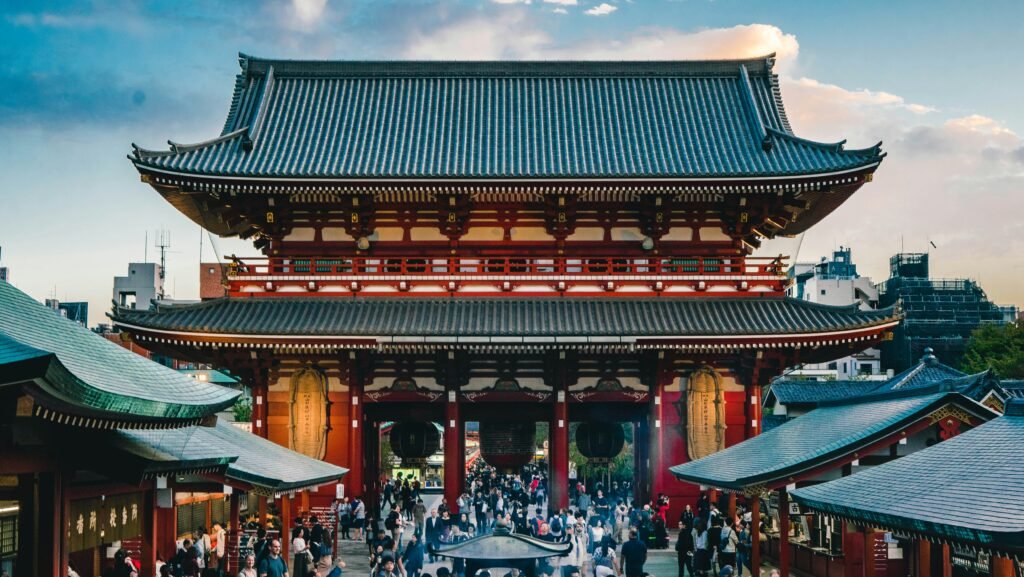
Asakusa is Tokyo in red and gold. If we show up early morning, we get to watch Sensō-ji wake up: shutters rising, broom bristles sweeping, and that first drift of incense in the air. We pass through Kaminarimon Gate under its enormous lantern, then slip into Nakamise-dori, the famous shopping arcade where stalls slowly open like a theater curtain.
Street-food aromas start building: sweet, savory, fried, grilled — the whole edible orchestra. There are carp gliding under little stone bridges, and in the distance, the Tokyo Skytree stands there like a reminder that the future is waiting outside the frame.
Pro tip: try omikuji (the sacred fortune) — because nothing says “Tokyo trip” like letting a strip of paper judge your life decisions.
Also don’t miss:
- Kappabashi Street (kitchenware heaven: knives, ceramics, plastic food displays, pastries)
- Asakusa Hanayashiki (old-school amusement park)
- Asakusa Engei Hall for rakugo
- The golden sculpture at Asahi headquarters
- A Sumida River cruise
- Azuma-bashi Bridge
Yanaka: “Old Tokyo” that somehow survived everything
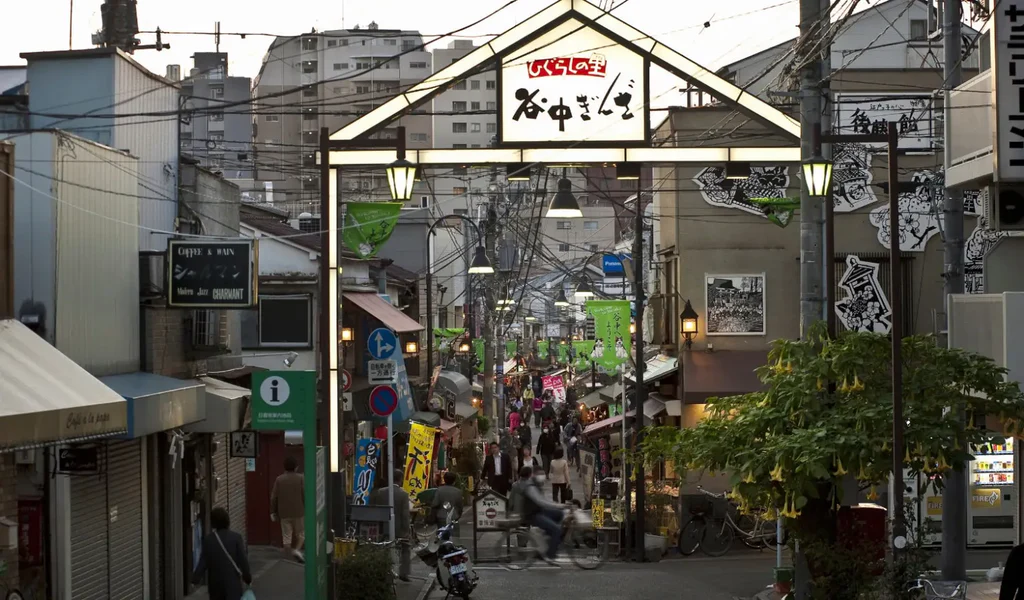
In Yanaka, Tokyo exhales. We wander narrow lanes where bicycles glide past like it’s 1972, and cats sun themselves near tiny shrines as if they own the neighborhood (they absolutely do). It’s the perfect place to slow down and let the city stop shouting in your ears.
Yanaka earned the nickname “Old Tokyo” because many of its traditional houses escaped the bombings of World War II. Behind stone walls, we catch glimpses of wooden homes and small gardens that feel quietly museum-worthy — except people still live there, and laundry is still drying in the sun. The cemetery is surprisingly peaceful, too: a soft, leafy walk that feels more reflective than spooky.
And yes, it’s also a fantastic souvenir zone: kimonos, handicrafts, little edible gifts, and the kinds of treasures you didn’t know you needed until you see them.
Tsukishima: a delicious detour on Tokyo Bay
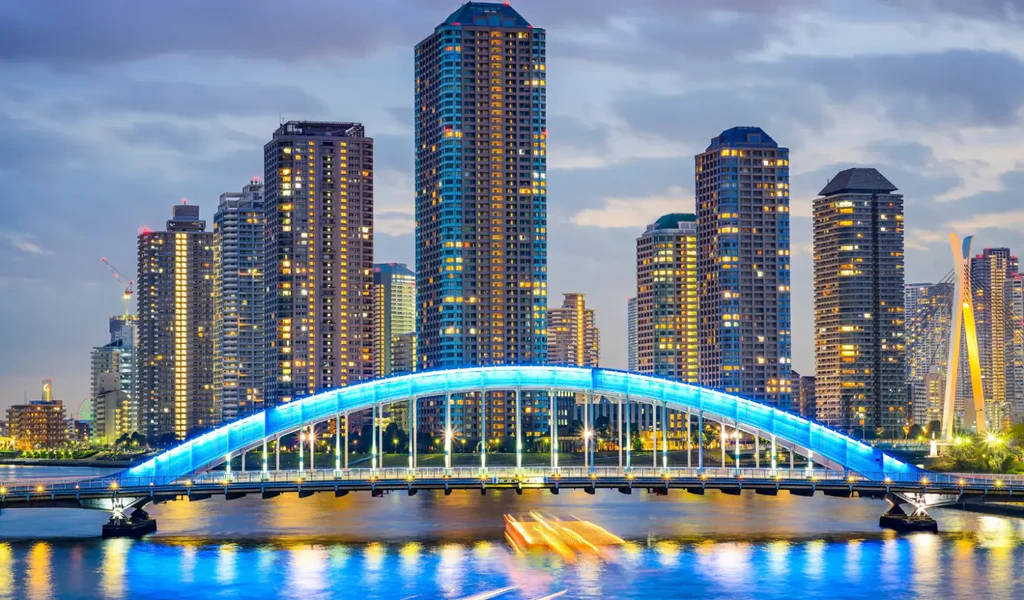
We head to Tsukishima, a reclaimed island with its own mood — part old-town grit, part waterfront Tokyo. This is where we come when we’re hungry and we’re not pretending otherwise.
Seafood is the headline, and it pairs naturally with a visit to Tsukiji Market, where the day’s catch becomes sushi with almost unfair freshness. Tsukishima’s backstreets have a different rhythm than central Tokyo, and the payoff is tasting specialties that don’t always make it onto “tourist lists.”
Sugamo: “Grandmothers’ Harajuku” (and that’s the charm)

If Yanaka’s calm worked on you, we go next to Sugamo, affectionately called Obachan no Harajuku — “Grandmothers’ Harajuku.” The vibe is gentle, practical, and proudly old-school.
We stroll Jizō-dori Shopping Street, built around what older Tokyoites actually want: comfort, tradition, and the kind of browsing that doesn’t involve hype. If we want to pray for good health, we pop into Kōgan-ji Temple. It’s less flashy than the big shrines — and that’s exactly why it sticks.
Ueno: cherry blossoms, museums, and snack breaks
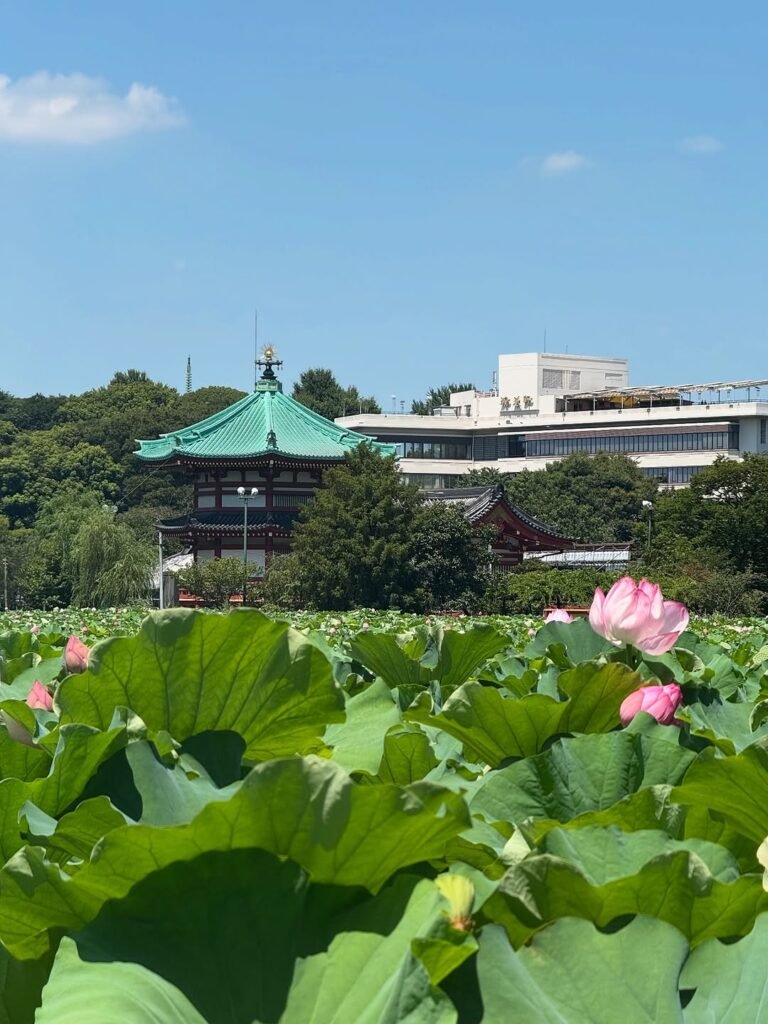
Ueno is the family-friendly classic: a big park, big seasonal energy, and a lot to do without overthinking it. In spring, the place becomes one giant hanami postcard. (If you’re planning around blossoms, link your hanami guide here.)
We can take a pedal boat around Shinobazu Pond, wander past temples tucked into greenery, and lose a few hours inside the Tokyo National Museum. Then we exit the calm and get pulled into Ameyoko, the shopping street where the crowds surge and snacks magically appear in our hands.
Pro tip: grab a taiyaki while you’re there. You’ll thank us.
Jinbōchō: Tokyo’s bookish heart
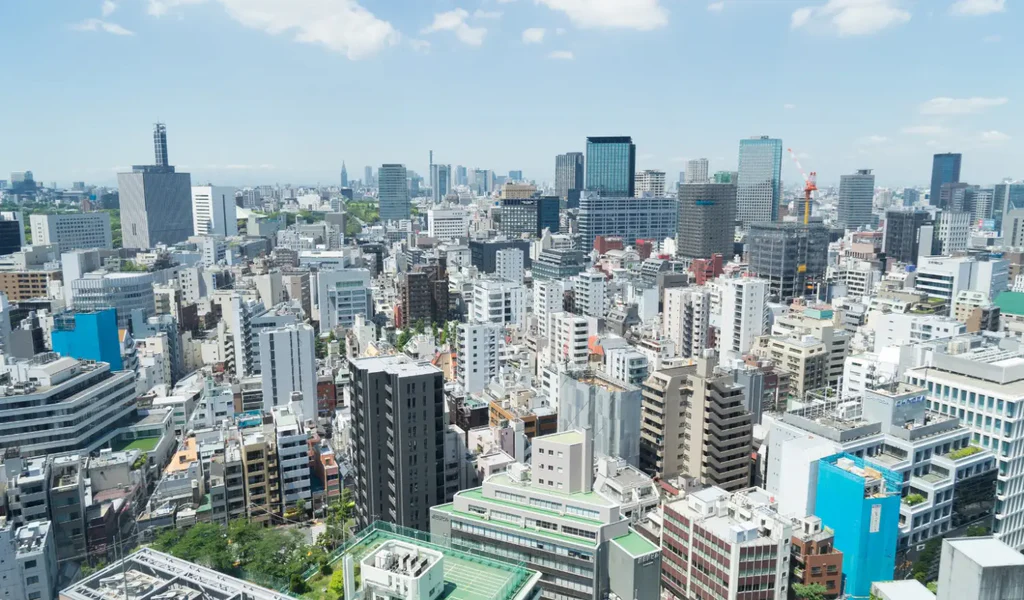
Jinbōchō is where we go when we want the Tokyo version of “accidentally spend three hours in a bookstore.” Often called Tokyo’s Latin Quarter, it’s packed with secondhand bookshops, including finds in multiple languages. We browse until our fingers smell like paper and dust in the best way.
You’ll also find the Tokyo Book Binding Club, the HQ of several publishing houses, and a small local theater scene (hello, Jinbōchō Theater). It’s calm, niche, and deeply satisfying.
Best Neighborhoods To Visit In Tokyo: Modern Tokyo
Akihabara: tech, otaku culture, and sensory overload
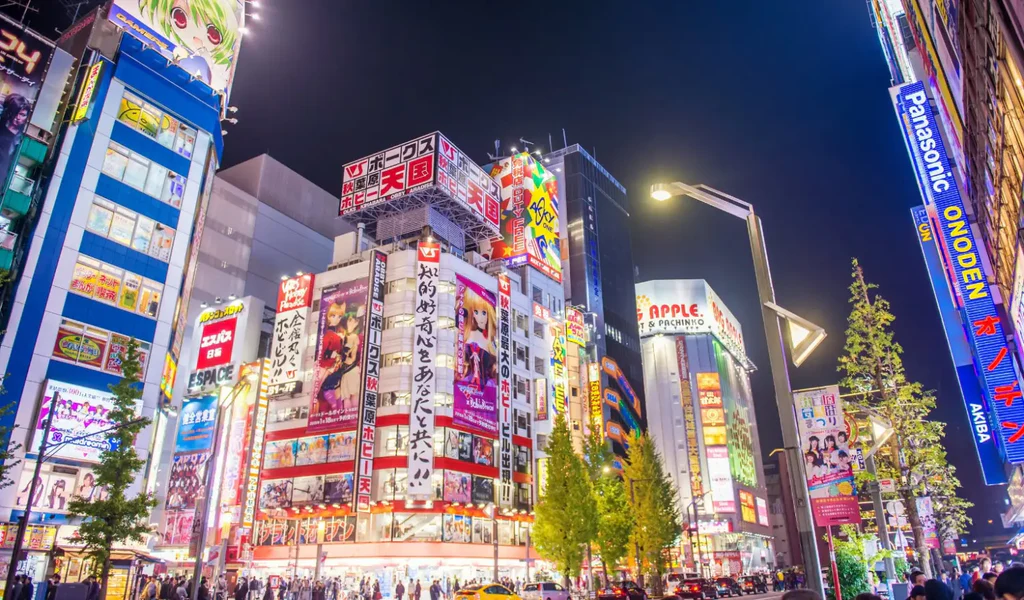
Welcome to Akihabara — “Akiba” — the promised land for geeks, gamers, and anyone who thinks a building should be covered in anime ads and theme songs. We roam wide streets glowing with neon, ducking into multi-floor wonderlands where every level sells a different obsession.
Highlights include:
- Yodobashi Camera for electronics
- Mandarake for manga, magazines, collectibles
- Rare figurines and merch you won’t casually find elsewhere
- Retro gaming treasure at places like Super Potato
- Arcades, fanzines, and enough character goods to fill a suitcase
Keep your eyes open: you’ll spot cosplay. And yes, you can try a Maid Café… if you’re brave (or curious).
Odaiba: the entertainment island that forgot how to be normal
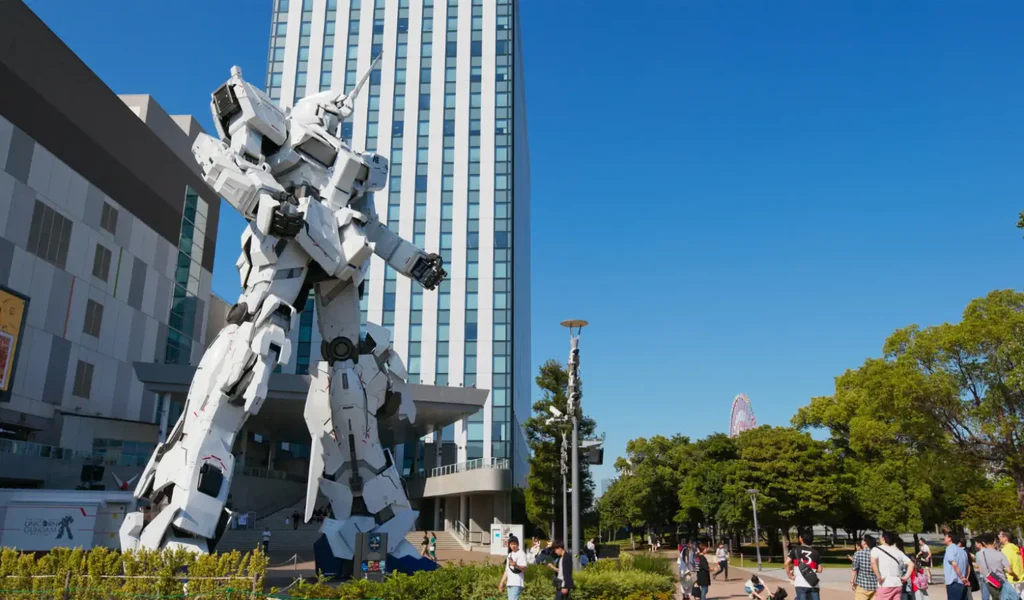
We head to Tokyo Bay for Odaiba, the artificial island designed for one thing: keeping you entertained. On rainy days, it’s a lifesaver — shopping centers, museums, and indoor attractions stacked like a menu.
The showstopper? The giant Gundam at DiverCity, which is impressive standing still and downright hilarious when it starts moving. The performance runs four times a day: 11:00, 13:00, 15:00, and 17:00.
When the weather is moody, we tuck into:
- Miraikan (science museum)
- The Maritime Science Museum
- The Fuji TV building
- teamLab Borderless (highly recommended)
- Indoor entertainment zones that keep you busy for hours
Roppongi: nightlife glitter, daytime art
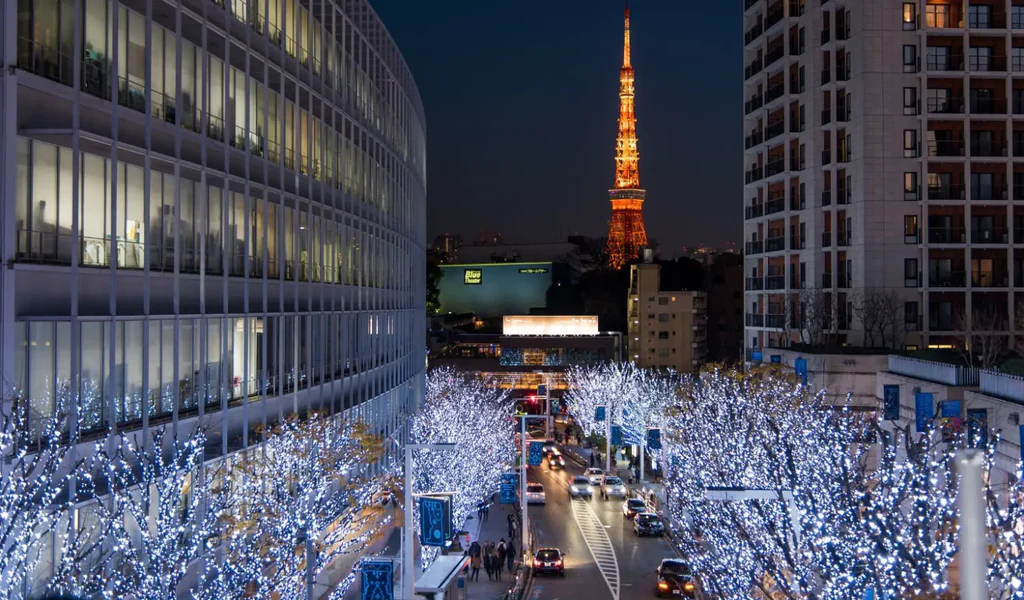
At night, Roppongi flips a switch. It’s known as an evening hub for international students and expats, full of bars, clubs, and karaoke that glows after dark. Add Tokyo Tower, shining orange (and turning silvery in summer), and the whole area feels like Tokyo playing dress-up.
By day, Roppongi gets cultured: contemporary art museums, plus big sleek complexes like Roppongi Hills and Tokyo Midtown for shopping and people-watching.
Shinjuku: lantern alleys, Godzilla, and the busiest station on Earth
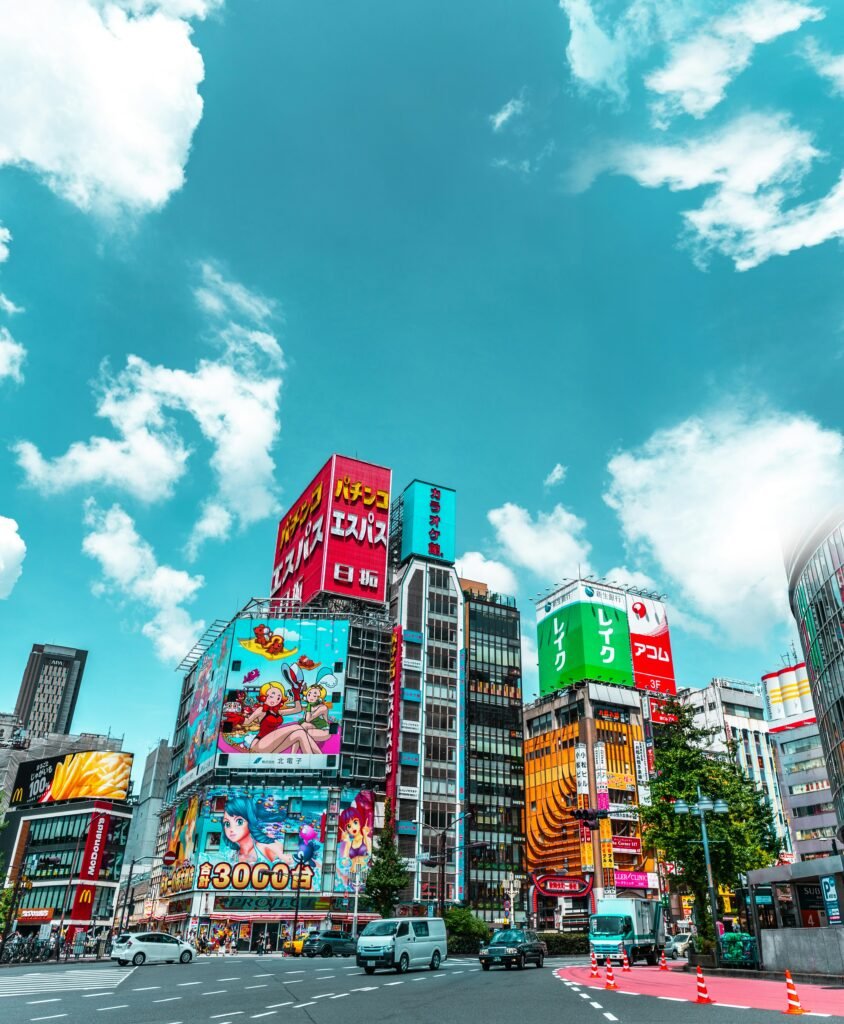
Picture this: twilight in Shinjuku. We walk into Omoide Yokocho, a narrow alley dressed with lanterns, smoky grills, and aromas that make us stop every five steps. Then we push deeper into neon-lit streets until suddenly—yes—there’s a giant Godzilla looming over Kabukichō. It roars. It breathes fire. It feels like a fever dream, except it’s Tuesday.
Shinjuku is also home to the world’s busiest train station and a skyline full of office towers — Tokyo’s business muscle. And when we need a break from the chaos, we escape into Shinjuku Gyoen, a surprisingly peaceful garden tucked into the city.
Tokyo shopping meccas: street style, pop culture, and luxury
Harajuku: street fashion and a shrine in the forest
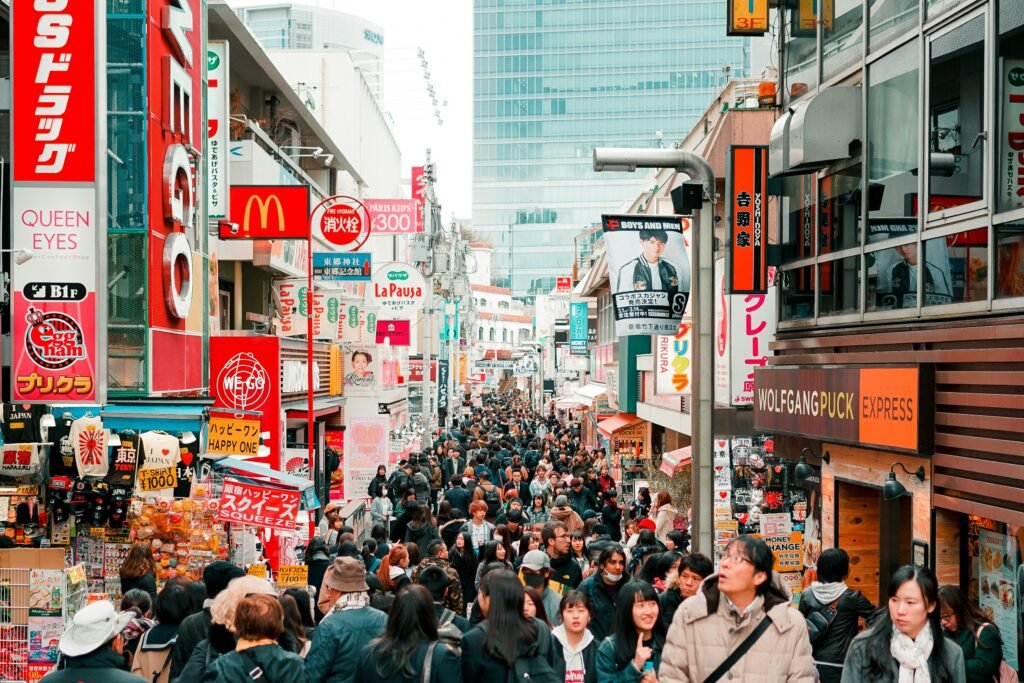
Harajuku is Tokyo’s youth district, and Takeshita Street is the noisy, colorful spine of it. We browse boutiques, snack on cute sweets, and stumble into themed cafés when our feet give up.
Then we do the Tokyo magic trick: one short walk, and we’re suddenly at Meiji Jingu Shrine, tucked into the forested calm of Yoyogi Park. It’s the perfect reset — and a good chance to pick up charms (and maybe a bento for a picnic).
Shibuya: the crossing, the statue, the skyline view
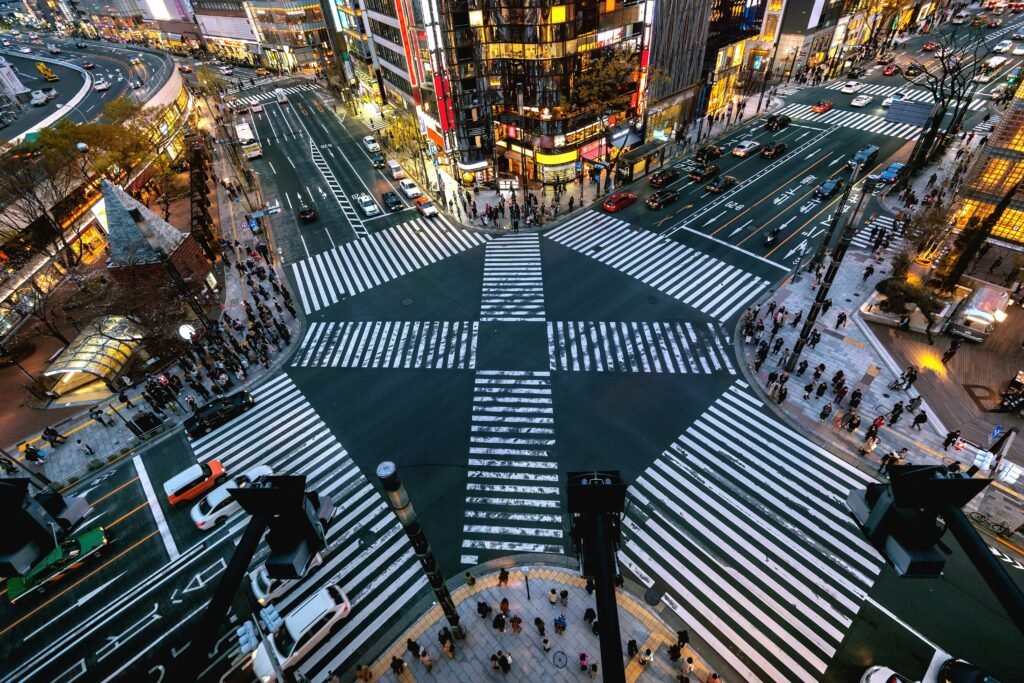
We can’t skip Shibuya. We come out of the station, say hello to Hachikō, and get pulled toward Shibuya Crossing, where the city turns human traffic into choreography.
Pro tip: head up to the Starbucks overlooking the scramble and watch the flow from above. Then dive into the streets for everything from global brands to small restaurants and museums. If you’re okay with heights, book Shibuya Sky (Scramble Square) — the view is the kind you’ll remember on random Tuesdays for years.
Ikebukuro: pop culture paradise (with Otome Road energy)
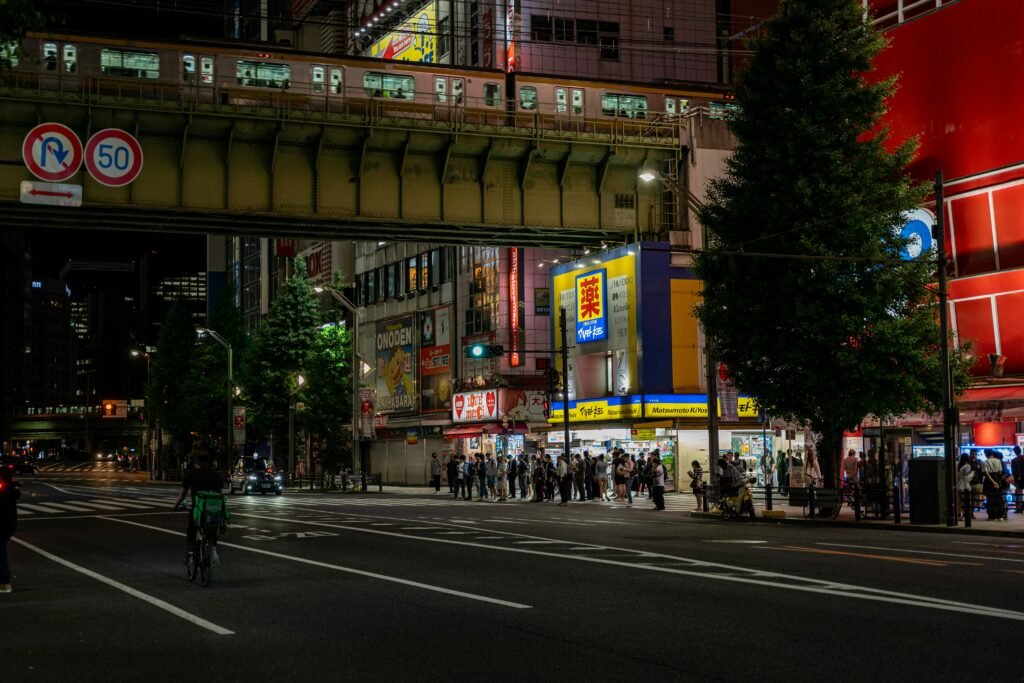
If Akihabara didn’t fully satisfy your inner nerd, Ikebukuro finishes the job. Inside Sunshine City, we find manga at Junkudo, plus endless games and figurines. And then there’s Otome Road, famous for female-focused otaku culture — exciting, specific, and often not cheap (brace your wallet).
Nakano: collectors’ heaven at Nakano Broadway
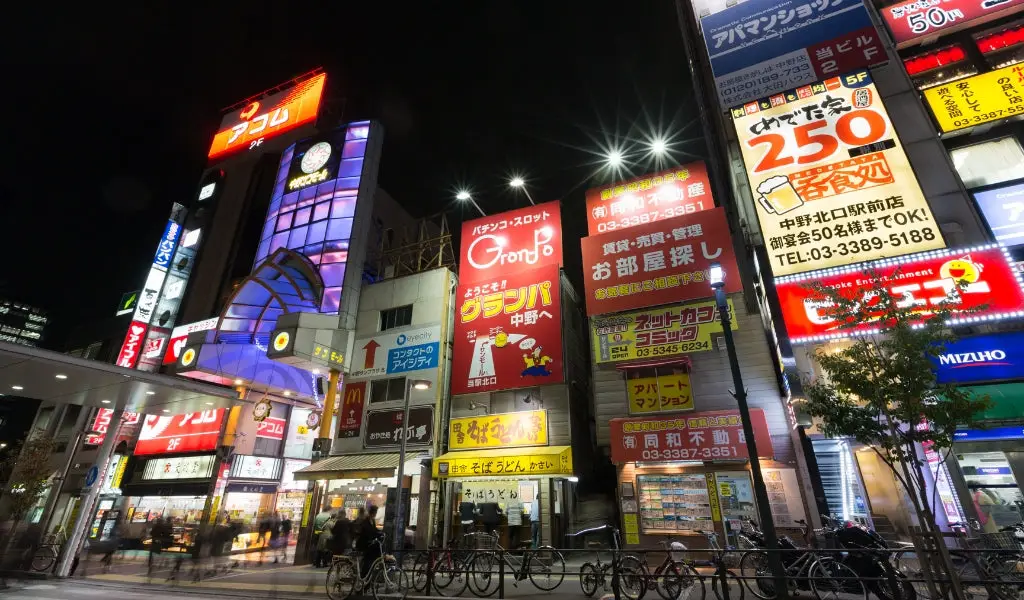
Nakano Broadway is where collectors go to lose track of time. This is the deep end of anime and manga merchandise — and Mandarake is the temple inside the temple. Even if you’re not a hardcore fan, the browsing is wildly entertaining, and the snacks make it easy to justify “just one more loop.”
Omotesandō: architecture, boutiques, and polished Tokyo
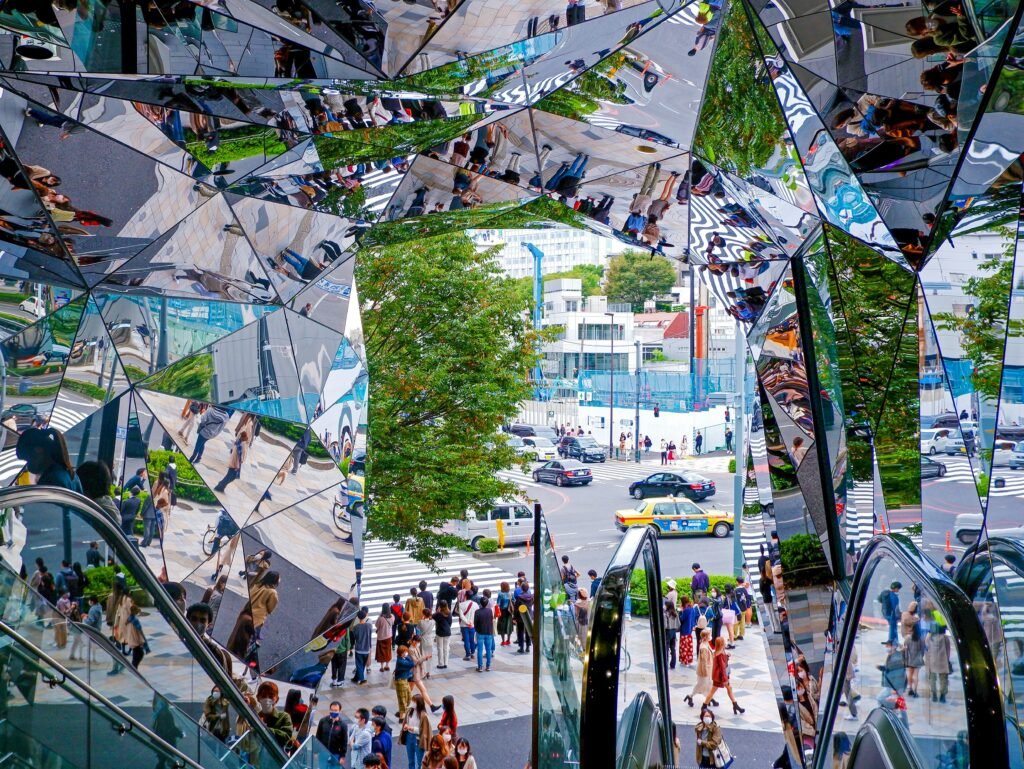
Omotesandō is Tokyo dressed in its most European mood: wide avenues, stylish cafés, and high-end shops. The centerpiece is Omotesandō Hills, designed by architect Tadao Ando, where you can wander boutiques, beauty salons, and luxury brands in a sleek, gallery-like space.
Ginza: Tokyo’s Champs-Élysées (with department stores and Kabuki)

And finally: Ginza, often nicknamed Tokyo’s Champs-Élysées. We come here for the polished version of Tokyo: fine dining up high, flagship stores, and immaculate browsing at places like Wako and Ginza Six.
Between luxury boutiques, you’ll also find kabuki theaters and art galleries — because Ginza never does “just shopping.”
Tokyo, in short, is an endless stash of hidden gems: temples and parks for calm, neon districts for chaos, and shopping areas that feel like museums dedicated to consumer desire. Tradition and modernity aren’t “mixed” here — they’re layered, side by side, and occasionally on the same street.
And if you want the next step: in our guide “What to Do in Tokyo?” we’ll also cover the must-eat dishes, extra activity ideas, and where to sleep — so you can turn this neighborhood shortlist into an actual plan.
- Nagoya rainy day with kids in 2026 (Cool Indoor Things to Do )
- Best Gachapon in Tokyo (2026): 20 Places to Find Capsule Toys
- All Japanese KitKat Flavours List: The Ultimate Japan KitKat Guide
- Sapporo rainy day with kids (2026): 7 Cool Indoor Things to Do
- What To Do In Arashiyama With Kids: A Realistic One-Day Family Itinerary