
I spill travel tips , and show you the Japan that tourists usually miss.
In Harajuku, we’ll be walking along Takeshita Street thinking we’re just here for crepes and people-watching… and then a swirl of lace and ribbons glides past like a runaway porcelain doll from a Victorian toy cabinet. You blink. Frills. Petticoat volume. A parasol, because of course. Welcome to Japanese Lolita style—cute on the surface, surprisingly serious underneath.
Lolita style is an elegant, highly curated fashion rooted in old-world European silhouettes (Victorian, Rococo, a hint of Baroque drama), filtered through Japanese street culture and sharpened into a subculture with rules, vocabulary, history, and a very real community standard. It’s not “just dressing up.” It’s a language—one you can learn, speak, and remix… as long as you don’t accidentally shout nonsense.
So yes: we’re going to give you tips for wearing it, understanding it, and choosing a sub-style that actually fits you—without stepping on the community’s toes (or being crowned Ita Lolita, the fashion version of being caught wearing a costume wig with the price tag still attached).
Love Japanese fashion and subculture?
Continue exploring Japan’s style scene with our guide to what to buy at Uniqlo Japan, from Japan-exclusive clothing to practical travel basics. For minimalist accessories and clever everyday finds, browse our roundup of what to buy at Muji Japan. You can also build a bigger shopping list with the best things to buy in Japan, then use our complete Tokyo travel guide to plan your fashion-hunting adventure around the capital.
Table of Contents
What is Japanese Lolita style?
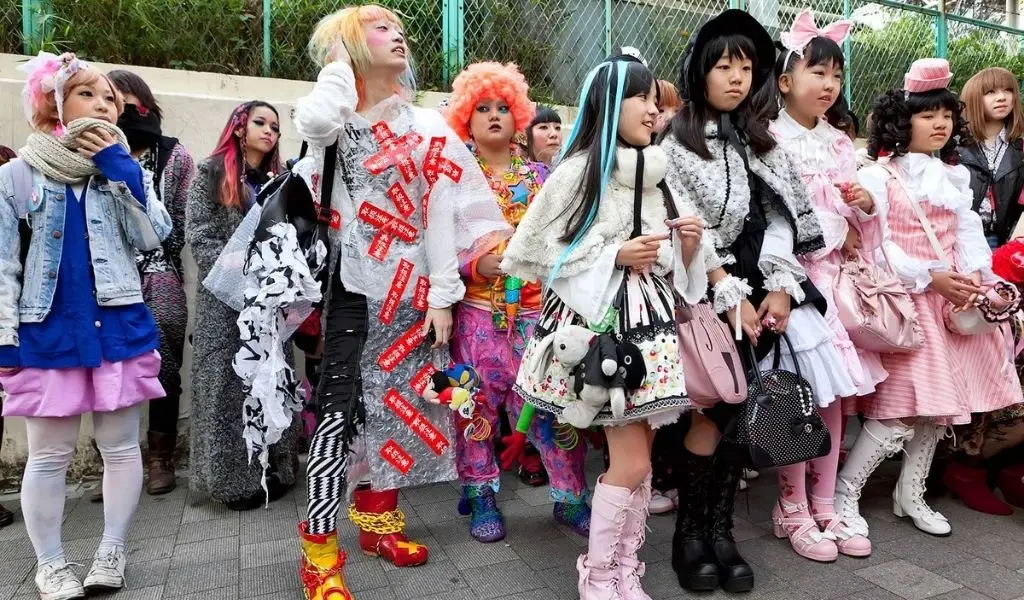
Ruffled dresses, puffy petticoats, pastel lace blouses—Lolitas do not blend into the Tokyo crowd. Even in a city where “anything goes,” Lolita reads instantly: demure, doll-like, deliberate, and oddly powerful.
We’re talking about outfits built around shape and detail. The silhouette is the headline: a fitted waist and a skirt that blooms outward like a bell. Then come the footnotes—lace, ribbons, cuffs, collars, buttons, bows, socks, headwear, bags shaped like hearts, and sometimes a stuffed animal peeking out like it’s also part of the outfit’s backstory.
Pro tip: If you’re photographing street fashion, keep it respectful. Ask first. Lolita isn’t a zoo exhibit—it’s a community with boundaries.
An alternative urban style
Lolita fashion, like punk, comes out of alternative culture. Around the 1980s, young Japanese people with unconventional looks gathered in Harajuku—Tokyo’s long-running fashion laboratory. Their outfits pulled attention, camera lenses, and eventually exhibitions. Those photos traveled abroad and became some of the West’s first “wait, Tokyo street fashion is a whole world” moments.
Among Tokyo’s many style tribes, Lolita evolved into its own coded aesthetic—distinct, recognizable, and portable. Eventually, pieces of the look influenced mainstream fashion too, including brands aimed at Japanese teens and young women. Some versions even made it into European closets, usually softened and simplified—but still with that unmistakable silhouette echoing through.
Harajuku and Lolita style
Lolita fashion

Picture 18th–19th century Western fashion’s most theatrical details—petticoats, lace, ruffles, ribbons—then reassembled into a sweet, “innocent doll” aesthetic. Lolita borrows heavily from children’s clothing cues too: knee-length skirts, Mary Jane-style shoes, delicate socks, bows and headbands, and accessories that look like they belong in a storybook.
The goal isn’t “sexy.” The goal is “polished.” A pretty, chaste, porcelain-doll impression—more tea party than nightclub.
Pro tip: Lolita is not a single item you throw on. It’s a full coordinate (often called a “coord”): silhouette + fabric + accessories + hair + shoes. One weak link makes the whole thing look accidental.
A culture of protest
Here’s the part people miss when they only see the frills: Lolita also carries a social edge.
One interpretation of the subculture’s roots frames it as a gentle rebellion against narrow, traditional expectations placed on women—especially the pressure to “grow up fast,” marry, and become a mother on a schedule. Lolita, with its childlike and modest styling, can express a refusal to perform adulthood in the standard way. It’s not about being a child. It’s about choosing your own script.
And yes, if your brain tries to drag this into uncomfortable, Freudian territory: we can all collectively tell Freud to exit the chat.
The Perfect Lolita Guide
To wear Lolita well, you follow a few dress rules. Not because anyone loves gatekeeping, but because the look is technical. Start sloppy and you risk landing in “Ita Lolita” territory—basically: the coord reads like a cheap costume, a misunderstanding, or a chaotic mash-up of “close enough.”
The good news: you don’t need an unlimited budget. You need taste, patience, and fabric standards.
Where to shop (strategy, not brand worship)
- Thrift stores for retro blouses, cardigans, and accessories that can support a coord
- Boutiques if you want pieces designed specifically for the silhouette
- Online if your budget is bigger (and your sizing research is serious)
Pro tip: Lolita rewards slow collecting. One excellent skirt beats three mediocre ones that look like cosplay fabric under daylight.
Lolita clothing
The essential piece is the puffy dress (or a skirt that becomes puffy with the right petticoat). Think: fitted waist, skirt that flares, knee-length or slightly above. Florals, lace trim, ruffles, and delicate prints are your best friends.
Pair it with a white blouse—often long-sleeved—with a Peter Pan collar for that sweet, classic “doll” framing. The blouse is doing quiet, hardworking elegance here, so don’t treat it like an afterthought.
To avoid a fashion stumble:
- Skip cheap costume materials (shiny synthetics, scratchy lace, flimsy trims)
- Choose quality lace and structured fabrics that hold shape
- Beginners: be careful with black + white as your default—it can look cliché fast if the pieces aren’t strong
Pro tip: When in doubt, choose one statement element (print, lace intensity, ribbon drama) and let everything else support it. Lolita is “maximal,” but it’s not messy.
Lolita underwear
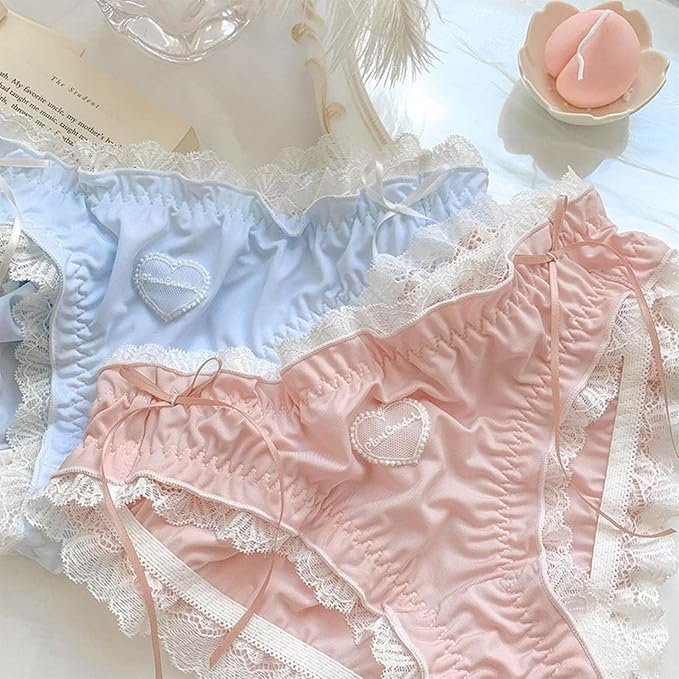
Socks and tights are not optional details—they’re part of the architecture.
- Choose knee-high or mid-thigh socks (lace, ribbons, and delicate patterns work well)
- If possible, wear a petticoat or crinoline to get the right skirt volume
- For modesty, many wear bloomers under the petticoat (common in Japan and very practical)
Pro tip: A great skirt with a sad, flat silhouette looks unfinished. Petticoat volume is the difference between “Lolita” and “pretty dress.”
Lolita shoes
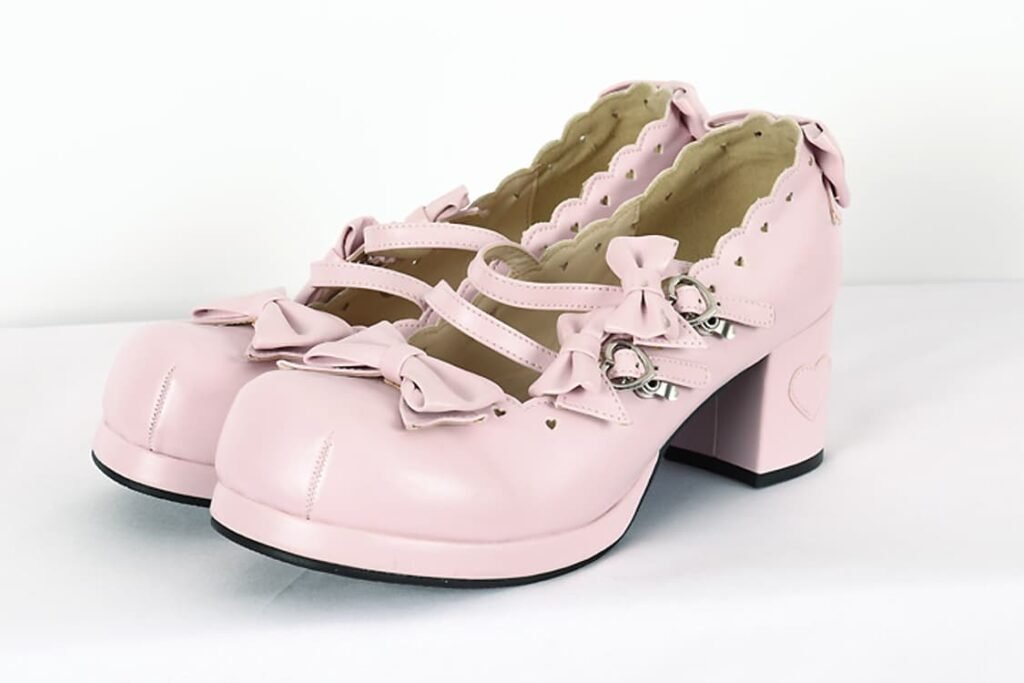
Shoes should match the era-flavored “prim” vibe:
- Mary Janes or Babies-style platforms with straps
- Heeled boots for a more mature coord
- Rounded-toe flats, rocking horse shoes, and bows that wrap up the ankle
Ribbons, straps, and a sweet shape are key. Avoid anything that screams “street sneaker”—unless you’re intentionally doing a modern/casual interpretation.
Pro tip: If the shoes look too modern, the whole coord tilts into “costume.” Shoes anchor the time-travel illusion.
The Lolita hairstyle
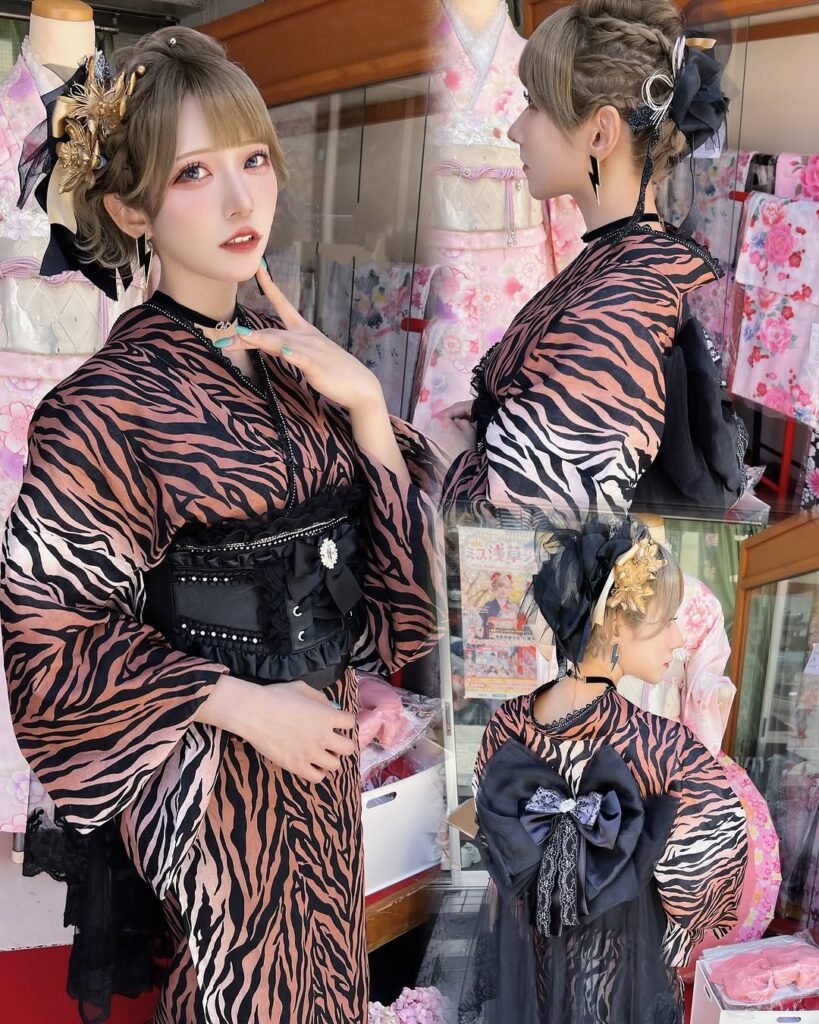
Think: doll hair. Polished, intentional, and soft.
- Twin tails, curls, or sleek straight hair all work
- Wigs are common for quick transformation (and to protect your natural hair)
- Add a fringe, a headband with a big bow, barrettes, flowers, or even small hats/berets
Pro tip: Keep hair accessories proportional to the outfit. Tiny bow + giant skirt = visual imbalance. Lolita is about harmony.
Lolita accessories
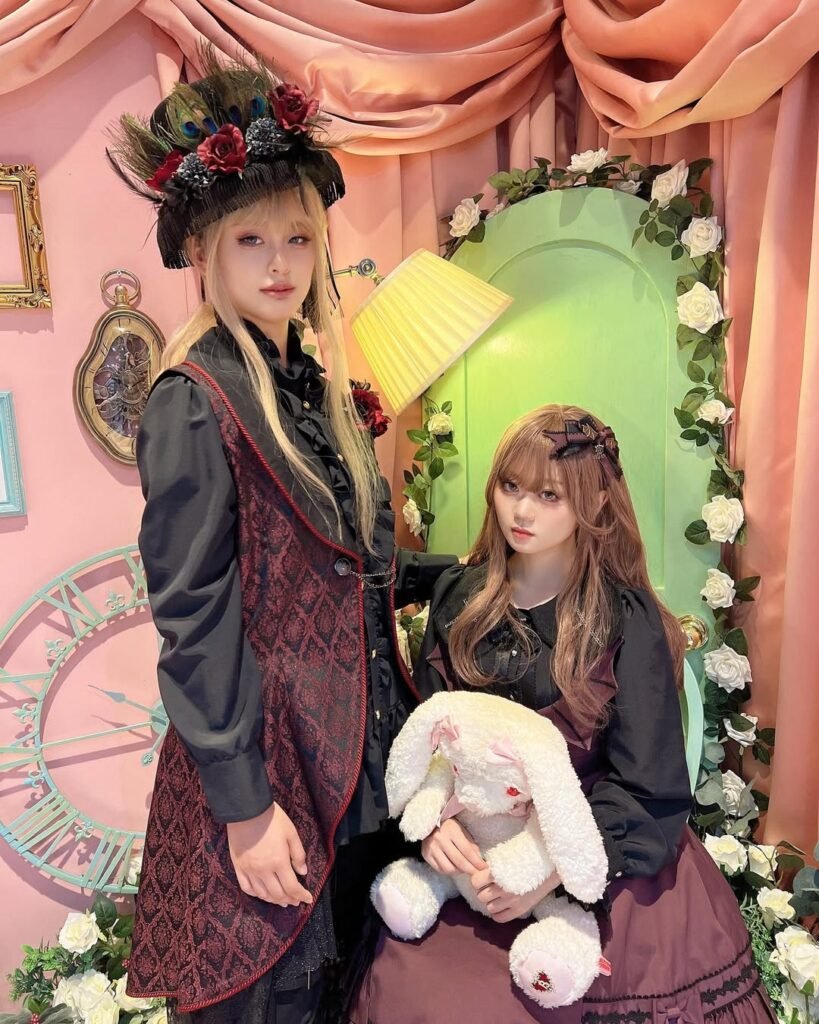
Lolitas love props that feel like they wandered out of a storybook:
- Parasol (sun protection + instant drama)
- Lace cuffs, gloves, delicate jewelry
- Sometimes: dolls, plush toys, sweets to emphasize the childlike motif
- Bags: hearts, bows, pastel clutches, tiny structured handbags
Pro tip: One or two “storybook” accessories look charming. Five look like you’re moving house in a handbag.
Lolita makeup
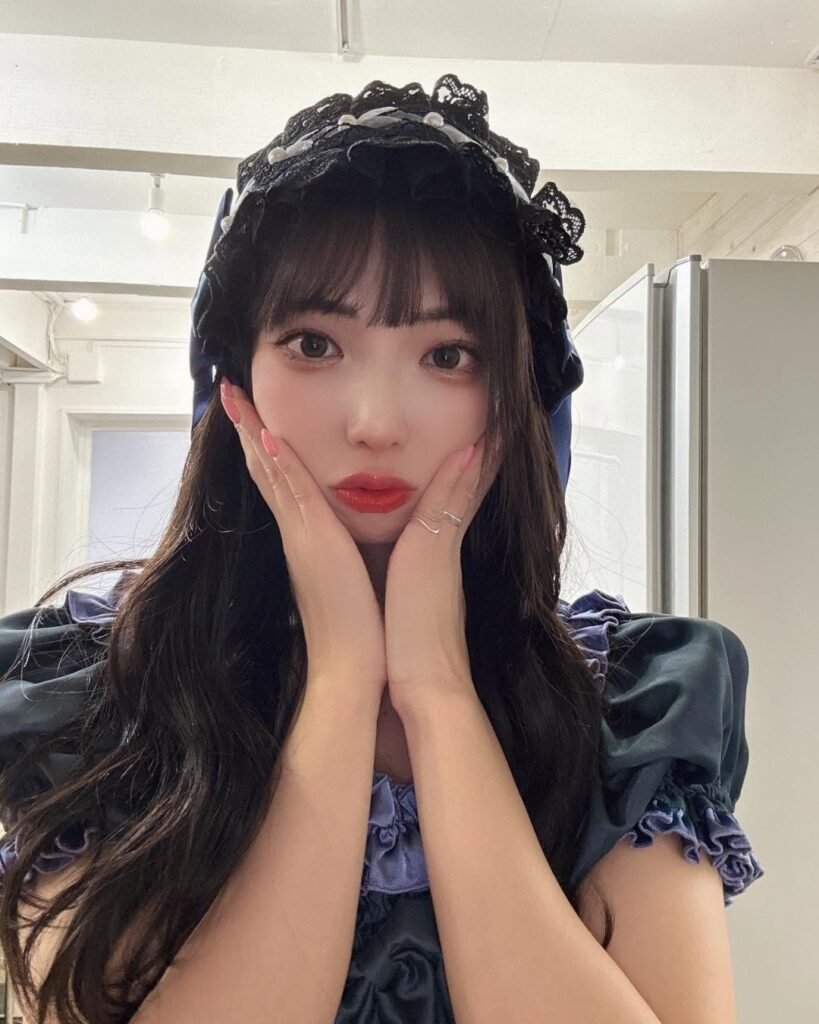
Keep it natural and porcelain-soft:
- Light base, fresh complexion
- A hint of powder for that porcelain vibe
- Soft eyes, not heavy drama
The face should read gentle, not glam.
Pro tip: Lolita makeup is usually “pretty and calm,” not “night-out.” If your eyeliner arrives before your outfit does, dial it back.
Find your own Lolita style
Lolita isn’t one style—it’s multiple genres with different moods: gothic, classic, sweet, punk, and more. Each one signals a personality and a set of aesthetics. You don’t “join Lolita.” You build a version of it that fits you.
Let’s tour the main styles you’ll hear about.
Sweet Lolita
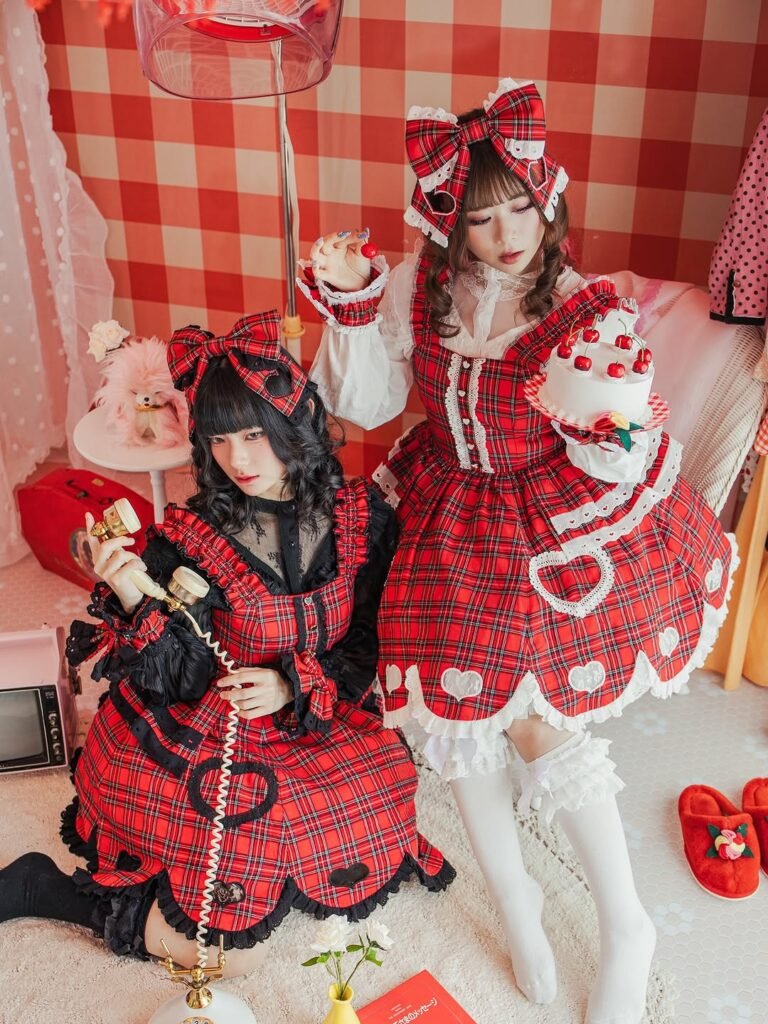
Here, kawaii rules the kingdom. The look leans heavily into childhood motifs and pastel color palettes—powder pink, baby blue, white—often with teddy bears, candy, flowers, and dessert prints. Accessories are abundant: plush toys, parasols, ribbons, headbows, hats. You look like you stepped out of a sugar-dusted fairytale.
Pro tip: Sweet Lolita is adorable, but it’s easy to overdo. Choose a palette and stick to it.
Classic Lolita
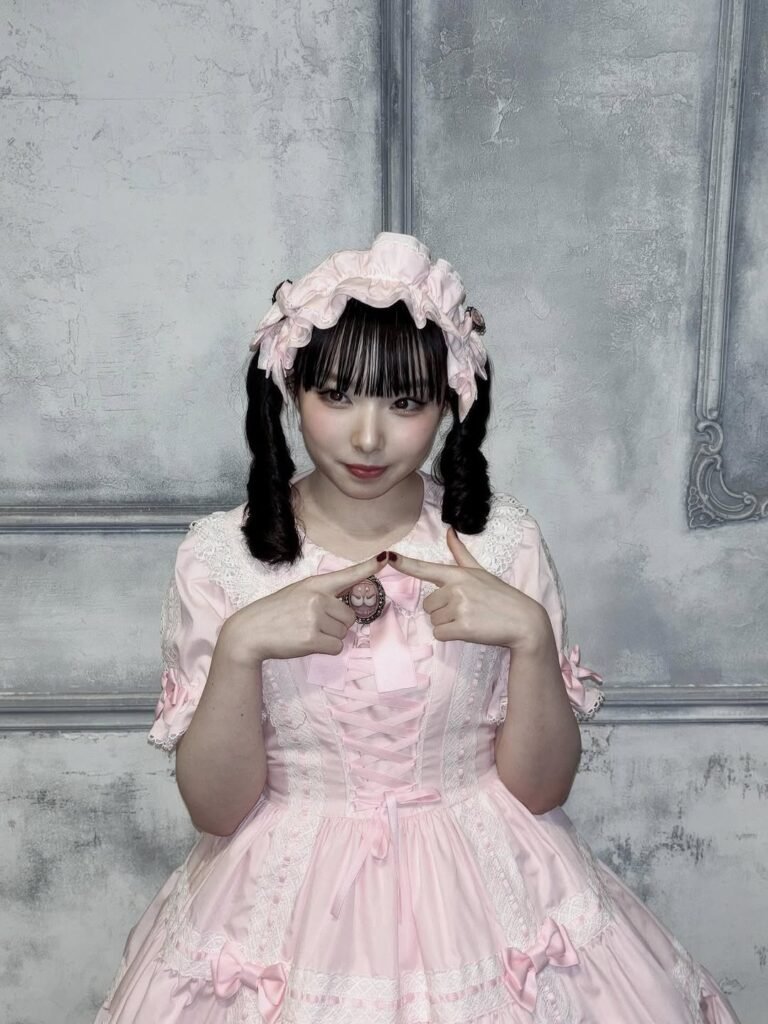
Classic is the “grown-up” Victorian cousin—still elegant, but less explosive. Fewer ruffles, more restraint. Colors are muted: dusty rose, beige, brown, antique florals. It’s often easier to wear day-to-day, and it suits people who want refinement without full cupcake volume.
Pro tip: Classic is all about fabric quality and tailoring. When it’s good, it’s breathtaking. When it’s cheap, it looks like a themed costume.
Gothic Lolita
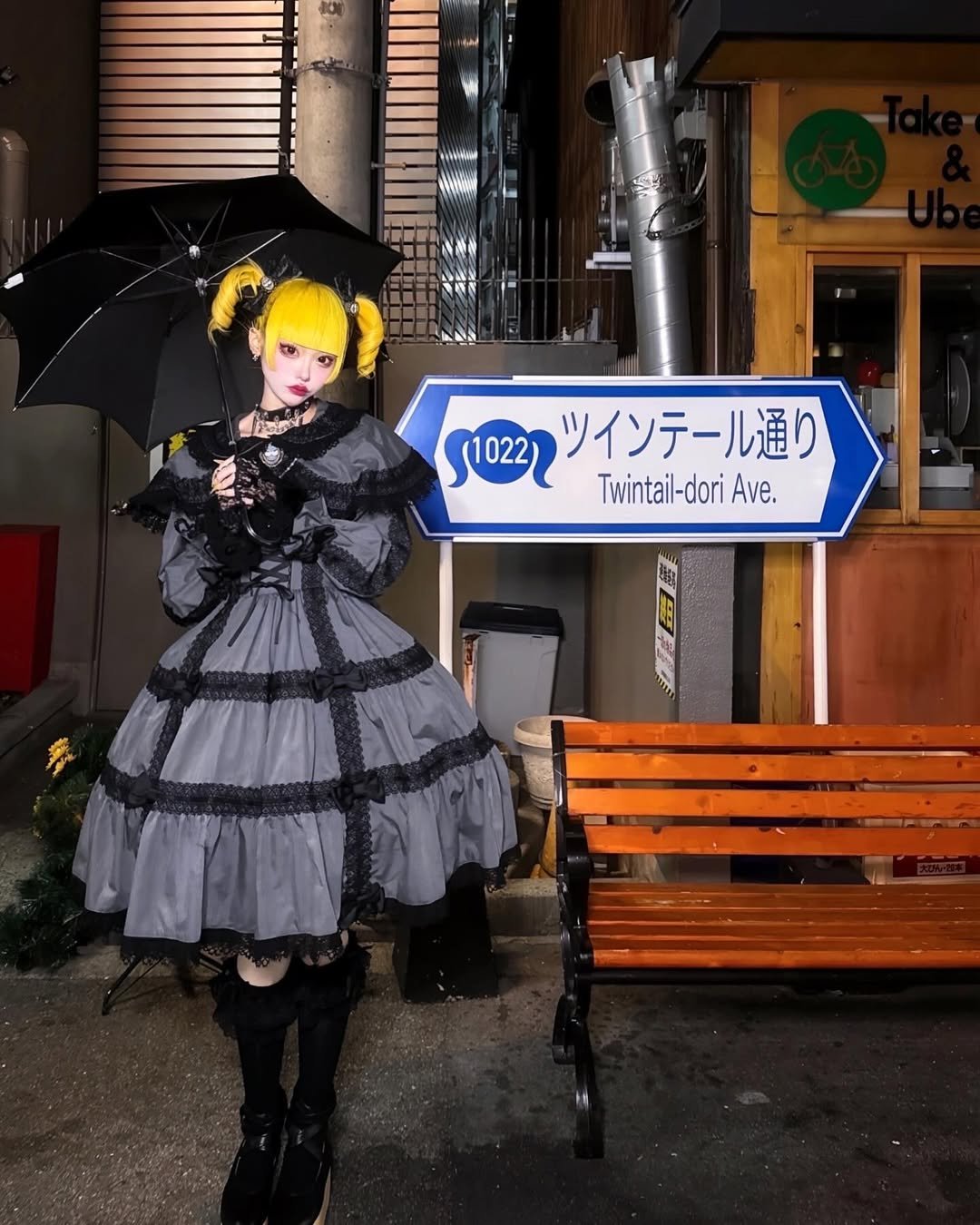
Dark romance with lace. Black dominates, accented with white, red, or purple. You’ll see Western gothic symbols—crosses, skulls—paired with the Lolita silhouette’s sweetness (bows, puff sleeves, doll shape). There are sub-flavors too:
- Elegant Gothic: more refined, sometimes with corset elements
- Aristocratic Elegant Gothic: collars, jabots, a more “noble” structure
Pro tip: Gothic Lolita can look heavy if everything is pitch black. A controlled accent color keeps the coord balanced.
Lolita Fruits
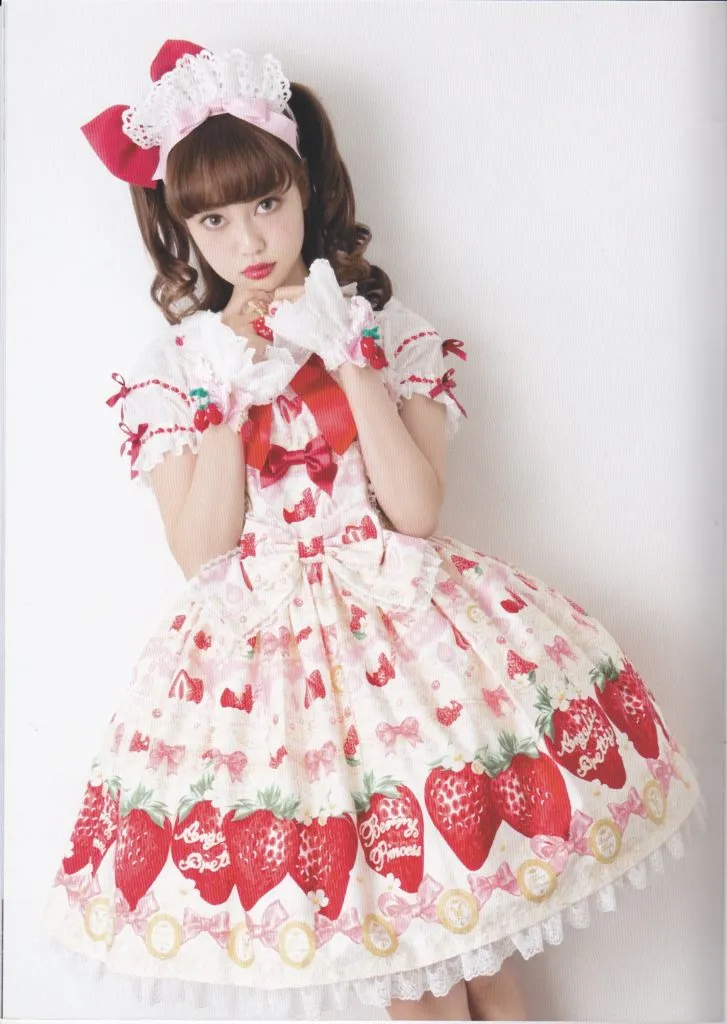
Sweet Lolita’s louder, juicier cousin: bright colors and fruit motifs—cherries, strawberries, watermelon prints. It keeps the cute structure, but turns the dial up on color and playfulness.
Pro tip: Let the print be the statement. Keep accessories simpler so you don’t become chaotic.
Country Lolita
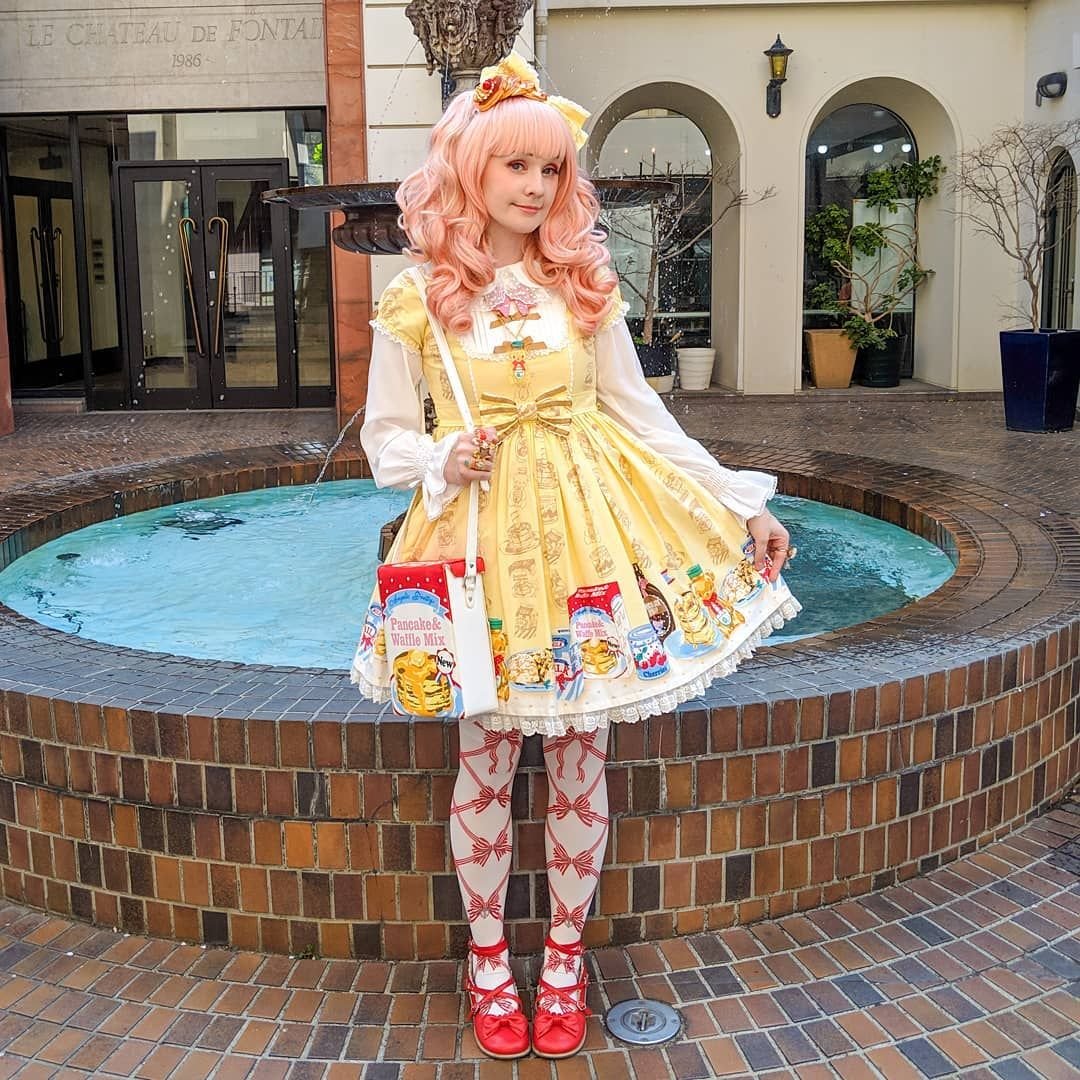
Summer-friendly and pastoral: country motifs, straw accessories, baskets, light fabrics, and a picnic vibe. Think: garden party energy.
Pro tip: Country looks best in daylight—parks, gardens, tea rooms. It feels slightly out of place under neon nightlife.
Punk Lolita
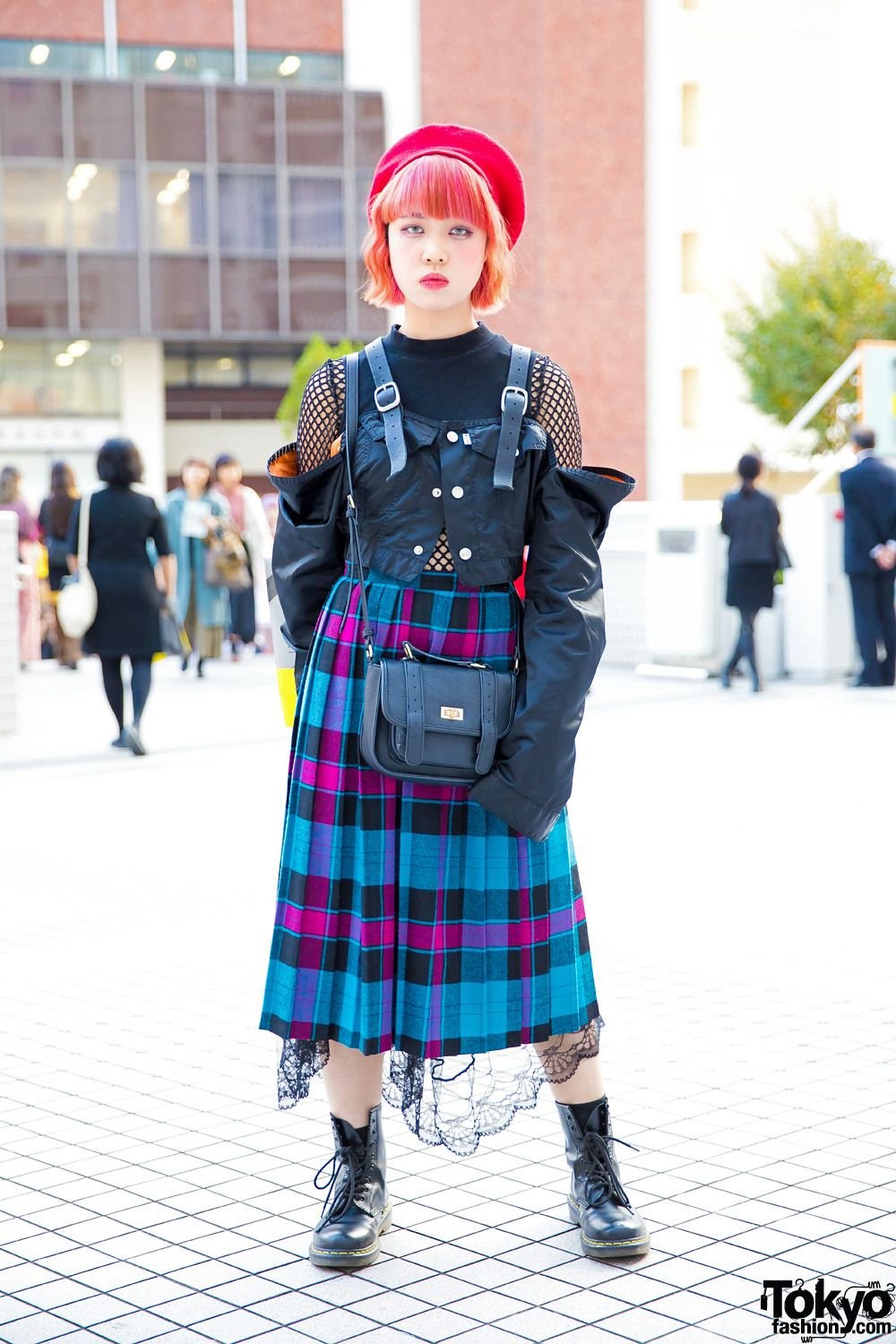
This one punches the sweetness with ripped details and tartan patterns. The silhouette stays Lolita, but the texture turns rebellious.
Pro tip: Punk Lolita is a balancing act: too punk and you lose the Lolita silhouette; too Lolita and the punk becomes just a tartan skirt.
Wa Lolita
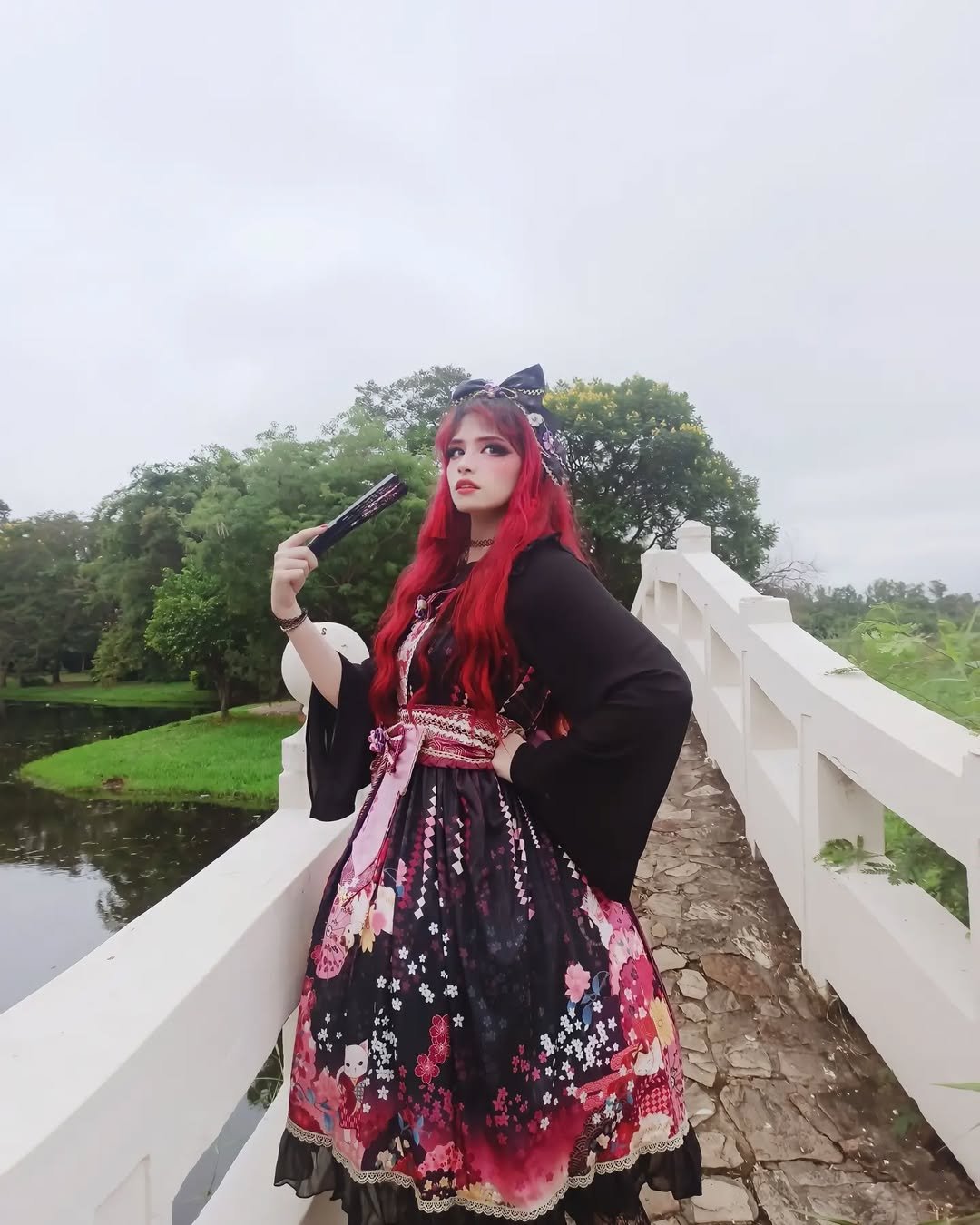
A blend of traditional Japanese clothing and Lolita structure: ruffled skirts with kimono tops or yukata elements, often styled with an obi. Wa Lolita frequently uses red, white, and black for strong contrast.
Pro tip: This style looks incredible when the fabrics are authentic-looking. Cheap “kimono print” fabric can ruin an otherwise beautiful coord.
Casual Lolita
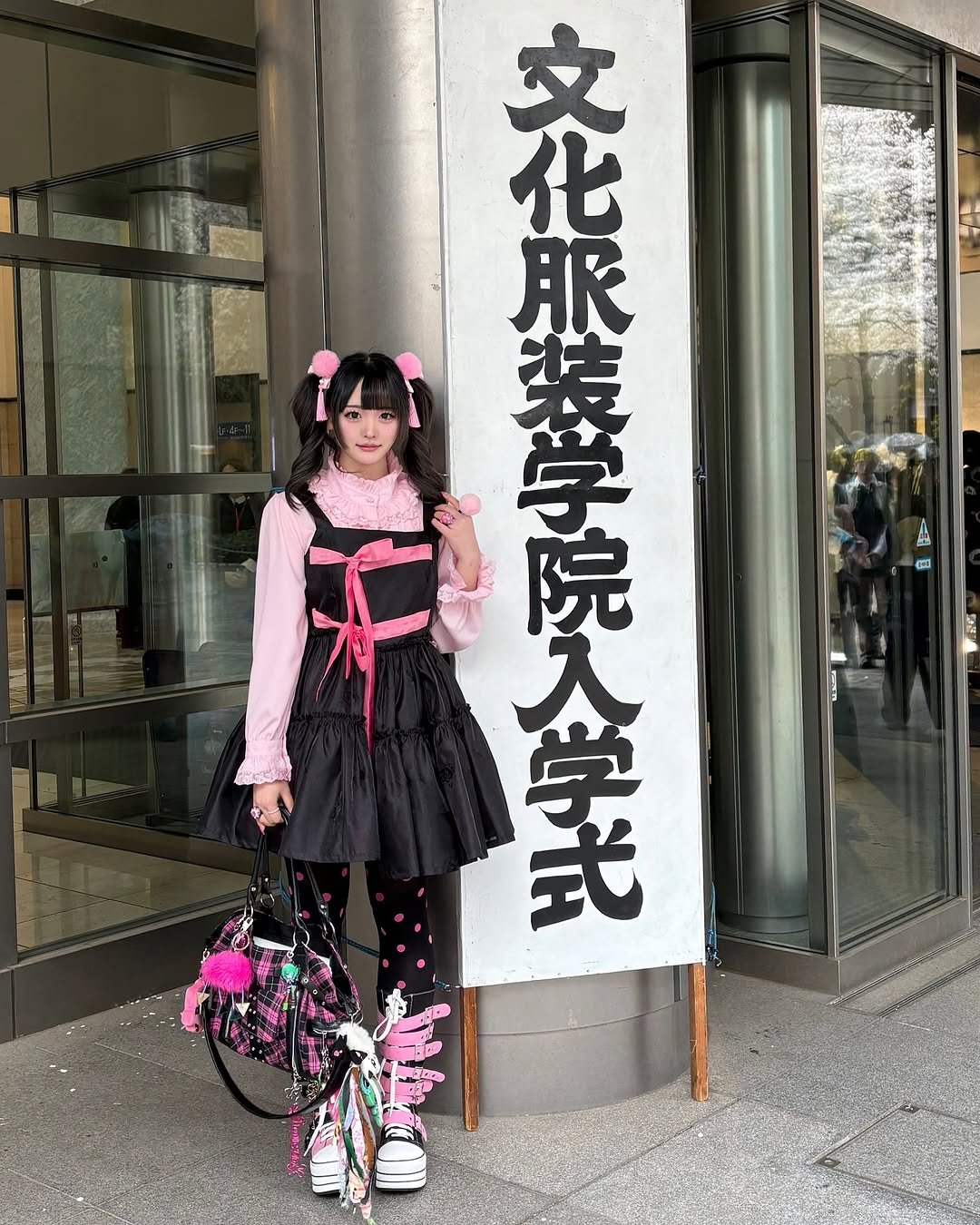
A subtle, wearable interpretation for everyday life. Minimalist compared to full coords, but the hallmarks remain: silhouette cues, gentle prints, bows, and carefully chosen accessories.
Pro tip: Casual Lolita is the gateway. Start here if you’re nervous about attention in public.
Old School Lolita
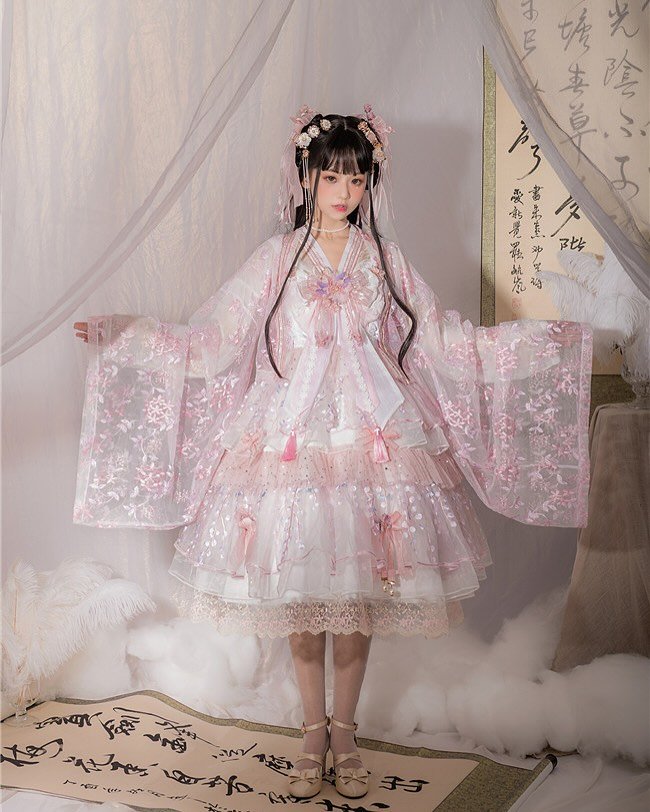
School-uniform vibes filtered through Victorian-influenced details: A-line skirts, vintage schoolgirl sensibility, bows, ruffles, a nostalgic classic feel.
Pro tip: Old school thrives on vintage vibes. Keep colors and details consistent so it feels intentional.
As you can see: it’s a whole universe. You’ll also hear niche terms—Guro, Pirate, Hime, Kuro, Aka, Shiro, Sailor, Ero, Cyber—each with its own visual shorthand. And one important note: Lolita fashion is not the same thing as cosplay. It’s a style culture with its own rules and everyday community life.
Lolita, much more than a clothing style
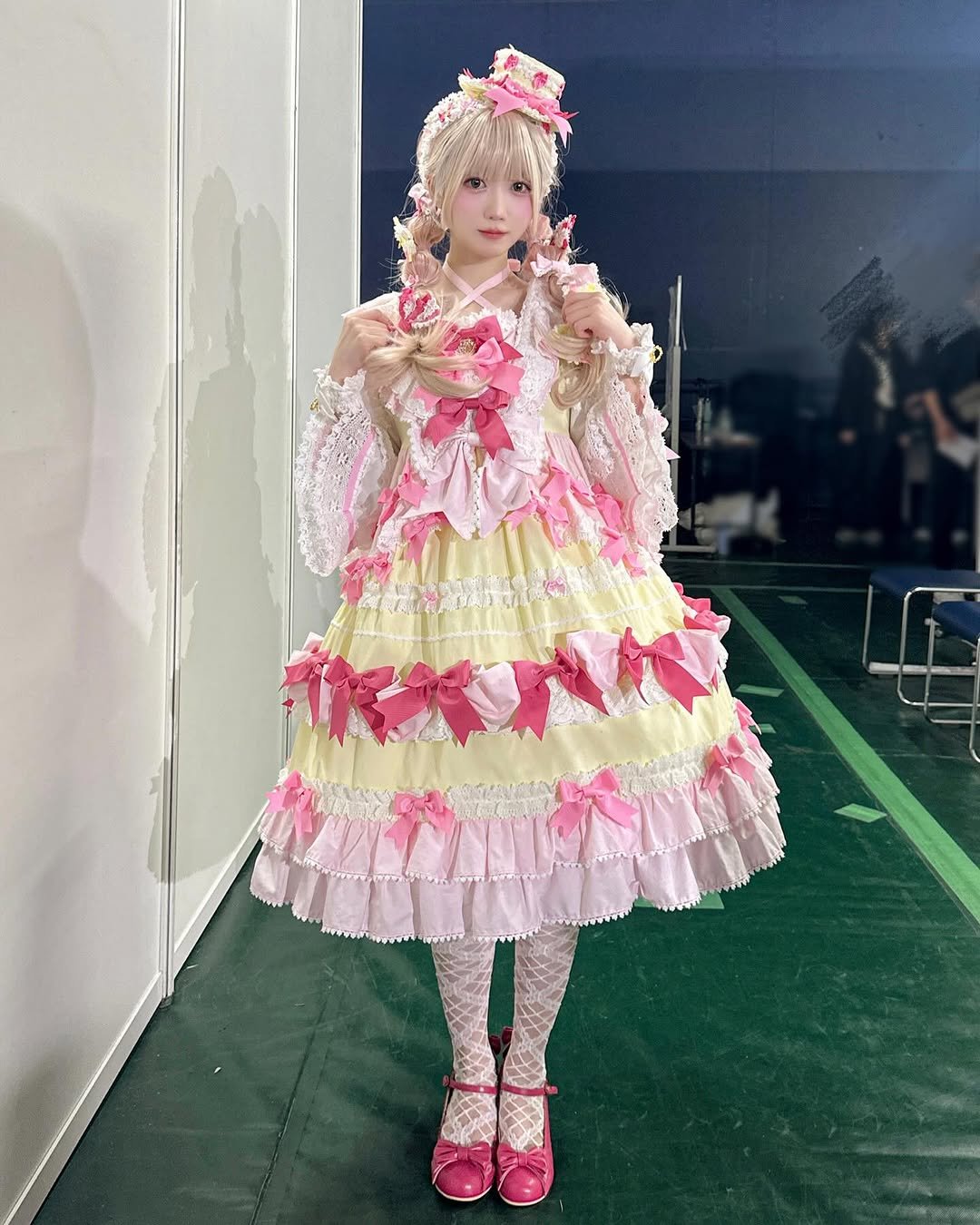
Lolita is often described as a gentle challenge to conservative social expectations. In Europe, the style can also read as a rejection of hypersexualization and everyday violence against women—an insistence that softness and modesty can be powerful, not passive.
That’s why you’ll sometimes hear the phrase “Lolita Lifestyle.” For many, it’s not only what you wear but also what you value: generosity, pacifism, romanticism, and a love of art and ritual.
Under the demure silhouette is a vibe: the Lolita leans toward artistic pursuits—drawing, singing, music—and often loves things like tea ceremony culture and baking. Socially, the community connects through tea parties, events, and meetups. Some even sew their own outfits, building coords with serious craftsmanship.
Our tips for being a Lolita every day
Daily Lolita can be tricky—especially in Europe—because attention is part of the package. Stares happen. Misunderstandings happen. And beyond the clothes, it’s a mindset that not everyone “gets.”
Here’s how we’d do it without burning out:
- Choose your lane first
Identify which style actually appeals to you—sweet, classic, gothic, casual—then research major brands and communities so you understand the visual rules. - Start small if you’re not used to bold looks
Go subtle: a classic floral skater dress or bell skirt, a white blouse, minimalist accessories. Let your confidence catch up. - Upgrade slowly
Once you’re comfortable: add a petticoat, better lace pieces, richer fabrics, more structured accessories. Build a wardrobe, not a costume. - Find your people
Communities make everything easier—tips, swaps, events, tea parties.
Pro tip: If public attention drains you, plan “Lolita days” like mini-events: pick a setting where the style feels at home (tea rooms, gardens, museums) and you’ll feel less like you’re fighting the current.
Best stores to shop for Japanese Lolita style clothes
Picture it: we’re slipping into Harajuku with a coffee in one hand and absolutely zero self-control in the other. You’re “just going to look,” and then—bam—lace, bows, and a petticoat so fluffy it could qualify as a small weather event. Welcome to Lolita shopping in Japan: equal parts fashion pilgrimage and wallet cardio.
Below are the places we send you when you want the real thing—new releases, iconic prints, flawless second-hand finds, and the kind of staff who can size you up (kindly) in one glance.
1) Angelic Pretty
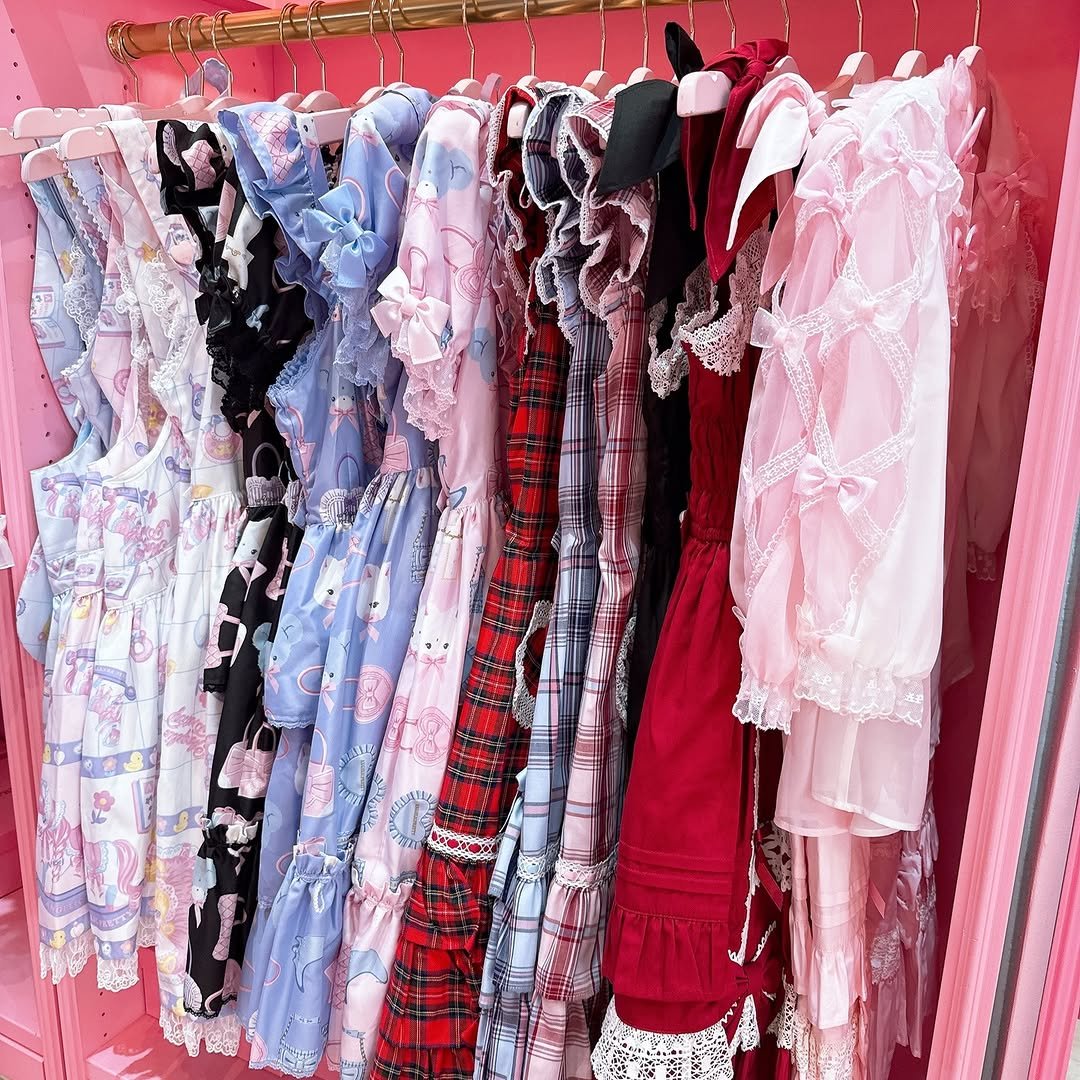
If your Lolita dreams are pastel, sugar-dusted, and mildly dangerous for your savings, we go here first. Angelic Pretty is a cornerstone brand, and their Tokyo head shop sits right inside Laforet Harajuku—aka the easiest way to fall into a lace vortex on purpose.
Close to: Laforet Harajuku (Harajuku/Meiji-jingumae)
How to get there: Go to Laforet Harajuku and head for the AP floor/section listed on their shop info.
What we buy here: Statement JSKs/OPs, print accessories, matching headbows, “oops I built a full coord” socks.
Pro tip: If you’re building a full coord, pick the dress last only if you enjoy chaos. Otherwise, dress first → then shoes/bag → then accessories.
View Tokyo store on Google Maps
2) BABY, THE STARS SHINE BRIGHT (storybook sweet, with legendary status)
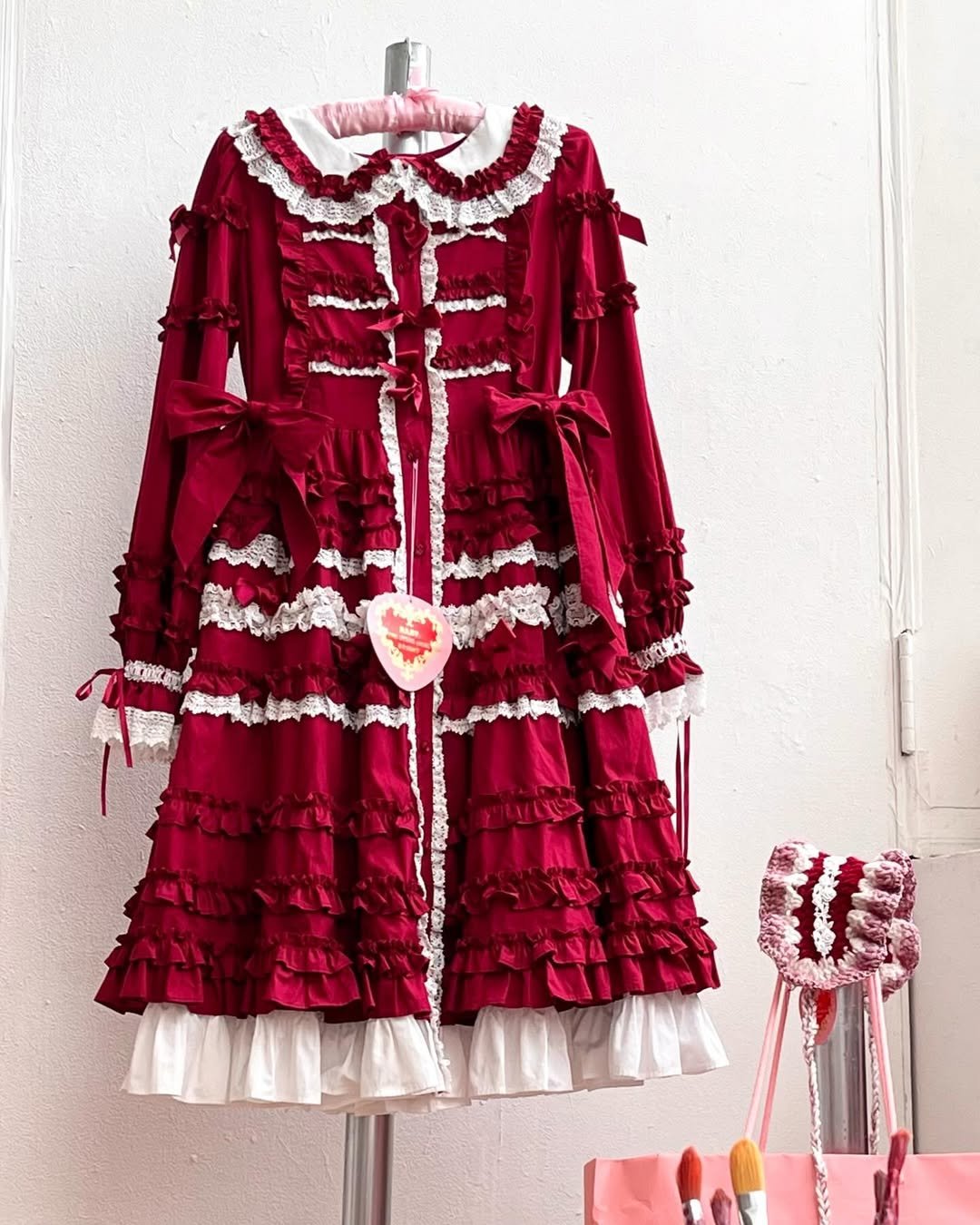
BABY is classic “fantasy dollhouse” Lolita: lush fabrics, iconic motifs, and pieces that look like they arrived by carriage. Their Harajuku flagship is a must if BABY is your main character brand.
Close to: Jingumae / Harajuku area
How to get there: Head to their Harajuku flagship address listed on the official locations page.
What we buy here: Dresses with presence, blouses that behave, outerwear that turns “cute” into “serious cute.”
Pro tip: Try on with the shoes you plan to wear. Lolita hemlines + platform height = surprise geometry.
View Tokyo store on Google Maps
3) Metamorphose temps de fille (playful, girly, and surprisingly versatile)
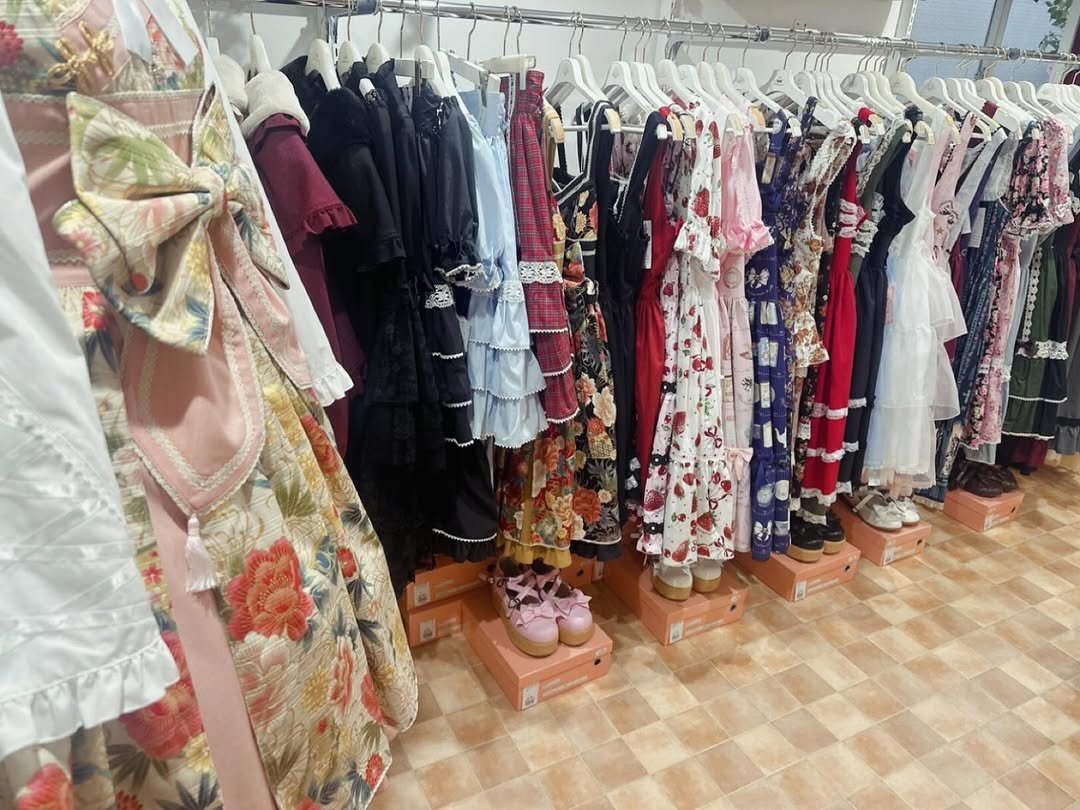
Meta is where we go when we want sweet with a twist—more mix-and-match flexibility, bold color stories, and pieces that can swing classic or sugary depending on styling. Their official shop list is the safest way to pick a location that’s actually current.
Close to: Depends on the branch—check their official shop list
What we buy here: Skirts, blouses, “this works with three different coords” items, and accessories that save an outfit.
Pro tip: Meta is great for building a wearable wardrobe: aim for one hero piece + two neutral blouses + one dependable skirt. You’ll get more outfits per yen.
4) ATELIER PIERROT (multi-brand paradise: gothic, classic, elegant)
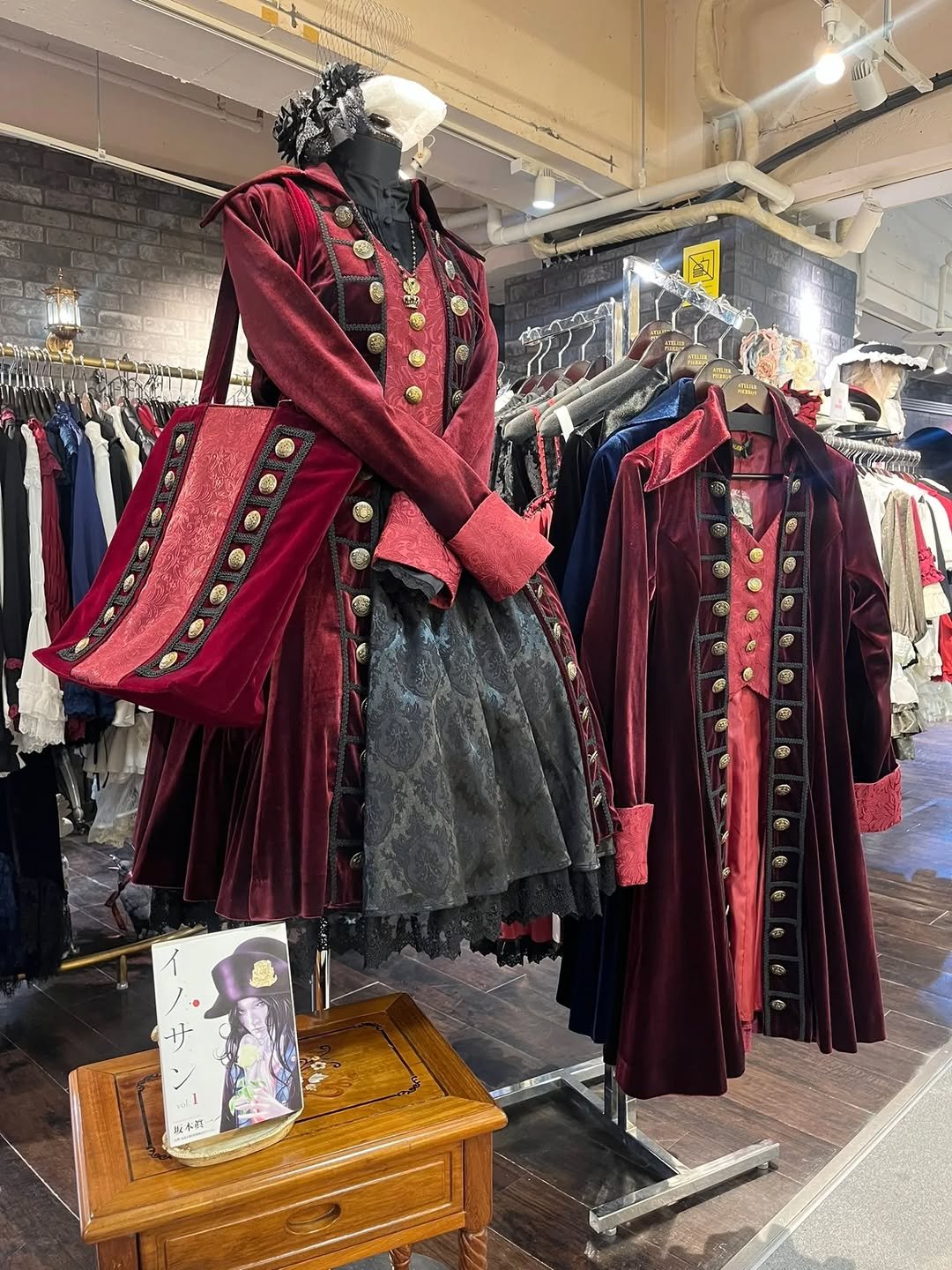
When you want options (and you do), ATELIER PIERROT is a select shop that carries multiple labels—meaning you can compare silhouettes, fabrics, and vibes without trekking across the entire city. Their Harajuku location is connected to the Laforet ecosystem, which makes it easy to pair with other stops.
Close to: Laforet Harajuku / Jingumae
How to get there: Use the address on their shop info listings.
What we buy here: Classic/gothic staples, high-impact accessories, “I came for one thing and left with a wardrobe” finds.
Pro tip: Select shops are the cheat code if you’re still figuring out your substyle. Try on widely—photos later, decisions after.
View Tokyo store on Google Maps
5) Victorian maiden (grown-up classic: quiet luxury, but make it Lolita)
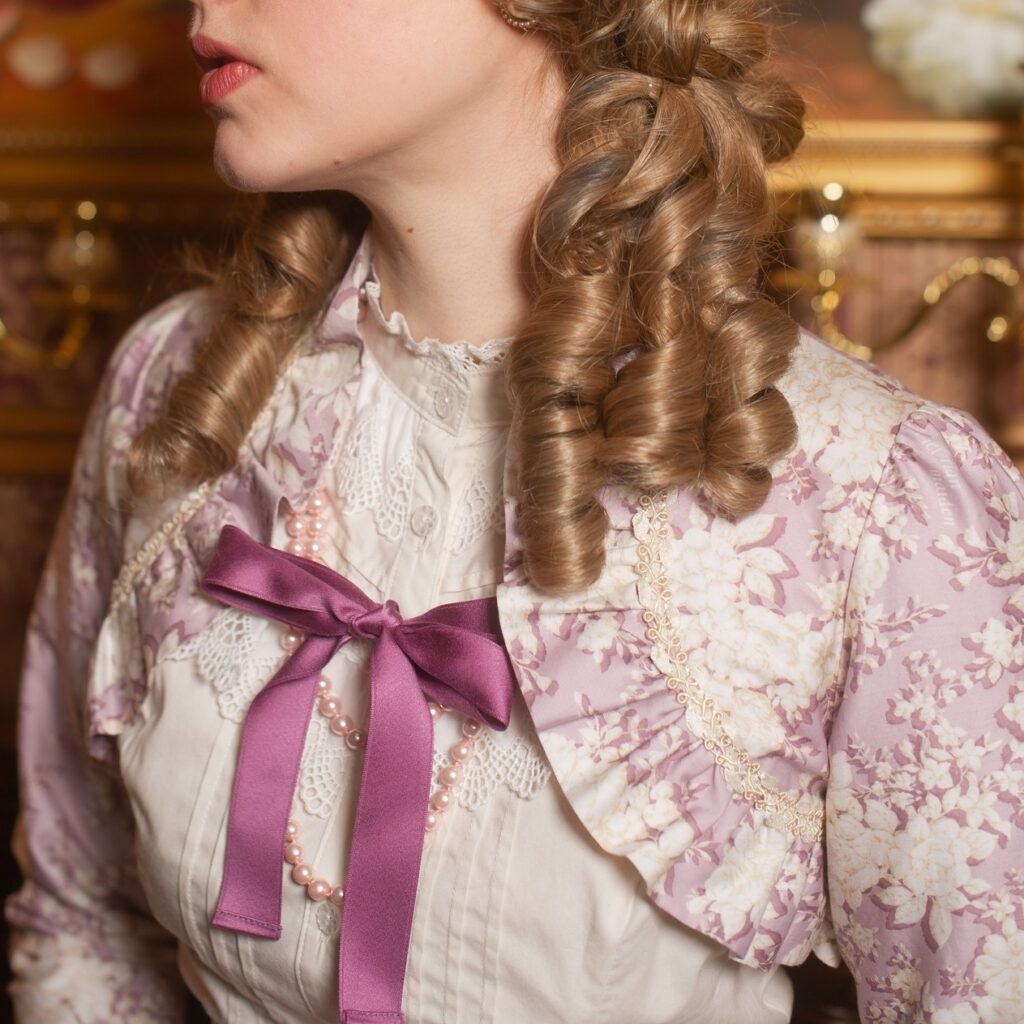
If sweet Lolita feels like too much sugar and you want “Victorian novel heroine who owns a very expensive teacup,” Victorian maiden is your stop—or at least your label to hunt for inside partner stockists. Their shop info is worth checking before you go.
Close to: Shinjuku Marui Annex / Harajuku (via stockists)
What we buy here: Elegant OPs, refined blouses, outerwear that looks cinematic.
Pro tip: Classic styles shine with fewer accessories. Let the fabric and shape do the talking (and save the bows for another day).
6) KERA SHOP (goth, punk, and the darker side of cute—plus brand stockists)
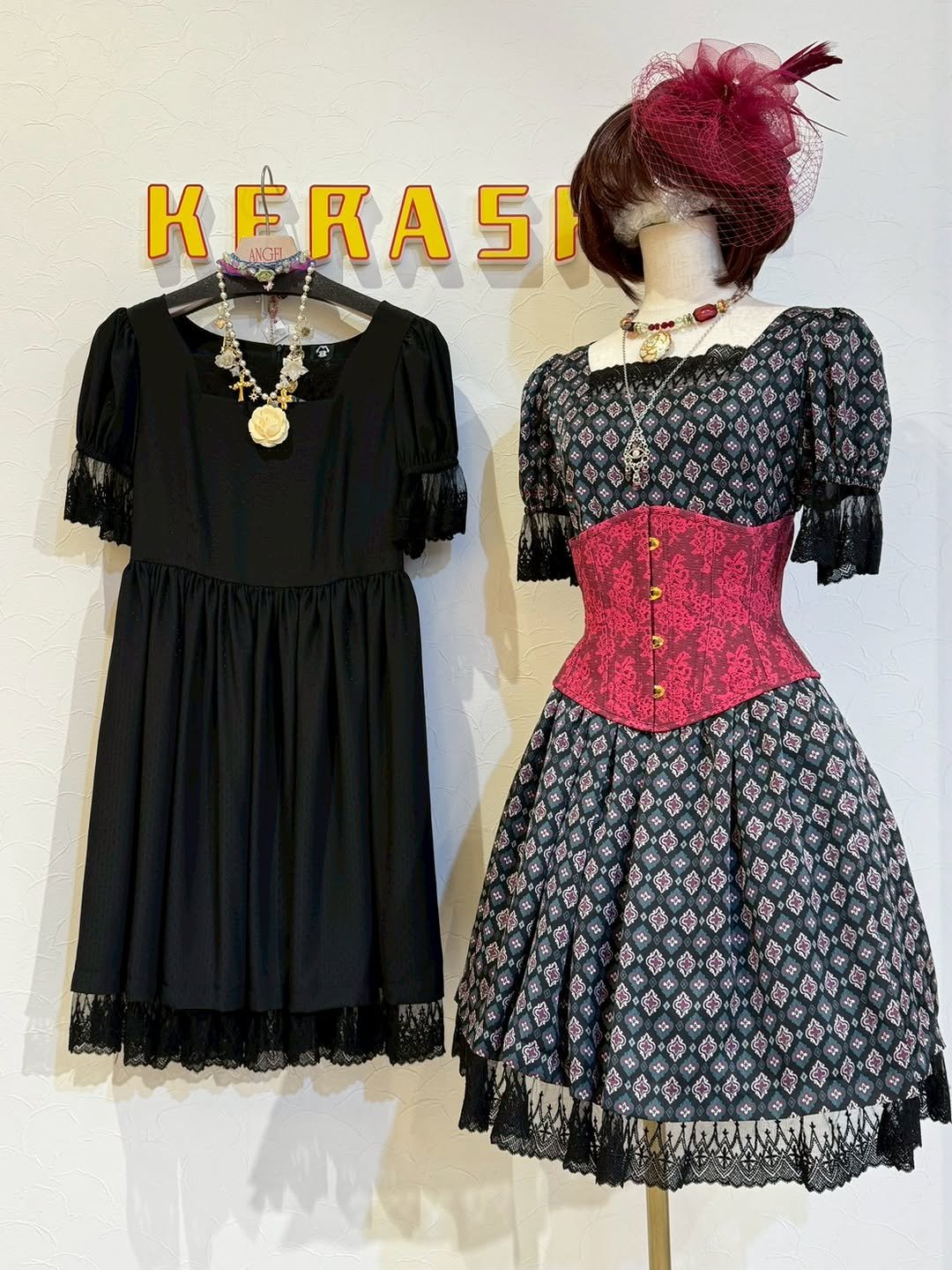
KERA SHOP is a useful stop because it can carry specific brands and gives you that “alternative Harajuku” shopping hit in one contained place. It’s also listed as a stockist for Moi-même-Moitié (for elegant gothic drama enthusiasts).
Close to: Shinjuku Marui Annex (listed)
What we buy here: Accessories, dark romantic pieces, and niche finds you didn’t know you needed.
Pro tip: If your style leans gothic, prioritize texture: matte black + lace + a shine element (bag/shoes) = instant depth.
View Tokyo store on Google Maps
7) Emily Temple cute (cute-but-wearable, with a playful retro tilt)
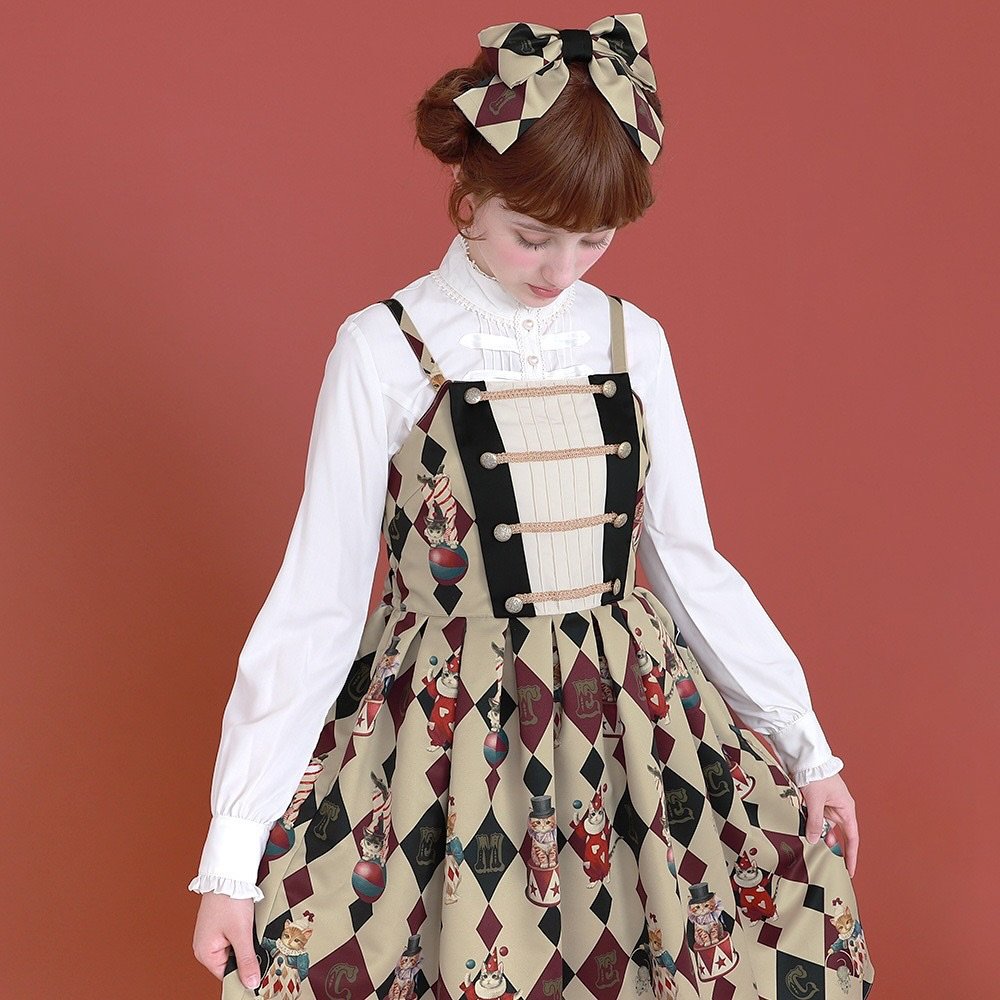
Not every day needs a petticoat that can be seen from space. Emily Temple cute is a sweet spot for charming, wearable pieces (still Lolita-adjacent, still delightful), and they list a Shinjuku Marui Annex shop.
Close to: Shinjuku Marui Annex
What we buy here: Day dresses, fun prints, and pieces that can go “normal cute” or “full coord” depending on your mood.
Pro tip: Want to travel with Lolita without overpacking? ETc-style dresses can double as everyday outfits with regular shoes and a cardigan.
8) Closet Child (second-hand treasure hunting: the budget savior)
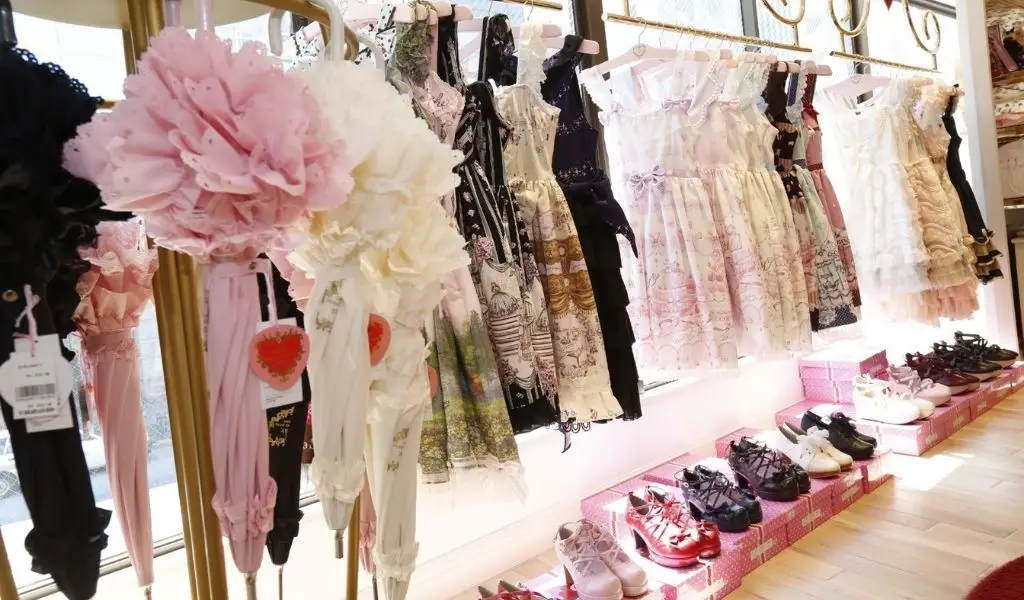
If you want brand pieces for less (or you’re hunting older prints like a fashion archaeologist), Closet Child is a second-hand specialist known for stocking major Lolita labels.
One heads-up: at least one in-person location has reportedly changed how browsing works (QR/website-first) due to heavy tourist traffic—so be ready to shop a little differently than a typical thrift store.
Close to: Varies by branch + online shop option
What we buy here: Blouses, accessories, shoes, and “I can’t believe I found this” discontinued items.
Pro tip: Second-hand strategy that works: buy the support pieces first (blouse, socks, headdress). Then commit to the dream dress.
View Tokyo store on Google Maps
Our “don’t regret it later” shopping strategy
- Start at Laforet Harajuku for dense convenience (especially if you want Angelic Pretty + nearby select-shop energy).
- Then hit Shinjuku (Marui Annex zone) if you want a calmer mall-style hunt and multiple alternative/kawaii options clustered together.
- Finish with Closet Child for second-hand wins and “bonus round” accessories.
Lolita is just one planet in Japan’s fashion galaxy. Want the full map—Harajuku legends, streetwear staples, and the styles you’ll spot in Tokyo in one day?
FAQs : Japanese Lolita Style
What is Japanese Lolita style, exactly?
Lolita is a Japanese fashion subculture inspired by Victorian and Rococo silhouettes—think bell-shaped skirts, blouses, lace, and coordinated accessories—styled with specific “outfit rules” (often called coords).
Is Lolita fashion the same thing as “kawaii” style?
Not quite. Lolita can be kawaii (especially Sweet Lolita), but it’s its own subculture with distinct shapes, layering, and coordination rules that are different from general kawaii streetwear.
What’s the difference between Sweet, Gothic, and Classic Lolita?
Sweet focuses on pastel colors and playful motifs; Gothic leans dark, dramatic, and elegant; Classic sits in the middle with more muted colors, mature prints, and a vintage “museum pretty” vibe.
Do I need a petticoat to wear Lolita?
For most traditional Lolita coords, yes—petticoats create the silhouette that makes the outfit read as Lolita rather than just a “nice dress.”
Can tourists wear Lolita in Japan without looking disrespectful?
Yes. The key is to wear a complete coord (dress + blouse if needed + petticoat + socks/tights + correct shoes + headwear) and behave like you would anywhere: be polite, don’t block walkways for photos, and avoid touching other people’s outfits.
What should we wear in summer (when it’s hot and humid)?
Choose lighter fabrics, shorter sleeves or cutsews, breathable socks/tights, and a lighter petticoat. Many people also switch to simpler Classic coords or prioritize comfort over maximum layers.
What are beginner-friendly Lolita brands (and do I need to buy “brand”)?
You don’t have to buy Japanese “brand” to start. Many beginners mix reputable indie brands, secondhand finds, and well-reviewed non-brand pieces—what matters is silhouette, coordination, and quality.
How much does a first Lolita outfit usually cost?
It depends on brand and secondhand luck. A realistic starter budget often includes the main piece (JSK/OP), blouse, petticoat, socks/tights, shoes, and headwear—so the total can range from “thrifty secondhand” to “full brand set.”
What shoes work best for a proper Lolita coord?
Classic choices include tea party shoes, Mary Janes, or neat, rounded-toe shoes in black, brown, or matching colors. Chunky sneakers usually break the silhouette unless you’re doing a deliberate casual variant.
How do we wash and store Lolita pieces safely?
Check the care label first. When in doubt: gentle wash, laundry bag, cool water, and air dry. Store dresses hanging or neatly folded, and keep petticoats fluffed (not crushed) to preserve volume.
- Nagoya rainy day with kids in 2026 (Cool Indoor Things to Do )

- Best Gachapon in Tokyo (2026): 20 Places to Find Capsule Toys
- All Japanese KitKat Flavours List: The Ultimate Japan KitKat Guide
- Sapporo rainy day with kids (2026): 7 Cool Indoor Things to Do

- What To Do In Arashiyama With Kids: A Realistic One-Day Family Itinerary