I spill travel tips , and show you the Japan that tourists usually miss.
Japan is a dream destination—but the archipelago loves to throw little plot twists at first-timers. One week you’re picnicking under cherry blossoms, the next you’re negotiating humid typhoon weather like it’s a boss level. The climate shifts hard by season and region, and that alone changes what you’ll want in your suitcase.
Want to know what to wear in Japan? So, ready to pack? Let’s do this season by season, with the essentials up front and the “wish we’d known” extras sprinkled in.
Table of Contents
Introduction: preparing your trip to Japan (without the chaos)
Japan, the Land of the Rising Sun, hooks us with its culture, landscapes, and traditions—and then rewards the travelers who plan just enough. Before you dive into Tokyo’s neon canyons, Kyoto’s temples, or a Mount Fuji day-trip, make yourself one tool that prevents 90% of stress: a real checklist.
Think of it as your travel insurance against brain fog: clothes that match the weather, useful tech, a daypack setup that makes long walking days easier, and a few Japan-specific items people rarely warn you about. A little prep now means your Japan trip feels smooth, comfortable, and discovery-filled rather than “why are my shoes wet again?”
What to wear in Japan: a few cultural notes before you pack
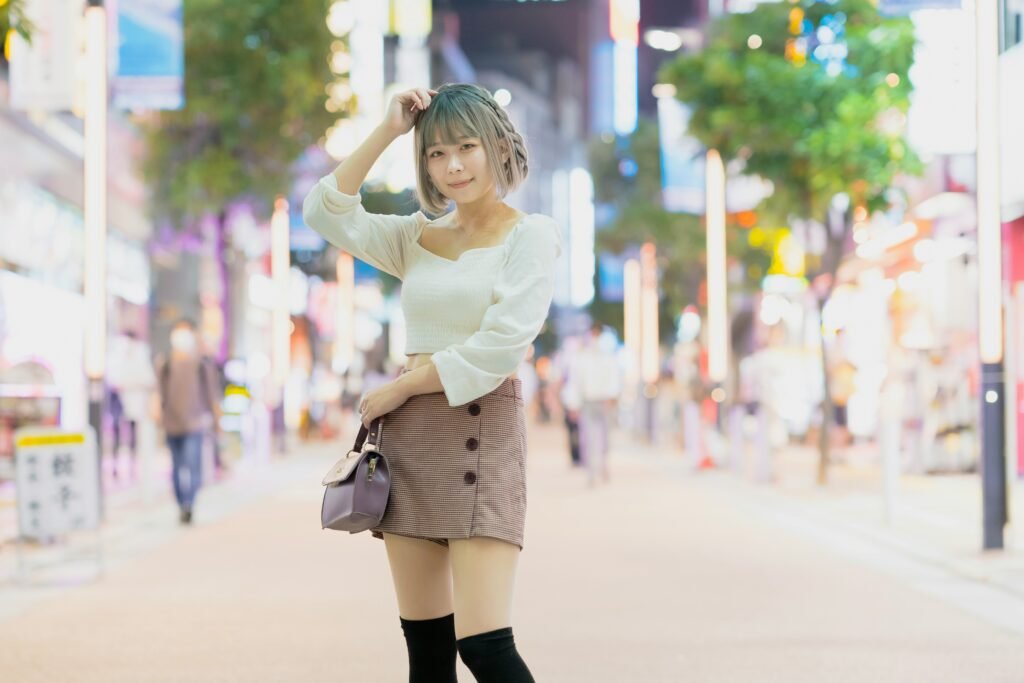
Before we hit the seasonal lists, a quick style reality check: Japan is generally more conservative in dress than many travelers expect, especially in traditional settings (temples, shrines, certain restaurants).
- For women: short skirts are common, but cleavage is uncommon and can draw attention.
- For men: shirtless or very thin tops are rare outside beach settings.
- In sacred places: avoid overly casual “beach energy” outfits.
Tattoos
Tattoos are more accepted than they used to be, but they can still carry associations with the yakuza. Many onsen don’t allow visible tattoos.
Best move: cover tattoos in public settings when needed, and look for a private onsen if you want the hot-spring experience without hassle.
Shoes you can slip on/off
You’ll often remove shoes in temples, castles, some restaurants, and traditional accommodation. Pack easy-to-remove shoes (your future self will thank you).
Pro tip: If you’re heading beyond Tokyo/Kyoto/Osaka:
- North: pack warmer layers.
- South: lighter, breathable clothing wins.
How to dress in Japan by season (Kantō + Kansai focused)
Spring (March to May)
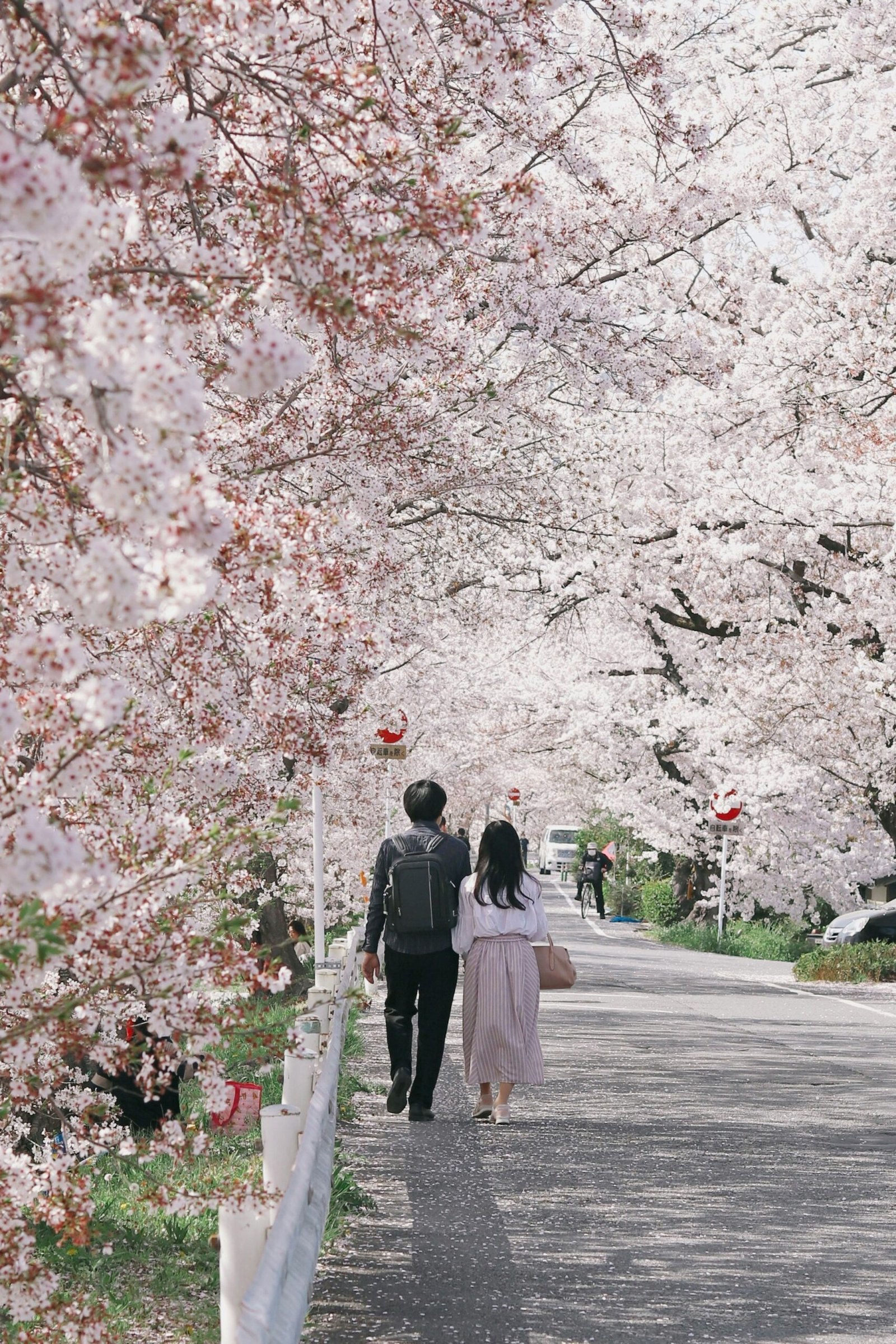
Spring is peak Japan for a reason: comfortable weather, parks, and that famous cherry blossom magic. Early March can still feel cool, while May starts leaning warm and sunny.
- Early spring: around 10–15°C in the day, chilly evenings
- By May: often close to 20°C, lots of walkable days
Go for layers, because temperatures shift between morning, afternoon, and night.
Spring checklist
- Lightweight T-shirts
- Thin long-sleeved tops
- Light jacket or windbreaker
- Comfortable walking shoes
- Sunscreen (yes, even in spring)
- Mid-layer (light sweater/cardigan)
Pro tip: Pack one “temple-friendly” outfit you can wear on repeat—something that looks neat, feels comfy, and layers well.
Summer (June to August)
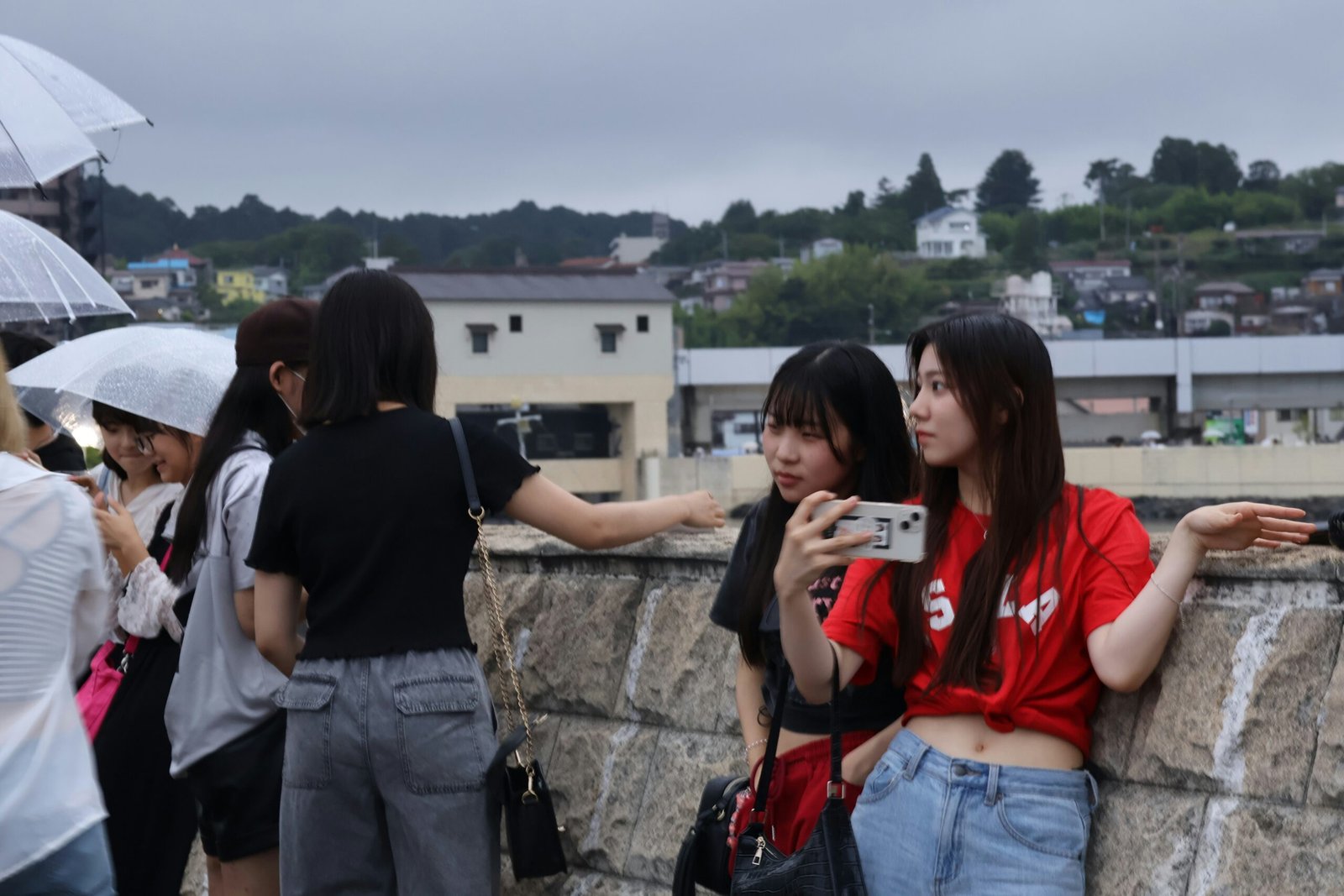
Summer in Japan is hot, humid, and occasionally dramatic. June to early July is the rainy season (tsuyu), with sticky heat and very motivated mosquitoes. When it rains properly, small umbrellas stop being charming.
When the sun returns, it hits hard—so sun protection matters.
Summer checklist
- Lightweight T-shirts
- Shorts or skirts
- Breathable long trousers and long shirts (for sun + mosquitoes)
- Sunscreen + mosquito repellent
- Sunglasses + hat
- Proper rainwear (not just a tiny umbrella)
- Water-resistant shoes
- Swimsuit (beaches, pools, outdoor onsen areas)
Pro tip: Fabrics matter more than fashion in summer. Choose breathable materials and pack 1–2 outfits you can rinse and dry fast.
Autumn (September to November)
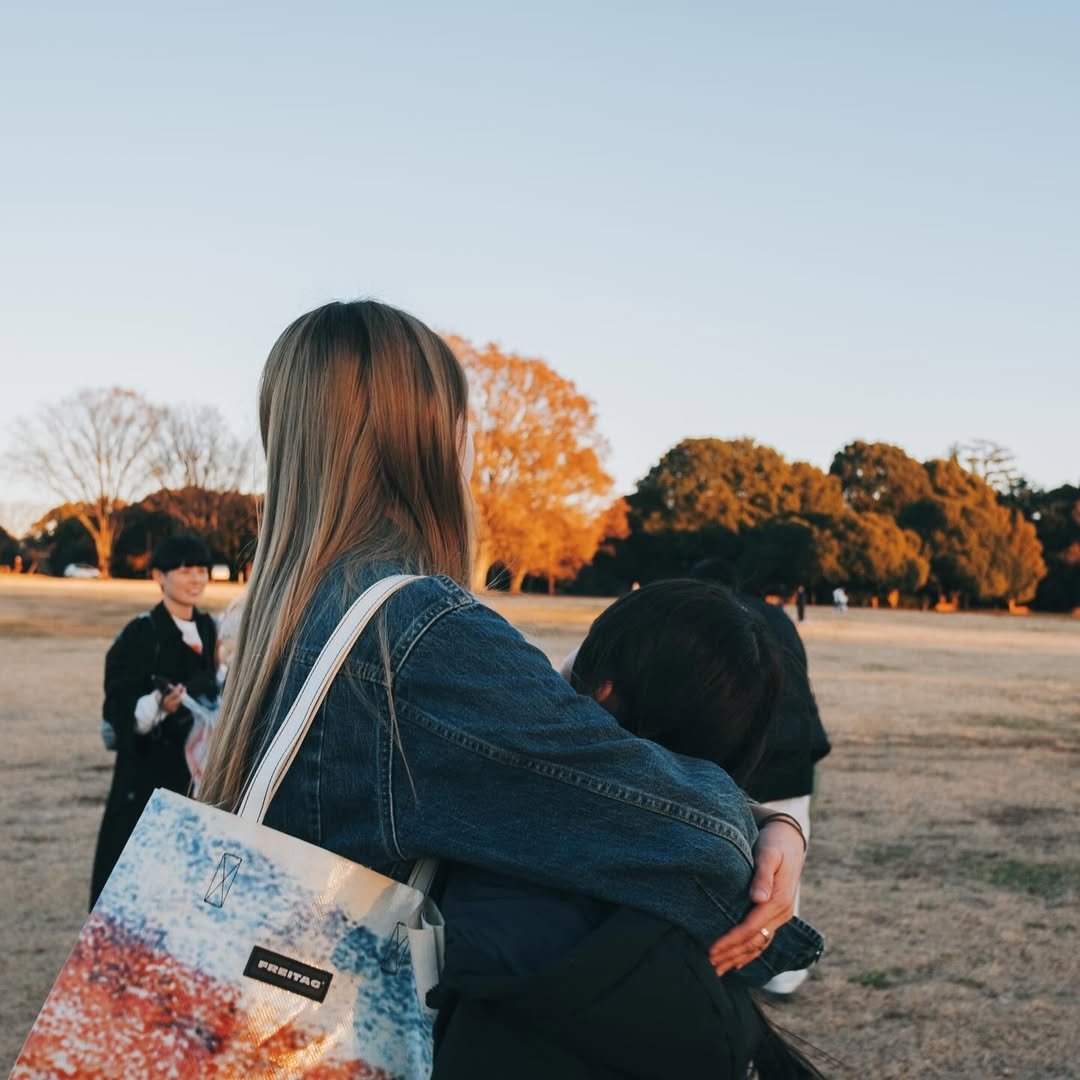
Autumn is spring’s calmer, moodier twin: great light, pleasant temperatures, and walking weather that makes you feel like a main character. But September can still be affected by typhoons, so bring rain protection early in the season.
From October, things stabilize—mild days, cooler evenings, and the famous momiji (red maple leaves).
Autumn checklist
- T-shirts + light shirts
- Light jacket (then warmer by November)
- Sweaters or sweatshirts
- Trousers (shorts work on warmer days)
- Lightweight walking pants
- Rainwear
- Water-resistant shoes
Pro tip: Autumn is prime time to rent a kimono in Kyoto—cooler air, gorgeous scenery, and photos that look unreal with minimal effort.
Winter (December to February)
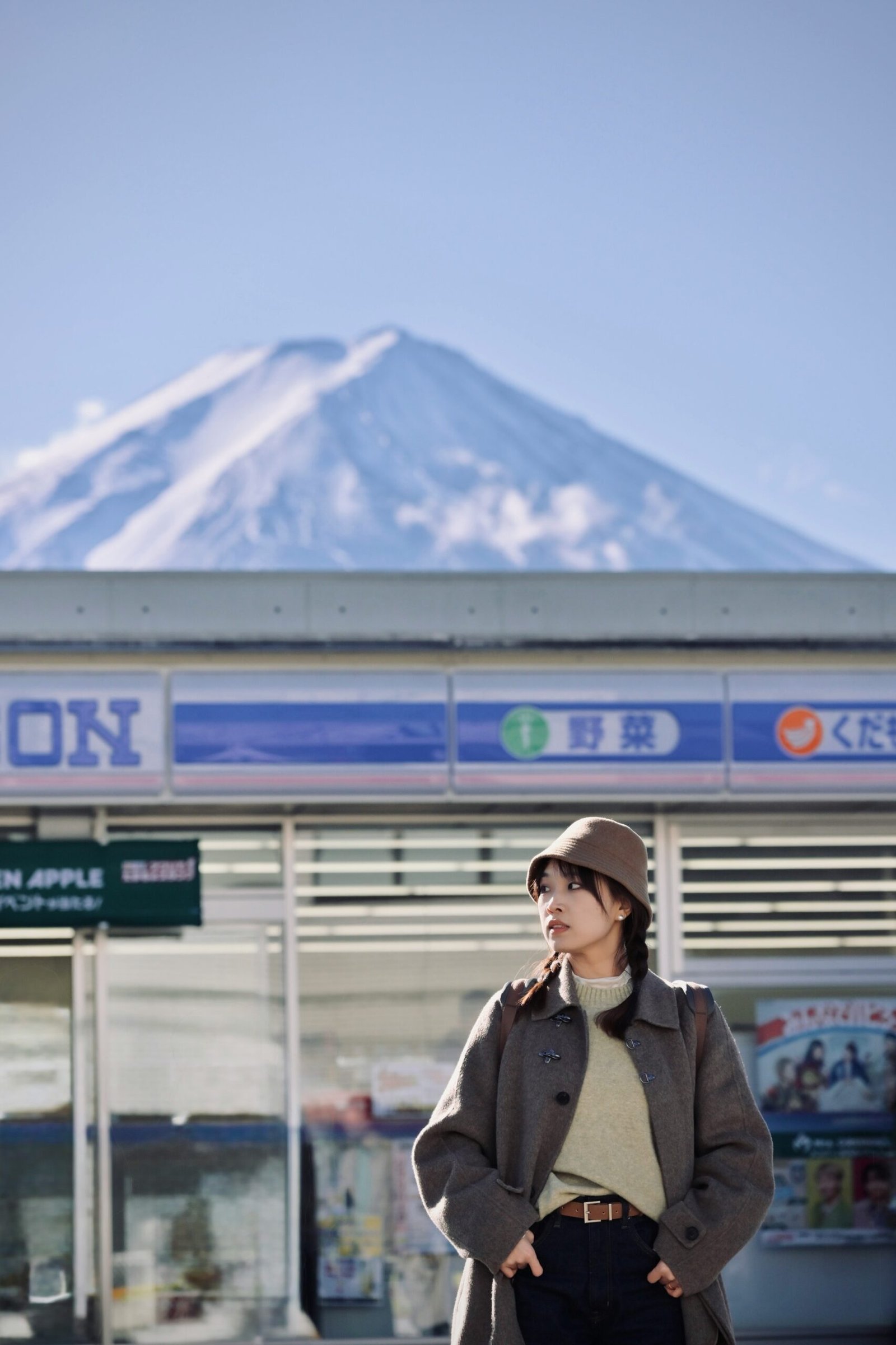
Winter in Tokyo and Kyoto can be cold and dry, but indoor heating is usually strong—so layers are key. Japan also makes it easy to buy winter lifesavers on the go: thermal basics, hand warmers, thick socks, and heat-retaining innerwear (especially if you’re heading to snowy regions or skiing).
Dry air can be harsh on skin, so don’t forget moisture support.
Winter checklist
- Thermal tops/undershirts
- Insulating sweaters or sweatshirts
- Warm jacket or coat
- Gloves
- Hat + scarf
- Comfortable shoes (waterproof if heading to snow)
- Warm pants
- Lip balm + moisturizer (and a facial oil if you’re prone to dryness)
Pro tip: If you forget winter gear, Japan is one of the best places to buy it quickly—convenience stores and clothing shops are full of cold-weather fixes.
Final packing note (and a gentle shove to plan smart)
That’s your seasonal packing blueprint—enough to keep you comfortable without overpacking. If you’re still deciding what else to pack, check out our Ultimate Packing List For Japan Trip: What to Bring (and What to Leave at Home)
And whichever season you choose: travel planning is easier when the basics are handled—routes, accommodation, and the little practical details that stop small problems from eating your day.
Ryokō o tanoshinde kudasai — have a great trip!
- Nagoya rainy day with kids in 2026 (Cool Indoor Things to Do )
- Best Gachapon in Tokyo (2026): 20 Places to Find Capsule Toys
- All Japanese KitKat Flavours List: The Ultimate Japan KitKat Guide
- Sapporo rainy day with kids (2026): 7 Cool Indoor Things to Do
- What To Do In Arashiyama With Kids: A Realistic One-Day Family Itinerary