I spill travel tips , and show you the Japan that tourists usually miss.
Shinjuku may be best known for its forest of skyscrapers, but it is also one of Tokyo’s most important districts for architecture. Many of the buildings here are closely tied to the story of modern Japanese design, with architects such as Kenzo Tange and Kunio Maekawa helping shape the area through the ideas and techniques of their time.
Here, we spotlight some best Shinjuku architecture: most notable architectural landmarks and take a closer look at what makes each one worth seeing.
| ➡️Uncover the fascinating blend of innovation and heritage in mind-blowing architecture in Tokyo, where futuristic towers, bold public spaces, and quietly brilliant design details reveal the city’s endlessly inventive character. ➡️Discover 10 iconic buildings that showcase the best of Japanese architecture, from the serene elegance of Kyoto’s historic temples to the dramatic silhouettes shaping Tokyo’s skyline. |
Table of Contents
Shinjuku Architecture: Must-see landmarks and hidden gems
Shinjuku is often introduced as Tokyo’s district of towers, screens, and relentless motion—but if we slow down and actually look up, it becomes something else entirely: a layered outdoor gallery where postwar ambition, experimental geometry, cultural institutions, and quietly radical design all sit within walking distance of one another. Some buildings dominate the skyline immediately; others reveal themselves only after a second glance, through a curve, a facade, a staircase, or the way light lands across concrete in late afternoon.
Below are some of the most striking buildings in Shinjuku and nearby areas for anyone curious about how architecture quietly shapes the city.
Tokyo Metropolitan Government Building — Kenzo Tange’s monumental skyline statement

Completed in 1991 and designed by Kenzo Tange, the Tokyo Metropolitan Government Building remains one of the defining silhouettes of west Shinjuku. Its vertical composition often draws comparisons to Gothic cathedrals, especially in the way its twin towers rise with sharp, deliberate rhythm above the surrounding business district.
Inside, the huge atrium and free public observation decks make it more than an administrative headquarters—it is also one of Tokyo’s most accessible civic buildings, where architecture and public space genuinely overlap.
Location: 2-8-1 Nishi-Shinjuku, Shinjuku-ku
Shinjuku Park Tower — a vertical city in three towers

Also designed by Kenzo Tange, this building is instantly recognizable for its three towers rising at different heights, creating a profile that looks almost sculpted rather than assembled.
It combines offices, galleries, shops, and the soon-to-reopen Park Hyatt Tokyo under one roof, giving the whole complex the feeling of a self-contained vertical district where business, hospitality, and culture intersect.
Location: 3-7-1 Nishi-Shinjuku, Shinjuku-ku
Shinjuku Sumitomo Building — the famous triangular tower
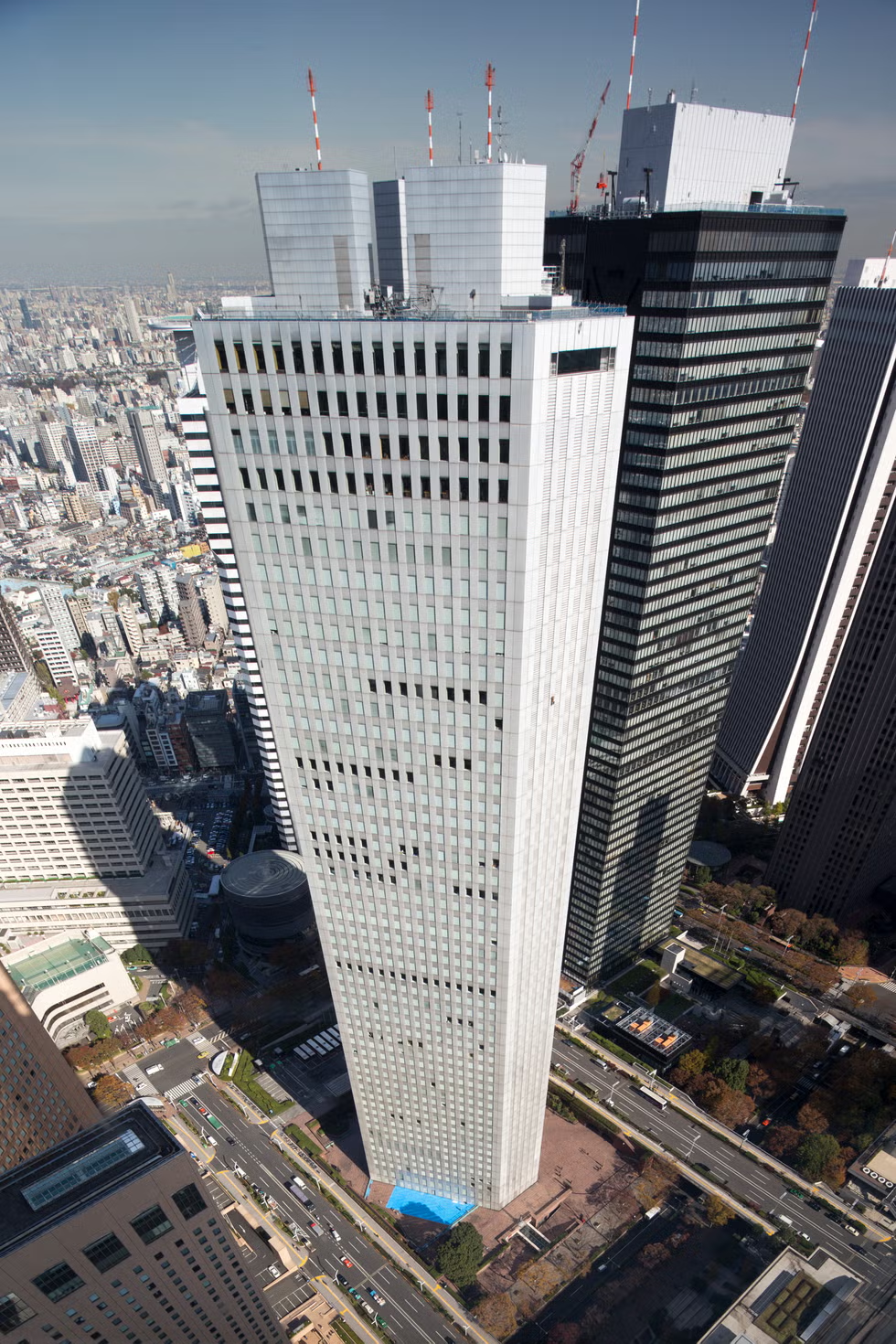
Known locally as the “Triangular Building,” this tower stands out because of its equilateral triangular floor plan—a bold move even in a district already full of unusual skyscrapers.
Its recent renovation introduced Triangle Plaza, a vast all-weather event space that shifted the building from pure office function into something more civic and social.
Location: 2-6-1 Nishi-Shinjuku, Shinjuku-ku
Mode Gakuen Cocoon Tower — the cocoon-shaped school tower

Designed by Noritaka Tange, this is one of Tokyo’s most recognizable contemporary towers. Its cocoon-like exterior was intended to symbolize nurturing young creative talent—a rare case where architectural metaphor is visible immediately.
Inside, three vocational schools are stacked vertically, making the building both visually unusual and conceptually ambitious.
Location: 1-7-3 Nishi-Shinjuku, Shinjuku-ku
Shinjuku NS Building — giant atrium, suspended bridge, surprising light
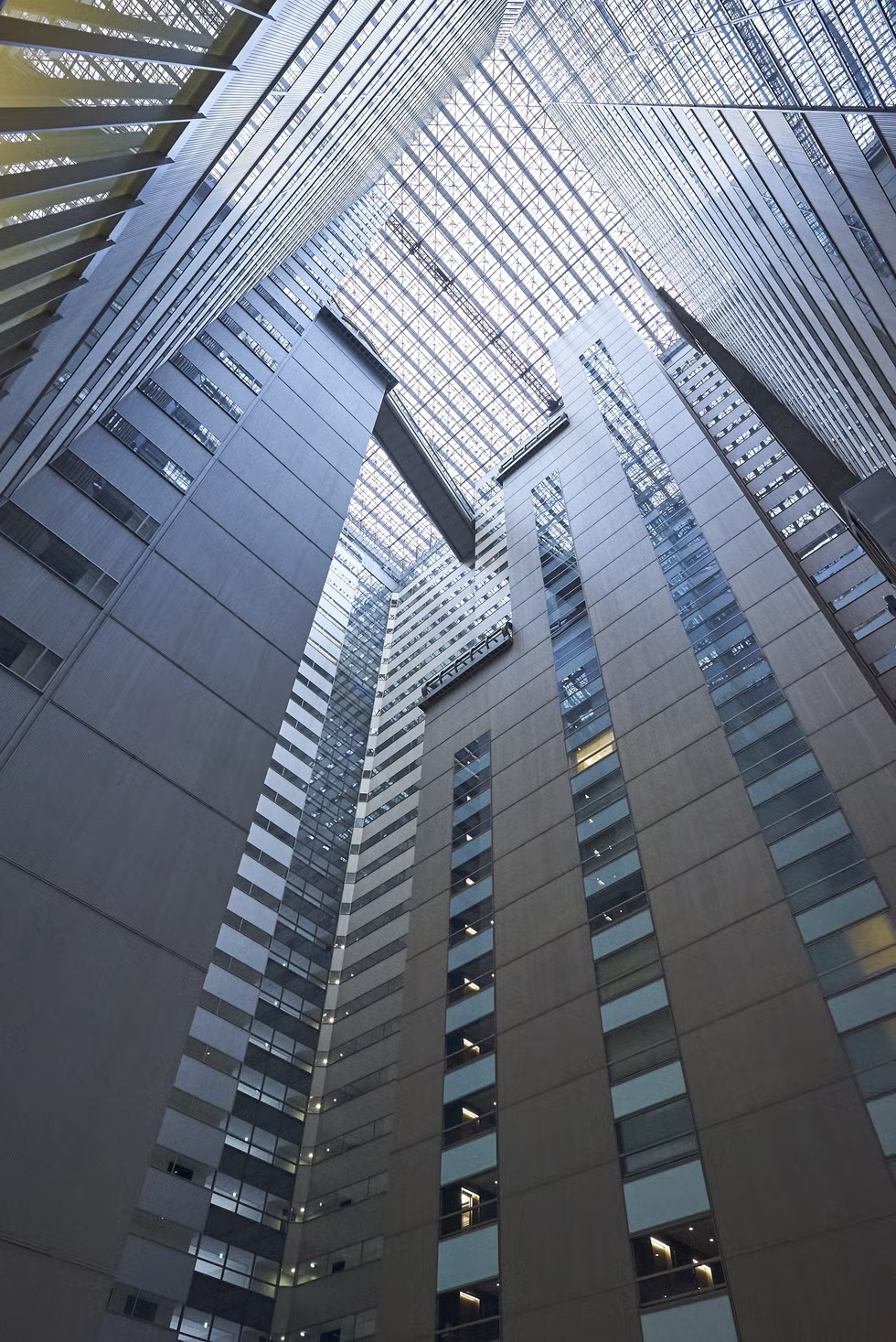
The Shinjuku NS Building is often remembered for one thing first: its enormous internal atrium crossed by a dramatic skybridge.
Despite its scale, the heavy use of natural light keeps the interior unexpectedly open and calm, which is rare in buildings of this size.
Location: 2-4-1 Nishi-Shinjuku, Shinjuku-ku
Tokyo Opera City — where architecture meets performance
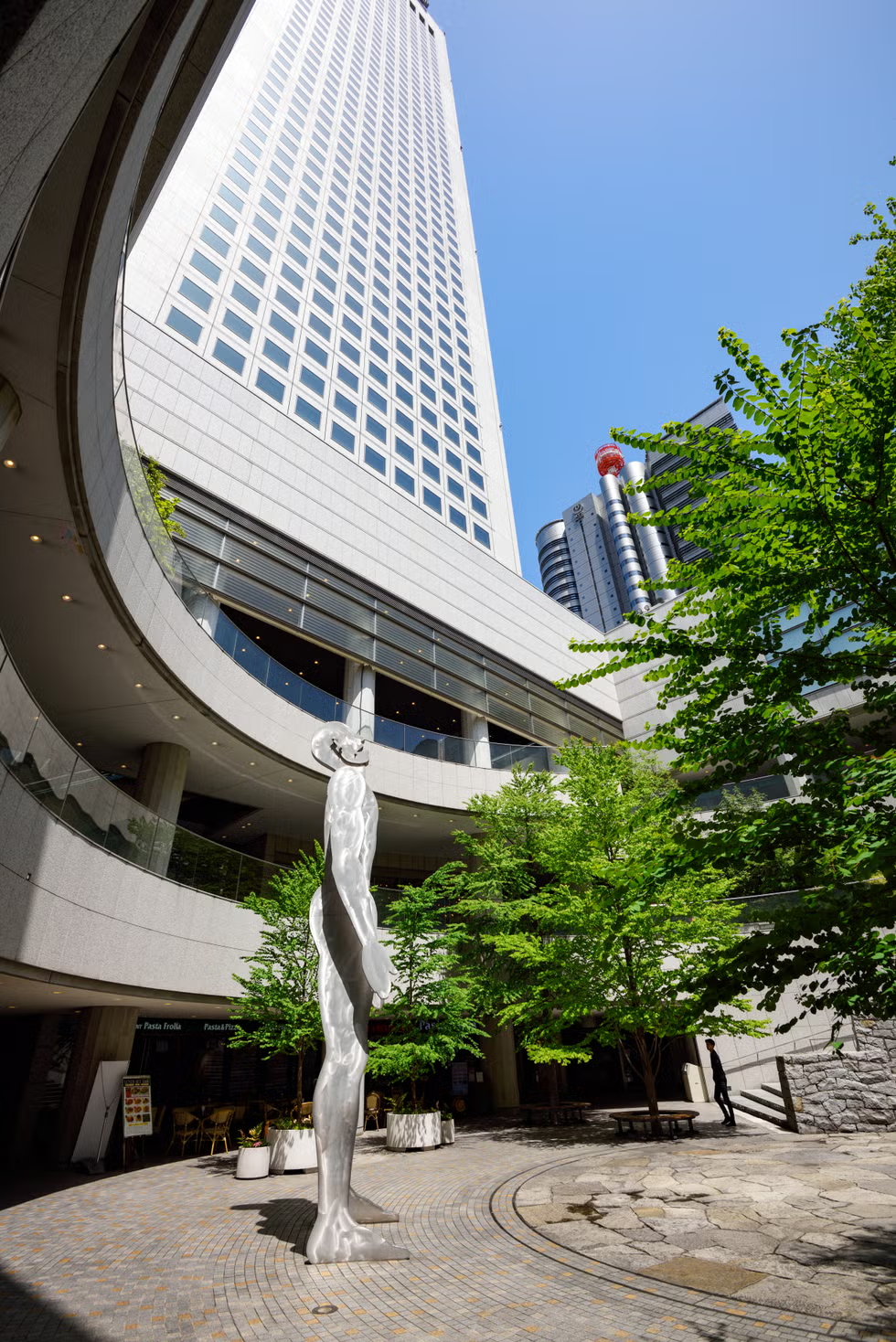
Designed by Takahiko Yanagisawa, this complex combines concert halls, galleries, shops, and restaurants in one of west Tokyo’s strongest examples of late-20th-century cultural architecture.
Its grand staircase and glass atrium feel almost theatrical before you even reach a performance.
Location: 3-20-2 Nishi-Shinjuku, Shinjuku-ku
Shinjuku Island Tower — architecture with public space built in
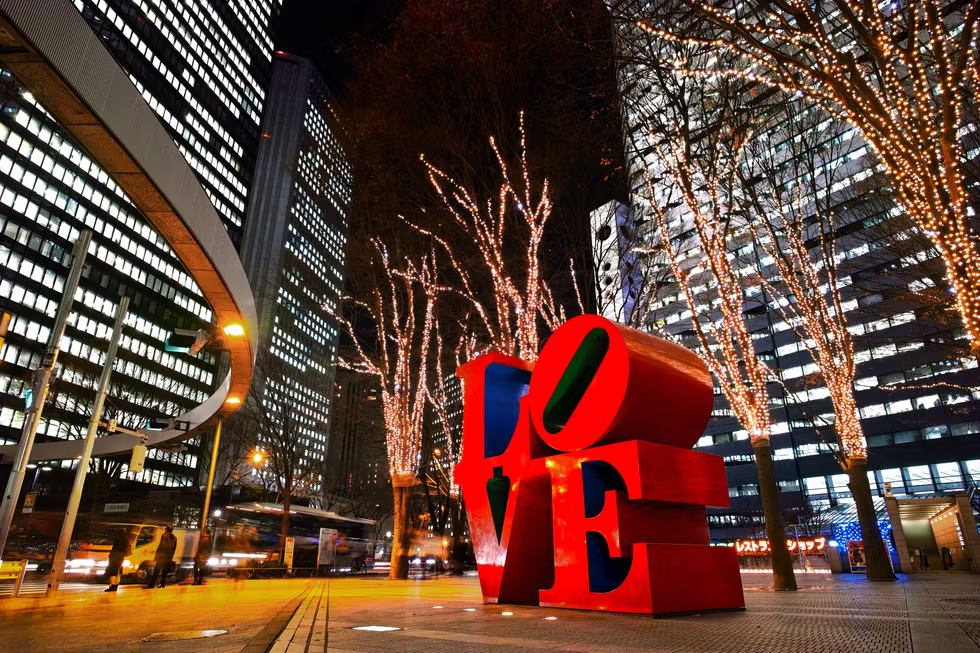
Many people first notice this tower because of Robert Indiana’s LOVE sculpture outside, which has quietly become one of west Shinjuku’s informal meeting points.
The lower open plaza softens the tower’s scale and makes the building part of city life rather than isolated from it.
Location: 6-5-1 Nishi-Shinjuku, Shinjuku-ku
Sompo Museum of Art — art inside a skyline landmark
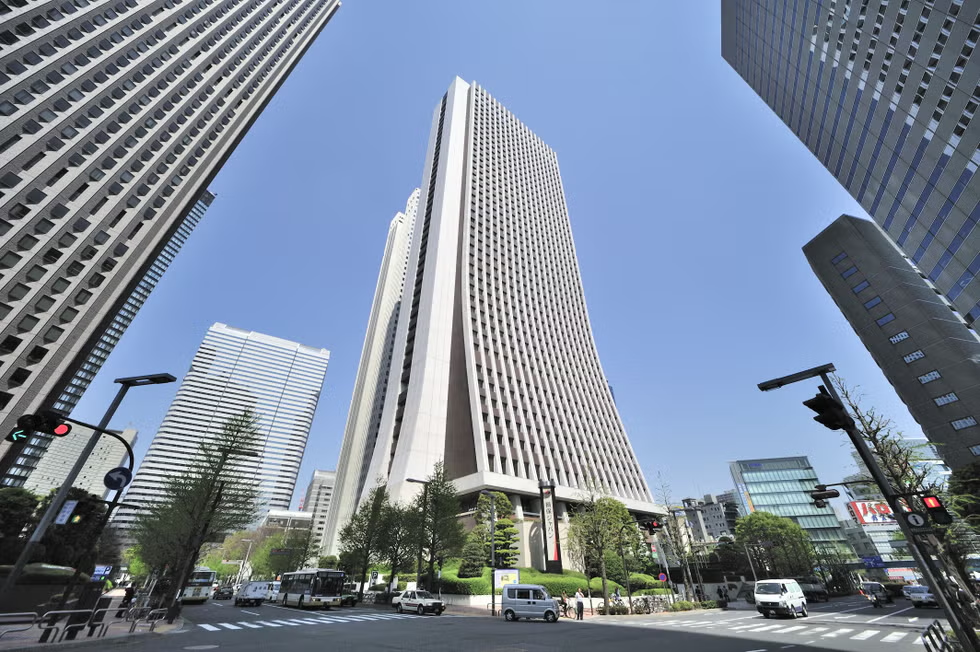
This tower’s curved and straight exterior lines create a lighter visual effect than many neighboring skyscrapers.
Inside sits the museum formerly known for housing Van Gogh’s Sunflowers, making the building important not just architecturally but culturally too.
Location: 1-26-1 Nishi-Shinjuku, Shinjuku-ku
Shinjuku Bunka Center — Kunio Maekawa’s quiet modernism
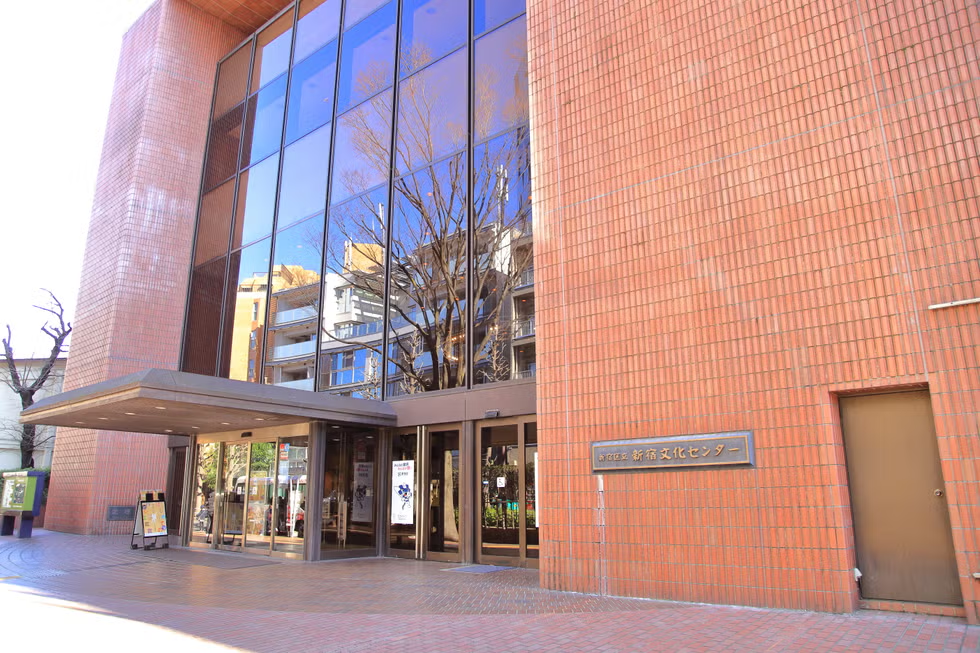
Designed by Kunio Maekawa, this cultural center feels restrained compared with nearby towers, but that restraint is exactly its strength.
Its textured tiled exterior and strong proportions make it one of those buildings that reward slow attention rather than dramatic first impressions.
Location: 6-14-1 Shinjuku, Shinjuku-ku
Kinokuniya Building — literature, theatre, and modern Tokyo history
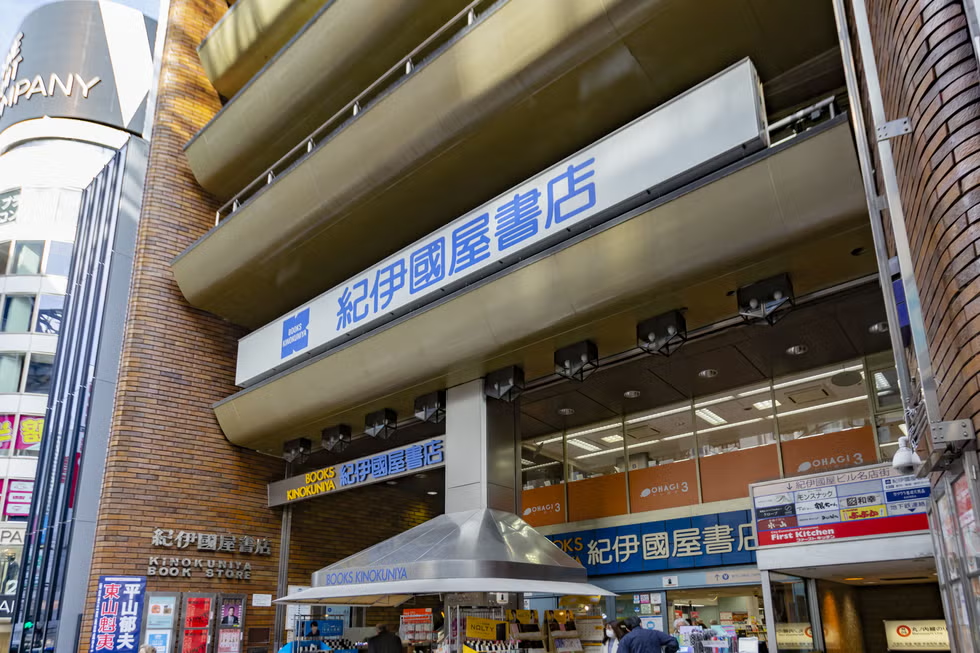
Completed in 1964, this building is one of Tokyo’s most important postwar cultural complexes. It combines bookstore, theatre, and gallery space behind a facade that still carries Maekawa’s signature balance of softness and discipline.
It was later designated a Tokyo Metropolitan Historical Building.
Location: 3-17-7 Shinjuku, Shinjuku-ku
Shinjuku Rurikoin Byakurendo — modern spirituality in white concrete
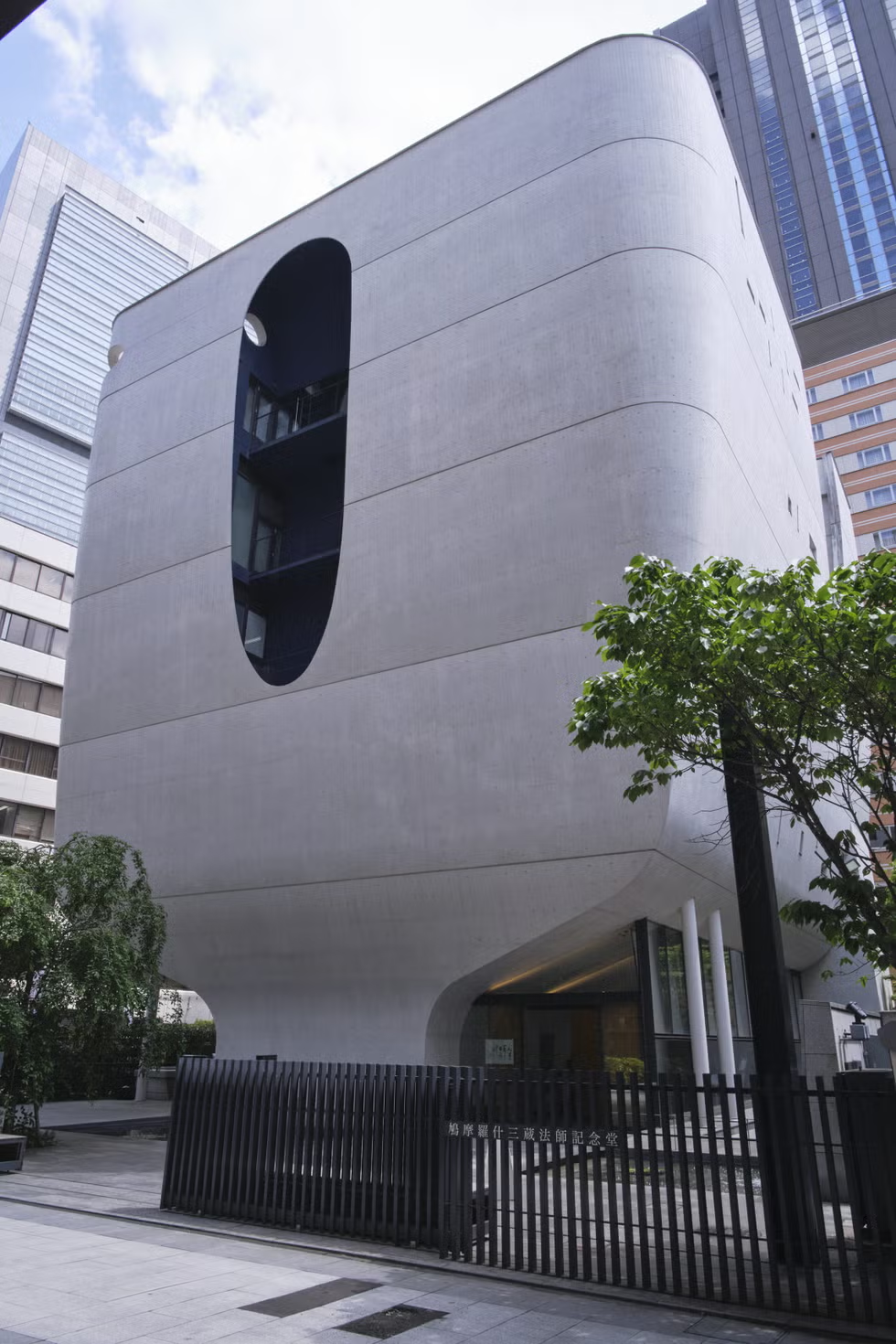
This striking white structure, designed by Sei Takeyama, looks almost sculptural from outside, with curved surfaces that recall lotus petals.
The building is religious, but visually it often feels closer to contemporary monumental art.
Address: 2-4-3 Yoyogi, Shibuya-ku
Institut français du Japon Tokyo — Junzo Sakakura and postwar modernism
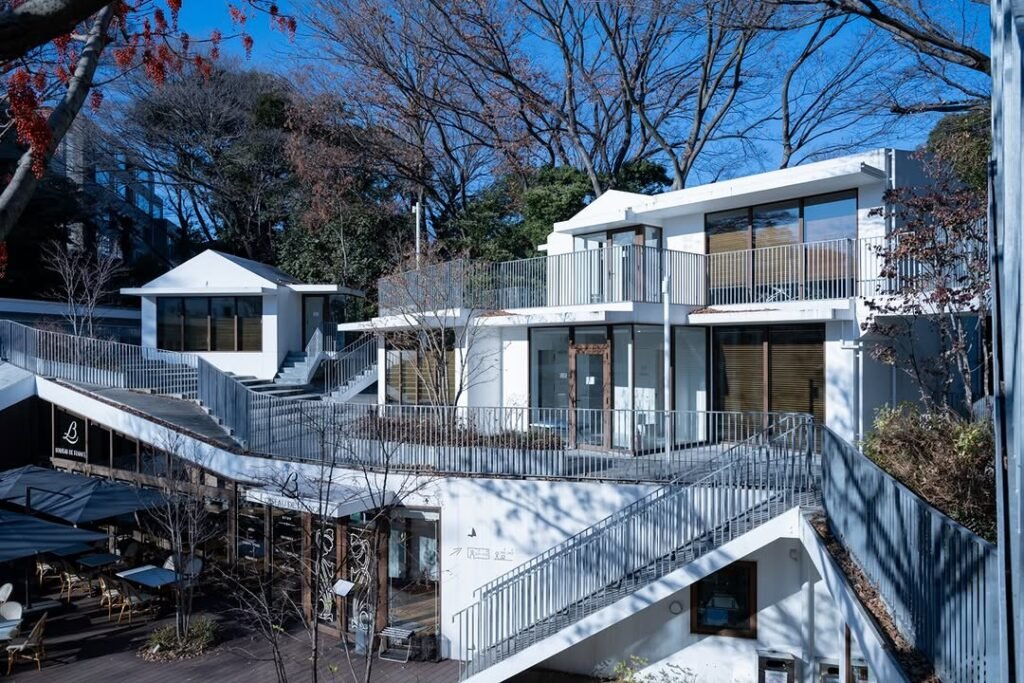
Originally completed in 1951 by Junzo Sakakura, a former student of Le Corbusier, this building is one of Tokyo’s clearest examples of early postwar modernism.
Pilotis, horizontal lines, and lightness define the original structure, while newer additions by Sou Fujimoto add another era to the same site.
Address: 15 Ichigaya Funagawaramachi, Shinjuku-ku
Count Ogasawara Residence — Spanish-style elegance hidden in central Tokyo
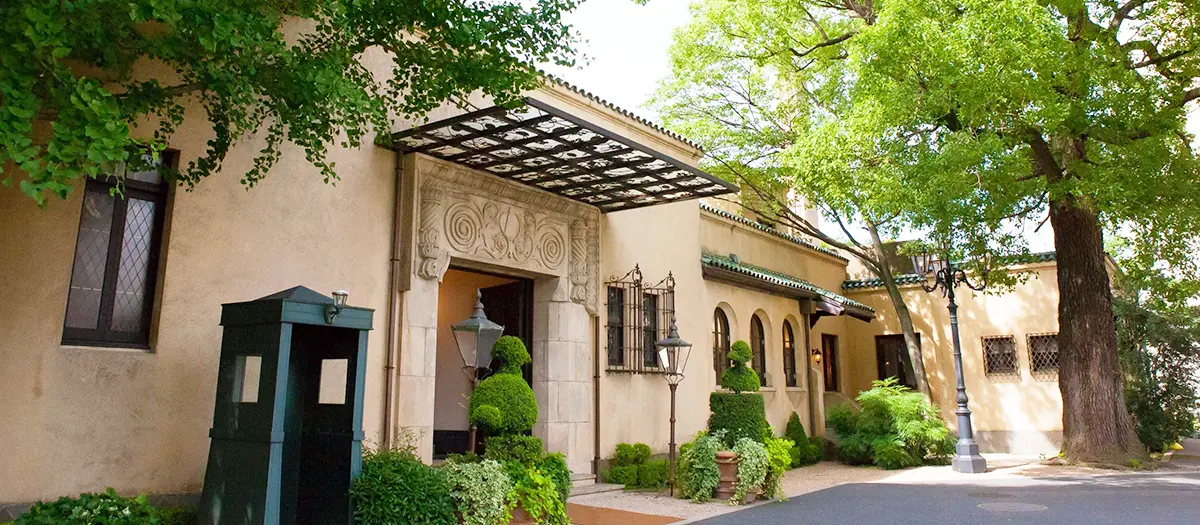
Built in 1927, this former aristocratic residence feels unexpectedly European in the middle of Tokyo. The Spanish-style facade, courtyard layout, and restored interiors make it one of the city’s rare surviving prewar residential landmarks.
Today, it functions as a restaurant, which means architecture here comes with lunch if timed correctly.
Address: 10-10 Kawadacho, Shinjuku-ku
- Pokemon Center Japan (2026 Updated): Locations, Café, Exclusive Merch & Tips

- 10 Best Japanese Graphic Designers Changing The Game [2026]

- Onsen in Japan (2026): The Ultimate Hot Spring Guide
- 15 Best Japanese Movies of All Time: Masterpieces You Can’t Miss in 2026

- Traditional Japanese Art & Culture (2026): The Timeless Crafts Still Practiced Today