
I spill travel tips , and show you the Japan that tourists usually miss.
Want to know what to do in Roppongi Hills? This Tokyo disctrict isn’t just about shopping—it’s one of premier all-day destinations. With art museums, panoramic city views, and gourmet restaurants, there’s no shortage of ways to spend your time here.
This Roppongi Hills guide covers everything you need to know to get the most out of Roppongi Hills—from iconic attractions to must-try restaurants and nearby spots worth visiting.
Planning more Tokyo culture, views, and after-dark wandering?
Roppongi Hills is where Tokyo decides to look polished, artsy, expensive, and slightly intimidating — in the best way. We come for Mori Art Museum and city views, then somehow end up plotting rooftop drinks, architecture walks, gallery hopping, dinner with skyline drama, and maybe one more “quick” neighbourhood detour. If you’re building a fuller Tokyo itinerary around Roppongi, these guides will help you connect the culture, food, design, and night views without falling into a tab-hoarding spiral.
- Best Tokyo Art Museums — the obvious next read for Mori Art Museum, major exhibitions, contemporary art, and Tokyo’s bigger museum scene.
- Best Contemporary Art Galleries in Tokyo — perfect if Roppongi has you craving more white walls, bold installations, and creative city wandering.
- Amazing Architecture in Tokyo — useful if Roppongi Hills has awakened your inner building nerd and you want more dramatic Tokyo design.
- Restaurants with a View in Tokyo — ideal if your Roppongi day needs skyline dining, Tokyo Tower views, bay lights, and a meal that feels like a scene.
- Best Rooftop Bars in Tokyo — for sunset drinks, city lights, hotel terraces, and that smug little feeling of being above the chaos.
- Nightlife in Tokyo — handy if Roppongi is only the beginning of your after-dark plan and you want bars, clubs, lounges, and late-night districts.
- Best Places to Eat in Tokyo — because gallery wandering is noble, but dinner still needs to happen before everyone becomes dramatic.
- Unusual Things to Do in Tokyo — for quirky museums, offbeat stops, strange corners, and Tokyo experiences that go beyond the standard checklist.
- Best Places to Relax in Tokyo — useful when Roppongi’s polished intensity has done its work and you need gardens, calm corners, and a softer city moment.
- Best Neighborhoods to Visit in Tokyo — great for comparing Roppongi with Ginza, Shibuya, Shinjuku, Harajuku, Asakusa, and the rest of Tokyo’s very opinionated districts.
Table of Contents
What Is Roppongi Hills?
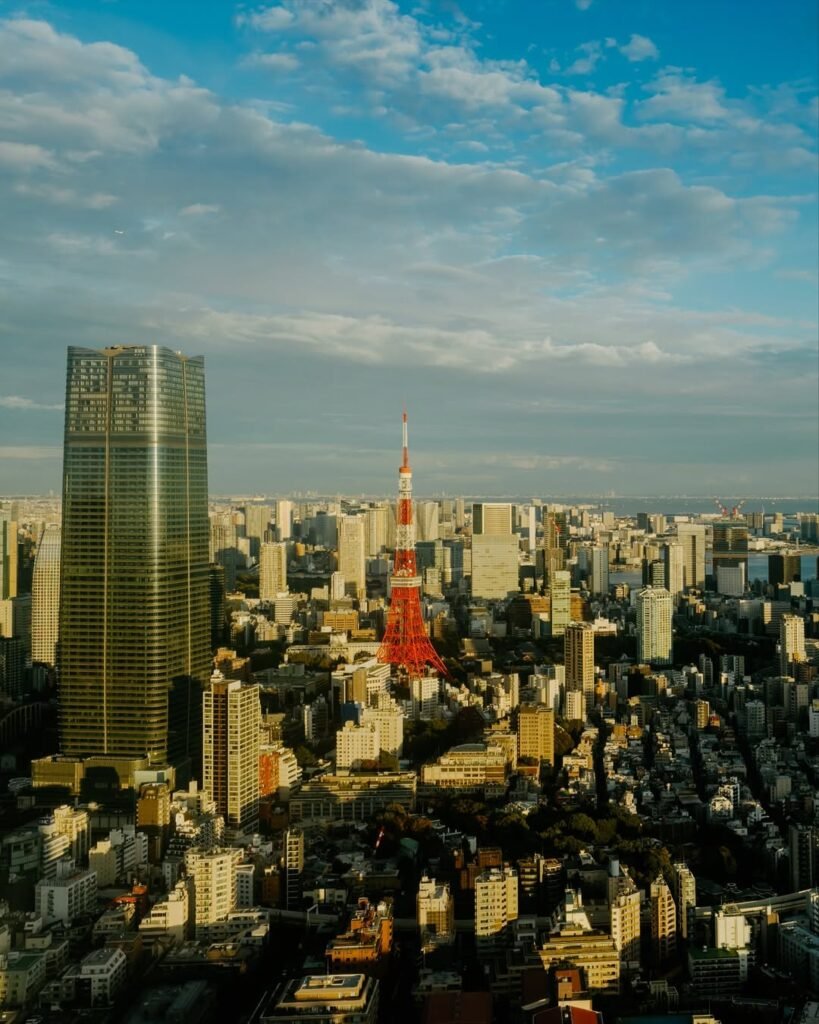
Located in Minato Ward, Roppongi Hills is a massive, upscale complex anchored by a 238-meter skyscraper known as the Mori Tower. Surrounding it are luxury apartments, a hotel, a cinema, art and culture facilities, parks, and over 200 shops and restaurants.
High-end brands and fine dining are a big part of the experience. On top of the Mori Tower, the Sky Deck offers panoramic views of Tokyo—and the night view featuring Tokyo Tower is unforgettable.
The five zones of Roppongi Hills include cherry tree–lined paths, lush parks, and even a traditional Japanese garden that once belonged to a feudal lord during the Edo period. You can easily spend the whole day walking, sightseeing, shopping, and eating.
Getting Around Roppongi Hills
Roppongi Hills is a mini-city—slick, layered, and a little maze-y at first sight. Once you know the shortcuts, it’s easy. Here’s the fast, no-stress way to move through it like a regular.
Best subway doors to aim for
- Tokyo Metro Hibiya Line – Roppongi Station (Exit 1C): this is the smoothest. It leads directly into the Roppongi Hills underground concourse—dry in the rain, stroller-friendly, and signed in English.
- Toei Oedo Line – Roppongi Station (Exit 3): good for Keyakizaka-dori, TV Asahi, and the Grand Hyatt side.
- Nogizaka Station (Chiyoda Line): a pleasant 15–18 min walk if you’re coming from Aoyama/Omotesando.
- Azabu-Juban Station (Namboku/Oedo Lines): about 10–12 min on foot to the Hillside/Keyakizaka area.
Core landmarks = your inner compass
- Mori Tower (observatory & art): the vertical anchor; most signs point here.
- West Walk & North Tower: shopping/dining spines connected by escalators and bridges.
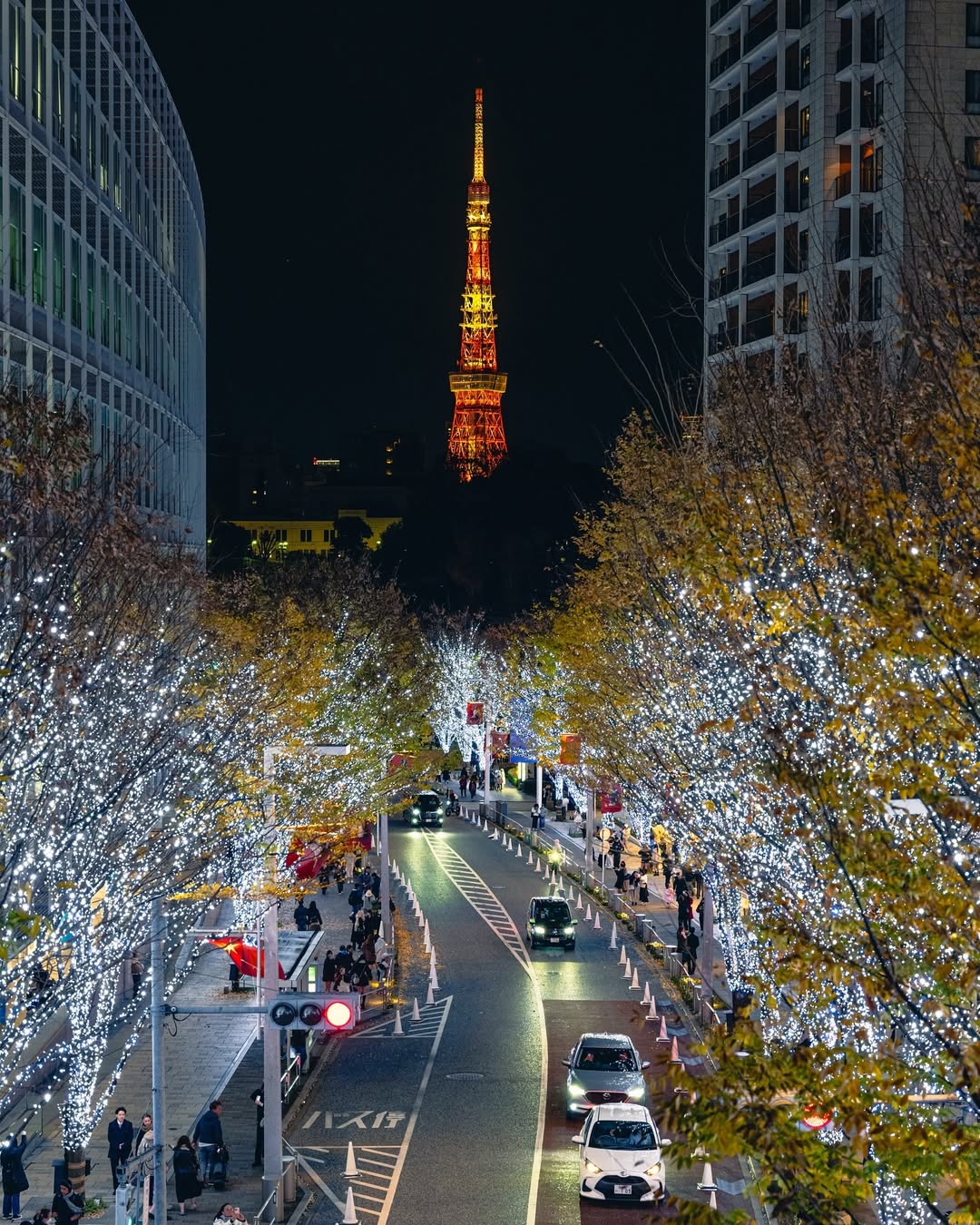
- Hillside & Keyakizaka-dori: café street, seasonal illuminations, and the downhill road with Tokyo Tower views.
- Roku-Roku Plaza & TV Asahi: open plazas, weekend events, kid-friendly zones.
Rain-proof route (my go-to)
Enter via Hibiya Line Exit 1C → Underground Concourse → West Walk → Mori Tower. You can reach TOHO Cinemas, Mori Art Museum (via tower), and most dining floors without stepping outside.
Stairs vs. elevators (access tips)
- Look for the glass-tube elevators near West Walk for quick hops between plaza and dining floors.
- Every major level has big bilingual wayfinding boards. If you get turned around, follow signs for Mori Tower first—everything spokes off that.
With kids or a stroller
- Use Exit 1C (ramps, elevators) and stick to the Underground Concourse → West Walk corridor.
- Family rooms and stroller-friendly elevators are well marked; the Roku-Roku Plaza area has open space for wiggles.
Buses & taxis
- Taxis line up at signed ranks along the Mori Tower / Grand Hyatt side; it’s the easiest pick-up/drop-off point.
- Local Toei buses stop on the surrounding avenues; if you’re not sure, plug “Roppongi Hills Mori Tower” into maps as your pin and walk 2–3 minutes from any stop.
Bikes & on foot
- The hills are… hills. If you’re biking, plan for a gentle climb on Keyakizaka. Walking between Roppongi Hills and Tokyo Midtown takes about 12–15 minutes—flat, pleasant, and great at night.
Parking (if you must)
- On-site multi-story parking exists and is clearly signed around the perimeter. It’s convenient but not cheap; some shops/restaurants offer ticket validation—ask at payment.
Payments & tickets
- Inside the complex, cashless rules: IC cards (Suica/PASMO), credit cards, and QR wallets are widely accepted.
- For the Mori Art Museum / Tokyo City View, buy timed tickets online when possible; the elevator queues move faster with advance QR codes.
When it’s crowded (and how to dodge it)
- Weekend late afternoons: elevator lines to the observatory swell. Go morning or after 8 pm for breezier views.
- Illumination season (winter) on Keyakizaka: use the upper plaza → West Walk internal route to avoid the street bottleneck, then pop out right where you want photos.
Micro-map in your head
- Exit 1C → Underground Concourse
- West Walk spine
- Branch left/right to Mori Tower / TOHO Cinemas / Grand Hyatt / TV Asahi / Keyakizaka
Once this clicks, Roppongi Hills stops feeling like a labyrinth and starts feeling like your living room.
What To Do in Roppongi Hills: Top 3 Must-See Attractions
1. Tokyo City View & Sky Deck
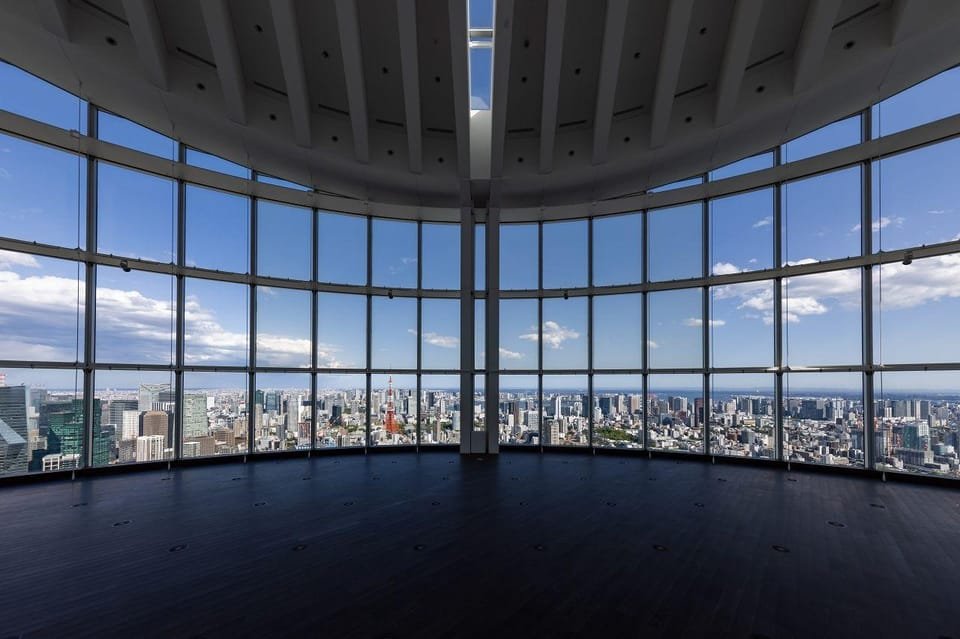
Located on the 52nd floor of Mori Tower, this indoor observation gallery sits 250 meters above sea level. With floor-to-ceiling glass and 360° views, it’s one of the best spots to take in the Tokyo skyline—especially at night.
2. Mori Art Museum
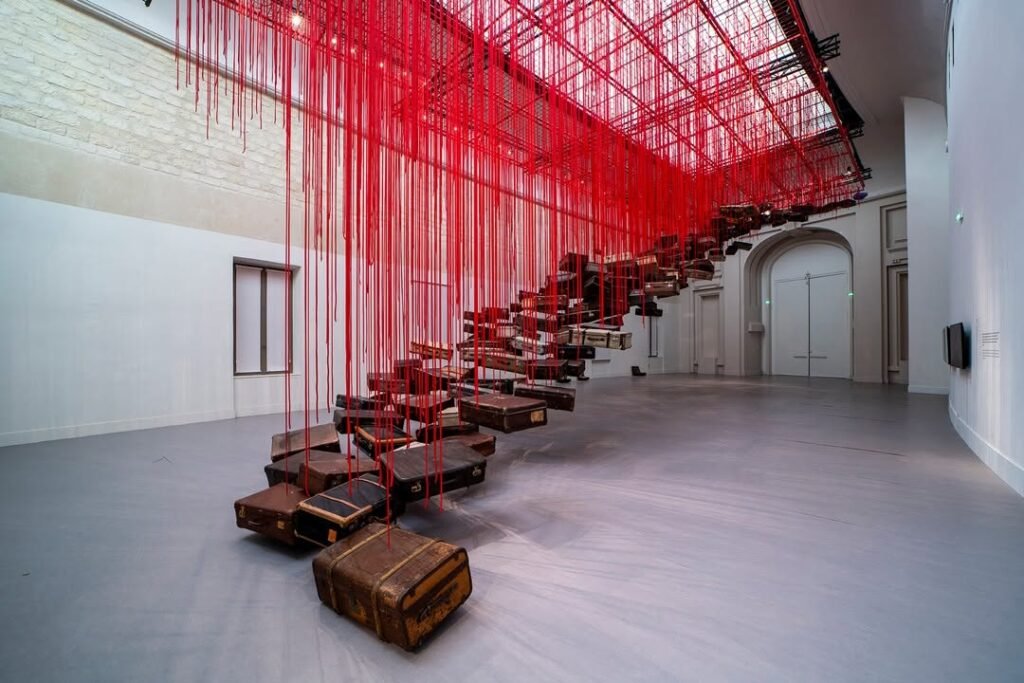
On the 53rd floor is the internationally renowned Mori Art Museum, which showcases cutting-edge exhibitions in contemporary art, design, and architecture. Alongside curated exhibits, it also hosts video installations, global artist collaborations, and special projects like MAM Screen and MAM Project.
3. Mohri Garden
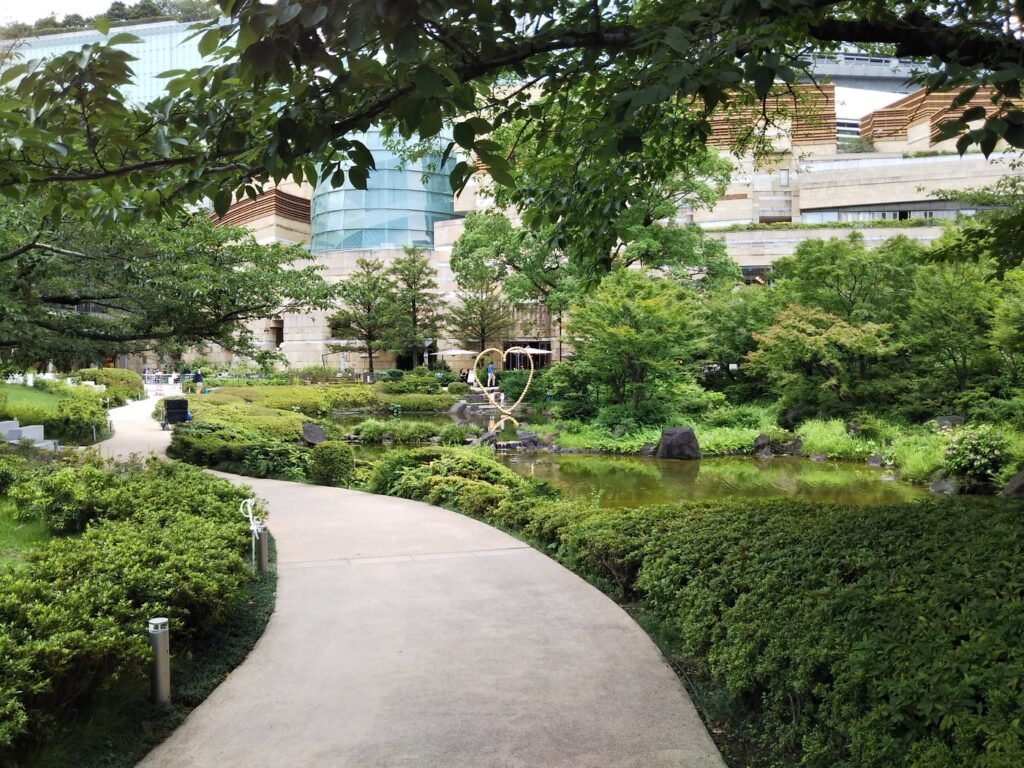
Once the private estate of a samurai lord, this tranquil Japanese garden offers a green escape in the heart of the city. With a koi pond, trees from the Edo period, and seasonal flowers, it’s a peaceful break from the hustle of Tokyo.
Best Restaurants in Roppongi Hills
1. DAL-MATTO Roppongi Hills
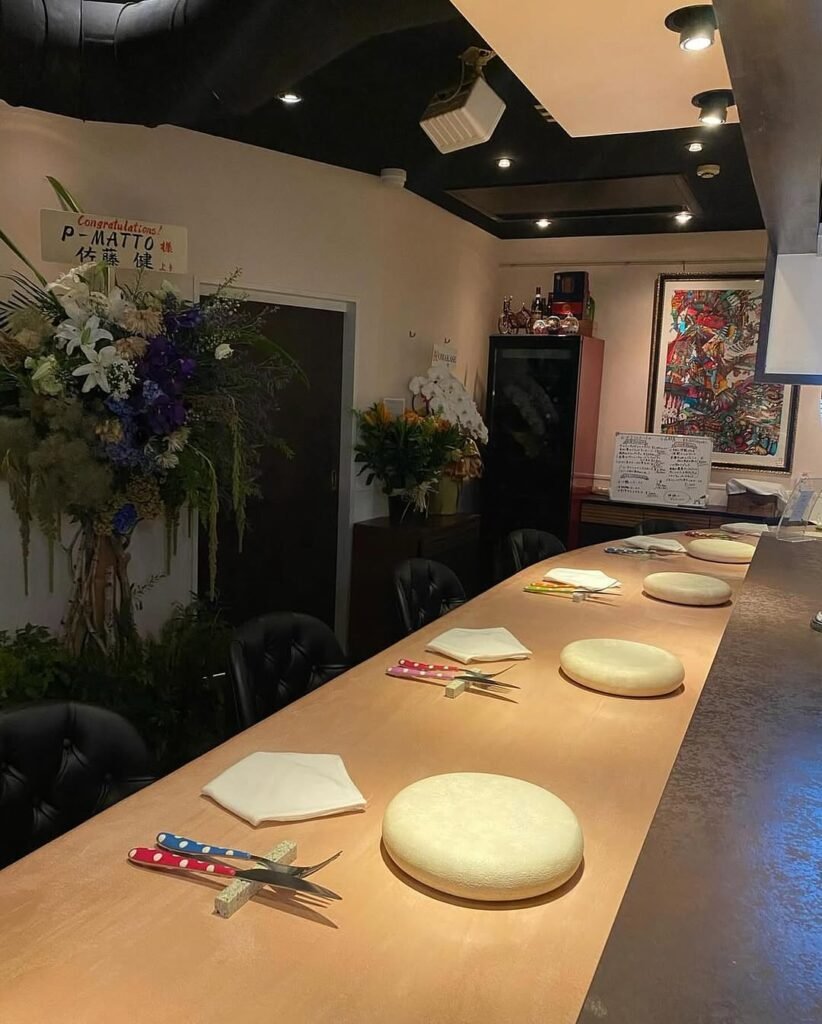
This modern Italian spot sources vegetables from local farms and seafood direct from the coast. The original in Nishiazabu is famously hard to book, but here you can enjoy the same fine Italian food in a relaxed, stylish setting.
2. Salvatore Cuomo (Mohri branch)

Helmed by the chef who popularized Neapolitan pizza in Japan, this restaurant serves award-winning pies straight from a stone oven. Don’t miss their signature D.O.C pizza, winner of Italy’s prestigious “Pizza Fest.”
3. Bairan

A beloved Yokohama Chinatown favorite, Bairan serves crisp and juicy yakisoba alongside a wide menu of authentic Chinese dishes. The Roppongi Hills branch has terrace seating with Tokyo Tower views and is great for both casual lunches and group dinners.
Top Attractions Near Roppongi Hills
1. The National Art Center, Tokyo
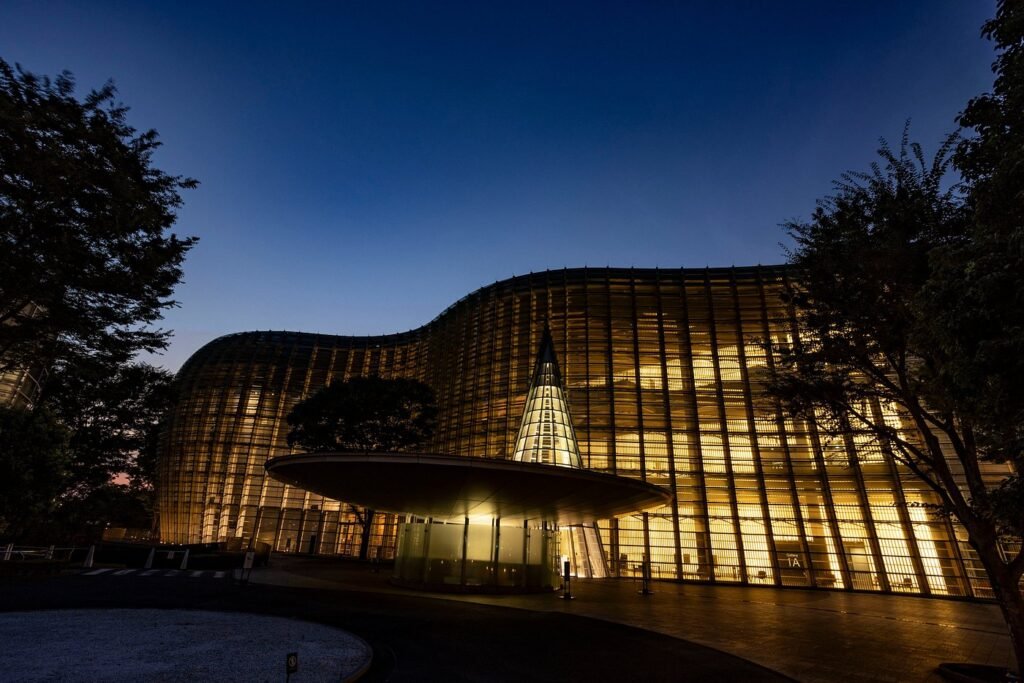
Rather than housing a permanent collection, this stunning museum hosts rotating exhibitions in its 14,000 sqm space. Designed with flowing glass walls to evoke a “museum in the forest,” it also has a library, café, and shop.
2. Arisugawa-no-miya Memorial Park
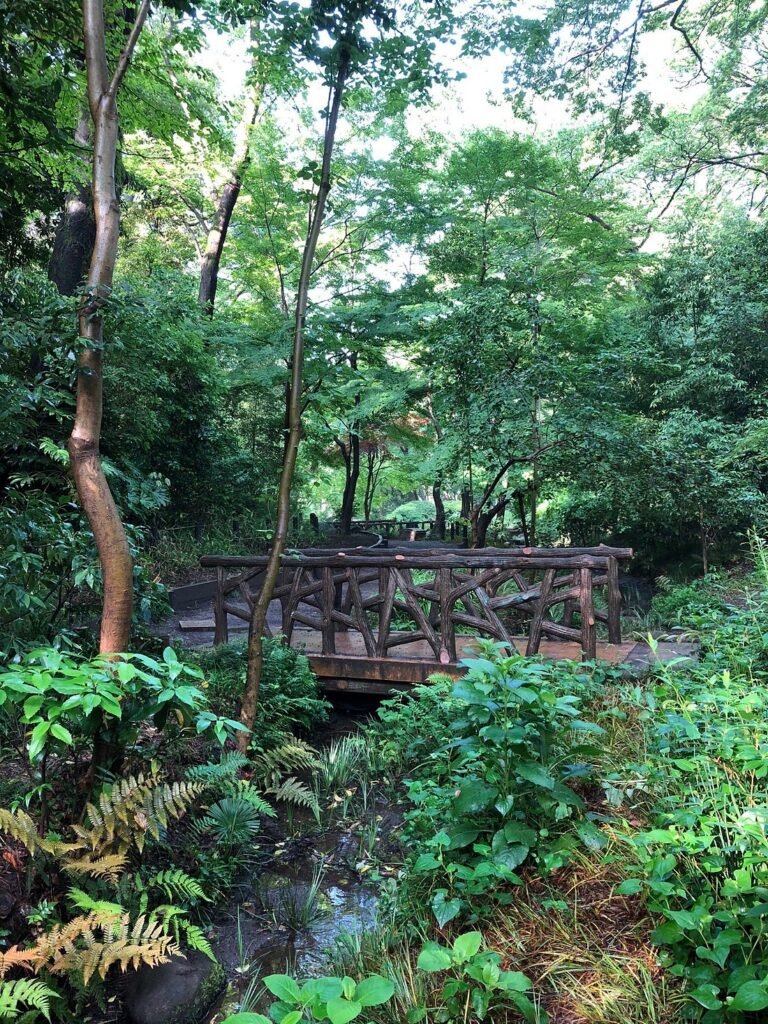
This former feudal estate turned public park features hills, streams, and seasonal flowers in a traditional Japanese garden setting. It’s a peaceful retreat tucked into a quiet neighborhood.
3. Suntory Museum of Art
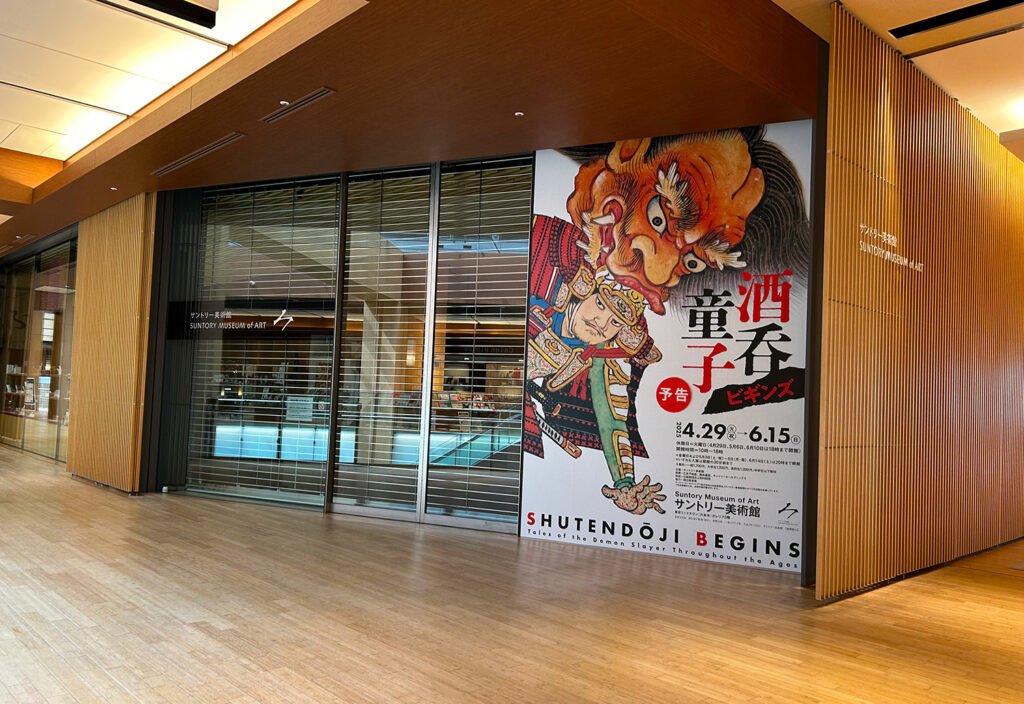
Now housed in Tokyo Midtown, this museum blends traditional Japanese aesthetics with modern architecture by Kengo Kuma. It rotates exhibitions centered around the theme of “Art in Everyday Life,” featuring items like ceramics, lacquerware, and antique glass.
Where to stay in Roppongi Hills—for every budget
Roppongi Hills is glossy, stacked, and central. Sleep next door to the action or a few calm blocks away—your call. Here are my go-to picks, grouped by price.
Splurge / Luxury
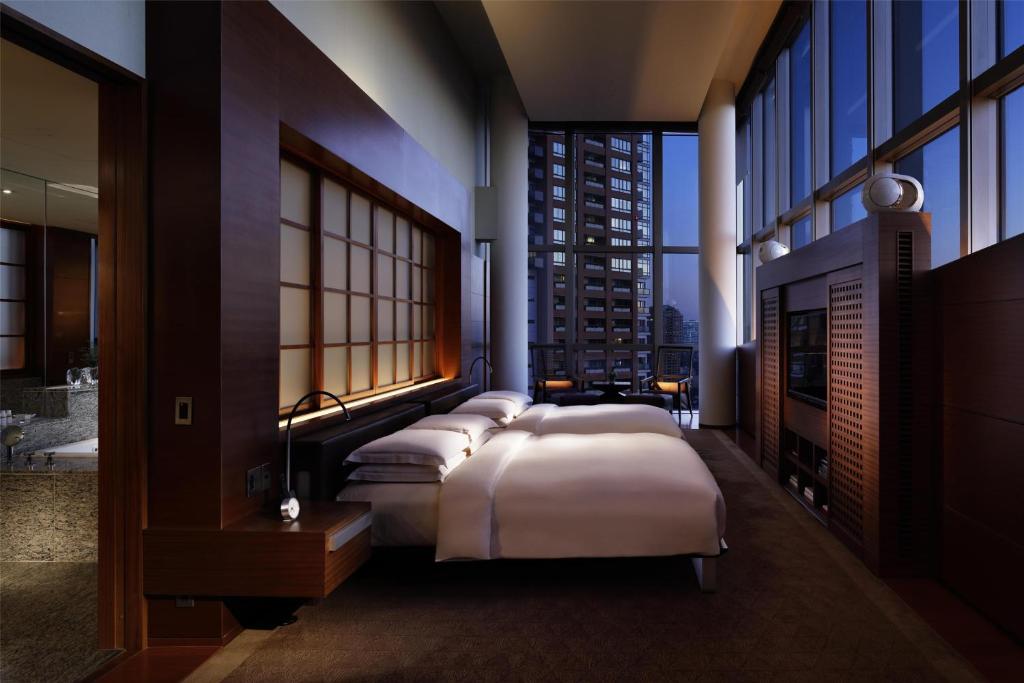
1) Grand Hyatt Tokyo (inside Roppongi Hills)
Big, polished, zero commute. Direct access to West Walk, Mori Tower, TOHO Cinemas. Pool, spa, flawless service.
Best for: all-in convenience, special occasions.
Typical rates: ¥70,000–120,000+ per night.
2) The Ritz-Carlton, Tokyo (Tokyo Midtown)
Sky-high views from the 45th floor up, hushed lounges, superb cocktails. A 12–15 minute walk (or quick taxi) to Roppongi Hills.
Best for: views, anniversaries, luxe calm.
Typical rates: ¥90,000–150,000+.
3) Andaz Tokyo Toranomon Hills
Design-forward, breezy service, a rooftop bar that glows at night. One subway hop or short taxi to Roppongi Hills.
Best for: style lovers, couples.
Typical rates: ¥70,000–120,000+.
Mid-range / Boutique
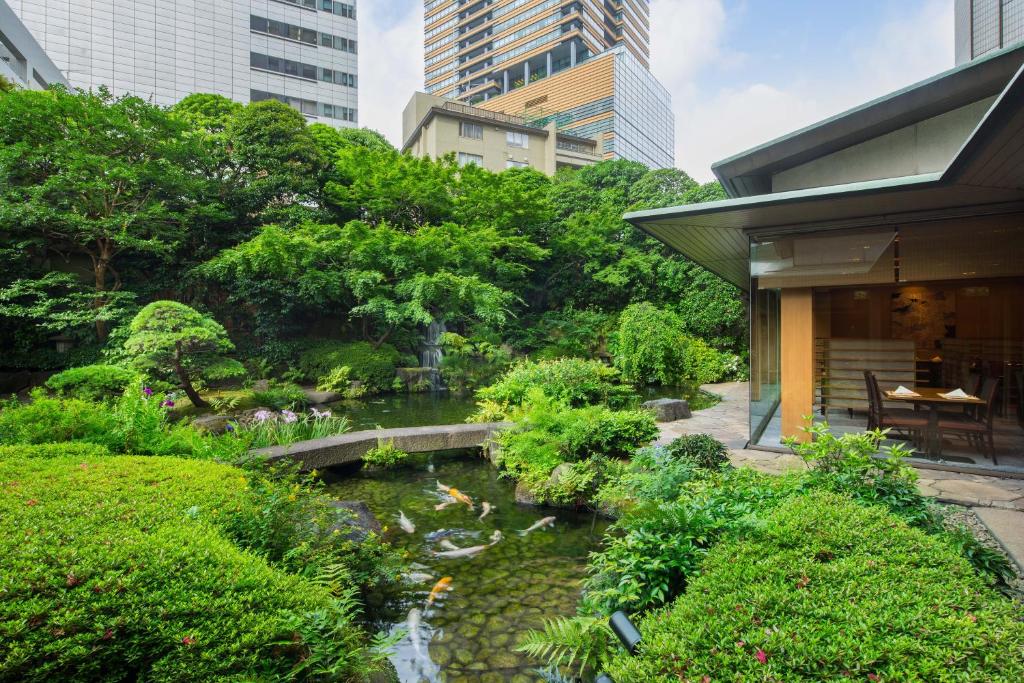
1) Mitsui Garden Hotel Roppongi Tokyo Premier
Fresh, elegant, just enough luxury without the price spike. Easy stroll to the Hills.
Best for: modern rooms, great value.
Typical rates: ¥25,000–45,000.
2) CANDEO Hotels Tokyo Roppongi
Clean lines, small rooftop bath, comfy beds. Steps from nightlife, 8–10 minutes to Roppongi Hills.
Best for: sleek minimalism, night owls.
Typical rates: ¥22,000–40,000.
3) ANA InterContinental Tokyo (Akasaka/Tameike-Sannō)
Large business-luxe with multiple restaurants. One stop or a quick taxi away.
Best for: families and business travelers who want options.
Typical rates: ¥28,000–50,000.
Budget / Smart-save
1) remm Roppongi
Compact rooms built for sleep: great beds, massage chairs, rain showers. 10–12 minutes to Roppongi Hills.
Best for: solo travelers, short stays.
Typical rates: ¥12,000–22,000.
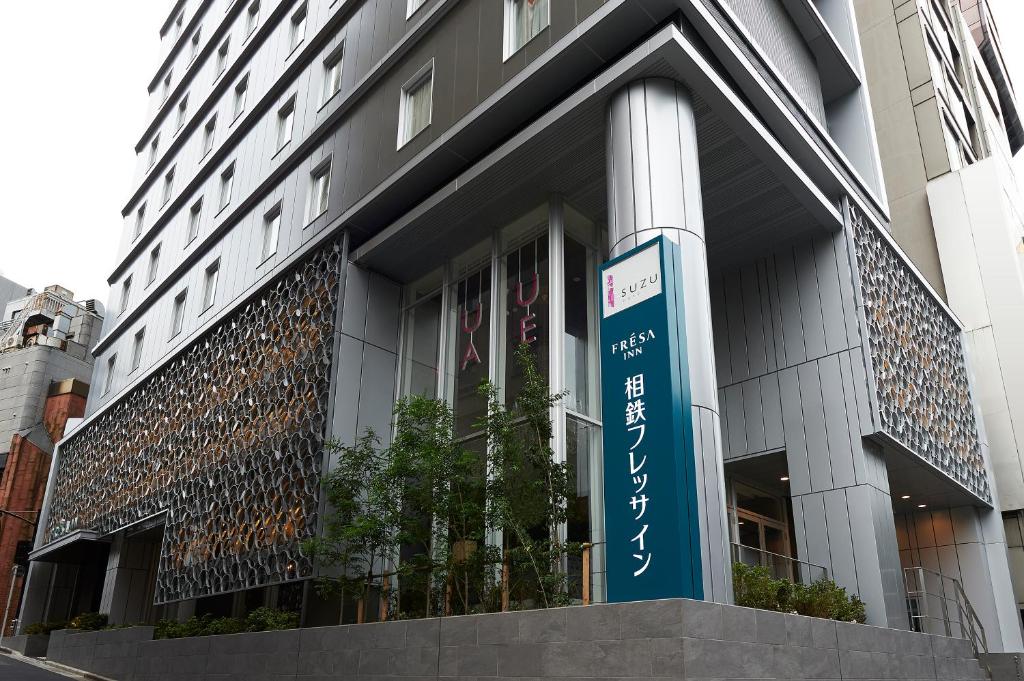
2) Sotetsu Fresa Inn Tokyo-Roppongi
Simple, reliable, efficient. Laundry on site, plenty of cheap eats nearby.
Best for: practical travelers, longer stays on a budget.
Typical rates: ¥11,000–20,000.
3) APA Hotel Roppongi-Ekimae
Tight rooms, very central, good if you’re barely in the hotel.
Best for: one-nighters, late arrivals.
Typical rates: ¥9,000–17,000.
Quick booking tips
- Weeknights are usually cheaper than weekends.
- If the Mori Art Museum has a blockbuster show or it’s illumination season, rooms spike—book early.
- Walking matters here: aim for Roppongi Station (Hibiya Line) Exit 1C for the easiest route into the Hills.
- Many hotels offer kids-stay deals and early-bird discounts—check the official site before you lock in a third-party rate.
FAQs: What to Do in Roppongi Hills
1) What are the absolute must-dos in Roppongi Hills?
Start with Tokyo City View (observatory) in Mori Tower, Mori Art Museum, a wander along Keyakizaka-dori for Tokyo Tower views, and a film at TOHO Cinemas. Add a coffee stop in West Walk and a peek at TV Asahi / Roku-Roku Plaza for pop-up events.
2) Observatory or Sky Deck—what’s the difference?
Tokyo City View is the indoor observatory (all-weather). Sky Deck is the open-air rooftop (weather/operation dependent). If it’s clear, do both: indoor for exhibits, rooftop for wind-in-your-hair skyline shots.
3) Best time for views?
Golden hour into dusk. Arrive about 45–60 minutes before sunset to catch day→twilight→night city lights.
4) Is Mori Art Museum kid-friendly?
Yes. Exhibitions vary, but signage is bilingual, pathways are stroller-friendly, and there are family rest areas nearby. Check for interactive or installation-heavy shows—those land well with kids.
5) Rainy day plan?
Use Hibiya Line Exit 1C straight into the Underground Concourse. You can do Mori Art Museum → Tokyo City View → West Walk dining → TOHO Cinemas almost entirely indoors.
6) Where should I eat without overspending?
Try casual spots in West Walk and Hillside for ramen, curry, and cafés. For a splurge, book Grand Hyatt restaurants or tower-view dining—reserve ahead on weekends.
7) What’s special about Keyakizaka-dori?
It’s the gently sloped avenue below the complex with photo-perfect Tokyo Tower sightlines. In winter, it hosts famous illumination displays—go on weekdays or late evening to avoid crowds.
8) Can I combine Roppongi Hills with Tokyo Midtown in one walk?
Yes—12–15 minutes on foot, mostly flat. Do Hills (museum/observatory) by day, Midtown for dinner or seasonal lights after.
9) Do I need to pre-book tickets?
It helps. Timed tickets for the museum/observatory cut queue anxiety, especially on weekends, holidays, and during headline exhibitions.
10) Any quick shortcuts for getting around?
Think in a straight spine: Exit 1C → Underground Concourse → West Walk → Mori Tower. From that spine, branch to TOHO Cinemas, Grand Hyatt, TV Asahi, or Keyakizaka.
11) Is it stroller/wheelchair friendly?
Yes. Elevators are frequent, routes are ramped, and facilities are signed in English. If in doubt, follow signs to Mori Tower—it’s the best-connected hub.
12) Where are the easiest taxi/rideshare points?
Use the signed ranks near Mori Tower / Grand Hyatt. For metro, Roppongi Station (Hibiya Line Exit 1C) is the most convenient entrance.
13) Any free things to do?
Window-shop West Walk, relax at Roku-Roku Plaza, stroll Keyakizaka-dori, and watch small outdoor events. Even without tickets, sunset from street level can be gorgeous.
14) Photography tips?
For the Sky Deck, bring a strap/hood (windy). For indoor night shots, press your lens close to the glass to avoid reflections. Keyakizaka works best after rain—reflections double the lights.
15) How long do I need?
2–4 hours for museum + observatory + a café stop. Half-day if you add cinema, shopping, and a slow dinner.