I spill travel tips , and show you the Japan that tourists usually miss.
Tokyo isn’t just a city you visit — it’s a full experience. Three days here can feel like stepping through time portals: one minute you’re standing before a 1,400-year-old temple, the next you’re crossing the Shibuya Scramble under a blaze of LED chaos. It’s sensory overload in the best possible way — the hum of vending machines, the whisper of kimonos, the smell of ramen at midnight.
In this 3 days in Tokyo itinerary, we’ll show you how to balance the city’s ancient calm with its futuristic pulse — what to see, where to stay, and how to move around without losing your mind. Whether it’s your first trip to Japan or your fifth, these are the days that’ll make you fall head over heels for the capital of contrasts.
Keep Planning Your Tokyo Stay
Choosing where to stay in Tokyo is basically choosing your travel personality for the week. Shinjuku says neon and transport wizardry. Ginza says polished, elegant, and possibly dangerous for your wallet. Asakusa says temples, old streets, and slower mornings. Use these Tokyo guides to turn your hotel base into a proper plan — not a daily commute across the city like a confused salaryman.
- Best Neighborhoods to Visit in Tokyo — the best next click if you want to compare Tokyo’s main areas before choosing your base.
- Most Beautiful Hotels in Tokyo — perfect if you want stylish stays, skyline views, design hotels, and rooms that feel like part of the trip.
- Best Family Hotels in Tokyo — useful if you need space, easy transport, kid-friendly comforts, and a room where everyone can actually sleep.
- How to Get Around Tokyo — essential for checking whether your chosen neighborhood is brilliantly convenient or quietly plotting against your feet.
- 9 Days in Tokyo Itinerary — handy if you’re staying longer and want to spread neighborhoods, food stops, shopping, and day trips across the week.
- One Day in Tokyo — perfect if your Tokyo stay is short and you need a ruthless but glorious hit list.
- What to Do in Ginza — useful if you’re staying around Ginza, Tokyo Station, or the polished side of the city.
- Tokyo With Kids — great if your hotel choice needs to work around playgrounds, museums, theme parks, easy meals, and tiny travelers with strong opinions.
- Tokyo Travel Guides — your main hub for more Tokyo neighborhood, food, hotel, itinerary, shopping, and family travel ideas.
Table of Contents
How many days does it take to vist Tokyo?
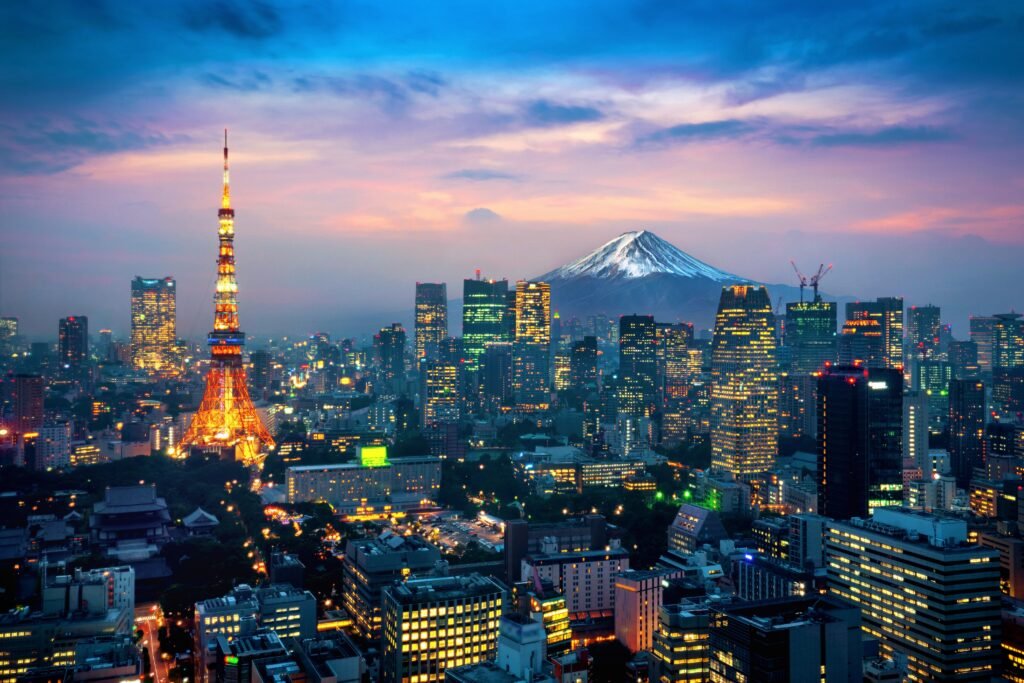
Based on our personal experience, you need a minimum of three days to explore the best places to visit in Tokyo without rushing from one place to another.
In addition to those three days, there are plenty of day trips you can take with Tokyo as your base. Therefore, we would recommend a total of five to seven days in Tokyo for a full independent trip to Japan. This will also allow you to enjoy the city’s nightlife for a few more days after returning from your excursions.
Where to stay in Tokyo
First things first. Finding good accommodation in Tokyo isn’t so easy. That’s why we’re going to save you the trouble of searching among the thousands of hotels in Tokyo and recommend the one that, in our opinion, offers the best value for money:
Hotel Sunroute Plaza Shinjuku
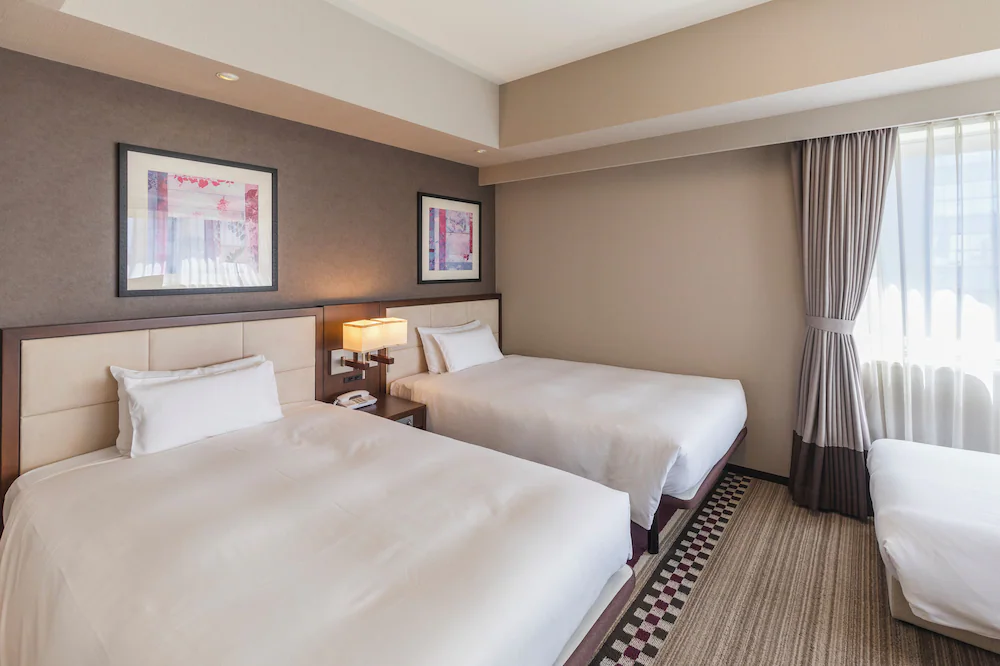
Why do we love this hotel? Here are the top 5 reasons.
1. Because it’s located in the Shinjuku district, the best area to stay in Tokyo. No argument allowed.
2. Because it’s just steps away from Shinjuku Station (one of the most important in Tokyo), has its own Airport Limousine stop, and is right next to the bus that goes directly to Tokyo Disneyland.
3. Because the rooms are tiny, yes, but they’re very nice and there’s room to open your suitcase. Don’t laugh—this isn’t so common in Tokyo.
4. Because the hotel’s complimentary amenities are on another level: masks, creams, hair accessories—the works.
5. Because the price is very reasonable, especially if you book in advance. It was probably the most expensive accommodation we paid for on our trip to Japan, but considering other similar options, we still think it’s the best choice.
➡️OR READ THIS POST TO FIND YOUR PERFECT STAY: Where to Stay in Tokyo : Best Areas & Top Hotels for Every Budget
How to get from the airport to downtown Tokyo
Tokyo has two major international airports: Narita and Haneda. Narita Airport is about 60 kilometers east of Tokyo, while Haneda Airport is only 20 kilometers from Tokyo Central Station. There are several ways to reach central Tokyo by public transportation. Of course, you can always take a taxi, but from the airport it will cost a fortune.
About the Japan Rail Pass or JR Pass

You’ll see quite a few blogs talking about how to get around Tokyo for free with the JR Pass. The JR Pass is a ticket that covers all JR train journeys in Japan for a limited period. Well, since the significant price increase in October 2023, buying the JR Pass is no longer such a bargain. You have to plan carefully and think it through to see whether it’s really worth it.
Here you can see the new prices for the JR Pass for 7, 14, and 21 days, with all the information you need to buy it online and activate it. Be careful: the JR Pass can only be purchased before arriving in Japan, so it must be purchased online.
In our opinion, if you buy the JR Pass for a 2- or 3-week trip around Japan (7- or 14-day JR Pass), it’s only worth activating it on your first long-distance train journey (not for getting around Tokyo). Normally, you’ll spend several days in Tokyo, and the price of the subway or local trains doesn’t justify the JR Pass. You can verify point-to-point prices without a JR Pass using the JR Fare Calculator.
How to get to Tokyo from Narita
1. Skyliner. The fastest way to get to central Tokyo. The Skyliner runs to Ueno (northeast Tokyo), so you’ll then need to take the subway to your hotel. You can buy tickets here.
2. Narita Express. This train isn’t as fast, but it makes more stops than the Skyliner, so you probably won’t need to transfer to the subway. This is the only journey from Narita that’s included in your JR Pass (if you’ve decided to buy and activate it at this time). Otherwise, you can buy tickets here (and avoid the lines at the airport).
3. Airport Limousine. A bus ride from Narita to the doors of several Tokyo hotels, including the Hotel Sunroute Plaza Shinjuku. Perfect if you’re not in a hurry and have a lot of luggage. You can buy tickets here.
How to get to Tokyo from Haneda
1. Monorail and Subway: This monorail, operated by JR (so it’s free with the JR Pass), opened after the 1964 Tokyo Olympics and connects with the Yamanote Line, which JR also operates.
2. Keikyu Line and Yamanote Line. The Keikyu Line takes about 15 minutes to reach Shinagawa, which connects to the Yamanote Line. We’ll explain how to use and pay in the Tokyo Metro in the next section.
3. Airport Limousine. A bus ride from Haneda to several hotels in Tokyo, including the Hotel Sunroute Plaza Shinjuku. Perfect for avoiding the hassle of carrying luggage around. You can buy tickets here.
How to get around Tokyo by public transport
In this section, we could detail the companies that operate the subway and train lines in Tokyo, the cost of each ticket, and the available passes. But this is a simple guide to Tokyo, so we’ll break down everything you need to know about navigating public transportation into simple steps.
1. Download the Suica card in your phone’s Wallet app before arriving in Japan and top it up with a minimum of 2,000 JPY (approximately €12 at the current exchange rate). You can add it directly in the Transportation category. You pay with Suica at the turnstiles, which have readers. Open Wallet, select Suica, and tap the reader upon entry and exit.
2. Use the Google Maps app to see how to get from one place to another, which line is fastest, which platform it departs from, and which car is best to board.
3. Pay special attention to the entrances and exits Google Maps indicates, especially if the exit name includes a cardinal direction (North, South, East, West). Some stations have more than 20 exits (not an exaggeration), and signage doesn’t list each one—but it usually does mark the cardinal directions.
4. It’s normal to get lost, especially at first. So don’t panic. If you can’t find your exit, simply go up to street level and let Google Maps relocate you. Worst case? You’ll walk a bit more.
JR Lines
With the recent Japan Rail Pass price increases, it’s no longer worth using it for your Tokyo days. It’s more cost-effective to pay per trip and save the JR Pass for long-distance journeys in Japan. However, if your pass is active, any line labeled “JR” in Google Maps—like Yamanote, Chuo, or Sobu—is included.
Subway passes
We didn’t use them because, as we mentioned, there are several subway companies, each with its own pass, and we simply wanted to get from place to place using the fastest option. So we used Suica for everything.
If you’ve already mapped your Tokyo route, you can review the different passes and see if you’ll save a few euros/yen.
3 days in Tokyo itinerary
This 3-day itinerary of the best places to visit in Tokyo is optimized around staying in Shinjuku. Each day offers a balanced mix of historical sites and modern attractions—culture and fun together. You can change the order, but keep the following in mind:
– It’s essential to visit Asakusa and Senjo-ji Temple early in the morning to avoid the crowds.
– Akihabara, Shibuya, and Shinjuku are much better at night, though we suggest arriving slightly before sunset to enjoy both daylight and neon.
– Tokyo’s main parks and temples usually close a bit before dusk, so don’t leave them for the end of the day.
– Shops stay open late so that you can dedicate your evenings to browsing. Ginza, Akihabara, Shibuya, Harajuku, and Shinjuku are top shopping neighborhoods.
– Popular restaurants ALWAYS have a line. Many close their kitchens before 10 p.m. Our tip: eat at 12:00 and 19:00 to minimize waits. Check Google reviews to time your visit. Several ramen spots are open 24 hours (we’re big fans of Ichiran Ramen), which makes them a great off-hours option.
Day 1: Asakusa, Sumida, Ueno and Akihabara
We begin our 3-day itinerary in the northeast of the city.
Asakusa
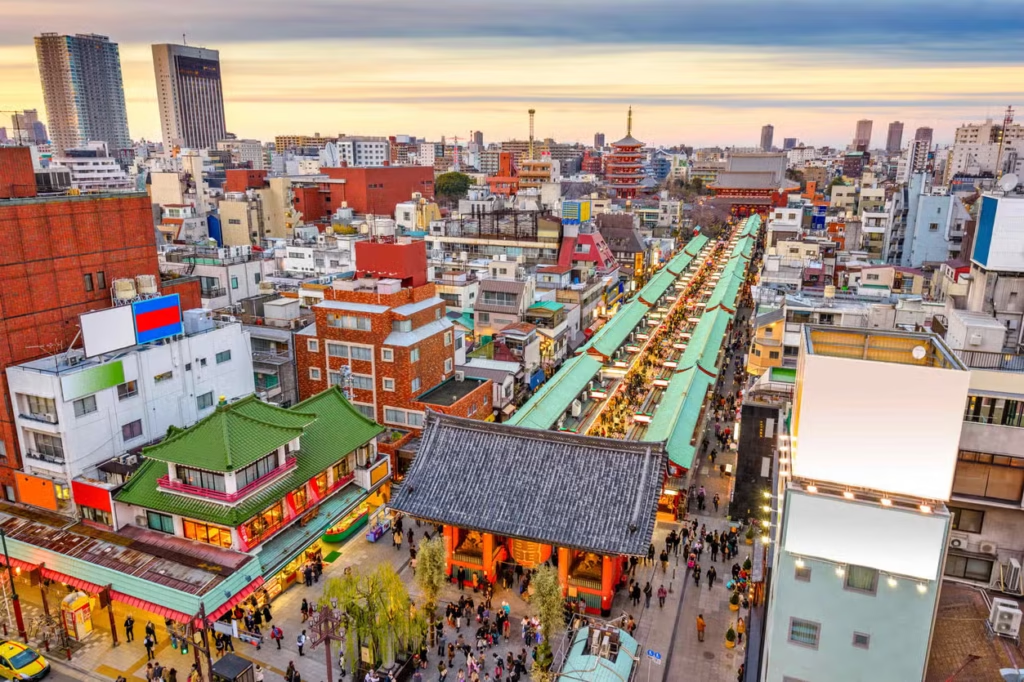
Asakusa is Tokyo’s most traditional neighborhood and the one most visited by travelers. It’s practically essential to arrive early in the morning to take beautiful photos without hundreds of people around. Get off at Asakusa Station and walk the pedestrian streets until you reach the magnificent Senjo-ji Temple, the most important temple to visit in Tokyo.
At 10:00, this fantastic Free Tour of Asakusa begins—perfect for learning the neighborhood’s history and that of Senjo-ji itself, including the Kaminarimon and Hozomon gates. You’ll also visit Asakusa Shrine and lively Hoppy-dori and Denpoin-dori. A great way to uncover traditional Tokyo.
Sumida
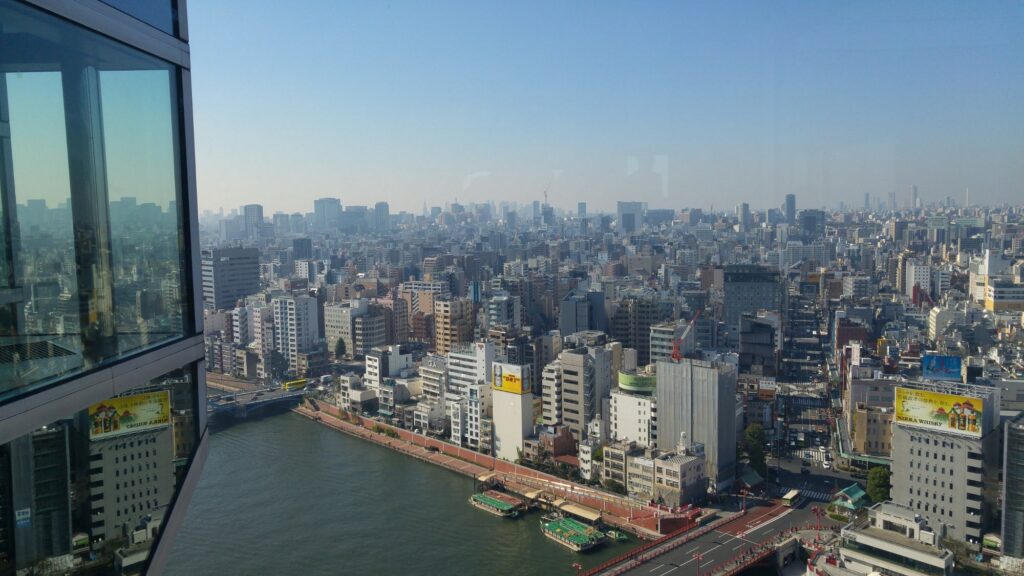
From Asakusa, cross the Sumida River over Azuma Bridge into the district of the same name. Here you’re greeted by a tangle of modern buildings. Two standouts:
1. Tokyo Skytree, Japan’s tallest tower at 630 meters. Avoid long lines by purchasing tickets online here.
2. The flagship building of Asahi, shaped like a pint of beer. You can go up for free to the “foam,” where the Asahi Sky Room offers incredible views over Tokyo—and of Tokyo Skytree. The observation area is free, and the bar is reasonably priced (you can also eat there).
Ueno
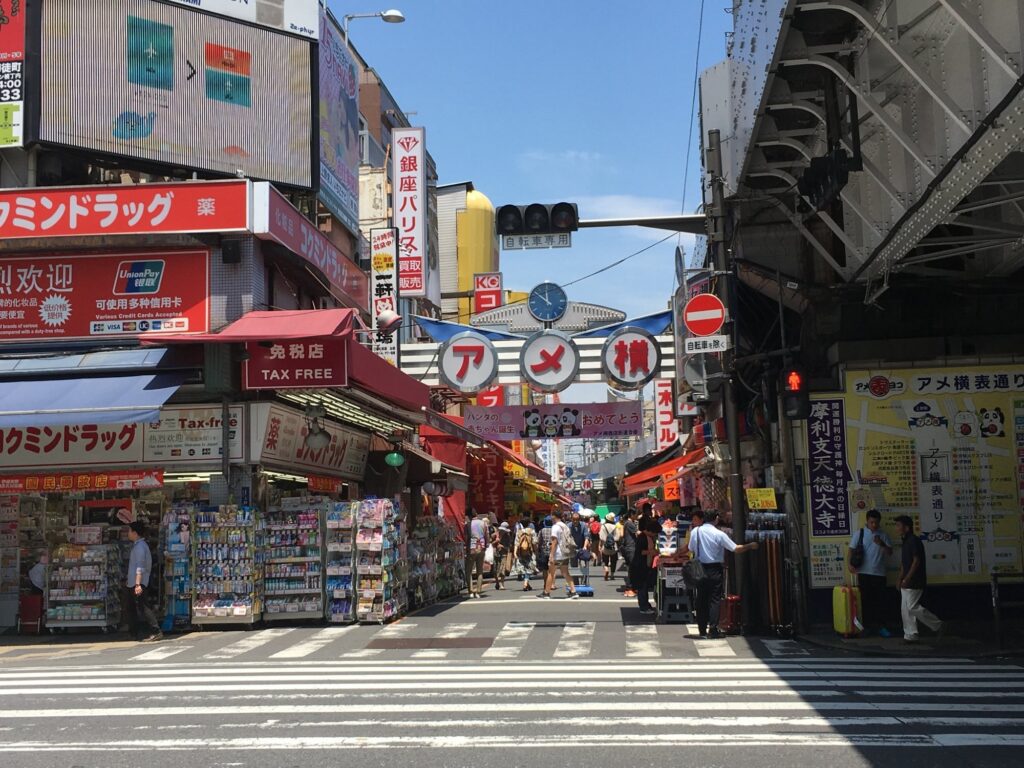
To get to Ueno from Sumida, it’s advisable to take the Ginza Line from Asakusa (walking is also possible). In Ueno, don’t miss:
1. Ameyoko Market in Okachimachi, perfect for snacking among dozens of food and drink stalls.
2. Ueno Park, one of the city’s largest green lungs. It’s packed with museums and temples; we recommend a stroll around its ponds and gardens—lovely in spring under the cherry blossoms.
Akihabara
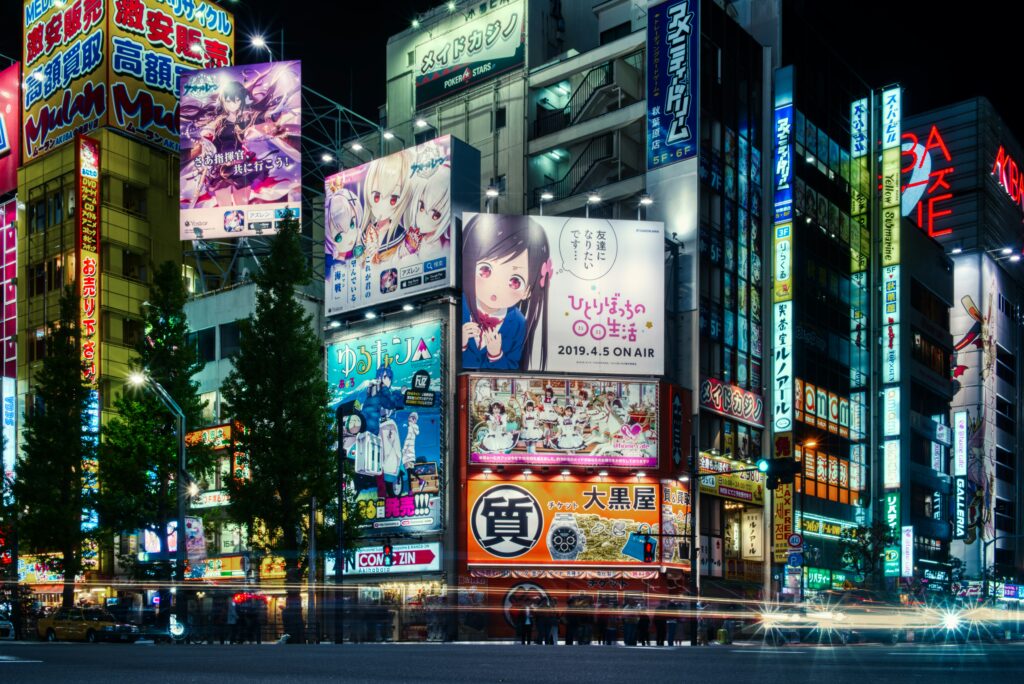
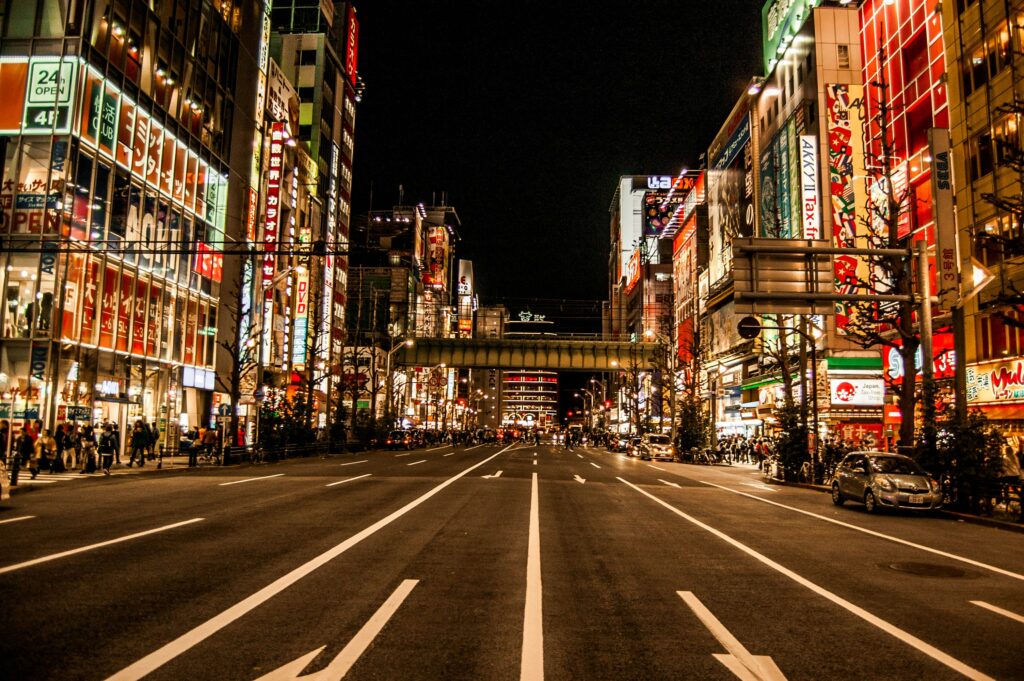
From Ueno to Akihabara there’s a pleasant trackside walk lined with shops and restaurants. Akihabara is the craziest, geekiest, most curious district to visit in Tokyo. The cradle of otaku culture, it’s an easy place to lose hours—tech stores, entire buildings of arcades and video games. Along Chuo-dori you’ll find more than 250 stores selling electronics, manga, anime, and dōjinshi (manga fanzines).
In Akihabara you’ll find: the giant Don Quijote store (it has everything), Yodobashi Electronics Store (nine floors of duty-free tech and computing), Super Potato (for retro gamers), Mandarake and Animate (manga/anime chains), Tokyo Anime Center (exhibitions), and maid cafés (waitresses in cosplay). Also famous are the Gachapon shops, packed with capsule-toy machines born in the 1960s for kids and now a hit with adults and tourists. Beware—they’re addictive!
In Akihabara we recommend dinner at CoCo Ichibanya. They do delicious, very affordable Japanese curry.
Day 2: Imperial Palace, Ginza, Harajuku, Shibuya
Day two of our 3-day Tokyo itinerary. We start in the east and head back west in the afternoon.
Imperial Palace
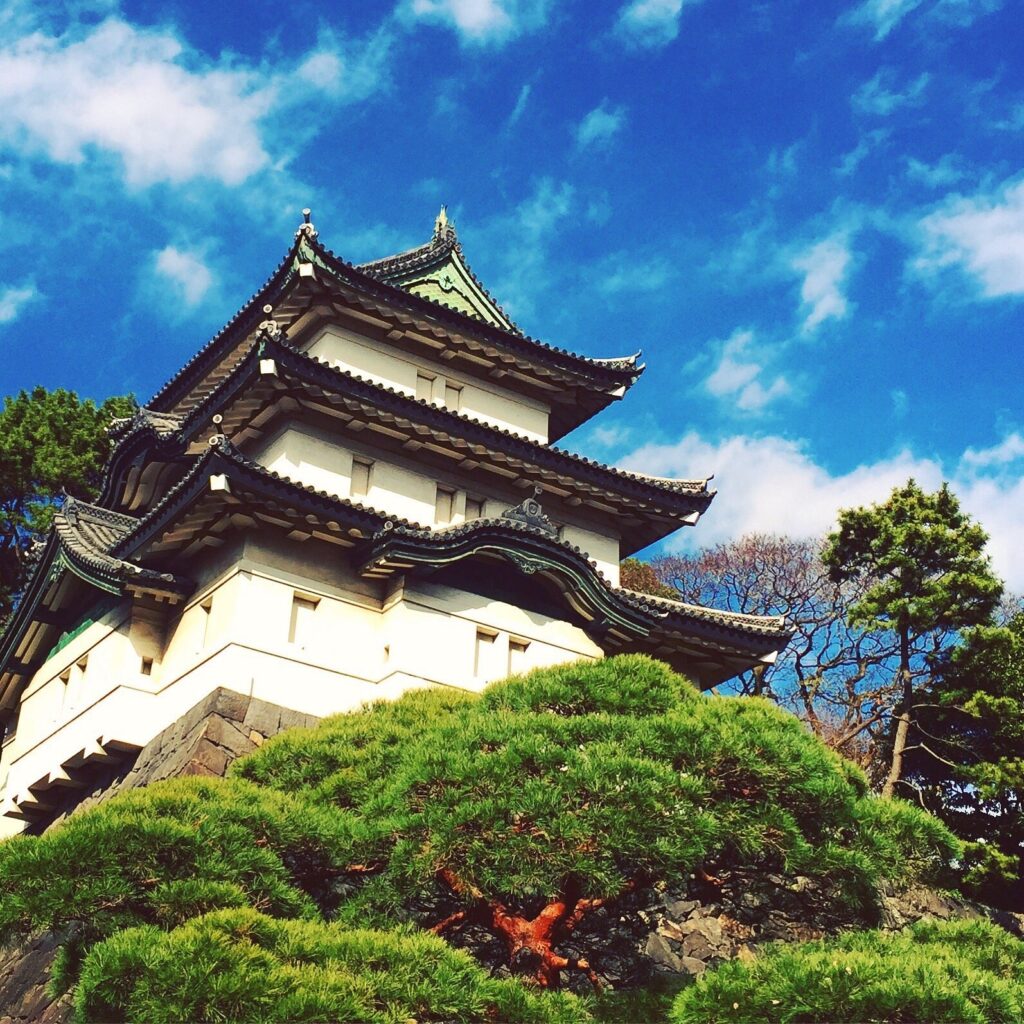
The Kōkyo, or Tokyo Imperial Palace, is the permanent residence of the Emperor of Japan. Only a portion of the interior can be visited. It must be reserved well in advance, so we recommend focusing on the gardens—specifically the Nijubashi Bridge area, which is perfect for photos. Nearest station: Nijubashimae (Chiyoda Line). The East Gardens and Edo Castle ruins are less essential.
Ginza
From Nijubashimae, enjoy a pleasant walk to Ginza, one of Tokyo’s most iconic neighborhoods. Ginza is the capital’s golden mile—luxury shops, exclusive boutiques, countless cafés and restaurants. If you can, visit on a weekend or holiday, when Chuo-dori (the main artery) is pedestrianized from 12:00 to 17:00. Strolling freely along the roadway between skyscrapers is unforgettable.
Best places to see in Ginza:
– Tokyu Plaza Ginza, a handsome mall with lots of restaurants; also home to Kiriko Lounge, a public space with views
– Ginza Six, with an open-air garden on the 13th floor for city views
– Wako Clock Tower (1931), a neo-Renaissance icon
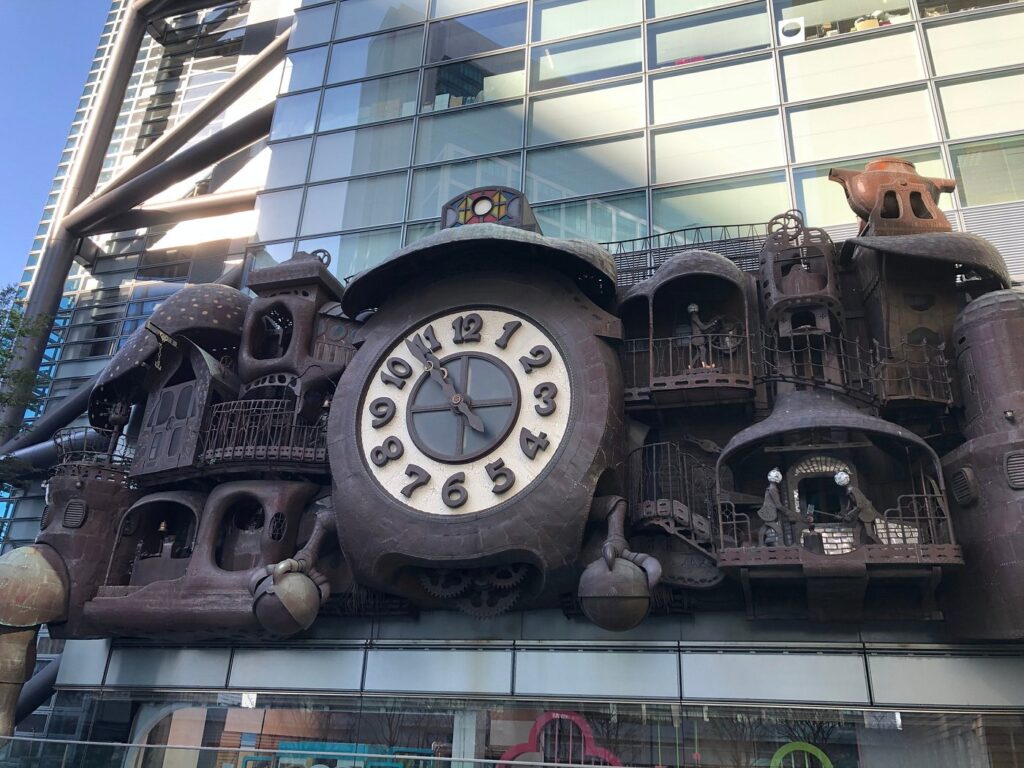
– Hayao Miyazaki’s clock, south of Ginza on the Nippon TV building—pure Studio Ghibli vibes
Next to Miyazaki’s clock is the Caretta Shiodome mall, with a panoramic elevator to the 46th floor offering free views of Odaiba.
Harajuku
From Ginza, take the Oedo Line to Yoyogi and start exploring Harajuku, one of the liveliest and most eclectic parts of Tokyo.
Meiji Shrine sits in a dreamy natural setting inside Yoyogi Park. Dedicated to Emperor Meiji and Empress Shoken, it stands out for its woodland and the large wooden torii gates at the entrances.
Nearby is the small but intense Takeshita Street, cradle of kawaii culture and all things eccentric. Pop into very Japanese clothing stores and try some of the country’s most viral sweets.
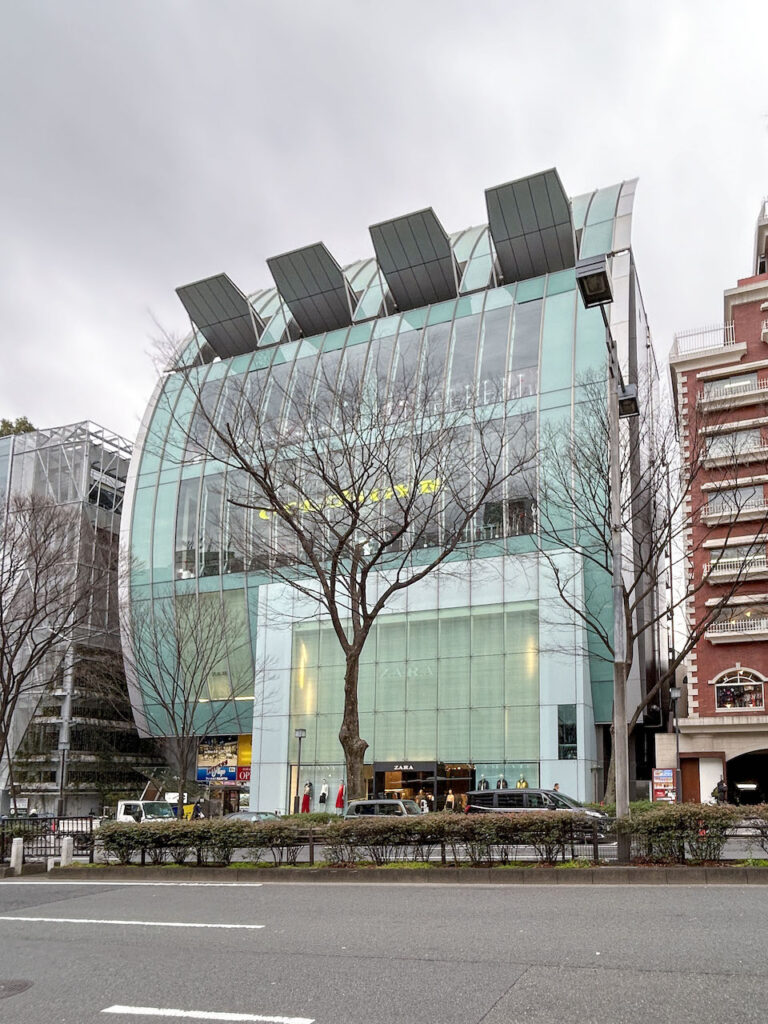
Shift gears along the luxurious Omotesando. Look out for the V28 with its curved glass façade, the Iceberg with glass panels, the Tokyu Plaza mall with its mirrored entrance, the Tod’s building, and the diamond-shaped Prada.
Shibuya
From Omotesando to Shibuya you can walk (just over 1 km) or take the Hanzomon Line (one stop).
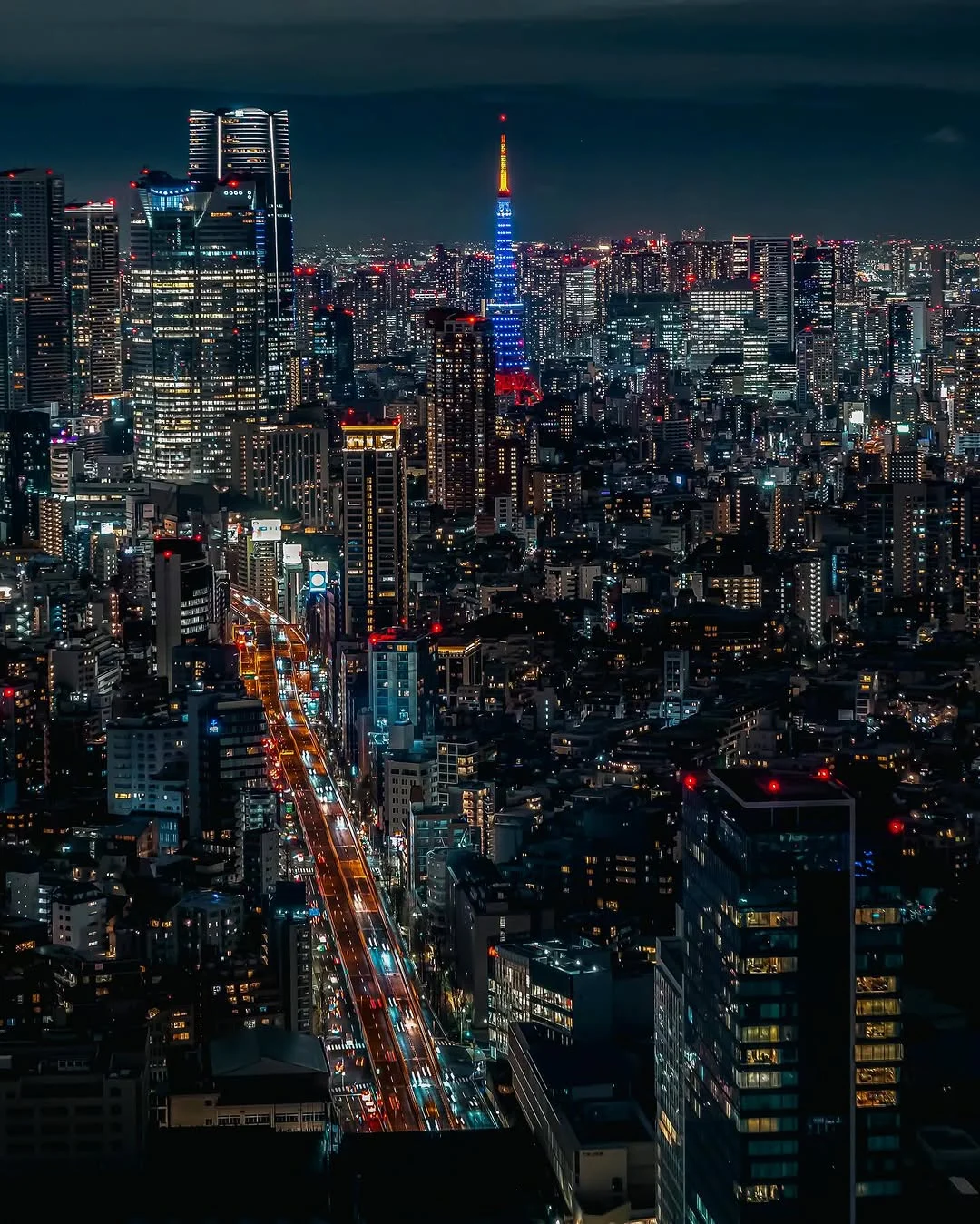
Shibuya is one of Tokyo’s most iconic neighborhoods—fun, fashion, clubs, department stores, neon lights. Head up to the Shibuya Sky observation deck for views of the city and of the world-famous crossing (technically five synchronized crosswalks); then cross it yourself among thousands. We suggest booking ahead as it’s one of Tokyo’s most popular viewpoints.
Incredible free viewpoints (with a drink) include Starbucks Shibuya, L’Occitane Café, and the Magnet’s rooftop.
Just a few meters away stands the Hachiko statue, honoring the faithful Akita who waited daily at the station for his master—even for nearly ten years after his owner’s death. Inaugurated in 1934 (while Hachiko was still alive), it’s a city emblem.
In Shibuya, we recommend dining at Gyukatsu Motomura to try delicious beef katsu. Arrive early; there’s always a line.
Day 3: Odaiba, Shinbashi, Tsukiji and Hamarikyu Gardens, Shinjuku
Last day of 3 days in Tokyo. Today we’ll focus on the southeast and finish on a high in Shinjuku, our favorite Tokyo neighborhood.
Odaiba
Odaiba is an artificial island south of Tokyo. To get there, take the driverless Yurikamome Line, which crosses the iconic Rainbow Bridge before entering Odaiba.
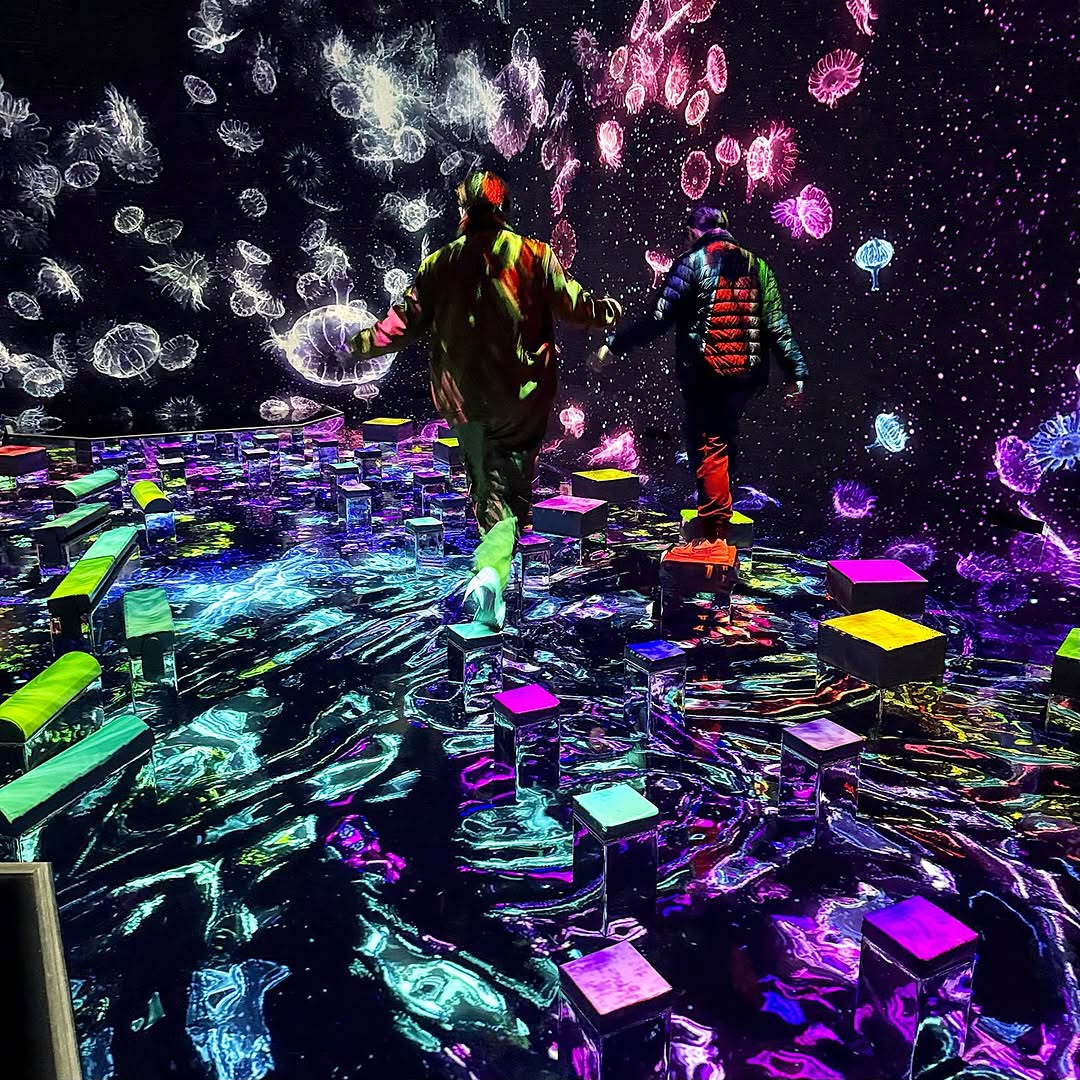
Here you’ll find the famous teamLab spaces, super-photogenic, interactive museums that went viral on social media. Arrive early to avoid crowds. There are two versions of teamLab Planets:
– teamLab Planets DMM, the newer art-focused version. You can buy your ticket here.
– teamLab Borderless, the classic, more viral edition. Tickets here.
In Odaiba you can also visit the giant Gundam and a replica of the Statue of Liberty. For Tokyo Bay views, head up to the Fuji TV HQ deck or stroll the Odaiba river beach.
Suppose you have time or are traveling with children. In that case, Odaiba has several excellent museums: the Museum of Emerging Science and Innovation, Small Worlds Tokyo (models and miniatures), and the Legoland Discovery Centre.
Tsukiji and Hamarikyu Gardens
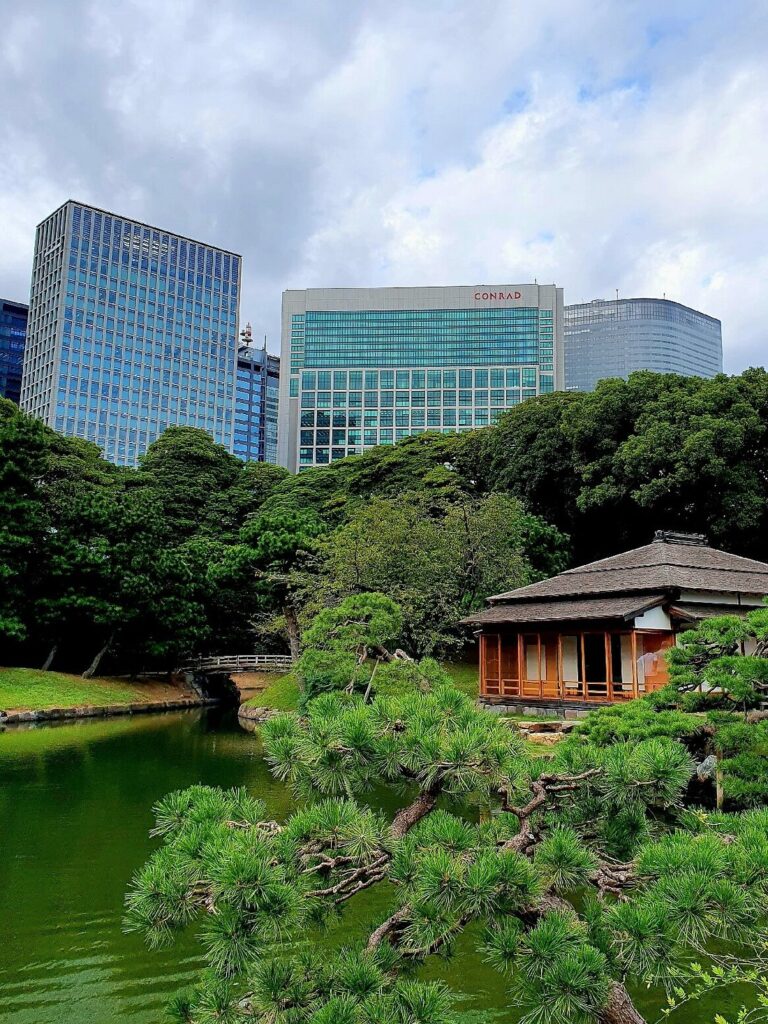
Again, on the Yurikamome Line, arrive at Shiodome Station. Here you’ll find Hamarikyu, the largest traditional park to visit in Tokyo. Its Shio-iri-no Niwa pond fills with water from Tokyo Bay and rises and falls with the tide. A 118-meter wooden bridge, the O-tutsai-bashi, crosses the pond to Nakajima-no-ochayai island.
After the park, it’s time for Tsukiji’s food paradise. There are plenty of stalls where you can taste ultra-fresh sushi, Japanese sweets, wagyu beef, and many other specialties. Nearby is the Tsukiji Honganji Temple, with architecture unlike anything else in Tokyo.
Zozoji Temple and Tokyo Tower
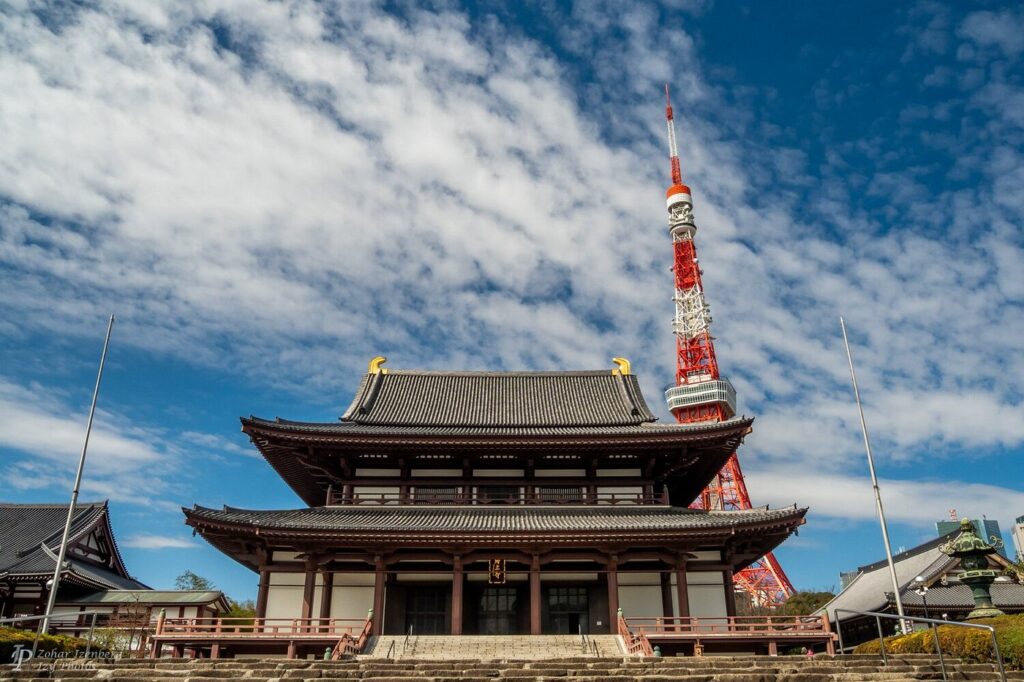
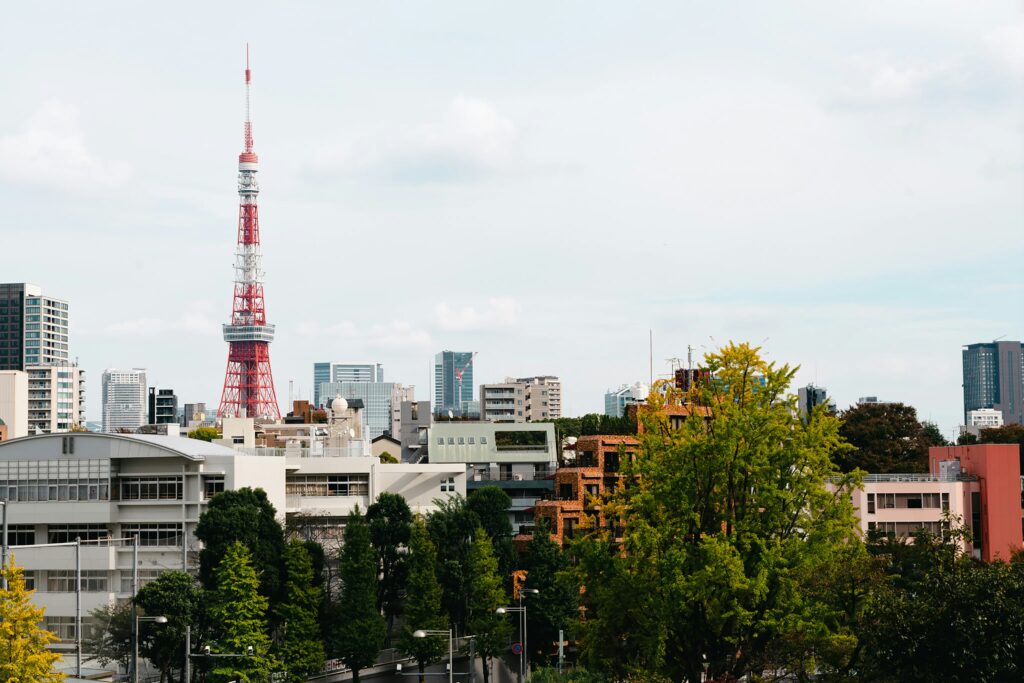
After lunch, take the Oedo Line to Daimon Station. Here is Zozo-ji, one of the most photogenic temples in Tokyo, perfectly framing Tokyo Tower, the orange-and-white cousin of the Eiffel Tower.
Tokyo Tower stands 332 meters high—the second-tallest structure in Japan (after Tokyo Skytree)—and wears those striking colors to meet aviation rules. You can go up to its observatory deck.
Shinjuku
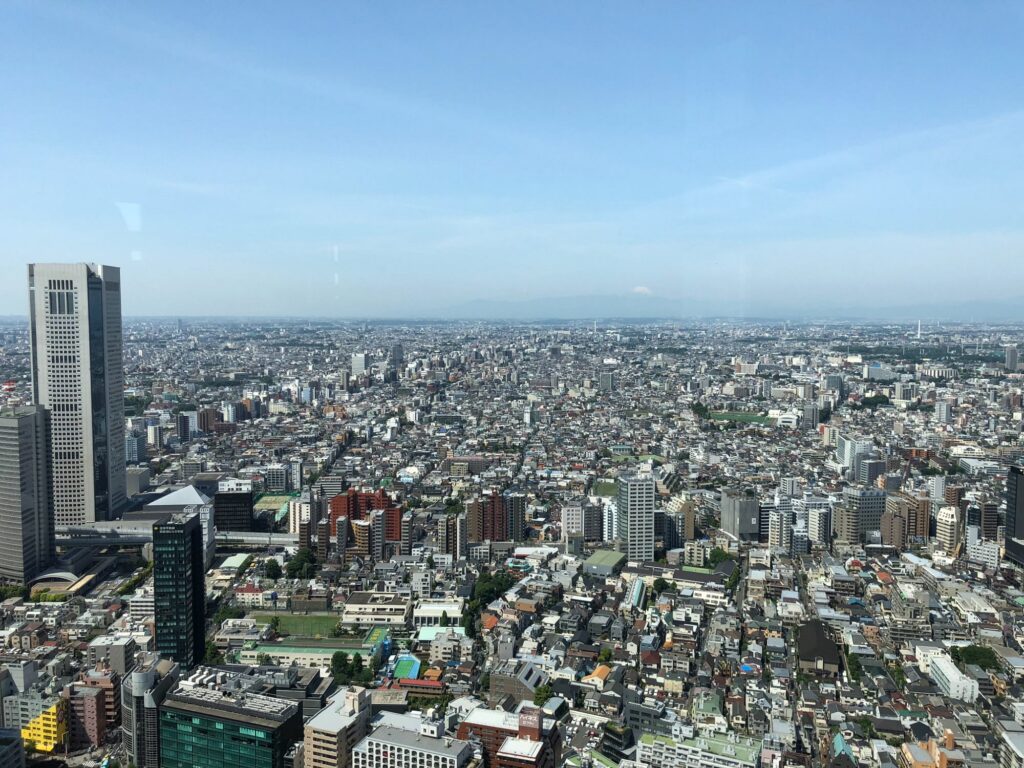
We finish by taking the Oedo Line back to Shinjuku. Once you make it out of the station—a feat in itself—head up to the Tokyo Metropolitan Government Observation Deck, which is free and offers fantastic views (even Mount Fuji on clear days).
The best thing to do in Shinjuku is enjoy the nightlife and street energy: neon-lit avenues, alleys crammed with bars and eateries, and a great atmosphere at any hour.
Don’t miss Omoide Yokocho, a lane where tourists and locals squeeze into tiny spots serving Japanese classics. The Kabukicho area (Tokyo’s red-light district) is a full-sensorial experience.
Finally, have a drink in Golden Gai, Shinjuku’s jewel: a maze of alleyways lined with the tiniest bars—some fit five people, shoulder to shoulder. It’s the perfect place to share a drink with locals and bid Tokyo goodbye.
We recommend dinner at Uogashi Nihon-Ichi (Standing Sushi Bar), where we tried some of the best sushi of our lives. You order directly from the chef at the counter. It’s small, so arrive early.
Best day trips from Tokyo
If you have more than 3 days in Tokyo, it’s almost obligatory to explore around the metropolis. There are many day trips from Tokyo worth taking. Here are our favorites:
Tokyo Disneyland
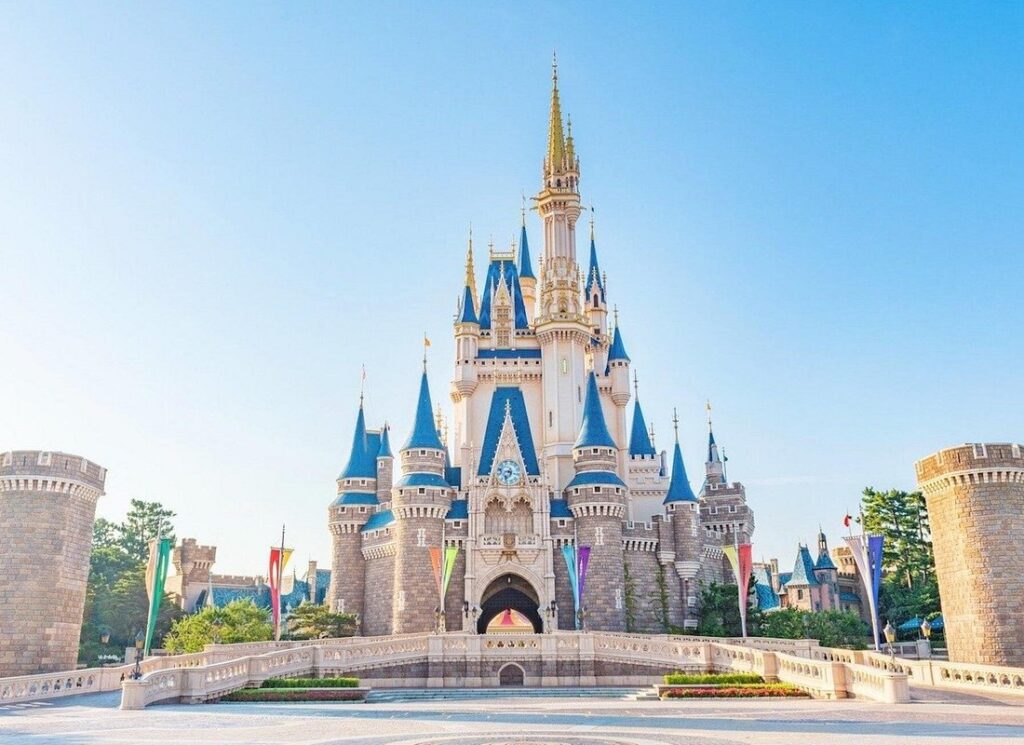
The Japanese version of the world’s most famous theme parks is outstanding. It’s two parks, Tokyo Disneyland and Tokyo DisneySea, that rank among the world’s best (and most visited!).
Mount Fuji from Tokyo
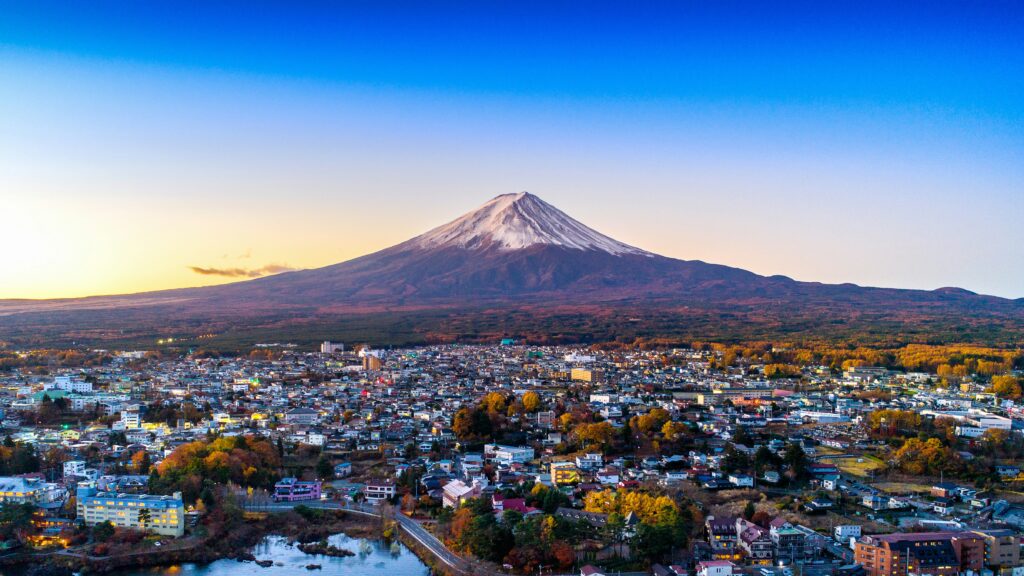
Just over an hour and a half by car from Tokyo rises the imposing, mystical Mount Fuji, sacred to the Japanese and infamous for hiding behind clouds. Two classic day-trip areas are Hakone and the Five Lakes region.
We recommend monitoring the weather and choosing a clear day.
Kamakura
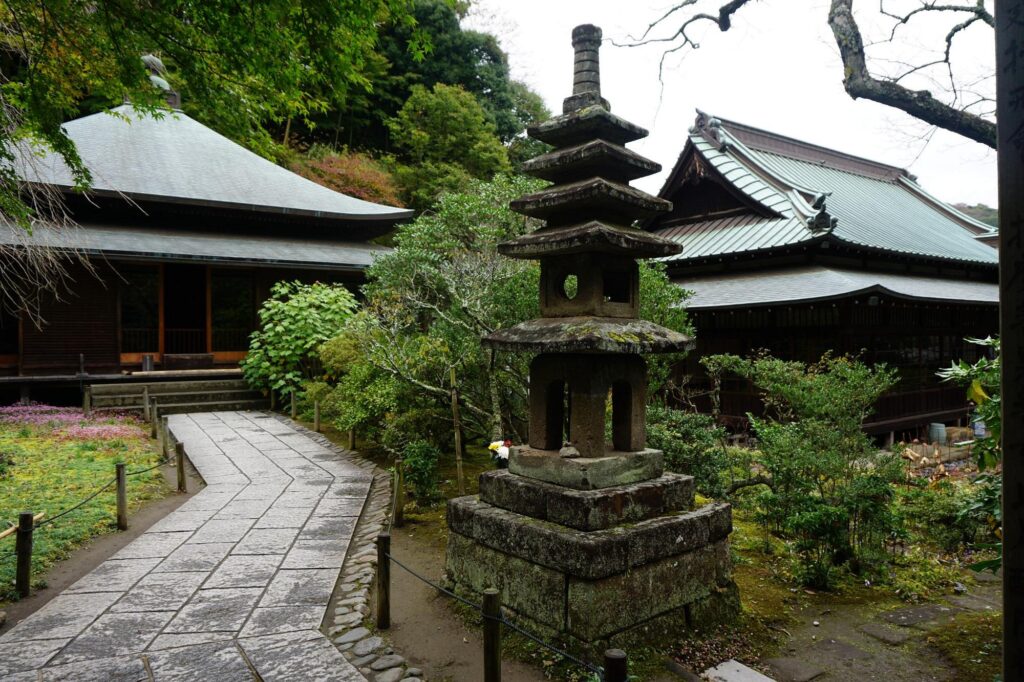
Kamakura, Japan’s first feudal capital (1185–1335), is an excellent day trip just over an hour by train. It offers a rich array of ancient temples, headlined by the Great Buddha (Daibutsu) at Kōtoku-in Temple.
Don’t miss Hase-dera Temple (with sea views), Tsurugaoka Hachiman-gu Shrine (the largest and most important in Kamakura), the Hokoku-ji Bamboo Temple, and the thousand-year-steps of Sugimoto-dera.
Nikko
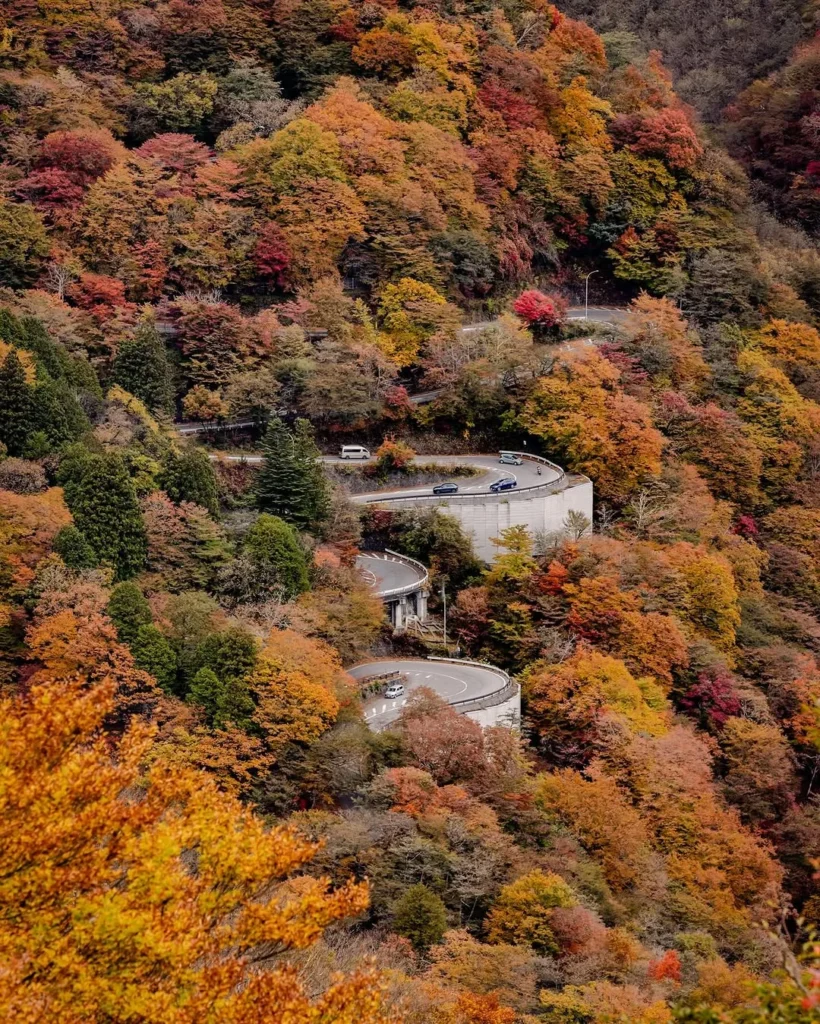
Nikko, two hours by train from Tokyo, is another excellent day trip. Nestled in the mountains north of the city at the foot of Nikko National Park, it’s one of Japan’s top destinations and a UNESCO World Heritage Site since 1999, as well as a major Buddhist center. Its name, “Light of the Sun” (Nikko-shi), dates back to 766.
Be sure to visit the Taiyuinbyo Mausoleum, a complex of small temples and shrines set amid lush nature. In autumn, the momiji foliage is glorious. Right next door is the equally beautiful and peaceful Futarasan Jinja. A pleasant walk among maples and pines leads to Nikko’s largest and most famous shrine, Toshogu. End at Rinnoji, very close to the iconic red bridge.
Tips for visiting Tokyo
Take out good travel insurance
Future-you will not want to comparison-shop hospitals in a language you don’t speak. We always travel with comprehensive insurance that covers health, theft, delays, and cancellations. For Japan specifically, clinic visits can be pricey, so make sure your policy includes medical and cancellation coverage. (We usually add cancellation—flights aren’t exactly cheap these days.) Pro tip: screenshot your policy number and emergency phone line;
Buy an eSIM to have easy Internet
Google Maps is your sherpa in Tokyo. Grab an eSIM before you land, activate on touchdown, and you’re off—no plastic, no queues, no drama. We top up data rather than chasing random Wi-Fi. Bonus: you’ll need data to recharge your transit card in Wallet (see Suica notes below). If you’re on the team with physical SIMs, just remember: tiny trays + jet lag = chaos.
Use the best credit card on the market
Bring a travel card with A) great FX rates, B) no foreign fees, and C) instant app controls. Tokyo is wonderfully cash-friendly, but you’ll still tap for trains, konbini snacks, and ramen at 3 a.m. (no judgment). Add the card to your phone’s Wallet so you can reload transit on the fly. Pro tip: enable location-based security so your bank doesn’t panic when you’re out late for gyoza.
Withdraw money at 7-Eleven Bank
Yes, ATMs in convenience stores are a thing—and a lifesaver. 7-Eleven Bank machines (found in nearly every 7-Eleven) accept most foreign cards, run 24/7, and are typically the friendliest when it comes to fees. Pull out cash for small eateries, temple donations, and mom-and-pop shops that prefer yen. Tip: withdraw larger, less often; keep small bills for vending machines and coin lockers.
Set up Suica in your Wallet
Skip ticket machines entirely: add a Suica (or PASMO/ICOCA) card to Apple Wallet/Google Wallet before you arrive, then top up with your travel card. You’ll tap in/out on trains and subways and even pay at konbini. Remember: always tap in and out (even if the gates are open). On buses, board at the back, exit at the front, and tap both times like a pro.
Timing is everything
Temples and gardens glow in the morning; neon districts (Shibuya, Shinjuku, Akihabara) wake up after sunset. Popular restaurants always have queues—eat at noon and 7 p.m. to dodge the worst lines. Many kitchens wind down before 22:00; keep a 24-hour ramen spot in your back pocket for “second dinner.”
Etiquette cheat sheet
On trains: quiet voices, no phone calls, backpacks worn front-side in crowds. Escalators: stand on the left in Tokyo (walk right). Cash trays at registers aren’t decoration—place money there. Shoes off when asked. Trash bins are rare: carry a tiny “pocket trash” bag (trust us, you’ll feel like a genius).
Navigate like a local
Google Maps is excellent, but pay attention to exit letters/numbers—mega-stations can have 20+ exits. If you get turned around, pop to street level and re-route; worst case, you’ll add a few scenic blocks to your step count. For platform accuracy, check the car diagrams—sometimes boarding a specific car saves you a football-field transfer.
JR Pass: math, not magic
Since the 2023 price hike, the JR Pass isn’t an automatic win—especially if you’re staying put in Tokyo for several days. Pay as you go in the city; save any pass activation for long intercity hops. Quick sanity check: compare point-to-point fares vs. pass cost, then decide. (Your wallet will applaud.)
- Nagoya rainy day with kids in 2026 (Cool Indoor Things to Do )
- Best Gachapon in Tokyo (2026): 20 Places to Find Capsule Toys
- All Japanese KitKat Flavours List: The Ultimate Japan KitKat Guide
- Sapporo rainy day with kids (2026): 7 Cool Indoor Things to Do
- What To Do In Arashiyama With Kids: A Realistic One-Day Family Itinerary