I spill travel tips , and show you the Japan that tourists usually miss.
Tokyo is the city is not one destination—it’s about twelve, stacked on top of each other, all demanding snacks and your attention.
So we built this 9 days in Tokyo itinerary like a survival kit (but fun). We’ll balance the big hitters—Asakusa, Shibuya, Shinjuku, Meiji Jingu—with the “how is this place real?” moments: tiny alleyway dinners, river walks, skyline views, and neighborhoods that feel like totally different countries. You’ll get clear day-by-day plans, smart grouping by area (so you’re not crossing Tokyo three times before lunch), and enough flexibility to swap in museums, shopping, or kid-friendly stops without breaking the whole schedule.
Ready? Let’s go.
Keep Planning Your Tokyo Trip
Nine days in Tokyo sounds generous until the city starts showing off. Suddenly we’re adding Asakusa temples, Shibuya chaos, Ginza polish, Ueno museums, food crawls, skyline views, day trips, and “just one more neighborhood” like Tokyo personally challenged us. Use these guides to keep your itinerary sharp, delicious, and only mildly unhinged.
- How to Get Around Tokyo — essential for trains, subway lines, IC cards, airport transfers, and not losing your soul inside a station.
- Things to Do in Asakusa — great for Senso-ji, old Tokyo streets, snacks, river views, and a slower cultural day.
- What to Do in Ginza — handy for shopping, food halls, galleries, elegant streets, and Tokyo’s shinier side.
- Tokyo With Kids — useful if your nine-day plan includes children, playground breaks, easy food stops, and tiny travelers with strong opinions.
- Best Tokyo Tours — perfect for food tours, guided walks, cultural experiences, and days when planning every detail feels illegal.
- Tokyo Travel Guides — your main hub for more Tokyo food, shopping, hotels, neighborhoods, itineraries, and day-trip ideas.
Table of Contents
How to get from Tokyo Narita Airport to the city center?
Narita Airport sits roughly 60 km out from central Tokyo, which sounds dramatic until you remember: this is Japan, where “far” still means “we’ll be eating ramen in the city before you finish complaining about jet lag.” You’ve got a few solid ways to roll into town. We went with the Narita Express (N’EX): reserved seats, suitcase-friendly, and the kind of calm that feels suspicious after a long flight. It dropped us at Tokyo Station in under 90 minutes, and from there we hopped on the subway to Kayabacho Station, the stop closest to our hotel. Easy, clean, and (most importantly) zero “where is the ticket gate and why is everyone walking like they have a train to catch?” panic.
Where to stay in Tokyo?
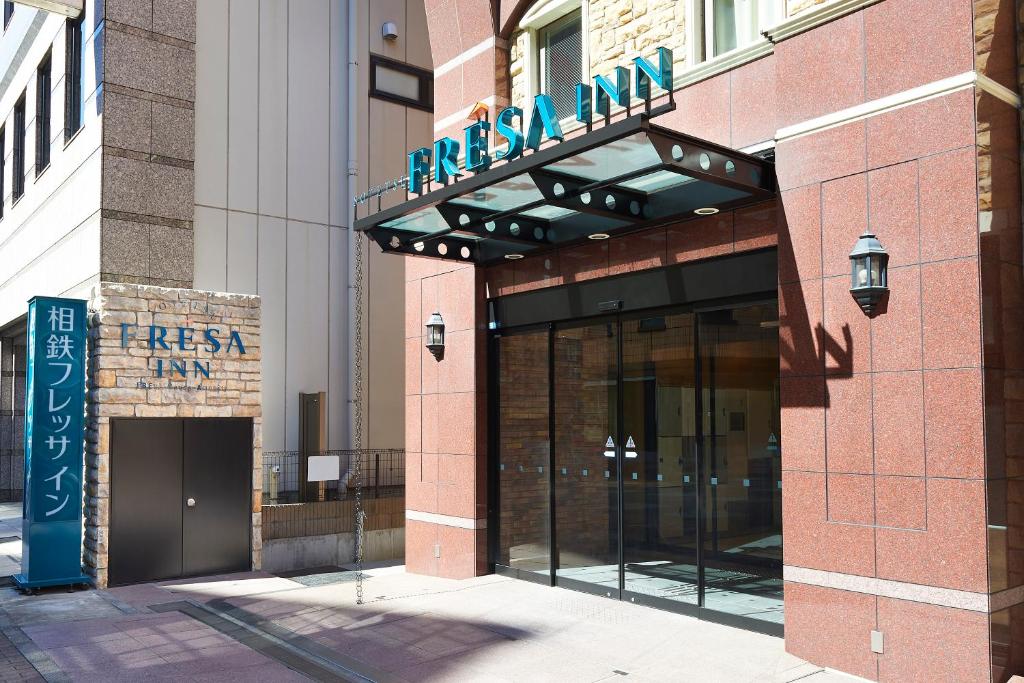
We rolled into Kayabacho Station, walked about a minute (yes, actually a minute), and checked into Sotetsu Fresa Inn Nihombashi Kayabacho, our home base for eight nights. Tokyo hotels can be wildly expensive for wildly tiny rooms, so this one felt like a fair trade: affordable-ish for the location, reliably clean, and totally fine if you’re here to explore instead of hosting a ballroom dance. The room was small for two people (Tokyo does not do “sprawl”), but the beds were genuinely comfy. Breakfast? Very basic. Coffee? Honestly tragic (Tokyo can do perfectionist cuisine and flawless trains… and then serve coffee that tastes like it lost a fight). We gave up and had breakfast at the Starbucks across from Kayabacho Station almost every day—because sometimes you just want predictable fuel before you throw yourself into the city.
TOKYO ITINERARY DAY 1:
Akihabara: Yodobasi Akiba (Yodobasi Camera)-Chuo Dori Avenue-Maid Café-Yamada Denki Labi
The moment we dropped our bags at the hotel, we did the classic Tokyo thing: changed clothes, pretended we weren’t exhausted, and marched right back to the subway like brave little urban explorers. Next stop: Akihabara Station. (Because if you land in Tokyo and don’t immediately go see neon, gadgets, and anime billboards the size of buildings… did you even land in Tokyo?)
What to see and do in the Akihabara district?
Our first mission on this 9-day Tokyo itinerary was diving into Akihabara—aka Akiba—Tokyo’s proud, unapologetically commercial shrine to electronics, manga, and anime. Even if you’re not buying anything, it’s a full-on spectacle: giant screens, relentless signage, themed cafes, and the occasional person dressed like an anime character casually existing in public like it’s the most normal thing in the world. (It is normal here. You’re the weird one for staring.)
Yodobasi Akiba Shopping Center (Yodobasi Camera)
We started at Yodobashi Akiba (Yodobashi Camera), a multi-floor electronics empire that can swallow hours of your life without blinking. We’re talking cameras, phones, gaming gear, headphones, appliances—everything. If you’re planning to buy electronics in Japan, this is one of the easiest places to do it, and yes, you can often do tax-free shopping with your passport (rules and minimum purchase thresholds apply, so check the counter signs before you get too excited). Another excellent stop for tech and gadgets is Yamada Denki LABI, which we hit later.
WHAT TO EAT IN JAPAN?
We escaped the electronics vortex and did what any smart traveler does: ate. We ducked into a nearby place and kicked off our Japanese-food era with a classic: tempura—prawns, vegetables, chicken, whatever they’re frying that day—usually served over rice. We ordered chicken tempura on a rice bowl, plus udon (thick, chewy noodles) in a savory broth built on dashi, soy sauce, and mirin. The whole thing was delicious, fast, and surprisingly affordable—exactly the kind of meal you’ll end up eating a lot in Tokyo: long counters, stools, people arriving, eating, and leaving with the efficiency of a well-trained pit crew. Don’t confuse “fast” with “bad.” Tokyo’s quick meals can be ridiculously good.
AKIHABARA CHUO DORI AVENUE
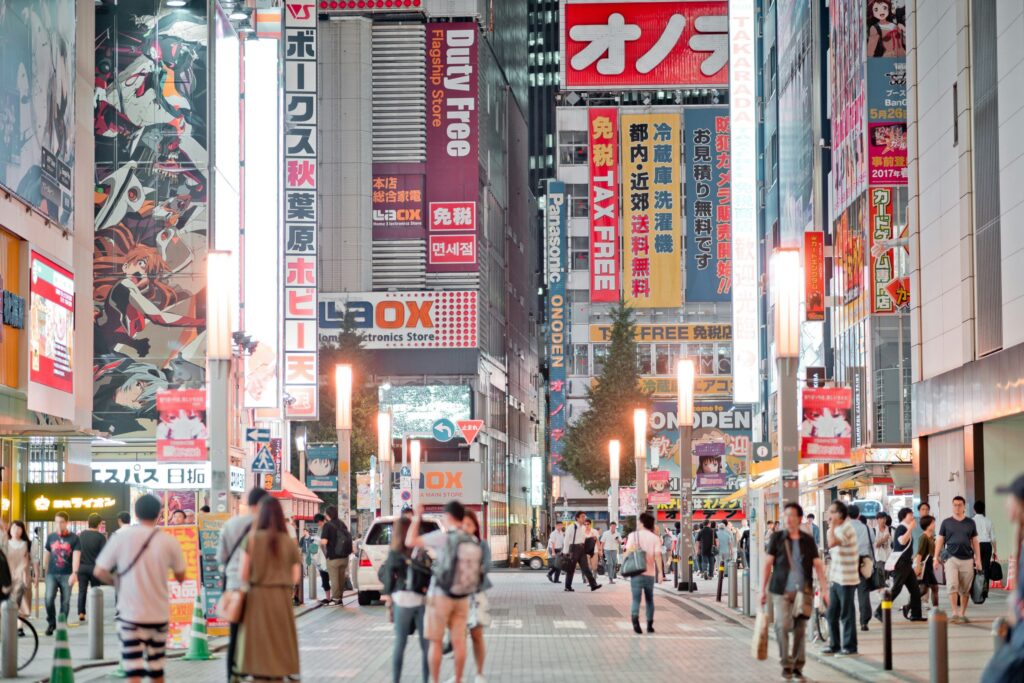
Once we’d refueled, we pushed deeper into our 9 days in Tokyo itinerary and hit the main artery: Chuo Avenue (Chuo Dori), running between Akihabara Station and Suehirocho Station. The first impression is basically: “So this is what it feels like to walk through a living billboard.” Massive multi-story buildings, stacked with electronics, anime, manga, arcades, and signs layered on signs layered on more signs. Even in daylight, it’s impossible not to keep looking up. And yes—Akihabara at night is absolutely worth it too. If you time it around sunset, you’ll watch the whole district switch on like a giant circuit board.
What are the most famous shops in Akihabara?
The headline names in Akihabara—besides Yodobashi Camera (already conquered)—include:
– Super Potato: retro video games and old-school consoles (your childhood, in boxed form).
– Sega: historically one of the iconic arcade hubs in Akiba (note: Sega-branded arcades in Tokyo have shifted a lot in recent years, so treat “Sega” here as “big arcade buildings” more than a guaranteed sign on the façade).
– Game Taito Station: another arcade wonderland (think claw machines, rhythm games, and “just one more try” financial ruin).
– Sofmap and Laox: electronics and gadgets, often with tourist-friendly setups.
– Yamada Denki LABI: computers, home electronics, and personal gadgets (we’ll end our day there—keep reading).
– Akky: a tourist-leaning, tax-free-friendly shop with a bit of everything.
– Mandarake: a legendary second-hand anime/manga universe, plus cosplay, games, and retro treasures.
– Tokyo Anime Center: anime goods, toys, and stationery (aka “why is my suitcase suddenly full?”).
– Radio Kaikan and Akiba Zone: packed with manga/anime merch, often second-hand, often dangerously tempting.
– Gamers: manga, anime, plus DVDs, games, music—especially anime-related.
THE MAID CAFE IN AKIHABARA
And then there’s the Akihabara classic: Maid Cafés. These cosplay-style cafés lean into the “kawaii fantasy” vibe—waitresses in maid outfits (sometimes with cat or bunny ears), lots of sugary politeness, and a whole performance layer that’s part of the experience. You’ll often see staff outside handing out flyers, because Akiba does marketing the way Akiba does everything: loudly, brightly, and without shame. This scene grew alongside otaku culture, and whether it’s your thing or not, it’s undeniably part of the neighborhood’s identity.

KAWAII IN MAID CAFE
Food-wise, you can order the usual café lineup—drinks, teas, coffees, beers, and sometimes small meals—but the twist is the presentation: dishes decorated with kawaii designs (cute faces, hearts, characters, tiny animals… basically food that looks like it belongs on a sticker sheet). “Kawaii” is bigger than just a style here; it’s an entire aesthetic language that shows up in advertising, trains, manga, and yes, restaurants too.
If you go in, know the basic rule: photos are usually prohibited, and if you want a photo with staff, that’s typically an extra paid option with specific rules. (This is not the place to improvise.)
YAMADA DENKI LABI
We wrapped the day at Yamada Denki LABI, another “how is this store still going?” electronics giant where you can score solid deals on gadgets and personal electronics. We picked up a compact camera and an electric razor at prices that made us feel suspiciously victorious. If you need small appliances or tech bits, this is a strong bet.
After that, we took the subway from Akihabara Station (conveniently close to everything you want when your feet are done) and headed back to our hotel area for the sacred Tokyo ritual: shower, collapse, and attempt dinner while your body argues it’s still on a different time zone.
TOKYO ITINERARY DAY 3:
Shibuya: Hachiko Statue – Shibuya Crossing – Center Gai Street – Koen Dori Street – Spain Street – Nonbei Yokocho Alley – Meiji Shrine – Yoyogi Park – Shibuya 109 – Shibuya at Night
Day two of our Tokyo itinerary -we grabbed breakfast at the Starbucks near the hotel and took the subway from Kayabacho Station to Shibuya Station. In under 25 minutes: boom, we’re in one of Tokyo’s most iconic neighborhoods.
What to see and do in the Shibuya district?
Shibuya is famous for skyscrapers, shopping, and that crossing you’ve seen in a thousand videos—but we’re not sprinting. We’ll do this properly: one landmark at a time, with snacks as needed.
Statue of the dog Hachiko
Step out of Shibuya Station and you’ll hit Hachiko Square, where the Hachiko statue is basically Tokyo’s official “meet here” point. If you don’t know the story: Hachiko waited for his owner at the station every day, and kept showing up for years even after his owner never returned. It’s equal parts heartbreaking and wholesome—and yes, the area around the statue is almost always busy, because Tokyo loves a meaningful photo op.
SHIBUYA PEDESTRIAN CROSSING (Scramble Kousate)
Right there near the square is the main event: Shibuya Crossing, also called Scramble Crossing. When the lights flip, it’s a flood of people moving in every direction, like a choreographed chaos ritual. Numbers get thrown around a lot for how many people cross daily, but what matters is this: if you stand there for five minutes, you’ll understand why it’s famous.
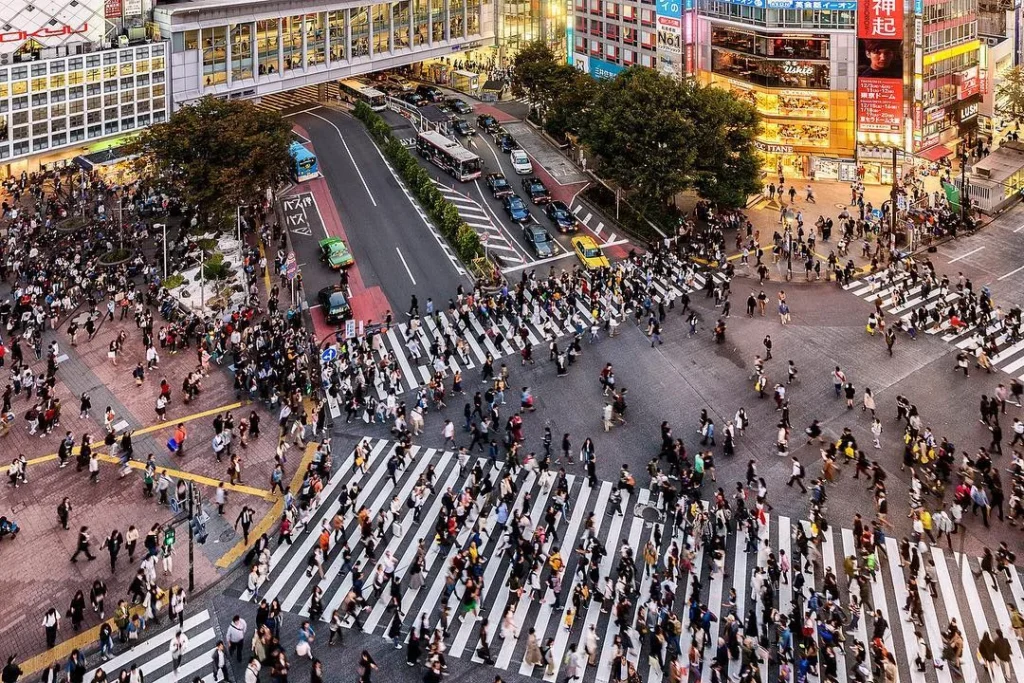
STARBUCKS, ONE OF THE BEST VIEWS OF THE SHIBUYA CROSSING
If you want a solid view of the intersection, there’s a Starbucks right by it. From inside, you can watch the scramble from above with a coffee in hand like you’re observing a very fashionable documentary about human migration. Pro move: go a little earlier or a little later than peak times if you actually want a seat.
SUTADONYA RESTAURANT (SHIBUYA)
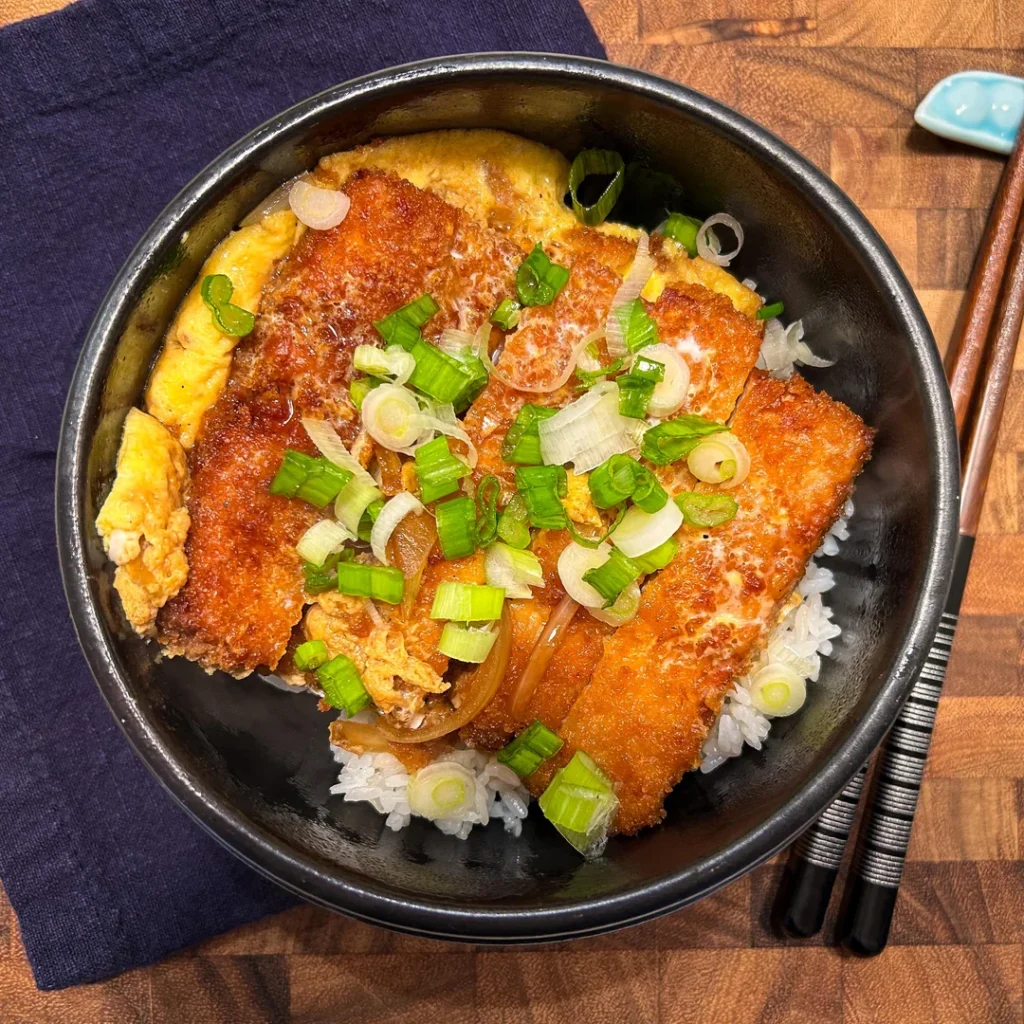
After a chunk of Shibuya sightseeing, we ate nearby at Sutadonya. This time we went classic: miso soup (dashi + miso paste + tofu + wakame seaweed, sometimes with spring onion) and a proper katsudon—a rice bowl with a breaded cutlet (usually pork), egg, and onions simmered in a sweet-savory sauce built on dashi, soy sauce, and sake or mirin. It’s comforting, fast, and ridiculously satisfying.
And yes, the name makes sense: tonkatsu (pork cutlet) + donburi (rice bowl) = katsudon. Japanese food naming is often wonderfully literal once you learn the building blocks.
TOWER RECORDS
Shibuya is also about wandering—letting the streets drag you past giant buildings full of fashion, music, and whatever trend is being born this week. One of the iconic stops is Tower Records, a massive record store spread over multiple floors, where you can lose an hour even if you don’t buy anything.
You can roam aimlessly (recommended), but don’t skip Shibuya’s main walking arteries: Center Gai Street and Koen Dori Street.
Gai Center Street
Right opposite Hachiko Square, between the square and Starbucks: a pedestrian street stacked with restaurants, karaoke spots, pubs, and boutiques. It’s loud, busy, and a little bit chaotic—in other words, it’s Shibuya doing Shibuya.
Koen Dori Street
Near Shibuya Center Gai is the other famous stretch: Koen Dori. This is where you’ll find major shopping like Parco, and it nudges you toward greener space like Yoyogi Park and the Meiji Shrine area—because Tokyo loves giving you contrast right when you didn’t know you needed it.
Spanish Slope
Close to Koen Dori Street is the delightfully random Spain Street—yes, really—nicknamed because it vaguely resembles a Spanish lane. It’s narrow, cute, and leads toward the Parco shopping area.
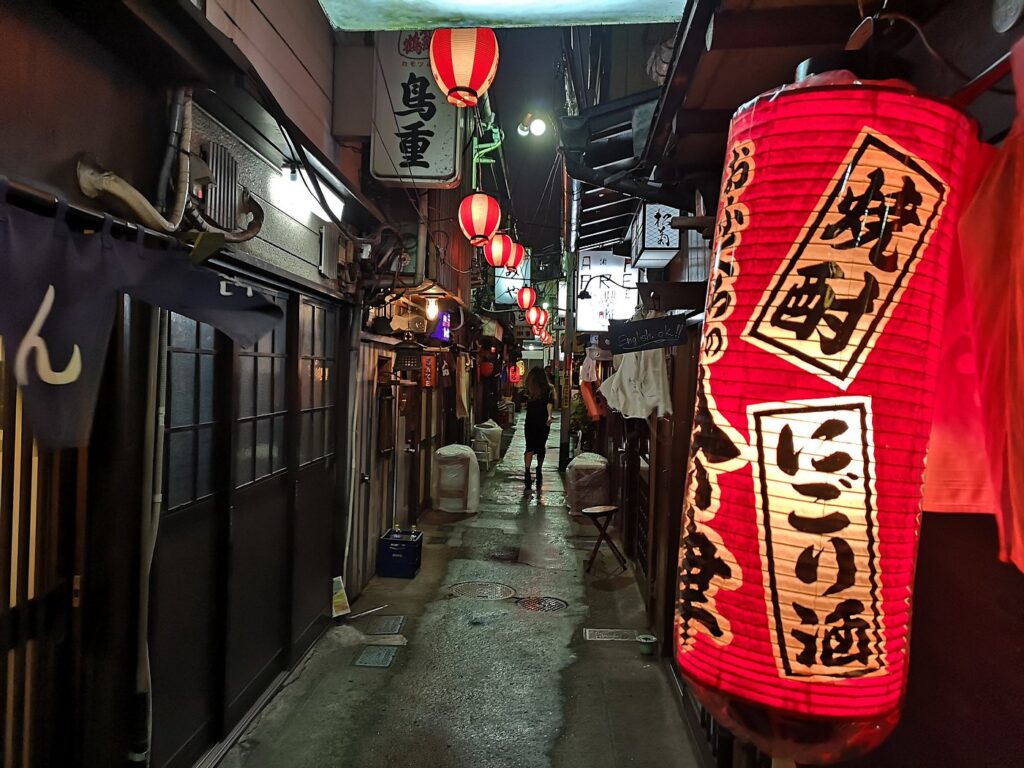
NONBEI YOKOCHO ALLEY
About five minutes from Spain Street is Nonbei Yokocho, often called Drunkards’ Alley. It’s a narrow alley full of tiny bars and old-school atmosphere—one of those places where Tokyo suddenly feels like it time-traveled. If you’ve got time, pop by, especially after dark. Even if you don’t drink, walking through is a mood.
MEIJI SANCTUARY
After a solid Shibuya run, we headed to Meiji Shrine, one of Tokyo’s most important Shinto shrines, dedicated to Emperor Meiji and Empress Shoken. It’s one of those places where the city noise fades fast, like someone turned the volume down as you walk under the trees.
TORII MEIJI SHRINE
At the entrance, you pass through towering wooden torii gates—simple, iconic, and weirdly calming. (Also: yes, you will take photos. Everyone does. We all pretend we won’t, and then we do.)
The complex splits neatly into Gaien (the outer area) and Naien (the inner area with the main shrine buildings and the garden).
GAIEN
The outer area has museums, sports venues, and spaces where you’ll sometimes see Shinto weddings. It’s a quieter buffer zone before you move deeper into the shrine grounds.
NAIEN
The inner area is where the main buildings live: the shrine structures and related spaces, plus access toward the gardens.
SHINKO (TREASURE HOUSE)
Shinko is the Treasure House, where items connected to Emperor Meiji and Empress Shoken are kept. If you like history and artifacts, it’s worth a look.
SHISEIKAN BUDOJO
A hall dedicated to the teaching and practice of traditional martial disciplines—quiet, focused, and very “Japan does training seriously.”
MEIJI SANCTUARY GARDENS
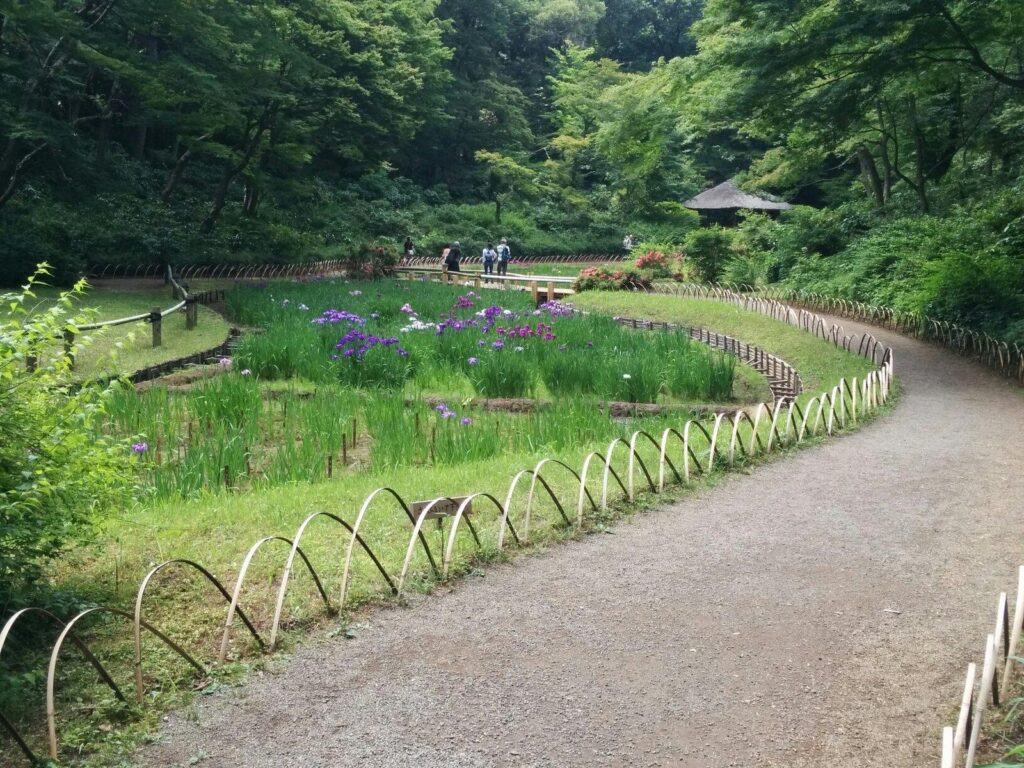
The setting is half the magic: the shrine is surrounded by an enormous man-made forest, planted with over 100,000 trees from hundreds of species. To the south is the inner garden (Meiji-jingu Gyoen). And next door you’ve got Yoyogi Park, which blends into the shrine area so smoothly you barely notice when you’ve crossed from sacred forest to city park.
YOYOGI PARK
Yoyogi Park is basically Tokyo’s reminder that you’re allowed to breathe. It’s one of the city’s largest parks, and it’s great for a decompression walk: trees, open lawns, and the occasional street performer doing their thing like this is their personal stage. We wandered without a strict plan, which is honestly the best way to do Yoyogi—just let it reset your brain.
SHIBUYA 109
After Meiji Shrine and Yoyogi Park, we went back to central Shibuya and popped into Shibuya 109 to kill time before night views. It’s a 10-story fashion labyrinth aimed mostly at young women (think trend-forward, colorful, and very “Tokyo fashion is alive”). You won’t find many men’s stores here, but it’s still fun people-watching and window-shopping—even if your style is “comfortable shoes and survival.”
TOKYO ITINERARY DAY 3:
Ueno Park: Saigõ Takamori Statue – Sinobazu Pond – Benten-Do Temple – Kiyomizu KannonDo Temple – Pagoda – Toshogu Shrine – Ueno Daibutsu – Ueno Park Museums – Ameya Yokocho Market – Akihabara at night
On day three of our 9 days Tokyo itinerary, we did the sensible thing: breakfast, subway, and straight into greenery. We took the train to Ueno Station and walked into Ueno Park, one of Tokyo’s best-known parks for both tourists and locals. It’s a perfect “Tokyo is intense, please give us trees” kind of stop.
Beyond the specific sights below, the park itself is the point: wide paths, big trees, and a vibe that changes completely depending on the season. If you visit during cherry blossom time, it’s basically Tokyo showing off.
WHAT TO SEE AND DO IN UENO PARK?
Ueno Park is packed with landmarks, ponds, temples, and museums, so it’s easy to make a full day of it. We walked through with a relaxed pace, stopping for the highlights and letting the park do the rest of the work.
STATUE OF SAIGÕ TAKAMORI IN UENO PARK
Entering via the south side, one of the first big sights is the Saigō Takamori statue—a samurai and politician often linked to the Meiji era transformation of Japan. His story is complicated (rebellion, defeat, later pardon), which is basically Japan’s way of saying “history is never simple.”
SINOBAZU POND
West of the Saigō statue you’ll find Shinobazu Pond, a peaceful patchwork of water, greenery, and seasonal beauty. It’s split into three areas: the lotus pond, the boat pond, and the cormorant pond (yes, real fishing birds that look like they’re always judging you).
You can rent a boat here for a different view—especially nice when the lotus is in bloom or when the light is soft in late afternoon.
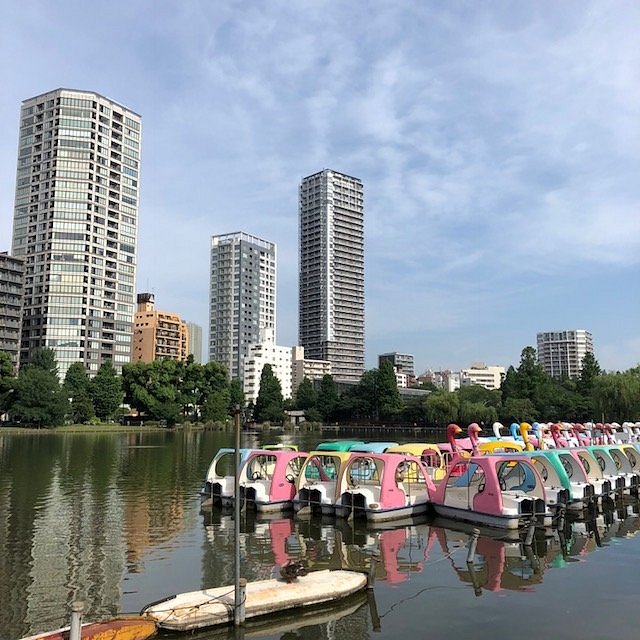
BENTEN-DO TEMPLE
In the middle of Shinobazu Pond sits Benten-Do Temple (Bentendo Hall), dedicated to Benten—a goddess associated with wealth, fortune, music, and knowledge. In other words: the whole package.
KIYOMIZU KANNON-DO TEMPLE
Heading north through the park, we reached Kiyomizu Kannon-do, originally linked to the historic Kaneiji temple complex. It houses an image of Kosodate Kannon, associated with conception and childbirth. There’s also a tradition of offering small dolls—an example of how Japanese religious spaces often hold layers of lived, personal meaning beyond just architecture.
FIVE-STORY PAGODA (Kan’ei-ji)
Further along, in the western side of the park, you’ll spot the five-story pagoda from the old Kaneiji Temple grounds—an elegant Edo-period survivor that made it through conflict and fire. It’s one of those structures that stops you mid-walk because it looks almost unreal against the city backdrop.
TOSHOGU SHRINE
Not far from the pagoda is Toshogu Shrine, known for its ornate style and Edo-period character. You can go inside and take your time with the details—because Tokyo’s temples and shrines aren’t just “things to tick off,” they’re the city’s quieter heartbeat.
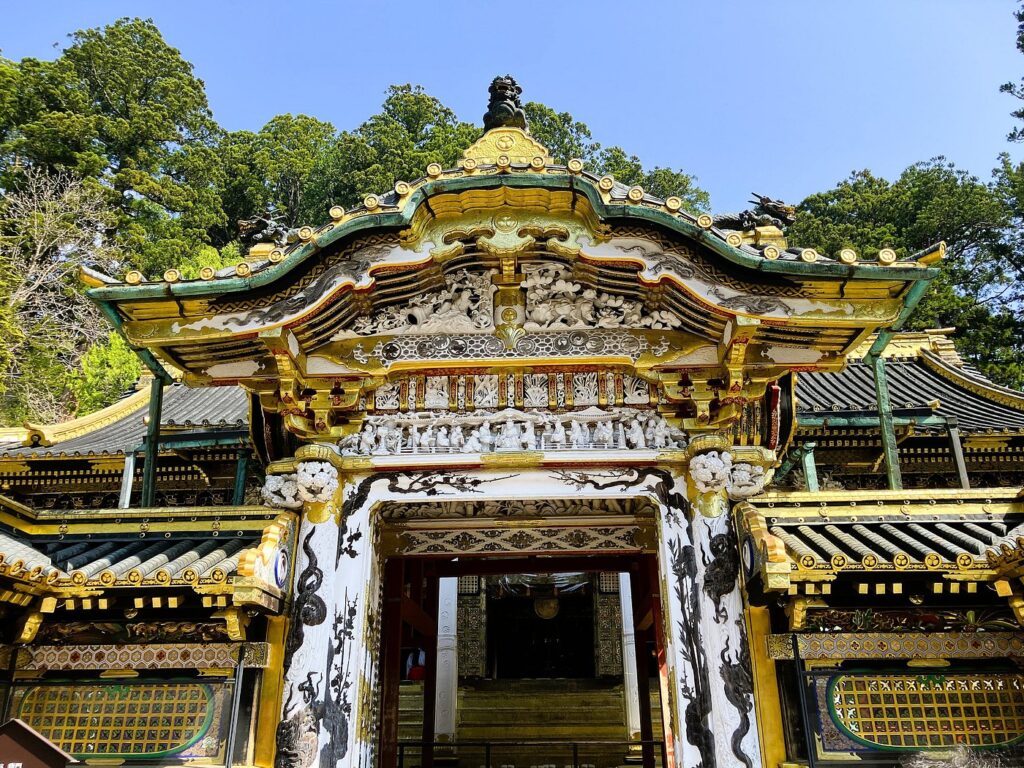
UENO DAIBUTSU (GREAT BUDDHA OF UENO)
A bit south of Toshogu is the Ueno Daibutsu—or what remains of it. After earthquakes and fires, the statue was largely destroyed; today, you’ll see the surviving face and a small prayer area with tablets for wishes. It’s quietly moving: less “giant statue” and more “Tokyo remembers.”
A pagoda was built on the spot where the larger statue once stood.
UENO PARK MUSEUMS
Ueno is also museum territory. Major names include:
– Tokyo National Museum: the classic for Japanese art and cultural artifacts.
– Tokyo Metropolitan Art Museum: rotating exhibitions (some free, some paid).
– National Museum of Nature and Science: a science and natural history fix.
– Shitamachi Museum: Meiji/Showa local life and history.
– National Museum of Western Art: European art in Tokyo, because Tokyo contains multitudes.
AMEYA YOKOCHO MARKET
Right near Ueno Park is Ameya-Yokocho (Ameyoko), a market street full of food stalls, sweets, clothing, accessories, and plenty of impulse buys you didn’t know you needed. Historically it was known for seafood, but today it’s more of a lively shopping-and-snacking corridor. Grab street food, weave through the crowd, and enjoy Tokyo in “everyday mode.”
➡️If you want a satisfying walk, here’s a strong route: start at Ueno Park, then stroll down toward Akihabara. Going back to Akiba later in the day—especially around sunset—makes the neighborhood feel new again. Here are some shots of Akihabara at night.
TOKYO ITINERARY DAY 4:
Sensoji Temple: Kaninarimon (Thunder Gate) – Nakamise Street – Hozomon Gate – Goju-No To (Pagoda) – Kannon-Do (Main Hall) – Yogodo Hall – Yakusido Hall – Awashimado Hall – Denboin Temple – Chingodo Hall – Asakusa Shrine – Nitenmon Gate – Bentendo Hall – Tokyo Skytree
Day four of Tokyo itinerary: we set the alarm early, ate breakfast, and took the subway to Asakusa. The mood shift is immediate—less neon, more history, and the feeling that Tokyo’s past is still very much alive.
What to see and do at Sensoji Temple in Asakusa?
We left behind the electronics glow of Akihabara and stepped into one of Tokyo’s most historic neighborhoods. Asakusa is where you go when you want temple bells, old streets, and that “Tokyo had a life before skyscrapers” feeling—anchored by one of the city’s most famous temples.
KAMINARIMON (GATE OF THUNDER)
We exited Asakusa Station and, within minutes on Kaminarimon Street, we hit the legendary Thunder Gate, aka Kaminarimon. Its formal name is Furaijinmon, with the deities Raijin (left) and Fūjin (right) flanking the entrance. Behind the gate are statues of Tenryū (right) and Kinryū (left). But let’s be honest: the star is the enormous paper lantern—a chōchin—about 4 meters tall, famously massive, and impossible not to photograph.
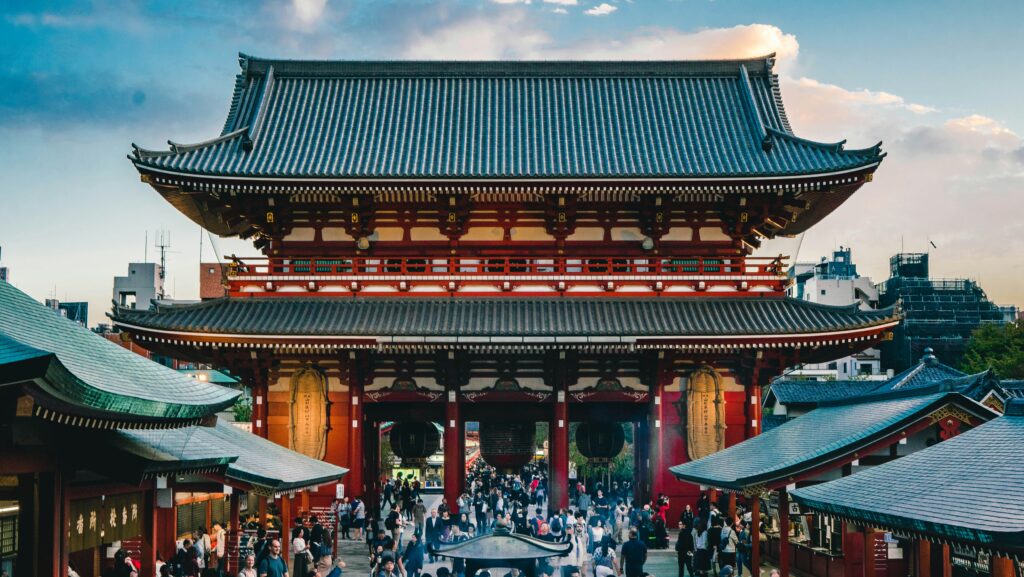
NAKAMISE STREET
Past the gate, you’ll walk down Nakamise Street, lined with shops selling souvenirs, sweets, crafts, and all the “just one more small thing” temptations. There are about 50 shops on the main stretch, plus plenty more in the side streets—worth exploring if you have time.
HOZOMON GATE
At the end of Nakamise Street you reach Hozomon Gate (formerly called Niomon), the main gate into the temple grounds. Like Kaminarimon, it’s flanked by protective statues, and behind it you’ll spot the giant waraji—enormous straw sandals—hanging like the temple’s way.
FIVE-STORY PAGODA (GOJU-NO TO)
Once inside, look left and you’ll see the five-story pagoda. You can’t go inside, but honestly, it doesn’t need interior access to impress. It’s one of those “stand there and stare” structures.
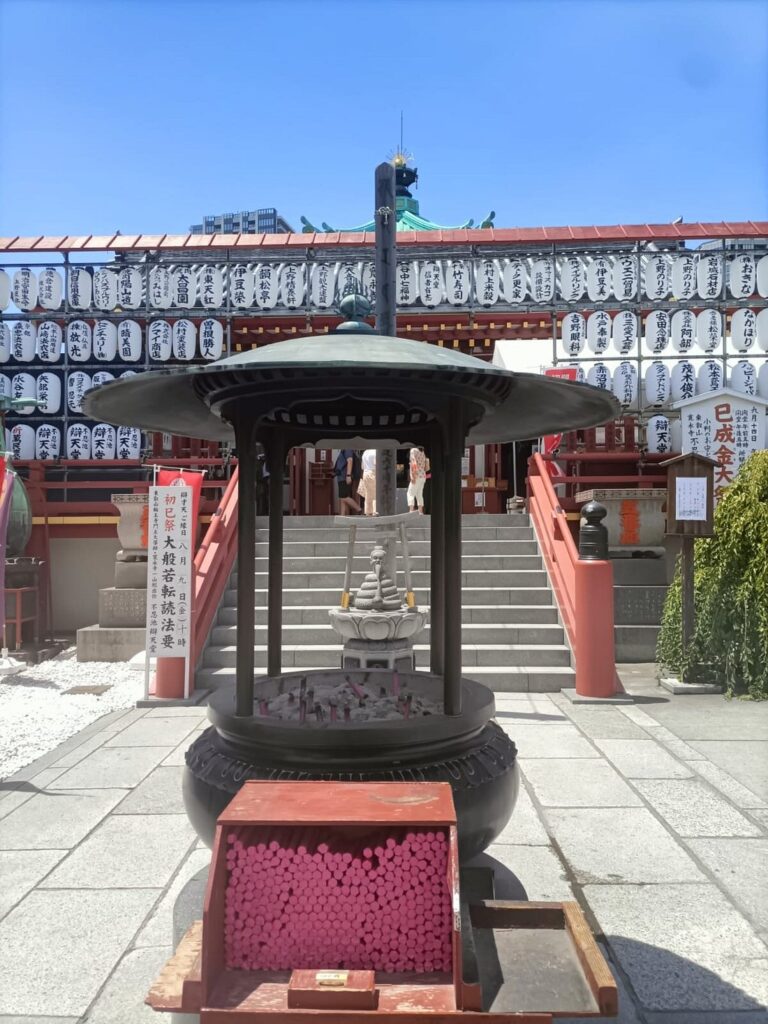
Between Hozomon Gate and the main hall (Hondo), you’ll find shops selling omamori charms, omikuji fortune slips, and incense sticks. Don’t leave Sensoji without doing the incense ritual: light it, let the smoke rise, and gently waft it toward any part of your body where you want health or luck. Watch locals for the flow—it’s a calm little moment in a very photogenic crowd.
HONDO MAIN HALL OR KANNON-DO OF SENSOJI TEMPLE
In front of us is the temple’s main building, covering more than 1,150 square meters. Tradition says the original statue of Kannon found in the river is kept within (not displayed), while the figure you see in the hall is a replica. Whether you’re religious or not, the atmosphere inside is powerful—quiet concentration in the middle of one of Tokyo’s busiest sightseeing zones.
YOGODO HALL
To the left (facing the main Hondo) is Yogodo Hall, where you’ll find Kannon alongside eight Buddhas linked to the zodiac animals. Nearby there’s also a small Japanese garden area and one of Tokyo’s oldest stone bridges—subtle details that reward slower walking.
Yakusido Hall
Close to Yogodo is Yakusido Hall, one of the older buildings in the complex. Inside are the Yakushi Buddha (Medicine Buddha) and figures like the Twelve Heavenly Generals and the Ten Judges—important Buddhist protectors and symbols.
AWASHIMADO HALL
Near Yakusido is Awashimado Hall, dedicated to Awajima Myojin. It served as a main worship space after World War II damaged parts of the temple—one more reminder that Tokyo’s history isn’t just ancient; it’s also very modern.
DENBOIN TEMPLE
Denboin is the official residence of Sensoji’s head priest, where ceremonies and practices take place. It’s less of a “tourist stop” and more of a functioning part of the temple’s living system.
CHINGODO HALL
Near Denboin is Chingodo Hall, home to an image of a tanuki—a raccoon dog creature in Japanese folklore that’s often linked to luck and protection. Nearby you’ll also see Mizuko Jizo, associated with deceased children and memorial traditions.
ASAKUSA SHRINE
Behind the main hall to the right is Asakusa Shrine, dedicated to the fishermen who, according to legend, found the statue of Kannon in the river. It’s a nice contrast: Shinto shrine calm right next to Buddhist temple bustle.
NITENMON GATE
Leaving the main hall to your right, you’ll find Nitenmon Gate, a side gate that survived the bombings of World War II. Like the other gates, it’s guarded by protective statues—quiet strength in wooden form.
BENTENDO HALL
Walk south from the temple and you’ll reach Bentendo Hall. Nearby is a large bell still used today (yes, Tokyo still rings bells the old way at 6:00 a.m., because tradition doesn’t care that you’re on vacation).
TOKYO SKYTREE, THE TALLEST COMMUNICATIONS TOWER IN THE WORLD
After Sensoji and another stroll down Nakamise Street (because you always “just want one more look”), we had lunch nearby and then walked to Tokyo Skytree in the Sumida district. It’s one of the best viewpoints in the city, and it’s the kind of place you do once and then keep talking about like you personally invented the skyline.

THE TALLEST COMMUNICATIONS TOWER IN THE WORLD
Skytree is the tallest structure in Japan and one of the world’s tallest towers, built as a broadcasting and observation icon. Its name was chosen through a public process, with finalists like Tokyo Edo Tower, Tokyo Skytree, Mirai Tree, Yumemi Yagura, Rising East Tower, and Rising Tower. Tokyo Skytree won, and honestly, it fits: futuristic, clean, and slightly poetic.
Once you arrive, head up to the 4th floor for ticketing. There are two observation levels: the Tembo Deck (350m) and the Tembo Gallery (450m). The elevator up to the deck is famously fast—your ears may pop, your brain may lag, your camera will definitely come out.
TEMBO PLATFORM
The lower observation deck is the Tembo Deck (often written as “Tembo Deck” or “Tembo Platform”). At 350 meters high, it’s reached via a high-speed elevator and spreads across multiple levels: cafés, shops, and a wide circular viewing area with a full 360° panorama. It’s the classic “Tokyo looks endless” moment.

TEMBE GALLERY
The higher level is the Tembe Gallery at 450 meters. It’s the “fine, we’ll go higher” upgrade—and it’s worth it if you’re here on a clear day. The view feels more cinematic up there, like Tokyo is a model city spread under glass.
TOKYO SKYTREE PRICE AND VIEWPOINTS
Prices vary depending on day (weekday vs weekend/holiday) and whether you buy in advance or same-day. As a practical reference, advance tickets for adults are often around:
– Tembo Deck (350m): roughly ¥2,100 on weekdays and ¥2,300 on weekends for adults (advance purchase).
– Combo (Tembo Deck + Tembo Galleria): typically higher than the deck-only ticket, and it can vary by platform and timing (advance vs same-day). If you’re the “we’re already here, do it properly” type, budget extra for the Galleria.
Not cheap, sure—but if this is your one Tokyo trip (or your first Tokyo trip), Skytree is one of those skyline memories that sticks.
We went after lunch so we could take our time: buy tickets without stress, go up while it was still daylight, and then stay long enough to watch the city shift into night mode. Crowds depend heavily on season and time, but a mid-afternoon arrival generally gives you a good balance.
VIEWS OF THE TOKYO SKYTREE AT DUSK
If you want the “daylight + sunset + night lights” triple combo, don’t show up too late. Aim for early-to-mid afternoon so you’re not rushed by queues or timed-entry windows.
At the base of Tokyo Skytree you’ll find a big shopping and dining complex, and if you visit in late autumn and winter, the seasonal decorations can be ridiculously charming. We went in late November and everything was already in full “Tokyo does Christmas with extra sparkle” mode.
TOKYO ITINERARY DAY 5:
Tokyo Imperial Palace (Kōkyo Higashi Gyoen)-Odaiba: Rainbow Bridge-Statue of Liberty-Fuji Television-Diver City-Robot Gundam-Ferris Wheel Giant Sky Whell-Palette Town-Oedo Onsen Monogatari-Fuji Tv Night Show
Day five of ourTokyo itinerary started with history: we ate breakfast, then took the subway from Kayabacho Station to Ōtemachi Station, where the Tokyo Imperial Palace area sits. This was once the site of Edo Castle, home of the Tokugawa shoguns. Today it’s one of the city’s most important historical cores—wide spaces, stone walls, and the feeling that modern Tokyo is built on layers of very serious past.
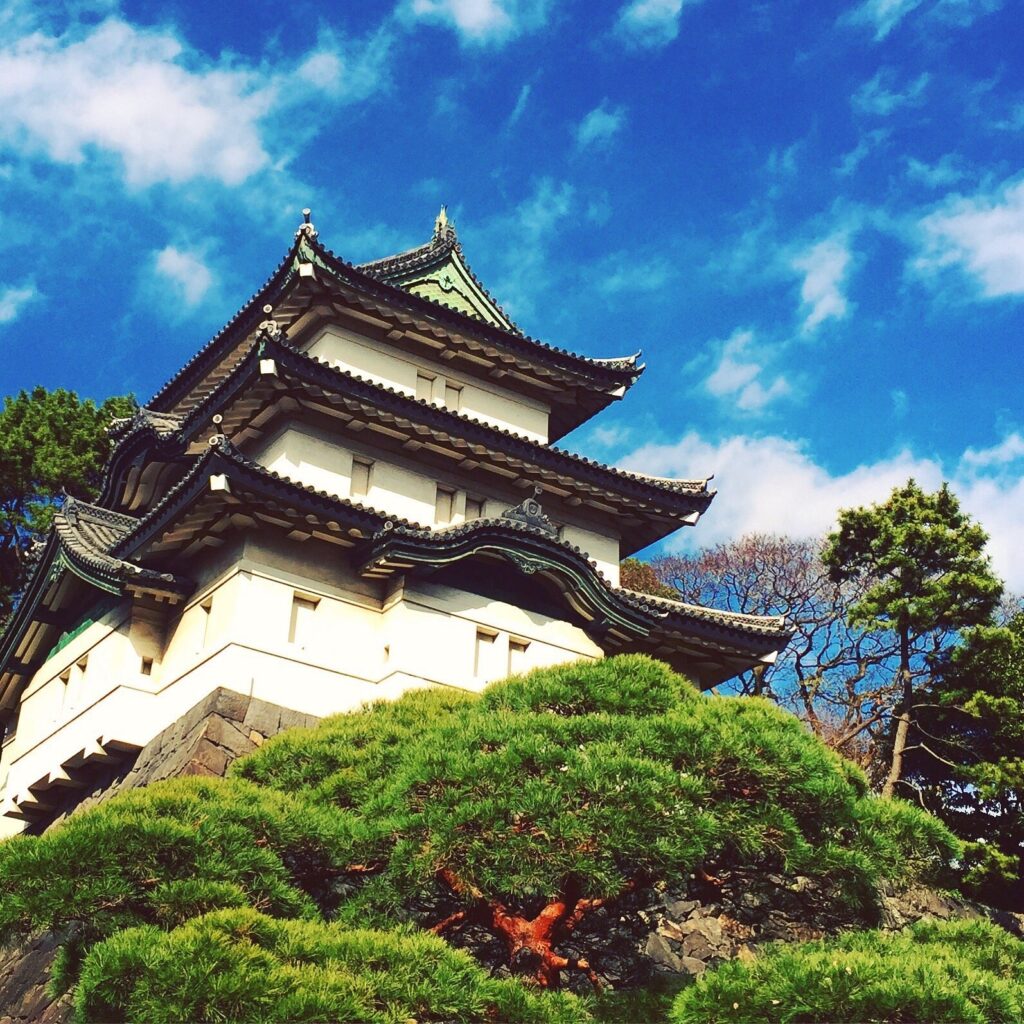
WESTERN GARDEN OF THE IMPERIAL PALACE – Kōkyo Higashi Gyoen
The Eastern Gardens of the Imperial Palace (Kōkyo Higashi Gyoen) are the main public-access part of the palace grounds. There are also guided tour options on certain days, but honestly, the gardens themselves are the star: moats, gates, stone walls, and that clean, deliberate Japanese landscaping that makes you walk slower without noticing.
NIJUBASHI BRIDGES
From Ōtemachi we walked toward Kokyo Gaien Square, where you get the classic view of the Nijubashi Bridges, the grand approach toward the inner palace area. Even if you don’t go deeper, the outer views are a Tokyo essential: wide open space, crisp lines, and the kind of calm you don’t expect in one of the world’s biggest cities.
Walking the gardens gives you a mini crash-course in Japanese castle design: walls, gates, defensive shapes, and that sense of layered protection that Edo-period architecture did so well. If you have time, it’s an easy, worthwhile Tokyo break from nonstop shopping streets.
How to get to the artificial island of Odaiba? – Yurikamome Monorail
After the gardens, we aimed for a totally different Tokyo: the artificial island of Odaiba. We left the palace area, walked to Yurakucho Station, and rode toward Toyosu, where we transferred to the Yurikamome—a driverless monorail that feels like a small futuristic joyride. Sit by the window if you can. The views over the bay are half the reason you’re doing it.
What to see and do on the artificial island of Odaiba?
Odaiba is a man-made island in Tokyo Bay, originally linked to defensive coastal fortifications. Today it’s more “shopping + skyline + entertainment” than “military,” and it’s absolutely a fun contrast stop on a Tokyo trip.
Odaiba is one of those places that makes your itinerary feel bigger: suddenly Tokyo isn’t just neighborhoods—it’s a whole bay experience.
RAINBOW BRIDGE
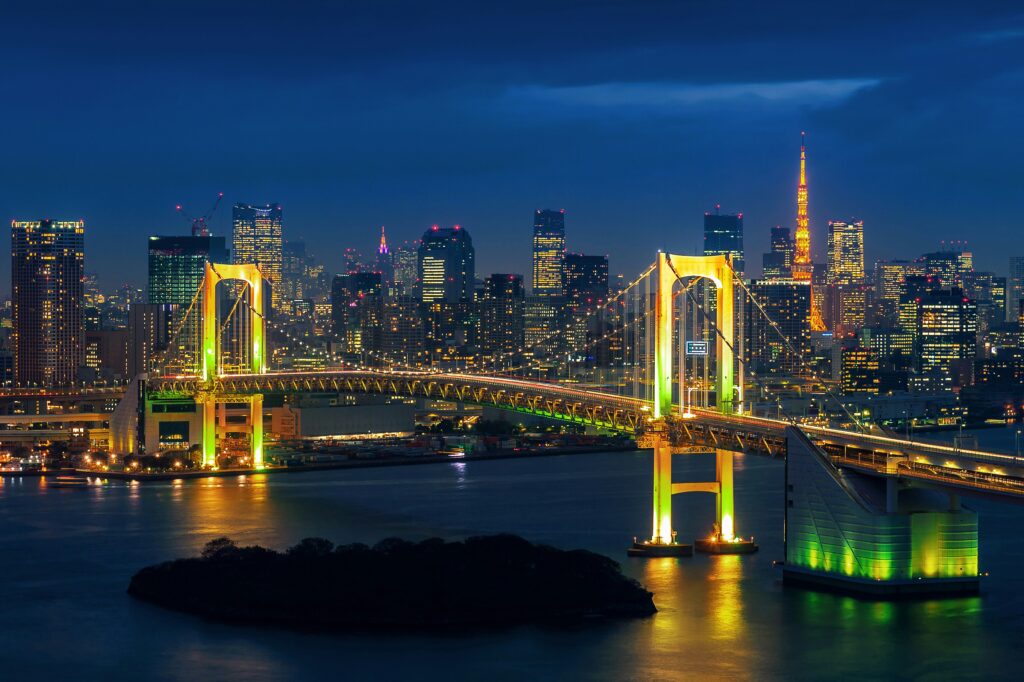
Rainbow Bridge connects central Tokyo to Odaiba, with multiple levels for roads and the Yurikamome line. The best first look is from the monorail itself—gliding toward the bridge with the skyline behind it is pure “Tokyo postcard” energy.

STATUE OF LIBERTY
If you hop off at Daiba Station, you can snap the classic shot: Odaiba’s Statue of Liberty replica with Rainbow Bridge behind it. It’s wonderfully random—New York symbolism, Tokyo skyline, Japanese bay breeze. Travel is weird. We love it.
STATUE OF LIBERTY
If we hop off at Daiba Station, we’re basically handing you the classic Odaiba postcard on a silver tray: the Statue of Liberty replica in front, and the Rainbow Bridge doing its best “Tokyo’s answer to New York” impression in the background. You don’t need to overthink it—just walk toward the waterfront, let the skyline line itself up, and take the photo you’ll pretend was spontaneous.
Pro tip: Hang around for a few minutes and you’ll catch different moods fast—bright daytime sparkle, then the softer “okay wow” glow as late afternoon starts leaning toward sunset.
FUJI TELEVISION
Now turn around (yes, literally) and you’ll spot Fuji TV’s headquarters, a bold, futuristic building that looks like it was designed by someone who asked, “What if we made a TV station… but make it sci-fi?”
Entry to parts of the building is free, but if you want the big payoff, you’re here for HACHITAMA, the spherical observation room up on the 25th floor. If you’ve got even a little curiosity (or a camera roll begging for skyline shots), it’s worth it. The ticket is ¥800 for adults (high school age and up) and ¥500 for elementary/junior high students.
From up there, you’ll get those wide, satisfying views over Tokyo Bay, plus the Rainbow Bridge, and on a clear day you’re stacking landmarks like a collector—Tokyo Tower and Tokyo Skytree sitting pretty in the distance.
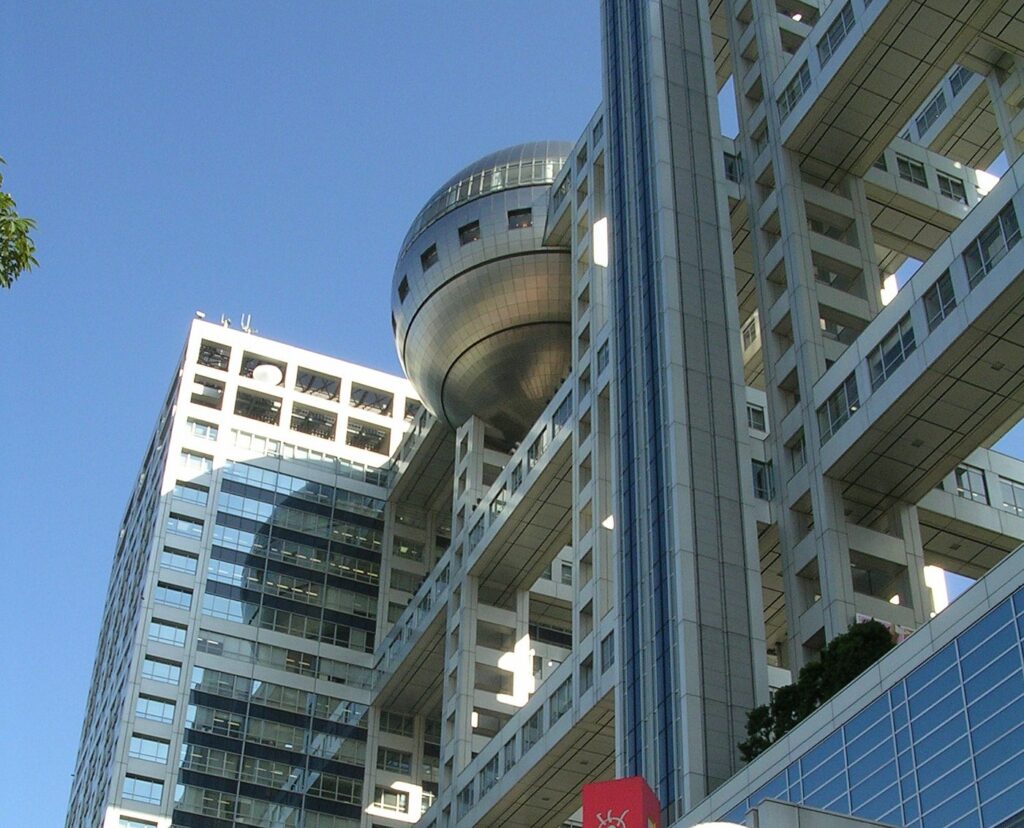
DIVER CITY SHOPPING CENTER AND THE (VERY LARGE) GUNDAM
A short walk from Fuji TV is DiverCity Tokyo Plaza—a big mall, lots of shops, lots of food, lots of “we’ll just pop in for one thing” lies.
But let’s be honest: the headline act is the giant Gundam out front. The original statue that people remember from years back is long gone, and today you’re looking at the full-scale Unicorn Gundam—still enormous, still dramatic, still the kind of thing that makes even non-anime people stop and stare.
If you’re thinking of doing any Tokyo shopping, this is a very easy place to knock out the practical stuff (clothes, basics, gifts) without zig-zagging across the city.
OTHER TOURIST ATTRACTIONS ON ODAIBA ISLAND
If you’re doing Odaiba in the morning + afternoon, the big hits above already give you a strong “we get it” loop. But Odaiba is also built for choose-your-own adventure energy, depending on what you’re into:
- Madame Tussauds (wax museum vibes: fun, a little uncanny, very photo-forward)
- Legoland Discovery Center (great if you’ve got kids or if you’re secretly a Lego adult—no judgment)
- Tokyo Joypolis (an indoor amusement zone with interactive attractions, arcade chaos, and “why is this more fun than it should be?” energy)
- Daiba Beach Park (for a calmer stroll and skyline views without needing a ticket)
- More shopping centers scattered around the area, if your travel style is “walk a lot, buy snacks, repeat.”
Basically: Odaiba can be sleek-and-scenic, or it can be neon-and-playful. You choose.
WHAT TO SEE AND DO IN ODAIBA AT NIGHT? – THE “STAY UNTIL SUNSET” MOVE
If you want to give Odaiba exactly the right amount of time (and still keep your Tokyo itinerary from exploding), we’d do this: stay until sunset.
The payoff is ridiculous in the best way—water, skyline silhouettes, the Rainbow Bridge slowly switching into night mode, and the whole area looking like Tokyo decided to be cinematic on purpose. It’s an easy “end of day” chapter, especially if you’re following a multi-day itinerary and don’t want to lose an entire evening to transit.
We’ve got a video that captures the vibe of that moment—because photos are nice, but the atmosphere is the real souvenir.
And if you want the latest on events, seasonal stuff, and what’s actually open right now, the official Odaiba tourism site is the smartest place to double-check maps and listings.
TOKYO ITINERARY DAY 6
SHINJUKU: Hanazono Jinja Shrine – Golden Gai – Kabukicho – Nishi Shinjuku: LOVE Sculpture – Mode Gakuen Cocoon Tower – Shinjuku Nomura – Tokyo City Hall (Tocho) – Shinjuku Gyoen National Garden – Shin Okubo (Koreatown) – GINZA: Harumi Dori – Chuo Dori – Tokyu Plaza Ginza – Sony – Kabukiza – Ginza Crossing – Wako Clock Tower – San’ai Dream Center – Ginza Place
Day 6 is where Tokyo turns the volume up. We gave the morning to Shinjuku, the city’s commercial and administrative heavyweight—and honestly, one of the most cosmopolitan, nonstop districts you can drop into.
WHAT TO SEE AND DO IN SHINJUKU?
We tackled Shinjuku in stages (because trying to “do it all” in one breath is how you end up hungry, overwhelmed, and arguing with Google Maps).
After breakfast, we took the subway from our hotel stop—Kayabacho Station—on the Hibiya Line to Kasumigaseki Station, then switched to the Marunouchi Line and rolled into Shinjuku-Sanchome Station.
Once above ground, we walked straight to our first stop: Hanazono Shrine.
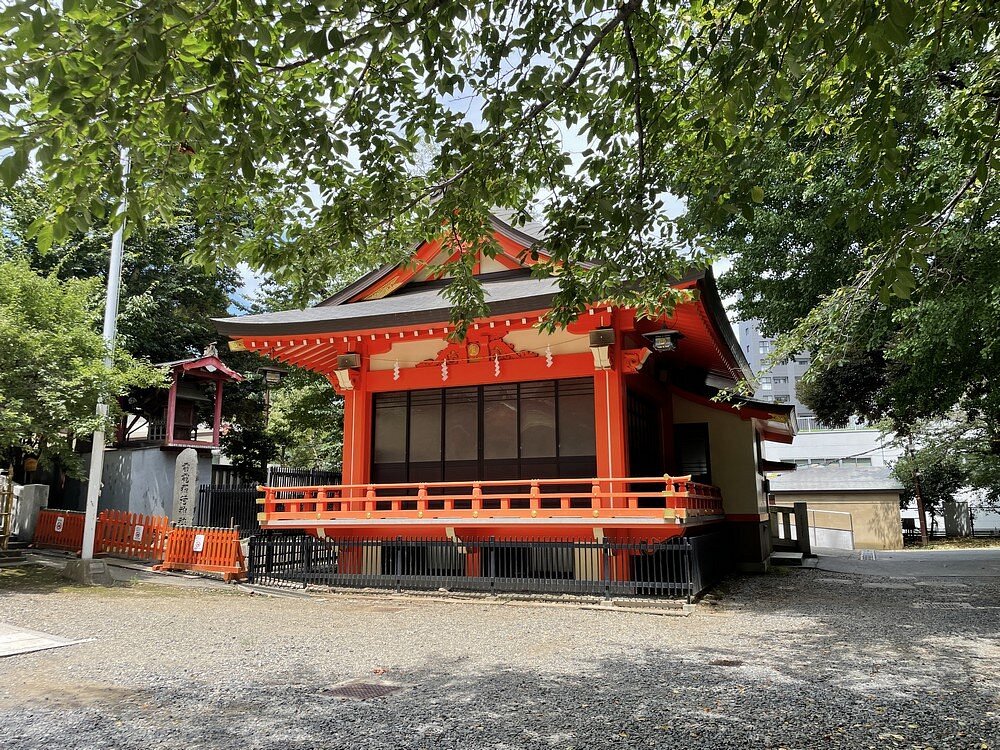
HANAZONO JINJA SANCTUARY
About a 5-minute walk from Shinjuku-Sanchome Station, Hanazono Shrine feels like someone hid a calm button inside a district made of glass and urgency. It’s tucked among skyscrapers—an honest-to-goodness oasis of quiet while the city does its frantic thing around it.
GOLDEN GAI
Almost directly opposite the lower entrance to Hanazono Shrine is Golden Gai: narrow alleys, tiny bars, and a vibe that screams “Tokyo time capsule.”
We’re saying this gently: it’s not the best place if you’re trying to drink cheaply. Many bars charge a cover fee on top of your drink, and prices can be steep. But walking through? That’s free (for now…), and it’s absolutely worth it just to soak up the atmosphere.
KABUKICHO
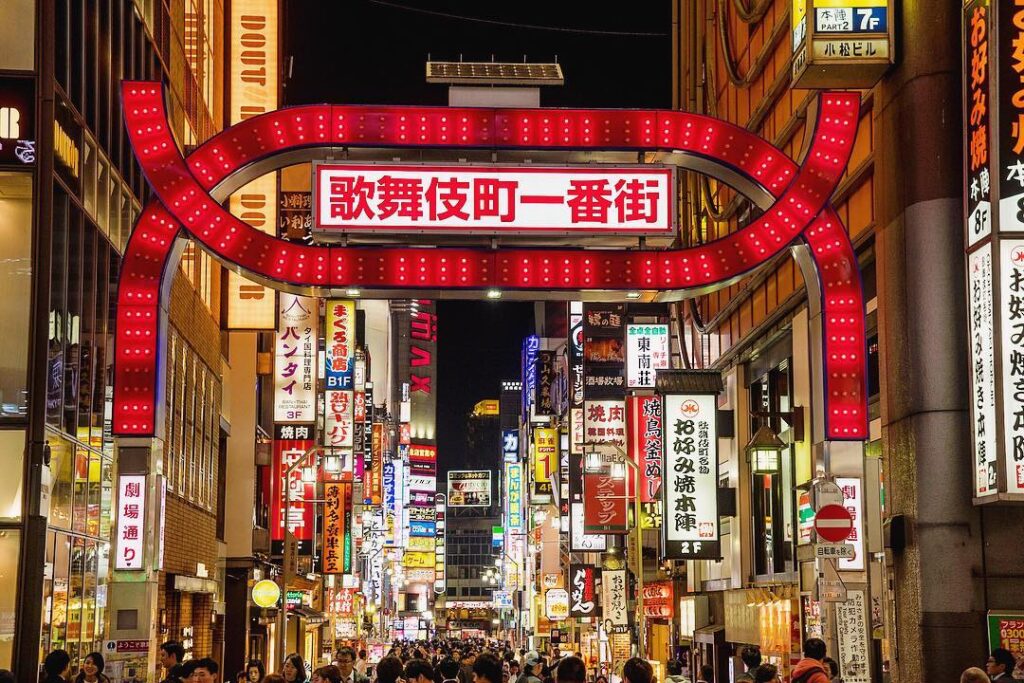
Right next door is Kabukicho, Tokyo’s most famous red-light district—neon signs, nightclubs, love hotels, and host/hostess clubs (where the point is conversation and company, not physical contact).
Even if you’re not planning to go inside anywhere, Kabukicho is a fascinating slice of the city’s nighttime economy—and the neon gateway sign leading into Kabukicho Ichibangai is the photo everyone ends up taking.
WHAT TO SEE IN NISHI-SHINJUKU, THE SKYSCRAPER DISTRICT?
Nishi-Shinjuku is the “grown-up Tokyo” skyline: office towers, hotels, and rooftop bars that look like they were invented for dramatic weather.
Here are the big visual hits:
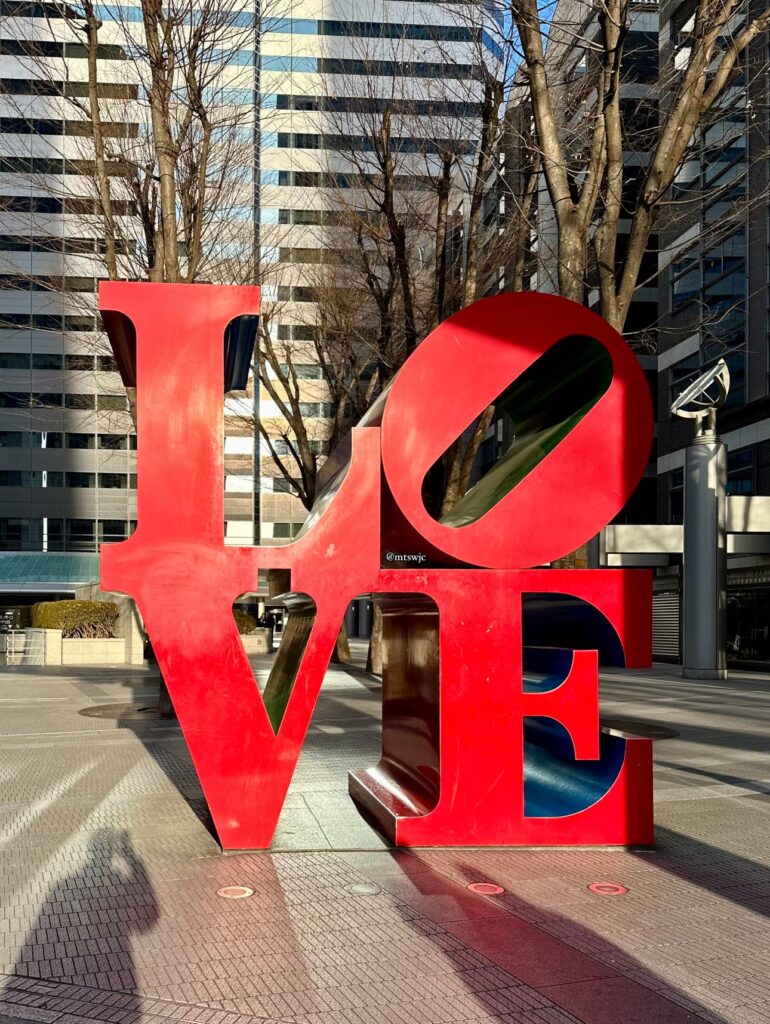
LOVE SCULPTURE
About a 15-minute walk from the Kabukicho area, the LOVE sculpture by Robert Indiana adds a punch of color to all that glass-and-steel seriousness. It’s iconic pop art, and yes, it’s the kind of thing you stop for even if you’re “not really into sculptures.”
MODE GAKUEN COCOON TOWER
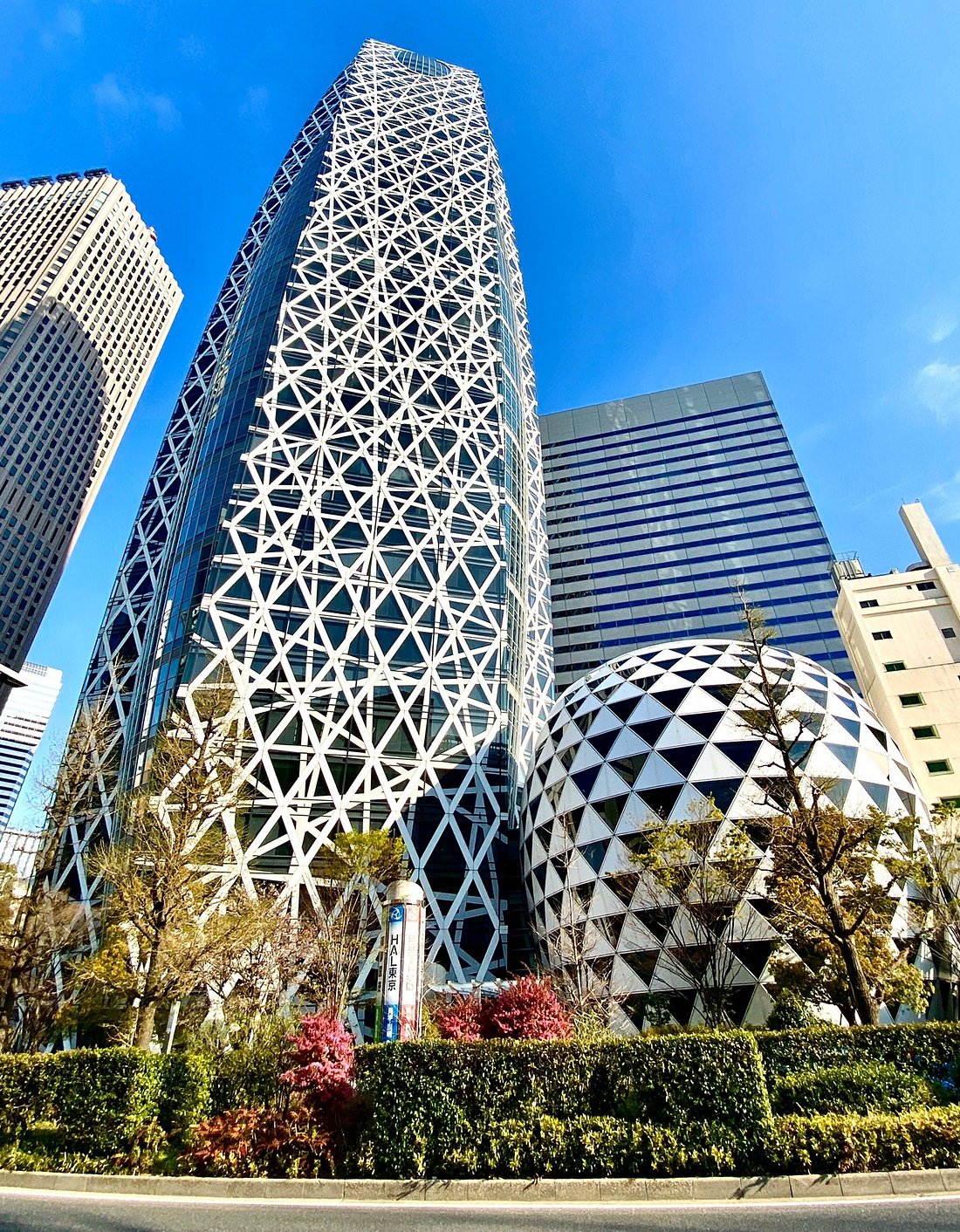
The Mode Gakuen Cocoon Tower is one of Shinjuku’s most recognizable shapes—204 meters tall, futuristic, and hard to ignore once you’ve spotted it. Inside are design and tech-focused schools (fashion, technology, medical), which feels very Tokyo: even the education looks like architecture flex.
SHINJUKU NOMURA
Nearby is Shinjuku Nomura Building, a major early skyscraper in the area at 209 meters—another “look up and you’ll feel small” moment.
TOKYO METROPOLITAN GOVERNMENT BUILDING (TOCHO / TOKYO CITY HALL)
About a 10-minute walk from Shinjuku Nomura, we hit Tocho—Tokyo’s Metropolitan Government Building. It’s 243 meters tall, split into two towers, and—best part—its observation decks are free.
On clear days, you’re scanning out toward major Tokyo landmarks, and yes, sometimes even Mount Fuji shows up like a rare bonus level.
WHAT TO SEE AT SHINJUKU GYOEN NATIONAL GARDEN?
From Tocho, it’s roughly a 30-minute walk to Shinjuku Gyoen National Garden, or you can hop the subway to Shinjuku Gyoenmae Station and walk about 5 minutes to the entrances.
It’s one of those places that resets your nervous system: wide paths, big trees, and enough space to forget you’re in one of the world’s busiest cities.
Practical detail that matters: adult admission is ¥500.
Inside, the garden shifts between different styles—French, English, and Japanese—complete with ponds, bridges, and that calm “we could sit here for an hour” energy. If you’re visiting in autumn, the color change makes it even more ridiculous (in the best way).
KOREATOWN (SHIN-OKUBO)
Next, we jumped over to Shin-Okubo, Tokyo’s Koreatown—often described as one of the largest Korean neighborhoods outside Korea.
Expect streets packed with Korean restaurants, snack shops, cosmetics, markets, and pop culture corners. We used it as a lunch stop, and it’s perfect for a mid-day reset that still feels like “we’re traveling.”
WHAT TO SEE AND DO IN GINZA?
After Shin-Okubo, we rode the subway to Ginza Station and surfaced onto Harumi Dori, one of Ginza’s main arteries (with Chuo Dori as the other headline street).
HARUMI DORI AND CHUO DORI
This is luxury-window-shopping theatre. Even if you’re not buying anything, strolling here is like walking through an open-air museum of global brands: Tiffany, Chanel, Louis Vuitton, Dior, Armani, Gucci, Prada, Shiseido—basically everyone.
TOKYU PLAZA GINZA
At one end of Harumi Dori is GinzaNovo, famous for that glass facade and the airy feeling inside. And if you want an easy, low-effort view, head up toward the terrace areas—rooftop access is a classic Ginza breather. (Hours vary by area, but rooftop spaces are typically open into the evening.)
KABUKIZA THEATER
At the other end of Harumi Dori sits Kabukiza Theatre, home of kabuki—stylized drama, elaborate costumes and makeup, and stories that often draw from history or big romance. It’s one of the easiest “traditional performance culture” options for visitors, even if you only sample a slice.
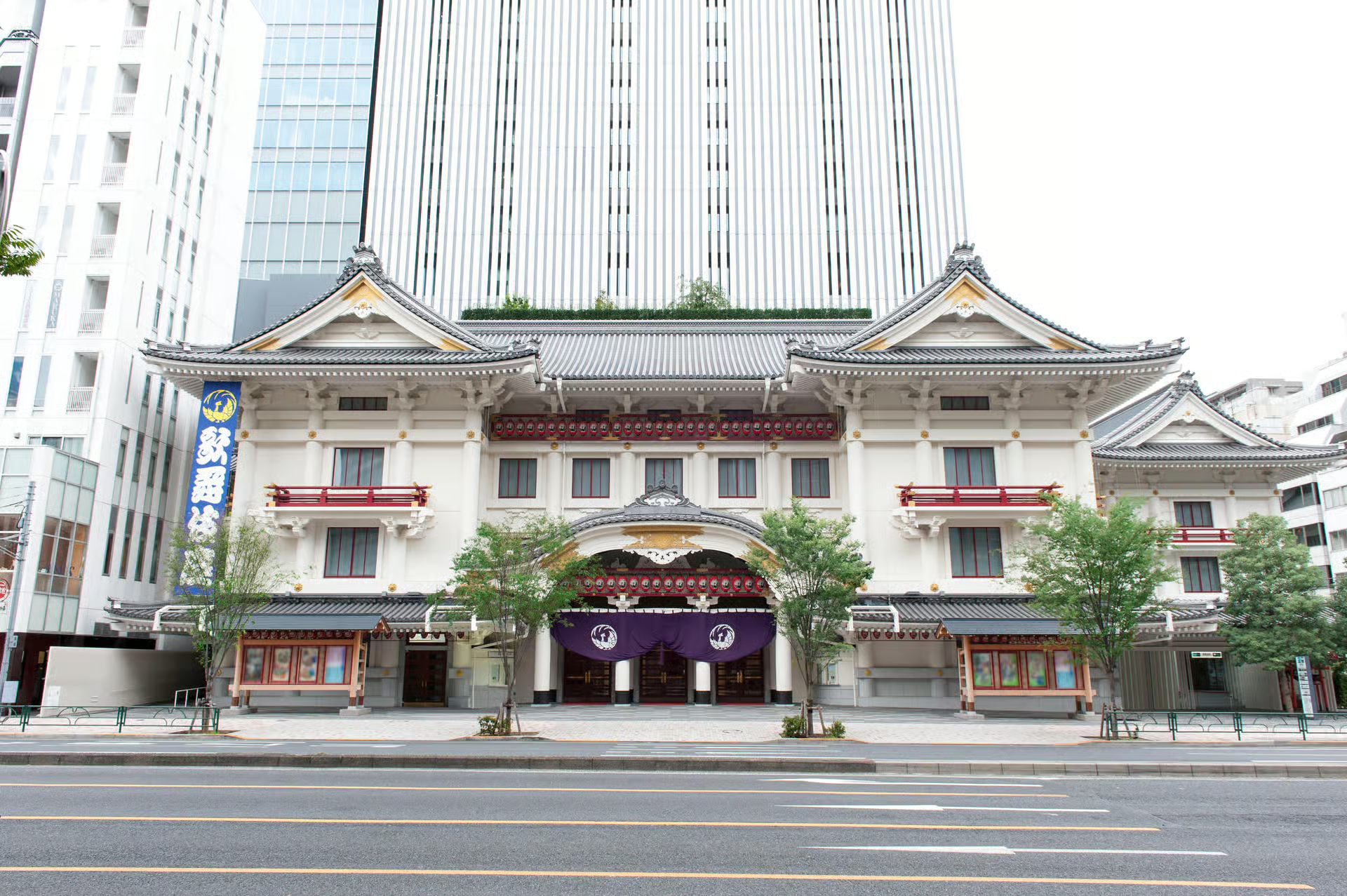
GINZA CROSSING (HARUMI DORI × CHUO DORI)
About halfway along, you hit a prime architecture-viewing spot where several icons cluster:
- Wako Clock Tower (Neo-Renaissance, very Ginza, very photogenic)
- San’ai Dream Center (the cylindrical building long known for its rooftop signage—though redevelopment plans have been in motion, so treat this as “see it while it’s still in its current chapter”).
- Ginza Place (modern, glossy, and packed with showrooms and restaurants)
Ginza is bigger than any single checklist, but these stops give you a strong “we walked Ginza properly” loop without needing hours and hours.
READ ALSO: Where To Eat In Ginza Tokyo: 18 Classic & Hidden Gem Ginza Restaurants
9 DAYS IN TOKYO ITINERARY: DAY 7
TOKYO TOWER – ZOJOJI TEMPLE: Sangedatsumon Gate – Daibonsho Bell – Kumano Shrine – Jizo Statues – Daiden Hall – SHIBA PARK
After breakfast, we took the subway from Hatchobori Station (about 500 meters from Kayabacho) along the Hibiya Line to Kamiyacho Station, then walked about 10 minutes to Tokyo Tower.
TOKYO TOWER
Tokyo Tower is that classic Tokyo silhouette—red and white, Eiffel Tower-inspired, and impossible not to recognize once you’ve seen it in a movie, an anime, or half your friends’ travel photos.
At the base is FootTown, where you can grab food, drinks, and souvenirs before going up.
For views, you’ve got two levels:
- Main Deck (150m)
- Top Deck (250m) via the Top Deck Tour (priced higher, and the tour ticket includes Main Deck entry)
For budgeting: the Top Deck Tour is ¥3,300 online / ¥3,500 at the counter for adults.
(Prices vary by age category, and the tour runs in timed slots.)
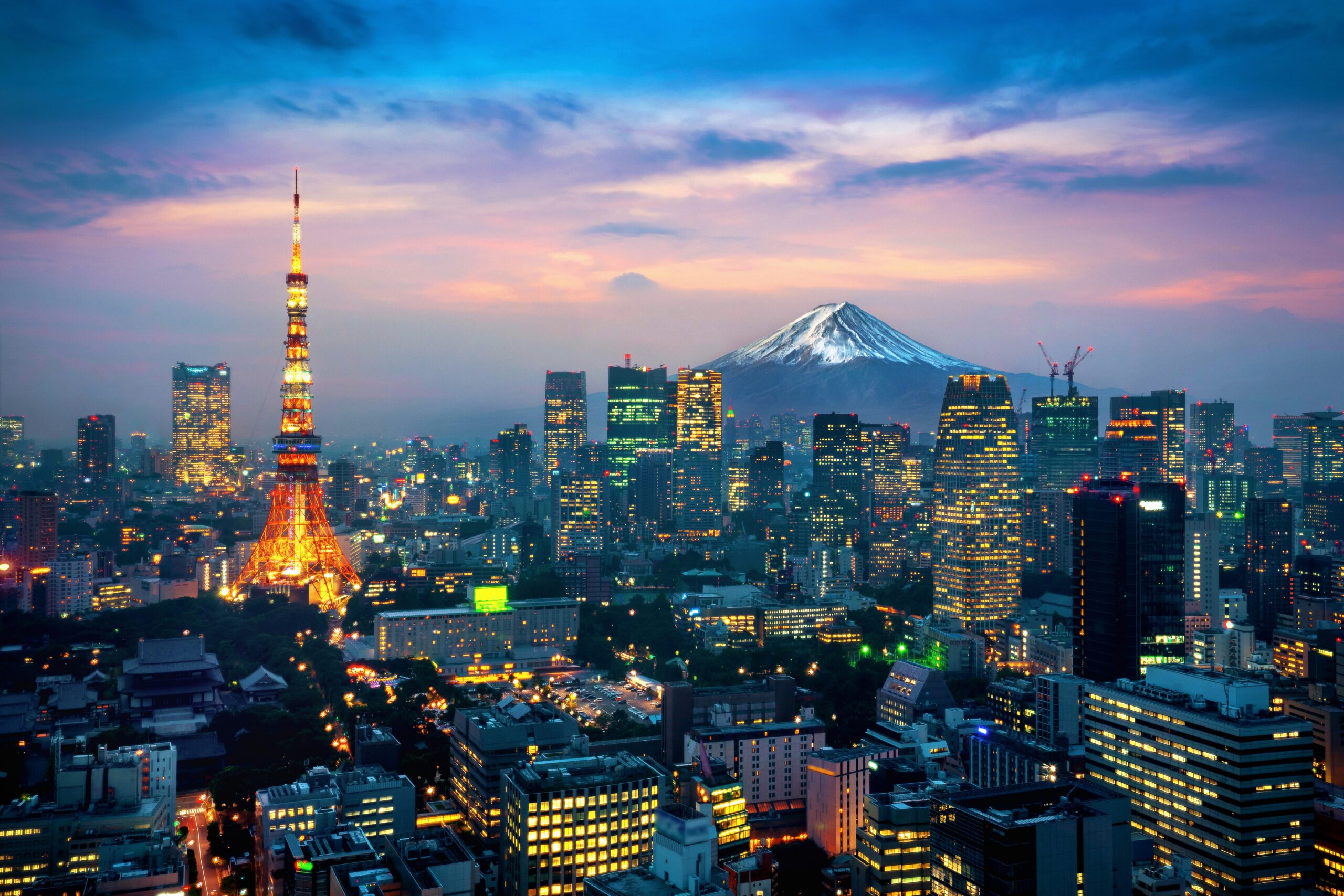
ZOJOJI TEMPLE
A short walk from Tokyo Tower is Zojoji Temple, a major temple of the Jodo-shu sect in the Kanto region, and historically tied to the Tokugawa family. The grounds used to be massive, with numerous sub-temples and schools—so even what you see today is just a slice of what it once was.
SANGEDATSUMON GATE
The main gate, Sangedatsumon, is one of the few original structures left—big, red-washed, and officially significant as a cultural asset. Walking through it feels like stepping into old Tokyo while the modern tower looms behind you.
DAIBONSHO BELL
Nearby is the great Daibonsho bell, traditionally rung 108 times on New Year’s Eve—a ritual linked to cleansing earthly desires in Buddhism.
KUMANO SHRINE
A smaller Shinto shrine within the complex—easy to miss if you rush, so slow down.
JIZO STATUES
To the right of the main hall, you’ll see rows of Jizo statues, many dressed with knitted hats. They’re deeply moving—connected to protection and remembrance, especially for children and families.
DAIDEN HALL
Inside, the main hall holds important Buddhist images (a calmer, more contemplative stop compared to the “big photo moment” outside).
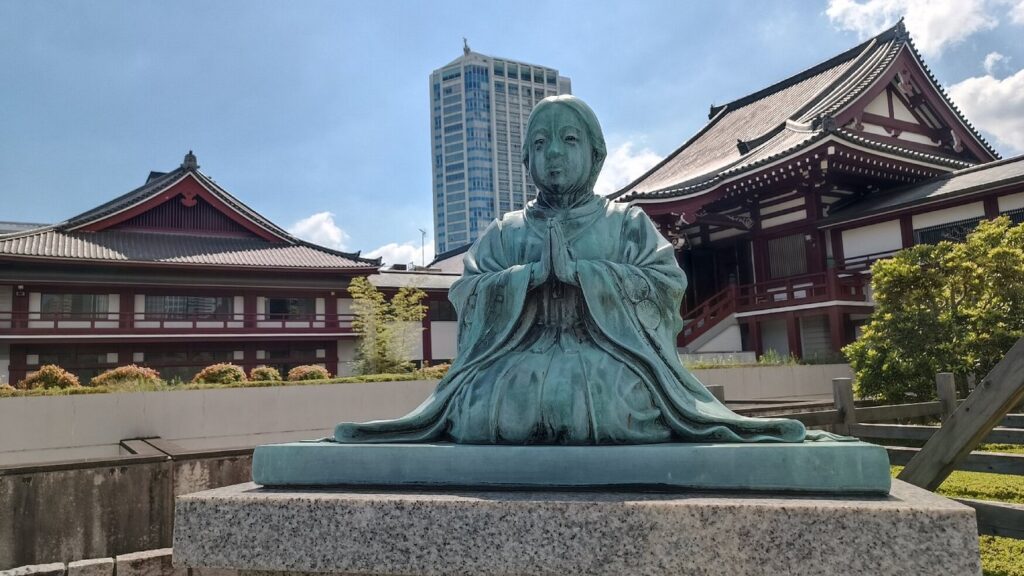
SHIBA PARK
On the other side of Zojoji is Shiba Park, one of Tokyo’s oldest parks—and a perfect place to end the loop with a slower walk. In spring it’s cherry blossoms, but any season works if you want that final view: Tokyo Tower framed by trees and city buildings, like the city is politely posing.
We spent the last afternoon of our Tokyo trip finishing up shopping—because Tokyo always finds a way to make you “need” one more thing.
TOKYO ITINERARY DAY 8: TOKYO
On day eight (or nine, depending on whether you count your flight day as day one), it was goodbye time. We didn’t have much runway: we packed, had breakfast, and squeezed in a couple of last-minute shopping runs—the kind where you swear you’re done, and then Tokyo hands you one more perfect souvenir opportunity on the way out.
- 23 Most Unique Stores in Tokyo (2026): Sweets, Character Goods and Tokyo-Only Gifts
- Things to Do in Tokyo With Teenagers Who Love Anime (2026)

- 17 Best Family Hotels Near Tokyo Disneyland for an Easy Disney Trip (2026)
- 10 Best Hotels for Solo Travelers in Tokyo in 2026: Safe, Stylish & Easy to Explore From
- 2026 Best Budget Stays in Tokyo for Couples Who Want Cute, Central & Affordable