I spill travel tips , and show you the Japan that tourists usually miss.
If you’ve ever fallen down an anime rabbit hole, you’ve probably bumped into the concept of the maid cafe Japan: part coffee shop, part cosplay theater, part “wait—did they just call us Master?” moment.
These places are especially famous in Akihabara, Tokyo’s neon-lit playground for games, gadgets, manga, and all things otaku. The hook is simple: you don’t walk in as a customer. You “come home.” The staff—dressed like Victorian-inspired maids with a very Japanese, very theatrical twist—treat you like the lord or lady of the house. Hospitality becomes role-play. The latte becomes a mini-ceremony. Your dessert might have a face.
Ready for a kawaii detour full of charming absurdity (and surprisingly strict rules)? Let’s go.
Still deep in Tokyo’s otaku rabbit hole? Read these next
- Things To Do In Akihabara: Best Spots For Gaming, Anime & Otaku Culture
- 20 Best Anime And Manga Stores In Tokyo
- Nakano Broadway Tokyo: A Paradise For Manga, Retro Toys & Collectors
- What To Do In Ikebukuro Tokyo: Anime, Views & Hidden Corners
- Unusual Things To Do In Tokyo: Quirky, Cool & Slightly Chaotic Ideas
Table of Contents
What is a Maid Cafe ?
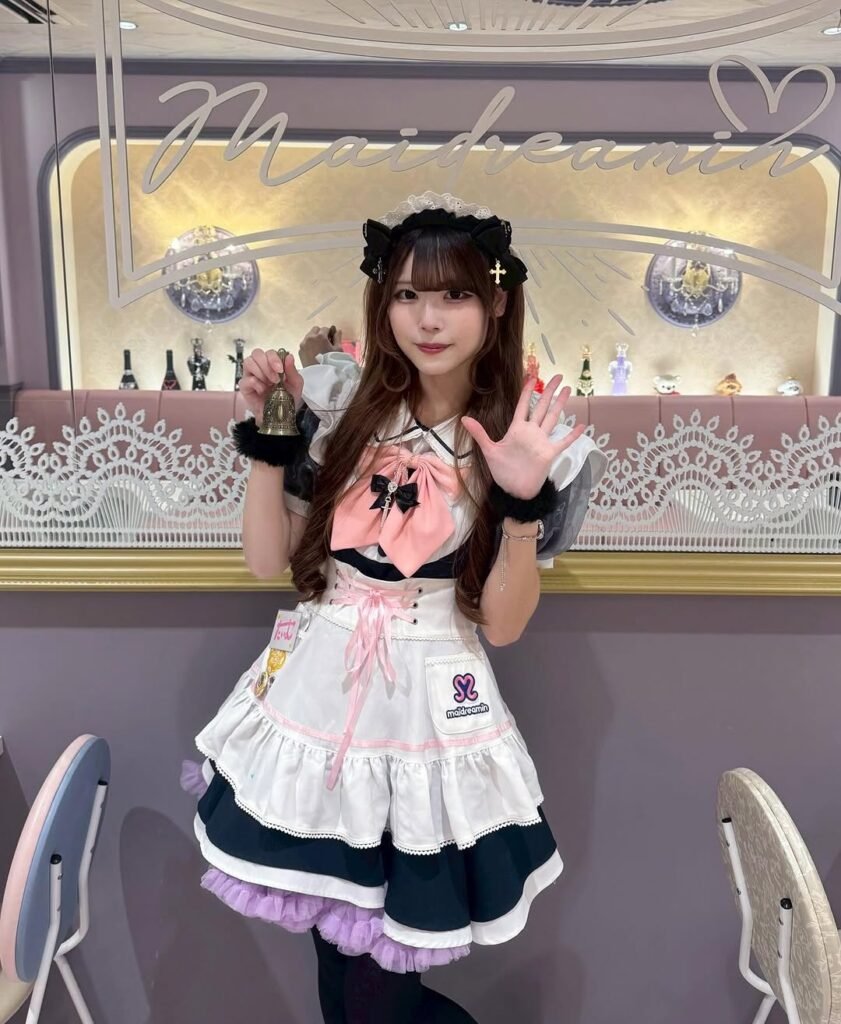
Picture this: we push open a door off a busy Tokyo street and step into a space that feels like it was designed by someone who couldn’t choose between a European parlor and an anime opening sequence—so they chose both.
A maid café is a themed café where the waitresses wear maid outfits—often Victorian-style silhouettes, lace, aprons, headpieces—then add the key ingredient: performance. It’s not only about costumes. It’s the experience.
From the first greeting, you’re addressed as “master” or “mistress” and gently guided through a scripted kind of sweetness: polite role-play, playful rituals, and personalized attention. While maid cafés grew alongside otaku culture—and the popularity of anime and media where cafés like these appear—they’re not only for hardcore fans. You’ll see everyone: curious tourists, couples, friend groups, and locals who just want an hour in a softer, stranger universe than the one outside.
Pro tip: Think of it like dinner theater, but smaller, sweeter, and with a cappuccino in the starring role.
The origin story: how maid cafés happened (and why Akihabara matters)
Maid cafés didn’t pop up overnight. They’re tied to bigger waves in modern Japanese pop culture—especially cosplay and the rise of “character worlds” you can physically step into.
Cosplay: the foundation of the maid café phenomenon
Before “maid café” became a phrase people casually throw into travel plans, cosplay was already building momentum.
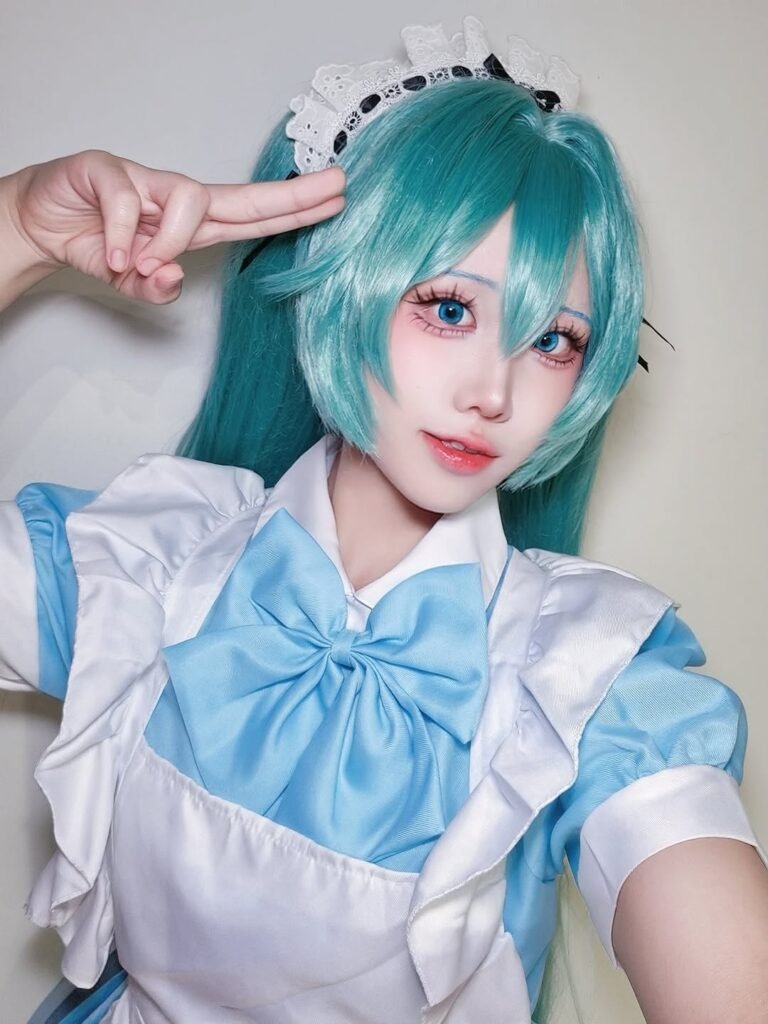
Cosplay—short for “costume play”—started as fans dressing up (and often acting) as characters from anime, manga, games, and TV. What began as convention culture grew into something bigger: a mainstream-recognized movement with international visibility.
And here’s the leap maid cafés made: instead of a costume being worn for an event, it became part of a job—with staff adopting a themed persona, mannerisms, and a stage-ready charm that feels pulled from an anime maid archetype.
Pro tip: The “play” part matters. In many cafés the staff are not just serving; they’re performing a role—lightly, politely, and within boundaries.
Japan’s first Maid Cafe: Cure Maid Café in Akihabara (2001)

If Akihabara is the “Mecca of otaku,” then it’s also the birthplace of the maid café era as we know it.
In 2001, the first widely recognized maid café—Cure Maid Café—opened in Akihabara and helped launch the concept into pop-culture orbit. What’s interesting is that Cure didn’t start with the loud, ultra-anime style many people picture today. It leaned more toward a calm, European Victorian-house atmosphere.
The maids dressed more traditionally. They didn’t necessarily act like anime characters. The vibe was gentler: less spectacle, more ambiance. But it landed perfectly in Akihabara’s rising scene, and visitors poured in—curious, delighted, and ready for something that didn’t fit any normal definition of “café.”
From there, Akihabara did what it does best: it multiplied the idea. New maid cafés opened with wildly different flavors—some built around singing and dancing, others around specific themes, cute rituals, or particular “genres” of anime-inspired fantasy. The styles vary, but the shared promise stays the same:
You’re not just buying a drink. You’re buying an immersive hour in a designed world.
What services can you find at a Maid Cafe?
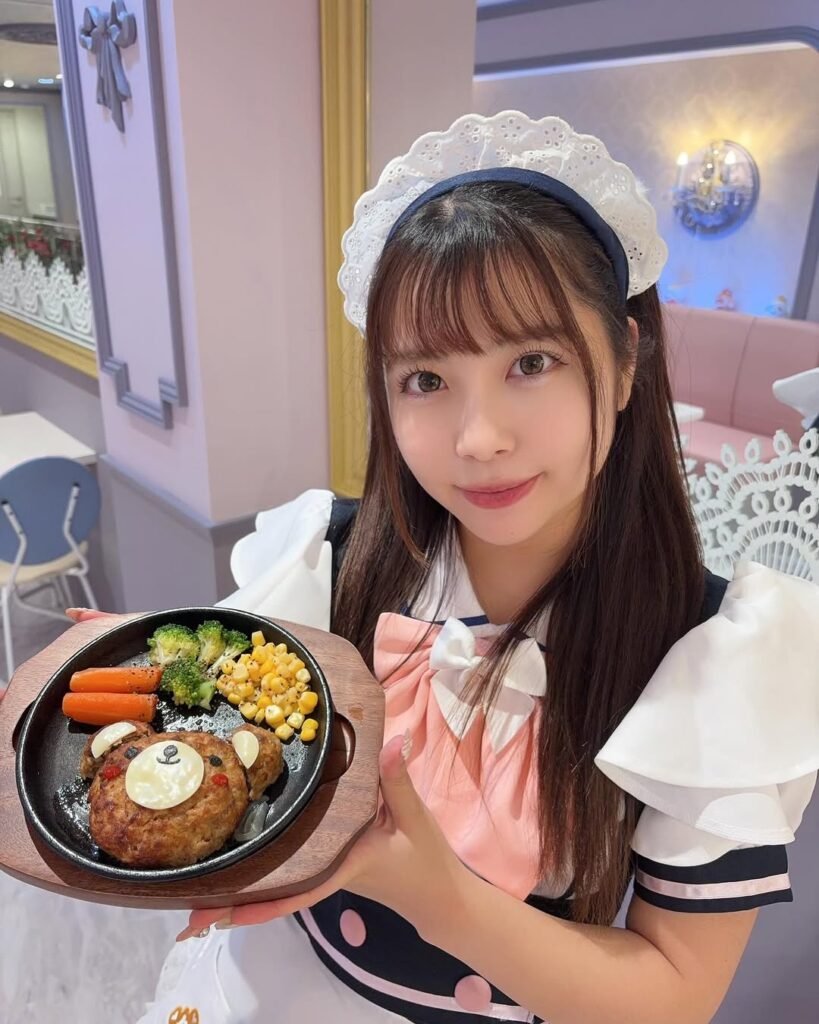
At a glance, yes—there’s coffee. But that’s like saying a theme park “has benches.” The menu and the extras are the point, and the cafés usually offer several layers of add-ons.
Here’s what you’ll typically find:
- Themed food and drinks
Cute isn’t a garnish here—it’s the business model. Think cakes with cat faces, colorful sodas, omelet rice with drawn-on designs, and desserts that look like they’re auditioning for a photo shoot. Some items come with small “rituals,” like a playful chant or gesture to “make it delicious.” - Live performances
In some cafés, maids sing or dance in short stage sets. Others keep it minimal. The more performance-heavy venues often run mini “show times” throughout the day. - Interactive games
Simple board or card games designed to keep things light and social. The goal is gentle interaction, not intense competition. - Photos with the maids
Usually an optional paid extra. You choose a maid (or are paired with one), pose in a pre-approved way, and receive a printed photo or themed picture. - Accessories and merchandise
Keychains, small souvenirs, sometimes music CDs or themed goods connected to the café’s “idol” style. - Special events
Seasonal themes (hello, Halloween) and celebratory days like birthdays, when outfits and programs change and limited menu items appear.
What makes it feel “special” isn’t only the list—it’s the effort to make you feel like you’re inside a tiny, curated storyline where you’re the guest of honor.
Pro tip: Many cafés run timed “sets” (a fixed window plus minimum order). It’s part café, part scheduled experience—so don’t expect to linger for three hours like you’re in a quiet study spot.
Protocol in Maid Cafes: the rules you actually need to know

Maid cafés may look whimsical, but they run on structure. There are clear boundaries, and you’ll have a better time if you treat the whole thing like a performance space with house rules.
The basic flow
- Entrance fee + minimum order
Many maid cafés charge an entrance fee around €12–15, and you’re typically required to order at least one item once inside. - The welcome
You’ll often hear a group greeting like: “Okaerinasaimase, goshūjin-sama”—essentially “Welcome home, Master.” It’s theatrical, scripted, and part of the theme. - Being guided and “assigned”
A maid usually escorts you to your table and addresses you as master or mistress. Some cafés assign you a maid; others let you choose a specific maid for an extra fee.
Photos and add-ons (with a big camera warning)
- No casual photos inside
In many cafés you can’t freely photograph the interior or staff. Photos of your food and drinks are usually fine. Photos with a maid are typically allowed only as a paid, supervised activity. - Extra activities cost extra
Board games, photo sessions, karaoke, mini-performances—these are often paid add-ons.
Respect is non-negotiable
Maid cafés place strong emphasis on staff wellbeing. Standard rules include:
- Don’t ask for personal information (phone number, address, real name).
- No physical contact with the maids.
- Don’t ask about work schedules or private life details.
Pro tip: If you treat it like a stage show where staff are in-role and protected by clear boundaries, you’ll instantly understand the “why” behind the rules—and you’ll enjoy it more.
Best maid cafés in Tokyo, Kyoto, and Osaka (the fun, non-sketchy picks)
We’re going to be honest: “best” depends on what you want—high-energy stage vibes, classic tea-room calm, or a gentle first-timer landing pad where nobody panics if you don’t know the rules. So we’re giving you our most practical, easiest-to-enjoy shortlist in each city.
Tokyo (Akihabara): go big or go home (literally)
1) at-home café (Akihabara) — the iconic “first-timer” choice

If you want the version that feels like the maid café you’ve seen online (bright, polished, very photo-menu, very “welcome home”), this is it. at-home is built for visitors and runs multiple Akihabara locations, including a big “main building” setup.
Close to: Akihabara Station (you’re in the right chaos). / View on Google Maps
How it works: typically timed sets + minimum order; expect add-ons like photos/games. (Check the branch info when you book.)
What to order: a latte or omurice-style cute plate if you want the full “they decorate it” moment (classic for these cafés).
Pro tip: If you’re nervous, go early in the day—less pressure, more “theme café” than “stage show energy.”
2) maidreamin (Akihabara) — maximum sparkle, maximum show
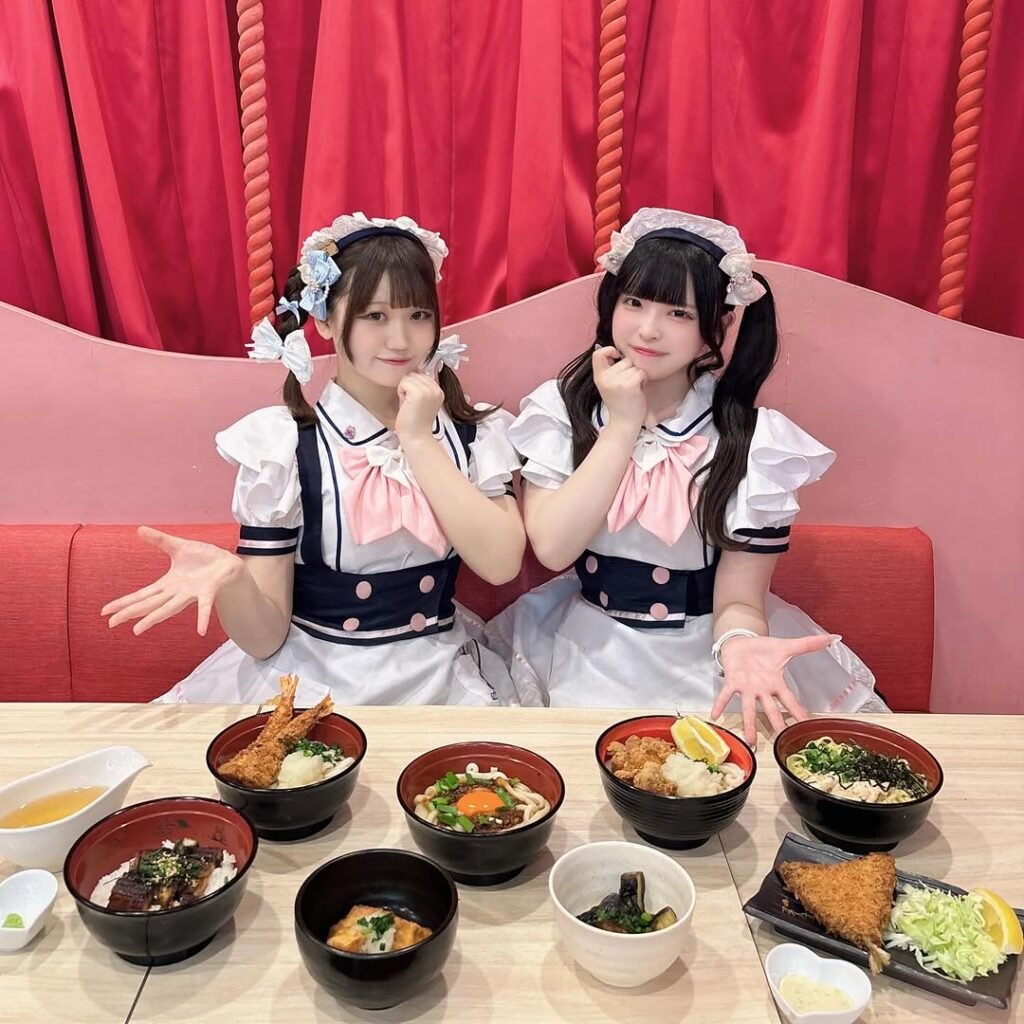
maidreamin is the “we came for the spectacle” option: lively, loud, and intentionally over-the-top. There are several Akihabara branches, including the well-known head store.
Close to: Akihabara/Sotokanda area (multiple options).
How to get there: pick a branch first, then navigate—Akihabara has a lot of maid cafés and your map app will thank you.
Vibe check: more “performance + interaction,” less “quiet coffee.”
Pro tip: Want the least awkward experience? Choose the photo as your one paid activity. It’s structured, quick, and you don’t have to invent conversation on the spot.
3) Cure Maid Café (Akihabara) — the original, calmer, tea-forward
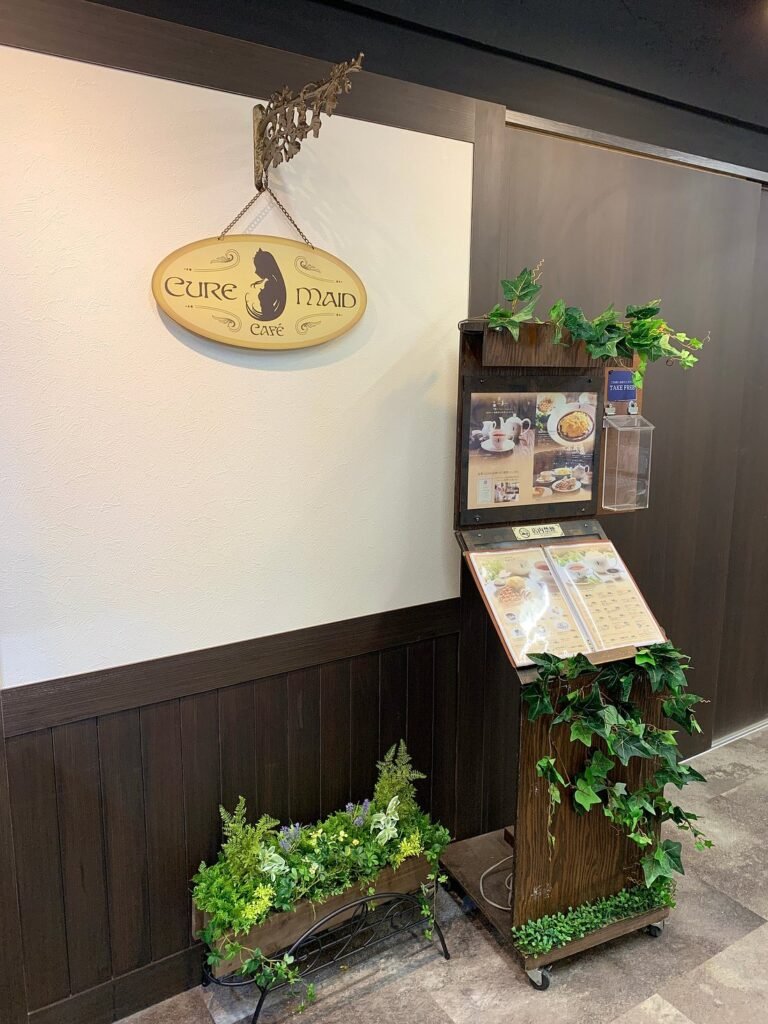
Cure is famous for being the 2001-founded “maid café origin” spot—and it leans more classic than chaotic: Victorian-style uniforms, a gentler atmosphere, and proper tea credentials.
Close to: Akihabara Station (walkable). / View on Google Maps
Why we go: when we want “maid café culture” without the sensory overload.
What to order: tea + scones/waffles-style café fare (it’s recognized by the Japan Tea Association as an “excellent tea shop”).
Pro tip: Cure can run special collaboration rules at times, including entry systems—peek at official updates before you show up expecting “walk in, sit down.”
Tokyo honorable mention (if you want budget or casual):
- HoneyHoney (Akihabara) — no cover charge, you pay like a normal café; very beginner-friendly.
Kyoto: smaller scene, more “quirky surprise” than “maid café capital”
1) Kyoto Maid Café Candy — the classic Kyoto pick (Kiyamachi/Sanjo area)
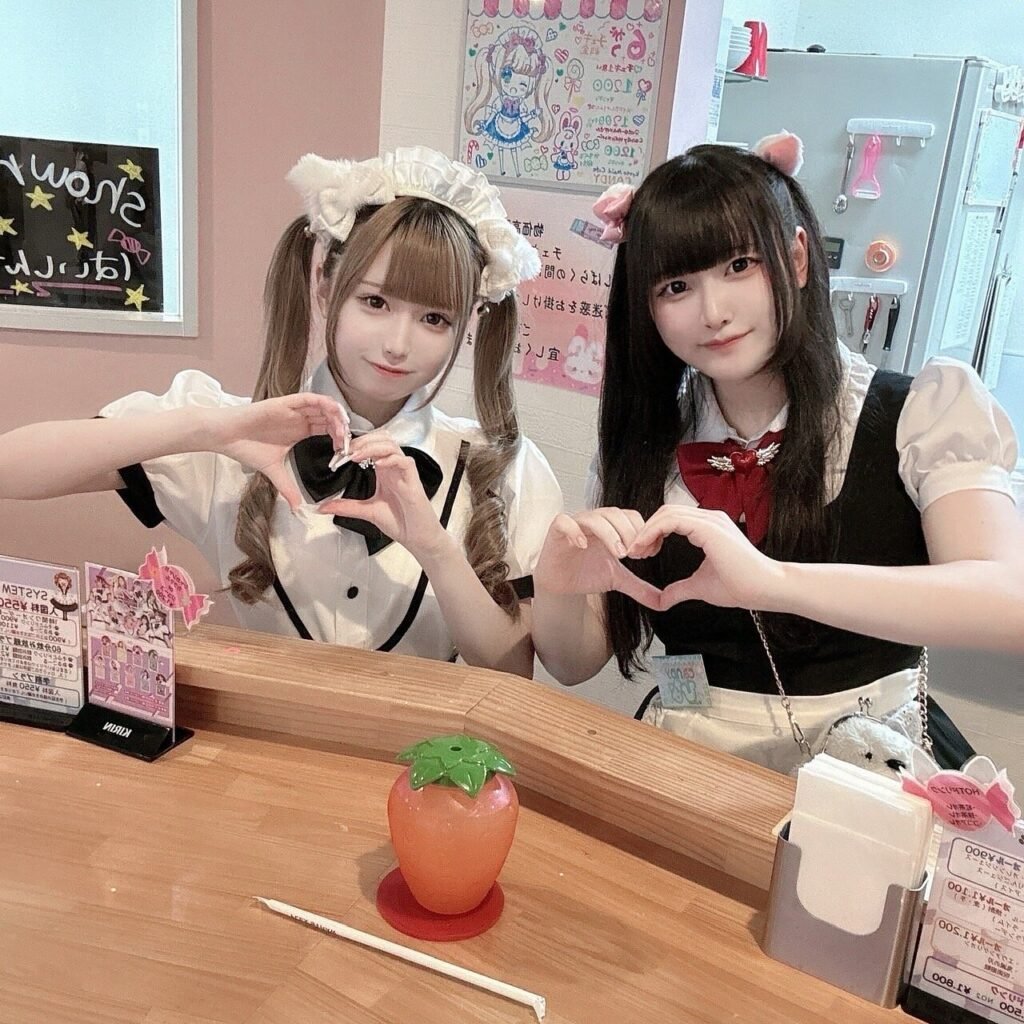
Kyoto isn’t overflowing with maid cafés, so when you find one with a clear identity and solid access, you take it. Candy is a straight-ahead “welcome home” maid café right in central Kyoto.
Close to: Sanjo / Kawaramachi nightlife lanes (good for an evening detour). / View on Google Maps
How to get there: short walk from Keihan Sanjo / Gion-Shijo / Hankyu Kawaramachi (nice spread of options).
Budget reality: expect maid café pricing (sets + drink + add-on).
Pro tip: Kyoto evenings get busy—aim for earlier hours if you want a calmer “first time” visit.
2) Cafe de Ai — late hours, central location, very “Kyoto concept café” energy
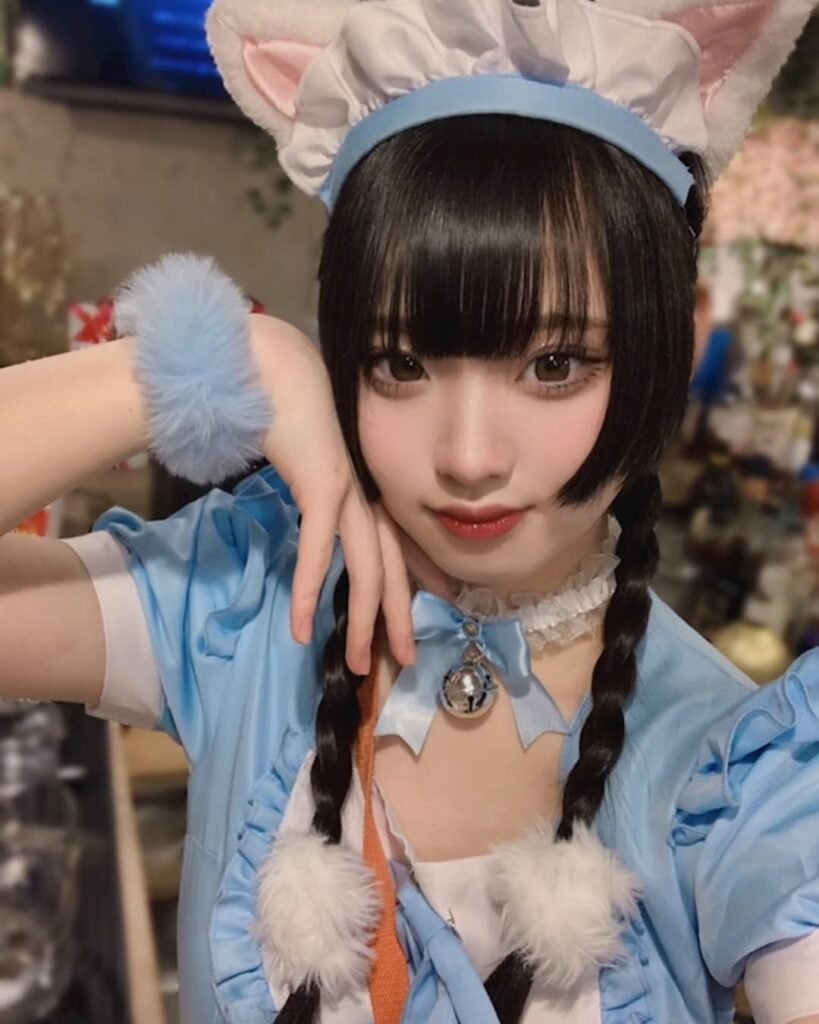
This is a Kyoto option that leans into the broader “concept café” world (maids + cute uniforms), with late operating hours and easy access from multiple stations.
Close to: central Kyoto (Sanjo/Kawaramachi-ish). / View on Google Maps
How to get there: walkable from Sanjo Keihan, Gion-Shijo, and Kyoto Kawaramachi.
Pro tip: If you’re not into heavy role-play, just keep it simple: one drink + one structured activity (photo or quick game), then leave on a high note.
3) Maid Café & Bar K+ SORA (Gion) — the “Kyoto twist” near Yasaka-area nights
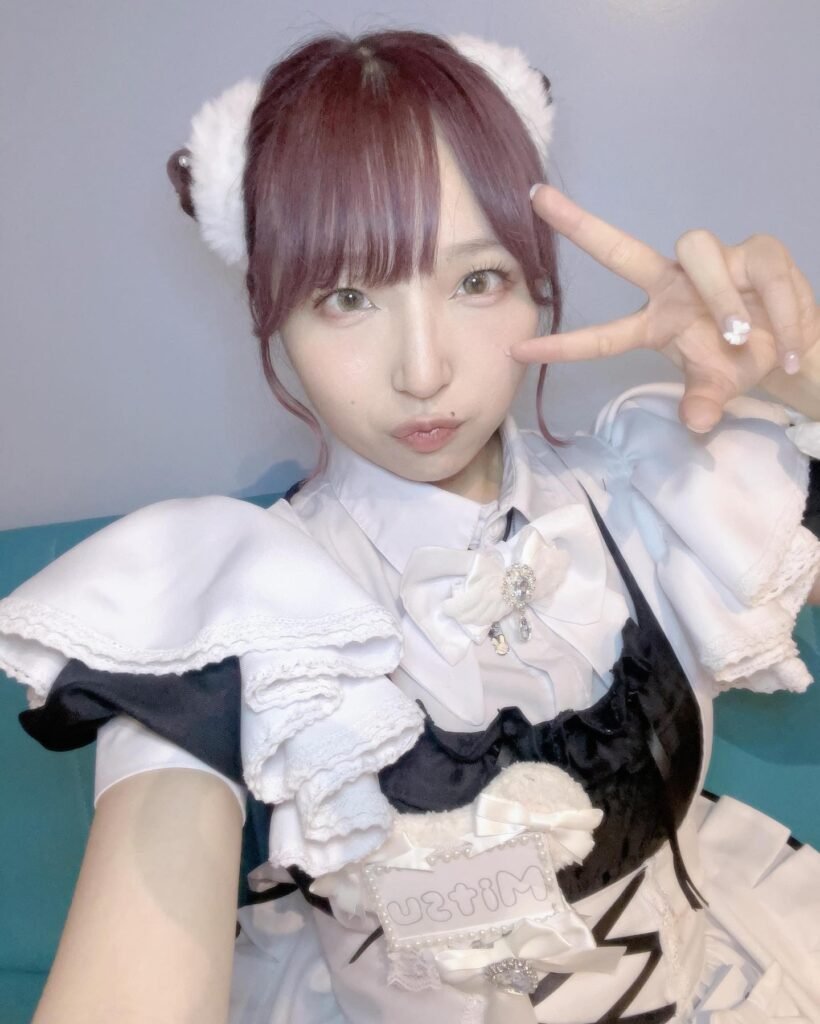
If you’re already drifting around Gion after dark, this is an easy “why not?” stop—maid café meets Kyoto night-out pacing.
Close to: Gion (very convenient for evening stroll itineraries). / View on Google Maps
Vibe check: more bar-like timing, more “night activity” than “afternoon latte.”
Pro tip: Gion is about atmosphere. Treat this as a short experience, not a long hang.
Osaka (Namba / Nipponbashi): loud, proud, and built for pop-culture wandering
1) at-home café Osaka (Nipponbashi) — easy, tourist-friendly, multiple interiors

Osaka’s at-home café is right where you want it: near the Namba/Nipponbashi pop-culture orbit, with multiple cafés in the same building (different interiors = easy “pick your vibe”).
Close to: Nipponbashi / Den Den Town-ish roaming zones. / View on Google Maps
Why we go: it’s structured, approachable, and reliably “maid café” without mystery pricing.
Pro tip: If you’re traveling with someone skeptical, at-home is usually the least intimidating gateway.
2) maidreamin Osaka Namba — the high-energy “show” version in Kansai
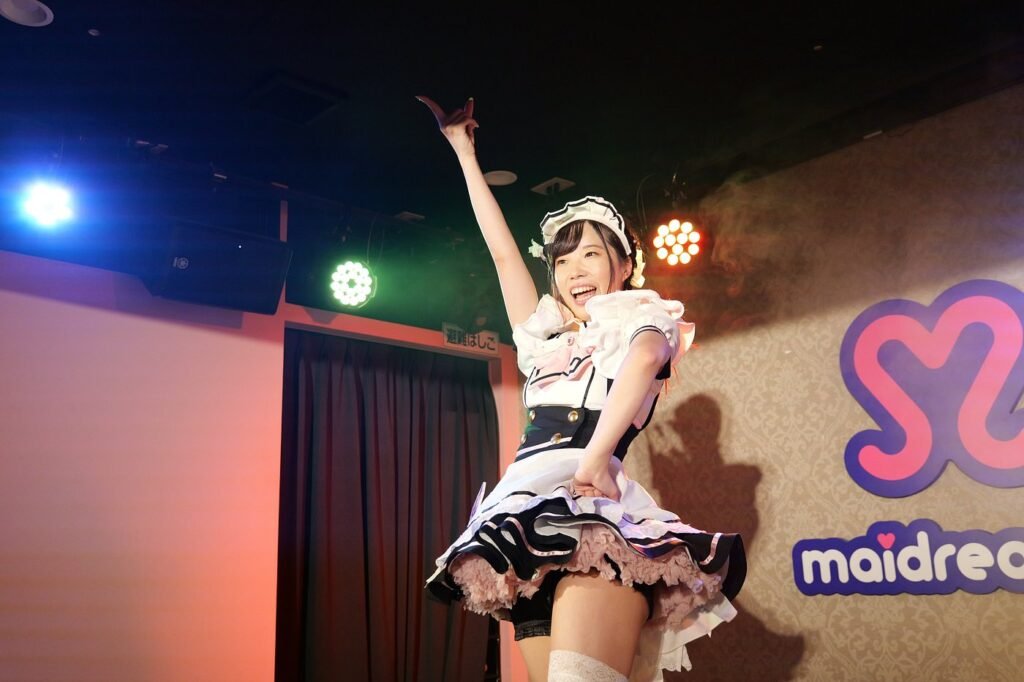
Same brand DNA as Tokyo: bright, energetic, interactive, and unapologetically theatrical—now in the Namba hub where you’re already eating your way through the city.
Close to: Namba (easy to slot between Dotonbori and shopping). / View on Google Maps
What to do: if you’re only paying for one activity, again—photo is the cleanest, simplest “souvenir moment.”
Pro tip: Go with the flow. The less you overthink it, the more fun it becomes.
3) Café e-maid (Namba/Nipponbashi) — classic maid café, food-and-tea focused
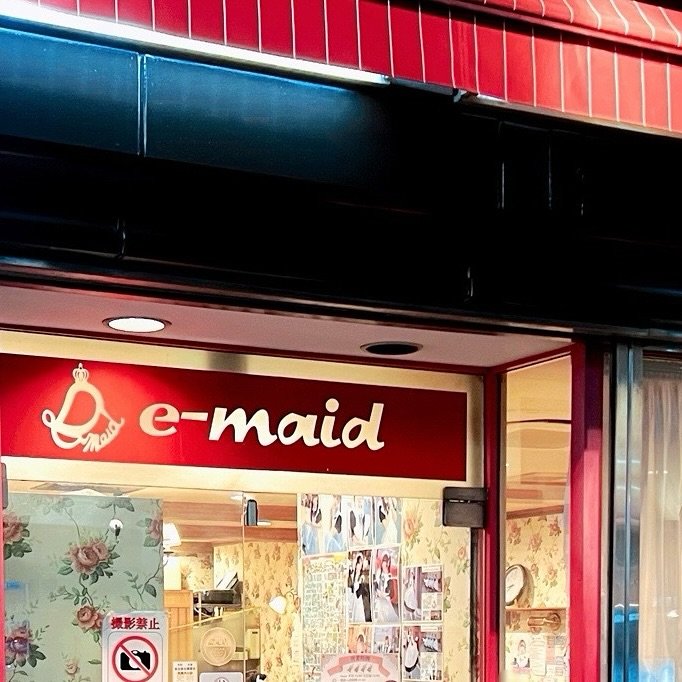
If you want something that feels more like a proper café/restaurant (still maid-themed, but calmer and more “sit down and eat”), e-maid is a strong Osaka pick. It touts handmade food and a big tea selection, and it’s extremely convenient from Namba.
Close to: Namba Station area. / View on Google Maps
Why we go: less sensory intensity, more “we can actually enjoy lunch.”
Pro tip: This is a great choice if you want maid café vibes but don’t want to feel like you accidentally bought tickets to a pep rally.
Osaka honorable mention (for history nerds):
- COCOcha (Nipponbashi) — often described as an early/pioneer Osaka maid café (established 2004).
Butler’s Cafe: the male counterpart to maid cafés
If maid cafés lean into sweetness and fantasy, butler cafés often aim for something more refined: classic service, elegant language, and a setting that can feel like an old-world drawing room.
These are sometimes described as the “male version” of maid cafés, with waiters styled as impeccable butlers—waistcoats, ties, gleaming gloves, and a polished demeanor that’s more “tea salon” than “anime skit,” though it still lives in the world of themed entertainment.
What to expect in a Butler’s Cafe
- Aristocratic atmosphere
More stately, less cutesy. Think “stately mansion” vibes rather than candy-colored fantasy. - Courteous interaction
You may be greeted with a “welcome back” style line—serving you as if you’re returning to your residence, with formal titles and very respectful language. - Attire and demeanor
Crisp suits, controlled movement, professional posture. The point is elegance and poise. - Activities and services
Similar menu of add-ons—conversation, games, sometimes performances—but usually framed in a more “grown-up” style. - Where you’ll find them
Maid cafés are the headline act in Akihabara, but butler cafés often find a strong niche in places like Ikebukuro.
Pro tip: If maid cafés feel like stepping into an anime pastel universe, butler cafés can feel like stepping into a gentle, theatrical period drama—still playful, just dressed differently.
Best Butler Cafe in Tokyo: where your tea comes with theatrics
1) Butler Café Swallowtail (Ikebukuro): the “classic mansion” experience
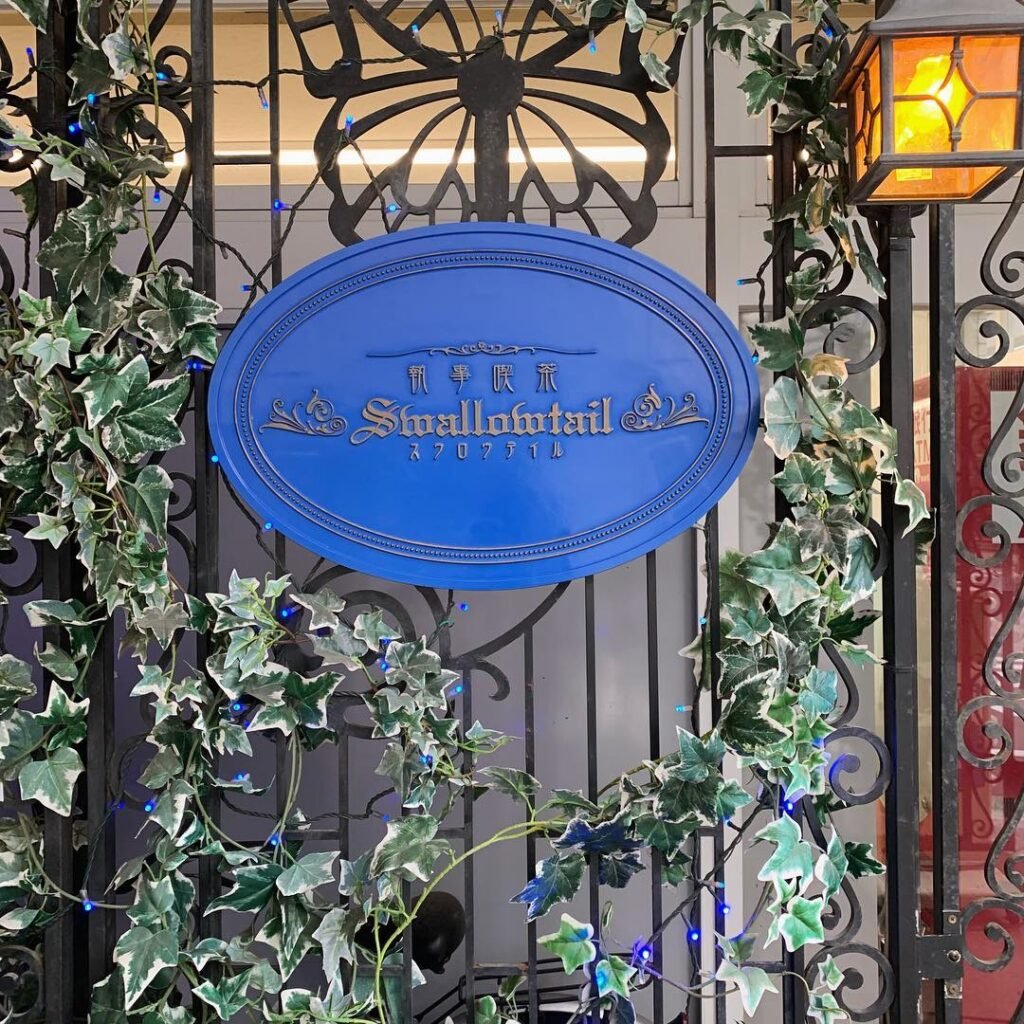
If you only do one, we do this one. Swallowtail is the big-name, full-production butler café: think mansion vibes, carefully choreographed hospitality, and an afternoon tea that understands the assignment. It’s famous for a reason—and yes, you should book.
- Close to: Ikebukuro / Sunshine City area—easy to bundle with anime shopping on Otome Road. / View on Google Maps
- How to get there: Most people approach from Ikebukuro Station and walk in.
- Reservation reality check: It’s reservation-based and dates can fill fast, so plan before you “just pop by.”
- House rules: Expect strict etiquette (including photo restrictions inside). This is part of the immersion, not a personal attack.
- Budget: Afternoon-tea pricing rather than “quick coffee” pricing—think experience, not caffeine pit stop.
Pro tip: Choose a time that lets you arrive unhurried. Butlers cafés punish lateness the way Tokyo trains punish hesitation: quietly, efficiently, and without mercy.
How to enjoy a butler café without accidentally becoming the main character
- Book first, wing it later: The best places run on reservations (and rules).
- Arrive early: You’ll have a smoother entry and better photos outside (where it’s usually allowed).
- Assume photos are restricted: Many butler cafés limit filming/photography inside—plan for “memory mode,” not “content mode.”
- Order like you mean it: Go for a set (tea + sweets) if offered—these cafés shine when you let them pace the experience.
Here’s a practical mini-budget for a maid café visit (entrance + 1 drink + 1 activity), using typical Akihabara-style pricing:
Mini-budget (JPY)
1) “Just let us try it” budget
- Entrance / cover (usually 60 min): ¥800–¥1,500
- 1 drink: ¥700–¥1,200
- 1 activity (small game or simple option): ¥500–¥1,000
Total: ¥2,000–¥3,700
2) Most common “full experience” pick
- Entrance / cover: ¥1,000–¥2,000
- 1 drink: ¥800–¥1,300
- 1 activity (photo with maid is the classic): ¥1,000–¥2,000
Total: ¥2,800–¥5,300
3) “We’re leaning into the chaos” mini-splurge
- Entrance / cover (or higher-tier set): ¥1,500–¥2,500
- 1 drink (fancier, themed): ¥1,000–¥1,600
- 1 activity (photo + upgraded option): ¥2,000–¥3,000
Total: ¥4,500–¥7,100
Pro tips (so you don’t get ambushed at the register):
- Many places run time blocks (often 40–60 minutes) and may charge an extension fee if you stay longer.
- “One activity” can mean photo, quick game, or short performance add-on—photos are usually the priciest but the most “maid café” souvenir.
- Some cafés work on set menus (cover + drink bundled). If you see a set around ¥2,000–¥3,000, that’s often the best-value first visit.
FAQs : Maid Cafes Japan
What actually happens in a maid café in Japan?
Think themed café + playful “welcome home” roleplay, not a show you have to participate in. We order drinks or meals, the staff may do a short cute “magic” chant over your omelet (yes, really), and there’s usually an option for a quick photo or tiny game for an extra fee.
Are maid cafés family-friendly (can we go with a child)?
Many are fine for families during daytime hours, especially in tourist-heavy areas. The vibe is usually “cute and silly” rather than adult. Still, check the venue’s rules at the door: some places have age limits, time limits, or restrictions on groups with minors.
How much do maid cafés cost in Japan?
Most visits are priced as a package: a seating fee (often time-limited, like 60 minutes) plus a required order. A “basic” visit can be roughly similar to a regular café plus the seating charge, while add-ons like photos, games, or live mini-performances can push the total higher fast. Our rule: decide your budget before you sit down.
Can you take photos or videos inside a maid café?
Usually: no general photography, and definitely no filming staff or other guests. Many cafés only allow photos if you pay for an official photo option (often a polaroid-style shot with a maid). When in doubt, assume “no” unless they explicitly say “yes.”
Do you need to speak Japanese to visit a maid café?
Not necessarily. In big tourist areas (especially Tokyo), you’ll often get simple English menus or guidance, and the routine is predictable. If you can say “this one, please” and “thank you,” you’ll survive. Pointing politely is practically a language.
Where should we go for maid cafés in Japan (best areas)?
If you want the classic experience, head for Akihabara (Tokyo)—it’s the epicenter. For a slightly more “night-out” atmosphere, some people try Namba / Den Den Town (Osaka). In smaller cities, maid cafés exist but can be fewer, more niche, and less English-friendly.
Are maid cafés “adult entertainment”?
A standard maid café is typically not adult entertainment—more like cosplay hospitality and a novelty café experience. That said, Japan has many themed venues and some districts have businesses that blur lines. If a place feels pushy, unclear about pricing, or aggressively tries to pull you in, walk away.
How do we avoid tourist traps or surprise charges?
Use this checklist before committing:
- Ask about the seating fee and time limit upfront
- Confirm if there’s a mandatory set/menu order
- Check prices for photos, games, performances before saying yes
- Avoid anyone who tries to physically guide you inside or won’t share clear pricing
- Nagoya rainy day with kids in 2026 (Cool Indoor Things to Do )
- Best Gachapon in Tokyo (2026): 20 Places to Find Capsule Toys
- All Japanese KitKat Flavours List: The Ultimate Japan KitKat Guide
- Sapporo rainy day with kids (2026): 7 Cool Indoor Things to Do
- What To Do In Arashiyama With Kids: A Realistic One-Day Family Itinerary