I spill travel tips , and show you the Japan that tourists usually miss.
We’re wandering Kyoto’s backstreets, you’re dodging bicycles and falling for every lantern-lit alley… and then it happens: the kettle sound. Not loud, not dramatic—more like a tiny reset button for your nervous system. If you want one Kyoto experience that feels both impossibly old and weirdly relevant to modern life, it’s a tea ceremony. And yes, you can do it as a total beginner without embarrassing yourself (we’ll make sure of it).
Below are our favorite, traveler-friendly best tea ceremonies in Kyoto—each with a different vibe, neighborhood, and “this is so Kyoto” payoff.
More Kyoto ideas for your trip
- ➡️ Traveling as a family? Read our guide to the best things to do in Kyoto with kids.
- ➡️ Need an easy lunch stop between sights? Check our picks for where to eat in Kyoto with kids.
- ➡️We’re sharing what to do in Kyoto in the rain, from immersive temple experiences to landscapes that become even more beautiful in the rain
- ➡️ Looking for quiet, lesser-known places with atmosphere? Explore these hidden gems in Kyoto.
- ➡️ If you are planning your base carefully, see where to stay in Kyoto for the best neighborhoods and hotel picks.
- ➡️ Staying with children? Here are our picks for the best family-friendly hotels in Kyoto.
- ➡️ Prefer stylish stays with character? Start with these boutique hotels in Kyoto.
- ➡️ Building a more romantic Kyoto itinerary? Don’t miss our roundup of romantic things to do in Kyoto.
- ➡️ Still planning experiences for your itinerary? Here are some of the best Kyoto experiences to book ahead.
- ➡️ Heading out after dark? Pair your itinerary with our guide to Kyoto nightlife.
Table of Contents
Tea ceremony etiquette (so you look like you belong)
- Arrive early. These experiences run on quiet timing, not “we’ll squeeze you in.”
- Ask for a chair if you need it. Totally normal, and many places are used to it.
- Stay present. The ceremony is basically mindfulness with better snacks.
- Follow photo rules. Some places allow photos only at certain moments—respect the vibe.
Best Tea Ceremonies in Kyoto: Quick Comparison
No time to compare every tatami room, kimono upgrade, temple setting, wagashi plate, and “will my knees survive this?” situation? Fair. Here is the quick version: where each Kyoto tea ceremony is, who it suits best, what prices start from where available, and why you might want to book it.
Best Tea Ceremonies in Kyoto: Quick Comparison
No time to compare every tatami room, kimono upgrade, temple setting, wagashi plate, and “will my knees survive this?” situation? Fair. Here is the quick version: where each Kyoto tea ceremony is, who it suits best, what prices start from where listed, and why you might want to book it.
| Best for | Tea ceremony | Area | Price from | Duration | Why book it |
|---|---|---|---|---|---|
| Garden setting near Kiyomizu-dera | Kiyomizu Garden View Tea Ceremony | Higashiyama / Kiyomizu | Check current price | About 45 min | A peaceful small-group ceremony overlooking a Japanese garden, with matcha, wagashi, and hands-on tea making. |
| Historic townhouse atmosphere | Tea Ceremony in a 100-Year-Old Kyo-Machiya Townhouse | Kyoto Imperial Palace area | Check current price | 50 min–3 hrs | A classic Kyoto tea ceremony in an old machiya, with optional kimono rental for a more atmospheric day. |
| Kimono photos in Gion | Kimono Tea Ceremony at Orizuruya Gion | Gion / Higashiyama | From about $48 | 1.5–2 hrs | A full kimono-and-tea experience with matcha, wagashi, hairstyling, and a small-group tea room setting. |
| Easy kimono + matcha combo | Kimono Tea Ceremony with Matcha and Sweet | Karasuma Shijo | From about $53 | 90–120 min | A relaxed Kyoto tea ceremony with kimono dressing, bilingual staff, wagashi, and chair seating on request. |
| All-in-one tourist-proof experience | Kyoto MAIKOYA | Gion, Nishiki, Karasuma Shijo | Check current price | 45–120 min | One of the easiest options if you want tea, kimono, English support, photos, and central Kyoto branches. |
| No-kneeling tea tasting | Ryurei Tea Room “SABI” | Gion | From ¥7,700 | Course-style | A polished chair-and-table tea course with sweets, ideal if traditional floor seating is not your personal joy. |
| Kiyomizu-dera itinerary stop | Nagomi Tea Ceremony | Ninenzaka | From ¥3,500 adult / ¥2,500 kids | Short session | A walkable, practical tea stop near Kiyomizu-dera, Yasaka Pagoda, Kodai-ji, and the classic Higashiyama lanes. |
| Temple setting without luxury pricing | Tea Ceremony Ju-An at Jotoku-ji | Gojo / Shimogyo | From ¥3,300 adult / ¥2,000 kids | About 70 min | A proper temple-based ceremony with a guided temple visit, matcha, sweets, and a hands-on element. |
| Deep-dive tea masterclass | Tea Crane / Kyūgetsu / Tyas Sōsen | Kyoto | From ¥95,000/group | About 130 min | The serious splurge option: deeper explanation, small groups, possible koicha, and a more masterclass-style experience. |
| Luxury private tea stay | Sumiya Ryokan Private Tea Stay | Sanjo area | From ¥59,000 / €319 per person | 1 night | A private ryokan stay with breakfast and a tea experience in a historic tearoom. This is the elegant deep end. |
Our quick pick: Choose Kiyomizu Garden View Tea Ceremony if your day is focused on Higashiyama, Orizuruya Gion for the easiest kimono-photo experience, Nagomi for a simple stop near Kiyomizu-dera, and Ju-An for a temple setting at a reasonable price. If you want the serious tea-world deep end, Tea Crane is the beautiful little overachiever — but your wallet will absolutely notice.
10 Best Tea Ceremonies In Kyoto
Kiyomizu Garden View Tea Ceremony, Kyoto
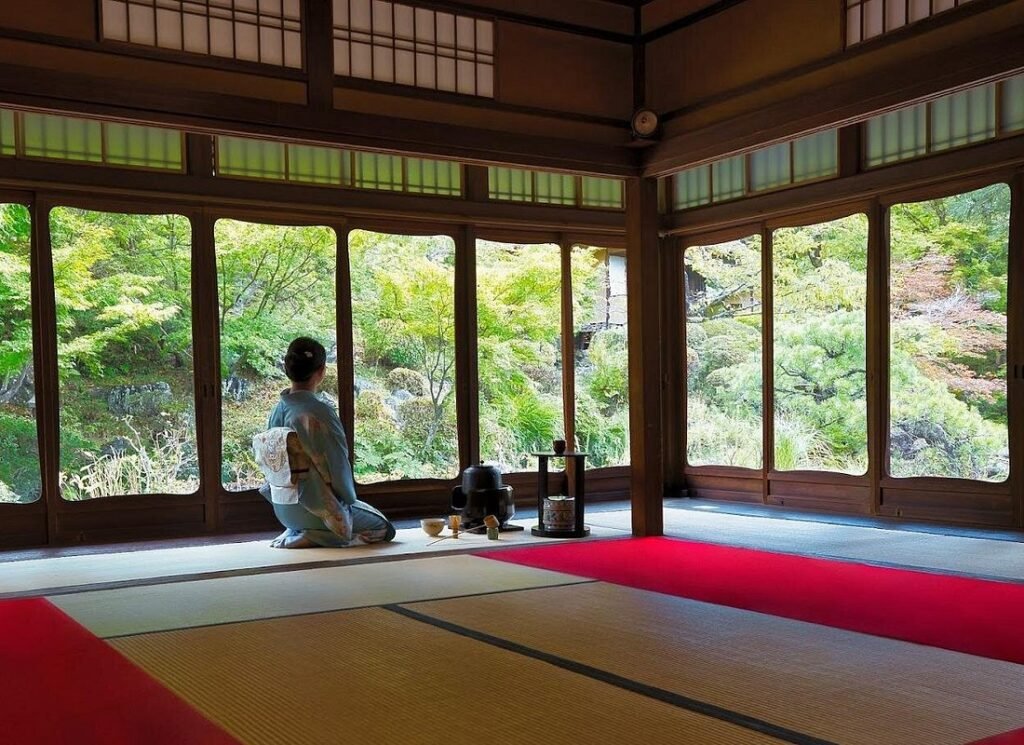
This one is in Kyoto rather than Tokyo, but if your Japan trip includes both cities, it is a beautiful cultural add-on. Set near Kiyomizu-dera Temple, this small-group tea ceremony takes place in a teahouse overlooking a Japanese garden — so we are not just sipping matcha in a random room and calling it “authentic.” The setting does half the work.
During the experience, a tea master prepares matcha from scratch while the host explains the ritual, etiquette, and meaning behind the ceremony. Guests enjoy two cups of matcha with traditional wagashi sweets, and there is also a hands-on element where you can learn how to prepare your own tea. Calm, pretty, educational — basically the opposite of fighting your way through souvenir crowds on Sannenzaka.
- Best for: first-time visitors to Kyoto, couples, families, and anyone visiting Kiyomizu-dera.
- Location: Higashiyama, close to Kiyomizu-dera Temple.
- Duration: Around 45 minutes.
- Group size: Small group, maximum 14 travelers.
- Includes: matcha, wagashi sweets, photo, kimono rental, and video recording.
- Good to know: not wheelchair accessible and may not suit travelers with back, knee, or leg problems.
Book this if you want a short, elegant tea ceremony that fits easily before or after visiting Kiyomizu-dera. It is especially good if you want a peaceful garden setting without committing to a long formal tea experience.
Tea Ceremony in a 100-Year-Old Kyo-Machiya Townhouse, Kyoto
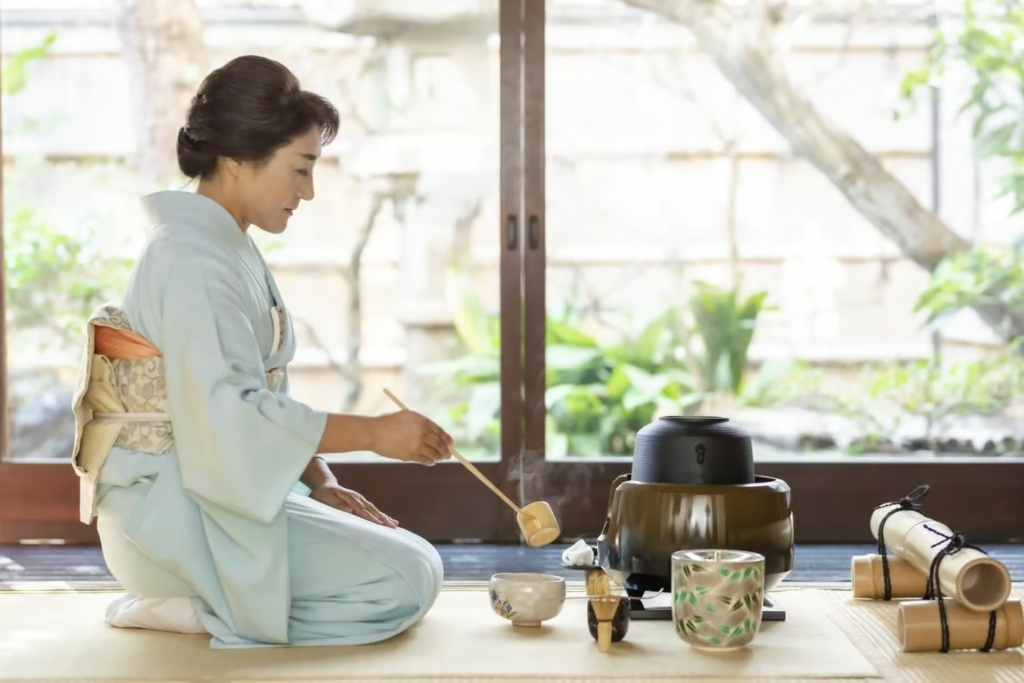
This Kyoto tea ceremony is a lovely choice if you want the setting to feel just as memorable as the matcha. The experience takes place inside a 100-year-old Kyo-machiya townhouse, giving it that old-Kyoto atmosphere we all secretly hope for when booking something cultural.
A tea master introduces the history and etiquette of the Japanese tea ceremony, then prepares matcha before you try whisking your own bowl. You can also choose the kimono rental option and stroll around Kyoto afterward, which is very convenient if your itinerary needs a little “main character in Higashiyama” energy.
- Best for: first-time visitors, kimono photos, couples, and Kyoto culture lovers.
- Location: Kyoto, near Kyoto Gosho / Kyoto Imperial Palace area.
- Duration: 50 minutes to 3 hours, depending on the option.
- Includes: matcha, Japanese sweets, tea master/interpreter, leaflet, and optional kimono rental.
- Good to know: bring socks; this experience is not suitable for children under 10.
Book this if you want a classic Kyoto tea ceremony in a historic townhouse, with the option to add kimono rental and make it feel more special.
Button text: Book this Kyoto machiya tea ceremony
Kimono Tea Ceremony at Orizuruya Gion, Kyoto
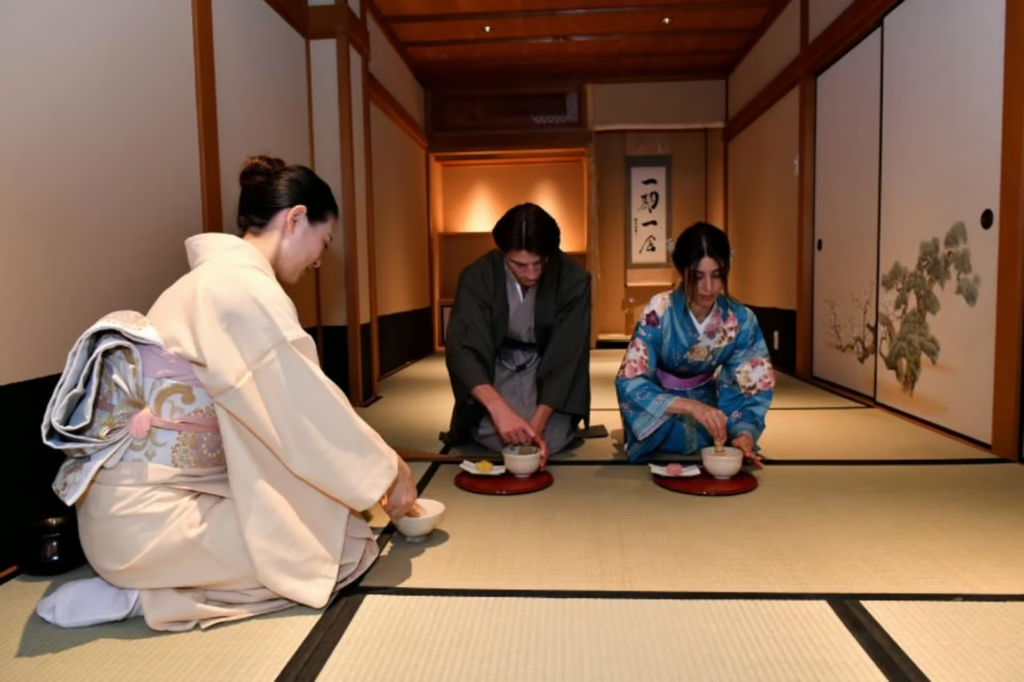
This Kyoto tea ceremony is a great pick if you want the full “yes, we are really in Kyoto” moment: kimono, matcha, wagashi, and a traditional tea room in Gion. Subtle? Not really. Memorable? Absolutely.
The experience starts with choosing a kimono from more than 200 designs, with staff helping you dress. Women also get simple hairstyling included. Then you join a small-group tea ceremony, learn how to prepare matcha with a bamboo whisk, and enjoy Japanese sweets from a century-old confectionery.
- Best for: first-time Kyoto visitors, couples, solo travelers, kimono photos, and anyone staying near Gion.
- Location: Gion, Higashiyama, Kyoto.
- Duration: 1.5–2 hours, depending on the option.
- Group size: Small group, up to 10 participants.
- Includes: kimono rental, matcha, wagashi, tea utensils, simple hairstyling, licensed guide, and optional calligraphy.
Book this if you want an easy, photo-friendly Kyoto tea ceremony with kimono rental included.
Kimono Tea Ceremony with Matcha and Sweet, Kyoto
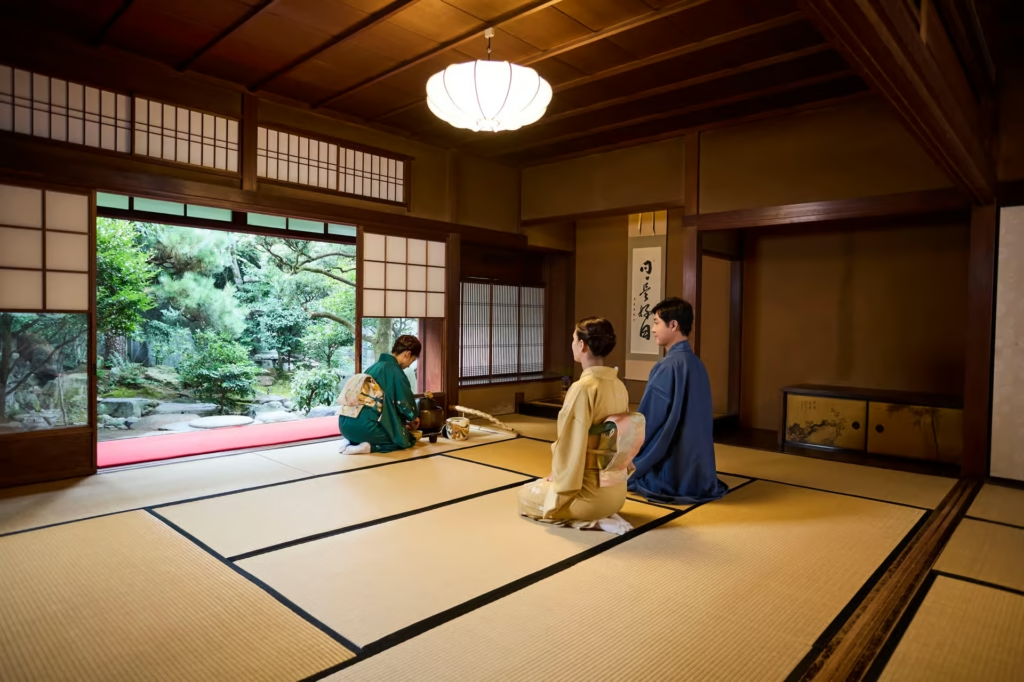
This Kyoto tea ceremony is a good choice if you want the classic combo: kimono dressing, matcha, wagashi, and a traditional tea room without making the day too complicated. It starts with choosing and wearing a kimono, then moves into a guided tea ceremony where you learn the basics of the ritual, tools, etiquette, and matcha preparation.
The experience includes hands-on matcha making, Japanese sweets, bilingual staff support, and women with long hair can also get simple hairstyling. Chairs are available on request, which is useful if sitting on tatami sounds romantic in theory but brutal in practice.
- Best for: first-time Kyoto visitors, couples, kimono photos, and travelers who want an easy cultural experience.
- Location: Karasuma Shijo area, Kyoto.
- Duration: Around 1.5 hours; the listing notes the full experience may take 90–120 minutes.
- Includes: kimono dressing, tea ceremony, matcha making, Japanese sweets, bilingual staff, and hairstyling for women with long hair.
- Good to know: children under 7 are not allowed, and the session may include around 12–14 participants.
Book this if you want a relaxed Kyoto tea ceremony with kimono included and enough guidance to understand what is happening.
Button text: Book this kimono tea ceremony in Kyoto
Kyoto MAIKOYA (best “all-in-one” experience: tea + kimono + central locations)
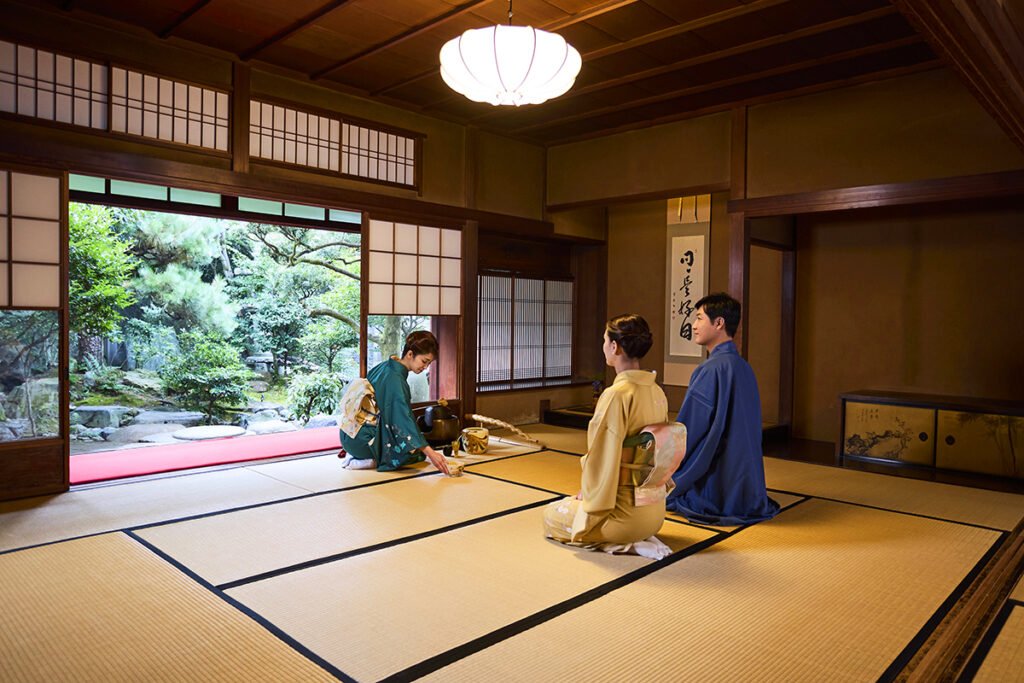
We walk in and instantly feel underdressed—until we remember: this is Kyoto, and Kyoto loves a costume change. MAIKOYA is the “make it easy, make it gorgeous” choice: tea ceremony in a traditional setting, with locations that fit neatly into a normal sightseeing day.
This is also the place to pick if you want the smoothest “tourist-proof” logistics: clear booking flow, frequent time slots, and options that work whether you’re team “Gion stroll” or team “Nishiki snack rampage.”
Close to
Central Kyoto areas depending on the branch (often convenient for combining with markets, downtown walks, or a Gion/Higashiyama afternoon).
How to get there
Plan around the branch you choose, then treat it like a timed museum ticket: arrive early, enter calmly, look like you have your life together.
What you’ll actually do
- Watch the host perform the ritual (tools, movements, meaning)
- Learn the basic etiquette (how to hold the bowl, when to bow, what the sweet is doing there)
- Whisk matcha yourself (the moment we all realize it’s harder than it looks)
Pro tip
If you’re chasing photos, schedule this when you’re not sprinting between temples. Tea ceremony and rushing mix like matcha and orange juice.
Ryurei Tea Room “SABI” (Gion) — the no-kneeling, sweet-tooth-friendly reset
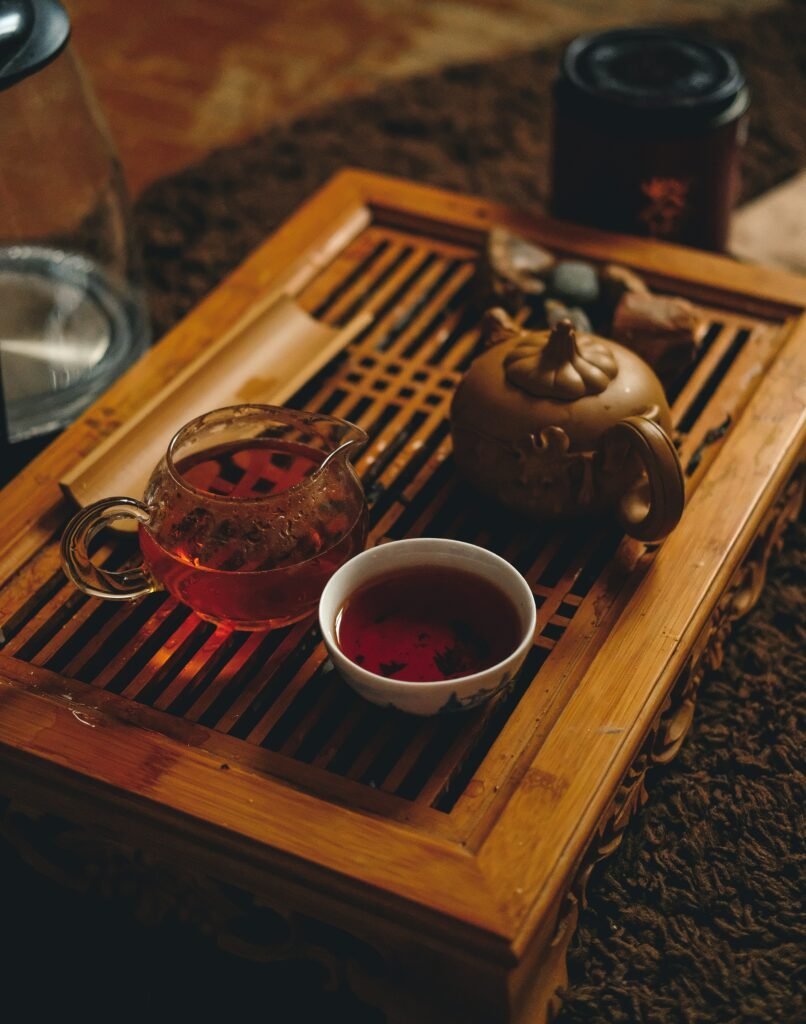
We duck off the main Gion flow and suddenly it’s quiet: a counter, a small room, and the feeling you’ve stepped into Kyoto’s “inside voice.” SABI is ryurei-style (tables/chairs energy), with tasting-course vibes—perfect when you want something polished, not a full formal ceremony.
Close to: Gion / the classic evening-stroll zone.
How to get there: Head for Gionmachi Minamigawa; it’s on the 2nd floor of the T.T building.
What you’ll do: Pick a course (they do tea-focused pairings with sweets), then let the staff walk you through it without making you feel like you’re failing an exam.
Pro tip: This is a brilliant “late afternoon landing pad” after temples—go here before dinner so you’re not sipping tea at 18:29 like a desperate raccoon.
Nagomi Tea Ceremony (Ninenzaka) — tea ceremony, but make it walkable from Kiyomizu-dera
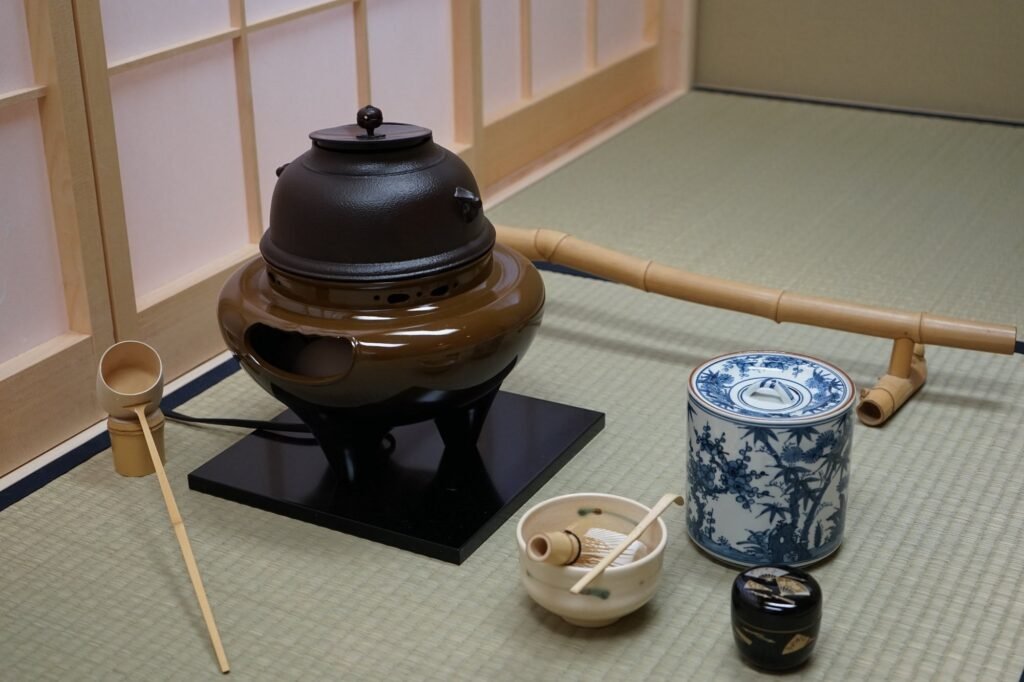
If your Kyoto plan includes Kiyomizu-dera, Yasaka Pagoda, and that famous Ninenzaka slope, Nagomi is the “we’re already here” win: a tea room on the second floor of a 100+ year-old bamboo craft shop, with an instructor who can guide in English and Japanese.
Close to: Kiyomizu-dera, Yasaka Pagoda (Hōkan-ji), Kodai-ji; right in the Ninenzaka area.
What you’ll do: Watch a demonstration, then make matcha yourself (this is the fun part—your whisking won’t be perfect, and that’s the point).
Time + budget:
- Shared plan: ¥3,500 adult / ¥2,500 kids (6–11)
- Private plan: ¥25,000 charter fee + per-person fee (useful if you’ve got a tiny kid in tow).
Hours: 10:00–18:00 (closed on irregular days).
Pro tip: Do Nagomi right after Kiyomizu-dera—your brain is already in “tradition mode,” and you’ll appreciate the calm more.
Tea Ceremony Ju-An (at Jotoku-ji) — a proper temple setting without luxury pricing
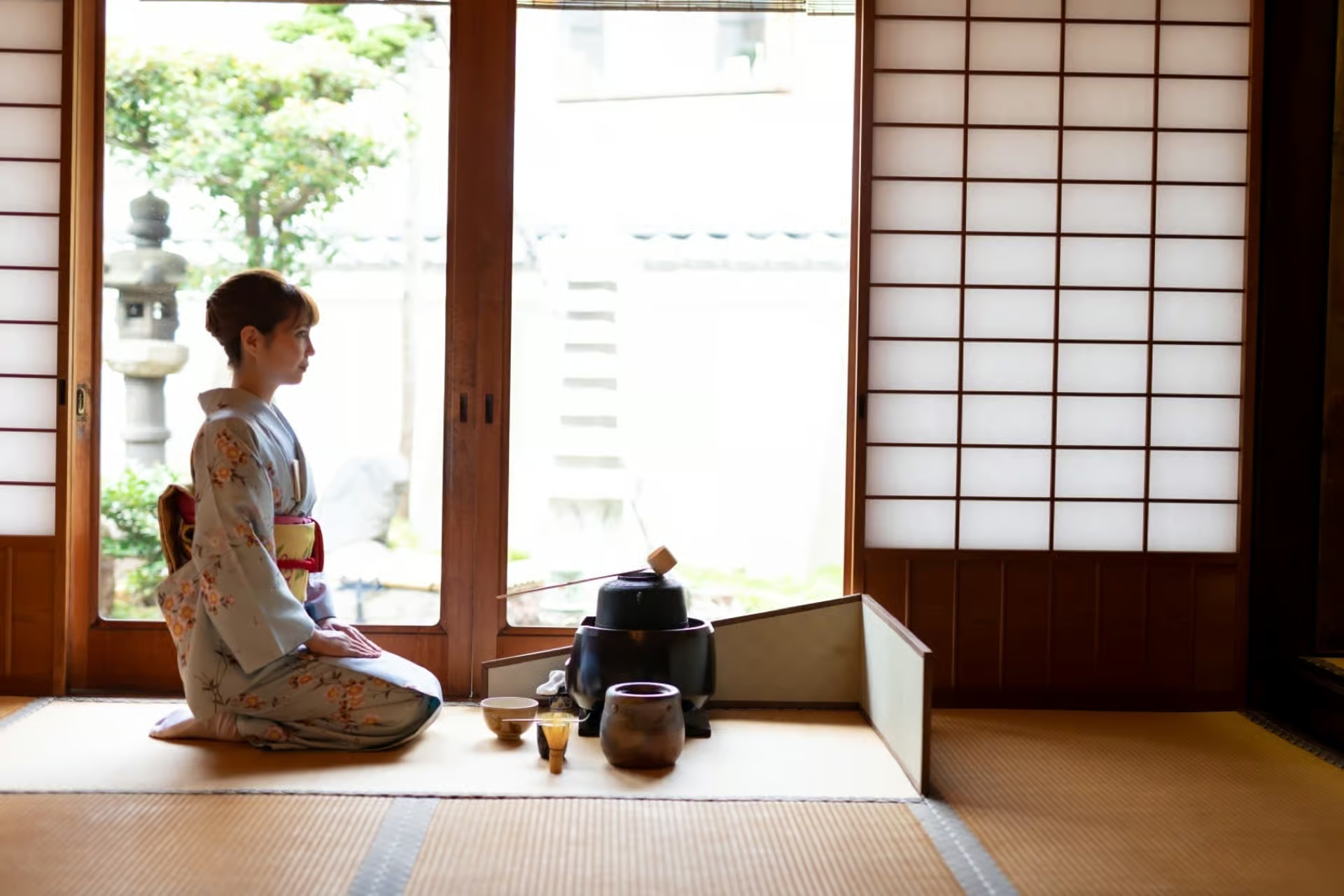
This is the “I want it to feel real” pick: the ceremony is held inside Jotoku-ji, a Buddhist temple in central Kyoto, and your visit includes a temple tour plus a guided, participatory flow where you also make your own bowl of matcha.
Close to: Gojo / central Kyoto (Shimogyo Ward).
What you’ll do: Temple tour + history/culture + tea ritual (performed by tea masters) + hands-on matcha.
Time + group vibe: Around 70 minutes, small group (listed as capped at 10) with an English-speaking instructor.
Price: ¥3,300 per adult (kids 6–14: ¥2,000; under 5 free).
Where it is: 556 Gojo-Sagary, Shimogyo Ward, Kyoto 600-8119.
Pro tip: If you’re traveling with family, this is one of the easiest “everyone can follow along” formats—short, structured, and not intimidating.
Tea Crane (Kyūgetsu / Tyas Sōsen) — for people who want the “deep end” (thick tea, aesthetics, the whole thing)
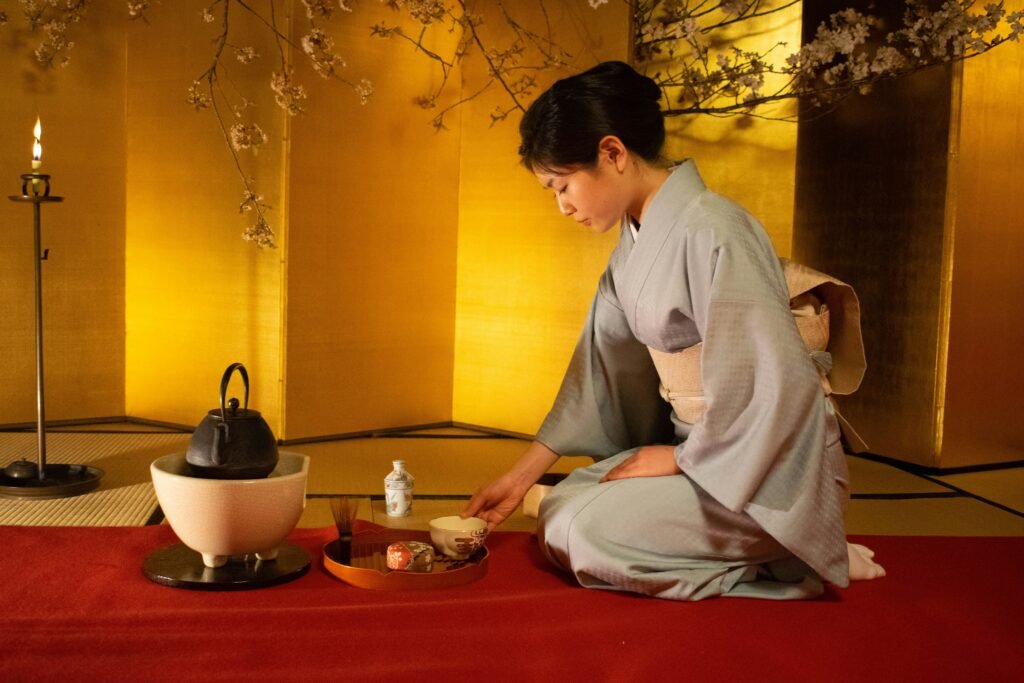
This is where we go when we want to stop dabbling. The Tea Crane’s approach is blunt (in a good way): they aim to make tea ceremony accessible and enjoyable, with permission to sit cross-legged or use a chair if seiza is not happening today.
Depending on the plan, you might experience koicha (thick tea)—the high-octane, formal side of the tradition—plus serious explanation in English.
What you’ll do: Expect thorough guidance, a very “learn-by-doing” rhythm, and (in some offerings) koicha with top-quality matcha.
Time + size + language (example plan): About 130 minutes, 1–5 participants, English available.
Budget reality check: This is the splurge lane—some offerings are listed from ¥95,000/group, and others are shown around $1,000/session depending on the format/partner.
Pro tip: If you’re only doing one ceremony and you want it to feel like a masterclass (not a souvenir), this is the one. But book it for a day when you’re not rushing to three more neighborhoods.
BONUS: Sumiya Ryokan Private Tea Stay, Kyoto
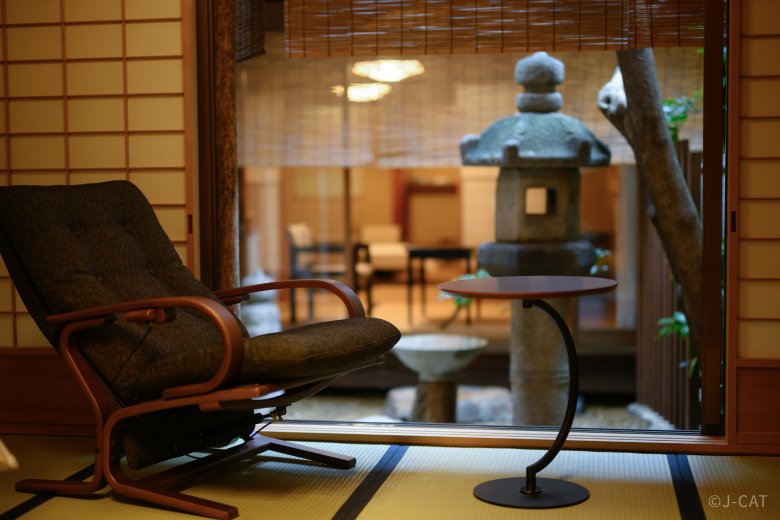
Sumiya Ryokan is one of Kyoto’s historic traditional inns, long connected with tea gatherings, quiet hospitality, and the kind of old-world atmosphere that makes us suddenly whisper even when nobody asked us to.
The experience includes a one-night stay at Sumiya Ryokan, a seasonal Kyoto-style breakfast, and a private tea experience in the ryokan’s historic tearoom. Matcha is prepared by the okami or waka-okami, who also explains the etiquette, architecture, garden design, and tea culture behind the space. So yes, we are not just drinking tea. We are entering the very elegant deep end.
The building itself is part of the experience. Sumiya is built in the Sukiya-zukuri style, closely connected to tea room architecture, with traditional details, quiet rooms, seasonal views, and modern comforts carefully worked into the historic setting.
- Best for: luxury travelers, couples, tea ceremony lovers, Kyoto culture trips, and anyone who wants more than a quick matcha class.
- Location: Sanjo area, Kyoto.
- Duration: 1 night.
- Group size: Private experience for 1–5 guests.
- Price: From ¥59,000/ €319 per person.
- Includes: ryokan stay, Kyoto-style breakfast, private tea experience, and English-speaking host.
Book this if you want a slower, deeper tea experience that blends matcha, Kyoto hospitality, traditional architecture, and ryokan culture into one very memorable stay. It is less “quick activity between sightseeing stops” and more “this is why we came to Japan.”
FAQs: Japanese Tea Ceremonies
1) Do we need to book a tea ceremony in Japan, or can we just walk in?
In Kyoto and Tokyo (especially in popular areas like Gion, Higashiyama, Asakusa, and near major stations), booking ahead is the safest move—same-day slots disappear fast in peak seasons (spring blossoms, autumn leaves). In smaller towns, you’ll sometimes find museum-hosted demos or cultural centers with drop-in sessions.
2) How long does a tea ceremony usually take?
Most traveler-friendly experiences run 45–90 minutes. Shorter sessions focus on matcha + sweets + basic etiquette; longer ones add history, utensils, seasonal details, and sometimes a hands-on “you whisk your own matcha” portion.
3) What should we wear (and do we need a kimono)?
You don’t need a kimono. Wear comfortable, tidy clothes and avoid anything that drags on tatami (very long skirts, wide-leg pants that pool). If you do rent a kimono, pick one that’s easy to sit in—and eat beforehand, because sitting beautifully on tatami while hungry is a minor test of character.
4) Is it okay if we can’t sit on the floor (seiza)?
Yes—many places offer chair seating (ryūrei style) or will accommodate knee/back issues if you mention it when booking. If a venue is traditional tatami seating only, it’s still worth asking; hosts are often used to travelers who are not built for seiza marathons.
5) What’s the difference between a “tea ceremony experience” and a “tea house visit”?
A tea ceremony experience is structured: host, utensils, etiquette, sweets, matcha, and explanation. A tea house visit can mean anything from a casual matcha café to a historic tea room where you simply drink tea. Both can be great—just don’t expect the full ritual unless it’s clearly described.
6) Can kids attend a tea ceremony in Japan?
Usually yes—especially if the experience is marketed to travelers. For younger kids, look for sessions that are shorter, hands-on (whisking), and allow chair seating. If you’re traveling with an 8–12-year-old, tea ceremonies can be surprisingly fun because it’s basically “tiny tools + rules + snacks.”
7) Will we actually make matcha ourselves?
Often, yes—many experiences include a “make-your-own” moment so you learn the whisking technique and how thick matcha differs from café-style matcha lattes. If you want hands-on specifically, check for wording like “whisk your own” or “tea-making workshop.”
8) Are photos allowed during the ceremony?
It depends. Some places allow photos before/after or at specific moments; others ask for no photos to keep the atmosphere calm. Assume you’ll need to ask first, keep cameras quiet, and avoid standing up mid-ceremony like you’re filming a documentary.
9) What do we do if we have food allergies (or we don’t eat sugar)?
Tell them when you book. The sweet (wagashi) is part of the flow, but venues can sometimes swap it, simplify it, or skip it. If you’re very sensitive, ask what ingredients are used—wagashi commonly includes things like bean paste, rice flour, and seasonal fruit elements.
10) Is a tea ceremony worth it if we don’t speak Japanese?
Yes. Many venues in tourist hubs offer English guidance, and even when they don’t, the ceremony is visual and slow-paced. If language matters to you, choose a spot that explicitly lists English support (or offers multilingual sessions).
11) Where should we do our first tea ceremony: Kyoto or Tokyo?
If we want “classic atmosphere,” Kyoto (Gion/Higashiyama/Uji) is hard to beat. If we want convenience and a tight schedule, Tokyo (Asakusa, Ueno area, central neighborhoods) is easier to slot between sights. Either way, your first ceremony is about vibe + host, not the city scorecard.
12) How much does a tea ceremony usually cost in Japan?
Prices vary wildly based on location, group size, kimono add-ons, and how in-depth it is. As a rough traveler range, expect mid-range cultural activity pricing in big cities, with higher prices for private sessions and kimono packages. Always check what’s included (sweets, souvenirs, photos, language support).
- Nagoya rainy day with kids in 2026 (Cool Indoor Things to Do )
- Best Gachapon in Tokyo (2026): 20 Places to Find Capsule Toys
- All Japanese KitKat Flavours List: The Ultimate Japan KitKat Guide
- Sapporo rainy day with kids (2026): 7 Cool Indoor Things to Do
- What To Do In Arashiyama With Kids: A Realistic One-Day Family Itinerary