
I spill travel tips , and show you the Japan that tourists usually miss.
If you’re hunting for romantic things to do in Kyoto, we’ve got you. Beyond the headline acts—those famous shrines and temples with the tour-bus glow—Kyoto is quietly stacked with fun, date-worthy places.
In this guide, we’re serving up a whole lineup of date spots, from classic Kyoto romance to low-key hidden gems. Pick what matches your mood, circle your favorites, and head out—because Kyoto is basically built for making memories you’ll keep replaying later.
More Kyoto ideas for your trip
- ➡️ Discover romantic hotels in Kyoto that feel like a proper escape, whether that means a ryokan with a private onsen-style bath, a sleek boutique stay near the action, or a serene riverside base
- ➡️ Looking for quiet, lesser-known places with atmosphere? Explore these hidden gems in Kyoto.
- ➡️ Want to turn your day into something memorable? Browse our favorite tea ceremonies in Kyoto.
- ➡️ If you are planning your base carefully, see where to stay in Kyoto for the best neighborhoods and hotel picks.
- ➡️ Prefer stylish stays with character? Start with these boutique hotels in Kyoto.
- ➡️ Still planning experiences for your itinerary? Here are some of the best Kyoto experiences to book ahead.
- ➡️ Heading out after dark? Pair your itinerary with our guide to Kyoto nightlife.
Table of Contents
[Shimogyo Ward, Kyoto City] Kyoto Tower
A 360° rooftop reality check (Kyoto edition)
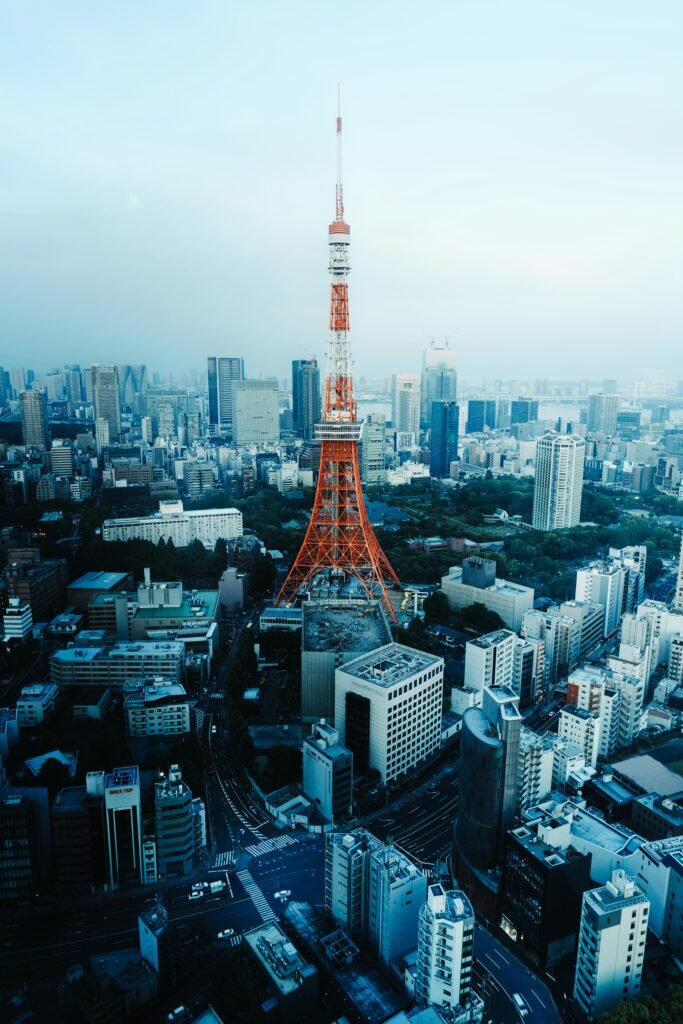
Kyoto Tower is that landmark you keep spotting the moment you step out of JR Kyoto Station—like a lighthouse for lost travelers (which, yes, we often are). It’s also Kyoto’s tallest structure, and the observation deck sits 100 meters up, giving you the full 360-degree panorama: temples, low-rise city sprawl, and mountains sitting around Kyoto like quiet bodyguards.
Downstairs, the Kyoto Tower Building is basically a mini ecosystem: restaurants, the souvenir market “KYOTO TOWER SANDO,” and the Kyoto Tower Hotel. Also: there’s a tiny shrine on the observation deck dedicated to the mascot Tawawa-chan (because Japan loves a mascot and you’ll love it too), called Tawawa-chan Shrine—cute stop if you’re doing a couple’s day or just collecting weirdly wholesome memories.
Highlights:
- Seeing the tower lit up at night, reflected in the glass of Kyoto Station, is ridiculously striking—very “Kyoto postcard, but modern.”
- The lights change color late at night, and the reflections off nearby buildings make it feel extra cinematic. Plus: souvenir corner and a food area for sweet fixes like parfaits.
Kyoto Tower essentials
- Address: 721-1 Higashishiokojicho, Shimogyo Ward, Kyoto, Kyoto Prefecture
- Hours: 10:00–21:00 (last entry 20:30) may change
- Closed: None
- Observation deck tickets: Adults 900 yen /Children (3+) 200 yen
- Access:
- Train: ~2-minute walk from JR Kyoto Station
- Car: ~15 min from Kyoto Minami IC (Meishin Expressway)
- Parking: None
[Shimogyo Ward, Kyoto City] Kyoto Aquarium
Jellyfish glow, giant salamanders, and air-conditioning salvation

When Kyoto is melting (and it can), we flee to Kyoto Aquarium in Umekoji Park—a leafy little reset button near the station. The concept here is basically: the closer you get, the more you love it, which sounds like a dating app motto, but it works. This aquarium leans hard into connection with nature and sneaks in learning while you’re busy staring at floating creatures.
Don’t miss:
- “Jellyfish Wonder”: about 5,000 jellyfish, around 30 species, all doing their soft-glow alien ballet.
- Giant salamander zone: weird, iconic, and surprisingly fascinating.
- “Kyoto Sea” tank: roughly 500 tons of water—big enough to make you forget you’re in a city park.
They also run daily programs like Meal Time and Play Time with animals like dolphins and penguins—very date-friendly, very “we should come back and do the schedule properly.”
Highlights:
- If you came for rare giant salamanders, this is your place—and yes, it can be a great couples stop.
- On scorching days, it’s cool inside, calm to watch, and the jellyfish are both educational and strangely adorable.
Kyoto Aquarium essentials
- Address: 35-1 Kankijicho, Shimogyo Ward, Kyoto (inside Umekoji Park)
- Hours: Vary by day (check the business calendar)
- Closed: None (but may temporarily close for inspections/weather)
- Tickets: Adults (incl. university) 2,400 yen / Children (3+) 800 yen
- Access:
- Train: ~15 min walk from JR Kyoto Station, ~7 min walk from JR Umekoji Kyoto-nishi Station
- Car: ~10 min from Kyoto Minami IC (Meishin Expressway)
- Parking: None
[Higashiyama Ward, Kyoto City] Yasaka Shrine
“Gion-san” for good luck, matchmaking, and maximum Kyoto atmosphere
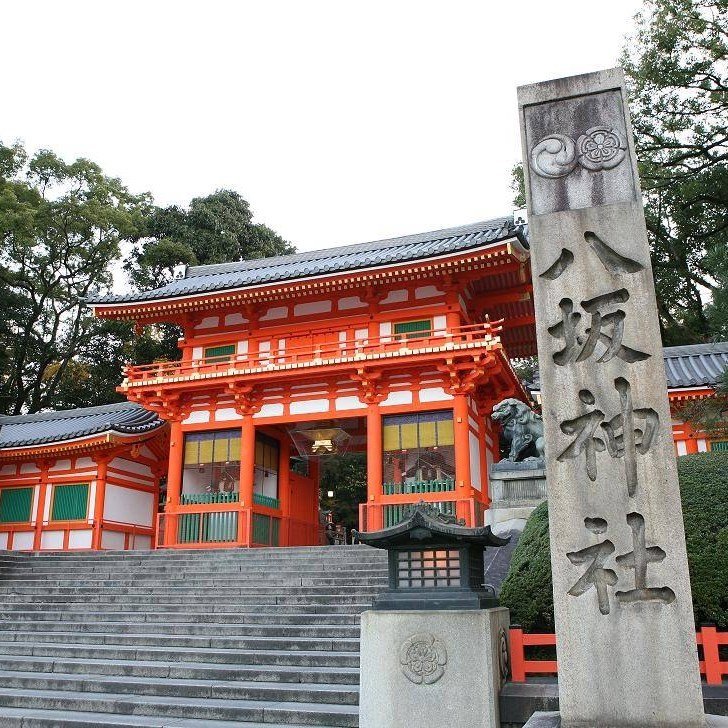
Yasaka Shrine—aka “Gion-san”—is one of those places that feels like Kyoto distilled into one courtyard: lanterns, history, crowds, and that constant “something’s happening” energy. It’s famous as a shrine for warding off evil (legend says it helped calm a big epidemic in the Heian period) and for bringing people together—which is why it’s also known for matchmaking vibes.
Inside, you’ll spot Okuninushi-no-Mikoto, associated with love blessings, plus statues tied to the White Rabbit of Inaba story from the Kojiki. And yes, there are heart-shaped ema (votive plaques) and rabbit-themed wish items—perfect if you want your prayers to look cute on Instagram while you bargain with the universe.
Highlights:
- Even if you plan to skip it because it’s busy, you might end up going anyway—and shrine lovers basically call it paradise.
- If you hit it during Gion Festival, you can catch religious ceremonies; on weekends, you might see Shinto weddings, which feels unexpectedly moving. Pair it with a stroll into Maruyama Park afterward.
Yasaka Shrine essentials
- Address: 625 Kitagawa, Gion-cho, Higashiyama-ku, Kyoto
- Hours: Open year-round
- Fee: Free
- Access:
- Train: ~5 min walk from Keihan Gion-Shijo, ~8 min from Hankyu Kyoto-Kawaramachi
- Car: ~20 min from Kyoto-Higashi IC or Kyoto-Minami IC (Meishin Expressway)
- Parking: None
[Higashiyama Ward, Kyoto City] Yasaka Koshindo
The rainbow “tied-up monkeys” spot (and it’s as photogenic as you’ve heard)
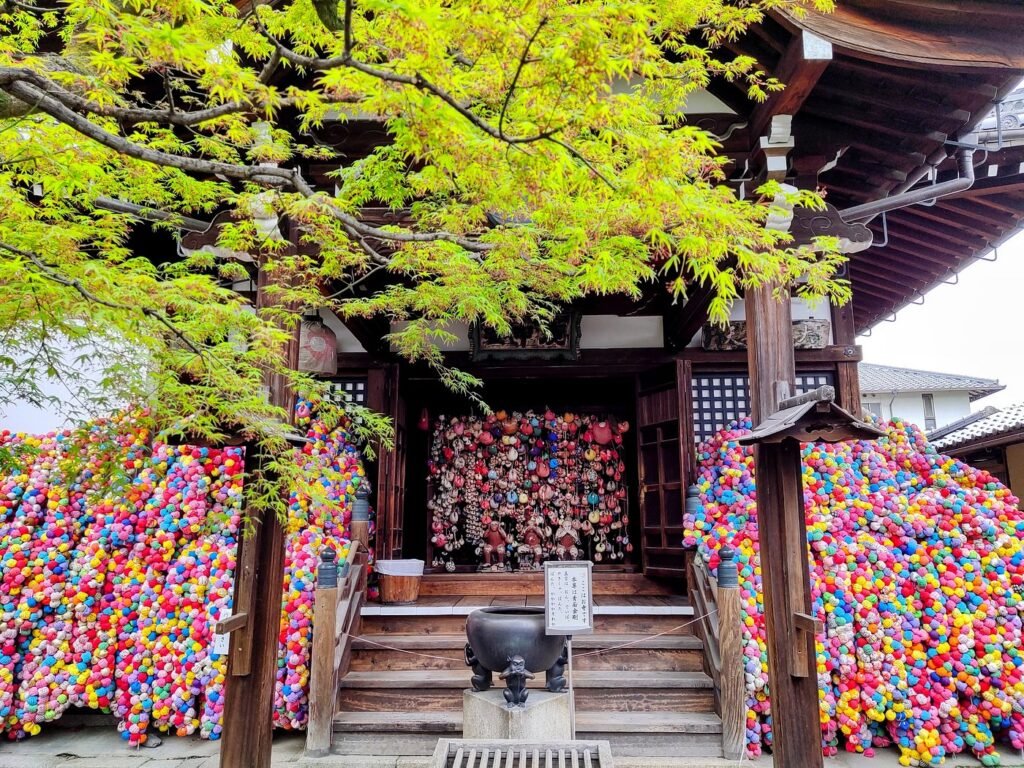
Yasaka Koshindo is small, punchy, and famous for one thing: kukurizaru—colorful cloth monkey charms tied up by all four limbs, filling the place like a wall of wishes. It’s considered one of Japan’s three major Koshin temples, with roots reaching back to the Heian period.
There are also… let’s say intense rituals here:
- Konnyaku sealing prayer for curing illness (a paper doll + konnyaku, hung so the illness “dries up” as the konnyaku dries).
- Other “seals” for headaches and various troubles. (Kyoto doesn’t do subtle.)
But honestly? Most of us come for the kukurizaru: they cost 500 yen each, and it’s said they help restrain human desires (relatable) and bring good luck in love.
Highlights:
- Small grounds, but the monkeys are vivid and unforgettable; you can also get goshuin (temple seal).
- It’s close to Hokanji (Yasaka Pagoda) and gets crowded with kimono rentals; gates seem to close around 5pm.
Yasaka Koshindo essentials
- Address: 390 Kinzonocho, Higashiyama-ku, Kyoto
- Hours: 9:00–17:00
- Fee: Free (prayer fees separate)
- Access:
- Bus: ~15 min by Kyoto City Bus from JR Kyoto Station, then ~7 min walk from Kiyomizu-michi stop
- Car: ~20 min from Kyoto Higashi IC or Kyoto Minami IC (Meishin Expressway)
- Parking: None
[Higashiyama Ward, Kyoto City] Hokanji Temple (Yasaka Pagoda)
Kyoto’s “that street photo” in real life
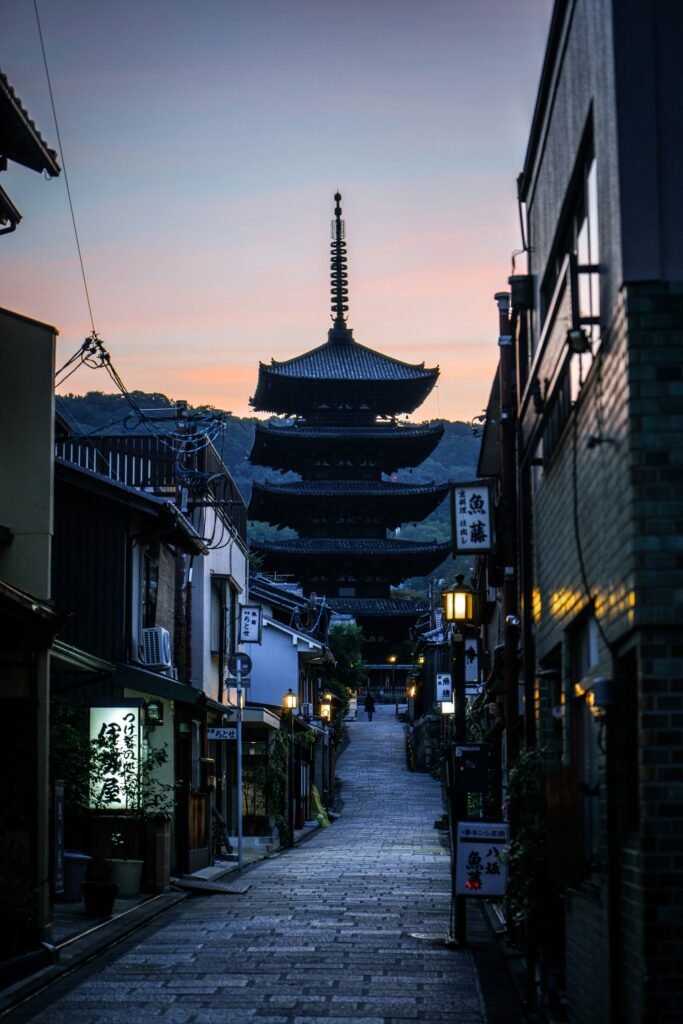
This is the five-story pagoda you’ve seen a thousand times—Yasaka Tower rising above old streets like it owns the skyline (because it kind of does). Hokanji Temple traces its origin to 589, tied to Prince Shotoku and sacred relic lore. The pagoda stands about 46 meters tall and anchors the whole Higashiyama vibe: wooden façades, cobblestones, and that “we accidentally time-traveled” feeling.
Walk up the stone path beside it and you’re basically funneled toward Sannenzaka and Kiyomizu-dera—a classic Kyoto stroll that can be romantic or chaotic depending on crowd levels.
Highlights:
- People stumble onto it while wandering and immediately start taking photos from every possible angle (correct behavior).
- Even when crowded, it’s still a “wow” moment.
Hokanji (Yasaka Pagoda) essentials
- Address: 388 Yasakauecho, Higashiyama-ku, Kyoto
- Hours: 10:00–15:00 (no entry for elementary school age or younger)
- Closed: Irregular
- Admission: 400 yen
- Access:
- Bus: ~15 min from JR Kyoto Station, get off at Kiyomizu-michi, walk ~5 min
- Car: ~20 min from Kyoto Higashi IC or Kyoto Minami IC (Meishin Expressway)
- Parking: None
[Higashiyama Ward, Kyoto City] Maruyama Park
A quiet breather next to the chaos (plus famous cherry blossoms)
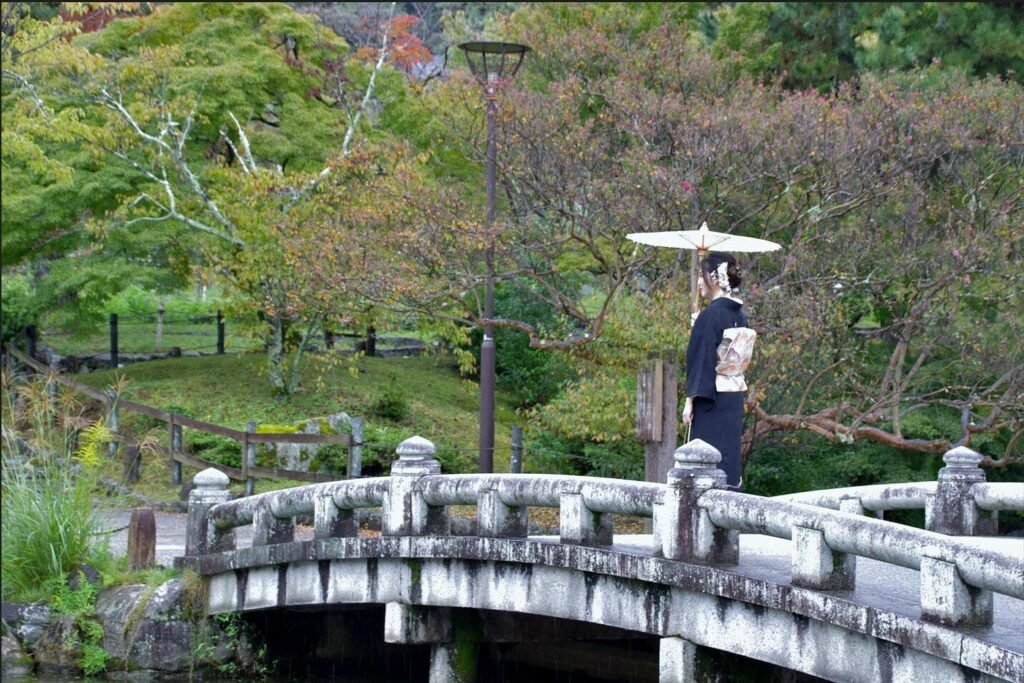
Right beside Yasaka Shrine is Maruyama Park, Kyoto’s oldest public park (opened 1886) and a designated scenic spot. It’s the kind of place where you can step away from the tourist conveyor belt and hear yourself think again. There’s seasonal drama all year—fresh greens, autumn leaves, and the big headline: “Gion’s Night Cherry Blossoms” in spring.
The strolling garden with a pond and Higashiyama backdrop is calming in a very Kyoto way—like the city is telling you to slow down.
Highlights:
- Great for autumn foliage around Hyotan Pond; lots of visitors take photos like they’re in a fashion shoot.
- After Yasaka Shrine, it’s a good rest stop; paths out of the park lead you toward Kodaiji and Kiyomizu-dera routes.
Maruyama Park essentials
- Address: Maruyamacho, Higashiyama Ward, Kyoto (and surrounding areas)
- Hours: Free to wander
- Fee: Free
- Access:
- Train: ~10 min walk from Gion-Shijo (Keihan), ~14 min from Kawaramachi (Hankyu)
- Car: ~20 min from Kyoto Higashi IC (Meishin Expressway)
- Parking: Yes — 260 yen / 30 minutes
[Fushimi Ward, Kyoto City] Fushimi Inari Taisha
The thousand torii gates—yes, it’s famous, yes, it’s still worth it
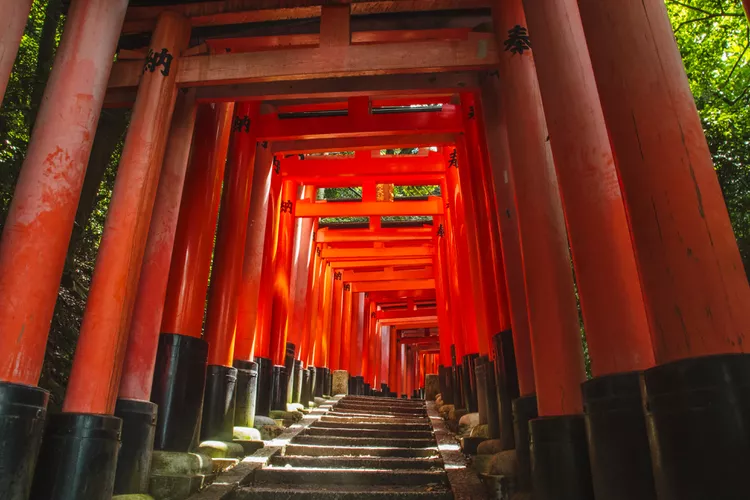
Fushimi Inari is the head shrine of roughly 30,000 Inari shrines across Japan, worshipped for harvest, business success, home safety, and wish fulfillment. It’s been around since 711, which is… older than most countries’ paperwork.
You’ll see the vermilion main buildings, but the real headline is the Senbon Torii path—those iconic gates donated in thanks for wishes granted (or hoped-for). If you’ve got time (and decent legs), do the mountain loop around Mt. Inari. It’s a proper climb, but the payoff is quieter stretches and that “we earned this” satisfaction.
Highlights:
- People climb to the top inspired by other visitors; snacks like zenzai at the summit hit differently after stairs.
- Round trip can take about 1.5 hours, and you’ll feel it. Sneakers are your friend.
Fushimi Inari Taisha essentials
- Address: 68 Fukakusa Yabunouchicho, Fushimi Ward, Kyoto
- Hours: Open all day
- Fee: Free
- Access:
- Train: Short walk from JR Inari Station, ~5 min walk from Keihan Fushimi-Inari Station
- Car: ~15 min from Kyoto Minami IC (Meishin Expressway)
- Parking: Yes (free)
[Kamigyo Ward, Kyoto City] Kitano Tenmangu Shrine (Tenjin-san)
For exam luck, lantern-lit evenings, and seasonal gardens
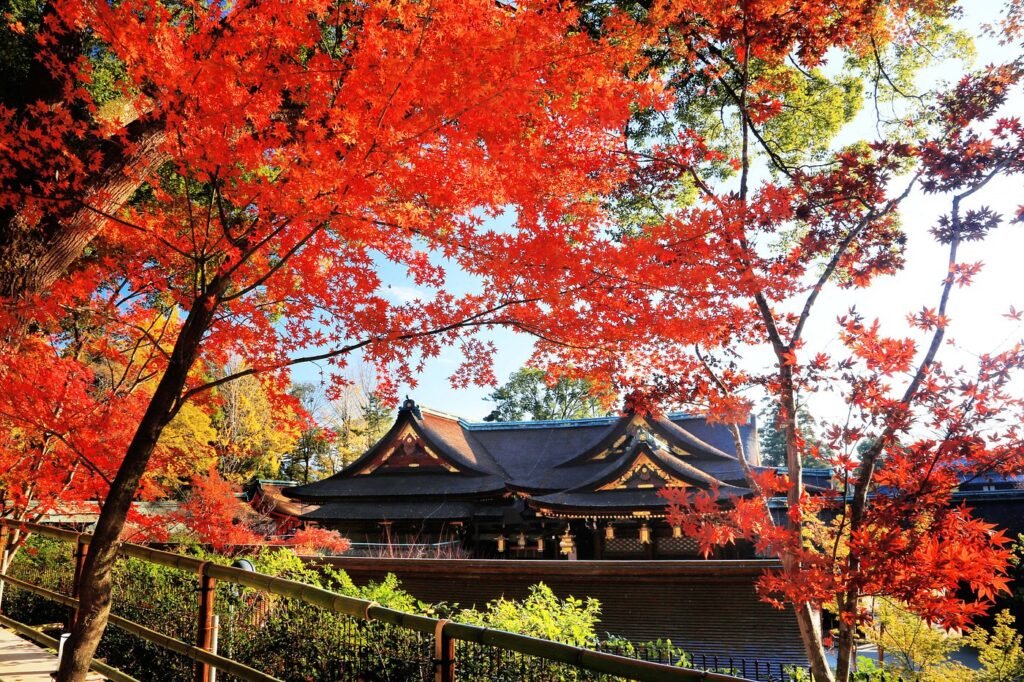
Kitano Tenmangu is dedicated to Sugawara no Michizane, the go-to deity for learning. It’s the head shrine of around 12,000 Tenmangu shrines, and the main structures are national treasures—classic Momoyama-era grandeur.
This is a seasonal favorite:
- Plum garden (typically early Feb to late March): tea house set among white and red plum blossoms.
- Momiji (maple) garden (typically late Oct to early Dec): autumn color overload.
It’s a beautiful stop if you want Kyoto that’s spiritual and scenic, without needing a full day.
Tips:
- Evening lanterns create a great atmosphere; even during busy periods, it can feel surprisingly calm.
- Plum blossoms + illuminations are especially memorable if you go a little later in the season.
Kitano Tenmangu essentials
- Address: Bakuro-cho, Kamigyo-ku, Kyoto
- Hours: 7:00–17:00
- Fee: Free
- Access:
- Bus: ~30 min from JR Kyoto Station, get off at Kitano Tenmangu-mae
- Car: ~30 min from Kyoto Minami IC (Meishin Expressway)
- Parking: Yes — 600 yen first hour, then 200 yen / 30 minutes
[Sakyo Ward, Kyoto City] Nanzenji Temple
Big gate energy, a classic garden, and that famous brick aqueduct
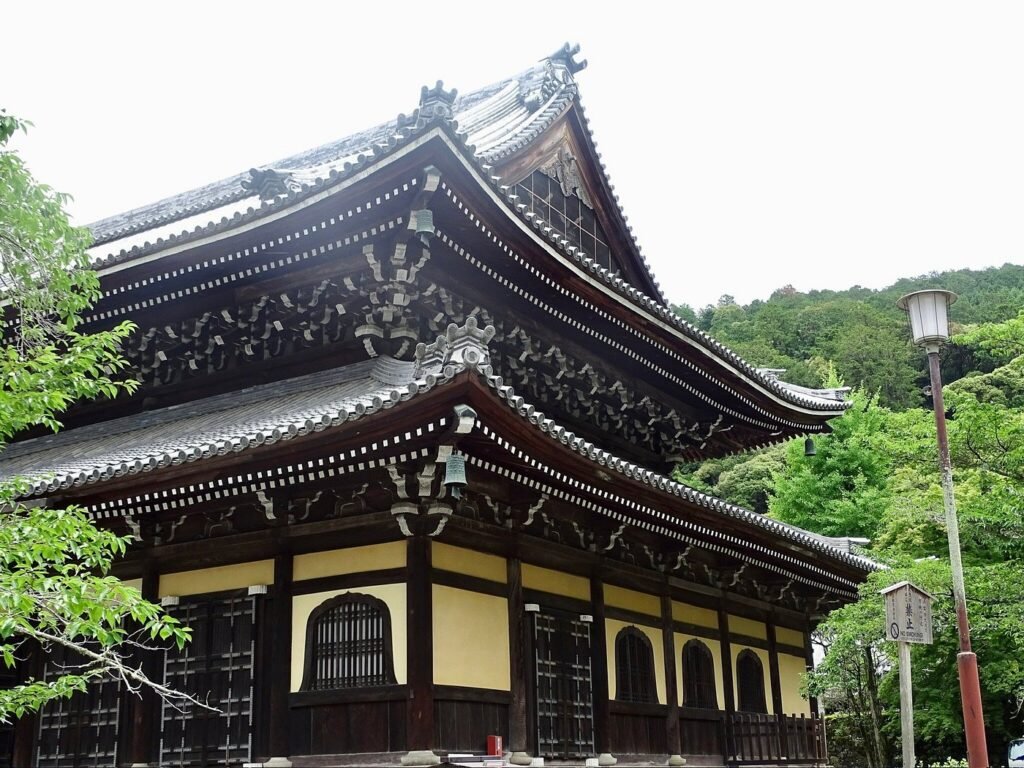
Nanzenji is the head temple of the Nanzenji school of Rinzai Zen, founded in 1291 by Emperor Kameyama with Zen Master Mukan Fumon. It’s famous for the Sanmon Gate—one of Japan’s three great gates—also known as “Gate of the Dragon King,” and linked to the kabuki world. Climb up and you get sweeping views over Kyoto.
Inside, the temple complex delivers:
- The Hojo and its dry landscape garden (early Edo style).
- The Suirokaku aqueduct—retro brickwork that looks oddly European in the middle of Kyoto (and yes, everyone photographs it).
- Experiences like tea ceremony, zazen, and sutra copying (advance booking required).
Tips:
- There’s a lot to do: gate → deeper halls → garden → goshuin → aqueduct, all in one satisfying circuit.
- Cherry blossoms are gorgeous, but autumn is also a top-tier season; nearby restaurants do tofu and classic Japanese dishes.
Nanzenji essentials
- Address: Nanzenji Fukuchicho, Sakyo Ward, Kyoto
- Hours:
- Dec–Feb: 8:40–16:30
- Mar–Nov: 8:40–17:00
- Closed to public Dec 28–31
- Fees:
- Temple grounds: Free
- Sanmon Gate: Adults 600 yen
- Hojo Garden: Adults 600 yen
- Access:
- Train: ~10 min walk from Keage Station (Kyoto Subway)
- Car: ~15 min from Kyoto Higashi IC (Meishin Expressway)
- Parking: Yes — 1,000 yen / 2 hours, then 500 yen per extra hour
[Sakyo Ward, Kyoto City] Shimogamo Shrine (Kamo Mioya Shrine)
Power spot in a sacred forest (plus a makeup votive tablet—seriously)
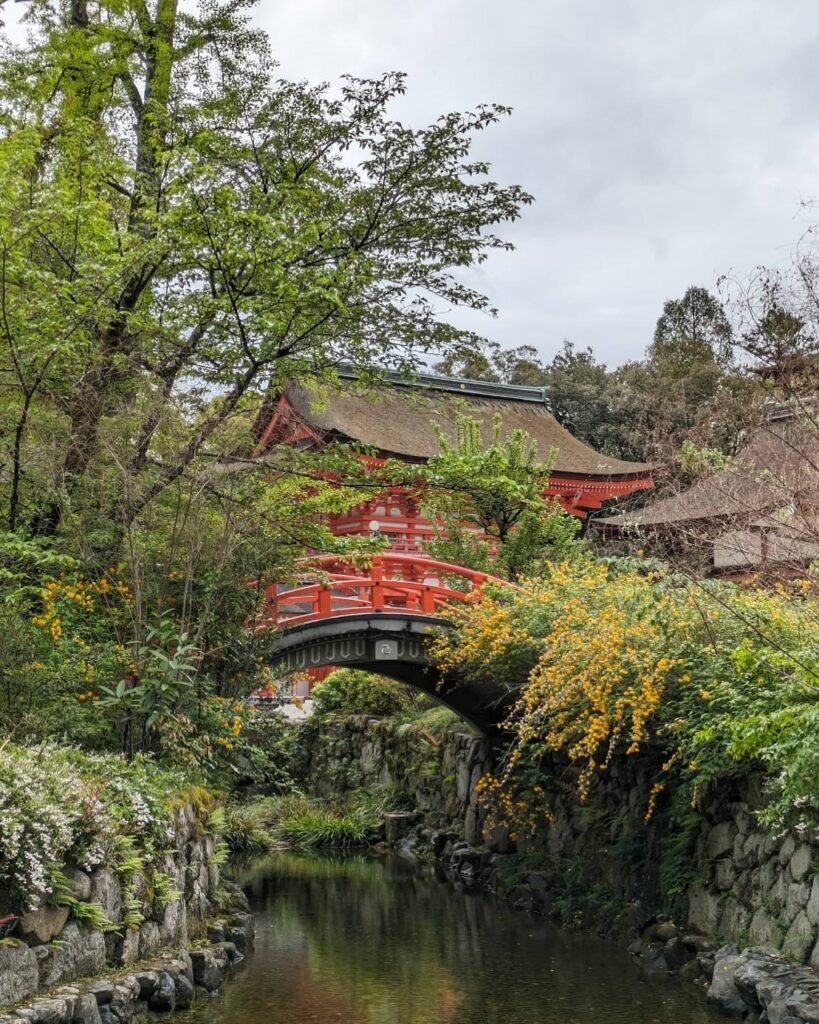
Shimogamo Shrine is one of Kyoto’s big spiritual heavyweights, sitting in the sacred forest Tadasu no Mori. The grounds are stacked with heritage: dozens of buildings designated as national treasures and important cultural properties.
Two unique highlights:
- Aioi Shrine and its “Renri no Kasugaki” sacred tree: two trees joined together, with a new sprout at the base—people tie ema for all kinds of connections (love, careers, lifelong luck).
- Kawai Shrine beauty prayers: you apply makeup to a hand-mirror-shaped votive tablet using your own cosmetics—asking for beauty inside and out. Kyoto is nothing if not specific.
Tips:
- Visiting on quieter days can feel surprisingly peaceful; walking through the grounds is refreshing.
- It’s accessible from Demachiyanagi, and the goshuin experience is a nice memento.
Shimogamo Shrine essentials
- Address: 59 Shimogamo Izumigawacho, Sakyo Ward, Kyoto
- Hours:
- Worship: 6:00–17:00 (may change due to ceremonies)
- Prayer reception: 9:00–16:30
- Fee: Free
- Access:
- Train: ~12 min walk from Demachiyanagi Station (Keihan), or ~20 min taxi from JR Kyoto Station
- Car: ~30 min from Kyoto Higashi IC or Kyoto Minami IC (Meishin Expressway)
- Parking: Yes — 400 yen per hour
[Sakyo Ward, Kyoto City] Kyoto City Zoo
Compact, friendly, and unexpectedly charming (even for adults)

Kyoto City Zoo opened in 1903, making it Japan’s second-oldest zoo, and it currently houses around 490 animals across roughly 100 species. The vibe is “close-by zoo,” divided into seven zones—easy to navigate, not a whole-day endurance test.
Highlights include Elephant Forest, Gorilla House, Elephant World, and Kyoto Forest, designed to echo Kyoto’s natural environments. There’s also a restaurant, library café, and shop with original goods—so you can snack, browse, and buy something cute.
Tips:
- The animal library near the entrance surprises people (in a good way).
- Even though it’s compact, you can feel the staff’s care for the animals—regulars seem genuinely invested.
Kyoto City Zoo essentials
- Address: Okazaki Hoshojicho, Sakyo Ward, Kyoto (inside Okazaki Park)
- Hours:
- Mar–Nov: 9:00–17:00
- Dec–Feb: 9:00–16:30
- Last admission 30 min before close
- Closed: Mondays (or next day if Monday is a holiday), Dec 28–Jan 1
- Tickets: Adults 750 yen / Junior high & under Free
- Access:
- Train: ~10 min walk from Higashiyama or Keage Station (Kyoto Subway)
- Bus: ~40 min from JR Kyoto Station; get off Okazaki Park Zoo, walk ~2 min
- Car: ~15 min from Kyoto Higashi IC (Meishin Expressway)
- Parking: None
[Ukyo Ward, Kyoto City] Ninna-ji Temple
World Heritage elegance, huge grounds, and seasonal “wow”
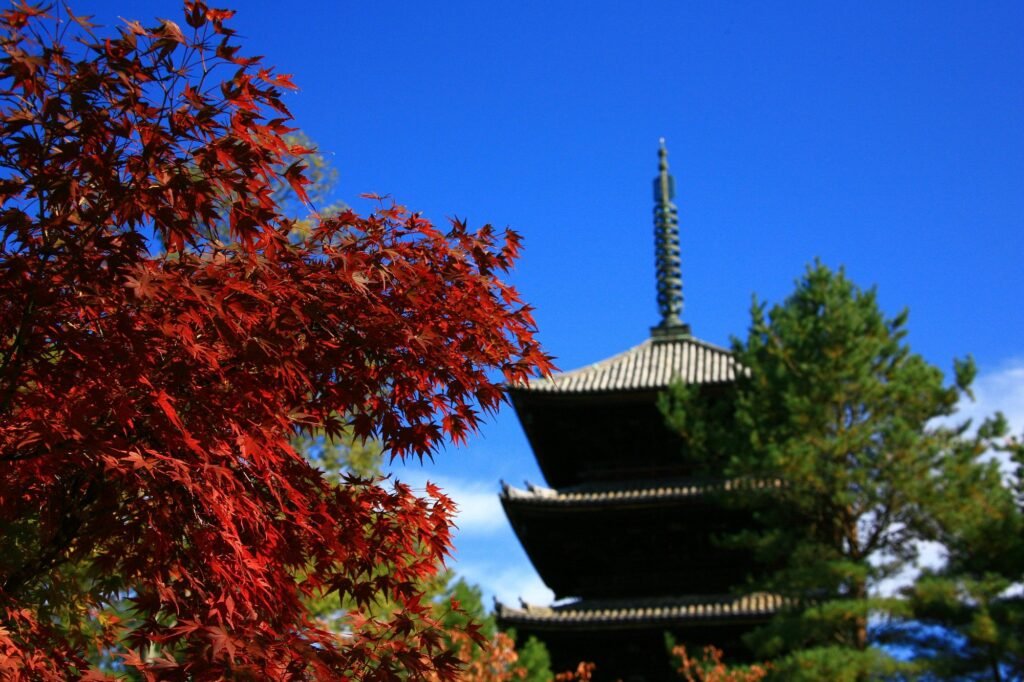
Ninna-ji was founded in 888 and has deep aristocratic roots—so yes, it carries itself like it knows it’s fancy. It became a World Heritage Site in 1994. Enter through the Niomon Gate (one of Kyoto’s three major gates, and unusually road-facing), and you’ll step into a wide, formal complex: palace-style buildings, a five-story pagoda, and the Ninna-ji Imperial Palace Gardens (designated a national scenic place in 2021).
Seasonal wins:
- Omurozakura late-blooming cherry grove in spring.
- Autumn leaves reflected in the pond near Shinden Hall—very “Kyoto is showing off again.”
Tips:
- Locals recommend it when you’re tired of the Kinkakuji crush—pair it with Ryoanji.
- Even in cherry blossom season, the grounds are large enough to breathe, and the historic atmosphere is strong.
Ninna-ji essentials
- Address: 33 Omuro-Ouchi, Ukyo-ku, Kyoto
- Hours:
- Mar–Nov: 9:00–17:00 (last entry 16:30)
- Dec–Feb: 9:00–16:30 (last entry 16:00)
- Closed: None
- Fee: Ninna-ji Imperial Palace Gardens — Adults 800 yen, High school & under Free
- Access:
- Train: ~3 min walk from Omuro-Ninnaji Station (Randen/Keifuku)
- Car: ~40 min from Kyoto Minami IC or Kyoto Higashi IC (Meishin Expressway)
- Parking: Yes — 500 yen
[Ukyo Ward, Kyoto City] Toei Kyoto Studio Park
Dress up, meet ninjas, and walk through a live period drama set
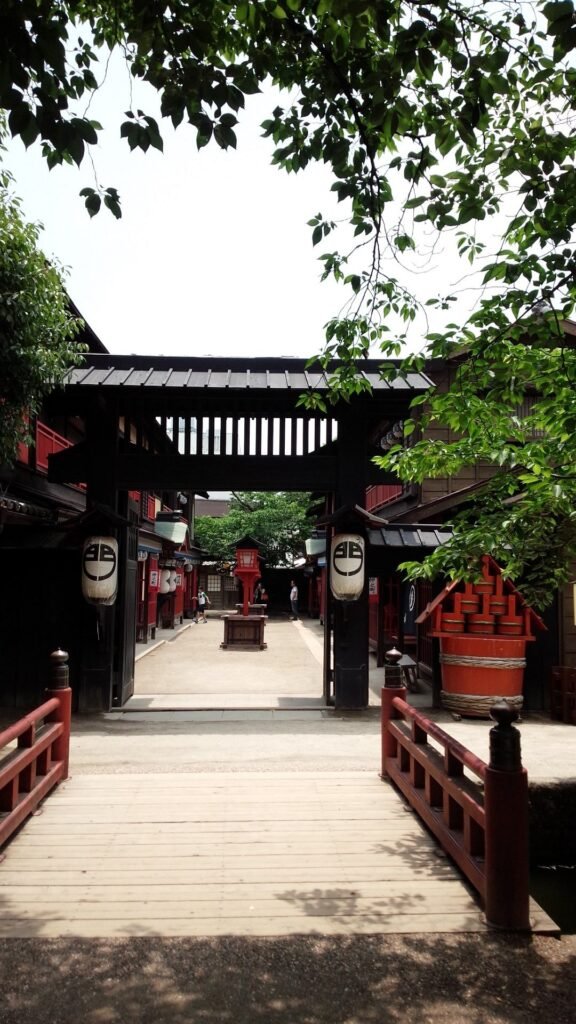
If you want something playful (and honestly, a little ridiculous in the best way), Toei Kyoto Studio Park lets you step into period drama sets—with events and attractions that lean into the cinema fantasy.
The big couple-friendly move: costume experiences, ranging from casual kimono/period outfits to full pro styling with wigs and makeup. You can stroll the actual sets and take photos like you’re in a historical drama, which is far more fun than it has any right to be.
Extras include:
- Evangelion Kyoto Base (free)
- Trick Ninja House (600 yen, ages 3+)
- 3D Maze Ninja Fortress (500 yen, ages 3+)
Tips:
- People love seeing period drama action up close and taking photos with sword-wielding ninjas.
- Costume authenticity can be so good that other visitors ask to take photos with you.
Toei Kyoto Studio Park essentials
- Address: 10 Higashi Hachiokacho, Uzumasa, Ukyo Ward, Kyoto
- Hours: 9:00–17:00 (seasonal; check official site)
- Closed: None (but check official site for specific dates)
- Tickets: Adults 2,400 yen / Junior & senior high 1,400 yen / Children (3+) 1,200 yen
- Kimono rental: from 2,500 yen
- Period costume experience: from 5,800 yen
- Access:
- Train: ~5 min walk from JR Uzumasa Station
- Car: ~30 min from Kyoto Minami IC (Meishin Expressway)
- Parking: Yes —
- 9:00–16:00: 300 yen / 30 min (up to 2 hrs), 1,500 yen (3–6 hrs), then 300 yen / 30 min
- 16:00–21:00: 300 yen / 30 min, 500 yen / 1 hr, 500 yen / 1 hr 30 min – 17 hrs
[Ukyo Ward, Kyoto City] Kimono Forest
600 glowing Kyo-Yuzen poles at Arashiyama Station (night is the move)
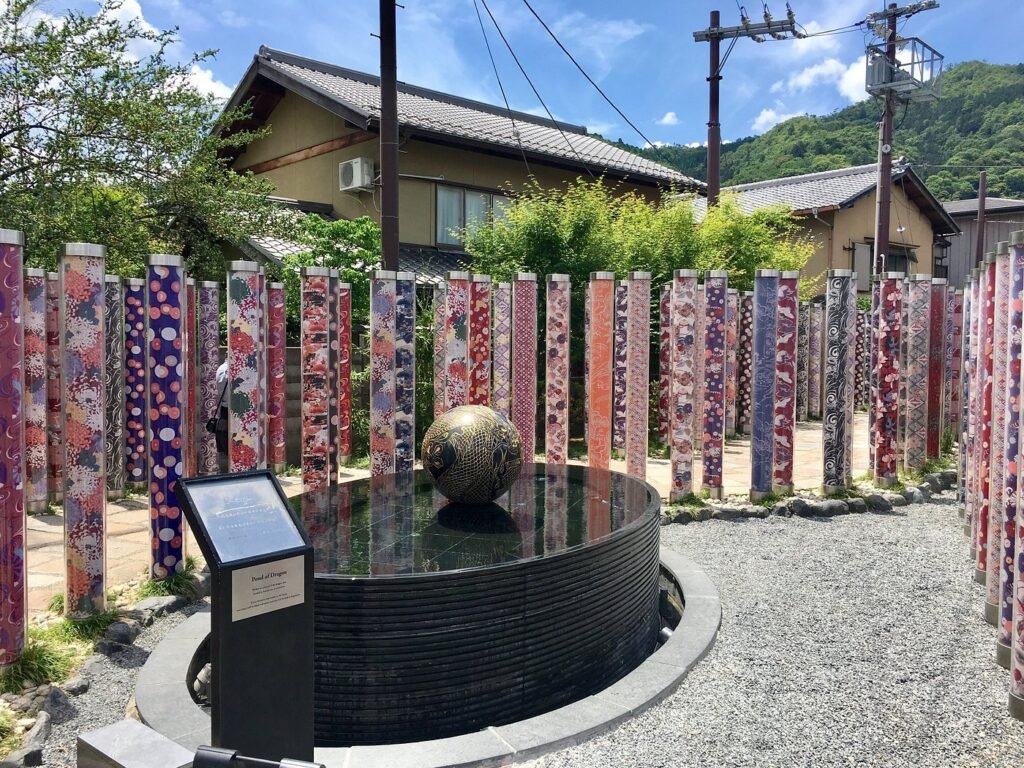
Kimono Forest is basically a station transformed into an art installation: around 600 Kyo-Yuzen fabric poles, about 2 meters tall, lined along the station and tracks at Randen Arashiyama Station. There are 32 patterns total, curated by a long-established kimono shop—Kyoto elegance, but in a format that makes you stop dead and take photos.
After sunset, Dragon Pond lights up and the whole place turns into a fantastical corridor. Daytime is nice; nighttime is where it becomes genuinely magical.
Tips:
- In strong daytime sunlight, a few poles show slight fading (honest review), but at night, illuminated? Absolutely worth it.
Kimono Forest essentials
- Address: 20-2 Sagatenryuji Zorojicho, Ukyo Ward, Kyoto (inside Hannari Hokkori Square at Arashiyama Station)
- Fee: Free
- Light-up: After sunset to 9pm
- Access:
- Train: Short walk from Randen Arashiyama Station
- Car: ~25 min from Kutsukake IC (Kyoto Jukan Expressway)
- Parking: None
[Ukyo Ward, Kyoto City] Kyoto Arashiyama Music Box Museum
Fairy-tale building, antique music boxes, and a surprisingly calming date stop
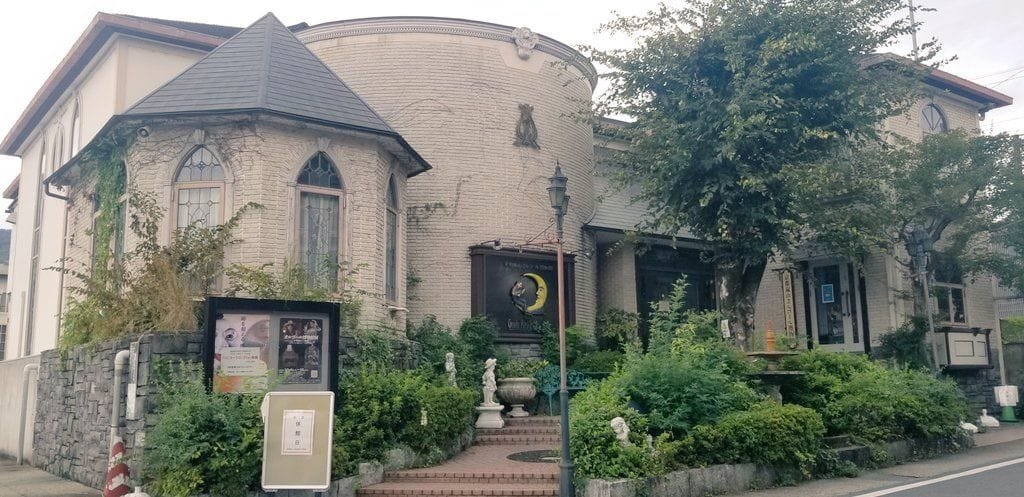
This museum specializes in music boxes, and it’s got that storybook vibe: a charming building plus around 150 music boxes on display. Many are over 100 years old, and the sound is delicate in a way that makes you slow down (finally).
There are also rare antiques like automata, with demonstrations and staff explanations—so it’s not just “look at old objects,” it’s “watch history move and sing.” The shop on site ranges from souvenir-level to serious pieces, so you can take home a memory that isn’t another keychain.
Kyoto Arashiyama Music Box Museum essentials
- Address: 1-38 Tateishicho, Saga Tenryuji, Ukyo Ward, Kyoto
- Hours: 10:00–17:00 (last entry 16:15)
- Closed: Varies (check official site)
- Tickets: Adults 1,000 yen / Seniors (65+) & university 700 yen / Junior & high school 600 yen / Elementary 300 yen
- Access:
- Train: ~5 min walk from JR Saga-Arashiyama Station or Randen Arashiyama Station
- Car: ~25 min from Kutsukake IC (Kyoto Jukan Expressway)
- Parking: Yes (free)
[Ukyo Ward, Kyoto City] Togetsukyo Bridge
The Arashiyama classic: simple, scenic, and season-proof
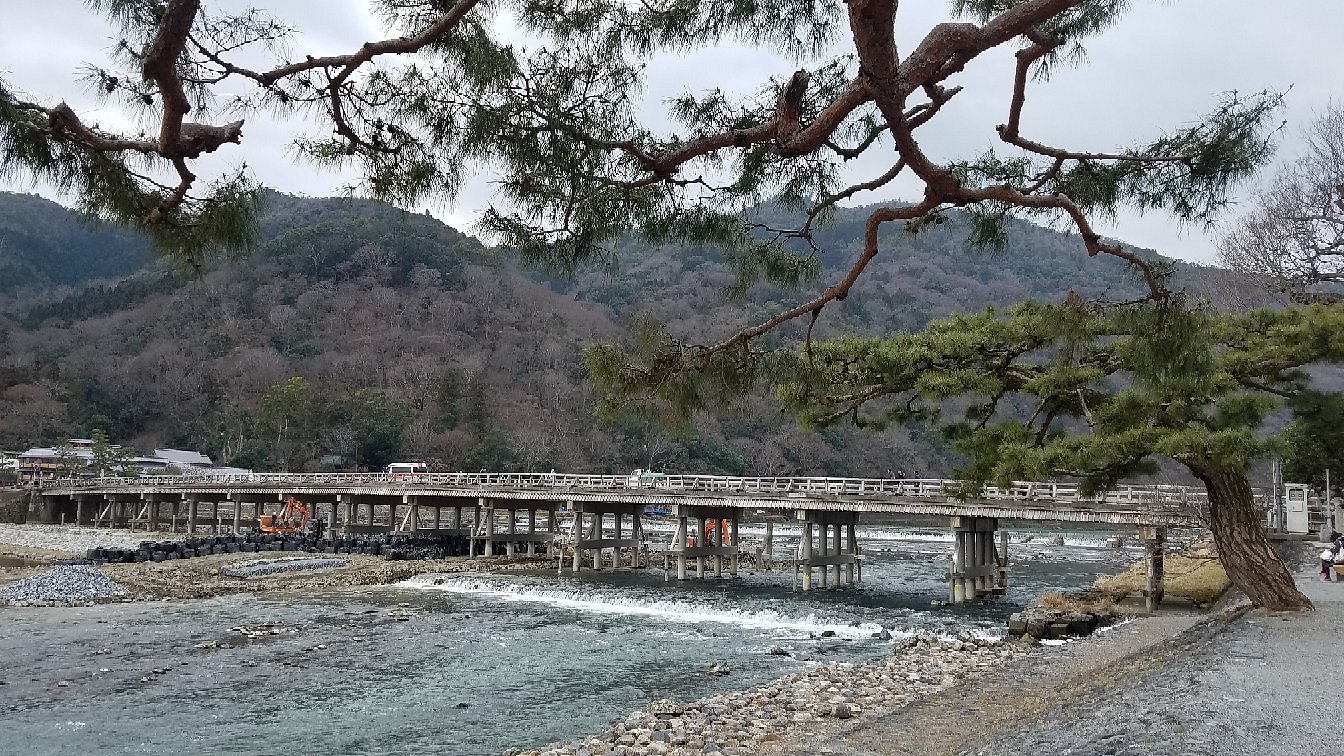
Togetsukyo Bridge spans the Katsura River and is one of Arashiyama’s defining views. The original bridge dates back to 834–848, and the current one was completed in June 1934, designed to blend into the landscape (which it does—quietly, elegantly).
The best part: the scenery changes with the seasons. Cherry blossoms, summer greens, autumn colors—this is Kyoto nature doing its slow, dramatic flex.
Tips:
- It’s reinforced concrete (yes, buses use it), but the side profile is refined enough not to ruin the traditional scene.
- Even in midsummer, the shade and river breeze make it bearable—and pleasant.
Togetsukyo Bridge essentials
- Address: Saga Nakanoshimacho, Ukyo Ward, Kyoto
- Fee: Free
- Access:
- Train: ~2 min walk from Randen Arashiyama Station, ~8 min walk from Hankyu Arashiyama Station
- Car: ~20 min from Kutsukake IC (Kyoto Jukan Expressway)
- Parking: None
[Ukyo Ward, Kyoto City] Sagano Scenic Train (Sagano Torokko)
The “bicycle-speed” trolley ride through the Hozu River valley
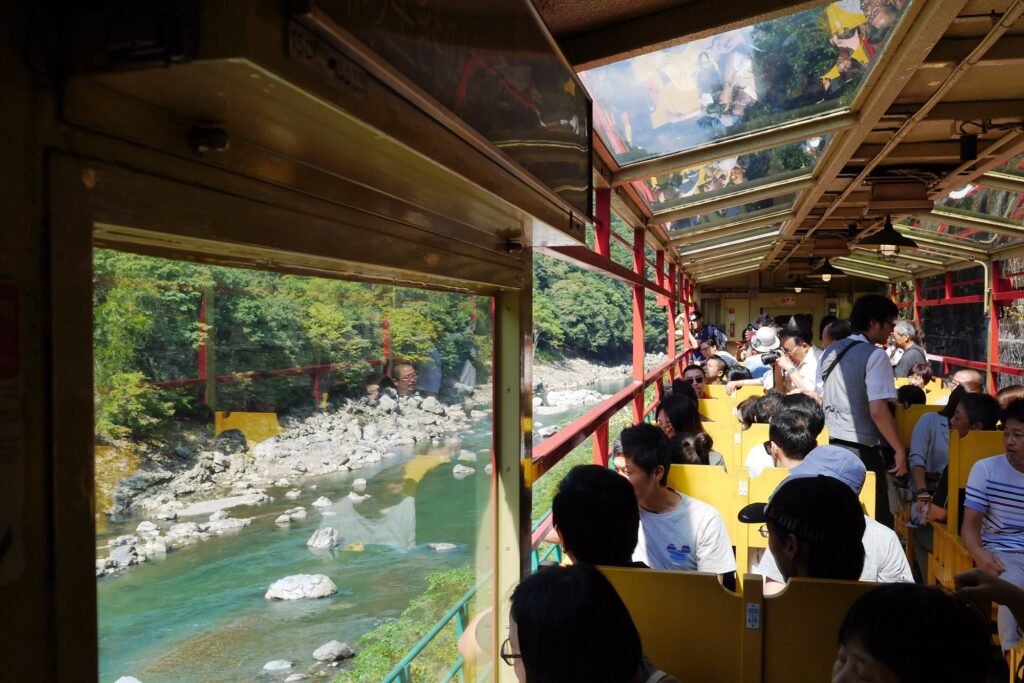
Sagano Romantic Train is a sightseeing train that rumbles along the Hozu River for about 7.3 km one-way, from Torokko Saga Station to Torokko Kameoka Station, using a former San’in Main Line section. The speed is famously chill—closer to a bicycle than a bullet train—so you actually have time to stare out the window and say things like, “Wait, is that real?
Seasonal highlights are the whole point: cherry blossoms in spring, river coolness in summer, autumn leaf explosions, occasional winter snow scenes. If you’re doing a couple’s day, it’s one of those easy shared experiences that feels bigger than it is.
Tips:
- Evening rides can be chilly but beautiful.
- During autumn foliage season, reservations are smart—daytime sells out, and night illumination rides become the backup plan (still fun, especially with an enthusiastic conductor).
Sagano Scenic Train essentials
- Address: Saga Tenryuji Road Town, Ukyo Ward, Kyoto
- Operating schedule: Varies (check official site)
- Fare (one-way): Adults 880 yen, Children (6–12) 440 yen
- Access:
- Train: Torokko Saga Station is ~1 min walk from JR Saga-Arashiyama Station
- Car: ~25 min from Kutsukake IC (Kyoto Jukan Expressway)
- Parking: None
[Nakagyo Ward, Kyoto City] Kyoto International Manga Museum
300,000 manga items and a 200-meter “Wall of Manga”
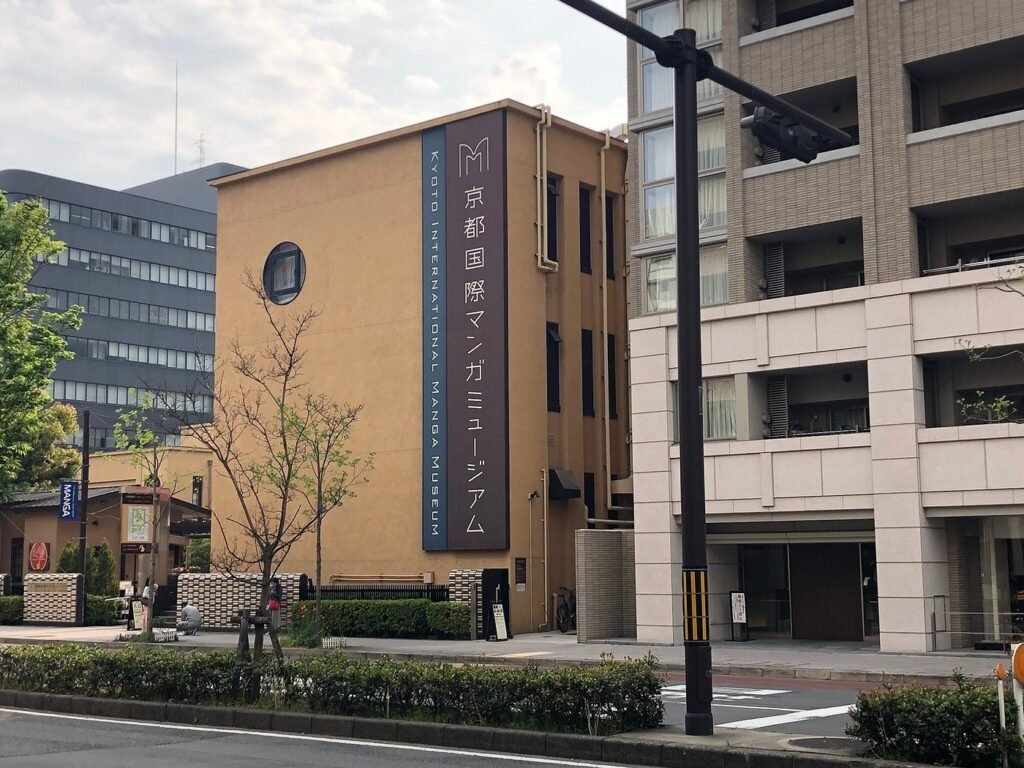
If you love manga—or you’re traveling with someone who does—this place is a no-brainer. It’s a museum-library hybrid with around 300,000 items, from modern Japanese manga to historical materials spanning Edo to Meiji, plus magazines and works from around the world.
The showstopper is the “Wall of Manga”: a 200-meter-long shelf line holding around 50,000 volumes. Also: the building itself used to be a Showa-era elementary school, so the vibe is nostalgic in a way that hits even if you’re not a manga superfan.
Tips:
- Great for kids and adults: huge variety, including nostalgic titles for grown-ups.
- Perfect rainy-day plan: cool, cozy, beautiful building, and there’s a café to reset.
Kyoto International Manga Museum essentials
- Address: Karasuma-dori Oikeagaru, Nakagyo Ward, Kyoto (former Tatsuike Elementary School)
- Hours: 10:30–17:30 (last entry 17:00)
- Closed: Wednesdays (or next day if holiday), New Year holidays, maintenance periods
- Tickets: Adults 900 yen, Junior & high school 400 yen, Elementary 200 yen
- Access:
- Train: ~2 min walk from Karasuma-Oike Station (Kyoto Subway)
- Car: ~25 min from Kyoto Higashi IC (Meishin Expressway)
- Parking: None
[Nishikyo Ward, Kyoto City] Suzumushi Temple (Kegon Temple, Mt. Myotoku)
Bell crickets all year + one wish granted (allegedly, but we’re listening)
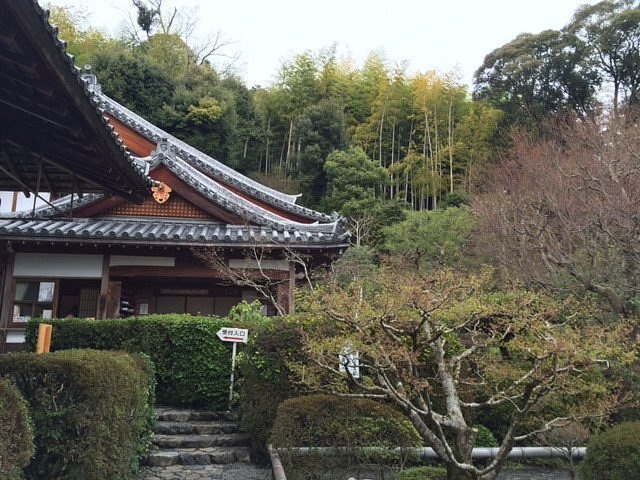
Suzumushi Temple is beloved for one delightfully specific reason: you can hear bell crickets all year round, which is oddly soothing, especially in a city that can be sensory overload. Officially it’s Myotokusan Kegonji, and it’s known for love and matchmaking—aka: classic date energy.
The star is the straw-sandal-wearing Jizo of Happiness, said to grant one wish. There’s also a whole etiquette flow: you listen to the priest’s sermon, buy a yellow charm (500 yen), and then make your request. (Yes, there’s a process. Kyoto likes a process.)
Review vibes :
- First-timers often leave relaxed—sermon, sweets, and a calm mood.
- The priest’s talk can hit unexpectedly deep, like “wow, I should’ve come here younger.”
Suzumushi Temple essentials
- Address: 31 Matsumurochiyacho, Nishikyo Ward, Kyoto
- Hours: 9:00–17:00 (last entry 16:30)
- Closed: None
- Tickets: Adults 500 yen, ages 4 to junior high 300 yen (tea and snacks included)
- Access:
- Train: ~15 min walk from Matsuo Station (Hankyu)
- Car: ~20 min from Kyoto Higashi IC (Meishin Expressway)
- Parking: Yes — 500 yen
[Kita Ward, Kyoto City] Kyoto Prefectural Domoto Insho Museum of Art
The building is the art (and the art is also the art)
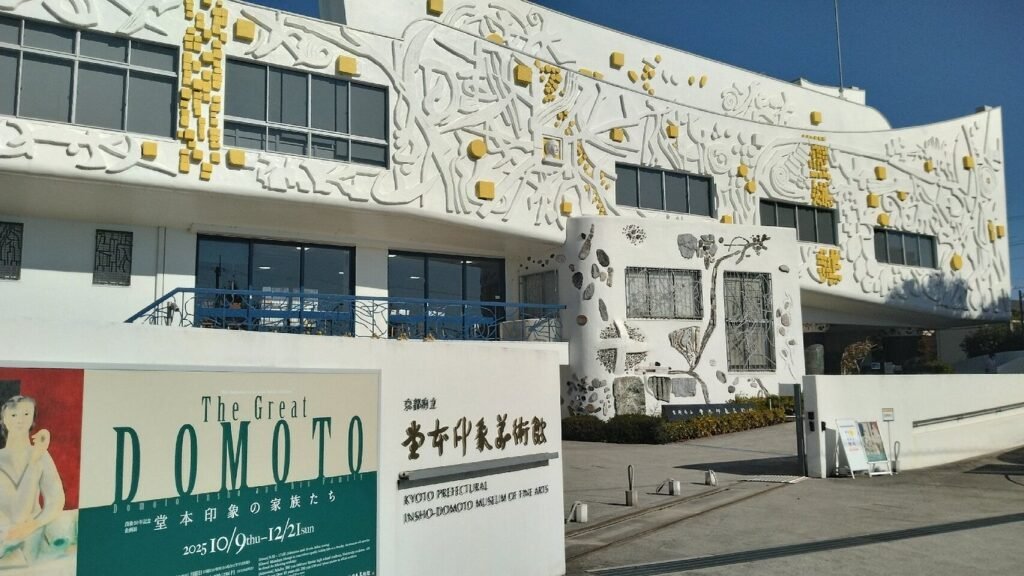
This museum is dedicated to Domoto Insho, a Kyoto-based painter active from Taisho through Showa. He founded it in 1966, and it opened the following year—so it’s not just a museum about him; it’s a museum he basically designed as a total work.
The exterior patterns catch your eye immediately, and inside, details like doors, lighting, and signage are all considered. Even if you’re casually into art, it’s the kind of place where you keep pointing at corners going, “Okay, that’s cool.”
There’s also a shop with exhibition-exclusive items—solid for souvenirs that feel more “Kyoto culture” than “mass-produced.”
Domoto Insho Museum essentials
- Address: 26-3 Hirano Kamiyanagicho, Kita-ku, Kyoto
- Hours: 9:30–17:00 (last entry 16:30)
- Closed: Mondays (or next weekday if holiday), Dec 28–Jan 4, and exhibition changeover periods
- Tickets: Adults 510 yen, University 400 yen, High school 400 yen, Elementary & junior high 200 yen
- Access:
- Bus: ~40 min from JR Kyoto Station; get off near Ritsumeikan University and walk shortly
- Car: ~30 min from Kyoto Minami IC (Meishin Expressway)
- Parking: None
[Miyazu City] Amanohashidate
“Bridge to Heaven” + the leg-peek viewpoint (yes, do it)
![[Miyazu City] Amanohashidate](https://tokyocandies.com/wp-content/uploads/2026/01/photo8jpg-1-1024x768.jpg "Romantic Things to Do in Kyoto in 2026: 25 Dreamy Date Ideas (Hidden Gems + Classics) 27")
Amanohashidate is one of Japan’s “Three Scenic Views,” and it’s a sandbar in Miyazu Bay covered with about 6,700 pine trees—roughly 3.6 km long and 20–170 m wide. From above, it looks like a bridge stretching across the sea… hence the name.
The famous ritual is matanozoki: stand with your back to the view and look between your legs. The world flips, the sandbar becomes a sky-bridge, and you suddenly understand why people do silly things on vacation.
There are multiple viewing spots: Kasamatsu Observatory, Amanohashidate View Land, Sesshukan Observatory, and more. If you want to experience it on the ground too, rent a bicycle, walk partway, or mix it up with a ferry return (a solid “we’re doing this properly” day trip).
Vibes :
- People are surprised you can actually walk it; cycling one way and ferrying back is a favorite combo.
- Exploring at your own pace—stopping at the shrine, checking named pine trees—makes it feel more personal than a quick viewpoint photo.
Amanohashidate essentials
- Address: Monju (Amanohashidate Park), Miyazu City, Kyoto Prefecture
- Fee: Free
- Access:
- Train: ~10 min walk from Amanohashidate Station (Kyoto Tango Railway)
- Car: ~10 min from Miyazu Amanohashidate IC (Kyoto Jukan Expressway) or Yosa Amanohashidate IC (San’in Kinki Expressway)
- Parking: Yes (fees vary by lot; check official info)
[Yosa County] Ine Boathouses (Ine no Funaya)
A fishing village where the houses look like they’re floating
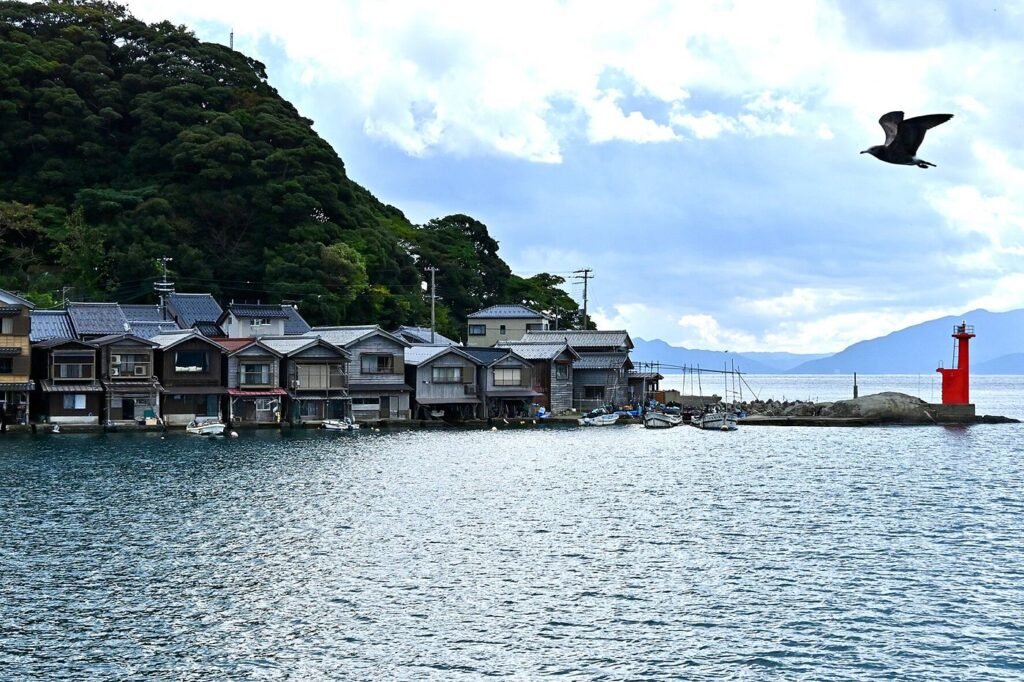
Ine Bay is a rare south-facing natural harbor on the Sea of Japan coast, and it’s lined with funaya—boathouses that make the shoreline look like it’s hovering over water. The district was designated an Important Preservation District in 2005, and the architecture is wonderfully practical: boat garage below, living space above.
Some funaya operate as private inns, so you can actually stay overnight listening to waves and pretending you’ve retired into a slow-life novel. It’s a bit far from central Kyoto, but that’s the point: this is the “we escaped the crowds” day.
Review vibes :
- Visitors love wandering at a relaxed pace; tourist info staff are helpful, and free bicycle rentals are a nice bonus.
- People describe it as “traditional Japan you want to show everyone,” and honestly, they’re not wrong.
Ine Boathouses essentials
- Address: Ine Town, Yosa District, Kyoto Prefecture
- Fee: Free to wander
- Access:
- Bus: ~60 min by Tankai Bus from Amanohashidate Station; get off at Ine, short walk
- Car: ~30 min from Yosa Amanohashidate IC (San’in Kinki Expressway)
- Parking: Yes (prices vary by lot; check official info)
- 14 Best Day Trips From Kyoto: Hot Springs, Castles, Lakes and Easy Escapes
- What to Do in Gion Kyoto in 2026: Beautiful Streets, Shrines and Local Experiences

- Where To Eat In Kyoto (2026): 20 Famous Restaurants Perfect for Lunch or Dinner
- Best Bars In Kyoto (2026): 11 Sensational Spots to Experience
- What To Do in Kyoto (2026): Best Things to Do, Itinerary & Visiting Tips
