
I spill travel tips , and show you the Japan that tourists usually miss.
Japan is packed with sweets that have been around for centuries, slowly evolving into the gorgeous little treats we snack on today. In this guide, we’ll walk you through the wild and wonderful world of best Japanese candies—from old-school artisanal gems to modern konbini favorites—and show you exactly where you can track them down on your next trip to Japan.
Planning more sweet, snacky Japan shopping? Read these next
Table of Contents
Japanese sweets are available everywhere
Buy easily at convenience stores

Japanese convenience stores (konbini) are often open 24/7, so you can satisfy a sweet craving at any time of day or night. Shelves are packed with everything from chips and chocolates to wagashi (traditional Japanese sweets) and seasonal treats. You’ll also find snacks that are available only for a limited time or in specific regions, which makes hunting for them especially fun. Many products come in individual portions, perfect for snacking on the go or enjoying quietly back at your hotel.
Souvenir shops in train stations and airports
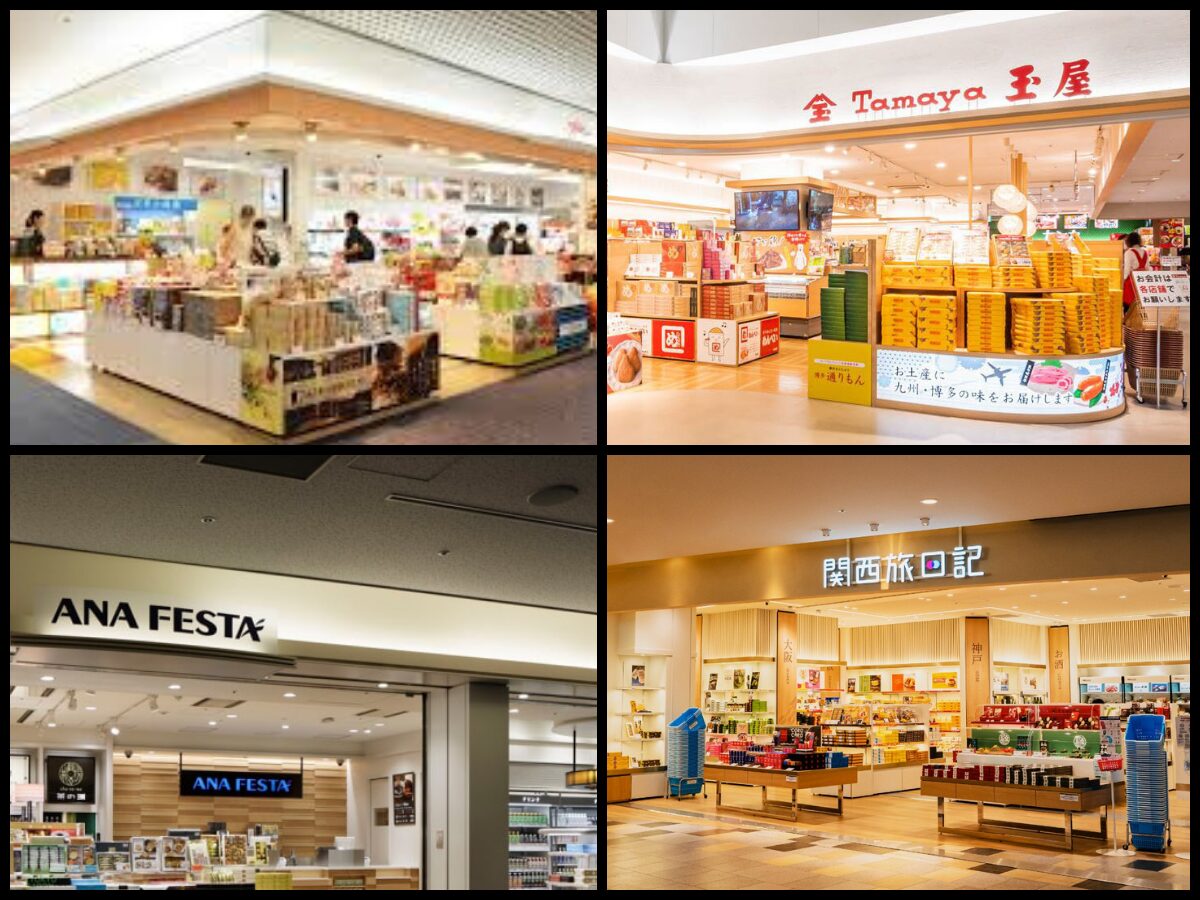
Train stations and airports are full of beautifully packaged food souvenirs, with a huge variety of regional sweets and limited-edition boxes. At major shinkansen stations, you’ll see snacks inspired by local specialties, while airports stock elegant Japanese pastries and popular matcha treats. These shops are ideal for picking up tasty gifts before you travel. In big cities like Tokyo and Osaka, you’ll even find products sold only at certain stations or terminals, making them extra special as souvenirs.
Fill up your tank at the supermarkets

If you want to buy Japanese sweets at good prices, supermarkets are your best ally. You’ll find them all over the country, with shelves full of both classic national brands and local specialties.
Prices are usually lower than in convenience stores, which is ideal if you’re planning to stock up. Larger supermarkets often sell family-size packs and run regular promotions, perfect for travelers who want to buy in bulk and bring home plenty of sweet souvenirs.
11 best Japanese sweet treats
Alfort
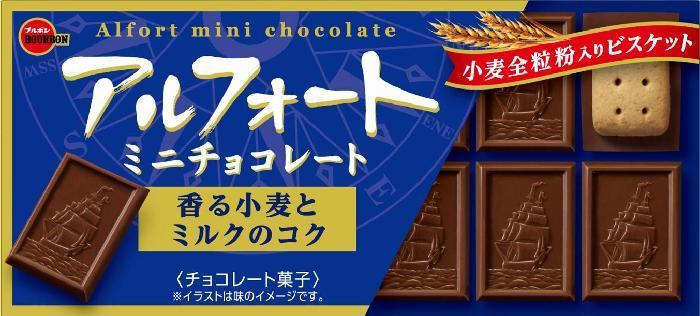
Alfort is a beloved Japanese sweet that pairs a crisp whole-wheat biscuit with a smooth layer of chocolate. The contrast between the crunchy base and the melt-in-your-mouth chocolate makes it a snack many people never get tired of.
The chocolate is stamped with a tiny sailboat, giving each piece a charming, refined look. Available in flavors such as milk, dark, and white chocolate, Alfort has a gentle, elegant sweetness that feels very “Japanese.”
Each biscuit is individually wrapped, making it perfect as a small gift, to share, or to enjoy one by one whenever you feel like a treat. Its simple, comforting taste makes it a safe bet for any snack lover.
Kit Kat
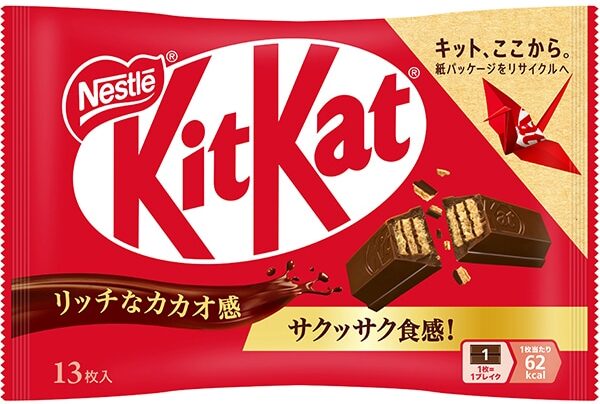
Kit Kat may be famous worldwide, but in Japan it truly stands out thanks to its incredible variety of exclusive flavors. Alongside the classic milk chocolate, you’ll find matcha, houjicha, cherry blossom, strawberry, and many other flavors inspired by Japanese ingredients and regions.
The name “Kit Kat” also echoes the Japanese phrase “kitto katsu” (きっと勝つ), meaning “sure to win,” so these chocolates are often given as good luck charms to students during exam season.
With countless regional and limited editions, Kit Kats make excellent souvenirs. The balance between crunchy wafer and chocolate coating is always satisfying, making them almost impossible to resist.
Pocky
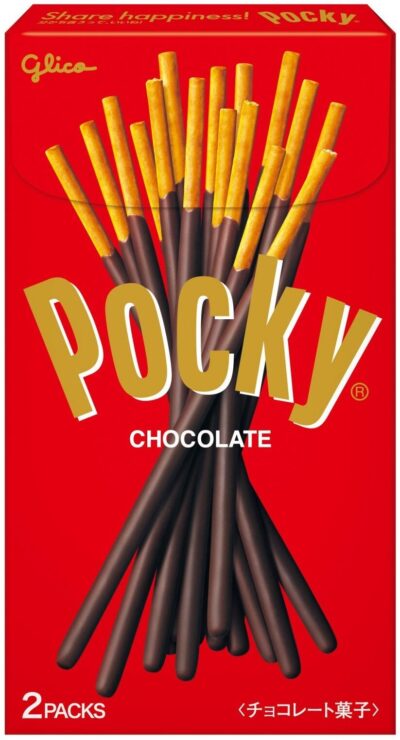
Pocky is a thin, crispy biscuit stick coated in chocolate—simple to look at, but surprisingly addictive. Its long shape makes it easy to eat without getting your fingers dirty, which is part of its charm.
Beyond the classic milk chocolate, you’ll find matcha, strawberry, almond-crunch, and many other flavors. New limited editions appear every season, so there’s always something fresh to try.
Japan even celebrates “Pocky Day” on November 11th, a sign of how popular it is. It’s the perfect snack to share with friends or family, and it fits almost any occasion.
Chocoball
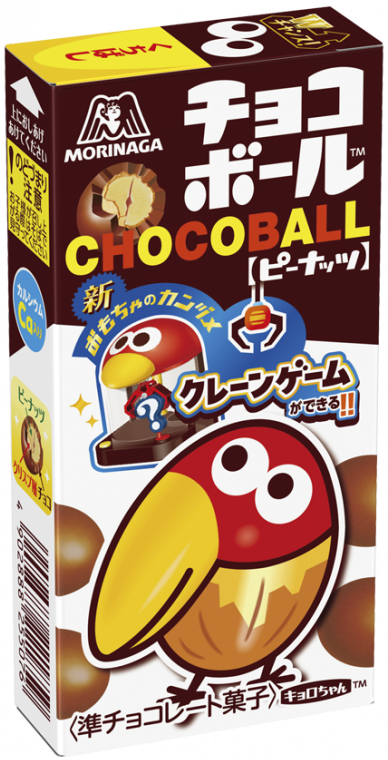
Chocoball is a bite-size Japanese sweet made of small chocolate-coated balls with a crunchy caramel or peanut center. One of its fun features is the built-in lottery: if you find a gold or silver angel on the package, you can win a surprise box called “Omocha no Kanzume”.
The mix of sweetness, crunch, and chocolate makes Chocoball hard to put down. Its mascot, “Kyoro-chan”, is also very famous and instantly recognizable to fans of Japanese snacks.
Country Ma’am

Country Ma’am is a soft cookie that has become a staple in Japan. It has a slightly crisp exterior and a moist, chewy center, giving it a “fresh from the oven” feel.
Classic flavors include vanilla and cocoa, but there are countless seasonal and limited editions throughout the year, so you can always discover something new.
One of the best ways to enjoy Country Ma’am is to warm it briefly in the oven or microwave to bring out a just-baked texture. Individually wrapped and easy to carry, these cookies make great gifts and are loved for their gentle, comforting sweetness.
Kinoko no Yama / Takenoko no Sato
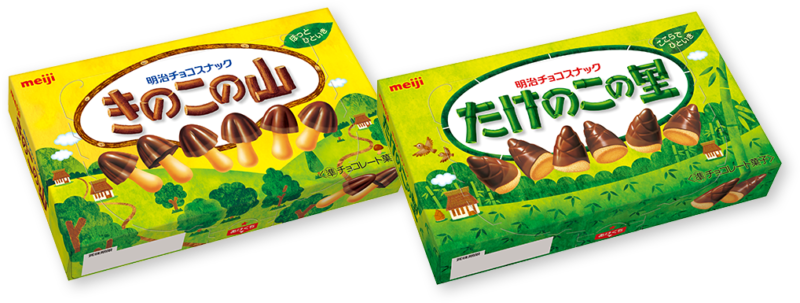
Kinoko no Yama and Takenoko no Sato are two legendary Japanese chocolates, famous for the ongoing rivalry between their fans—the Kinoko vs. Takenoko debate.
Kinoko no Yama features a light biscuit “stem” topped with a thick chocolate “mushroom cap.”
Takenoko no Sato has a more crumbly, cookie-like base with chocolate integrated into the biscuit for a richer, more indulgent bite.
Both are extremely popular, and comparing them is almost a game in itself in Japan. Try both and decide which team you’re on!
Black Thunder
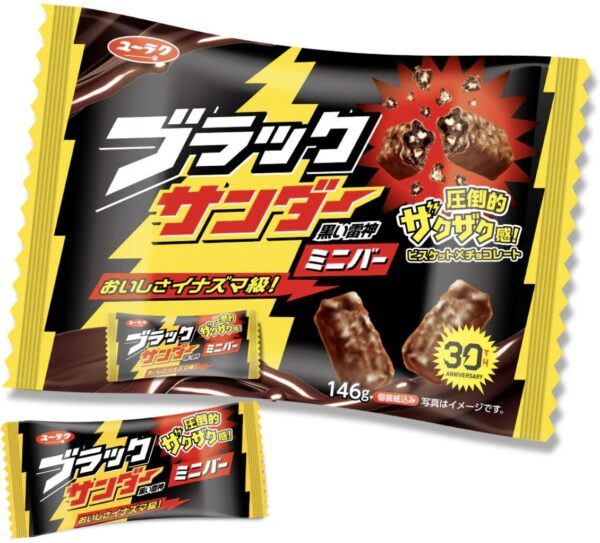
Black Thunder is a hugely popular Japanese chocolate bar known for its bold flavor and crunchy texture. It combines cocoa biscuits and cereal pieces coated in chocolate, delivering both crunch and melt-in-your-mouth richness.
Its slogan, “A thunderous taste of delight”, perfectly sums up the powerful flavor you get from the first bite.
Inexpensive and available in almost every convenience store, Black Thunder is a go-to chocolate bar in Japan. There are also many limited editions with regional ingredients, which keeps collectors and snack lovers constantly on the lookout for new versions.
Shimi Choco
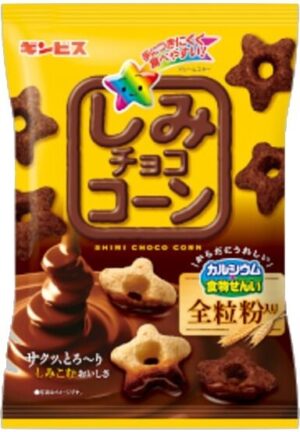
Shimi Choco is a light, puffed snack that has been thoroughly infused with chocolate. At first glance it looks simple, but each bite slowly releases a rich chocolate flavor while still feeling airy and crisp.
This combination of light texture and intense taste makes Shimi Choco surprisingly addictive—you may finish the bag faster than you planned.
Koala no March
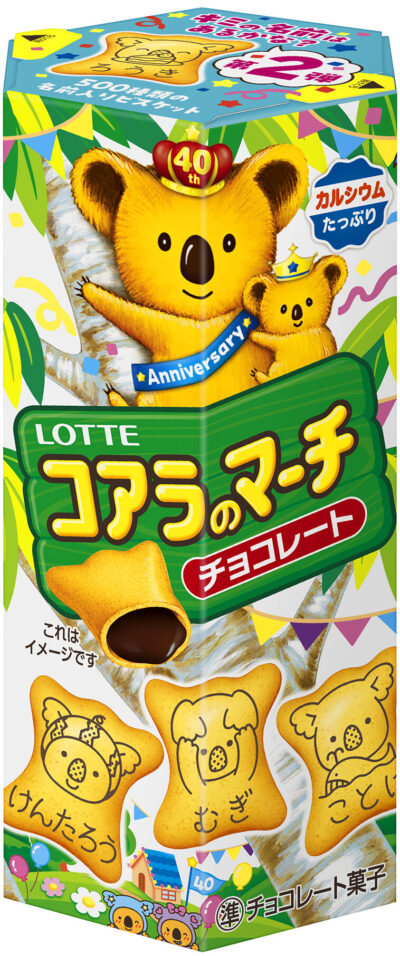
Koala no March is a classic Japanese biscuit snack filled with chocolate. Each small biscuit is printed with a different koala design, and there are hundreds of patterns, including some rare ones that fans love to search for.
Thanks to their bite-sized shape and gentle sweetness, these biscuits appeal to both children and adults. With their colorful packaging and cute designs, they’re perfect as souvenirs and guaranteed to make people smile.
Almond Chocolate Meiji
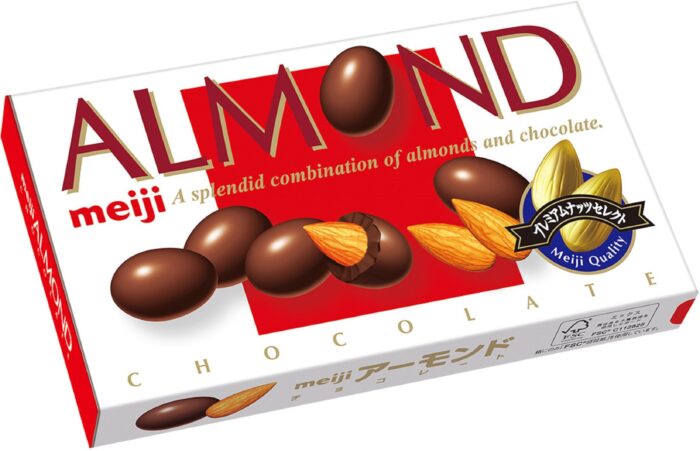
Meiji’s Almond Chocolate is a true standard in Japan. Each carefully selected and roasted almond is coated in a generous layer of smooth, rich chocolate, striking a perfect balance between crunch and creaminess.
The high quality of Meiji chocolate and the aroma of the roasted nuts give every piece a luxurious feel, making this a must-try for chocolate and nut lovers alike.
Pai no Mi
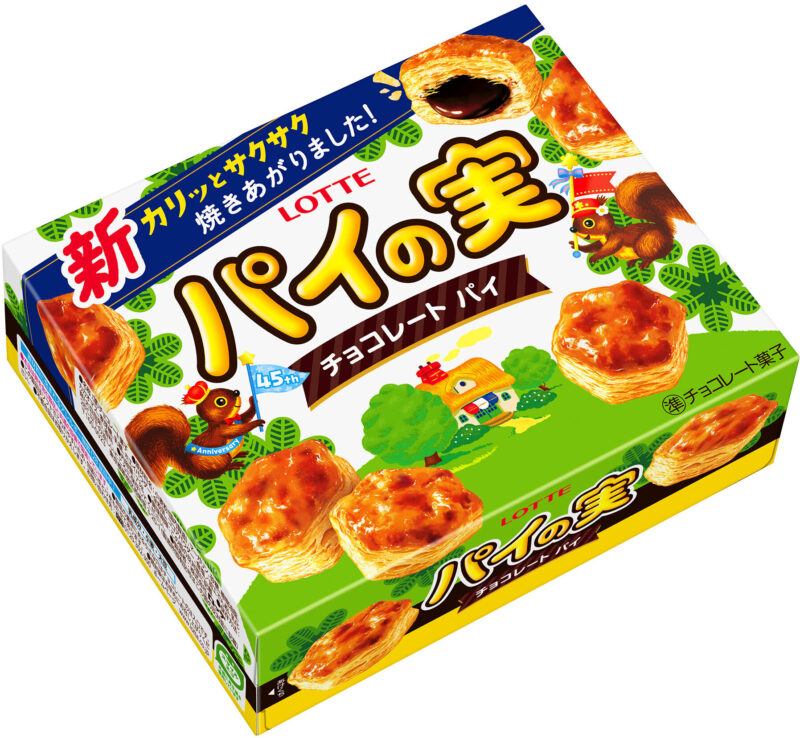
Pai no Mi is a much-loved snack made of mini puff-pastry bites filled with chocolate. Its secret lies in its 64 layers of pastry, which create an airy, flaky texture that contrasts beautifully with the soft chocolate inside.
Because each piece is bite-sized, it’s easy to enjoy as a light snack, especially with tea or coffee.
For an extra treat, you can warm Pai no Mi slightly in the oven to recreate the feeling of a freshly baked chocolate pastry.
7 best Japanese savory snacks
Potato chips
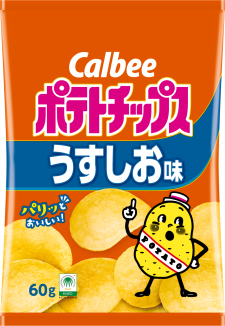
Japanese potato chips come in an amazing range of flavors, from simple salted versions to very original varieties. Popular brands like Calbee and Koikeya offer classics such as light salt, consommé, and nori, as well as limited regional flavors.
Japan is also famous for its more unusual chip flavors, such as wasabi or shiso plum, which are hard to find elsewhere. With their crunchy texture and bold seasoning, these chips are perfect for snacking or pairing with a drink.
Jagariko
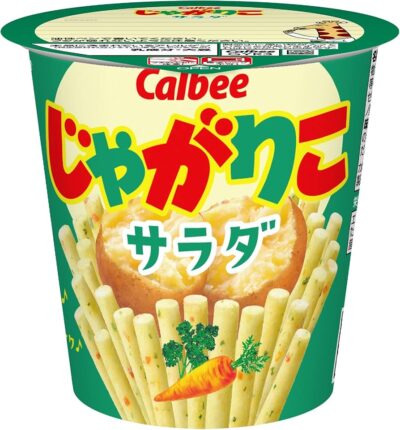
Jagariko is a stick-shaped potato snack, known for its crispy and crunchy texture. Sold in convenient cups, it’s easy to carry and ideal for a quick break on the move.
Flavors like salad, cheese, and potato butter are especially popular and deliver a rich, savory taste that feels very Japanese. Each bite has a strong potato flavor, which is what makes Jagariko so addictive.
Karl
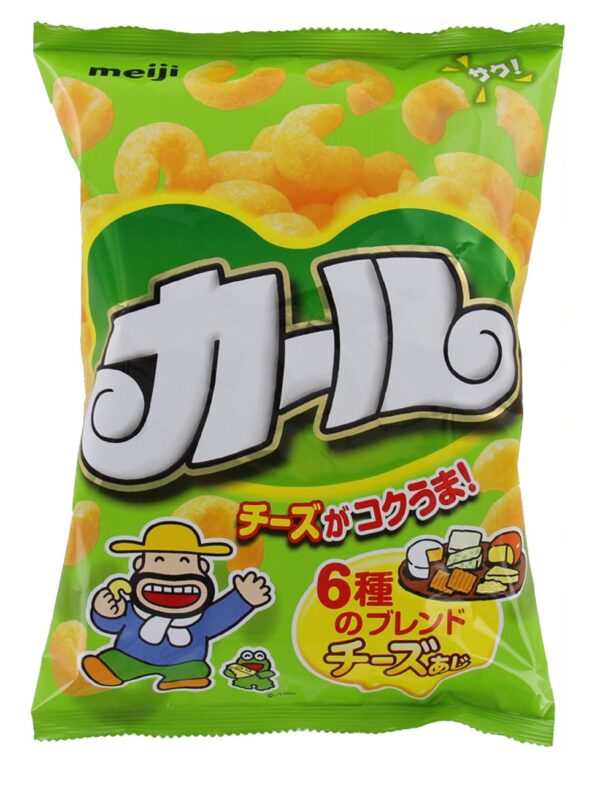
Karl is a light and crunchy corn snack that has long been a favorite in Japan. Its classic flavors, such as cheese and dashi, often remind people of their childhood snacks.
Although it is no longer sold in eastern Japan, Karl remains very popular in the west, where people still enjoy its gentle, comforting taste. Its mascot, “Karl Ojisan”, is also instantly recognizable.
Pretz
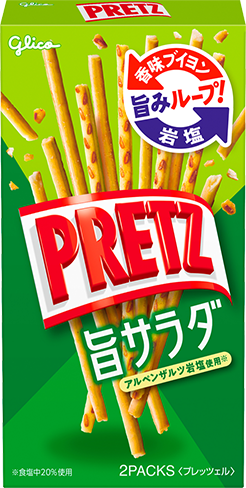
Pretz is a savory biscuit stick that has been loved in Japan for decades. Its crunchy texture and simple, salty taste make it a classic snack you’ll find almost everywhere.
In addition to the classic salad flavor, there are versions with tomato, butter, and chicken teriyaki. Slightly salty and easy to share, Pretz works both as a quick snack and as a casual aperitif. Alongside Pocky, it’s one of Japan’s most iconic stick snacks.
Happy Turn
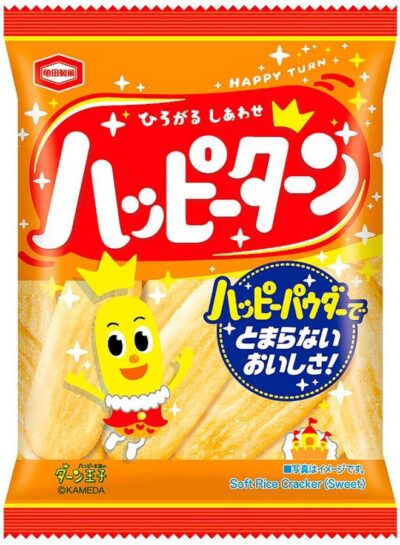
Happy Turn is a rice cracker coated with a fine layer of sweet and salty powder, giving it a unique, addictive flavor that is hard to forget.
Its name comes from the idea that “Happiness Turns,” a positive message introduced in the 1970s. Thanks to its special seasoning and individually wrapped pieces, Happy Turn is perfect as a light snack or as a small souvenir to share.
Umaibo
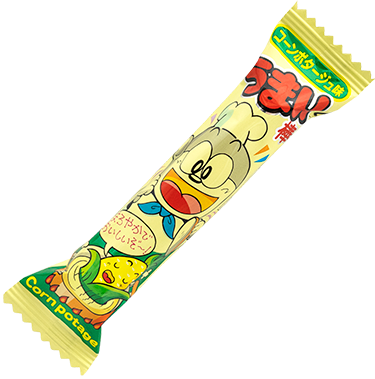
Umaibo is a very cheap, ultra-crispy corn stick that comes in an impressive variety of flavors. Options like cheese, takoyaki, mentaiko, and corn soup turn this simple snack into a fun tasting adventure.
Its low price and colorful packaging, featuring the “Umaemon” character, have made Umaibo a huge hit with both children and adults. It’s a great example of Japan’s love for affordable, playful snacks.
Baby Star Ramen
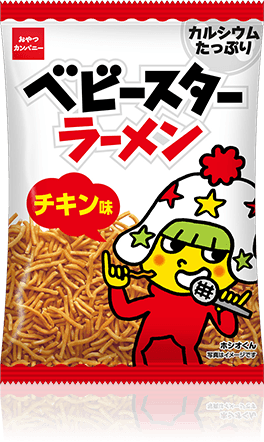
Baby Star Ramen is a crunchy snack made from fried, seasoned ramen noodles. Its strong flavor and crispy texture make it stand out from more “classic” snacks. The most popular version is chicken, but there are several other flavors as well.
Originally, it was created as a way to reuse broken noodles from the production line, but it quickly became a best-seller throughout Japan.
6 best Japanese ice creams
Häagen-Dazs

Although Häagen-Dazs is known worldwide, Japan offers many exclusive flavors. In addition to the global classics, you’ll find distinctly Japanese options such as matcha, houjicha latte, and purple sweet potato.
Its rich taste and silky texture make it a premium ice cream, yet it’s easy to find in supermarkets and convenience stores across the country.
Parm ice creams
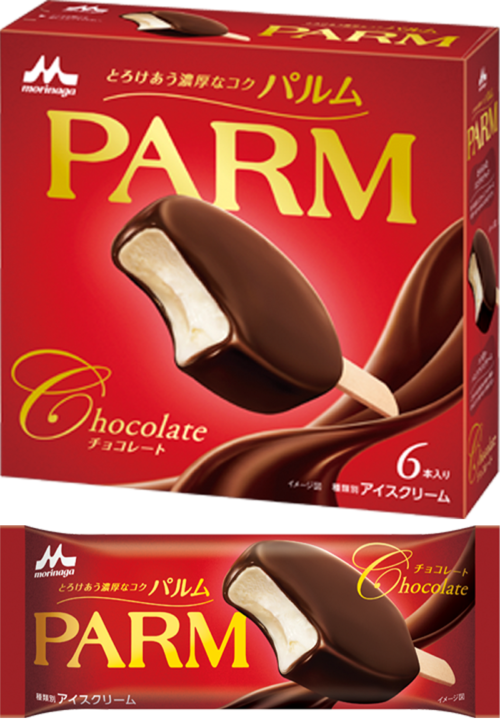
Parm is an ice cream bar coated with a thick, smooth layer of chocolate. Unlike many classic chocolate-coated bars, its shell doesn’t crack sharply when you bite into it; instead, the chocolate melts gently in your mouth, creating a luxurious sensation.
Available in flavors like milk chocolate, matcha, and strawberry, this ice cream is especially popular with those who enjoy sophisticated sweets. It’s easy to eat and offers intense flavor with a velvety texture.
Super Cup Meiji
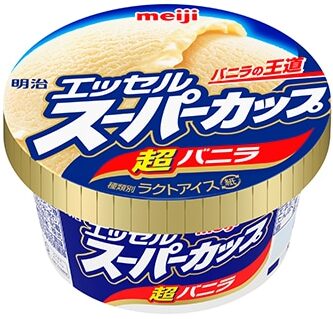
Super Cup is a generously sized ice cream tub known for offering great value. Popular flavors include vanilla, cookies and chocolate, and matcha, among many others.
Its smooth texture and well-balanced sweetness make it suitable for both children and adults. The tub format means you can enjoy it slowly, a little at a time, or share it with family and friends.
Gari Gari Kun
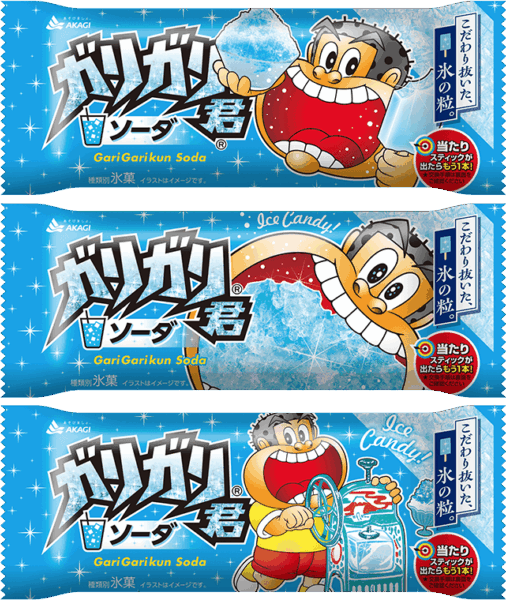
Gari Gari Kun is a refreshing, crunchy ice pop that has become a symbol of Japanese summers. The outer layer is firm, while the inside has a granita-like texture that delivers a strong cooling effect.
The classic soda flavor is the most popular, but there are also cola, pear, and grapefruit versions. Limited editions regularly appear with surprising flavors such as corn soup or stew, which often create a buzz and lots of curiosity.
Mona Ou
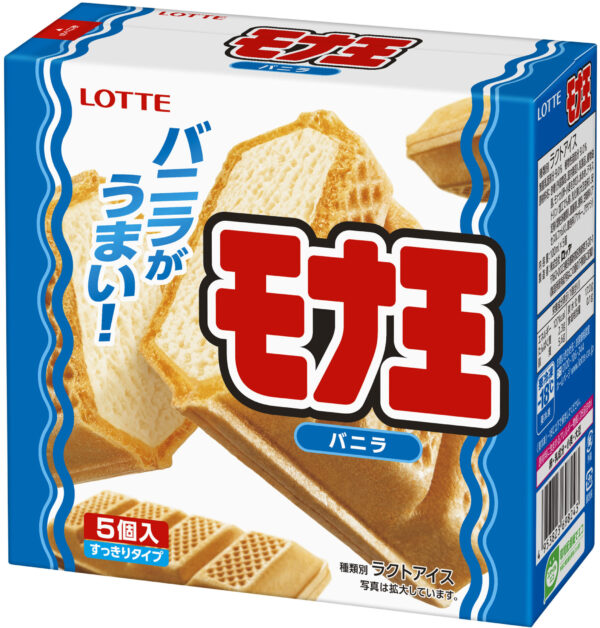
Mona Ou is an ice cream that draws on Japanese tradition, wrapped in a thin monaka wafer shell. Its creamy center and gentle sweetness create a pleasant balance between richness and lightness.
The classic vanilla is the most common, but you can also find matcha and chocolate versions. Not too sweet and easy to eat, Mona Ou is perfect for a simple, satisfying dessert.
Gatsun to Mikan
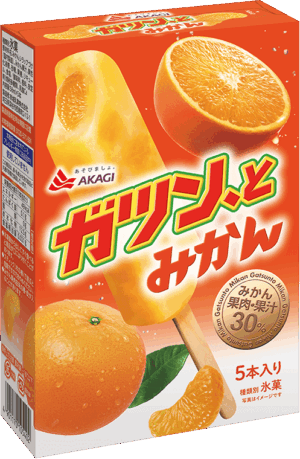
Gatsun to Mikan is a fruity, refreshing ice pop that contains real mandarin orange pieces. Its vivid, natural flavor is reminiscent of freshly squeezed mikan juice.
The slightly grainy texture and balance between sweetness and acidity make it especially enjoyable on hot days or after a hot bath.
5 best Japanese jelly candies and jelly desserts
Kajū Gumi
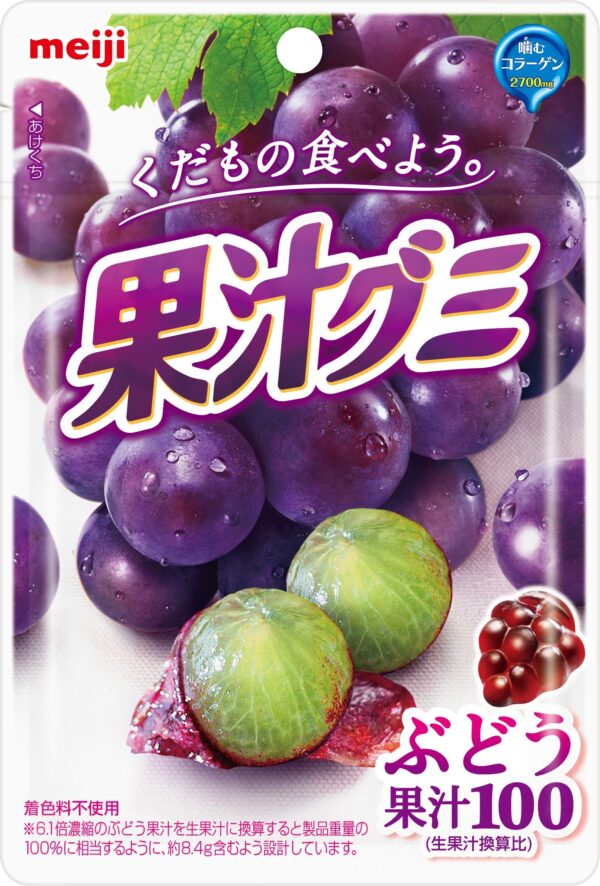
Kajū Gumi is a series of gummy candies designed to capture the full flavor of real fruit. Their soft, bouncy texture and natural sweetness make them feel close to eating fresh fruit pieces.
They come in grape, apple, muscat, and many other flavors, often made with a high percentage of fruit juice for an intense taste. The resealable pouches are handy for snacking on the go.
Kororo
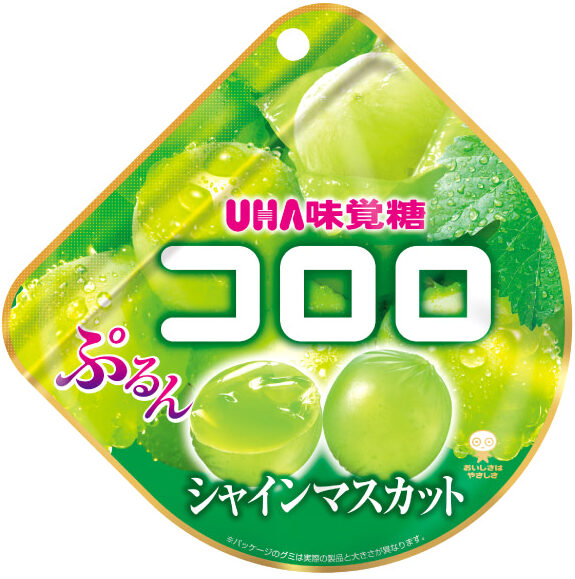
Kororo is a unique Japanese gummy candy famous for its innovative texture. A slightly elastic outer layer surrounds a juicy, soft center, giving a sensation close to biting into a real piece of fruit.
Grape, muscat, and peach are especially popular flavors, offering a rich and natural taste. Each bite feels like a mini fresh fruit experience, which is why Kororo stands out among Japanese gummies.
Hi-Chew
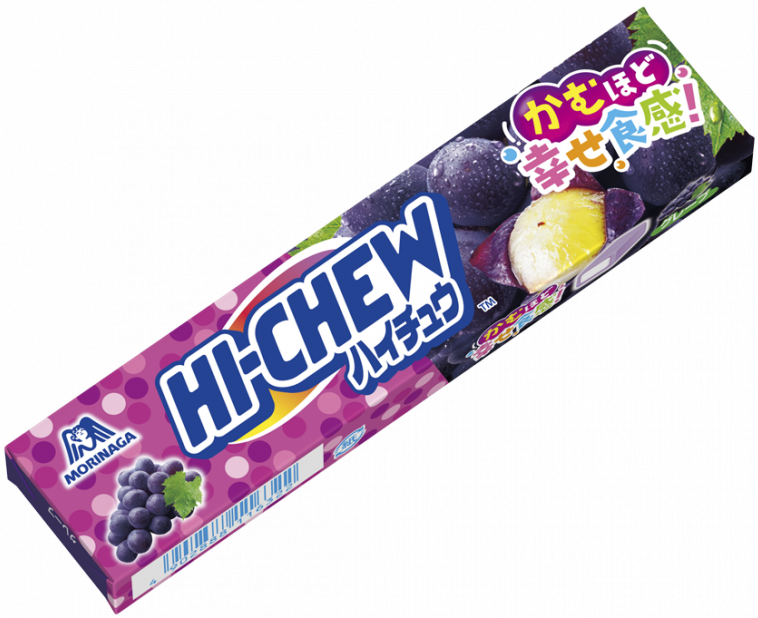
Hi-Chew is one of Japan’s most iconic candies, famous for its soft, slightly chewy texture. As it slowly melts in your mouth, it releases a strong, fruity flavor.
Classic flavors include grape, strawberry, and green apple, but there are always limited and regional varieties on the market. Hi-Chew is extremely popular in Japan and has also gained a big following overseas, especially in the United States and other parts of Asia.
Konjac jelly
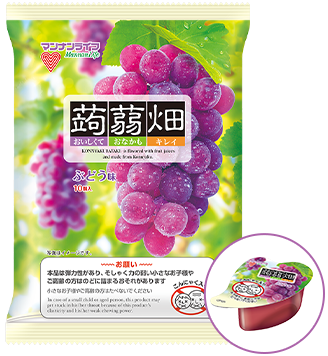
Konjac jelly is a distinctive Japanese sweet known for its firm, elastic texture. Made from konjac, a plant rich in dietary fiber, it’s often seen as a lighter alternative to standard jelly desserts.
Available in flavors such as grape, apple, and mango, it combines gentle sweetness with a refreshing feel. Individual portions are easy to carry, making konjac jelly a convenient choice for a light, cooling snack.
Putchin Purin
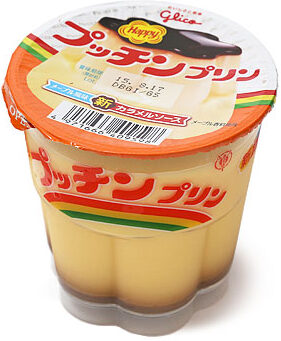
Putchin Purin is a cult Japanese custard flan, loved for its creamy texture and slightly bitter caramel sauce. One of its charms is the unique way you unmold it: break the tab at the bottom of the cup and the flan slides cleanly onto a plate.
The balance between the sweetness of the custard and the depth of the caramel makes it an irresistible dessert, easily found in supermarkets and convenience stores.
5 best Japanese candies and lozenges
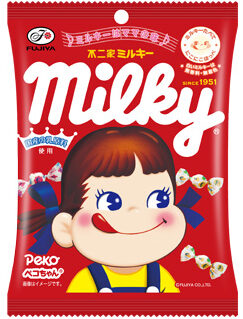
Milky is an iconic candy produced by Fujiya, cherished for its sweet, creamy flavor reminiscent of condensed milk. It’s a nostalgic treat that has been enjoyed by generations in Japan.
The packaging features the famous mascot “Peko-chan”, with her playful, mischievous expression. With its smooth, melt-in-the-mouth texture and comforting taste, Milky remains a true classic of Japanese confectionery.
Morinaga Caramel
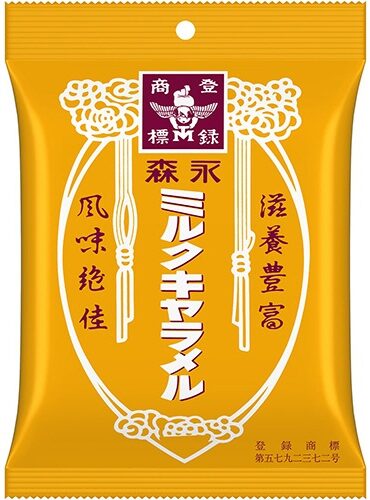
Morinaga caramels have been around for more than 100 years and are among Japan’s most iconic sweets. Their soft texture and mild sweetness with a faintly bitter note create a gentle, nostalgic flavor.
Sold in retro-style boxes with each caramel individually wrapped, they’re easy to slip into a bag or pocket so you can enjoy one whenever you need a little pick-me-up.
Ramune
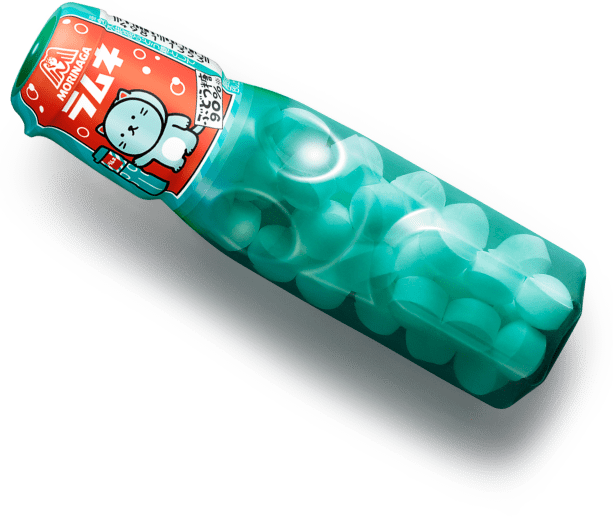
Ramune lozenges are known for their light, fizzy texture and refreshing taste. Inspired by the classic Japanese lemonade “Ramune,” they dissolve gently in the mouth, releasing a pleasant, sparkling sensation.
Morinaga’s Ramune tablets, which are rich in glucose, are especially popular among students and office workers looking for a quick energy boost. Their bottle-shaped packaging is practical and easy to carry around.
Frisk
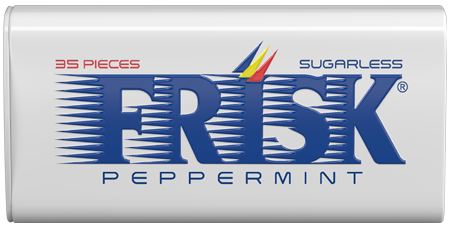
Frisk is an extremely popular mint tablet in Japan. Tiny but powerful, each piece delivers a sharp burst of freshness in seconds.
Available in peppermint, spearmint, lemon-mint, and other flavors, Frisk is perfect for a quick refresh during the day. The “Extra Mint” version is particularly strong and gives an instant wake-up effect.
Mintia
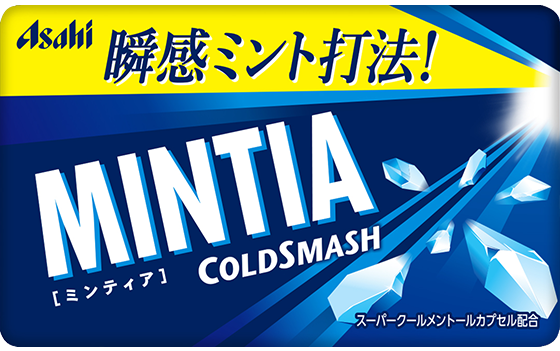
Mintia is another hugely popular Japanese mint, offering a slightly milder cooling sensation than Frisk and very small, light tablets. The range covers everything from classic fresh mint to more unusual flavors like grape, peach, and plum.
Their ultra-thin cases are easy to slip into any pocket or bag, making Mintia a convenient companion whenever you want fresh breath.
6 traditional Japanese pastries
Daifuku
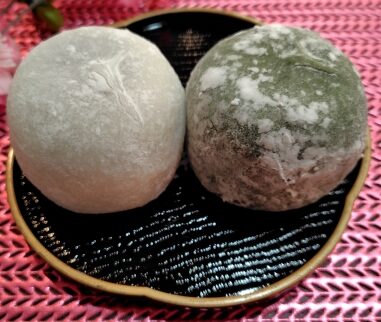
Daifuku is a traditional Japanese sweet made of a soft mochi shell filled with sweet red bean paste (anko). Besides the classic versions with koshi-an (smooth paste) and tsubu-an (with bean pieces), there are modern versions flavored with matcha, chestnut, and even sour cream.
Its tender texture and delicate sweetness pair perfectly with a cup of tea. Because each piece is small enough to eat in one or two bites, daifuku offers an easy, authentic taste of Japanese wagashi.
Warabi Mochi
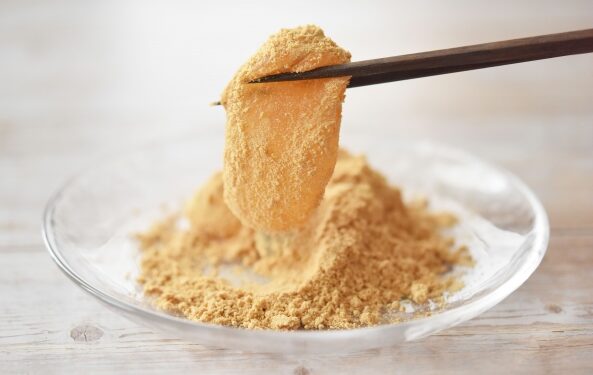
Warabi Mochi is a traditional treat with a translucent look and a unique texture that is both soft and jelly-like. Made from warabi fern starch, it is typically dusted with kinako (roasted soybean flour) and drizzled with kuromitsu (dark sugar syrup).
Its delicate sweetness and melt-in-the-mouth feel make it a refined dessert, especially appreciated by fans of classic Japanese wagashi.
Dorayaki
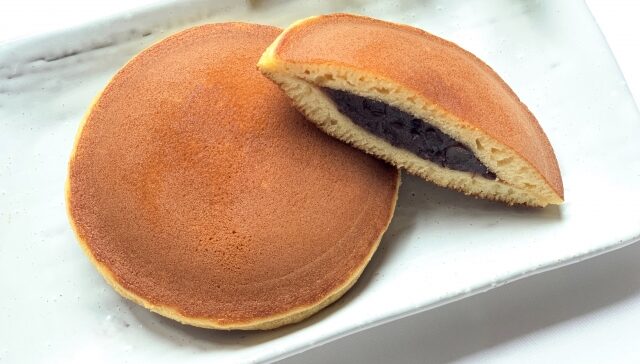
Dorayaki is a popular dessert made of two fluffy pancakes sandwiched around sweet red bean paste. Its soft texture and gentle sweetness make it a very comforting snack.
Today, you can also find creative versions filled with matcha cream, whipped cream, or chocolate. Easy to pack and carry, dorayaki also works well as a souvenir from Japan.
Manjū

Manjū is a small steamed cake filled with sweet red bean paste. There are many regional varieties, including “onsen manjū”, a specialty of hot spring towns that often features a rich brown sugar flavor.
Other versions may be filled with matcha, sweet potato, or custard cream. Their subtle sweetness and soft texture are typical of Japanese desserts.
Senbei
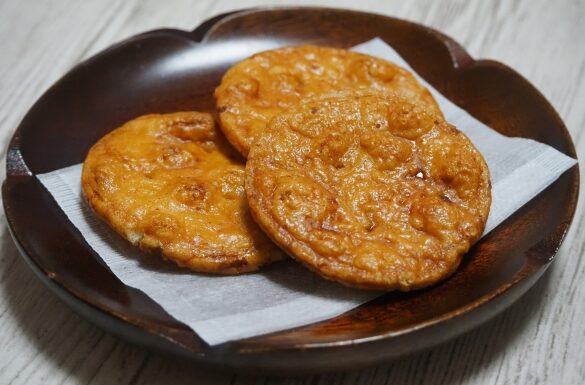
Senbei are crispy rice crackers with a lightly toasted aroma. There are countless varieties, from simple salted or soy-sauce versions to more elaborate ones topped with nori, sesame seeds, or chili.
They are often enjoyed with green tea but also make a satisfying snack or appetizer on their own.
Yōkan
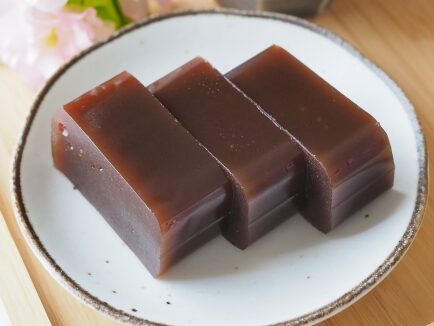
Yōkan is a traditional Japanese jelly dessert made from red bean paste, sugar, and agar-agar. Its firm yet smooth texture and discreet sweetness give it a very refined character.
There are versions flavored with matcha, brown sugar, and chestnut, each offering a slightly different taste profile. Because it keeps well, yōkan is also an excellent choice as a gift or as a long-lasting souvenir from Japan.
- Nagoya rainy day with kids in 2026 (Cool Indoor Things to Do )

- Best Gachapon in Tokyo (2026): 20 Places to Find Capsule Toys
- All Japanese KitKat Flavours List: The Ultimate Japan KitKat Guide
- Sapporo rainy day with kids (2026): 7 Cool Indoor Things to Do

- What To Do In Arashiyama With Kids: A Realistic One-Day Family Itinerary