
I spill travel tips , and show you the Japan that tourists usually miss.
The Hitachi Seaside Park in Ibaraki delights visitors with its spectacular floral displays year-round. In this article, I’ll show you which flowers bloom when, which highlights you shouldn’t miss, useful tips for your visit, and the best way to get to the park.
Table of Contents
Discover Hitachi Seaside Park: Getting there, sights & tips
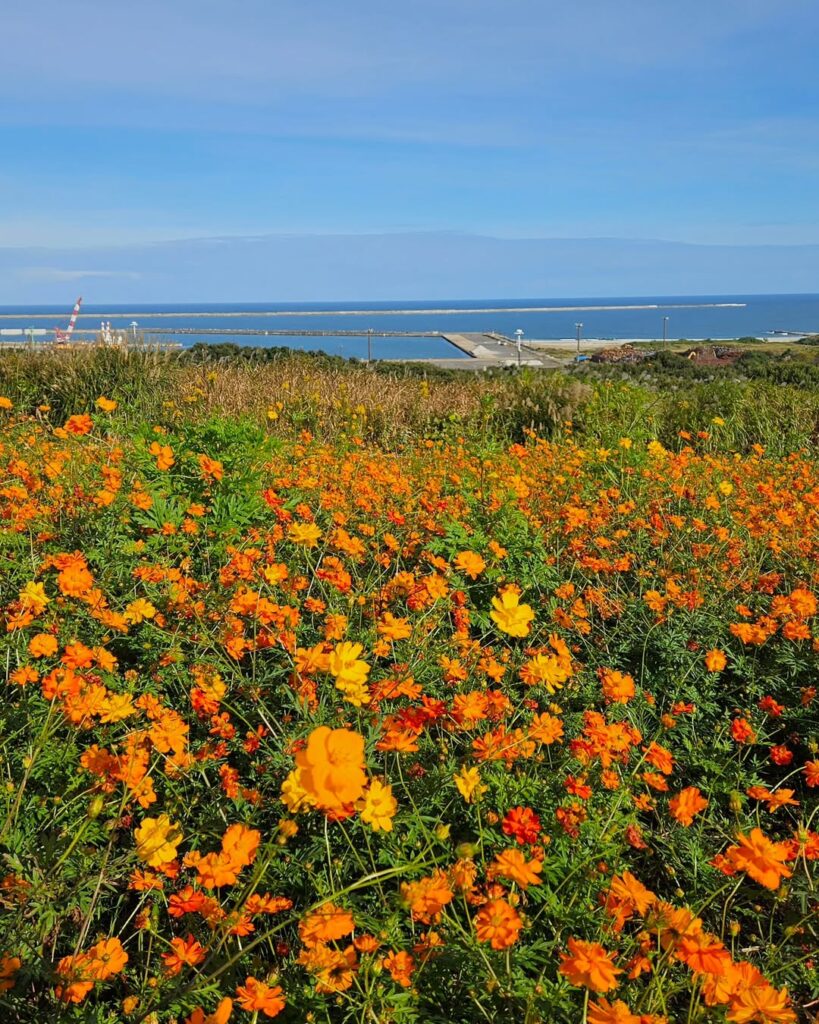
Japan is renowned for its stunning natural beauty, from cherry blossoms in spring to vibrant autumn foliage . If you want to experience both nature and colorful flowers in one day, a visit to Hitachi Seaside Park in Ibaraki Prefecture is a must. The park is famous for its endless flower fields, expansive green spaces, and seasonal colors.
Hitachi Seaside Park covers an area of approximately 190 hectares and offers visitors ever-changing floral displays throughout the year. Whether you’re looking for a peaceful stroll amidst colorful flower fields or spectacular photo opportunities, there’s something for everyone.
This post tells you everything you need to know to fully enjoy Hitachi Seaside Park: from how to get there and the main highlights to practical tips for your visit.
What makes Hitachi Seaside Park so special?

Hitachi Seaside Park is located in the city of Hitachinaka , about 130 kilometers northeast of Tokyo. Visitors can enjoy a stroll across the expansive grounds, strolling along gentle, flower-covered hills, admiring the blooms, and catching glimpses of the sea. Such a vast display of flowers, changing with the seasons, is a rare find elsewhere in Japan.
The park is particularly famous for its Nemophila bloom in spring, when around 5 million of these delicate, light blue flowers carpet the hills of Miharashi Hill . I visited the park at exactly this time, and I highly recommend it.
The Nemophila flower – Japan’s blue wonder

When do Nemophila flowers bloom?
The Nemophila (Nemophila) flowers bloom every year from about mid-April to early May , depending on the weather. Peak bloom usually occurs during the last week of April or Golden Week – a time when many Japanese people are on holiday. Therefore, Hitachi Seaside Park can get very crowded.
My tip: If you want to avoid the crowds, visit the park during the week and as early in the morning as possible , right after it opens.
Where do the Nemophila bloom in Hitachi Seaside Park?
The baby blue eyes , also known as hareflowers , bloom in Hitachi Seaside Park on Miharashi Hill (みはらしの丘) – a sprawling hill that is completely ablaze with blue in spring. From the top, you have a fantastic panoramic view of the sea of blossoms and the nearby sea.
Other seasons at Hitachi Seaside Park

Besides the Nemophila, there are many other flowers worth admiring. The park is therefore not only beautiful in spring, but every season offers its own play of colors and a vibrant display of flowers.
Spring (March–May)
Besides the Nemophila, tulips, daffodils , and rapeseed flowers also bloom in the park. The tulip fields near the West Entrance , with over 250 varieties, look like something out of a fairy tale.
Summer (July–August)
In summer , parts of the park transform into a sea of sunflowers . Zinnias and roses also bloom , while the green Kochia shrub begins to grow.
Autumn (September–November)
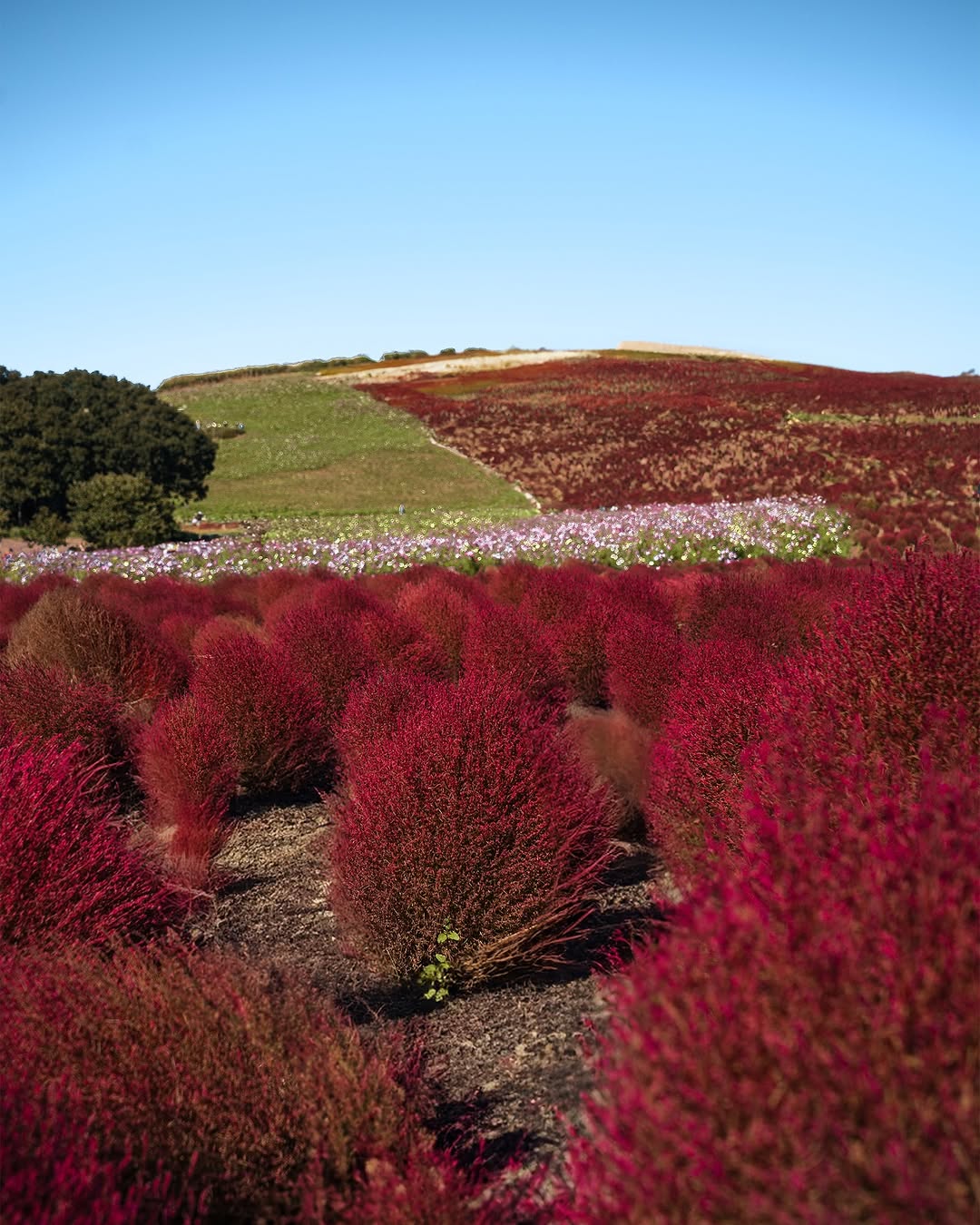
A hidden gem is the Kochia blossom : the spherical summer cypress trees turn bright red in October , creating a sea of fire on the same hill that was blue in spring.
At the same time, the cosmos flowers are also blooming in pink and white, and you can also admire roses in the rose garden.
Winter (December–February)
In winter the park is quieter, but walks through the pine forests and the scent of the sea breeze make it a beautiful destination away from the hustle and bustle.
Which flowers are still in bloom?
Many more flowers bloom in the park. You can find out exactly which ones on the official Hitachi Seaside Park website .
Getting to Hitachi Seaside Park from Tokyo

The park is located about 2 hours north of Tokyo and is easily accessible by train. Perfect for a day trip or weekend getaway.
By train & bus
From Tokyo Station , take the JR Joban Line , either the Limited Express “Hitachi” or “Tokiwa,” to Katsuta Station . The journey takes approximately 85 to 100 minutes , depending on the connection .
From there, take the Ibaraki-Kotsu bus towards “Kaihin-Koen” (海浜公園西口). After about 15 minutes, you will reach the “Hitachi Seaside Park West Entrance” stop , from which you can walk directly to the park entrance.
If you have the Japan Rail Pass , you can use it on this route!
With the rental car
From Tokyo, it takes about 2 hours to reach the park via the Joban Expressway (E6) . Ample parking is available (fee: approximately 600 yen per day).
Tips for your visit
1. Arriving early is worthwhile
The park is extremely popular, especially during Nemophila season. Those who arrive shortly after opening can enjoy the hill in peace and take the most beautiful photos without crowds.
2. Pay attention to the weather
In windy or rainy conditions, some areas close up, and the light strongly affects the flower colors. A sunny morning is ideal, as the flowers then shine most intensely.
3. Comfortable shoes & sun protection
The park is large, with many hills and long paths. So take your time and wear comfortable shoes. Sunglasses, a hat, and water are essential in spring and summer.
4. Picnic or visit to a café
There are plenty of benches and picnic areas around Miharashi Hill . Alternatively, you’ll find cozy cafes serving soft drinks and snacks near the West and South Entrances . The Nemophila ice cream is especially popular !
5. Rent a bicycle
Those who want to see more of the park can rent bicycles at several entrances (approx. 300 yen for 3 hours). There are special bike paths through forests and along flower fields.
6. Child-friendly
The park is perfect for families visiting Japan with kids : playgrounds, children’s bicycles, lawns and even a small amusement park (” Pleasure Garden “) with a Ferris wheel provide variety.
7. Tours and excursions
Events & seasonal highlights

- Nemophila Harmony (April–May):
The biggest spring event with photo competitions, flower sales and live music. - Kochia Carnival (October):
When the summer cypress trees glow red, autumn is celebrated with colorful food stalls. - Hitachinaka Summer Festival (August):
A fireworks display on the beach, combined with dancing and music. Ideal for rounding off your summer trip.
Opening Hours & Admission Prices
- Opening hours:
- March–July: 9:30–17:00
- August: 9:30–18:00
- September–October: 9:30 a.m.–5:00 p.m
- November–February: 9:30–16:30
(Last admission 1 hour before closing)
- Admission prices:
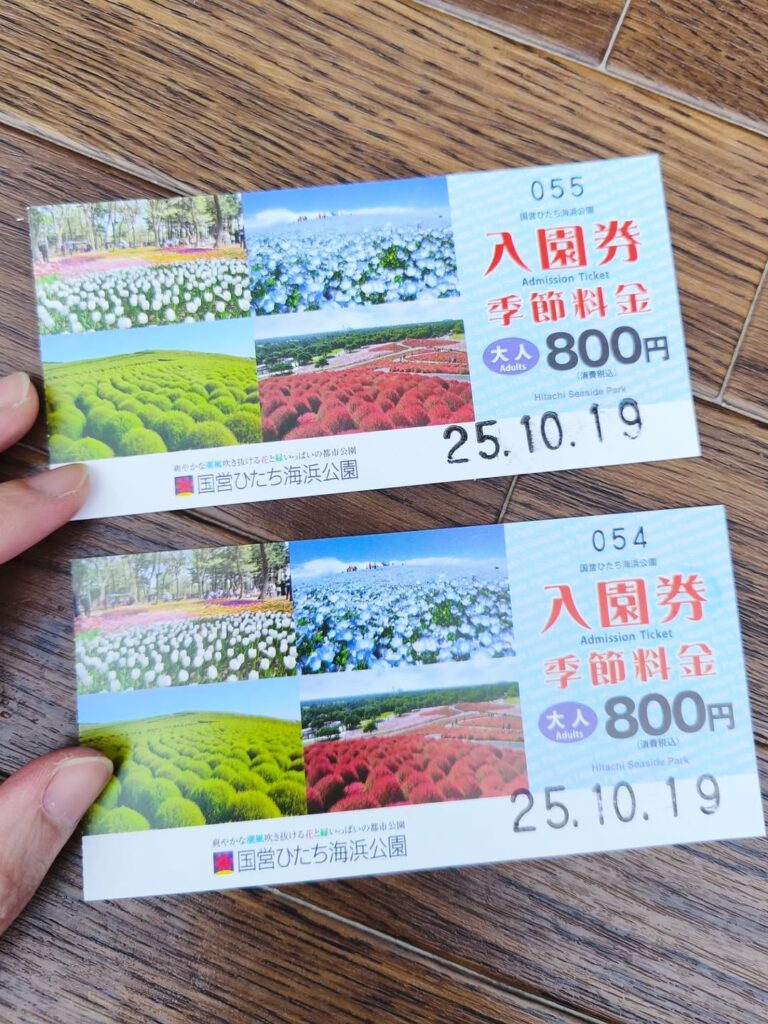
- Adults (15–64 years): 450 yen
- Seniors (65+): 210 yen
- Children (up to 14 years): free
Conclusion: A place you’ll never forget.
Hitachi Seaside Park is a place that perfectly showcases how Japan blends nature and aesthetics. Whether you want to see the Nemophila in spring, the sunflowers in summer, or the red Kochia in autumn – the park is a feast for the senses.
FAQs: Hitachi Seaside Park
Where is Hitachi Seaside Park and what is it famous for?
Hitachi Seaside Park is in Hitachinaka City, Ibaraki Prefecture, about 1.5–2 hours northeast of Tokyo. It’s famous for its huge seasonal flower displays, especially the blue nemophila (baby blue eyes) in spring and the bright red kochia bushes in autumn on Miharashi Hill. The park also has cycling paths, walking trails, a small amusement park with a Ferris wheel, and lots of open space for picnics and family days out.
When is the best time to visit Hitachi Seaside Park?
There are two “wow” seasons:
- Nemophila (baby blue eyes): usually late April to early May
- Kochia (summer cypress) red foliage: usually mid to late October
Outside those peaks you still get tulips, daffodils, and other flowers throughout spring and early summer, plus greenery and fewer crowds. Exact dates shift every year depending on the weather, so it’s best to check the park’s official calendar before you go.
How do I get to Hitachi Seaside Park from Tokyo by train?
From Tokyo, take a JR Joban Line Limited Express (Hitachi or Tokiwa) from Tokyo, Shinagawa, or Ueno Station to Katsuta Station (about 1 hour 15–30 minutes). From Katsuta Station East Exit, take a local bus (about 15 minutes) to the park’s West Gate, or in some seasons a shuttle bus runs directly to the park. This route is covered by the Japan Rail Pass because it uses JR trains.
How long do I need at Hitachi Seaside Park?
Plan on at least half a day (4–5 hours) to walk Miharashi Hill, see the main flower areas, and take breaks. If you want to explore several zones, cycle the park, and use the amusement area or seaside train, a full day is ideal, especially during nemophila or kochia season when you’ll spend more time taking photos and dealing with crowds.
What are the opening hours and closed days?
The park usually opens at 9:30 a.m., with closing time changing by season (roughly 16:30–17:00, slightly later in summer). It is typically:
- Closed one weekday per week (often Tuesday)
- Closed Dec 31–Jan 1
- Closed for a short maintenance period in early February
During peak nemophila and kochia seasons, the park may open earlier on certain days and sometimes open every day for a limited period. Always confirm the latest hours and closed days on the official website calendar before your visit.
How much is the entrance fee, and do kids pay?
Standard admission (outside of main flower peaks) is approximately:
- Adults: 450 yen
- Seniors (65+): 210 yen
- Junior high and elementary school students: free
During peak seasons (nemophila and kochia), a special rate applies:
- Adults: 700 yen
- Seniors: 460 yen
Children remain free in both cases. Prices and exact seasonal periods can change, so double-check the official site before you go.
How crowded does it get during nemophila and kochia seasons, and how can I avoid the worst of it?
On peak weekends in late April–early May (nemophila) and mid-October (kochia), the park can be very crowded, especially around Miharashi Hill. To make it easier on yourself:
- Visit right at opening (9:30 a.m. or earlier if they open early)
- Choose weekdays instead of weekends or holidays
- Aim for slightly before or after the absolute color peak for fewer people but still beautiful views
Some seasons offer online ticket sales or combined bus + park tickets from Katsuta, which helps you skip some queues.
Can I rent a bicycle inside the park?
Yes. Hitachi Seaside Park has around 11 km of dedicated cycling paths, separate from pedestrian routes, and you can rent bicycles inside the park near major entrances. Rentals are usually available from 9:30 until about 30 minutes before closing, with prices around 300–600 yen for several hours, depending on the option.
Alternatively, you can rent a bike near Katsuta Station (Tamariba Cycle Rental) and cycle toward the park and surrounding area.
Is Hitachi Seaside Park stroller- and wheelchair-friendly?
Yes, in general the park is fairly accessible. The main paths are wide and paved, and there are barrier-free routes to major viewpoints and rest areas, though some hills can be steep and may require more effort or occasional detours. Rental wheelchairs and baby strollers are sometimes available near entrances, and accessible restrooms are scattered around the park.
Are there restaurants, shade, and facilities inside the park?
You’ll find cafés, food stands, rest houses, and picnic areas inside the park, especially near main entrances and central zones. There are also vending machines, restrooms, and some shaded seating, though on the hills themselves shade can be limited—so bring a hat and sunscreen, especially in spring and summer.
Is Hitachi Seaside Park covered by the JR Pass?
Yes, if you’re using the JR Joban Line Limited Express (Hitachi or Tokiwa) from Tokyo to Katsuta Station, that leg is covered by the Japan Rail Pass and by some JR East passes. Buses from Katsuta Station to the park are not JR, so those are paid separately (unless you buy a special combined bus + park ticket during certain seasons).
- Nagoya rainy day with kids in 2026 (Cool Indoor Things to Do )
- Best Gachapon in Tokyo (2026): 20 Places to Find Capsule Toys
- All Japanese KitKat Flavours List: The Ultimate Japan KitKat Guide
- Sapporo rainy day with kids (2026): 7 Cool Indoor Things to Do
- What To Do In Arashiyama With Kids: A Realistic One-Day Family Itinerary