
I spill travel tips , and show you the Japan that tourists usually miss.
Before you start mentally arranging your tatami mats, though, there’s one rather important question: can foreigners buy property in Japan?
The short answer is yes, absolutely.
Japan allows foreigners to purchase houses, apartments, and most types of land, whether they live in Japan or on the other side of the planet. You don’t need Japanese citizenship, permanent residency, or even a Japanese visa to become a property owner.
And unlike some countries, Japan doesn’t generally impose special foreign-buyer taxes or require foreigners to purchase property through a local partner.
Sounds almost suspiciously straightforward, doesn’t it?
Well, the actual buying process is where things become interesting.
Japanese property laws are relatively welcoming, but paperwork, international transfers, language barriers, maintenance costs, and some important new rules introduced in 2026 can make buying from abroad more complicated than it first appears.
Whether you’re dreaming of a Tokyo apartment, a countryside retreat, or one of Japan’s famously inexpensive abandoned houses (akiya), here’s what you should know before handing over your money.
Table of Contents
Can Foreigners Buy Property in Japan?
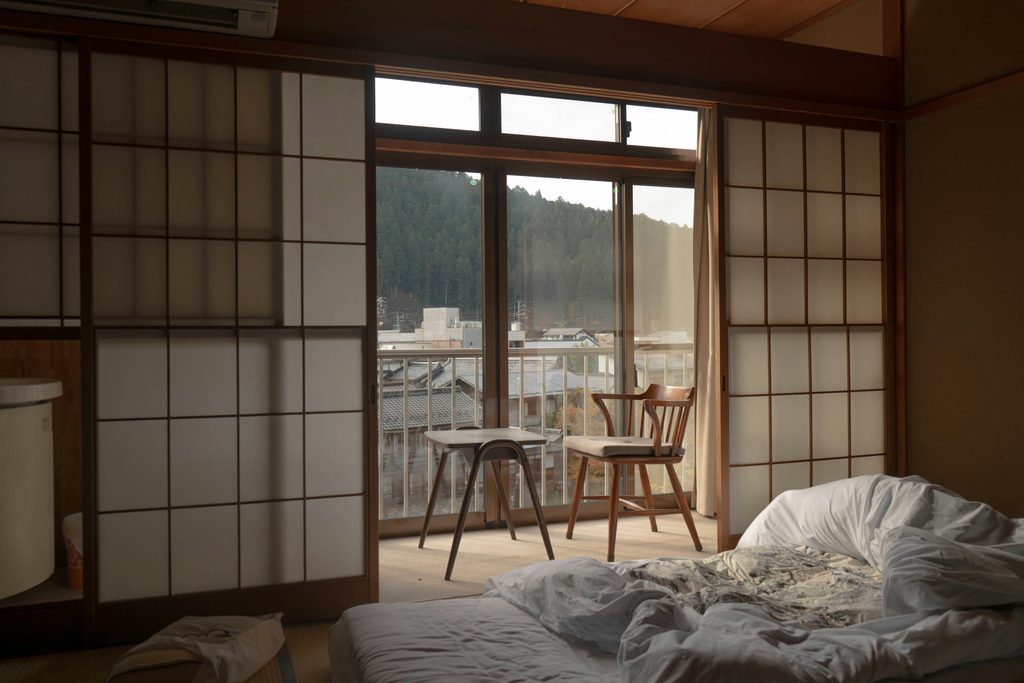
Yes. Foreigners can own real estate in Japan without having Japanese residency or citizenship.
In most ordinary residential transactions, foreign buyers have substantially the same property ownership rights as Japanese buyers.
Here’s what that means in practice:
- You can purchase a house or apartment while living abroad.
- You don’t need permanent residency in Japan.
- You don’t need a Japanese spouse or business partner.
- You can generally own both the building and the land beneath it.
- You can buy property for personal use, as a holiday home, or as an investment.
- There is no general minimum purchase price for foreign buyers.
You could theoretically purchase a small rural property for ¥1 million without ever having lived in Japan.
The important distinction is between owning property in Japan and having permission to live in Japan. Those are two completely separate matters.
Also, not every property comes with unrestricted land ownership. Some Japanese homes, particularly apartments and houses built on leased land, involve leasehold arrangements rather than outright ownership of the land.
Always check whether you’re buying freehold ownership or a leasehold interest before signing anything.
Are There Any Restrictions on Foreign Property Ownership?
Although most residential properties can be purchased freely, some categories come with additional rules.
Agricultural land: Buying registered farmland generally requires permission under Japan’s Agricultural Land Act. Overseas buyers who do not intend to farm the land may struggle to qualify.
Sensitive locations: Properties near certain military installations, security facilities, and designated remote islands can be subject to additional monitoring and notification requirements.
Large land purchases: Transactions exceeding particular land-area thresholds may require notifications under Japan’s National Land Use Planning Act.
Municipal akiya programs: Some local government schemes offering inexpensive or abandoned homes have eligibility conditions, such as residency commitments, age requirements, or renovation deadlines.
The property market is open to foreign buyers, but that doesn’t mean every advertised bargain is available without conditions.
Can Foreigners Buy Property in Japan Without Living There?
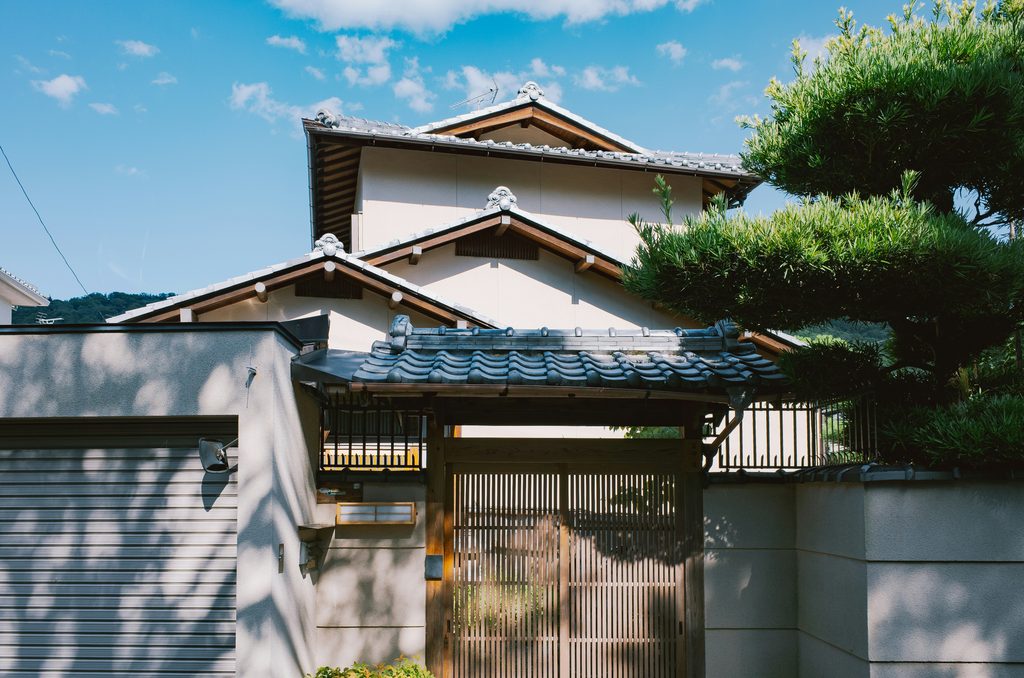
Yes, and this is where Japan becomes particularly attractive to international buyers.
You can purchase a property while living in the United States, United Kingdom, Europe, Australia, Mexico, or elsewhere.
You don’t even need to travel to Japan to complete every stage of the transaction, provided the appropriate local professionals and authorizations are in place.
However, buying remotely is legally possible, not necessarily advisable.
There are several practical complications:
- You may not be able to open a Japanese bank account.
- Getting a Japanese mortgage can be extremely difficult.
- Important contracts and official documents are usually in Japanese.
- International transfers may require extra identity and source-of-funds checks.
- You need someone to handle registration, taxes, and potentially property management.
For most overseas buyers, the safest approach is to work with a licensed Japanese real estate agent and a judicial scrivener familiar with non-resident transactions.
A preliminary visit is particularly valuable when purchasing an older or rural home.
What Documents Do Foreigners Need to Buy Property in Japan?

Foreign buyers generally need to provide identification, proof of their address, and documents supporting the legal registration of their ownership.
The exact requirements depend on where you live, your nationality, and how the property is purchased.
1. A Valid Passport
Your passport is the main document used to verify your identity and nationality.
You may need to provide a copy, a certified copy, or other supporting identification depending on the transaction and registration requirements.
Important: From October 5, 2026, nationality information is required as part of the ownership-registration information submitted to Japan’s Legal Affairs Bureau.
For foreign buyers, a passport or other accepted document can serve as evidence of nationality.
2. Proof of Your Overseas Address
If you live outside Japan, you generally won’t have a Japanese resident record (jūminhyō).
Instead, you may need an official certificate of residence from your home country or another document accepted under Japan’s registration rules.
An affidavit, or sworn declaration confirming your residential address, may be used in appropriate circumstances.
However, don’t assume that any notarized statement will be accepted.
Japan’s Ministry of Justice has specific rules concerning overseas address documents, and the appropriate evidence depends on what your country can issue.
You can review the Ministry of Justice guidance on address documentation for foreign property owners.
Before arranging an affidavit, ask your Japanese judicial scrivener:
- Which document is accepted for your particular country?
- Must it be notarized or otherwise certified?
- Is an apostille or consular authentication necessary?
- Do you need a Japanese translation?
Getting this confirmed before ordering documents can save considerable time and expense.
3. Signature Certification or Power of Attorney
Japanese transactions sometimes require evidence that a signature is genuine.
Depending on your circumstances, you may need a notarized signature certificate or another accepted form of signature verification.
If an agent or professional will sign documents on your behalf, you will also need a suitable power of attorney.
Your judicial scrivener should prepare or approve the wording before you sign anything overseas.
4. Proof of Funds
Your bank or the parties handling the transaction may ask where the purchase money comes from.
Supporting documents might include bank statements, employment income records, savings history, or evidence from the sale of another asset.
This is especially relevant if you’re transferring a substantial amount of money internationally.
5. Contact Details in Japan
Since April 1, 2024, Japan’s registration procedures have included information about a domestic contact for property owners whose address is overseas.
Your contact might be an individual or an organization, such as a professional assisting with your property transaction.
If you genuinely have no domestic contact, the registration procedure allows that fact to be declared.
This registration contact is not automatically the same person as your tax representative.
Important New Property Rules for Foreign Buyers in 2026
Japan has introduced additional reporting and registration requirements in 2026.
These changes do not amount to a general ban on foreign property purchases. Instead, they make certain ownership information more visible to the authorities and expand reporting obligations for non-resident buyers.
New Rule 1: Non-Resident Buyers Must Report Property Acquisitions
From April 1, 2026, Japan expanded reporting requirements under the Foreign Exchange and Foreign Trade Act (FEFTA).
If you’re classified as a non-resident under this law and acquire ownership of Japanese real estate, you generally must submit a report to the Ministry of Finance through the Bank of Japan.
The deadline is within 20 days of acquiring the property.
This applies even if:
- The property is an inexpensive abandoned house.
- The purchase price is ¥0.
- You are purchasing a holiday home.
- You intend to use the property yourself.
- You acquire the property through inheritance or a gift.
The rules also cover certain property rights, although some exemptions remain for particular non-ownership rights used for residential, office, or nonprofit purposes.
Crucially, buying ownership of a home for your own future use is no longer covered by the former broad residential-use exemption.
The report must be completed in Japanese.
You can submit it yourself, but the Ministry of Finance recommends using a representative resident in Japan if you’re unfamiliar with Japanese.
The ministry’s official reporting guide and frequently asked questions explain the requirements in English.
What happens if you don’t report the purchase?
Failure to submit a required report, or submitting a false report, can lead to a penalty of up to six months’ imprisonment or a fine of up to ¥500,000.
If you discover you’ve missed the deadline, the Ministry of Finance advises submitting the report as soon as possible and explaining the delay.
One detail worth remembering: the applicable acquisition date can depend on the transaction. Have your representative confirm the reporting deadline rather than assuming it automatically runs from the day you receive the keys.
New Rule 2: Nationality Information Is Required for Property Registration
Another change took effect on October 5, 2026.
When registering a new property owner, the application process now includes nationality information as part of the required owner-identification information.
This applies to Japanese and foreign owners, rather than targeting overseas buyers alone.
Foreign nationals may need to provide supporting evidence, such as their passport or another accepted nationality document.
The nationality information is held as part of the registration authorities’ internal records rather than appearing as an ordinary public entry on the property’s registration certificate.
You can find the details in the Ministry of Justice’s updated registration guidance.
The practical takeaway is simple: buying remains possible, but the paperwork has become more detailed.
How to Buy Property in Japan as a Foreigner: Step by Step
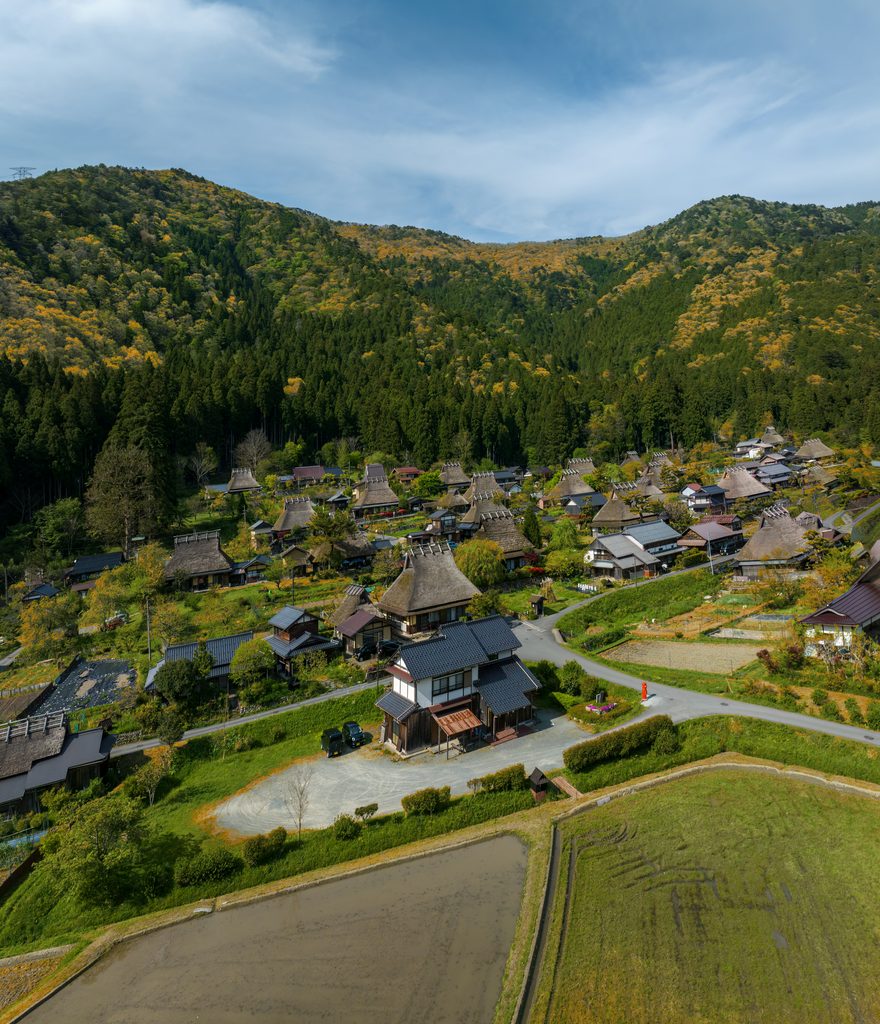
The process is manageable once you have the right people helping you.
Here’s how we’d approach it.
Step 1: Decide What Kind of Property You Actually Want
Japan’s property market covers everything from modern Tokyo condominiums to century-old wooden farmhouses.
Before browsing listings, decide whether the property is intended to be:
- Your future full-time home.
- A holiday home for occasional visits.
- A long-term rental investment.
- A renovation project.
- A countryside retreat.
This matters because your intended use can affect financing, renovation costs, local regulations, and resale prospects.
For example, a beautiful rural house might be fantastic for spending a quiet summer in Japan but a terrible investment if the nearest significant town is an hour away.
Step 2: Find a Licensed Japanese Real Estate Agent
A reliable local agent is particularly important when buying from abroad.
Look for an agency that has experience assisting non-residents and can clearly explain the transaction in English or another language you understand.
Ask whether the agency can coordinate inspections, international payments, document preparation, and registration.
Before paying any deposit, confirm the company’s credentials and exactly which services are included in its fees.
Step 3: Investigate the Property Thoroughly
This is the step we’d spend the most time on.
Japanese houses can look charming in photographs while hiding substantial problems behind the walls.
Pay particular attention to:
- Earthquake resistance and the building’s age.
- Foundation condition and structural damage.
- Roof leaks, dampness, and timber deterioration.
- Termites and other pests.
- Flood, landslide, and tsunami hazards.
- Legal road access and building restrictions.
- Property boundaries and ownership records.
- Water, electricity, sewage, and gas connections.
- Whether future renovation or rebuilding is legally possible.
Older properties deserve particularly careful attention to their construction dates and seismic performance.
Ideally, arrange an independent building inspection and visit the property yourself before committing.
Step 4: Review the Contract and Important Property Documents
Japanese real estate transactions involve an explanation of important matters, known as jūyō jikō setsumei (重要事項説明).
This document covers essential information about the property, including legal rights, restrictions, and significant transaction conditions.
Do not sign simply because an agent says the paperwork is standard.
Ask for a clear explanation in a language you understand and have a qualified professional review anything unclear.
A poor translation of one clause concerning road access, rebuilding restrictions, or ownership rights can become a very expensive mistake.
Step 5: Arrange the Payment
Most non-resident buyers should expect to finance their purchase with their own funds unless they have already secured a suitable loan.
The payment may be coordinated through a Japanese bank, a designated settlement arrangement, or another approved method agreed upon by the professionals handling the transaction.
International bank transfers can involve verification checks and delays, so don’t leave them until the last moment.
Never send purchase funds merely because someone emails you new bank details.
Independently confirm the recipient and account information through an established, trusted contact method.
Step 6: Complete Ownership Registration
A Japanese judicial scrivener (shihōshoshi) typically handles the legal registration of the property transfer.
This is an important distinction: a judicial scrivener is a qualified legal professional specializing in registration procedures, not a court clerk.
Their work helps ensure that your ownership is correctly registered with the Legal Affairs Bureau.
Your agent, scrivener, and financial institutions will coordinate the required documents, settlement, and registration arrangements.
Step 7: Complete Your Tax and Reporting Obligations
After the transaction, remember that owning a property brings responsibilities even if you’re thousands of kilometers away.
For an overseas buyer, these may include:
- The 20-day FEFTA acquisition report.
- Registration and acquisition taxes.
- Arrangements for annual property-tax notices.
- Local property management and maintenance.
- Income-tax obligations if the property generates rental income.
Make these arrangements before closing rather than trying to fix them months afterward.
How Much Does It Cost to Buy Property in Japan?
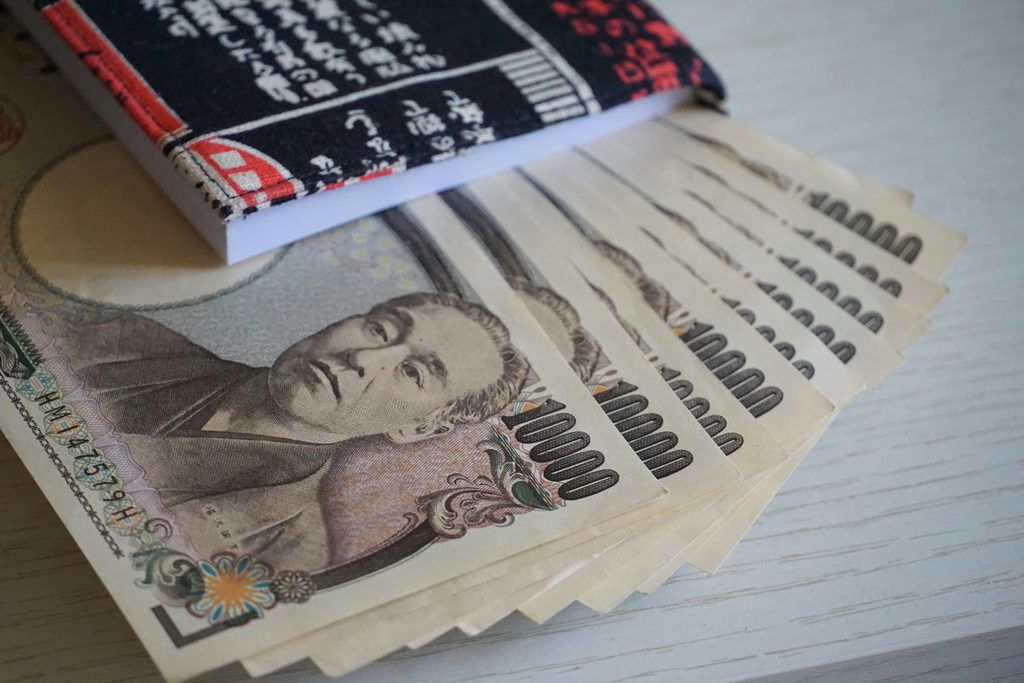
One of the biggest mistakes foreign buyers make is concentrating entirely on the advertised sale price.
A house listed for ¥3 million doesn’t necessarily cost ¥3 million to purchase and make usable.
There are transaction fees, taxes, professional charges, and potentially substantial renovation expenses.
Property Purchase Costs to Budget For
| Expense | What to expect |
|---|---|
| Real estate agent | Commonly calculated using a regulated fee schedule; special rules apply to low-priced properties |
| Judicial scrivener | Professional fee for registration and related legal work |
| Registration and license tax | Depends on the property’s assessed value, property type, and applicable reliefs |
| Real estate acquisition tax | Generally assessed separately after acquisition, with possible reductions |
| Stamp duty | Depends on the contract and relevant exemptions |
| Document preparation | Translation, notarization, certification, and international delivery |
| Bank transfers | International transfer and currency-conversion charges |
| Building inspection | Depends on the property’s age, size, and inspection scope |
As a broad planning allowance, transaction costs are sometimes estimated at around 6–10% of the purchase price for conventional residential purchases.
However, this is not a guaranteed range, and it may be particularly misleading for very inexpensive houses.
Why Cheap Japanese Houses Can Have Surprisingly High Fees
Japan introduced special brokerage-fee rules for low-priced properties in July 2024.
For qualifying sales priced at ¥8 million or less, an agent can charge up to ¥330,000 including consumption tax to a buyer, provided the higher fee is properly explained and agreed upon in advance.
For a house priced at ¥3 million, that maximum fee alone represents 11% of the purchase price.
And that’s before legal registration, taxes, inspections, or renovation.
The Ministry of Land, Infrastructure, Transport and Tourism explains the brokerage-fee rules.
Our advice: Request a written, itemized estimate of the complete purchase cost before making an offer.
The cheaper the property, the more important that calculation becomes.
Can Foreigners Get a Mortgage in Japan?
Yes, some foreigners can obtain Japanese mortgages, but financing is considerably harder without Japanese residency.
Many Japanese banks prefer applicants who have a stable address in Japan, documented domestic income, an established financial history, and an eligible residence status.
Some lenders also require permanent residency or impose additional conditions on non-permanent residents.
If you live entirely overseas and have no Japanese income or financial connections, securing an ordinary Japanese home loan may be very difficult.
Specialist lending arrangements may exist, but eligibility, interest rates, and down-payment requirements vary.
For inexpensive rural properties, paying in full is often the more practical option.
That doesn’t mean buying with cash is automatically wise. You still need enough money left for repairs, taxes, insurance, and unexpected emergencies.
Can You Buy an Abandoned House in Japan as a Foreigner?
Yes, and Japan’s abandoned houses have become a particularly fascinating corner of the property market.
Known as akiya (空き家), these vacant homes range from traditional countryside houses to more ordinary residential buildings that have been sitting empty for years.
Some are advertised for remarkably low prices, and certain municipalities run programs intended to attract new residents to shrinking communities.
But there’s a reason many of these properties are cheap.
Why Are Some Japanese Houses So Inexpensive?
In rural Japan, population decline, aging communities, and reduced housing demand have left many homes without buyers.
In some locations, the buildings are worth very little compared with the cost of maintaining, repairing, or demolishing them.
You might find an old wooden house with a charming garden for a fraction of what a comparable home would cost elsewhere.
Then you discover it needs a new roof, extensive plumbing, structural reinforcement, and someone to clear the vegetation several times a year.
Suddenly, the bargain looks rather different.
The Hidden Costs of Buying an Akiya
Common expenses include:
- Roof repairs and waterproofing.
- Electrical and plumbing replacement.
- Earthquake-resistance improvements.
- Termite treatment.
- Clearing overgrown gardens.
- Septic tank maintenance or replacement.
- Heating and insulation improvements.
- Demolition of unsafe outbuildings.
Some homes also have unclear boundaries, complicated inheritance histories, or roads that don’t meet current rebuilding requirements.
An inexpensive house can still be worth buying, especially if you love the location and understand the work involved.
But never assume that a cheap purchase price means a cheap renovation.
Are Foreigners Eligible for Akiya Bank Programs?
Sometimes.
An akiya bank is a local listing scheme, often supported by a municipality, designed to connect vacant property owners with potential buyers or tenants.
Eligibility differs between programs.
Some listings are available to overseas buyers through ordinary transactions, while subsidized programs may require applicants to relocate to the municipality or fulfill other conditions.
Before getting attached to a particular house, ask whether overseas buyers are eligible and whether the property can be bought without participating in a local relocation scheme.
What Taxes Do Foreign Property Owners Pay in Japan?
Owning property in Japan creates tax obligations regardless of your nationality.
The exact amount depends on the property, its assessed value, local tax rules, and the applicable reductions.
Fixed Asset Tax (Kotei Shisan Zei)
This is Japan’s annual property tax.
The standard fixed-asset tax rate is generally 1.4% of the applicable taxable assessed value, not 1.4% of what you paid for the house.
Reductions or special valuation rules can significantly affect the amount owed.
City Planning Tax
Properties in applicable urban planning areas may also be subject to city planning tax, generally at a rate of up to 0.3% of the relevant taxable value.
Not every property is subject to this tax.
Real Estate Acquisition Tax
This is a separate, typically one-time tax arising from acquiring property.
The amount depends on the property’s assessed value, whether it’s land or a building, and any available residential relief.
Rental Income Tax
If you rent your Japanese property to tenants, you may have Japanese income-tax obligations even while living overseas.
Depending on your home country, you might also need to declare that income there, with any applicable double-taxation treaty affecting the result.
A Japanese tax advisor can help determine the correct treatment.
Do You Need a Japanese Tax Representative?
If you live abroad, appointing a local tax representative (nozei kanrinin) may be necessary or advisable depending on your tax obligations and the relevant authority’s requirements.
This person helps manage tax correspondence and compliance.
A representative does not automatically gain the authority to sell your home, sign every contract, or manage the property. Those responsibilities require separate arrangements.
If you plan to remain outside Japan, arrange reliable handling of official notices and payments before buying.
Can Buying a House in Japan Get You a Visa or Residency?
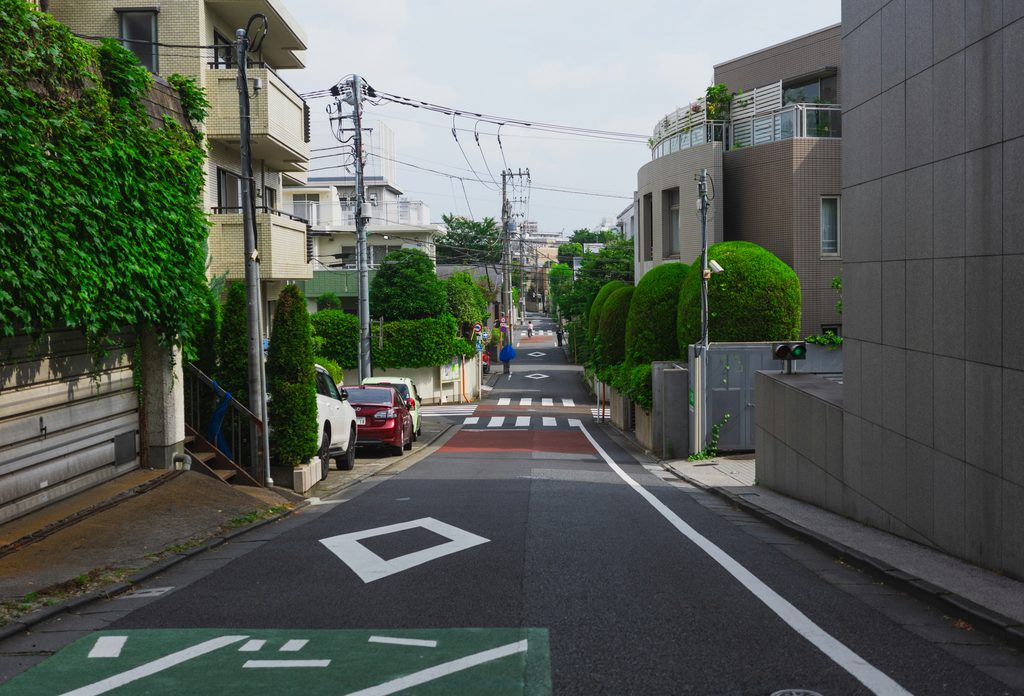
No.
This is probably the most important misunderstanding to clear up.
Buying a house in Japan does not give you the right to live in Japan.
You could own a beautiful property in Kyoto, Tokyo, or the Japanese countryside and still only be allowed to enter Japan under the immigration rules that apply to your nationality and circumstances.
Japan does not operate a general property-purchase golden visa.
If your long-term goal is to live there, you need to qualify for an appropriate immigration status separately.
Possible routes, depending on individual eligibility, include work-related residence statuses, family-based residence, or qualifying business activities.
Japan also has a digital nomad arrangement for certain eligible visitors, but it is a limited temporary-stay option, not permanent residency obtained through homeownership.
Don’t purchase property assuming you’ll be able to sort out a long-term visa afterward.
If relocation is the objective, investigate immigration eligibility before making a major financial commitment.
For an additional discussion of these issues, see this guide to visas and residency when living in an akiya (in Spanish).
Can You Rent Out Your Japanese Property on Airbnb?
Potentially, but owning a property doesn’t automatically give you permission to operate it as a holiday rental.
Japan regulates short-term accommodation through several legal frameworks.
Under the national Private Lodging Business Act, commonly associated with minpaku accommodation, registered properties are generally subject to a maximum of 180 operating days per year.
Local governments may impose further restrictions, and condominium management rules can prohibit short-term rentals entirely.
Other licensed accommodation arrangements operate under different rules.
If you’re buying primarily for Airbnb income, check the legal position before purchasing.
A rural house might look ideal for tourists, but that means little if the local regulations don’t permit your intended business or the area has very little visitor demand.
The Japan Tourism Agency’s official minpaku guidance explains the national framework.
The Biggest Risks of Buying Property in Japan From Abroad
Japanese property ownership is possible for foreigners, but several risks deserve more attention than they usually receive in enthusiastic online videos.
1. Buying Without Inspecting the House
Photographs can’t tell you whether a wooden foundation is deteriorating, whether a roof leaks during heavy rain, or whether the walls conceal termite damage.
Always arrange a proper inspection, ideally with an independent professional.
2. Underestimating Renovation Costs
A ¥2 million house that needs several times its purchase price in repairs isn’t necessarily a bargain.
Obtain detailed estimates before signing, particularly for older properties.
3. Choosing a Location With Almost No Resale Market
Rural Japan can be wonderful, but not every village has enough buyers, tenants, or tourists to support your plans.
Some homes may take years to sell, even at low prices.
A beautiful mountain view doesn’t pay your annual property tax.
4. Ignoring Natural Disaster Risks
Japan experiences earthquakes, typhoons, heavy rainfall, and flooding.
Before purchasing, review local hazard information and ask about the building’s construction and earthquake resistance.
The property’s actual location and construction matter far more than reassuring photographs.
5. Not Having Anyone in Japan to Help
What happens when the heating fails, a pipe bursts, or a neighbor reports storm damage while you’re overseas?
You need a realistic maintenance arrangement, not just a set of keys and an optimistic attitude.
6. Treating the Purchase as an Automatic Investment
Japan’s housing market varies enormously by location and property type.
An apartment in a popular Tokyo neighborhood and a deteriorating countryside house have very different demand, maintenance, and resale characteristics.
Never assume low purchase prices guarantee profits.
Who Should Help You Buy Property in Japan?
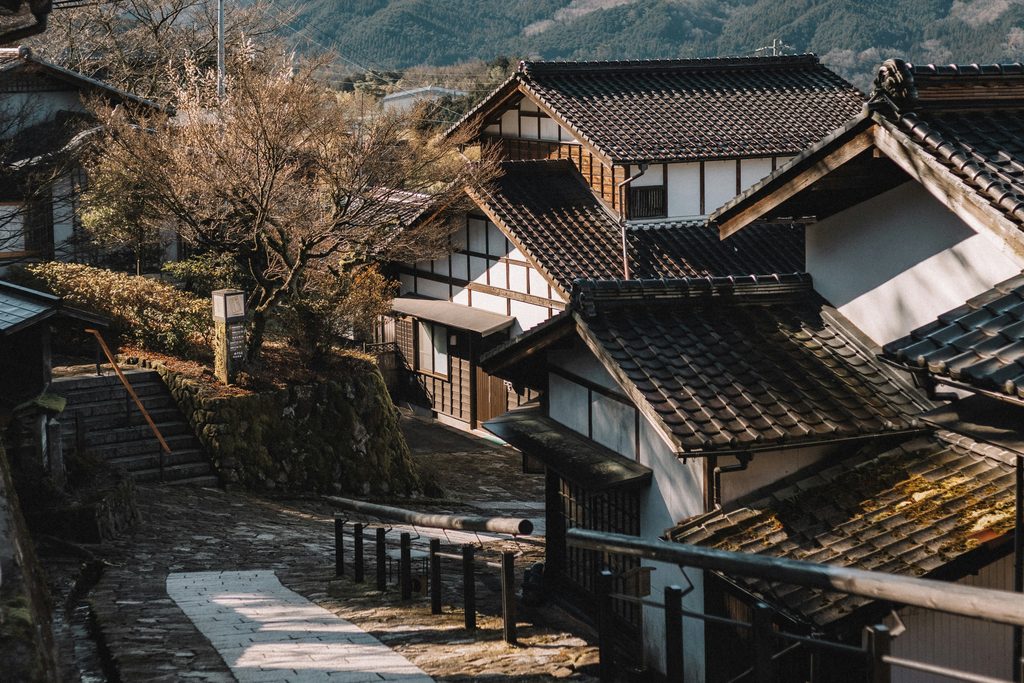
For non-resident buyers, a small team of qualified professionals can make the process far safer.
| Professional | Main responsibility |
|---|---|
| Real estate agent (fudōsan-ya) | Finding properties and coordinating the transaction |
| Judicial scrivener (shihōshoshi) | Property registration and related legal documents |
| Tax accountant (zeirishi) | Tax obligations and reporting |
| Administrative scrivener (gyōseishoshi) | Certain administrative applications and documentation within their scope |
| Lawyer (bengoshi) | Legal advice, disputes, and more complex contracts |
| Property manager | Maintenance, inspections, tenants, and emergencies |
You won’t necessarily need all six.
For a straightforward purchase, a reliable agent and a judicial scrivener are usually the key starting points, with additional professional help depending on your circumstances.
A qualified Japanese lawyer is particularly useful for legally complicated transactions.
Ask each professional for a written fee estimate, including what is and isn’t covered.
Buying Property in Japan From Mexico, Europe, or Other Countries
The general right to buy property doesn’t change simply because you’re purchasing from Mexico, Poland, Spain, the United States, or another country.
However, the documents required to prove your identity, address, and signature can vary significantly.
For example, an official certificate of residence issued in one country may be acceptable, while a buyer in another country might need a sworn statement or differently certified documentation.
Translation and legalization requirements can also differ.
The safest approach is to send your judicial scrivener details of the documents your country can issue and have them confirm the appropriate format before paying for notarization, apostilles, or translations.
You’ll also need to arrange the purchase funds through an accepted payment method and understand any reporting or tax obligations in your home country.
Is Buying Property in Japan Worth It?
It certainly can be.
For someone who genuinely loves Japan, spends considerable time there, and understands the responsibilities of overseas ownership, purchasing a home could be enormously rewarding.
You might find a small apartment in a convenient city neighborhood, a peaceful countryside retreat, or a traditional house worth restoring.
But we’d separate the dream from the financial calculation.
Buying property in Japan makes the most sense when you:
- Have a clear reason for owning rather than renting.
- Understand the property’s condition and location.
- Can afford the full purchase and maintenance costs.
- Have reliable local support.
- Know the immigration rules if you want to live there.
- Have a sensible plan for eventually selling, renting, or transferring the property.
If you’re simply tempted by the idea of a ¥1 million Japanese farmhouse, we’d recommend visiting the area and renting locally first.
Living in a rural Japanese community can be very different from enjoying it on holiday.
A house surrounded by rice fields might look idyllic in spring, but winter heating bills, limited public transport, and hours of maintenance are less photogenic.
The good news is that Japan’s property market remains remarkably accessible to international buyers.
The challenge isn’t usually whether you’re allowed to own a house.
It’s making sure that the house you buy is actually worth owning.
Frequently Asked Questions About Buying Property in Japan as a Foreigner
Can foreigners buy property in Japan in 2026?
Yes. Foreign nationals can generally purchase houses, apartments, and residential land in Japan without citizenship or residency. Some types of land and designated locations are subject to additional rules. New reporting and registration requirements introduced in 2026 do not create a general ban on foreign buyers.
Can I buy a house in Japan without a visa?
Yes. You generally don’t need a Japanese visa to purchase real estate while living abroad. However, property ownership does not entitle you to enter or reside in Japan.
Can foreigners own land in Japan permanently?
Yes, foreigners can generally purchase freehold land in Japan. However, you must confirm that the property includes land ownership rather than only a leasehold right. Agricultural land and certain regulated locations have additional requirements.
Can I buy a house in Japan for ¥1 million?
Potentially. Some rural properties are advertised at very low prices, including around ¥1 million or less. However, taxes, agent fees, registration expenses, renovations, and maintenance can make the actual cost significantly higher.
Can I buy an abandoned house in Japan?
Yes. Foreigners can purchase many vacant homes, known as akiya. However, municipal incentive programs may have additional conditions, and older houses often need substantial repairs.
Do foreigners pay higher property taxes in Japan?
There is no general property-tax surcharge imposed solely because an owner is a foreign national. Standard acquisition and ownership taxes still apply, with the actual amount depending on the property and relevant rules.
Can I get a Japanese mortgage without residency?
It can be very difficult. Many lenders require Japanese residency, domestic income, and other eligibility criteria. Overseas buyers often need to purchase with their own funds or arrange specialist financing.
Can I buy property in Japan remotely?
Yes. A property purchase can potentially be completed with local professionals and correctly prepared authorization documents. However, buying without inspecting the property increases the risk of unexpected defects and legal complications.
Do I need to report my property purchase in Japan?
If you are classified as a non-resident under Japan’s foreign exchange law, covered acquisitions generally need to be reported to the Ministry of Finance through the Bank of Japan within 20 days. The 2026 changes expanded the scope of this requirement.
Does buying a house in Japan give me permanent residency?
No. Japan does not grant permanent residency or a golden visa simply because you purchase property. Immigration eligibility must be established separately.
Can foreigners rent out property in Japan?
Generally, yes, subject to applicable leasing, tax, building, and accommodation regulations. Short-term holiday rentals have additional legal requirements and may be restricted locally.
Is buying property in Japan a good investment?
That depends heavily on location, property condition, rental demand, carrying costs, and resale prospects. Some properties can perform well, while inexpensive rural houses may be difficult to rent or resell. Research the actual local market rather than assuming every low-priced home is a bargain.
Disclaimer: This article provides general information about purchasing property in Japan as of November 2026. It is not individualized legal, tax, financial, or immigration advice. Requirements can vary by property, jurisdiction, and buyer circumstances. Confirm important details with qualified Japanese professionals and the relevant authorities before proceeding.
- Best Viewpoints in Osaka in 2026: 15 Amazing Observation Decks, Rooftops & Free Views
- Can Foreigners Buy Property in Japan: An Ultimate Guide How to Buy a House in 2026
- Best Viewpoints in Tokyo: 30+ Incredible Skyline Views, Rooftops & Free Observation Decks (2026)
- Best Toy Stores in Tokyo: 11 Brilliant Shops (2026)

- Best Japanese Jewelry Brands: 21 Labels to Know (2026)