
I spill travel tips , and show you the Japan that tourists usually miss.
Behind Kyoto’s traditional wooden townhouses, along its narrow alleyways and sometimes behind entirely unmarked doors, lies a world of independent artists, contemporary galleries and beautifully crafted objects that rarely make it into ordinary souvenir shops.
While Kyoto is famous for its temples, gardens and centuries-old craftsmanship, its creative scene is anything but stuck in the past. A new generation of artists is reinterpreting traditional Japanese aesthetics through ceramics, textiles, handmade paper, sculpture and experimental design.
If you’re wondering where to buy art in Kyoto, we’ve rounded up four exceptional independent galleries and craft shops where you can discover original works by Japanese artists, find something genuinely unique and perhaps develop a slightly inconvenient obsession with Japanese pottery.
Some of these places require advance reservations, while others are tucked inside beautifully restored traditional townhouses. All are worth seeking out.
Discover More of Kyoto’s Creative Side & Japanese Shopping
Love discovering independent artists, traditional craftsmanship and unusual Japanese souvenirs? Explore more of our favourite places to shop and experience Japanese culture.
- What to Buy in Kyoto: 14 Unique Souvenirs
- Where to Buy Local Art in Tokyo: Hidden Shops and Galleries
- Where to Buy Matcha Tea in Kyoto
- 15 Hidden Gems in Kyoto That Locals Love
- What to Do in Gion: Traditional Streets and Local Experiences
- Best Things to Do in Arashiyama
- 35 Best Things to Buy in Japan
- The Ultimate Kyoto Travel Guide
Table of Contents
Where to Buy Art in Kyoto
1. HS -kyoto- – A Secret Gallery for Contemporary Japanese Folk Art
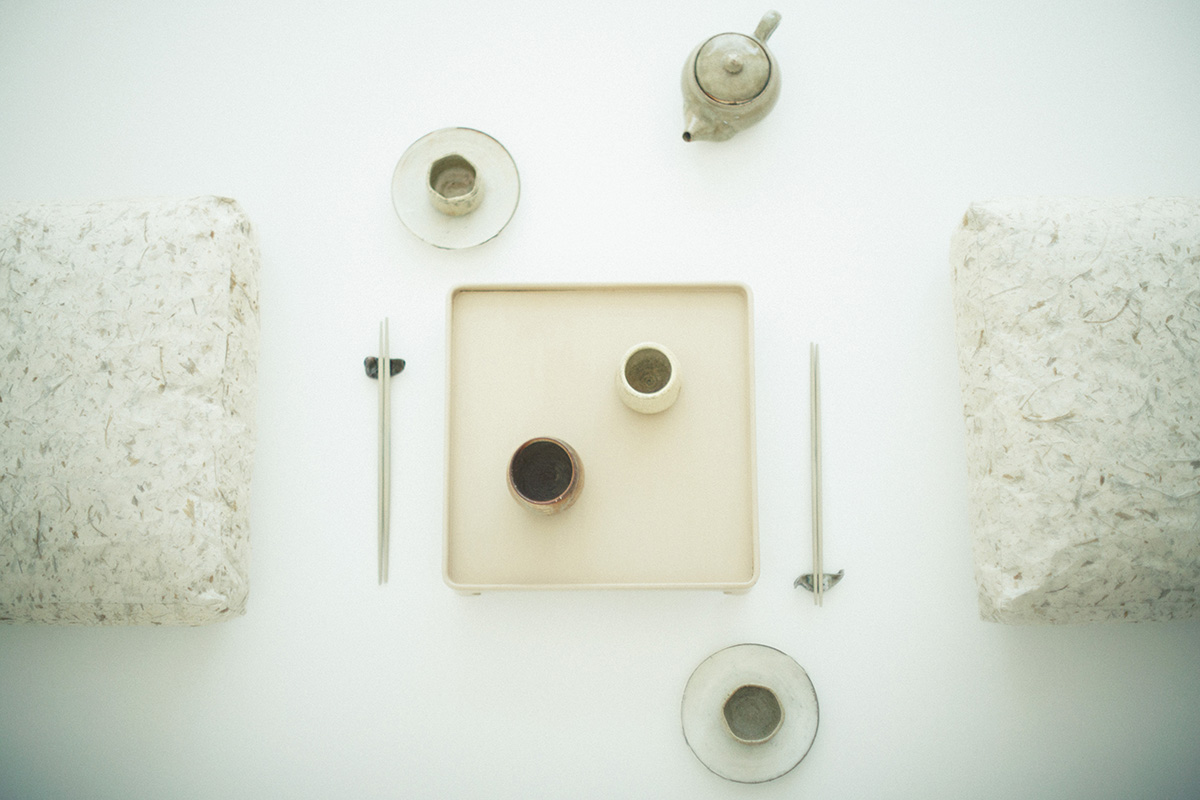
Finding HS -kyoto- requires a little more effort than typing its name into Google Maps. This discreet, appointment-only gallery in Gion keeps its exact address a secret, revealing it only to visitors who have made a reservation.
Founded by Yuji Hayashi, the gallery explores the Japanese philosophy of mingei, a folk art movement that celebrates the beauty of everyday handmade objects.
Here, a teacup is more than something to drink from, and a wooden bowl is more than a piece of kitchenware. Each object reflects the personality, techniques and artistic sensibilities of its maker.
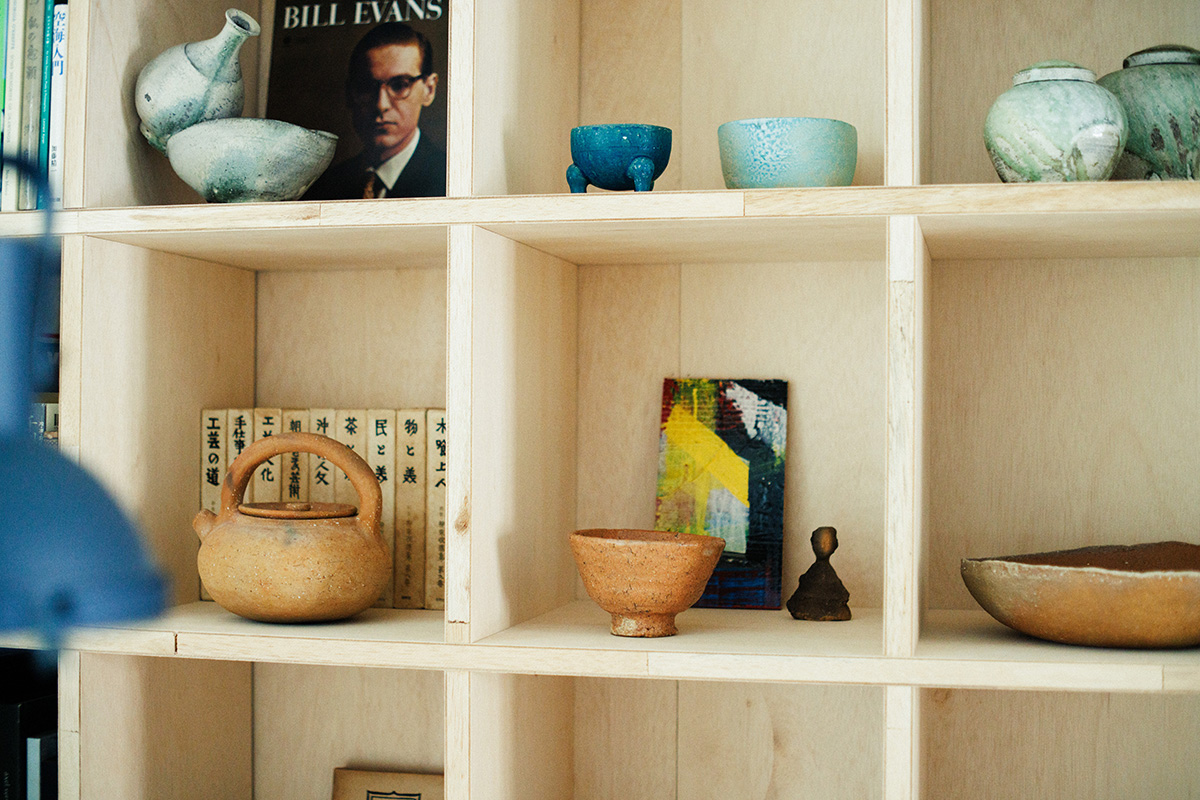
The gallery has featured works by more than 30 Japanese artists, including ceramicist Yui Tsujimura and wood artist Tomomi Osawa. You’ll also find textiles, clothing and exclusive pieces created through collaborations with independent craftspeople.
Prices reflect the collectible nature of the pieces. At a previous exhibition by ceramic artist Naoto Ishii, handmade teacups started at ¥10,000, while teapots were priced at ¥33,000.
If you appreciate earthy textures, understated design and objects that become more beautiful with age, this is one gallery you shouldn’t miss.
- Best for: Contemporary folk art, collectible ceramics and wooden objects
- Location: Gion, Higashiyama, Kyoto
- Price range: Premium
- Opening hours: Vary according to exhibition schedules
- Reservations: Required in advance
- Instagram: @hs_kyoto_
Tip: The gallery also has a sister shop called TREE in central Kyoto, which is worth checking out if you enjoy contemporary Japanese craft and design.
2. Kyoto Xiaoman – Artistic Teaware and a Taiwanese Tea Experience
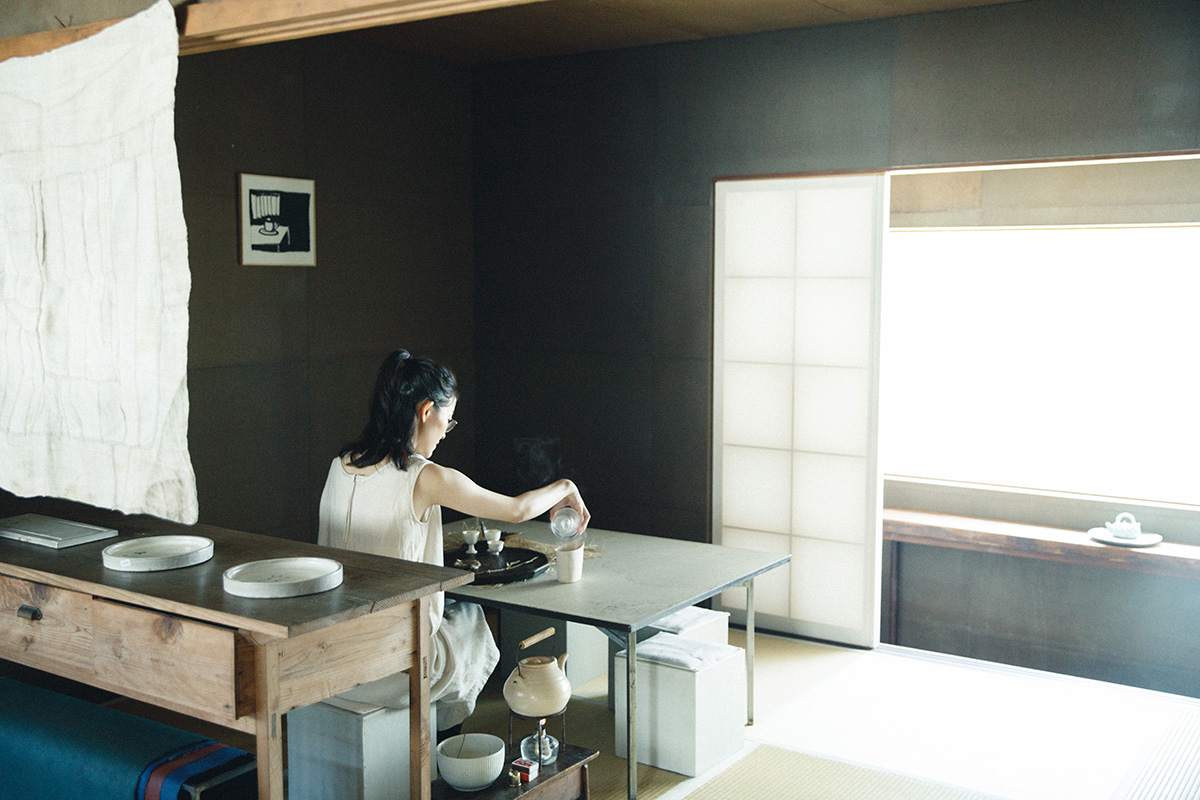
Art shopping doesn’t necessarily have to involve walking around a gallery. Sometimes it involves sitting down, drinking excellent tea and discovering that you suddenly need a handmade teapot.
Located near the Kyoto Imperial Palace grounds, Kyoto Xiaoman is a gallery and tea salon established by Taiwanese tea specialist Xie Xiaoman. The space brings together Japanese and Taiwanese craftsmanship, with a particular emphasis on the objects and rituals surrounding tea.
Its collection has included handmade teaware by ceramic artists Yoshio Kangawa and Akihiro Nikaido, alongside delicate tea accessories created by Kyoto-based washi paper artist TETE.
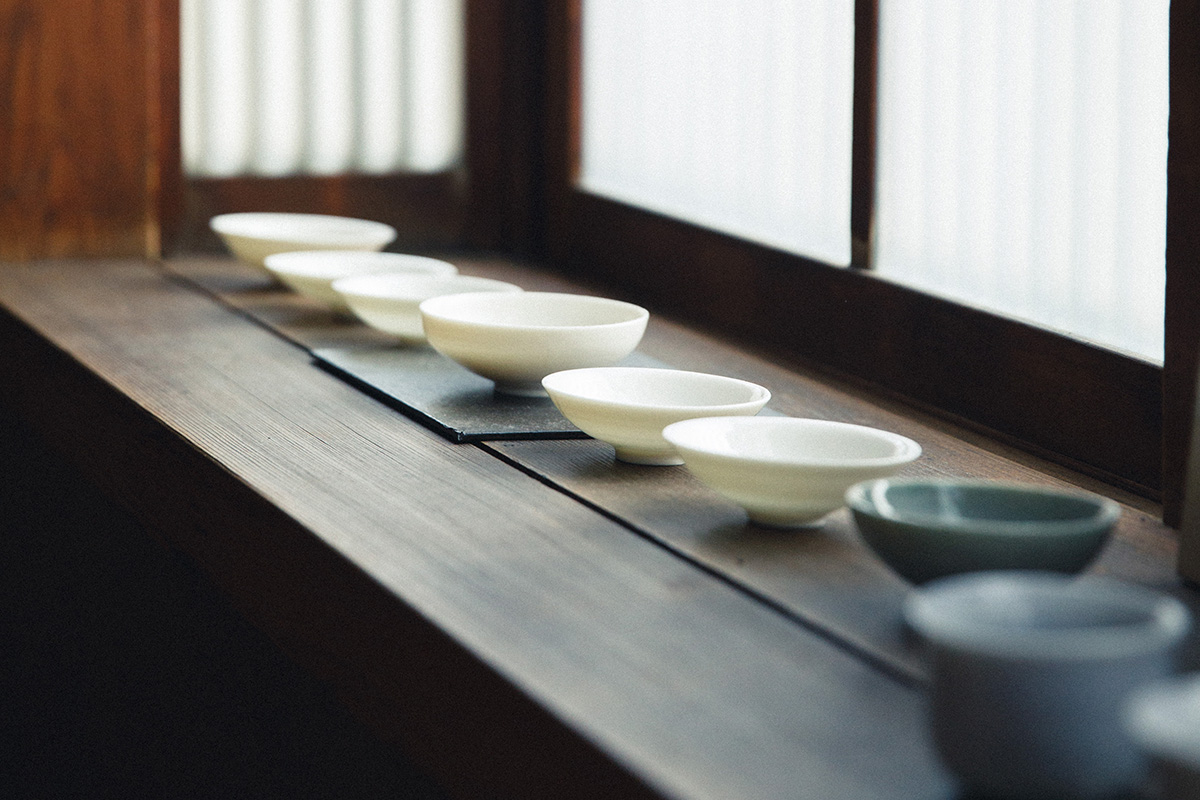
Expect beautifully irregular ceramic cups, sculptural teapots, tea ceremony accessories and carefully selected Taiwanese tea leaves, including unusual varieties that can be difficult to find elsewhere in Japan.
For a more immersive experience, reserve a traditional Taiwanese tea tasting. A previously advertised 90-minute session included three varieties of Taiwanese tea and accompanying sweets for ¥8,800. Confirm the current price when booking.
It’s an excellent place to slow down, discover the relationship between art and daily rituals, and take home something you’ll actually use.
- Best for: Artistic teaware, handmade ceramics and tea lovers
- Address: 313 Kojin-cho, Kamigyo-ku, Kyoto
- Price range: Mid-range to premium
- Opening hours: Vary by exhibition and tea session
- Reservations: Required, including shopping-only visits
- Email: [email protected]
- Instagram: @xiaoman_kyoto
3. KYO AMAHARE – Contemporary Japanese Art in a Traditional Machiya
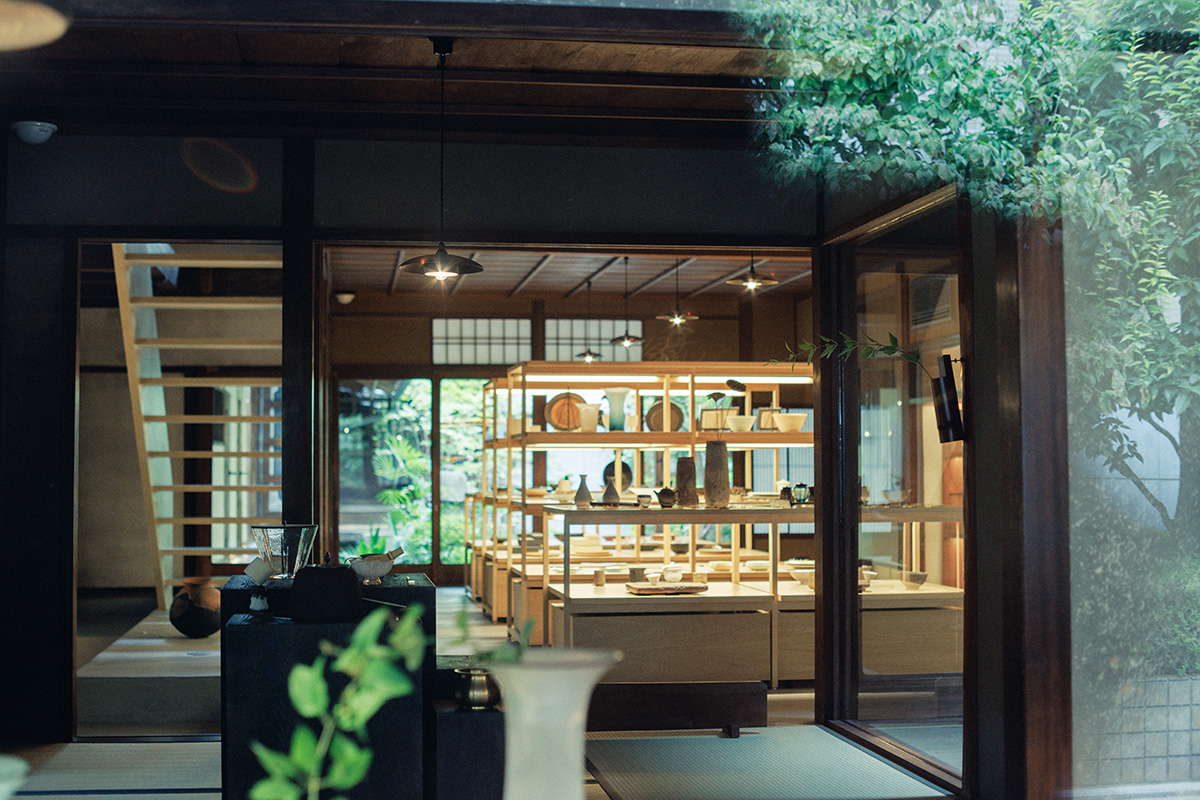
If you only have time to visit one contemporary Japanese craft shop in Kyoto, make it KYO AMAHARE.
Opened in November 2023 inside a roughly 130-year-old traditional machiya townhouse, this spacious gallery brings together some of Japan’s most interesting contemporary artists and craftspeople.
With approximately 165 square metres of exhibition and retail space, KYO AMAHARE offers plenty to explore, without the intimidating atmosphere that sometimes accompanies high-end art galleries.
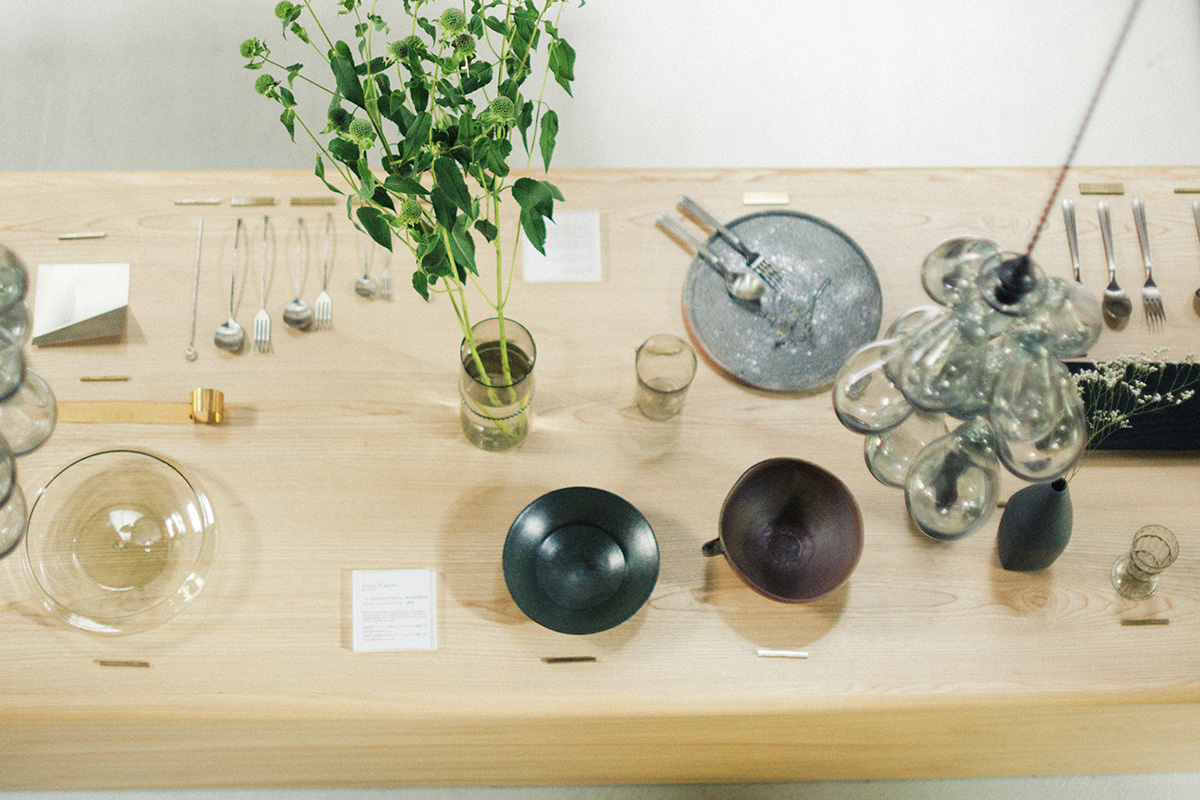
The collection encompasses handmade ceramics, contemporary sculpture, glassware, artistic tableware and elegant utensils traditionally used in Japanese tea ceremonies and kaiseki dining.
Look out for works by Kyoto-based artist Wataru Hatano, who uses traditional Japanese washi paper to create striking contemporary art and interior pieces.
The gallery’s upstairs exhibition space, AMART, explores the territory between traditional craftsmanship and contemporary fine art, making this a particularly interesting stop for design enthusiasts and collectors.
Beyond the interior courtyard, you’ll also find Sabo KYO, a tranquil tea salon serving Japanese tea and beautifully presented traditional sweets. Even if your luggage allowance prevents you from buying that enormous ceramic vase, you can at least comfort yourself with matcha.
- Best for: Contemporary Japanese art, washi art, ceramics and designer homeware
- Address: 127 Aburaya-cho, Nakagyo-ku, Kyoto
- Location: Near Nishiki Market
- Price range: Mid-range to premium
- Opening hours: 12:00–19:00
- Closed: Wednesdays and occasional exhibition preparation days
- Telephone: 075-256-3280
- Website: KYO AMAHARE
- Online shop: AMAHARE
4. Bunshitsu CUSTADO – Affordable Art and Independent Japanese Designers
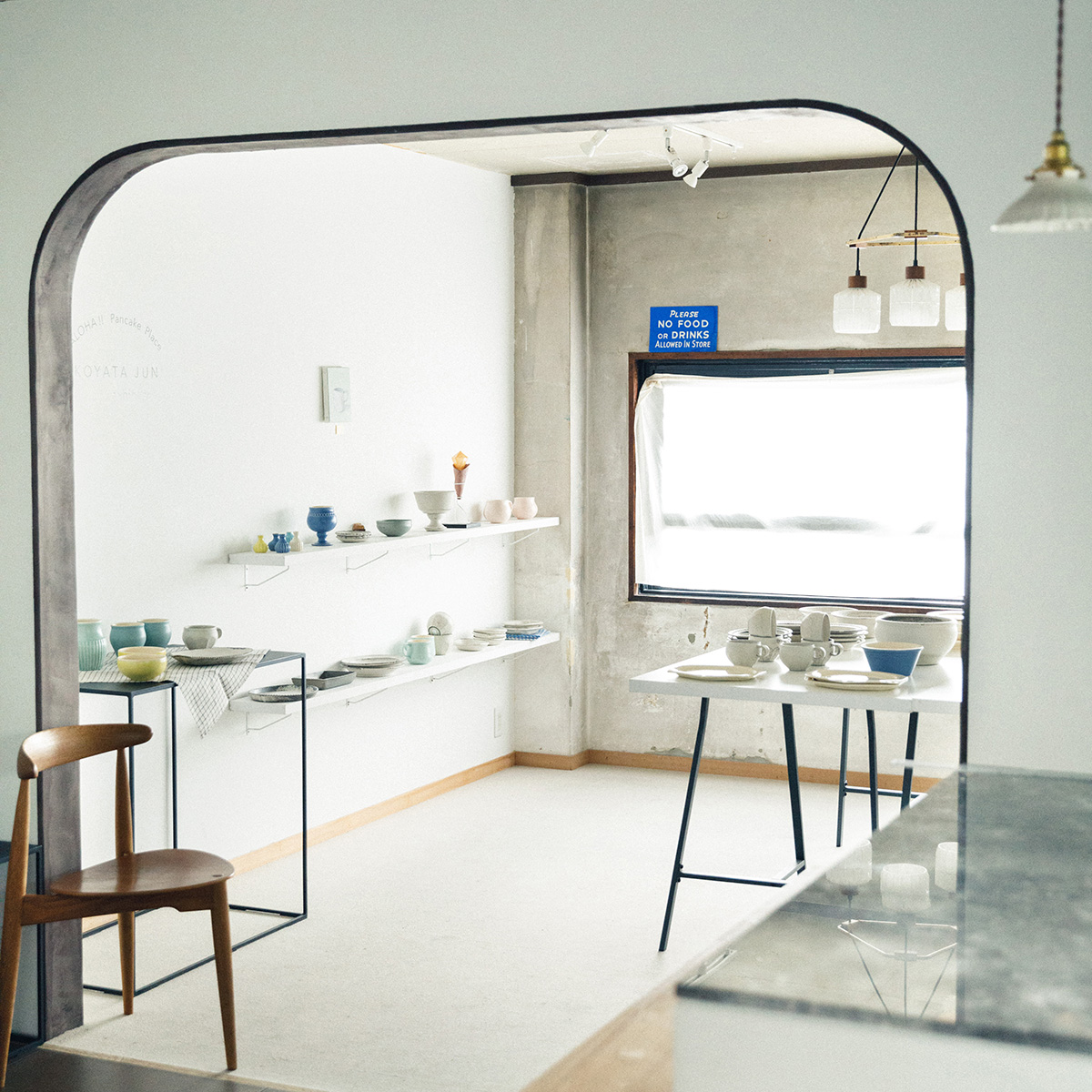
Not every piece of original Japanese art needs to cost half your holiday budget. Bunshitsu CUSTADO is a wonderful place to discover playful, unusual and sometimes surprisingly affordable works by independent artists.
The gallery opened in 2022 above Ki to Ne (Kitone), a long-established lifestyle and craft shop known for its carefully curated Japanese ceramics and everyday objects.
Rather than maintaining a conventional permanent collection, CUSTADO hosts rotating exhibitions that give individual artists the freedom to create their own little worlds.
One exhibition might feature experimental ceramics, while another could showcase paintings, textiles, fashion or whimsical decorative objects.
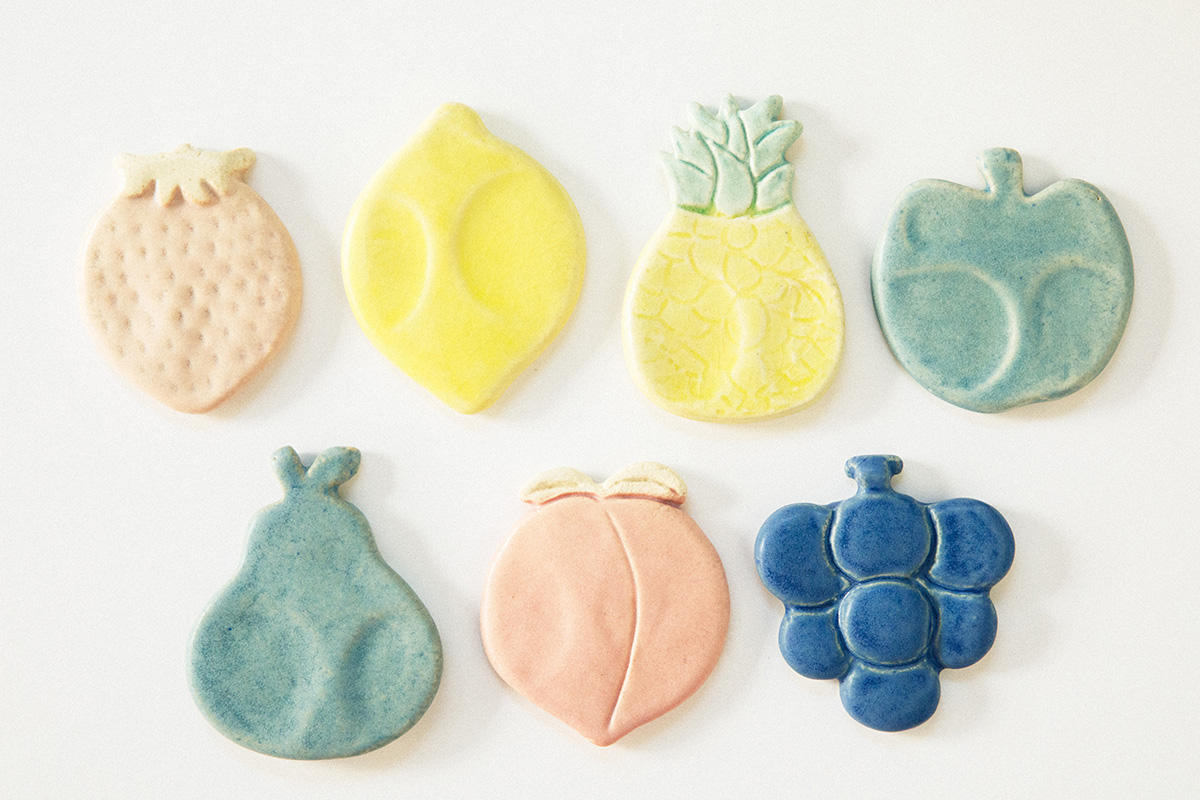
For a previous Hawaii-inspired exhibition, ceramic artist Jun Kotani created charming fruit-shaped chopstick rests priced at just ¥550–605 each. They’re exactly the sort of small, artist-made treasures that make wonderful souvenirs.
The gallery occasionally combines exhibitions with special dining experiences, tea events and collaborations with chefs and pastry artists.
If the upstairs gallery is closed when you visit, check out Kitone downstairs for ceramics, handmade kitchen accessories and other carefully selected Japanese crafts.
- Best for: Affordable art, quirky ceramics, independent designers and unusual gifts
- Address: 589-1 Toro-machi, 2F, Shimogyo-ku, Kyoto
- Price range: Budget-friendly to premium
- Opening hours: During scheduled exhibitions only
- Instagram: @bunsitu_custado
- Online shop: Kitone
What Kind of Japanese Art Should You Buy in Kyoto?
Kyoto is particularly good for art that blurs the boundaries between decoration, craftsmanship and everyday functionality. You don’t necessarily need to invest in a large painting or expensive sculpture to bring home something special.
- Handmade Japanese ceramics: Tea bowls, cups, vases and sculptural pottery.
- Washi paper art: Textured handmade paper, decorative panels and contemporary mixed-media works.
- Japanese woodblock prints: Traditional ukiyo-e reproductions and contemporary artist prints.
- Handcrafted textiles: Dyed fabrics, decorative wall hangings and woven accessories.
- Wooden art: Hand-carved bowls, sculptures and decorative objects.
- Contemporary glassware: Artistic drinking glasses, vases and sculptural pieces.
- Artist-made jewellery: Small, wearable works of art that won’t take up half your suitcase.
- Tea ceremony utensils: Handcrafted teapots, matcha bowls and tea accessories.
How Much Does Art Cost in Kyoto?
You don’t need a serious collector’s budget to buy original art in Kyoto. Smaller handmade objects and unframed prints can be relatively affordable, although prices rise considerably for established artists and one-of-a-kind pieces.
| Type of art | Approximate price |
|---|---|
| Small ceramic accessories | ¥500–¥3,000 |
| Art prints and illustrations | ¥1,000–¥10,000 |
| Handmade ceramic cups | ¥2,000–¥15,000 |
| Artisan textiles | ¥3,000–¥20,000 |
| Handcrafted teapots | ¥5,000–¥40,000+ |
| Original paintings and sculptures | ¥10,000–¥150,000+ |
| Collectible contemporary ceramics | ¥10,000–¥100,000+ |
These are general shopping budget estimates rather than fixed gallery prices. Limited-edition works and pieces by established artists can cost substantially more.
Tips for Buying Art in Kyoto
- Check Instagram before visiting. Many independent Japanese galleries announce exhibitions, temporary closures and reservation requirements exclusively through social media.
- Bring some cash. Smaller galleries and independent artists may not accept international credit cards.
- Ask about the artist. Knowing who made your piece and the techniques behind it makes your purchase considerably more meaningful.
- Ask for protective packaging. Japanese shops are often excellent at wrapping fragile ceramics, but always explain that you’re travelling internationally.
- Enquire about international shipping. Some galleries can arrange overseas delivery for larger or particularly delicate artworks.
- Don’t assume tax-free shopping is available. Independent galleries may not participate in Japan’s tax-free shopping scheme.
- Keep receipts and artist information. These are particularly useful when purchasing signed, limited-edition or collectible works.
Frequently Asked Questions About Buying Art in Kyoto
Where can I buy original Japanese art in Kyoto?
HS -kyoto-, KYO AMAHARE, Kyoto Xiaoman and Bunshitsu CUSTADO are excellent places to discover original works by independent artists. They specialise in contemporary ceramics, decorative objects, handmade paper, textiles and artistic homeware.
Where can I buy affordable art in Kyoto?
Bunshitsu CUSTADO and its downstairs sister shop Kitone are particularly good for smaller handmade objects. You can also explore Kyoto’s temple flea markets, independent stationery shops and local craft markets for affordable prints, vintage items and ceramics.
What is the best area in Kyoto for art shopping?
Central Kyoto, particularly the neighbourhoods around Shijo, Karasuma and Sanjo, is a great starting point for contemporary galleries and design shops. Gion and Higashiyama are especially rewarding for traditional crafts, ceramics and antiques.
Can tourists buy art directly from Japanese artists?
Yes. Many independent galleries in Kyoto organise exhibitions featuring individual artists and sometimes offer opportunities to meet the makers themselves. Craft markets and open studio events are also excellent places to purchase art directly.
Can I bring Japanese ceramics and artwork home?
Generally, yes. Contemporary artwork, prints and ceramics can usually be transported in your luggage, subject to your destination country’s customs regulations. Valuable antiques and designated cultural properties may be subject to additional export restrictions.
Is Kyoto a good place to buy Japanese pottery?
Absolutely. Kyoto is renowned for its traditional Kyo-yaki and Kiyomizu-yaki ceramics and also has a thriving contemporary pottery scene. You’ll find everything from affordable handmade cups to museum-worthy pieces by established ceramic artists.
The best souvenirs from Kyoto aren’t necessarily the most expensive ones. Sometimes it’s a slightly imperfect ceramic cup, a piece of handmade paper or a tiny wooden sculpture that reminds you of Japan long after you’ve returned home.
And that’s the beauty of buying art in Kyoto: you get to take a little piece of its creative spirit home with you.
- Where to Buy Art in Kyoto in 2026: 4 Best Galleries for Unique Japanese Art and Crafts
- Where to Buy Local Art in Tokyo (2026): 10 Hidden Shops & Galleries
- What to Buy in Fukuoka in 2026: 40 Irresistible Japanese Souvenirs Worth Packing
- What to Buy in Hokkaido in 2026: 36 Hokkaido souvenirs worth seeking out
- Best shopping in Ginza Tokyo in 2026: 12 Places Worth Your Time