I spill travel tips , and show you the Japan that tourists usually miss.
From Studio Ghibli legends to groundbreaking modern hits, this list of the best anime movies of all times features unforgettable stories, stunning animation, and fan favorites that every anime lover should see.
Table of Contents
What makes a great anime movie?
Many people hear “anime” and think Dragon Ball or Naruto—bright shonen hits made for younger viewers. Fair enough. But anime is a whole medium, not a genre, and it reaches far beyond power-ups and punchlines.
- It can be about anything. Big quests or tiny moments. A healer wandering old villages. Kids camping by a lake. When done right, even “small” plots feel huge and human.
- Visuals that matter. Color, light, and meticulous detail turn every frame into intent. It’s imaginative, handcrafted, and yes—oddly therapeutic to watch.
- Music that lifts the heart. From gentle piano themes to thunderous anthems, scores and sound design (footsteps, a door latch, pencil on paper) make emotions land deeper.
- Characters first. Heroes, misfits, and especially well-written women—flawed, specific, memorable. In great anime, characters aren’t serving the plot; the characters are the plot.
- Depth behind the color. Even kid-aimed shonen often wrestles with grief, justice, choice, and consequence—more “food for thought” than outsiders expect.
- Cultural texture. Glimpses of karuta, rakugo, festivals, and reimagined history invite you in rather than lecture you—opening a door to Japan and, often, to your own roots.
Bottom line: a great anime movie pairs craftsmanship with heart—images, music, and character work pulling in the same direction—so something simple feels unforgettable.
Best Anime Movies of All Times (1996-2025)
‘Whispers of the Heart’, by Yoshifumi Kondo (1996)
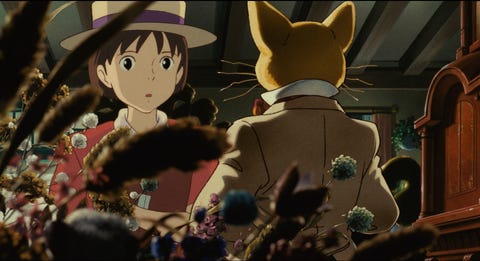
At Studio Ghibli some very famous films need no introduction, from ‘My Neighbor Totoro’ to ‘Spirited Away’, but they also hide some underrated gems that are worth discovering. This is the case of this film directed by Yoshifumi Kondo with a script by Hayao Miyazaki. It tells the (emotional) journey of a teenager who wants to be a writer, and who decides to put herself to the test by writing her first story. Her inspiration is the figure of a cat, the Baron, who resides in an antique shop that will spark her imagination. Certainly ‘Whispers of the Heart’ is one of the best Studio Ghibli films.
‘Perfect Blue’, by Satoshi Kon (1997)
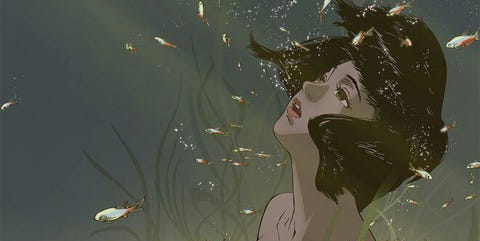
‘Perfect Blue’ is one of the best-known films on the list, especially thanks to the free version that Darren Aronofsky made of the film with ‘Black Swan’. Directed by the great Satoshi Kon, it portrays the depression suffered by the singer of a J-Pop group after her manager decides to remove her from her group. With fantasy features induced by the main character’s own mind, Perfect Blue earned a place as one of the best anime ever.
‘Interstella 5555 – The 5tory of the 5ecret 5tar 5ystem’, de Leiji Matsumoto (2003)
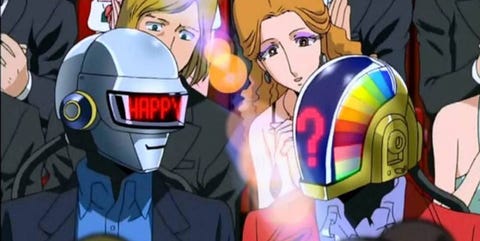
In 2003, the French electronic music group Daft Punk decided to show their new work through an animated film guided entirely by their songs. Like a science fiction tale, the film centers on a musician who assembles a group of contestants from all over the galaxy to become the most popular on Earth. ‘Interstella 5555 – The 5tory of the 5ecret 5tar 5ystem‘ is a very different bet from traditional anime, but for music lovers, it is a delight that has not lost an iota of synchrony despite having been released fifteen years ago.
‘Tokyo Godfathers’, by Satoshi Kon (2003)
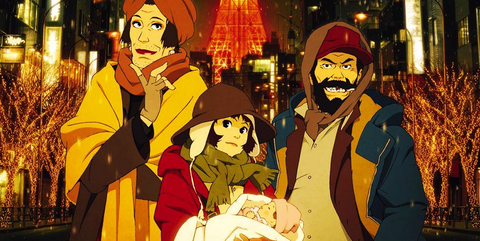
The case of Satoshi Kon is unique in the world. The animation director was only in charge of four films —and a half, if we take into account the unfinished ‘Dreaming Machine’—, but all of them were classified among the best anime of all time. In the case of ‘Tokyo Godfathers’, Kon transports us to the tenement of the Japanese capital to tell us a beautiful Christmas story based on John Ford’s western ‘3 Godfathers.‘ With a clear LGBT claim and angry social criticism, it is one of the best films in the country’s history.
‘Steamboy’, by Katsuhiro Otomo (2004)
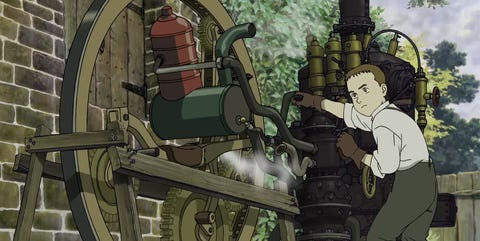
The popularization of anime in the West owes practically everything to Katsuhiro Otomo’s ‘Akira. Between the late 80’s and early 90’s, this film showed that animated films are taken seriously in Japan. Several years later, Otomo returned to the top with a steampunk proposal that, despite not having the complexity of its predecessor, has an impressive technical invoice.
‘Ghost in the Shell 2: Innocence’, de Mamoru Oshii (2004)
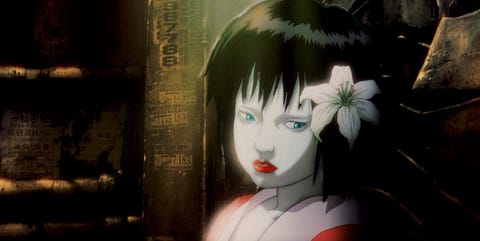
Without a doubt, ‘Ghost in the Shell’ is an essential movie for any anime fan, but few films have come as close to a Japanese, complex, and critical version of ‘Blade Runner’ as the sequel directed by Mamoru Oshii in 2004. In this case, the film ‘Ghost in the Shell 2: Innocence ‘ focuses on the figure of Detective Batou, who has to investigate a triple murder at the hands of a sex doll. With a very contemporary reflection on Artificial Intelligence and everything that surrounds it, ‘Innocence’ is the best version made to date.
‘Fullmetal Alchemist: Conqueror of Shamballa’, by Seiji Mizushima (2005)

Finally, a bet only suitable for fans of the Fullmetal Alchemist anime, which after its publication on Netflix has gained thousands of new followers. ‘Fullmetal Alchemist: Conqueror of Shamballa‘ is the direct sequel to the anime, set several years later and which serves as the final climax to the series. Thanks to a very original plot and unbeatable technical quality, it is one of the best films derived from an anime series that has ever been made.
‘The Girl Who Leapt Through Time’ (2006), by Mamoru Hosoda

‘The Girl Who Leapt Through Time‘ available on Netflix praised Hosoda to the top after he took charge of ‘Digimon Adventure’, and was one of the first to show the good harmony that exists in anime between costume films and science fiction. Based on a high school student capable of time travel to a point in her past, it is the direct predecessor of ‘Your Name’, marking a before and after in the genre.
‘Tekkonkinkreet’, by Michael Arias (2006)
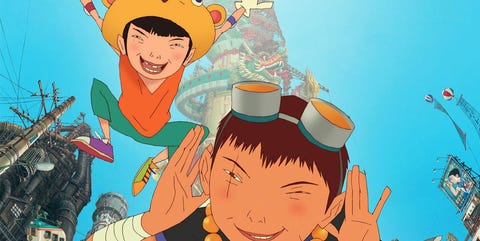
Despite being born in Los Angeles, Michael Arias is one of the most prestigious anime directors in Japan, even winning the Japanese Academy Award for Best Animated Film with ‘Tekkonkinkreet’. The feature film shows the story of two brothers who face a group of villains to defend their city. But, beyond the adventures and humor of the film, it conveys a message.
‘Buddha: The Great Departure’, by Kozo Morishita (2011)
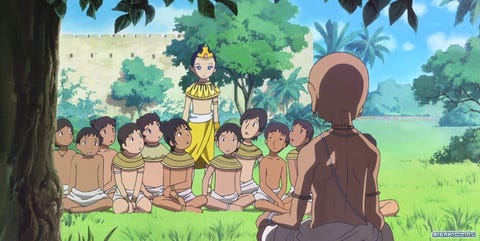
In ‘Buddha: The Great Departure’, the filmmaker Kozo Morishita makes an effort to tell this didactic story from a vision of pure entertainment and spectacle. An insignificant entry into Buddhist philosophy.
‘The Tale of Princess Kaguya’, by Isao Takahata (2013)
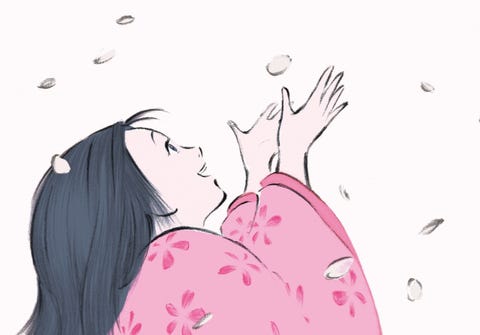
Although Hayao Miyazaki has captured the spotlight too many times, the co-founder of Studio Ghibli, Isao Takahata, has jewels in his filmography as incredible as this one,’The tale of Princess Kaguya’, which was his last film before his death. It took the director eight years to make one of the best films in the history of animation, loaded with beautiful images, a traditional, changing, hypnotic, and furious line, with a story based on the traditional tale ‘The Bamboo Cutter of the 9th century. Takahata said goodbye in style.
‘Patema Inverted’ by Yasuhiro Yoshiura (2013)
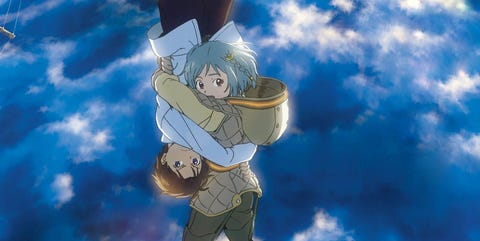
Like a mix between a ‘Mad Max’ dystopia and an intimate indie film, ‘Patema Inverted’ is one of the most daring proposals on the list. Fans of ‘Your Name’ will have a great time with this film, because the thesis is the same: time, distance, and, in this case, gravity don’t matter. Love is above everything.
‘When Marnie was there’, by Hiromasa Yonebayashi (2014)
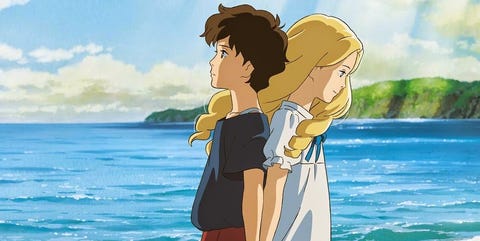
‘ When Marnie was there’, is the emotional story of the bond established by two girls. With a melancholic air reminiscent of books like ‘The Prince of the Mist’, it is hailed as one of Studio Ghibli’s latest feature films of great importance.
‘The Boy and the Beast’, by Mamoru Hosoda (2015)
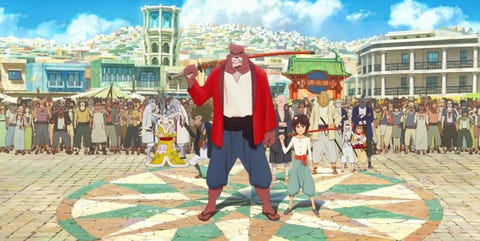
A couple of years ago, the director Mamoru Hosoda reaffirmed himself as one of the best Japanese filmmakers after winning, for the fourth time, the Japanese Academy Award for best-animated film. Starring a nine-year-old orphan boy and a beast who lives in a different world from the protagonist, ‘ The Boy and the Beast‘ recovers the best of Ghibli to later twist it in a more complex and emotional direction that leaves no one indifferent.
‘Your name’, by Makoto Shinkai (2016)
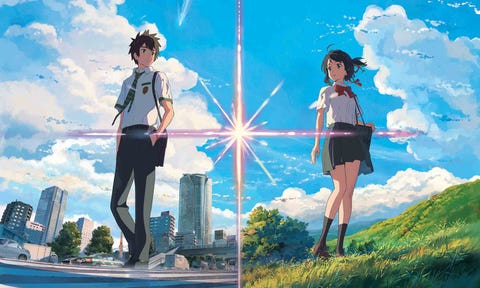
A smash hit at the box office, ‘Your name’ became his debut in one of the highest-grossing films in Japanese history. And it is not without a reason: Makoto Shinkai makes us feel in each song, each surprising revelation and each look through time and space. The story follows Taki and Mitsuha, two students who discover that, during their dreams, their bodies are switched, and they begin to communicate through notes.
‘A silent voice’, by Naoko Yamada (2016)
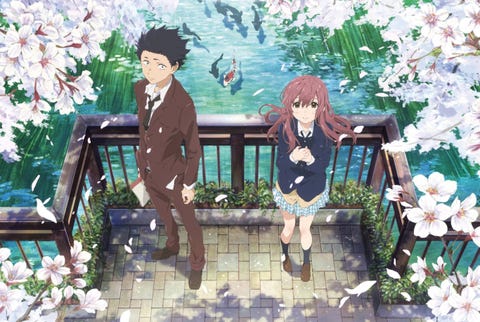
Based on Yoshitoki Ōima ‘s manga, ‘A silent voice‘ tackles tough topics emotionally and excitingly, which ends up becoming a lesson in empathy and against bullying. The story revolves around a deaf elementary school student who, when she changes schools, begins to experience bullying from her new classmates. One of them will look for her years later to try to amend her mistakes from her past.
‘The Red Turtle’, by Michael Dudok de Wit (2016)
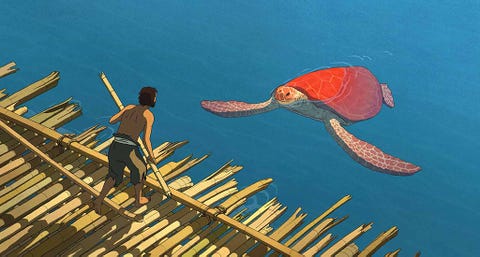
The first Studio Ghibli film that was not produced in Japan and a story without dialogues that will make you fall in love. French co-production directed by Michael Dudok de Wit, ‘The Red Turtle’ shows us the cycle of life: we travel to a deserted tropical island where a castaway fights to survive in solitude, but soon he will begin to experience all the stages of being human.
‘Night is short, walk on girl’, by Masaaki Yuasa (2017)
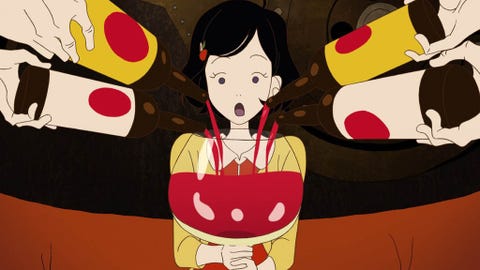
If you want to see a different, fun, and surreal anime, you have to take a look at Masaaki Yuasa’s filmography. And what better way than with ‘Night is Short, Walk on Girl’ film, one of his most recent works, which adapts Tomohiko Mori’s 2006 novel. The story follows a man who will do everything possible to attract the attention of a girl, but this girl has her own life: a party well-washed in alcohol that gives for hilarious moments.
‘I want to eat your pancreas’, by Shin’ichirô Ushijima (2018)
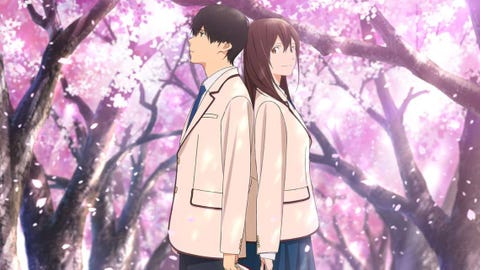
If this title doesn’t make you want to press play… ‘I Want to eat your pancreas‘ is a great romantic drama based on Yoru Sumino’s novel, and it shows us how a student discovers by chance that one of her classmates at the institute is just months away from passing away due to a pancreas disease. This discovery fosters a friendship between them, through which we will discover that, in addition to the disease, the girl also has other problems that turn her day-to-day life into a nightmare.
‘Maquia: When the Promised Flower Blooms‘, by Mari Okada (2018)
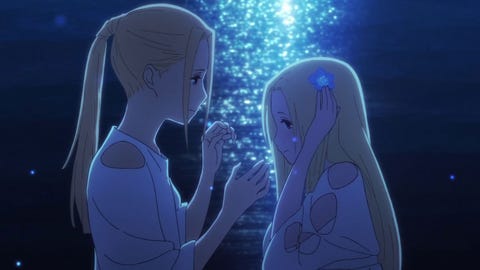
Maquia belongs to a group of people who stop aging in adolescence. That is the starting point of this fascinating film ‘Maquia: When the Promised Flower Blooms’ by Mari Okada, which is full of surprises- the tranquility of the magical Maquia is broken when an army invades them to search for the secret of immortality. Maquia escapes but loses her friends and her home. In the forest, she will meet Ariel, a little boy who has lost his parents.
‘Weathering with You’, by Makoto Shinkai (2019)
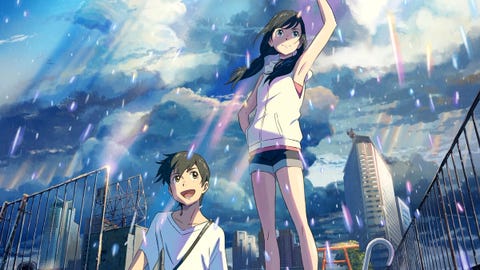
After the overwhelming success of ‘Your Name’ (also present on this list), the director Makoto Shinkai returned to the screens with ‘Weathering with You’, a film with many points in common with its predecessor, mainly due to the animation style and The Radwimps Soundtrack. The story follows Hotaka Morishima, a high school student who moves to Tokyo to leave her life behind on an isolated island from the world and meets Akina Amano, a girl with the mysterious power to manipulate and control the weather.
‘My Hero Academia: Heroes Rising’, by Kenji Nagasaki (2019)
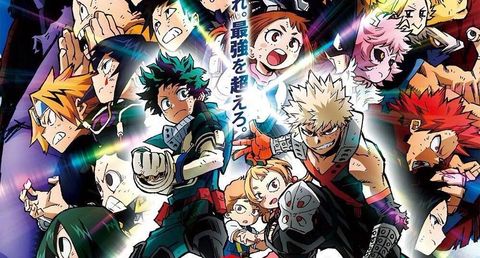
If you are a fan of the ‘My Hero Academia‘ series, you already know that the movies are essential to continue spinning all the events of the story and the development of its great characters. In this second and recent film installment ‘My Hero Academia: Heroes Rising‘, based on the series on Kôhei Horikoshi’s manga, we meet again with the usual characters to chase a new villain called Nine , who is looking for Tomura Shigaraki and for that reason decides to attack the island of Nabutō.
‘One Piece: Stampede’ by Takashi Ōtsuka (2019)
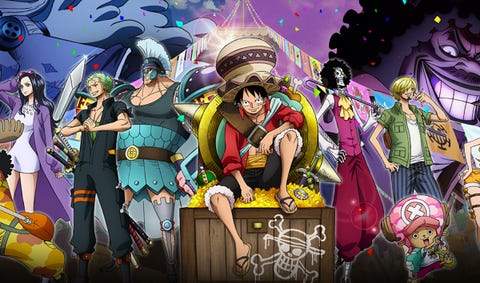
Speaking of iconic series… Created by Eiichiro Oda, ‘One Piece’ is one of the most beloved franchises (manga, series, movies, video games…) in the anime universe. In this film, we have adventures with the pirates again. Must see.
‘Demon Slayer: Mugen Train’, by Haruo Sotozaki (2020)
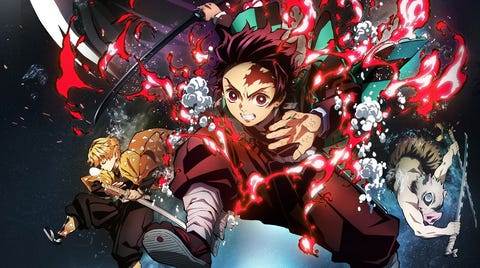
Sequel to the successful series ‘Kimetsu no Yaiba’ (‘Demon Slayer’), one of the best current anime series based on Koyoharu Gotōge’s manga, ‘Demon Slayer: Mugen Train‘, made that leap from television to the big screen to raise the bet of a series of characters already known by the spectators. And the success was resounding: one of the highest-grossing films in Japan in times of pandemic. Here we meet the protagonist Tanjiro Kamado and his friends from the Demon Slayer Corps, who are investigating a mysterious series of disappearances.
‘The Deer King’, by Ando Masahi and Masayuki Miyaji (2021)
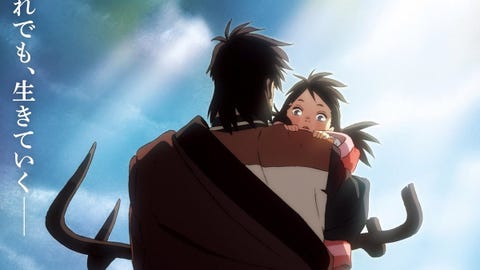
‘The Deer King‘ is one of the recent anime gems to keep on the radar. Based on the work of Nahoko Uehashi, the story follows a soldier who is taken as a slave after defending his land against a powerful empire and ends up being sent to the salt mines, where a mysterious disease will later spread. The protagonist and a little girl will be the only survivors of this plague and they will start a journey together.
‘Evangelion: 3.0+1.0 Thrice Upon a Time’, by Hideaki Anno (2021)

‘Evangelion: 3.0+1.0 Thrice Upon a Time’ is the epic finale to the Evangelion Rebuild series. Emotionally intense, narratively bold, and visually explosive—it’s the kind of ending that stays with you long after the credits roll.
‘Josee, the Tiger and the Fish’, by Studio Bones (2021)

‘Josee, the Tiger and the Fish’ is a touching story about an unlikely friendship between a dreamer and a girl in a wheelchair. Beautifully animated and emotionally raw—it’s romance done right, with meaning and soul.
‘The First Slam Dunk’ (2022)
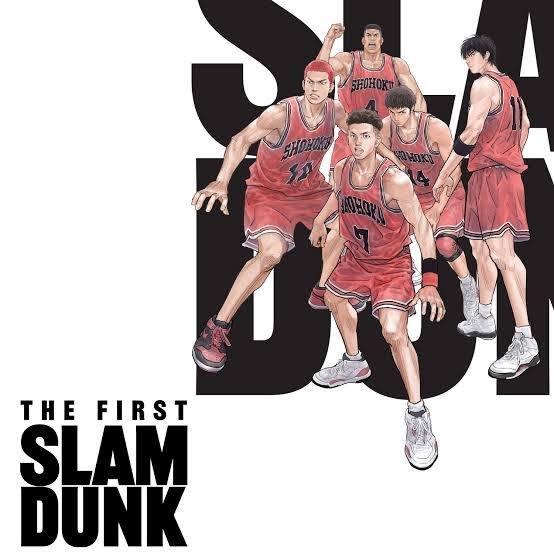
Even if basketball is not usually your thing, The First Slam Dunk is still a fantastic watch. It delivers strong character drama, fierce match tension, and some brilliantly executed sports animation. It is energetic, emotional, and much more gripping than “a basketball movie” might sound on paper.
‘Suzume’ (2022)
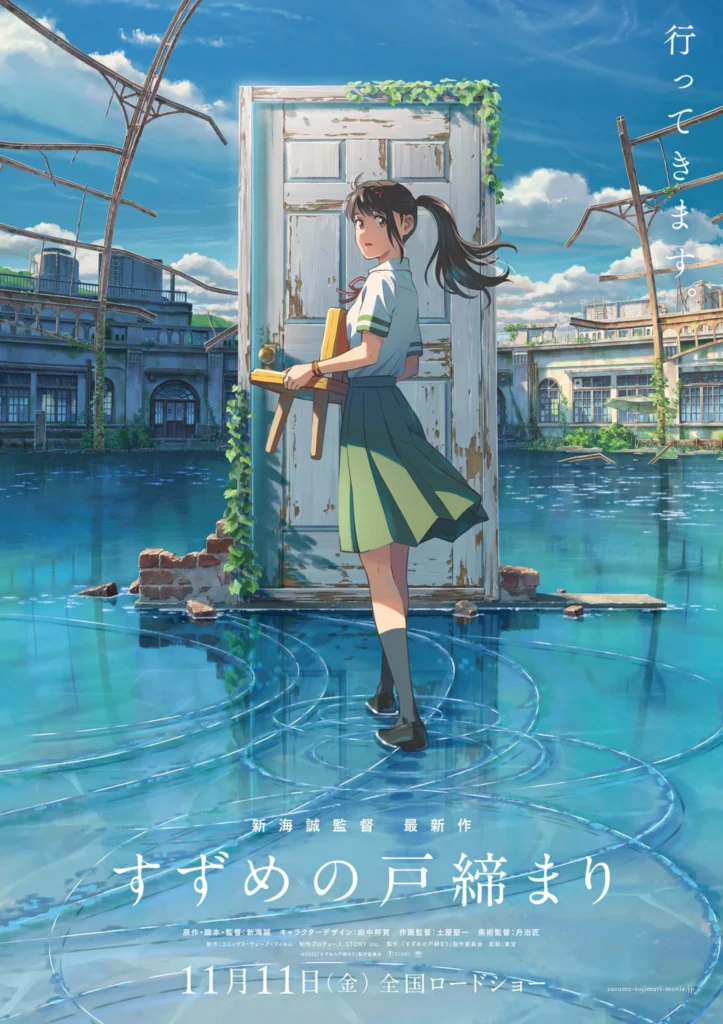
Makoto Shinkai’s Suzume mixes romance, fantasy, and disaster imagery into a visually gorgeous road-trip story. It follows a teenage girl trying to close mysterious doors across Japan, and it balances spectacle with genuine emotion. Also, yes, the chair is unforgettable.
‘Drifting Home’, by Hiroyasu Ishida (2022)
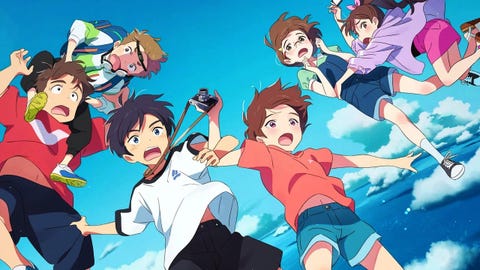
Released on Netflix, ‘Drifting Home’ is a great adventure and fantasy film that you will fall in love with. The story follows two teenagers, Kosuke and Natsume, who have been neighbors and best friends since they were little. One summer, before their building is torn down, something inexplicable happens to them: all they can see around them is the sea. How can they return to their world? And why has this happened? A beautiful metaphor for summer goodbyes and changes coming in adolescence.
‘Jujutsu Kaisen 0’, by Studio MAPPA (2022)

‘Jujutsu Kaisen 0’ is a prequel that hits harder than most sequels. With fluid animation, dark fantasy vibes, and real emotional weight, JJK 0 is a must-watch whether you know the series or not.
Suzume (2022/23)
A grief-tinged road trip across Japan where a teen girl and a mysterious boy race to close supernatural “doors” that unleash disasters. It blends grand-scale spectacle with everyday tenderness—found family, roadside noodles, and a cat you won’t forget. Big feelings, big skies, and Shinkai’s weather magic in overdrive.
One Piece Film: Red (2022)
A full-blown pop concert wrapped in a pirate caper, with Uta’s songs steering both plot and emotion. It’s colorful, fast, and bittersweet—giving Shanks lore, Straw Hat chaos, and newcomers a generous on-ramp.
Dragon Ball Super: Super Hero (2022)
Gohan and Piccolo headline a brisk, CG-forward brawl that celebrates the series’ goofiness and heart. The Red Ribbon Army returns, family stakes land, and the final transformation is pure theater-cheer territory.
Inu-Oh (2022, intl.)
Masaaki Yuasa turns medieval Noh into a glam-rock fever dream about friendship, fame, and suppressed history. The music roars, the animation stretches and warps, and the result is bold, haunting, and singular.
Jujutsu Kaisen 0 (2022, intl.)
A prequel that stands alone: traumatized Yuta finds purpose, power, and complicated love. Savage-yet-readable action, truly otherworldly curses, and a finale that hits like catharsis. Come for Gojo; stay for Yuta and Rika.
Bubble (2022)
Parkour over a drowned Tokyo meets fairy-tale melancholy. Gravity bends, bubbles dance, and young rivals drift into a soft, luminous romance. Light on plot, heavy on vibe—moving wallpaper for the heart.
Drifting Home (2022)
An entire apartment complex slips into a liminal sea, marooning kids with unresolved feelings. Sunburns, ghost stories, and the ache of friendships changing—summer’s end in gentle fantasy form.
The Deer King (2022, U.S.)
A former soldier and a little girl navigate a land split by empire, plague, and prejudice. Ghibli veterans deliver textured worldbuilding, hushed forests, and a story about choosing care over fear.
‘The Boy and the Heron’ (2023)
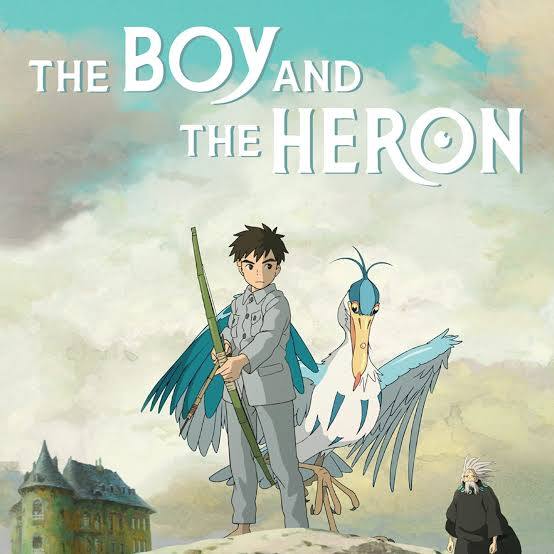
Hayao Miyazaki returned with The Boy and the Heron, and naturally it feels dreamlike, strange, layered, and visually stunning. This is not a simple film, and that is exactly part of its power. It explores grief, memory, childhood, and imagination in a way that feels both intimate and mythic.
‘Blue Giant’ (2023)
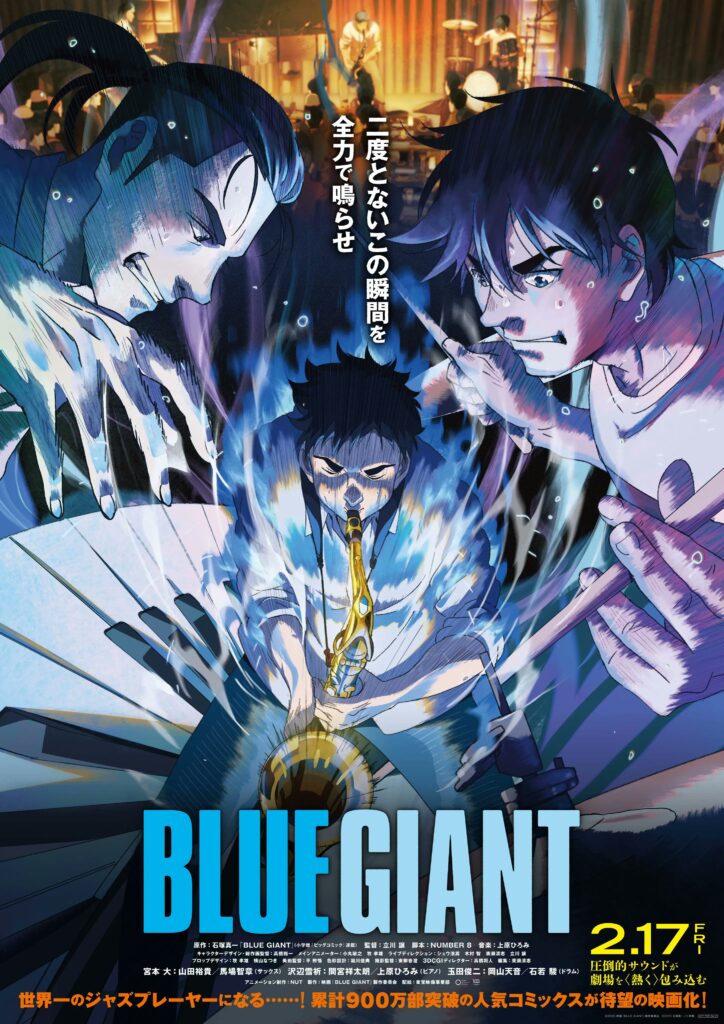
Blue Giant turns jazz into a full emotional experience. It follows a young saxophonist determined to become the world’s best jazz player, and the result is intense, passionate, and incredibly alive. It has ambition, heart, and a wonderful sense of momentum.
‘The Boy and the Heron’, by Hayao Miyazaki (2023)

A surreal, semi-autobiographical fantasy from the Studio Ghibli legend. Dreamlike, layered, and visually breathtaking— ‘The Boy and the Heron’ Oscar-winning film is a tribute to childhood, grief, and imagination.
‘Suzume’, by Makoto Shinkai (2023)

A teenage girl, a mysterious door, and a journey through disaster-torn Japan. ‘Suzume‘ blends stunning landscapes with deep emotional resonance—it’s about closure, connection, and moving forward.
The First Slam Dunk (2023 global)
A single nail-biter match elevated to cinematic intensity through memory, rhythm, and daring shot choices. You feel the parquet, the lungs, the pressure—the last minutes absolutely cook.
The Boy and the Heron (2023)
Miyazaki’s late-style labyrinth: grief opens a door, and a boy wanders a broken world built from memory and myth. Tender, thorny, and stubbornly human; creatures charm, choices sting. A goodbye and a beginning.
Psycho-Pass: Providence (2023)
A taut, cool-headed conspiracy that bridges canon while chewing on ethics. Akane and Kogami simmer, the world feels disturbingly plausible, and the ending lands with moral weight.
Black Clover: Sword of the Wizard King (2023)
An original story that distills the series’ best traits: scrappy underdogs, loud ideals, and spell-slinging set pieces. Villains with conviction, friends yelling each other stronger—peak shounen comfort food.
Detective Conan: Black Iron Submarine (2023)
A high-tech whodunnit aboard an oceanic facility where surveillance, identity, and human error collide. Gadgets sparkle, twists stack, and the action snaps into place like precise clockwork.
Spy x Family Code: White (2023/24)
A cozy winter vacation that snowballs into spy shenanigans—assassins, agents, and one extremely motivated telepath. Fizzy gags, joyous set pieces, and found-family warmth without the noise.
Blue Giant (2023 JP / 2024 abroad)
A saxophonist chases greatness with bruised fingers and stubborn grit. Concert scenes move like music, friendships feel lived-in—equal parts sweat, snow, and stage light. For anyone who’s ever loved a craft.
Lonely Castle in the Mirror (2023 intl.)
Bullied kids slip into a fairy-tale castle ruled by a wolf-girl with gentle, ominous rules. A quiet story about safety, shame, and second chances, with a reveal that rethreads everything.
Sand Land (2023 JP / 2024 global)
Toriyama’s dusty road trip with a demon prince, a gruff sheriff, and a perpetually ailing tank. Breezy, wry, and sun-baked, with pockets of real heart and anti-war bite.
‘Look Back’ (2024)
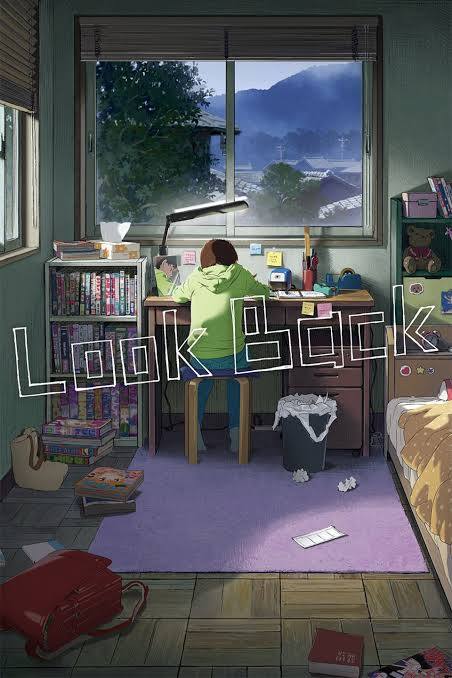
Look Back may be small in scale, but emotionally? Absolutely not small. Adapted from Tatsuki Fujimoto’s one-shot manga, it tells the story of two girls linked by art, ambition, rivalry, and friendship. It is sharp, moving, and the sort of film that quietly wrecks you before you even realize what happened.
Haikyu!! The Dumpster Battle (2024)
One match, ninety minutes, zero filler. Momentum becomes story—timeouts, stares, breaths—until the payoff detonates. A love letter to rivalry and the beauty of trying.
Look Back (2024)
Two girls draw manga, grow apart, and face the unthinkable. Tender, raw, and exact about grief’s strange shapes—yet it never loses the joy of making. Short, searing, unforgettable.
Mononoke The Movie: Phantom in the Rain (2024)
A folk-horror puzzle box lacquered in opulent patterns, with the Medicine Seller carving through lies. Each revelation re-inks the frame. Strange, sumptuous, and mesmerizing.
Mobile Suit Gundam SEED Freedom (2024)
A maximalist mecha opera stuffed with politics, romance, and beam-saber theatrics. Old wounds reopen, new alliances spark, and the battles have real weight—closure for SEED fans, fireworks for newcomers.
The Imaginary (2024, Netflix)
Studio Ponoc crafts a warm adventure where imaginary friends fight to stay seen. Textures glow—knit hats, lamplight, crumbs—and the emotional turn sneaks up softly but surely.
The Colors Within (2025)

Naoko Yamada’s The Colors Within is soft, luminous, and quietly beautiful. It follows Totsuko, a girl who sees people as colors, as she forms a band with two other teenagers. It is gentle, emotional, and full of that delicate, introspective magic that sneaks up on you.
Demon Slayer: Infinity Castle (2025)
A multi-part boss rush turned big-screen event: lavish animation, choral swells, and arcs finally cashing their checks. Thunderous action threaded with grief and grit—best with a loud crowd.
Overlord: The Sacred Kingdom (2025)
Grimdark strategy and crushing set pieces as holy armies collide with an inhuman overlord’s designs. Morality stays cool, spectacle runs hot, and fan-favorite fighters get lethal showcases.
The Rose of Versailles (2025)
Court intrigue and revolution reborn with modern sheen that honors iconic shōjo aesthetics. Oscar’s identity, class tension, and impossible love blaze bright—a sweeping romance with steel in its spine.
- Nagoya rainy day with kids in 2026 (Cool Indoor Things to Do )
- Best Gachapon in Tokyo (2026): 20 Places to Find Capsule Toys

- All Japanese KitKat Flavours List: The Ultimate Japan KitKat Guide

- Sapporo rainy day with kids (2026): 7 Cool Indoor Things to Do
- What To Do In Arashiyama With Kids: A Realistic One-Day Family Itinerary