
I spill travel tips , and show you the Japan that tourists usually miss.
Discover the bold, savory, and sweet world of Japanese street food—from sizzling takoyaki to fluffy taiyaki. Explore must-try dishes, top food spots, and insider tips for your next Japan trip.
Still hungry? Good. Japan is not finished with us yet.
Japanese street food is where the trip gets dangerously snack-shaped. One minute we are “just browsing,” the next we are holding takoyaki, taiyaki, karaage, melon pan, and possibly a mysterious seasonal drink we absolutely did not need. If you’re planning a full food-focused Japan route, these guides will help you eat smarter, wander better, and avoid the tragic fate of wasting stomach space.
- Where to Eat Tokyo Street Food Like a Local — the obvious next stop for hidden alleys, classic snacks, and Tokyo food wandering without tourist-trap despair.
- 47 Best Japanese Dishes You Need to Try in Japan — ideal if you want the bigger “what should we actually eat?” list beyond street snacks.
- Where to Eat in Osaka — because Osaka is basically Japan’s loud, glorious stomach, and we respect that deeply.
- Where to Eat in Kyoto — for traditional meals, elegant restaurants, and food breaks between temples when your feet start negotiating with you.
- Where to Eat in Nagoya — for miso katsu, hitsumabushi, kishimen, and other local dishes that deserve far more attention.
- Where to Eat at Tokyo Station — perfect before a Shinkansen ride, after a long travel day, or whenever “station food” suddenly becomes dangerously impressive.
- Best Japanese Drinks to Try — because matcha, ramune, canned coffee, sake, and vending-machine experiments are all part of the adventure.
- Best Family-Friendly Restaurants in Tokyo — handy if you’re eating your way through Japan with children and would like dinner without emotional collapse.
Table of Contents
Japan is a country bursting with famous flavors, and you don’t need to sit down in a fancy restaurant to experience them. In fact, some of the best bites come sizzling straight off a tiny cart on the street. These stalls, called yatai (屋台), whip up fresh dishes right in front of you—hot, fast, and full of character.
What’s interesting is that in Japan, street food often isn’t “cheap food” in the typical sense. Many yatai are connected to full-on restaurants or long-established shops, so you’ll see beloved everyday meals being served curbside, reimagined for grab-and-go eating. It’s a different vibe from what you might expect in other countries—and that’s part of the charm.
If you’ve ever hesitated to try unfamiliar-looking street food, Japan’s the place to change that. It’s not just safe and affordable—it’s an edible gateway into the culture itself. Below is a list of must-try classics that every traveler should taste at least once while exploring Japan. Ready your appetite.
Savory Japanese Street Food
Takoyaki

Takoyaki (たこ焼き or 蛸焼) are small dough balls filled with pieces of octopus, and they’re one of the most popular street foods in Japan. Tako” means octopus, and “yaki” comes from the verb “yaku” (焼く), meaning “to fry” or “to grill.” This round snack is made with a wheat flour batter and cooked in a special pan.
Key ingredients include chunks of octopus, green onions, pickled ginger (紅生姜, benishoga), and crunchy bits of tempura batter (天かす, tenkasu). They’re topped with takoyaki sauce and mayo, then sprinkled with dried seaweed (アオノリ, aonori) and bonito flakes (鰹節, katsuobushi).
Takoyaki was first created in 1935 in Osaka, and the city is still famous for it. You’ll find it at festivals, street stalls, restaurants, and even konbini. There are lots of regional variations that switch up the ingredients, giving takoyaki a huge range of flavors.
Yakisoba
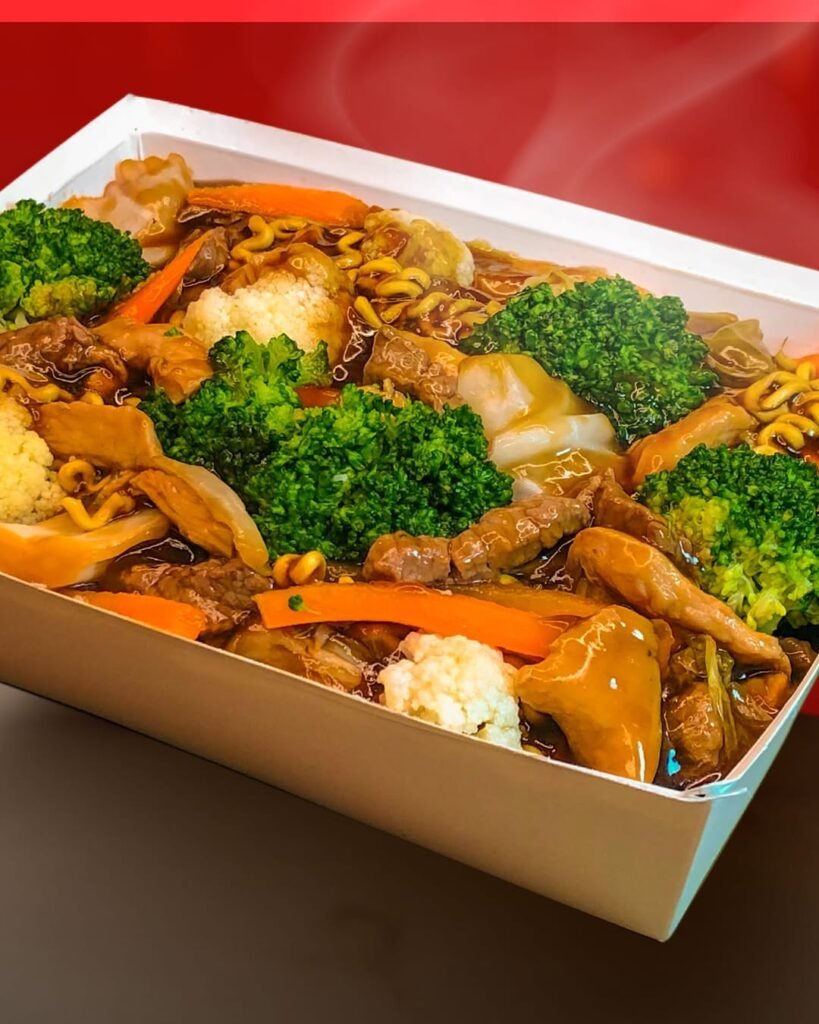
Yakisoba (焼きそば) is a stir-fried noodle dish that’s also super popular. Though soba noodles are usually made from buckwheat, yakisoba uses chuka soba (中華そば), which are Chinese-style wheat noodles.
The noodles are typically fried with cabbage and onions, seasoned with a special sauce, and topped with pickled ginger and dried seaweed. On top of the basic version, you can add all sorts of extras like veggies, meat, or seafood.
It’s a staple at festivals, and it has roots in Chinese chow mein. After World War II, food was scarce, so people used what they had — like cabbage — and created a unique sauce. That’s how yakisoba evolved into the dish it is today.
Kushimono

Kushimono (串物) is a catch-all term for skewered foods. These snacks are small and usually skewered on bamboo or wooden sticks. You’ll often see the word kushiyaki (串焼き), which refers to skewered and grilled foods.
Favorites include ikayaki (grilled squid), yakitori (grilled chicken), shioyaki (salt-grilled fish), and yaki tomorokoshi (grilled corn on the cob). Ikayaki is usually served whole, while yakitori is in bite-sized pieces.
Another summer favorite is kyuri no tsukemono (きゅうりの漬物), or pickled cucumber on a stick. Sometimes it’s brushed with miso paste.
Yakiimo

Yakiimo (焼き芋) are baked sweet potatoes, specifically satsumaimo (サツマイモ). They’re cooked over a wood fire and are especially popular in the colder months.
In fall, you’ll spot small carts selling steaming hot yakiimo from little ovens. You can also buy them at supermarkets or konbini.
Sweet Japanese Street Food
Festival Treats
On Japanese festival days, especially at shrine or temple events, you’ll find yatai packed with all kinds of snacks and drinks. Sweet treats are a must! Some top favorites include chocolate-covered bananas (チョコバナナ, chokobanana) and candied fruit like apples, grapes, and apricots. “Candy” in Japanese is “ame” (飴), so a candied apple is called ringoame (りんご飴).
Another fan-favorite is wataame (綿飴), also called watagashi — Japanese cotton candy. You’ll find it at festival stands, either spun on the spot or pre-packed with cute edible decorations. It’s super popular with kids.
Crepes
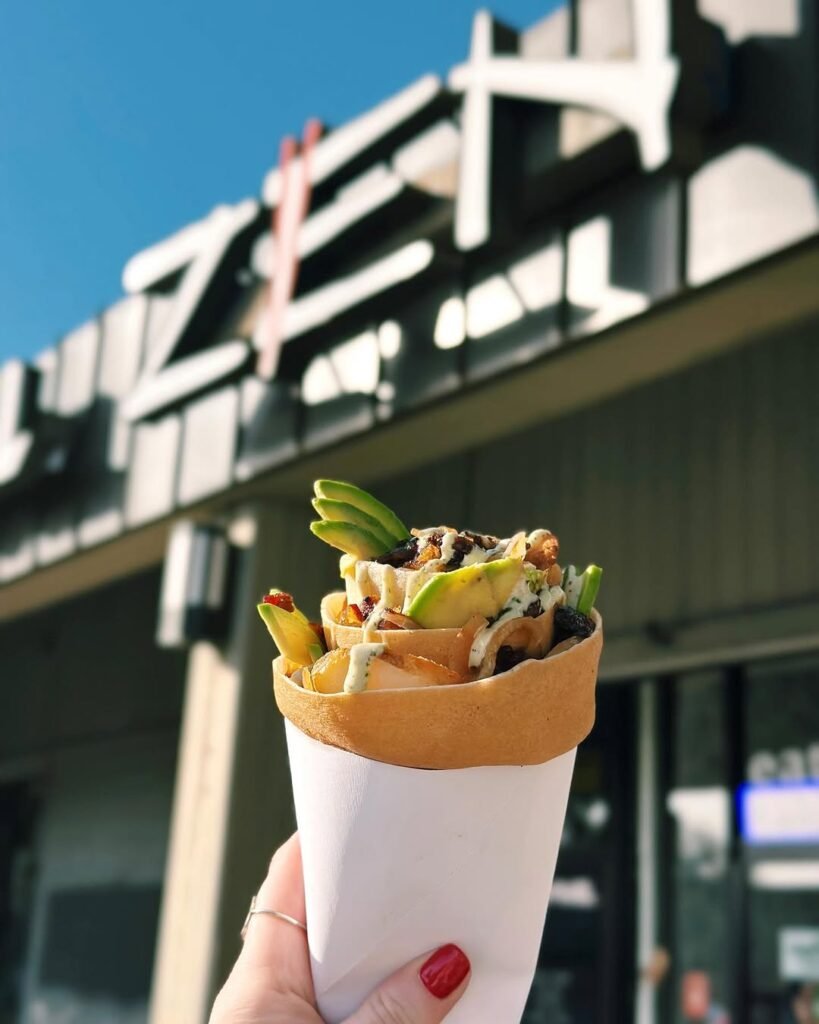
Originally from France, crepes have been totally embraced and reimagined by Japanese street food culture. The batter’s the same — flour, eggs, milk, and sugar — but fillings range from fruit and whipped cream to savory options. Once it’s filled, the crepe is rolled up like an ice cream cone.
It’s common to see food replicas on display in Japan, especially at crepe stands. They show the crepes unrolled so you can see the fillings. The first Japanese crepes appeared in Harajuku, Tokyo, and they’ve been a hit ever since.
Kakigori

Kakigori (かき氷) is a shaved ice dessert. Ice is shaved from a block and shaped into a mound, then drenched in syrup and usually sweetened condensed milk. Flavors range from strawberry and melon to green tea and plum.
A special kind of kakigori is ujikintoki (宇治金時), flavored with green tea syrup and topped with sweet red bean paste, mochi, and green tea ice cream. It’s named after the city of Uji in Kyoto Prefecture, known for its tea and the folk hero Kintaro.
Kakigori is a summer staple. Stalls usually display a banner with a red 氷 (“ice”) on a white background and blue waves. Think summer fireworks, yukata, and a big bowl of kakigori — it’s a classic scene in Japan.
Snacks for Any Time
Dango

Dango (団子) are chewy rice dumplings made from rice flour. They’re a type of wagashi (和菓子), or traditional Japanese sweet. Usually served on a skewer (串団子, kushi-dango), dango come in many flavors.
Popular types include yaki dango (grilled), mitarashi dango (coated in sweet soy sauce), and sanshoku dango (three-colored). Hanami dango, in pink, green, and white, is sold during cherry blossom season.
You’ll also find dango in cafes or tea houses, often served with green tea.
Goheimochi
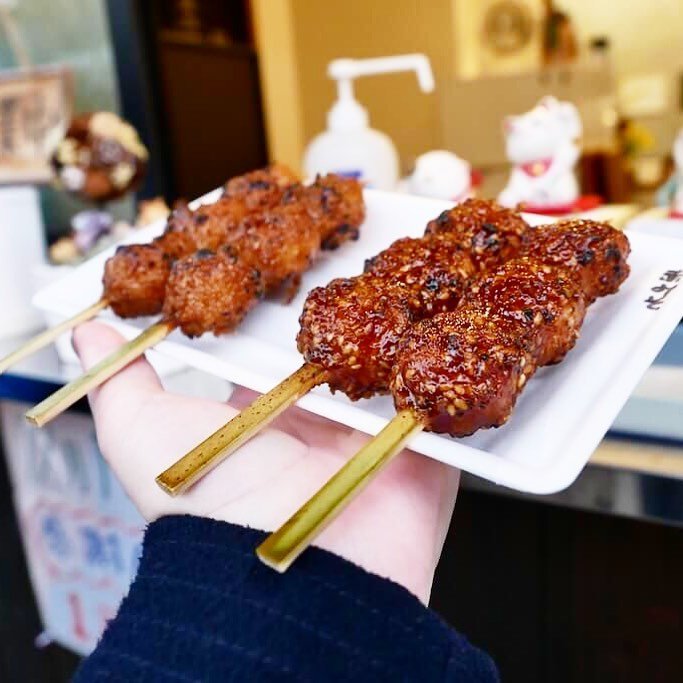
Goheimochi (五平餅) is a regional treat from Chubu. It’s a type of grilled mochi made from short-grain rice (instead of mochi rice), flattened around a wooden stick, then brushed with a sweet-salty miso sauce and grilled.
Back in the Edo period (1603–1868), goheimochi was a hearty meal for mountain workers and even served as offerings to the gods.
Taiyaki

Taiyaki (鯛焼き) is a fish-shaped pastry, named after tai (鯛), or sea bream. The batter is like pancake batter and poured into fish-shaped molds, filled, and cooked.
The classic filling is sweet red bean paste, but you’ll also find custard, chocolate, cheese, or sweet potato. The shape is usually the same, but if you want something different, check out Yanaka in Tokyo, where one shop sells taiyaki shaped like lucky cats (manekineko).
Korokke
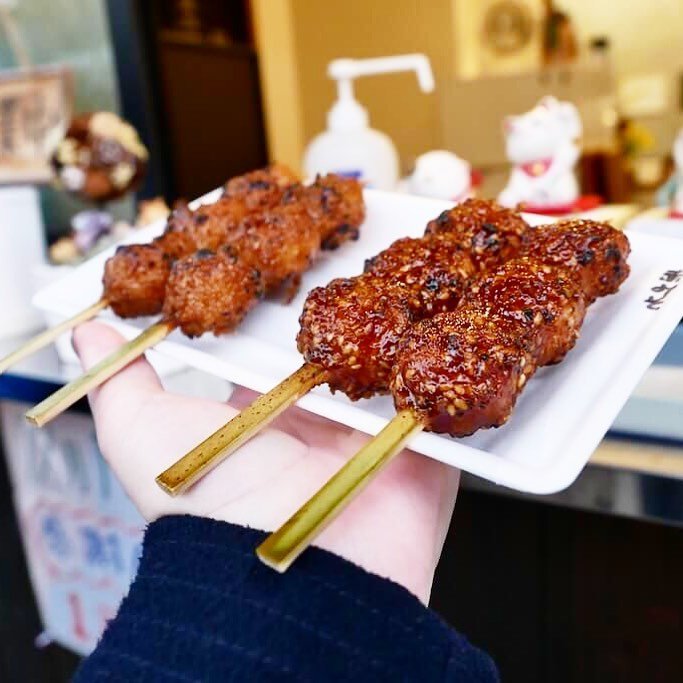
Korokke (コロッケ) are Japanese croquettes made with mashed potatoes and mixed with minced meat, seafood, or veggies. They’re coated in flour, egg, and Japanese breadcrumbs, then deep-fried.
Introduced in 1887 from French cuisine, korokke is now everywhere — in konbini, supermarkets, markets, food stalls, and festivals. Some versions are vegetarian or served in a bun (korokke pan).
Senbei
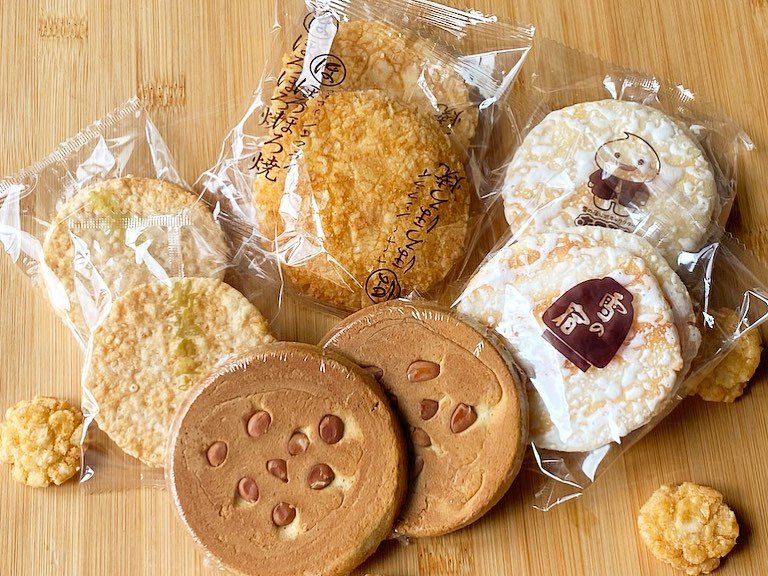
Senbei (煎餅) are Japanese rice crackers. They come in tons of shapes, sizes, and flavors. Made from rice flour, they’re either baked or grilled (traditionally over charcoal). During cooking, they’re brushed with a savory sauce made from soy sauce and mirin. Flavors range from classic soy sauce to seaweed, sesame, or sweet versions.
Senbei are often served with green tea and offered to guests. You’ll see them sold fresh at festival stalls and specialty shops.
Where To Find the Best Street Food in Tokyo
Tokyo’s street food isn’t just delicious—it’s clean, diverse, and soaked in tradition. Unlike some street food scenes around the world, here you’ll find immaculate stalls and wildly inventive menus alongside classic staples.
Top Street Food Districts in Tokyo
1. Tsukiji Outer Market – Fresh Seafood Heaven

If the idea of biting into buttery uni or flame-seared scallops makes your heart race, head straight to Tsukiji. Known for its bustling energy and ocean-fresh delicacies, this market is the beating heart of Tokyo’s seafood scene.
Try grilled scallops, creamy sea urchin (uni), or luxurious sashimi bowls layered with top-grade fish. Don’t miss the tamagoyaki—a sweet Japanese omelet served on a stick, beloved by locals and visitors alike.
Insider Tip: Arrive early to snag the freshest bites and dodge the noon rush.
2. Takeshita Street, Harajuku – Sweet Delights & Modern Twists
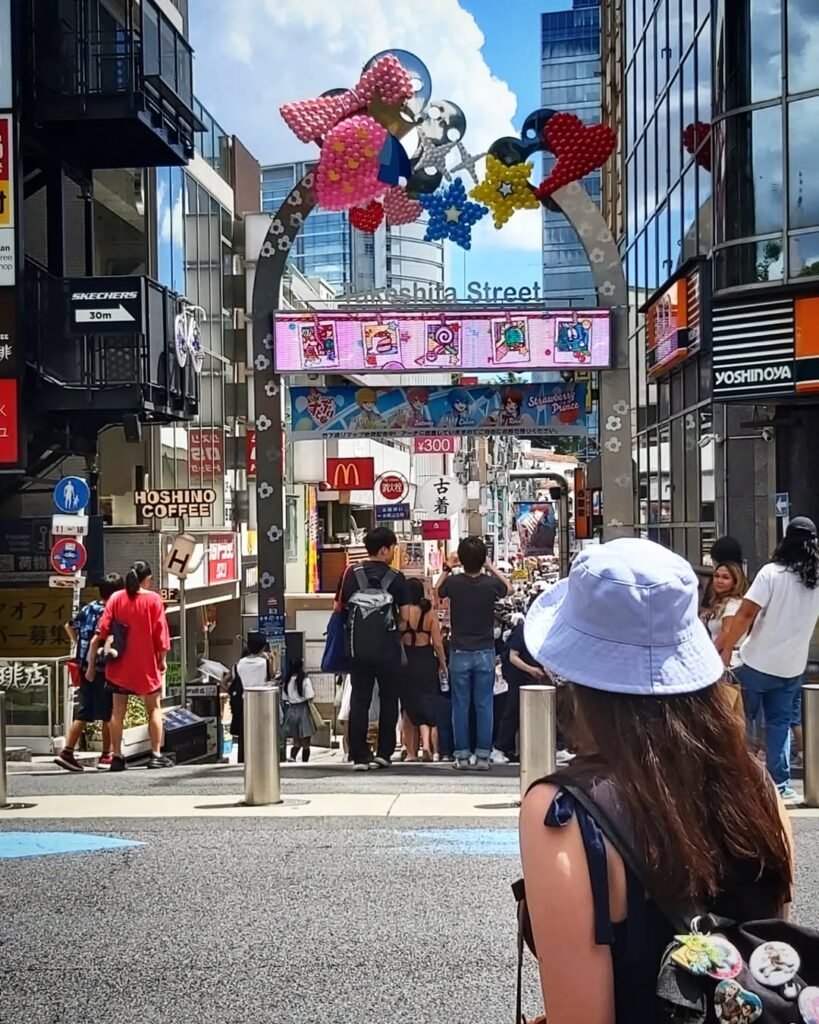
Right next to Harajuku Station, this riot of color and candy is a must for anyone with a sweet tooth. The whimsical eats here are as photogenic as they are delicious.
Think crepes stuffed with strawberries, whipped cream, and matcha custard. Or go wild with rainbow cheese toast that stretches like taffy, fluffy cotton candy towers that rise like sugary clouds, and glittering snacks tailor-made for your Instagram feed.
Insider Tip: Balance out the sugar rush with a refreshing green tea.
3. Jizo Dori Shopping Street, Sugamo – Old-School Flavors
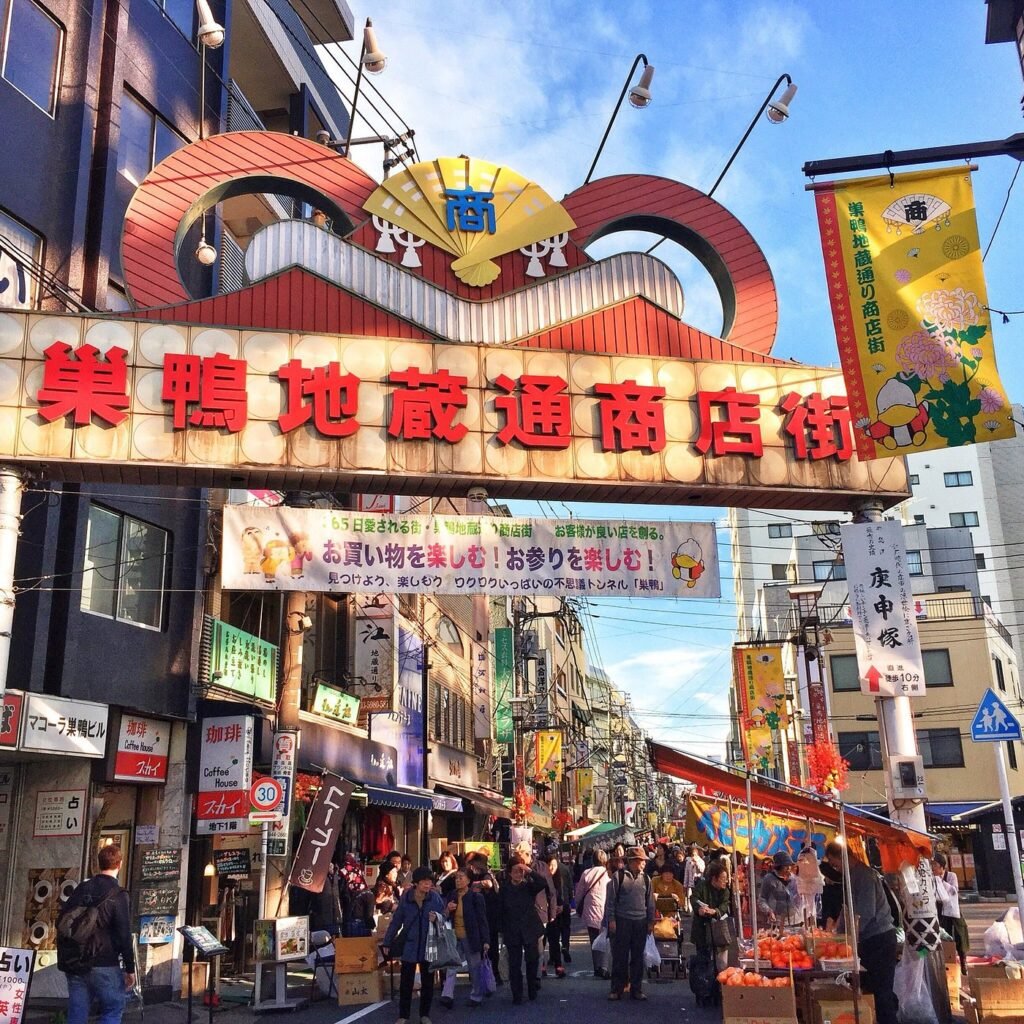
Nicknamed “Grandma’s Harajuku,” this shopping street serves up nostalgia with every bite. This is where time slows down and tradition takes over.
Snack on crunchy senbei rice crackers glazed in soy sauce, or taiyaki—golden, fish-shaped cakes filled with red bean paste, custard, or even savory meat. Another fan favorite? Lightly breaded Japanese korokke (croquettes), crispy on the outside, creamy on the inside.
Don’t Miss: Grilled yakitori skewers and spicy mentaiko (cod roe) rice balls.
4. Asakusa & Nakamise Street – Culture Meets Cuisine
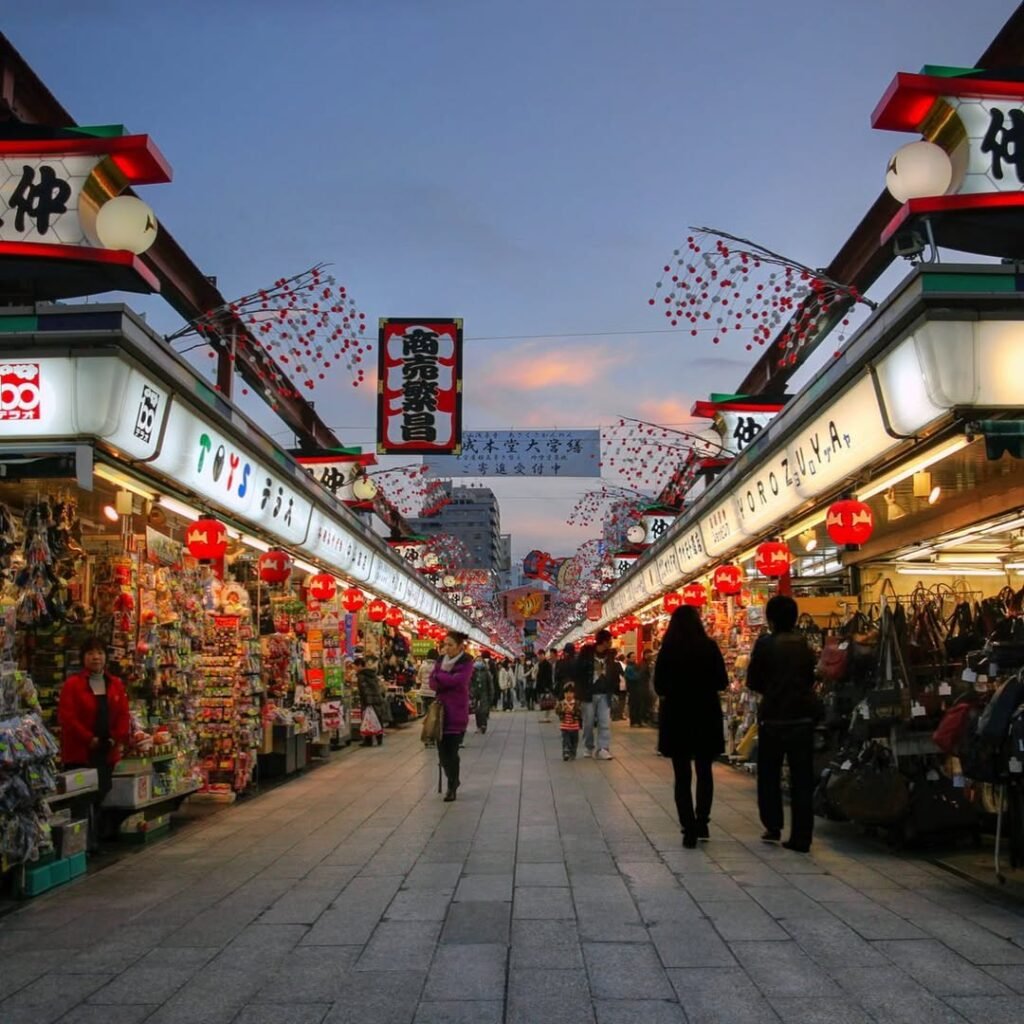
Just outside the famous Senso-ji Temple, this buzzing market street is a fusion of tradition, history, and tasty street eats.
Snack on crackly melon pan, its sweet dome resembling a melon, or roasted sweet potatoes with a naturally caramelized edge. Be sure to try agemanjū—deep-fried buns stuffed with sweet red bean paste. It’s a sugary treat that hits just right.
Insider Tip: Wander a little beyond the temple to find hidden gems serving authentic Japanese street food.
5. Ameya-Yokocho, Ueno – Cheap, Cheerful, and Delicious
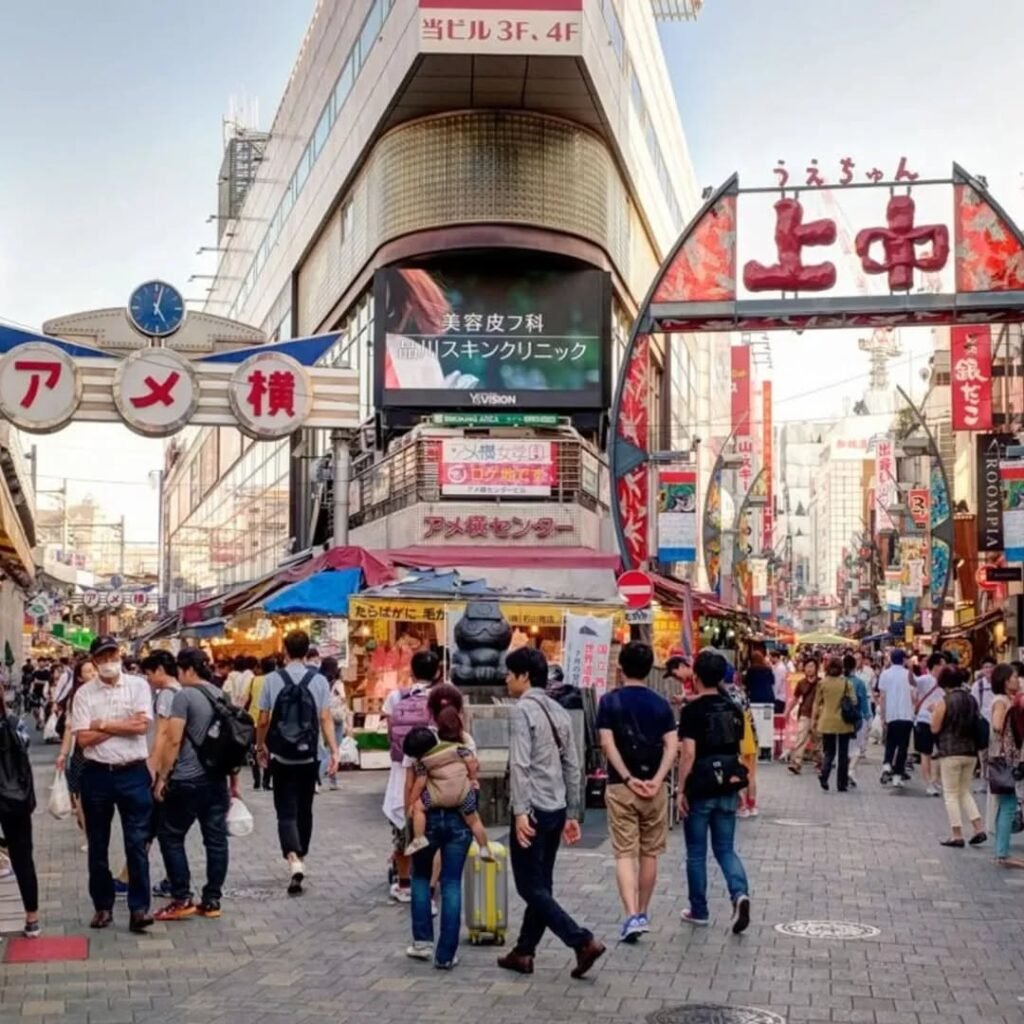
Just steps from Ueno Station, this rowdy marketplace is packed with affordable eats and infectious energy. Grills sizzle, aromas waft through the air, and every corner tempts your taste buds.
Think juicy chicken yakitori, piping hot takoyaki drenched in savory sauce, and endless stalls offering flavorful snacks and sweets. For street food on a budget without skimping on authenticity, Ameya-Yokocho is gold.
Must-Try: Savory pancakes topped with bonito flakes, shredded cabbage, and a drizzle of Japanese mayo.
Insider Tips for a Next-Level Food Crawl
- Timing is Everything: Go early to avoid crowds and grab the freshest bites.
- Hunt Seasonal Specials: Many vendors update their menus with seasonal ingredients—don’t miss out.
- Cash is Still King: Not all stalls take cards, so carry yen while hopping between stalls.
- Wander Off-Route: Detour into backstreets and quiet corners—you’ll find one-of-a-kind dishes and true local flavor.
- Special Events: Street food is everywhere during festivals and temple celebrations in Japan. Special events like the Fuji Shibazakura Festival feature tons of yatai.
- Eating Rule: It’s generally frowned upon in Japan to eat while walking. This is called arukigui (歩き食い). Most yatai have signs asking people to eat right in front of the stall. Some even provide seating areas where you can enjoy your food on the spot.
- Nagoya rainy day with kids in 2026 (Cool Indoor Things to Do )

- Best Gachapon in Tokyo (2026): 20 Places to Find Capsule Toys

- All Japanese KitKat Flavours List: The Ultimate Japan KitKat Guide
- Sapporo rainy day with kids (2026): 7 Cool Indoor Things to Do

- What To Do In Arashiyama With Kids: A Realistic One-Day Family Itinerary