
I spill travel tips , and show you the Japan that tourists usually miss.
When it comes to culinary highlights from Japan , many people first think of sushi, ramen, or Japanese street food . But have you ever thought about Japanese drinks ? Sip your way through the best Japanese drinks—matcha, bottled teas, ramune, canned coffee, Calpis, highballs, sake, umeshu, amazake, and more—with tips on where to try each one.
Thirsty for more Japan food finds?
Japanese drinks are a whole side quest. One minute we are innocently buying bottled green tea; the next we are comparing canned coffees, hunting matcha cafés, testing vending-machine mysteries, and pretending seasonal sodas are “research.” If you want to keep sipping your way through Japan like very committed beverage detectives, these guides are your next stop.
- Where to Drink Matcha in Tokyo — the obvious next read for cafés, tea rooms, and proper matcha moments across the city.
- Best Green Tea in Tokyo — for sencha, matcha, hojicha, and the kind of peaceful tea stops that make Tokyo feel suddenly softer.
- Best Teahouse in Tokyo — ideal when you want a slower, more traditional tea experience instead of drinking iced coffee while power-walking.
- Best Tea Ceremonies in Tokyo — for a calm cultural experience that pairs beautifully with a deeper dive into Japanese tea culture.
- Where to Buy Matcha Tea in Kyoto — perfect if you want to bring home the good stuff instead of panic-buying random airport packets.
- Best Tea Ceremonies in Kyoto — because Kyoto does tea with history, elegance, and just enough ceremony to make us sit up straighter.
- Ultimate Japanese Konbini Guide — for bottled teas, canned coffees, seasonal drinks, snacks, sweets, and the full fluorescent convenience-store adventure.
- What to Buy at 7-Eleven in Japan — handy if your drink mission includes chilled teas, café lattes, smoothies, and late-night snack accomplices.
- Best Japanese Street Food and Top Spots to Try It — because drinks are better with takoyaki, taiyaki, karaage, and questionable levels of snack enthusiasm.
- Best Japanese Dishes You Need to Try in Japan — for the bigger food map when your drink crawl inevitably turns into a full eating itinerary.
Table of Contents
Most Popular Best Japanese Drinks
1. Matcha (抹茶) – The green classic
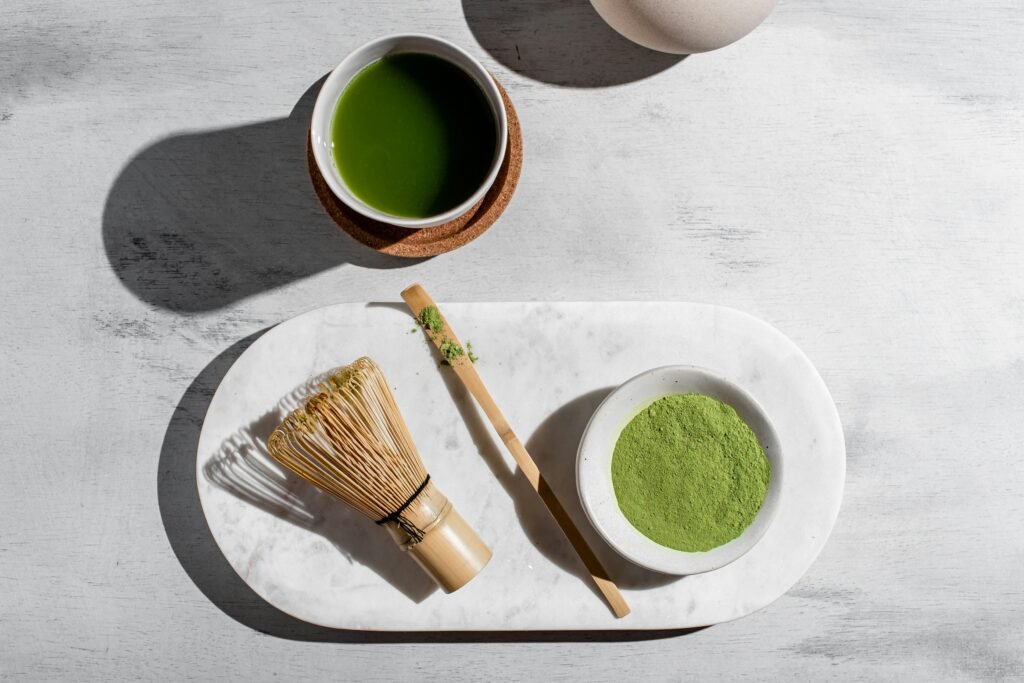
Matcha is finely ground green tea and an integral part of Japanese tea culture. It is traditionally used in tea ceremonies, but is also popular in modern variations such as matcha lattes and ice cream. Its flavor is intense, slightly bitter, and full of umami. Matcha is made from particularly high-quality sencha tea leaves and has numerous health-promoting properties.
2. Genmaicha (玄米茶) – Green tea with roasted rice
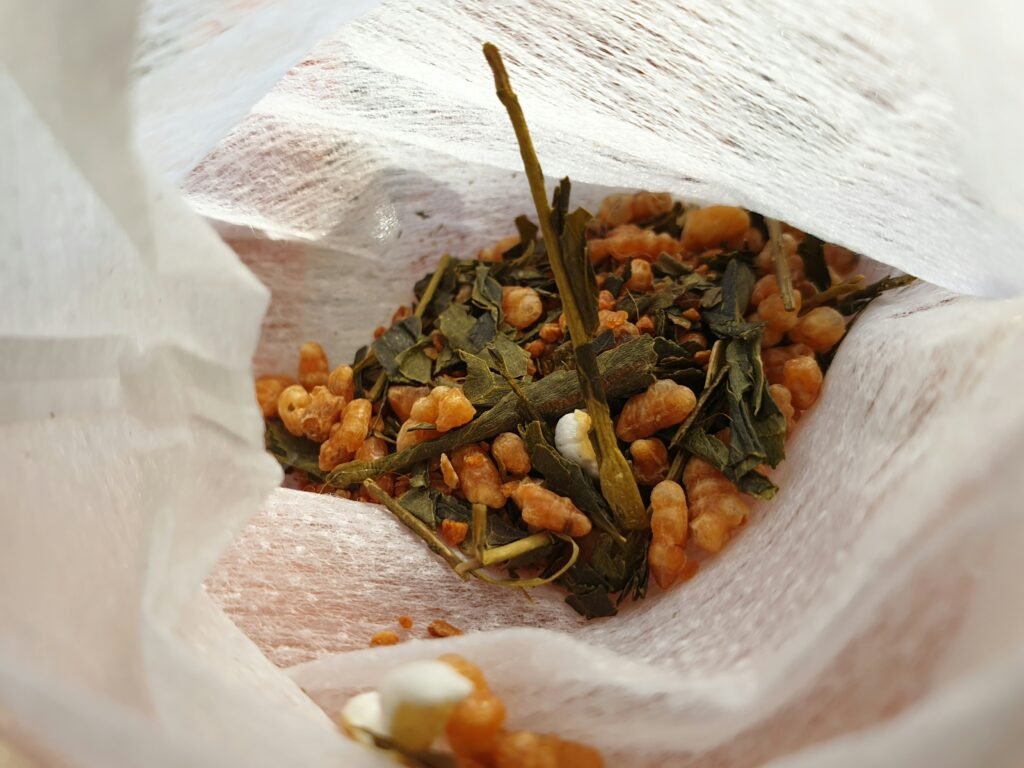
This tea consists of a blend of green tea and roasted brown rice. The roasting process gives the tea a slightly nutty aroma and a particularly mild flavor. Genmaicha is a popular everyday beverage that can be enjoyed both hot and cold.
3. Hōjicha (ほうじ茶) – Roasted green tea
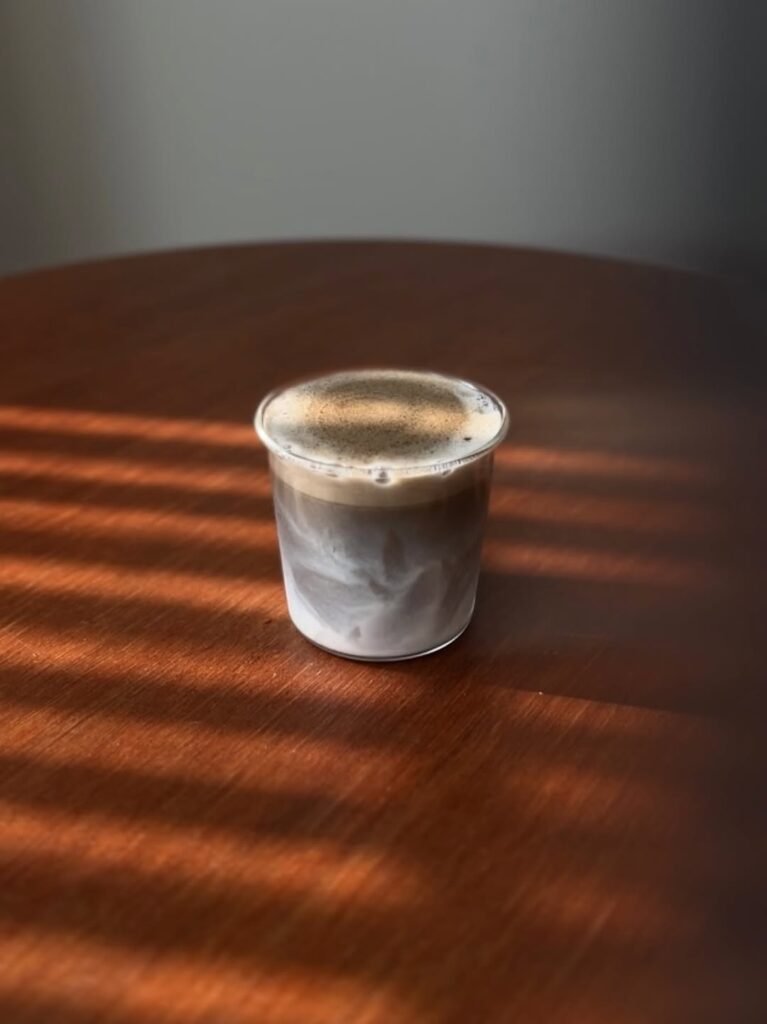
Hojicha is made from steamed tea leaves, which are then roasted. This gives the tea a brown color and a mild, slightly smoky aroma. Because hojicha contains little caffeine, it is particularly suitable for evening drinking or for children.
4. Amazake (甘酒) – Sweet rice liquor
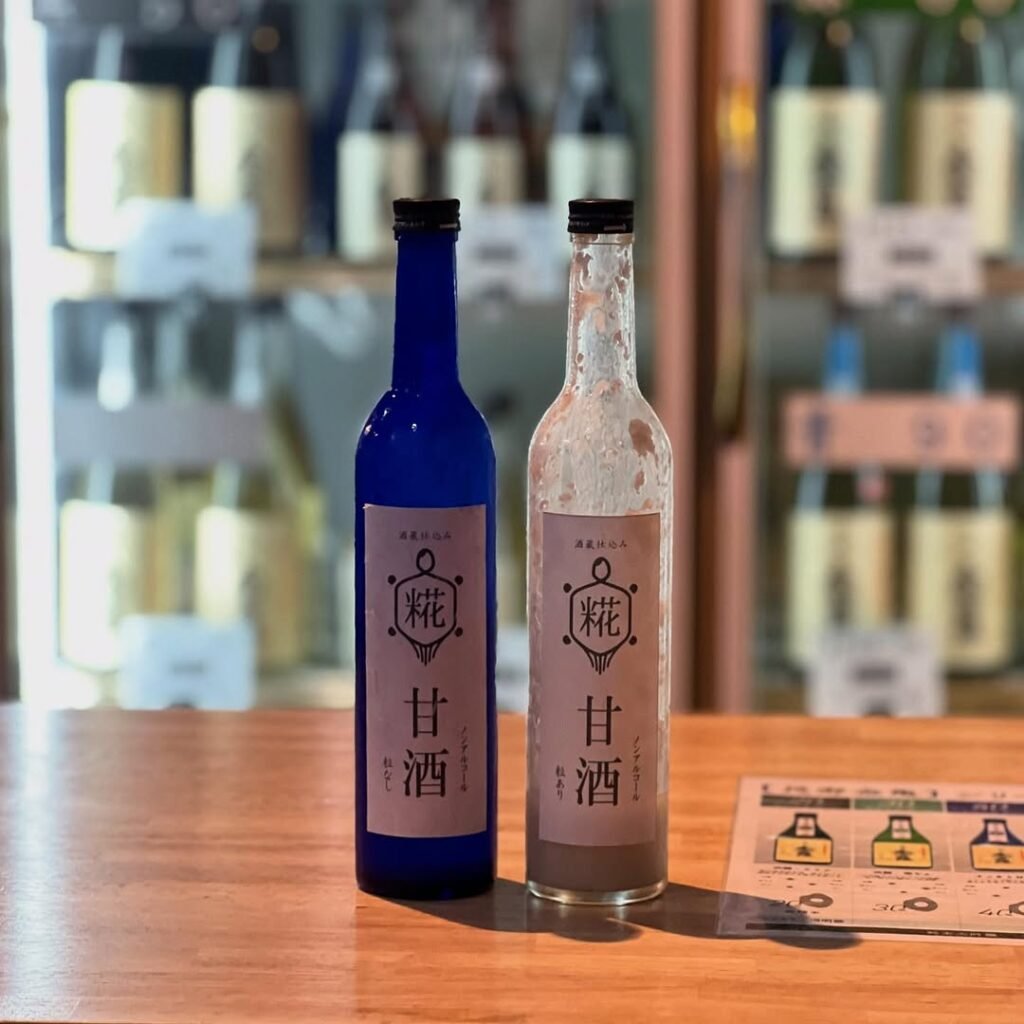
Despite its name, amazake often contains little or no alcohol. It is made by fermenting rice or sakekasu (sake residue). Amazake is sweet and creamy, and is served warm, especially around New Year . It is also available in supermarkets year-round.
5. Calpis (カルピス) – lactic acid drink with cult status

Calpis is a sweet-sour milk-based drink with Lactobacillus cultures, produced through lactic acid fermentation. It’s consumed diluted with water or soda and is particularly refreshing in summer . Calpis is also available in many different flavors, and the fermentation process can have gut-friendly effects (similar to yogurt). However, those who want to drink it for their health should opt for the low-sugar Calpis products.
6. Ramune (ラムネ) – Cult Japanese lemonade

Ramune is a true symbol of the Japanese summer . Ramune is usually sold in an eye-catching glass bottle with a marble in the neck, but it’s also available in a can. Ramune tastes like a lemony lemonade, which is now available in numerous varieties. It can also be a popular souvenir, so feel free to grab one!
7. Melon Soda (メロンソーダ) – Bright green soft drink
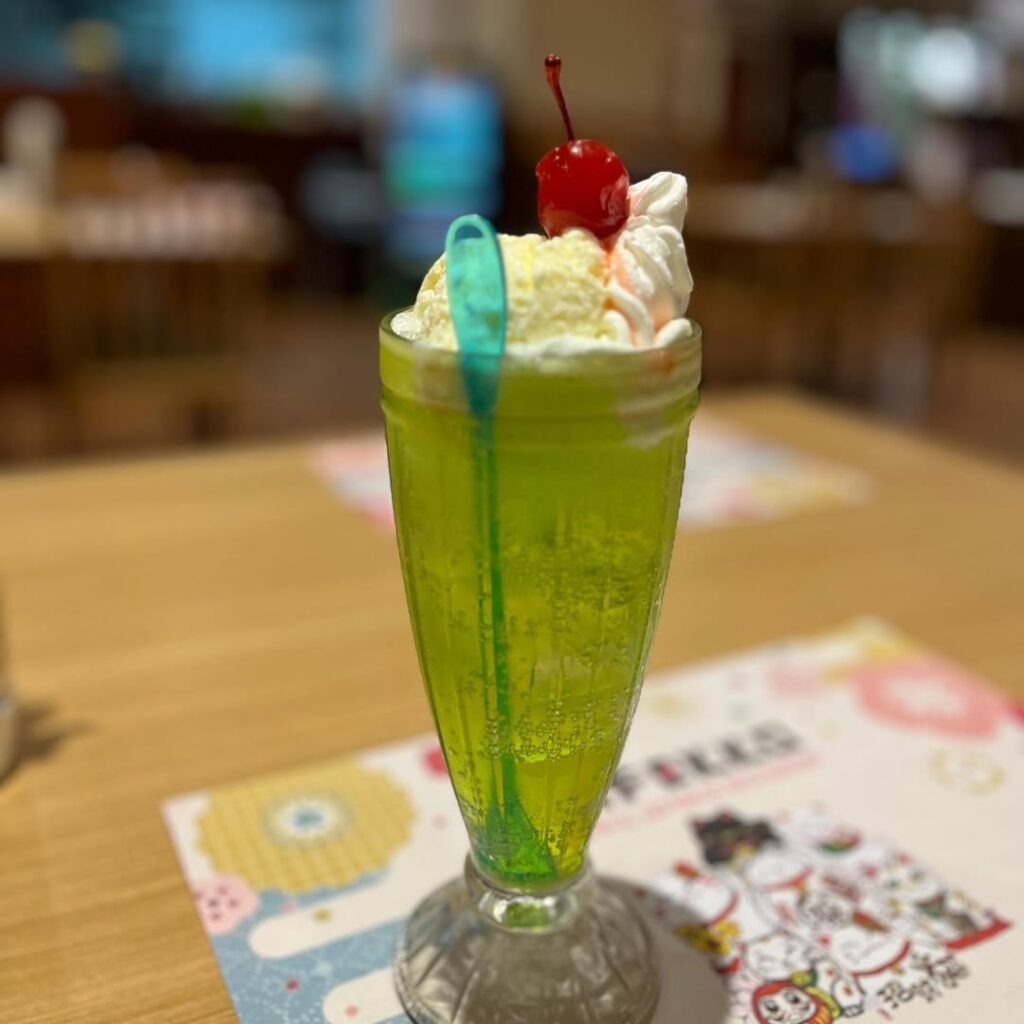
A bright green, sweet, melon-flavored soft drink, often served in Japanese fast-food chains or as “Melon Cream Soda” with a scoop of vanilla ice cream. A must-try for fans of Japanese pop culture.
8. Mugicha (麦茶) – Barley tea, especially in summer
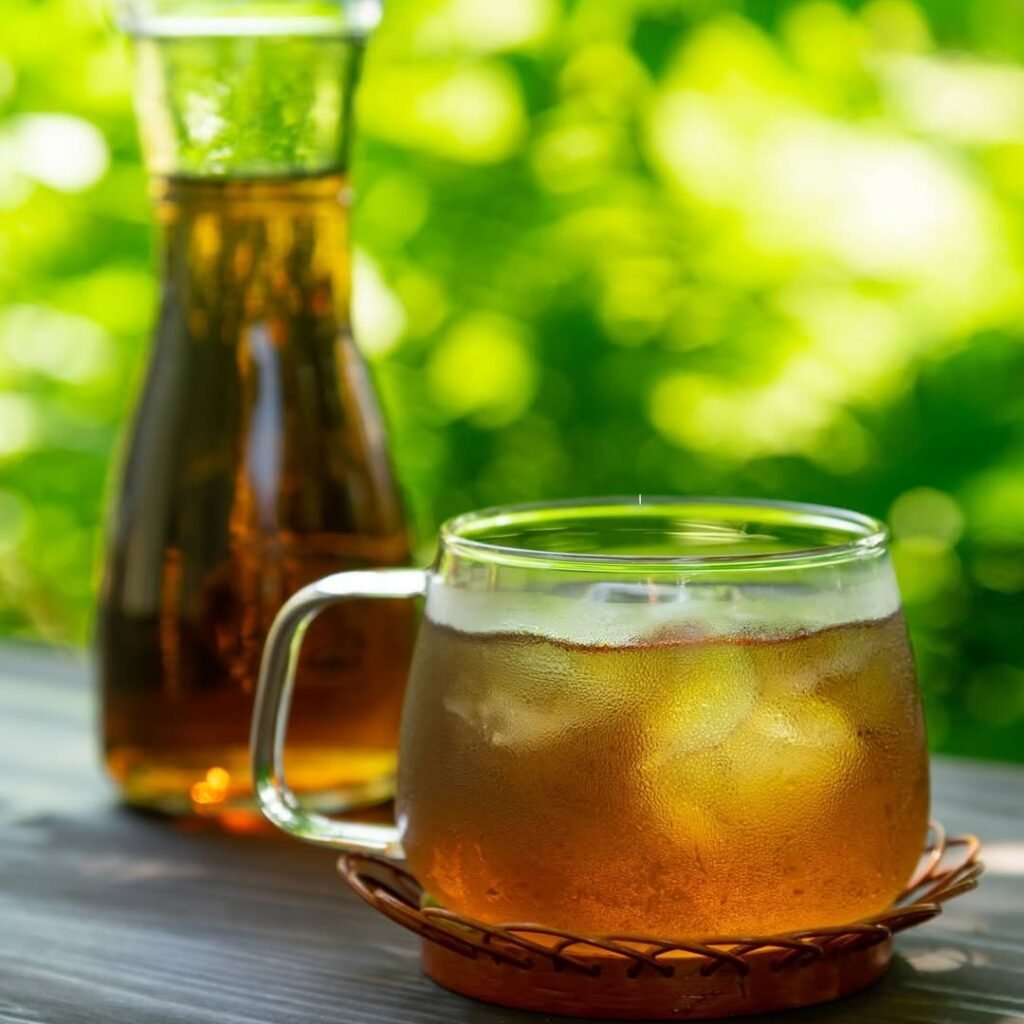
This caffeine-free tea made from roasted barley is enjoyed iced, especially in summer . Mugicha has a bitter, slightly roasted aroma and is particularly popular with families in Japan.
9. Sake (酒) – rice wine with tradition
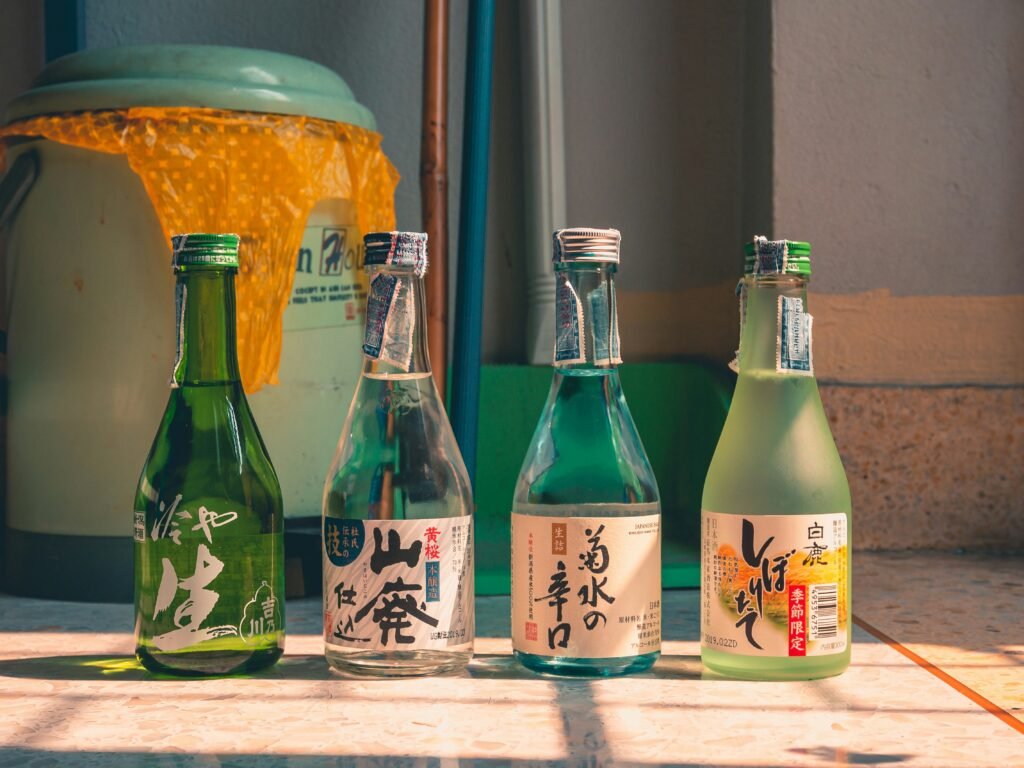
Sake is probably the most well-known alcoholic beverage from Japan. It is produced by fermenting polished rice. Depending on the production method, there are different varieties, such as junmai, honjozo, or daiginjo. Sake can be consumed hot or cold and is often served on festive occasions.
10. Umeshu (梅酒) – Plum wine

Umeshu is made from green Japanese plums (ume), sugar, and alcohol (often shochu). The result is a sweet, fruity drink with a slight alcohol content. Umeshu is ideal as an aperitif or dessert wine.
11. Royal Milk Tea (ロイヤルミルクティー) – Creamy black tea with milk

Royal Milk Tea is a popular variation of milk tea in Japan, with a particularly aromatic and full-bodied flavor. It is made from strong black tea (often Assam or Darjeeling) and a high percentage of milk, often sweetened with a little sugar. It can be found both hot in cafes and cold in bottles or cans in supermarkets. Perfect for those who like it sweet and creamy.
Try seasonal Japanese drinks in Japan
In addition to the drinks you can buy and enjoy year-round in Japan, there are also delicious drinks that are only available in stores during certain seasons. You’re probably familiar with some of them, like the Sakura Latte during cherry blossom season or the Sweet Potato Latte in autumn . You can buy these drinks in the supermarket or try them at the following cafés:
- Starbucks Japan : Known for limited edition drinks like Sakura Frappuccino or Hojicha Chestnut Latte in fall/winter.
- Godiva Japan : In these cafés, which also sell delicious ice cream and chocolate, there are always drinks with that certain Japanese taste, such as Okinawa Kuromitsu Choko or drinks that are permanently in the range such as Chocolixir Nishio no Matcha .
- Tully’s Coffee : Often offers regional or seasonal specials such as Matcha Hazelnut Latte or fresh tea (Sencha, Hōjicha, Genmaicha, …).
- Doutor Coffee : Popular for classic Japanese flavors, such as Marron (chestnut) Latte in autumn or Yuzu Citrus Tea in winter.
- Konbini (7-Eleven, Lawson, FamilyMart) : Here you’ll always find limited-edition bottled or canned drinks, such as Shiso Juice in the summer, Yuzu Hot Tea in the winter, or exclusive Ramune flavors.
FAQs: Best Japanese Drinks
What are the must-try non-alcoholic Japanese drinks?
Matcha, sencha, hōjicha, mugicha (barley tea), ramune, Calpis, Mitsuya Cider, melon soda, Pocari Sweat/Aquarius, royal milk tea, canned coffee, and amazake.
Where can I try the best matcha?
Tea houses in Kyoto (e.g., around Uji) for ceremonial-grade matcha; for casual lattes, hit specialty cafés in Tokyo or Kyoto’s backstreets.
Ramune vs. Mitsuya Cider—what’s the difference?
Ramune is a lemon-lime soda with a marble-stopper bottle (vibes!), while Mitsuya Cider is a clearer, crisper soda—less sweet, more “classic fizz.”
Is Calpis the same as Calpico?
Yes—same lactic, tangy-milky soft drink; “Calpico” is the export name. Find it in convenience stores, cafés, and as a mixer.
Best canned coffee brand?
Boss (Rainbow Mountain), Georgia (Emerald Mountain), and Wonda are everywhere. Try hot cans in winter—vending machines switch to warm stock.
What’s amazake, and is it alcoholic?
A sweet, thick rice drink. Two types exist: low/non-alcohol (koji-based) and lightly alcoholic (sake lees). Labels and shop staff will guide you.
What’s the difference between sake and shochu?
Sake (nihonshu) is brewed from rice (like beer/wine processes). Shochu is distilled (potato, barley, rice), higher ABV, served neat, on the rocks, or with hot water.
What is a Japanese highball, really?
Whisky + super-cold soda water + giant ice + precise ratios = crisp, food-friendly drink. Order “haibōru” at yakitori or izakaya spots.
Where should I try umeshu (plum wine)?
Izakaya and specialty bars; look for umeshu lists with aged or unfiltered styles—great over ice or with soda.
Any regional must-sips?
Okinawa’s awamori (distinct, aromatic), Kyushu’s sweet potato shochu, Uji/Kyoto matcha, Shizuoka green tea, and yuzu drinks in Shikoku.
Kid-friendly picks?
Ramune (marble bottle magic), Calpis, melon soda, Mitsuya Cider, and royal milk tea (watch caffeine). Pocari Sweat is clutch in summer heat.
Etiquette for tea and bars?
In tea houses, follow host cues (no loud chatter, handle bowls gently). In bars/izakaya, don’t splash your own highball with extra soda; let the bartender build it. Tipping is not expected.
Can I bring drinks on trains?
Yes—sealed drinks are fine on local trains; on Shinkansen, eating and drinking are normal. Dispose of bottles in recycling bins at stations.
What should I buy as souvenirs?
Regional sake (small bottles), yuzu syrups, matcha kits, premium bottled teas, canned coffee variety packs, and artisanal umeshu.
- Nagoya rainy day with kids in 2026 (Cool Indoor Things to Do )

- Best Gachapon in Tokyo (2026): 20 Places to Find Capsule Toys
- All Japanese KitKat Flavours List: The Ultimate Japan KitKat Guide
- Sapporo rainy day with kids (2026): 7 Cool Indoor Things to Do
- What To Do In Arashiyama With Kids: A Realistic One-Day Family Itinerary