
I spill travel tips , and show you the Japan that tourists usually miss.
Tokyo does not just drink green tea. Tokyo stages it, studies it, roasts it, drips it, whisks it, turns it into desserts, and occasionally makes us feel like our regular supermarket teabag has been living a very small life.
If you are hunting for the best green tea in Tokyo, this guide takes you beyond the basic matcha latte and into the city’s more interesting tea corners: minimalist sencha counters, elegant wagashi salons, modern tea bars, old-school tea houses, and quietly brilliant shops.
From Sangenjaya to Ginza, Omotesando, Kuramae, and Ochanomizu, these are 10 top spots for Japanese green tea in Tokyo — perfect whether you want a refined tea course, a casual matcha break, a hojicha soft serve, or a souvenir bag of proper tea leaves to take home like a civilized person.
Table of Contents
Top Spots with Best Green Tea in Tokyo
Tokyo Saryo
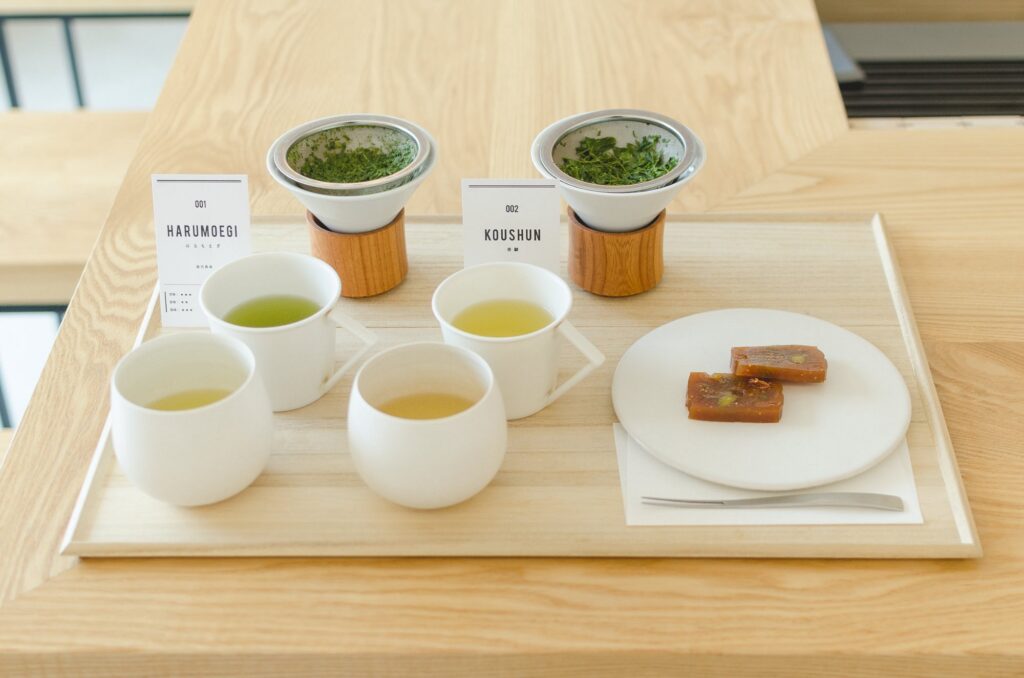
Tokyo Saryo is the kind of place where tea stops being “just tea” and starts behaving like wine, coffee, perfume, and a tiny philosophical crisis in a cup. Tucked away in Sangenjaya, this Japanese tea specialist serves hand-dripped, single-origin sencha sourced from individual farms and specific tea varieties across Japan.
The big trick? A custom-made dripper designed especially for Japanese tea. It draws out the soft sweetness, deep umami, gentle bitterness, and delicate aroma of sencha in a way that feels precise but not precious. We love that balance: serious tea craft, minus the scary ceremony energy.
If you want the full experience, go for the tasting menu with two types of sencha and tea sweets for 1,400 yen, tax included. It is a brilliant little crash course in how much tea can change depending on region, cultivar, steaming, and roasting. One cup may feel grassy and bright; the next may go full mellow forest-walk. Same drink family, completely different personality.
Seating is limited, so advance reservations are recommended. Tiny tea temples wait for no one.
Sakurai Japanese Tea Experience
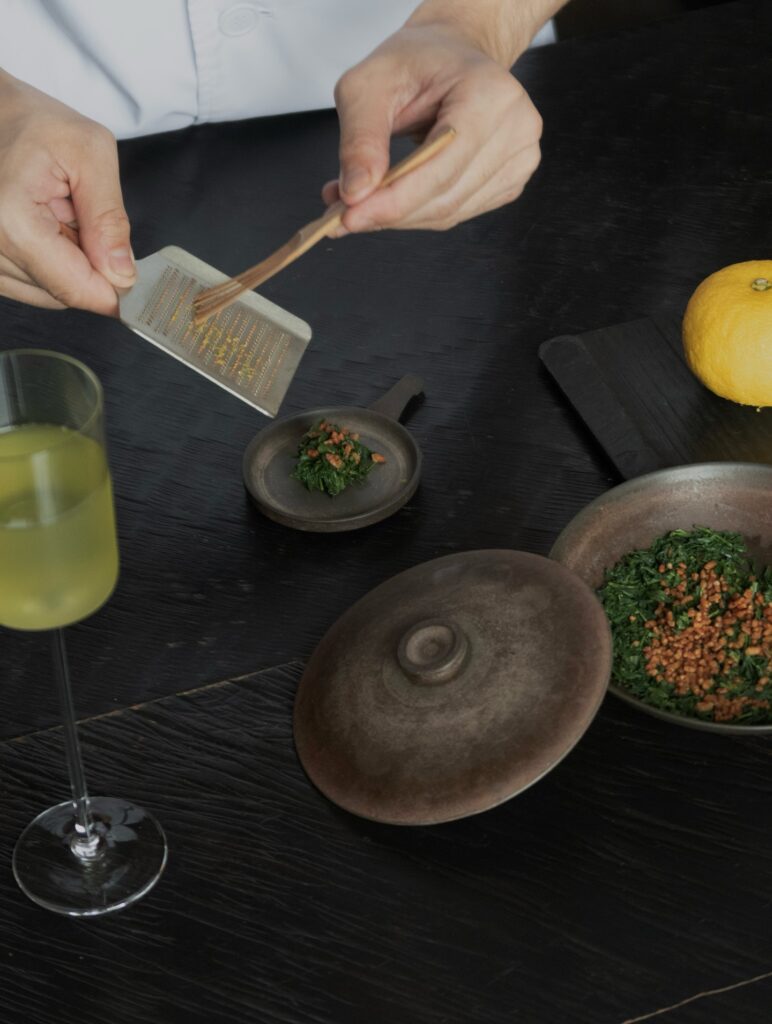
Sakurai Japanese Tea Experience is not where we casually grab a drink and scroll our phones like gremlins. This is tea as performance, tea as craft, tea as “please lower your voice because something beautiful is happening.”
Owner Shinya Sakurai prepares each cup with calm, careful precision inside an intimate tea room, creating a moment that feels traditional, modern, and quietly theatrical all at once. It is refined without being stiff, innovative without trying to shout about it.
In the back seating area, you can choose your tea and settle in properly. If you want the deeper dive into Sakurai’s world, order the Tea Course for 7,500 yen. Yes, it is a splurge. No, this is not your convenience-store bottle of green tea having a glow-up. This is the full universe.
They also serve tea liquors paired with 18 different types of tea, each prepared using a different method. If you are curious about where Japanese tea can go when it slips out of the expected lane, this is the place to peek through the door.
SOUEN
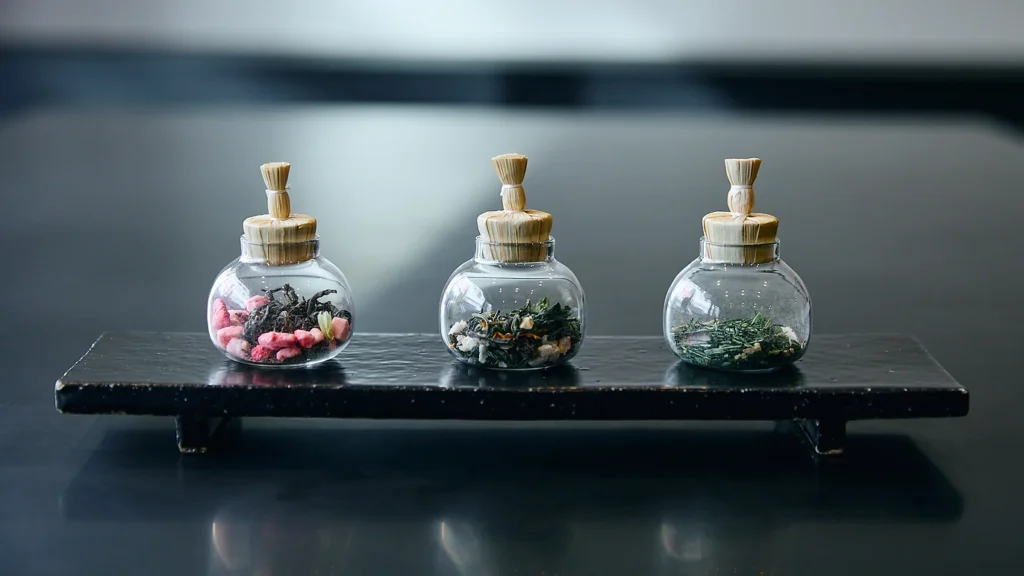
SOUEN is the more casual sibling of Sakurai Roasted Tea Research Institute, which basically means we get the serious tea pedigree without having to sit quite so upright. It opened near Shoin Shrine on January 23, 2025, and brings a lighter, more everyday angle to the Sakurai tea world.
Here, you can order seasonal blended teas, matcha, and bancha by the cup, all made with tea leaves from Sakurai Tea Roasting Research Institute. The shop stays open until 10pm on weekdays, and after 5pm it shifts into a more grown-up mood with tea cocktails and Japanese sake-based drinks mixed with tea.
They even developed a new teapot specifically for the shop, and the menu is built around original recipes. Is that extra? Absolutely. Are we complaining? Not even slightly.
One standout is the Matcha and Oat Milk for 935 yen, tax included. The sweets are just as interesting, with creative Japanese treats like homemade mille-feuille with red bean paste and yuba, plus blended tea panna cotta. Come for a cup, stay because you suddenly need dessert. Happens to the best of us.
And Tei
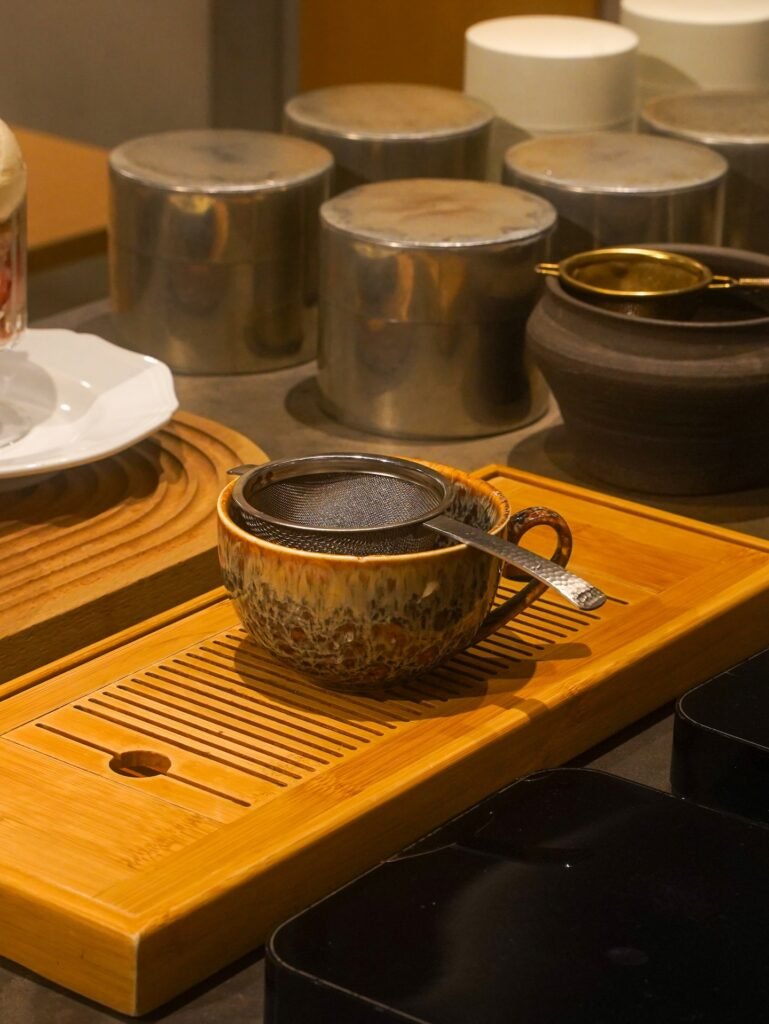
And Tei is a Japanese tea milk tea specialist in Kinshicho, and yes, that phrase alone should be enough to make us curious. The shop opened in March 2022 and is run by Yoshihiko Kurahashi, a Japanese tea barista who appeared on the TV show Matsuko’s Unknown World.
Japanese tea milk tea is exactly what it sounds like: Japanese tea blended with milk, in the same cozy universe as hojicha latte or genmaicha latte. Kurahashi uses four types of domestically produced tea leaves, carefully chosen after visiting tea plantations across Japan. Casual drink? Technically. Obsessive sourcing? Also yes.
When ordering, you can choose from four organically grown or low-pesticide Japanese teas: genmaicha, hojicha, Japanese black tea, and oolong tea. Then comes the milk decision: Oatside, soy milk, Minor Figures oat milk, or sprout milk. We would start with genmaicha and sprout milk, made from yellow kidney beans. The nutty aroma of the roasted rice and the gentle sweetness of the milk make a very convincing argument for ordering slowly and smugly.
They also serve vegan sweets, including salted koji scones, which pair beautifully with Japanese tea. Closing days can be irregular, so check their official Instagram account before visiting. Nobody wants a sad pilgrimage to a closed milk tea shrine.
VERT
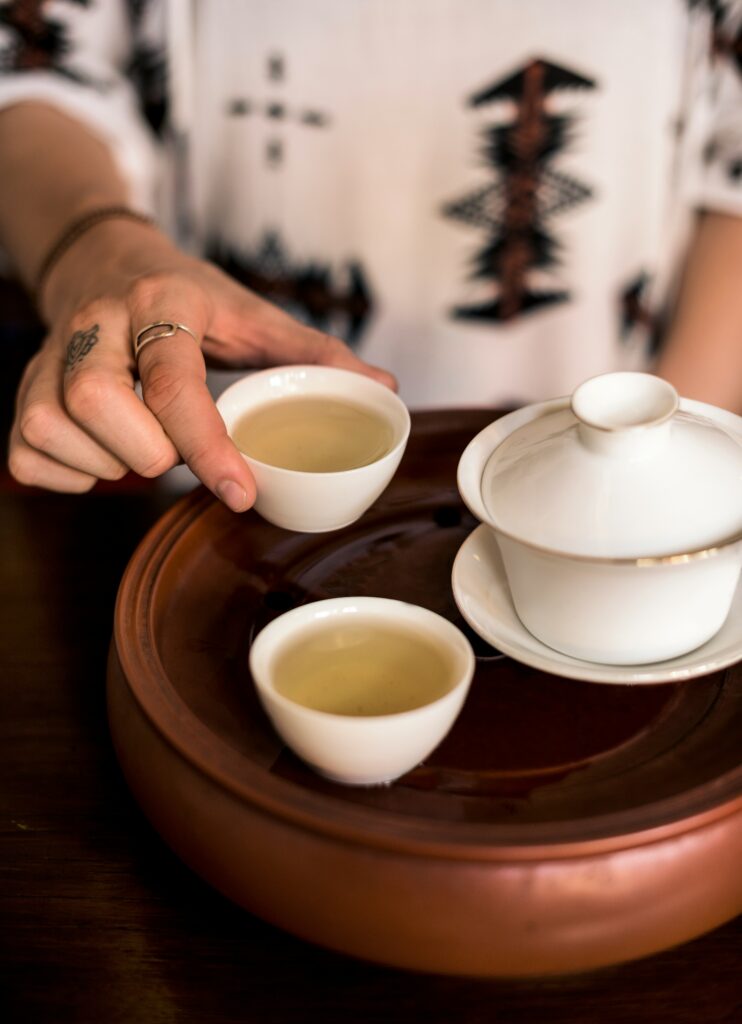
VERT is the sister shop of the famously hard-to-book dessert course specialist in Kagurazaka, where Japanese tea plays a starring role. This branch is a little easier to approach, which is great news for those of us who love elegant tea desserts but do not enjoy fighting reservation systems like it is a competitive sport.
Here, you can order single-origin teas by the cup and enjoy à la carte sweets built around Japanese tea. It feels polished and inventive, but still relaxed enough for a spontaneous stop if your Tokyo wandering has taken a deliciously suspicious turn.
The interior takes inspiration from nodate, an outdoor tea ceremony. Look up and you will see a design feature above the lighting that evokes a nodate umbrella, traditionally used for tea ceremonies in nature. The six-seat counter is made from natural stone, giving the space a quiet, grounded atmosphere. Translation: it is tiny, calm, and very pretty. Behave accordingly.
The menu usually includes around six types of Japanese tea served with sweets from 1,100 yen, plus roughly 8 to 10 elaborate desserts. Chef Nakanishi also creates light meals such as goheimochi and inari sushi, each served as two pieces for 660 yen, with seasonal varieties changing throughout the year.
The jewel-like glass desserts, starting from 2,750 yen, are another highlight. They change according to the pastry chef’s inspiration, which is a fancy way of saying: if you see something beautiful, order it before it disappears.
Higashiya Ginza
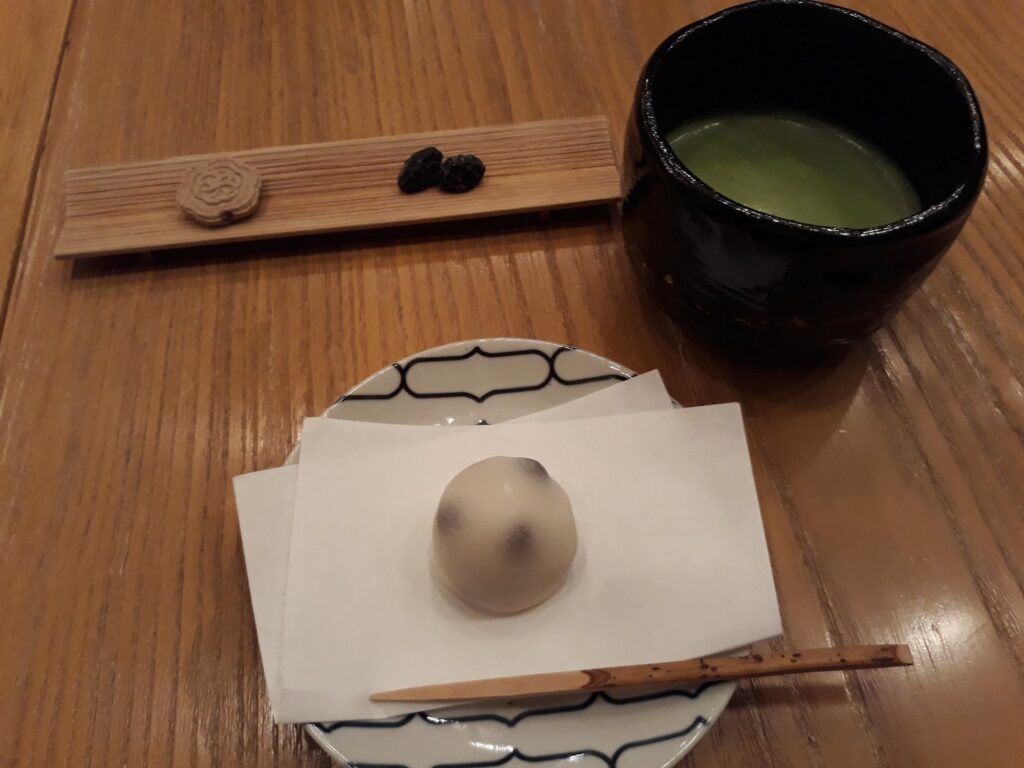
Higashiya Ginza takes traditional Japanese sweets and gives them a modern, elegant setting — the kind where everything looks calm, intentional, and possibly better dressed than we are.
In the adjoining tea room, you can try dozens of Japanese teas, including sencha, matcha, and gyokuro, each shaped by different cultivation and production methods. There are also original blended teas made with seasonal herbs and fruits, because apparently tea can have a seasonal wardrobe too.
The food menu is another reason to linger. The standout is Sajikie, a kaiseki-style meal for 14,000 yen, tax included, pairing dishes with classic Japanese teas such as gyokuro, bancha, and matcha. Each tea is chosen to bring out different flavors in the food, making the whole thing feel less like lunch and more like a very graceful edible seminar.
The space itself is modern Japanese, calm, and beautifully restrained. It is an excellent choice when you want tea, sweets, and a little Ginza polish without being swallowed whole by luxury retail chaos outside.
Saten
Saten is a Japanese tea stand with serious barista credentials behind it. It is run by Kazuhiro Koyama, a tea barista who previously managed UNI STAND near the Ghibli Museum in Mitaka, and Hibiki Fujioka, a former Blue Bottle Coffee barista.
That background makes sense as soon as you see the menu. Saten treats Japanese tea with the same level of attention many specialty cafés give to coffee: precise, unfussy, and focused on the details that actually matter.
You will find Japanese tea, matcha, hojicha, and coffee made with single-origin tea leaves. It is a great stop if you want something modern and easygoing, but still rooted in proper tea craft. In other words: no costume drama, no dusty formality, just very good tea doing its thing.
Restaurant 1899 Ochanomizu
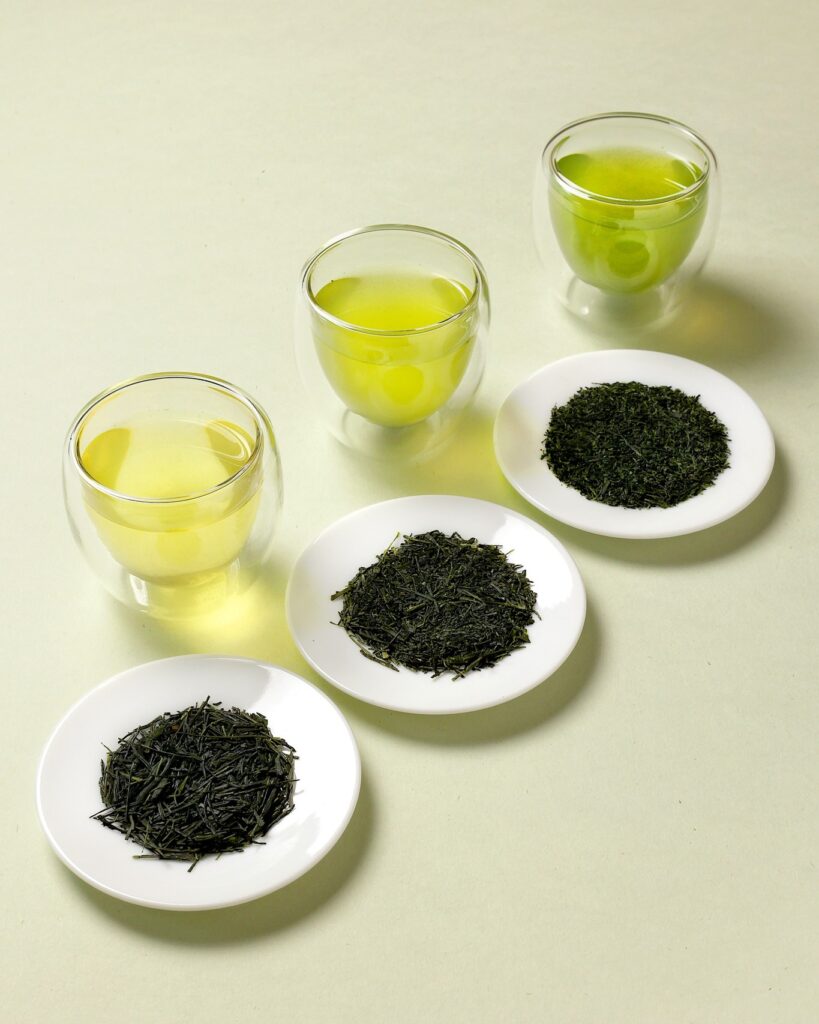
Restaurant 1899 Ochanomizu is built around the concept of “eating tea,” which sounds slightly dramatic until you realize it is exactly what makes the place interesting.
Instead of treating tea as something that only sits politely beside the meal, the restaurant folds it directly into Japanese cuisine. The result is a tea-centered dining experience where flavor, aroma, and the health-conscious side of tea all show up on the plate.
This is a good pick when you want Japanese tea to be more than a drink between sightseeing stops. Come here when you are ready for matcha, hojicha, and other tea flavors to wander confidently into your food like they own the place. Honestly? They kind of do.
Chasen
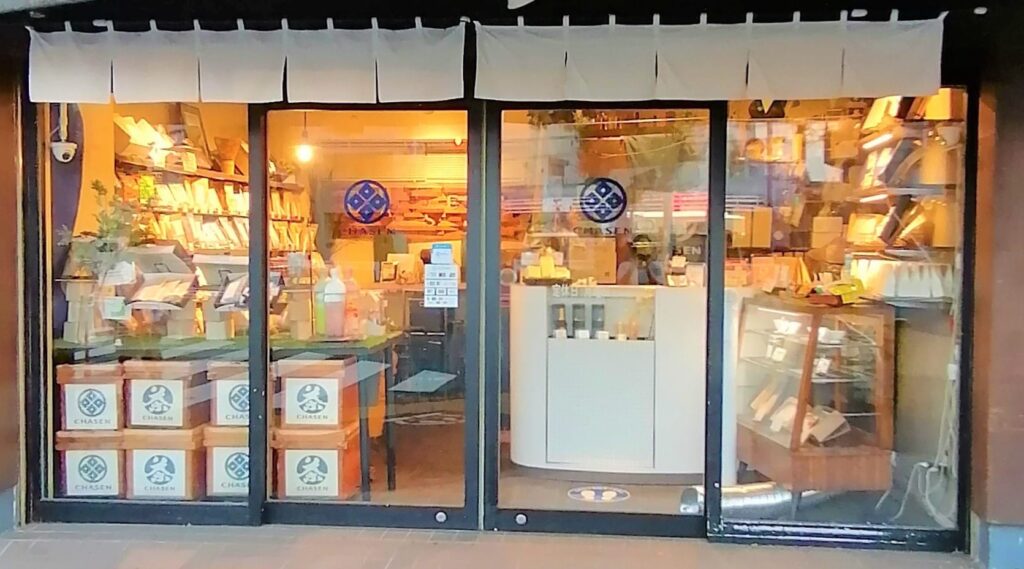
Chasen is a Japanese tea specialty shop run by an owner who trained at a long-established tea house in Kyoto, so yes, the tea credentials are doing their quiet little bow at the entrance.
You can try signature teas here, including their own roasted hojicha, as well as a different daily tea depending on what is being served. It is a lovely stop if you want something classic, fragrant, and deeply comforting.
The takeaway sweets are also worth making room for. The rich hojicha soft serve is the star for many visitors: roasted, creamy, and dangerously easy to justify as “just a snack.” We see you. We support you.
Kosoan
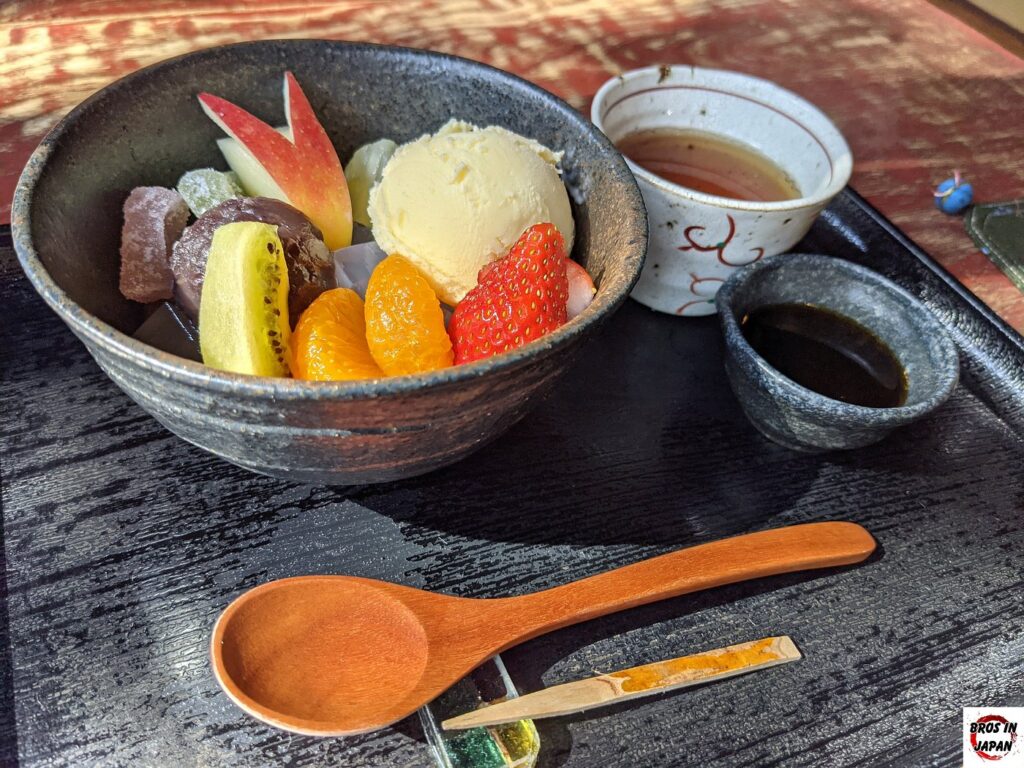
Kosoan is a tea house and gallery where matcha, sweets, antiques, and old Tokyo charm all sit together like they planned this aesthetic decades ago. Which, to be fair, they sort of did.
The building is a repurposed tea room dating from 1954, and it still has that gentle, slightly hidden-away feeling. You can relax with matcha and sweets while looking out over the garden, although weekends can get busy. Peaceful places in Tokyo have a habit of attracting everyone else who also wants peace. Rude, but understandable.
Inside, the atmosphere is rich with folding screens, maki-e lacquerware, antiques, and folk art. The founder is an artist who creates original dolls using crepe silk and antique fabrics, and you can see some of these works in the gallery.
The dolls, dressed in bridal kimono and traditional Japanese clothing, blend beautifully into the space. It all feels atmospheric, nostalgic, and just theatrical enough to make your matcha break feel like a small scene from a very quiet film.
Urasando Garden
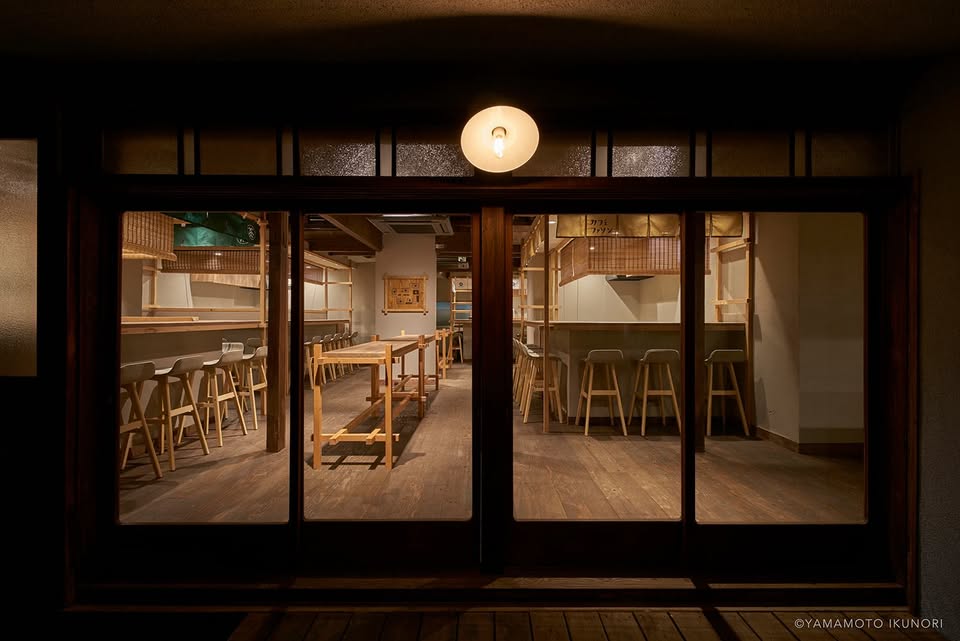
Urasando Garden hides behind the polished main streets of Omotesando, which is exactly why we like it. One minute you are in glossy boutique territory; the next, you slip into a renovated old house with a nostalgic, calmer mood. Tokyo loves a plot twist.
This small commercial complex is built around the idea of experiencing Japanese culture in a casual way. Inside, you will find a mix of shops and cafés, including the long-established tea shop Ujien and Liz Labo Kitchen, known for gluten-free rice flour pancakes.
It is a good stop if you are exploring Omotesando and want something softer than luxury shopping: tea, sweets, old-house atmosphere, and a little breather from the “everyone here owns excellent shoes” energy outside.
Mahoro-do Aotsuki
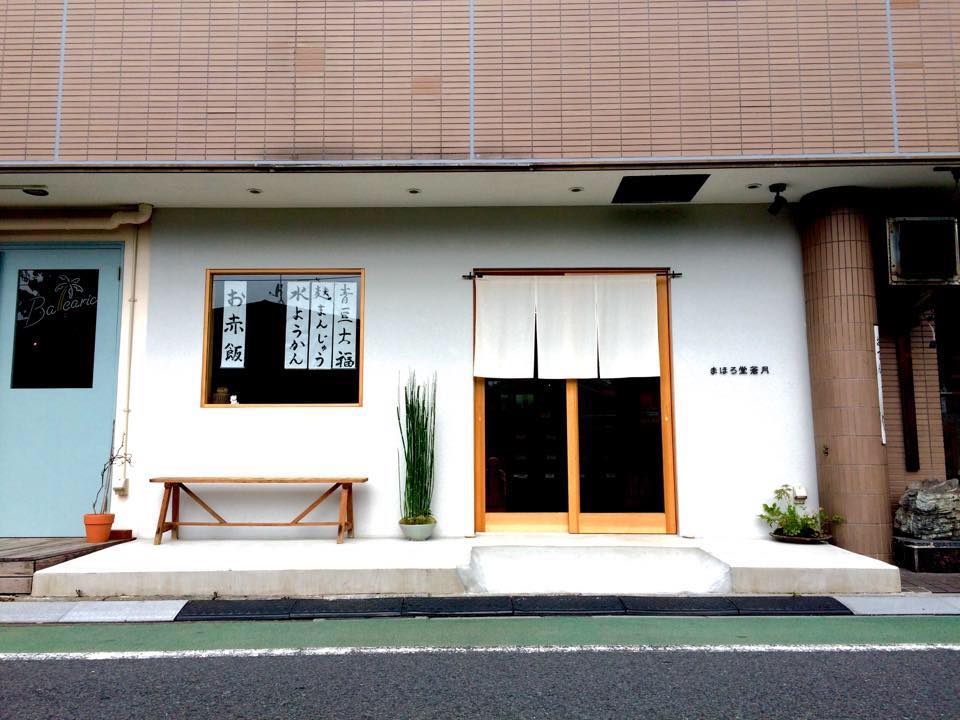
Mahoro-do Aotsuki is a Japanese confectionery shop near Gotokuji Temple, making it a very convenient reward stop after visiting all those famous lucky cat statues. Because sightseeing is better when it ends in sweets. This is science, probably.
The shop is known for green bean daifuku, its most popular item, along with seasonal wagashi, yokan, dorayaki, and sekihan. It is the kind of place where the display case quietly ruins your self-control in the most elegant possible way.
There is also an eat-in space where you can pair Japanese sweets with matcha or hojicha. It makes an ideal break during a slow wander around the neighborhood, especially if your travel style involves “just one more temple” followed immediately by “just one more snack.”
Nakamura Tea Life Store
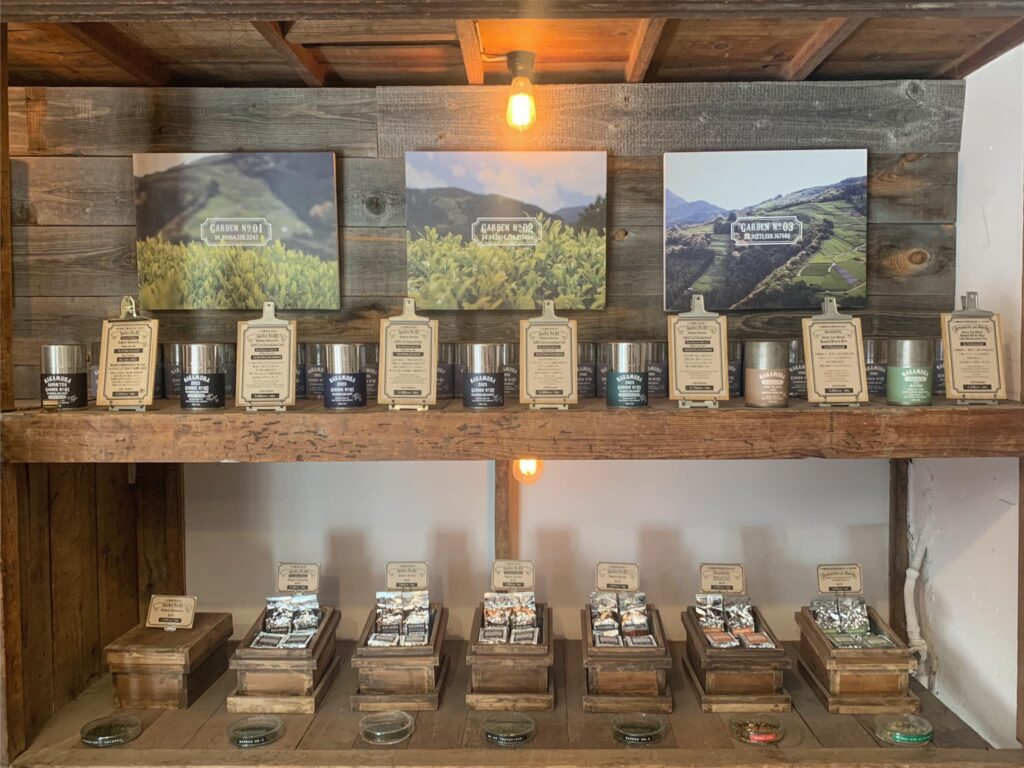
Kuramae is packed with stylish shops and cafés, and Nakamura Tea Life Store fits right into that quietly cool little universe. It is the direct-sales shop of Nakamura Tea Garden, a tea producer that has been growing tea in Fujieda, Shizuoka Prefecture, for more than 100 years.
All the tea leaves sold here are produced using pesticide-free organic farming methods. Each product comes with a quality guarantee certificate listing the harvest date, harvest location, cultivator, and cultivation method. In other words, if you like knowing exactly where your tea came from, this place understood the assignment.
The selection is generous: matcha, sencha, genmaicha, hojicha, black tea, stem tea, and more. You will also find beautifully designed teapots, teaspoons, and tea accessories, making this a lovely stop for souvenirs that feel useful, elegant, and far less chaotic than buying another mystery keychain at the airport.
- Nagoya rainy day with kids in 2026 (Cool Indoor Things to Do )

- Best Gachapon in Tokyo (2026): 20 Places to Find Capsule Toys
- All Japanese KitKat Flavours List: The Ultimate Japan KitKat Guide
- Sapporo rainy day with kids (2026): 7 Cool Indoor Things to Do
- What To Do In Arashiyama With Kids: A Realistic One-Day Family Itinerary